
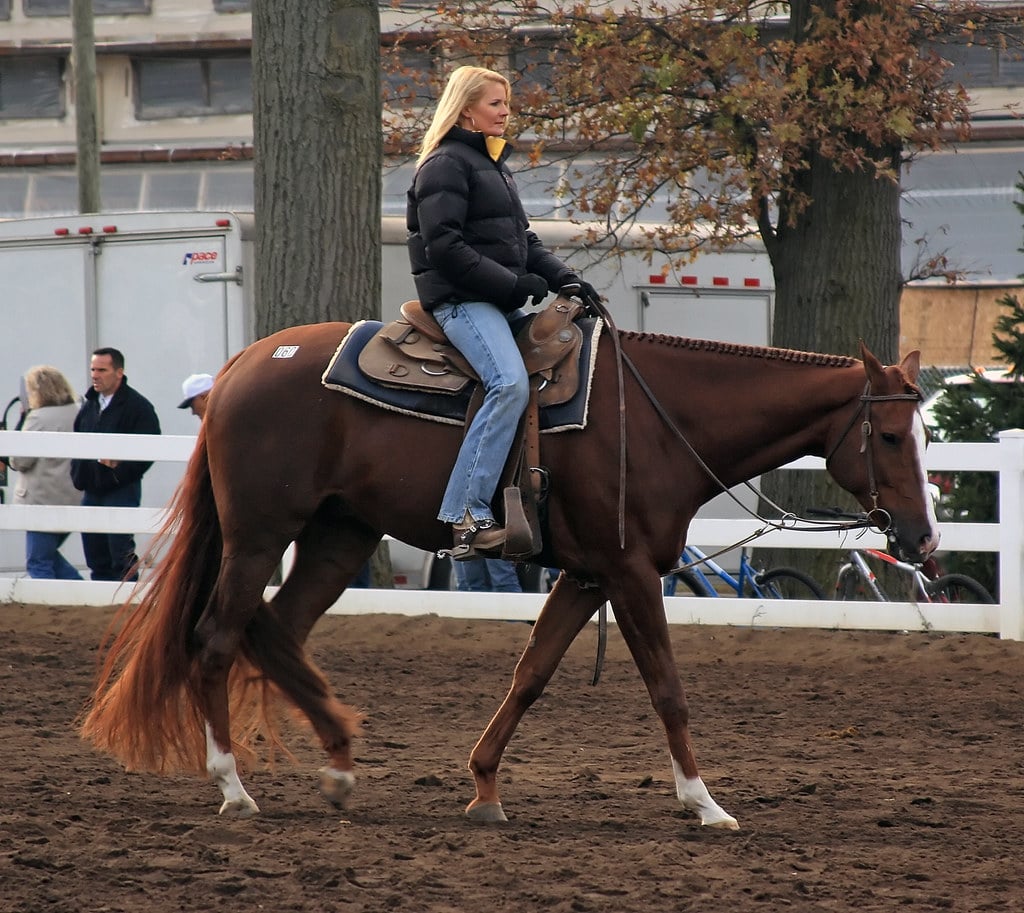
Everyone assumes “bombproof” is a real category of horse, something you can just buy off a listing and trust with your life on day one. Vets will tell you that’s a fantasy sold in glossy sale videos and Instagram reels, not a fact of biology. The horses that look the calmest on camera are sometimes the ones most likely to leave a beginner in the dirt, in debt, or in tears.
What follows isn’t a takedown of these breeds. Most of them are gorgeous, capable, even brilliant, in the right hands. But vets who patch up the fallout keep seeing the same pattern: a nervous first-time rider falls for a look, a bloodline, or a bargain price, and ends up completely over-horsed. Here are the 16 breeds vets say quietly break the most beginner hearts, and exactly why.
#1 – Thoroughbred: The “He’ll Calm Down” Myth

Thoroughbreds are the classic heartbreak story: a kind-hearted beginner falls for a cheap off-track prospect, convinced that patience and love will smooth out the edges. But these are athletes built for speed and adrenaline first, cuddles a distant second. Vets see it on repeat, and they see the same root cause every time – a horse that’s high-drive, thin-skinned, and wired to feel every ounce of pain and stress.
What gets labeled “bad behavior” is often ulcers, saddle fit issues, or old racing injuries flaring quietly under the surface. On top of that, they tend to be hard keepers who need more feed and more careful management, and their soft tissue can fail fast if a green rider over-jumps or rushes their training. A calm, easygoing Thoroughbred absolutely exists, but vets will tell you it’s the exception, not the rule. For a beginner, the more common ending is six months of fear, a stack of vet bills, and a for-sale ad nobody wanted to write.
Fast Facts
- Only 37% of untrained Thoroughbreds have ulcers, but that rate increases to 80-100% within 2-3 months of training.
- Racing careers often wrap up between ages three and six, leaving young, physically mature horses in need of a whole new job.
- Thin skin and a hot metabolism mean many need more calories and more thoughtful blanketing than an average all-purpose horse.
- Old soft-tissue injuries from training or racing can flare unpredictably under a green rider’s uneven cues.
#2 – Arabian: The Horse That Reads You Like a Book
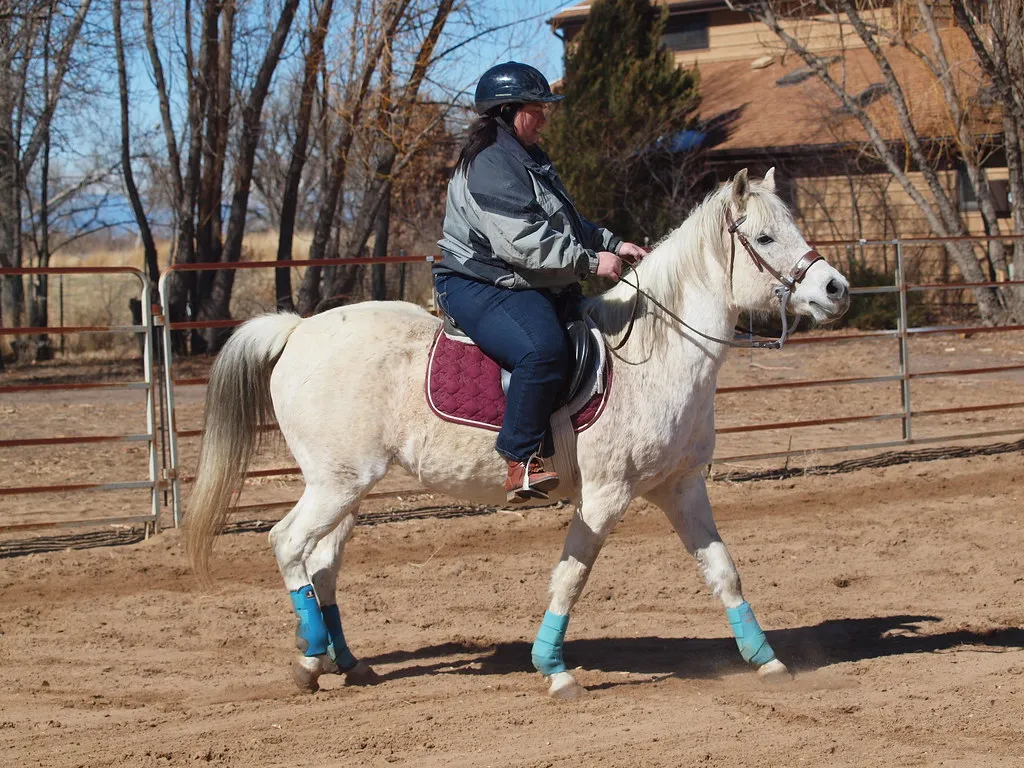
Arabians have a devoted following, and they also top plenty of vets’ “not for beginners” lists. They’re brilliant, endlessly observant, and carry centuries of hot-blooded breeding in every reaction. That same intelligence is exactly why they get bored fast, resent inconsistency, and magnify every rider mistake instead of forgiving it.
Here’s the part most people miss: these horses mirror their handler’s emotional state with unnerving accuracy. A nervous beginner with unsteady hands can turn a naturally sweet Arab into a coiled spring within a few rides. Add legendary endurance to the mix, and you get an animal that can keep going for hours after its rider is mentally done, noticing every flapping tarp and shifting shadow along the way. When that fairytale, big-eyed partner starts spinning at invisible monsters, beginners often feel blindsided and betrayed.
There is no secret so close as that between a rider and his horse.
Robert Smith Surtees
#3 – Dutch Warmblood: The Sports Car on Black Ice
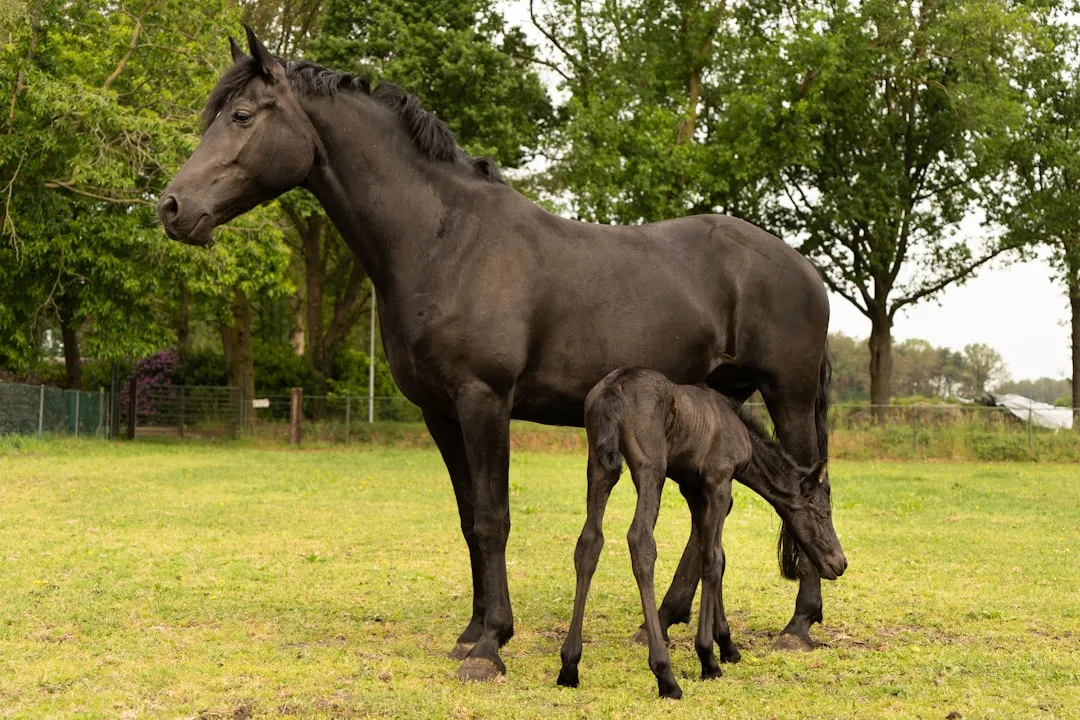
On paper, Dutch Warmbloods look like the dream: tall, elegant movers that dominate dressage and jumping. In real barns, vets regularly see them become over-horsed beginner projects that end in complete burnout. These are horses bred for power and scope, not for tolerating a wobbly seat or inconsistent cues, and when they spook or leap, it isn’t a small mistake – it’s a launch.
Many lines are also late-maturing, both physically and mentally, which means joints and soft tissue stay vulnerable if a beginner schools or jumps too early. They also stay “teenage-brained” longer, testing boundaries in ways that feel dramatic and unpredictable. Riding a high-end Warmblood without real feel and timing is a lot like driving a sports car on ice – vets watch well-meaning owners realize, often painfully, that their big beautiful partner is simply too sharp and too strong for where they currently are.
#4 – Andalusian / PRE: The TikTok Unicorn With a Hidden Switch
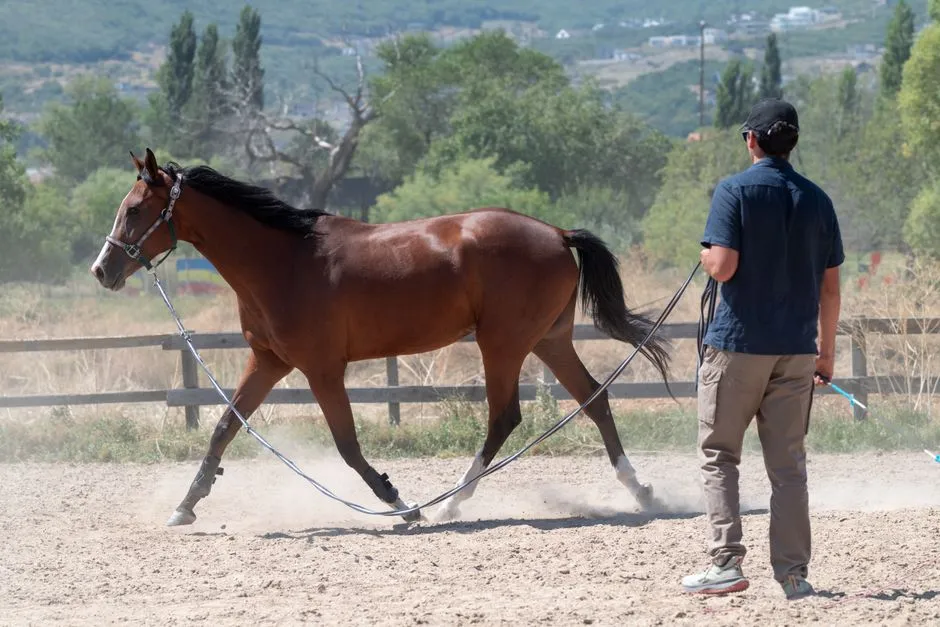
Social media turned Andalusians and PREs into fantasy horses – flowing mane, collected trot, regal neck, the whole beginner daydream. But vets and trainers quietly warn that these baroque horses are often emotionally intense and highly reactive, with a default setting closer to “on alert” than “couch potato.”
The heartbreak comes from a simple mismatch: beginners expect a calm cuddle-horse and instead get a coiled spring that can fake tolerance right up until it suddenly can’t anymore. Because PREs are naturally gifted at collected work, new owners get tempted into advanced movements without a solid foundation underneath, and vets end up treating the fallout – back pain, hock stress, and riders genuinely frightened by the “dramatic” energy that shows up on an ordinary afternoon ride.
#5 – Saddlebred: The Prancing Kite Effect
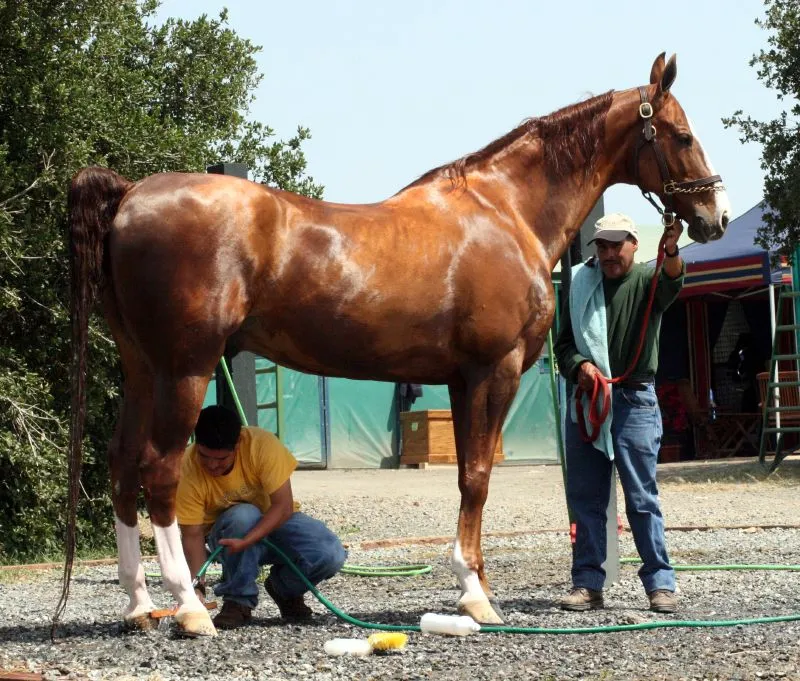
American Saddlebreds get marketed as smooth, flashy, and fun, and they absolutely can be all three. But vets treating trail wrecks and arena falls know the other side: these horses are frequently wired hotter and more reactive than the sales pitch ever mentions. Bred for animation and presence, they naturally go “up” in busy or new environments, which can feel terrifying for someone still learning to simply sit the trot.
A familiar pattern plays out again and again: someone buys a retired show Saddlebred assuming it’ll relax the moment it leaves the ring, only to watch it turn into a prancing kite the first time it hits open scenery. Experienced riders adore that same brio, but for a beginner it erodes confidence fast. The real damage isn’t just the falls – it’s the slow erosion of trust when every single hack becomes an argument about going forward or standing still.
#6 – American Quarter Horse: The Wrong Bloodline Trap
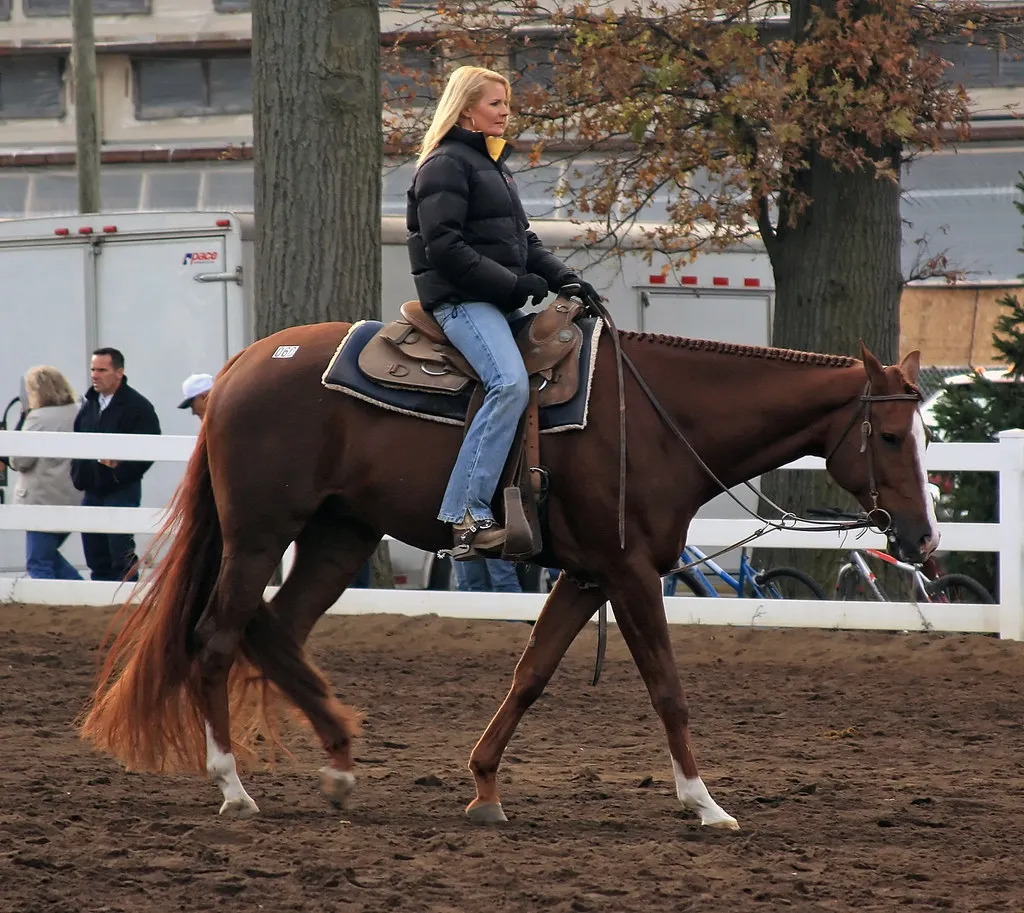
This one tends to start arguments, but vets keep repeating it anyway: the wrong type of Quarter Horse breaks more beginner hearts than anyone likes to admit. The breed’s reputation as “beginner-safe” is real for foundation-bred, ranch-type horses. It falls apart fast with modern performance lines bred for reining, cutting, or barrel racing, which can be ultra-sensitive, powerful, and mentally high-octane.
A finely tuned arena athlete can be a ticking time bomb for a green rider who doesn’t understand how to manage huge stops and lightning-fast turns. Vets see a steady wave of tendon strains, sore hocks, and sour attitudes when novices push these horses into workloads they aren’t ready to handle. Beginners buy a famous bloodline assuming it guarantees safety, then end up crying in the tack room when their “steady” horse starts spinning, jittering, or blowing straight through the aids. The label isn’t enough – the specific line and training history matter far more.
Quick Compare
- Foundation/ranch-bred: Steady mind, low-key gaits, historically built for all-day cattle work and beginner tolerance.
- Modern reining/cutting lines: Bred for lightning-fast stops and spins, high sensitivity, and a need for precise, educated cues.
- Barrel-bred lines: Built for explosive speed and tight turns – often far more “go” than a first-timer can handle.
- The takeaway: the words “Quarter Horse” on a bill of sale tell you almost nothing about temperament without knowing the bloodline behind it.
#7 – Friesian: The Fantasy Horse With Fragile Legs
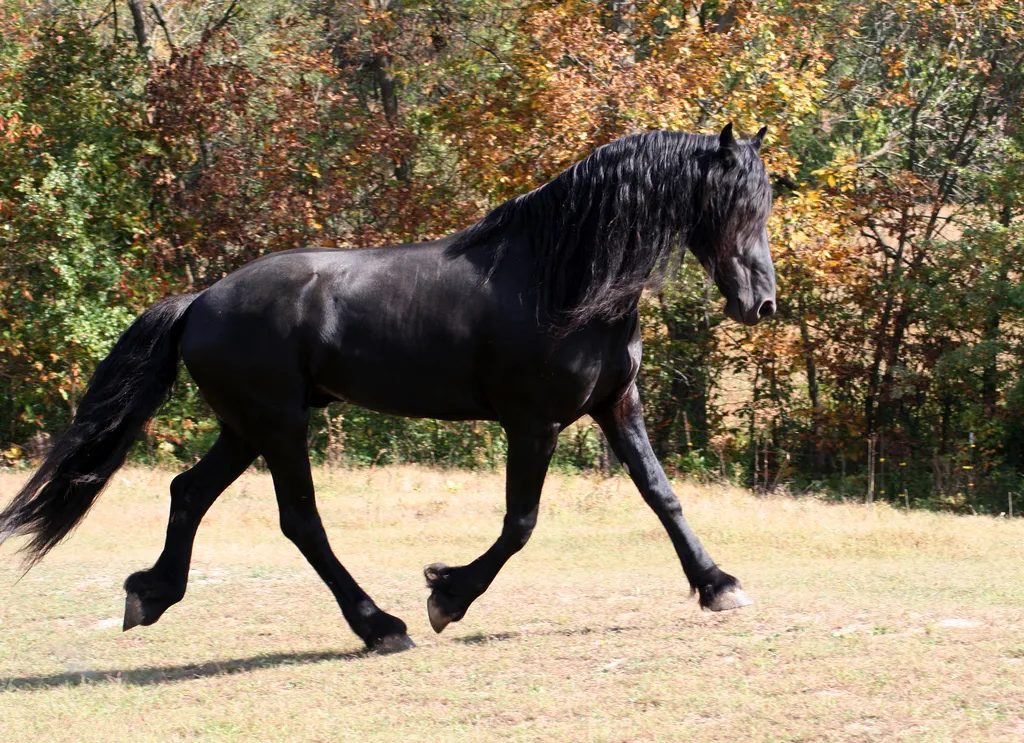
Friesians look like they walked out of a storybook – jet black, dripping with feather, gentle-eyed – which is exactly why beginners fall hard. Vets will tell you the truth underneath the drama: there’s often a lot going wrong in the legs and cardiovascular system. Modern Friesians can be predisposed to weak hind limbs, feather-related skin problems, and in some lines, more serious hereditary concerns.
Emotionally they’re often big-hearted and willing, but also easily overwhelmed if trained roughly or rushed, and physically limited for intense work without careful, patient conditioning. The heartbreak lands when new owners discover exactly how expensive and complicated this breed’s care really is. Routine vet, farrier, and skin-management bills stack up fast, and if soundness problems appear on top of that, retiring or rehoming the “dream horse” can feel like a personal failure rather than a smart, necessary decision.
#8 – Tennessee Walking Horse: The Show-Bred Horse Hiding Old Scars
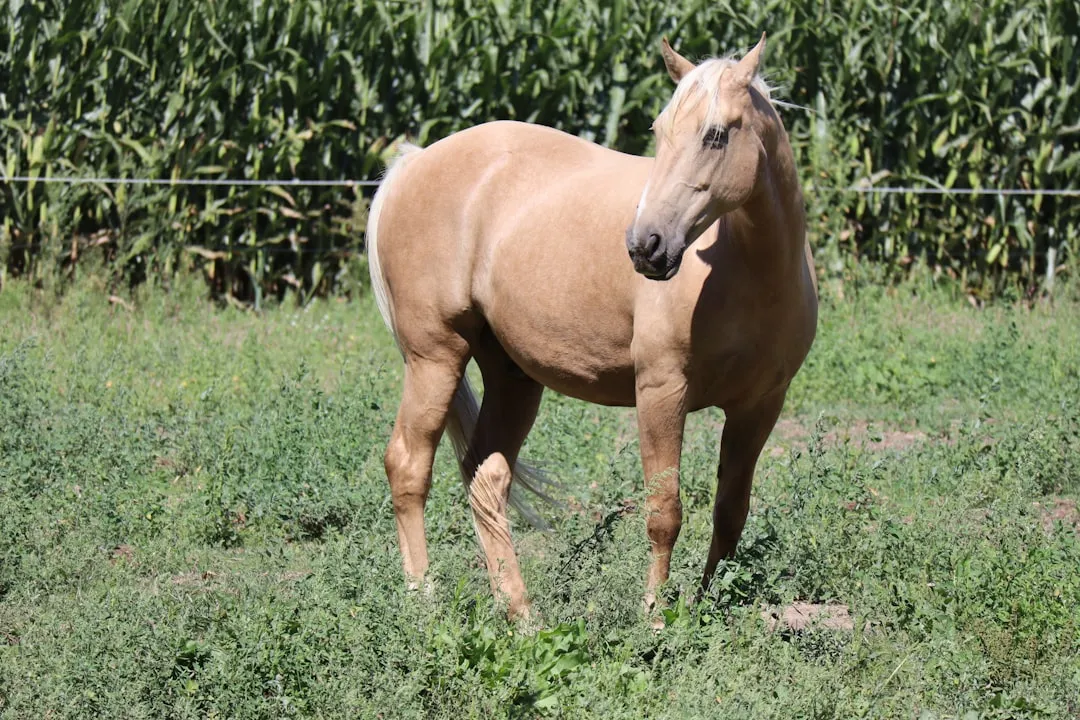
Calm trail-bred Tennessee Walkers can be near-perfect beginner partners. But vets draw a hard, non-negotiable line between those and show-bred Walkers carrying a history of harsh training or “big lick” performance work. These horses often carry physical and psychological scars that only surface once they’re out of the show world and into a beginner’s backyard.
Common findings include chronic hoof, pastern, and back pain from past shoeing practices, along with confusion or anxiety when finally asked for normal, natural gaits instead of exaggerated ones. Beginners, seduced by that buttery-smooth gait and a tempting price tag, don’t realize they’re inheriting years of unresolved baggage. The horse that seemed angelic at the test ride can start pacing, rushing, or panicking the moment retraining begins, and vets routinely watch good-hearted people sink money into rehab that’s simply beyond their time and skill to finish.
#9 – Off-Track Standardbred: The “Cheap and Quiet” Illusion
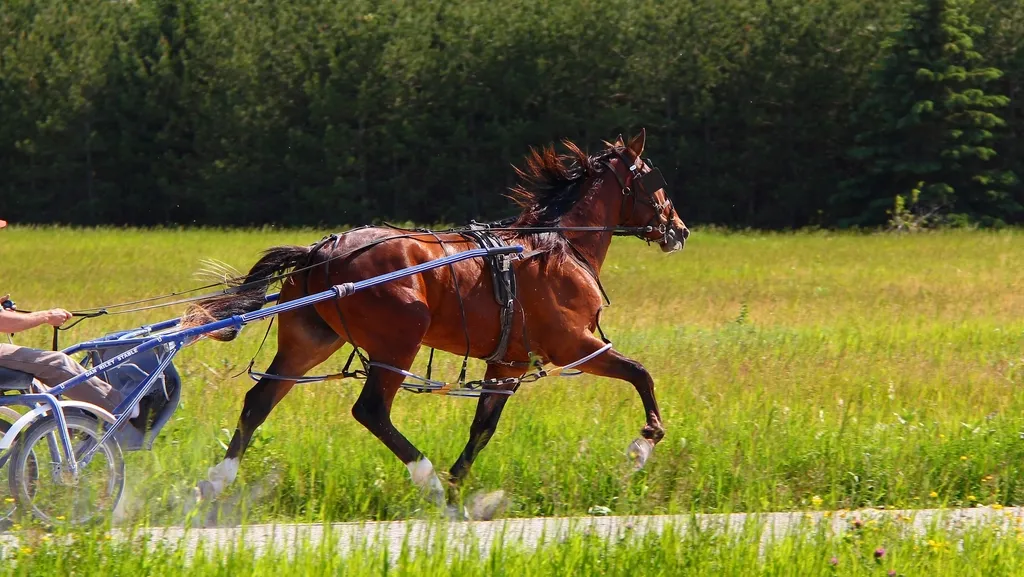
Standardbreds get pitched to beginners as cheap, quiet ex-racers, and some genuinely are gems. But vets who work with OTT Standardbreds see the rough edges too: these are powerful horses conditioned to GO, sometimes stuck in a pacing mindset that confuses novice riders completely. Teaching one to canter smoothly under saddle is a real project, not a weekend tweak.
New owners often expect a plug-and-play trail horse and instead get one that feels genuinely strange to ride, unresponsive to standard cues it was never taught. Years spent in harness can also leave behind hock, suspensory, and back issues that only show up once a saddle and rider’s weight enter the picture. When that “affordable rescue” suddenly needs joint injections, a custom saddle, and months of retraining, beginners feel blindsided – even though most vets insist Standardbreds deserve a real second career, just with experienced, patient owners who understand the process.
#10 – Appaloosa: The Vision Loss Nobody Warns You About
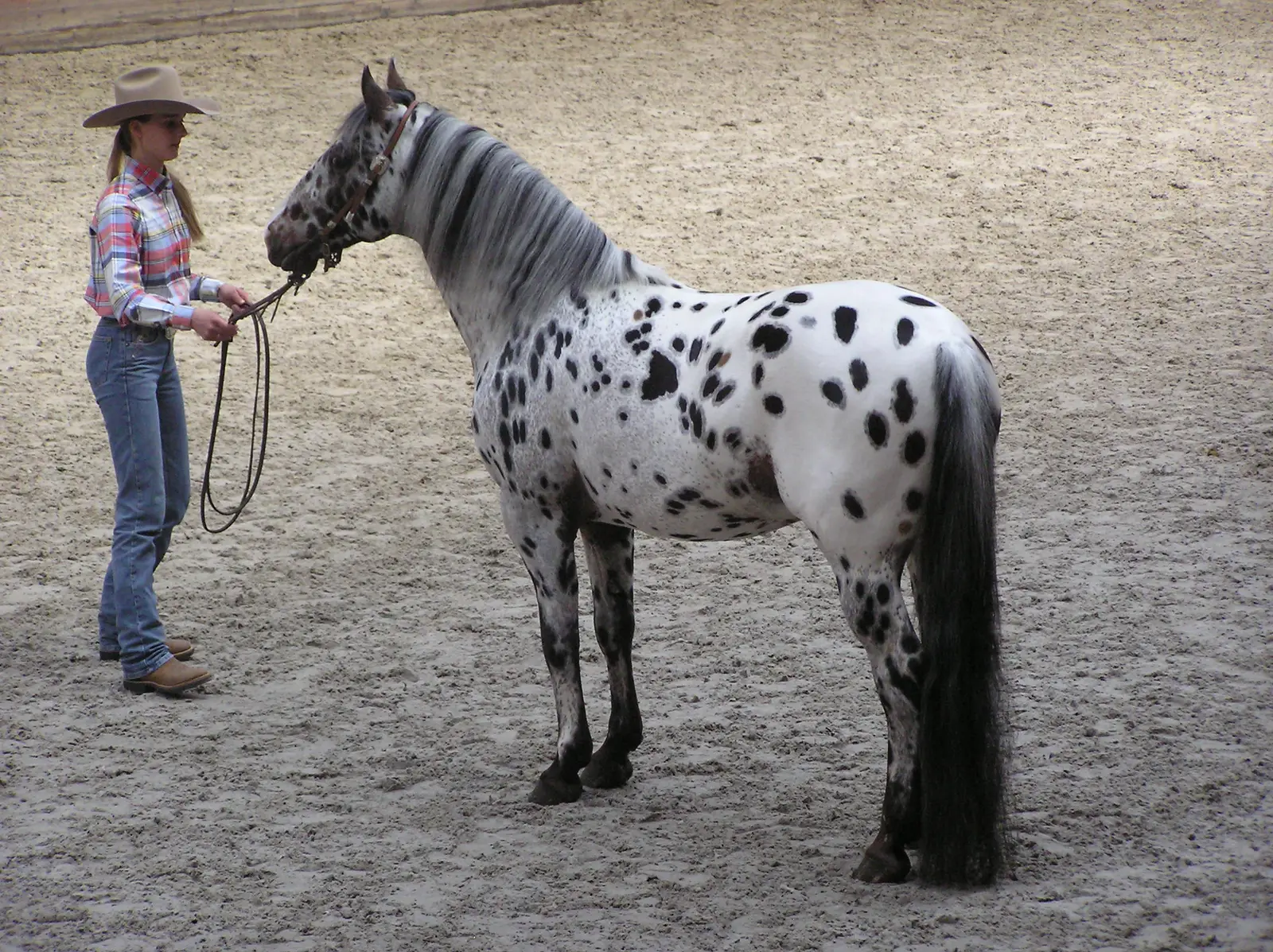
Appaloosas have a fiercely loyal fanbase, and plenty are solid, dependable mounts. But vets keep circling back to one recurring heartbreak: eye problems and vision loss that new owners were never warned about. Certain lines are more prone to conditions like uveitis, which can quietly progress toward partial or total blindness over time.
It doesn’t stop there. Some lines carry sharper, more opinionated temperaments, and horses labeled “stubborn” are frequently just uncomfortable or confused. For a first-time owner, watching a confident trail partner turn into a horse that spooks violently at shadows because it can’t see well on one side is emotionally brutal. Managing medications, fly masks, and constant vet visits becomes a full lifestyle shift, and beginners often blame themselves when really they were let down by poor disclosure and a lack of breed-specific education.
Worth Knowing
- Appaloosas are 8 times more likely to develop ERU than other breeds studied.
- Appaloosas are four times more likely to go blind as a result of ERU.
- Equine recurrent uveitis, also known as moon blindness, is the most common cause of blindness in horses worldwide.
- Genetic studies have identified LP, the allele causing the white spotting pattern, as an ERU risk factor in the breed, with homozygotes being at highest risk.
#11 – Warmblood Crosses: The Equine Lottery Ticket
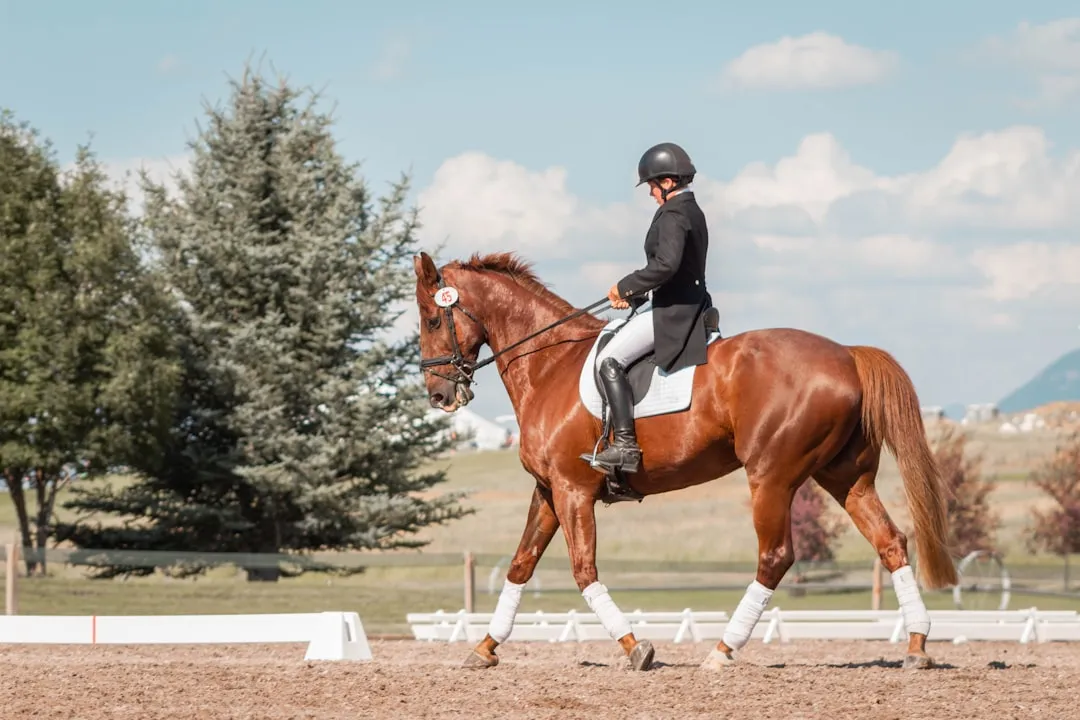
“Warmblood cross” sounds fancy and reassuring, but vets have a blunter nickname for these horses: the equine lottery ticket. Without clear breeding records, you might be getting a cocktail of Thoroughbred, Saddlebred, or Arabian blood layered onto a big, athletic frame – a combination that can produce a horse too smart, too sensitive, and too physically powerful for a novice to manage.
Vets frequently see growth and joint issues in tall youngsters pushed too fast, plus big brains paired with busy bodies that explode the moment they’re under-exercised. The heartbreak here rarely arrives as one dramatic incident. It’s the slow, sinking realization that this horse will never be the relaxed, easy ride the owner pictured – always a little on the muscle, always needing a professional tune-up, always one bad ride away from a setback. The budget version of a fancy show horse often becomes a long, expensive education nobody signed up for.
#12 – Mustang: When Love Isn’t Enough to Undo the Wild
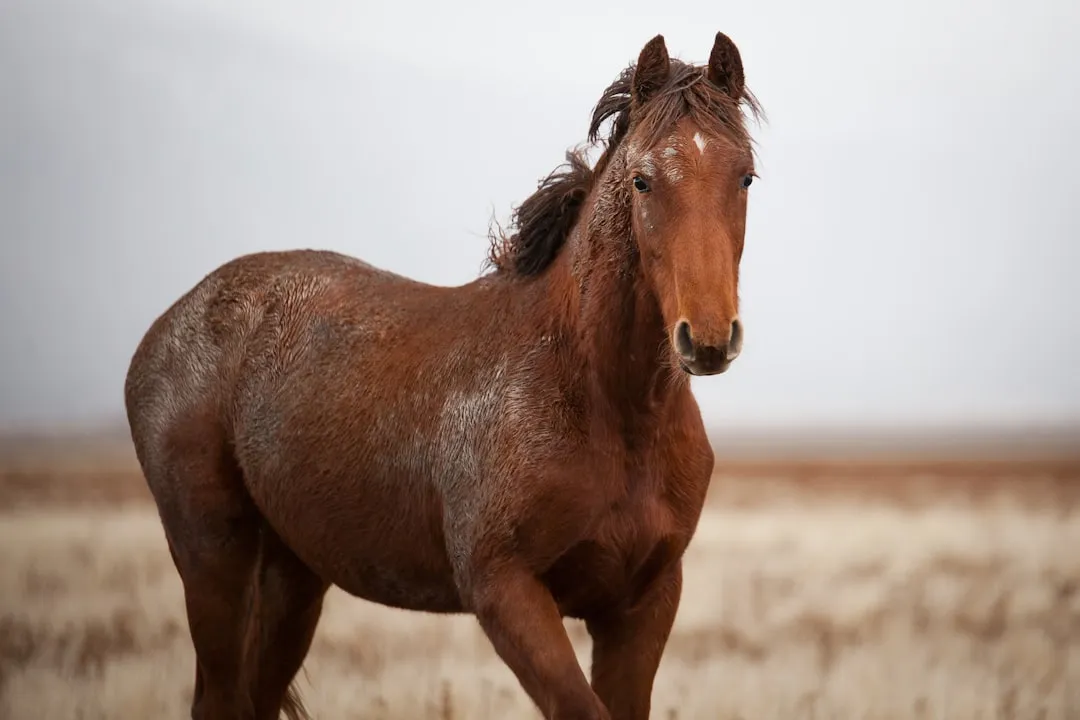
Mustangs come with a heroic backstory – rescued from the range, now somebody’s loyal partner – and vets fully support that mission. But they’re blunt about one thing: a freshly adopted or minimally handled Mustang is not a beginner horse. These are prey animals with survival instincts sharpened by open range, not years in a cushy barn, and their default reaction to fear is simply to run.
Gentling takes real time, consistency, and skill, often measured in months or years rather than weeks, and even basic tasks like hoof care or trailer loading can turn high-drama fast. The emotional crash hits when beginners realize love alone can’t override instincts this deep. Many feel guilty handing the horse to a trainer, but pushing forward while scared helps nobody – horse or human. Mustangs shine brightest with patient, experienced handlers who respect where they came from, not as a first-ridden project for someone still learning to pick out a hoof.
#13 – Gypsy Vanner: The Storybook Horse With a Hidden Vet Bill
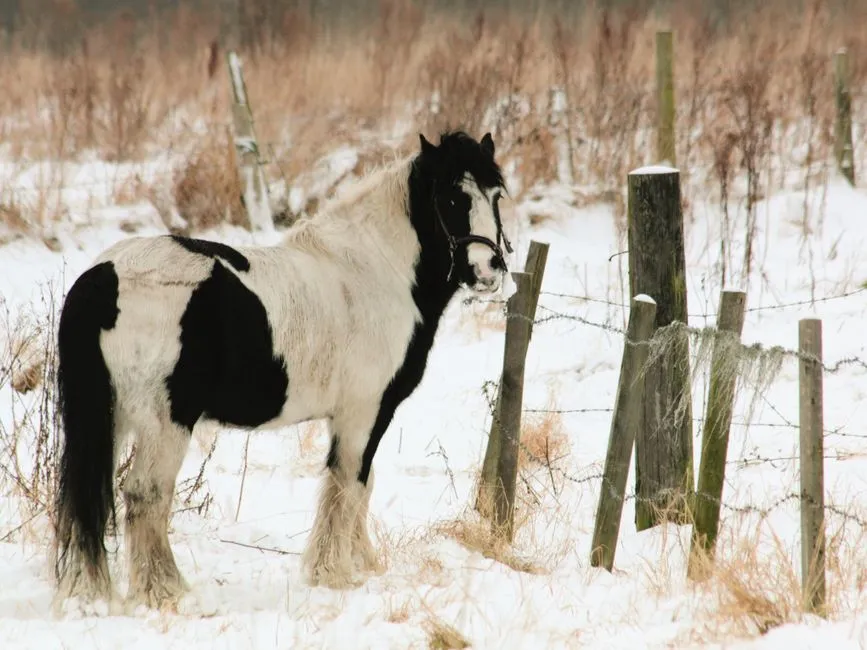
Gypsy Vanners exploded in popularity because they genuinely look like living storybooks – feathers, spots, and a reputation as gentle giants. Vets agree many are kind-natured, but they flag two under-discussed problems: chronic skin and hoof issues buried under all that hair, and a surprising number with low-level, undiagnosed lameness hidden by their heavy build.
Common headaches include scratches, mites, and dermatitis under the feathering that need constant, hands-on care, plus owners underestimating exactly how fit and correctly muscled these horses need to be to stay sound. Beginners picture a low-maintenance cuddle bug and instead get daily leg washing, specialized farrier work, and strict diet management to dodge obesity and metabolic trouble. When the vet bills start rivaling a luxury car payment, that dream horse can quietly turn into a financial and emotional trap.
#14 – Icelandic Horse: The Sports Car Disguised as a Pony

Icelandics are small, fuzzy, and endlessly charming, so beginners naturally assume they’re oversized ponies. Vets who know the breed well push back hard: Icelandics are tough, opinionated, and often far too forward for a nervous rider. That famous tölt feels perfectly safe right up until the horsepower kicks in and the short, stocky body starts motoring forward like a compact sports car.
There are hidden medical landmines too – high sensitivity to changes in diet and environment, plus a strong predisposition in some lines toward metabolic issues if overfed or underworked. Under-stimulated Icelandics can turn spooky, nappy, or genuinely obnoxious, while overfed ones can become dangerously laminitic. The heartbreak lands when the “cute little Viking pony” starts tanking off mid-tölt, or ends up on a strict, vet-managed diet and exercise plan that overwhelms a first-time owner completely.
At a Glance
- It is the only horse breed in the world that can perform five gaits.
- The tölt can carry you along at up to 20 miles per hour, which is a lot of horse for a nervous beginner to sit through.
- Once an Icelandic horse leaves the country, it can never return to Iceland, a rule meant to protect the breed’s health.
- Despite their pony-sized stature, Icelandics are classified as horses, not ponies, thanks to their sturdy bone and dense muscle.
#15 – Welsh Pony: The Show-Ring Darling That Outsmarts Everyone
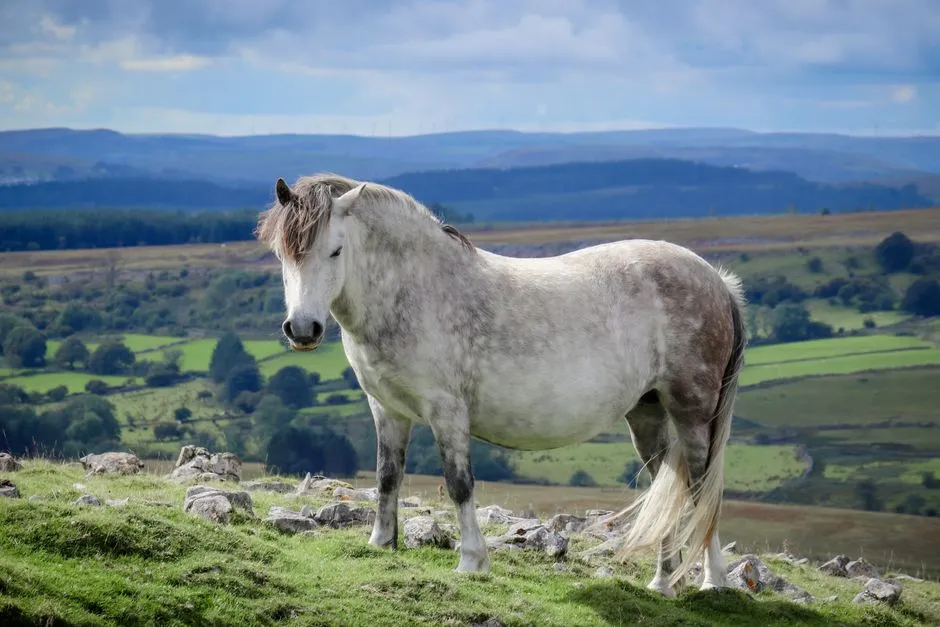
Welsh ponies are the darlings of show rings and kids’ classes, but vets know the unfiltered version too: they’re often too smart, too quick, and too opinionated for true beginners. A saintly schoolmaster Welsh does exist, but casual buyers frequently end up with the green, spicy version that outsmarts both child and parent within a matter of weeks.
Vets and trainers both report ponies labeled “naughty” when they’re really just bored and under-challenged, alongside a shocking number of falls caused by quick spooks, spins, or dirty stops. For a confident, well-coached rider, that spark is a gift. For a tentative child or adult beginner, it’s terrifying, and the emotional damage from a bad accident on a small, “supposed-to-be-safe” pony can linger for years. Plenty of vets quietly recommend a larger, slower horse with a known history over a bargain, unproven Welsh – no matter how adorable it looks in photos.
#16 – Irish Sport Horse: Bravery and Power Dialed to 11

Irish Sport Horses get marketed as the perfect all-rounder – brave, scopey, and “amateur friendly.” Vets largely agree they’re fantastic animals, but they stress one crucial detail: many are purpose-bred eventers with bravery and power dialed up to eleven. Put that engine in the wrong hands, and you get freight-train energy with zero brakes, willing to jump anything, including things a beginner never meant to point them at.
Clinic vets see the pattern constantly: a novice buys an imported ISH with a big record and an even bigger engine, and within months the rider is over-faced, the horse is frustrated, and minor injuries start showing up from mismatched riding. These horses need clear, confident direction; without it, they default to doing the job themselves – charging fences, ignoring half-hearted aids, and getting strong as a coping mechanism. Watching a scared rider hang on for dear life doesn’t just risk a fall. It quietly erodes trust on both ends of the reins.
The Bottom Line
The real heartbreak isn’t that these 16 breeds are somehow “bad.” It’s that they’re wrong for the story beginners get sold. Vets watch the same movie on repeat: a rider falls in love with a look, a label, or a bargain price, and ends up over-horsed, out of money, and scared to get back on.
Every breed on this list can be phenomenal, with the right rider, the right training, and the right management behind it. But in the wrong context, they don’t just cause a bad ride – they quietly shatter confidence and drain bank accounts. If there’s one opinion worth taking from the vets who patch up the fallout, it’s this: a plain, older, “boring” schoolmaster will teach you more, protect you better, and break your heart far less than any flashy dream breed ever will.
Did we just call out your favorite breed – or do you think the vets are being too harsh? Drop your experience in the comments.
