
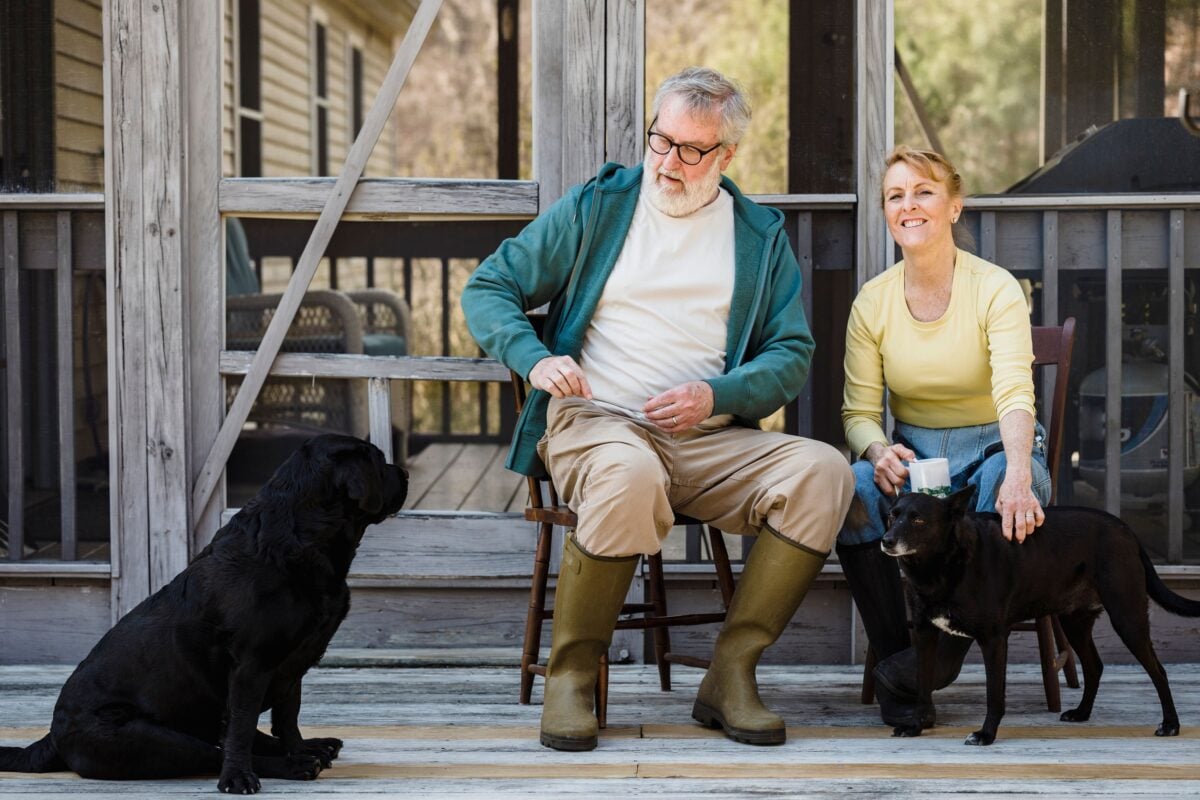
Everyone assumes a senior dog with a full bowl, a soft bed, and a slow walk around the block is a happy, well-cared-for dog. Vets and behaviorists say that’s only half the story. Older dogs quietly develop an emotional hunger that most owners completely miss, and it has nothing to do with pricier food, fancy gadgets, or another joint supplement.
As a dog ages, one specific need actually gets louder, not quieter. Yet most owners instinctively give less of it, not more. That mismatch is exactly why so many “well cared for” seniors end up looking sad, clingy, or checked out, even in a home that seems to have everything covered. Here’s what seven telling signs in your aging dog’s daily behavior are really saying, and the one thing tying all of them together.
#1 – Unrushed, One-on-One Time (Without Your Phone)
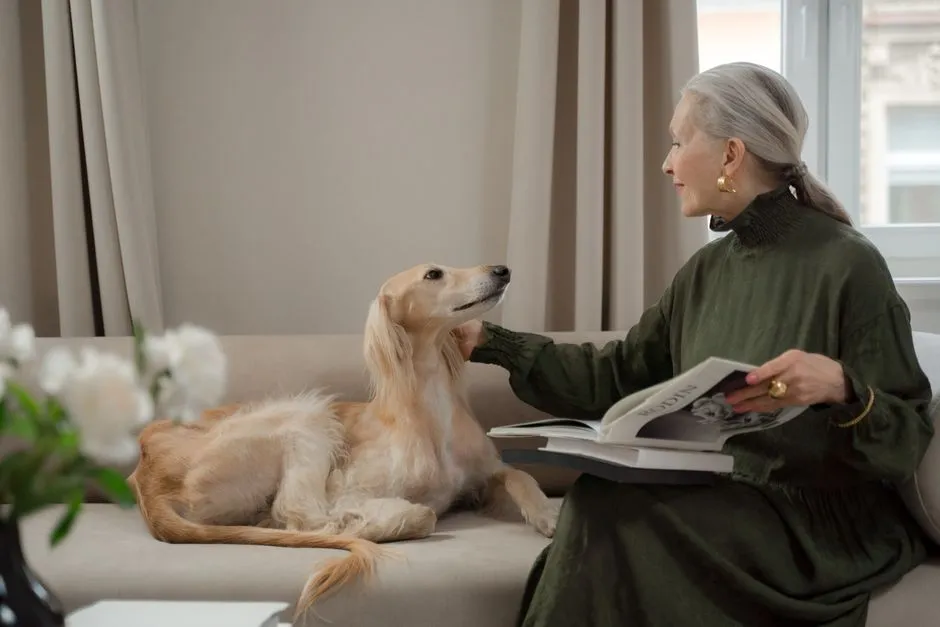
Most senior dogs don’t secretly want more toys. They want more you, without competition from a screen. As dogs age, their world gets smaller; they can’t see, hear, or move like they used to, so the constant swirl of stimulation that once filled their days quietly disappears.
What fills that gap is unhurried, predictable one-on-one time with their person. Not half-listening while scrolling. Not a rushed pat on the head on your way out the door. For an old dog whose day is 90 percent waiting, fifteen minutes of undistracted contact can be the difference between tolerating life and actually feeling safe in it.
Fast Facts
- Reduced eye contact or tail response during normal greetings can signal quiet withdrawal, not just fatigue.
- A slower reaction to their own name is often an early emotional sign, not only a hearing issue.
- Dogs who face away from family activity for long stretches may be disengaging, not simply resting.
- Short, phone-free check-ins spread through the day tend to register more than one long session.
Many owners do the opposite without ever meaning to. More TV, more phone, shorter walks, less floor time. Slowly, the dog becomes background noise in his own home, and behaviorists consistently see medically stable seniors slide into depression-like withdrawal from nothing more than emotional neglect.
But #2 gets even more physical, and it’s where good intentions quietly backfire.
#2 – Gentle Physical Touch That Adapts With Age
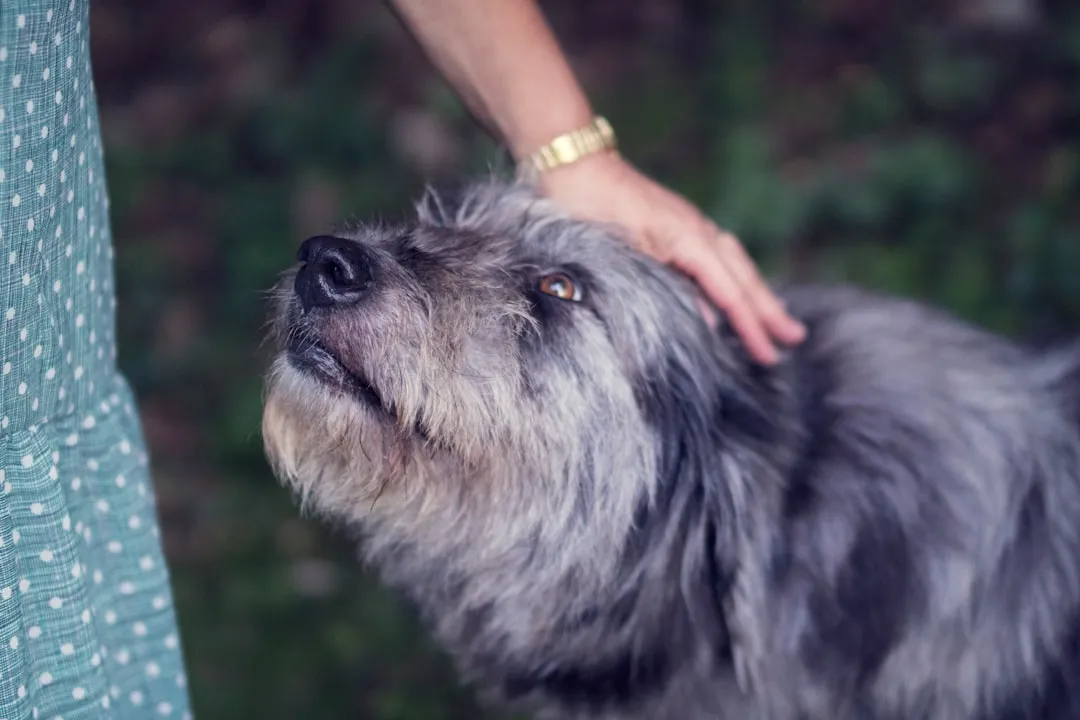
Senior dogs don’t want less touch, they want different touch. When they were young, they may have loved roughhousing, big bear hugs, or chaotic kids climbing all over them. In old age, arthritis, sore joints, and a fragile back can turn that exact same handling into quiet misery.
What they long for now is slow ear rubs, soft chest strokes, and light massage along the muscles that stiffen up during the day. Many will visibly lean into a gentle hand and let out a long sigh, and that’s not drama, that’s their nervous system finally exhaling.
Here’s the twist most owners miss: because seniors flinch away from rough or clumsy handling, people assume “he doesn’t want to be petted anymore.” So they pull back affection at the exact moment the dog needs it most. In reality, touch becomes more essential for bonding and stress relief with age, it just has to be tender, brief, and offered fully on the dog’s terms.
Even that doesn’t compare to the quiet stress hiding inside #3.
#3 – Predictable Routines That Never Surprise Them
Old dogs crave peace far more than novelty. Surprise, for them, is rarely fun; it’s pure stress. A senior dog’s brain processes information more slowly and their senses have dulled, so sudden changes like a new schedule, a random late dinner, or loud visitors can make the whole world feel unsafe overnight.
What they quietly long for is a boringly predictable rhythm: meals at roughly the same times, walks that feel familiar, sleep in the same safe spot, small rituals they can see coming from a mile away. Most owners drift the other direction as their dog ages, fitting the old dog around a busier life because “he just sleeps all day, he won’t mind.”
But older dogs track patterns obsessively. When things shift constantly, you’ll see pacing, whining, sudden clinginess, or house accidents that people blame entirely on age. Often it isn’t dementia at all. It’s a dog who genuinely cannot predict what’s coming next and is living in a low-grade state of confusion because of it.
Here’s where most owners feel personally called out, in #4.
#4 – Permission To Move at Their Own Slow Pace
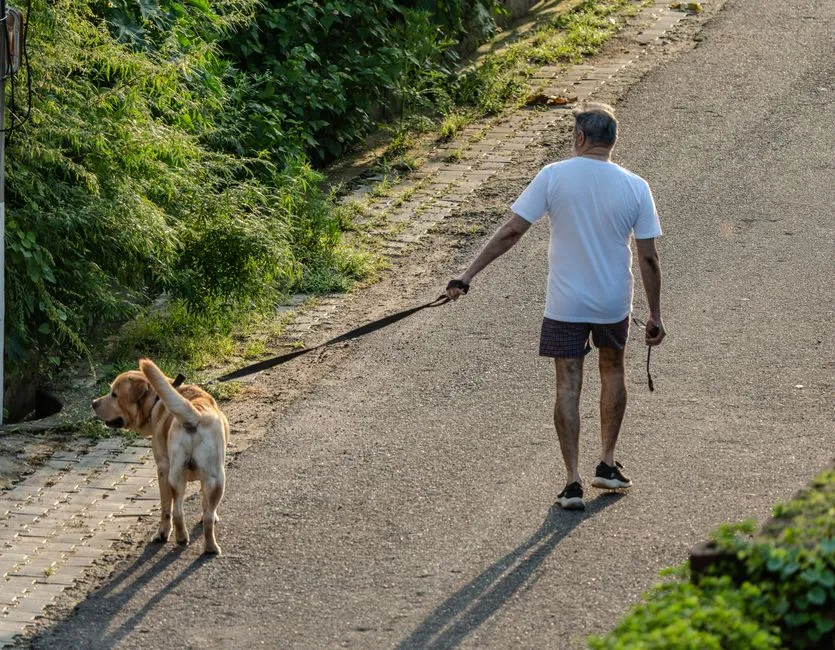
Senior dogs don’t long for puppy-level exercise. They long for dignified slowness. Most owners fall into one of two traps: pushing their old dog like nothing’s changed, or stopping walks almost entirely. Both feel wrong to the dog’s body and his spirit.
Aging joints, weaker muscles, and sometimes heart or lung changes mean your senior can’t power-walk like he used to, but his body still craves gentle movement to keep pain and stiffness from taking over completely. What they really want looks simple:
- Shorter, more frequent walks with zero pressure to “keep up.”
- Time to stop, sniff, and simply exist without being dragged along by the leash.
Quick Compare
- Too little movement: faster muscle loss, stiffer joints, quicker cognitive decline.
- Too much movement: pain flare-ups, exhaustion, growing reluctance to walk at all.
- The sweet spot: short, frequent, sniff-filled walks with no forced pace.
Rush an old dog and you turn a basic need into a daily struggle. Retire him to the couch instead, and you actually speed up muscle loss and joint pain. The sweet spot is slow, sniffy, ego-free walks where the goal isn’t steps, it’s comfort and a little mental stimulation.
But nothing hits harder than what’s happening inside #5.
#5 – Emotional Validation When Their World Starts Shrinking
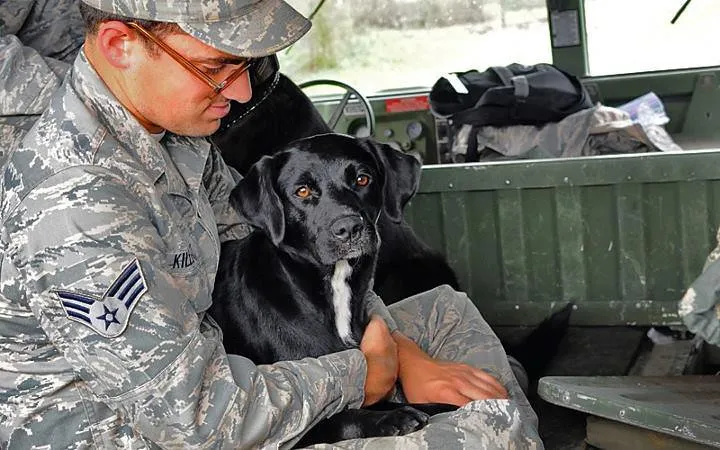
Senior dogs sense loss long before humans ever say a word about it. They notice the stairs suddenly feel scary, the car rides stop happening, and fewer visitors bother bending down to greet them. They get left home more often because “it’s easier” or “he’s too old for that now.”
What they quietly yearn for is something humans almost never think to give a dog: emotional acknowledgment that the rules changed and they still matter. That looks like narrating transitions in a calm, loving tone, something as simple as “Buddy, we’re going slower now, I’ve got you,” and it means inviting them into the center of family life even when they can’t join every activity anymore.
The greatness of a nation and its moral progress can be judged by the way its animals are treated.
Mahatma Gandhi
Just like older humans, many dogs grieve lost abilities. When that grief goes unacknowledged, some seniors become withdrawn, restless at night, or anxious the moment they’re left alone. Your voice, your patience, and your willingness to include them anyway are what tell them they still matter.
Still, #6 might be the most overlooked one on this entire list.
#6 – A Safe, Quiet “Retirement Corner” That’s Truly Theirs
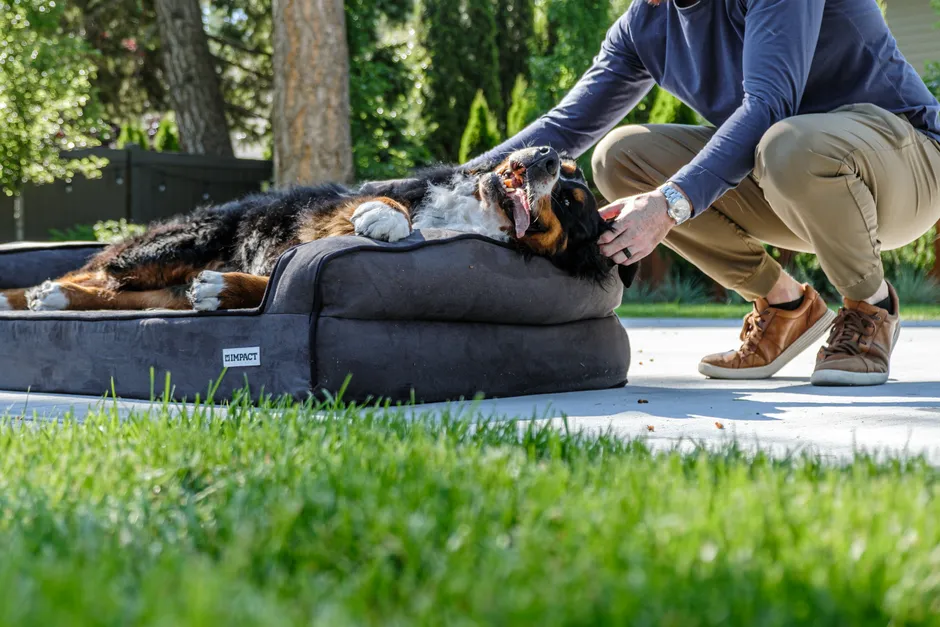
Senior dogs secretly crave a retreat, not an exile to some forgotten corner. People love to brag, “he’s so good, he sleeps anywhere.” But as dogs age, hard floors, drafty doorways, and busy walkways become genuinely miserable, and a slamming door or racing kids can jolt arthritic bodies and frayed nerves in a way that lingers.
What most owners never realize is that their old dog is often sleeping in the worst acoustic and physical spot in the entire house, simply because that’s where the bed “always was.” What he actually wants is quieter and simpler than people expect:
- A thick, orthopedic-style bed set away from drafts and constant foot traffic.
- Soft lighting, low noise, and a predictable setup he can navigate by memory alone.
Worth Knowing
- Keep the spot away from doors, vents, and high-traffic hallways where sudden noise or drafts can startle a sleeping senior.
- Low, easy-entry bedding matters more than size once climbing or jumping becomes uncomfortable.
- Consistency counts: moving the bed around forces an already-confused dog to relearn safety cues.
This isn’t about spoiling him. It’s about nervous-system safety, and a dedicated, calm retirement corner can measurably reduce nighttime restlessness, startle responses, and even some forms of irritability in seniors.
And here it is, the one thing sitting underneath everything else on this list.
#7 – Being Talked To Like a Family Member, Right Until the End
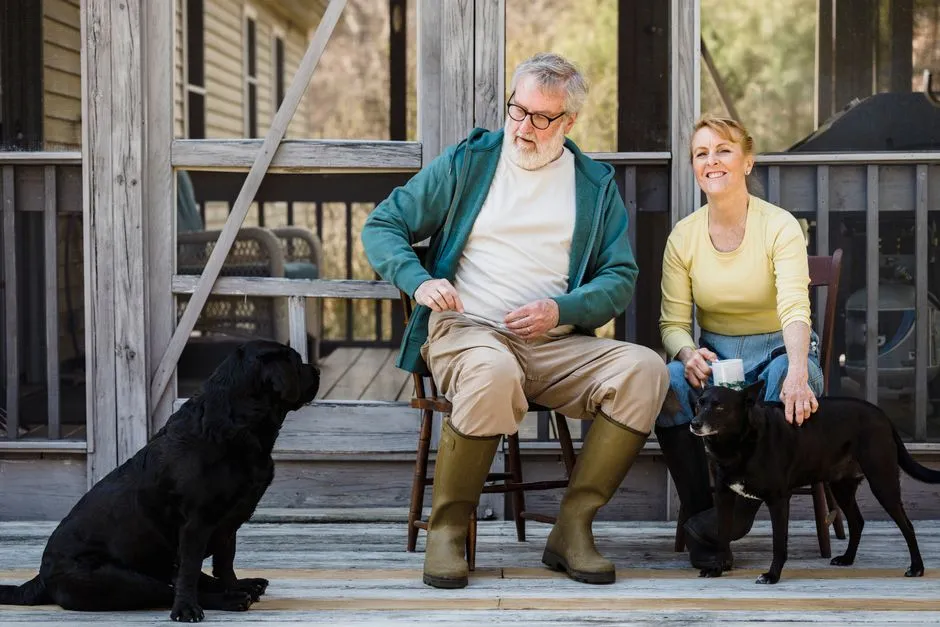
Here’s the part almost no one wants to admit: the one thing every senior dog quietly longs for, more than toys, more than treats, more than anything else, is ongoing, meaningful communication with their person. Not baby talk performed for the camera. Real, everyday conversation, the kind you’d give any family member.
Dogs don’t understand every word, but they understand tone, rhythm, routine phrases, and their own name woven gently into a sentence. Senior dogs, especially those losing sight or hearing, lean harder on your voice as their last, most reliable anchor to the world.
Why It Stands Out
- Familiar tone and rhythm can orient a dog whose eyesight or hearing is fading.
- Hearing their name woven into everyday chatter reinforces a sense of belonging, not just recognition.
- Regular verbal contact costs nothing, yet it’s often the first thing owners quietly cut back on.
When that voice goes quiet, no more chats during chores, no more “good morning” or “there you are, old man,” their world dims a little more than people realize. Owners often withdraw emotionally before the body is even gone, out of fear of loss. They touch less. They talk less. They start treating the dog like a fragile object instead of a lifelong partner.
What senior dogs actually crave is to feel spoken to, noticed, and included in the daily narrative until their very last day. That quiet, constant stream of ordinary human attention is the one thing most owners rarely give in full, and it’s exactly what their old dog has been waiting for all along.
The Bottom Line
The hard truth is this: most senior dogs aren’t suffering only from arthritis or failing eyesight. They’re suffering from emotional downsizing, less attention, less conversation, less touch, fewer invitations to still be part of the family’s living, breathing story.
Supplements, special diets, and memory-foam beds help, but they’re not the core of it. The core is you: unrushed presence, age-appropriate touch, predictable routines, slow walks, a quiet safe space, and honest, loving words spoken out loud every single day.
Some people will insist “they’re just animals” and don’t need all this. I think that’s the laziest excuse we tell ourselves to feel better about checking out early. Senior dogs give us their entire lives without asking for much back. The least we owe them is to stay fully present through the slow fade.
Did we miss something your old dog is clearly asking for? Put it in the comments, your answer might help someone else’s best friend get a better ending.

- 11 Silent Messages an Aging Dog Sends That Owners Read Too Late - July 29, 2026
- 16 Horse Breeds Vets Say Break More Beginner Hearts Than Any Other - July 29, 2026
- What Your Old Dog Wishes It Could Tell You Before the End - July 29, 2026