
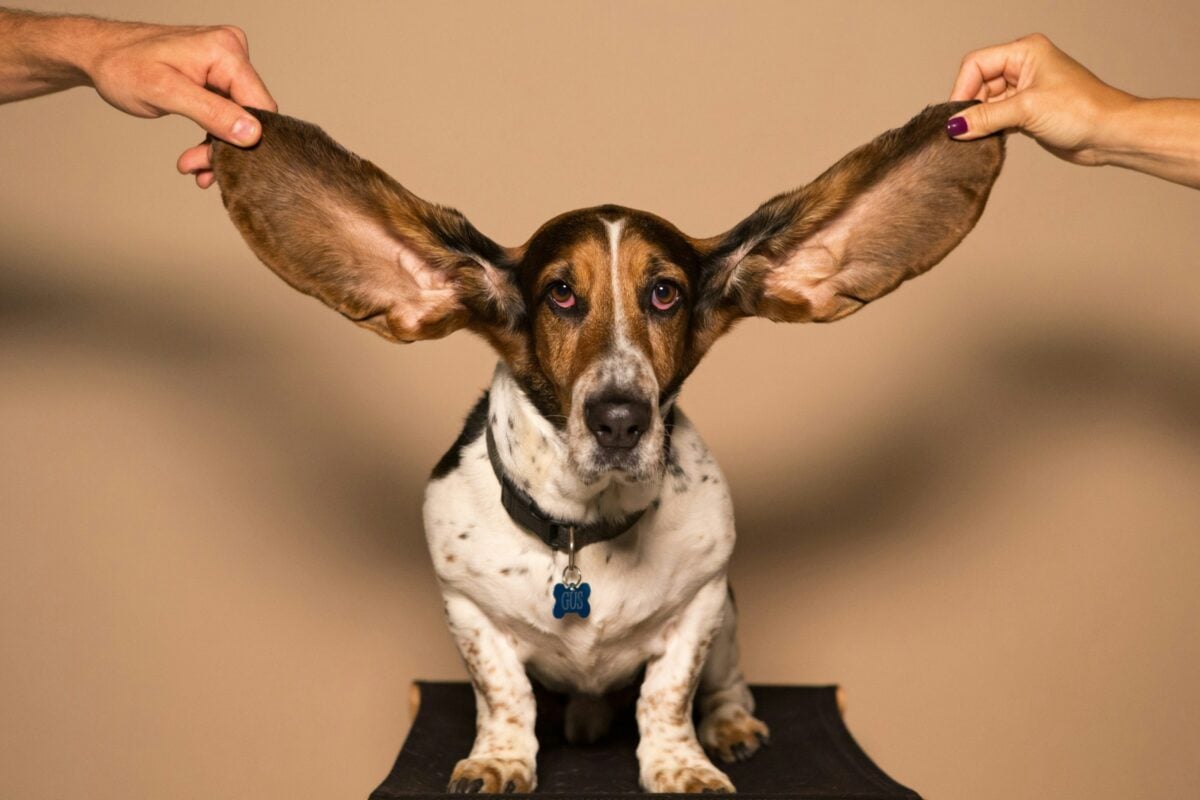
You rarely wake up one day and suddenly have an “old dog.” It happens quietly, in tiny changes that are easy to brush off as personality quirks, a lazy afternoon, or just “getting comfortable.” Then something big happens – a medical scare, a painful limp, a heartbreaking diagnosis – and you look back and realize your dog had been whispering for help for a long time.
This article is about those whispers. The subtle, often silent messages aging dogs send long before a crisis hits. Once you start to recognize them, you can respond sooner – easing pain, catching disease earlier, and giving your dog a softer landing into their senior years. Some of these signs might surprise you, and a few might sting a little if you’ve missed them before. That’s okay. You’re here now, and that already makes you the kind of owner your dog needs.
#1: “I’m Slowing Down, But Not Because I’m Lazy”
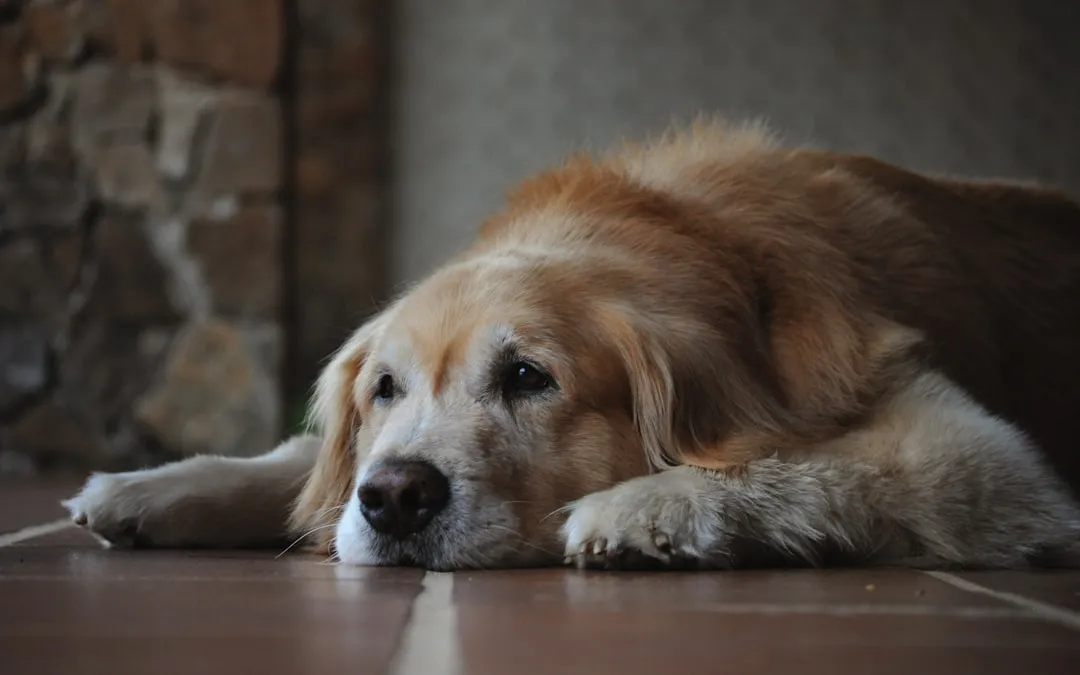
One of the most common things people say about an older dog is that they are “just slowing down.” It sounds harmless, almost charming, like your dog is simply choosing a slower lifestyle. But many times, that softer pace is not a choice at all; it is pain, stiffness, or fatigue quietly stealing their energy. When a dog hesitates before jumping on the couch, lags behind on walks, or seems to tap out on playtime faster than before, it is often an early sign of arthritis, joint disease, heart strain, or general weakness.
Because these changes happen gradually, they are incredibly easy to dismiss until one day your dog can barely get up. That’s the point where a lot of owners finally see a vet and are shocked to hear that the problem has likely been building for months or even years. If you catch that slowdown early and treat the root cause – through pain relief, joint support, adjusted exercise, or weight management – you are not just adding time to your dog’s life, you’re adding comfort to every single day they have left.
#2: “My Stairs and Jumps Are Suddenly Scary”
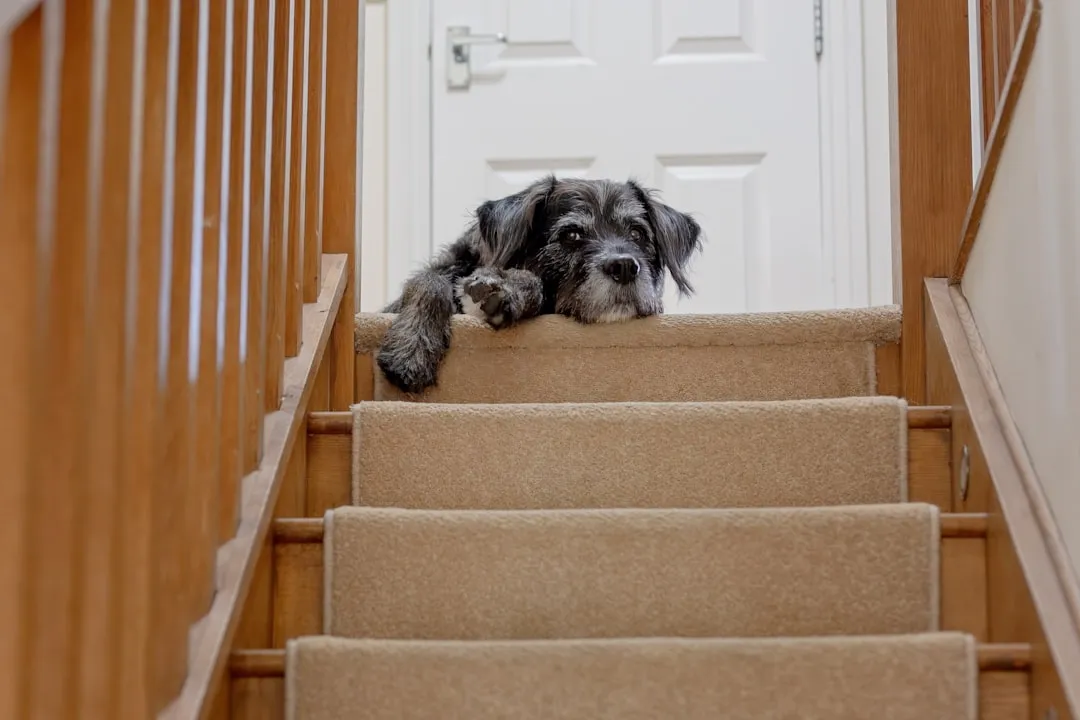
When a dog that once flew up the stairs or leaped into the car suddenly pauses, missteps, or flat-out refuses, that is not them being stubborn or dramatic. That is often their way of saying, “This hurts,” or “I don’t trust my body to do this anymore.” Joint pain, weakening muscles, spinal issues, or vision problems can all make stairs, slick floors, and high jumps feel risky in a way they never did before. Dogs do not have the words to explain that fear, so they simply avoid what feels dangerous.
Too many owners get frustrated and try to push through, assuming their dog just needs a little encouragement or training. But a dog that once raced you to the top of the stairs is not suddenly refusing just to annoy you. Taking that hesitation seriously and talking to your vet can uncover treatable issues and prevent dangerous falls. Simple changes – like ramps, non-slip rugs, raised food bowls, and gentle lifting – can dramatically reduce the physical stress on an aging body and help your dog feel safe moving through their own home again.
#3: “I’m Not Being Rude, I Just Can’t Hear You Like Before”
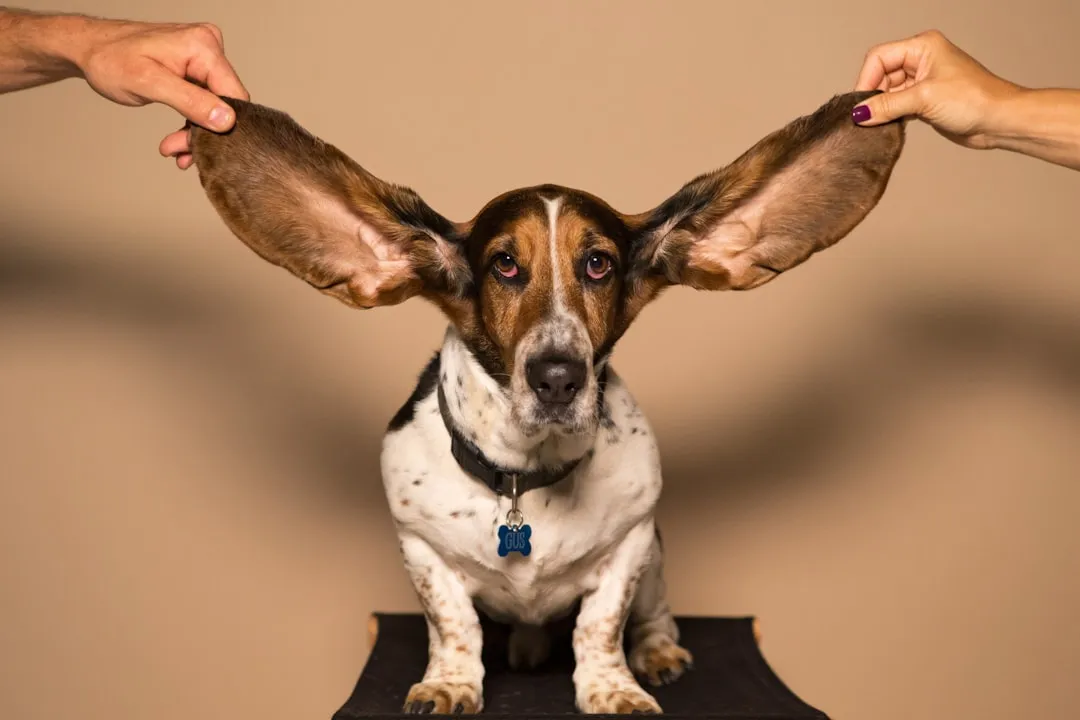
Hearing loss in older dogs is surprisingly common, but it often gets mistaken for selective listening or disobedience. When a dog stops coming when called, startles more easily, or sleeps through noises they used to react to, it is easy to assume they are blowing you off. In reality, they may simply not hear your voice clearly anymore, especially higher-pitched or softer tones. You might find that your dog responds better when you clap, stomp lightly, or use a deeper voice without even realizing you made that adjustment.
The danger comes when owners treat this change as a behavior problem instead of a sensory one. Yelling more loudly, punishing for “ignoring” commands, or assuming the dog is being difficult only adds confusion and stress. Instead, aging dogs with hearing loss need new communication tools – hand signals, visual cues, gentle touches, and predictable routines. Understanding that your dog is not defiant but disadvantaged can completely transform your patience, your expectations, and the way you keep them safe in a world they hear less and less clearly.
#4: “My Eyes Are Not What They Used To Be”
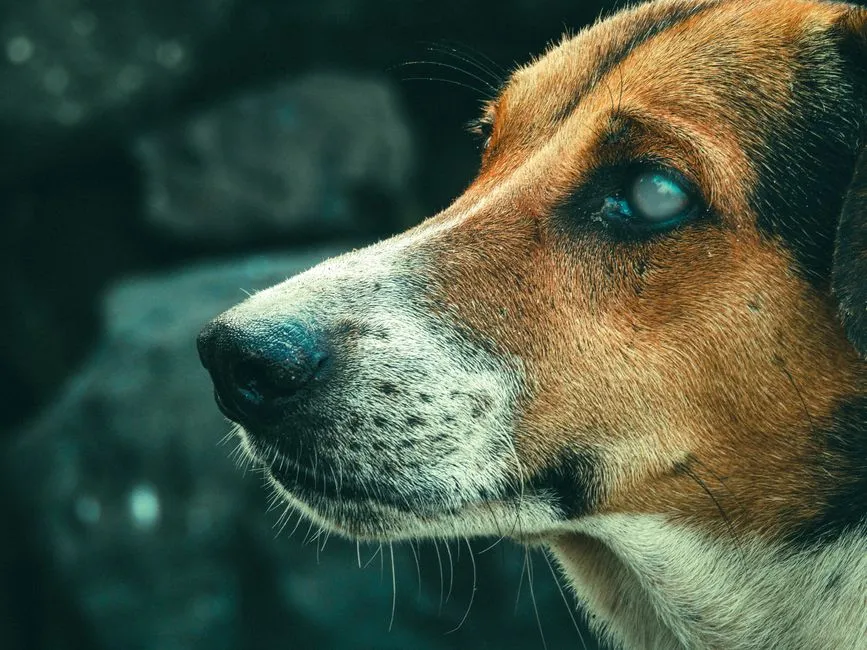
Cloudy eyes, bumping into furniture, hesitating at doorways, or struggling in low light are all subtle signs that a dog’s vision is changing. Many owners notice the cloudy appearance of the lens and assume it is just a normal part of aging, not realizing that some eye changes can significantly affect how clearly a dog sees. Even mild vision loss can make stairs, unfamiliar spaces, or busy environments feel overwhelming, so the dog may become more cautious, clingy, or reluctant to explore.
Vision loss can also show up in ways people do not immediately connect, like increased anxiety, barking at shadows, or sudden fear in situations that used to be routine. When the world becomes blurry or distorted, even small changes in furniture layout can be confusing. The sooner you catch and address eye issues, the more you can slow their progress or at least adapt your home to support your dog. Clear walking paths, consistent furniture placement, good lighting, and calm reassurance become more than just nice gestures – they become a lifeline that helps your dog stay confident in a body that is quietly changing.
#5: “My Appetite and Weight Are Telling You Something Big”
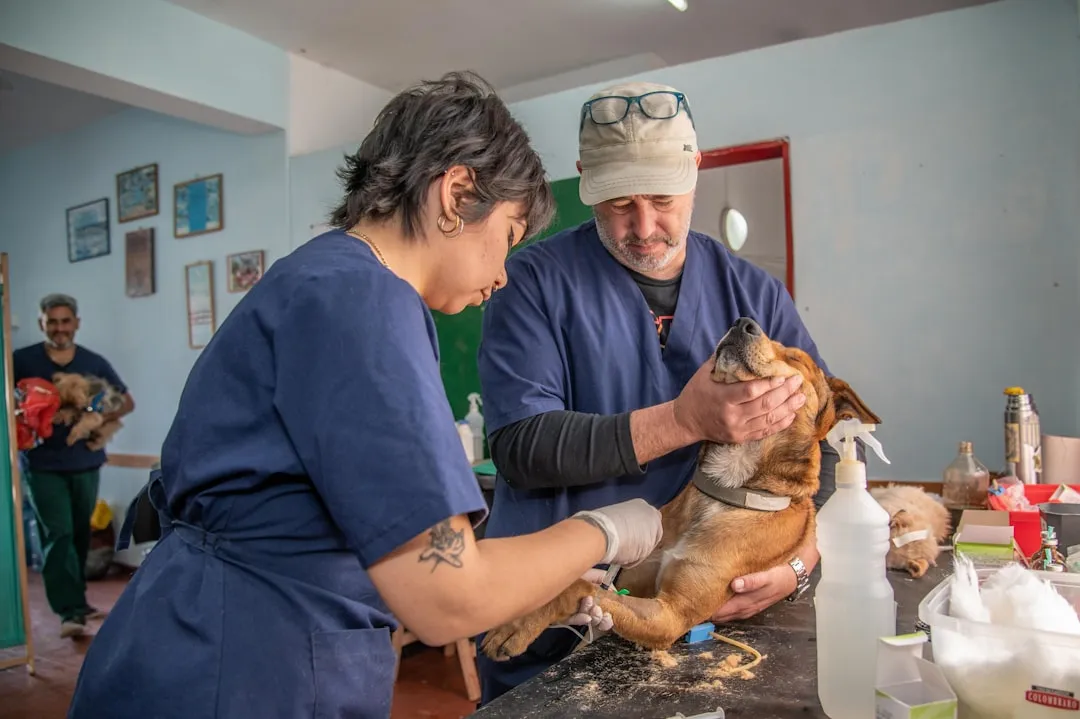
Aging often changes how a dog eats, but these changes are rarely random. A dog that suddenly eats much less, leaves food behind, or walks away from meals may be dealing with nausea, tooth pain, organ disease, or a sense of discomfort they cannot pinpoint. On the other side, a dog that seems hungrier than ever or gulps water obsessively could be showing early signs of hormonal or metabolic problems. The bowl is one of the most honest mirrors of your dog’s internal health, and small shifts there can be early warning signs of something serious.
Weight changes creep up quietly, too. A little extra padding around the ribs or a slow thinning of muscle can both be easy to overlook in the chaos of daily life. But that gradual gain strains joints and organs, and that gradual loss can point to muscle wasting or chronic illness. Instead of shrugging off appetite and weight changes as “old age,” treat them as red flags that deserve a conversation with your vet. Catching those patterns early can mean earlier treatment, more precise nutrition, and a body that has a better chance of aging with strength instead of silent struggle.
#6: “My Sleep Patterns Are Not Just Random Quirks”
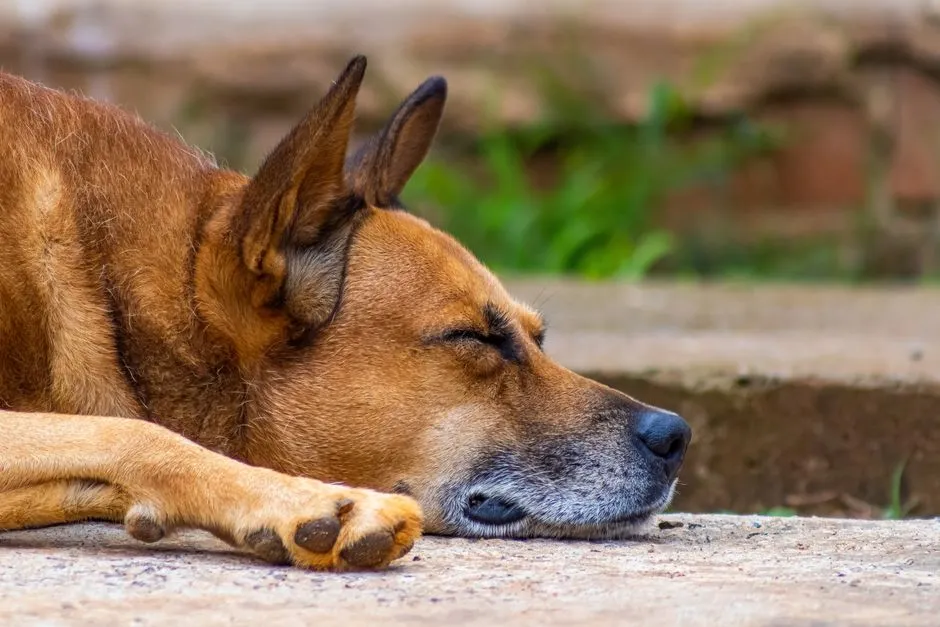
Older dogs absolutely do tend to sleep more, but a shift in sleep is not always just a sign of contentment. If your dog suddenly starts pacing at night, whining, waking you up, or wandering restlessly, it can be a sign of pain, anxiety, or cognitive decline. The dog who once slept through the night but now pants, circles, or stares at walls at 2 a.m. is not just being weird – they may be disoriented, uncomfortable, or unable to settle in their own skin.
On the flip side, a dog that is far more sleepy than usual, hard to wake, or uninterested in daily activities might be exhausted for a reason. Heart issues, chronic pain, metabolic disease, and medication side effects can all subtly drain their energy. Owners often chalk these changes up to “getting old” until one day they realize their dog has not had a truly joyful, energetic moment in ages. Paying attention to sleep and restlessness patterns – and mentioning them in detail to your vet – can uncover problems that do not show up in a quick exam but deeply shape your dog’s quality of life.
#7: “My Mood Swings Are Not Just Me Being Grumpy”
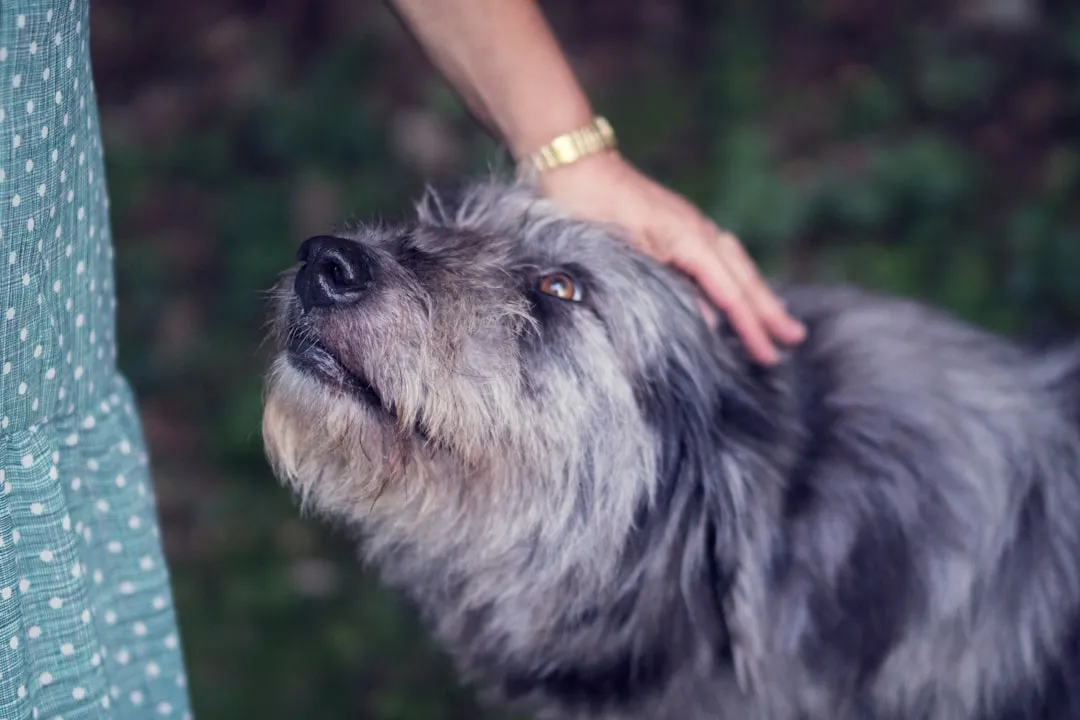
When an easygoing dog becomes snappy, withdrawn, or irritable, it is tempting to see it as a personality shift. In reality, behavior changes are often one of the clearest early signals that an aging dog is in pain or feeling unwell. A dog that growls when touched in certain spots, avoids being picked up, or refuses to be brushed may be doing all they can to say, “That hurts, please stop.” The tragedy is that many owners interpret this as bad behavior rather than a cry for help.
Even subtler mood changes matter. A dog that stops greeting you at the door, loses interest in favorite toys, or hides more often may be dealing with physical discomfort, cognitive changes, or depression-like symptoms. Just like humans, dogs can struggle emotionally as their body ages and their world shrinks a little. Instead of shrugging it off with a joke about having a “grumpy old man,” take that shift seriously. When you treat the underlying pain or confusion, the dog you recognize so well often starts to reappear, and that transformation is one of the most moving things you can witness as an owner.
#8: “I’m Confused, Not Disobedient”
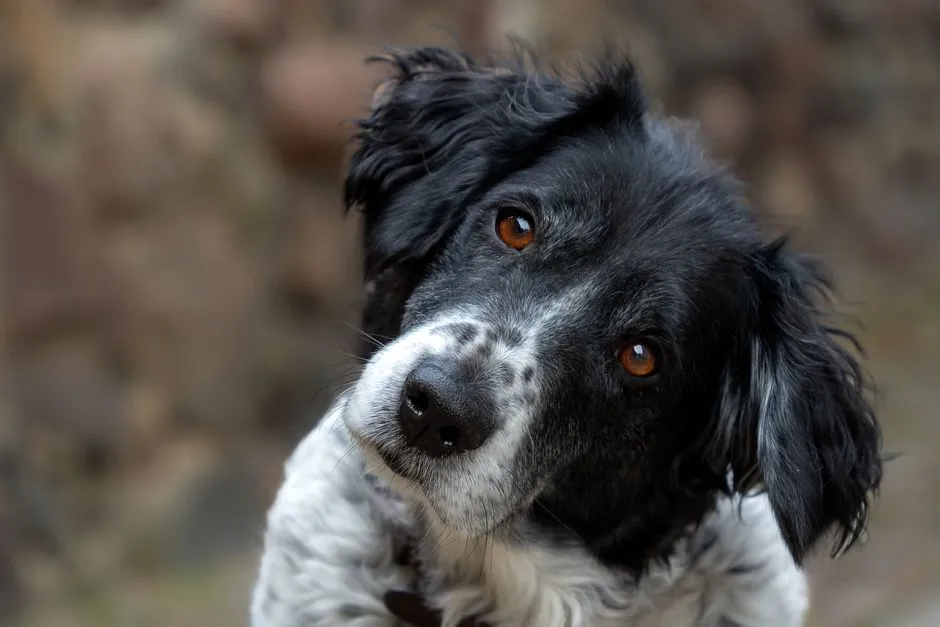
Cognitive decline in dogs often gets mistaken for simple stubbornness or forgetfulness, but it is far more than that. A dog with early cognitive issues might stand in the wrong doorway, seem stuck in corners, forget routines, or appear confused in familiar places. They may suddenly have house accidents after years of being perfectly trained, not because they are being naughty, but because the signals in their brain are slower and fuzzier. From the outside, it can look like they “know better” and are just ignoring what they have learned, but inside, their mental map is slipping.
This confusion can be heartbreaking to watch, especially if you do not realize what is happening until it is advanced. The earlier you recognize the signs – pacing, staring, getting stuck, disrupted sleep-wake cycles – the sooner you can explore options with your vet to support brain health and reduce distress. Routines become incredibly important here: predictable feeding times, consistent walk routes, and a calm, low-clutter environment can make a huge difference. You cannot turn back the clock, but you can absolutely soften the experience for a dog whose world no longer feels as clear and solid as it once did.
#9: “My Breath, Skin, and Coat Are Quiet Alarm Bells”
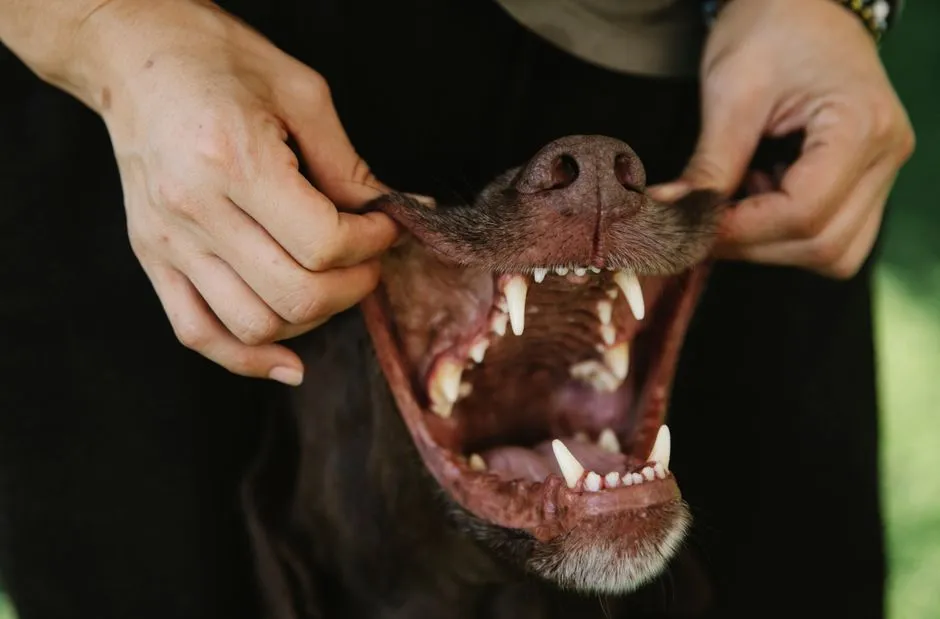
Bad breath in a dog is so common that people joke about it, but in older dogs, it is rarely just a harmless quirk. Foul odor, drooling, dropping food, or chewing more slowly can all signal dental disease, which is painful and can silently affect the heart, kidneys, and other organs. Many owners do not realize how much chronic mouth pain their dog has been living with until after a dental procedure, when suddenly their senior dog eats with enthusiasm again and acts years younger.
Skin and coat changes tell their own quiet story. A once-shiny coat that turns dull, flaky skin, repeated ear infections, or new lumps and bumps are all worth paying attention to. Some issues are benign and manageable, but others can be early signs of allergies, endocrine problems, or even cancer. Instead of accepting every change as an unavoidable part of aging, use them as prompts to ask questions. The goal is not to panic at every new spot, but to be curious and proactive enough that you are not blindsided later by something that had been on the surface all along.
#10: “I Need Fewer Marathons and More Gentle Moments”
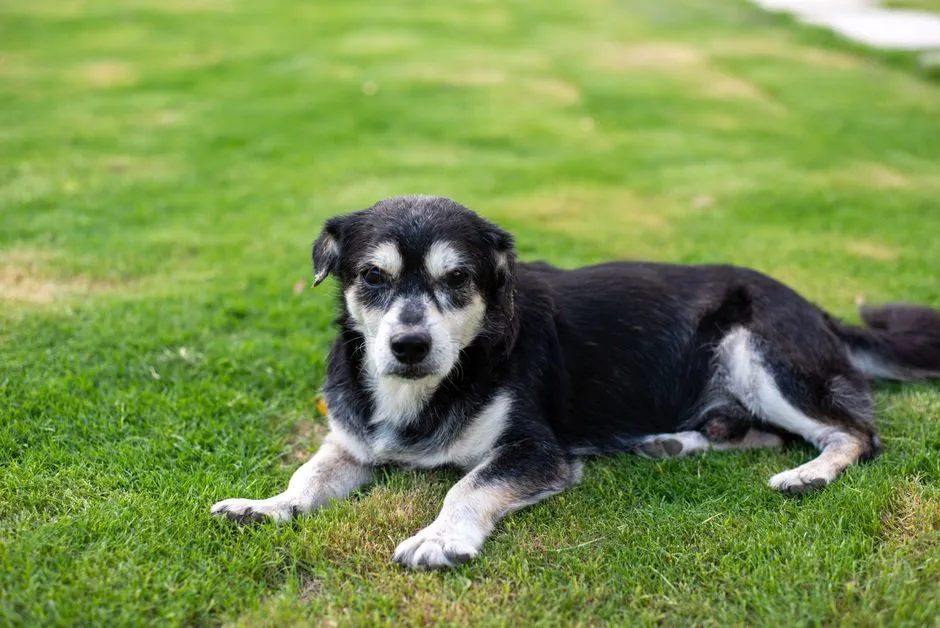
An aging dog rarely has the same physical reserves they once had, but many keep pushing themselves just to be near you and be part of the action. They will follow you from room to room even when they are exhausted, chase the ball even when their joints protest, and jump into rough play with younger dogs because they do not want to be left out. When they start slowing sooner, panting harder, or collapsing into a deep, uncomfortable-looking sleep after simple activities, that is their body begging for a different pace.
This is where human expectations can become unfair. We want our dogs to be “young at heart,” and sometimes we push them to keep up with old routines – long hikes, intense games, big social days – because we are not ready to acknowledge that they have changed. Listening to the silent message here means letting go of the idea that love equals constant activity. For an older dog, love often looks like shorter walks, softer beds, warm sunbeams, gentle massages, mental enrichment instead of physical strain, and time simply lying near you without any pressure to perform.
#11: “I’m Still Here, Even If I’m Different”
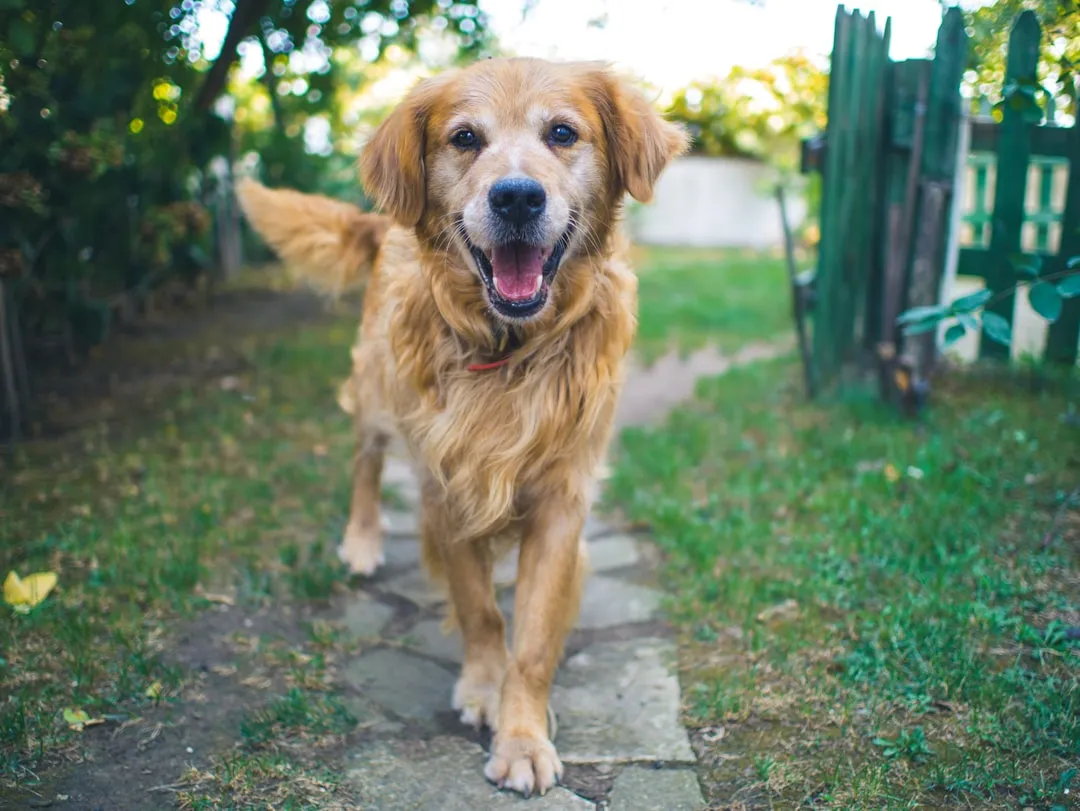
One of the most painful silent messages an aging dog sends is this: “I am still me, even if I cannot do everything I used to.” When dogs lose abilities – hearing, sight, speed, bladder control – it is easy for humans to unconsciously start treating them like fragile objects or background furniture. Interactions get more functional and less joyful: quick potty breaks, fast feeding, meds tucked in treats, a pat on the head before bed. The dog’s world shrinks, not just physically, but emotionally and socially, too.
The truth is, many senior dogs crave connection more than ever. They want slower affection, calm conversation, gentle grooming, soft toys, and moments where they feel chosen, not just managed. It is easy to miss that message because it is rarely loud or dramatic; it shows up in quiet leaning, soft eye contact, a deep sigh when they finally settle beside you. Reading it in time means recommitting to presence, even as the flashy, athletic version of your dog fades. You do not owe them eternal youth – you owe them continued belonging.
Conclusion: Aging Dogs Are Not Broken, They Are Asking To Be Seen
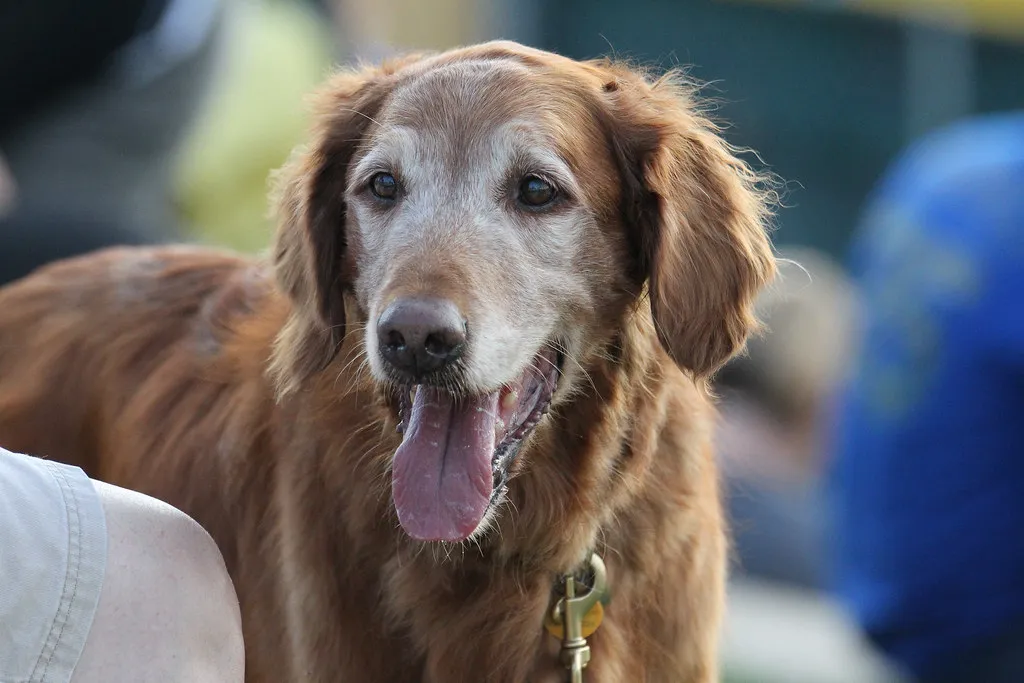
By the time many owners realize their dog is truly old, there is often a rush of guilt: all the little limps brushed off, the mood changes ignored, the late-night pacing dismissed as quirks. But aging is not a failure, and missing some early signs does not make you a bad owner; it makes you human in a culture that treats gray muzzles like a sad afterthought. The real mistake is not in missing the first whisper – it is in refusing to listen once you finally recognize the voice. Our opinionated truth is this: calling something “just old age” is far too often used as an excuse to do nothing, when age should actually be the reason we lean in more, not less.
If there is a through-line in all these silent messages, it is this: your dog is talking long before they are in crisis, just not in words. Slowing down, hesitation on stairs, new fears, changing sleep, shifting appetite – these are not background noise, they are subtitles for a story their body is trying to tell. You cannot stop time, but you can absolutely change what aging feels like for the dog who has spent their whole life loving you without conditions. The real question is not whether your dog will grow old, but whether you will be brave enough to really see it – and to show up differently when you do.

- 11 Silent Messages an Aging Dog Sends That Owners Read Too Late - July 29, 2026
- 16 Horse Breeds Vets Say Break More Beginner Hearts Than Any Other - July 29, 2026
- What Your Old Dog Wishes It Could Tell You Before the End - July 29, 2026