
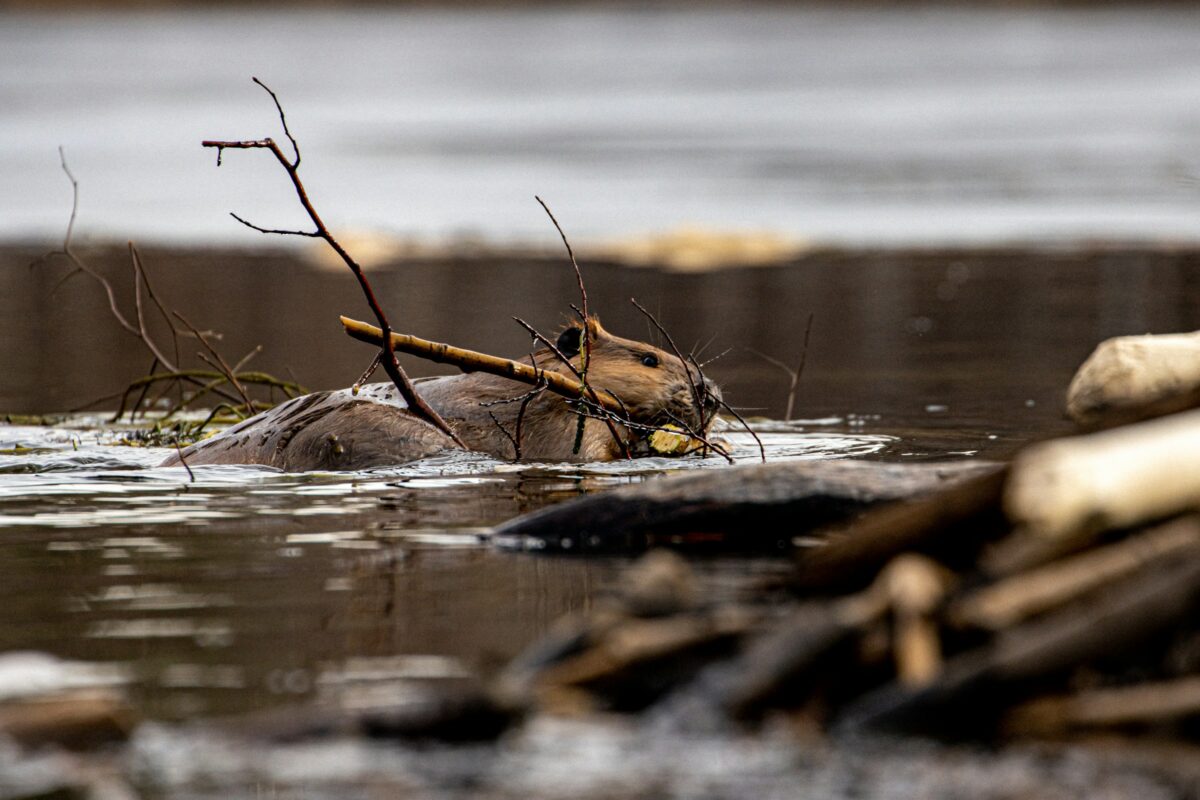
Walk along a dry Western creek in late summer and it can feel a bit like wandering through the aftermath of a party: plastic irrigation pipes, dusty gravel, a thin trickle of warm water where a river used to sing. Then you turn a bend and suddenly there’s a deep pool, green willows, dragonflies, and cool water quietly stacked behind a messy pile of sticks. That “mess” is a beaver dam, and in a lot of places, it is doing more for drought resilience than miles of concrete and metal.
Over the past decade, scientists, ranchers, tribes, and land managers have started looking at beavers as unlikely water allies. Far from being simple “pond makers,” they are busy hydrologists reshaping how water moves, stores, and survives through the hottest months. I used to think beaver hype was overblown – until I stood on a ranch where the only green valley for miles was the one with beaver complexes. Here are seven very real, very practical hang on.
#1 Slowing Runoff So Water Sticks Around
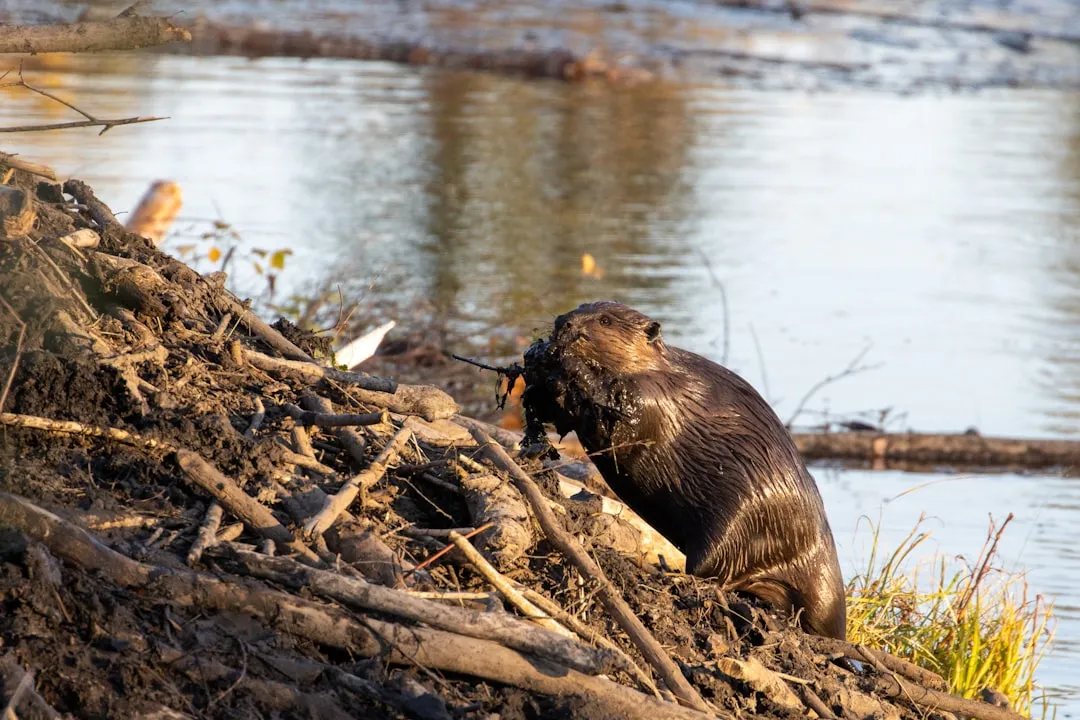
In a typical Western watershed without beavers, snowmelt and stormwater rush downhill like someone dumping a bucket, sending sudden surges of flow in spring and early summer, then leaving creeks gasping by late August. Beaver dams act more like a sponge than a chute: they break that surge into a series of pauses, backing up water into ponds and side channels. This slows the velocity of water, spreading it across the floodplain instead of letting it tear downstream all at once.
By spreading and slowing flow, beaver complexes transform a quick flush into a long, steady drip that lasts deeper into the dry season. The ponds and saturated soils behind dams store water that is gradually released as baseflow weeks or even months after storms and melt have ended. On the ground, that can mean a creek that would normally dry to a chain of warm puddles still has cool, moving water in September. It is not magic; it is simply basic physics applied over and over by thousands of small wooden structures.
#2 Raising Groundwater Levels And Recharging Aquifers
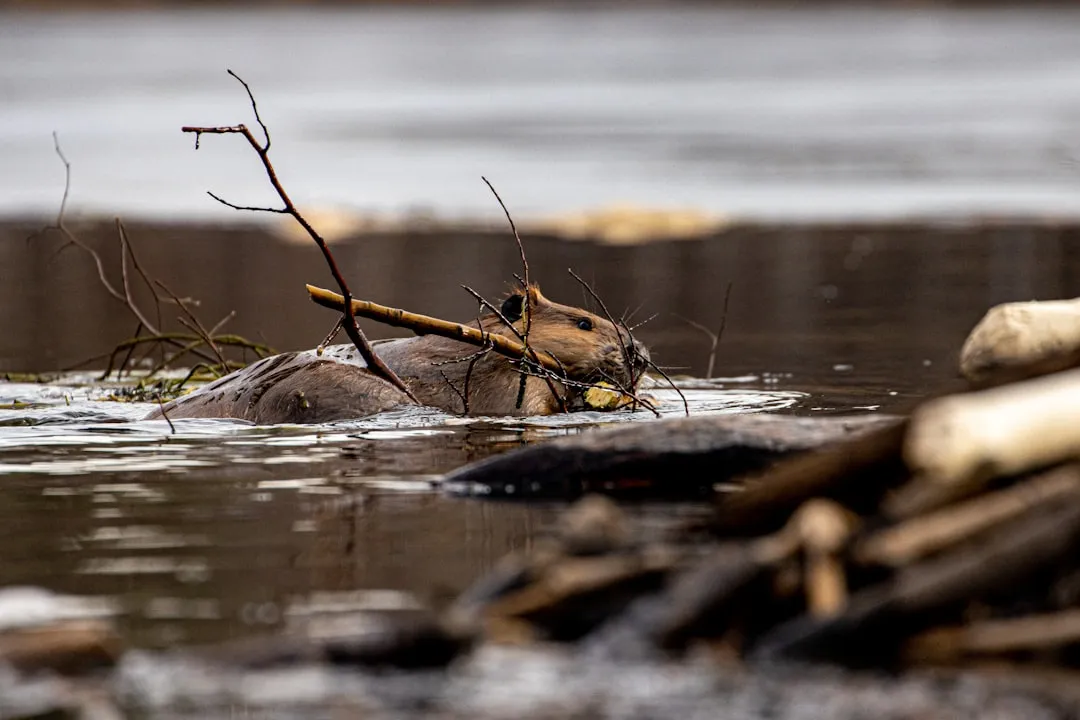
One of the quietest but most powerful things beavers do is lift the water table. When dams push water sideways into riverbanks and floodplains, that water infiltrates downward, recharging shallow aquifers and filling the pores of gravel and sand. Instead of a narrow, deeply incised stream cutting through dry banks, you get a wide, soggy corridor where moisture lingers both at the surface and underground.
As groundwater rises, vegetation gains access to that hidden reservoir, which is crucial when rain is scarce and snowpacks are shrinking. Shallow wells near beaver-rich reaches have been observed to hold up better through drought, and springs can run longer because they are fed from this stored subsurface water. Think of a beaver complex as a living, self-repairing recharge basin: it intercepts water, parks it underground, and then quietly feeds it back into the channel through seeps and small springs when the landscape is otherwise running on empty.
#3 Creating Cold-Water Refuges During Heatwaves
Drought in the West is rarely just about less water; it is also about hotter water. As rivers shrink and slow, temperatures climb to levels that can stress or kill cold-water fish like trout and salmon. Beaver ponds might look still and sunlit on the surface, but because they are deeper and connected to groundwater, they often harbor cooler microhabitats beneath. Fish can dive to these pockets or move into shaded side channels created by beaver activity where temperatures remain several degrees lower than in the main exposed riffles.
Those cool pockets, sometimes called thermal refuges, can be the difference between survival and collapse for sensitive species during extreme heat events. The increased interaction between surface water and groundwater in beaver-rich reaches creates more mixing, which can moderate temperature swings over the course of a day. Standing on the bank of a beaver pond during a heatwave and feeling the unexpectedly cool water on your fingers drives home the point: for aquatic life, this is not a minor perk, it is a lifeline.
#4 Boosting Riparian Vegetation And Natural Shade
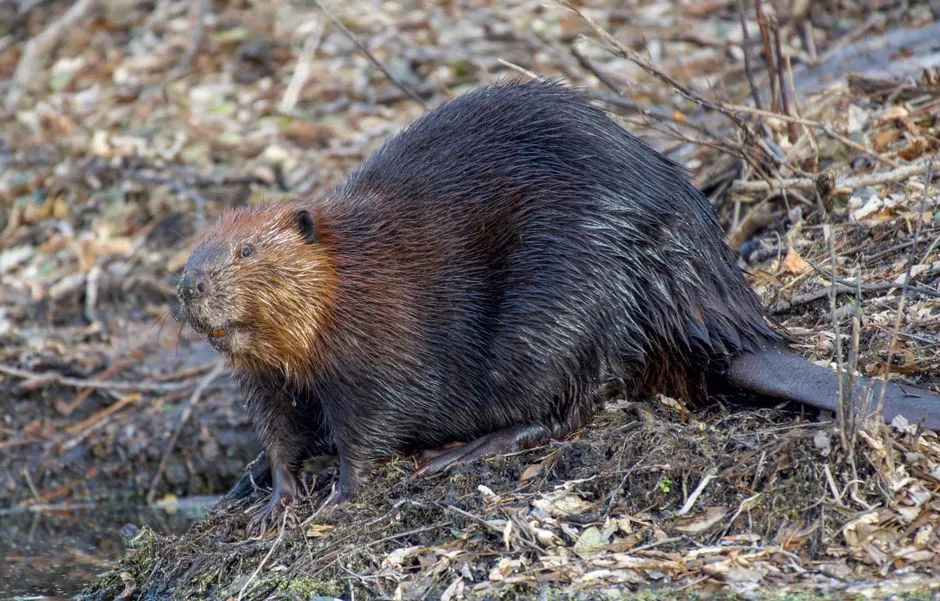
Beavers are famous for chewing down trees, which makes it easy to assume they destroy vegetation. In reality, their ponds and raised water tables tend to explode into thickets of willows, cottonwoods, sedges, and wetland plants. By holding water near the surface and allowing it to spill across floodplains, they create the exact moist conditions that riparian plants crave, even in otherwise arid landscapes. Those plants regrow after cutting, often more vigorously, a bit like a haircut that encourages thicker growth.
As the vegetation expands and thickens, it throws more shade on streams and ponds, helping to cool water and reduce evaporation. This green corridor also slows windy desiccation and traps fine sediments and organic matter, which gradually build richer, more water-retentive soils. From the air, a beaver-influenced valley often shows up as a striking green ribbon winding through a brown matrix, a living reminder that water plus plants create a positive feedback loop that drought has a hard time completely breaking.
#5 Building Natural Firebreaks And Post-Fire Recovery Zones
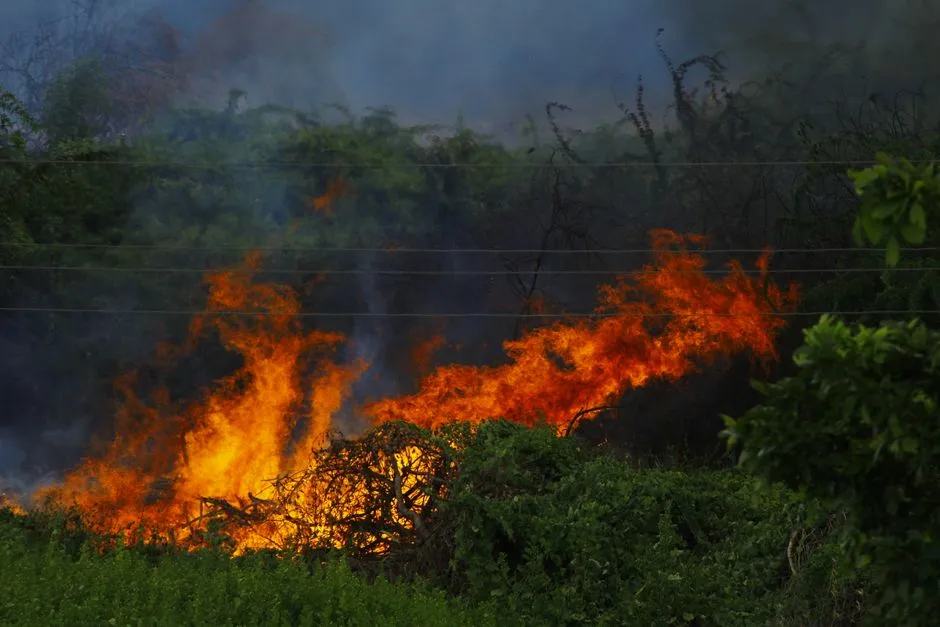
Western drought has gone hand in hand with larger and more intense wildfires, and here too, beavers have started to surprise people. Wet meadows, ponds, and saturated floodplains created by beaver activity can function as natural firebreaks, slowing or even stopping flames as they encounter greener, wetter vegetation and open water. In several recent fires, beaver complexes have been mapped as islands of unburned or lightly burned habitat surrounded by heavily scorched terrain, like little oases in a sea of black.
After a fire, these wet zones also act as recovery hubs. Because they still hold water, have living vegetation, and provide habitat for insects and other small critters, they become sources of seed, shade, and nutrients for the surrounding burned slopes. Over time, plants and animals spread outward from these refuges, jump-starting watershed healing. When the broader landscape is running on fumes after both drought and fire, the low, soggy footprints of beaver systems can be where resilience starts to grow back first.
#6 Supporting Biodiversity That Stabilizes Ecosystems
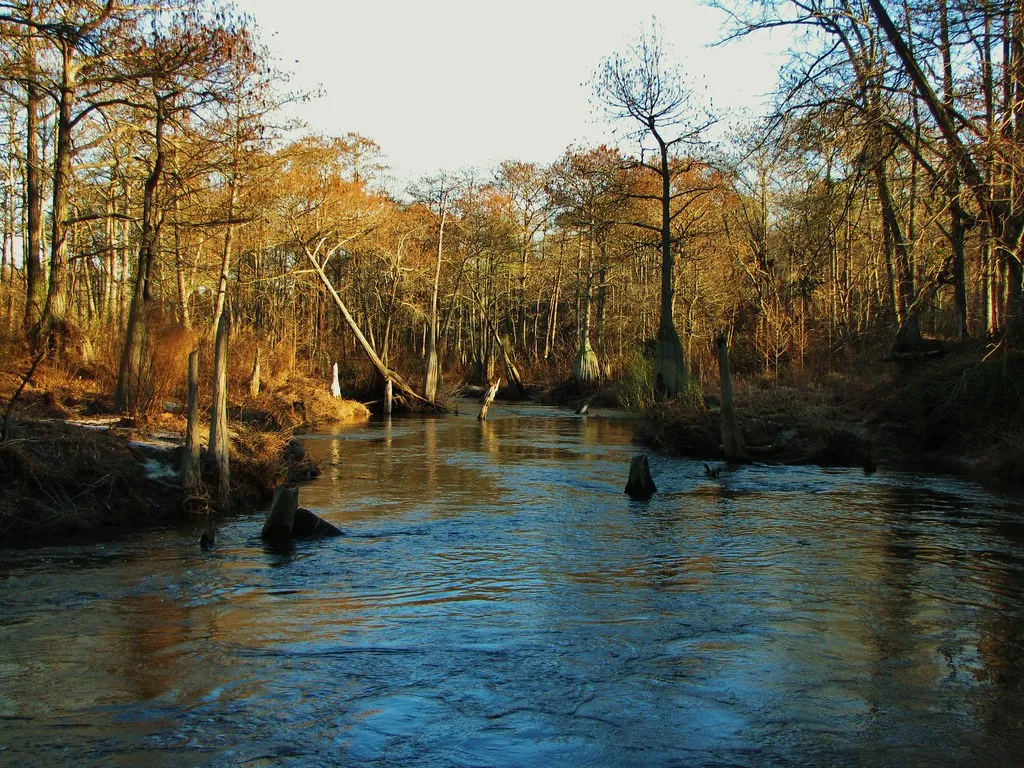
Drought-stressed rivers are often simplified rivers: fewer species, fewer niches, and fewer interactions. Beaver restoration tends to run in the opposite direction, adding complexity and variety. The mix of ponds, side channels, marshy edges, and wet meadows creates multiple habitats packed into a relatively small footprint. Amphibians, waterfowl, songbirds, bats, insects, and mammals all find new opportunities to feed, breed, or rest in these zones.
This biodiversity does more than just make birdwatchers happy; it stabilizes the entire river system. When there are many species playing overlapping roles – multiple insect predators, various plant communities, a range of pollinators – the system can absorb shocks like a bad drought year or a localized fish die-off without falling apart. In my own field visits, the contrast between a sterile, straightened channel and a beavered reach buzzing with life is almost jarring. One looks like a canal; the other feels like a living organism capable of adapting and bouncing back.
There is also a social and cultural biodiversity angle: beaver projects are increasingly co-led by tribes, ranchers, scientists, and local communities who each bring different knowledge systems. That diversity of perspectives helps create more nuanced, place-based restoration plans rather than one-size-fits-all fixes. When an ecosystem and the people managing it are both diverse, they have more tools and strategies to draw on when the climate throws a curveball.
#7 Providing Low-Cost, Self-Maintaining “Green Infrastructure”
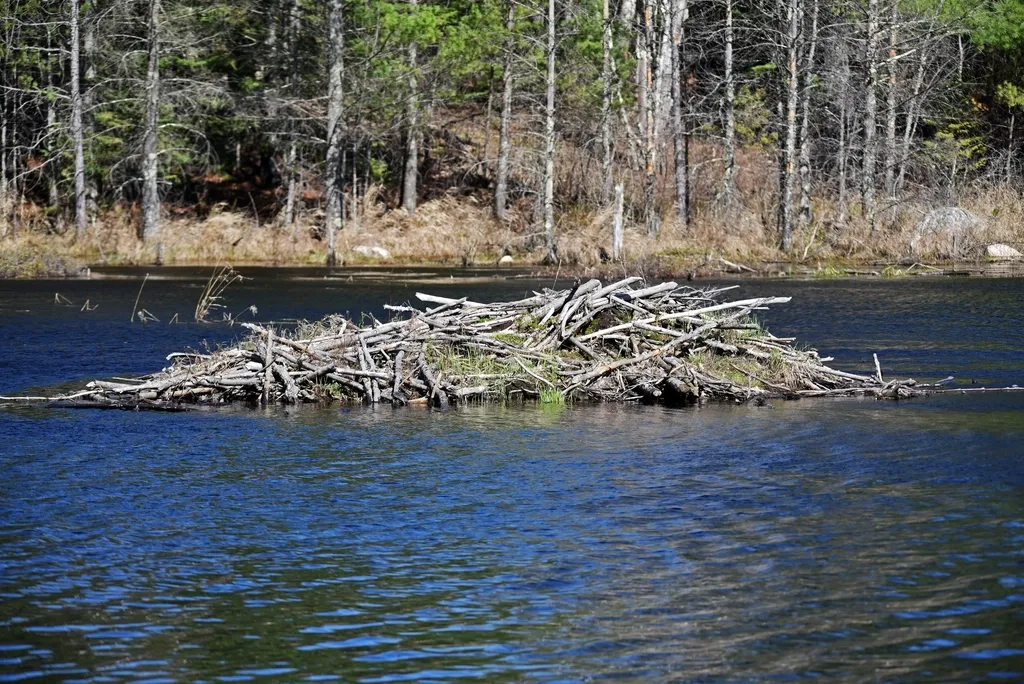
In a region used to thinking in terms of dams, reservoirs, and elaborate diversions, the idea that a medium-sized rodent could offer meaningful help during drought can sound almost naive. Yet beaver-based restoration is increasingly seen as a form of green infrastructure that complements, rather than replaces, human-built systems. Once beavers establish, they maintain and expand their own structures without line items in a budget or crews on call. Their dams fail, rebuild, and shift with floods in ways that keep the system dynamic instead of frozen in a single design.
Of course, beavers are not a silver bullet. They can flood roads, chew orchard trees, or complicate irrigation if projects are not thoughtfully planned with local landowners. But compared to the cost of new reservoirs or major canal upgrades, strategically allowing or assisting beaver recolonization can be remarkably inexpensive. Simple techniques like installing beaver dam analogs – human-built starter structures that encourage real beavers to move in – are already showing promising results in multiple Western states. In a future where every drop counts, betting on a solution that builds itself and adapts over time is not just quaint; it is pragmatic.
Conclusion: Letting Nature Back Onto The Engineering Team
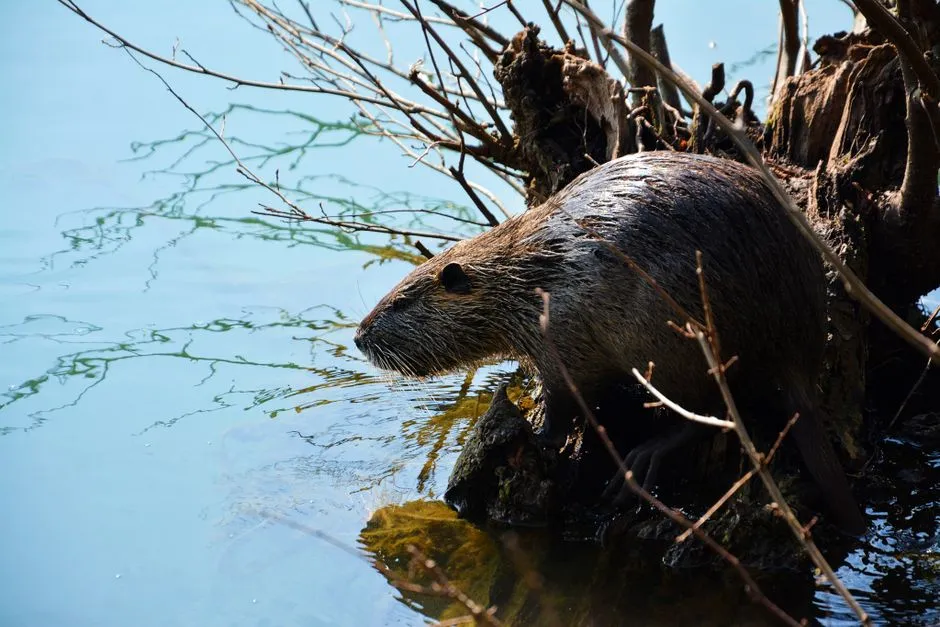
In the end, beaver restoration is less about romanticizing an animal and more about admitting that our hard-edged, channelized approach to water has hit a wall in a hotter, drier West. When we let beavers back onto the engineering team, we are choosing rough edges over straight lines, complexity over control, and patience over instant results. Personally, I find it oddly hopeful that some of the smartest drought resilience work right now involves listening to people who have lived with beavers for generations and then stepping back enough for the animals to do their thing.
That does not mean we should unleash beavers everywhere or ignore legitimate concerns from farmers, ranchers, or towns. It does mean being honest: for many drought-stricken rivers, more concrete will not fix what is fundamentally a storage, timing, and landscape problem that beavers evolved to handle. If we can accept a bit more mess and mystery along our creeks, we might just trade some of our worst drought anxieties for living, breathing buffers made of wood, water, and teeth. In a world of climate-fueled extremes, why would we turn down free help from one of nature’s oldest water managers?

- 19 Regrets Horse Owners Describe Most Often That First-Time Buyers Are Never Warned About - August 18, 2026
- 13 Things You Only Learn About a Dog in the Final Week Together - August 18, 2026
- What Park Rangers Wish Visitors Understood About America’s Quietest Parks: 18 Overlooked Places - August 18, 2026