
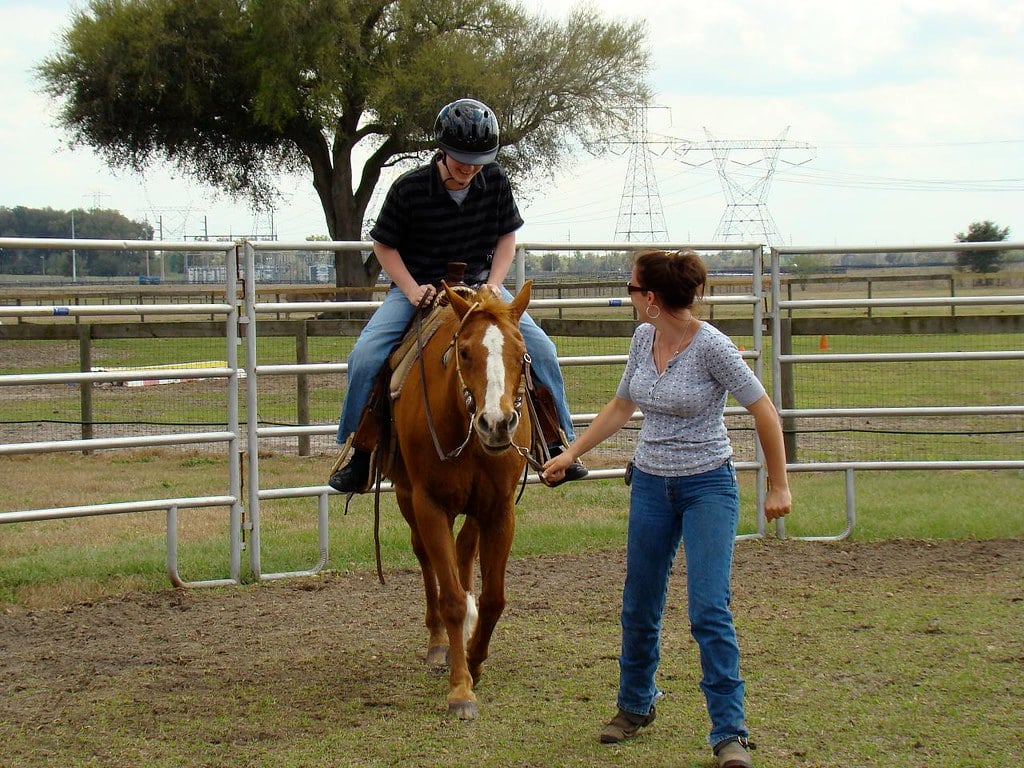
Most parents assume that if a horse is on a trail string, standing in a lesson barn, or quietly parked behind a petting-zoo fence, it must be safe for a kid to climb on. Vets know a very different truth.
They’re the ones stitching up bite wounds, x-raying crushed feet, and sitting with parents whose child won’t get back in a saddle after one bad afternoon. Some of the most Instagram-famous, “gentle giant,” can’t-miss beginner breeds are exactly the ones vets quietly refuse to let their own kids ride – and the list gets more uncomfortable the further down you go.
#22 – The Icelandic Horse
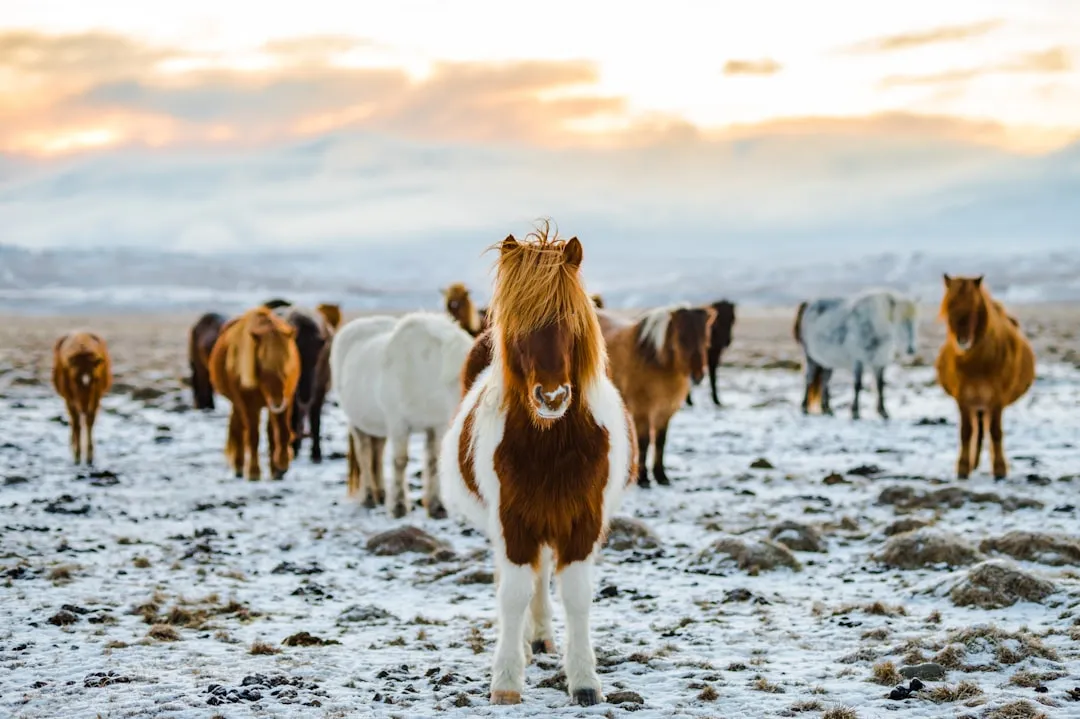
People see a shaggy, pony-sized horse and instantly think “kid-safe.” Vets roll their eyes. Icelandics are tough, smart, and often far more forward and opinionated than their size suggests. Many are bred for high energy and competition, not sleepy kid lessons.
Their signature tölt is smooth, but the transitions into and out of it can unseat a beginner, especially a child who doesn’t have an independent seat yet. In the wrong hands, that “cute Viking pony” becomes a powerful, spicy ride.
- Compact body can fool people into underestimating strength
- Bred for endurance and forward drive, not babysitting
At a Glance
- The only horse breed found in Iceland, protected by strict import laws
- Famous for extra gaits beyond the standard three, including the tölt
- Typically stands under 14 hands but is remarkably strong for its size
- Often stays sound and rideable well into its 20s
Most vets don’t blacklist Icelandics completely – they just won’t put a small child on one they don’t know inside and out. But that’s nothing compared to what we found about #21…
#21 – The Standardbred
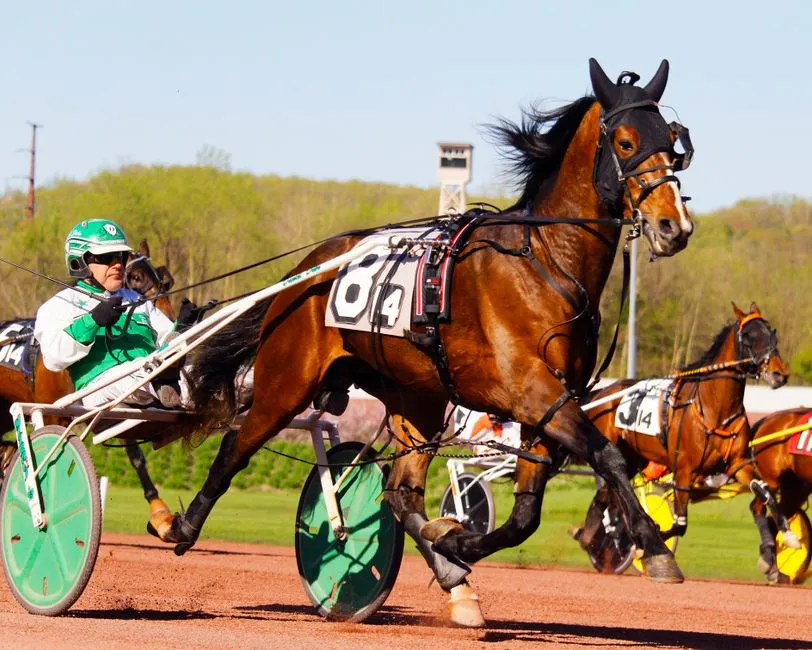
Because many retired Standardbreds are quiet on the ground, families assume they’re perfect kids’ horses. Vets see a different picture. Standardbreds are ex-harness racers, and they’ve spent their early life learning to lean into pressure and go faster when they feel tension – the exact opposite of what a nervous child does with the reins.
They’re also used to pulling weight in a straight line, not balancing a wobbly kid trying to post. When scared, a Standardbred may revert to its race training and surge forward instead of slowing down.
- Track training can create deeply wired “go” responses
- Transition to under-saddle work is a major retraining project
An experienced rider can absolutely love them. But most vets won’t hand the reins to their 8-year-old. And still, that’s nothing compared to the challenges hidden in #20…
#20 – The Paso Fino
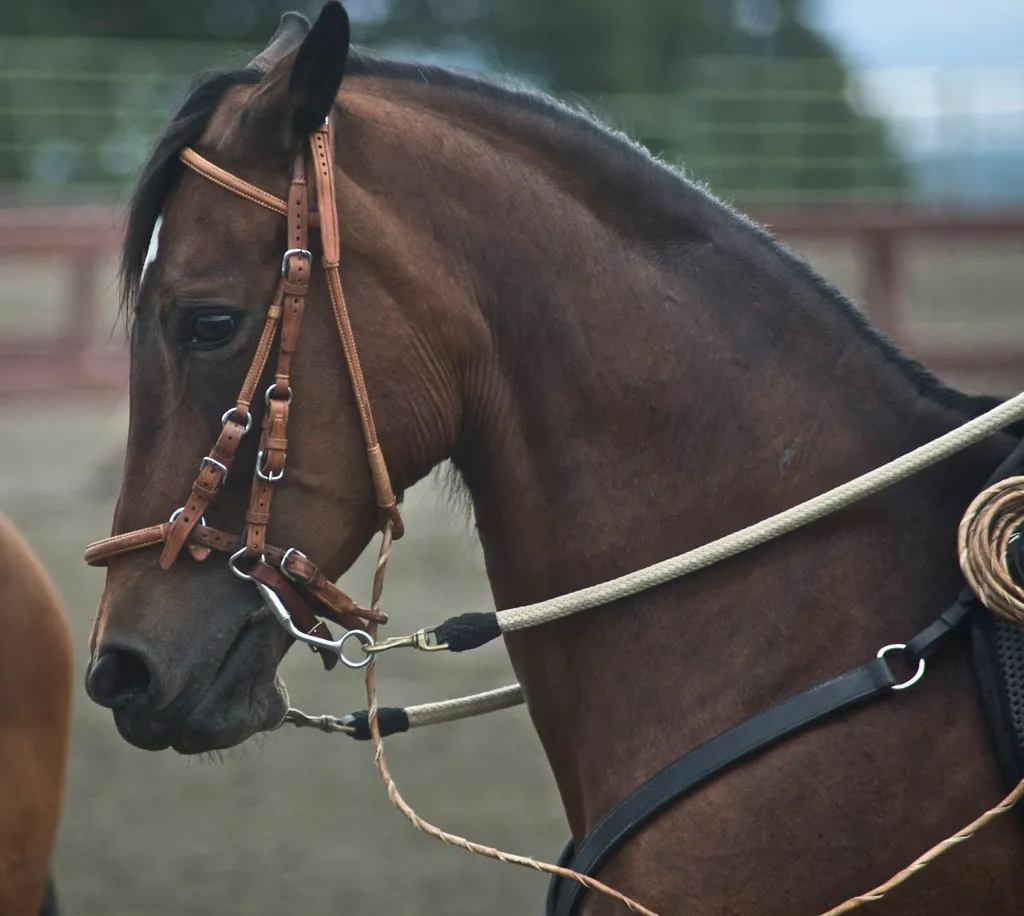
“Smooth equals safe” is one of the most dangerous myths in kids’ riding, and the Paso Fino proves it. These horses are bred for extreme sensitivity and quick reactions.
Many Pasos are so finely tuned that a child’s unsteady hands, swinging legs, or giggles in the saddle can feel like loud commands. That legendary rapid-fire gait can turn from fun to frightening in two seconds when a kid accidentally cues “more” instead of “whoa.” Some lines are also naturally hotter and more reactive, making them a poor match for a nervous beginner.
- Incredibly responsive; perfect for advanced riders, not kids
- Lateral gait can feel “jittery” to new riders, spiking anxiety
Vets often admire Pasos from the ground but quietly steer parents toward slower-brained breeds. And yet, their concerns look mild compared to what’s common with #19…
#19 – The Akhal-Teke

Social media loves Akhal-Tekes for their metallic coats; vets worry about everything under the shine. These desert horses are lean, ultra-sensitive, and often highly reactive to environmental stimuli that a child won’t even notice – a flapping jacket, a bird taking off, a shift in wind.
They’re bred for endurance and survival, not for tolerating beginner mistakes. Their long, springy stride can feel like a trampoline to a kid who doesn’t yet know how to go with the motion, and that combination of sensitivity and athleticism leaves zero margin for clumsy cues.
- Frequently described as “one-person horses” with strong bonds
- Can shut down or explode under inconsistent, confusing riding
Most vets respect Akhal-Tekes as elite athletes, not living carousel horses. But that’s nothing compared to the false “gentle giant” reputation of #18…
#18 – The Shire
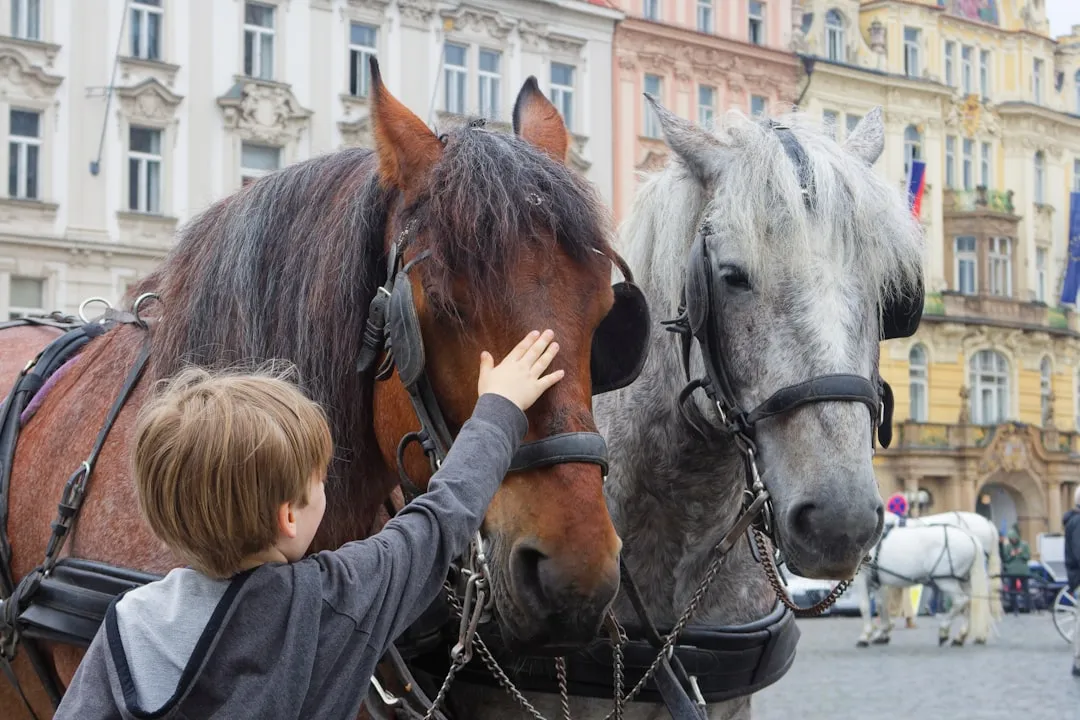
The internet says “gentle giant”; vets say “massive risk multiplier for kids.” Yes, Shires can be kind. They can also inflict devastating injuries with one mis-placed step simply because of their size.
A child on the ground is at perfect height for being knocked over by a swinging shoulder or dragged by a spooked horse. In the saddle, a fall from a tall draft means far more force on impact. Add in feet the size of dinner plates and a slow reaction to tiny riders’ aids, and you get a lot of scenarios a vet never wants their own child in.
- Height magnifies fall distance and impact
- Slow to respond to small cues; kids end up pulling and kicking harder
Vets might let teens with experience ride drafts – but rarely very young children. And draft-crosses? That’s where #17 gets controversial…
#17 – Draft Crosses (Especially “Sport Drafts”)
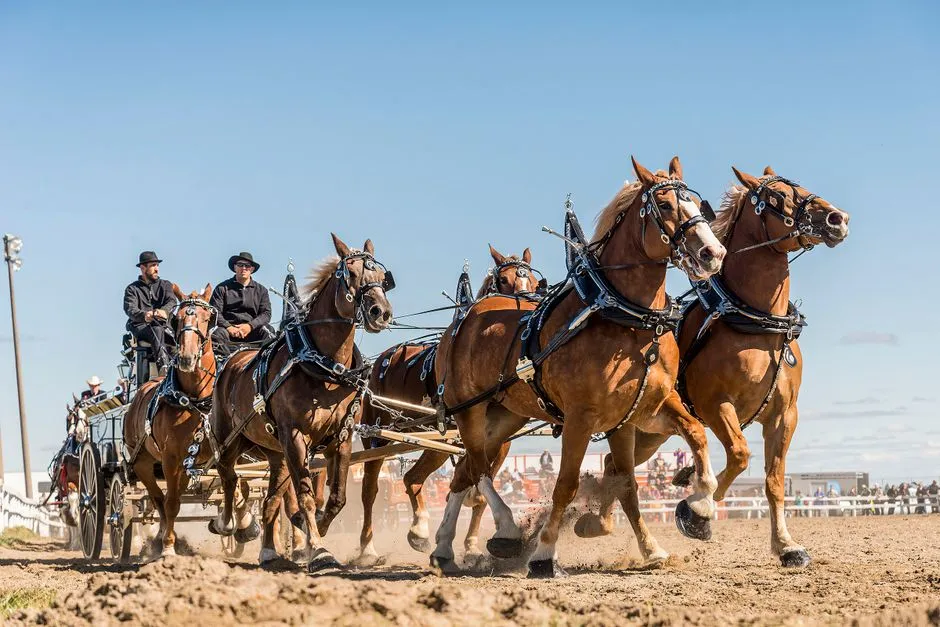
“Draft cross equals calm and safe” is one of the biggest marketing tricks in the modern horse world. Many sport draft crosses carry draft size with warmblood-level power and sensitivity.
They’re often bred for jumping, eventing, or foxhunting – jobs that demand serious forward drive and sharp reactions. For a small, unbalanced rider, that can feel like sitting on a rocket with a laggy steering wheel. The draft side also brings joint and hoof stress, and when they trip or stumble, the correction can be violent enough to unseat a child.
- Heavier body plus athletic engine equals big momentum problems
- Often under-conditioned for the weight they’re asked to carry
Vets see too many “bombproof draft cross” ads turn into ER visits. But even they will admit these horses look tame next to the firepower hidden in #16…
#16 – The Arabian
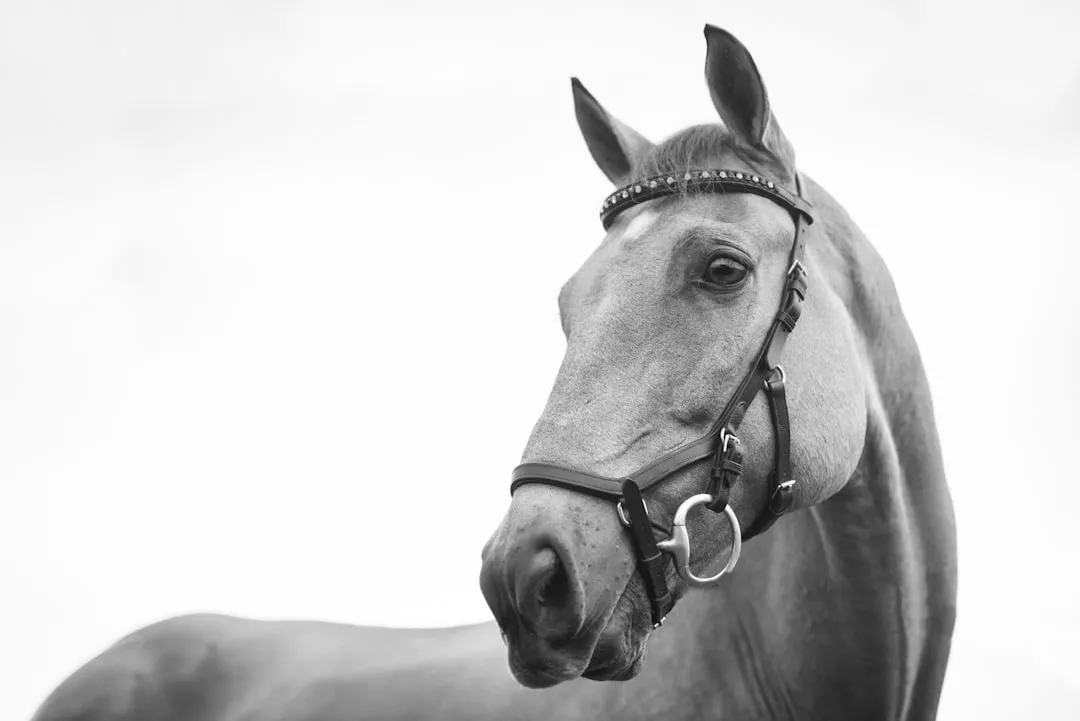
Arabians are one of the most misunderstood breeds on this list. Yes, some are gentle. But as a type, Arabians are genetically wired for alertness and quick decision-making, which in modern barns gets labeled “spooky” or “hot.”
Their short backs and high energy can create a bouncy trot that tosses small riders. They also notice everything – that plastic bag, the gate squeak, the kid’s shifting seat – and process it in a split second. For a child, that means riding a brain that’s working three times faster than theirs.
- High emotional reactivity; “looky” by nature
- Energetic gaits can overwhelm kids who are still learning balance
Fast Facts
- One of the oldest recognized horse breeds, tracing back thousands of years to the Arabian Peninsula
- Prized for stamina and a frequent presence at the top of endurance riding
- Known for a dished facial profile and naturally high tail carriage
- Used for centuries to add refinement and endurance to other breeds, including the Thoroughbred
A well-trained, older Arabian with years of kid experience can be gold. But vets won’t gamble their own children on “probably fine.” And compared to #15, Arabians almost feel predictable…
#15 – The Off-Track Thoroughbred (OTTB)
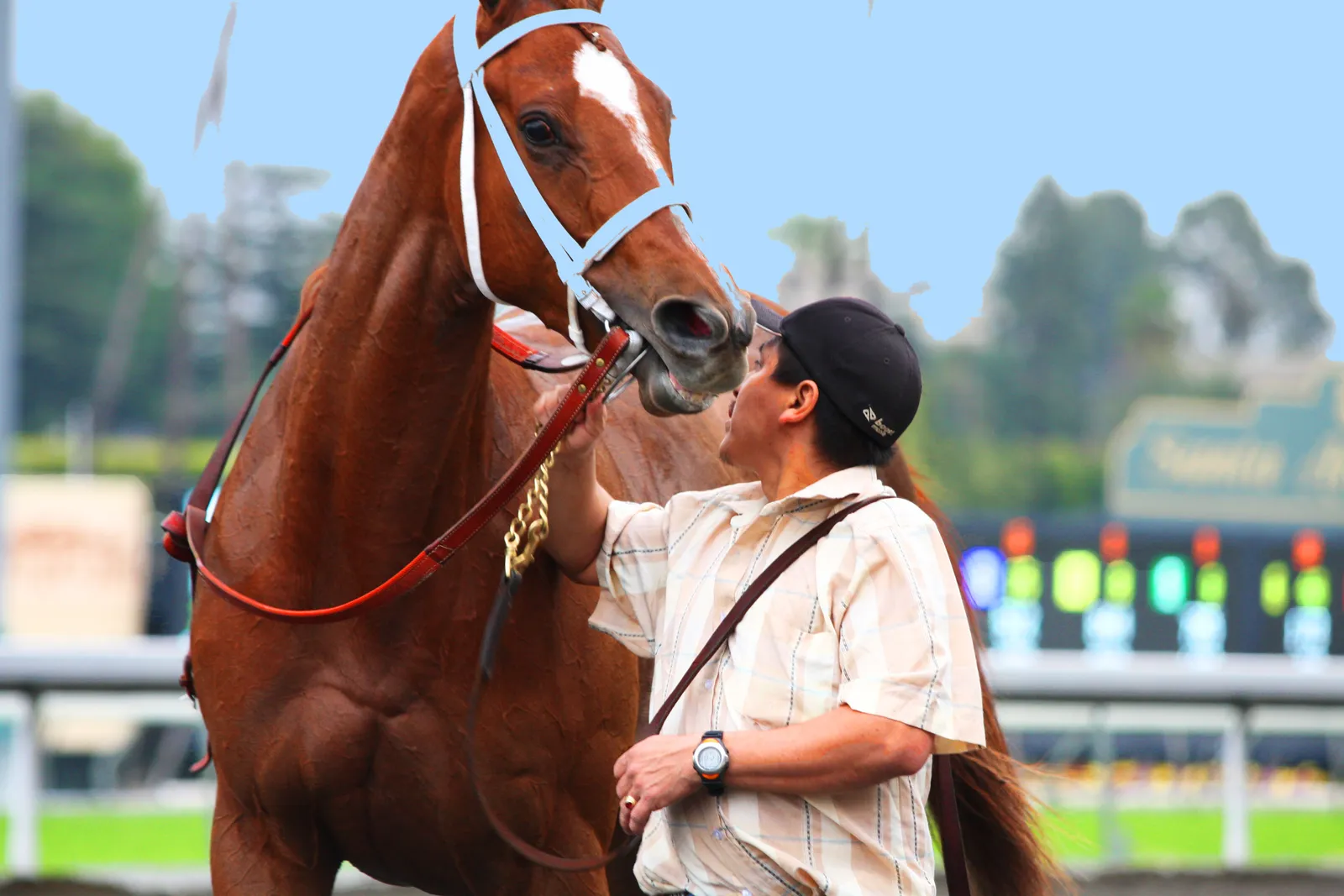
The OTTB adoption trend tugs at hearts – just not usually at vets with young kids. These horses come off a career where they’re rewarded for running into pressure, chasing adrenaline, and reacting to the tiniest cue from a jockey.
Transitioning to calm, slow, kid-friendly riding is a long, technical project. Even “quiet” OTTBs can have sudden, explosive moments when something triggers old race memories: the sound of a gate, another horse passing, a squeeze of the leg. Their lean build also means there’s not much padding for a child’s bouncing seat.
- Many retire with physical issues: ulcers, joint stress, back pain
- Pain plus confusion often equals unpredictable behavior under saddle
Vets will absolutely help rehab and rehome OTTBs – but usually to skilled adults, not their own 10-year-old. And what they say about mustangs at #14 surprises a lot of people…
#14 – Recently Captured or Green Mustangs
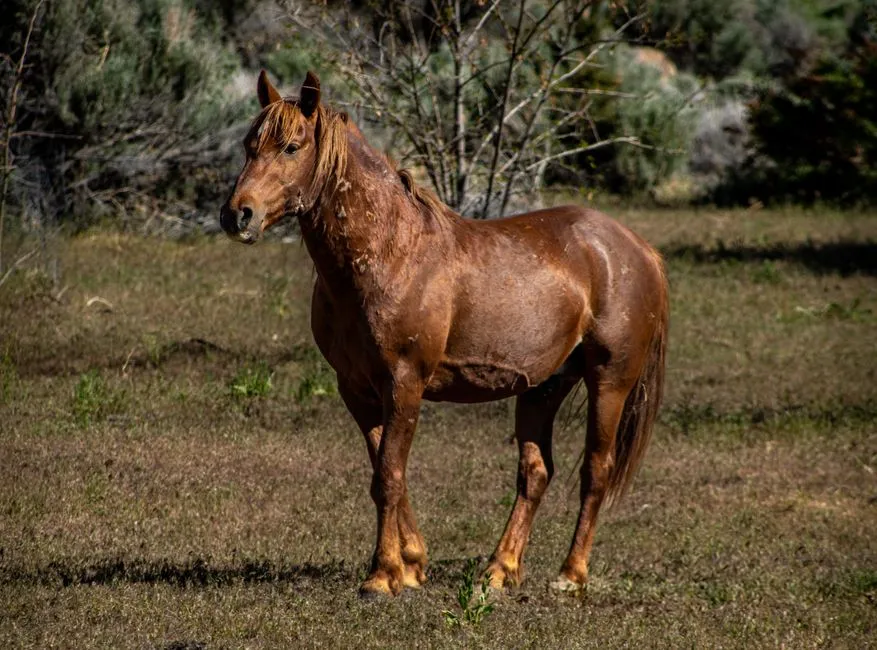
“Wild mustangs are naturally sure-footed and loyal, so they’re safe for kids” is a fantasy vets hear constantly. In reality, many mustangs on the market are either recently captured or barely started under saddle, still figuring out domestic life.
Their survival instincts are intact; sudden movements, loud noises, or confusing pressure can trigger a flight response far stronger than in most domestic breeds. They can be wonderful partners once fully trained – but that takes serious, skilled time and consistency.
- Background often unknown; some have trauma from gathers or rough handling
- Exceptionally smart; will test boundaries if the rider is inconsistent
Most vets respect mustangs deeply but treat them as advanced projects, not beginner mounts. The “beginner horse” myth is even stronger – and more dangerous – with #13…
#13 – The American Saddlebred
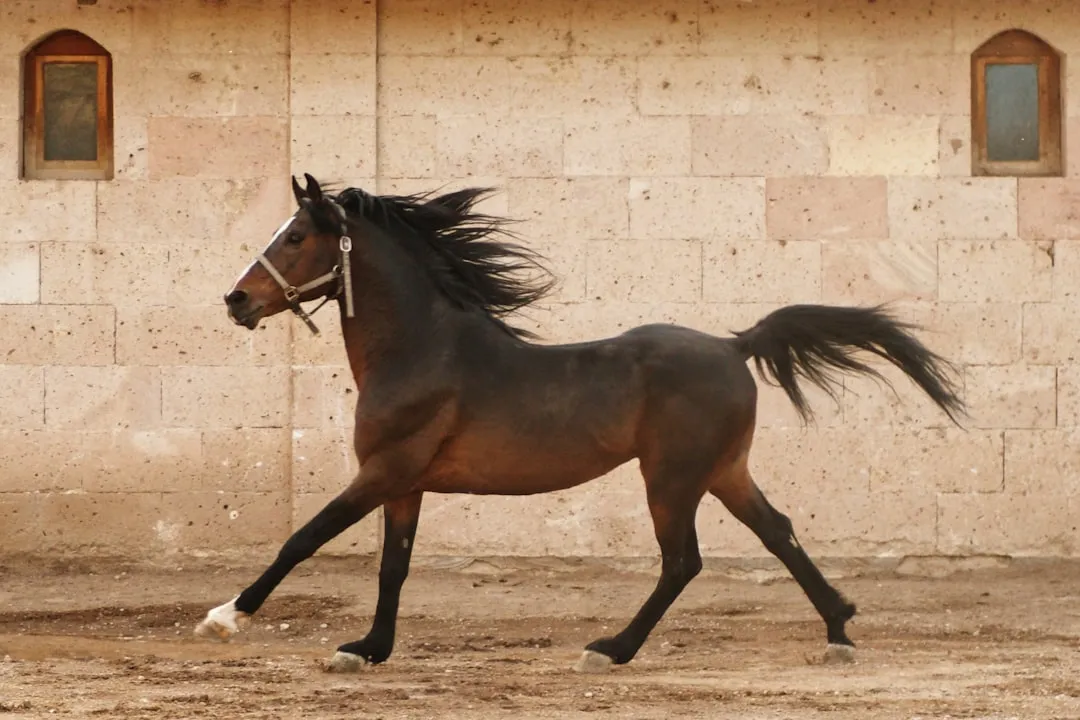
Saddlebreds are bred to be showstoppers, not babysitters. Their naturally high head carriage, animated gaits, and sharp reactions make them spectacular in the ring – and a lot for a child to handle.
Many are trained to amplify leg and rein pressure into bigger, flashier movement, which is the exact opposite of what you want when a kid accidentally grips in fear. The higher center of gravity and jerky motion can unnerve beginners quickly, teaching them to cling instead of ride correctly.
- Often kept on richer diets and in show routines that stoke energy
- Some lines are naturally hotter and more “up” than average
A few older, retired Saddlebreds make decent kids’ horses, but those are the exceptions vets know personally. The flashy myth gets even messier with #12…
#12 – The Tennessee Walking Horse (Show-Bred Lines)
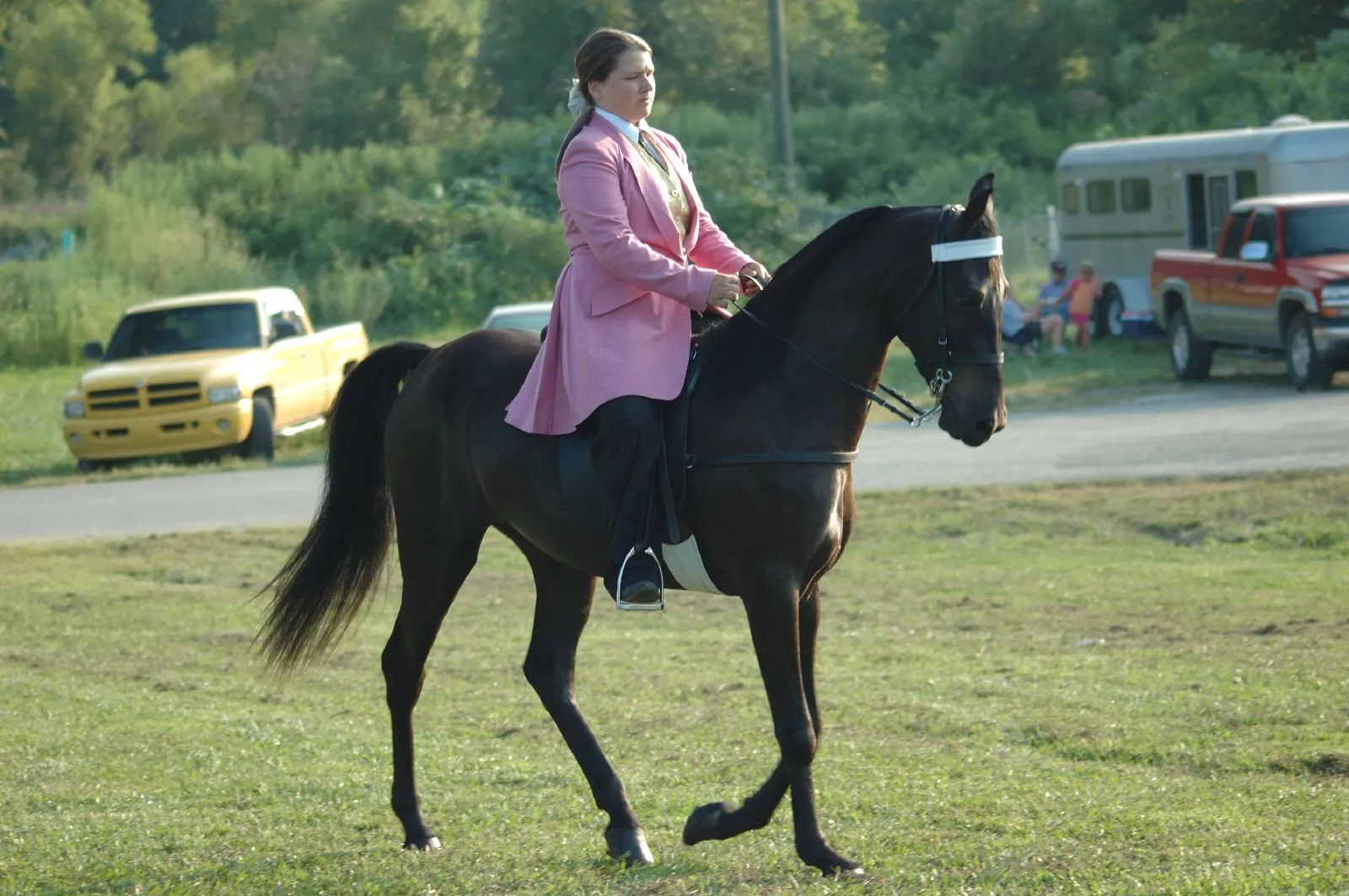
Many parents hear “smooth gait” and assume a Tennessee Walker is an automatic yes for children. Vets are more cautious. Performance-bred Walkers are often amped up for big, exaggerated movement and high energy, even when trained humanely.
That combination of power and sensitivity means a child’s uneven cues can create sudden surges in speed or gait changes that feel like the ground disappeared under them. There’s also a painful history of abusive training methods in some show circuits; horses with that background may associate human pressure with fear or discomfort.
- Big “running walk” can feel like a launch for new riders
- Some individuals have lingering pain or anxiety from old training
Vets may approve a mellow, trail-bred Walker they know well. But a random “smooth show horse” at an auction? Absolutely not for their kids. And then there’s the fashion-breed problem at #11…
#11 – The Friesian
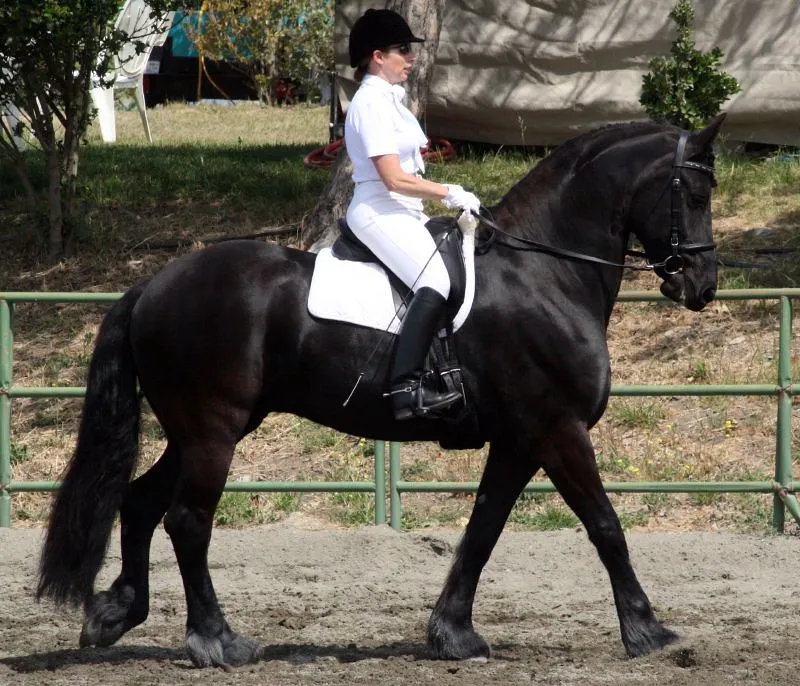
Friesians dominate fantasy movies, but vets see the duller side of that drama. They’re stunning, yes. But many Friesians are heavy-fronted, prone to joint issues, and surprisingly strong-willed, especially when under-worked.
That signature high knee action creates an up-and-down motion that can unseat a child who’s still learning to post or sit the trot. Combine that with a thick neck that can overpower small hands, and kids end up water-skiing on the reins. A spook or bolt from a Friesian is a lot of horse to stop.
- Higher risk of certain health issues, like neck and vascular problems, means more “off days”
- Size and hair make them appealing to parents, but intimidating in real life to kids
Worth Knowing
- Originated in the Friesland region of the Netherlands
- Historically used as war horses before becoming elegant carriage horses
- Breed standard calls for a solid black coat with little to no white
- Known for a dramatic, high-stepping trot and a thick, flowing mane and tail
Vets might indulge their own riding dreams with a Friesian – they just won’t put their 9-year-old up there. The same logic gets even sharper with #10…
#10 – Young Warmbloods (Any Discipline)
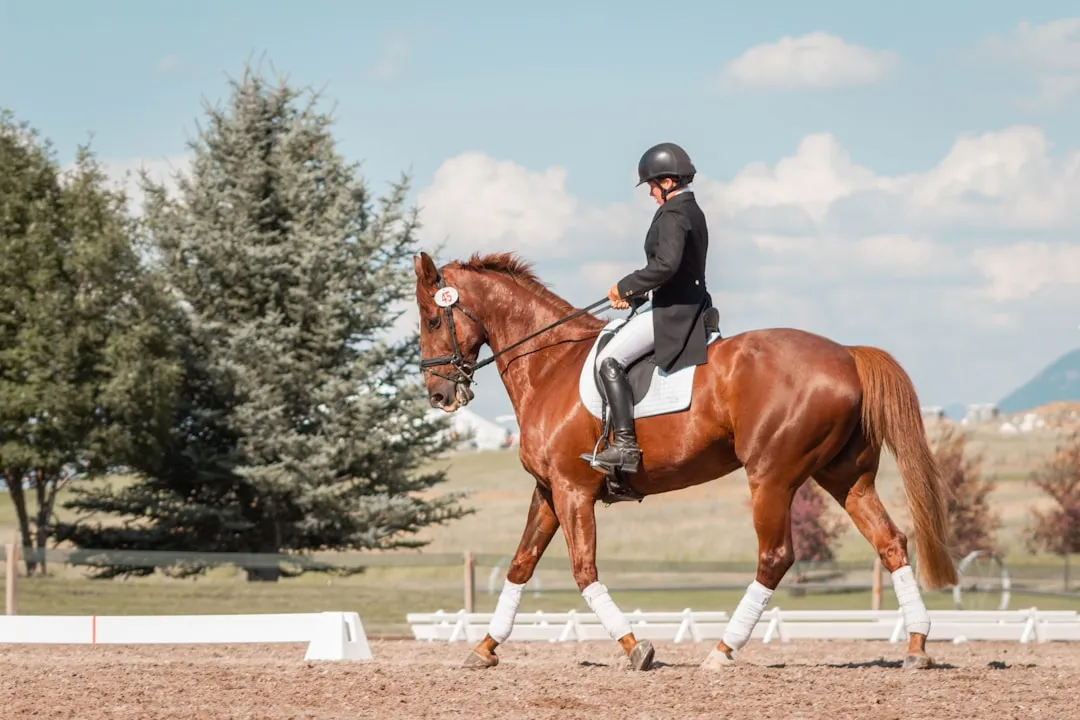
“Warmblood” has become shorthand for “fancy but safe,” and many vets cringe. These horses are typically bred from lines selected for power, scope, and responsiveness in sports like show jumping and dressage.
A 4- or 5-year-old warmblood often has the physical ability of a pro athlete and the brain of a teenager, which is exactly what you don’t want underneath a small child. They’re smart, they test boundaries, and they can go from lazy to launch mode when genuinely engaged.
- Slow-maturing bodies; big joints and growing bones under kid saddles
- Often have huge gaits that feel overwhelming to beginners
A mellow, older warmblood can be perfect for an advanced teen. But most vets refuse to let their grade-schoolers be the “test riders.” And the auction pipeline at #9? Even worse…
#9 – Kill-Pen “Save Me” Specials (Any Breed)
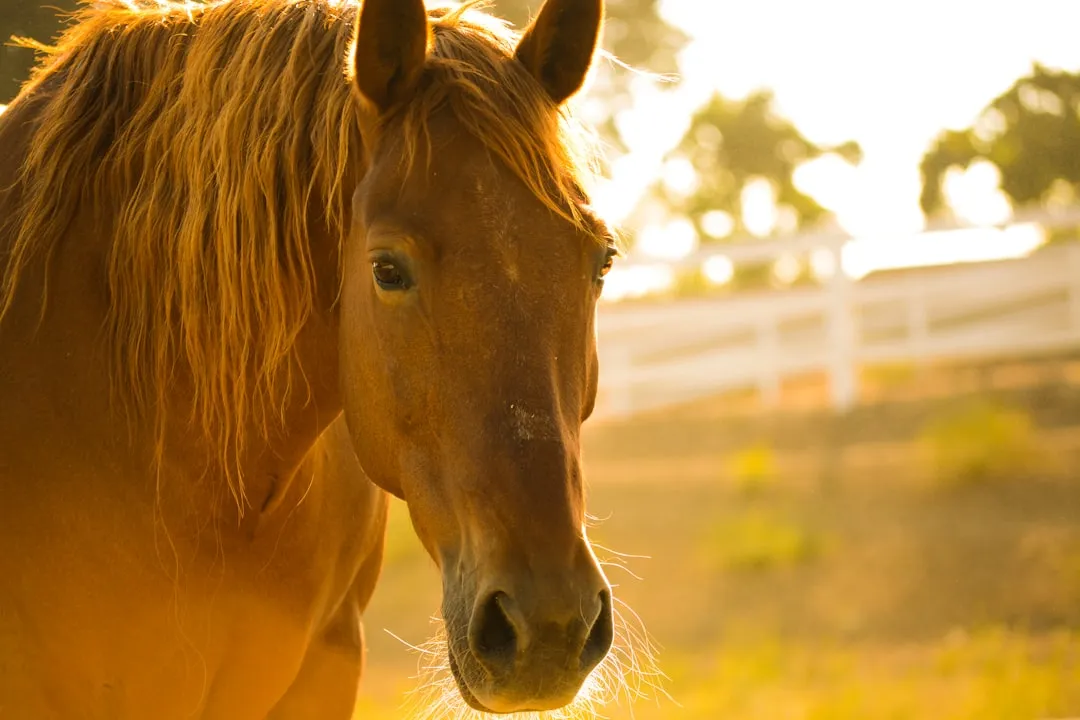
This isn’t a breed, but vets mention it so often it earns its own slot. Kill-pen and last-chance auction horses are often marketed online with tear-jerker language.
What the ads skip: many of these horses have unknown histories, physical pain, behavioral red flags, or all three. A high percentage end up there because someone – often multiple someones – couldn’t handle them or fix their issues. Kids don’t need a trauma project. They need a boring, predictable partner with a verifiable track record.
- Hidden lameness, chronic pain, and past abuse are extremely common
- “Just needs love” is not a training plan, and love doesn’t fix neurological problems
Vets see the aftermath when well-meaning parents buy these horses “for the kids.” They almost never offer their own children up as the guinea pigs. But even well-bred horses can be risky, as #8 shows…
#8 – Young Stallions (Any Breed)
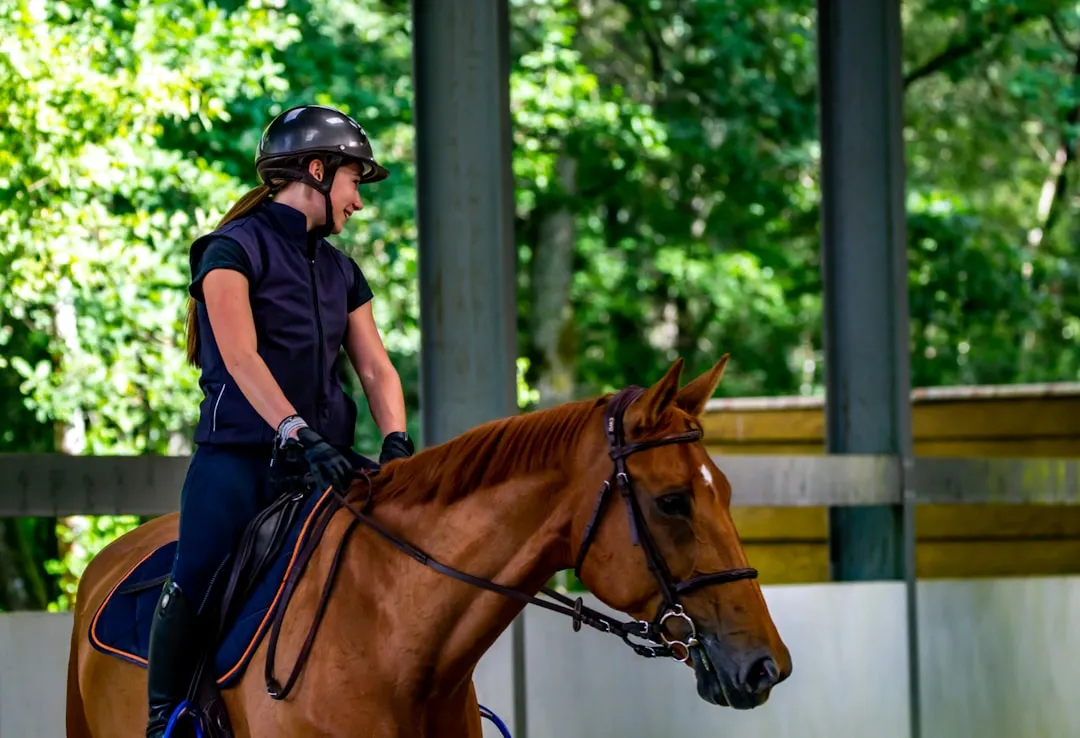
Here’s where vets get blunt: no child needs to be on a stallion, period. Stallions, even “quiet” ones, carry hormonal drives that change how they respond to other horses, people, and stress.
They may display dominance behaviors, challenge boundaries, or get distracted by mares in ways a child simply can’t manage. A seasoned adult with fast reflexes and strong body control can handle those moments; a kid cannot. Many countries and top trainers won’t even put adult beginners on stallions, let alone children.
- Risk isn’t just under saddle; leading, grooming, and loading are all higher stakes
- One bad incident can shatter a child’s confidence for years
Never let your guard down around a stallion just because he’s calm today.
Common warning among professional horsemen
Most vets would rather their kids ride a 25-year-old, slightly arthritic gelding than the soundest 5-year-old stallion in the world. And young colts and “stud-colt minds” at #7 are closer than people think…
#7 – Coltish Two- and Three-Year-Olds (Any Breed)
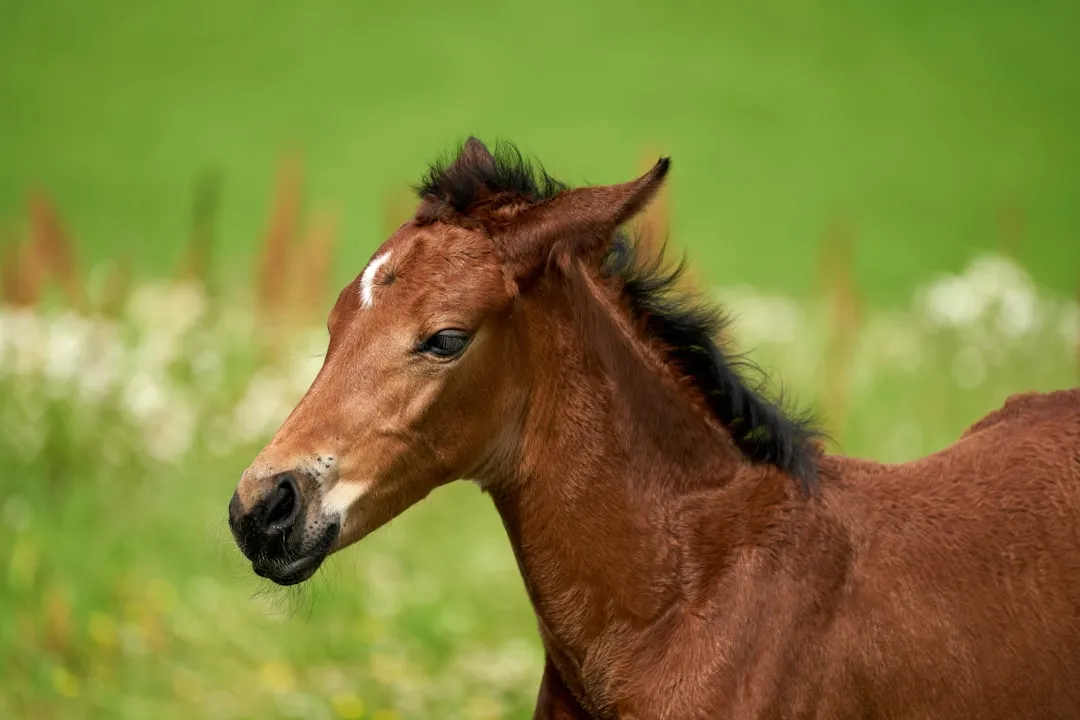
People underestimate how dangerous “just a young colt” can be. Two- and three-year-old horses are essentially 1,000-pound toddlers with mood swings and no finished manners.
They test personal space, nip, kick in play, and spook more dramatically – all normal, but not kid-safe. Under saddle, they’re still learning basic steering and brakes. Add a child who’s also learning, and you get two green brains trying to solve panic at the same time. Vets see disproportionate injury rates when kids are encouraged to “grow up with their horse.”
- Bodies are still developing; discomfort can trigger bucking or rearing
- Inconsistent handling quickly creates dangerous habits
Vets almost universally prefer older, “been there, done that” horses for kids. And yes, that includes supposed kid-ponies, as #6 proves…
#6 – Shetland Ponies
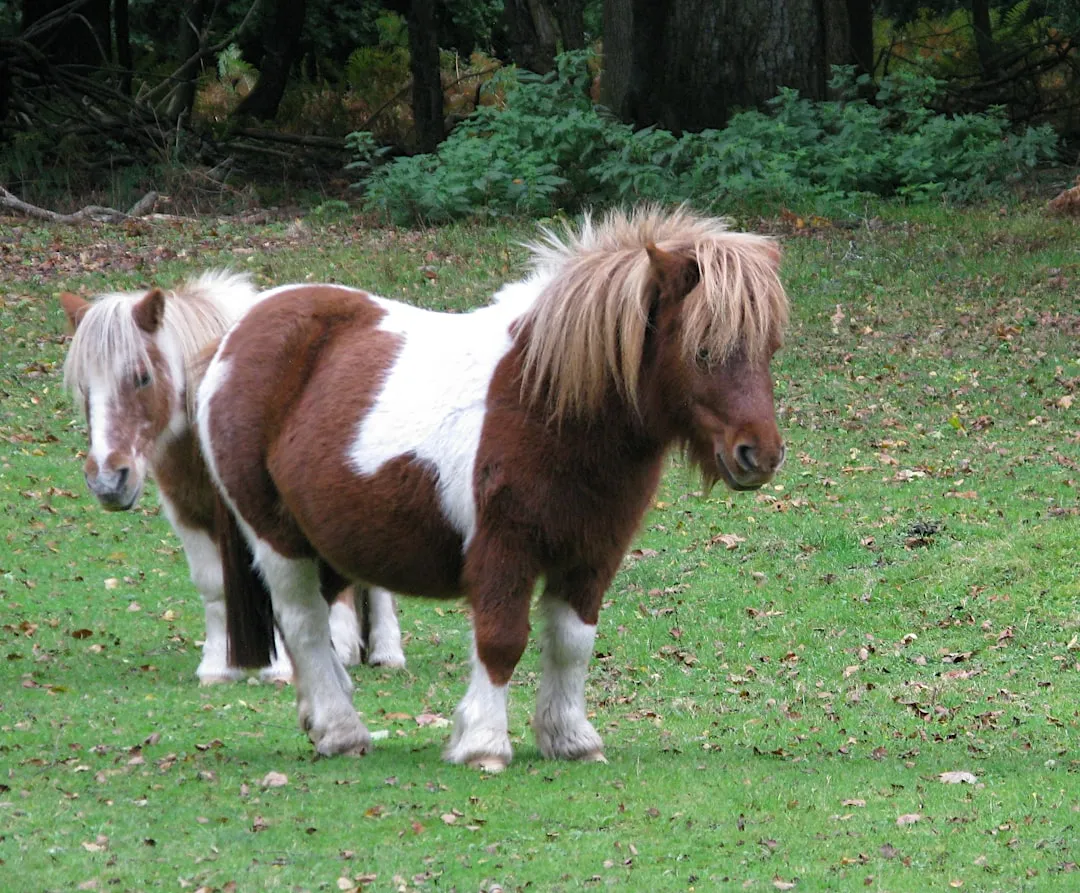
This one will start fights in the comments, and vets know it. Shetlands are small, tough, and legendarily clever – often too clever for very young riders.
Because they’re low to the ground, adults let kids handle them with minimal supervision, which leads straight to pushy behavior: nipping, shoulder-checking, bolting back to the barn. Many Shetlands learn fast that they’re stronger mentally than the small humans around them. Once a pony realizes it can drag a child to grass or pull away at the gate, the power struggle begins.
- Height makes adults underestimate the risk of kicks or bites
- Often overweight, under-exercised, and bored – a perfect recipe for mischief
Quick Compare
- Shetland: hails from Scotland’s rugged Shetland Isles, historically strong enough to work in coal mines
- Miniature Horse: bred purely for tiny size, not for work, and often even smaller than a Shetland
- Welsh Pony: generally more refined and even-tempered, a breed trainers often recommend instead for first-time young riders
Some Shetlands are saints; vets cherish those unicorns. But as a category, this is not the automatic “first pony” answer many parents think it is. And then we hit #5, the viral trend that keeps vets up at night…
#5 – “Designer” Miniature Horses and Tiny Ponies
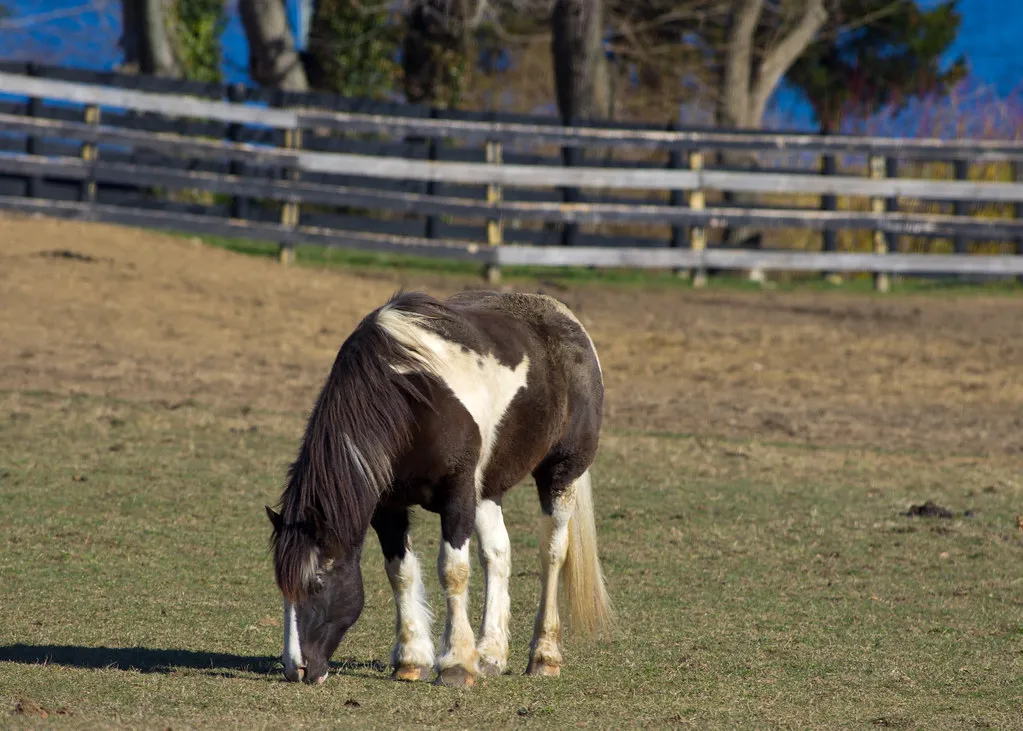
The smaller they are, the safer they look – and the more nervous vets feel. Mini horses and ultra-small ponies are frequently treated like oversized dogs.
They’re under-trained, under-respected, and often handled by kids with zero boundaries, which teaches bad habits fast: nipping at clothes, sudden kicks, pulling away from halters. Their tiny size also encourages adults to overload them; a child that is technically “within weight limit” can still make a mini uncomfortable, creating sour, defensive behavior.
- Many minis have untreated dental and hoof problems that cause pain
- Painful horses, even tiny ones, can lash out fast and low – right at child-height
Most vets are fine with minis for groundwork and driving, under supervision. They just don’t want their own kids bouncing around on a glorified lawn ornament. And yet, the “trail plodder” stereotype of #4 might be even more misleading…
#4 – The Overused Trail String Horse
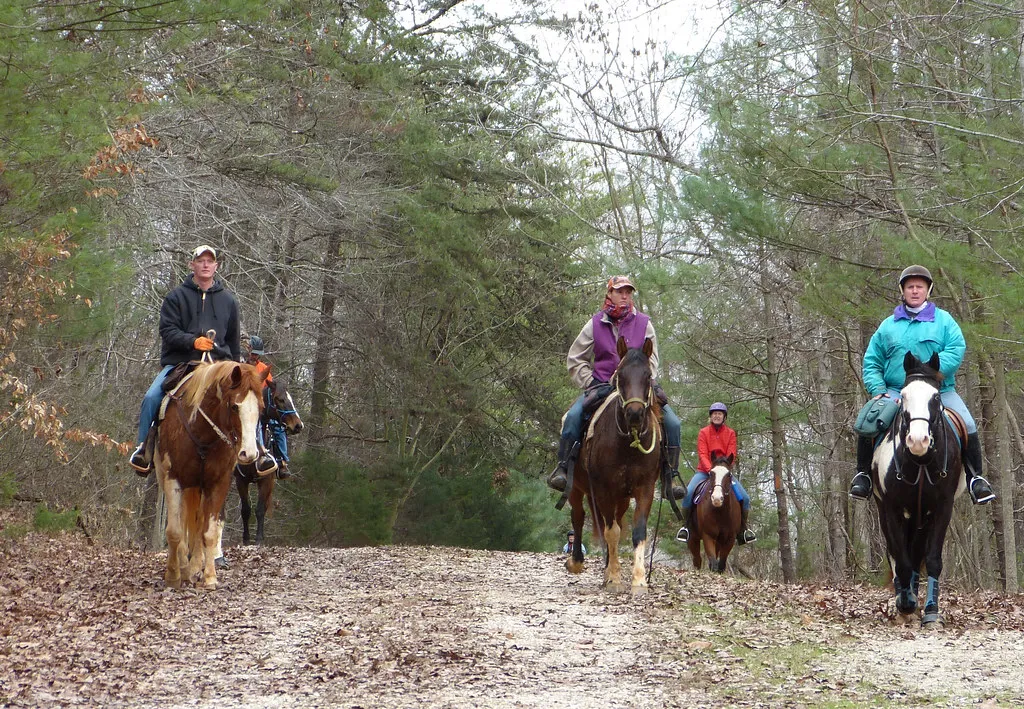
Again, not a breed – but vets talk about this category constantly. Trail string horses at tourist barns are often exhausted, soured, and in some cases so shut down emotionally that they stop reacting until they suddenly explode.
Kids are put on them with no real instruction, then sent out in big groups where one spook can ripple down the line. Many of these horses carry ill-fitting tack, chronic back pain, or hoof issues that make them unpredictable when pushed just a little too far.
- Learned helplessness can flip unexpectedly into strong reactions
- High turnover and minimal vet care in some operations increase hidden risk
Vets might let their kids do a short, carefully vetted trail ride. But the stereotype that “if it’s at a tourist place, it must be safe” is one most of them openly reject. Which brings us to #3 – the temperament wildcard…
#3 – Recently Rescued or Abused Horses (Any Breed)
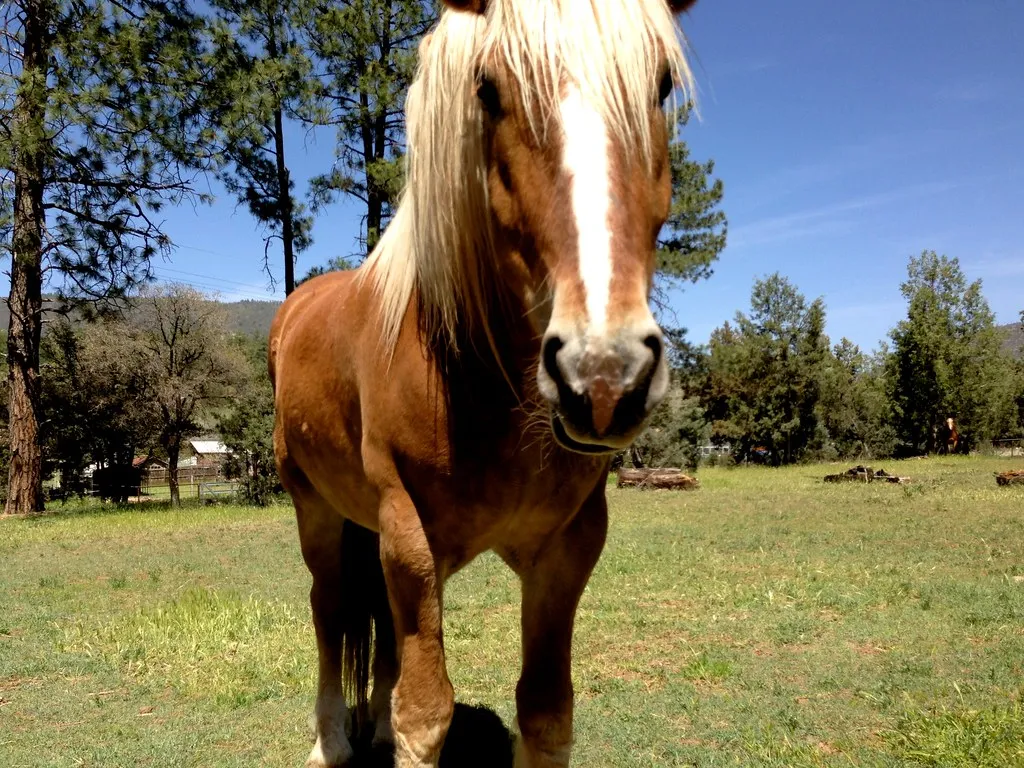
The internet loves a glow-up story; vets see the parts between the photos. Rescued and previously abused horses may look calm, but underneath, many carry deep, unpredictable triggers around touch, confinement, or specific equipment.
They can be fine for months, then suddenly melt down when a child accidentally reproduces some long-ago moment of fear – tugging an ear, dropping a rope, raising a hand too fast. Healing takes skilled, patient, consistent handling that young riders simply can’t provide.
- Trauma responses can include bolting, flipping over, or shutting down in unsafe places
- Progress is rarely linear; “good days” can lull people into a false sense of security
Most vets respect rescue work deeply, but they’re blunt: their kids are not the rehab team. And as nerve-wracking as trauma horses are, the deceptively “safe” label stuck on #2 worries them just as much…
#2 – The Freshly “Turned Into” Lesson Horse
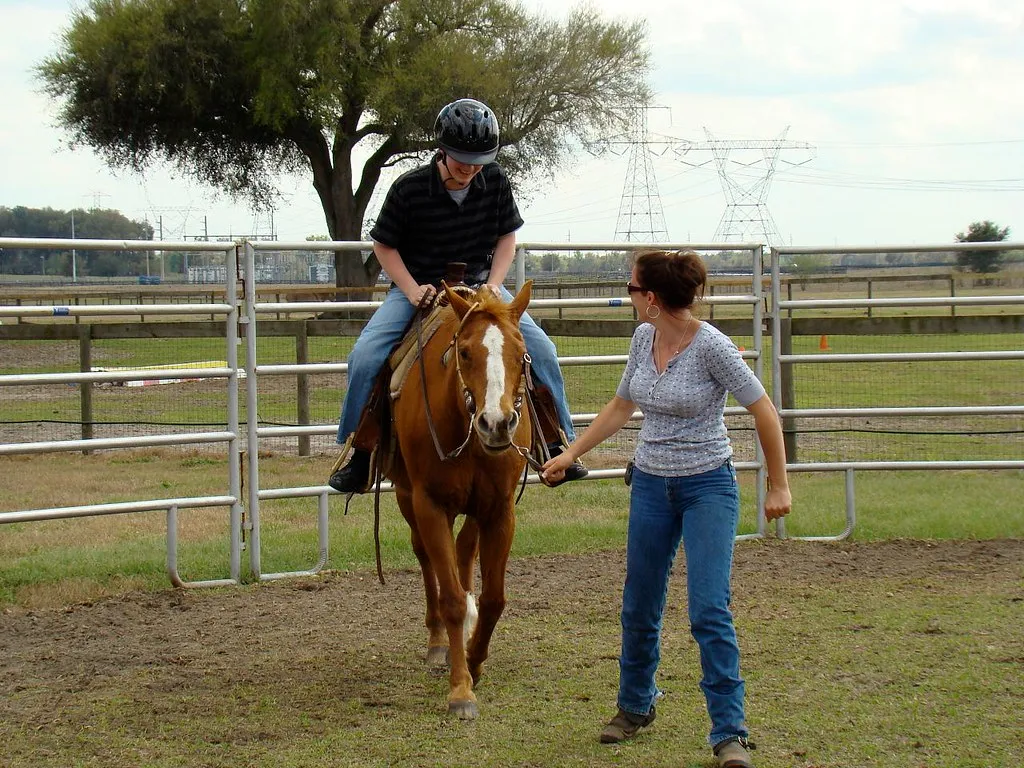
Almost every barn has one: yesterday’s hot show horse, today’s kids’ mount. Vets are wary. Transitioning a horse from high-level performance to carrying beginners isn’t just a tack change; it’s a complete mental rewrite.
Many of these horses are still wired to respond to tiny, precise cues and get anxious or frustrated when the rider is clumsy, loud, or unbalanced. Some internalize that stress until they start pinning ears, nipping, or tossing heads – behaviors adults can manage but children often fear.
- May have underlying pain from former careers that’s never fully addressed
- Burnout is real; a horse forced from high pressure to chaos can mentally check out
Vets often insist on long, careful trial periods before letting their kids on “new to lessons” horses – if they agree at all. And then there’s #1, the single category most vets almost universally blacklist for their own children…
#1 – The Green-Broke, “Project” Horse (Any Breed)
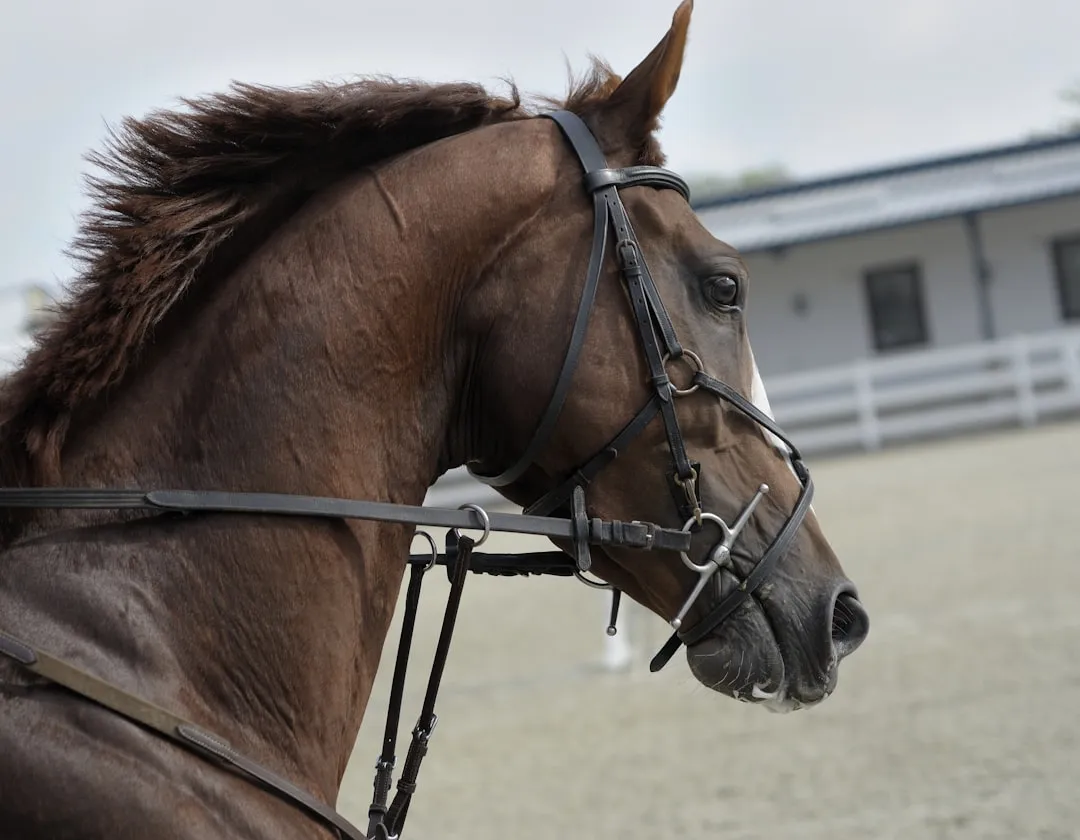
If there’s one hard line many vets draw, it’s this: no kids on project horses. “Green-broke” sounds harmless; in practice, it means a horse that still hasn’t fully learned to start, stop, or steer predictably under normal pressure – much less under a panicking child.
These horses may have only a few rides, big gaps in handling, or serious confusion about basic aids. They might seem calm one day and suddenly decide they don’t understand mounting, the arena gate, or trotting with a rider. When something goes wrong, there is no ingrained habit to fall back on.
- Two learners – green horse plus green child – amplify each other’s mistakes
- Most catastrophic kid injuries vets treat involve some flavor of “project horse”
Vets know project horses can become solid citizens – with time, training, and experienced riders. But they refuse to let their own children be the ones who “finish” them, no matter how cheap or tempting the deal looks.
The Bottom Line
The uncomfortable truth is this: there is no inherently “kid-safe” breed – only individual horses with proven, boring, reliable histories. Vets, who see the worst-case scenarios up close, quietly avoid putting their children on green-broke projects, rescue rehabs, stallions, fashion breeds sold on looks, and any horse whose past is mostly a guessing game.
They favor older, sound, slightly lazy geldings with years of uneventful miles, not whatever’s trendy on TikTok this month. That might sound overcautious, but broken bones and shattered confidence are hard to fix – and a lot easier to prevent than to undo.
Do you agree that most parents underestimate the real risks, or do you think vets are being too strict? Share where you’d draw the line in the comments.
