

Most people believe they’ll “just know” when it’s time to say goodbye to an old cat. The truth is far more painful: most families miss the quiet signals entirely, and only piece them together weeks or months later, usually while scrolling through old photos and wondering how they missed it.
Vets who work in feline hospice see the same heartbreaking pattern on repeat: subtle shifts brushed off as “just old age,” when they were actually your cat’s last attempts to tell you something was wrong. Your senior cat has likely been talking to you in a language nobody ever taught you to read. Here are the 14 signs almost every grieving owner wishes they’d understood sooner.
#1 – Sudden Clinginess That Feels “Out of Character”
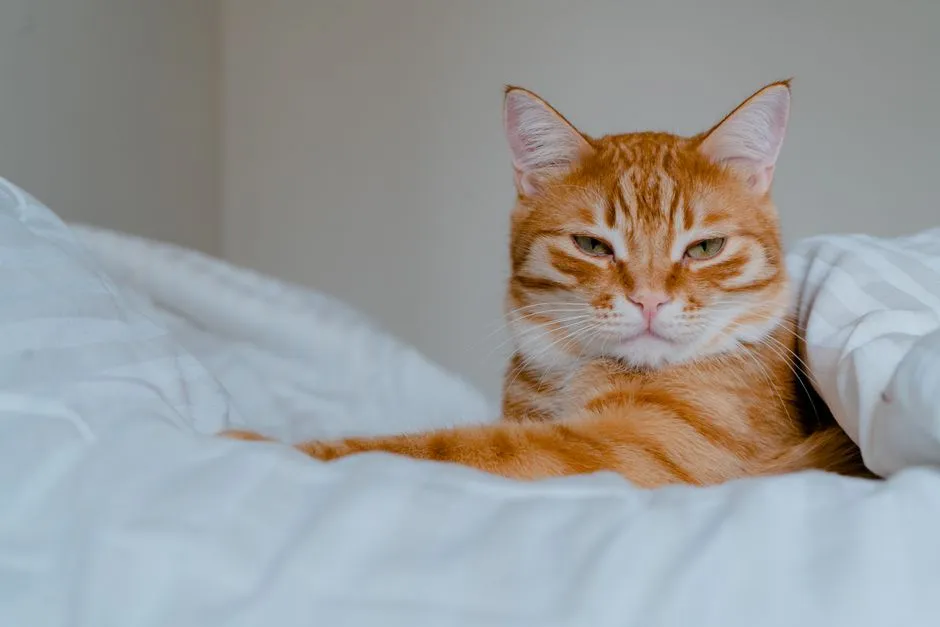
When an independent cat suddenly turns into your shadow, it’s rarely random affection. In the final weeks, many aging cats become unusually attached to one person, trailing them from room to room, crying if a door closes between them. Families often remember this later as “extra sweet” behavior, never realizing what was happening underneath it.
Vets see this clinginess as a possible sign of cognitive decline, anxiety, or physical discomfort – not sentimentality. Your cat may suddenly feel fragile, and instinct is pushing it to stay close to whoever it trusts most. This isn’t manipulation; it’s a small predator’s survival wiring kicking in the moment its own body starts to fail it.
- Sleeping pressed against you when it never did before
- Panicking or yowling if you close a door between you
That clinginess is your cat saying, “I don’t feel okay. Please stay with me.”
#2 – Hiding in New, Strange Places
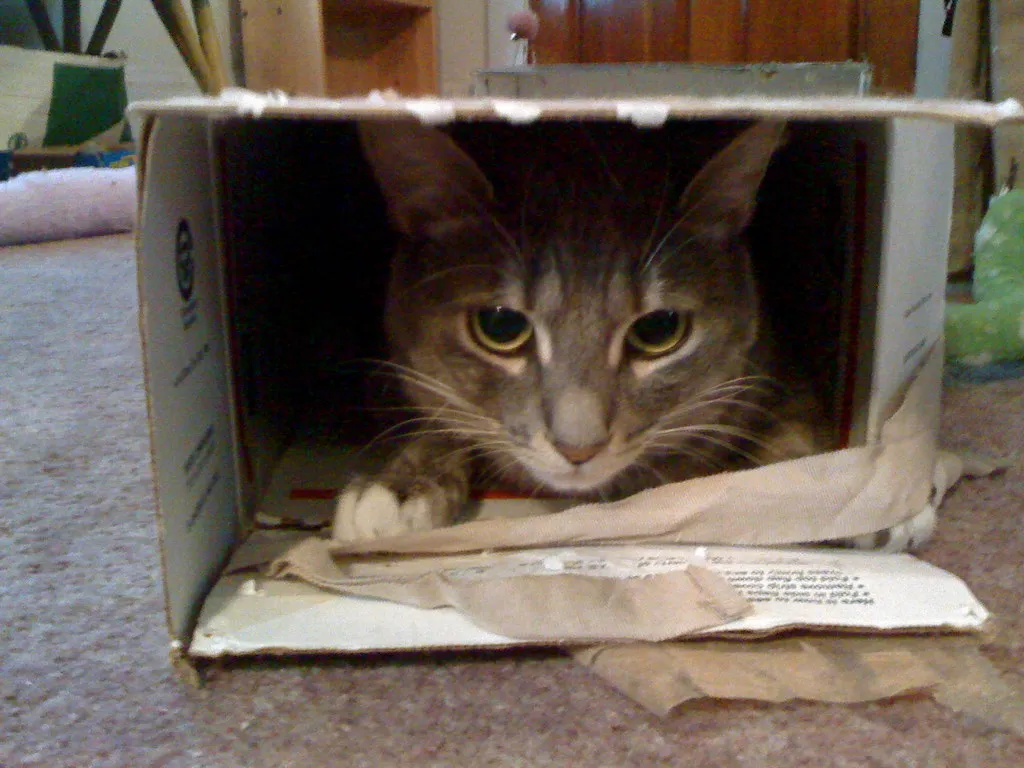
Cats hide – that part isn’t news. But end-of-life hiding looks nothing like a lazy afternoon nap under the bed. Near the end, many cats start choosing hard-to-reach, enclosed spots they’ve never used before: behind the washer, deep in a closet, wedged under low furniture.
Most owners shrug this off as “typical cat weirdness.” Palliative-care vets read it very differently – it’s one of the clearest signs that a cat is in serious pain or decline, instinctively trying to disappear before something can hurt it further.
- Your cat stops lounging in its favorite sunny spots
- You have to physically move furniture to reach them
They’re not mad at you. They’re saying, “I don’t feel safe out in the open anymore.”
#3 – The Appetite Drop Everyone Mistakes for Pickiness
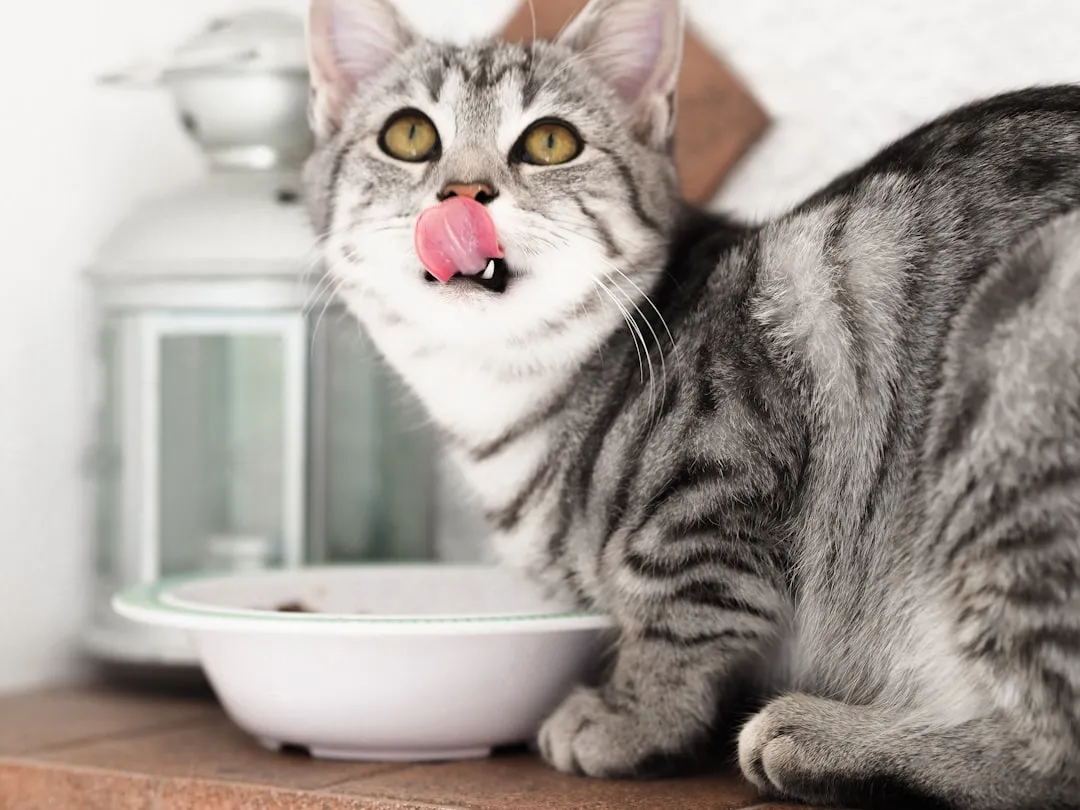
Most families explain away appetite changes as their cat “getting fussy,” and it’s one of the costliest mistakes an owner can make. In the last weeks, interest in food often fades gradually, then falls off a cliff: sniffing and walking away, licking only the gravy, taking one bite and quitting entirely.
Owners rotate flavors and brands, convinced they’ve cracked the code the moment the cat eats a little. Vets see something else entirely – a classic warning sign of kidney disease, cancer, dental pain, or organ failure, especially in cats over 12 to 14 years old.
- Eating less over several days, not just one “off” day
- Weight loss you can feel along the spine or hips
Worth Knowing
- Vets generally consider cats “senior” at 11+ years and “geriatric” at 15+
- Chronic kidney disease is one of the most common diagnoses in cats over 15
- Losing more than 10% of body weight over a few months is considered clinically significant
- Dental disease affects most cats by age 10 and can quietly reduce appetite
Your cat is quietly saying, “Eating hurts, or it makes me feel sick.”
#4 – Drinking Way More… or Suddenly Almost Nothing
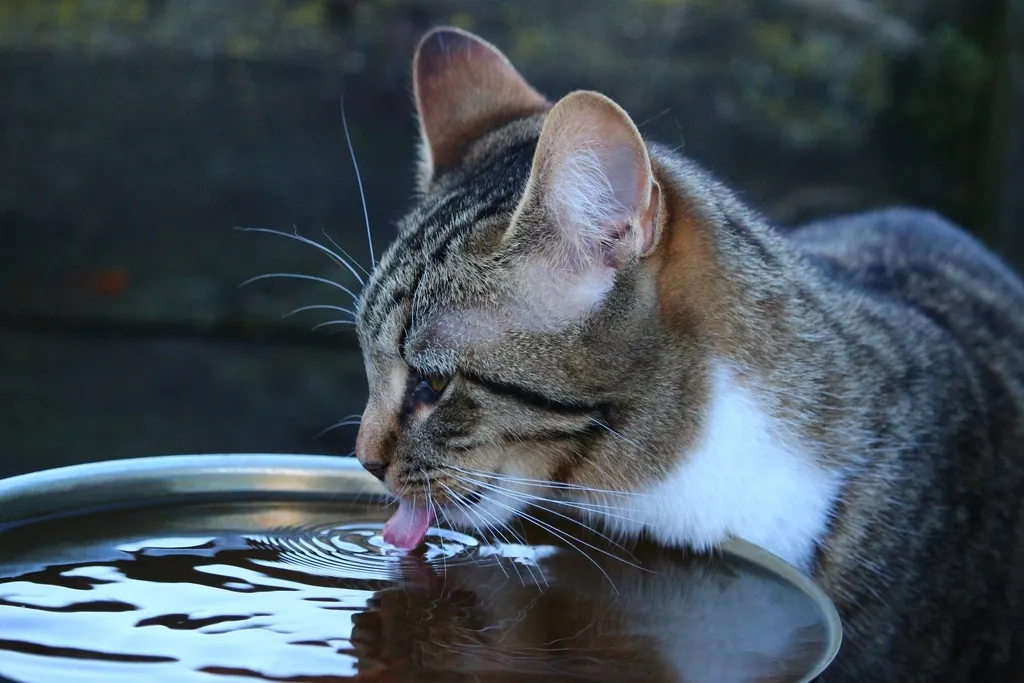
Most people only panic when a cat stops drinking, but drinking more is often the earlier, sneakier warning. In the final months or weeks, many senior cats start camping out by the water bowl, drinking for long stretches or visiting it constantly, even begging for the faucet.
This can point to kidney disease, diabetes, or thyroid issues – all common in older cats and often present long before any visible “crash.” On the flip side, a cat that suddenly drinks almost nothing after a period of heavy drinking may be sliding into end-stage organ failure or severe nausea.
- Wet litter clumps much larger than before
- Water bowls needing refilling far more often
Your cat is telling you, “My body isn’t handling fluids normally anymore.”
#5 – The Coat That Suddenly “Lets Itself Go”
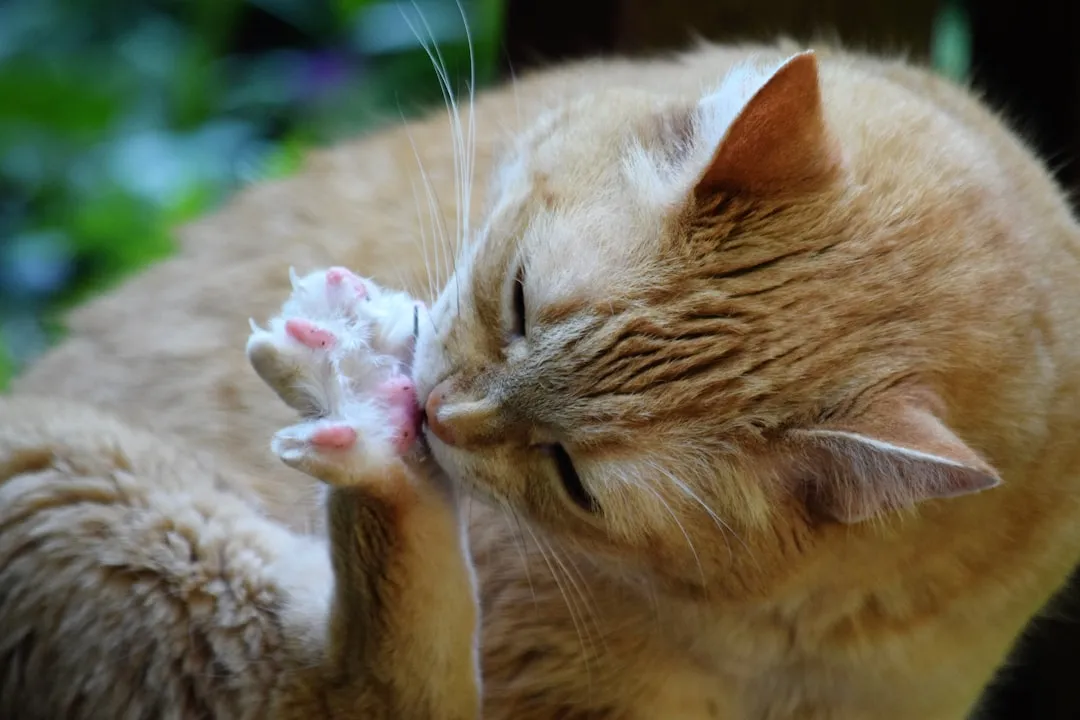
Looking scruffy isn’t just cosmetic – it’s often the first thing vets notice at a checkup. Cats are fastidious by nature, so when an old cat stops grooming, gets greasy fur, or develops mats, that’s a genuine red flag, not laziness.
Arthritis, pain, weakness, or nausea can all make grooming feel like too much work. On the flip side, some dying cats over-groom one spot, licking their belly bald or obsessing over a sore joint. Families often remember later how the coat “just went downhill,” never realizing it was a pain signal the whole time.
- Dandruff, unkempt fur, a dull coat
- A strong, musky odor where your cat used to smell clean
Your cat is saying, “I hurt, and basic self-care is hard for me now.”
#6 – Litter Box Accidents That Aren’t Really About Behavior
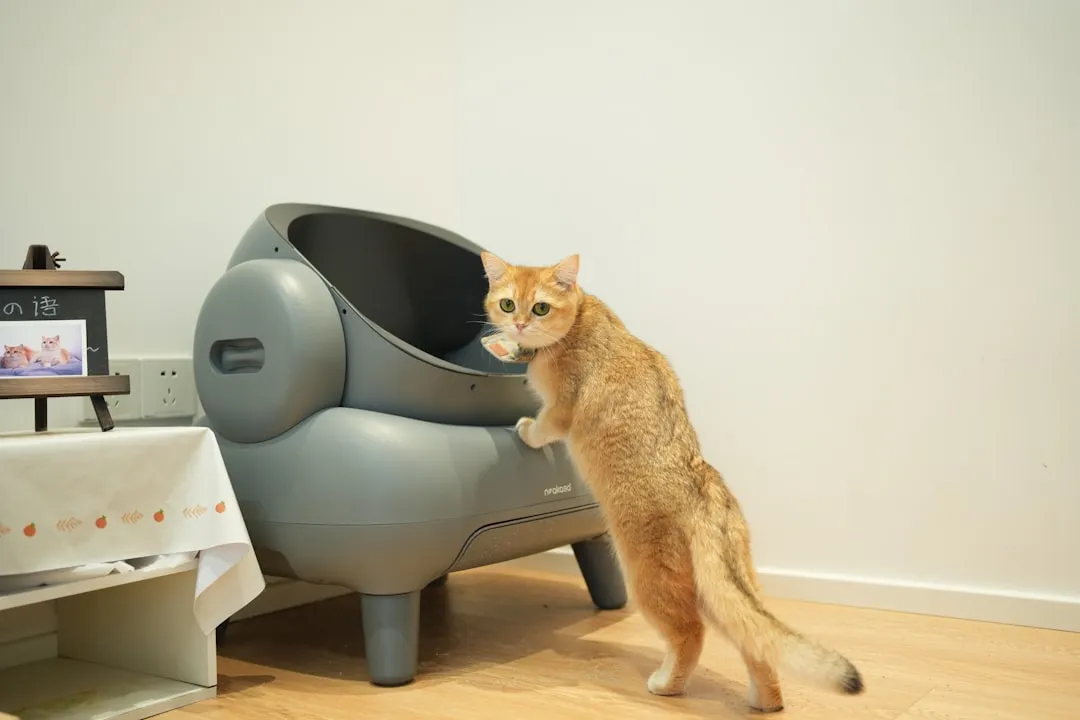
One of the most misread end-of-life signs is the accident outside the box. When an older cat starts peeing or pooping in the wrong spot, many owners feel frustrated or even angry – understandably, but wrongly. This is almost always a medical or mobility problem, not spite.
Arthritis can make climbing into a high-sided box agonizing. Kidney or urinary disease can create sudden urgency and pain. Cognitive decline means your cat may genuinely forget where the box is or lose its way getting there. Cats are naturally clean animals; “bad behavior” here is almost always a cry for help.
- Your cat chooses a nearby soft spot, like a bath mat or laundry pile
- You see them trying to use the box but giving up
They’re saying, “I’m trying, but my body or brain can’t keep up anymore.”
#7 – The 2 A.M. Crying That Feels Almost Haunting
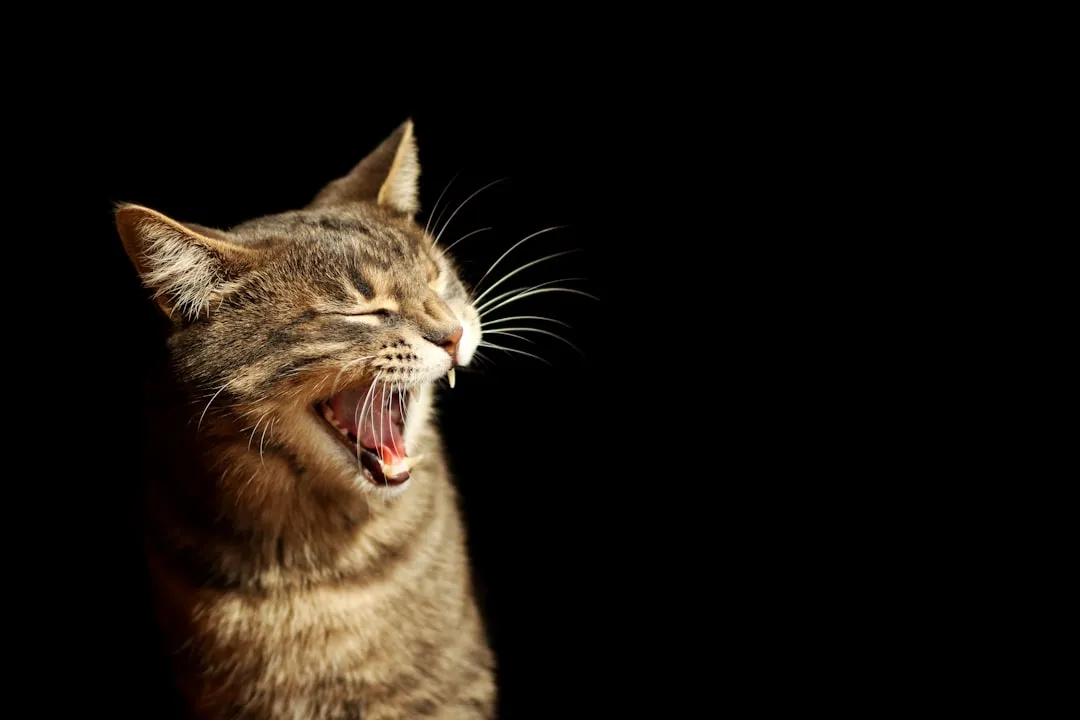
Late-night crying isn’t just annoying – it can be a major end-of-life clue. Many families only realize later how eerie those nighttime changes really were: the once-quiet cat now wandering and wailing at 2 a.m., staring at walls, or crying in empty rooms.
This can point to pain, high blood pressure, hyperthyroidism, or feline cognitive dysfunction, often compared to dementia in humans. The vocalizing may mean your cat is disoriented, can’t see well in the dark anymore, or is feeling a chronic discomfort that gets worse once the house goes quiet.
- Loud, drawn-out meows with no obvious trigger
- Seeming “lost” in familiar parts of the home
Your cat isn’t trying to wake you for fun. It’s saying, “Something feels very wrong in my body or my mind.”
#8 – Breathing Changes You Only Catch on Old Videos
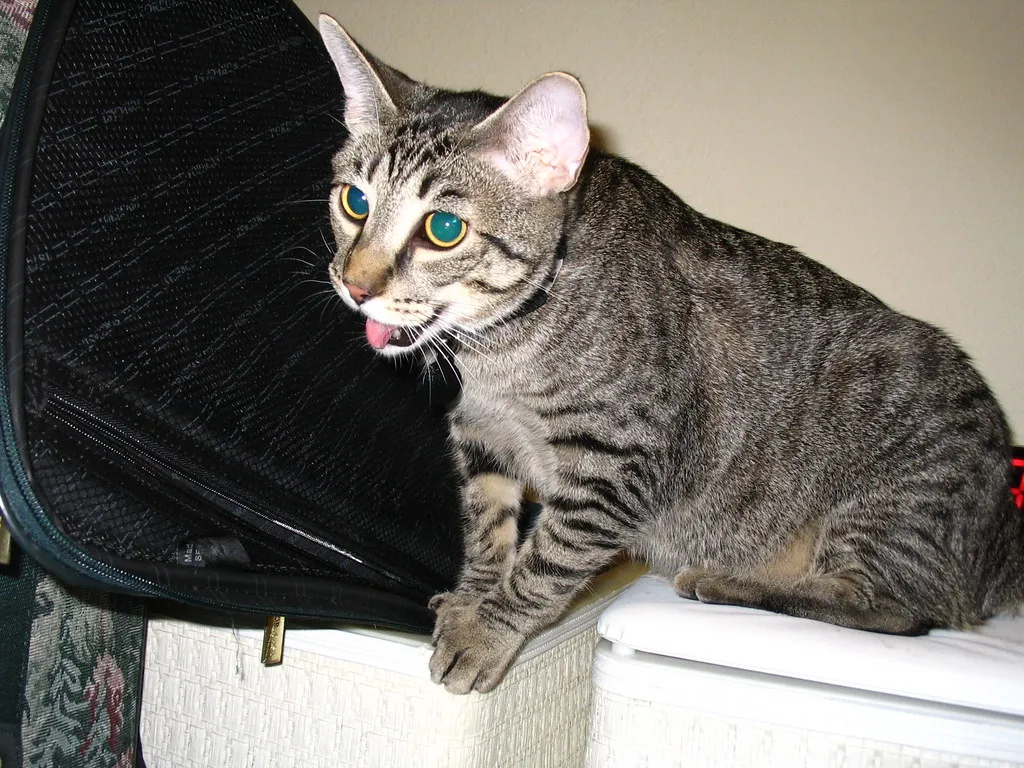
Most people don’t realize how often breathing changes show up in hindsight. Scrolling back through old videos, many families suddenly notice their cat’s flanks moving faster, open-mouth breathing after mild play, or sleeping in strange, upright positions.
In real time it’s easy to miss, especially if the cat is still eating and moving around. But an increased respiratory rate, labored breathing, or panting are serious warning signs, often linked to heart disease, fluid around the lungs, severe anemia, or cancer.
- Breathing more than roughly 30 breaths per minute at rest, consistently
- Sitting in a “meatloaf” position with elbows out, neck stretched
Your cat is quietly saying, “Every breath is work now.” This is often when vets urge an immediate evaluation.
#9 – The Sudden “Good Day” That Fools Everyone
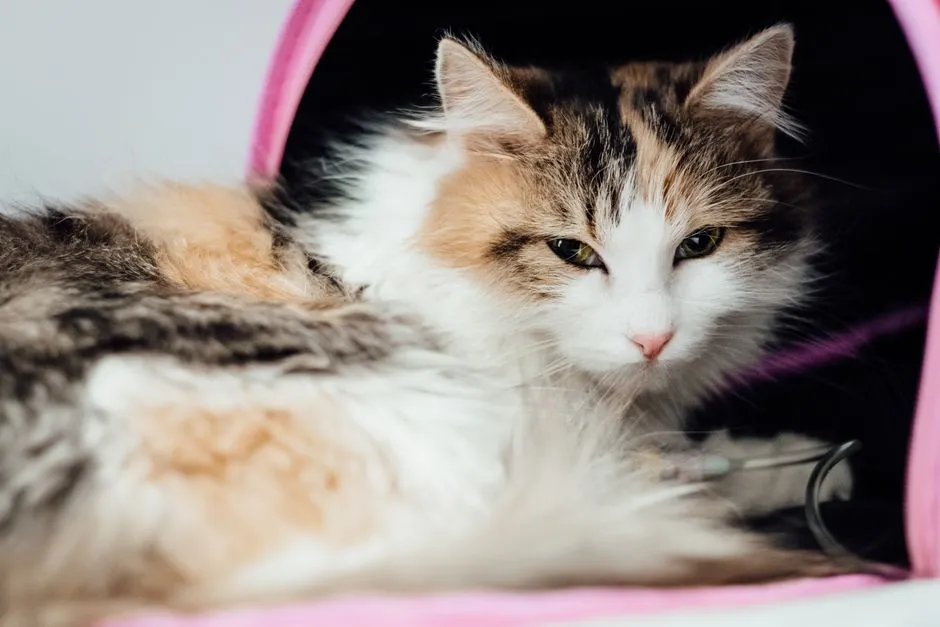
Slowing down is easy to dismiss. The “miracle good day” is what really confuses families. An old cat that hesitates to jump, avoids stairs, or sleeps most of the day is usually in chronic pain, most often arthritis, which is wildly underdiagnosed in cats.
But here’s the part people only understand later: sometimes, just before the very end, cats have a sudden burst of energy. They eat better, move more, and seem like their old self again. Many owners take this as recovery. Palliative vets call it a temporary rally, and it can come right before a rapid decline.
Quick Compare
- Real recovery: Improvement builds gradually over days or weeks and holds steady
- Terminal rally: A sudden burst of appetite and energy that appears almost overnight
- Real recovery: Follow-up exams or bloodwork typically show measurable improvement
- Terminal rally: Underlying body condition usually hasn’t changed at all
- Long-term slowing followed by one strangely bright day
- Then an abrupt crash within days
Your cat is saying, “I’m giving you one last glimpse of me.”
#10 – The Look in Their Eyes That Owners Can’t Quite Explain
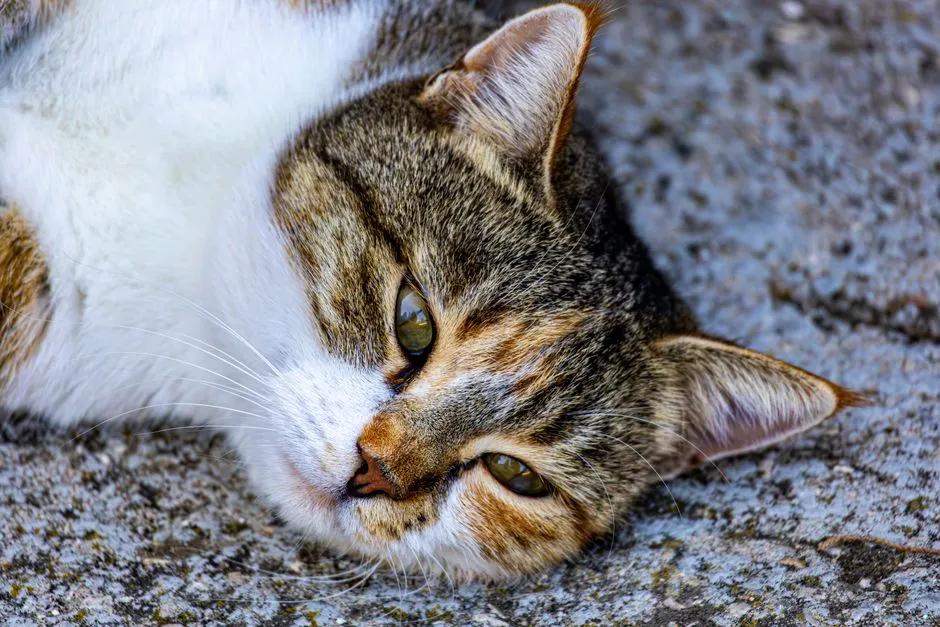
It sounds dramatic, but many people swear they saw it: a change in their cat’s eyes. In the last weeks, some cats develop sunken eyes, dilated pupils, or a distant, glassy expression that wasn’t there before.
Dehydration can make the eyes look dull or receded. High blood pressure or neurological issues can affect pupil size. There’s also something owners describe that isn’t strictly medical – a sense that their cat looks “tired” or “done” in a way they can’t quite explain. Subjective, sure, but vets do see real physical eye changes as a late-stage sign in many chronic illnesses.
- Eyes not tracking you as sharply as before
- Squinting, blinking slowly, or staring into space
Your cat may be saying, “I’m fading, even if my body is still here.”
#11 – Ignoring the Treats and Toys They Once Lived For
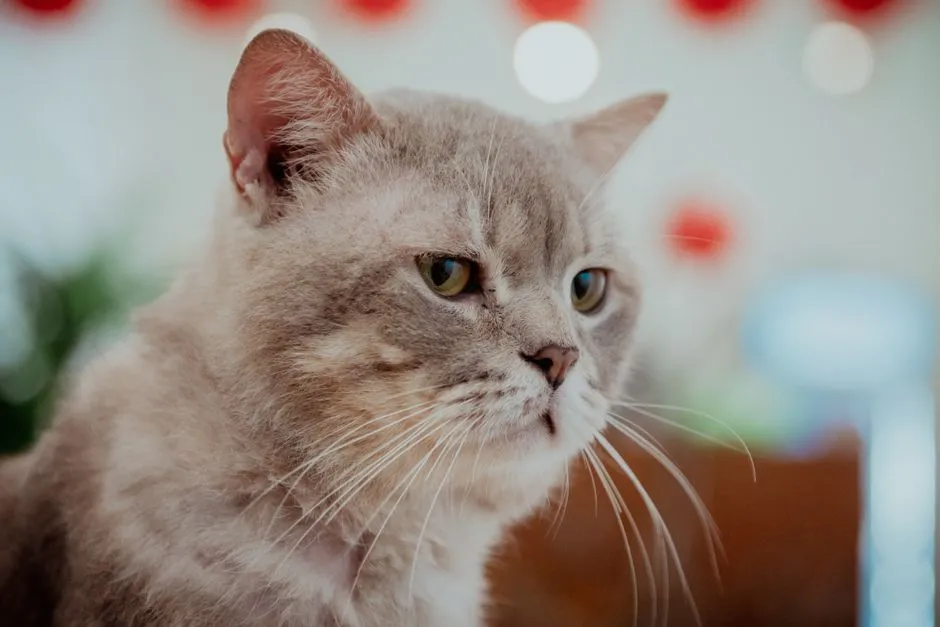
One of the most emotionally devastating signs is indifference to what used to light them up. End-of-life cats often stop caring about their absolute favorite things – the treats they’d come running for, the toy they used to attack, the window perch they claimed for years.
Families frequently remember this later with shock: “She even ignored the treat bag. That never happened before.” Losing interest in deeply ingrained routines isn’t just mood – it often signals real discomfort, nausea, or exhaustion, similar to how gravely ill people lose interest in hobbies they once loved.
- Walking away from a beloved treat untouched
- Watching a favorite toy move without reacting
Your cat is saying, “The things I loved take more energy than I have left.”
#12 – The Sudden Need for Warmth, Softness, and Silence

Toward the end, many cats become strangely particular about comfort. You may notice your cat seeking out very warm, very padded, very quiet spots, even if it used to be social or active around the house.
They might curl up next to heating vents, sleep buried under blankets, or retreat to a soft bed in a low-traffic room. This isn’t pickiness. Thin, elderly cats lose body fat and muscle, so they feel colder and more exposed. Joint pain makes hard surfaces unbearable, and loud noises or guests feel overwhelming when they’re already running on empty.
- Flinching at sudden sounds they used to ignore
- Insisting on a very specific spot and staying there all day
Your cat is telling you, “I need gentleness, warmth, and peace now.”
#13 – The Strange “Goodbye Rounds” Hospice Workers See Constantly
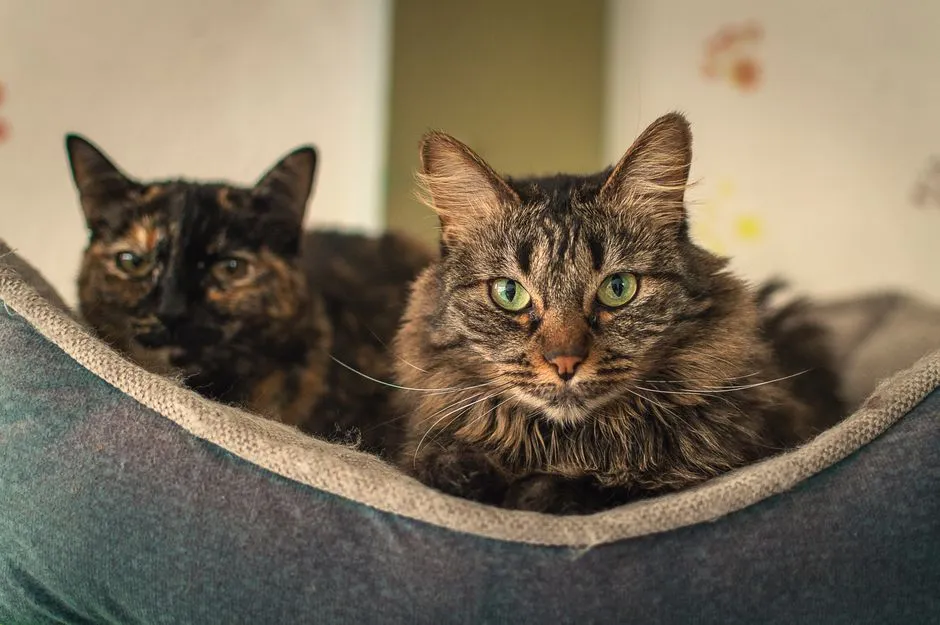
This is the sign that starts arguments in comment sections, but pet hospice workers see it over and over. In the final days, some cats develop strange, one-off rituals: visiting each favorite room, sleeping on every family member’s bed one last time, or suddenly insisting on being held by a person they’d always ignored before.
Skeptics call it coincidence. Many owners feel strongly that their cat was “making rounds,” saying goodbye in the only way it could. Nobody can prove intention here – but behavior shifts like this do reliably show up shortly before death or euthanasia.
At a Glance
- Visiting favorite rooms or perches one final time
- Sleeping on each family member’s bed in turn
- Seeking out a person they normally kept their distance from
- A slow, deliberate walk through the house before settling down
- A cat who never cuddled suddenly choosing your lap all evening
- One last slow walk around the house, stopping at familiar spots
Whether you call it instinct or something deeper, your cat is signaling that something is changing.
#14 – Quiet Acceptance: When the Fight Finally Goes Still
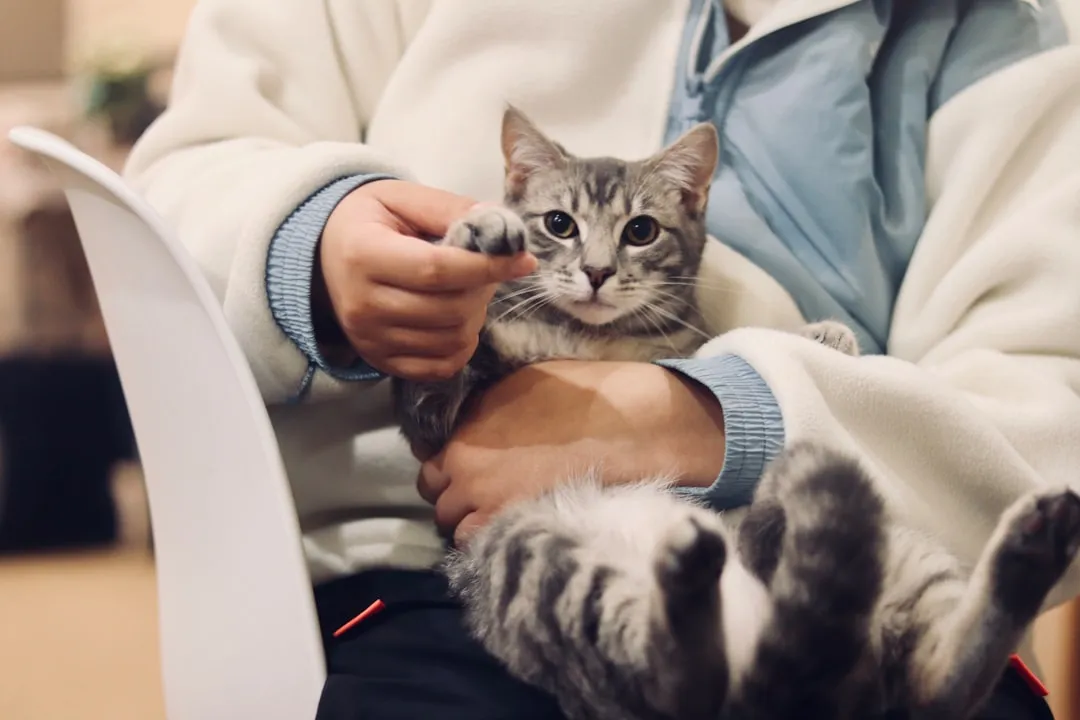
This is the sign most families only recognize looking back: a kind of surrender. At a certain point, some cats stop struggling at the vet, stop protesting meds, and stop trying to hide how bad they feel.
They may lie in one spot, barely moving, no longer resisting gentle handling. Breathing goes shallow, responses slow down, purring becomes rare or disappears. Instead of fighting exams or carriers, they seem strangely indifferent. This isn’t “being good” – it’s exhaustion. Many vets quietly call this “the look” that tells them it’s time to talk seriously about comfort and letting go.
- No interest in food, water, play, or interaction
- Seeming present but distant, as if half out of the world already
In this stage, your cat is saying, as clearly as a cat ever can: “I’m done fighting. Please make this easier for me.”
The Bottom Line
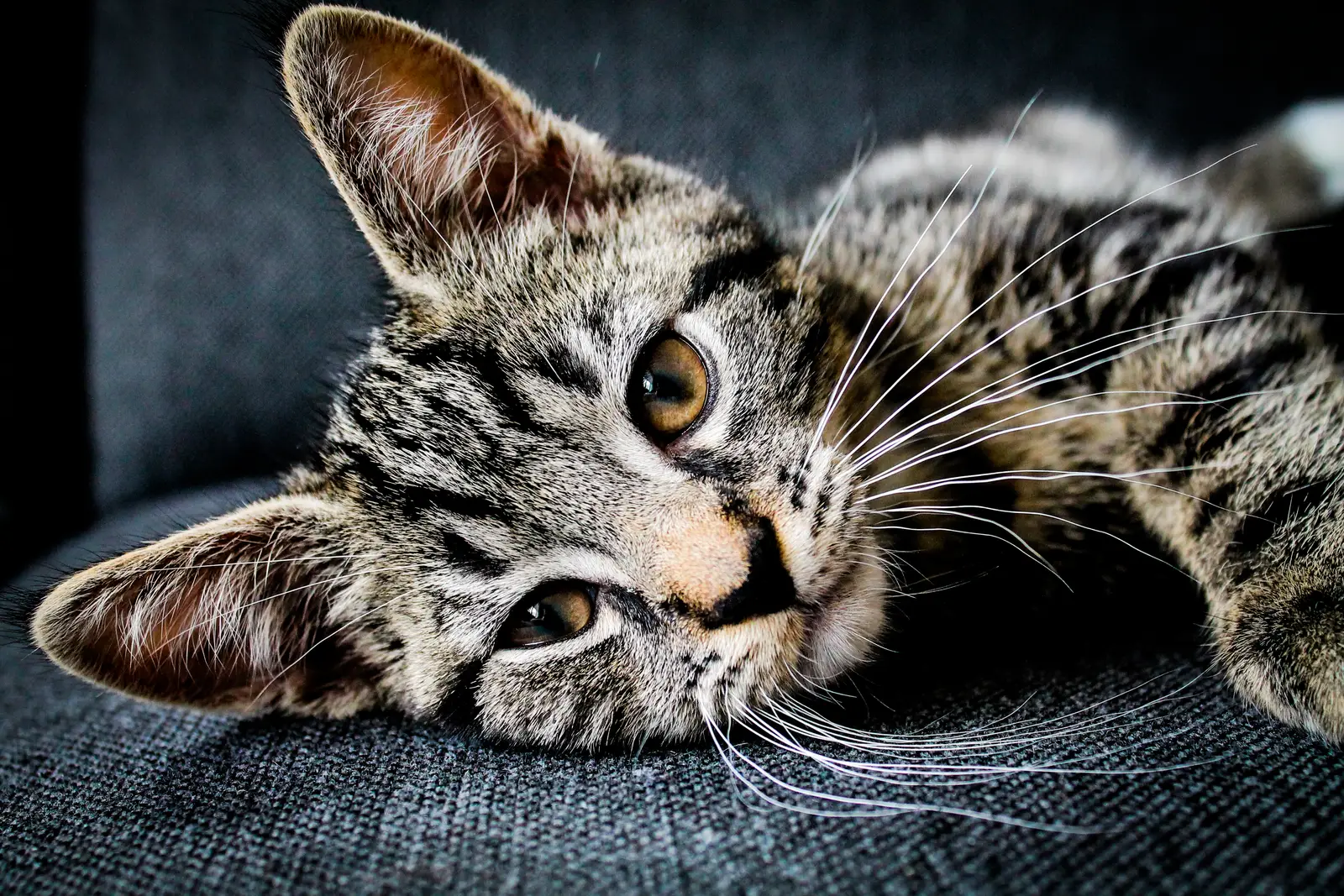
The hardest truth most families learn too late is that their old cat usually was communicating in those final weeks – they just didn’t know how to read the language. Clinginess, hiding, appetite changes, accidents, nighttime crying, and that eerie “different” look aren’t random quirks. They’re medical and emotional signals from a small body that’s running out of reserves.
Fast Facts
- The 14 signs range from clinginess and hiding to breathing changes and quiet acceptance
- Appetite, thirst, grooming, and litter box changes are often the earliest medical clues
- A sudden “good day” after weeks of decline can be a temporary rally, not a recovery
- Comfort-focused hospice care is a legitimate option once decline becomes clear
The point isn’t to obsess over every twitch your cat makes. It’s to notice the pattern, act early, and choose comfort over denial once the message becomes impossible to ignore.
Some people believe nature should simply take its course. A lot of vets – and a lot of grieving owners who waited too long – quietly disagree. A peaceful, well-timed goodbye isn’t giving up on your cat. It’s often the last and most honest form of love you have left to give.

- What Your Old Cat Is Telling You in Its Last Weeks: 14 Signs Most Families Only Understand Later - July 31, 2026
- 16 Things Longtime Owners Say They Learned Far Too Late to Help Their First Dog - July 31, 2026
- 17 Things Hummingbirds Do at First Light That Most People Sleep Straight Through and Never See - July 31, 2026