
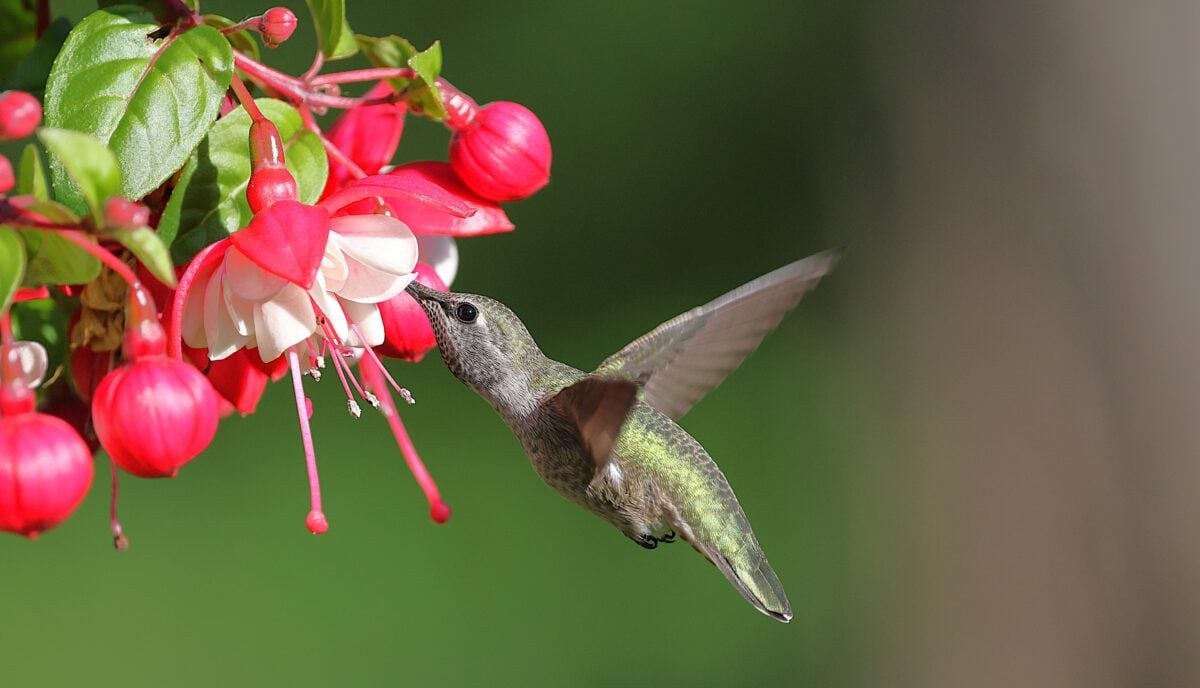
You probably think you already know hummingbirds. Tiny, hyper, endlessly buzzing between flowers whenever the sun’s out and the feeder’s full. That picture is almost embarrassingly incomplete.
Before your alarm even goes off, hummingbirds are clawing their way back from something close to a nightly near-death experience, quietly staking claims, and deciding how bold or cautious they’ll be for the next twelve hours. Almost nobody ever sees it. Here’s what’s actually happening in your backyard while you’re still face-down in a pillow.
#1 – Snapping Out of a Nightly Near-Death Experience
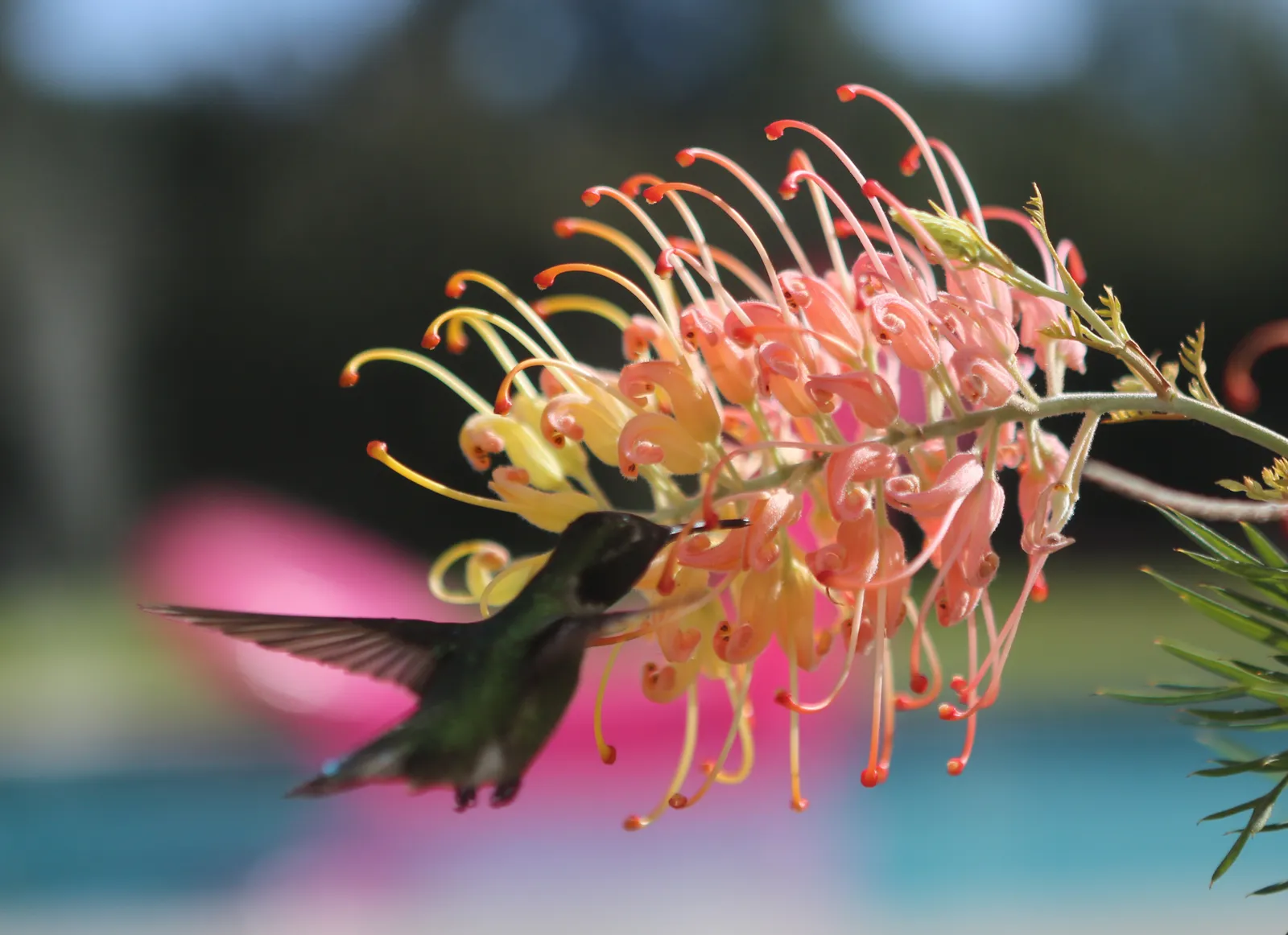
At first light, hummingbirds aren’t just “waking up” – they’re clawing their way out of a state that’s basically controlled shutdown. All night, many species drop into torpor, where body temperature plunges and metabolism slows to a fraction of normal just to survive until morning. If they didn’t, most would burn through their fuel reserves and die before sunrise ever came.
As the sky lightens, their internal clock and small shifts in temperature cue them to start rewarming, and it isn’t a gentle stretch-and-yawn moment. A heart beating a few dozen times a minute in deep torpor can ramp to hundreds of beats per minute in a matter of minutes, pulling from whatever fat or sugar is still left in the tank. Most people imagine hummingbirds vibrating with endless energy nonstop. In reality, dawn is often their most fragile moment, the narrow line between surviving the night and not.
Fast Facts
- Normal waking body temperature: around 105°F
- Body temperature during torpor: can drop below 50°F
- Active heart rate: can exceed 1,200 beats per minute
- Heart rate during deep torpor: as low as a few dozen beats per minute
#2 – Emergency Refueling That Looks Like Panic
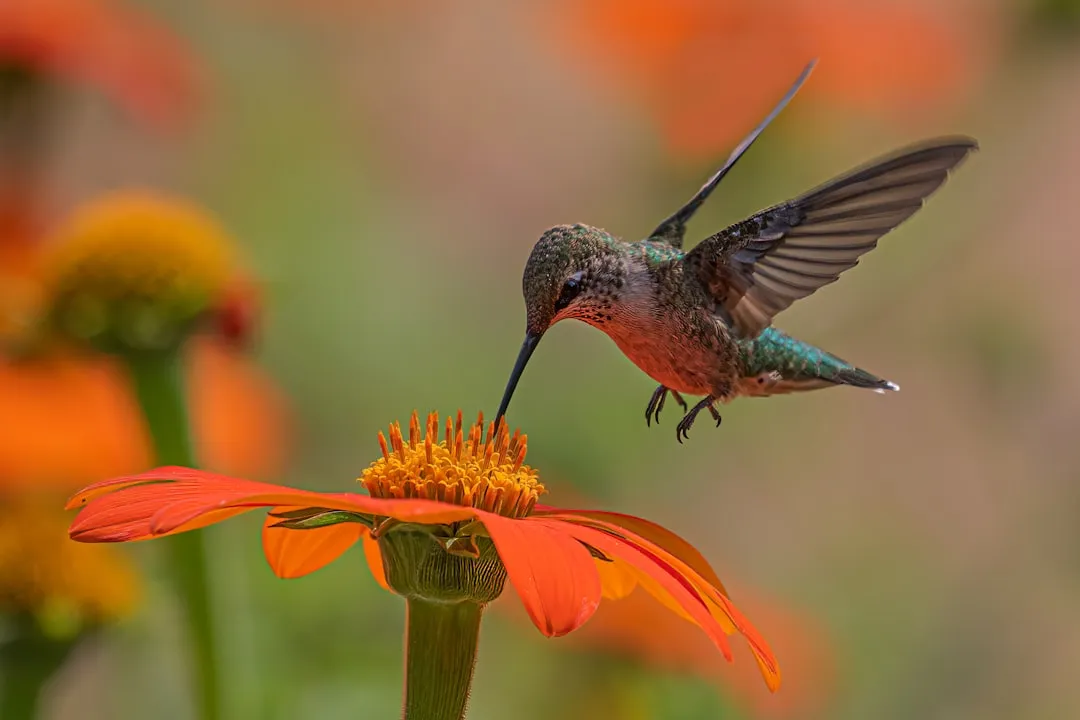
Right after hauling themselves out of torpor, hummingbirds go into full emergency-refuel mode. They’re not casually sampling flowers here – they’re raiding them like someone who hasn’t eaten in days. Biologists estimate hummingbirds can consume up to half their body weight in nectar in a single day, and the earliest minutes of light are when that deficit is at its worst.
At this hour, they often fly less gracefully and more directly, beelining for familiar nectar sources they memorized the day before, betting everything that those flowers or feeders are still stocked. To a hungry hummingbird, a well-stocked feeder at dawn is basically life insurance. If you catch one at this hour, watch for longer, uninterrupted feeding sessions with almost no breaks – that’s not laziness, that’s survival triage, and failing to find sugar fast enough can put the whole day in a hole they never climb out of.
#3 – Quietly Mapping the Morning’s Nectar Supply
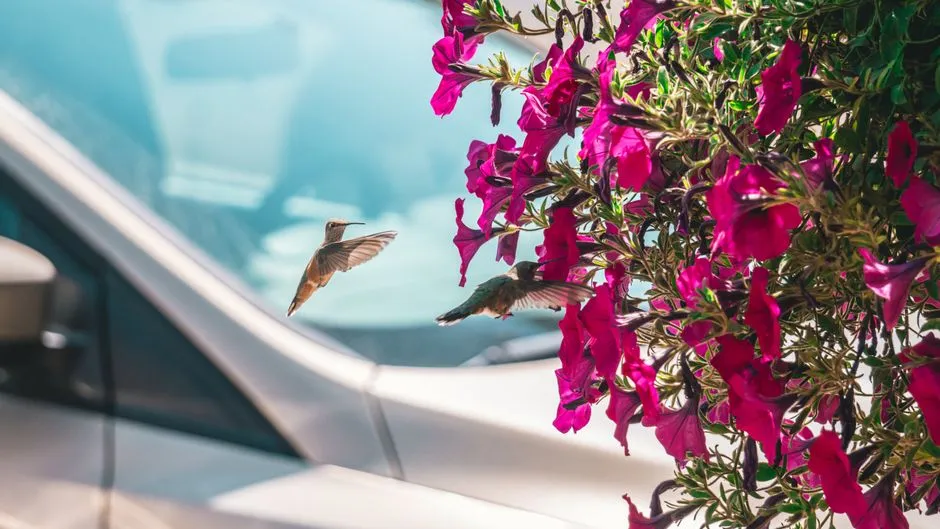
While most of us are still asleep, hummingbirds are running a mental inventory of every nectar source in range. They’re not zipping around randomly; they’re executing a memorized route called a “trapline,” hitting flowers and feeders in a sequence built to maximize payoff for minimum effort.
At first light, they’re quietly checking what changed overnight: which flowers refilled, which ones got drained late yesterday, whether a new feeder appeared or an old one vanished. Studies show hummingbirds have remarkable spatial memory, tracking not just locations but how fast specific flowers recharge, almost like a human optimizing a delivery route in real time. Most casual birders never catch this because it looks like random feeding unless you watch one bird closely for several minutes straight.
#4 – Testing Who Controls the Feeder Today
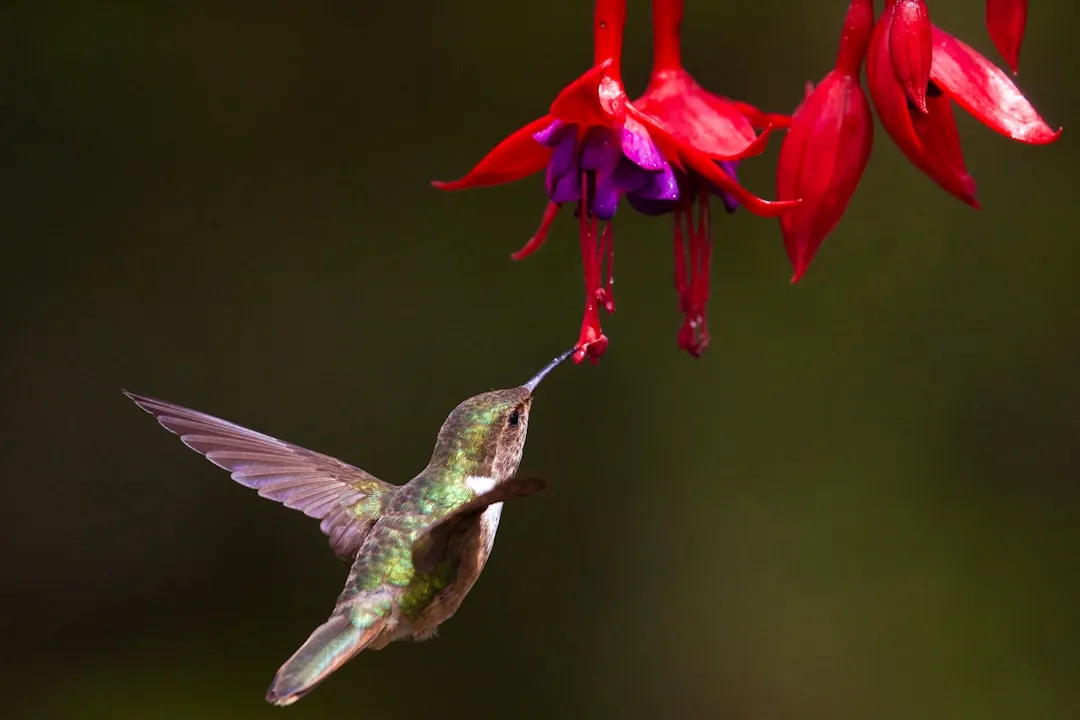
If you think hummingbirds peacefully share feeders at dawn, you’re in for a rude awakening. Early light is often when they re-establish who owns what. The first birds to arrive start probing not just flowers, but boundaries – hovering longer to scan for rivals, making short deliberate flights around “their” feeder, and launching quick chases the moment another bird gets too close.
Dominant birds, usually the healthiest and most experienced, use this window to reassert control before traffic gets heavy later in the morning. A single aggressive hummingbird can effectively monopolize a feeder for the rest of the day just by setting the tone at sunrise. This isn’t cute bickering – it’s resource control, which is exactly why some experts recommend spacing out several small feeders instead of relying on one big communal one.
Quick Compare
- Dominant birds: claim the best perch, feed in long uninterrupted stretches, chase off any rival that gets close
- Subordinate birds: feed in short nervous bursts, retreat at the first sign of trouble, rely on multiple scattered feeders to get enough
#5 – Dawn Patrol: Territorial Flights and Aerial Chases
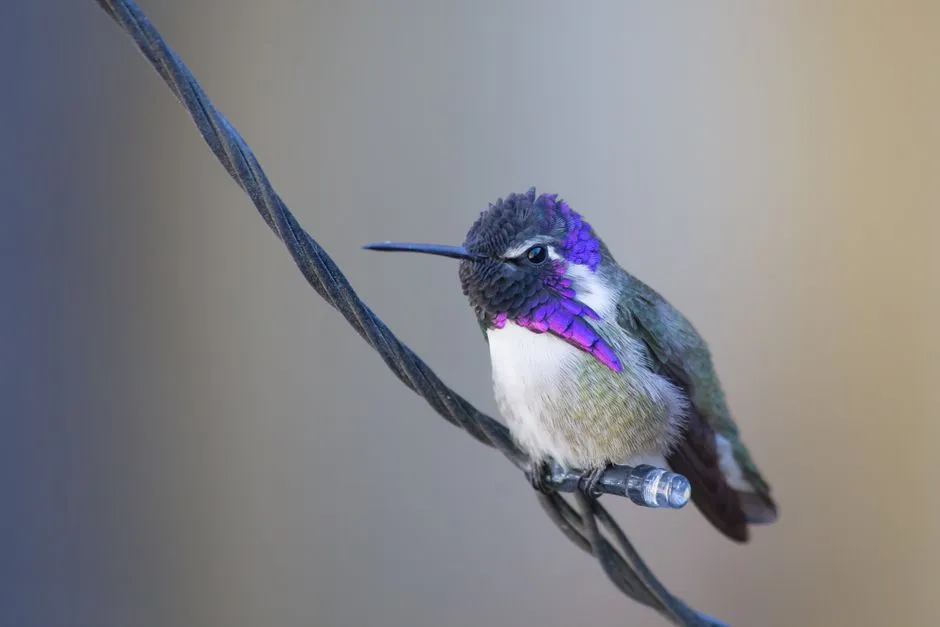
Around first light, you’ll sometimes see hummingbirds flying higher and farther than usual. This isn’t aimless exercise – it’s dawn patrol. They’re running the borders of their territory, testing airspace, and flushing out any intruder who slipped in the night before.
They fly systematic loops around gardens, perch high and then dive at any suspicious movement, and chase rivals across surprisingly long distances for such tiny birds. What looks like hyperactive play is actually serious business: defending a good patch of flowers can be the difference between thriving and barely scraping by, especially in lean seasons. Backyard watchers usually only notice the loud midday battles, but the real territorial script gets written during these first-light patrols.
#6 – Choosing High-Stakes Perches
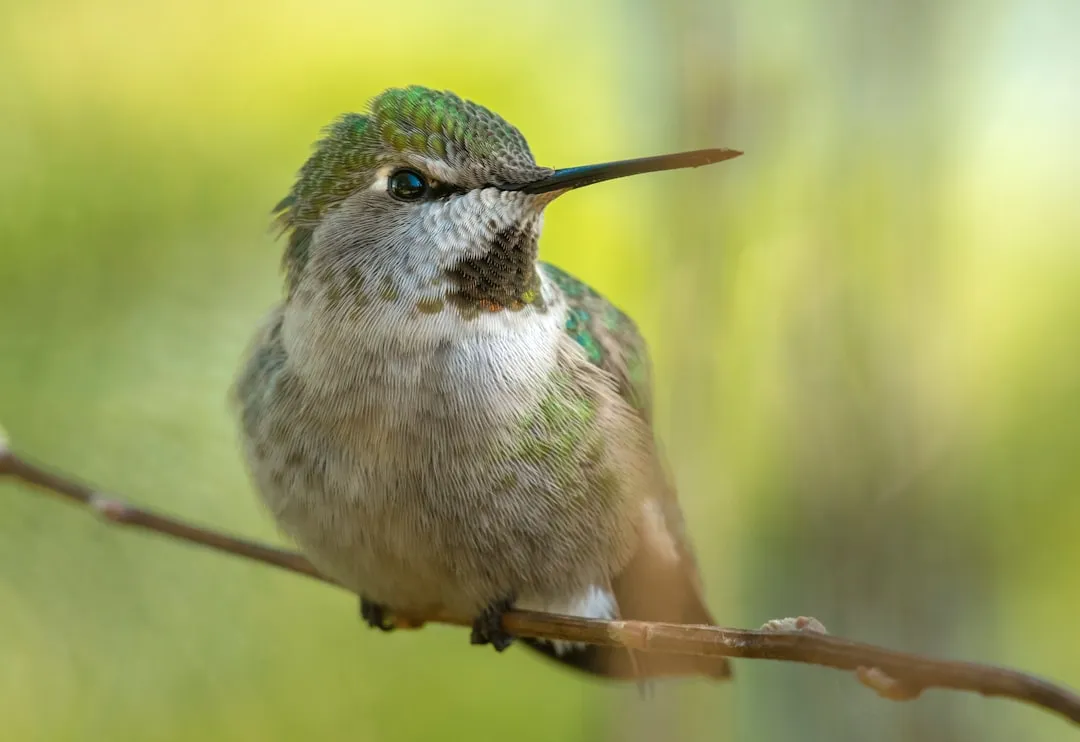
Most people picture hummingbirds constantly in motion, but at dawn they do something surprising: they sit still far more than you’d expect. The trick is where they choose to do it. These aren’t random twigs – they’re carefully selected command posts, high enough to oversee key flowers or feeders, partially hidden from predators, and stable enough to save even a tiny bit of energy.
From that perch, they scan for intruders, predators, and general garden activity, sometimes returning to the exact same spot morning after morning like it’s their personal throne. If you ever spot one sitting still and alert at sunrise, you’ve basically found that bird’s secret office. Every tiny turn of the head is calculated, balancing energy conservation against total visual control of the territory.
#7 – Early-Morning Insect Hunting, Their Overlooked Protein Fix
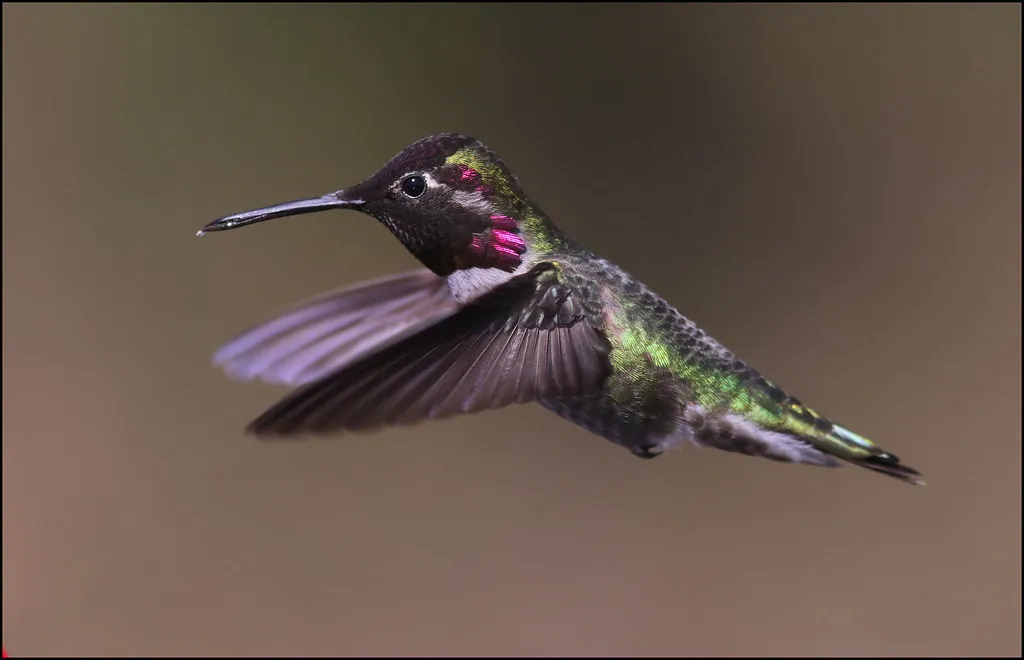
Everyone assumes hummingbirds live on sugar water alone. That’s flat-out wrong. At first light, many of them are quietly hunting insects – tiny gnats, spiders, and other soft-bodied prey that supply the protein nectar simply can’t provide.
Watch closely and you might see them darting above flowers instead of feeding directly, hovering near spiderwebs to snatch trapped insects, or making sharp, erratic turns that don’t line up with any blossom at all. Nectar is fuel, but it doesn’t build muscle or grow feathers – without insects, hummingbirds couldn’t molt properly or fuel intense efforts like migration and nesting. Cooler dawn air actually makes insects slower and easier to catch, which is exactly why this window matters so much.
#8 – Low-Key Courtship Flights and Practice Displays
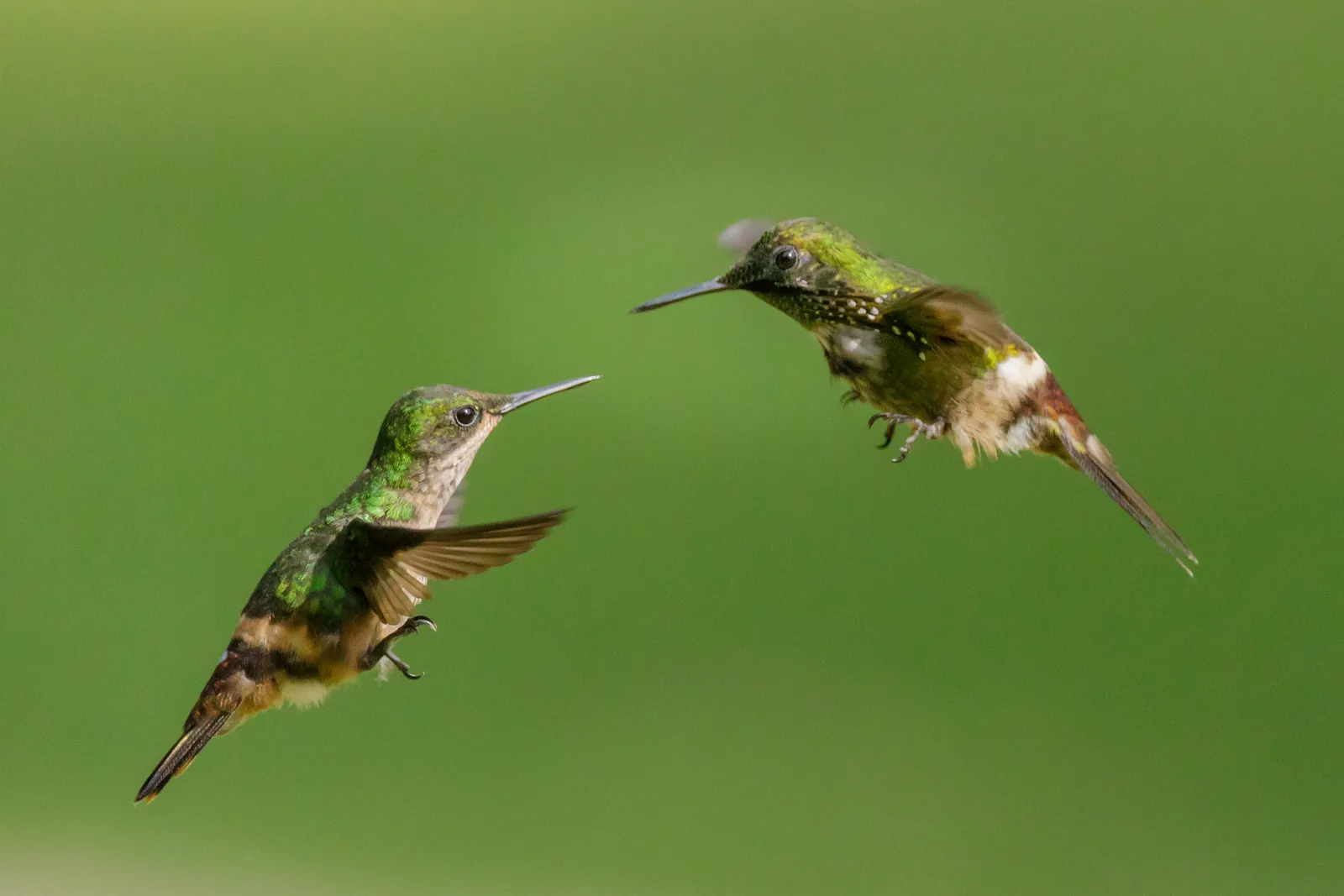
During breeding season, first light is often when male hummingbirds start testing or repeating their show-off moves. The big, dramatic courtship dives tend to peak a little later in the morning, but the groundwork gets laid at dawn – repeated U-shaped or pendulum flights near favored perches, vertical zips over a patch where a female was recently seen, shorter rehearsal versions of the full display.
What looks like random zooming is often rehearsal or early signaling, and the timing may not be an accident. Low-angle dawn light can make a male’s iridescent throat patch flash with unusual brilliance, and some researchers suspect males are exploiting that light on purpose. Most casual observers miss this entirely because it just looks like “more zipping around” unless you already know the pattern to look for.
#9 – Silent Nest Checks You’ll Almost Never Notice
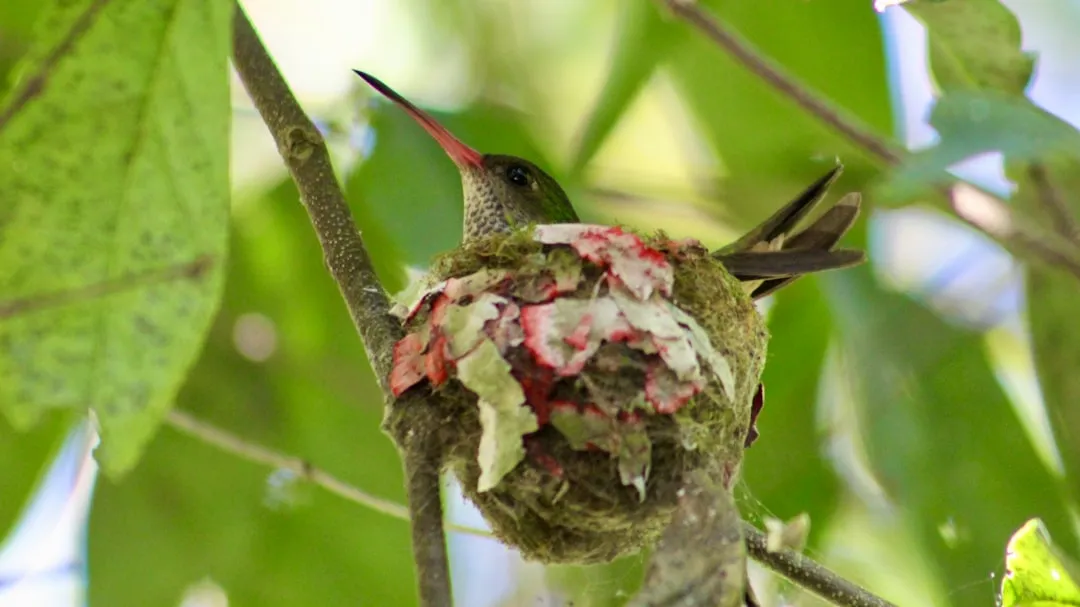
If there’s an active nest nearby, dawn is when female hummingbirds quietly slip in and out for some of their most crucial parenting work. These visits are fast, subtle, and usually hidden deep in foliage or perched on a branch too thin to notice.
At first light, a female may check chicks after a cold night to make sure they’re still responsive, deliver an early feeding of regurgitated nectar and insects, or rearrange nest material with tiny, precise movements of her bill. The nest itself is a small marvel – an elastic cup of plant fiber and spider silk, camouflaged with lichen – and females handle every bit of the workload alone: building, incubating, feeding. Plenty of people have had a hummingbird nest in their own yard for weeks and never once knew it was there.
Worth Knowing
- Many hummingbird nests are smaller than a golf ball
- Spider silk lets the nest walls stretch as chicks grow
- Lichen camouflage makes nests nearly invisible on a branch
- Females handle building, incubating, and feeding entirely alone
#10 – Preening and Feather Maintenance After a Long Night
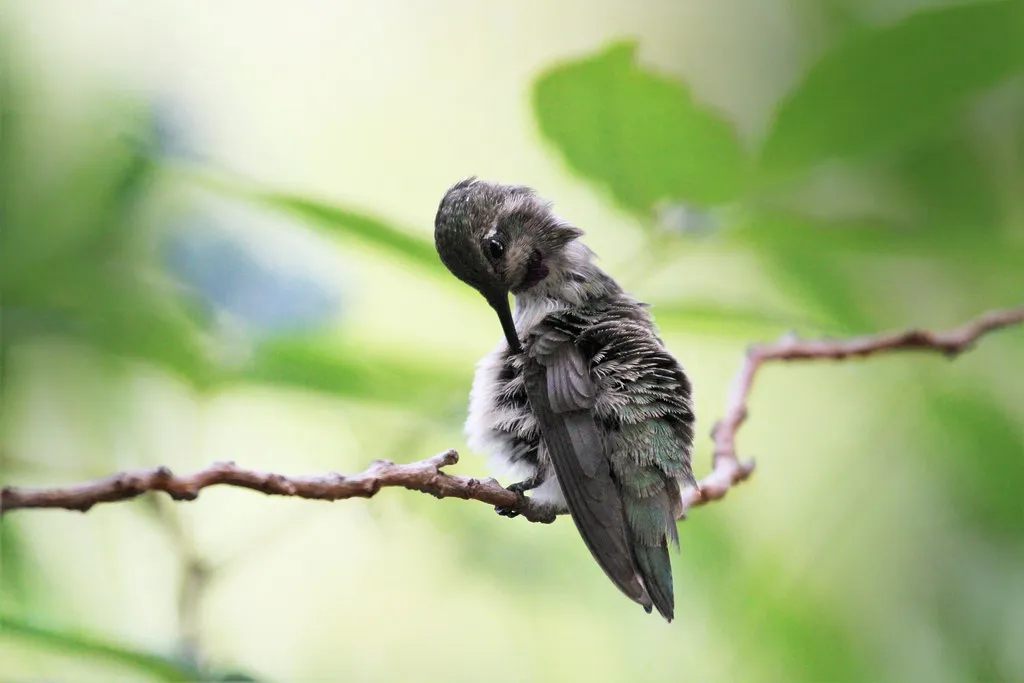
Surviving the night isn’t only about energy – it’s about staying in flying shape. At first light, hummingbirds often spend quiet minutes on intense preening sessions, because for a bird whose entire life depends on aerial precision, even one out-of-place feather is a liability.
They use their bill to align individual feathers on the wings and tail, scratch their heads with a foot mid-hover in a surprisingly gymnastic move, and rub oil from a gland near the tail base to condition their plumage. Clean, well-aligned feathers cut drag and keep those absurdly fast wingbeats efficient – and when you’re beating your wings dozens of times a second, tiny inefficiencies add up fast across thousands of flights. People notice hummingbirds shimmering in sunlight later in the day, but rarely see the quiet dawn prep work that makes it possible.
#11 – Avoiding Predators While Everyone Else Wakes Up
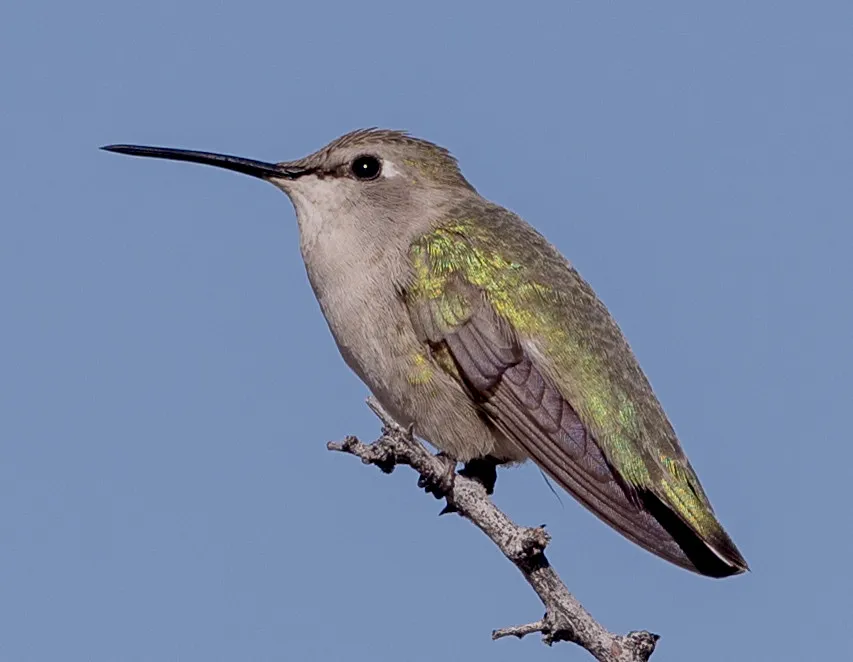
We like to imagine dawn as peaceful, but for a hummingbird it’s also when the day’s danger calculations begin. Small hawks, jays, snakes, and even larger insects can pose a real threat, and emerging from torpor leaves them briefly slower and more vulnerable than usual.
So they make deliberate choices: staying deeper in cover for the first few flights, testing the airspace with short hops before committing to longer outings, avoiding exposed perches until their reflexes fully warm up. From the outside, this can look like shyness or low energy. In reality, it’s strategic caution – a hummingbird that blunders into open sky before it’s fully alert can easily become breakfast for something else. Most backyard observers worry about cats, but aerial and ambush predators at dawn are often the bigger hidden threat.
#12 – Timing Their Visits to Beat Bees and Wasps

Here’s something almost nobody talks about: hummingbirds aren’t just competing with other birds. They’re also quietly racing insects, especially bees and wasps, for the exact same nectar. First light gives them a crucial head start before insect traffic explodes with the day’s heat.
At dawn, they hit the richest flowers before bee activity peaks, exploit cooler temperatures when some insects are still sluggish, and check feeders before wasps and ants swarm the sticky ports. Some birders notice feeders seem more peaceful early in the day – that’s not imagination. By arriving early, hummingbirds sip more nectar with far less harassment from stinging competitors, and in heavily visited gardens that early access can meaningfully change how much they take in for the whole day.
#13 – Adjusting Behavior to Weather in Real Time
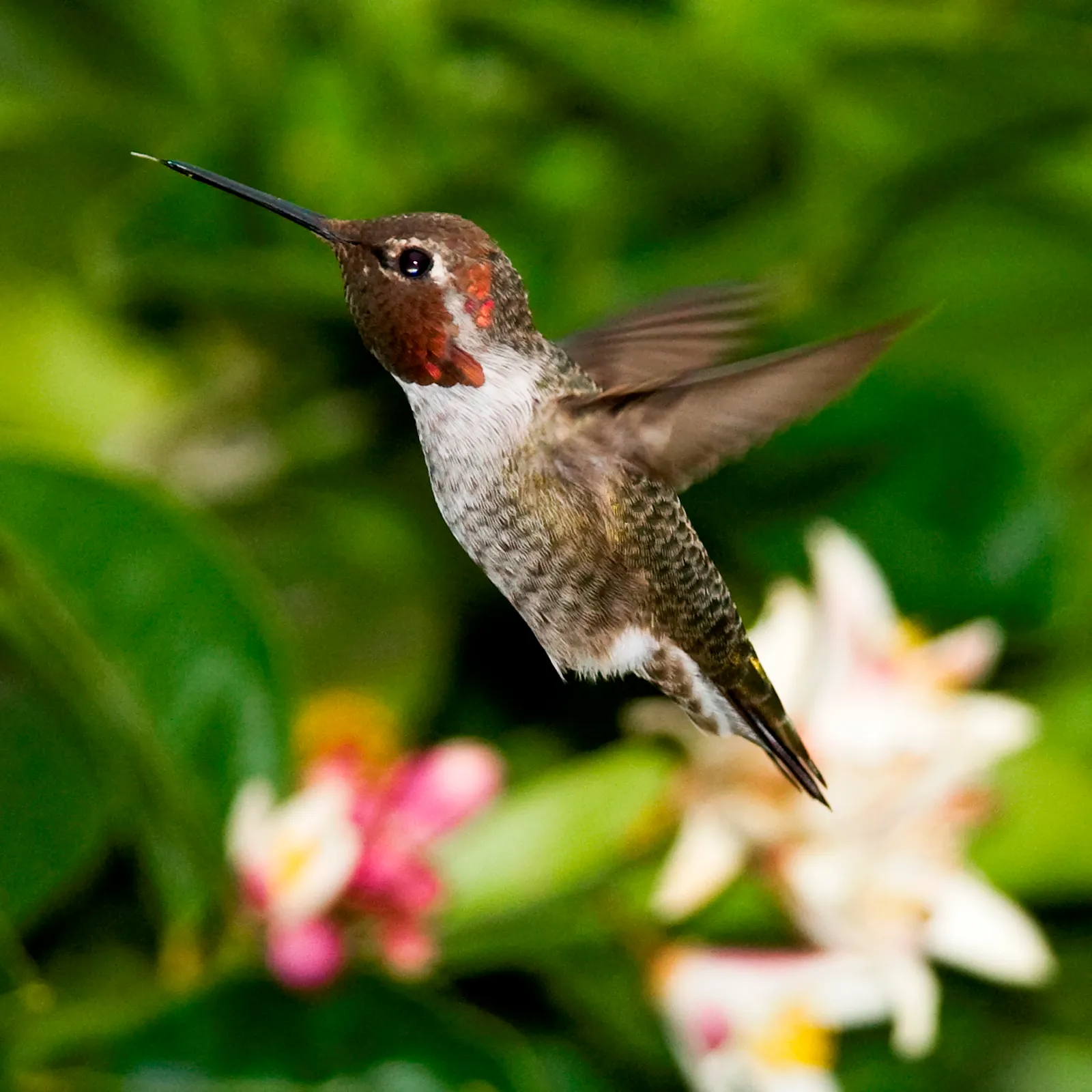
Hummingbirds live closer to the edge of survival than most backyard birds, which is why at first light they’re already reading the weather and adjusting strategy on the fly. A cool, wet morning demands a completely different approach than a hot, dry one.
On chilly dawns, they may linger in torpor longer if light is slow to build and temperatures stay low, spend more time perching between feeding bouts to conserve heat, and seek out sunlit edges first to warm up faster. On warm, clear mornings, you’ll see quicker, more extended flights right from the start. A shift of just a few degrees can change how urgently they need to refuel versus how much energy they can afford to risk on patrols or chases – for a bird with such a small fuel tank, weather isn’t background noise, it’s a daily survival script.
#14 – Claiming Newly Bloomed Flowers Before Anyone Else
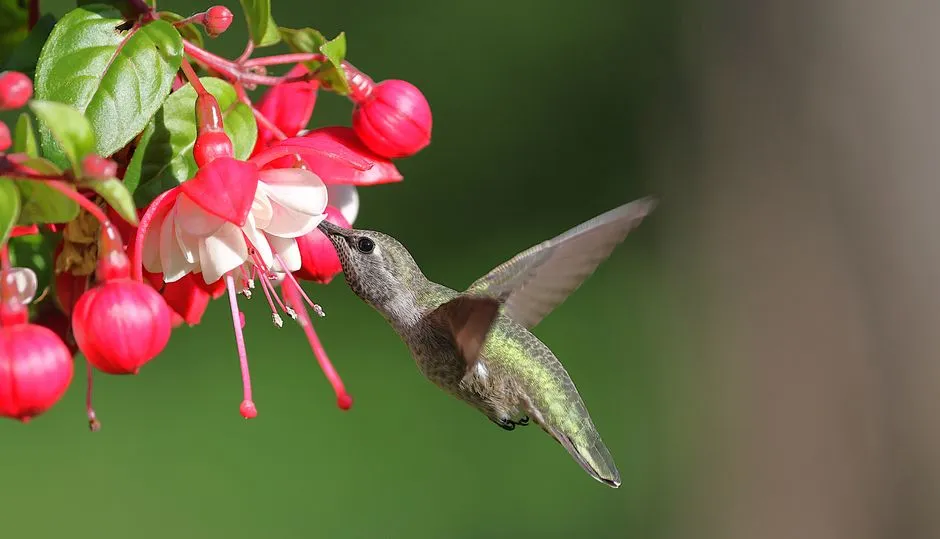
If you have plants that open or produce fresh nectar overnight, hummingbirds are often the very first customers at dawn, arriving long before most other pollinators are even awake. They remember which species consistently pay out in the morning and check them like regulars showing up at a favorite bakery.
They may fly straight to one particular shrub or vine at first light while ignoring everything else nearby, probe multiple new blossoms rapidly to test nectar levels, and return several times within that first hour if the payoff looks good. Over time, hummingbirds build a mental database of which plants deliver best at which times of day, and dawn-only bonanzas are treated like gold. While you’re still asleep, a hummingbird might already be quietly reviewing your garden and deciding whether it’s worth another visit.
#15 – Migrants Sneaking in Long-Distance Fuel Stops
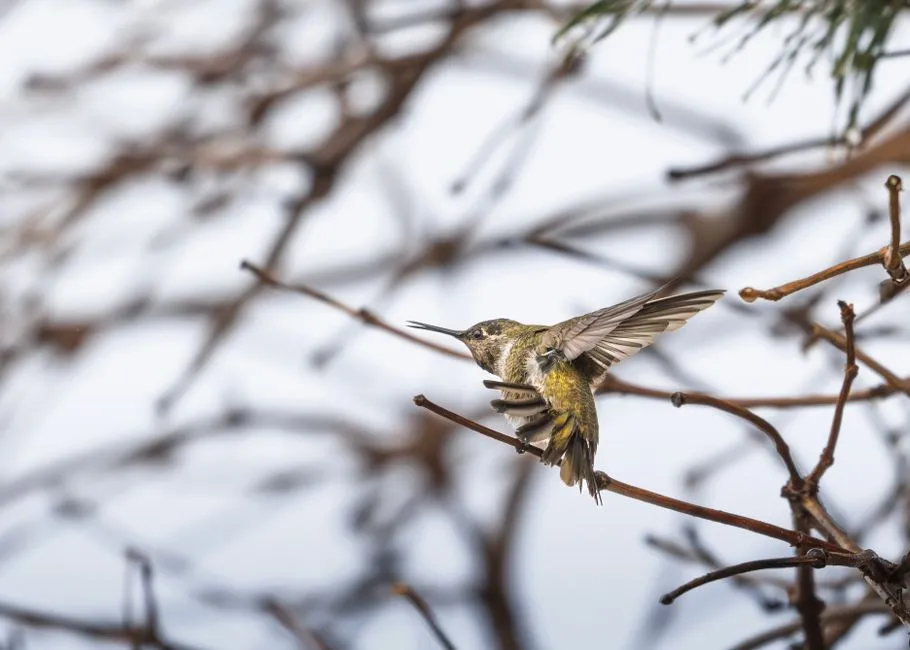
During migration periods, first light takes on a completely different meaning. For migrating hummingbirds, dawn is often arrival or departure time for long, exhausting flights, which is why you might wake up to a “mystery bird” at your feeder that wasn’t there yesterday and will be gone again by tomorrow.
At this time, migrants drop into unfamiliar yards and test feeders or flowers quickly, refuel aggressively – sometimes dominating local birds in the process – and rest on discreet perches before vanishing again by mid-morning. Some individuals are crossing hundreds of miles, occasionally over open water, relying entirely on tiny fat reserves and precisely timed stops. A well-placed feeder available at dawn can genuinely change which birds survive that leg of the journey, even though most people never notice because migration peaks while we’re indoors or half-awake.
At a Glance
- Some hummingbirds cross roughly 500 miles of open Gulf water in a single nonstop flight
- Migrants can nearly double their body weight in fat reserves before departing
- A single dawn fuel stop can decide whether a bird survives the next leg of migration
#16 – Learning Your Routine Just as Much as You Watch Theirs
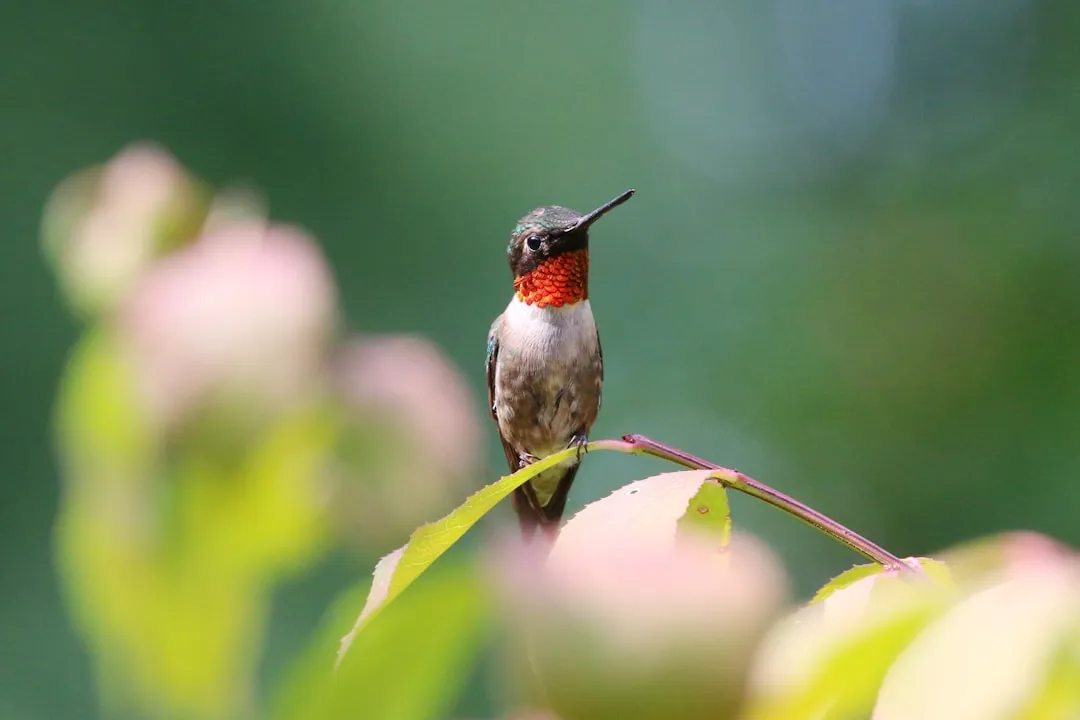
Here’s the slightly uncomfortable truth: while you think you’re watching hummingbirds, they’re quietly learning your schedule too, and dawn plays a big role in that. If you consistently refill feeders around a certain early hour, some birds will actually start timing their visits around you.
They may hover expectantly near the spot where you usually appear, even before you step outside, adjust their first-light route to swing by your yard just in case, or return multiple times if they’ve learned you sometimes top off nectar in the morning. Certain individuals get shockingly good at predicting human patterns over time. To them, your coffee run might as well be a nectar delivery truck arriving on schedule – and you, whether you like it or not, are just another resource factored into their dawn survival math.
Their behavior looks delicate but reflects a fierce and resilient response to the pressures of their environment.
Cornell Lab of Ornithology
#17 – Resetting Their Entire Energy Budget for the Day
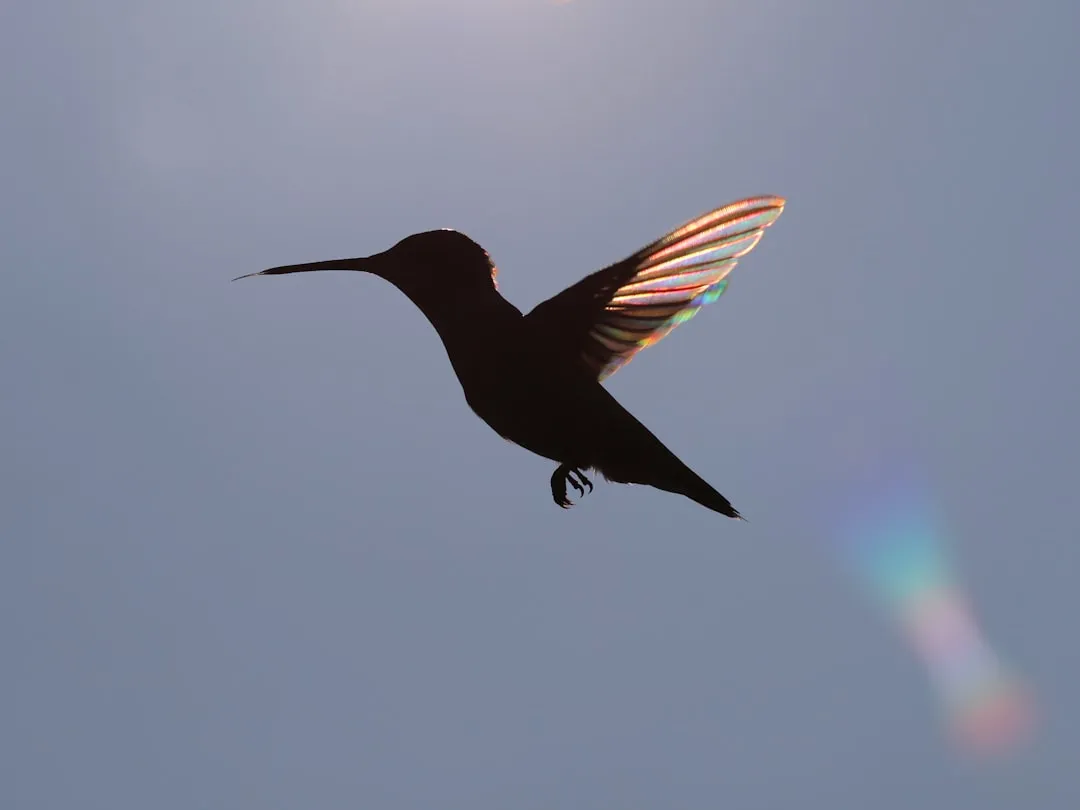
Everything hummingbirds do at first light funnels into one invisible decision: can I afford to live the way I did yesterday? Dawn is when they effectively reset their daily energy budget based on how the night went, what food is available, and what threats they can sense.
If the night was cold, flowers are scarce, or competition is fierce, they’ll spend more time feeding and less time chasing rivals, shrink their patrolled territory to conserve fuel, and skip riskier courtship displays or long exploratory flights. On easier mornings, they can afford extra chases, longer routes, or more visits to potential mates. For a creature burning energy at a blistering pace, the first hour of light often decides how bold or conservative it’ll be for the next twelve, and almost all of that recalibration happens while we’re still barely functional.
The Bottom Line
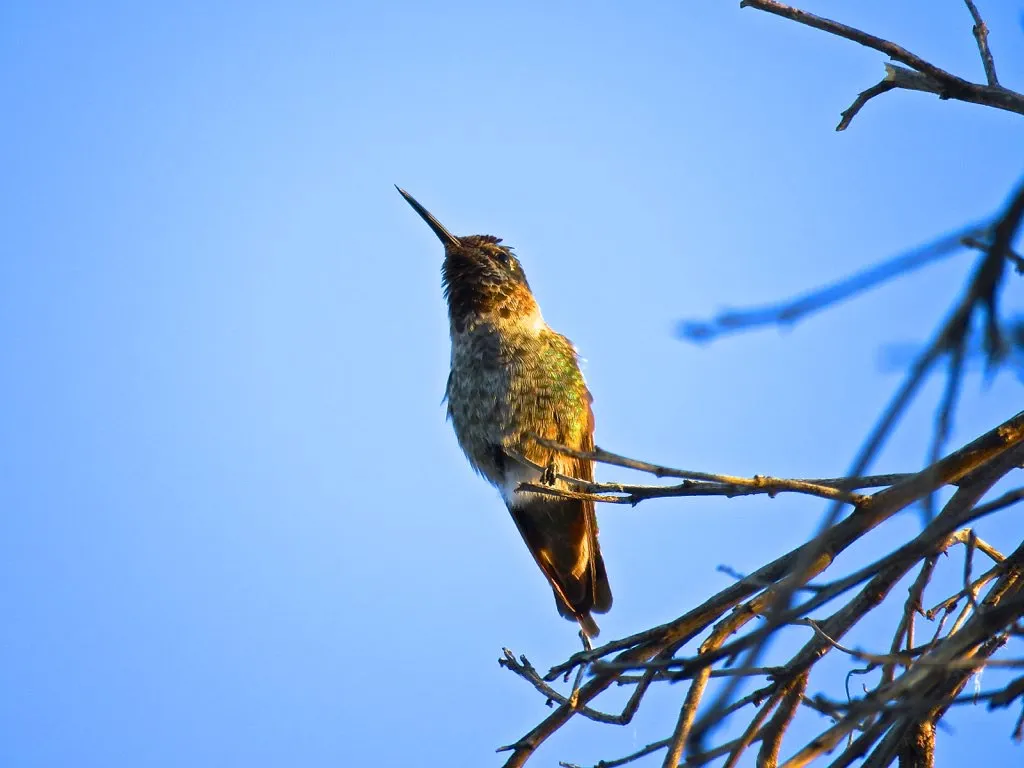
Hummingbirds have been flattened into cute lawn ornaments in our culture, but their dawn routines tell a completely different story. At first light, they’re clawing out of torpor, running precision fuel routes, policing tiny empires, outsmarting insects, and quietly deciding whether today calls for survival, aggression, or risk.
Honestly, the fact that most people sleep through their most complex, highest-stakes hour says more about us than about them. We underestimate anything small and fast. Pay attention at sunrise just once, and you’ll see hummingbirds running their world with a level of strategy that would put a lot of humans to shame.
Did we call it wrong, or did we miss a dawn behavior you’ve actually seen with your own eyes? Drop it in the comments.

- 17 Things Hummingbirds Do at First Light That Most People Sleep Straight Through and Never See - July 31, 2026
- 14 Dog Breeds Breeders Say Are Slipping Away So Quietly That Most Owners Never Notice - July 31, 2026
- 17 Quiet Signs a Horse Has Bonded So Deeply It Will Grieve If That Person Ever Leaves - July 31, 2026