
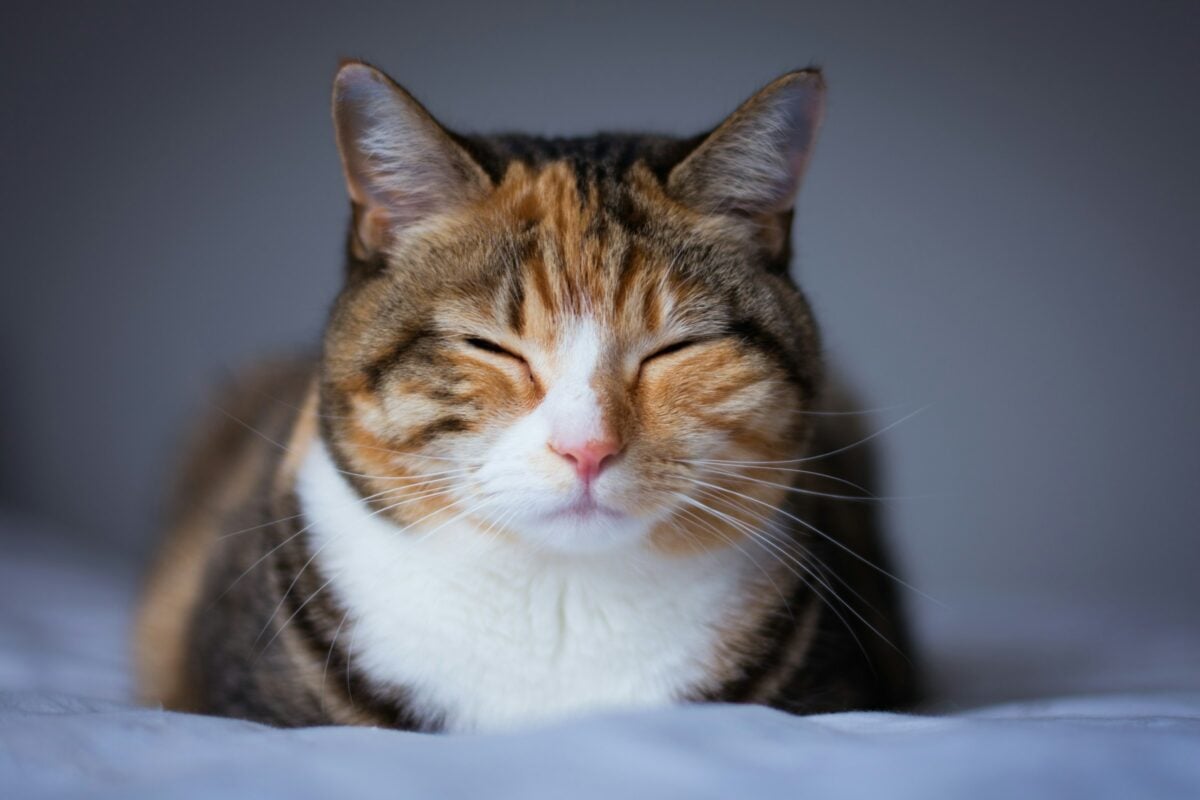
Most cat owners think the only “end-of-life” signs are refusing food and hiding under the bed. Vets know better – and what they know is uncomfortable. By the time those two signs finally show up, your senior cat has often been quietly struggling for months, sometimes years, while everyone around them chalked it up to “just getting old.”
The real warnings are smaller, stranger, and painfully easy to explain away: a change in how they stare at a wall, how fast they walk to the food bowl, even how they let you pick them up. Here’s what veterinarians say those quiet signals actually mean – and why almost nobody catches them until it’s too late.
#1 – The “Just a Little Slower” Walk That Isn’t Just Age
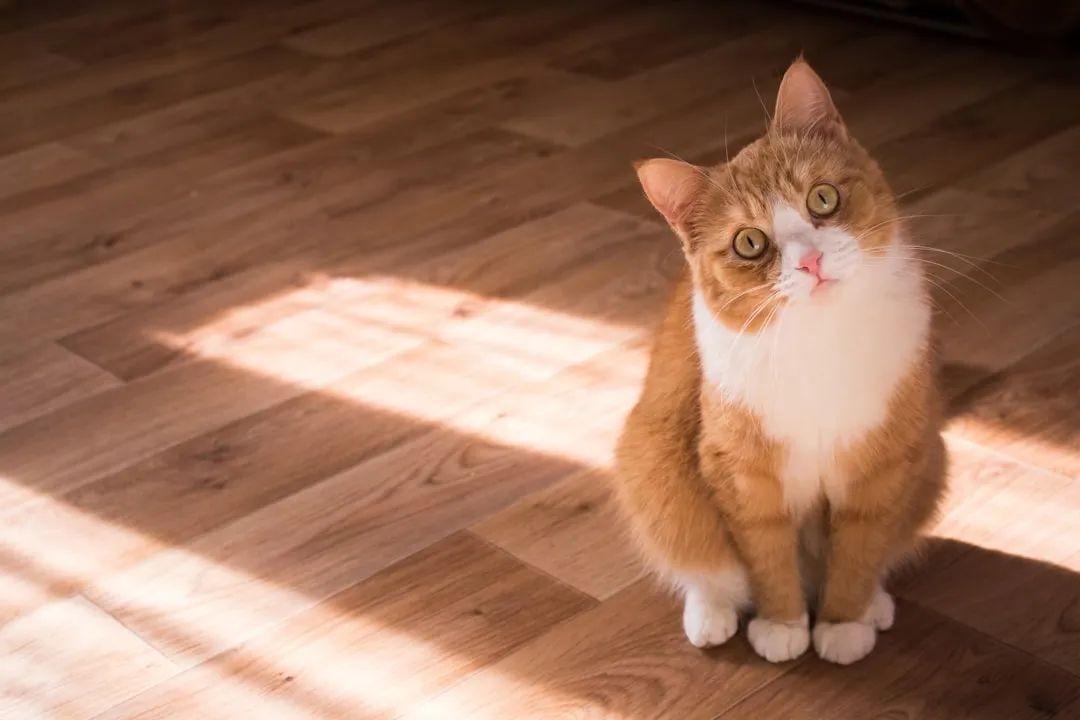
Owners love to say, “She’s just slowing down; she’s old.” Vets say that phrase hides more avoidable suffering than almost anything else. When your cat’s walk changes, it’s often pain, not personality. Watch for a slightly stiffer gait, taking the stairs one step at a time instead of bounding, or hesitating before jumping to favorite spots.
Even a small pause before hopping onto the couch can signal arthritis, joint disease, or serious discomfort. Many people shrug it off as “cute old kitty steps” when it’s actually a late-stage quality-of-life clue. If your cat starts choosing low surfaces, avoiding beds or windowsills they used to love, or seems to “plan” every movement, that’s a red flag. Senior cats rarely cry out in pain; they simply move less and slower – and that quiet slowdown is often your first real chance to step in.
#2 – The Sudden Clinginess (Or Cold Distance) You Didn’t Expect
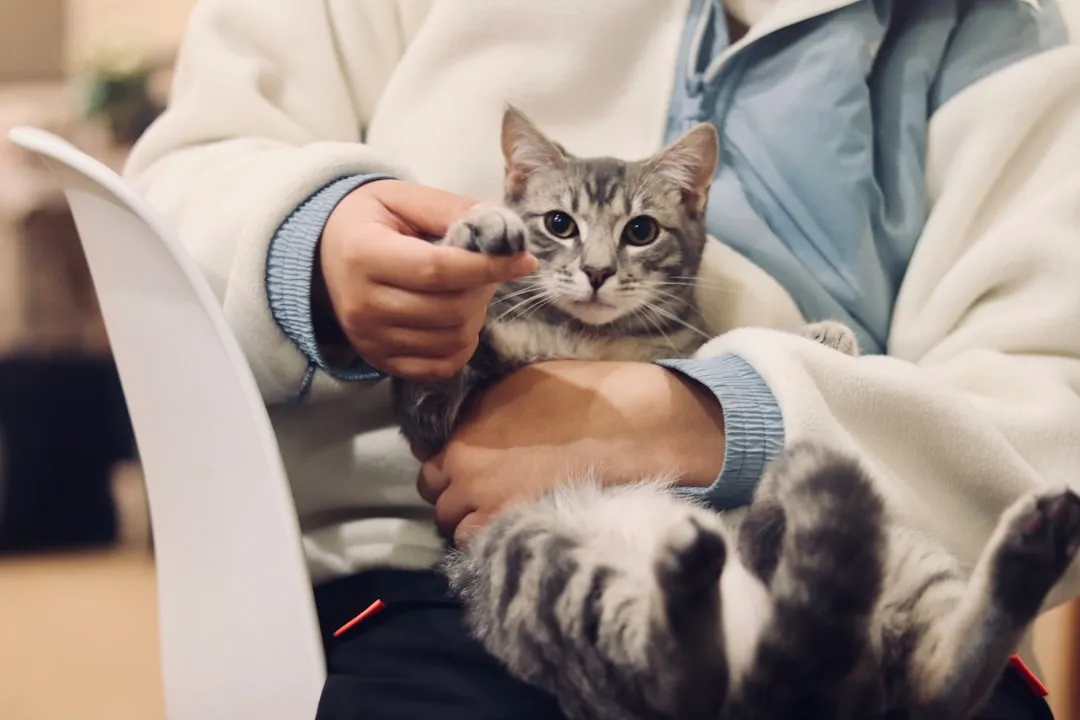
Most people assume senior cats will just mellow out and nap more. Vets say one of the biggest missed signs is a personality shift – especially in how much affection they do or don’t want. An older cat who was always independent suddenly following you from room to room, meowing more, or insisting on sleeping pressed against you may be seeking comfort because they don’t feel right.
On the flip side, a previously cuddly cat that starts avoiding touch, refusing laps, or leaving the room when you sit down may be withdrawing because they’re uncomfortable or disoriented. Neither extreme should be ignored. This isn’t about “mood” – it’s often about pain, nausea, or cognitive decline. Your cat doesn’t have the language to say “I feel weird” or “I’m scared,” so those messages show up in how close, or far, they choose to be from you. Catch it early, and a vet can often treat the underlying issue and buy back good-quality time.
#3 – The “Good Eater” Who Quietly Starts Losing Muscle
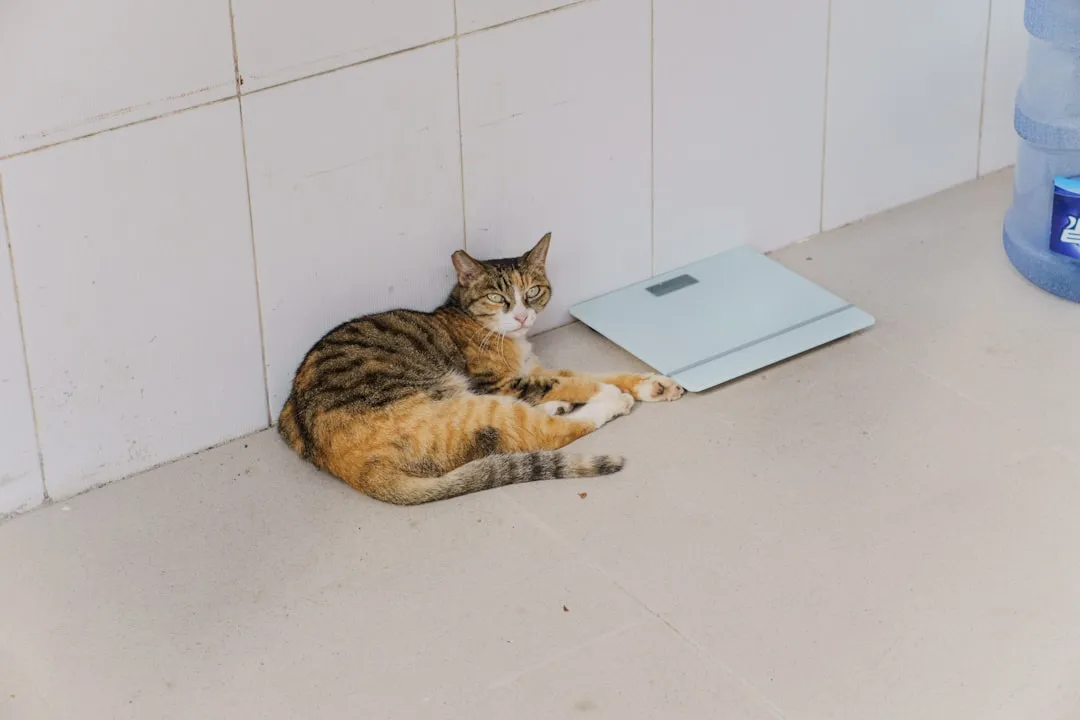
Most owners obsess over whether their cat is eating, but vets pay closer attention to something else: body condition. You can have a cat who “eats fine” and is still wasting away in plain sight.
Run your fingers along your cat’s spine, hips, and thighs. In a senior cat, those sharp bones and a “bony back” often reveal muscle loss, not just weight loss. This muscle wasting, called sarcopenia, can be a powerful predictor that your cat is entering a more fragile stage of life. When the back and hind legs look skinny while the belly still looks round, that’s a classic late-life red flag. Most people notice only when their cat looks “suddenly skinny” in a photo, but the process has usually been happening for months, tied to kidney disease, cancer, hyperthyroidism, or an inability to absorb nutrients. By the time the bones are obvious, your cat’s reserves are low – and so is their ability to recover from anything else.
Worth Knowing
- Muscle loss (sarcopenia) can happen even when your cat is still eating normally
- Common hidden causes include kidney disease, hyperthyroidism, cancer, and poor nutrient absorption
- A “bony spine, round belly” look is a classic late-stage warning sign
- A quick monthly hands-on check of the ribs and hips can catch changes early
#4 – The Litter Box “Accidents” You Blame on Bad Behavior
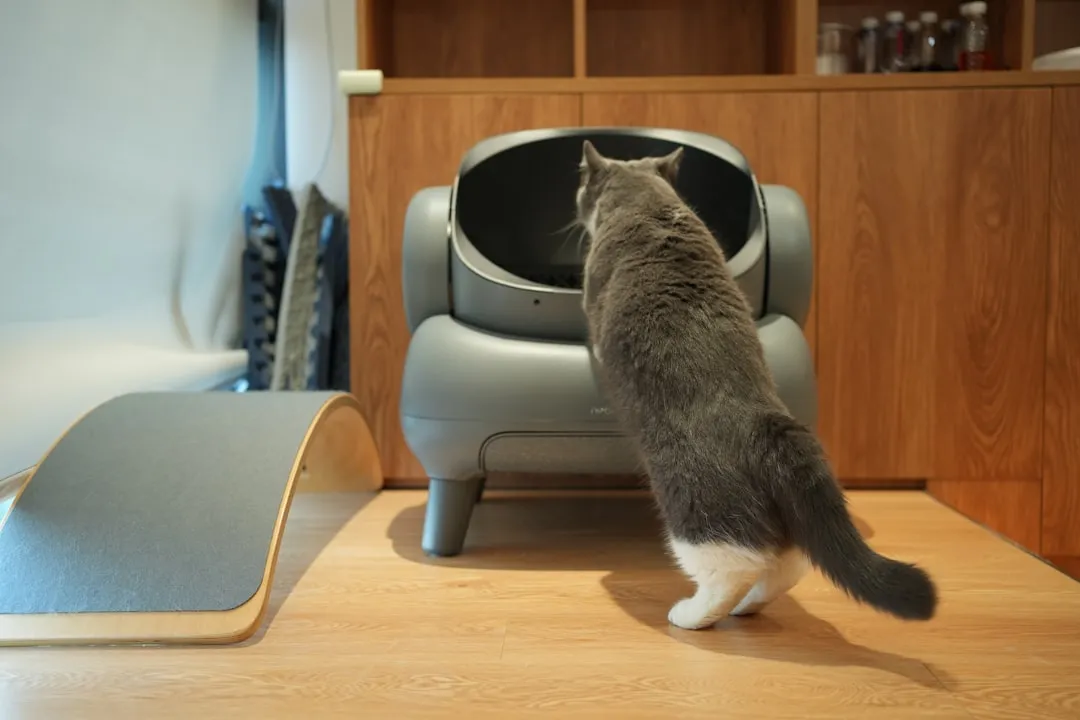
A shocking number of cats get scolded for what is actually a medical emergency. When an older cat suddenly starts peeing outside the box, most people assume anger, jealousy, or spite. Vets see something very different. Senior cats with kidney disease, diabetes, urinary infections, or painful arthritis often cannot comfortably use the box the way they used to.
A cat that pees just outside the box, or halfway in and halfway out, may be telling you, “Getting in hurts” or “I can’t hold it like I used to.” If the box has high sides, sits in a cold basement, or requires stairs, an older cat may simply give up trying. Worse, owners sometimes respond by punishing or isolating the cat right when they most need help. When the end is approaching, litter habits often unravel quietly first – ignoring that is one of the harshest unintentional mistakes an owner can make.
#5 – The Once-Gorgeous Coat That Suddenly Looks “Unfinished”
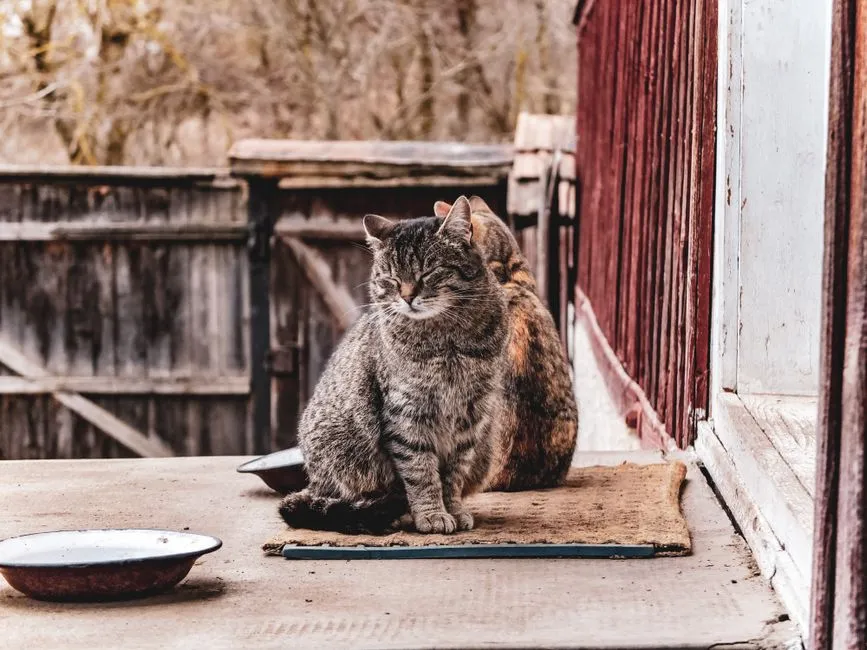
Everyone knows older cats sleep more. What people don’t realize is that grooming behavior can give away how close they are to the edge. A healthy cat is almost obsessively clean. A struggling cat isn’t. If you notice uneven fur, clumps, dandruff, or an oily feel – especially along the lower back and sides – your cat may not be physically comfortable enough to twist and reach anymore.
A matted or greasy coat on a previously tidy cat is one of the most underappreciated end-of-life warning signs, and it often shows up before obvious limping or refusal to jump. Some cats stop grooming certain areas because arthritis makes bending painful; others with dental disease or organ issues simply feel too sick to bother. You might see a yellow-tinged chin from drooling, food stuck in fur, or a tail that always seems dirty. These aren’t cosmetic problems – they’re quality-of-life signals hiding in plain sight.
#6 – The Strange Stare into “Nothing” That Isn’t Cute
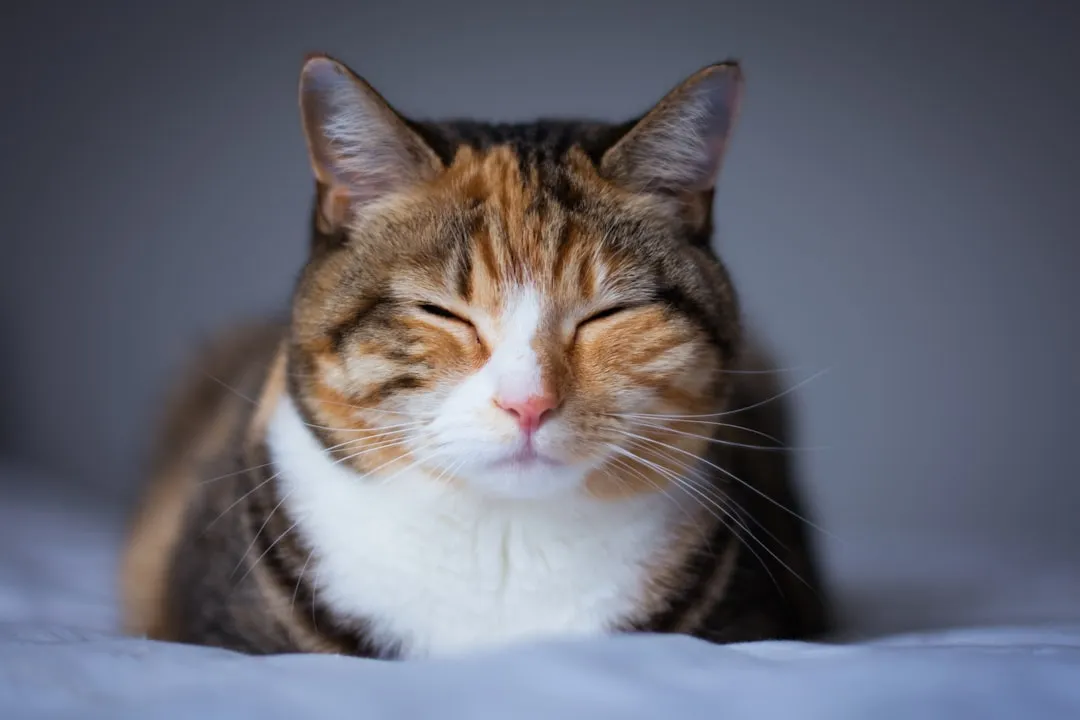
People love to joke that cats are staring at ghosts. Vets quietly worry about something less mystical: cognitive decline and neurological changes. A senior cat who spends long stretches staring at walls, getting “stuck” in corners, or seeming confused in familiar rooms may be experiencing feline cognitive dysfunction – cat dementia.
When your cat seems to forget where the litter box is or looks lost in a room they’ve known for years, it’s rarely just quirkiness. It can also show up as pacing at night, random howling, or walking into rooms and simply standing there. This mental fog often kicks in near the final chapters of life, and it’s brutally under-recognized. Many owners just think their cat is being “weird” or “dramatic,” when in reality their brain is aging and they may feel anxious, disoriented, or scared. There are ways to ease this – but only if someone notices and brings it up.
#7 – The New Soundtrack: Night Cries and Odd Vocal Changes
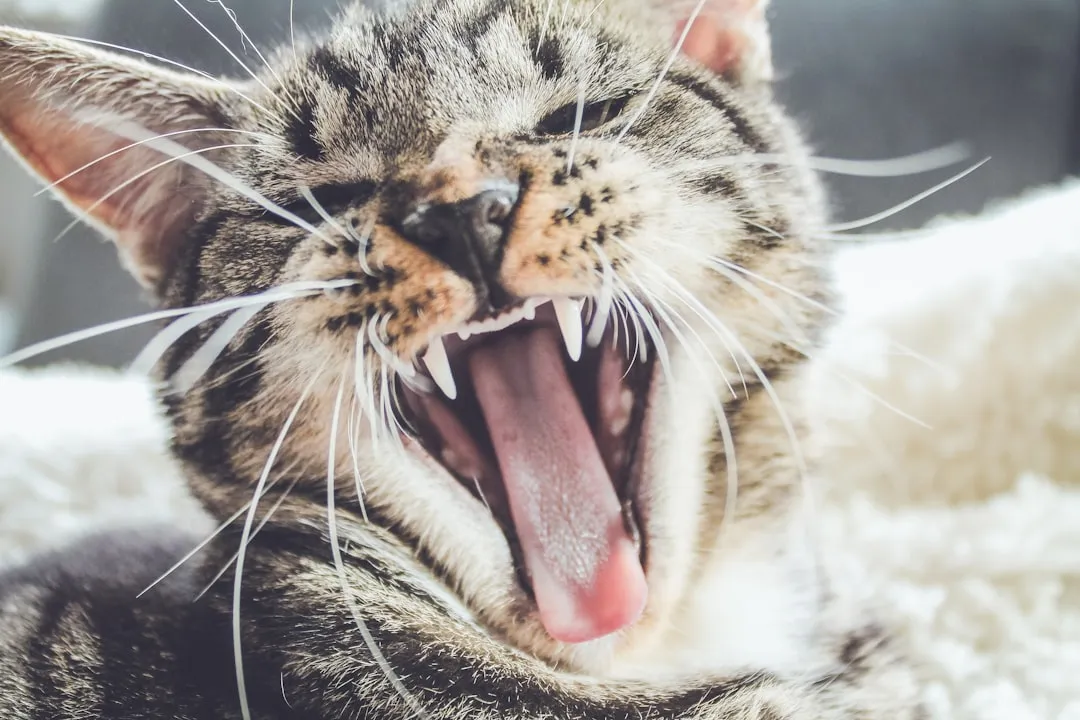
If your quiet cat suddenly becomes noisy – or your chatty cat sounds different – don’t write it off as “being talkative in old age.” Changes in meowing patterns can be a major signal that something deeper is wrong. Nighttime yowling, especially from older cats, is strongly linked to pain, vision loss, hearing loss, or cognitive decline.
A hoarser voice, louder meows, or frantic nighttime howls can all be signs your cat is distressed, not just needy. Hyperthyroid cats often become restless and vocal, and cats with dementia may cry out simply because they’re confused about where they are. Owners sometimes respond by shutting the cat out of the bedroom or complaining the noise is driving them crazy. Vets see those same sounds as a late-stage plea for help – and if the volume, tone, or timing of your cat’s voice changes, it’s time for a real health check, not an eye roll.
#8 – The Water Bowl That Suddenly Empties Faster (Or Sits Full)
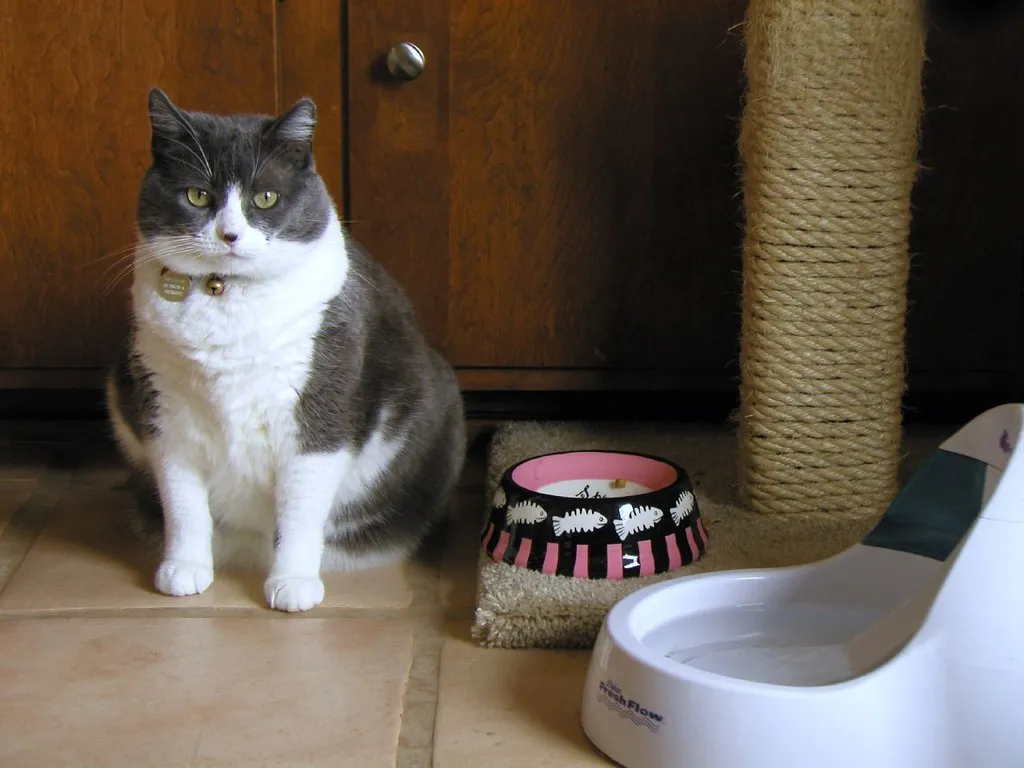
Most people celebrate when their cat “drinks more water” because they’ve heard hydration is good. Vets, on the other hand, get nervous. Excessive drinking and peeing are classic signs of kidney disease, diabetes, and other chronic conditions that quietly chip away at your cat’s lifespan.
If you’re refilling the water bowl more than you used to, or scooping a lot more urine clumps from the litter box, you’re not just seeing “healthy thirst.” You may be witnessing one of the earliest and most important end-stage warning signs. On the flip side, a cat that stops drinking while already ill can spiral into trouble fast – gums feel tacky, skin tents slowly when gently lifted, eyes can look a bit sunken. By the time you notice that, things are already advanced, which is exactly why tracking water habits, boring as it sounds, matters so much.
Quick Compare
- Drinking noticeably more: often tied to kidney disease, diabetes, or hyperthyroidism
- Drinking noticeably less: can point to nausea, oral pain, or advanced illness
- Tacky gums or sunken eyes: late signs of dehydration needing prompt attention
- Any sudden shift, either direction: worth a vet check rather than a wait-and-see
#9 – The Hide-and-Seek Game That Isn’t a Game Anymore
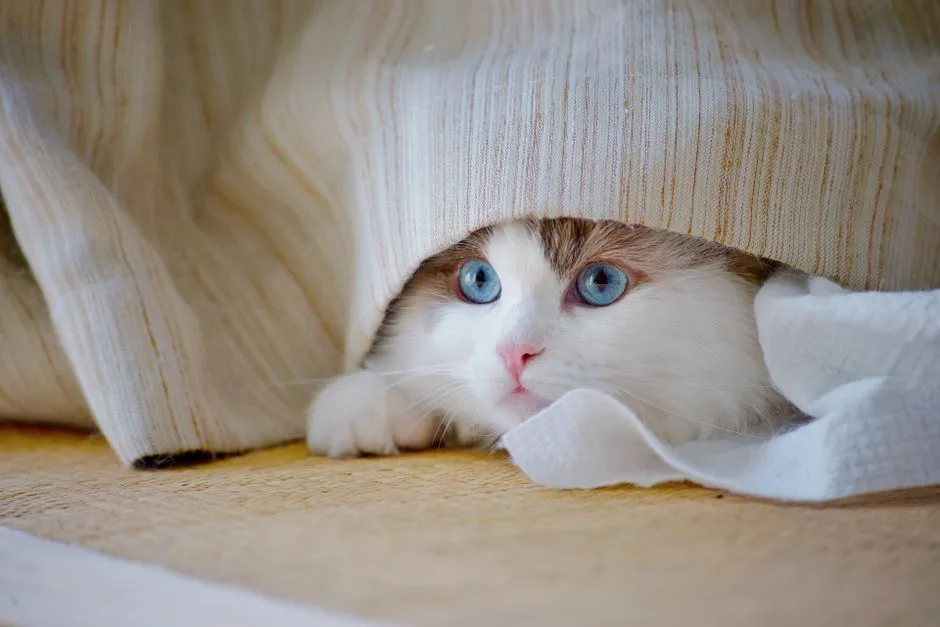
Yes, cats love hiding. But a senior cat hiding differently is a different story entirely. Vets will tell you: when a cat starts choosing darker, quieter, harder-to-reach places and staying there for hours, they’re not “being dramatic.” They’re declining. Cats are hardwired to mask weakness, so they disappear when they feel vulnerable.
A cat that starts spending entire days under the bed, in closets, or behind the couch may be in significant pain or nearing the end. Many owners only realize in hindsight that the hiding began weeks or months before the final crash. If your social cat stops greeting you at the door, stops showing up for TV time, or skips their usual sun spot in favor of isolated corners, that’s not “normal aging” – that’s a quality-of-life flag screaming for attention, and it’s one people miss constantly.
#10 – The Subtle Struggle to Breathe That You Brush Off
Cats are masters at hiding respiratory distress. Most owners don’t spot trouble until it’s extreme – open-mouth breathing, gasping, or blue gums. But the early, quieter signs often show up weeks before that. Watch your cat’s sides when they’re resting. Are they moving faster than usual? Do you see a distinct “belly push” with each breath?
Even a mild, persistent increase in breathing rate at rest can indicate heart disease, fluid buildup, or advanced lung problems – often seen as life nears its end. Cats in respiratory distress may also choose to sit in a strange, propped-up position, with their elbows out and neck extended, because it’s easier to get air. People sometimes mistake this for a “regal pose.” In reality, it’s a red-alert posture, and by the time they’re visibly struggling, emergency decisions come fast. Spotting it early can spare them a full-blown crisis.
#11 – The Food Bowl Ritual That Quietly Changes
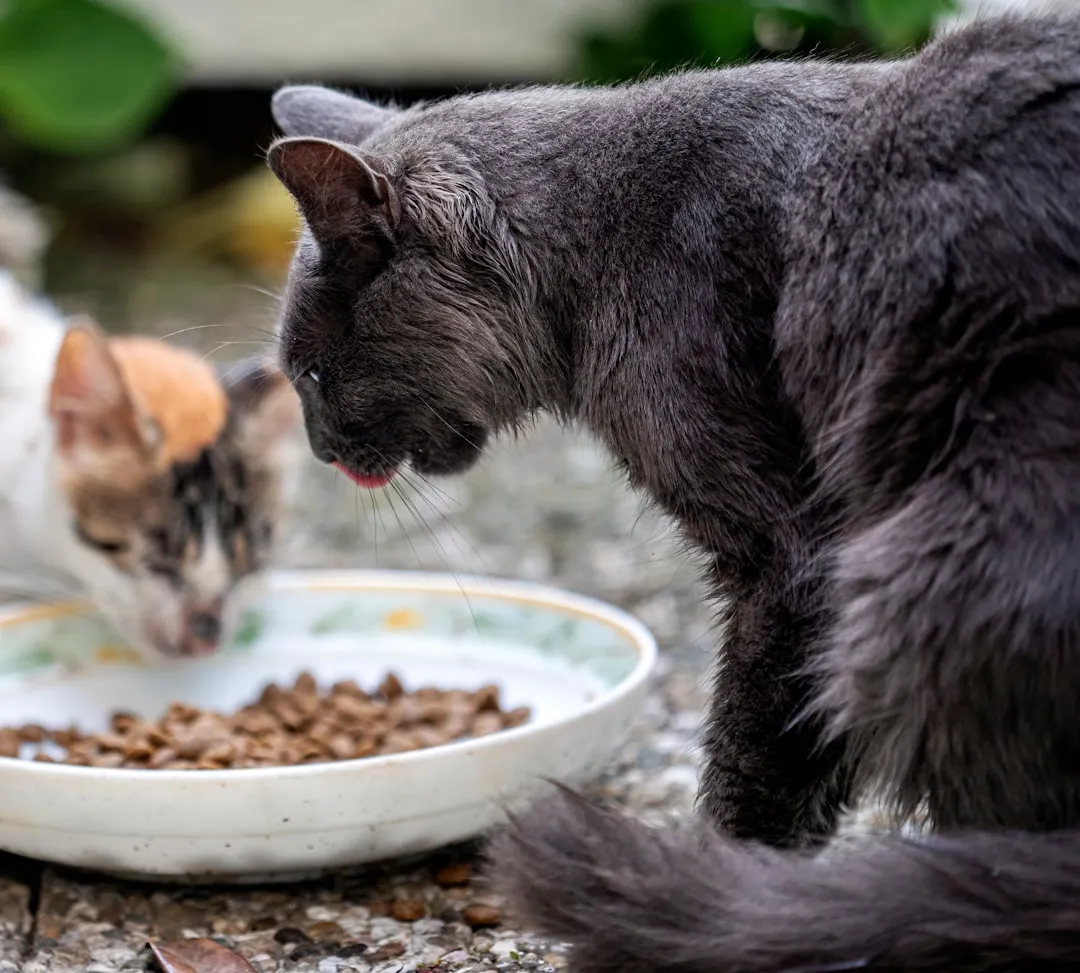
Most owners only panic when their cat stops eating completely. Vets watch for subtler patterns around the bowl, because that’s often where the truth leaks out first. A cat who goes to the bowl, sniffs, then walks away is not being “picky.” That’s nausea, pain, or advanced discomfort.
If your cat still seems hungry but only licks gravy, chews on one side, or leaves more crumbs than usual, those are late-stage warning signs – especially in seniors. Dental disease, kidney failure, and certain cancers can all make eating physically miserable. Even how quickly they eat matters: a formerly enthusiastic eater who now pecks slowly or takes long breaks mid-meal may be struggling internally. Owners love to swap food brands and flavors thinking it’s about taste, when it’s really about how close their body is to giving out.
#12 – The Litter Itself Starts Telling on Them
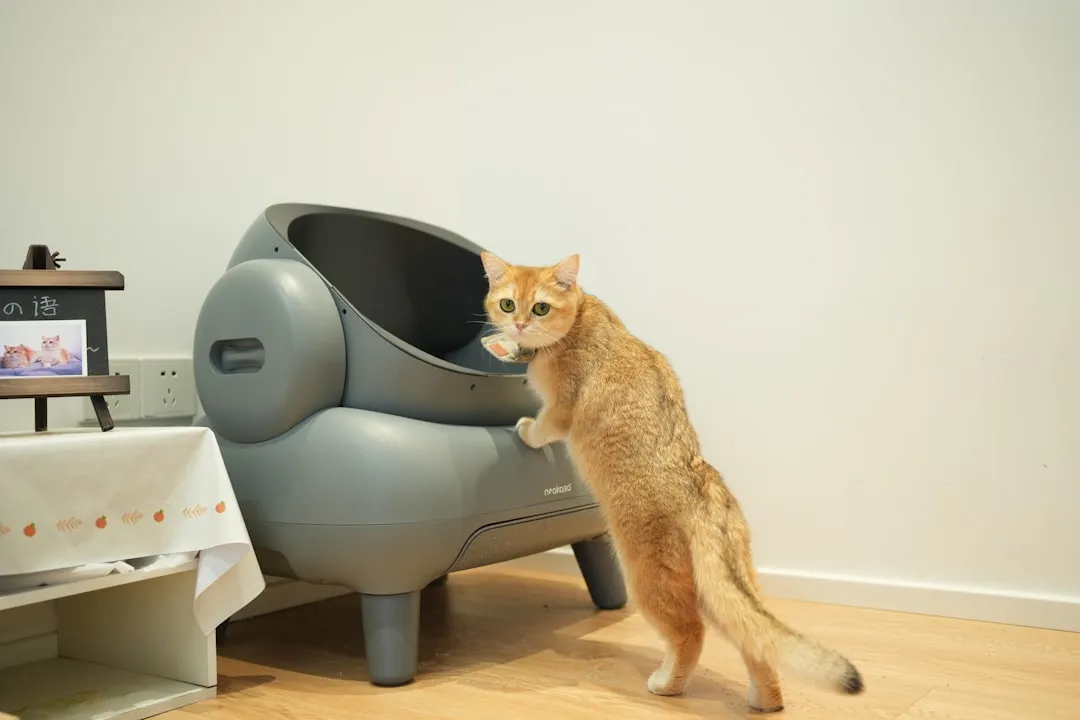
People stare at the cat and ignore the litter box. Vets do the opposite. The box is basically your senior cat’s daily lab report, if you know what to look for. Changes in stool size, consistency, or frequency can flag major end-of-life conditions.
Tiny, hard pellets; long gaps with no poop; or alternating diarrhea and constipation are classic red flags in older cats. They can signal dehydration, megacolon, cancer, or serious intestinal disease, and blood, mucus, or very foul odors are especially concerning. Even how long your cat spends in the box matters – straining, going in and out repeatedly, or crying while inside are never “just age.” You don’t need a microscope, just the willingness to actually look, because the litter box quietly tells the story long before a crisis hits.
At a Glance
- Tiny, hard pellets: possible dehydration
- Long gaps between bowel movements: possible megacolon or blockage
- Alternating diarrhea and constipation: possible intestinal disease or cancer
- Blood, mucus, or a strong odor: always worth a same-week vet visit
#13 – The Sudden Fear of Being Picked Up
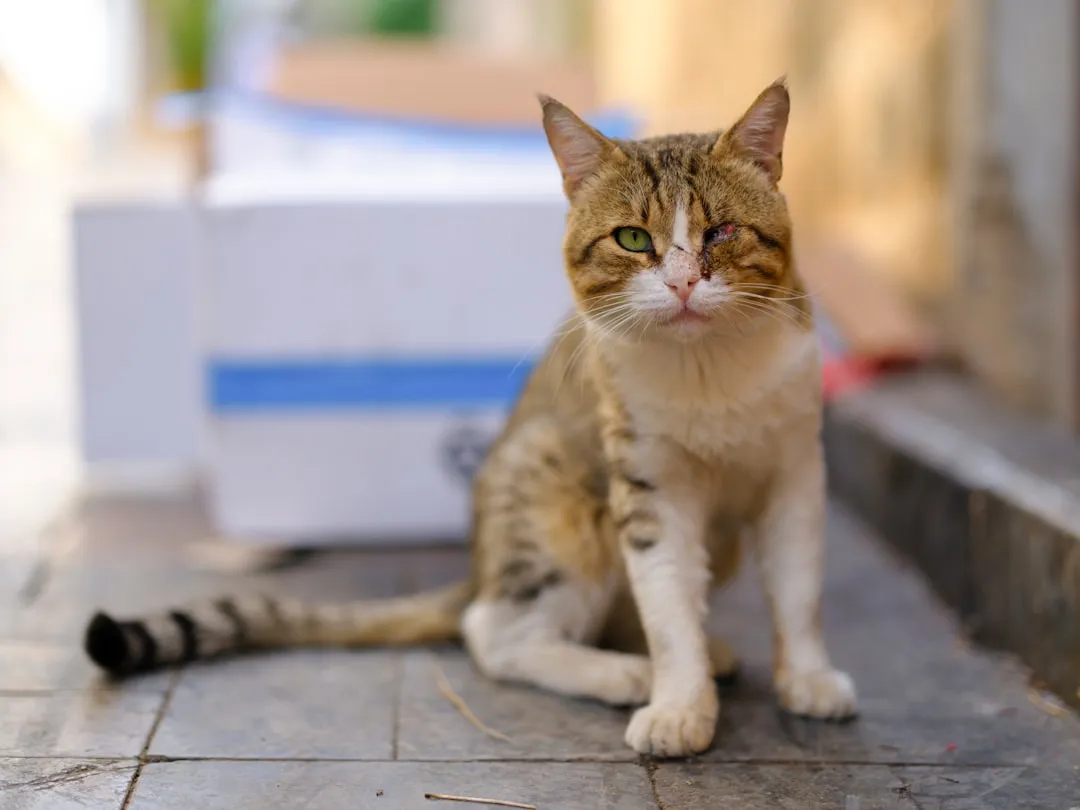
A lot of people assume older cats are “grumpy” about being picked up. Vets argue this is one of the most heartbreaking misunderstandings out there. If your cat once tolerated or enjoyed being held and now tenses, growls, or flinches when you lift them, that’s not personality – it’s pain.
Cats with sore spines, inflamed organs, or fragile joints often react when pressure is put on their chest or abdomen. They may cling to your shoulder, scramble frantically to get down, or let out a sharp meow that sounds more annoyed than scared. Owners sometimes joke that their cat has “decided they’re too old for cuddles,” but the cuddle may actually hurt. Advanced kidney disease, liver problems, and abdominal tumors can all make being held deeply uncomfortable, and that shift can show up months before more obvious symptoms.
Cats hide pain as a survival instinct – it’s an evolutionary holdover from being both predator and prey.
American Association of Feline Practitioners
#14 – The Eyes That Don’t Quite Look Like “Them” Anymore
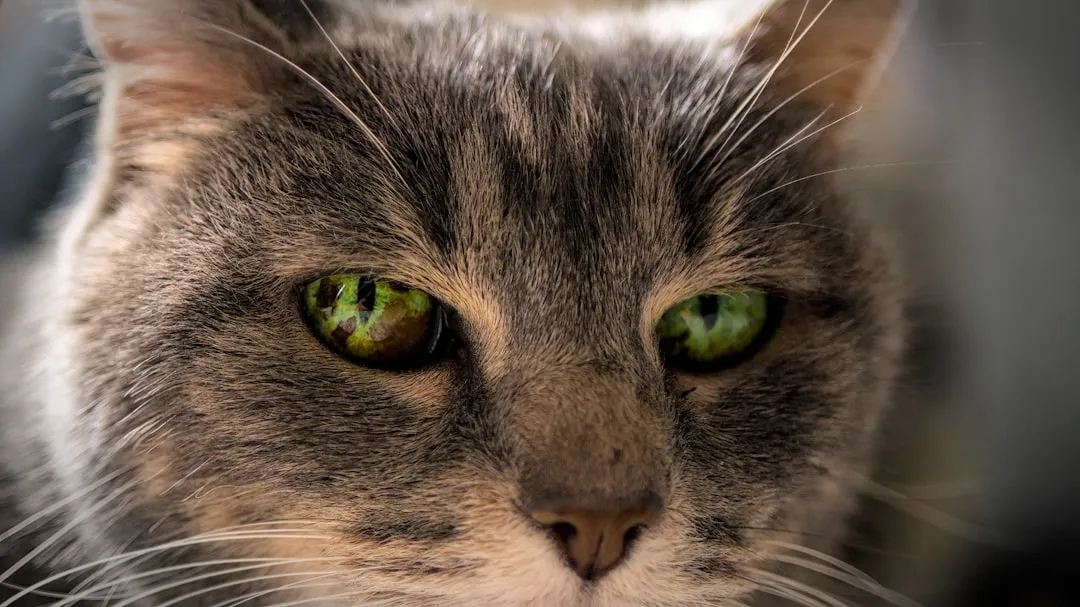
Most people notice cloudy eyes and assume it’s just age. Vets look at senior cat eyes like a weather forecast: they tell you what’s coming. Subtle changes – dilated pupils that don’t respond well to light, one pupil larger than the other, or eyes that always seem wide and “bugged out” – can signal high blood pressure, hyperthyroidism, or neurological issues.
Tiny retinal hemorrhages or sudden blindness from hypertension are tragically common in older cats and often show up alarmingly close to end-of-life. You might also see a new dullness where there used to be a bright, focused gaze. Some cats with kidney or liver disease develop a slightly sunken or tired look around the eyes that’s easy to dismiss as “old cat face.” It’s not just aesthetics, it’s physiology – and when your cat’s eyes stop looking like “them,” it can mean their body is quietly giving up ground.
#15 – The Temperature Games: Chasing Heat or Fleeing It
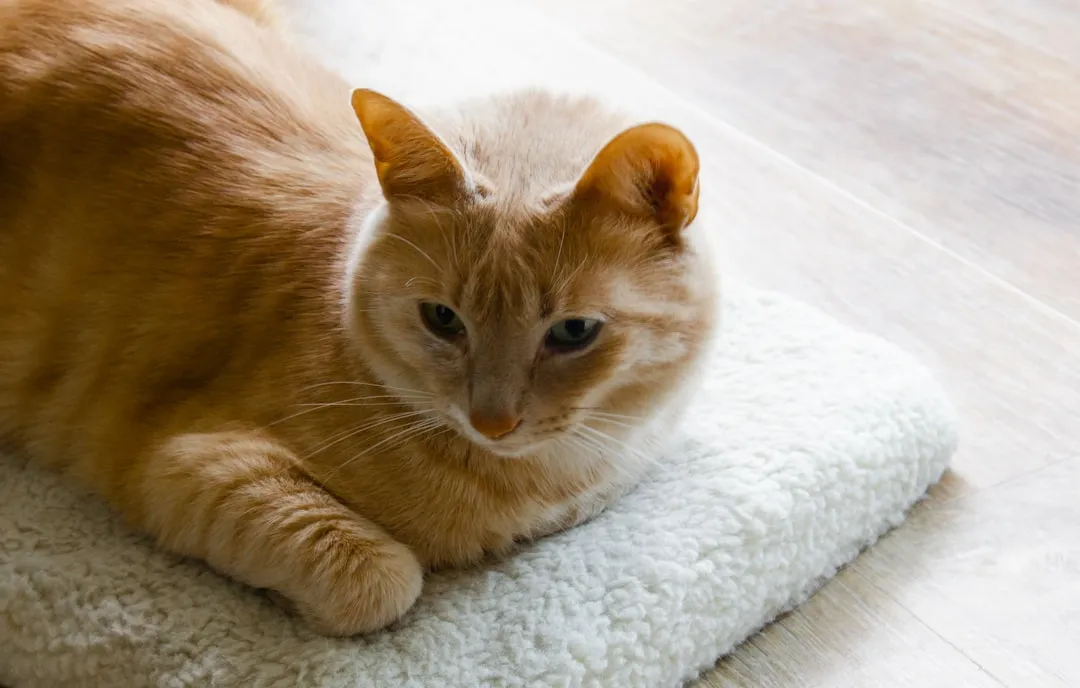
Senior cats become strangely specific about where they sleep, and that choice can be a massive clue. Most owners just think it’s “cute” that their old cat suddenly lives on the heating pad or the cold tile. Vets read it entirely differently. A cat that constantly seeks heat – curling right by radiators, burying in blankets, or hugging warm electronics – may be dealing with weight loss, poor circulation, or thyroid and kidney problems that make it hard to regulate body temperature.
If they’ve never been a heat-seeker before and suddenly are, something has shifted internally. On the flip side, some cats in pain or with feverish conditions may lie on cold floors, in bathtubs, or in drafty spots. Sudden, rigid consistency – always one exact spot, one exact temperature – isn’t about being quirky, it’s about survival comfort. When a senior cat stops rotating between favorite napping places and instead clings to just one “safe” climate, your timeline may be shorter than you think.
#16 – The Grooming That Turns into Self-Harm
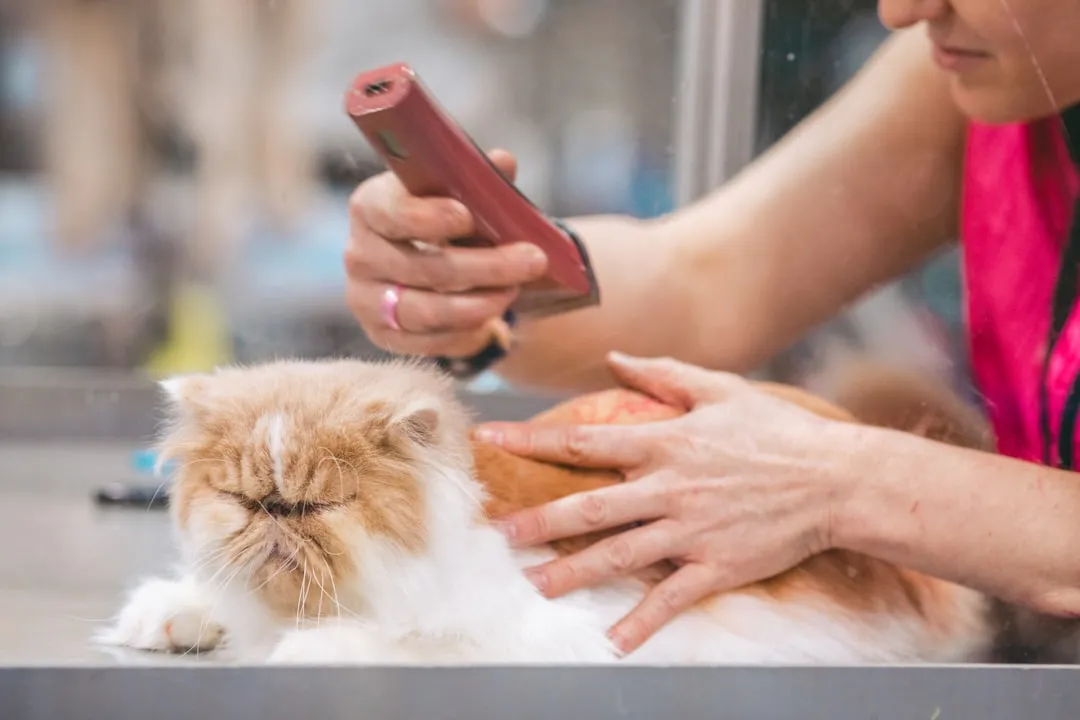
Excess grooming is easy to blame on allergies or “stress.” In senior cats approaching the end, it can mean something much more serious: chronic, unrelenting discomfort. Cats with kidney disease, hyperthyroidism, or nerve pain sometimes lick one area obsessively – often the belly, inner thighs, or base of the tail – until the fur is gone or the skin is raw.
When an older cat creates bald patches or sores through sheer overgrooming, that’s their version of screaming. It can also signal chronic nausea or internal discomfort they can’t localize, so they focus on a random spot instead. People often treat it like a behavior issue, throwing calming sprays or new toys at the problem. But when you see a senior cat methodically licking for long stretches, zoning out, almost trance-like, that’s a major quality-of-life alarm – not a quirk, but long-term suffering.
Why It Stands Out
- Normal grooming is quick and evenly spread across the body
- Medical overgrooming often targets one spot – belly, thighs, or tail base
- Bald patches or raw skin mean the licking has gone far past routine care
- Trance-like, repetitive licking often points to chronic discomfort, not just stress
#17 – The “Good Days/Bad Days” Roller Coaster You Write Off
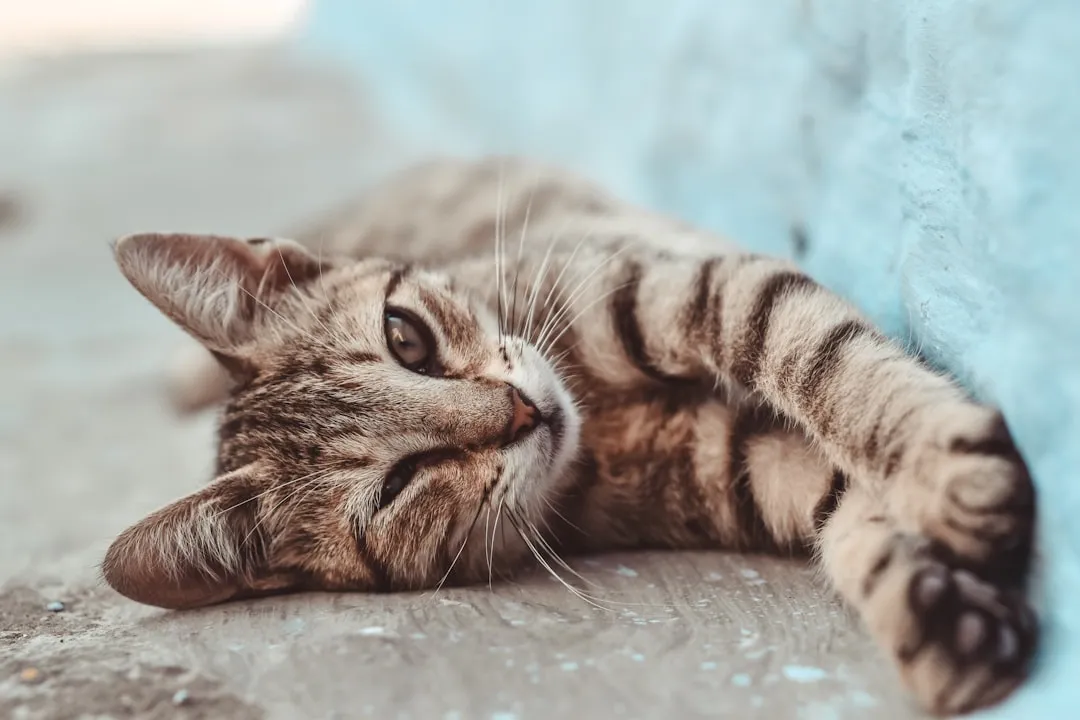
One of the cruelest tricks of a dying cat’s body is inconsistency. Owners cling to the “good days” and ignore the trend. Vets look at the pattern and see the end getting close. Senior cats with advanced disease often have fluctuating days: one day they eat well, nap in the sun, and even play a little; the next day they hide, refuse food, and seem miserable.
When bad days start outnumbering the good ones – or when the “good” days are only slightly better, not truly happy – that’s a brutal but important sign. It usually means the body is losing its ability to bounce back. Many people delay hard decisions because “yesterday was decent,” but the uncomfortable veterinary reality is this: by the time it’s obviously all bad days, your cat has often already gone through weeks of what a vet would call poor quality of life. Tracking the pattern on paper can be eye-opening, and heartbreaking.
#18 – The Moment They Quietly Stop Doing the One Thing That Was Theirs
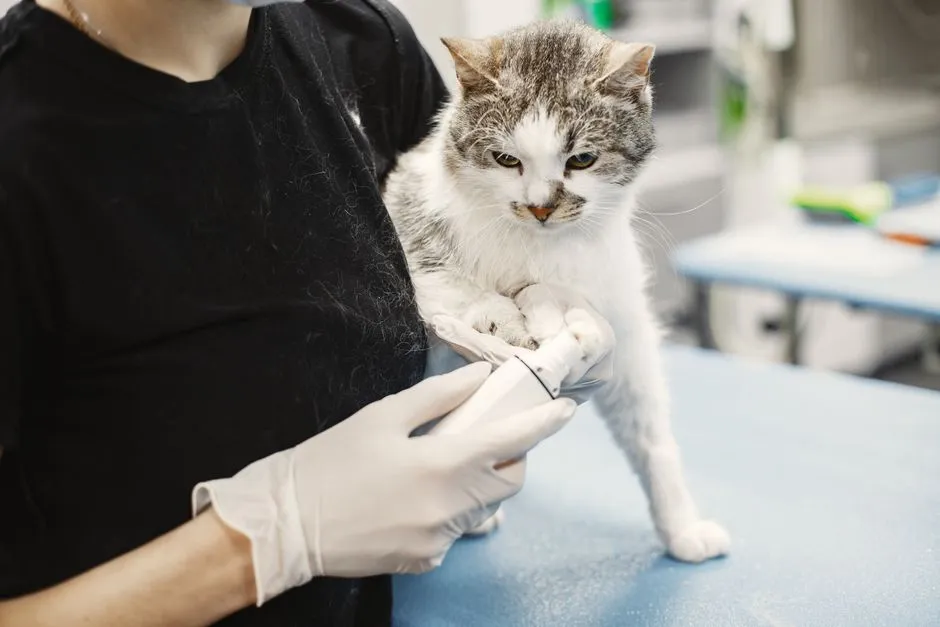
Every cat has “their thing.” Maybe it’s kneading your chest, racing to the kitchen at the sound of a can, batting a specific toy, or curling in a favorite window at exactly 3 p.m. End-of-life vets pay special attention to when that one signature behavior disappears. When your cat drops their most core routine – not just once, but consistently – that’s often the most honest signal that they are done, even if you aren’t.
A cat who no longer cares about the ritual that defined them is telling you their internal world has changed more than you want to admit. It’s subtle, deeply personal, and easy to rationalize away. This is the sign that breaks people the most in hindsight, once they realize that weeks before the final vet visit, their cat had already said goodbye in their own language. Missing that doesn’t make you a bad owner – but recognizing it can be the difference between a dragged-out decline and a peaceful, timely goodbye.
The Bottom Line
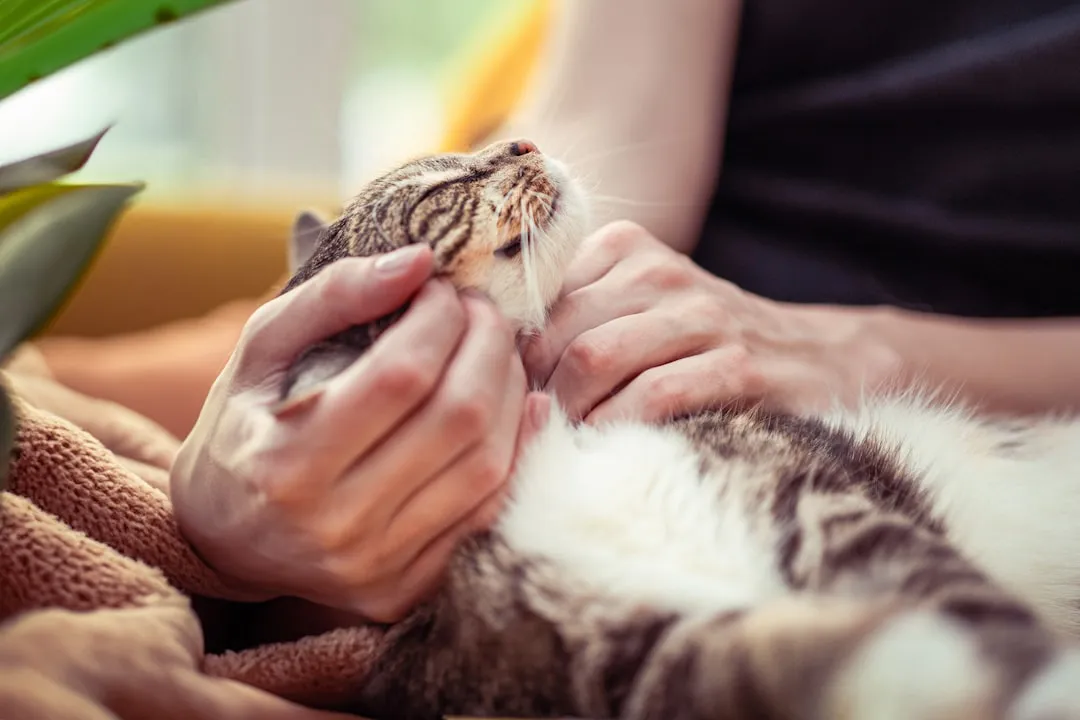
Most people wait for a single, dramatic sign to tell them it’s time. Vets know it almost never works like that. The truth is uglier and quieter: your senior cat usually tells you in eighteen small ways long before you’re ready to hear it. The stiff steps, the greasy coat, the night cries, the hiding – all of it adds up to one brutal question: are you paying attention, or are you just hoping it’s “normal old age”?
End-of-life for cats isn’t about squeezing out a few more miserable weeks. It’s about noticing when the balance flips from “more good days” to “more bad days,” and having the courage to act on what you already know deep down. Some people think choosing a peaceful goodbye “too early” is the worst mistake you can make. I’d argue the far more common, far more cruel mistake is waiting too long, mistaking a dying cat’s quiet endurance for contentment simply because it’s easier on us.
Which of these signs have you already seen in your own senior cat – and were you brave enough to act on it, or did you wait like almost everyone else does?

- 19 Plants Seasoned Gardeners Wish They Had Never Wasted a Single Growing Season Without Once Trying - August 1, 2026
- If You Are Starting a Garden, These 16 Regrets Are the Ones Veteran Growers Name First - August 1, 2026
- The 17 Things Your Dying Cat Wants From You in Its Final Weeks That Vets Wish Owners Knew - August 1, 2026