

Most people assume the final weeks of a cat’s life are simple: keep them cozy, keep them fed, and wait for the inevitable. Vets say that’s exactly the assumption that causes the most heartbreak. The real tragedy they see isn’t death itself – it’s how many cats spend their last days quietly confused, in pain that went unnoticed, or grieving routines that suddenly stopped making sense.
Here’s the part most owners never hear until it’s too late: your dying cat still has clear preferences, tiny joys, and specific things it’s silently hoping you’ll notice. Some of the “kind” things owners do out of love actually make those final weeks harder, not easier. Vets and feline behavior experts shared exactly what your cat is asking of you – and a few of these will change how you think about the whole process.
#17 – “Please Stop Hiding How Bad It Is From Yourself”
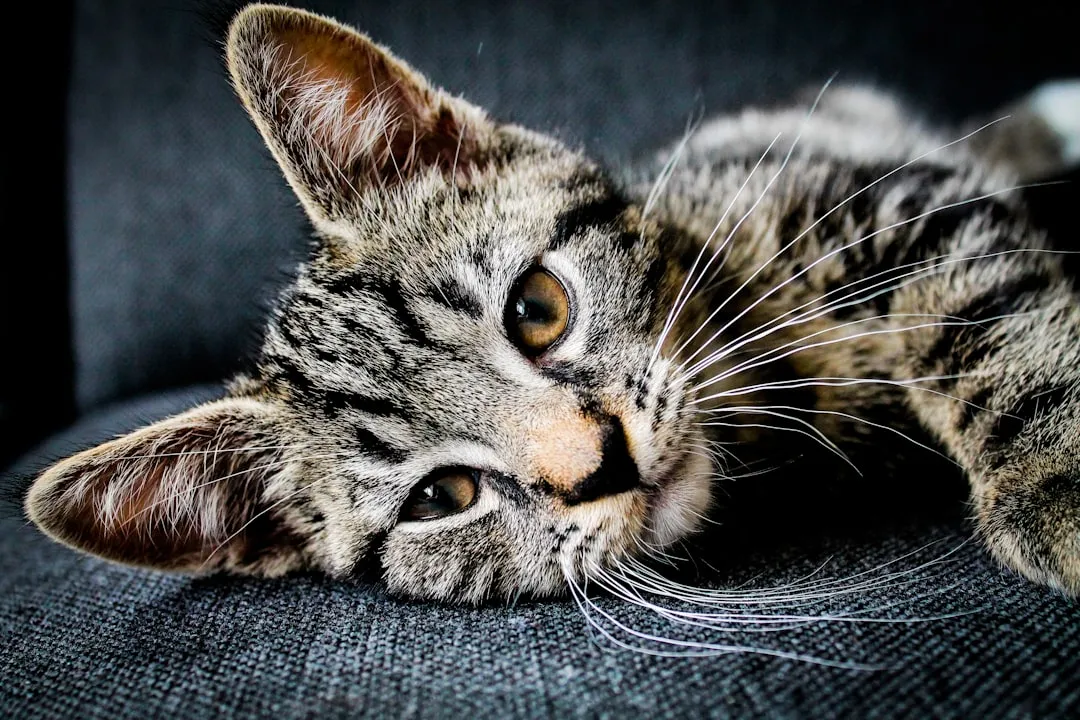
Almost every vet has heard the same regret from a grieving owner: “I wish I’d accepted what was happening sooner.” Most people wait far too long to admit their cat is truly dying, and that delay costs the cat comfort it could have had.
Cats are masters at masking pain. By the time you notice the obvious signs – weight loss, hiding, trouble jumping – they’re usually much further along than you think. Pretending they’re “just slowing down” quietly steals the weeks you could have spent easing their pain instead of denying it.
- Track appetite, mobility, and bathroom habits daily.
- Ask your vet directly: “Are we at the palliative or end-of-life stage now?”
Facing reality early gives you an actual plan – pain control, home adjustments, and a humane timeline – instead of a slow slide you only recognize in hindsight.
#16 – “Control My Pain, Even If It Shortens My Life a Little”
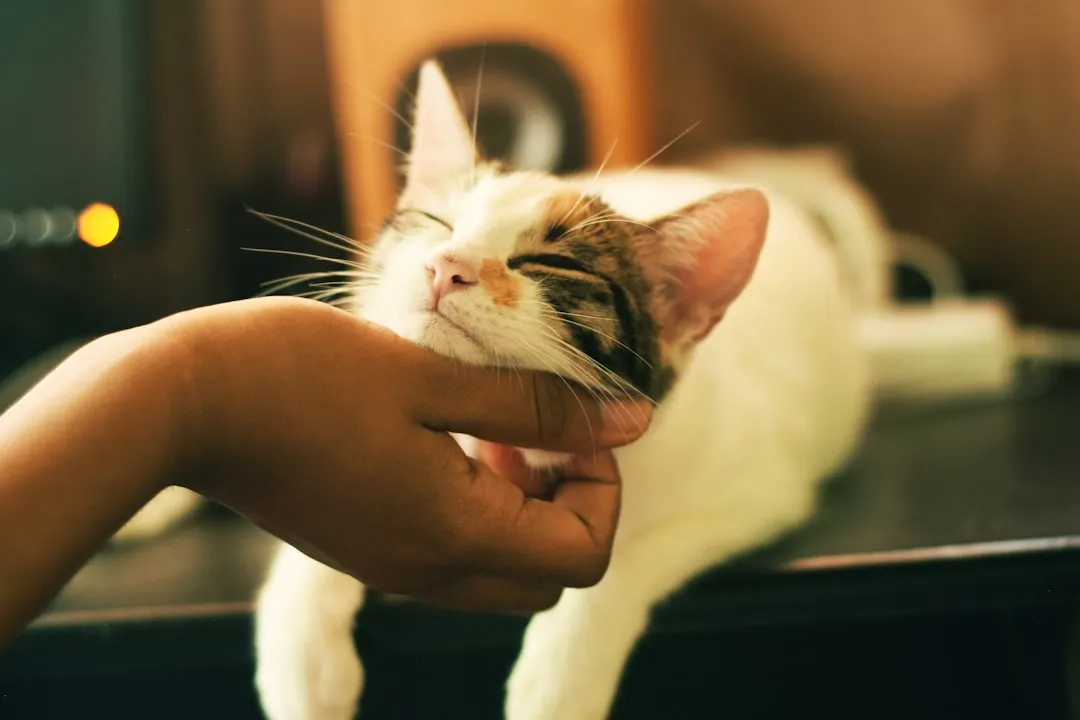
Most owners are terrified of giving “too much” medication. Vets quietly say the real problem runs the other way – far more cats suffer in silence than get overmedicated. Arthritis, cancer, kidney disease, and dental disease can all cause constant aching, nausea, or a burning discomfort that never really lets up.
In these final weeks, the goal shifts from stretching out time to protecting comfort. Talk to your vet about stronger pain medication instead of mild options, anti-nausea support, and doses adjusted for comfort rather than longevity.
- Ask about stronger pain meds, not just “mild” options.
- Request anti-nausea and appetite support.
- Discuss adjusting doses for comfort, not extra days.
Aggressive pain relief can make a cat sleepier, and yes, it can shorten life slightly. But from your cat’s side of things, three comfortable days beat ten miserable ones every time. Many vets admit they’d choose heavy pain control for their own animals without hesitation.
Fast Facts
- Cats are prey animals by instinct, so hiding obvious pain is survival wiring, not stubbornness.
- Many vets now use facial-based pain tools that score things like squinted eyes, flattened ears, and muzzle tension to catch pain a cat would otherwise hide.
- Historically, cats have been prescribed less pain medication than dogs for comparable conditions, simply because their pain is harder to spot.
- Subtle signs – skipping meals, reduced grooming, reluctance to jump – are often the loudest “complaints” a cat can make.
#15 – “Don’t Suddenly Change Everything About My World”
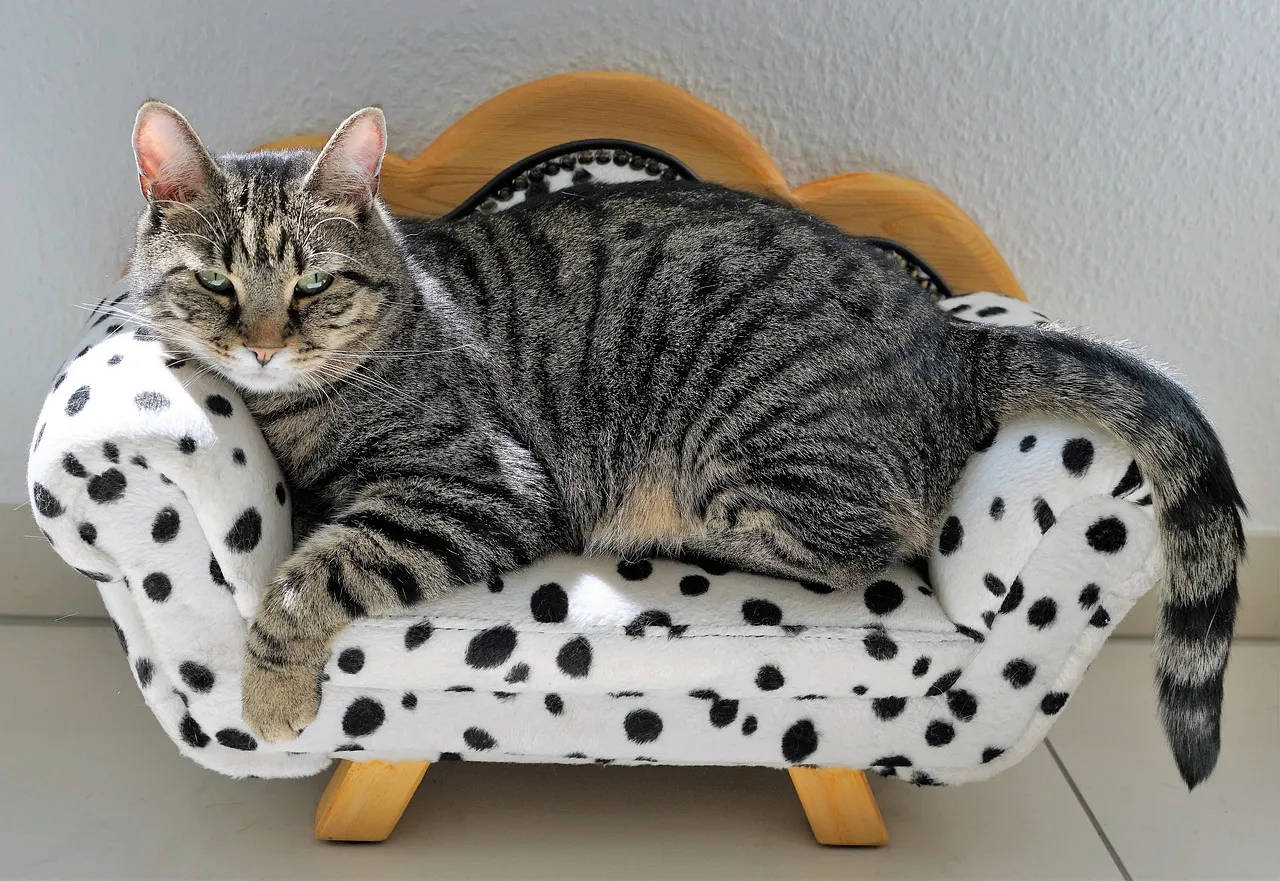
When a diagnosis lands, a lot of owners panic and overhaul everything at once – new food, new bed, new room, new schedule. To a healthy cat that might be manageable. To a dying cat, it feels like the floor dropping out from under them.
Cats cling to routine and familiar scent even harder when they’re sick, because predictability is one of the last things that still feels safe. Instead of “fixing” everything, think in terms of softening what already exists.
- Keep their favorite sleeping spot, just make it warmer and more padded.
- Keep feeding times consistent, even if portions shrink or go softer.
- Avoid confining them to a strange room unless it’s genuinely safer.
Your cat isn’t asking for a new life. It’s asking for its old life, just made a little easier on a tired body.
#14 – “Bring My World Down to My Level”
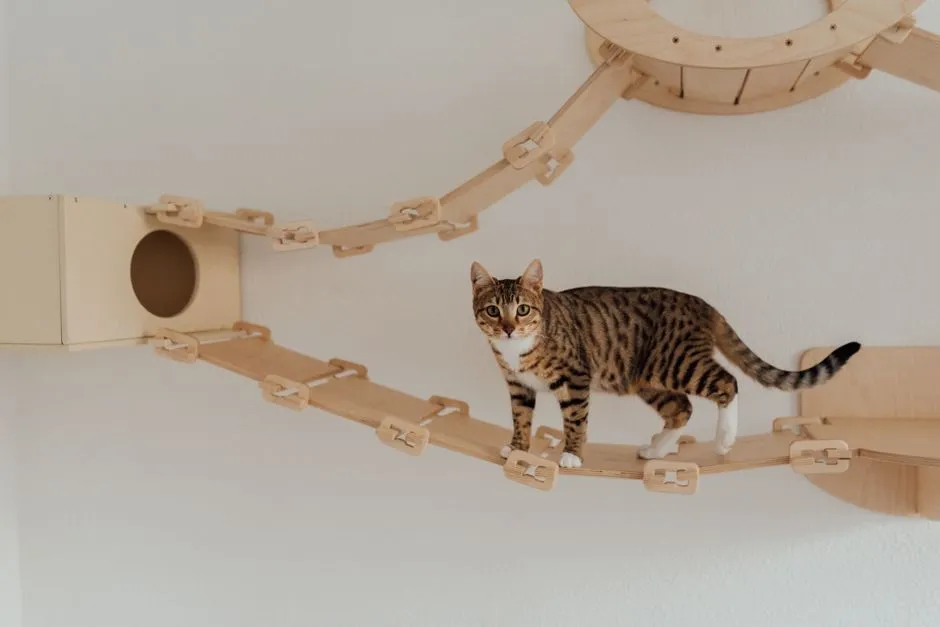
A windowsill or the top of the bed can start to feel like a mountain climb in the final weeks. Many cats quietly stop visiting their favorite spots – not because they’ve lost interest, but because getting there simply hurts too much.
Vets call the loss of vertical access one of the most underrated sources of distress in dying cats. It isn’t just about mobility. Cats lose their sense of territory when the high spots disappear, and that loss is felt even if they can’t tell you about it.
- Add stable ramps or footstools to beds, couches, and low perches.
- Set up a soft bed or box near a window at floor level.
- Move a favorite blanket from a high spot down to somewhere reachable.
Treat gravity like the enemy here. Every barrier you remove is you telling your cat, “You still belong in the middle of this home, not exiled to the floor.”
#13 – “Keep My Litter Box Dignified, Not Difficult”

The litter box quietly becomes one of the biggest sources of late-stage suffering, and most owners miss the warning signs entirely: accidents near the box, hesitation before stepping in, or squatting to urinate outside it when they used to climb in easily.
A high-sided or distant litter box can turn a simple bathroom trip into a painful obstacle course for an arthritic cat. Vets routinely see cats holding urine or stool out of sheer discomfort or fear of the box, which then triggers infections and even more pain – a cruel cycle that starts with something as small as box placement.
- Switch to a low-entry box that doesn’t require climbing.
- Move the box closer to where they now sleep, even if it isn’t a pretty spot.
- Use softer litter that’s gentler on arthritic paws.
Choosing convenience or aesthetics over access is a quiet way owners make the final weeks harder without ever realizing it.
#12 – “I Still Care If My Fur Is Clean”

A cat that stops grooming isn’t just getting old – it’s usually in pain, nauseated, or too weak to keep up basic hygiene. Matted fur, greasy coats, and dirty rear ends aren’t just unpleasant to look at; they lead to skin infections and real discomfort.
Cats are naturally fastidious animals, and losing the physical ability to groom themselves is a quiet kind of humiliation for many of them. You can help restore some of that dignity with gentle, patient effort.
- Gently wipe their face and paws with a warm, damp cloth.
- Trim small mats instead of aggressively combing them out.
- Use unscented baby wipes around the back end if they’re soiling themselves.
Go slow and read their body language. This should feel soothing, not like a wrestling match – you’re not just cleaning them, you’re helping them feel like themselves again.
#11 – “Stop Forcing Food When I Clearly Don’t Want It”
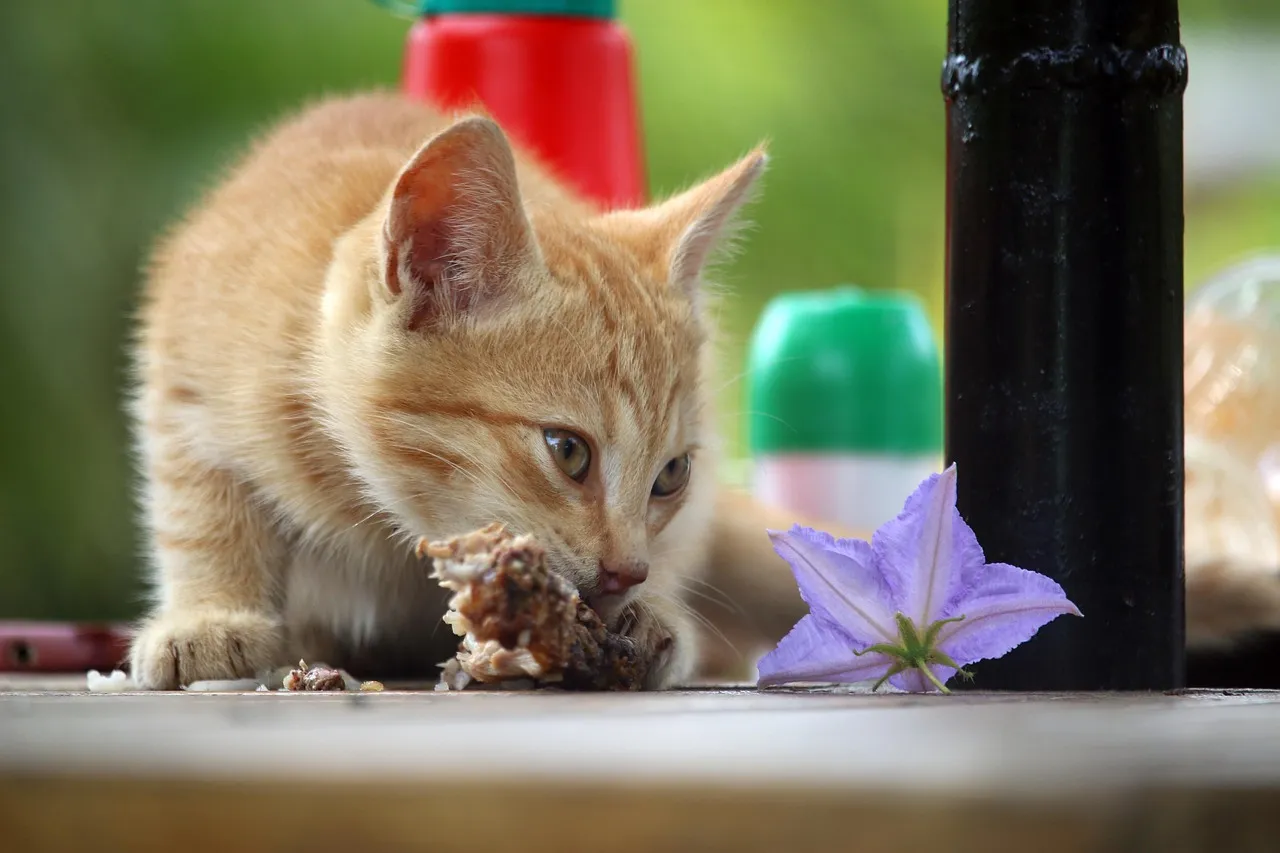
This one upsets people, but it needs saying: pushing food on a cat in true end-stage illness is often more about the owner’s fear than the cat’s comfort. As organs fail, appetite naturally drops, and repeatedly syringe-feeding or cornering a cat with food can cause choking, nausea, and real stress.
There’s a real difference between early illness, where appetite support can genuinely extend a good life, and true final weeks, where aggressive feeding usually prolongs discomfort instead of life itself.
- In early illness, appetite support can be appropriate and life-extending.
- In true final weeks, forced feeding often adds suffering without adding time.
Ask your vet bluntly: “Are we still treating, or are we now only caring?” If you’re firmly in the palliative stage, it may be kinder to offer small meals and hydration support, then let your cat decline food without turning every meal into a battle.
Quick Compare
- Early illness: Appetite dips but often bounces back with appetite stimulants or gentle hand-feeding.
- True final weeks: Appetite loss reflects organs shutting down, and forcing food usually adds stress without adding good time.
- Early illness: Weight loss is gradual and can stabilize once support kicks in.
- True final weeks: Weight loss continues no matter what you try – a sign the body is closing down, not just resting.
#10 – “Quiet Comfort Matters More Than Constant Attention”
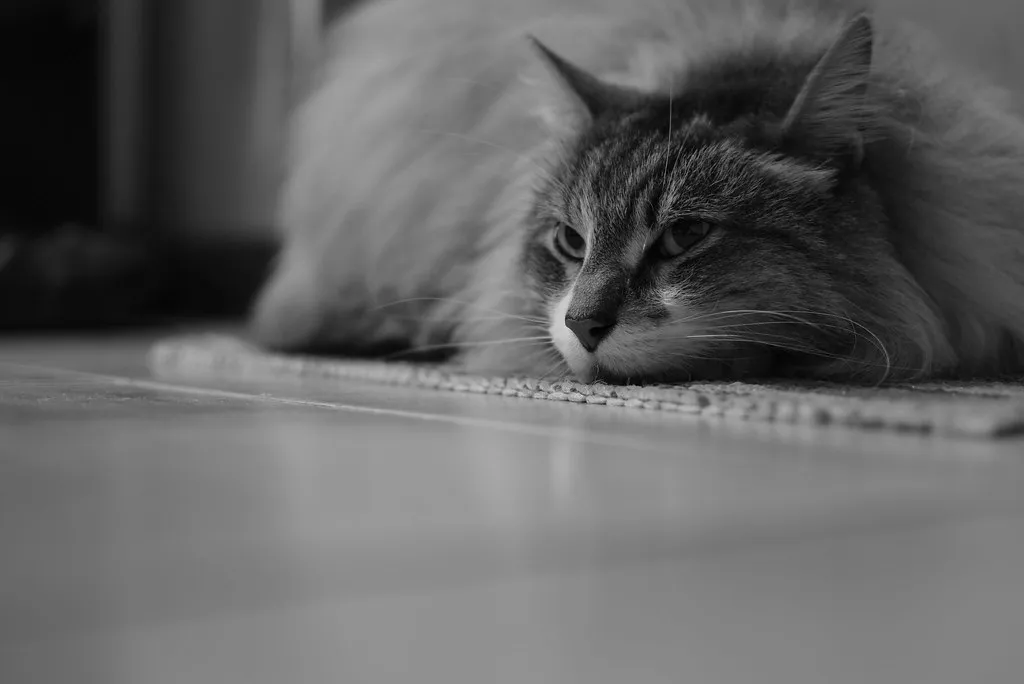
A lot of owners respond to a terminal diagnosis by hovering – picking the cat up constantly, talking nonstop, rarely letting it rest. The intention is pure love, but constant stimulation can actually exhaust and even frighten a cat that just wants to sleep undisturbed.
Watch what your cat is actually choosing, not what you assume it wants. Does it move away when you sit too close? Does it settle more easily when you’re in the room but not touching it? Does it only perk up for very short, gentle interactions?
- Notice if they move away when you sit too close.
- Notice if they relax more with you nearby but not touching.
- Offer short, gentle interactions instead of long sessions.
The kindest thing may simply be sharing the same space quietly and letting them decide when to come to you. Closeness doesn’t always mean contact.
#9 – “Let Me Hide… But Don’t Abandon Me There”
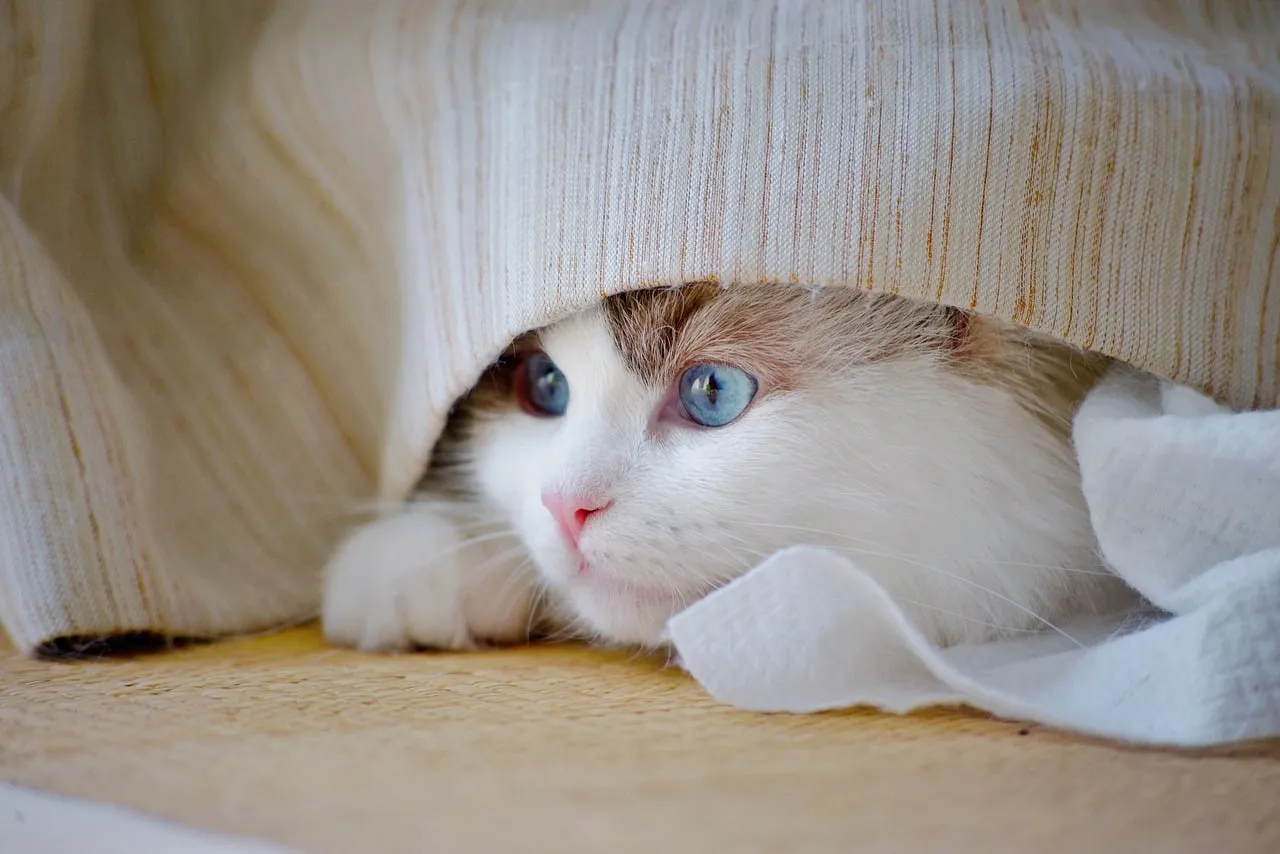
Dying cats often withdraw into closets, under beds, or behind furniture. Many owners assume this means “they want to be alone” and back off entirely. Vets see the fallout of that assumption more than they’d like: cats dying in dark corners, cold, soiled, and unattended, simply because everyone misread hiding as a wish to disappear.
The nuance matters here. Hiding often signals pain, fear, or sensory overload – your cat may want less stimulation, not total isolation.
- Make the hiding spot more comfortable with soft bedding and nearby water.
- Sit near the entrance and talk softly, offering a hand without pulling them out.
- If they’re too weak to move, gently relocate them somewhere quiet, warm, and accessible.
Respect the wish to retreat, but don’t mistake it for a request to be forgotten.
#8 – “Please Keep My World Warm and Soft”
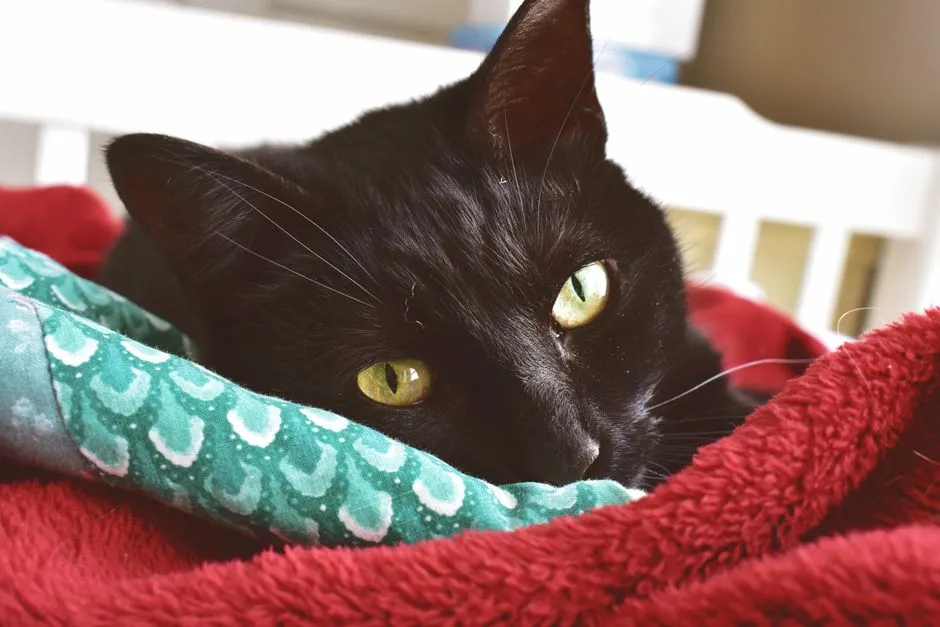
Older, ill cats lose fat and muscle fast, which means they feel cold even in a room that seems perfectly comfortable to you. Hard floors and thin blankets that never bothered them before suddenly become painfully unforgiving.
Hypothermia and pressure sores are very real risks in frail cats that barely move anymore. Treat them like a fragile patient, not a rugged animal that can shake off a chilly floor.
- Provide multiple warm spots: low-heat pet pads, warm blankets, or a safe hot water bottle wrapped in a towel.
- Gently rotate them if they’re very immobile to prevent sore spots.
- Place beds away from drafts, AC vents, and busy foot traffic.
Warmth and softness lower pain perception, improve sleep quality, and can even help them eat a little better.
#7 – “My Breath, Pee, and Poop Smell Different for a Reason”

A lot of people quietly ignore new, strong odors because they feel embarrassing to deal with. That instinct to look away is exactly the wrong one. Strong uremic breath that smells like ammonia, metallic saliva, or sour body odor often signals advanced organ failure or infection – not just “old cat smell.”
Foul-smelling urine or stool can point to pain, diarrhea, or severe dehydration. Your cat needs you to lean in here, not step back in disgust.
- Tell your vet about any sudden change in smell.
- Ask whether anything can ease oral ulcers, diarrhea, or urinary discomfort.
- Keep bedding clean even through accidents – soiled fabric is harsh on fragile skin.
These scents may be unpleasant for you, but they’re often physically distressing for your cat. That’s exactly why they deserve your attention, not your avoidance.
#6 – “Talk to Me Like I’m Still Me”
As cats decline, a lot of owners slip into a hushed, mournful tone, or start talking about them like they’re already gone. Your cat may not understand the words, but it absolutely responds to tone, rhythm, and familiar phrases it’s heard a thousand times before.
In these final weeks, your voice is one of the last consistent signals that says “you are safe and loved.” Keep using the same nicknames, routines, and little verbal habits you’ve always used. Speak softly, but normally – don’t turn your cat into a fragile relic before it’s necessary.
- Keep the same nicknames, routines, and familiar phrases.
- Speak softly but normally, not like they’re already gone.
- Pair your voice with gentle touch in spots they still enjoy.
Owners who keep talking to their cats “like usual” often carry less guilt afterward. It simply feels less like they abandoned their companion emotionally before the body was actually gone.
#5 – “Protect Me From Stressful Strangers and Chaos”
In the final weeks, households often turn into an unintentional spectacle – relatives visiting to “say goodbye,” kids wanting one last cuddle, neighbors dropping by. From a cat’s perspective, this parade of unfamiliar smells and hands can be genuinely terrifying, especially when their tolerance for stress is already at rock bottom.
Your cat is not a public exhibit for other people’s closure. Protect its space the way you’d protect any patient’s.
- Limit visitors and insist people stay calm and quiet.
- Say no to anyone who wants to hold or pose with your cat.
- Give them a quiet, protected safe space no one is allowed to disturb.
If someone’s feelings get hurt because you prioritized your dying cat’s comfort over their goodbye photo, that’s their problem, not your mistake.
#4 – “Home Visits and Fear-Free Care Matter More Than You Think”

Dragging a fragile cat to the clinic for every check-up or fluid treatment can quietly do real harm. The car ride, strange smells, and unfamiliar handling can spike blood pressure, heart rate, and pain in a body that has little reserve left to spare.
Many vets now quietly admit that some late-stage clinic visits do more emotional damage than medical good. It’s worth asking whether the trip is even necessary anymore.
- Ask about house-call options for exams, fluids, or euthanasia.
- Ask about learning to give subcutaneous fluids or simple meds at home.
- Ask about extending intervals between visits when test results won’t change the plan.
If your cat associates the carrier with terror, leave it open and padded nearby for days with treats inside so it stops feeling like a trap. Minimizing fear in these final weeks isn’t spoiling them – it’s basic humane care.
#3 – “Please Don’t Make Me Fight for You Anymore”
Here’s one of the harshest truths vets rarely say out loud: some treatments in the final weeks exist more to soothe the owner’s fear of loss than to genuinely help the cat. Repeated hospitalizations, feeding tubes, aggressive chemo – these can occasionally buy meaningful time, but in many terminal cases they mostly buy trauma.
Your cat doesn’t understand the concept of “buying time.” It only experiences what each day actually feels like, needle by needle, car ride by car ride.
If this were your own cat, would you still be doing this?
A question vets encourage every owner to ask, out loud, before continuing aggressive treatment
- Fewer needles, fewer hospital cages, fewer car rides.
- More soft beds, familiar smells, and relaxed time with you.
- A shift from “fighting” the disease to comforting the cat.
Be prepared to actually listen to the answer your vet gives you, even when it challenges the hope you’re holding onto.
#2 – “I Need You to Decide Before I’m in Crisis”
Most people wait for an unmistakable “sign” that it’s time – a seizure, a collapse, a moment of uncontrollable suffering. Vets will tell you plainly that the worst deaths happen when families wait for an emergency to force their hand. By then, decisions are rushed, options are limited, and the cat’s fear and pain are already at their peak.
Your cat is silently asking you to decide before things fall apart, not after.
- Use a quality-of-life scale, which many vets can provide, before things get dire.
- Decide in advance what “too far” looks like – not eating? Not walking? Not interacting at all?
- Schedule euthanasia ahead of time instead of a middle-of-the-night, panicked ER rush.
Choosing a day when they still have a little comfort, a little appetite, and familiar surroundings around them isn’t giving up too soon. It’s one of the few mercies you actually get to control.
Worth Knowing
- Many hospice-trained vets use the HHHHHMM Quality of Life Scale, built around Hurt, Hunger, Hydration, Hygiene, Happiness, Mobility, and More good days than bad.
- Each category is usually scored from 1 to 10, and a total in the mid-30s or higher generally suggests quality of life is still acceptable to continue supportive care.
- Re-scoring weekly, or even daily near the end, often reveals a downward pattern well before a crisis hits.
- Bringing a written score sheet to a vet visit turns a vague “something feels off” into a clear, shared conversation.
#1 – “Be Brave Enough to Give Me a Gentle, Planned Goodbye”
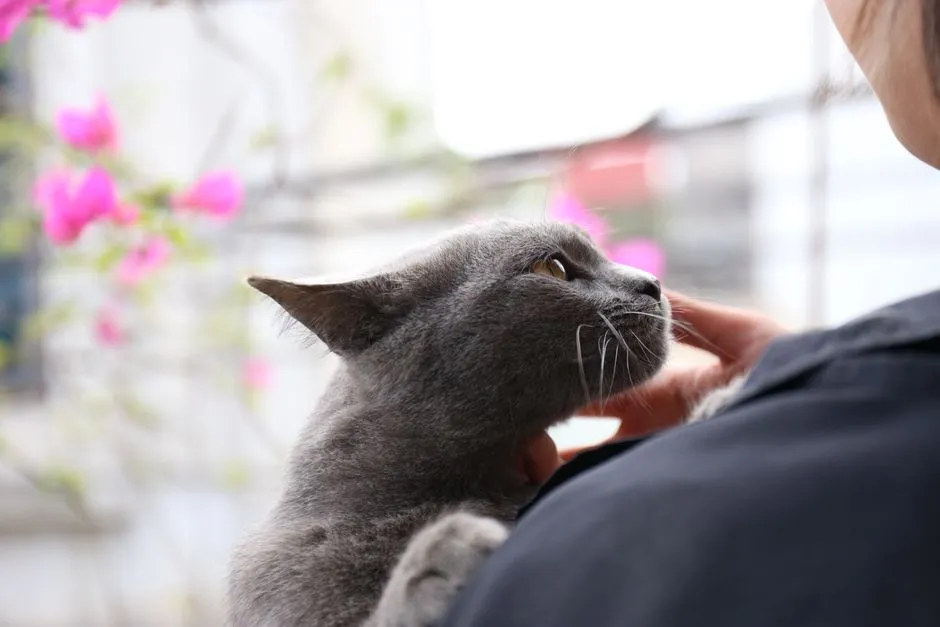
Here’s the hardest truth vets wish every owner understood sooner: a peaceful, planned euthanasia at the right time is the last, greatest act of love you can offer your cat. It is not a betrayal. It is ending their pain before their own body forces a violent, frightening exit.
Cats don’t have a concept of “one more week so the family can say goodbye.” They only know how much it hurts, how hard it is to breathe, how impossible it’s become to simply stand up.
- Familiar voices and smells instead of a metal table among strangers, if a home visit is possible.
- Calm, unhurried time for you to hold or touch them, if that’s something they enjoy.
- You staying with them until the very end, even if you’re crying the whole time.
You are not killing your cat. You are ending the disease’s power to hurt them any further – and that is the opposite of abandonment.
The Bottom Line
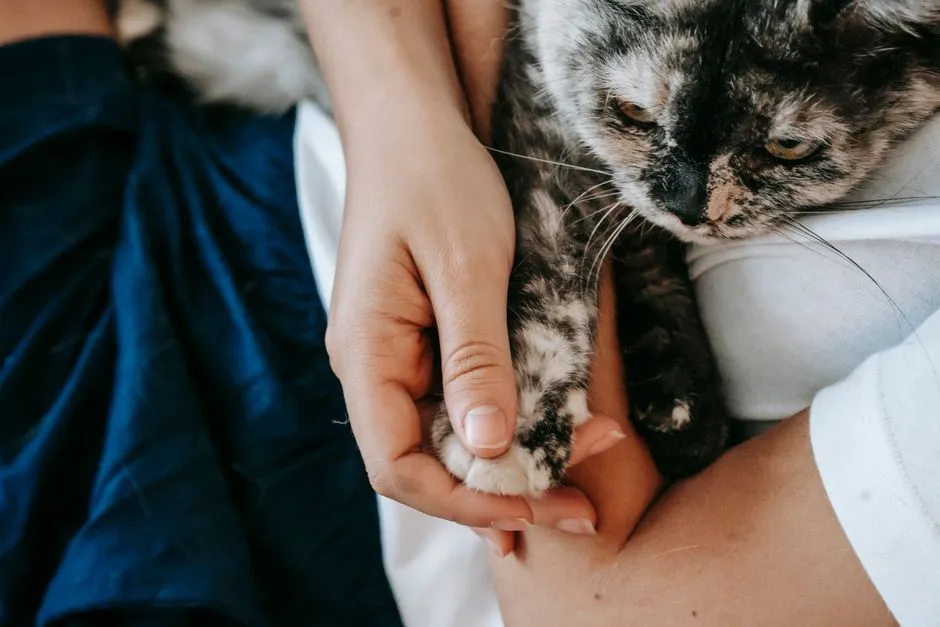
What your dying cat wants from you in its final weeks was never a dramatic miracle or an exotic treatment. It’s painfully simple: honesty about what’s really happening, relentless focus on comfort over extra time, and the courage to act before the suffering explodes.
Vets see the same pattern over and over – owners clinging to “one more day” while their cats silently endure pain, fear, and confusion that could have been prevented weeks earlier. Loving your cat at the end doesn’t mean being the hero who never gave up. It means being the one person willing to say, “Enough. You don’t have to hurt anymore.”
That decision will break your heart. It’s also the clearest proof you have that your cat’s needs came before your own fear.

- If You Are Getting Your First Dog, These 17 Regrets Are the Ones Owners Name Most - August 1, 2026
- 14 Dog Breeds That Suit a Quiet Retired Household and 7 That Really Do Not - August 1, 2026
- 19 Plants Seasoned Gardeners Wish They Had Never Wasted a Single Growing Season Without Once Trying - August 1, 2026