
Ask a brand-new gardener what they’re proud of, and they’ll almost always say tomatoes. Ask someone who’s been doing this for thirty years the same question, and you’ll hear about something you’ve probably never planted – garlic they haven’t bought from a store in a decade, an asparagus bed older than their own kids, a shrub that’s been quietly feeding them since before smartphones existed.
That gap between what beginners grow and what veterans quietly rely on is bigger than most people think. It isn’t about rare seeds or expensive equipment. It’s about a specific list of plants that almost every experienced gardener eventually stumbles onto – usually only after wasting years on the wrong things first. Here are the 19 they say you shouldn’t go one more season without trying.
#1 – Garlic
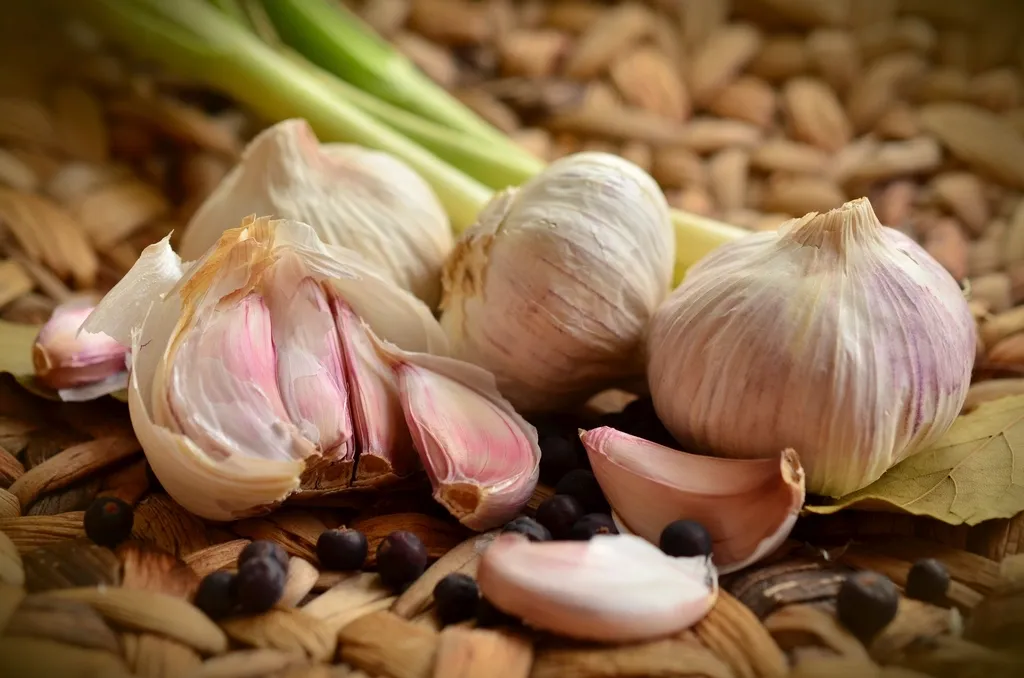
Most beginner gardeners buy garlic from the grocery store instead of growing their own, and experienced growers say that habit quietly costs them years of flavor.
Garlic is planted in fall, not spring, which trips up almost every first-timer. It sits under mulch through winter, then explodes into growth the moment soil warms. The biggest surprise? A single clove multiplies into an entire bulb, meaning one small investment in autumn turns into a full harvest by summer.
Seasoned growers also point out that hardneck garlic produces scapes – curly green shoots that can be harvested and eaten weeks before the bulbs are even ready. Most grocery-store garlic won’t do this. It’s a two-for-one harvest beginners almost never realize exists until someone tells them.
But that’s nothing compared to what veteran growers say about #2…
#2 – Asparagus
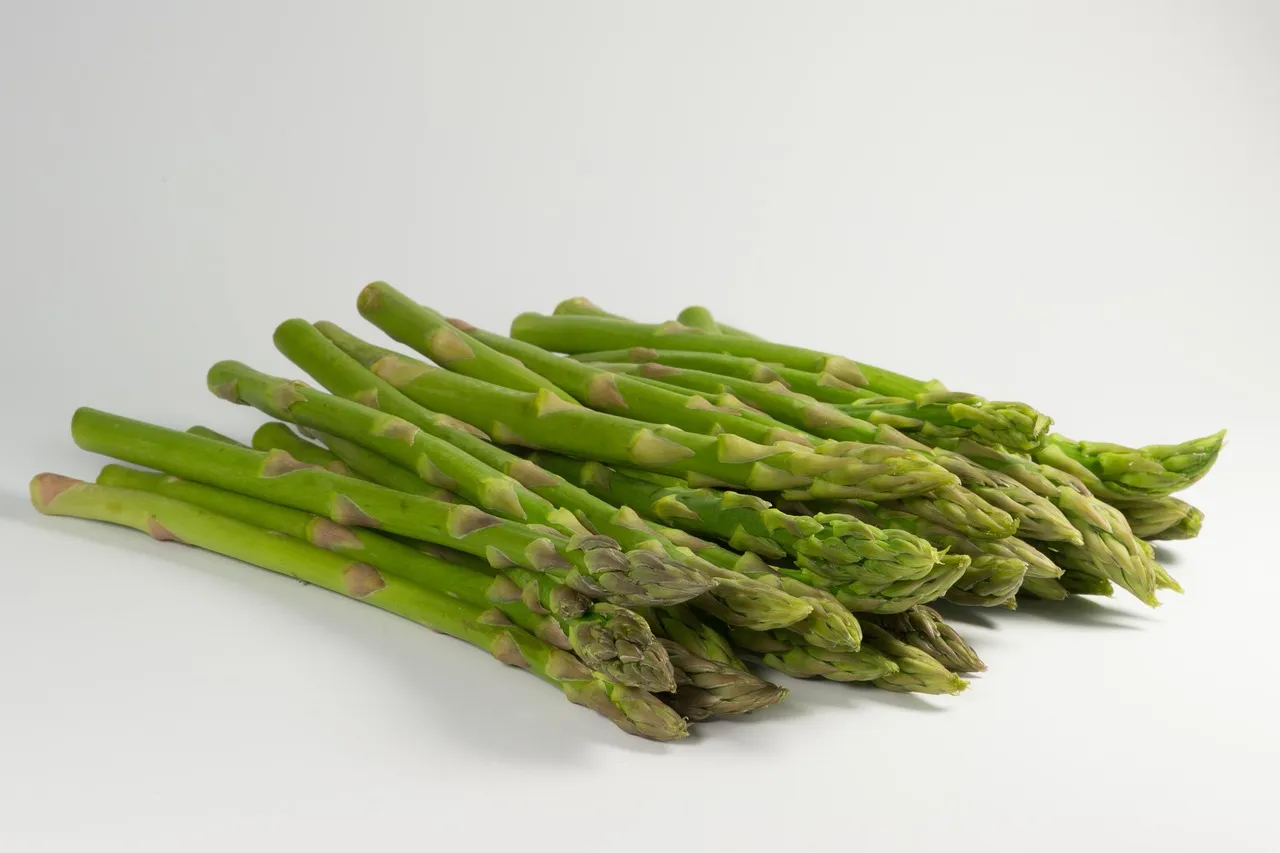
Asparagus has a reputation for being slow, and that reputation scares off almost every new gardener chasing instant results.
Here’s the truth: asparagus is a perennial. Once established, it can produce spears for 15 to 20 years from the same root crown. Most people don’t realize a well-cared-for asparagus bed will outlive the gardener’s own tenure in the house. The first two years require patience, since harvesting too early weakens the plant, but after that it becomes nearly self-sufficient.
A garden is a grand teacher. It teaches patience and careful watchfulness; it teaches industry and thrift; above all it teaches entire trust.
Gertrude Jekyll
Veteran growers describe asparagus as “planting an inheritance” rather than a vegetable. Many say the mistake isn’t growing it – it’s waiting until later in life to finally try, missing a decade or more of harvests they could already be enjoying.
Compared to what’s coming in #3, even asparagus starts to feel ordinary…
#3 – Comfrey
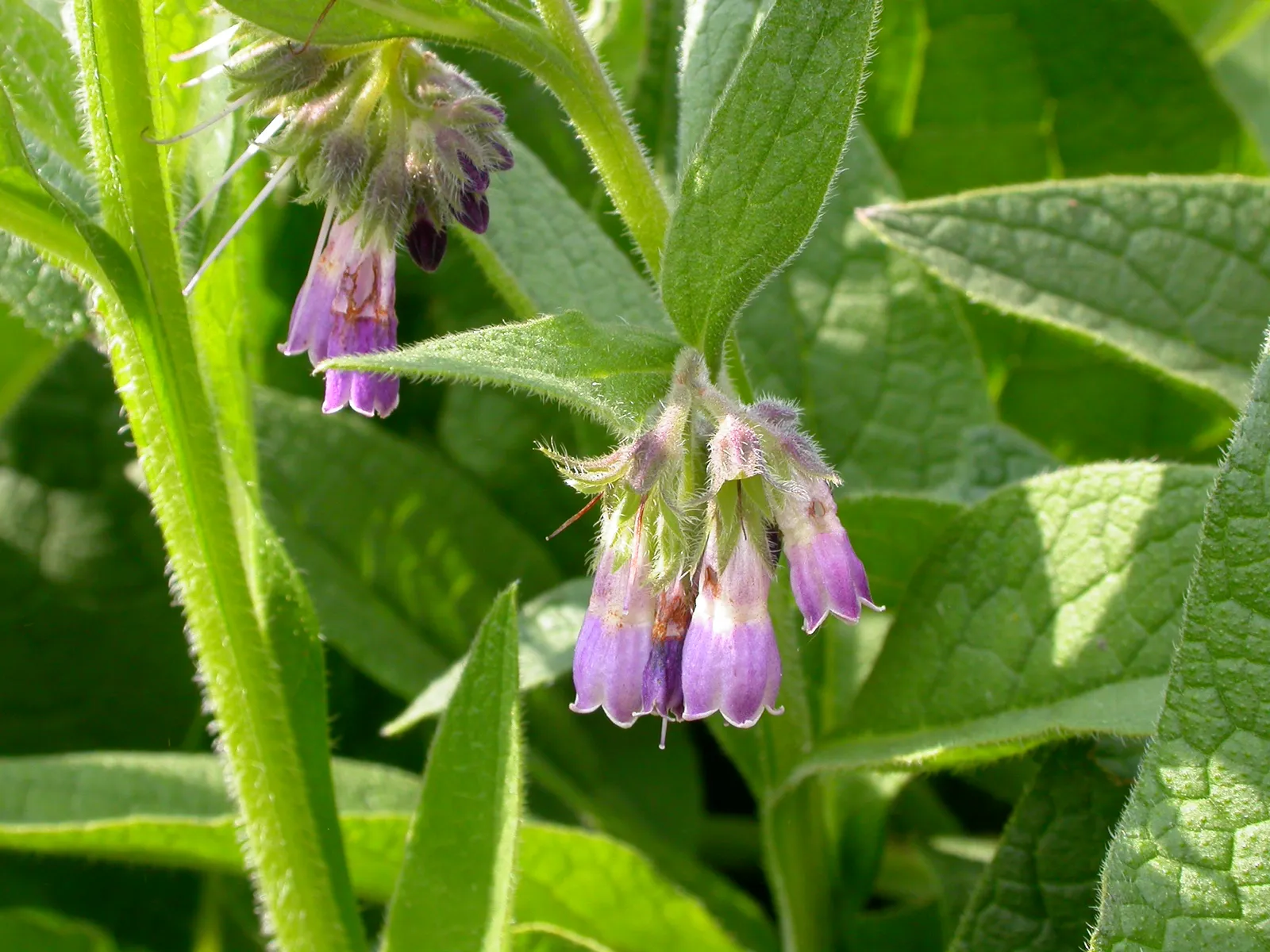
Comfrey rarely makes it onto beginner plant lists, yet longtime gardeners treat it like a secret weapon.
This deep-rooted perennial pulls nutrients from far below the soil surface that most vegetable roots can’t reach. Gardeners chop the leaves and let them decompose directly on beds, creating a natural fertilizer. The most surprising part is that comfrey leaves can be cut multiple times per season and regrow almost immediately, functioning like a renewable nutrient factory.
Fast Facts
- Comfrey roots can reach several feet deep, hauling up minerals shallow-rooted crops never touch.
- Chopped leaves are often steeped in water to brew a nutrient-rich “comfrey tea” for feeding beds.
- A single established plant can be cut back several times in one growing season alone.
- Its purple, bell-shaped flowers also make it a quiet favorite with bees and pollinators.
Some experienced growers call comfrey more valuable than store-bought fertilizer, arguing that most gardeners waste money on bagged nutrients when a single comfrey patch could do the same job for free, year after year, with almost no effort beyond occasional chopping.
Still, #4 might be the plant most gardeners avoid for the dumbest reason…
#4 – Rhubarb
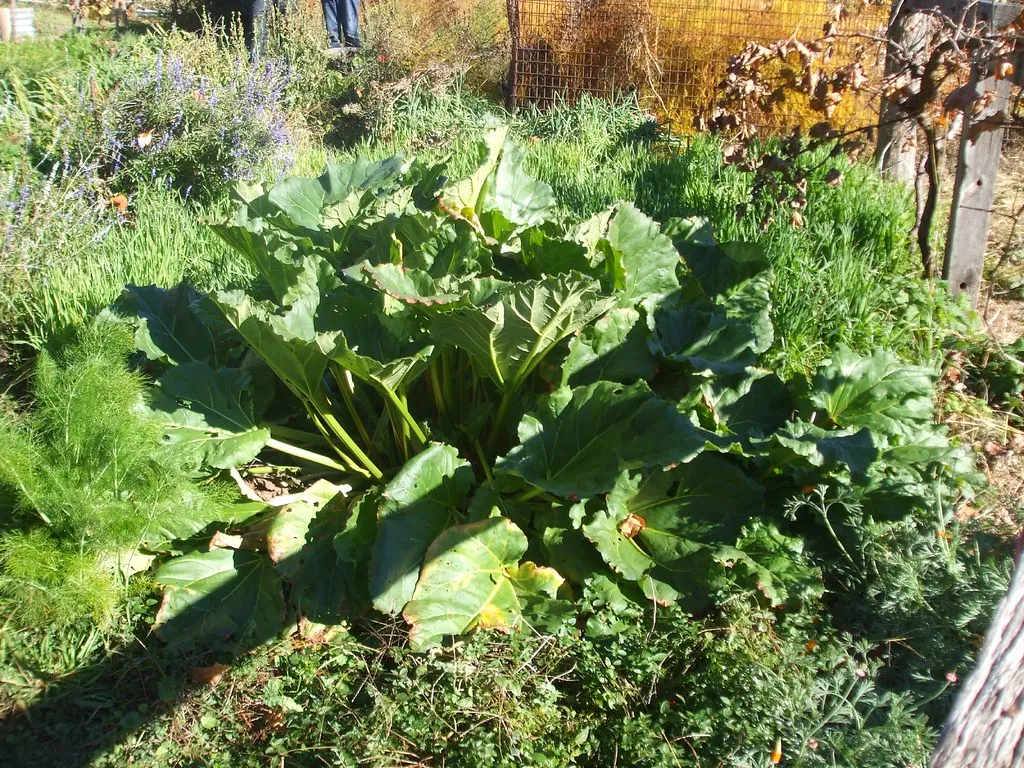
Rhubarb sits in an odd category – technically a vegetable, treated like a fruit – and that confusion keeps many gardeners from ever planting it.
Once established, rhubarb crowns can survive freezing winters and come back reliably every spring, often for a decade or longer without replanting. The surprising fact most beginners miss is that rhubarb actually improves with cold exposure, meaning gardeners in colder climates often get better yields than those in warmer regions.
Longtime growers insist the biggest error is planting rhubarb in a forgotten corner instead of somewhere visible and easy to harvest. Because it returns every year without effort, many say it deserves prime real estate, not leftover space near the fence line.
Nothing quite prepares you for how divisive #5 gets in gardening circles…
#5 – Jerusalem Artichokes (Sunchokes)
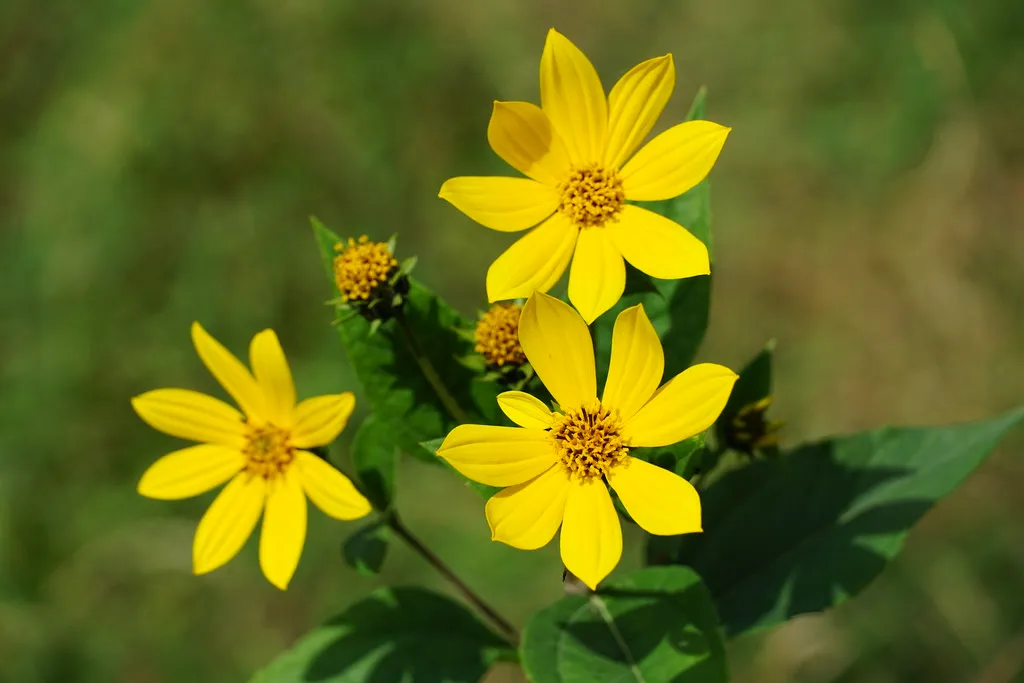
Few plants divide gardeners as sharply as sunchokes, and that’s exactly why seasoned growers say beginners should try them at least once.
These tall, sunflower-like plants produce edible tubers underground that store well through winter. The biggest shock for first-timers is how aggressively sunchokes spread – a small patch can multiply into a dense stand within a single season, making containment just as important as planting.
Some experts argue sunchokes are wildly underrated as a low-maintenance food source, while others warn they can quickly overtake a garden bed if left unchecked. Either way, most agree the plant deserves a trial run in a contained space, if only to see the sheer productivity firsthand.
And #6 comes with a warning label most beginners never see coming…
#6 – Horseradish
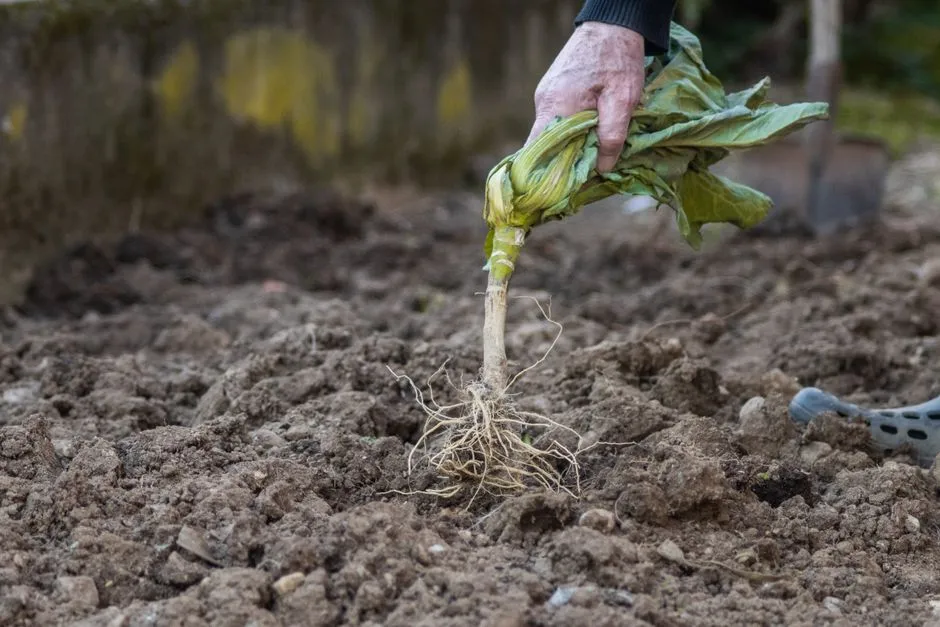
Horseradish has a reputation as a “set it and forget it” plant, but most beginners never even consider growing it at home.
The root spreads underground and can be harvested any time after the first year, with flavor intensifying the longer it stays in the ground. The most surprising detail is that horseradish left unharvested will simply keep growing larger and stronger each season, unlike most root vegetables that decline with age.
Veteran gardeners often recommend growing it in a bottomless container sunk into the ground, since unrestricted horseradish can spread aggressively through a bed. Still, many insist the pungent payoff – freshly grated root far sharper than anything store-bought – makes the containment effort worthwhile.
Meanwhile, #7 solves a problem most new growers don’t even know they have…
#7 – Elderberry
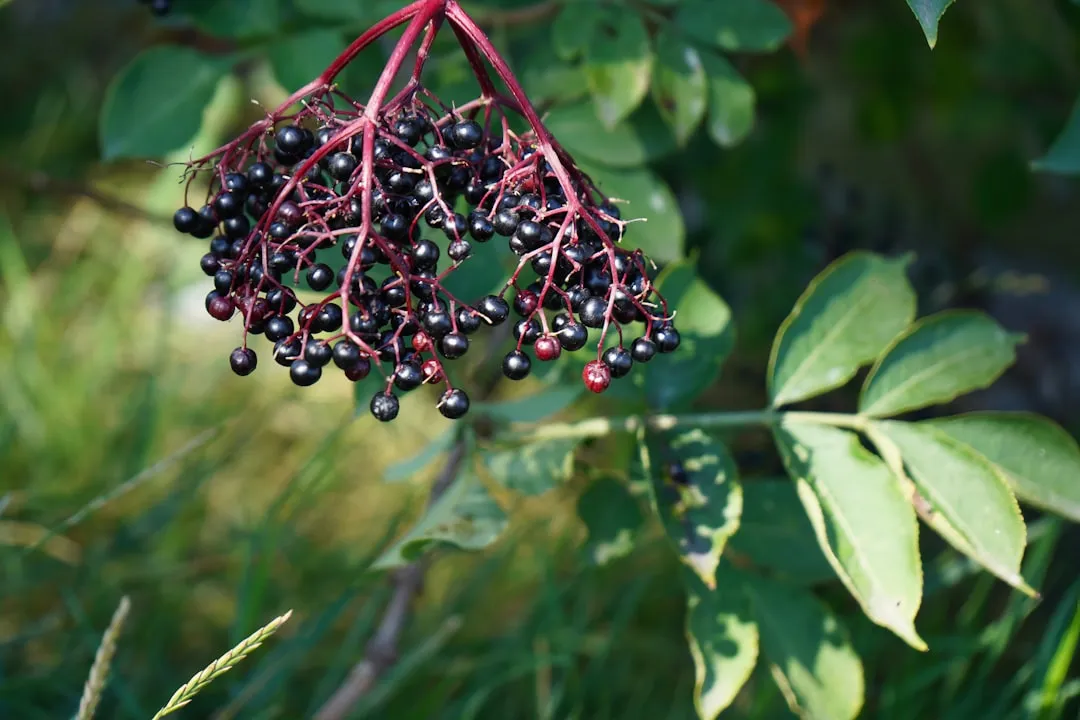
Elderberry bushes have exploded in popularity for their immune-boosting berries, yet many home gardeners still haven’t planted one.
These shrubs are fast growers, often reaching full size within a few seasons, and produce clusters of dark berries used in syrups and preserves. The lesser-known fact is that elderberries typically need two different varieties planted nearby for the best fruit production, something many first-time buyers skip when they purchase only one bush.
Experienced growers argue elderberry is one of the few “superfood” plants that’s actually easy to grow, unlike finicky imported berries that struggle in home gardens. The bigger mistake, they say, isn’t growing elderberry – it’s planting just one bush and wondering why the harvest disappoints.
Few plants sound as strange on paper as #8…
#8 – Egyptian Walking Onions
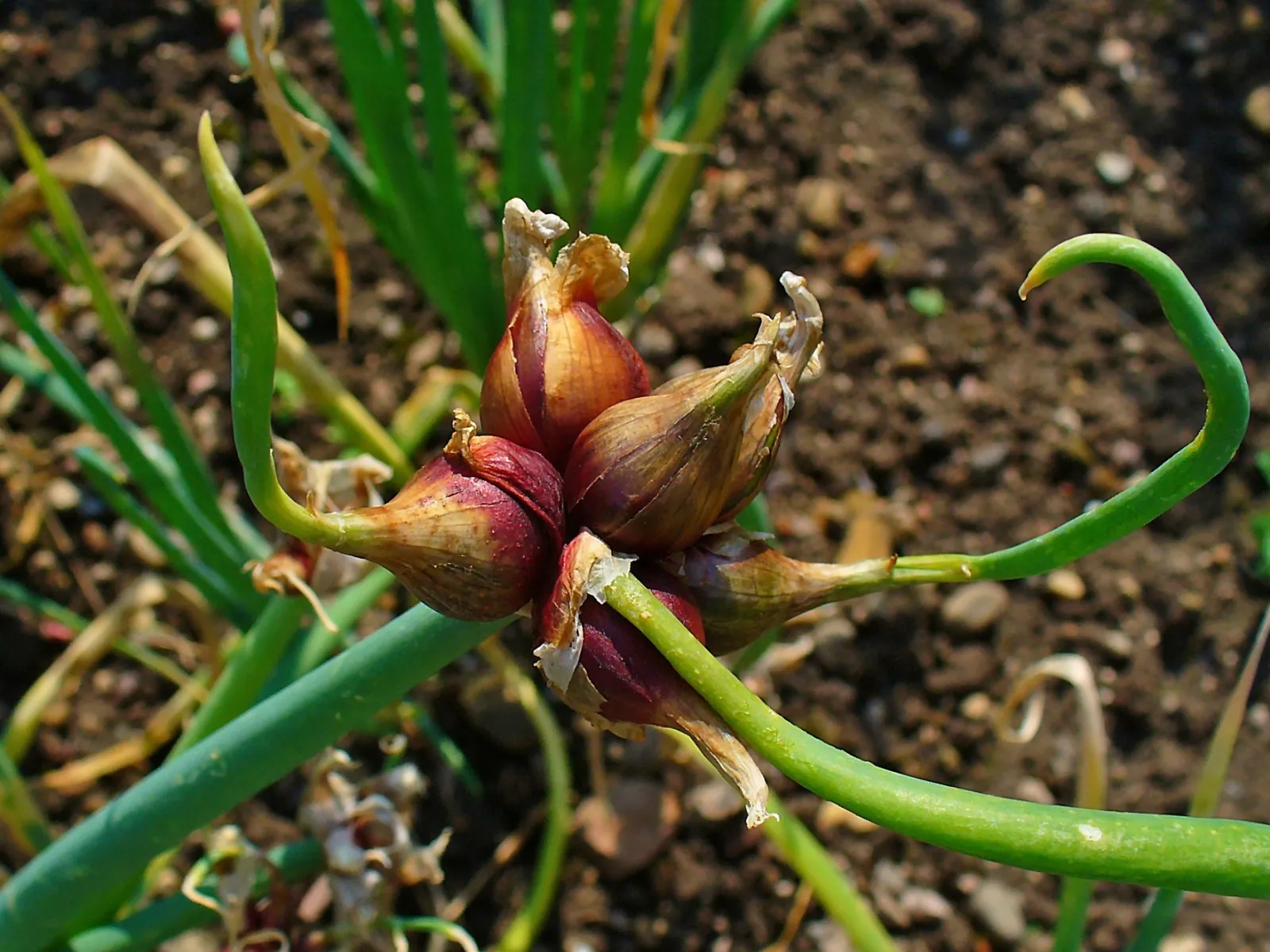
Most gardeners have never heard of Egyptian walking onions, and that’s precisely why seasoned growers consider them a hidden gem.
Instead of producing seeds, these perennial onions grow small bulbs at the top of their stalks. When the stalk bends under the weight, the bulbs plant themselves in the soil, causing the entire patch to “walk” across the garden over several seasons – a trait that genuinely surprises first-time growers.
Because they’re perennial, there’s no need to replant year after year like traditional onions. Some gardeners consider this self-propagating habit a party trick more than a practical food source, while others call it one of the most efficient, low-effort alliums a backyard grower can plant.
#9 carries a history most gardeners have completely forgotten about…
#9 – Currants and Gooseberries
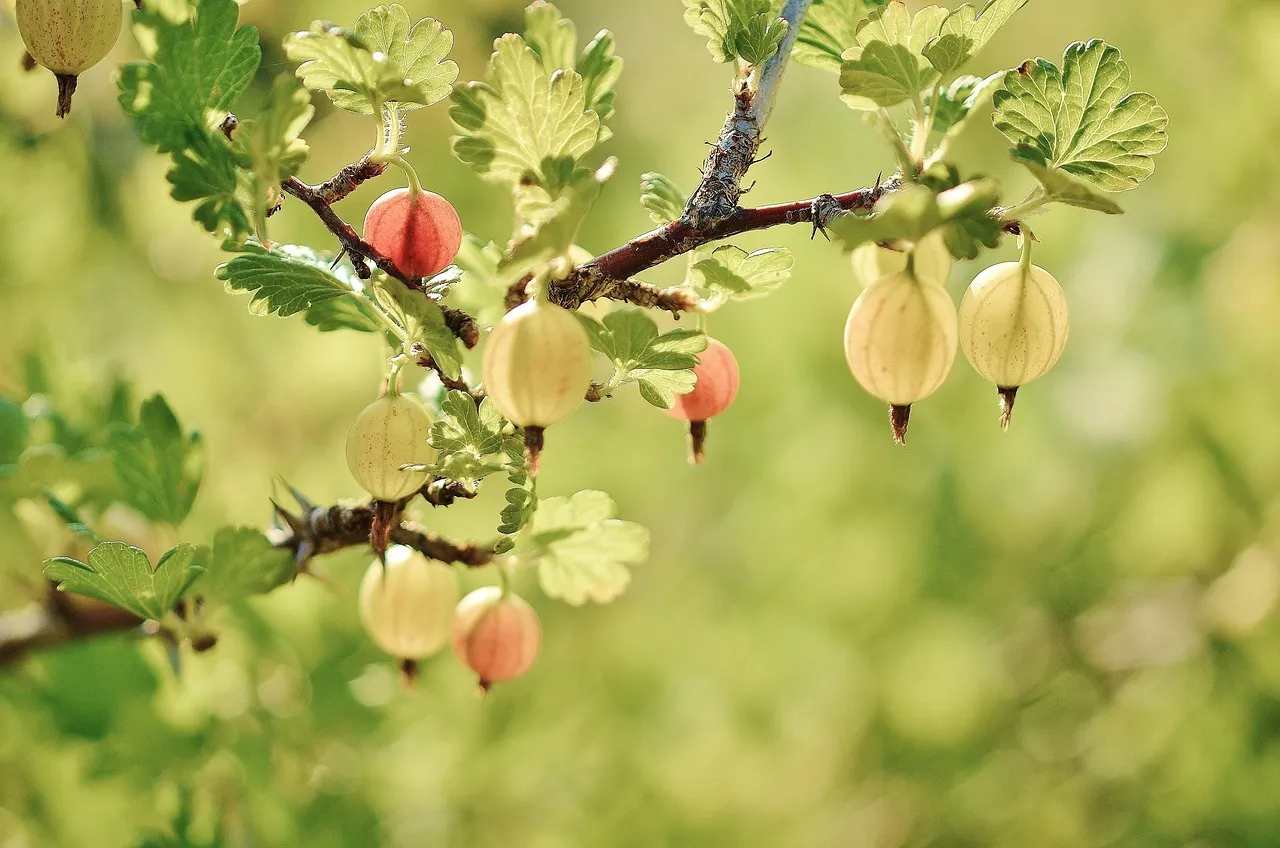
Currants and gooseberries were once banned or restricted in parts of the U.S. due to disease concerns, and that history still keeps many gardeners from planting them today.
These compact shrubs produce tart, vitamin-rich berries and tolerate partial shade better than almost any other fruiting plant. The surprising part is that many modern disease-resistant varieties have made old restrictions largely unnecessary, yet the plant’s reputation hasn’t caught up with the science.
Worth Knowing
- Old restrictions trace back to fears about white pine blister rust spreading between plants.
- Many states eased or lifted those bans long ago once resistant varieties became widely available.
- Both shrubs tolerate partial shade, making them useful in spots where fruit trees struggle.
- Their tart berries are often loaded with vitamin C, rivaling many citrus fruits ounce for ounce.
Seasoned growers argue currants deserve a spot in far more backyard gardens, especially for shaded areas where fruit trees typically fail. The bigger mistake, they say, is assuming these berries are still restricted or risky, when today’s varieties are often easier to grow than raspberries.
#10 is so simple it gets dismissed constantly – and wrongly so…
#10 – Chives
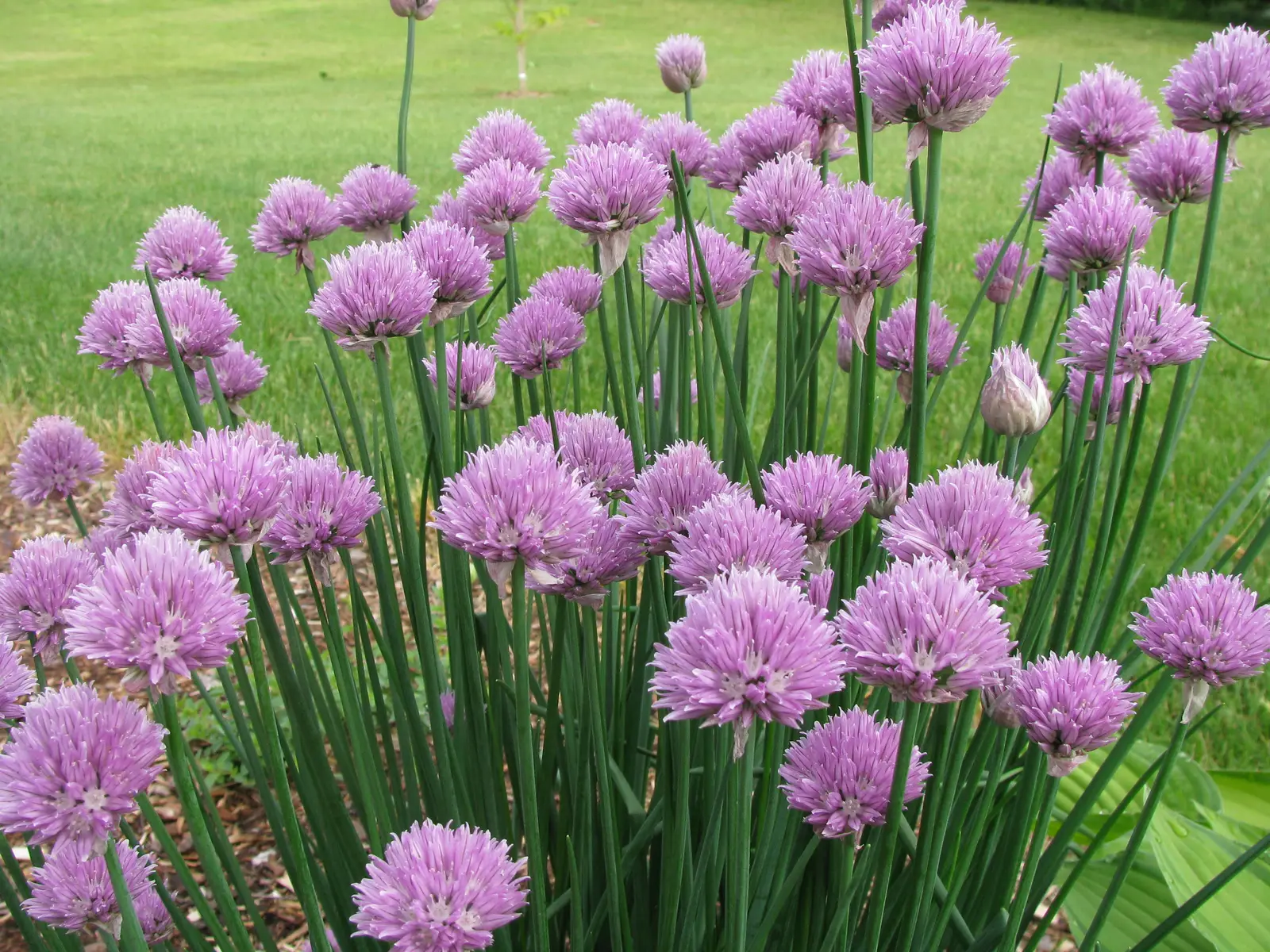
Chives seem too simple to matter, which is exactly why so many gardeners overlook them entirely.
This perennial herb returns every spring with almost no maintenance, producing edible leaves and flowers that also happen to deter certain pests. The lesser-known detail is that chive flowers are entirely edible and carry a mild onion flavor, making them a favorite garnish among chefs who forage their own gardens.
Experienced growers often call chives “the plant nobody regrets,” since it requires minimal space, minimal water, and minimal attention while still delivering fresh flavor for years. The real mistake, they argue, isn’t growing chives – it’s treating them as a throwaway herb instead of a permanent garden fixture.
#11 flips a common gardening assumption completely upside down…
#11 – Lavender
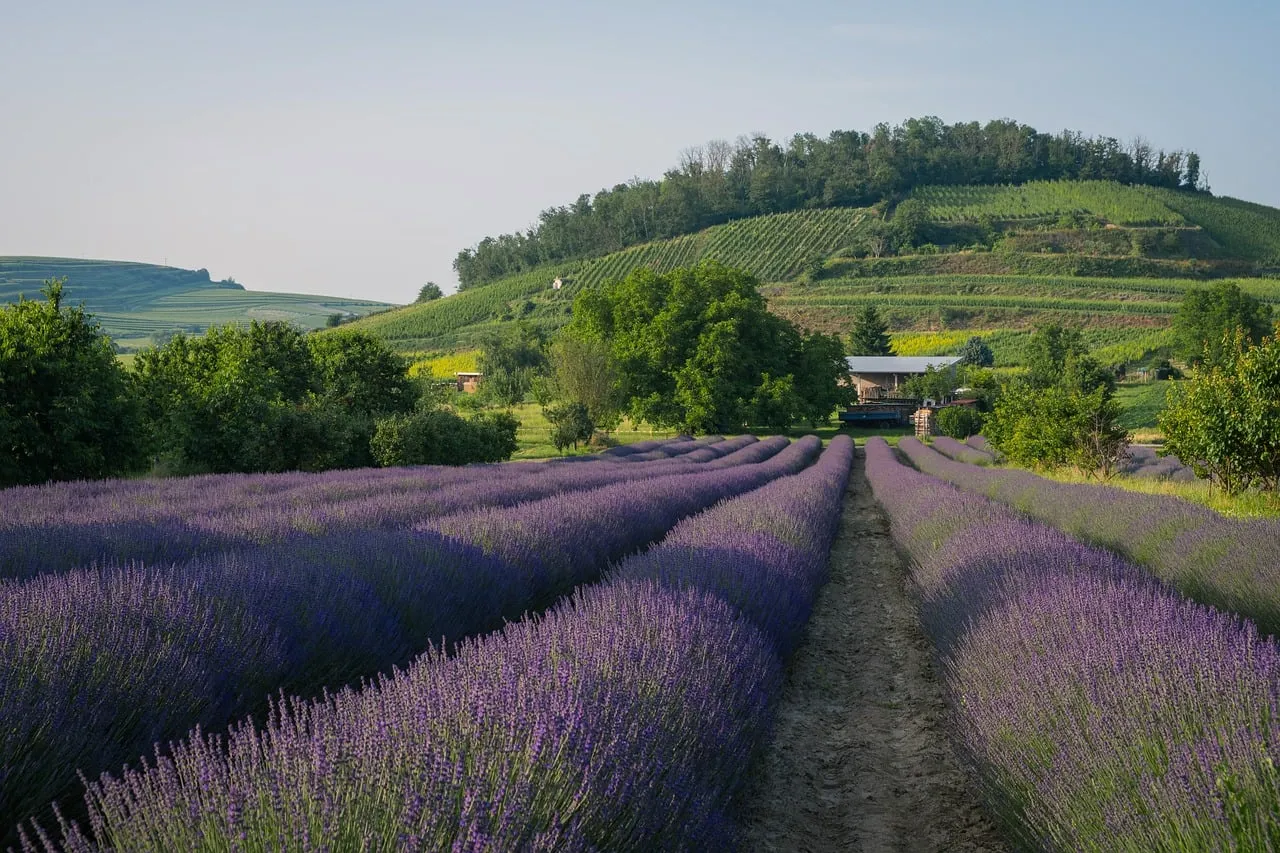
Lavender is often treated purely as a decorative plant, but seasoned gardeners insist that undersells its real value.
Beyond its calming scent, lavender is remarkably drought-tolerant once established, thriving in poor soil where many other plants struggle. The most surprising fact is that overwatering, not underwatering, is the number one reason home lavender plants die, a detail that catches new gardeners off guard constantly.
Some experts argue lavender is wildly overrated as a “low-maintenance” plant because of how sensitive it is to soggy roots, while others insist it’s foolproof once gardeners understand its need for dry, well-drained conditions. Either way, most agree it belongs in more gardens than it currently occupies.
#12 scares off more beginners than almost anything else on this list…
#12 – Blueberries
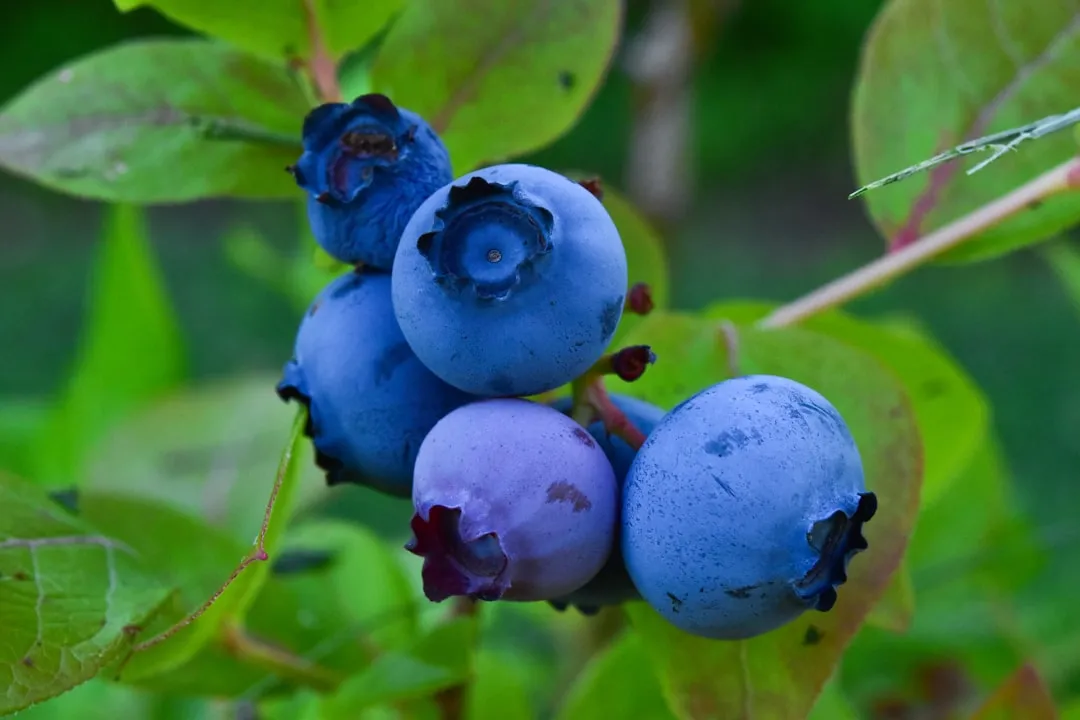
Blueberries have a reputation for being difficult, and that reputation alone stops many gardeners from ever planting a bush.
The real challenge isn’t the plant itself – it’s soil pH. Blueberries need distinctly acidic soil to thrive, something most standard garden beds don’t naturally provide. The surprising twist is that once the soil chemistry is right, blueberries become one of the lowest-maintenance fruiting shrubs available, often outliving the gardeners who planted them.
Veteran growers say the biggest mistake isn’t the plant – it’s skipping a soil test beforehand and assuming failure is inevitable. With the right prep, they argue, blueberries reward patience with decades of fruit, making the early soil work worth every bit of effort.
Almost nobody expects #13 to survive a real winter, let alone thrive in one…
#13 – Hardy Kiwi
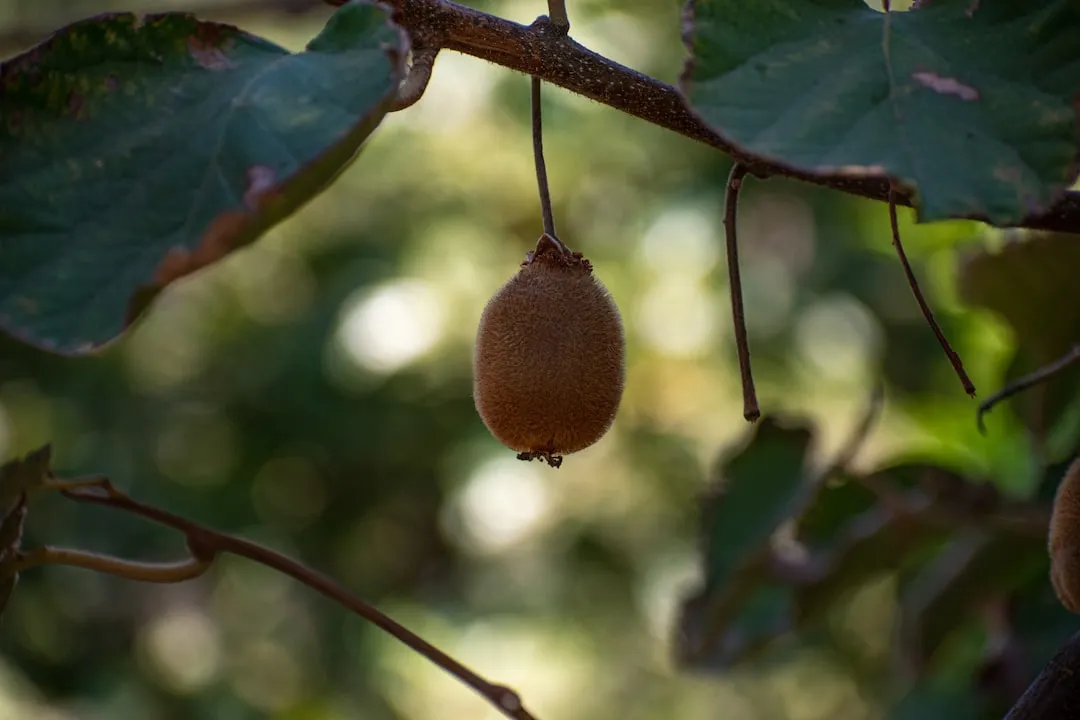
Most people assume kiwi only grows in tropical climates, which is exactly why almost no one attempts hardy kiwi at home.
Unlike the fuzzy grocery-store kiwi, hardy kiwi produces smooth-skinned, grape-sized fruit and can survive freezing winters in many temperate zones. The lesser-known fact is that hardy kiwi vines can live for decades and eventually produce hundreds of fruits per season once fully mature, far exceeding expectations for a plant most gardeners have never even heard of.
Quick Compare
- Grocery-store kiwi: fuzzy skin, needs a tropical or subtropical climate, usually eaten with a spoon.
- Hardy kiwi: smooth, grape-sized skin, survives freezing winters, popped whole into your mouth.
- Grocery-store kiwi: shipped in from warmer regions, one fruit at a time.
- Hardy kiwi: a single mature vine can produce hundreds of fruits in a single season.
Seasoned growers note that patience is required, since vines often take several years to reach full fruiting maturity. Still, many argue the eventual payoff – a vigorous, long-lived vine producing sweet fruit – makes hardy kiwi one of the most underplanted options in home gardens today.
#14 does something most flowers never even attempt…
#14 – Nasturtiums
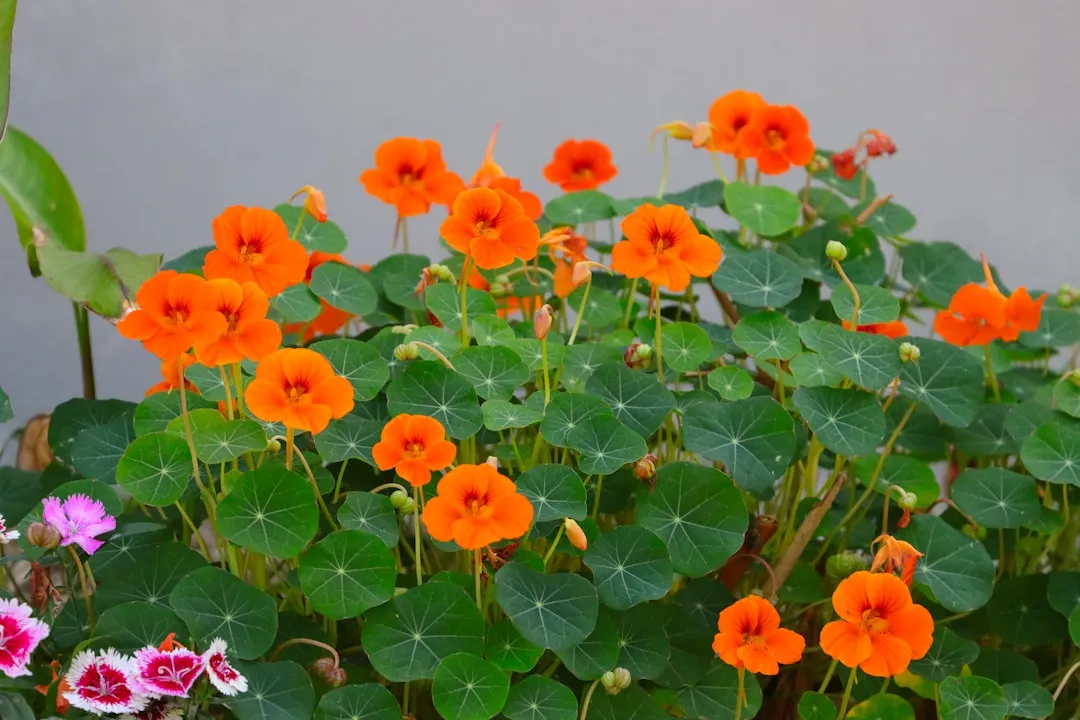
Nasturtiums are often dismissed as filler flowers, but experienced gardeners treat them as a multitasking essential.
Every part of the plant is edible, from the peppery leaves to the vibrant flowers, and it doubles as a trap crop that lures aphids away from more valuable vegetables. The most surprising detail is that nasturtiums actually perform better in poor, unfertilized soil, unlike most garden plants that demand rich compost to thrive.
Some gardeners argue nasturtiums are one of the most underused “problem-solving” plants available, since they combine pest control, edibility, and ground cover in a single seed packet. The real mistake, they say, is treating them as decoration instead of a functional part of the garden ecosystem.
#15 quietly outperforms half the vegetables gardeners obsess over every spring…
#15 – French Sorrel
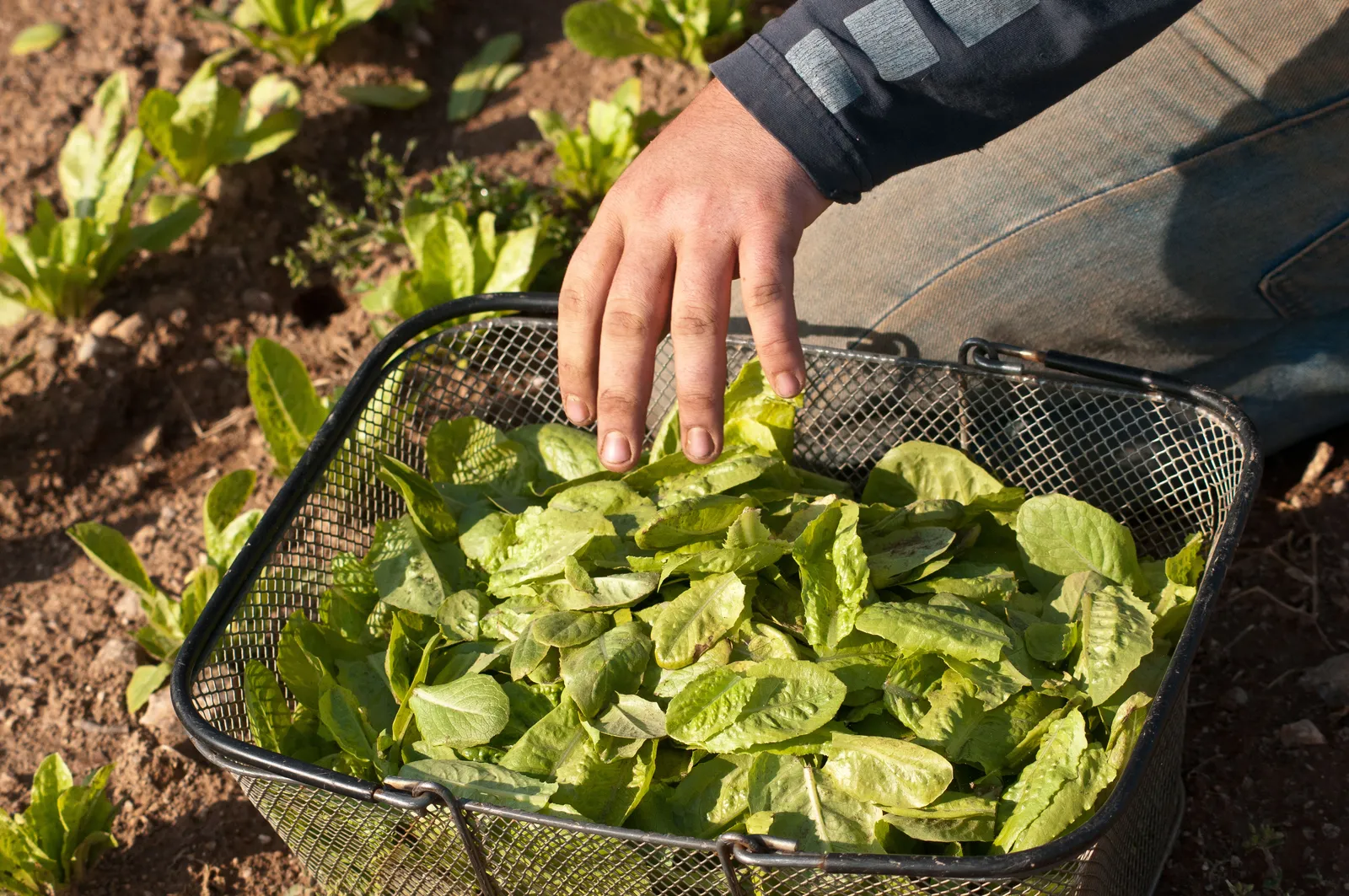
French sorrel is a perennial green that almost never appears on beginner planting lists, despite being one of the earliest producers in spring.
Its lemony, tangy leaves emerge before many other greens have even sprouted, giving gardeners a fresh harvest weeks ahead of schedule. The lesser-known fact is that sorrel keeps producing new leaves continuously through most of the growing season, unlike lettuce, which bolts and turns bitter in summer heat.
Veteran gardeners often call sorrel “the perennial spinach nobody plants,” arguing that its early, reliable harvest makes it far more valuable than trendy microgreens that require constant reseeding. The mistake, they say, is chasing new vegetable fads instead of investing in dependable perennial greens like this one.
#16 breaks a rule most gardeners assume is unbreakable…
#16 – Fig Trees (Container-Grown)
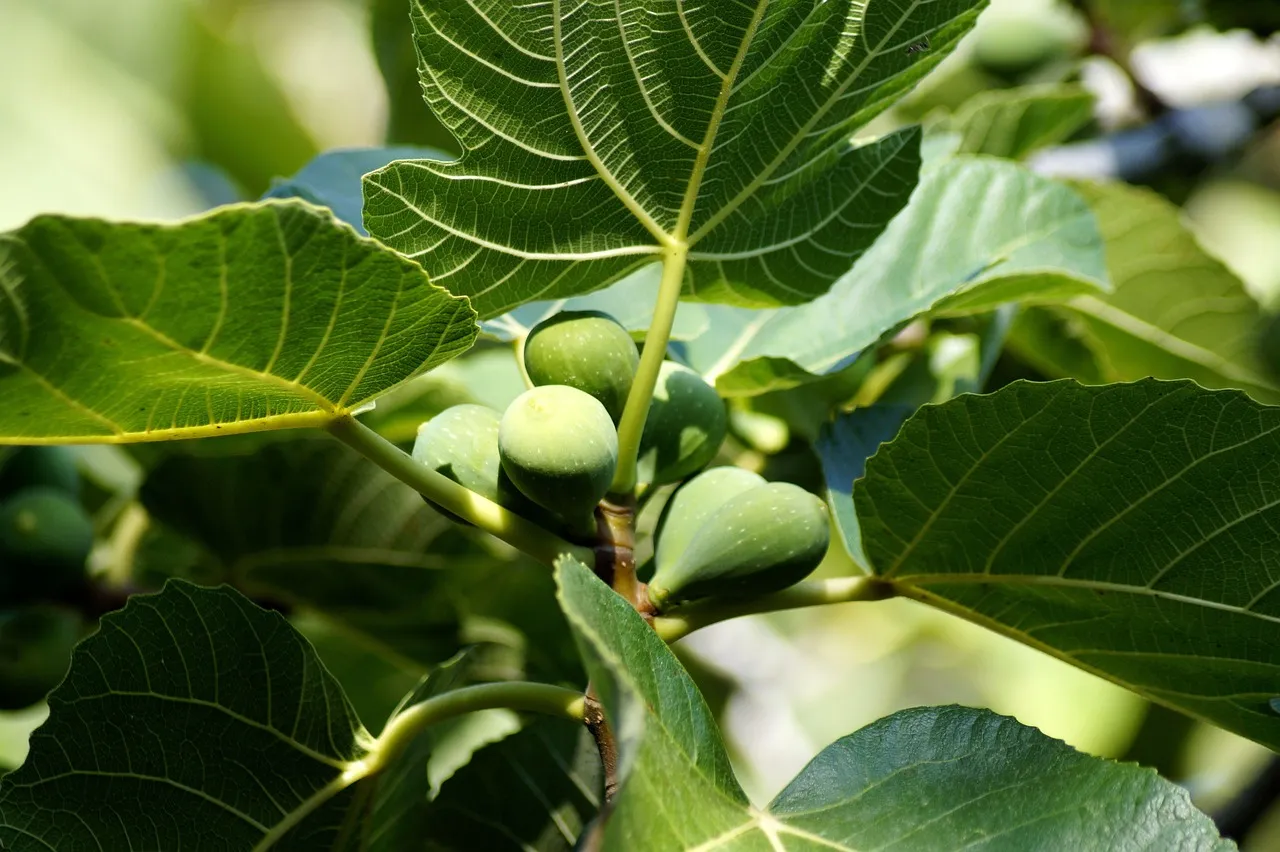
Fig trees seem like a plant reserved for warm climates, and that assumption keeps countless cold-climate gardeners from ever attempting one.
Grown in containers, fig trees can be moved indoors or into garages during winter, allowing gardeners in far colder regions to harvest sweet fruit that would otherwise be impossible locally. The surprising part is that container-grown figs often fruit faster than those planted directly in the ground, since restricted root space encourages earlier fruiting.
Some experienced growers argue this container method is dramatically underused, insisting far more cold-climate gardeners could be growing figs than currently attempt it. The real barrier, they say, isn’t the climate – it’s simply not knowing the technique exists.
#17 asks for more patience than almost anything else here – and pays it back tenfold…
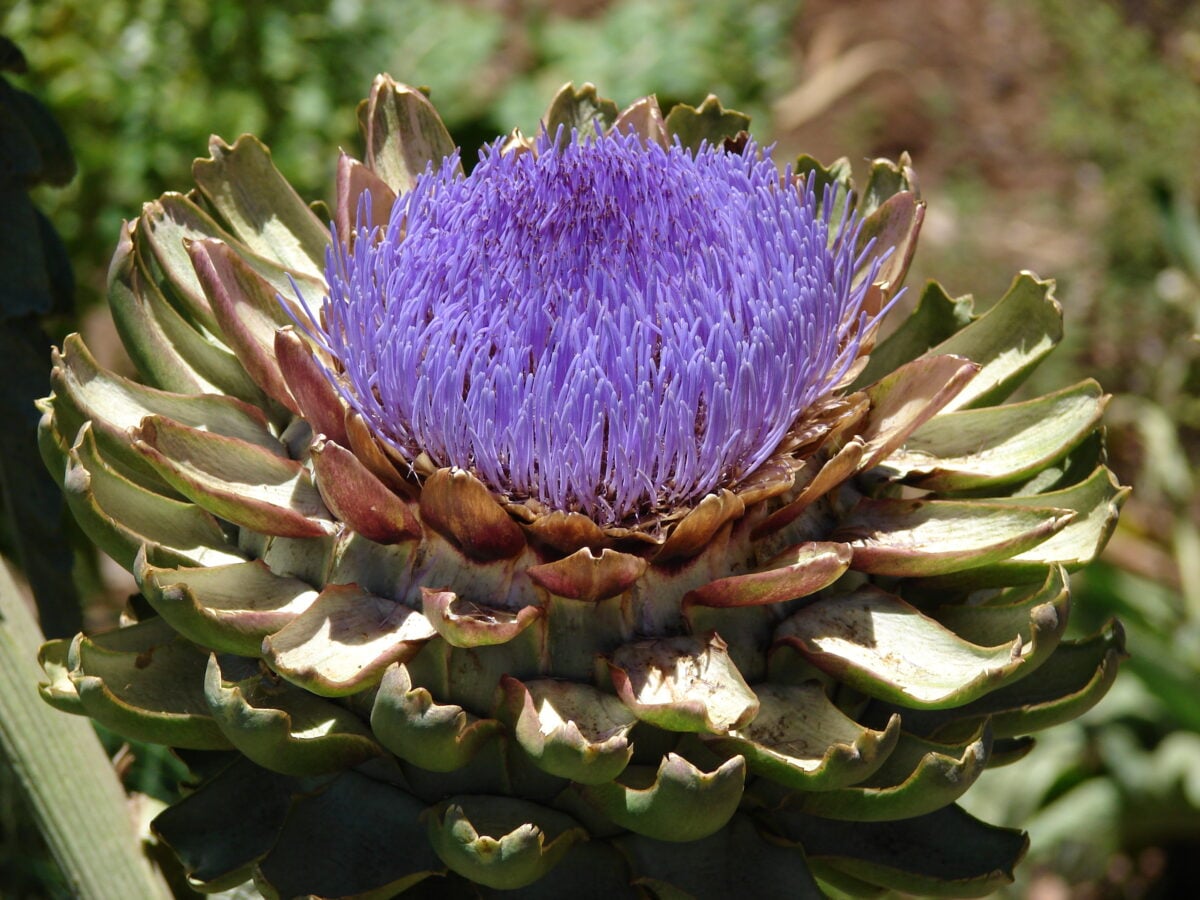
#17 – Globe Artichokes
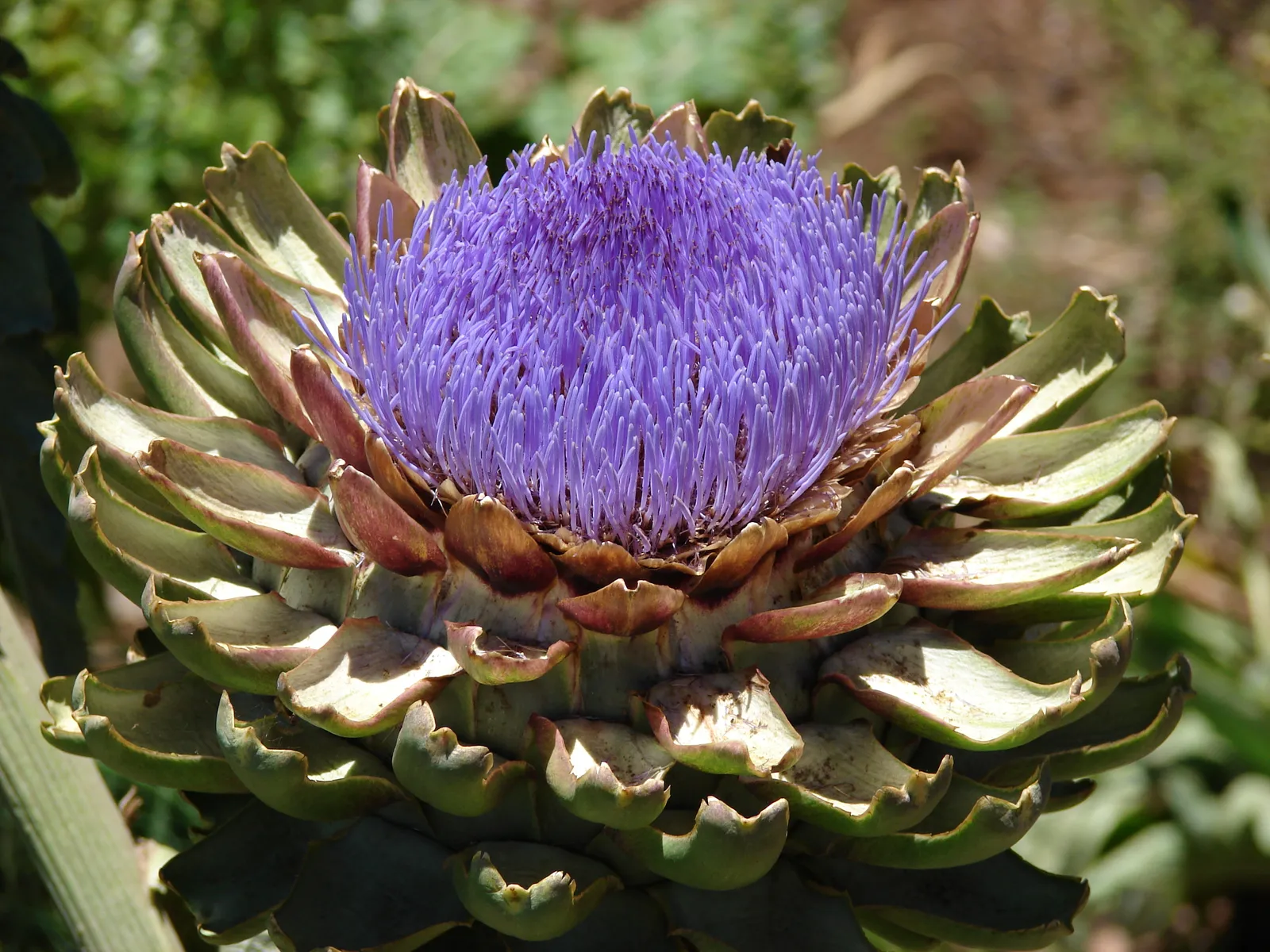
Globe artichokes get filed under “restaurant food,” not garden plant, and that reputation keeps them out of nearly every backyard bed.
In mild climates, artichokes are true perennials, sending up dramatic silver-green foliage and towering flower buds year after year from the same root. The surprising part is that a single established plant can produce a dozen or more edible buds in a season, each one worth several dollars at a grocery store.
Colder-climate gardeners can still grow them as annuals or dig up the crowns to overwinter indoors, though veteran growers insist the payoff multiplies once a plant survives its first winter outside. Many say the real mistake isn’t the difficulty of growing artichokes – it’s assuming they’re impossible before ever giving the crown a chance to establish.
#18 might be the closest thing to a vegetable that refuses to die…
#18 – Perennial Kale
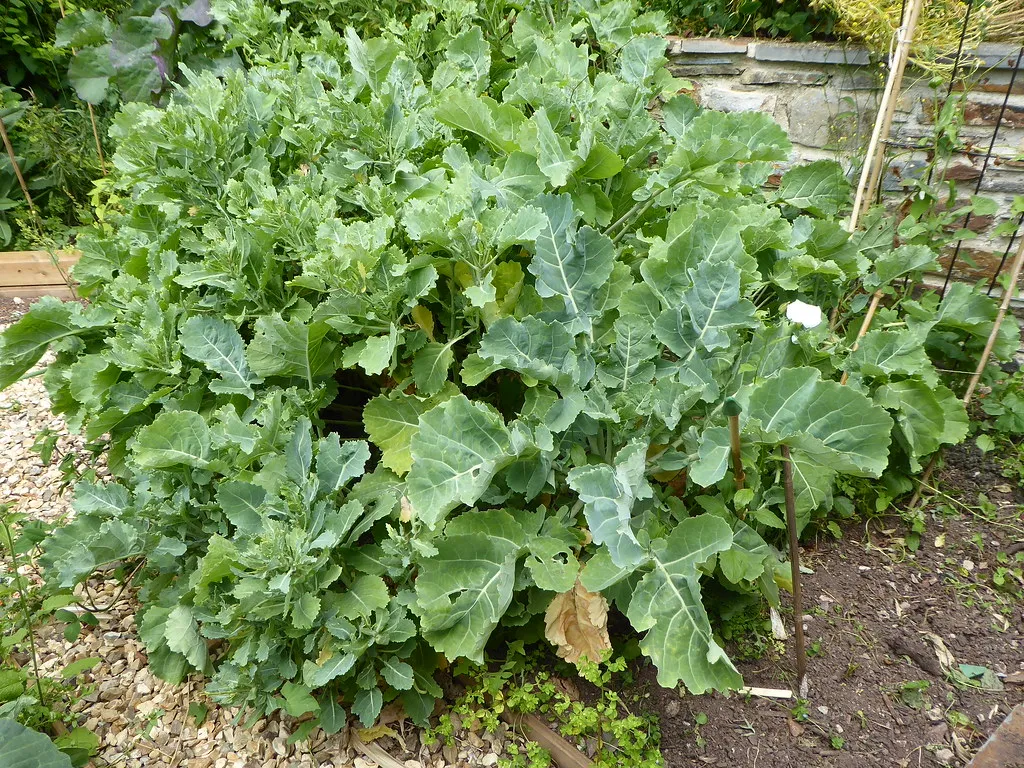
Most gardeners replant kale every single year without knowing there’s a version that simply refuses to die.
Perennial kale varieties, sometimes sold as Daubenton’s kale or tree collards, keep producing tender leaves for years from thick, woody stems that survive mild frosts and light snow. The most surprising detail is that these plants rarely flower or set seed, putting all their energy into leaf production instead – which means an almost endless harvest instead of the usual spring bolt.
At a Glance
- Sold under names like Daubenton’s kale or tree collards, depending on the supplier.
- Grows on thick, woody stems that shrug off mild frost and light snow.
- Rarely flowers or sets seed, so energy goes straight into continuous leaf growth.
- Roots easily from cuttings, turning one plant into a whole hedge within seasons.
Cuttings root easily, so one plant can turn into an entire hedge of edible greens within a couple of seasons. Seasoned growers call it the ultimate “lazy vegetable,” arguing that anyone still reseeding kale every spring is doing needless extra work.
Save the strangest forgotten plant for last – #19 is the one foragers guard like a secret…
#19 – Ramps (Wild Leeks)
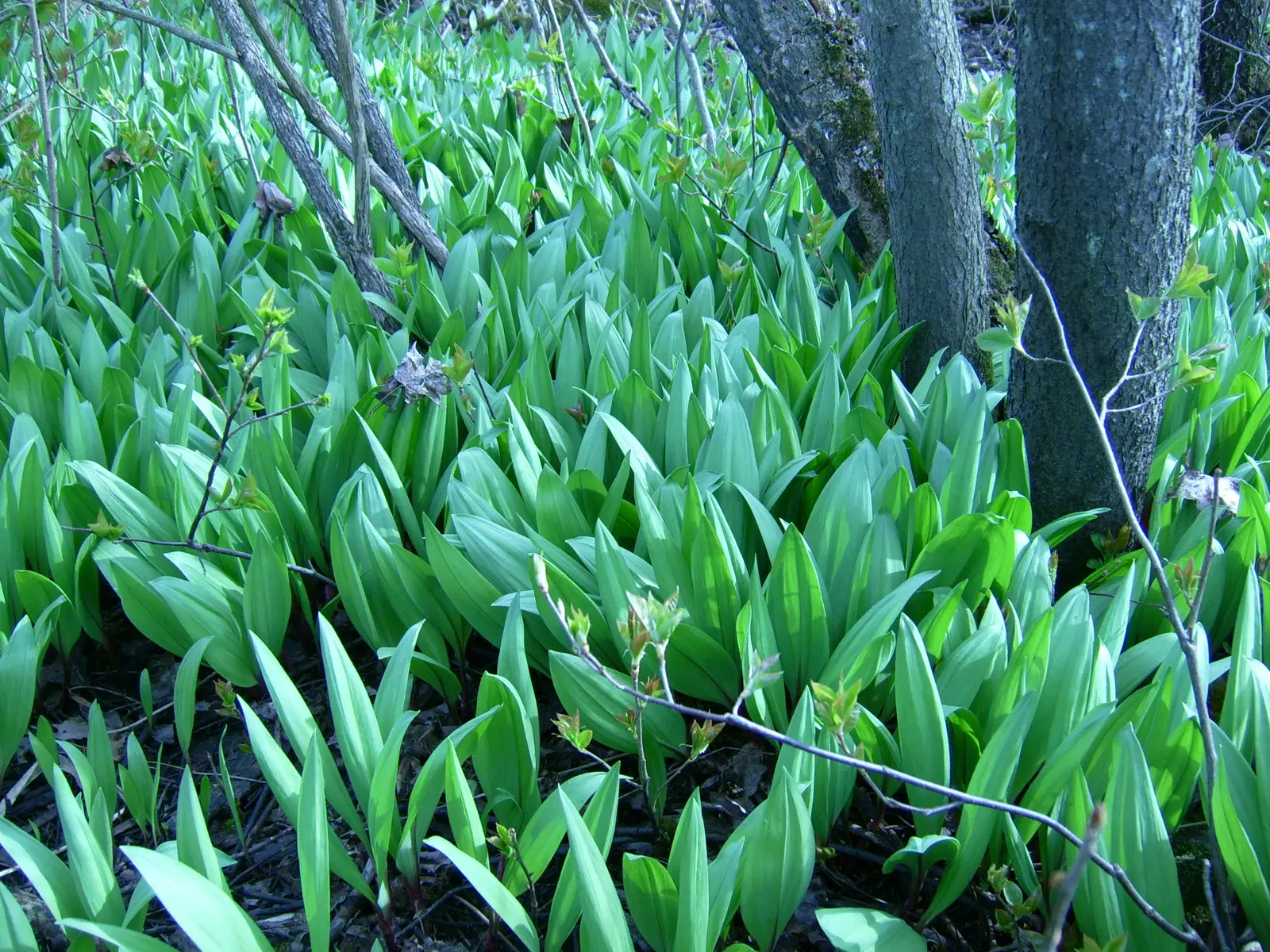
Ramps have a cult following among foragers, yet almost no home gardener thinks to plant them on purpose.
These woodland alliums take three to five years to reach harvestable size from seed, which is exactly why most people never bother – the payoff feels too far away to justify starting. The surprising twist is that once a ramp patch matures, it can be harvested lightly every spring for decades, since the plant spreads slowly into a self-sustaining colony under trees.
Veteran foragers-turned-gardeners say the biggest regret isn’t the wait – it’s not planting them a decade ago when the idea first crossed their mind. For anyone with a shady, wooded corner doing nothing, they argue, ramps are one of the few plants that turn wasted space into a genuine delicacy.
The Bottom Line
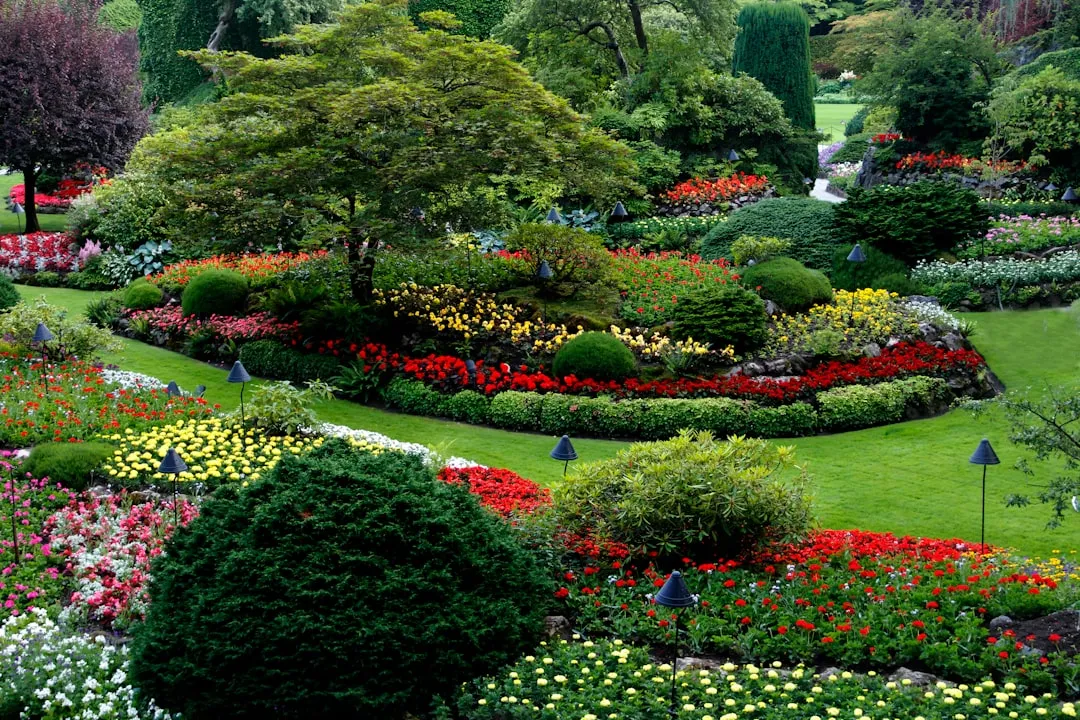
After digging through what seasoned gardeners actually regret skipping, one truth stands out: perennial and “forgotten” plants consistently outperform trendy annuals in long-term value. Garlic, asparagus, and comfrey alone could replace years of wasted effort on high-maintenance crops that need replanting every season.
Frankly, the obsession with tomatoes and basil while ignoring blueberries, hardy kiwi, and sunchokes looks less like tradition and more like a missed opportunity. Every year spent without asparagus in the ground or a ramp patch started under the trees is a year that can’t be gotten back – these are plants measured in decades, not seasons.
If there’s one lesson here, it’s that the “boring” perennial plants are usually the smartest investment any gardener will ever make. Which one on this list are you planting first – or did we leave out the one you swear by? Drop it in the comments.

- 14 Dog Breeds That Suit a Quiet Retired Household and 7 That Really Do Not - August 1, 2026
- 19 Plants Seasoned Gardeners Wish They Had Never Wasted a Single Growing Season Without Once Trying - August 1, 2026
- If You Are Starting a Garden, These 16 Regrets Are the Ones Veteran Growers Name First - August 1, 2026