

Ask a new dog owner what they regret and most people brace for something small: a chewed shoe, a 6 a.m. wake-up call, a little extra fur on the couch. That’s not what actually keeps them up at night.
The real regrets are quieter and far more expensive – the training they skipped, the breed they picked for the wrong reasons, the health issue that stayed small until it wasn’t. Social media makes dog ownership look like a montage. Rescue workers and vets will tell you a very different story, one that plays out in shelters, emergency rooms, and group chats full of “I wish someone had told me.” If you’re even thinking about bringing home your first dog, these 17 regrets are worth reading before you fall in love with a face instead of a plan.
#1 – Choosing the “Cute” Breed Instead of the Right Breed

Everyone assumes their biggest regret will be not getting the breed they always dreamed of. In reality, most first-timers quietly regret choosing with their eyes instead of their calendar. High-energy working breeds go viral on TikTok, and suddenly everyone wants an Aussie, a husky, a Malinois, or a doodle without asking what that dog actually needs to stay sane.
A dog bred to run ten miles a day does not magically mellow out in a 900-square-foot apartment with one evening walk. Rescue volunteers see this pattern constantly: it’s rarely a “bad dog” filling the shelter, it’s a mismatch nobody planned for. Most owners admit they never compared shedding, barking, reactivity, or separation anxiety tendencies to their real schedule – they just wanted “good with kids and chill,” and ended up with the opposite.
#2 – Underestimating the Real Cost of a “Free” Dog
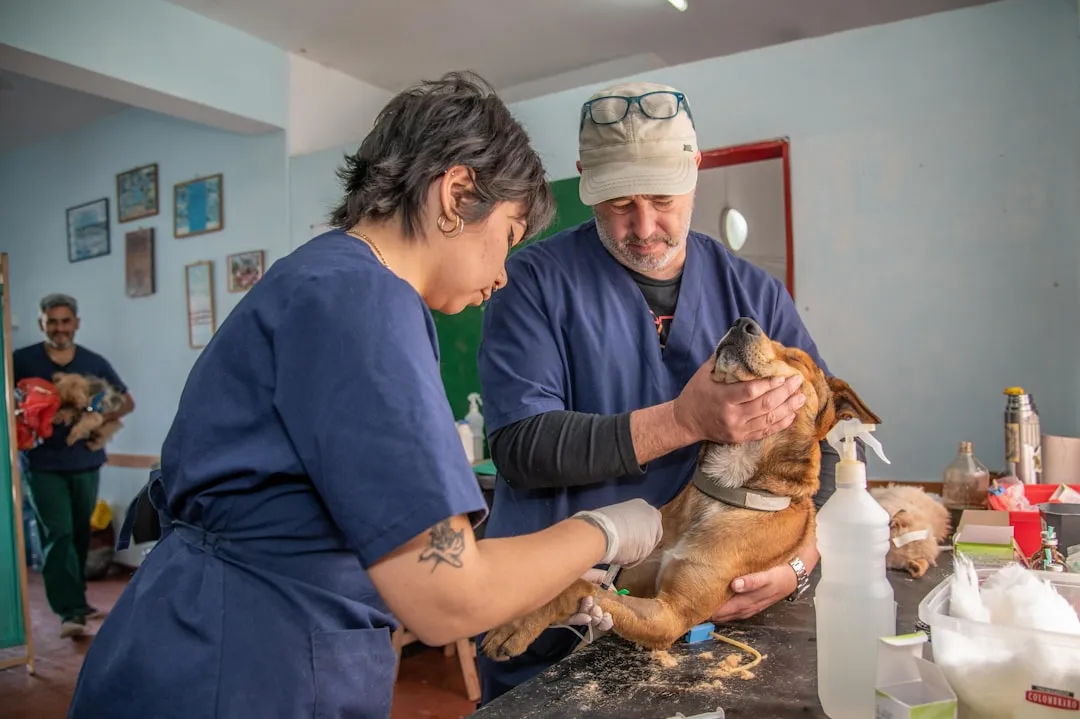
People love bragging about “beating the system” with a free puppy from a friend or a cheap backyard breeder. Months later, they’re quietly drowning in bills they never saw coming. The purchase price turns out to be the cheapest part of dog ownership by a wide margin.
Food, vaccines, flea and tick prevention, grooming, training – it adds up fast, and one torn ACL can run $3,000 to $5,000 at an emergency vet. Owners regret not building a dog emergency fund or getting insurance before something went wrong. Some ended up putting vet bills on high-interest credit cards or delaying care they couldn’t afford, and that regret sits heavy, especially when the dog’s comfort was the thing that suffered.
Fast Facts
- Average first-year cost of dog ownership: roughly $1,500-$3,000, including supplies, vaccines, and spay/neuter.
- Typical ongoing annual costs after year one: about $1,000-$2,000 for food, prevention, and routine vet care.
- Average emergency vet visit: $800-$1,500, with surgeries often running higher.
- Monthly pet insurance premiums typically range from $25-$55 depending on breed and age.
#3 – Skipping Proper Training in the First 6 Months
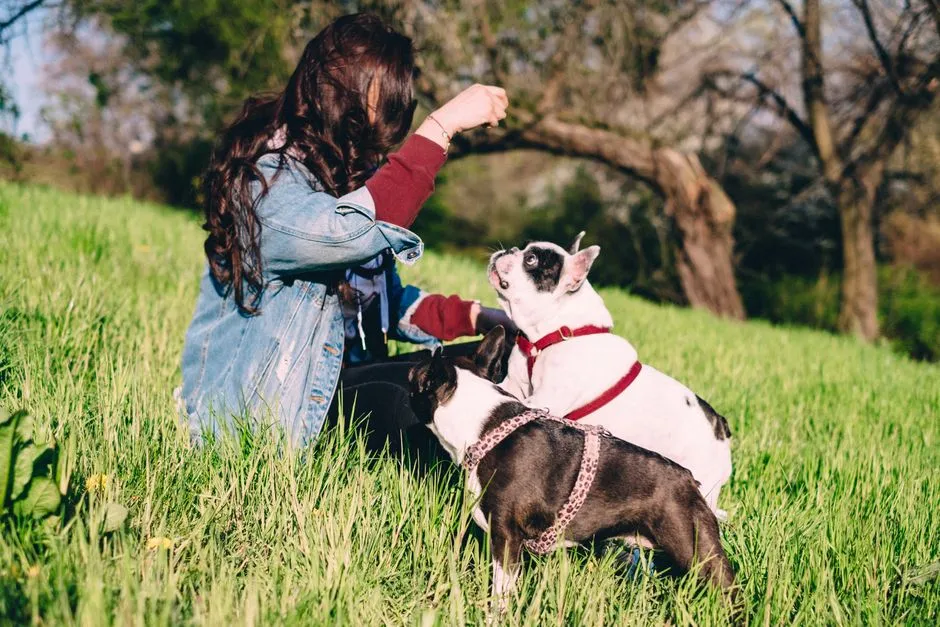
Most people think they’ll “train as they go.” Six months later, they’re living with a jumping, leash-pulling, door-darting chaos machine that used to be a manageable puppy. Behavior problems almost never fade on their own – they get stronger with every repetition the dog gets away with.
The dog learns that pulling gets them closer to the park, barking gets attention, and ignoring recall buys more off-leash freedom. Owners who skipped puppy classes deeply regret it once their 70-pound adolescent is dragging them across the street. What feels cute at 15 pounds becomes genuinely dangerous at 60, and almost every serious behavior case started as a “small thing” nobody addressed early.
#4 – Letting Bad Habits “Slide” Because the Dog Is Young
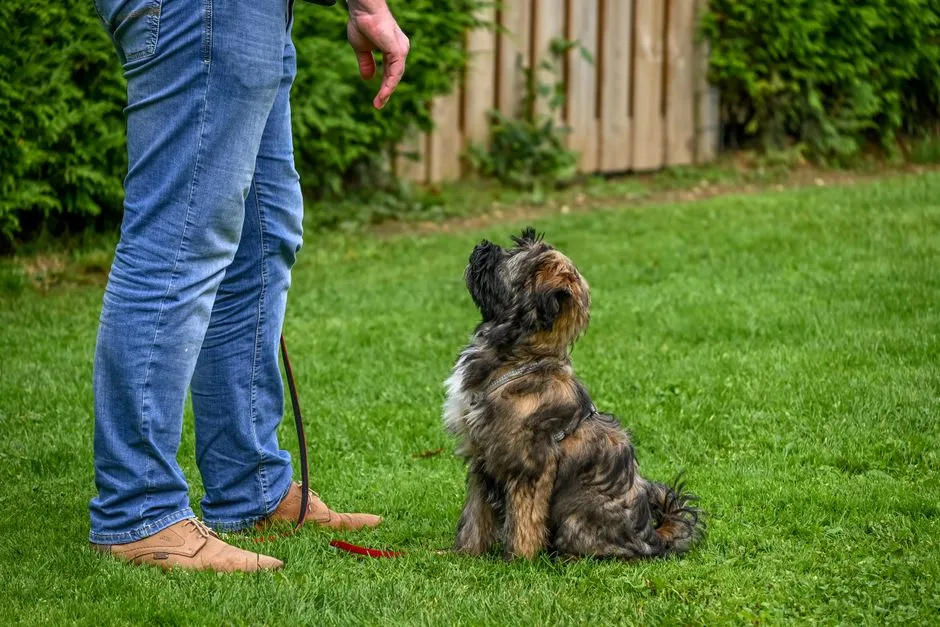
“I’ll fix it later” might be the single most expensive sentence in dog ownership. Owners constantly say they regret laughing at behaviors they should have redirected: puppy nipping dismissed as “just mouthing,” jumping on guests excused as “he’s just excited,” begging at the table called “so cute how he sits like that.”
Dogs don’t outgrow habits – they grow into them. A 10-week-old puppy jumping is funny; an 80-pound adult plowing into grandma is a lawsuit waiting to happen. The real damage comes from inconsistency: the couch is allowed one day and forbidden the next, table scraps appear sometimes and get scolded other times, and the dog gets confused while the unwanted behavior gets reinforced anyway. Owners later pay trainers real money to undo what they accidentally taught for free.
#5 – Ignoring Socialization Until “After They’re Fully Vaccinated”

This one sparks arguments online, but vets and behaviorists are surprisingly aligned: waiting too long to socialize is a massive, lasting regret. Too many owners hear “don’t take your puppy everywhere” and translate it into “keep them isolated” – which is the opposite of the intent.
The prime socialization window closes around 12 to 16 weeks, and that time never comes back. Dogs who never safely see men in hats, kids on scooters, or calm dogs at a distance during this window are far more likely to develop fear and reactivity later. Smart socialization means controlled, positive exposure to sounds, surfaces, and people, not a free-for-all at the dog park – and many owners admit they were more afraid of parvo than of the lifelong behavior issues that followed.
#6 – Treating the Dog Park Like Free Babysitting
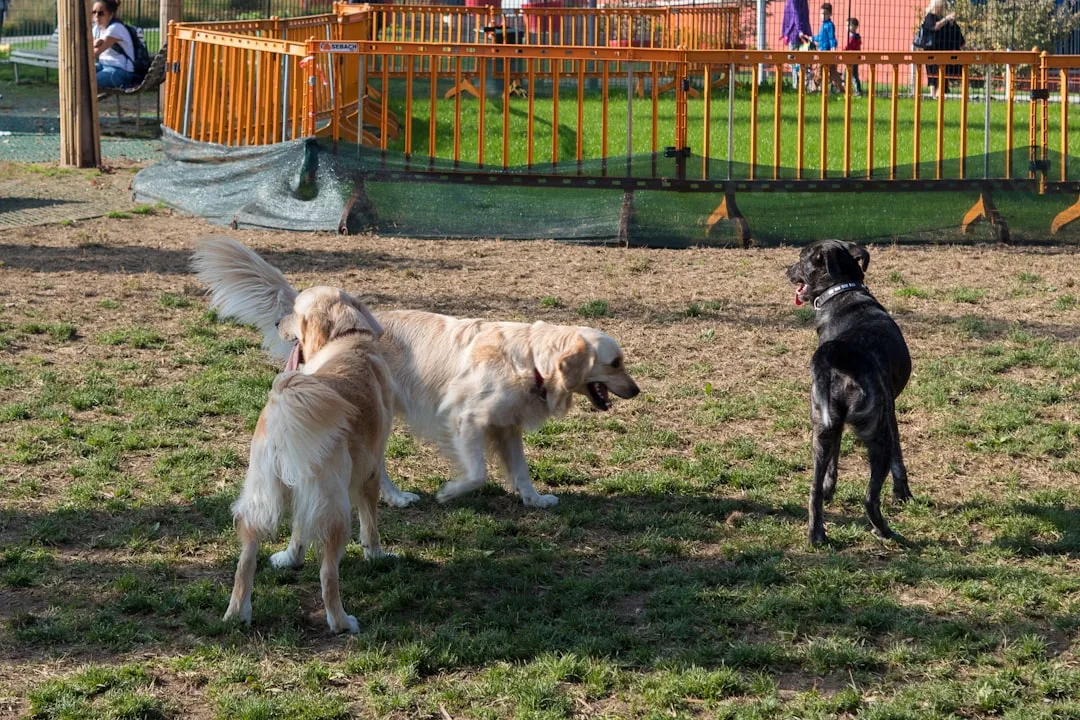
Dog parks look like heaven from the outside. For a lot of dogs, they’re closer to the opposite. New owners often regret leaning on the dog park as their main exercise and social outlet, because off-leash chaos, rude play, and untrained dogs create the perfect setup for a fight or a scare.
One bad mauling or bullying incident can flip a stable young dog into a reactive one overnight. Owners later admit they ignored their gut when play looked too rough, or when another owner waved it off with “he just plays hard.” Many dogs don’t even enjoy the dog park – they tolerate it, shut down, or get overstimulated – and long sniffy walks or structured play with known dogs are almost always the healthier trade.
#7 – Not Crate Training “Because It Feels Mean”
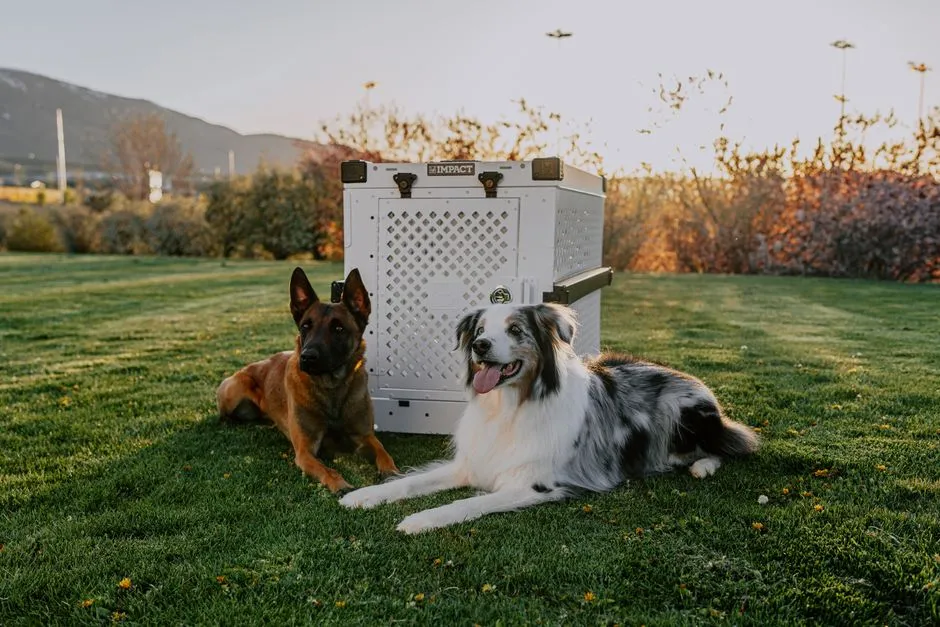
This one catches people off guard: some of the most devoted dog owners now say their biggest regret was avoiding the crate entirely. They imagined it as doggy jail and let their puppy roam free instead, which sounds kinder in theory.
In practice, that often meant destroyed furniture, dangerous chewing, house-training that dragged on for months, and a dog who panics in a crate later when travel or medical rest makes one unavoidable. A well-introduced crate is a den, not a punishment – vets and trainers rely on it for surgeries, recovery, and safe transport. Pups who can wander freely can also sneak off to have accidents unnoticed, while crate-trained dogs typically house-train faster and feel more secure overall.
#8 – Choosing a Puppy Over an Adult Dog for the Wrong Reasons

Puppy breath is intoxicating. So is the regret that follows once reality sets in. Many first-timers admit they chose a puppy because they wanted to “raise it right,” only to discover they hated the constant supervision, the 3 a.m. potty breaks, and the endless chewing phase.
What they actually wanted was a calmer, already house-trained dog – but social pressure said start with a puppy so you can shape it. In rescue circles, it’s practically a running joke: the people least suited to puppies are often the ones who insist on one. Adult and senior dogs come with known temperaments and skip the land-shark phase entirely, yet they get passed over constantly while owners chase a cute fantasy they weren’t ready to live.
#9 – Not Setting Household Rules Before the Dog Arrives
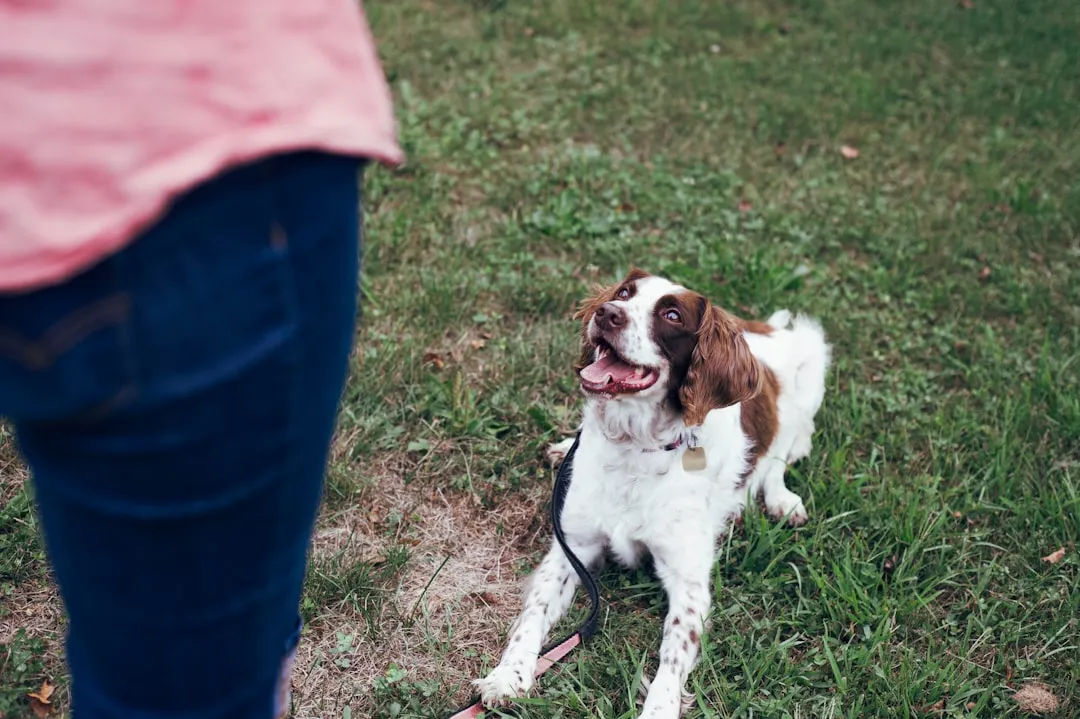
Most people bring the dog home first and figure out the rules on the fly. That’s a recipe for conflict, and owners regret not locking in clear, unified boundaries before day one. One roommate lets the dog on the bed, another bans it. One person hands out table scraps, the other enforces strict rules – and the dog gets punished for boundaries it never had a fair chance to learn.
This inconsistency doesn’t just slow training down, it can quietly damage trust. Smart owners plan in advance where the dog sleeps, who feeds and walks and trains on which days, and what’s always allowed versus never allowed. Couples especially regret never discussing who handles early mornings or what happens when the dog destroys something – fights about the dog are common, and almost every one of them was avoidable with a five-minute conversation beforehand.
Worth Knowing
- Decide before day one: sleeping spots, furniture rules, and feeding schedules.
- Agree on a shared “no” list – table scraps, jumping, begging – so the dog gets one consistent message.
- Assign daily duties like walks, training reps, and vet appointments so responsibility doesn’t quietly fall on one person.
- Talk through worst-case scenarios, like who handles damage or vet emergencies, before they happen.
#10 – Over-Relying on Physical Exercise and Ignoring Mental Work

“Exhaust the dog and the behavior will fix itself” sounds logical. In practice, it’s how people accidentally build fitter, more frustrated athletes instead of calmer companions. Owners regret discovering too late that you can’t outrun boredom with more miles – many high-energy dogs get fitter and then need even more physical output just to feel settled.
Without mental stimulation like nose work, training games, or puzzle feeders, plenty of dogs become destructive or anxious no matter how tired their legs are. A 20-minute training session can wear a dog out more than a five-mile jog, but most first-timers only ever think in terms of walks and fetch. By the time people call a trainer, they’ve unintentionally built a dog with a huge engine and no brakes.
#11 – Ignoring Early Red Flags With Breeders or Rescues

“Something felt off, but I didn’t want to lose the puppy” is a heartbreakingly common story. Owners regret overlooking shady behavior from a breeder or rescue: refusing to show where the dogs actually live, no health testing or vet records, puppies pushed out too young, or guilt trips designed to rush the adoption.
Many later face genetic health problems, severe fear, or behavior issues that more ethical breeding or honest history could have reduced significantly. The red flags people wish they’d trusted include no questions asked of the buyer, multiple litters constantly advertised on-site, and rescue groups that quietly hide bite histories or severe anxiety. When your gut says this feels sketchy, walking away is often the kindest thing you can do – for you and for the dogs still there.
#12 – Delaying Vet Visits and Preventive Care
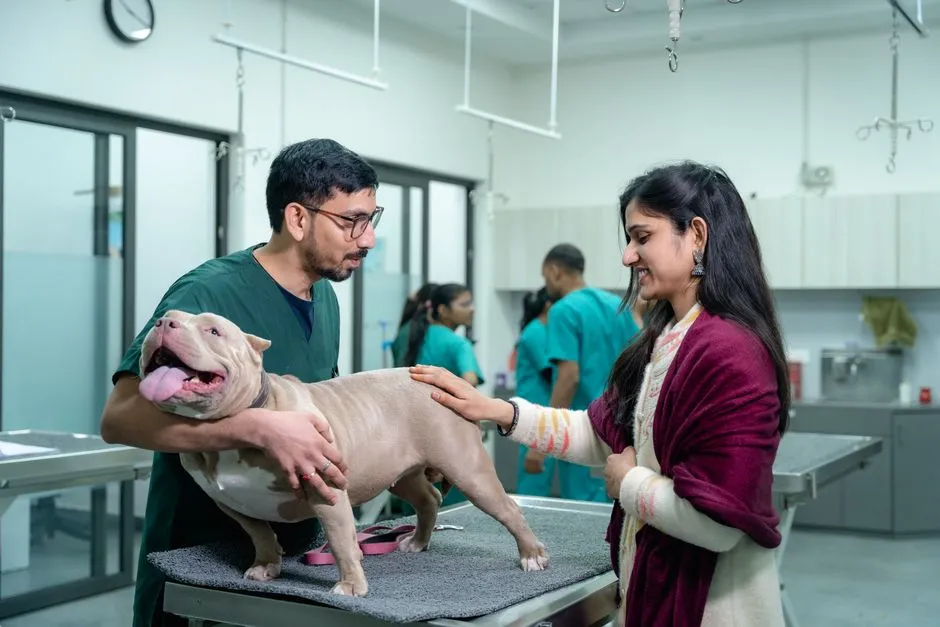
A lot of first-timers quietly admit they avoided the vet early on because of cost or fear, and they regret that more than almost anything else on this list. Little issues that “didn’t seem urgent” – ear infections, dental disease, itchy skin, a subtle limp – grew quietly in the background while nobody was watching.
By the time some owners finally went in, the treatment was far more invasive and expensive than it needed to be, because dogs are experts at hiding pain until it’s severe. Routine bloodwork, dental cleanings, and regular checkups catch problems early, when they’re cheap and manageable. Another common regret is skipping heartworm or flea and tick prevention because “we never see bugs” – treatment for heartworm or tick-borne disease is brutal compared to a simple monthly chew.
At a Glance
- Annual wellness exams and bloodwork catch issues while they’re still cheap to treat.
- Monthly heartworm and flea/tick prevention costs far less than treating the diseases they prevent.
- Dental cleanings help avoid painful, expensive extractions down the line.
- Dogs instinctively hide pain, so subtle limps or appetite changes deserve a same-week vet call, not a “wait and see.”
#13 – Not Taking Separation Anxiety Seriously Until It’s Bad

“Let’s just see how he does loose in the house” has ruined more doors, blinds, and relationships than people like to admit. Many owners regret brushing off early signs of separation stress – whining when you leave the room, scratching at doors, following you everywhere, mild destruction here and there – assuming the dog would just get used to being alone.
Instead, the panic escalated into neighbors complaining about nonstop barking, thousands of dollars in damage, and dogs injuring themselves trying to escape. Treating the issue early with gradual alone-time training and enrichment is far easier than fixing full-blown panic later. Some owners ended up rehoming genuinely wonderful dogs because their living situation couldn’t handle it anymore, and they’ll tell you this regret feels like a breakup that never fully heals.
#14 – Treating the Dog Like a Child, Not a Dog
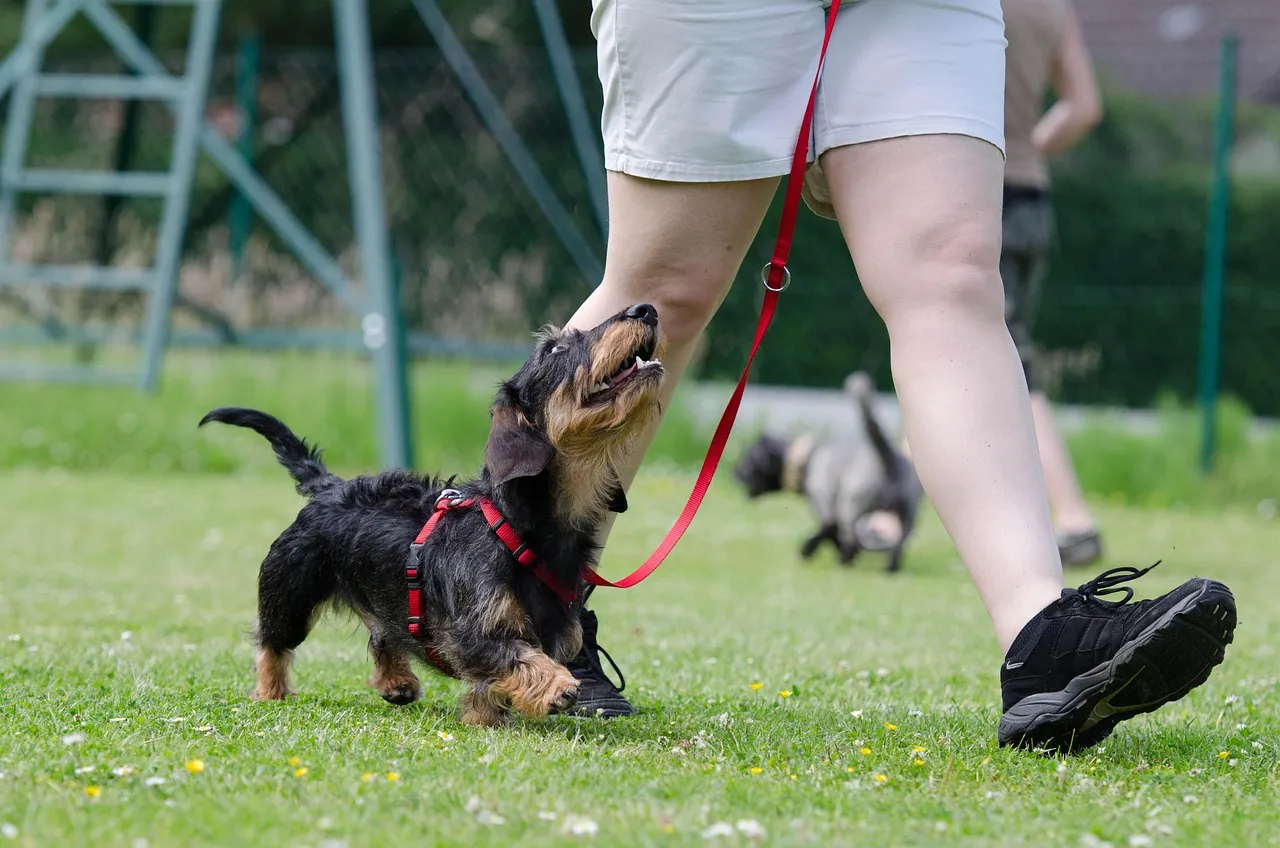
This one starts comment-section wars, but long-time owners bring it up constantly: anthropomorphizing ruins dogs. People regret framing every behavior in human terms – “he’s being spiteful,” “she’s jealous of the baby,” “he knows what he did” – when dogs don’t actually operate on guilt or revenge.
Dogs run on association and reinforcement, not morality, so treating a behavior problem like a moral failing just leaves the dog punished for being confused. “Fur baby” culture also leads to never saying no clearly, avoiding structure because it feels mean, and allowing unhealthy weight gain because “he looks so happy when he eats.” Ironically, dogs given clear rules, real exercise, and mental work almost always look happier than the ones drowning in unearned affection and zero boundaries.
#15 – Not Planning for the Dog’s Senior Years
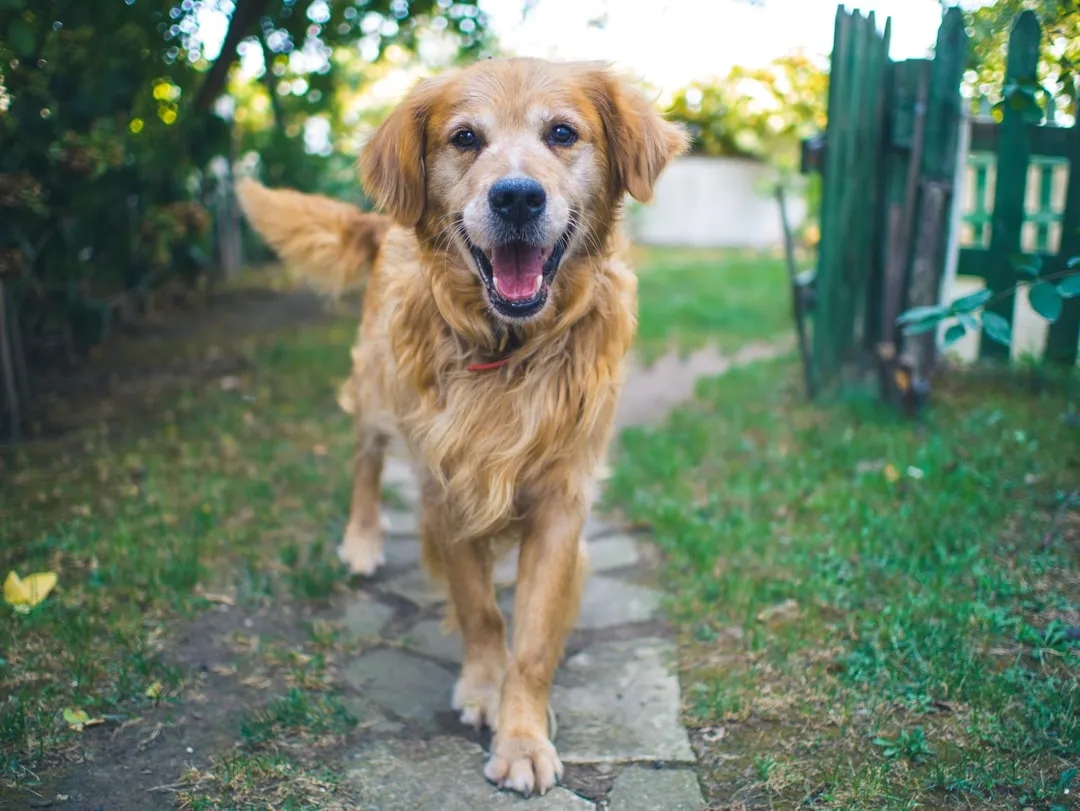
Everyone imagines puppyhood. Almost nobody pictures arthritis, incontinence, or carrying a 70-pound dog up the stairs because the joints just won’t do it anymore. Owners say they deeply regret not preparing emotionally and financially for aging – no ramps for the car, no non-slip rugs, no joint supplements, and no plan for how expensive end-of-life vet care can get.
Senior dogs often need more frequent checkups, pain management, and pricier diagnostics, and the regret isn’t really about the money – it’s about hesitating over care decisions because you simply weren’t ready. There’s an emotional whiplash to it too: one day you’re hiking together, the next you’re making quality-of-life notes on your phone.
Quick Compare
- Normal aging: slower on stairs, more naps, a slightly graying muzzle.
- Red flag: sudden limping, disorientation, or accidents in a previously house-trained dog.
- Normal aging: less enthusiasm for long hikes or rough play.
- Red flag: refusing food, rapid weight loss, or labored breathing.
Dogs are not our whole life, but they make our lives whole.
Roger Caras
#16 – Avoiding Tough Conversations About Rehoming and Euthanasia
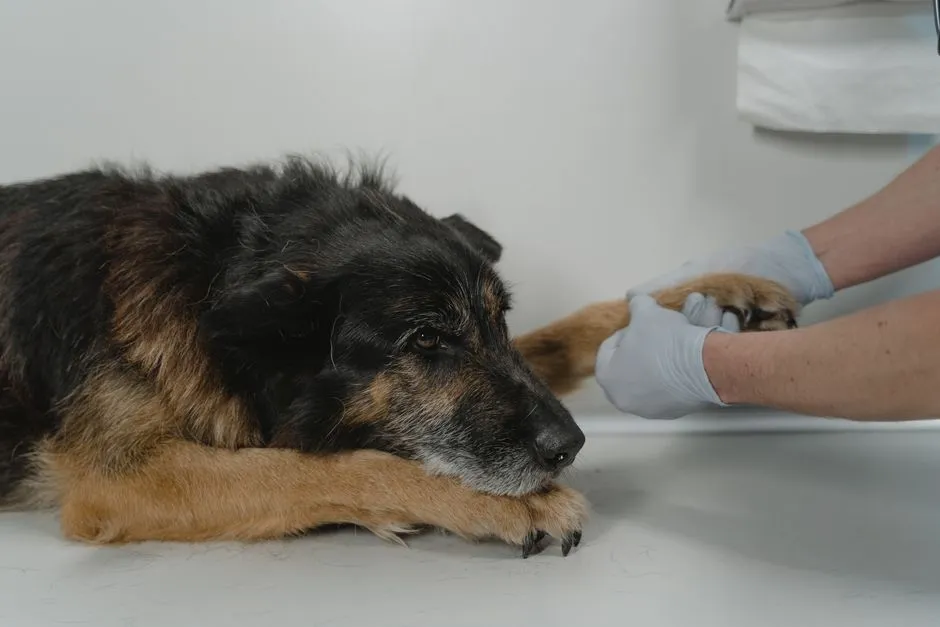
No one wants to think about this before they even get a dog, and that’s exactly why so many end up regretting the silence. Some situations become genuinely unsafe or unmanageable – repeated serious bites, severe unfixable anxiety, medical conditions with no good outcome – and owners who never discussed their ethical lines with family end up making decisions in the middle of a crisis.
One person wants to keep trying everything forever, another quietly resents living in a constant war zone with a dangerous or suffering dog, and the dog is the one stuck in limbo. People rarely regret a thoughtful, well-advised decision. They regret delaying until the suffering is obvious, rehoming in desperation to the first taker who shows up, or letting social media shame dictate a choice that was never anyone else’s to make.
#17 – Thinking a Dog Will “Fix” a Lonely or Broken Life
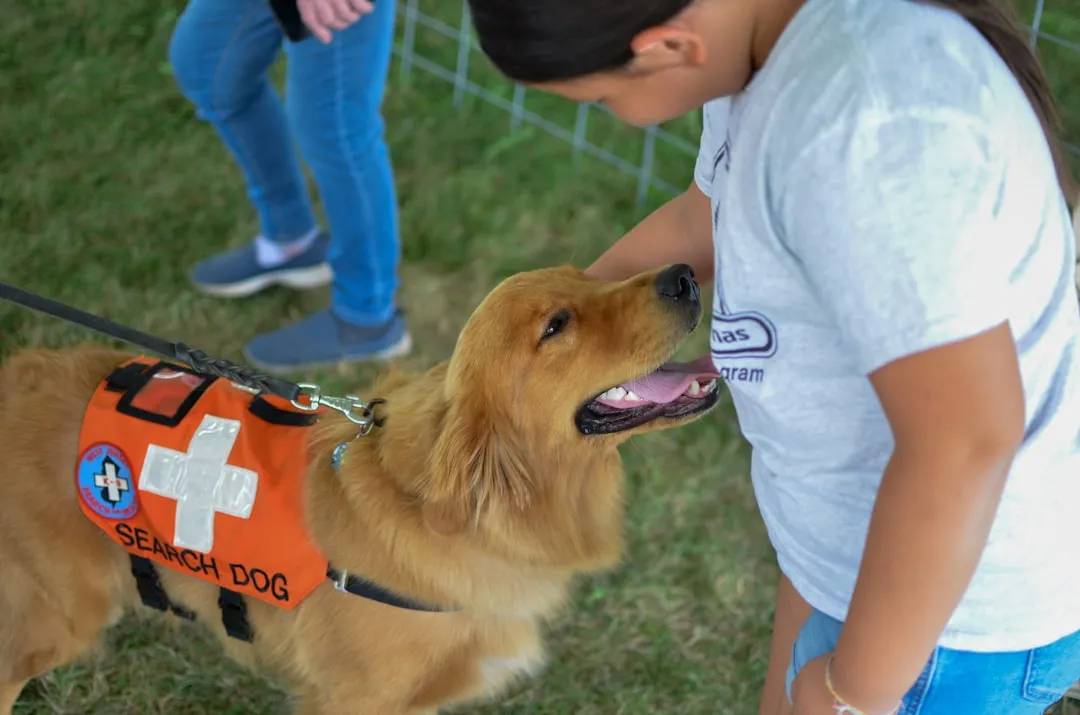
This is the regret almost no one posts about, but plenty of people admit it in private. Some get a dog to save a relationship, cope with depression, or feel less alone – and dogs absolutely can bring comfort, routine, and real joy. But they are not therapists, partners, or a band-aid for problems that run deeper than one leash can fix.
Once the novelty fades, the responsibilities remain: early walks when you’re exhausted, vet bills when money is tight, training when you’re already running on empty. If you’re already drowning, another living being depending on you can feel like an extra weight instead of a lifeline. Owners say they wish they’d started therapy first, built some stability before adding a dog, and been honest with themselves about whether they wanted companionship or just a distraction.
The Bottom Line
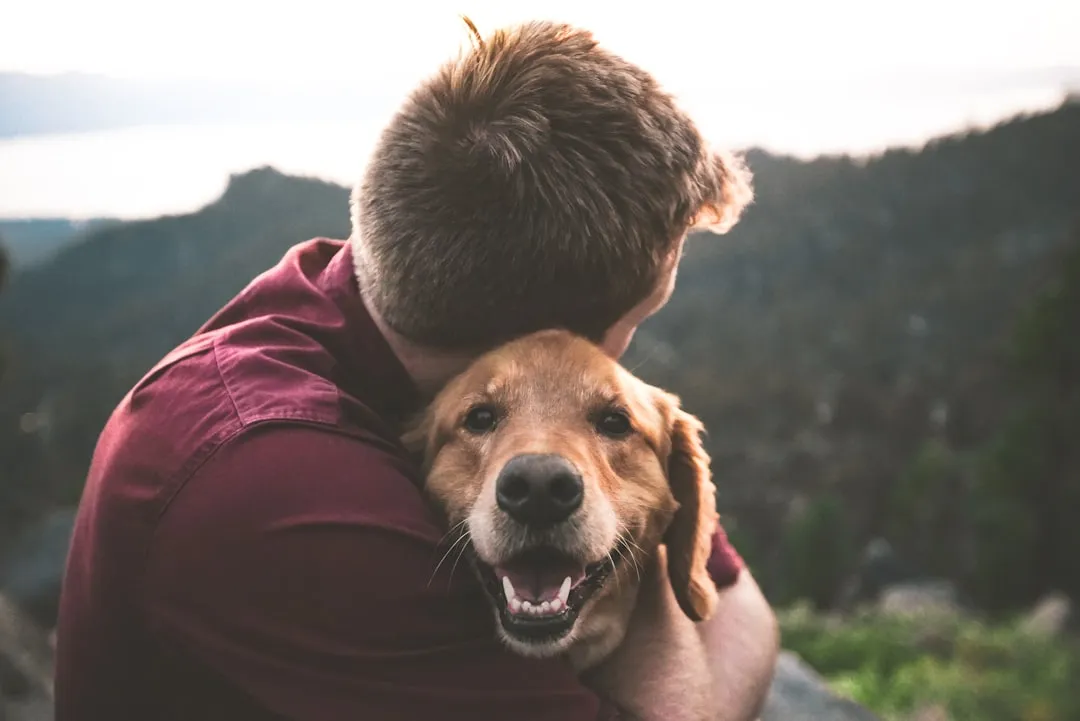
Here’s the harsh truth: almost every regret on this list was preventable with a little brutal honesty and a lot less romanticizing. Nobody regrets muddy paw prints or fur on the couch. They regret ignoring red flags with breeders, treating training like an afterthought, underestimating costs, and expecting a dog to plug holes in a life that needed deeper work first.
If you’re about to get your first dog, you’re in a rare position – you get to learn from all of this before any of it belongs to you. Decide your non-negotiables now: time, money, training, lifestyle. Choose the dog that fits your actual life, not the one from your fantasy feed, and you’ll skip most of this list entirely.

- If You Are Getting Your First Dog, These 17 Regrets Are the Ones Owners Name Most - August 1, 2026
- 14 Dog Breeds That Suit a Quiet Retired Household and 7 That Really Do Not - August 1, 2026
- 19 Plants Seasoned Gardeners Wish They Had Never Wasted a Single Growing Season Without Once Trying - August 1, 2026