
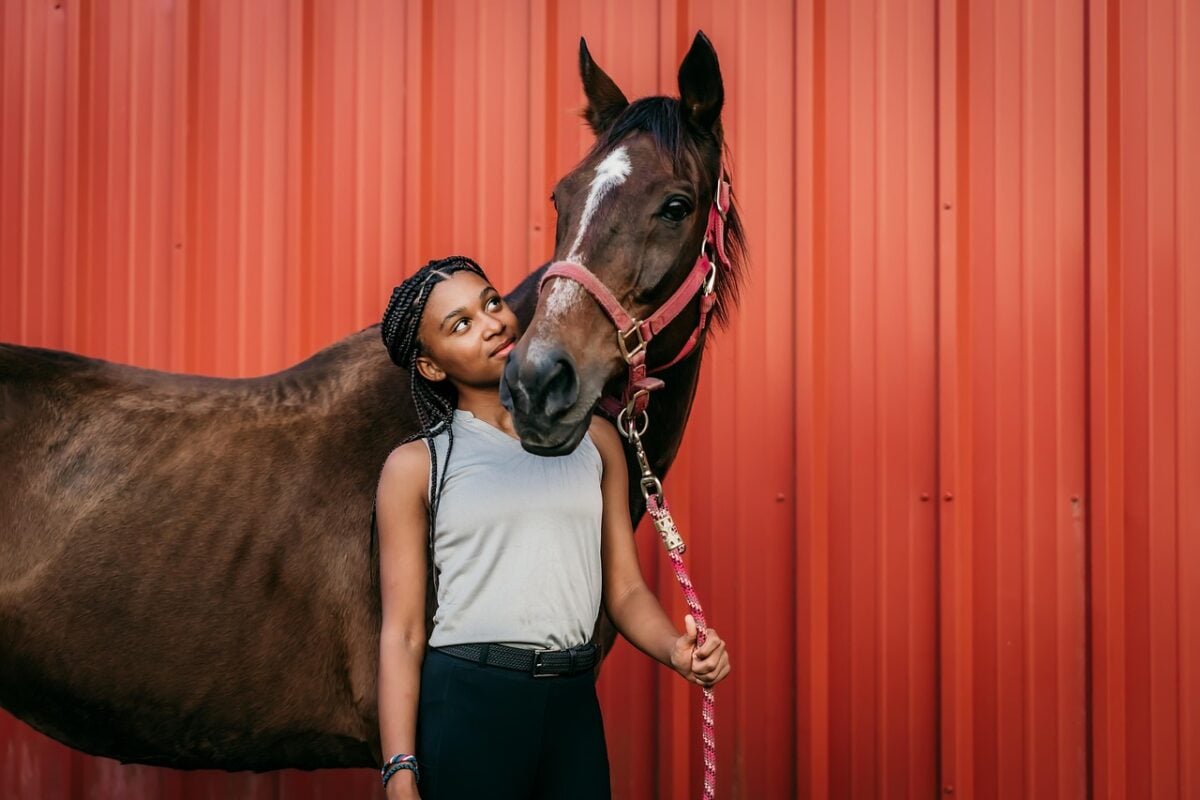
Everyone assumes horses only talk in big, loud moves – pinned ears, a bolted spook, a tail cracking like a whip. So when a horse quietly decides a person is “theirs,” almost nobody catches it happening. The tells are too small, too soft, too easy to write off as nothing.
That’s the part that gets missed. The horse isn’t hiding a thing. It’s broadcasting trust in real time, through a breath, a blink, an inch of stolen space. Most owners have stood in front of the proof for years without ever reading it. Here are the 17 signals hiding in plain sight, and what they actually mean once you know to look for them.
#17 – The Micro-Step That Always Lands Closer To You
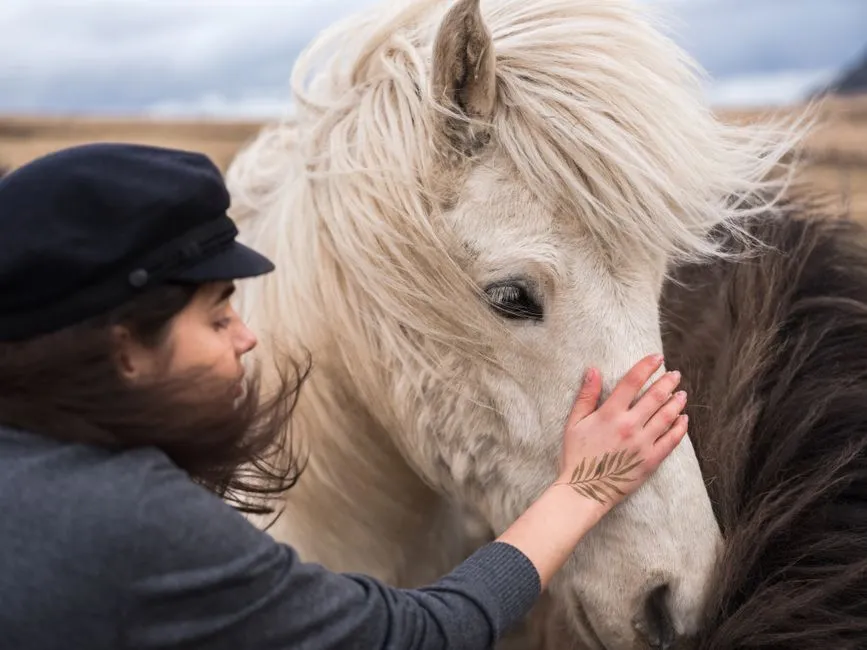
When a horse has claimed you, it doesn’t just walk toward you, it calibrates to you. Watch closely the next time you lead your horse or turn them loose. That extra inch they step sideways toward your shoulder instead of drifting away isn’t random. Many horses test distance with tiny “micro-steps” just to see how close you’ll let them come.
You’ll see it best when there’s no halter pressure and no food involved. Out in the paddock, they wander, pause, then take one small diagonal step that lines their body up with yours. A horse that doesn’t care simply stops wherever is convenient. A horse that has claimed you keeps quietly recalculating until your bodies feel paired.
#16 – The “One Eye” Rest: Choosing To Half-Watch Only You
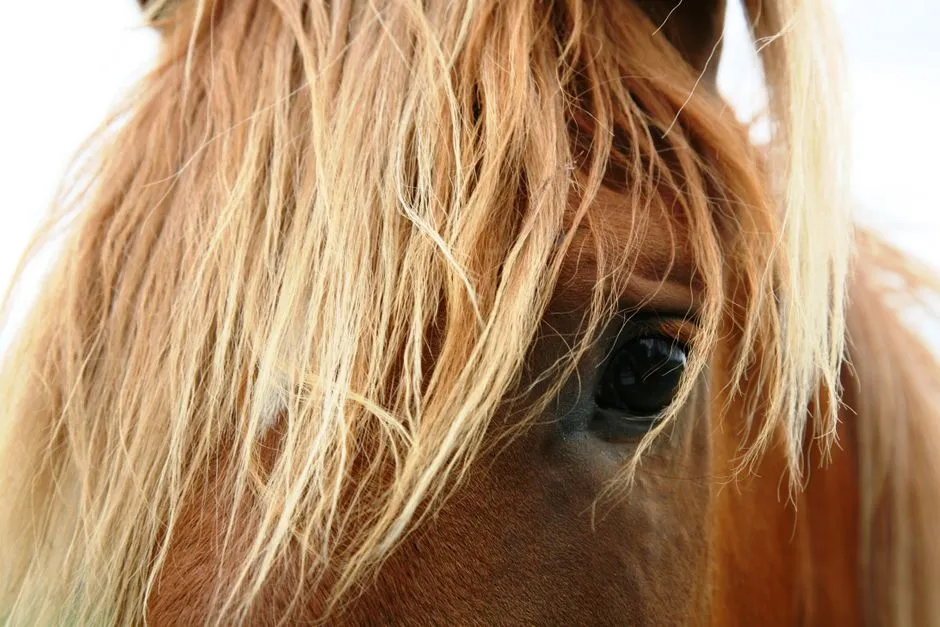
A lot of owners assume a relaxed horse should zone out completely. But horses that trust one person do something stranger: they go into a kind of “one-eye rest” whenever that person is nearby. They’ll park close, cock a hind leg, drop the head a little, and keep just one soft eye on you while the other drifts to the horizon.
That’s not suspicion, it’s a split focus that says you’re the baseline and the rest of the world is background noise. Watch which eye stays on you. Prey animals do not casually surrender part of their vision. They only do it when the nervous system has already decided this human is safe.
Fast Facts
- Horses have a nearly 350-degree field of vision, almost a full circle around their body.
- Each eye works independently, so a horse can genuinely watch two completely different things at once.
- Their real blind spots sit directly behind them and just beneath the nose, nowhere near where you’re standing.
#15 – The Invisible Tail: When The Tail Tells You Before The Ears Do
Most riders obsess over ear position and miss that horses often whisper with their tails first. With their person, many horses let the tail hang lower and looser than they do around strangers, with slow, almost sleepy sways that seem to move with your footsteps.
- Around others: higher set, quick tension flicks, abrupt swishes.
- Around you: soft, pendulum-like movement, or a stillness that feels heavy rather than tight.
Some horses even angle their hips so the tail nearly brushes you without quite touching, a small lean they’d never risk with someone they don’t trust. Old-school horsemen have a saying for it: you can lie to yourself about your horse, but their tail never does. The moment it drops a notch when you walk in, they’ve already voted.
#14 – The Silent Check-In Breath When You Walk Away
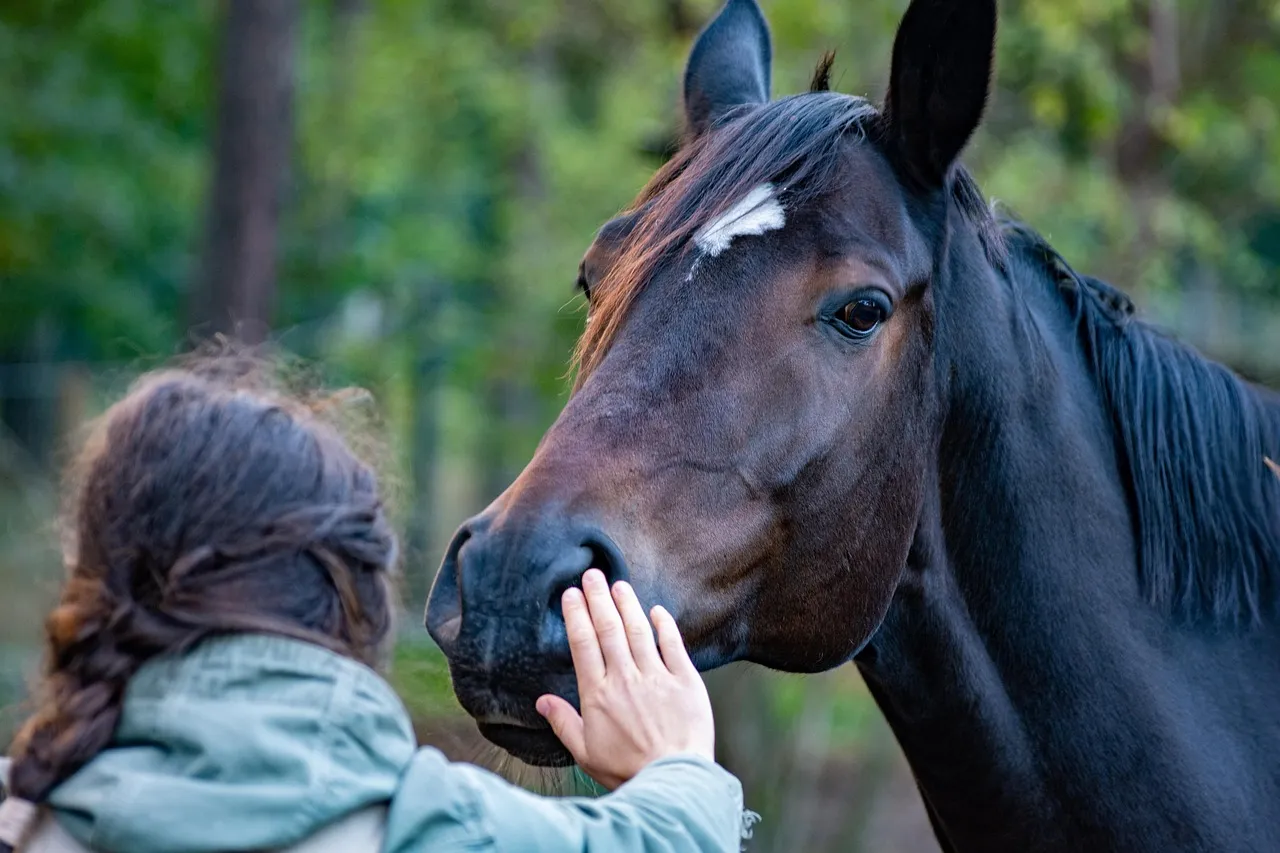
Most people hear a snort and assume the horse is just clearing its nose. But listen the next time you walk away from a horse that’s claimed you. There’s often a single, quiet exhale, not dramatic, right as the distance between you grows.
You’ll notice it most in low-stress moments, after grooming or a ride. As you step off, they track you with their nose, blink softly, then release one subtle breath, sometimes with the faintest nostril flutter. That’s a regulatory breath, not a fear response. Horses that don’t care simply redirect to food or the herd. Horses that have chosen you notice the gap enough to process it out loud.
#13 – The “Fake Grazing” That’s Not About Grass At All
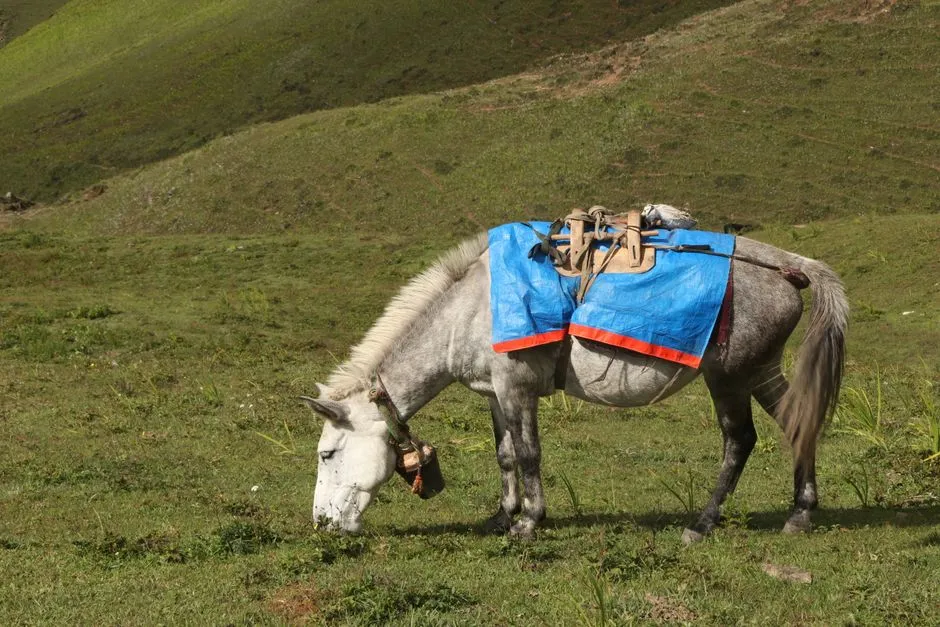
You turn your horse out, they wander, head down, nibbling. Looks completely normal – except some horses do what amounts to fake grazing, barely sampling the ground just to hover near one person without making it obvious. Watch the timing: they track your position, drift your way, then “pretend” to be busy the moment you glance over.
The giveaway is that they’re not scanning for threats, they’re checking your exact position and posture. This isn’t grazing, it’s a shy version of “I want to be near you, but I’ll pretend it’s about the grass.” Some horses never fake-graze near anyone else in the field. That selective shadowing is basically a horse’s version of choosing your table without ever admitting it.
Worth Knowing
- Grazing is a horse’s default “neutral” state, which is exactly why a break in its rhythm is so easy to miss.
- Herd horses often use distance and body angle instead of a direct approach to show who they want nearby.
- A pattern repeated with only one person, and no one else, is a choice, not a coincidence.
#12 – The Ear That “Defaults” To You No Matter What
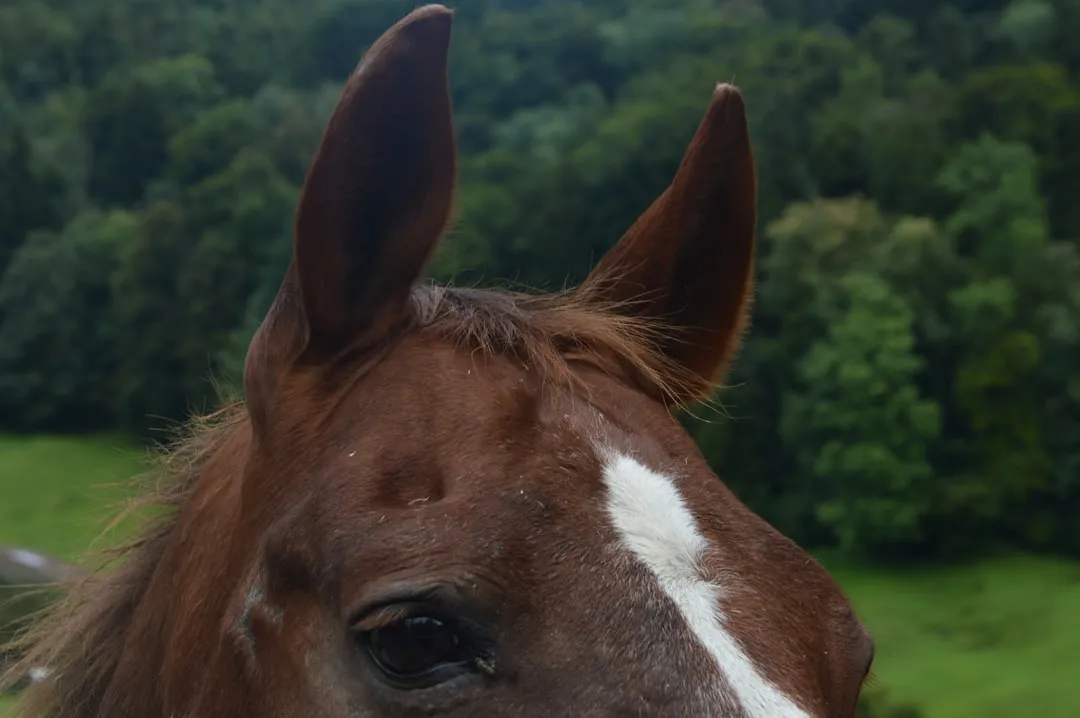
Everyone knows ears show where a horse is paying attention. What most owners miss is the default ear, the one that keeps drifting back to one specific person even when the horse looks busy elsewhere. If your horse is sniffing something new, watching a tractor, or locked onto another horse, but one ear keeps casually tipping back toward you, that’s the tell.
- Trainer talking: one ear on them, one on you.
- New environment: both ears scan, then one settles back into its habit, aimed at you.
This isn’t the rigid, snappy ear of vigilance, it’s soft, almost lazy, like a channel the horse never quite switches off. They’re keeping you as their background reference point. Horses don’t spend that kind of quiet attention on people they consider irrelevant.
#11 – The Space They Give Others But Not You
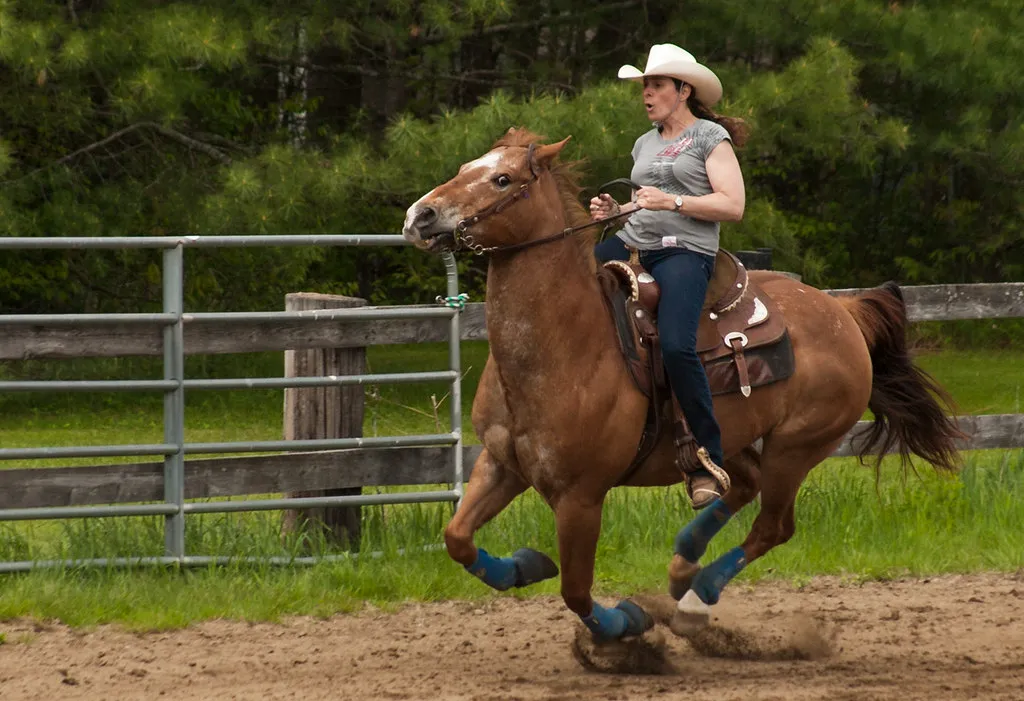
We spend so much energy teaching horses to respect our space that we forget to ask a blunter question: who do they quietly break the rules for? A horse that has claimed you will often stand just a little closer to you than to anyone else, without it ever feeling pushy.
- With others, they stand square, a safe arm’s length away.
- With you, their shoulder drifts in, their muzzle hovers near your elbow, their chest angles your way.
This isn’t disrespect, it’s choosing proximity even after being trained not to. Many riders mistake this for pushiness and correct it constantly, never realizing the horse is politely asking to share a smaller bubble. Some of the “pushiest” horses out there are simply the most attached ones nobody ever read correctly.
#10 – The Blink-Then-Soften When You Touch The Halter
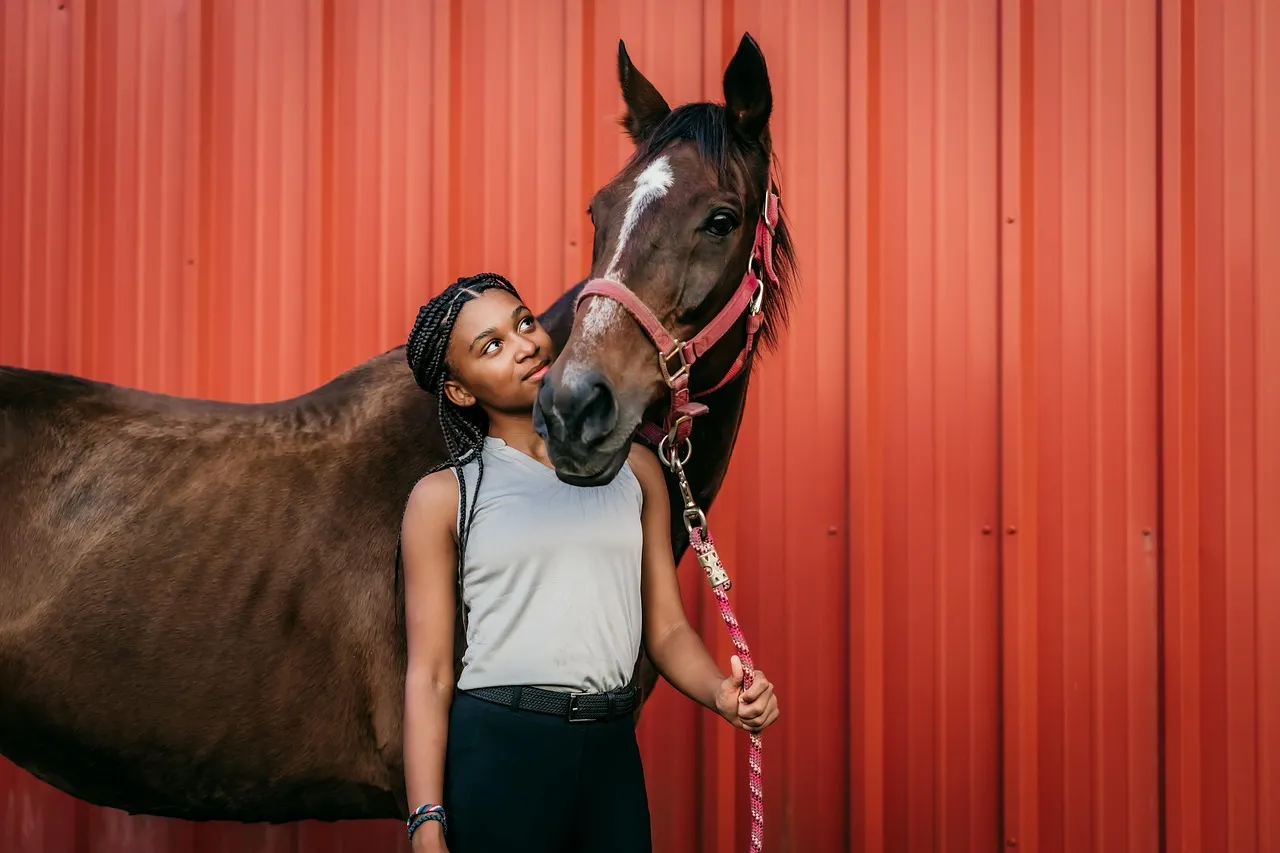
Most people judge halter acceptance by whether the horse stands still. That bar is far too low. A horse that has emotionally chosen you does more than tolerate the halter, it visibly exhales into it.
- Another person reaches: the eye gets a little glassier, stiller.
- You reach: there’s a blink, the jaw loosens, sometimes even a micro chew with no food involved.
That small ritual is a conditioned “I know this ends okay with you.” Some horses even push their nose into the halter, but the real tell is the face softening, not any trained trick. If haltering with you looks like relaxation and with others looks like a freeze, the horse already told you who they picked.
#9 – The Way They Stand Between You And Trouble (Subtly)
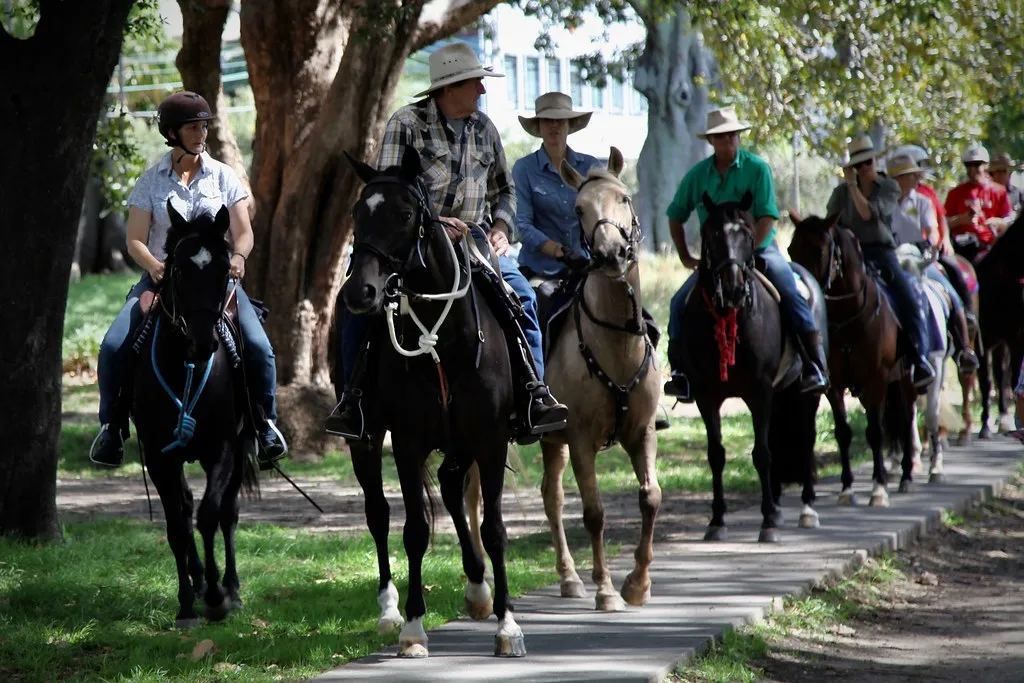
Everyone loves the dramatic story of a horse “saving” its person. The more common version is quieter and much easier to miss. A horse that has claimed you will often make tiny positional choices to stand between you and perceived tension, another horse’s pinned ears, a flapping tarp, a noisy vehicle, without any fanfare.
- As a pushy horse walks by, yours shifts its ribcage so its body becomes the buffer.
- When something rattles, they pivot half a step so their shoulder sits outboard of you.
Prey animals do not randomly place themselves closer to the thing that worries them, unless some deeper instinct says “I’ll handle that side.” Many riders mistake it for crowding and move the horse away, never realizing they just pushed off a protective gesture.
#8 – The “You-First” Gate Ritual
At gates and stall doors, impatient horses rush through and anxious ones hesitate. But a horse that has synced up with its person often develops a you-first, we-go-together ritual, and it’s remarkably consistent.
- They pause with their chest near the opening.
- They tip one ear and one eye toward you.
- They wait for the micro cue, your body turning, your footstep, before moving.
They don’t do this with everyone. With a random handler, they may crowd or drag. With you, they ask permission with their whole body, even if you never trained for it. That synchronization at choke points is a trust test most owners don’t realize they’re already passing. The horse is staking its safety on your judgment instead of its own instincts, and that’s more than obedience, it’s allegiance.
#7 – The Strange Things They Bring Only To You
Some horses are naturally mouthy or playful. What’s different with a claimed person is selective gifting, that odd habit of picking up specific objects and carrying or dropping them only near you. A lead rope, a brush, a glove, even a random stick in turnout. The object never matters, the pattern does.
- They pick something up the moment they notice you entering the space.
- They walk partway, pause, and either hold it while watching you or drop it deliberately in your path.
- They rarely, if ever, repeat this with anyone else.
It’s not fetch in the dog sense. It’s closer to a shared inside joke: I know this gets your attention, and I want it. A horse that initiates interaction with props the second you arrive isn’t killing time, it’s reaching for connection.
#6 – The Soft Nose Hover Over Your Wounds And Worries
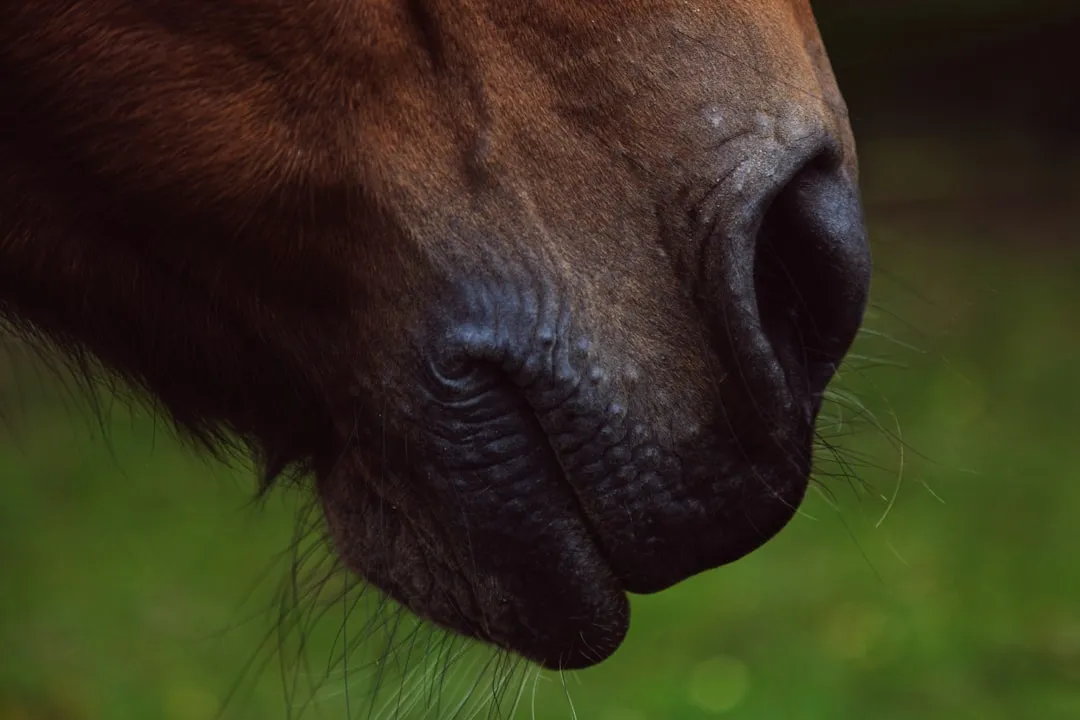
Here’s where science and sentiment blur, and people get defensive fast. While there’s real debate about how much horses “sense,” one pattern shows up too often to dismiss: nose hovering over tension. Horses that have claimed a person will repeatedly rest or hover their muzzle over old injuries, a stomach during stress, or hands that are shaking or clenched.
They’re not always touching, often it’s a slow, steady hover followed by a sigh or a blink. Some of this is scent and posture reading, sure. But they don’t do it equally for everyone. If your horse consistently seeks out the same part of your body when you’re not okay, you’re not imagining it. That’s prey-animal-level sensitivity applied specifically to you.
At a Glance
- Horses are estimated to have around 300 million scent receptors, compared to roughly 5 to 6 million in humans.
- Research has found horses can tell the difference between human sweat samples linked to fear and to joy.
- That kind of sensitivity means a horse’s nose may be picking up more about your state than most owners realize.
#5 – The Way They “Lose” Interest In Food When You Arrive
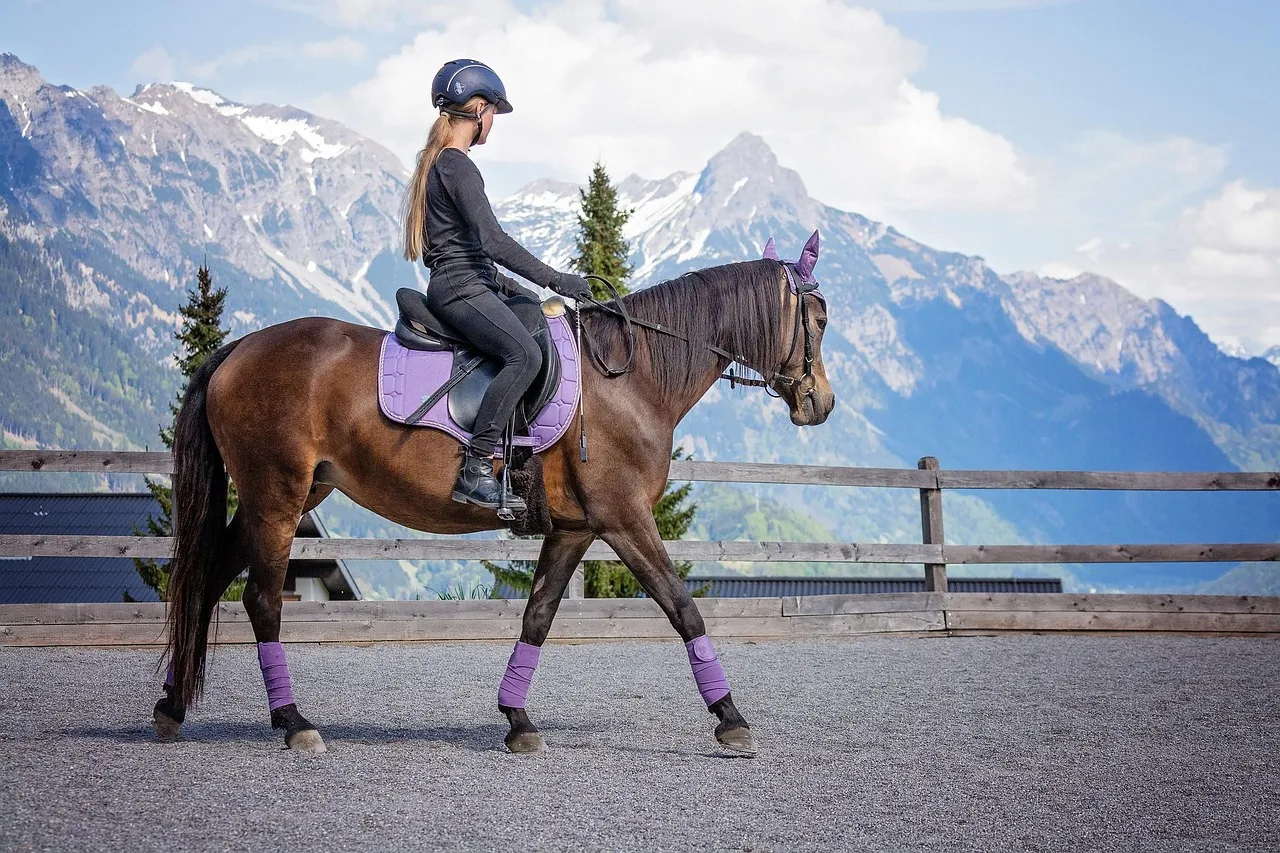
We’re told horses are food-motivated above everything, and many are, which is exactly why this signal gets dismissed. When a horse has deeply linked you with safety and regulation, you’ll occasionally see something that breaks every cliché: they momentarily de-prioritize food the second you show up.
Other horses bury their heads in hay. Yours lifts its head, chews slower, or walks away from the flake to meet you at the fence. They’re not “not hungry,” they’re making a choice. In a prey animal, choosing social contact over resources is a huge tell. It might only last a few seconds before they dive back in, but those seconds matter more than any bucket-trained response.
#4 – The Grooming Scratch They Reserve Just For You
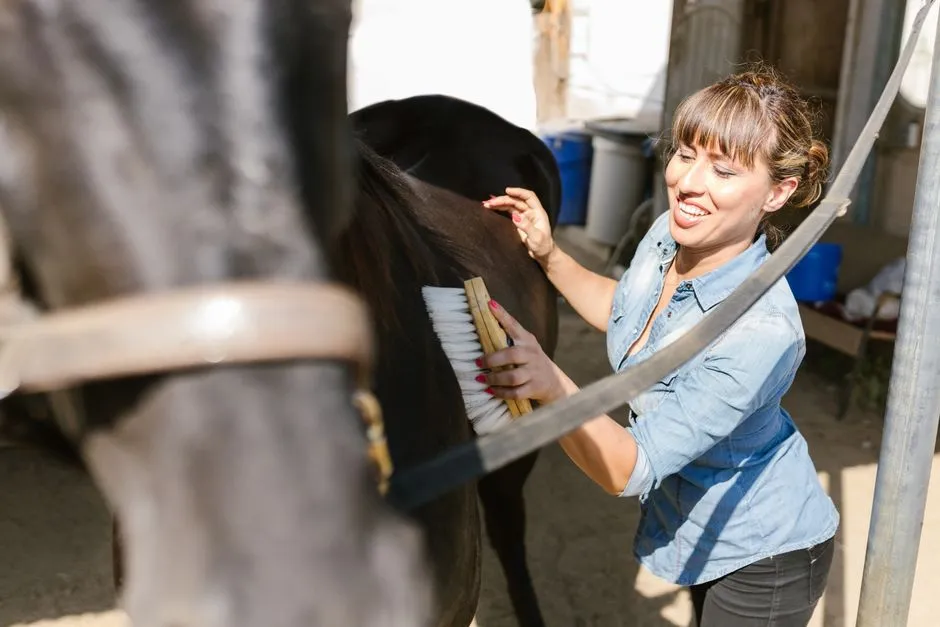
Mutual grooming isn’t just cute, it’s one of the horse’s strongest social bonding tools. When a horse leans in to scratch or nibble lightly on your arm or shoulder while you’re scratching them, most people laugh it off or push them away. The real tell is selectivity, many horses only offer that gentle, careful grooming to the one person they’ve fully accepted as herd.
- The pressure is measured, not random nipping.
- They seek out a consistent spot on you, like you’re their favorite itch.
- They stop quickly if you stiffen, then try again more delicately next time.
This is your horse applying herd etiquette to a human body, the same behavior reserved for close herd friends, not for everyone. Shutting it down with a harsh correction instead of a boundary-plus-redirect is how a lot of owners accidentally reject a genuine offer of partnership.
#3 – The Way They Mirror Your Tempo Without Being Asked
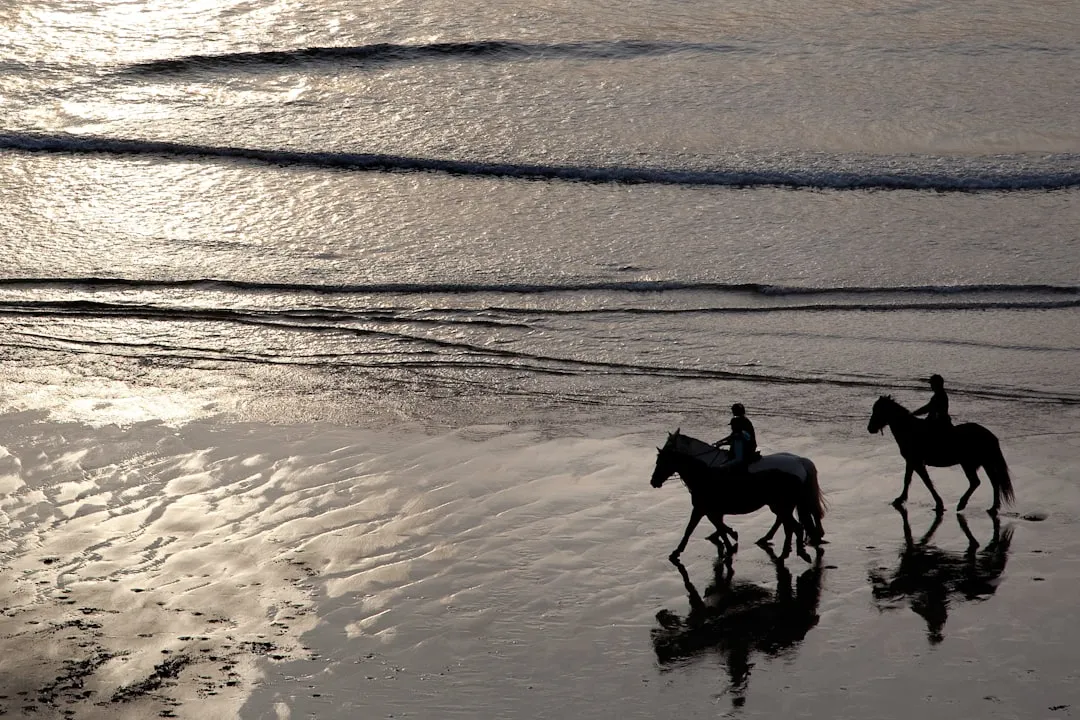
Most riders think rhythm is a training outcome. In reality, a horse that has really locked onto you will quietly mirror your natural tempo before any cue is given. Lead your horse with a loose rope and no agenda. Speed up slightly, and watch whether they match your stride length and rhythm within a step or two, unprompted.
There’s a difference between a horse responding to a signal and a horse pre-emptively syncing with your walk, breath, or posture. The second one only happens when you’ve become a mini herd of two. They’re calibrating their body to yours the way they would to a trusted lead mare, and it’s absolutely not happening with every random person who clips on a rope.
Why It Stands Out
- Horses naturally sync movement and rhythm with trusted herd mates, not with animals they’re wary of.
- Matching your stride without a cue means the horse is reading your body the way it would read a lead mare’s.
- This kind of unprompted mirroring rarely shows up with unfamiliar handlers, who usually get a more cautious, watchful response instead.
#2 – The “Stickiness” When You Try To Leave The Barn
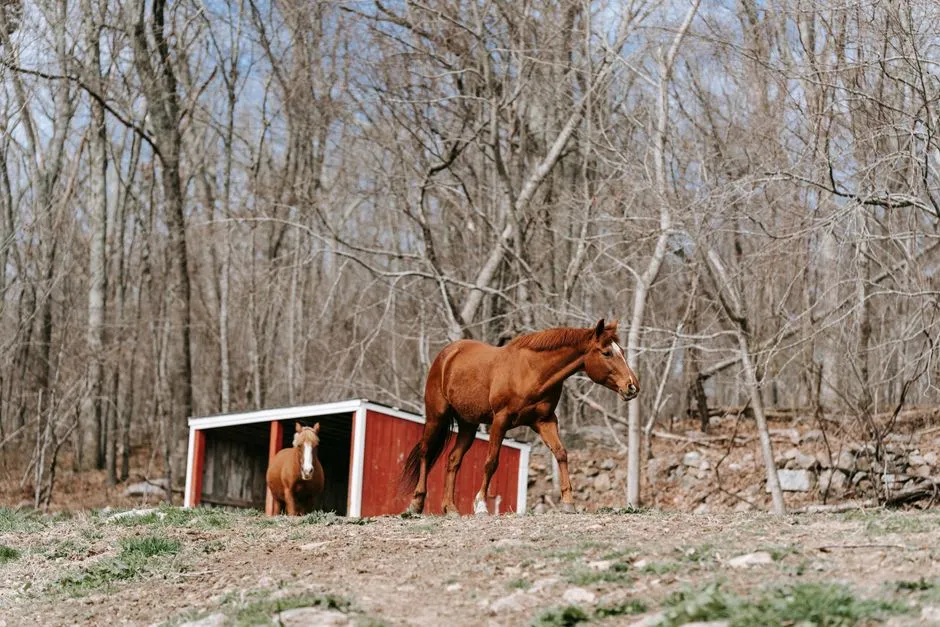
Everyone notices a horse that calls out when you arrive. Fewer people pay attention to the stickiness when you try to leave. A horse that has claimed you often becomes quietly unsettled not when you show up, but when you disappear from their immediate world.
- They watch you walk away with laser focus.
- They shift their weight toward the direction you left.
- They hesitate to fully re-engage with hay or the herd until you’re truly gone.
Some will shadow the fence line or stall front, not putting on a show, just quietly staying with you until the separation feels final. Yes, some of this can look like anxious attachment. But in a regulated horse, that mild resistance to your exit is a sign you’ve become part of their safety map, not a sign of neediness.
#1 – The Nervous System Drop The Second You Enter Their Bubble
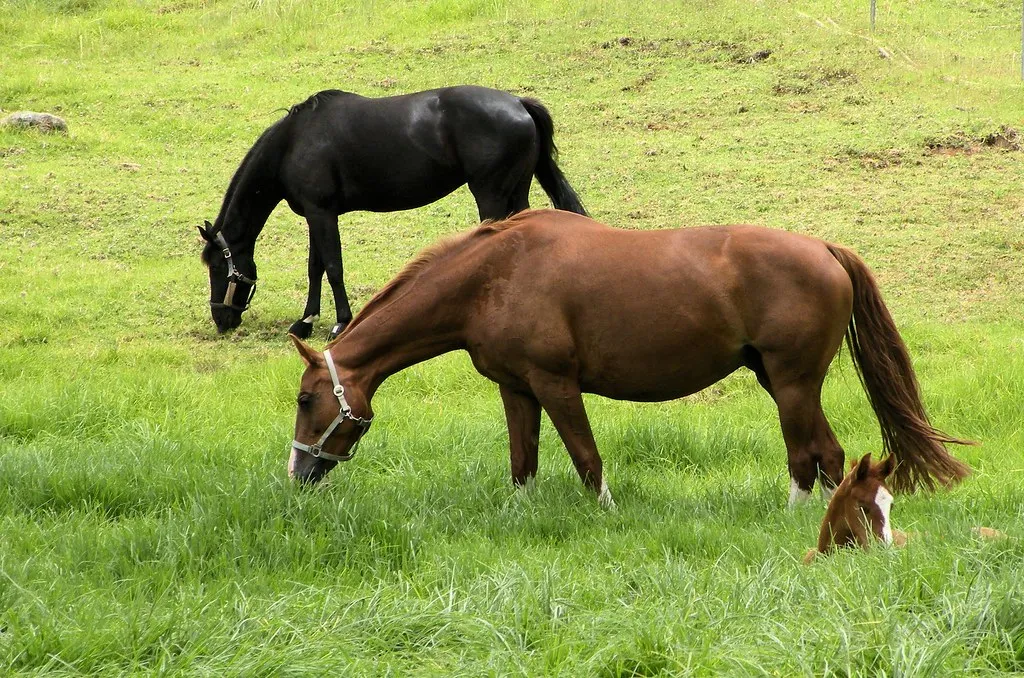
The real, nuclear-level signal isn’t dramatic at all, and that’s exactly why it’s so powerful. Horses are walking nervous systems, and when a horse has truly claimed you, you’ll see it in how fast and how deeply they downshift the moment you step into their space. Heart rate slows. Breathing deepens. Muscle tone softens. You’ll feel it more than you’ll see it.
- A tight, alert horse in the cross-ties exhales and lowers its neck the second it notices you approaching, not just “a person.”
- In a chaotic show environment, they stay wired, until your hand lands on their neck and the entire topline melts.
- In the field, they’re vigilant with others, but with you, eyelids droop, lips loosen, the whole frame goes heavy and grounded.
Horses live in the moment. It’s one of the reasons we love them.
Buck Brannaman
This is beyond training. You’ve become a co-regulator for a prey animal wired for survival. No trick, no cookie, no method can fake that kind of autonomic trust. When your presence changes their baseline instead of just their behavior, that’s the loudest quiet signal of all.
The Bottom Line
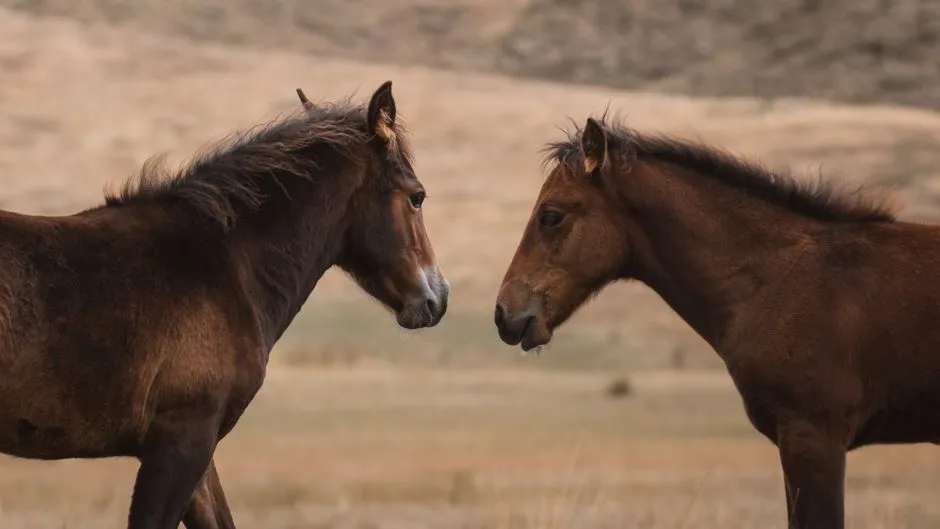
Most owners wait for a Hollywood moment to prove their horse loves them, a dramatic rescue, a wild gallop, some viral-worthy display. The truth is far less cinematic and far more humbling. Horses vote for their person in inches, breaths, blinks, and tiny choices about where to place their bodies.
A softer tail. A default ear. A nose hovering over an old injury. None of it is an accident. It’s a nervous system quietly saying, with you, I can afford to relax. Some trainers will insist it’s all conditioning and food. But watch your horse across different people long enough, and patterns show up that a bucket of grain simply can’t explain.
The uncomfortable question isn’t whether your horse is sending signals. It’s whether you’ve been paying enough attention to deserve them. Did we miss one your own horse only shows you? Drop it in the comments, because somewhere out there, an owner is standing right in front of the proof and still hasn’t seen it.

- 17 Quiet Signals a Horse Sends the Person It Has Claimed That Most Owners Never Learn to Read - August 1, 2026
- 18 Plants Lifelong Gardeners Say They Regret Ignoring for Far Longer Than They Ever Should Have - August 1, 2026
- The 18 Signs Your Aging Cat Has Chosen You to Be Beside It When the Time Finally Comes - August 1, 2026