
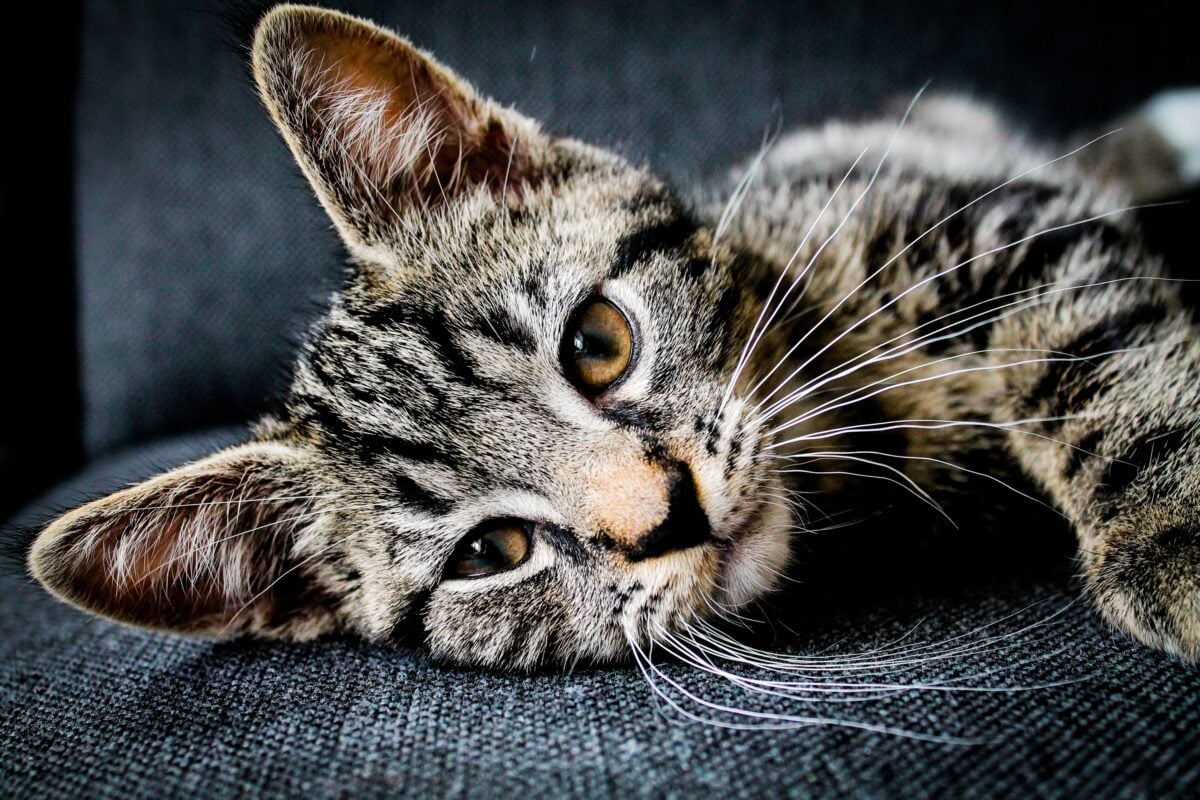
Most owners think they’ll know the exact moment their cat crosses into “old.” They picture a limp, a refusal to eat, a dramatic emergency vet visit. That’s not usually how it happens.
The real warning signs are smaller and sneakier than that. A slightly longer nap. A pause before a jump. A coat that’s just a little less shiny than it used to be. Vets say these quiet shifts are often the very first clue that pain, organ disease, or cognitive decline has already moved in – and most owners write them off as “just getting older.”
Catch them early enough, and you can buy your cat years of comfortable life. Miss them, and you’re often looking at a crisis that could have been caught months sooner. Here’s what feline vets actually want you watching for.
#13 – Sleeping “Just a Bit More” Than Usual
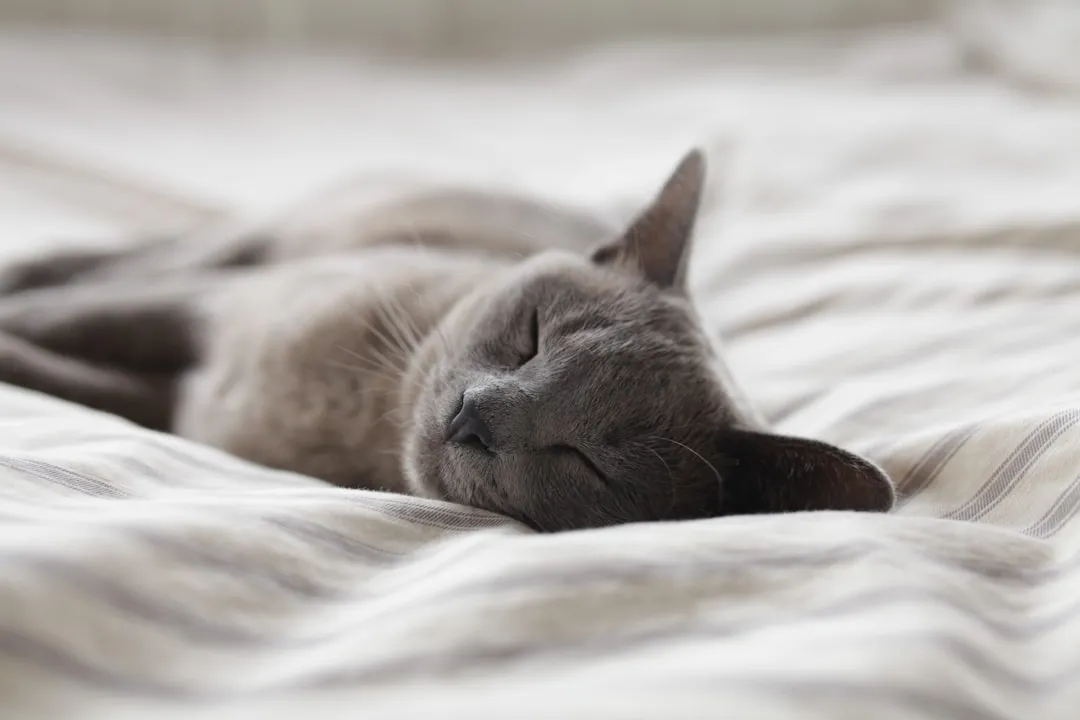
Most owners shrug when their cat starts sleeping more, because cats already sleep a lot. But a noticeable bump in nap time – especially when your cat skips the usual play or greeting rituals – can be one of the earliest signs of pain or systemic illness. Older cats often cope by quietly shutting down and resting more, not by obviously limping or crying, which is exactly why so many owners miss it.
Pay attention to patterns, not just total hours. Does your cat still do their window patrols? Still jump up to their favorite perch? Choosing sleep over mealtimes or interaction isn’t “just age” – it can signal arthritis, kidney disease, heart problems, or anemia. A little extra rest is normal in seniors, but anything that feels like a personality downgrade deserves a conversation with your vet.
#12 – Drinking or Urinating a Little More
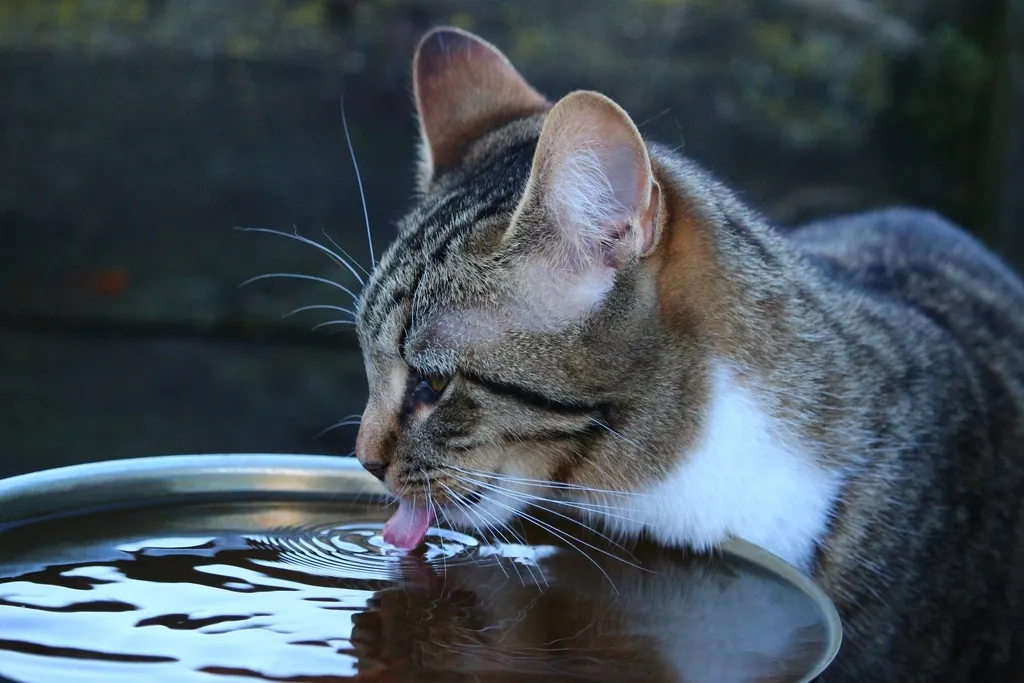
Subtle changes in thirst are one of the most under-appreciated signs of disease in older cats. You might notice the water bowl is empty by evening instead of lasting two days, or the litter box feels a bit wetter than it used to. Even a modest increase in drinking or peeing can be an early warning of kidney disease, diabetes, or hyperthyroidism – three of the most common and serious conditions in aging cats.
Here’s the catch: most owners don’t notice the shift until it’s dramatic, because cats tend to drink in short, quiet bursts throughout the day. Start mentally tracking the pattern now. More clumps in the litter? Bigger pee spots? A new habit of drinking from taps or toilets? Don’t wait for weight loss or vomiting – those come later, once the damage is already underway.
Fast Facts
- Kidney disease is thought to affect roughly 30% or more of cats over age 10
- Hyperthyroidism shows up in about 1 in 10 cats once they pass age 10
- Both conditions often exist together, which is why vets check for one when they find the other
- Increased thirst and urination can appear months before appetite or energy changes do
#11 – Hesitating Before Jumping Up or Down
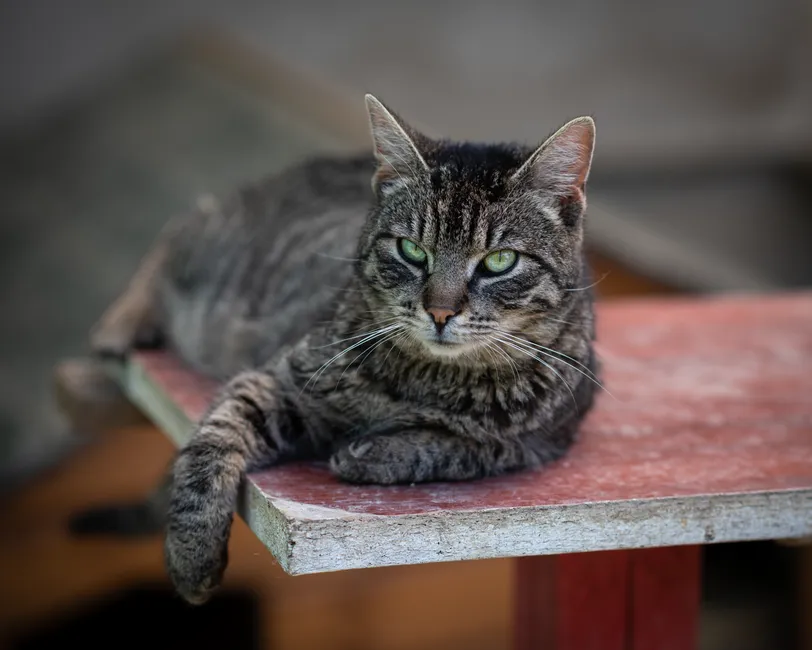
Most people think arthritis shows up as a limp. In cats, it usually shows up as a pause. Your cat stands at the couch, judges the jump, maybe circles once, then either takes a lower route or gives up altogether entirely. That tiny moment of hesitation is classic feline joint pain, and it’s almost always dismissed as laziness.
Many owners insist their cat “isn’t in pain” because they never hear crying. Feline specialists will bluntly tell you cats rarely vocalize pain until it’s unbearable. Watch for shortcuts instead – a chair used as a “step” to the table, jumping down in stages instead of one clean leap, less grooming around the lower back or hips because bending hurts. These are textbook osteoarthritis signs in cats over 7 or 8, and early treatment can genuinely transform quality of life.
#10 – Subtle Weight Loss You Only Notice in Photos
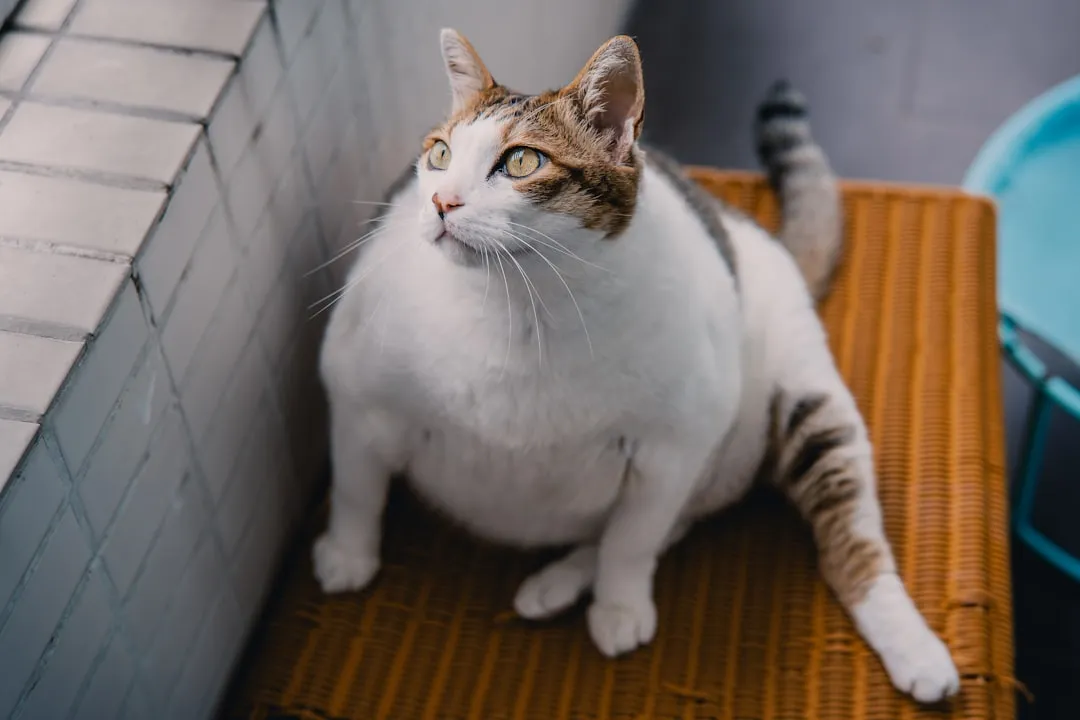
One of the quietest, most dangerous changes in aging cats is slow, steady weight loss that nobody clocks until fur and bones show up in a photo. Fur hides a lot. By the time an owner says “she feels bonier,” some cats have already lost a significant percentage of their body weight – and that kind of loss is almost never healthy in a senior cat.
Run your hands over your cat’s spine, hips, and ribs every few weeks. Are the bones sharper than they used to be? Does the waist feel narrower? Weight loss in older cats is strongly linked to hyperthyroidism, kidney disease, cancer, inflammatory bowel disease, or dental pain that makes eating harder than it looks. Even if the appetite seems fine, unexplained loss is a red flag vets would rather investigate too early than too late.
#9 – Slight Changes in Grooming Habits
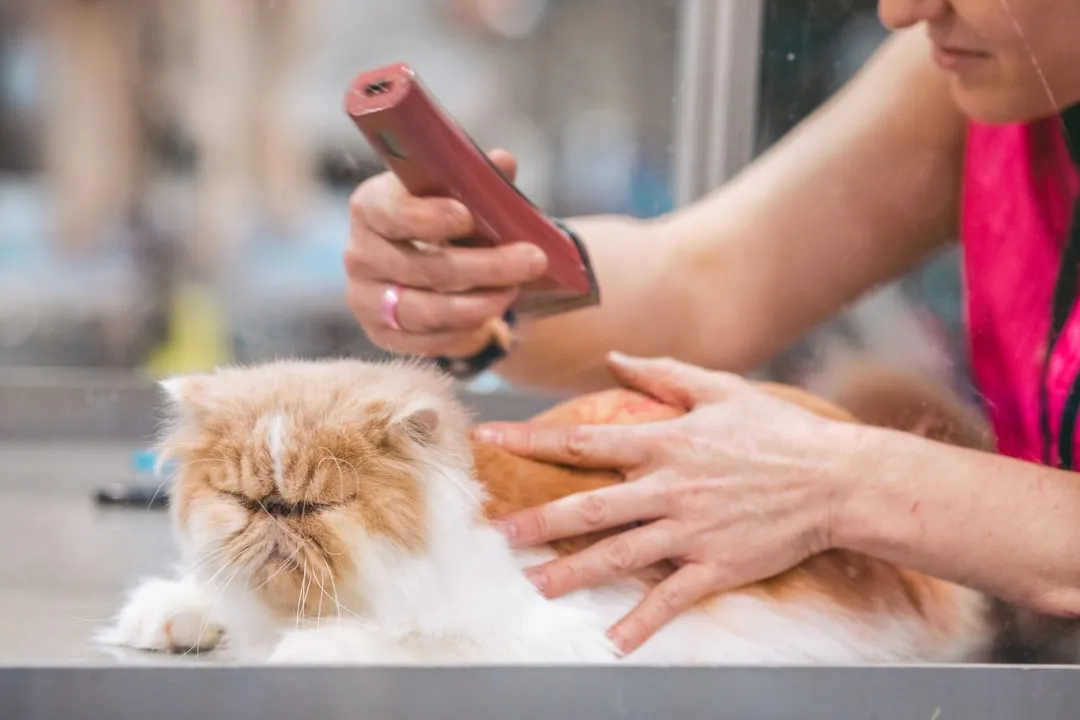
Owners love to joke that cats are “obsessed” with grooming – until one day the coat just looks a bit dull. That shift isn’t cosmetic, it’s clinical. A greasy, unkempt, or slightly matted coat in an older cat often means pain, arthritis, obesity, or illness is making self-care harder than it used to be. On the flip side, over-grooming one specific spot can be just as telling.
Watch for small mats along the lower back or hind legs, or yellowed, dandruffy fur where it used to be sleek. Cats with mouth pain may stop grooming because licking hurts. Arthritic cats can’t twist to clean their backside. Stressed or itchy cats may lick one spot down to bald skin. Instead of writing it off as “she’s old now,” ask why the grooming actually changed.
#8 – Being “Grumpier” or More Withdrawn
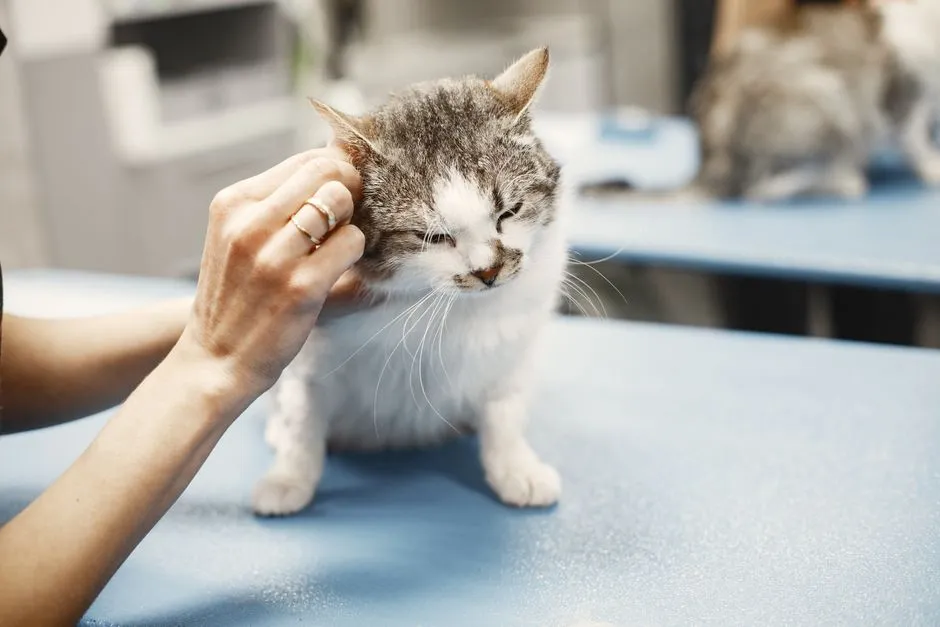
This is a big one that many people flat-out misread. A sweet, social cat who slowly becomes irritable, avoids touch, or hides more often is rarely “just moody with age.” Behavior changes in seniors are frequently pain, fear, or cognitive decline quietly wearing a cat down.
Personality shifts in older cats are medical until proven otherwise.
Common guidance among feline veterinarians
Imagine living with a constant toothache or joint ache – you’d be less patient too. Some owners even scold their older cats for swatting when picked up, not realizing that lifting triggers sharp hip or spine pain. Others assume their cat “prefers to be alone now,” when really they’re conserving energy or avoiding noise that suddenly feels overwhelming. A once-cuddly cat sleeping in the closet is waving a red flag in the only language they have.
#7 – Subtle Night-Time Restlessness or Vocalizing
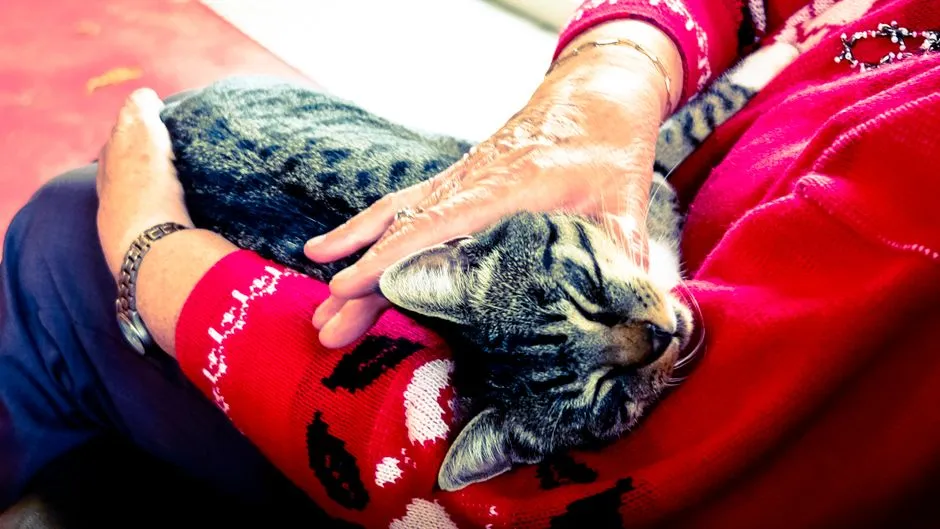
A lot of people laugh off their older cat yowling at 2 a.m. as “drama” or “being annoying.” Many vets disagree. Night-time restlessness and new vocalizing are classic early signs of both pain and feline cognitive dysfunction – essentially cat dementia. Hyperthyroidism and high blood pressure can also make cats more agitated or disoriented once it gets dark.
Look for wandering and crying in the hallway, a lost look in familiar rooms, or repeated waking with no obvious reason. Sometimes simple fixes help – night-lights, steady routines – but many of these cats need a real medical workup, pain control, or medications targeting brain aging. Dismissing it as “old and weird” is one of the quieter mistakes owners make. If your cat seems confused, they probably are, and they need you to notice.
#6 – Missing the Litter Box “Every Now and Then”
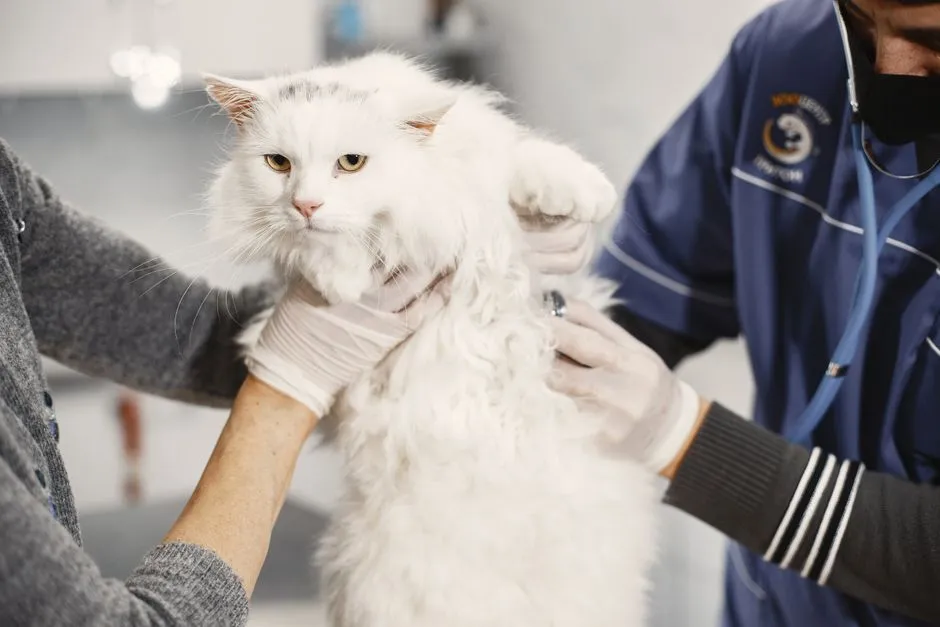
Most people assume an accident outside the litter box is spite or laziness. Feline veterinarians will tell you that’s almost never the case. New or increasing accidents in an older cat are strong signals of pain, arthritis, urinary issues, or cognitive decline. A cat with perfect lifelong habits doesn’t just “forget the rules” for fun.
- Peeing right beside the box because stepping in or squatting hurts
- Pooping near doors or in corners due to confusion or urgency
- Avoiding a box with high sides or stairs because climbing is painful
Stress and litter aversions do happen, but in senior cats they’re often layered on top of real medical problems. A low-entry, easily accessible box can help – but it’s not a substitute for a vet visit. Quietly ignoring accidents is one of the fastest ways to miss a brewing crisis.
#5 – Very Slight Changes in Eye or Pupil Appearance
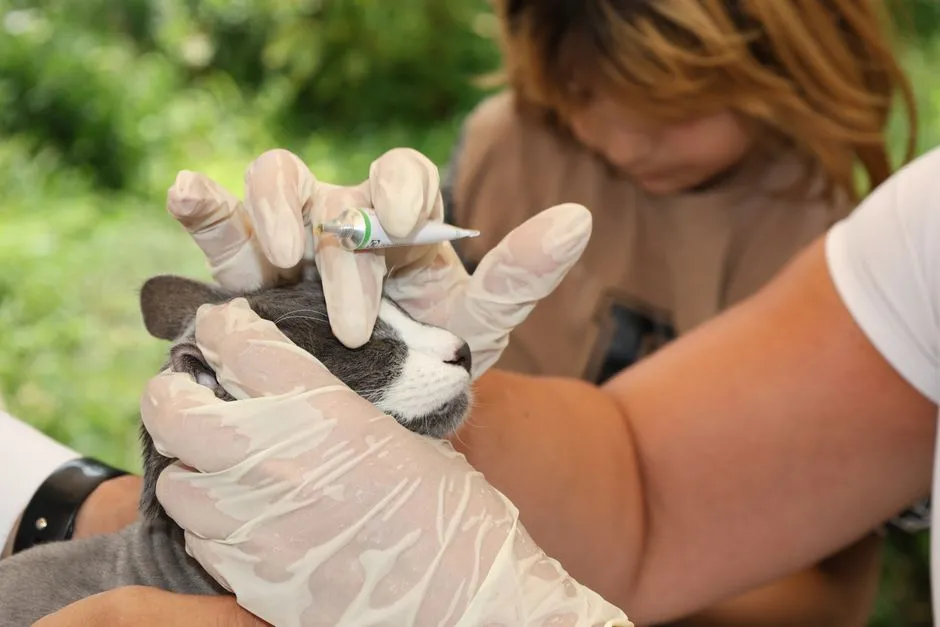
Many owners never really look into their cat’s eyes unless something is dramatically wrong. That’s a mistake. Subtle differences in pupil size between the two eyes, a slight cloudiness, or a new “glassy” look can be early signs of high blood pressure, retinal disease, or other serious issues. High blood pressure in cats, often linked to kidney or thyroid disease, can literally cause sudden blindness if it’s missed.
Watch for one pupil larger than the other in normal lighting, squinting or rubbing at one eye, or more bumping into furniture in dim rooms. These shifts can come and go at first, which makes them easy to dismiss. But eye changes are one of the few places you can actually see internal disease happening. Middle-aged and older cats deserve regular eye and blood pressure checks, not just checkups when they’re already sick.
#4 – A “Slight” Change in Breath or Drooling
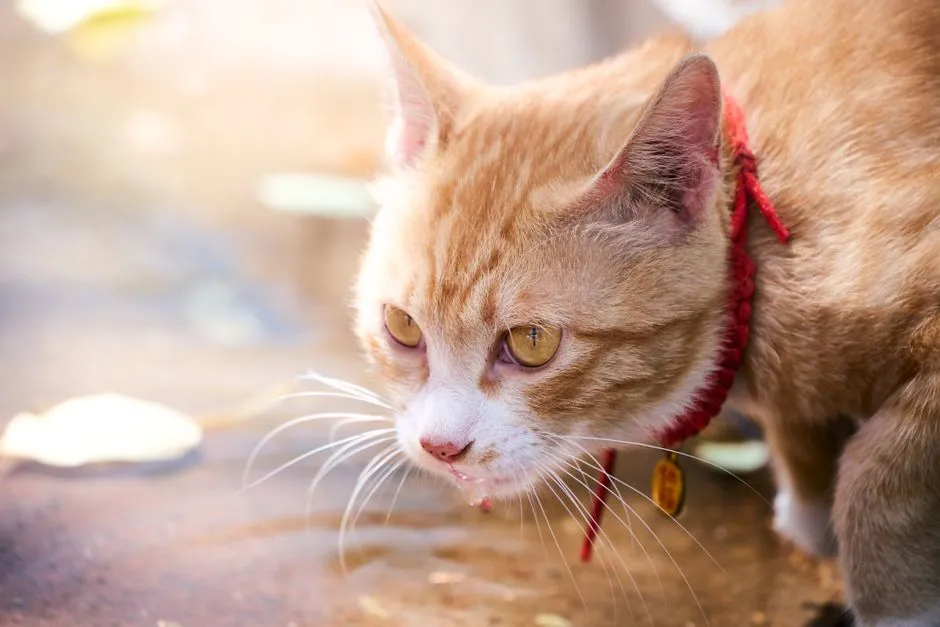
Owners often expect dental problems to show up as a broken tooth or a refusal to eat. In reality, chronic dental disease in cats creeps in slowly. Bad breath that’s suddenly stronger, new drooling, or chewing food on one side only can signal painful gum disease, resorptive lesions, or oral masses that have been building for a long time.
Here’s the unfair part: cats with severe dental pain often keep eating just to survive, so owners assume “if she’s eating, it can’t be that bad.” Meanwhile every bite hurts. Watch the mechanics – dropped kibble, a tilted head, a sudden preference for soft food, pawing at the mouth. Dental pain can also drive grumpiness, hiding, and less grooming. Senior bloodwork and a real oral exam, often under anesthesia, aren’t optional extras. They’re core senior care.
Worth Knowing
- Roughly half to two-thirds of cats already show some dental disease by age 3
- Many cats keep eating normally even with painful gum disease or resorptive lesions
- Bad breath is often the only outward clue until the damage is advanced
- A full picture usually requires dental X-rays under anesthesia, not just a quick look in the mouth
#3 – Tiny Shifts in How They Use Their Claws
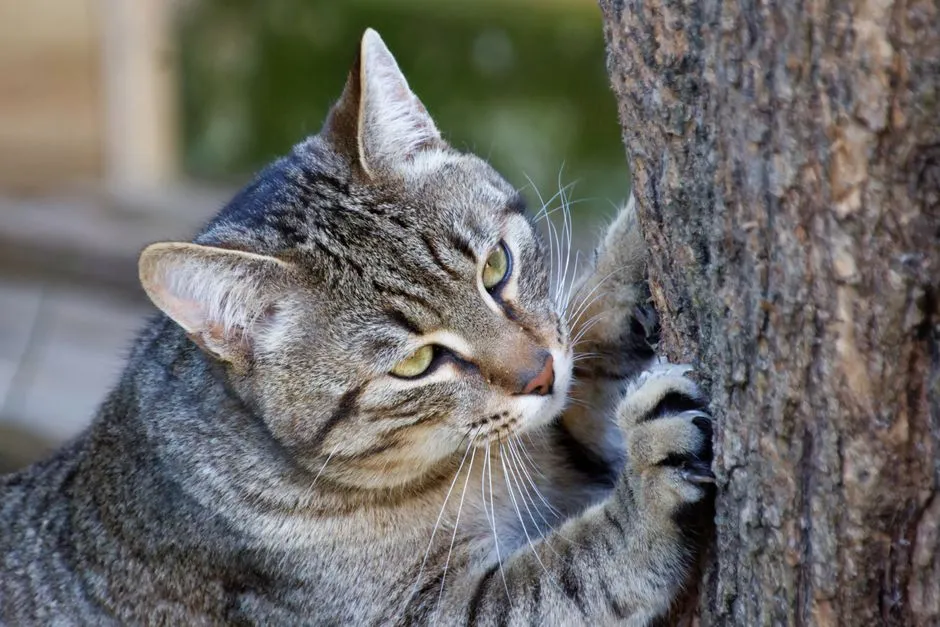
This one flies under the radar constantly. As cats age, changes in claw use can reveal both orthopedic and neurological issues. A senior cat who stops scratching posts, lets nails overgrow, or starts snagging claws in bedding may be dealing with arthritis, muscle weakness, or nerve problems. Long, curling nails aren’t just cosmetic – they can grow into the paw pad and cause real pain.
- Less vertical scratching, because it’s harder to stretch sore joints
- More “accidental” scratches because nails have gotten too long
- New reluctance to have paws handled where they used to be fine with it
Some cats also stop retracting their claws efficiently when there’s nerve trouble or pain, which makes walking on carpet look awkward and stiff. Regular nail trims matter more with age, but they’re also diagnostic – if your once-chill cat suddenly panics during trims, ask why. They might not be “touchier with age.” They might just hurt.
#2 – Moving Slower, But Not Limping
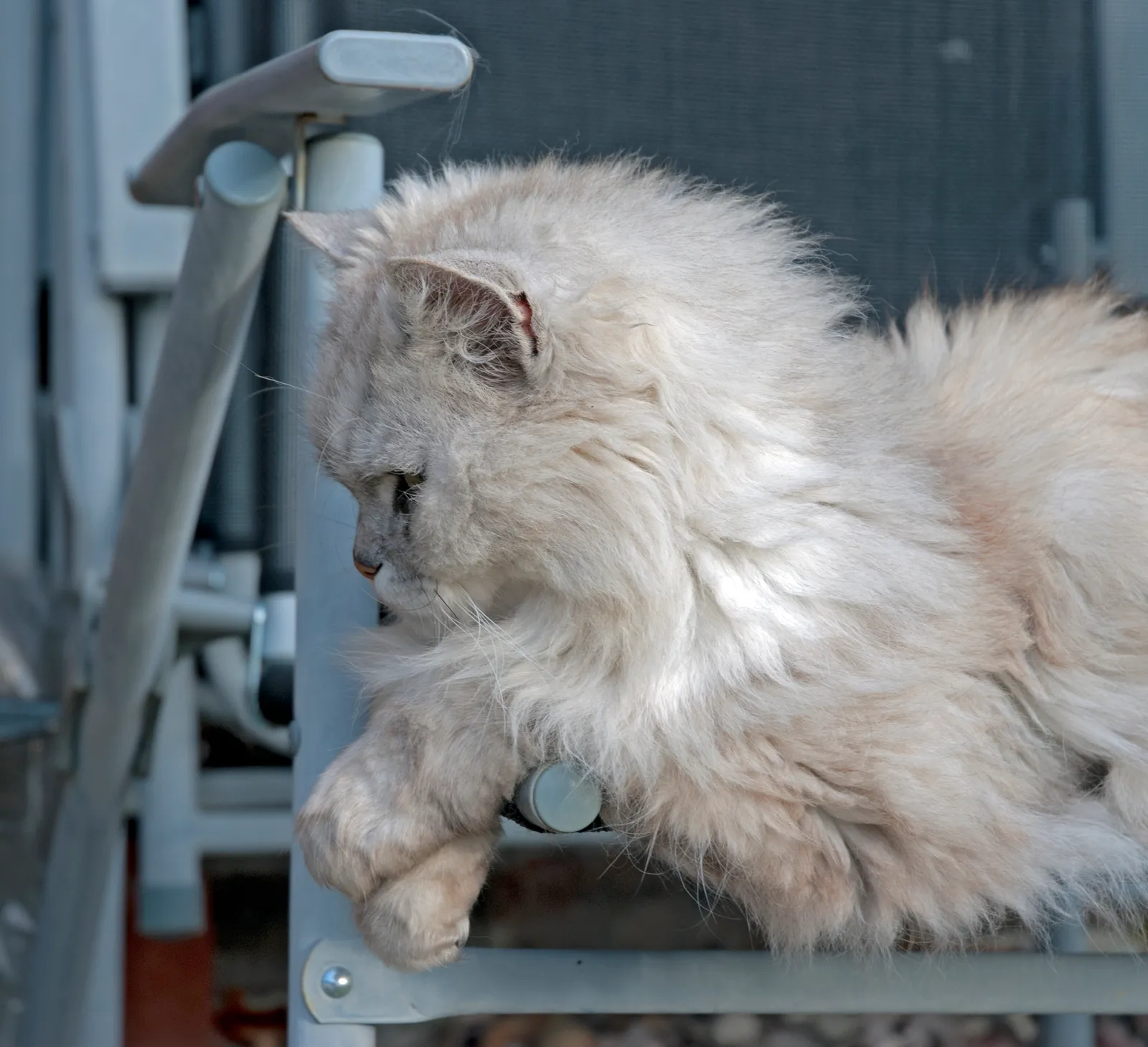
One of the biggest myths is that you’ll see obvious lameness if your cat has joint disease. Feline orthopedists will flatly tell you that’s not how it usually works. Most arthritic cats don’t limp – they simply move less, jump lower, and quietly avoid certain actions. To an untrained eye, it just looks like slowing down with age. To a vet, it screams chronic pain.
Look for the absence of zoomies, stairs taken one step at a time instead of bounded up, a stiffer and more “square” sitting posture instead of a relaxed curl. Owners normalize this because it happens gradually, but joint pain is treatable. There are specialized pain medications, injections, and even physical therapy for cats now. The idea that nothing can be done for an old, stiff cat is outdated – and honestly a little unfair to the animal.
#1 – “Just Not Quite Themselves” Anymore
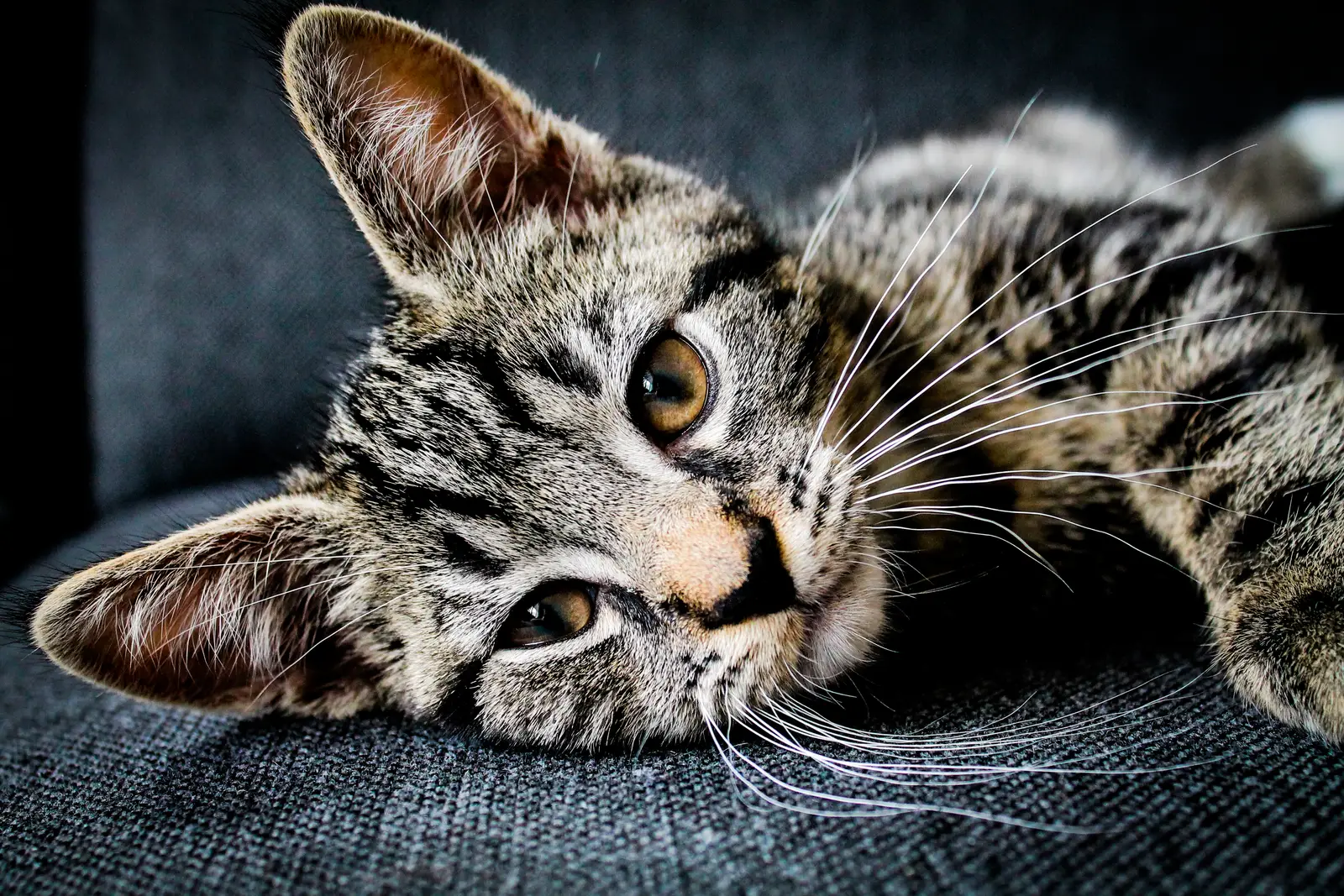
Ask any experienced vet what phrase makes them sit up and listen, and it’s this: “He’s just not himself lately.” It sounds vague, but owners are usually right when they feel something is off, even if they can’t pinpoint exactly what changed.
Maybe your cat is still eating but not greeting you. Still using the box but not playing. Still present, but dimmed. Many of the conditions that hit older cats – kidney disease, cancer, dental disease, arthritis, early dementia – show up as a cluster of small shifts that together add up to that gut feeling of “something’s wrong.” The mistake is waiting for one dramatic symptom to prove it. You don’t need a spreadsheet of changes to justify a checkup. Your lived experience with your cat is data, and when your internal alarm goes off, that is the sign.
The Bottom Line
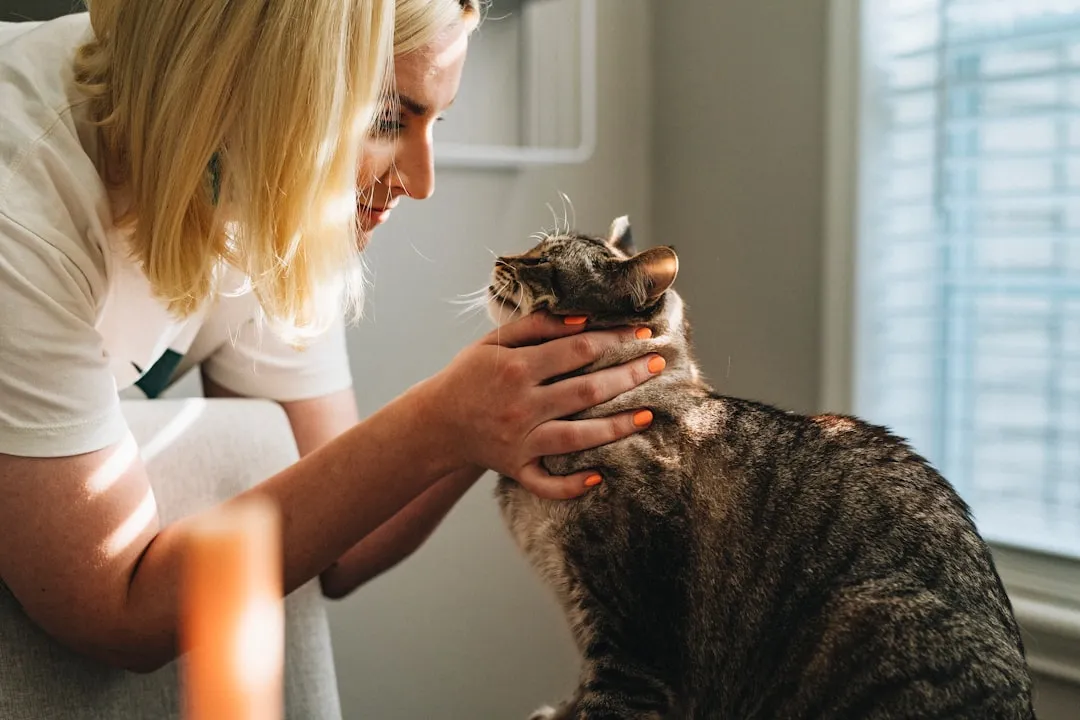
The hardest truth about aging cats is this: by the time they show dramatic, textbook symptoms, they’ve often been struggling silently for months or years. Most people underestimate how stoic cats really are, and they overestimate how “normal” it is for seniors to slow down, hide more, or look a little unkempt.
Vets see the same pattern again and again – owners apologizing for coming in “too early,” and lab work quietly proving they were actually late. The real skill of a good cat guardian isn’t guessing diagnoses. It’s refusing to ignore the small, nagging changes that don’t quite add up.
At a Glance
- Behavior and sleep: more napping, more hiding, less greeting
- Thirst and litter box: drinking more, peeing more, missing the box
- Mobility and joints: hesitating at jumps, moving slower, awkward claws
- Body and coat: quiet weight loss, dull or matted fur
- Senses and mouth: cloudy eyes, bad breath, night-time confusion
If your gut says “this isn’t who my cat used to be,” that’s enough reason to make the appointment. Early intervention doesn’t just add time to your cat’s life – it adds comfortable, dignified years to it. So which of these signs have you already noticed and quietly brushed off – and will you still ignore them now that you know better?

- 18 Regrets Dog Owners Name Most Often That Almost Nobody Warns You About Beforehand - August 2, 2026
- 13 Quiet Changes in Your Aging Cat That Vets Say Mean Far More Than Most Owners Realise - August 2, 2026
- 16 Dog Breeds That Struggle Badly When Left Alone and 8 That Genuinely Prefer Their Own Company - August 2, 2026