
Everyone already knows the big, obvious dog regrets – adopt sooner, pick a calmer breed, don’t buy from a backyard breeder. Those aren’t the ones that actually haunt people.
The regrets that keep long-time owners up at 2 a.m., scrolling through old photos, are smaller, sneakier, and almost never mentioned before you bring a dog home. They’re the quiet decisions that snowball for years – costing money, trust, or time you can’t get back. We asked what real owners, trainers, and vets say when the cute captions stop and the honesty starts. Here are the 18 regrets that come up again and again, and why almost nobody warns you about them in time.
#18 – Underestimating the Lifetime Cost (Not Just the Adoption Fee)

Most people budget for the adoption fee and a cute bed, and stop there. The regret you hear over and over is some version of: “If I’d understood the 15-year price tag, I would’ve planned completely differently.”
Food, grooming, vaccines, flea and tick prevention, emergencies, boarding, behavioral help – even a “healthy” dog can easily cost tens of thousands over a lifetime. Many owners admit the money stress made them resentful at times, even while they loved their dog completely. And the dog usually pays the quiet price first: delayed vet visits, cheaper food, skipped training. The first year tends to be the priciest up front, but senior years often cost more than anyone expects – and the real sting hits when a treatable problem shows up and owners have to ask, “Can we even afford to save them?”
Fast Facts
- Widely cited lifetime cost estimates for dog ownership commonly land somewhere between $15,000 and $50,000+, depending on size and health.
- The first year is usually the priciest, thanks to vaccines, spay/neuter, and initial gear.
- Senior-year vet bills often rival or exceed those early expenses.
- A single emergency surgery can easily run into the thousands – a cost few owners plan for in advance.
#17 – Skipping Pet Insurance or an Emergency Fund
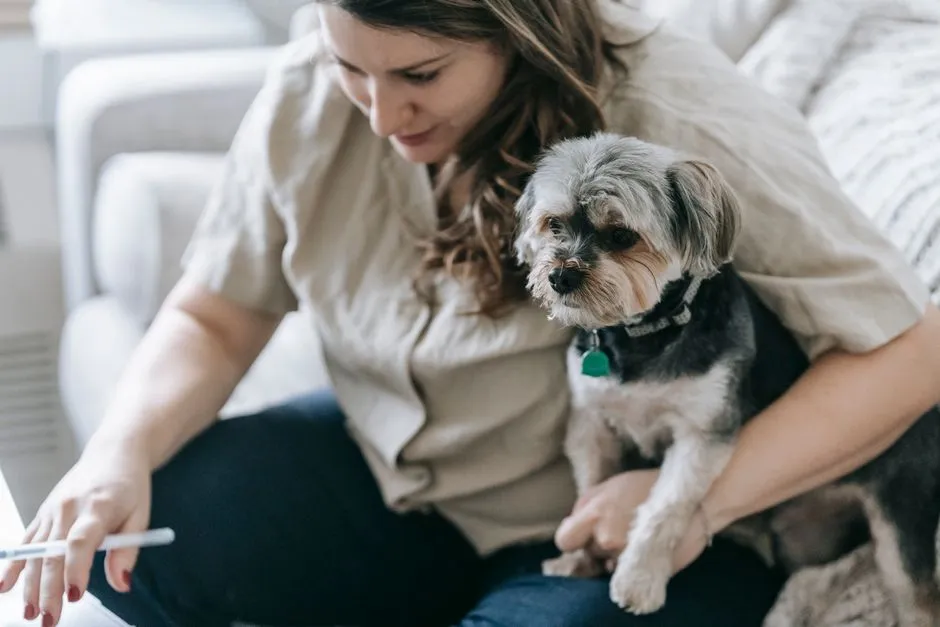
The story is brutally common: a dog tears an ACL, swallows a sock, or needs emergency surgery, and the quote comes back at $4,000 to $10,000. The regret is almost always the same sentence: “We thought this happened to other people.”
Many owners now say their single biggest financial regret was skipping decent pet insurance early, or at least building a real emergency fund before they needed one. Get insured before problems show up and premiums stay lower with fewer exclusions. Wait until after that first “weird” symptom, and suddenly everything is a pre-existing condition. Vets quietly admit they see good, fixable dogs euthanized every week – not because the problem was hopeless, but because the money wasn’t there. That’s a regret people carry for life, even when they know they did their best in the moment.
#16 – Choosing a Breed Based on Looks, Not Lifestyle

Instagram loves huskies in apartments and doodles on white couches. Real life is not nearly that cute. A shocking number of owners admit they chose their dog for looks or trends – fluffy coats, “hypoallergenic” claims, striking eyes – without ever asking about energy level, drive, grooming demands, or noise.
High-drive herding breeds get bored and destructive with nothing to do. Guardian breeds turn anxious or reactive in busy cities. “Low-shedding” often just means expensive, constant grooming instead of vacuuming hair off the couch. The question owners wish they’d asked first is simple: what was this breed originally bred to do? If that job doesn’t fit your actual daily life, the mismatch shows up fast – and it’s usually the dog who pays for it when families quietly rehome a dog they genuinely love.
Quick Compare
- High-energy herding breeds (Border Collies, Australian Shepherds) need a daily “job,” not just a walk – without one, expect chewing, herding the kids, or obsessive fence-running.
- Guardian breeds (livestock guardians, some mastiff-types) often need heavy early socialization to handle city noise, strangers, and tight apartments.
- “Low-shedding” breeds (Poodles, doodles) usually trade vacuuming for professional grooming every four to six weeks.
- Brachycephalic breeds (Bulldogs, Pugs) need careful heat and exercise management because of how they breathe.
#15 – Delaying Proper Training “Until They’re Older”
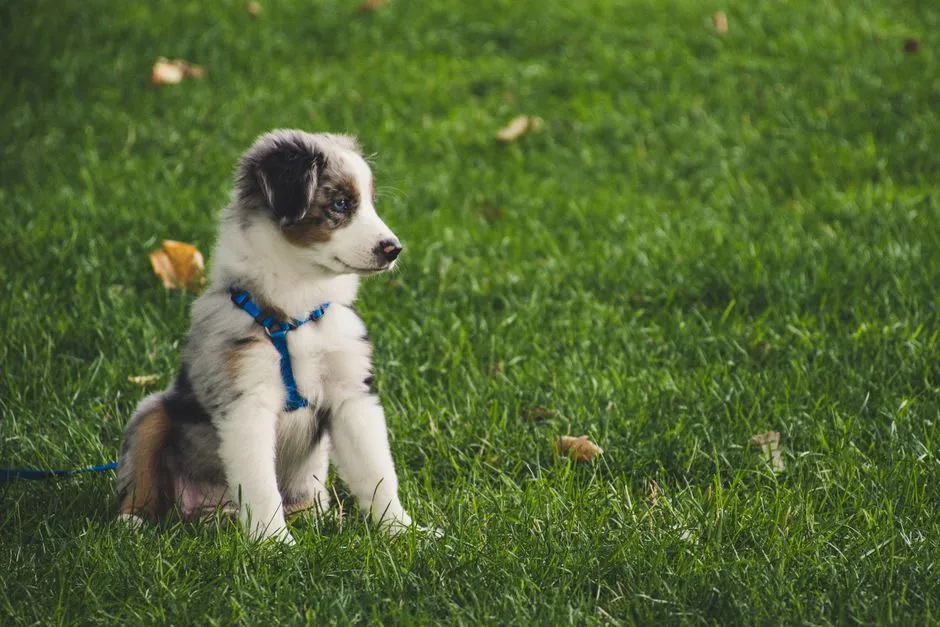
“We figured we’d let her be a puppy first.” Trainers hear some version of this constantly, right before describing a dog whose habits are now years deep.
In reality, the first three to six months at home are when a dog is learning everything – whether anyone is actively teaching or not. Jumping, nipping, leash pulling, resource guarding, ignoring their name: all of it is easiest to shape early. By the time owners finally seek help, those behaviors have been rehearsed thousands of times, which makes them slower and pricier to unwind. Basic training was never about tricks. It’s about safety – a solid recall can save a dog’s life – and sanity, since a dog who can settle and listen gets welcomed almost everywhere. Most people don’t regret over-training. They regret assuming a “good dog” just happens with love alone.
#14 – Treating Socialization as “Meeting Tons of Dogs”

Ask most owners what socialization meant for their puppy, and they’ll say some version of “we took him to the dog park a lot.” That single misunderstanding leads to some of the biggest regrets later.
Real socialization was never about maximum exposure – it’s about controlled, positive, varied experiences. Puppies thrown straight into chaotic dog parks or rough play often grow into fearful, reactive, or over-aroused adults. Many owners realize too late they accidentally taught their dog that other dogs mean chaos and people mean overwhelm. True socialization means neutral or pleasant experiences with new places, people, sounds, and surfaces, plus learning to ignore other dogs, not always engage them. Owners often say they wish they’d chased calm confidence instead of “maximum playtime” – it could have prevented years of leash reactivity.
#13 – Ignoring Early Red Flags in Behavior
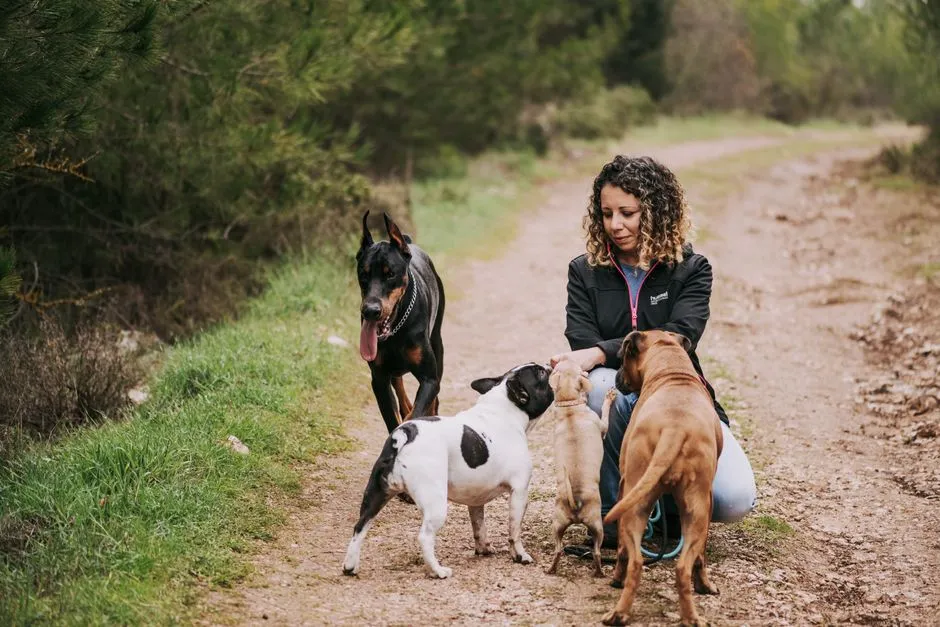
Almost every bite story starts the same way: “Looking back, there were signs.” Growling, freezing, staring, lip-lifting, resource guarding – dismissed as quirks, or “he’s just grumpy sometimes.”
Then one day it becomes a bite, a vet mentioning euthanasia, or a landlord threatening eviction. The cruelest part is that early intervention with a qualified trainer or behaviorist can often turn things around completely – but pride, denial, or bad internet advice delays that call. Dogs stiffening when touched while eating, or snapping “out of nowhere” – which is almost never actually out of nowhere – are the flags people wish they’d taken seriously. The regret isn’t only the bite itself. It’s realizing the dog had been quietly asking for help for months, and nobody translated it in time.
#12 – Confusing Love With Lack of Boundaries
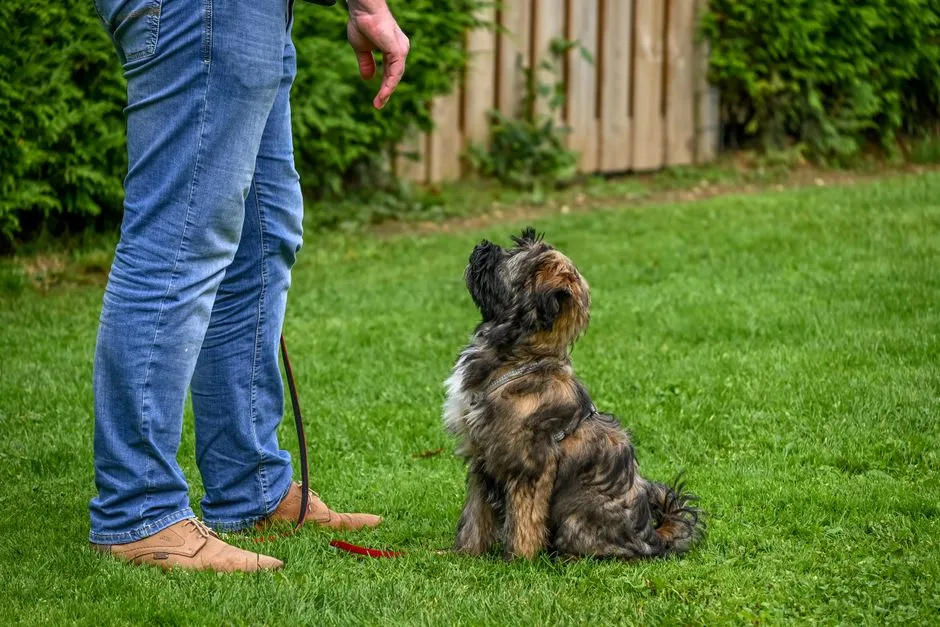
A lot of people secretly believe saying “no” to a dog is unkind. So the demand-barking, the face-pawing, dragging them toward every smell, jumping on guests, sleeping wherever – it all feels sweet and harmless at first.
Fast forward a year, and that “cute chaos” has become constant conflict, resentment, and a dog who’s anxious without any structure to lean on. Dogs actually thrive on clear, consistent boundaries – structure isn’t punishment, it’s safety. Not every dog needs to sleep in the bed. Not every whine deserves a treat. Owners often wish they’d treated boundaries like seatbelts: mildly annoying, occasionally inconvenient, but there to prevent disaster. A dog who understands the rules relaxes into them; a dog who runs the house rarely does. The regret hits hardest when you realize you have to undo a whole personality you accidentally built.
#11 – Neglecting Dental Care Until It’s a Crisis
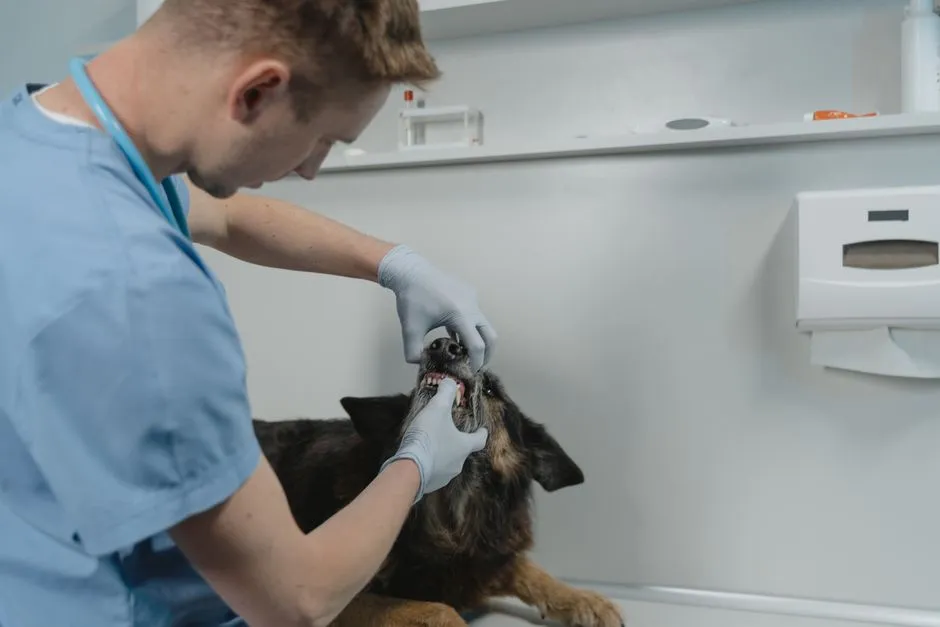
“His breath got bad, but we figured that was just a dog thing.” It almost never is – and dental disease is one of the most skipped, unglamorous topics in dog ownership, right up until the quote for a major cleaning under anesthesia shows up.
Rotting teeth don’t just smell bad. They hurt, they strain the heart and kidneys, and they shorten a dog’s life. Plenty of dogs quietly live in mouth pain for years while their owners assume they’re just “slowing down” with age. Brushing a few times a week, using vet-approved dental chews, and getting timely cleanings could have prevented surgery-level damage in most of these cases. “I’d give anything to rewind five years and start brushing then” is a sentence almost every rescue volunteer has heard – and the guilt behind it is brutal.
#10 – Letting the Dog Become Overweight

Few topics start more arguments than this one. Plenty of owners equate food with love and chubby with cute – right up until the vet quietly mentions arthritis, joint strain, heart issues, or diabetes risk.
Even five to ten extra pounds can shave real years off a dog’s life. Owners often admit, once their dog goes lame or needs pain medication, that the hardest truth was simply: “I did this. I thought I was being kind with the extra treats.” Social pressure doesn’t help either – strangers online will call a lean, healthy dog “too skinny,” so owners overcorrect. But the people who work with dogs professionally are blunt: you should be able to feel ribs easily, not dig for them. The worst part is when arthritis or a torn ACL shows up early, and there’s no fast way to turn back the scale or the clock.
At a Glance
- Vets typically recommend being able to feel a dog’s ribs easily without pressing hard.
- A landmark 14-year Purina study found that lean-fed dogs’ healthy years were extended by 1.8 years, with a median life span of 13 years compared to 11.2 years in the control group.
- Researchers also observed that lean-fed dogs had healthier blood pressures, blood sugar levels and heart rates, with fewer visible signs of aging.
- Even a modest amount of extra weight can add real, lasting strain to joints, hips, and the heart.
#9 – Not Prioritizing Recall Training (Until They Run Off)
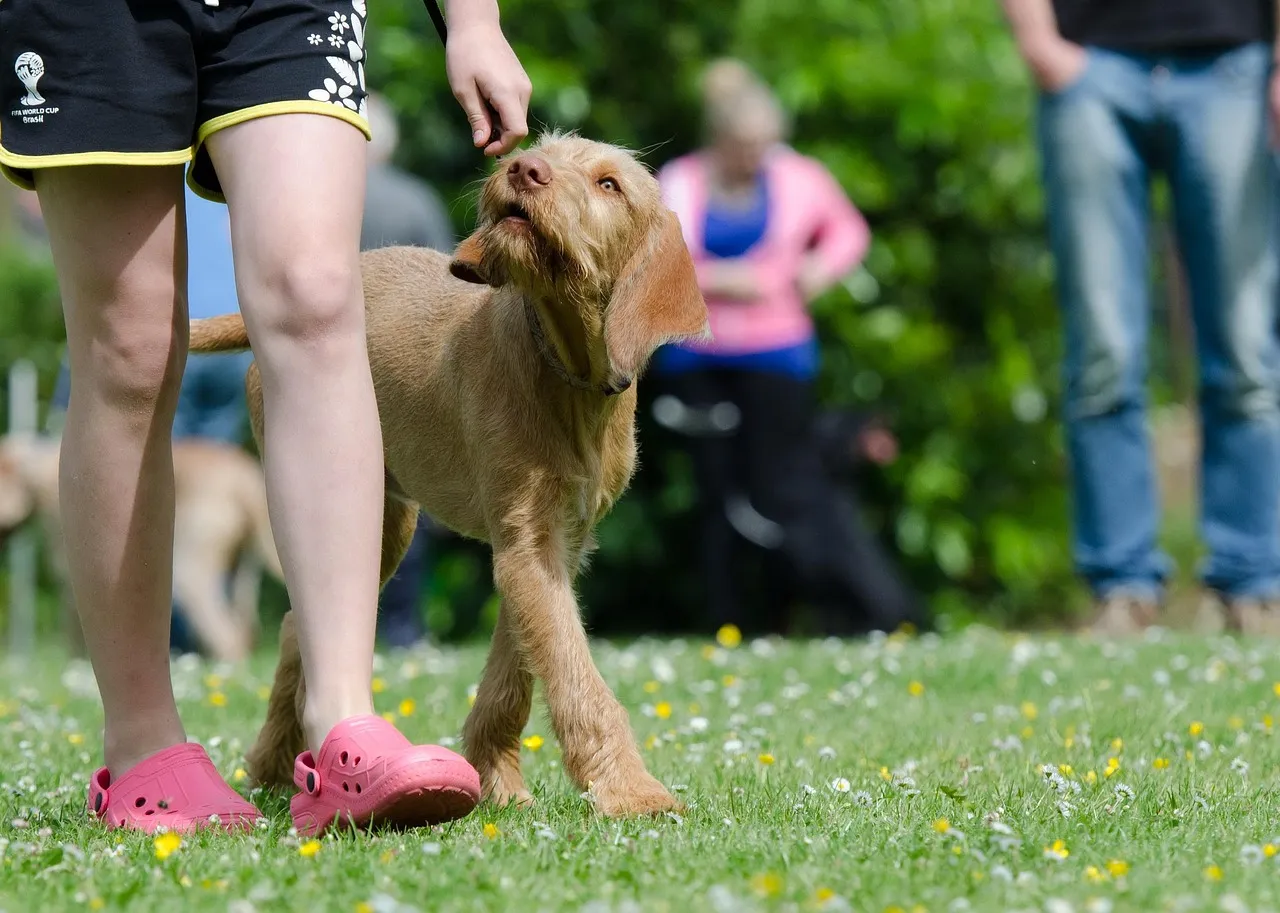
Every “lost dog” poster started with a recall that wasn’t actually solid. People underestimate how many distractions exist outside – squirrels, other dogs, smells, traffic. Calling “come” in a quiet living room means nothing compared to calling it while your dog is mid-chase after a deer.
Owners who’ve had near-misses, or actually lost a dog, say their deepest training regret was never proofing recall in boring environments and chaotic ones alike, and never treating it as non-negotiable. Recall needs to be the single most rewarded behavior in a dog’s life. “He usually comes back” isn’t a plan – it’s luck running out slowly. Too many people only get serious after a fence jump, a gate left open, or a dog bolting from fear, and one bad moment can erase years of “he’s always been fine.”
#8 – Assuming the Dog Will “Be Fine” Without Enough Mental Stimulation
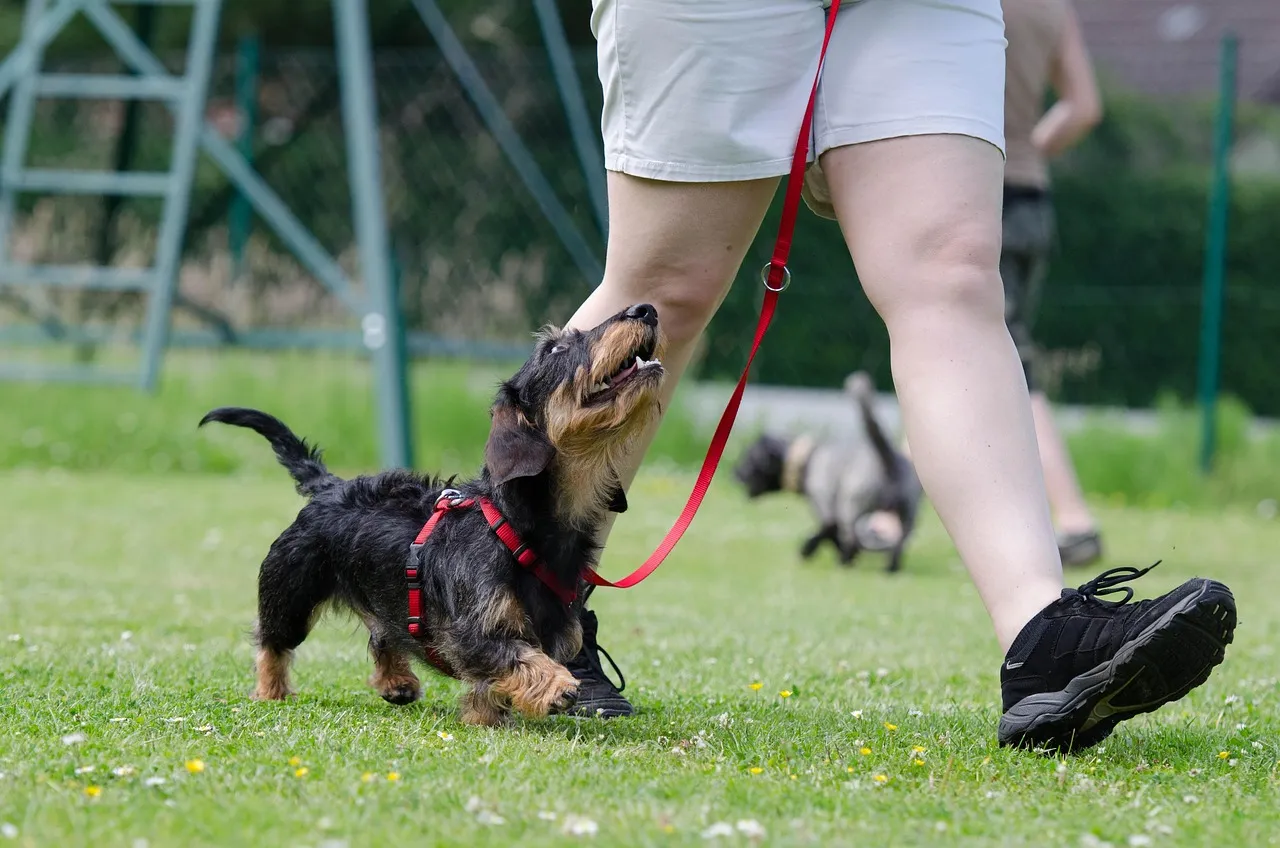
People obsess over walks and completely ignore the brain. Bored dogs chew furniture, bark constantly, dig, and “act out” – and many owners punish the symptom while ignoring the actual cause: most dogs were bred to do a job, not sit idle for ten hours while their humans work.
Stuffed Kongs, sniff walks, training games, and puzzle feeders aren’t luxury extras – for a lot of dogs, they’re the entire difference between calm and chaos. Here’s what surprises most owners: a ten-minute training session can tire a dog out more thoroughly than a thirty-minute walk, because mental fatigue is real and often deeper than physical fatigue. The regret usually shows up after months of “bad behavior” and a few destroyed couches, right after someone finally tries enrichment and wonders why nobody mentioned it sooner.
Why It Stands Out
- A short 10-15 minute training session can tire a dog out more than a half-hour walk.
- Sniff walks let dogs use their nose – arguably their most powerful sense – instead of just their legs.
- Puzzle feeders and frozen treats turn mealtime into a slow, satisfying mental workout.
- Rotating the same toys weekly keeps novelty high without spending another dollar.
#7 – Relying on the Dog Park as the Main Outlet
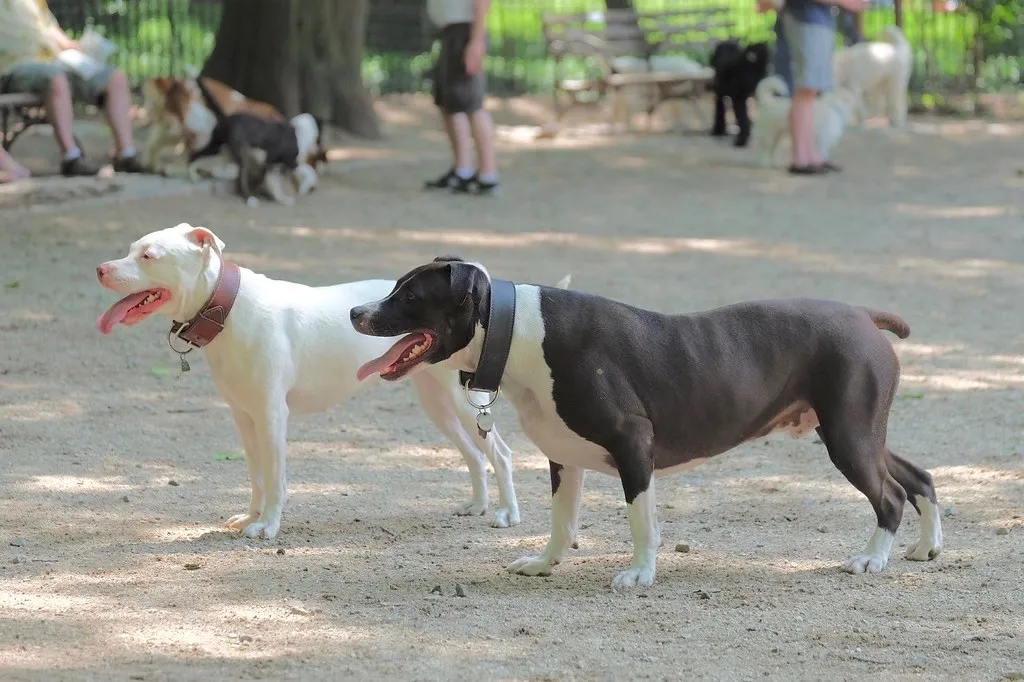
Dog parks are one of the most quietly controversial tools in dog ownership. Some dogs genuinely do fine there. Plenty do not – and owners often say their biggest regret was treating the dog park as the default, with daily visits, zero structure, and constant rough play.
Over time, that dog becomes overstimulated, rude with other dogs, or leash-reactive, because it’s learned that every dog is a potential wrestling partner. Fights and bad experiences there can permanently reshape a dog’s behavior. A tired dog from chaotic play is not the same thing as a fulfilled dog – structured walks, small playgroups, training classes, and sports tend to hold up better, which is part of why many behavior professionals avoid dog parks entirely for their own dogs. Owners whose dogs were attacked there often say, flatly, “We’d never go back if we could redo it.”
#6 – Not Setting Up a Solid Plan for When Life Changes
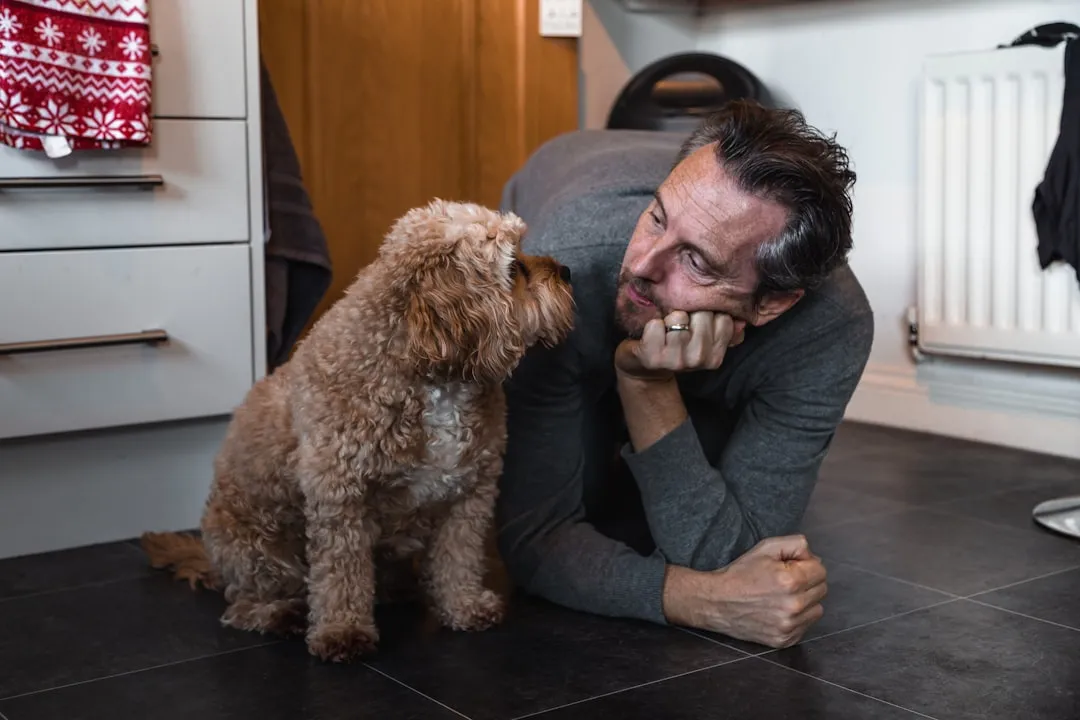
Everyone assumes they’ll “figure it out” when life shifts. Then a breakup, a move, a new baby, a job loss, or an illness lands, and suddenly the dog is caught in the middle of human upheaval nobody planned for.
Many owners deeply regret never having a trusted backup caretaker who truly knows the dog, or a realistic plan for a sudden move or hospitalization. Rescues are full of dogs surrendered for “life changes” that were, honestly, predictable – just emotionally denied until there was no other option. Owners often confess later that their dog’s world quietly shrank for months or years first: less exercise, more crate time, less real engagement, before anyone admitted something needed to change. The regret isn’t the life change itself. It’s staying silent about it while the dog absorbed all the fallout.
#5 – Waiting Too Long to Address Anxiety and Fear
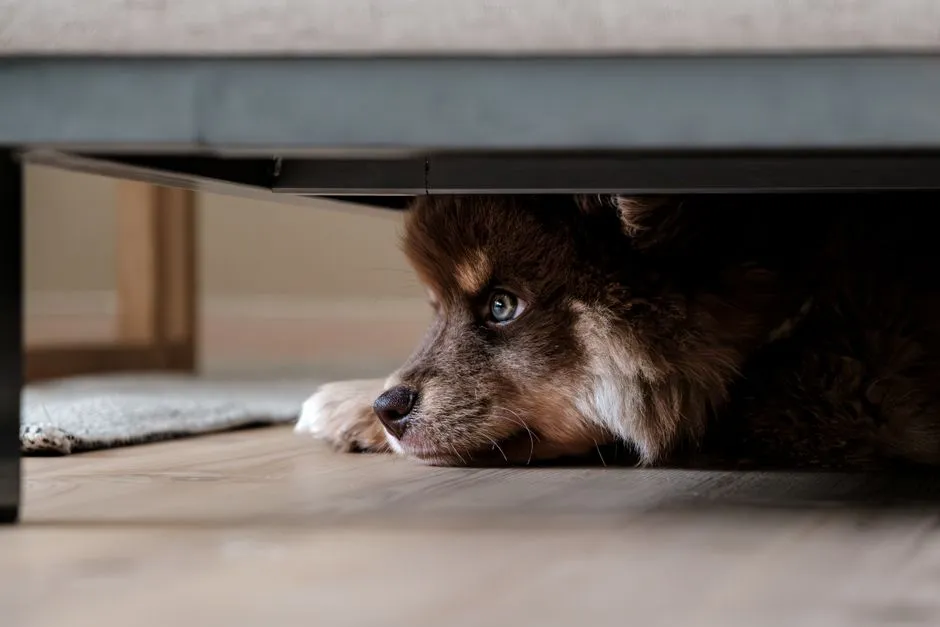
“Maybe he’ll grow out of it” might be the most expensive belief in dog ownership. Noise sensitivity, separation anxiety, fear of strangers, car phobia – owners hope time alone will fix it. It almost never does; anxiety tends to get worse without real intervention, not better.
Left unaddressed, dogs can spiral into full panic – destroying crates, injuring themselves, biting out of fear, becoming nearly unmanageable. By then, rehab is slower, harder, and far more expensive. Early support can look surprisingly gentle: gradual desensitization, vet-guided medication when appropriate, and environmental changes that make life predictable and safe. Owners frequently regret listening to people who called medication “a cop-out” or insisted the dog “just needs more discipline.” You cannot punish fear out of a dog – and the regret is knowing they suffered longer than necessary because the humans around them were uncomfortable taking it seriously.
Worth Knowing
- Pacing, panting, or drooling before you even leave the house is often an early anxiety signal, not “guilt.”
- Destructive behavior that only happens when the dog is alone usually points to separation anxiety, not spite.
- Hiding, trembling, or trying to escape during storms and fireworks rarely fades on its own with time.
- Gradual desensitization, paired with vet guidance when needed, tends to work far better than “tough love.”
#4 – Not Taking Enough Photos and Videos of the “Boring” Days
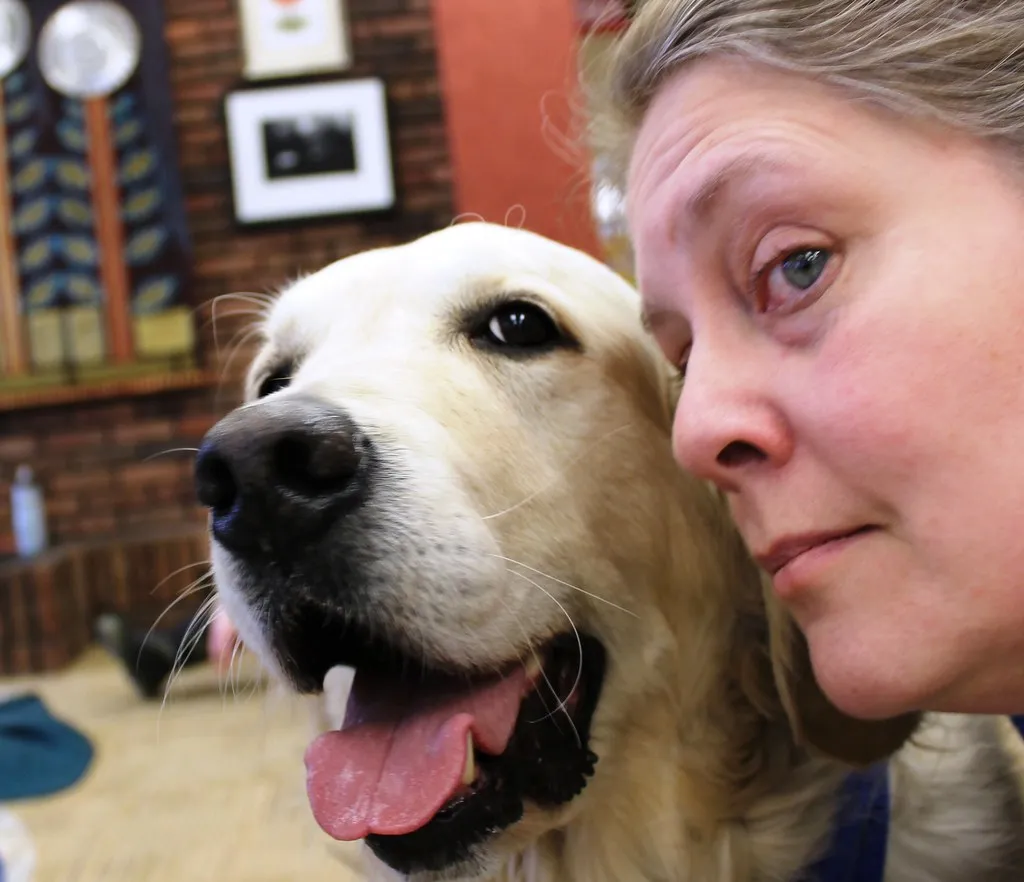
This one hits hardest, usually right after it’s too late to fix. Everyone snaps puppy pictures. Almost nobody records the everyday stuff – the way a dog curls on the couch, snores, tilts its head at a certain word, does that same weird morning stretch every single day.
Owners endlessly regret documenting only the posed, “special” moments and skipping the daily rituals that actually built the bond. When the dog is gone, it’s the ordinary that aches the most. The good news is this regret is fixable today, for free – short, imperfect clips matter more than staged shoots, and nobody has ever looked back and wished they had fewer videos of their dog. People who’ve lost a dog say they’d trade almost anything for one more ten-second clip of that tail wagging on a random Tuesday.
#3 – Avoiding Tough Conversations About End-of-Life
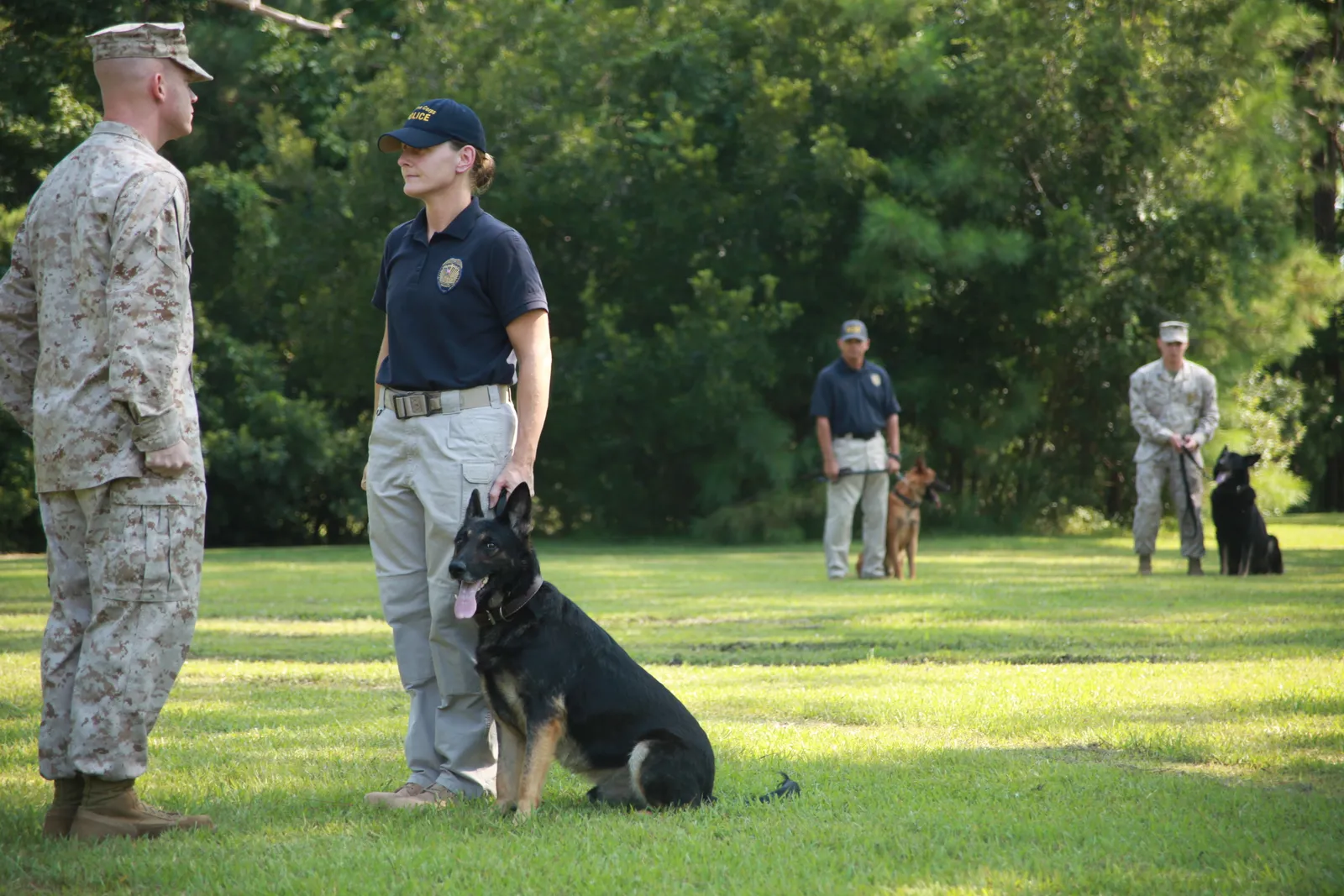
Most owners wait far too long to even think about the end, afraid that discussing euthanasia, quality-of-life scales, or pain management will somehow “make it real.” So they push it off – until one awful crisis forces a rushed decision under fluorescent lights at 2 a.m.
Later, they regret never understanding the options, the dog’s actual suffering level, or what a calm, planned goodbye could have looked like instead. Dogs hide pain extremely well – “still eating” does not mean “not suffering” – and choosing euthanasia a little early is often kinder than waiting until it’s obviously too late. Many owners say they’d give anything to trade that panicked, emergency ending for a quiet farewell at home, surrounded by familiar smells and people. The regret isn’t just losing the dog. It’s how they had to leave.
#2 – Expecting a Dog to Fill a Human-Sized Void
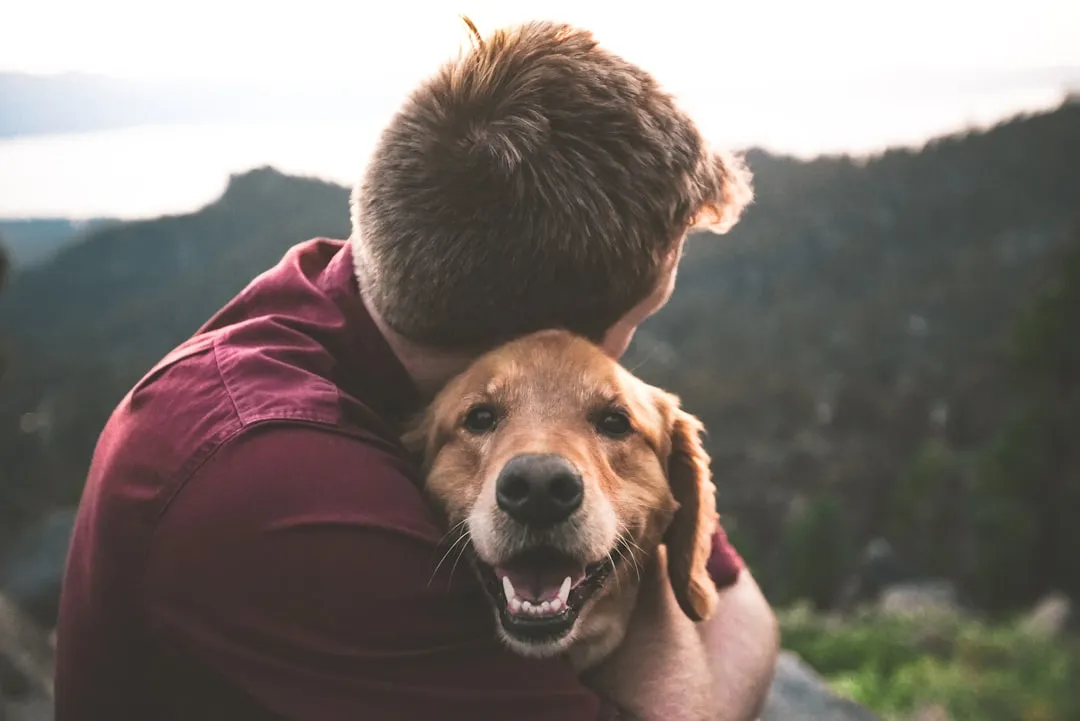
This is the regret almost nobody admits online but plenty confess in private. Some people adopt to fix loneliness, heal from a breakup, or “save” a difficult dog just to feel needed. Dogs can absolutely support our mental health – but they were never built to be emotional support machines with fur.
When the dog turns out to be anxious, reactive, demanding, or just normal and inconvenient, owners feel blindsided and sometimes quietly resentful. The dog ends up carrying the weight of a person’s unaddressed grief, trauma, or isolation – added responsibility, not just comfort, needing your stability far more than you need their distraction. The regret usually sounds like, “I wasn’t as emotionally ready as I thought, and my dog paid for it.”
Dogs are not our whole life, but they make our lives whole.
Roger Caras
#1 – Realizing Too Late That You Treated Them Like a Phase, Not a Family Member
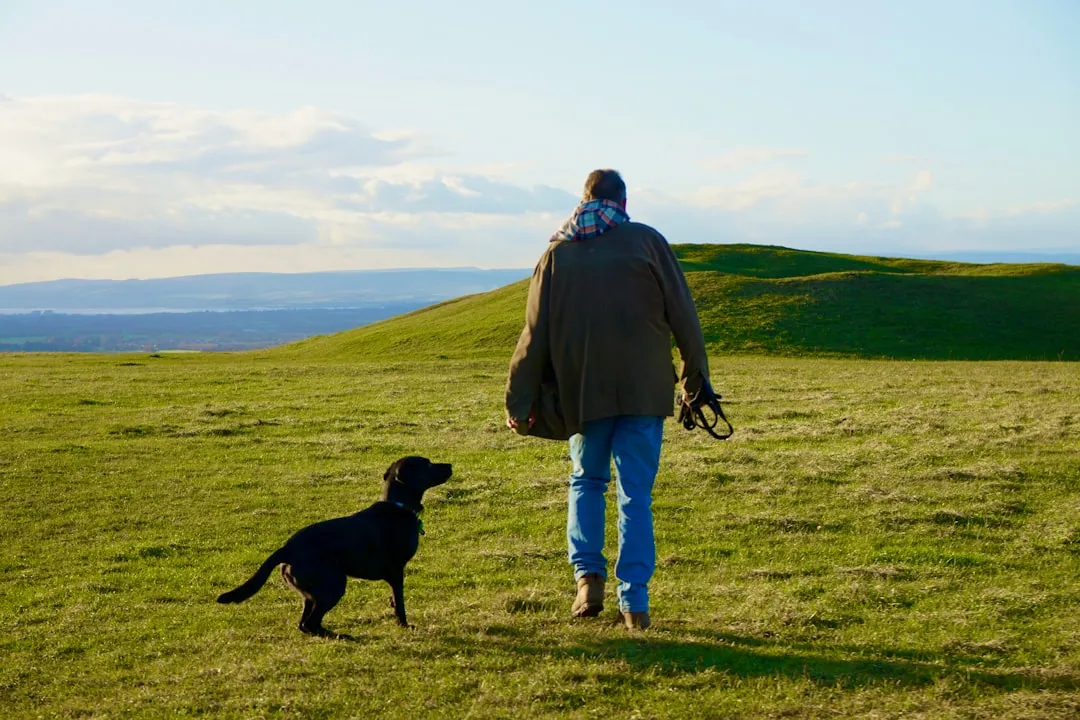
Here’s the gut punch most owners never see coming. In the moment, it feels harmless to skip a walk, put off training, scroll instead of playing, or board them somewhere “good enough” instead of canceling a trip. Years pass exactly like this.
Then one day the dog is gray-faced and slower, and every “later” has quietly run out. Owners look back and realize they lived as if there would always be more time – more hikes, more cuddles, more chances to listen instead of shush, to explore instead of rush. The confession that comes up again and again from people whose dogs have died is simple and brutal: “I thought we had more time. I treated them like background noise, not a once-in-a-lifetime friend.” You can’t fix the past. But you can choose differently with the one staring at you right now.
The Bottom Line
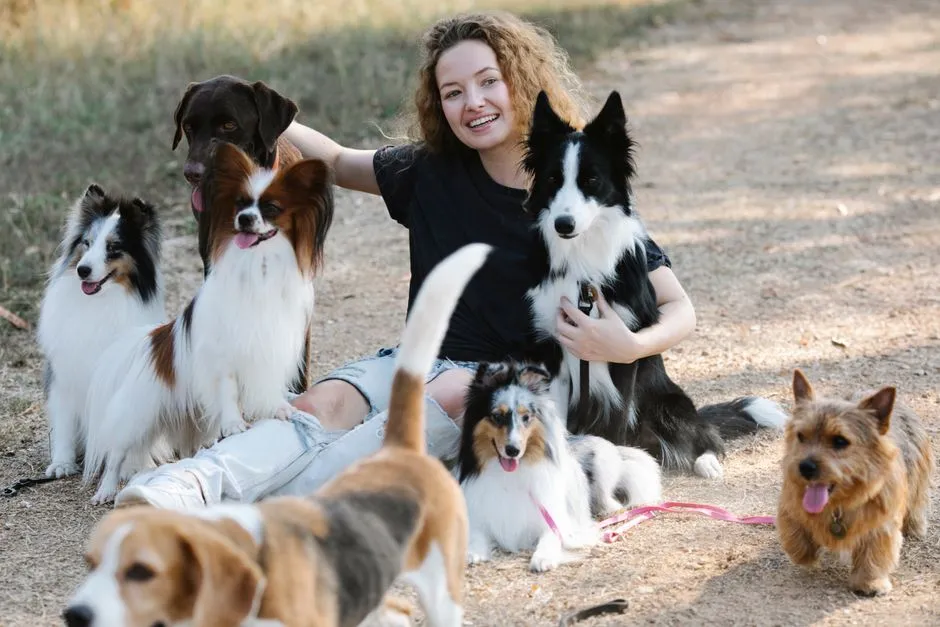
When dog owners talk honestly – not in cutesy captions, but in late-night messages and tearful vet-office confessions – these are the regrets that surface again and again. Almost none of them are about picking the “wrong” dog.
They’re about underestimating what real care, real commitment, and real presence actually mean over ten to fifteen years. Money, training, boundaries, insurance, enrichment, tough medical calls – none of that is a side quest. It’s the job. Some people will call this list “too intense” or dramatic. Ask anyone who’s already said goodbye to their dog, and they’ll tell you the bar looks very different afterward – which one of these hits you hardest, and what would you add?

- 18 Regrets Dog Owners Name Most Often That Almost Nobody Warns You About Beforehand - August 2, 2026
- 13 Quiet Changes in Your Aging Cat That Vets Say Mean Far More Than Most Owners Realise - August 2, 2026
- 16 Dog Breeds That Struggle Badly When Left Alone and 8 That Genuinely Prefer Their Own Company - August 2, 2026