
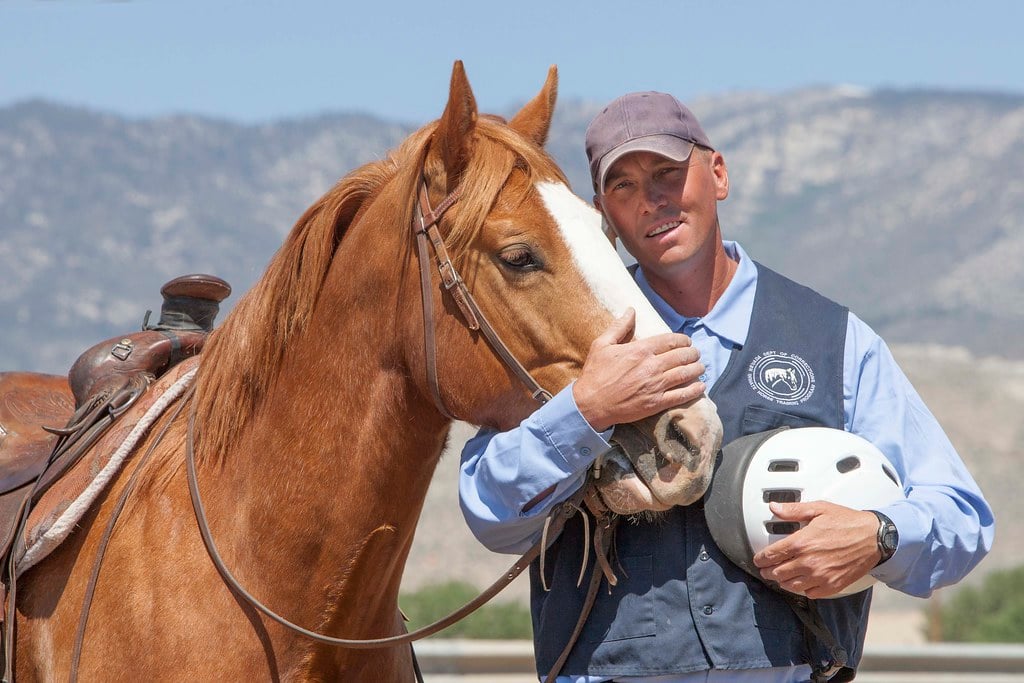
Forget the movie moment where a horse spots its favorite human across a field and comes thundering over in slow motion, mane flying, dust kicking up behind it. That’s Hollywood. In real barns, the horses with the deepest bonds barely move at all.
They go quiet. They go still. They do a dozen tiny, almost boring-looking things that most visitors would walk right past without noticing. But trainers who’ve spent years elbow-deep in this world know exactly what they’re seeing, and once you learn to spot it, you’ll never watch a horse greet someone the same way again.
#14 – It Drops Its Head Just for You
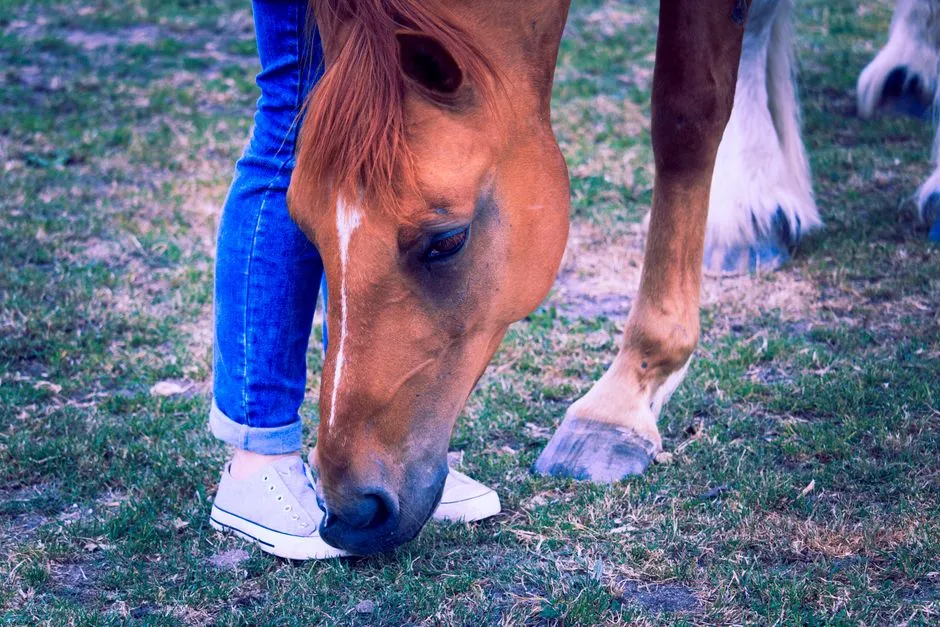
A relaxed horse doesn’t throw its head high and snort like it’s posing for a poster. When a horse trusts one specific person, it will often lower its head and neck around them in a way it simply doesn’t with anyone else. This isn’t the same as being sleepy or bored – in prey-animal terms, a dropped head is a full-body announcement that says, “I’m not on guard right now.”
Around most people, plenty of horses stay a little “up”: neck tight, eyes scanning, ready to move at the first weird noise. Around their person, that tension quietly melts.
- You walk up, and the head softens and drops before you’ve even said a word.
- You clip the halter, and instead of bracing, they let out one long exhale.
A chronically high-headed horse that suddenly relaxes its poll and starts breathing with you is quietly telling on itself. People chase big, dramatic “connection” tricks, but this one subtle posture change is what real horse behaviorists actually watch for.
#13 – It Tracks You With One Ear, Even While “Ignoring” You
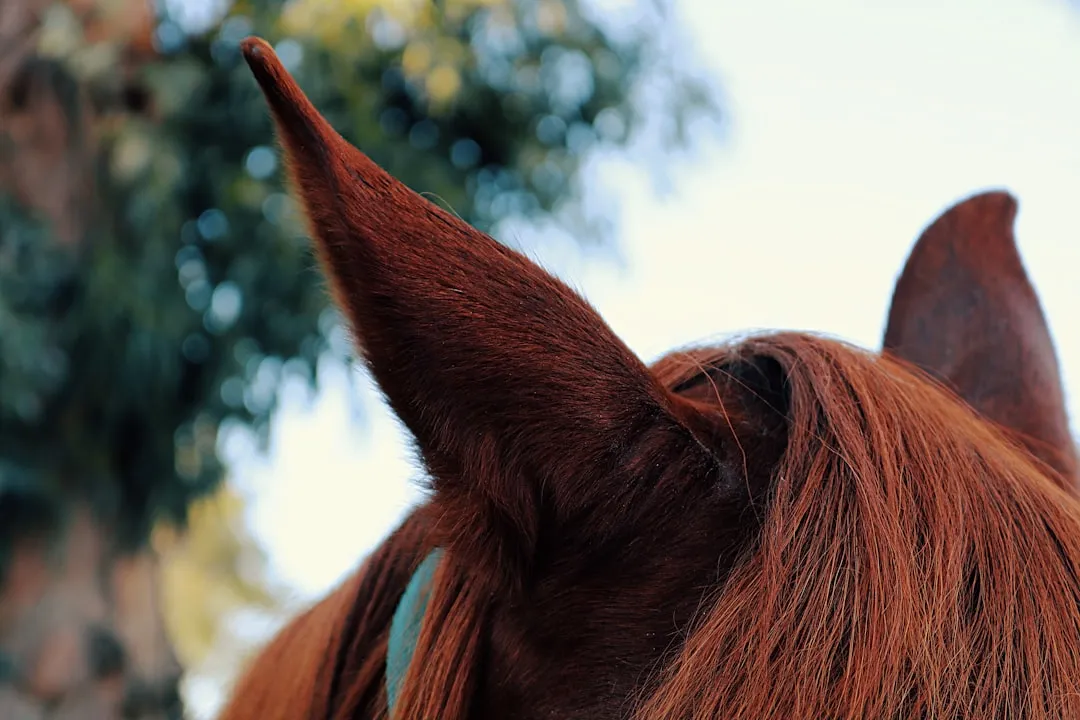
To the untrained eye, it looks like the horse is just grazing, half-checked-out. To someone who knows what they’re looking at, that one ear tilted back toward you is a dead giveaway. A bonded horse doesn’t need to stare at you the whole time – it just quietly keeps you on its radar.
One ear stays pointed at the world. The other swivels toward you, tracking your every move without the horse ever turning its head.
Fast Facts
- Horses’ ears can move 180 degrees using 10 different muscles, compared to three muscles for the human ear, letting a horse aim one ear at you and one at everything else.
- Horses have a 350 degree field of vision due to their eye placement, so that quiet ear-tracking is happening alongside an almost panoramic view.
- The result: a horse can seem totally checked-out while still keeping precise tabs on exactly where you are.
- You walk behind them, and one ear locks onto your footsteps.
- You speak softly, and only your voice makes that ear flick.
This isn’t fear. A genuinely worried horse pins both ears back or goes full radar toward danger. A bonded horse stays relaxed but always seems to know exactly where its person is, and only that person earns this constant, quiet tracking. Riders obsess over eye contact, but trainers know the ear tells the real story.
#12 – It Checks In With Gentle Nuzzles, Never Pushy Demands
Most people assume any nuzzling means affection. It doesn’t. A horse that shoves you, digs through your pockets, or bangs its head into your chest is often just being rude, or anxious, not loving. The horse that has truly bonded with one person shows something different: a light, polite check-in.
It might touch its muzzle to your arm, your back, your shoulder, and then quietly pull away again, like it just needed to confirm something.
- No rooting around in your pockets for treats.
- No slamming its head into your chest to demand attention.
Instead you feel a soft touch and a pause, almost like a question: “You good?” That’s how a prey animal asks for reassurance without demanding it. Around others, the same horse may be all business or even distant. Around its person, those quiet, almost apologetic nudges show up, and they’re easy to miss unless you already know what you’re looking for.
#11 – It Mirrors Your Breathing and Body Tension
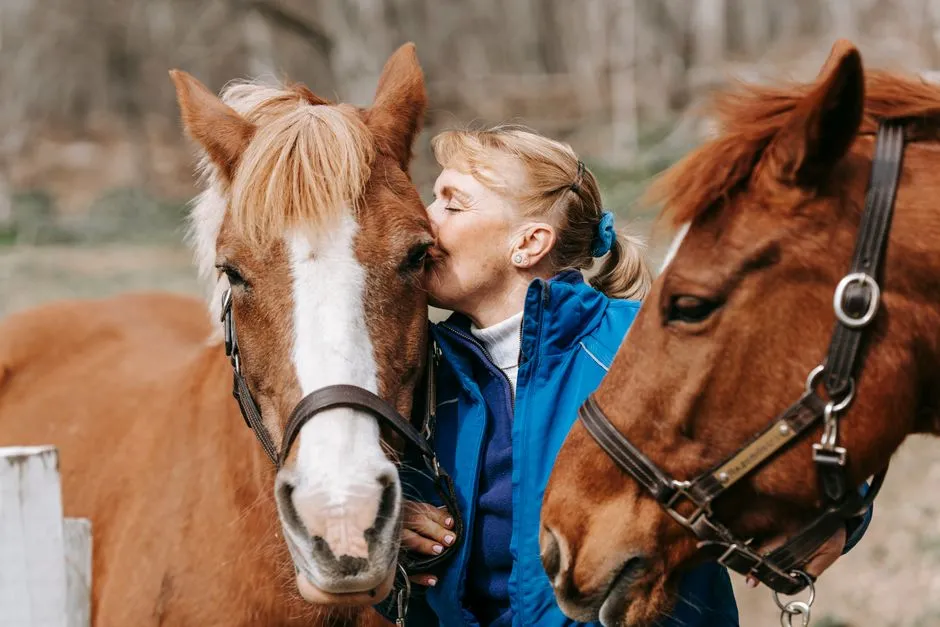
Most riders obsess over “mirroring” once they’re in the saddle, but the strongest proof of a bond actually shows up on the ground. A deeply connected horse will quietly sync its nervous system to yours. Exhale slowly beside it, and its breathing starts to match. Let your shoulders drop, and its muscles soften right along with them.
This isn’t magic, it’s biology. Horses survive by reading tiny changes in the animals around them. A bonded horse has quietly filed you under “herd.”
- You yawn, and your horse follows a moment later.
- You stand relaxed, and the horse rests a hind leg and zones out beside you.
Horses mirror the humans they trust so closely that people who blame their “hot” horse are often just describing themselves.
Common observation among experienced horse trainers
#10 – It Chooses to Stand Close Without Ever Crowding You
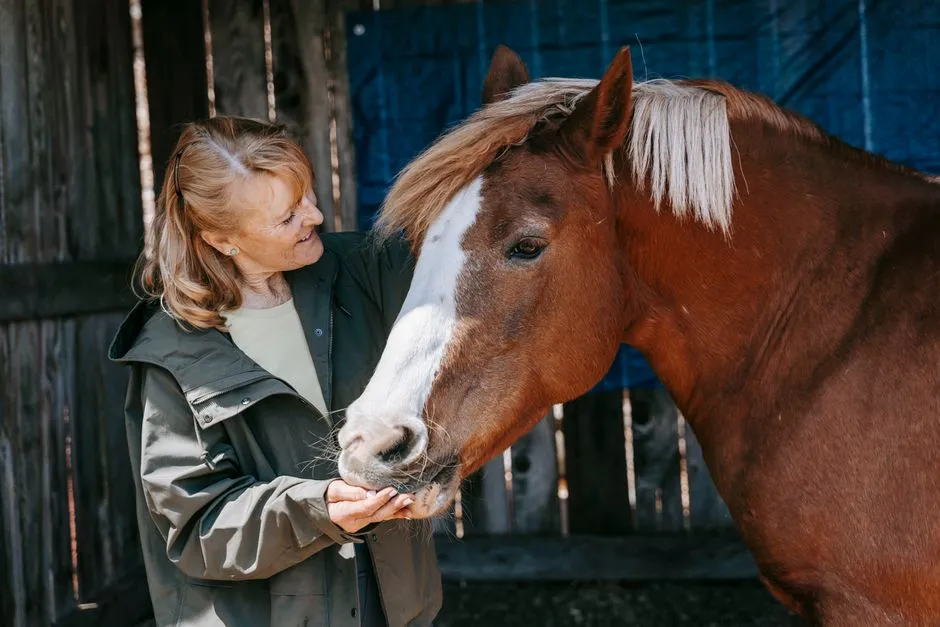
A horse that crowds your space isn’t being “lovey,” it’s being disrespectful or insecure, and most experienced handlers know the difference immediately. The more interesting sign is the horse that quietly chooses to stand near you, without leaning, shoving, or hovering right on top of you.
It drifts to your side and just stays there, at a polite distance, making no fuss about it. No rope pressure. No grain bucket. No bribe. Just proximity.
- You’re cleaning stalls, and it stands in the corner closest to you.
- You’re chatting with someone, and it quietly positions itself near your shoulder.
This is how a herd animal says, “You’re my safe spot,” without smothering you. Owners often brag about a horse that “won’t leave them alone,” but trainers are far more impressed by the horse that simply chooses your bubble on its own and settles into it.
#9 – It Lets You Touch Its Most Vulnerable Spots Without Flinching
Prey animals hide their weak points. A horse that barely knows you will stiffen the second you touch the belly, the flank, the inside of the hind legs, or the face near the eyes and ears. Those are the spots a predator would go for, and instinct doesn’t just switch off.
A horse that has truly bonded with one person quietly grants access to all those “no go” zones. It lowers its head into your hands for an ear rub. It presents a hip and relaxes, trusting you completely not to hurt it.
Standing still while someone handles its sensitive areas is one of the clearest trust signals a horse can offer. Around others, the same horse might swish its tail, shift away, or tighten up. Around its person, the skin stays soft, the eyes half-close, and the whole body goes quiet. That’s not training alone. That’s emotional safety.
#8 – It Waits for Your Cue Instead of Reacting First
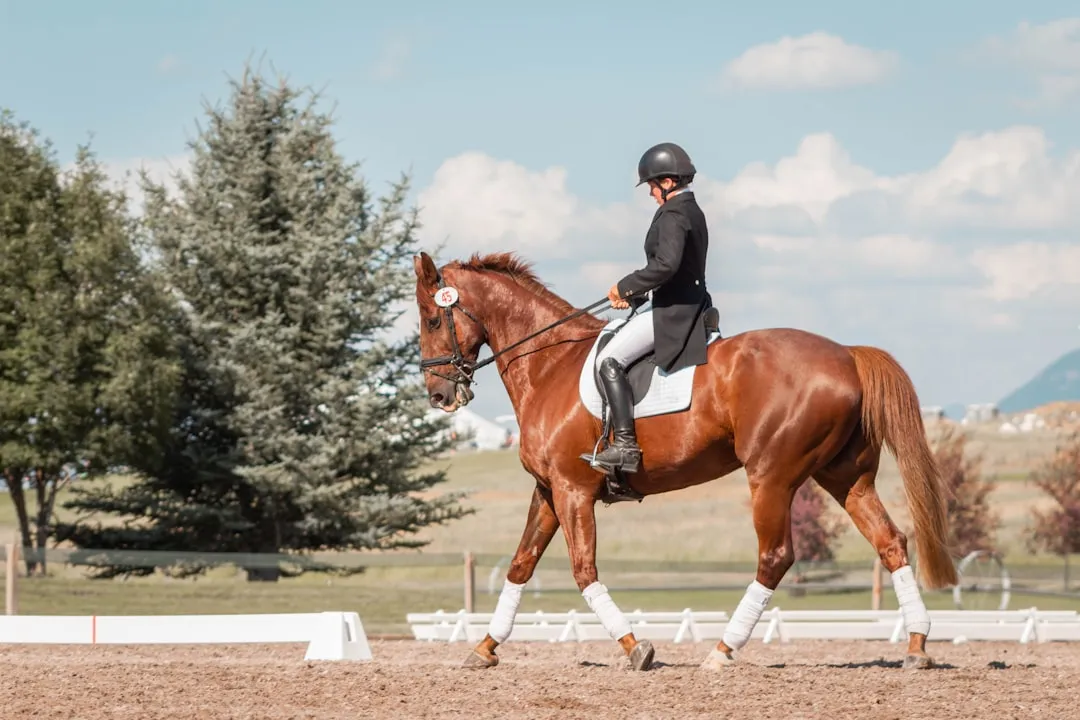
Most horses live on pure reflex: something moves, they move; something spooks, they spin and go. A bonded horse starts doing something far stranger – it pauses and looks to its person before fully reacting. The head lifts, the ears point, and then, instead of an instant bolt, there’s a strange little beat of “what do you think?”
A tarp flaps and your horse startles, then glances at you before deciding anything. Another horse kicks the wall, yours flinches but doesn’t lunge away if you stay calm and steady.
That split-second delay means your reaction now matters in its risk calculations. A horse that checks your body language before deciding whether to panic has quietly promoted you to herd leader. Many riders misread this pause as “lazy” or “dull,” but it’s actually one of the highest compliments a prey animal can pay a human.
#7 – It Greets You With a Quiet Ritual, Not a Big Show
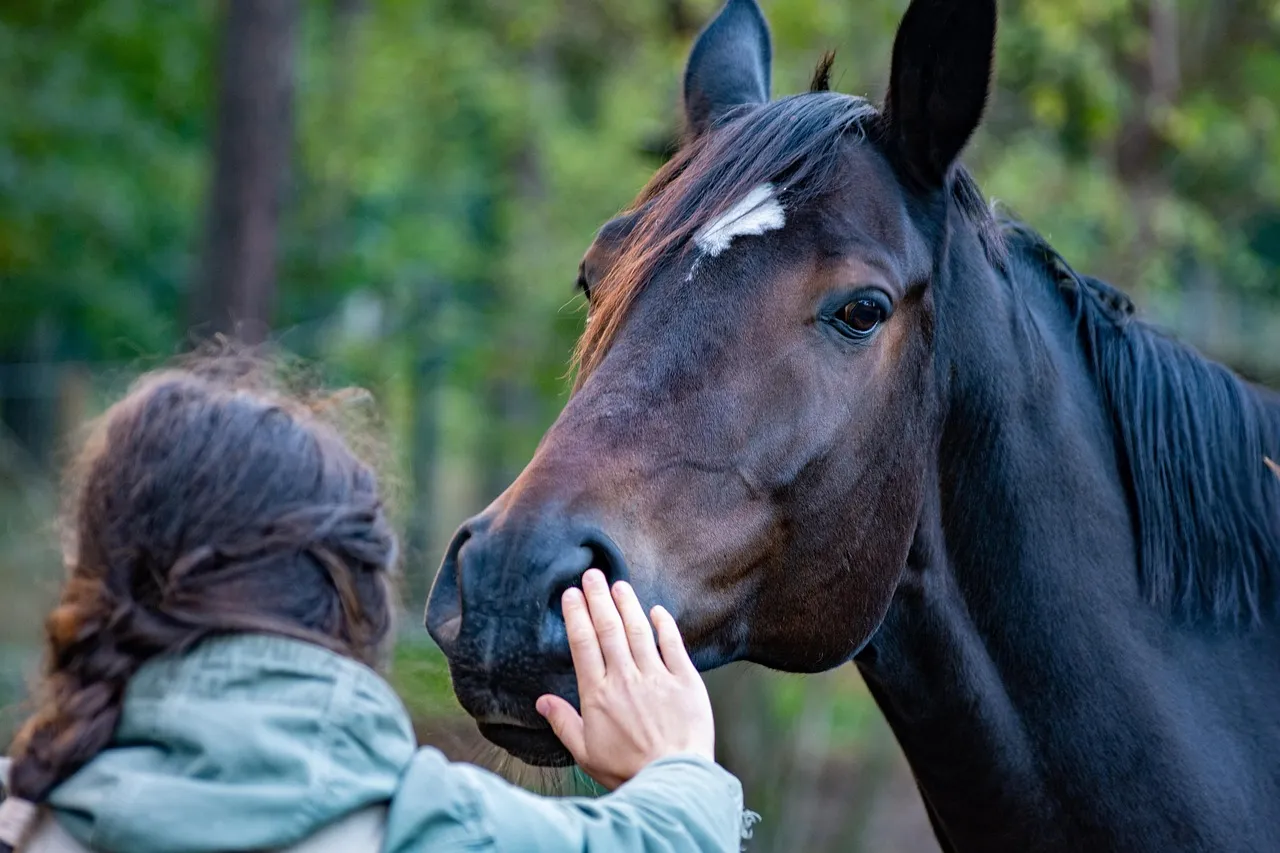
Everyone’s seen the viral videos of horses galloping across a field to meet their person at the gate. Cute, sure, but not actually the most reliable sign of a bond. Feeding schedules, turnout timing, and herd dynamics explain a lot of that enthusiasm. The truly telling behavior is the quiet greeting ritual a horse reserves for one specific person.
It might look like lifting its head and simply walking over, no calling, no fuss. Or meeting you at the gate and pausing to sniff your hands or hair. Some horses even build a specific pattern: step up, touch your chest, then drop the head.
Quick Compare
- Viral-style greeting: A gallop to the gate, often tied to feeding time, turnout, or a herd of buddies also rushing over.
- Quiet bonded ritual: A calm walk-up, the same small routine every time, with little reaction to anyone else nearby.
- What actually matters: Consistency and selectiveness, not speed, noise, or drama.
- The same three-step “hello” every single time, with only you.
- Barely a glance for anyone else who walks by.
A bonded horse builds a predictable, low-drama routine for when its person shows up, and repeats it with almost eerie consistency. That contrast, quiet ritual with you, indifference toward everyone else, is what actually matters.
#6 – It Matches Your Walking Pace Without Being Micromanaged
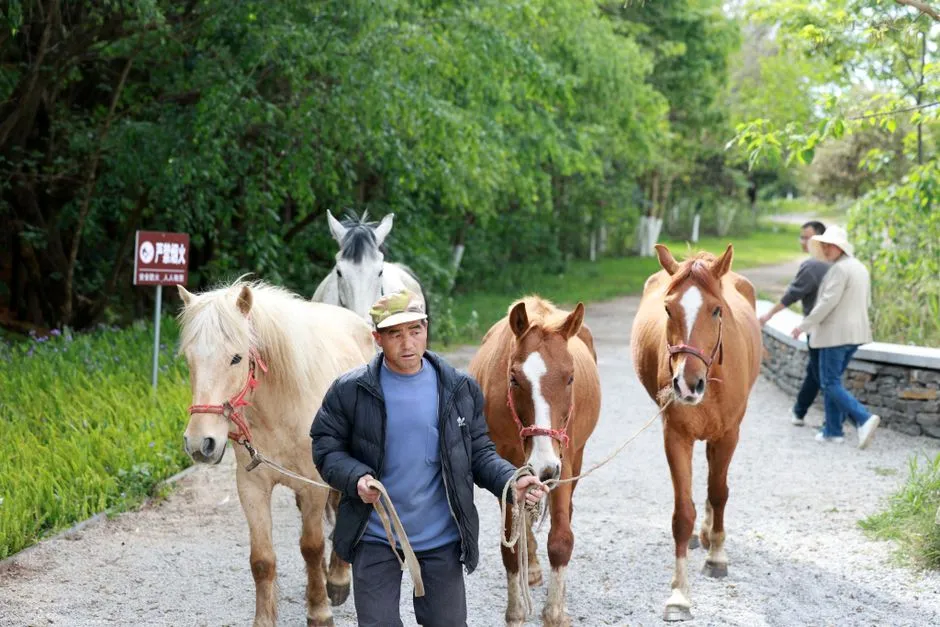
Lead a horse that doesn’t care much about you, and you’ll feel it instantly – lagging behind, barging ahead, dragging sideways toward whatever looks more interesting. Mentally, it’s somewhere else entirely. A horse that has really connected with its person will naturally sync its stride to theirs, with surprisingly little pressure on the lead rope.
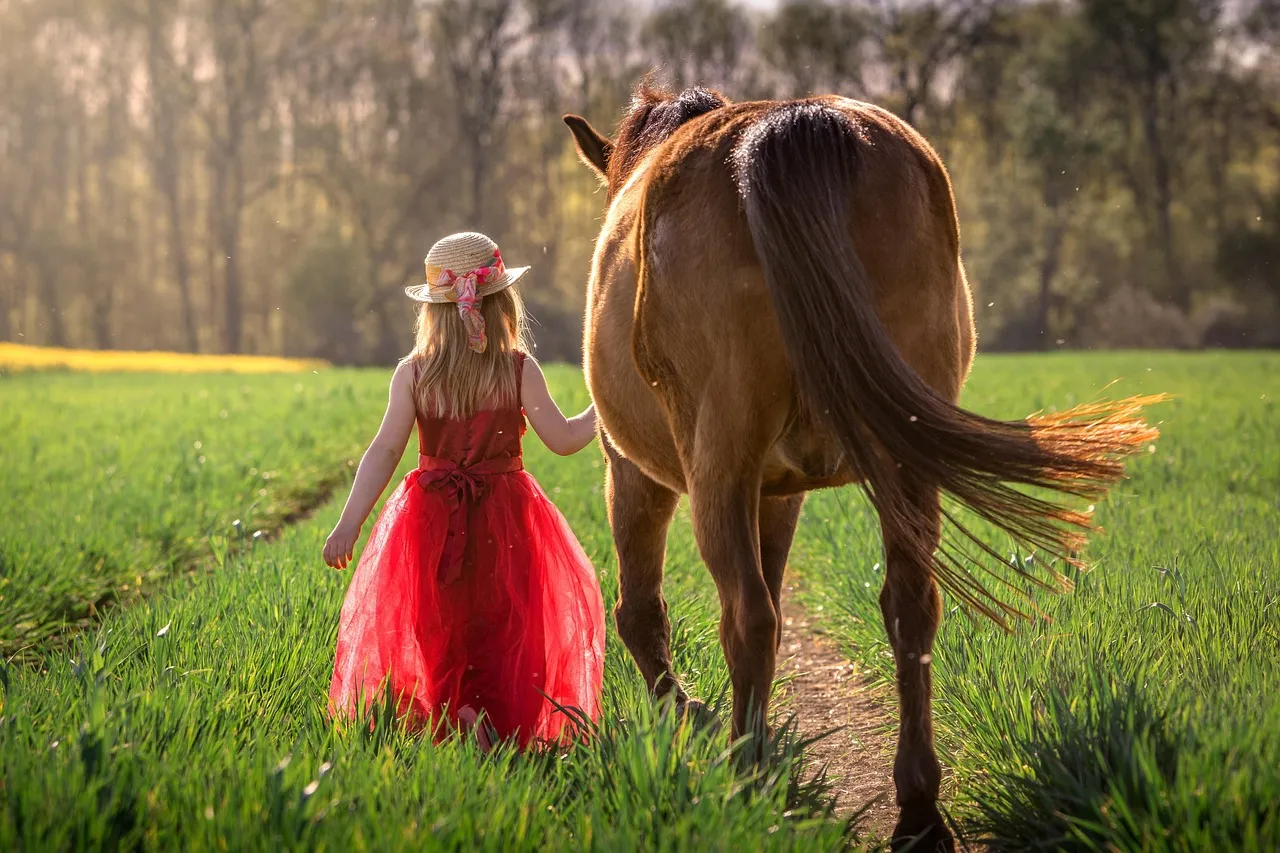
Slow down, and the horse drifts back without a fight. Lengthen your stride, and it quietly picks up pace to stay beside your shoulder. On a loose lead, your footsteps start lining up like you planned it.
This isn’t just “groundwork done right.” Some horses lead well with everyone, and some horses only offer this effortless matching to one human. Choosing to stay in your bubble at your pace, even when distracted by everything else going on, is one of the clearest signs a horse cares where you are.
#5 – It Saves Its Emotional Meltdown for When You’re There
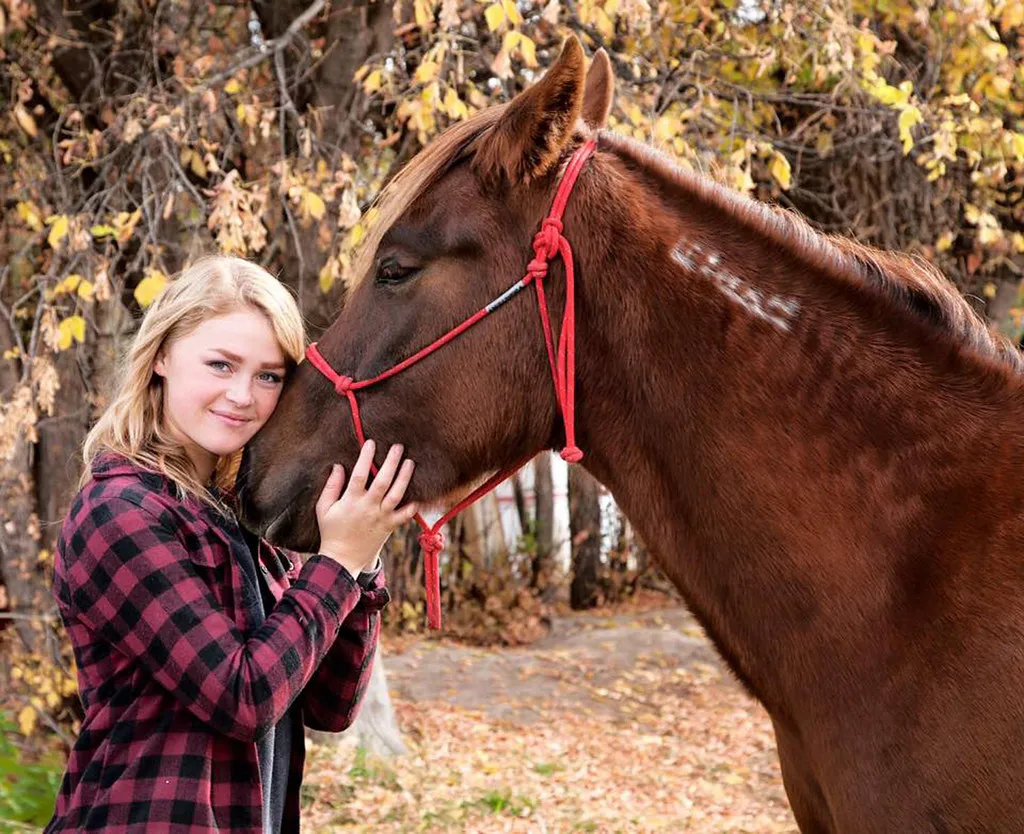
Here’s one most people never notice. After a stressful ride or a new experience, many horses stay a little wired: pacing, calling to friends, scanning the horizon like something’s still out there. But a horse that has truly bonded with one person will often save its emotional release for that human specifically.
The ride ends and the horse is still alert. You bring it back to the barn, stay nearby, start your usual routine. Only then do you see the big sighs, the licking and chewing, the soft, half-closed eyes.
To an outsider, it looks like nothing happened. But that’s the nervous system finally clicking back into rest mode, and it’s choosing to do that on your watch. If your horse only fully decompresses once you’re back in the picture, it’s using you as its safety anchor. That’s not something you can buy with treats – it’s built through dozens of calm, consistent interactions over time.
#4 – It Answers Your Voice Like No One Else’s
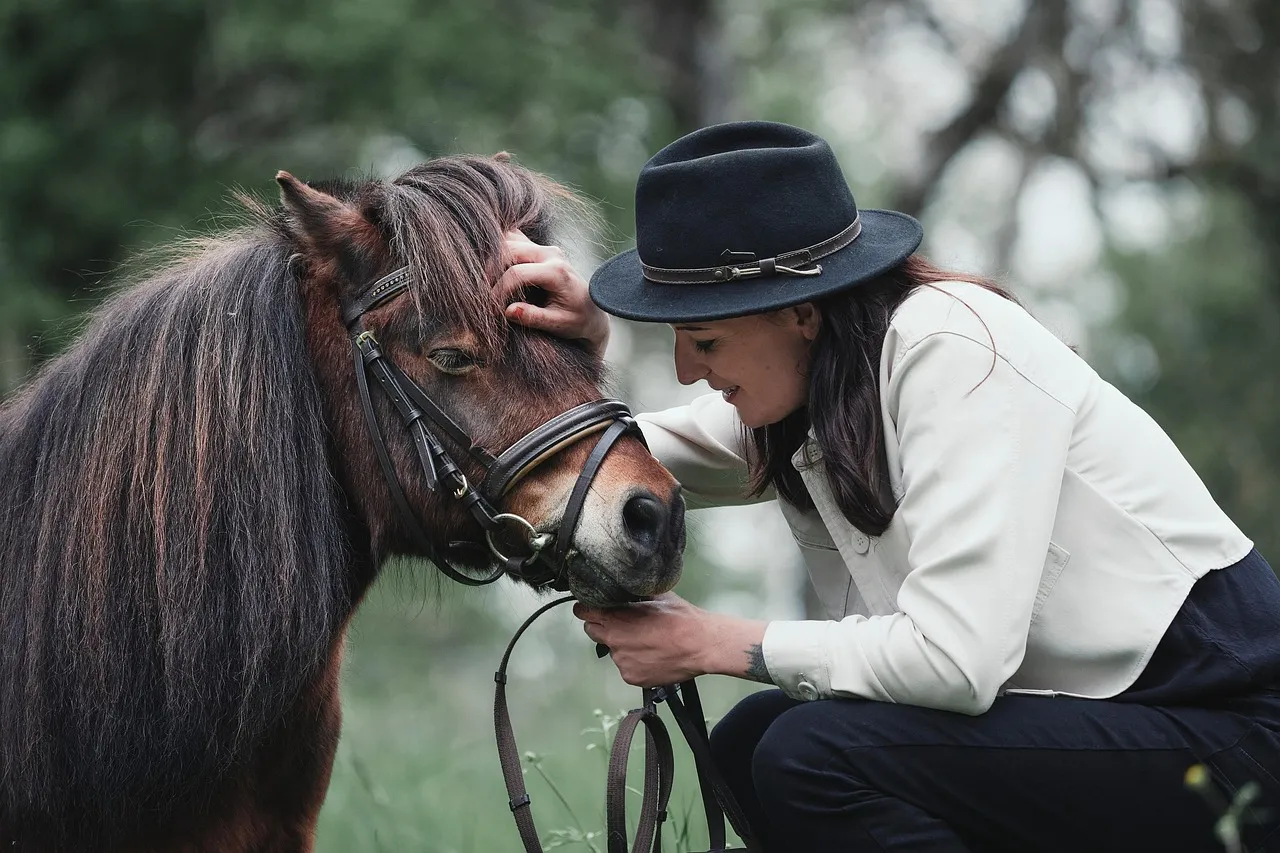
Yes, horses respond to tone in general. But a truly bonded horse responds to your voice like it’s tuned to a private frequency. The same word from two different people simply doesn’t land the same way.
Your horse might flick an ear at a stranger and otherwise ignore them completely. With you, it gives a deeper response: a step forward, a sigh, a soft nicker, immediate eye contact.
Worth Knowing
- Researchers at the University of Portsmouth and University of Sussex found that horses not only read a person’s facial expression but remember it, reacting to that same person differently hours later.
- That means a bonded horse isn’t just reacting to your tone in the moment, it’s drawing on an actual memory bank of how you’ve treated it before.
- A stranger’s voice gets a passing ear flick. Your voice gets a reaction built on history.
- You call from across the field, and it lifts its head when it ignored everyone else.
- You say its name, and it takes a step closer or gives a tiny whicker back.
When your voice functions like a remote control for your horse’s nervous system, settling it, orienting it, motivating it, that’s not just training. That’s attachment. Some will argue “that’s just whoever feeds them,” but anyone who’s watched a horse ignore the feed guy and perk right up for their rider’s voice knows that explanation doesn’t always hold.
#3 – It Picks You Over the Herd in Small, Honest Moments
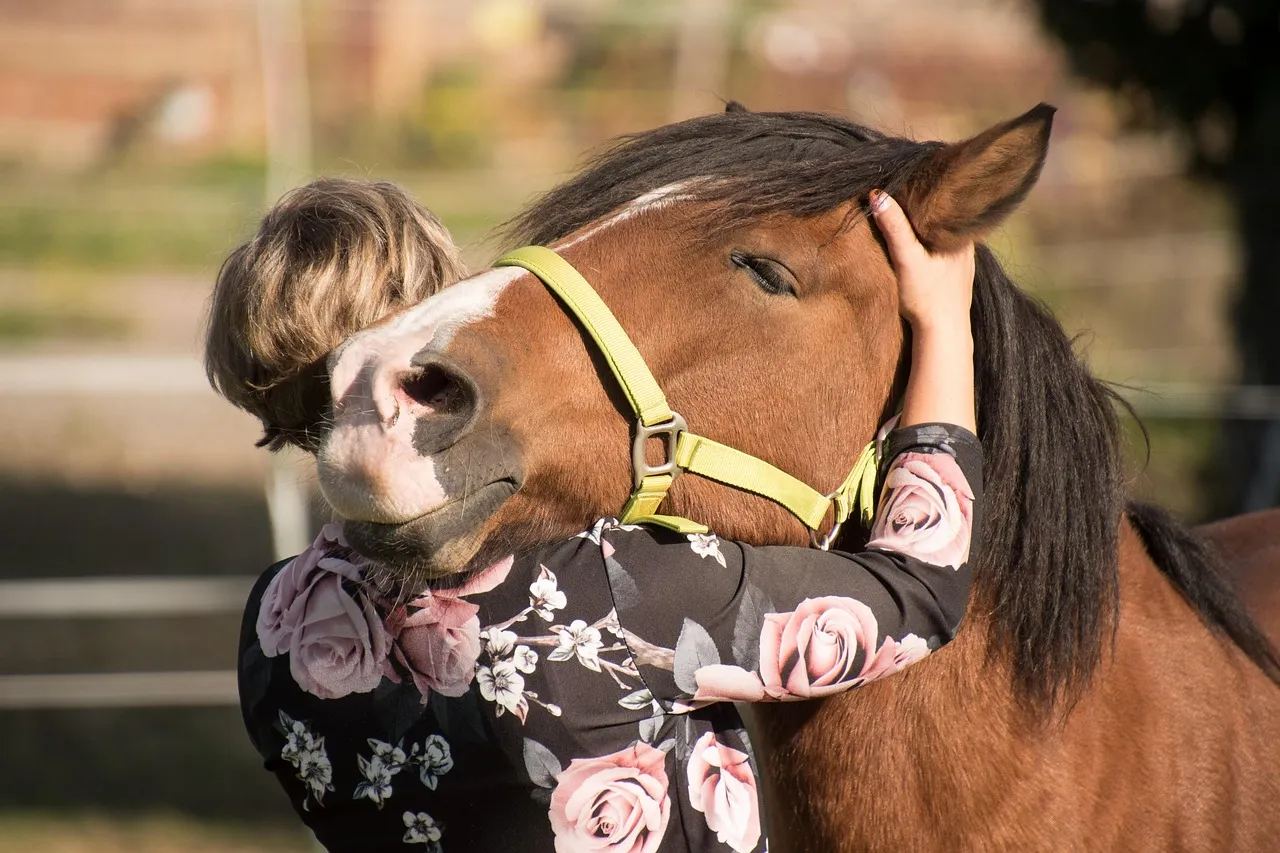
Horses are wired to choose the herd. That’s survival, plain and simple. So when a horse quietly chooses you over the herd, even in a small way, that’s actually a much bigger deal than it looks.
It doesn’t mean the horse abandons its friends and gallops into your arms like a movie scene. It’s subtler than that, and more real.
- Turned out with its buddies, it leaves them to walk over to you at the fence.
- The gate opens, and instead of blasting past you into the field, it pauses, checks your face, and walks out politely.
Any time a prey animal knowingly takes a small social risk to be closer to one specific human, you’re not just another handler to that horse, you’re herd. Critics will say it’s still about routines and rewards, and sometimes it is. But when a horse does this even with no carrots and no arena involved, that argument falls apart pretty fast.
#2 – It Shows Separation Anxiety Only About You
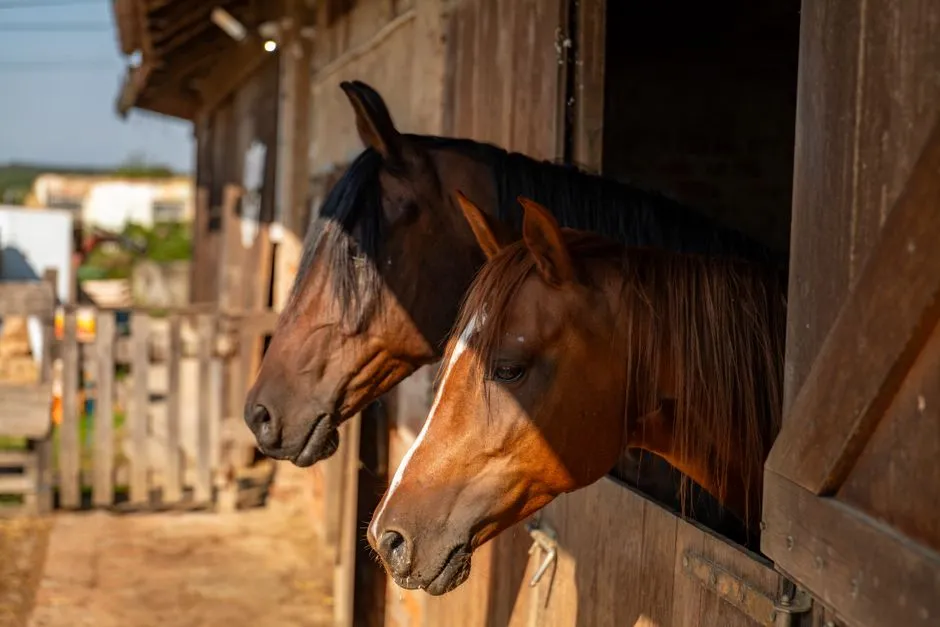
This one will spark some debate, but it’s real. Severe separation anxiety is a genuine welfare problem, not a love letter, and no one should romanticize a horse in real distress. But mild, specific unease when you walk away, and not when other people do, can be a quiet sign of attachment.
We’re not talking full-blown panic here. Think small, controlled behaviors that only happen with you.
At a Glance
- Healthy attachment: A brief, quiet moment of watching you go, then settling back down on its own.
- Concerning anxiety: Pacing, sweating, repeated calling, or refusing to eat, with or without you around.
- The real difference: Intensity and duration, not whether a reaction happens at all.
- It watches the door you left through a little longer than normal.
- It gives one low, questioning nicker, then settles back down.
If your horse is rock-solid when any random barn person comes and goes, but tracks only your comings and goings, that’s not a coincidence. The line between healthy attachment and unhealthy anxiety is real, and good owners respect it. But pretending a horse that never seems to notice you exist is just as bonded is wishful thinking.
#1 – It Feels Safe Enough to Be “Ugly Honest” With You
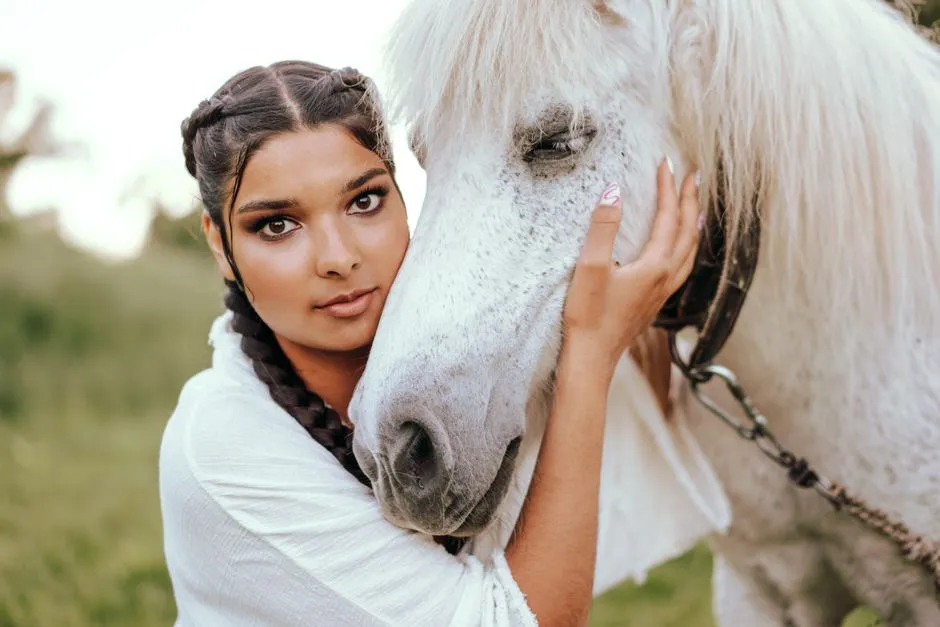
The deepest bond isn’t the cute, well-behaved version of your horse. It’s the side most people never see: the messy, vulnerable, ugly-honest version. A truly bonded horse will quietly drop its mask around one person and show the full range of what it’s actually feeling, itchy, grumpy, playful, needy, without any fear of punishment.
You’ll catch it yawning huge, rolling its eyes, stretching in ridiculous ways next to you. Nudging you when something hurts instead of just shutting down and hiding it. Showing small, honest resistance, ears back, a tail swish, when it’s worried, trusting you to listen instead of explode.
Here’s the uncomfortable truth: a horse that never disagrees with you might be more shut down than bonded. The horse that trusts you enough to say, in its own small, safe way, “I’m not okay with this,” and believes you’ll respond fairly, has handed you the biggest compliment a prey animal can give. That’s the quiet, unglamorous core of a true bond.
The Bottom Line
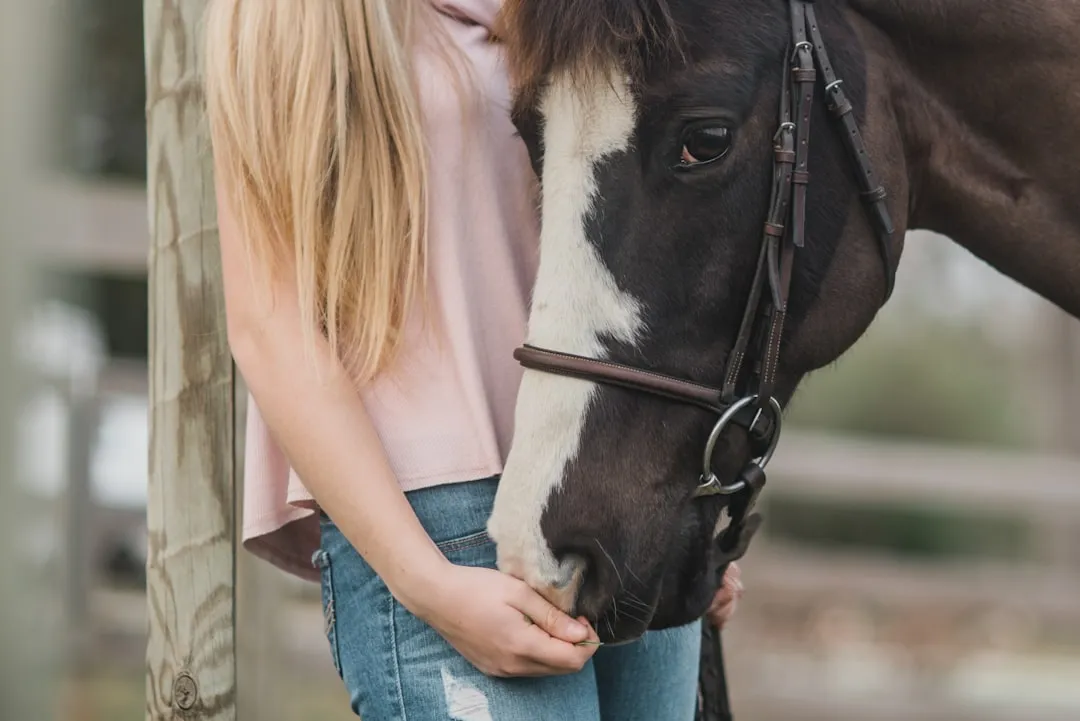
The internet loves big, dramatic displays of “horse love,” but the real thing is almost boring to watch and incredible to feel. The horse that has truly bonded with one person doesn’t perform. It relaxes. It waits. It checks in. It lets its guard down in tiny, risky ways a prey animal simply wouldn’t offer a random human.
A dropped head, a synced breath, a soft nuzzle to a sore spot, these are the quiet receipts of real trust, and honestly, I think we’ve trained ourselves to miss them because we’re conditioned to wait for the movie moment instead.
Plenty of people confuse pushiness, food obsession, or shutdown obedience with connection. They’re not the same thing, and mixing them up does a disservice to the animal that’s actually trying to tell you something. The real magic is in the micro-behaviors most onlookers walk right past. If your horse does even a handful of these things only with you, you’re not imagining it. You matter to that animal more than you probably think.

- 14 Quiet Things a Horse Only Ever Does Around the One Person It Has Truly Bonded With - August 3, 2026
- The 18 Quiet Ways a Dog Marks One Person as Its Own That Most Families Never Notice - August 3, 2026
- 18 Peculiar Things Hummingbirds Do Around a Feeder That Almost Every Gardener Misses Completely Each Season - August 3, 2026