

Most people think a hummingbird’s whole life is nectar, sunshine, and cute hovering. That image is almost insultingly wrong. A single hummingbird actually survives on a razor-thin energy margin every single day, cycling through near-hibernation, aerial warfare, secret insect hunts, and stunt flying that would put a fighter pilot to shame – and yes, most of it happens quietly in the same backyard you walk through every morning.
Here’s the part that hooked us: gardeners who’ve fed these birds for years still don’t know most of this. Sixteen behaviors, from the moment they wake up gasping for sugar to the split-second decisions that can mean life or death by sundown – and by the end, you’ll probably never look at “just a little bird” the same way again.
#1 – It Eats More Than Its Own Body Weight (Almost Every Day)
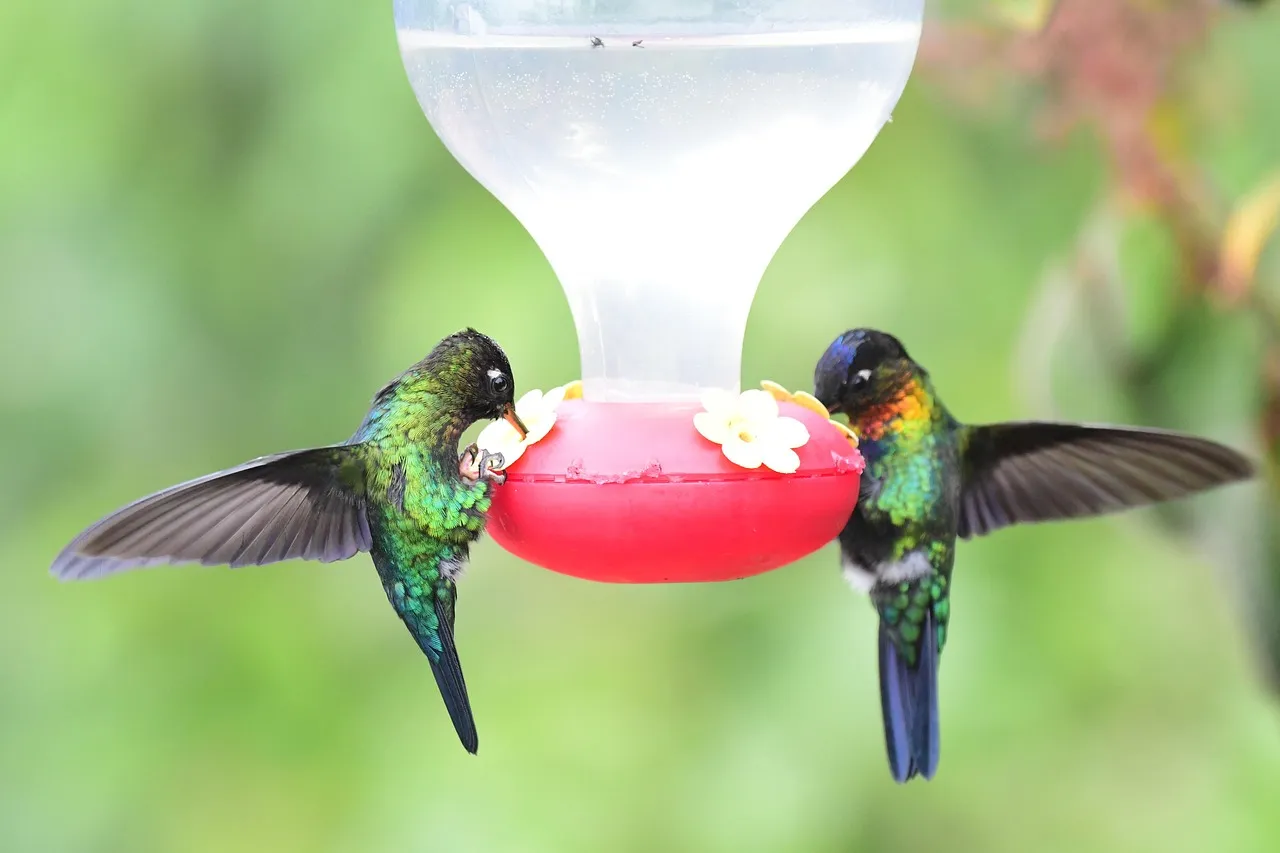
A hummingbird doesn’t “snack” on flowers – it runs like a tiny flying furnace that never gets to idle. Many species need to eat up to half their body weight in nectar and insects daily, and under demanding conditions their total food intake can approach their own weight. Scale that up and it’s like a 150-pound person eating 75 pounds of food, every single day, just to break even.
That’s why a single bird visits hundreds – sometimes over a thousand – flowers before the sun goes down. To keep that engine running, its heart can spike above 1,000 beats per minute in flight, and it can breathe more than 200 times a minute. What looks like a cute blur to a gardener is actually a bird living on the edge of an energy cliff, all day, every day.
Fast Facts
- Heart rate can exceed 1,000 beats per minute in flight
- Breathing rate can top 200 breaths per minute during activity
- Daily food intake can approach half its body weight
- A single bird may visit 1,000+ flowers before sunset
#2 – It Flips a “Nighttime Off Switch” Called Torpor
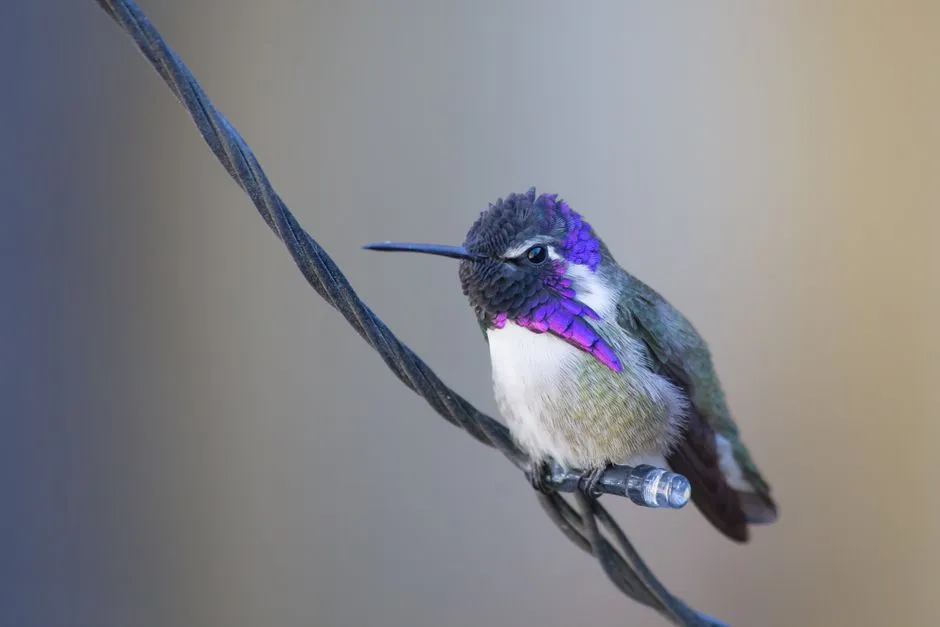
Most gardeners assume a hummingbird sleeps like any backyard songbird. It doesn’t – not even close. Every night, it can deliberately power down into torpor, a kind of mini-hibernation where its heart rate crashes from hundreds of beats per minute to under 50.
Its body temperature can drop 20 to 30 degrees, sometimes edging close to the night air itself. A torpid hummingbird can look, to an untrained eye, completely dead. It isn’t optional theater – without it, the bird would burn through its fuel reserves and starve before sunrise. The stakes are brutal: go into torpor with too little fuel, or wake up too late to warm back up, and that night simply doesn’t end well.
Worth Knowing
- Heart rate can fall from hundreds of beats per minute to under 50 during torpor
- Body temperature can drop 20 to 30 degrees overnight
- Waking from torpor can take 20 to 60 minutes
- A poorly timed torpor cycle can be fatal if fuel reserves run out
#3 – It Wakes Up in “Emergency Mode” at First Light
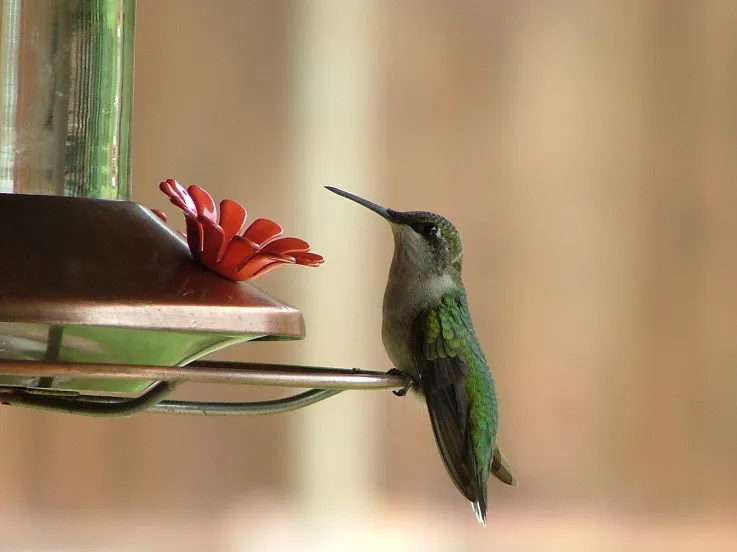
Forget the peaceful sunrise greeting you’re picturing. Coming out of torpor can take 20 to 60 minutes, and during that stretch the bird is sluggish, defenseless, and desperate for sugar. The instant it can move, it races toward the single most reliable nectar source it remembers from the day before – your porch feeder, or that patch of salvia it trusts.
- Keeping at least one feeder partially shaded and consistently filled
- Avoiding loud yard work right near their main food source early in the morning
Within minutes, the bird’s metabolism rockets from “barely alive” to full daytime speed – a reboot so extreme it would flatten almost any other animal.
#4 – It Runs a Strict Personal “Flower Circuit” You Don’t Notice
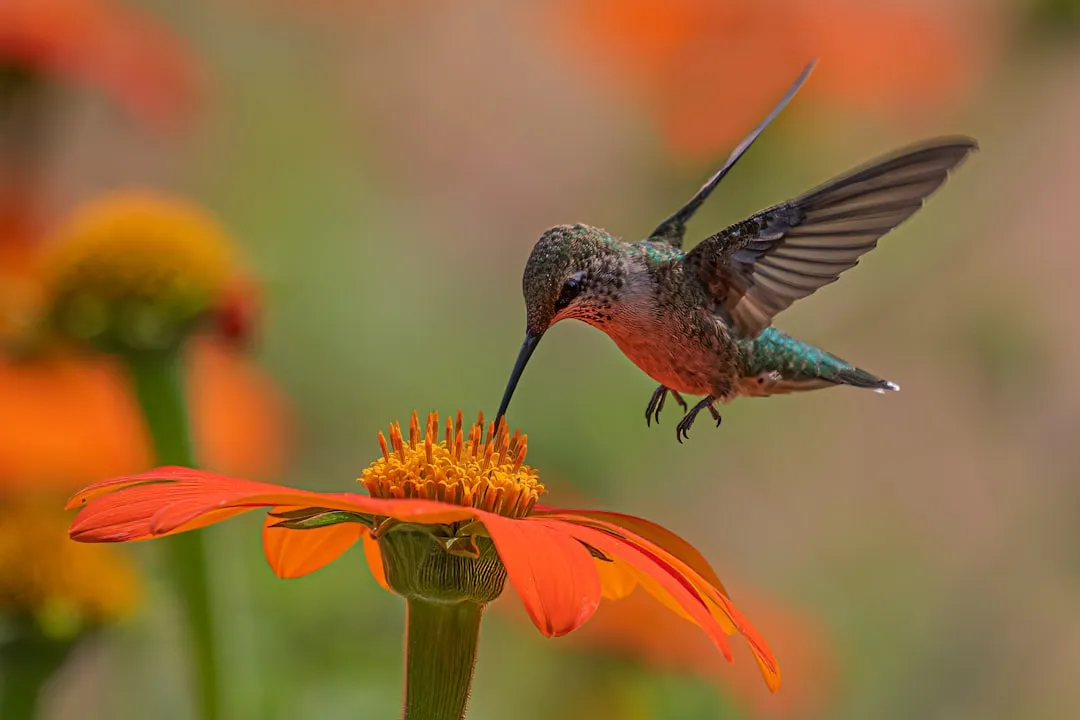
What looks like random zig-zagging to us is actually a carefully mapped daily route called traplining. A single bird memorizes and patrols a circuit of flowers and feeders in a specific order, timing each stop so the plants have enough time to refill their nectar before it swings back around.
- Your feeder
- A neighbor’s hanging baskets
- Wild patches down the road you’ve never noticed
Here’s the part that stings: hummingbirds remember which flowers are “worth it” and quietly cut the duds from their route. Let your feeder run dry too often, and you don’t get an angry confrontation – you just vanish from the map. That’s the real reason so many people swear “my hummingbirds disappeared.”
#5 – It Fights Like a Tiny Airborne Guard Dog
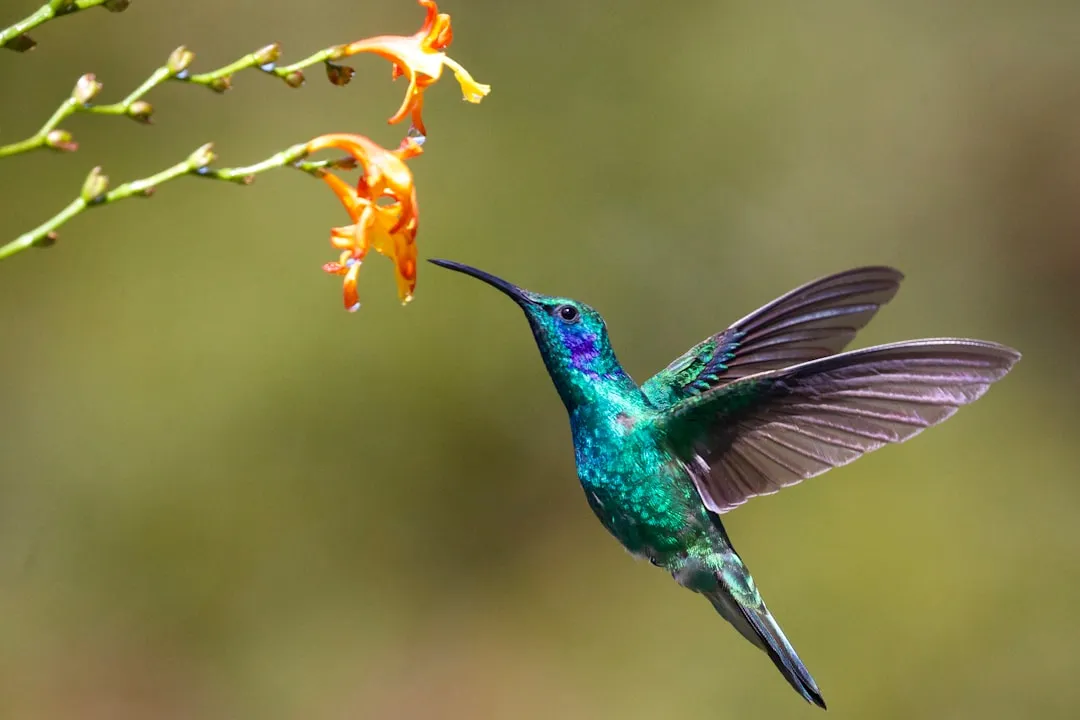
Forget “sweet and gentle.” A single hummingbird can spend a shocking chunk of its day in outright aerial combat. Males especially treat a rich feeder or flower patch as private property, chasing off rivals – including other species, and sometimes even bees or butterflies that get too close.
- Perch where it can see “its” feeder
- Dive-bomb intruders with sharp chirps and angry buzzing
- Chase them 20-30 yards away, over and over
Some biologists think these turf wars actually burn more calories than the bird gains by winning them – but the birds clearly don’t care. Exclusive nectar rights are worth the fight.
#6 – It Quietly Hunts Tiny Insects in Mid-Air

Most gardeners assume hummingbirds live on sugar water alone. Secretly, a single hummingbird is also a small, ruthless predator. Every day it supplements nectar with fruit flies, gnats, aphids, and tiny spiders, using that protein to build muscle, maintain feathers, and – during breeding season – develop eggs.
- Spider webs (stealing bugs and sometimes strands for nests)
- Swarms of gnats or fruit flies hanging in a sunbeam
- Under leaves and branches where small insects hide
For young birds and nesting females, insects can make up a serious share of the daily diet by weight. That “delicate flower sipper” you love is also part-time hawk, picking bugs out of the air with sniper precision.
#7 – It Bathes in the Weirdest Possible Ways
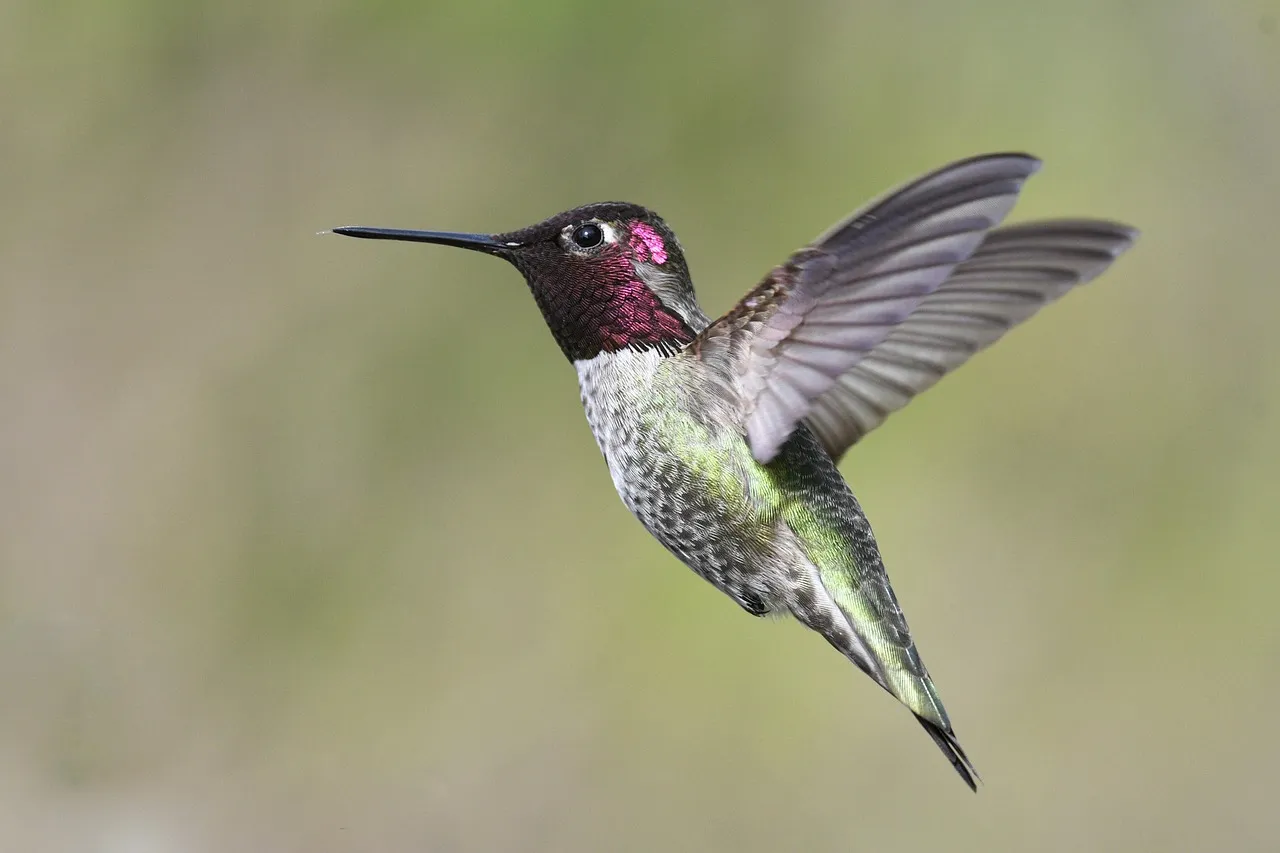
Picture a birdbath. Now forget it – hummingbirds mostly ignore those. A single bird’s daily grooming routine is far stranger, and it happens almost entirely in motion.
- Flying through sprinklers or hose mist
- Rubbing its body on wet leaves after rain
- Hovering under trickling gutters or fountain drips
They don’t wade in – they fly through water, wings out, darting in and out of the mist before zipping to a branch to shake like a dog. This isn’t optional cuteness; dirty feathers mean less efficient flight, and any extra drag can be dangerous for a bird living on an energy knife-edge. If you’ve got a simple mister or drip feature, you’ve probably built a hummingbird spa that gets used multiple times a day – usually when you’re not watching.
#8 – It Runs a Constant Feather “Maintenance Shop”
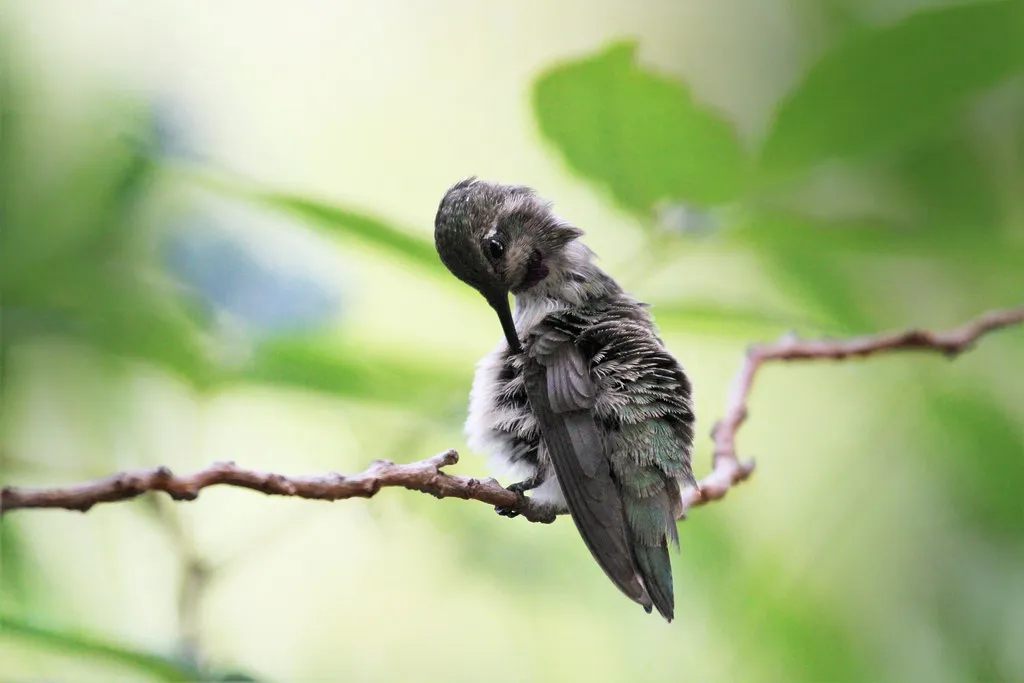
Few people realize how much of a hummingbird’s day goes into feather upkeep. Every single day, it meticulously preens nearly every feather with its bill, lining up the tiny barbs so they lock together smoothly, then spreads natural oil from a gland near its tail to keep everything flexible and slightly water-resistant.
Here’s the twist: those glittering throat patches and crowns aren’t pigment – they’re microscopic structures that bend light, and they only flash properly when the feathers sit in perfect alignment. That dazzling red gorget on a male is really a daily maintenance project. Because their flight style is so demanding, even slightly damaged feathers cost real energy – so while you’re sipping your morning coffee, that bird is running its own tiny detail shop.
Why It Stands Out
- Throat and crown colors come from microscopic feather structures, not pigment
- Those structures only flash brightly when feathers sit in perfect alignment
- A hummingbird preens nearly every feather multiple times a day
- Oil from a gland near the tail keeps feathers flexible and slightly water-resistant
#9 – It Checks and Rechecks Garden “Threat Zones”
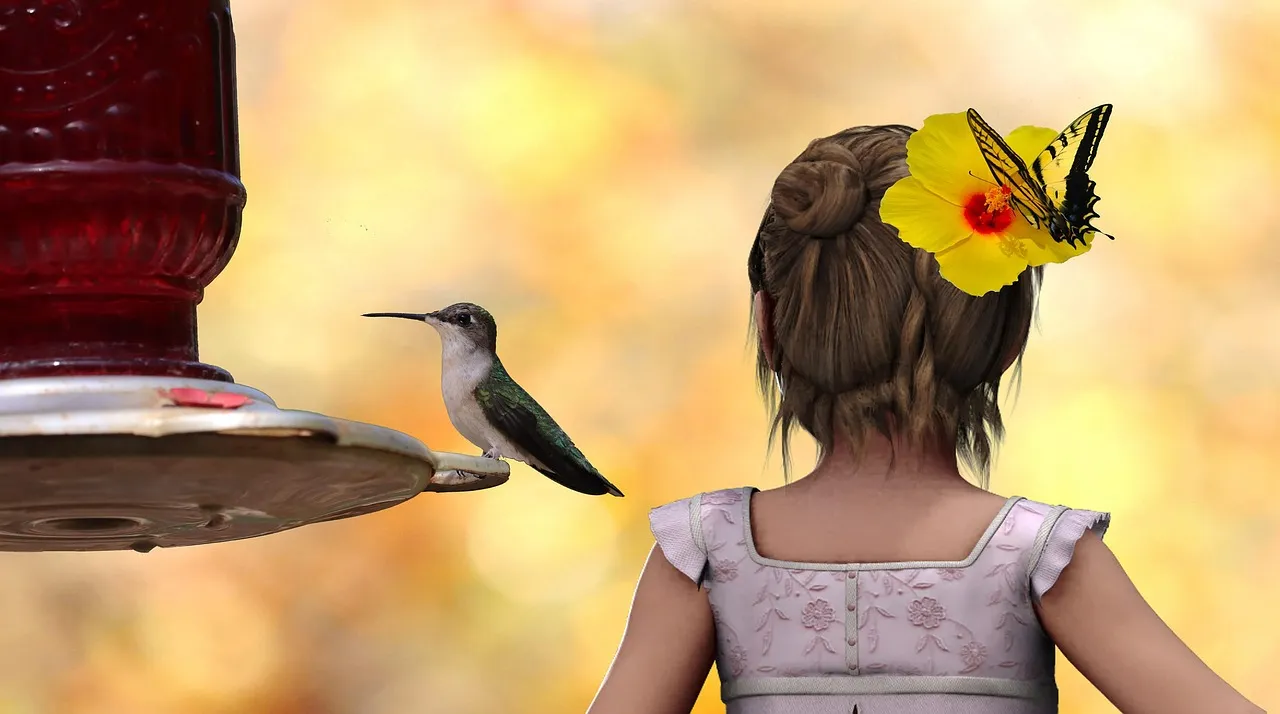
We like to imagine hummingbirds living in a carefree nectar paradise. In reality, a single bird spends real chunks of its day scanning for danger. Snakes, larger birds, roaming cats, and – yes, gardeners are always shocked to hear this – even praying mantises occasionally grab hummingbirds right at the feeder.
- Which perches provide a good view with quick escape routes
- Which feeders or flowers feel “exposed”
- Where the neighborhood cats tend to lurk
Over time it builds a mental map of safe versus risky spots and rechecks it constantly. Hang a feeder too close to dense cover or too low to the ground, and you can turn a bird’s daily favorite into a hard no in its private risk calculus.
#10 – It Tunes Its Wings Like a Musical Instrument
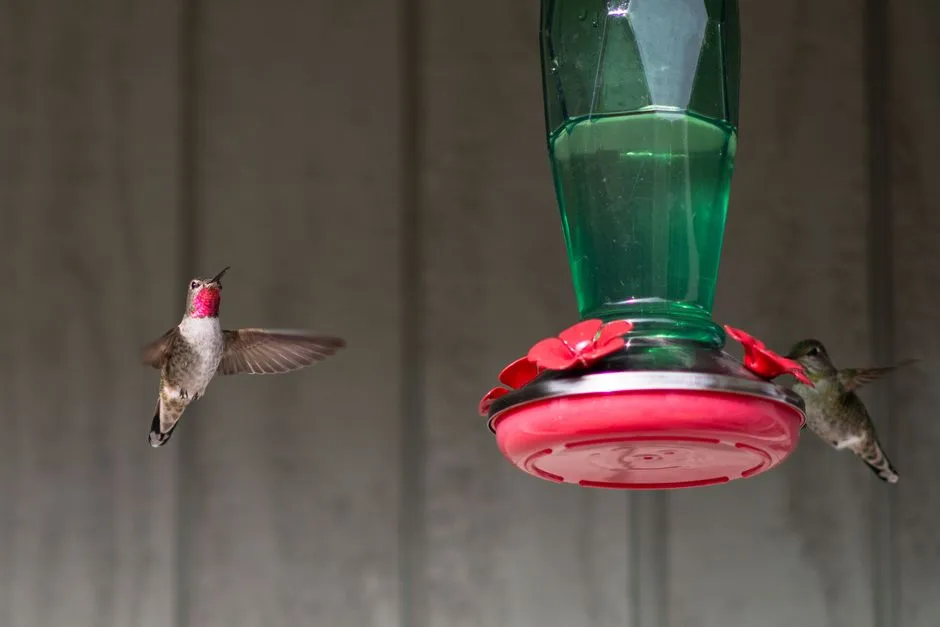
Most gardeners hear a buzz and move on without a second thought. That hum isn’t background noise – a single hummingbird actively controls it every day through wing-beat speed and angle. Different species have distinct pitches, and individual birds can subtly shift the volume or tone depending on how fast they’re flying, turning, or showing off.
Some research suggests parts of that sound work as an identifier to other hummingbirds, a byproduct of high-performance maneuvers, or even a side-signal during courtship and aggression. Their wings can beat 40 to 80 times per second, constantly adjusting rhythm in normal flight. That “background hum” in your yard is really a high-speed acoustic side effect of a bird fine-tuning its own aerodynamics in real time.
At a Glance
- Wings can beat 40 to 80 times per second in normal flight
- Pitch and tone shift with speed, turns, and displays
- The hum may double as an identity signal to other hummingbirds
- Sound can intensify during courtship dives and aggressive chases
#11 – It Performs High-G “Stunt Flights” Just to Show Off
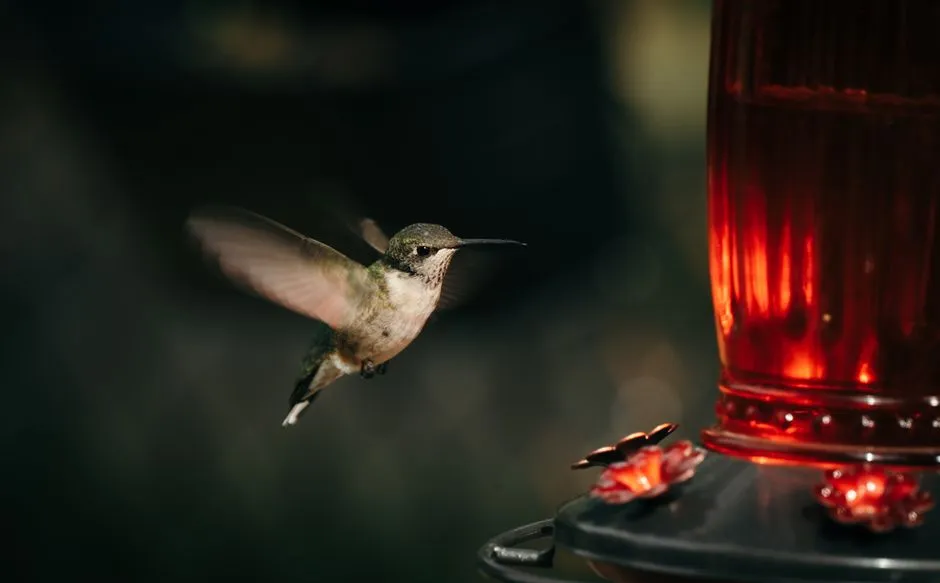
Gardeners notice the quick zips and sudden hover-stops. What they usually miss is that a single male may perform insanely intense display flights several times a day during breeding season.
- Near-vertical climbs followed by screaming dives past a female
- Sudden U-shaped swoops, with sharp chirps at the bottom
- Side-to-side “shuttle” dances in front of a perch
Some of these dives hit speeds that, relative to body size, rival a fighter jet. The bird is willingly pulling extreme G-forces just to prove he’s worth choosing – like doing full-speed roller-coaster drops fifty times a day, powered by nothing but his own heart and lungs. Casual observers write this off as “hyper birds.” It’s actually a deliberate, exhausting daily performance in a brutal mating competition.
#12 – It Revises Its Mental Garden Map Constantly
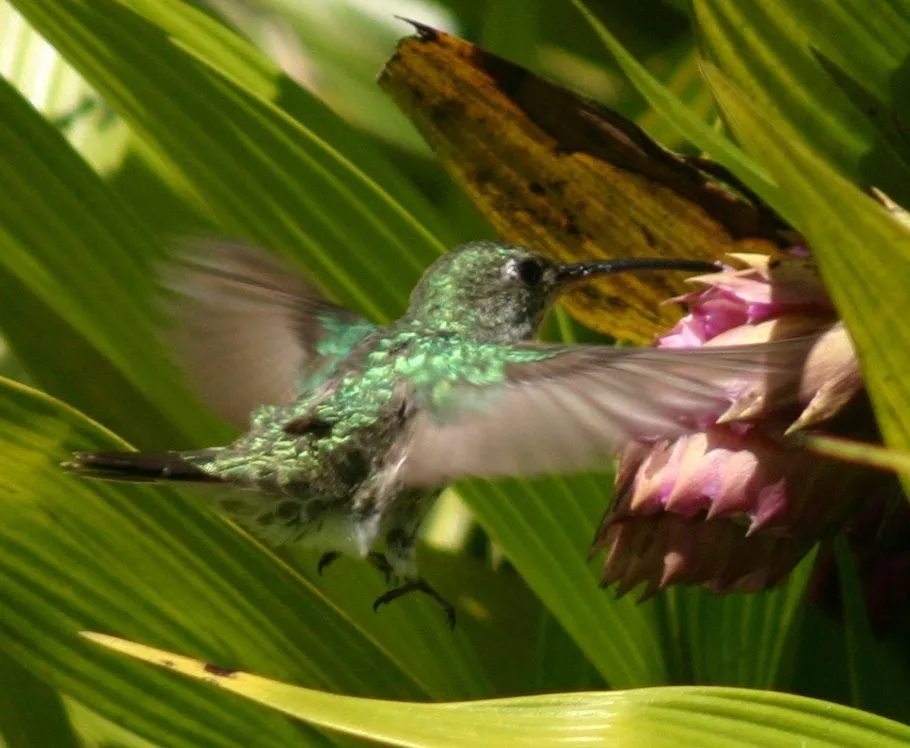
We assume hummingbirds just “know” where everything is. In truth, a single bird updates a complex spatial memory map every day. Flowers bloom and fade, feeders appear and vanish, predators shift their patterns – and the bird has to keep up or start losing ground fast.
- Which individual plants are now past bloom and not worth visiting
- Which new patches have opened up unexpected nectar sources
- Which human habits, like refilling a feeder at 7 a.m., are reliable
Hummingbirds can remember specific locations and even timing of rewards for days or longer, which means your gardening habits today are quietly shaping its routine next week. It’s part of why some researchers argue these birds are far smarter, spatially, than most people ever give them credit for.
#13 – It Manages a Brutal Hydration and Cooling Problem
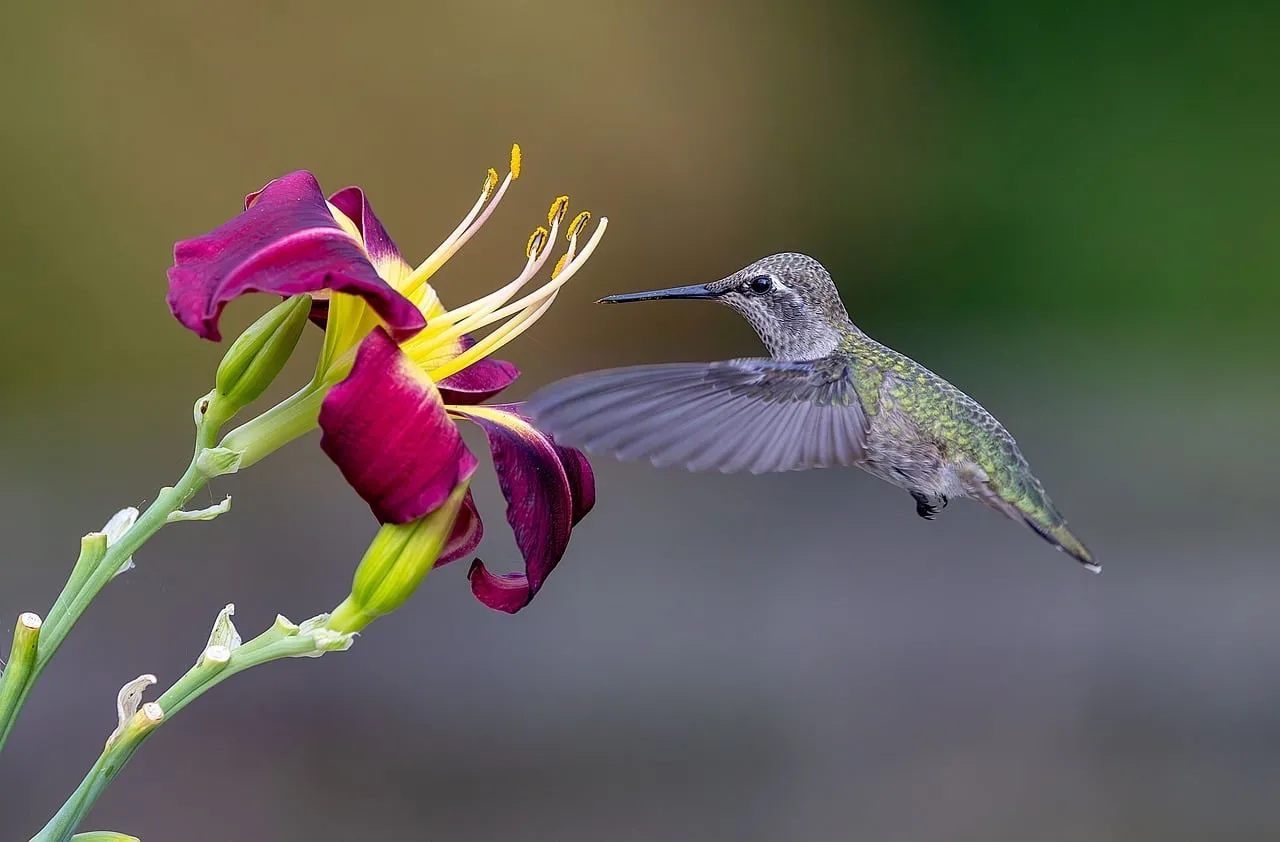
Most gardeners assume nectar equals “drink,” end of story. Really, a single hummingbird is walking a daily tightrope between dehydration and overheating. Nectar is mostly water, but its absurd metabolic rate burns through moisture fast through breathing and evaporation, especially on hot, dry, or windy days.
- Time intense flights and aggressive chases around cooler periods
- Use shady perches to reduce heat load
- Sometimes favor slightly more dilute nectar, which can actually help hydration
Contrary to what some feeder owners insist online, oversized sugar concentrations can stress a bird’s system precisely because it’s not what flowers naturally offer. While you’re arguing 3:1 versus 4:1 ratios in a Facebook group, the bird has already made its own careful call about where to drink.
#14 – It Spends Surprising Time Just…Sitting (For a Critical Reason)
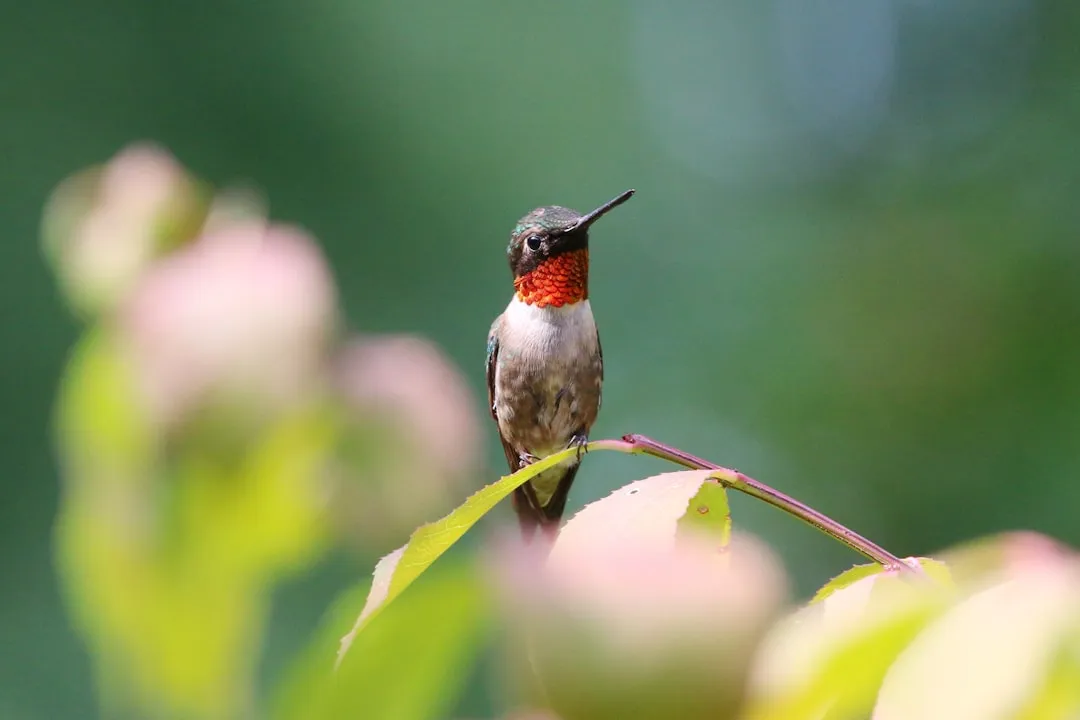
Most gardeners swear hummingbirds never stop moving. Watch more closely and you’ll catch a single bird spending large parts of the day perched, often somewhere easy to miss – the tip of a dead twig, a hidden branch near “its” feeder. It isn’t laziness. It’s the one thing standing between it and collapse: strategic rest.
- Lowers its metabolic rate compared to hovering
- Watches its territory and neighbors
- Preens, stretches, and recovers from high-intensity flight
Hovering can cost 10 to 15 times more energy than resting, which makes these still moments just as critical as any nectar stop. The myth of the “always-on” hummingbird survives mainly because we only ever look when it’s at the feeder.
#15 – It Quietly Pollinates Your Garden More Than You Think
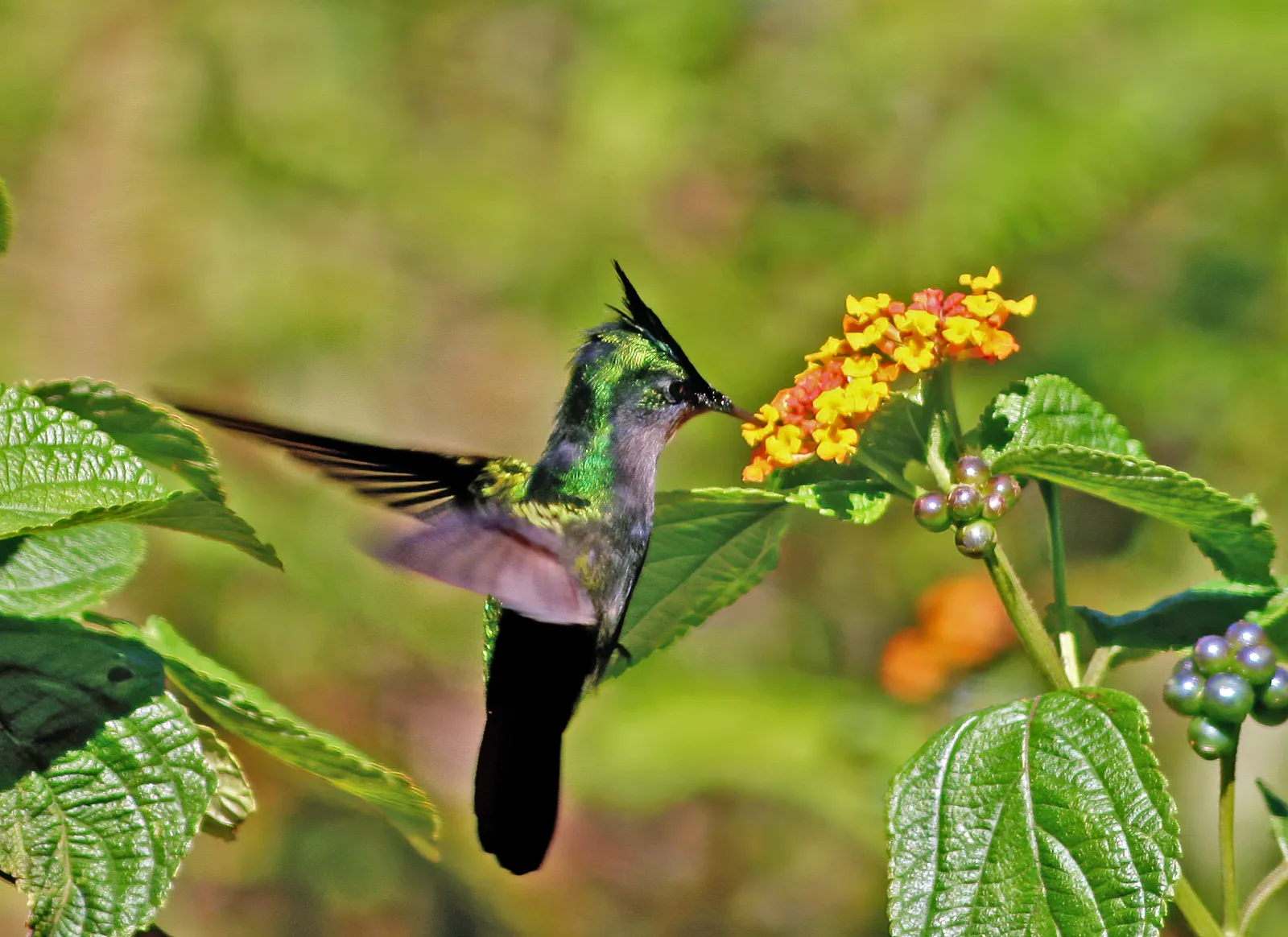
People love hummingbirds for the show and hand pollination credit to bees and butterflies. But a single hummingbird visiting your yard daily can be a major pollinator for specific flowers. Tubular blooms – salvias, penstemons, columbines, certain native honeysuckles – are practically built for hummingbird delivery service.
- Pollen dusts its forehead, throat, and even its bill
- It carries that pollen to the next plant in its route
- Over time, it links distant plants that bees might ignore or struggle to reach
In some ecosystems, certain plants are so dependent on hummingbirds that they set far more seed wherever these birds are common. Gardeners chasing “pollinator-friendly” labels often underrate the tiny workhorse already doing quiet daily shifts in their own flowerbeds.
#16 – It Lives Every Single Day on the Edge of Collapse
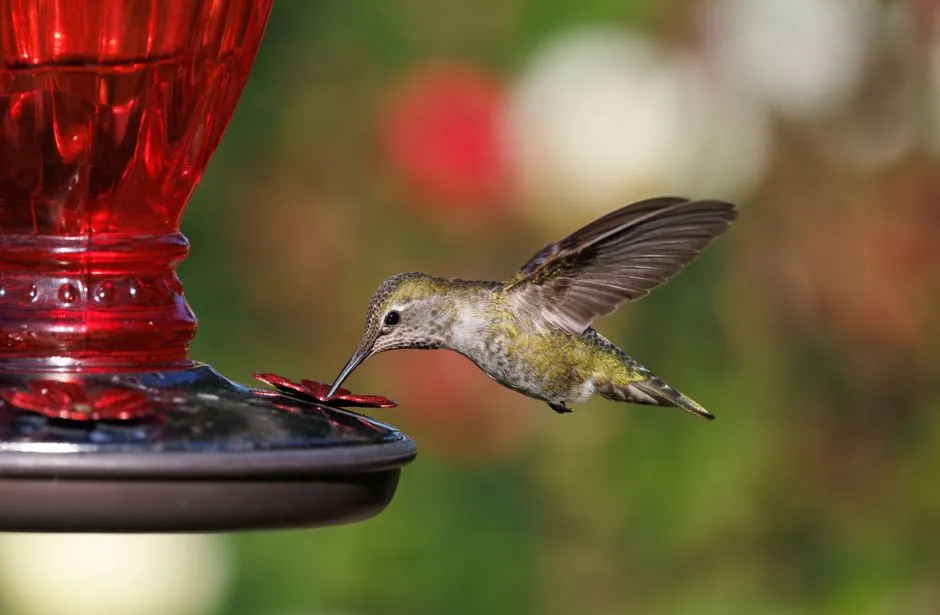
This is the part most gardeners flat-out refuse to believe. A single hummingbird operates so close to its physical limits that one bad day can kill it. A cold snap, a feeder that runs dry, an unexpected migration detour, or a single window collision can erase the razor-thin margin it fights to hold onto every 24 hours.
- Heart racing hundreds of beats per minute for hours
- Flight muscles working at near-constant partial throttle
- Food stores that might cover only a few hours of active flight
And yet it still finds time, every day, for courtship displays, nest building, territorial battles, and a hundred subtle survival decisions. They’re tiny. Their daily existence is brutally extreme. Once you understand that, treating them like cute garden ornaments starts to feel almost embarrassing.
Quick Compare
- Resting: heart rate near baseline, lowest energy cost
- Hovering: costs 10 to 15 times more energy than resting
- Torpor: heart rate falls below 50 beats per minute to conserve fuel
- Full flight stress: heart rate can spike above 1,000 beats per minute
The Bottom Line
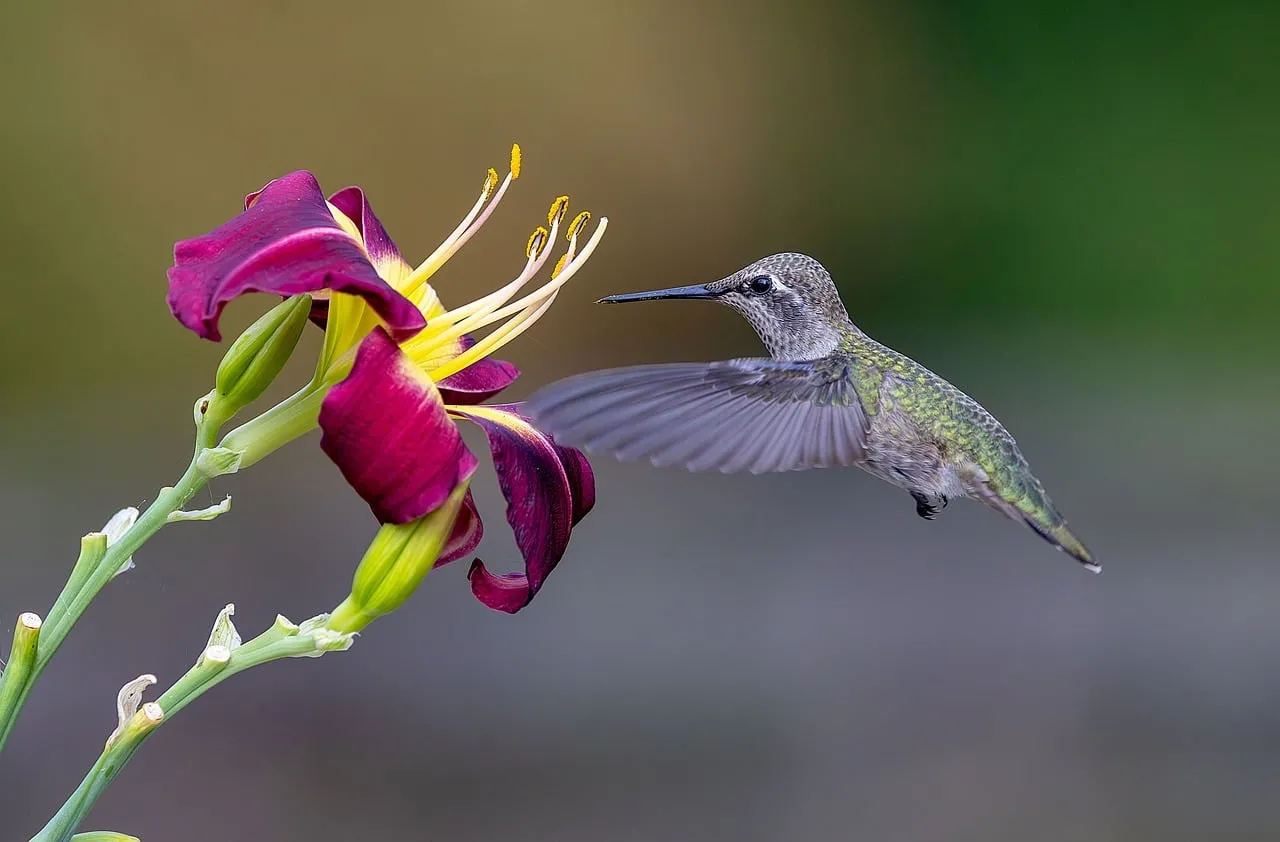
Most people treat hummingbirds as garden decoration – pretty, disposable, background noise with wings. That take is almost offensive once you see the truth: a single hummingbird lives out a nonstop survival thriller, shutting nearly off at night, waking in a sugar emergency, eating like a starving athlete, patrolling a self-designed flower route, fighting sky duels, hunting insects, running a microscopic feather-repair shop, and still finding time to pollinate half your yard – every single day, with no days off.
Here’s my honest take: gardeners have the relationship backwards. We act like we’re doing hummingbirds a favor by hanging a feeder. In reality, that tiny bird is the one doing the impossible, every 24 hours, just to still be alive by sunset. If anything, our feeders and flowers should be earning the visit – not the other way around. So did this match what you’ve actually watched happen in your own backyard, or did these sixteen daily habits catch you completely off guard? That’s worth arguing about in the comments.

- 16 Surprising Things a Single Hummingbird Does Every Day That Most Gardeners Would Simply Never Believe - August 3, 2026
- 14 Things Your Senior Cat Does in Its Final Season That Vets Say Owners Rarely Ever Recognise - August 3, 2026
- 17 Dog Breeds That Get Easier With Every Year and 9 That Get Considerably Harder - August 3, 2026