
Here’s the myth: any dog can “adjust” to a small apartment if you just walk it enough. Here’s the reality that shelters, trainers, and exhausted owners keep learning the hard way: some dogs settle into a studio like they were born there, and others slowly unravel no matter how many walks you squeeze in.
Size isn’t the deciding factor. A 70-pound dog can be a couch fossil, and a 9-pound dog can turn your hallway into a war zone. The real variables are energy, noise tolerance, and how much mental “work” a breed was bred to crave. Below are the 18 breeds that genuinely thrive in tight spaces, and the 8 that almost never truly settle no matter how hard you try.
#1 – French Bulldog: The “Too Lazy to Care” Apartment Pro
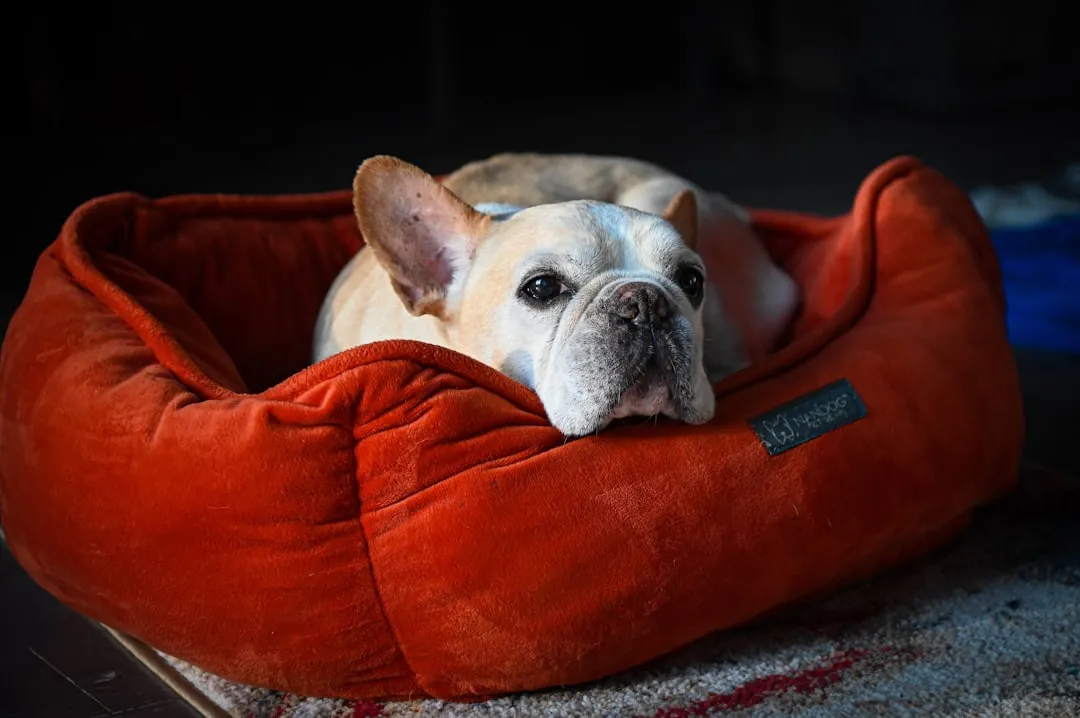
French Bulldogs are the dog world’s equivalent of a roommate who forgets they have legs. They’re compact, sturdy, and spectacularly low-energy indoors. A couple of decent walks and some snuffle-mat time, and they’re done for the day. They don’t need a yard, a staircase, or a backyard zoomies arena. They need a couch, AC, and you.
They’re also relatively quiet compared with many toy breeds. Yes, they snort, wheeze, and “talk,” but nuisance barking isn’t typical when they’re well-managed. The catch? Their breathing and heat-sensitivity can make long hikes or hot climates brutal. In a small home with good ventilation, short potty breaks, and moderate exercise, they don’t just cope – they flourish.
#2 – Cavalier King Charles Spaniel: The Velcro Lapdog Built for Sofas
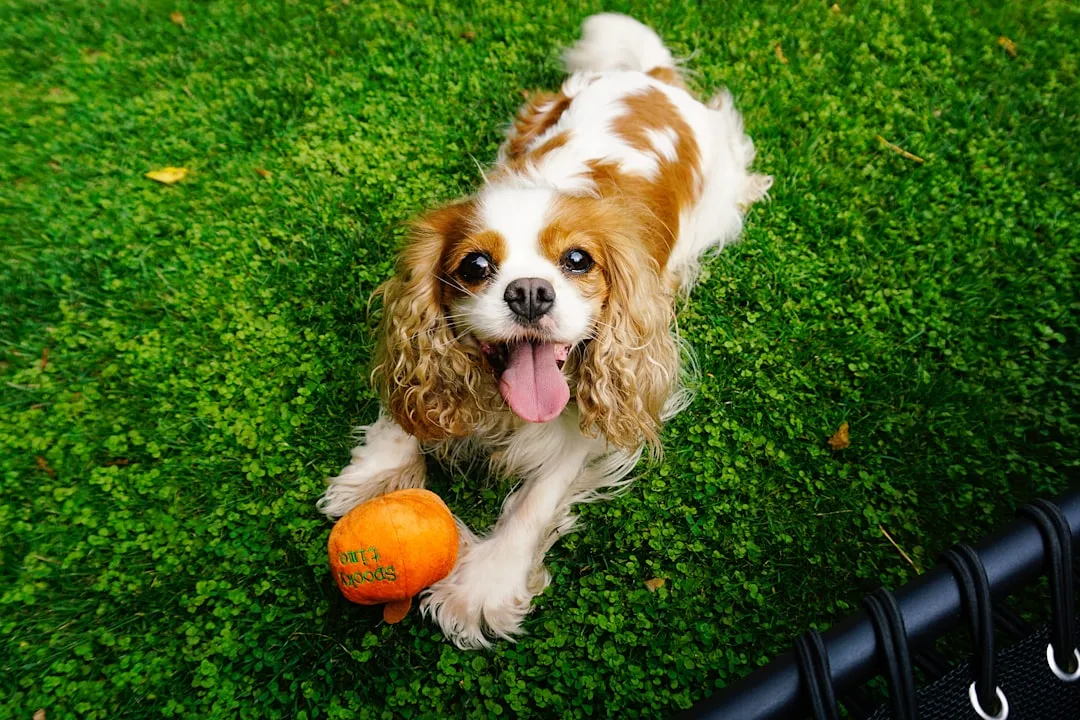
If your ideal evening is Netflix, a throw blanket, and a warm dog glued to your side, the Cavalier is basically engineered for you. Despite their royal history, they’re famously gentle in small spaces. They don’t need a huge territory to pace; they just need to be where you are.
They do have a playful streak and enjoy daily walks, but they don’t climb the walls when the weather is bad or the living room is tiny. What they care about most is proximity, not square footage. The serious downside is health – Cavaliers are notorious for heart and neurological issues, so vet bills can be real. Emotionally, though, few breeds settle into confined, cozy routines as smoothly as they do.
#3 – Greyhound: The “Racing Dog” That Barely Moves Indoors

Most people see “racing dog” and assume Greyhounds need a ranch. Actual owners will tell you the opposite: Greyhounds are infamous couch ornaments. Yes, they love a good sprint, but that’s the key – short, explosive bursts, not all-day stamina.
Give them one or two solid walks and, ideally, an occasional fenced run, and they’ll sleep 20 hours like it’s their job. They tend to be calm, reserved, and polite indoors, and their size often scares apartment neighbors more than their personality ever will. The two real caveats are stairs, which not every ex-racer handles well, and thin skin, which craves soft beds and mild temperatures. Still, for a big dog, their indoor footprint is shockingly small, both literally and emotionally.
Fast Facts
- Sprint speed: capable of short bursts near 45 mph
- Daily sleep: often 18 to 20 hours, especially past racing age
- Coat: short and low-shedding, simple upkeep in tight quarters
- Typical adoption age: 2 to 5 years old, already past the puppy chaos
#4 – Pug: Comedy, Snorts, and Surprisingly Easy City Living
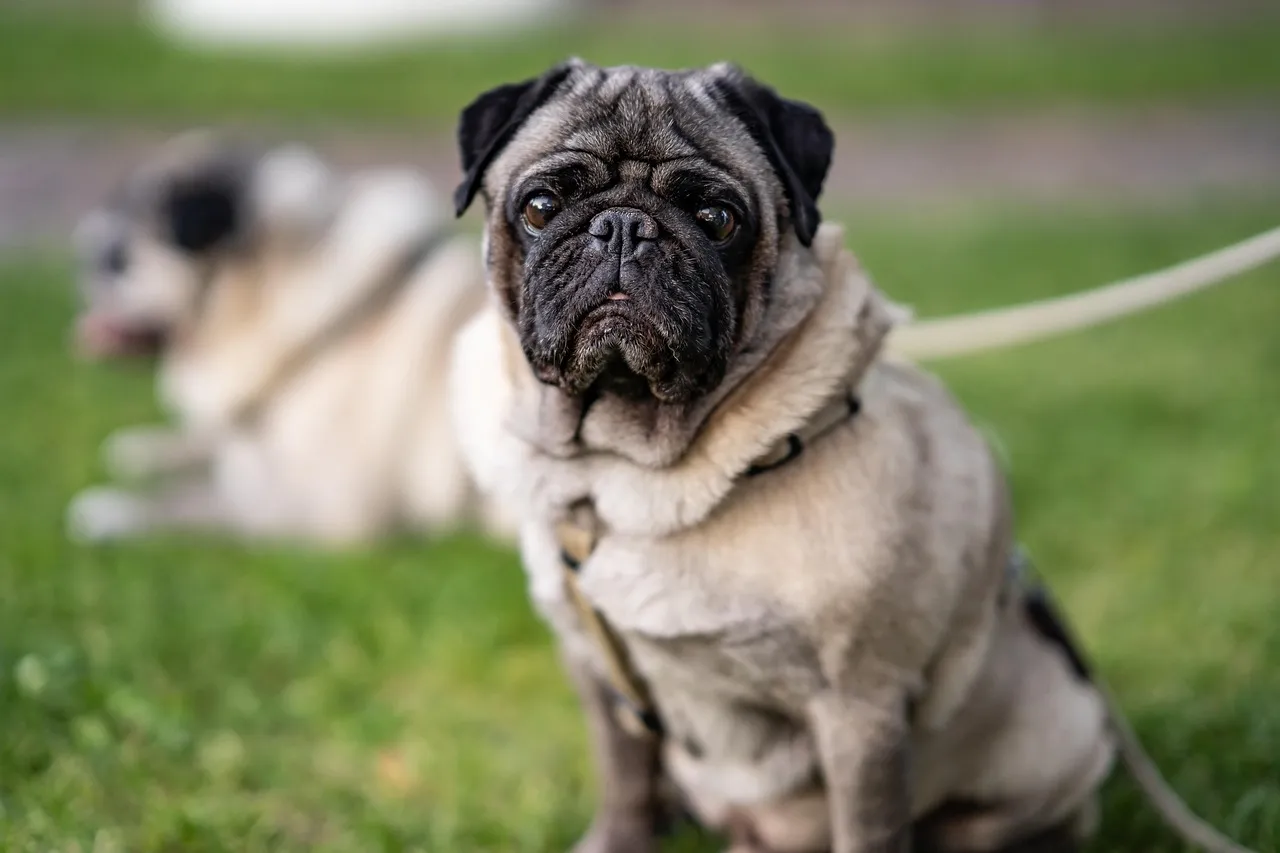
Pugs are tiny clowns bred for companionship, not work, and it shows. They’re content to follow you from room to room, flop in the hallway, or sleep under your desk while you work from home. They don’t require vast territory to feel satisfied – they require presence, attention, and breathable air conditioning.
On the plus side, they typically don’t need marathon walks or intense mental jobs. Simple games, puzzle feeders, and short strolls are enough. On the minus side, like Frenchies, their flat faces mean stairs, heat, and heavy exercise can be genuinely dangerous. People underestimate how little space a Pug truly needs – until they watch a tired one melt into the nearest cushion.
#5 – Chihuahua: Pocket-Sized… and Personality-Dependent
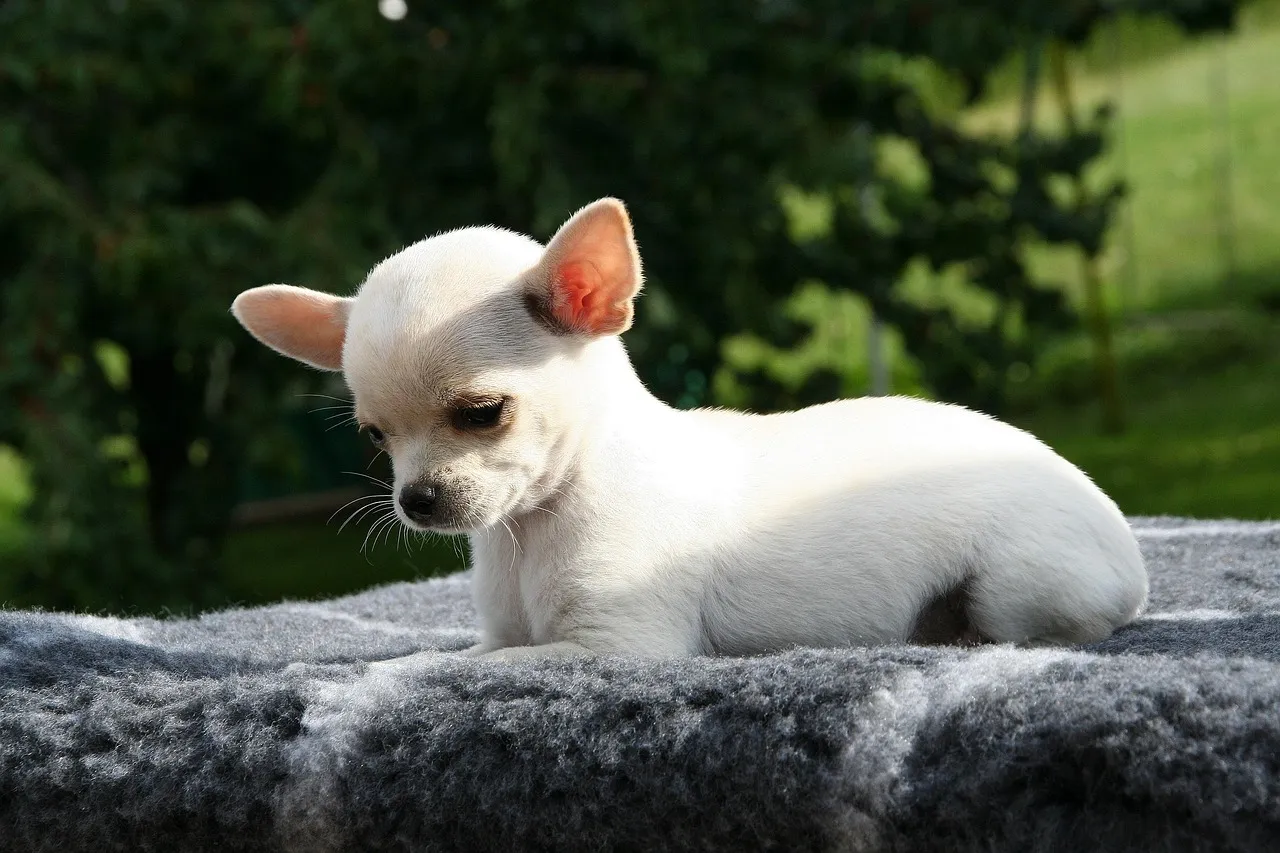
Chihuahuas practically redefine “small home” – these dogs can live comfortably in spaces that would feel cramped for most cats. Their compact size and relatively low exercise needs make them logistical dream dogs for studio apartments and tiny houses. A few short walks, some indoor play, and they can be perfectly content.
But here’s the catch most people ignore: Chihuahuas are often intense, vocal, and fiercely bonded to one person. Poorly socialized Chis can become barking machines in hallway-heavy buildings, reacting to every sound. Give them structure, training, and clear boundaries, and they’re easy keepers, excellent under-the-blanket snugglers, and surprisingly clean. Skip that step, and your neighbors learn their name before yours.
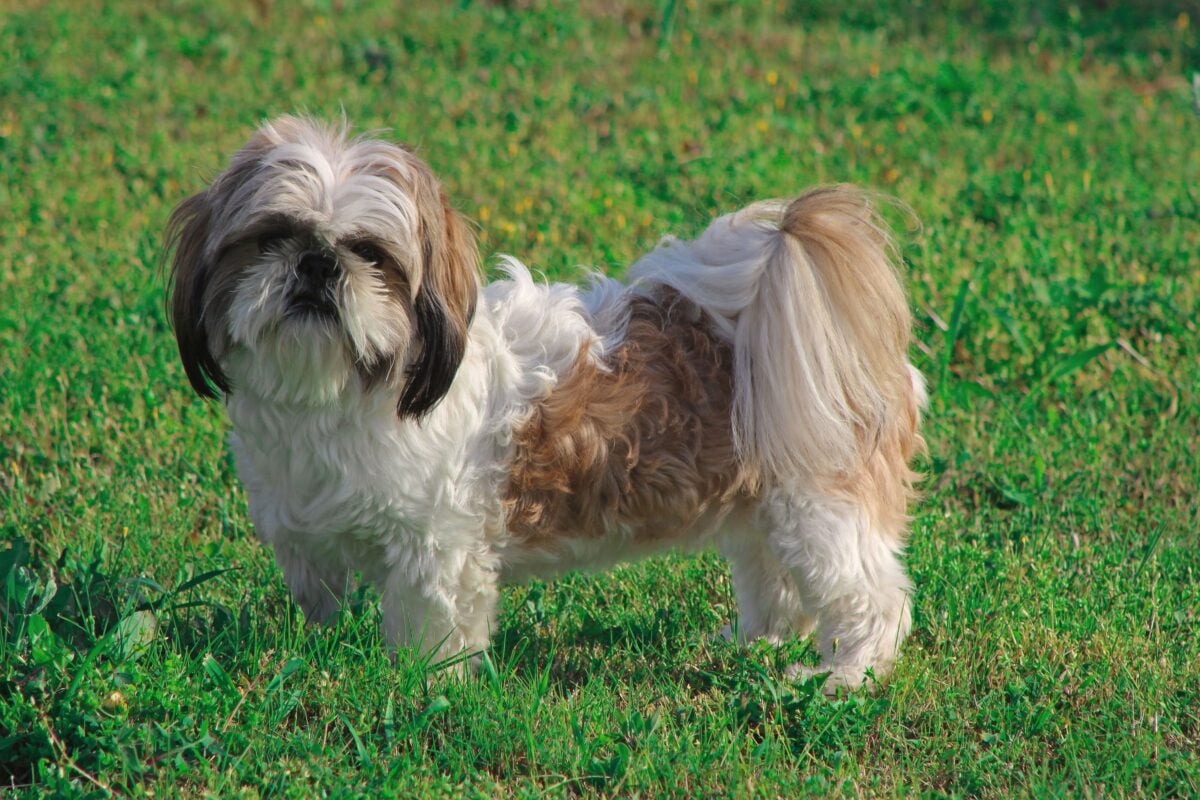
#6 – Shih Tzu: Bred for Palaces, Perfect for Studios
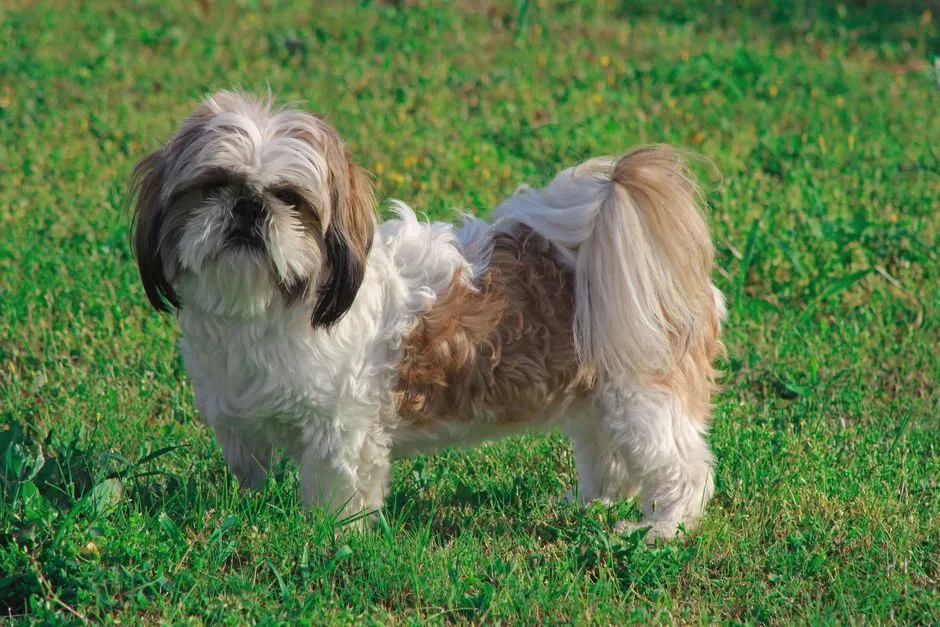
Originally bred as lapdogs in Chinese imperial courts, Shih Tzus were never meant to herd, guard, or pull anything. Their job has always been “be adorable and sit inside,” which is exactly why they transition beautifully to modern apartment life. They’re generally friendly, moderately active, and content with short daily walks.
They don’t demand the intense mental work herding breeds crave, and they’re often less barky than many other toy dogs when properly socialized. Grooming is the tradeoff – that coat needs regular professional care or committed home maintenance. Still, if your square footage is limited and your vibe is cozy, a Shih Tzu’s small footprint and mellow demeanor fit shockingly well.
#7 – Bichon Frisé: The Happy Cotton Ball That Loves Close Quarters

Bichons are upbeat, social, and adaptable. They look like tiny clouds, and their energy level is more “steady cheerfulness” than “wall-bouncing chaos” when managed correctly. Their small size and non-shedding coat make them ideal for tight, shared living spaces, especially where cleaning hair off everything gets old fast.
They do need more mental interaction than people expect. Without training and engagement, Bichons can turn vocal and clingy. With it, they shine in apartments – regular walks, trick training, and grooming sessions are enough to keep them balanced. They’re highly people-oriented, so being close to you in a small home actually works in their favor. They feel secure and involved, not confined.
#8 – Boston Terrier: Small Body, Big Personality, Manageable Needs

Boston Terriers hit a sweet spot: compact, charismatic, and usually easier to satisfy exercise-wise than you’d expect. They enjoy playtime and brisk walks, but most won’t demand half-marathons to stay sane. In a small home, that translates to short, fun energy bursts followed by chill couch time, rather than constant pacing.
They can be a bit talky or excitable, especially when under-stimulated, but with consistent routines and obedience work, they adapt very well to apartment life. Their short coat is easy to manage, and they’re generally people-focused rather than territory-obsessed. Just like Pugs and Frenchies, their facial structure means you must respect heat and overexertion limits. Done right, they’re one of the easiest “city companion” breeds around.
#9 – Dachshund: Tiny Legs, Moderate Needs, Big Opinions

You’d think a small dog with short legs would be a perfect fit anywhere, and often, Dachshunds are. They don’t demand huge running space and can do very well in apartments with daily walks and scent-based games. Their hunting background makes them enjoy sniffing more than sprinting, which works well in tight neighborhoods.
But they’re also vocal little watchdogs. A bored Dachshund in a hallway-heavy building can turn into a siren for every sound outside your door – they’re notorious barkers if boundaries aren’t set early. Physically, stairs and jumping off furniture can be risky due to their long backs, so a single-story small home can actually be ideal. Manage the noise and protect their spine, and they settle surprisingly well in compact spaces.
#10 – Italian Greyhound: Minimalist Dog for Minimalist Spaces

Italian Greyhounds are like “Greyhound Lite” – slender, delicate, and absolutely built for soft furniture. Indoors, they’re champions of stillness. They enjoy bursts of zoomies but overall function beautifully in small apartments as long as they get a couple of structured play sessions or walks daily.
They’re also generally quiet, and their tiny size means they occupy almost no physical space. The catches are fragility and climate – thin skin and low body fat make cold floors, drafts, and hard surfaces genuinely uncomfortable. They’re ideal for people who keep cozy, soft, warm homes without roughhousing kids underfoot. In that context, even a micro-studio can feel like a palace to an Iggy.
#11 – Pekingese: Tiny Lion Dog Who Lives for Indoors
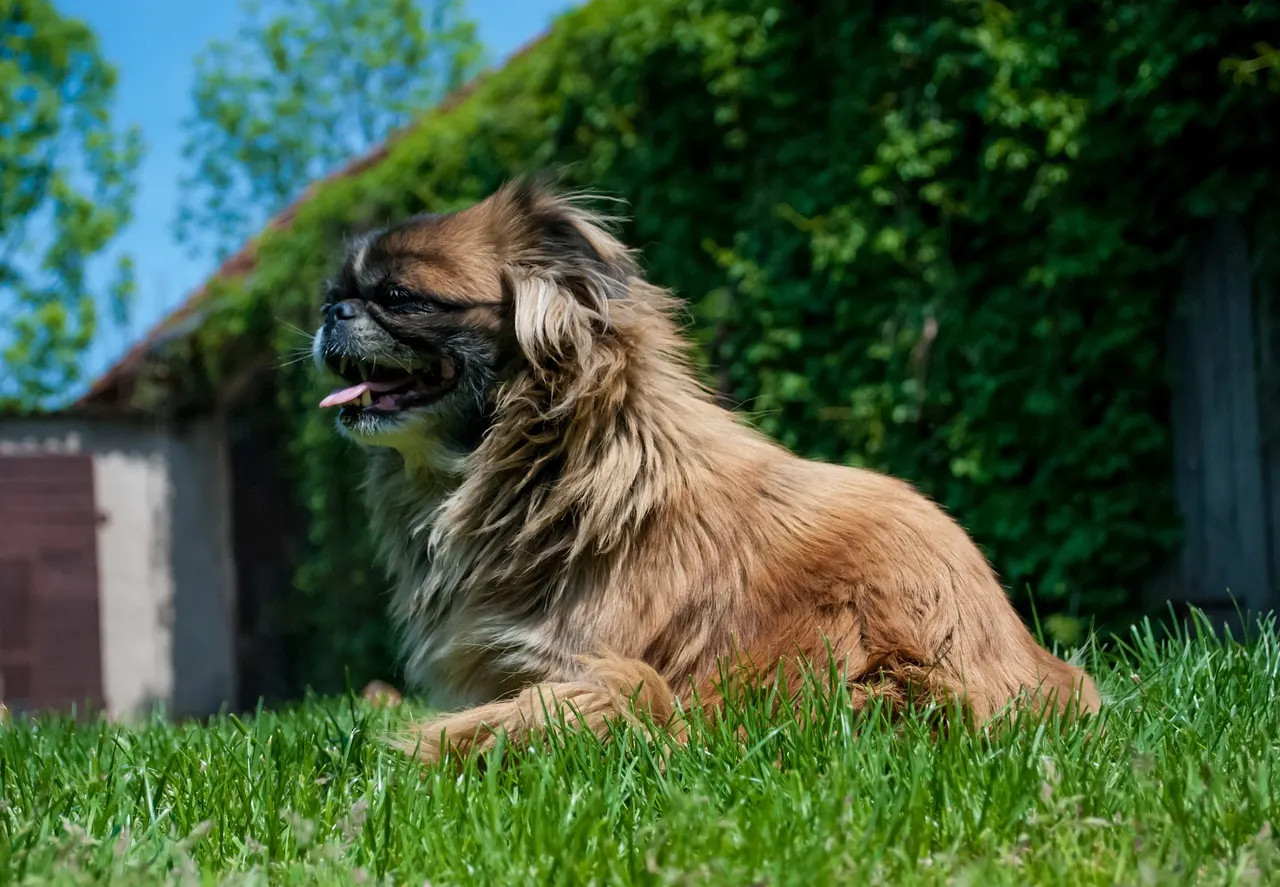
The Pekingese is another ancient palace dog whose natural environment has always been: inside, near humans, on cushions. Their short legs and heavier build mean they’re not built for endurance activity, and in small homes they’re usually content with short leash walks and supervised yard time if you have it.
Temperament-wise, they can be a bit aloof or stubborn, but they’re not typically high-octane. Their compact size and moderate energy make them a good choice for low-space households wanting a dignified, slightly dramatic companion rather than a sports partner. Grooming, again, is the main task here. Their historical role as indoor companions makes them one of the more underrated small-home success stories.
#12 – Maltese: Featherweight Dog, Heavy on Attachment

The Maltese is small, light, and easy to carry, which matters more in small homes than people admit. Need to pick the dog up in a crowded hallway or on an elevator? No problem. Their size and generally gentle nature mean they fit easily into both physical and social tight spaces.
They are, however, deeply attached to their humans. Left alone for long hours in a tiny apartment, a Maltese can develop separation anxiety or nuisance barking. When you’re home often and engage them with grooming, training, and play, they thrive. The lack of undercoat also means less shedding, a real perk in condos with limited cleaning time. They don’t need big spaces – just consistent human presence.
#13 – Yorkshire Terrier: Compact, Confident, and Manageable if You Set Rules

Yorkies are small, bold, and often convinced they are much bigger than they look. For apartments, their compact size and moderate exercise needs are a win. Short walks, fetch in the hallway, and training sessions usually keep them mentally and physically satisfied.
The challenge is noise. Yorkies are classic alert dogs, and in a building with thin walls, that can strain neighbor relationships if you don’t invest in training. Many owners accidentally reward the barking, turning them into tiny air-raid sirens. Handled properly, with early socialization, firm boundaries, and mental work, they can be excellent small-home companions who take up almost zero floor space.
Quick Compare
- Yorkshire Terrier: high alert-barking risk without early training
- Chihuahua: vocal when poorly socialized, calm when structured
- Shih Tzu: comparatively low barking tendency
- French Bulldog: rarely barks, more grunts and snorts than noise
#14 – Miniature Schnauzer: Small Dog, Big Brain, Still Apartment-Friendly
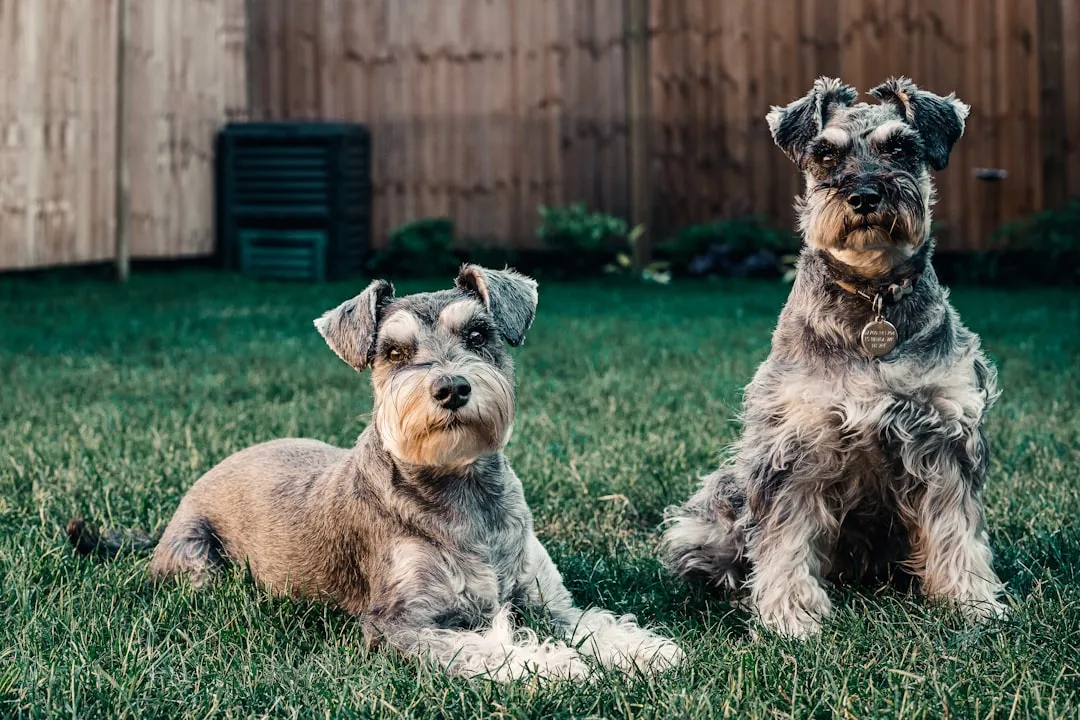
Miniature Schnauzers are clever, sturdy, and social. They’re more energetic than some toy breeds, but not usually destructive if exercised properly. In smaller homes, they tend to do well with structured walks, play sessions, and puzzle toys rather than constant open-yard freedom.
They do have a protective streak and can be vocal if they decide every sound is their business. The upside is that their intelligence makes training easier than with many other small breeds. With clear rules and a daily routine, they’re perfectly capable of thriving in a condo, using their brains instead of your furniture. Their wiry coat sheds less than average too, a real bonus when you’re sharing tight square footage.
#15 – Pomeranian: Fluffy Firecracker That Can Still Work in Tight Quarters
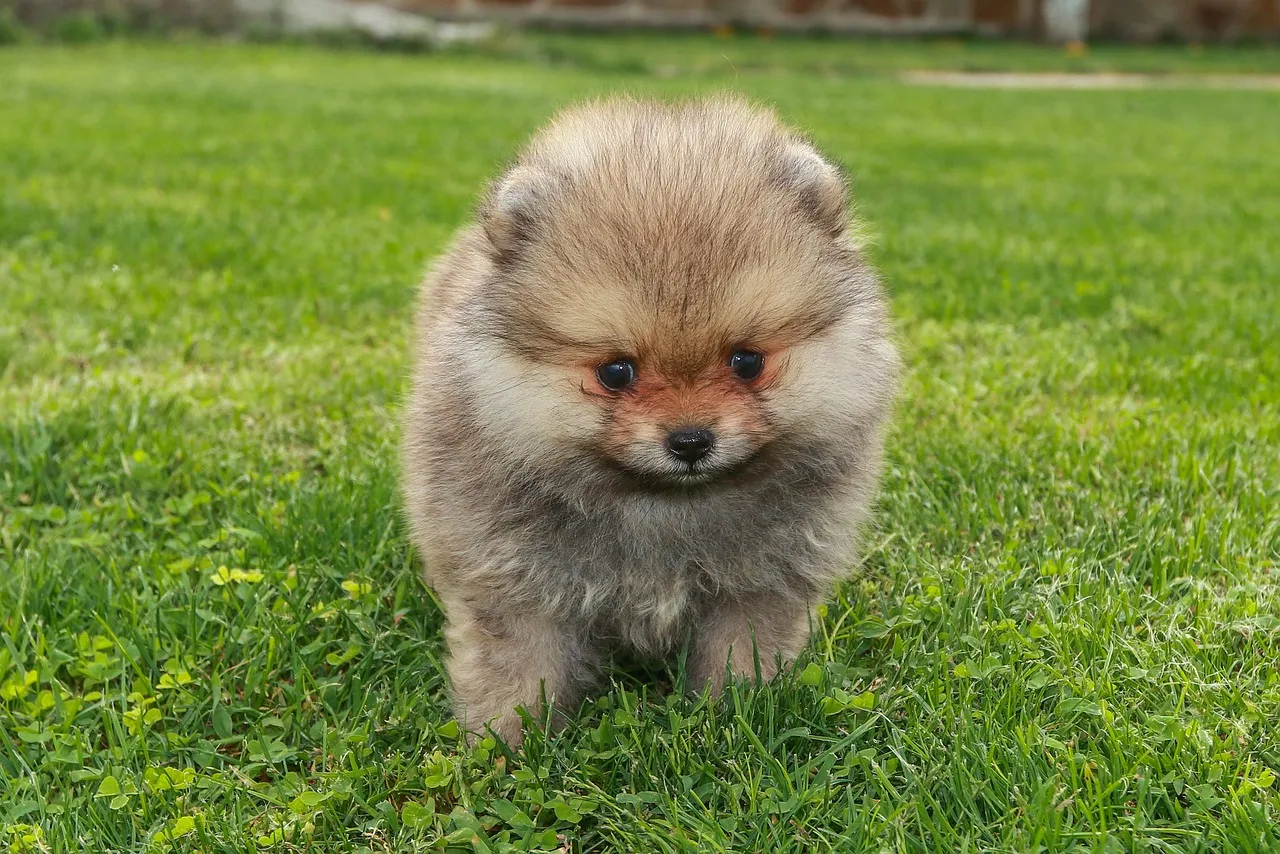
Pomeranians have big-dog energy in a tiny package. They’re alert, expressive, and love being involved in everything, which can actually work well in small homes where you’re always in sight. Their size makes them logistically easy in elevators, small yards, and compact living rooms.
The downside is barking – it’s their favorite sport if unchecked, and in shared-wall situations, that can become a problem fast. They need consistent training, plenty of interactive toys, and boundaries around window or hallway reactivity. Invest in that, and they’re surprisingly adaptable, since their physical exercise needs stay relatively modest. They need mental activity far more than miles of running.
#16 – English Bulldog: Heavy Body, Surprisingly Low-Key Indoors
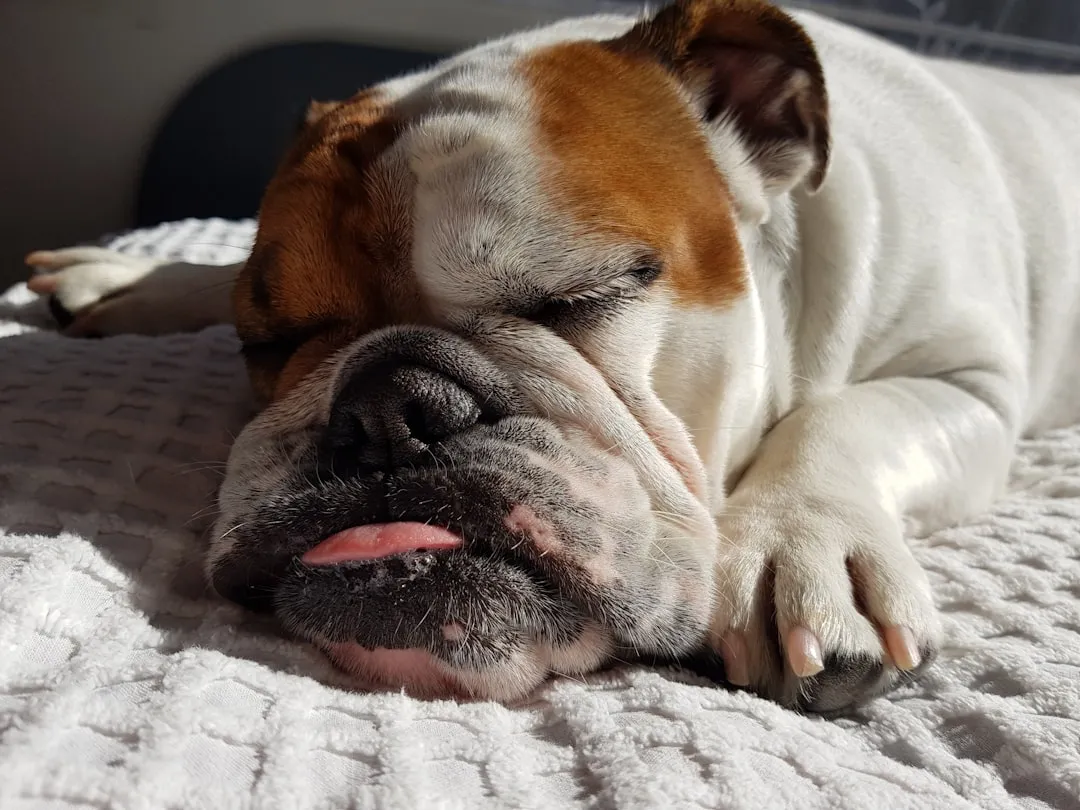
Despite their intimidating bulk, English Bulldogs are arguably some of the laziest dogs on earth when they’re healthy. They’re more likely to sprawl in the coolest corner of your apartment than demand a five-mile run. For small homes, their low energy and disinterest in constant motion can be a genuine advantage.
However, health concerns are huge: breathing problems, joint issues, overheating, and skin folds all require attention. Stairs can be tough, and hot, unventilated apartments can be dangerous. Provide climate control, short controlled walks, and plenty of lounging options, and an English Bulldog can actually be calmer in tight spaces than many “tiny” hyper breeds. But this is a breed where lifestyle fit and vet care must be taken deadly seriously.
#17 – Havanese: Social Butterfly That Loves Close Contact
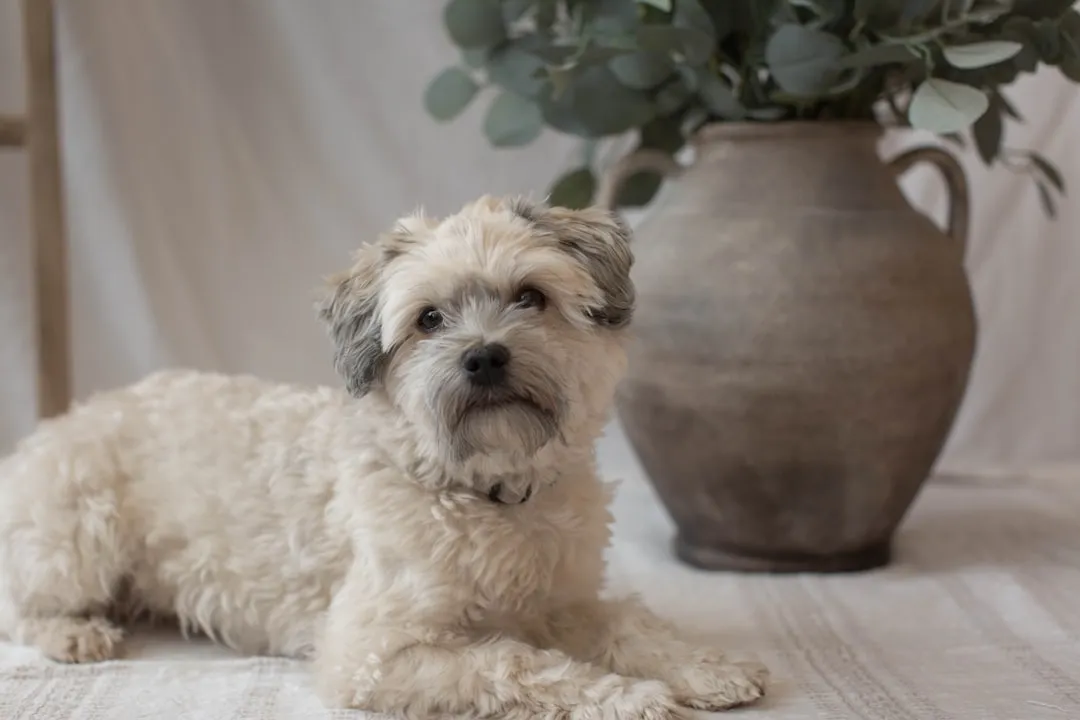
The Havanese was developed as a companion dog in city settings, and it shows. They’re people-oriented, trainable, and adaptable, making them well-suited for modern urban apartments. They’re active enough to enjoy play sessions and walks, but not so intense they’ll wreck your home if they skip one long outing.
They also tend to get along with neighbors and other pets when socialized, which matters in tight complexes. Their coat requires real grooming commitment, but it sheds less than many breeds, making them easier to live with in small spaces. They thrive when they can see you, hear you, and participate in your daily routine, even if that routine happens entirely inside 600 square feet.
#18 – Mixed-Breed Rescues: The Curveball Nobody Expects to Win
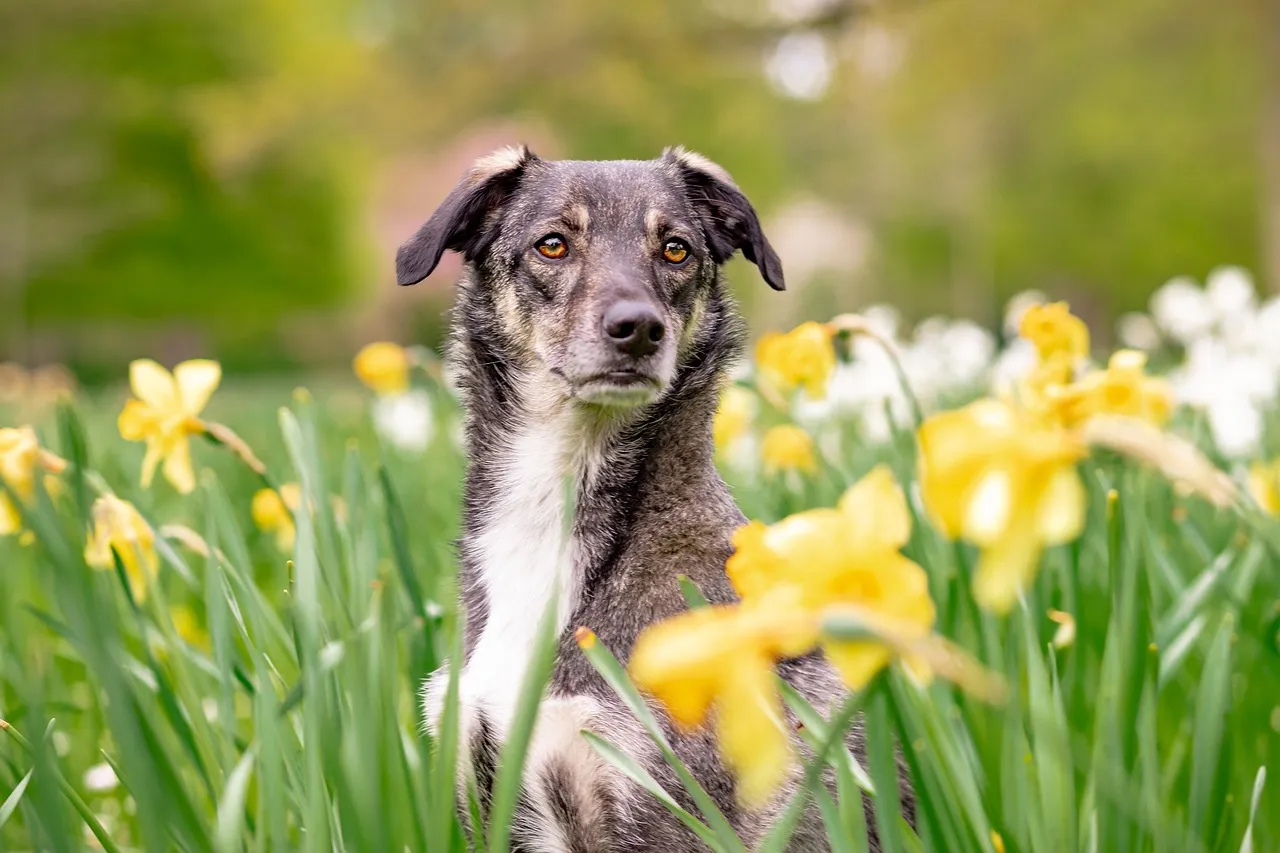
Here’s the twist nobody predicts: many of the best “small home” dogs aren’t purebred at all. Shelters are full of small to medium mixed breeds whose personalities are already known. Staff can often tell you, “This one is couch-potato calm,” or “This one is quiet and low-energy indoors.” Adopting based on temperament instead of label can be the smartest small-home move you make.
Older dogs, especially, often transition beautifully into apartments. They’re past the chaos of puppyhood, more predictable, and frequently just want a bed and a person. It’s less glamorous than picking a trendy breed, but the reality is that a carefully chosen mixed-breed can out-perform many “designer” dogs in tight spaces. Long-term happiness depends more on energy match than pedigree ever will.
Worth Knowing
- Ask shelter staff about the dog’s indoor energy level, not just its breed guess
- Senior and adult dogs often reveal their true temperament faster than puppies
- A quiet meet-and-greet room shows more than a busy hallway walk
- Trial adoption periods, when offered, are a low-risk way to test apartment fit
#19 – Border Collie: Genius Athlete Trapped in a Shoebox
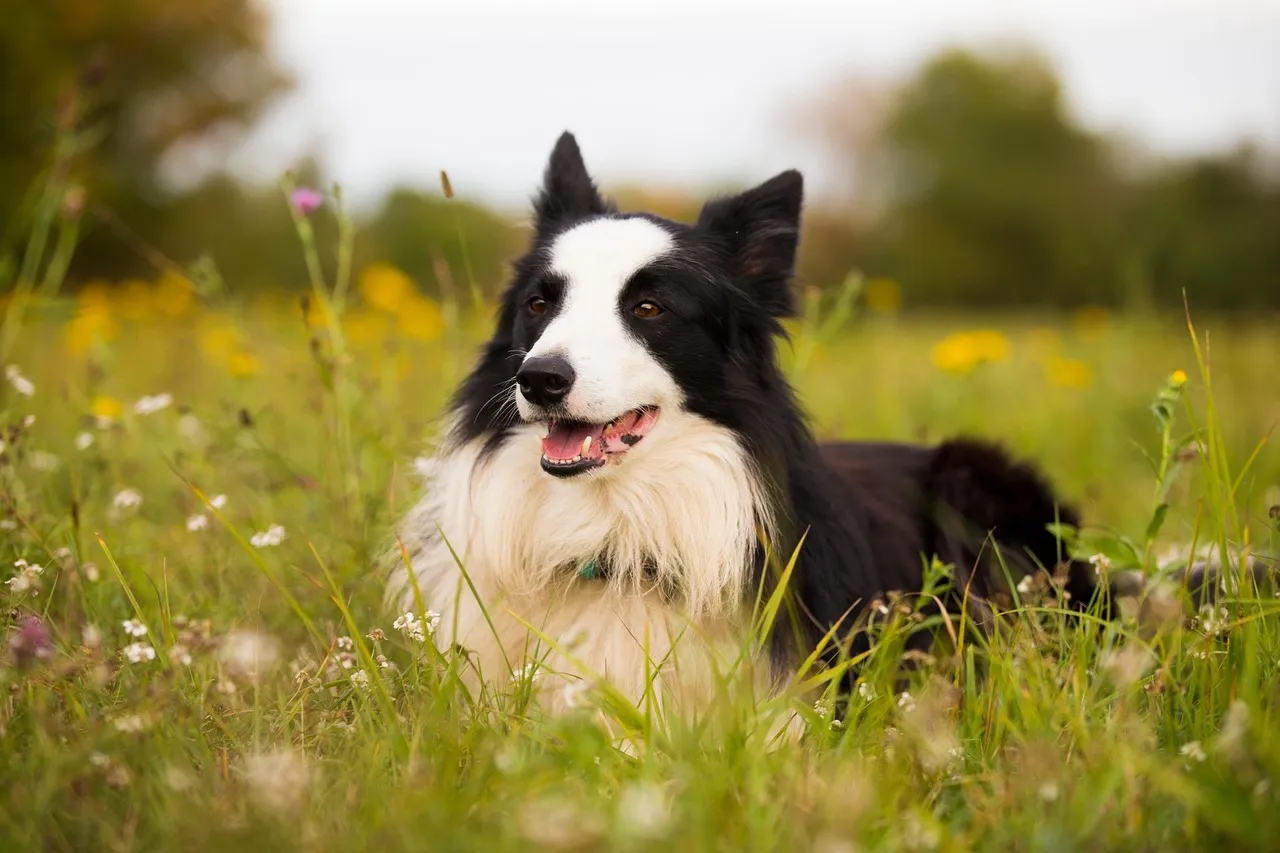
Now we flip the script. Border Collies are incredible dogs – just not for most small homes. They are among the smartest breeds on earth and were bred for relentless, complex work over huge fields. Cram that brain and energy into a cramped apartment with a 15-minute walk, and you’ve built a frustration machine.
There are exceptions with older or unusually mellow individuals, but as a rule, Border Collies in tight, low-stimulus environments develop obsessive behaviors: spinning, shadow chasing, destructive chewing, or neurotic hyper-vigilance. They can adapt only if the owner essentially turns their life into a full-time sport and training project. For the average busy person, that’s non-negotiable time they simply don’t have. In most small homes, the dog quietly pays the price.
#20 – Australian Shepherd: Gorgeous, Trendy, and Often Miserable in Apartments
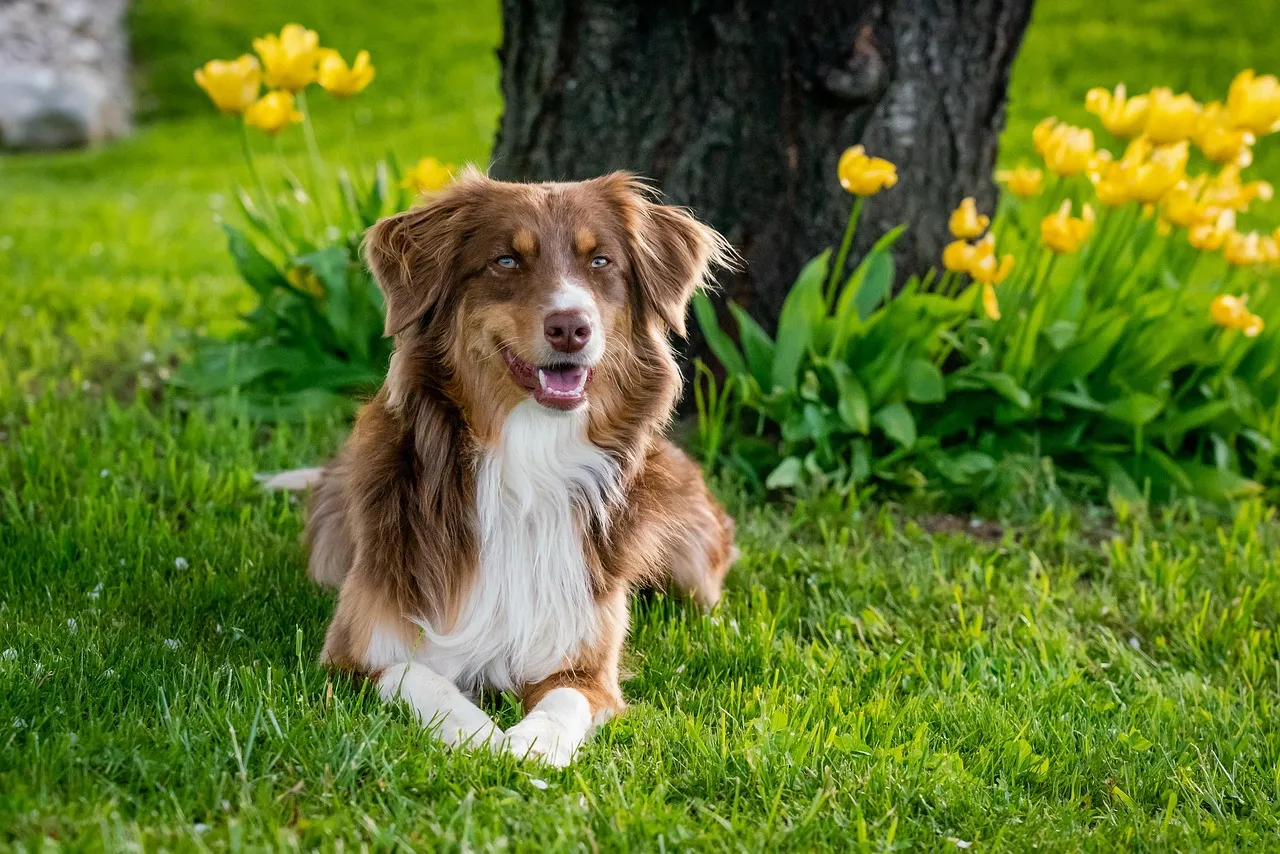
Aussies are Instagram-famous right now, which is exactly why so many end up under-stimulated in city apartments. These dogs were bred to work livestock all day, think independently, and handle chaos, not stare at four walls while you work remote. A quick walk and a game of fetch rarely touch their mental needs.
Without massive daily outlets – training, sports, off-leash running – Aussies can become bossy, mouthy, and destructive. They’re also often vocal, which in shared-wall living is a nightmare. Could a dedicated, highly active owner make it work in a small home? Yes, with serious effort. But for most people, pretending this is a “standard apartment dog” is unfair to the breed, since they rarely truly settle unless their work drive is met.
#21 – Dalmatian: High-Octane Dog in a Low-Space World

Dalmatians are striking and nostalgic thanks to Disney, but their lifestyle needs are wildly mismatched with tiny homes. Bred as carriage dogs, they have significant stamina and energy, and many retain a strong need to move, explore, and stay engaged. A sedentary apartment routine is a recipe for restlessness.
They can be sensitive and sometimes wary of strangers, so constant hallway encounters can be stressful if not carefully socialized. The combination of high energy, potential reactivity, and limited space often shows up as pacing, barking, or destructive chewing. A super-active owner who runs daily and trains intensely can pull it off. Realistically, though, most Dalmatians will never feel fully satisfied in the average small, low-activity household.
#22 – Siberian Husky: Born to Run, Not to Rotate Around a Coffee Table
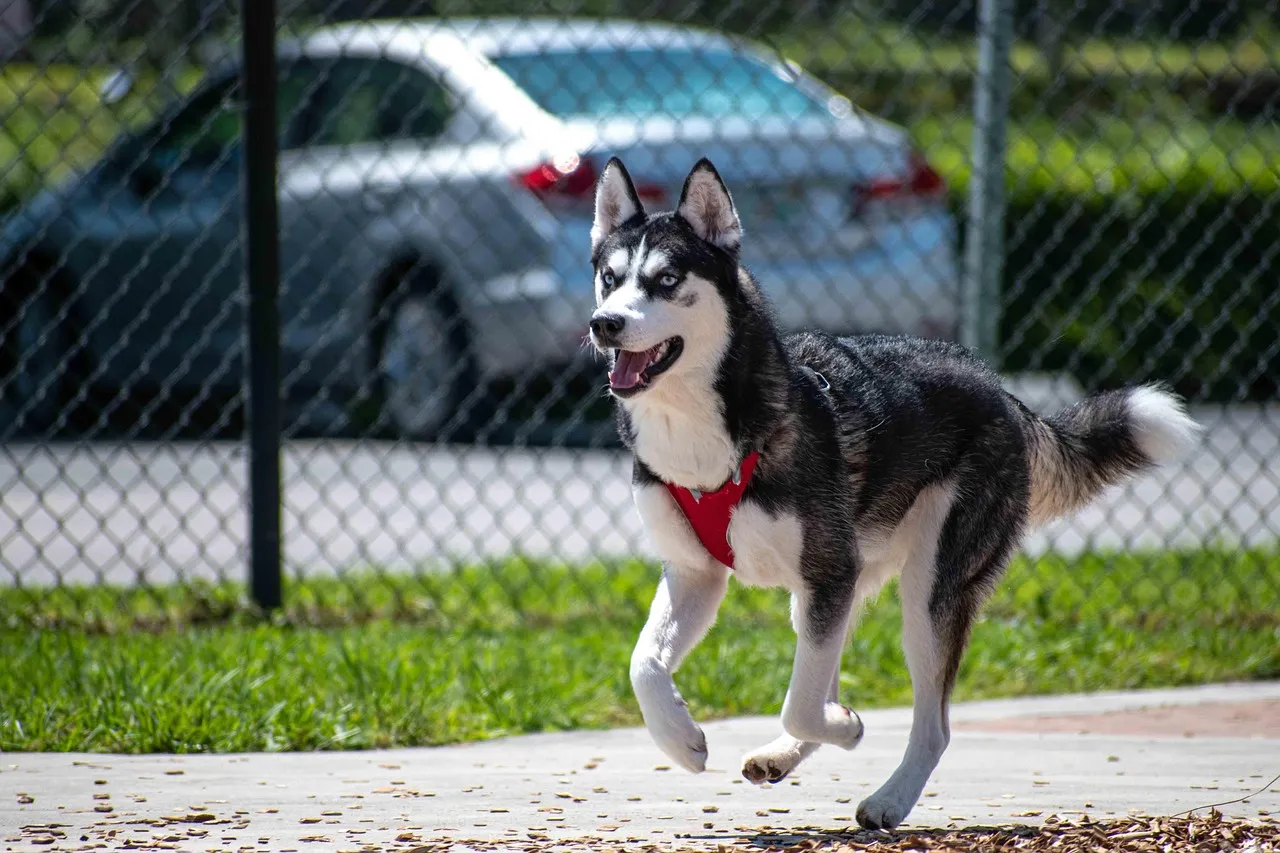
Putting a Husky in a tiny apartment and expecting it to be calm is like parking a race car in a driveway and only starting it once a week. Huskies were bred for distance running in harsh conditions, working in teams, and making constant decisions. Small spaces, low exercise, and isolation are almost the opposite of what they’re designed for.
They’re also notoriously vocal – howls, “talking,” and protest noises are part of the package. In an apartment complex, that can quickly become a neighbor relations disaster. Without serious daily exertion and mental challenges, many Huskies become escape artists, destructive, or simply miserable. They’re incredible dogs, but they’re not remotely optimized for confined, low-stimulation homes.
At a Glance: Signs a Dog Isn’t Settling
- Pacing or circling the same small area repeatedly
- Excessive howling, barking, or “talking” at ordinary household sounds
- Destructive chewing aimed at doors, windows, or furniture edges
- Repeated escape attempts through doors, gates, or balconies
#23 – Belgian Malinois: The Ultimate Working Dog, The Worst Casual Apartment Dog
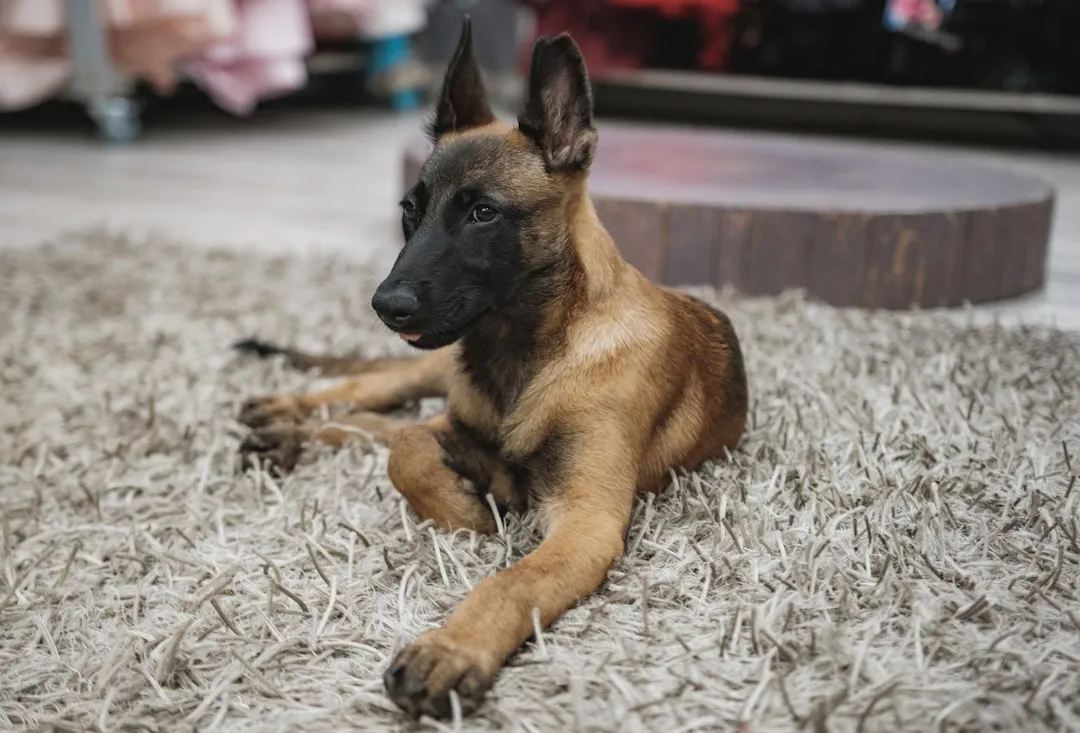
Malinois have become trendy thanks to police and military roles, but almost no one with a standard small-home lifestyle should own one. These dogs are workaholic, high-drive athletes with extreme mental and physical needs. They’re the “special forces” of the dog world, not casual companions.
In a constrained, low-challenge environment, a Malinois can spiral fast into obsessive behavior, destructive outlets, and even aggression if boredom festers. They crave structured jobs: protection sports, advanced obedience, scent work, and more. A small home isn’t the problem by itself; it’s the lack of real, daily work that usually comes with those homes. For most people, this breed will never truly settle in a couch-centric, cramped lifestyle.
#24 – German Shorthaired Pointer: Endless Energy Trapped Indoors
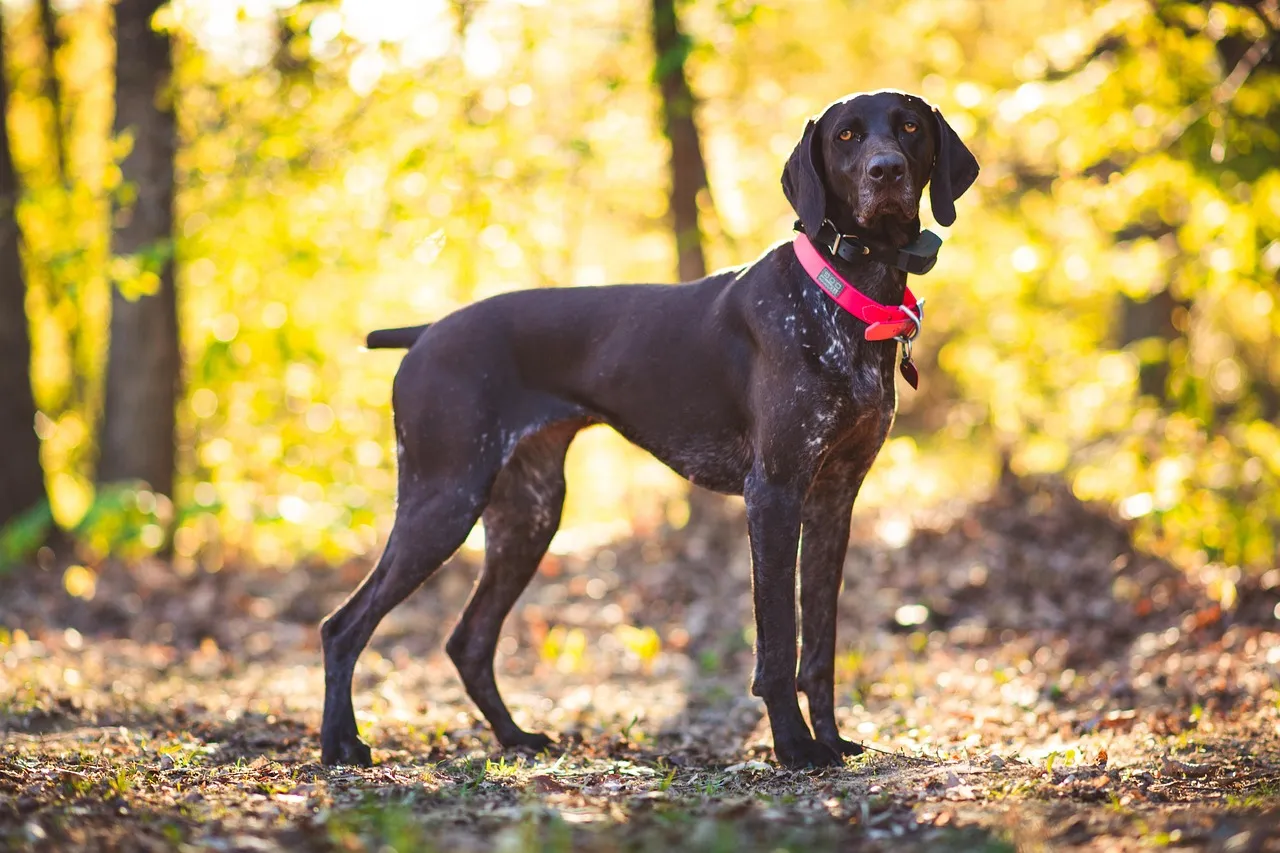
GSPs are hunting dogs with near-endless stamina and intensity. They thrive on running, tracking, and field work. Most average small-home routines – two short walks and some weekend fun – barely touch their needs. Physically, they can lie on a small dog bed; mentally, they’re exploding.
Without huge daily outlets, they’re prone to pacing, destructive chewing, and hyper behavior that’s nearly impossible to “train out” without addressing the root cause of unmet drive. Some individuals mellow with age, but banking on that in a 600-square-foot apartment is a gamble the dog usually loses. In general, they’re built for land, tasks, and motion, not for life in tight boxes.
#25 – Weimaraner: “Velcro” Athlete That Hates Being Confined and Alone

Weimaraners combine intense attachment with big energy. They’re often dubbed “Velcro dogs,” yet at the same time need serious, daily physical exertion and mental stimulation. Lock that combination into a tiny home, leave for nine hours, and you’ve brewed a separation anxiety cocktail.
They can howl, bark, and destroy furniture when stressed or under-exercised. Square footage isn’t the only factor, but it amplifies the issue – there’s nowhere to get distance from stressors, nowhere to truly “escape” triggers. Even committed owners often find that small homes limit what they can do to meet the dog’s needs. For many Weimaraners, spacious environments with high activity options feel far more natural than cramped city apartments.
#26 – Jack Russell Terrier: Small Body, Nuclear Energy, and a Brain That Won’t Quit
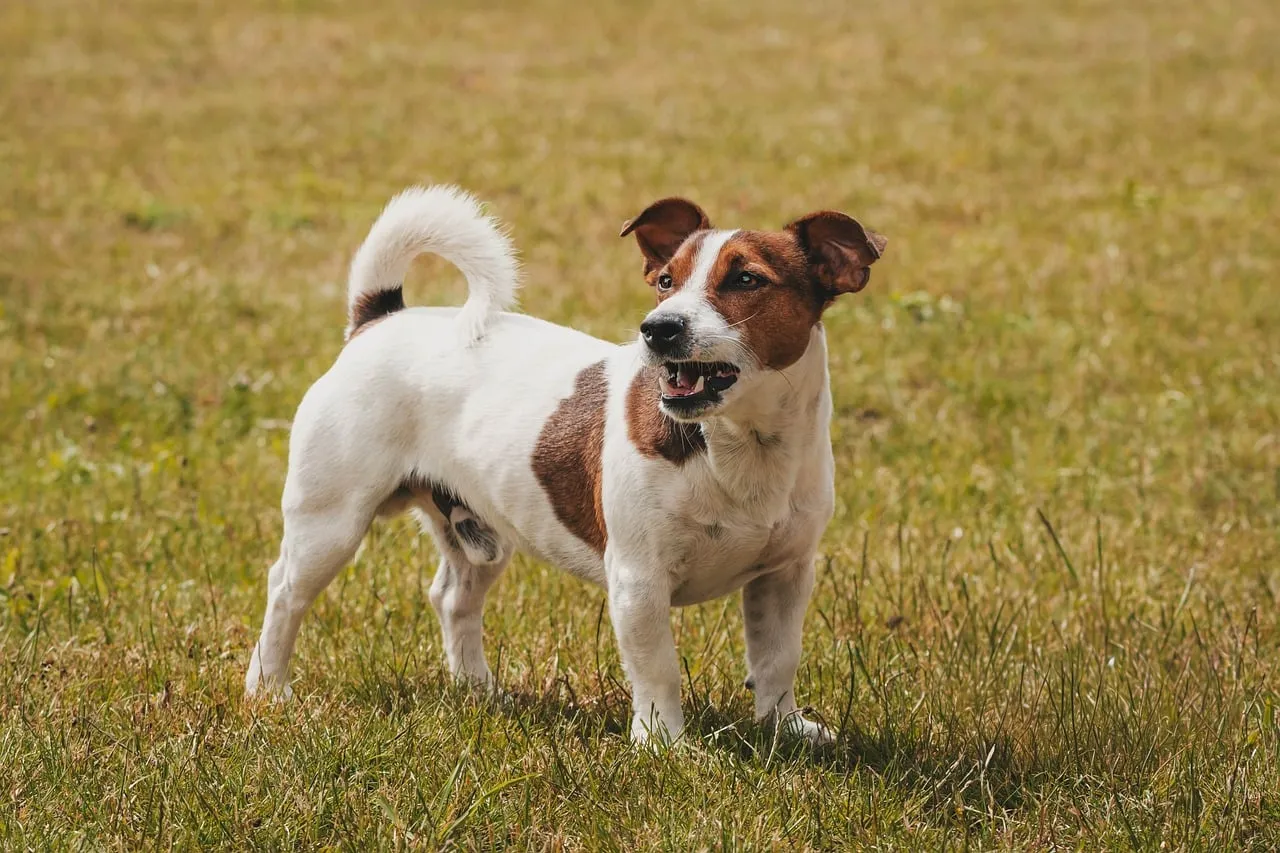
Jack Russells trick people. They’re tiny and cute, so they get labeled “apartment-friendly.” In reality, they’re explosive hunters with relentless drive, problem-solving brains, and huge stamina. They were developed to pursue foxes underground, not nap all afternoon while you scroll your phone.
In small homes without serious exercise and structured jobs like agility, scent work, or intense play, they become destructive, noisy, and obsessive. Their size makes them seem like a logical choice for tight places, but temperamentally, they’re closer to a pocket rocket. Some extremely active, training-obsessed owners make it work in apartments, but for the average household, a Jack Russell in a tiny space is a long-term mismatch that rarely truly settles.
The Bottom Line
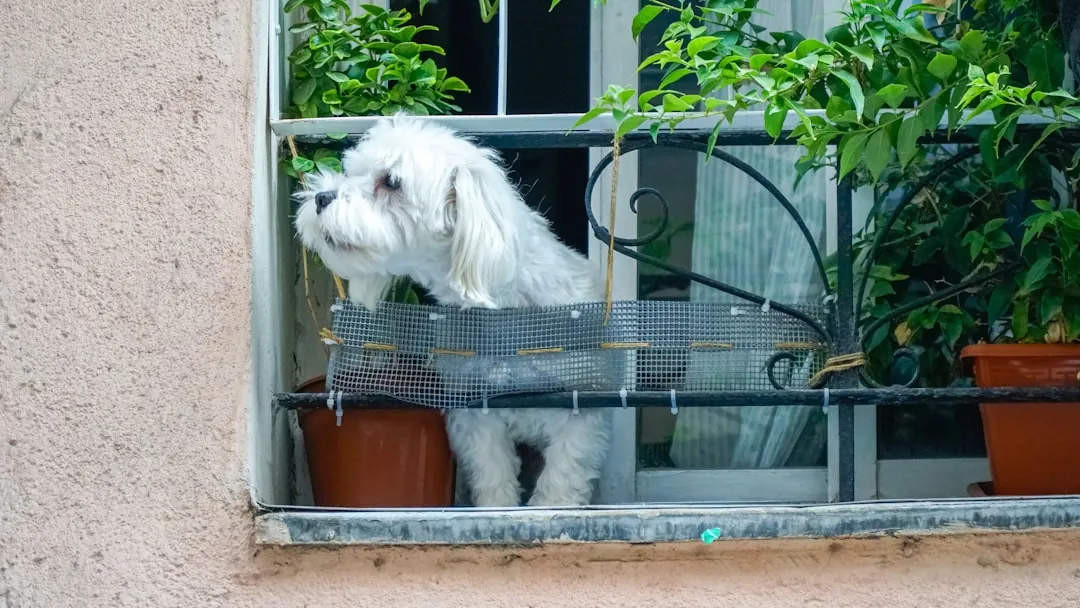
Space isn’t just about square footage – it’s about matching a dog’s wiring to your actual lifestyle. The quiet truth is that many small, “cute” breeds cope better in tight homes than the flashy working or herding dogs everyone is posting on social media right now. A bored Border Collie in a luxury condo is often less happy than a well-loved Frenchie in a studio.
There are no bad dogs, only bad owners.
Barbara Woodhouse
When you ignore genetics and buy on looks or trends, the dog pays the price in frustration, anxiety, and behavior “problems” that are really human mistakes wearing a leash. If you live small, pick a dog whose energy, noise level, and mental needs fit small too. That might mean reconsidering the Husky and embracing the Shih Tzu, or heading to the shelter for a calm mixed-breed instead of a high-drive “status” dog.
Did we overrate any breeds here, or completely miss your tiny-home superstar or disaster story? Drop it in the comments and prove us wrong.
