
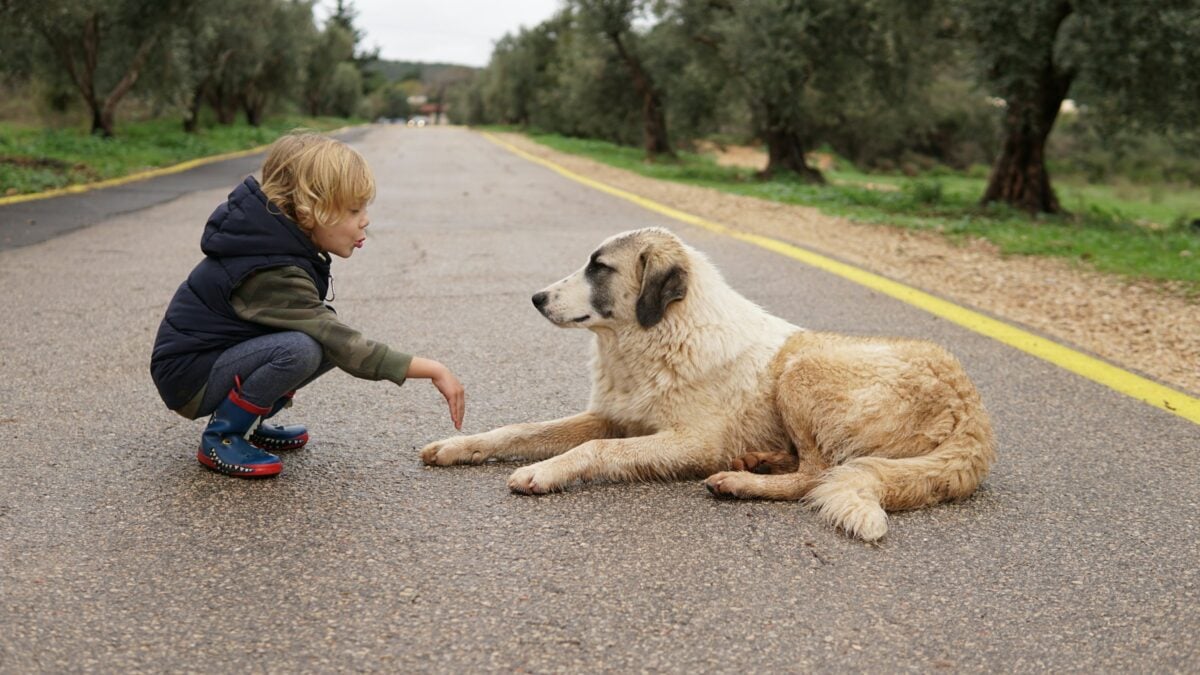
Everyone assumes that once you’ve raised a dog, you’ve basically got it figured out. Ask anyone on their third, fourth, or fifth dog, and you’ll get a very different answer.
Behind the confident “I’ve done this before” energy is a quiet list of regrets they rarely say out loud: training shortcuts, health gambles, moments they misread as stubbornness instead of fear. These aren’t cute little “oops” stories. They’re choices that changed a dog’s entire life, and in some cases, shortened it. Here’s what experienced owners actually admit they’d undo if they got a do-over.
#16 – Choosing a Breed for Looks Instead of Lifestyle

Veteran dog owners will tell you flat out: picking a dog because it’s “cute” is the fastest route to regret. Plenty admit they chose a high-drive or brachycephalic breed purely for the look, without thinking through the exercise, grooming, or health needs waiting on the other side.
That “Instagram dog” might actually need two hours of hard activity a day, a professional groomer every four weeks, or lifelong breathing support. When reality lands, both the human and the dog pay for it in stress and preventable vet bills. Now these owners say they’d research working versus companion breeds, energy levels, and genetic risks before ever walking into a shelter or contacting a breeder. It’s not about perfection. It’s about fit.
Fast Facts
- Herding and working breeds often need 1–2 hours of vigorous exercise daily to stay balanced
- Brachycephalic breeds like bulldogs and pugs are prone to lifelong breathing and heat-tolerance issues
- Heavy or double-coated breeds typically need professional grooming every 4–6 weeks
- Genetic health screening can flag breed-specific risks before you ever bring a dog home
#15 – Skipping Pet Insurance or a Vet Emergency Fund
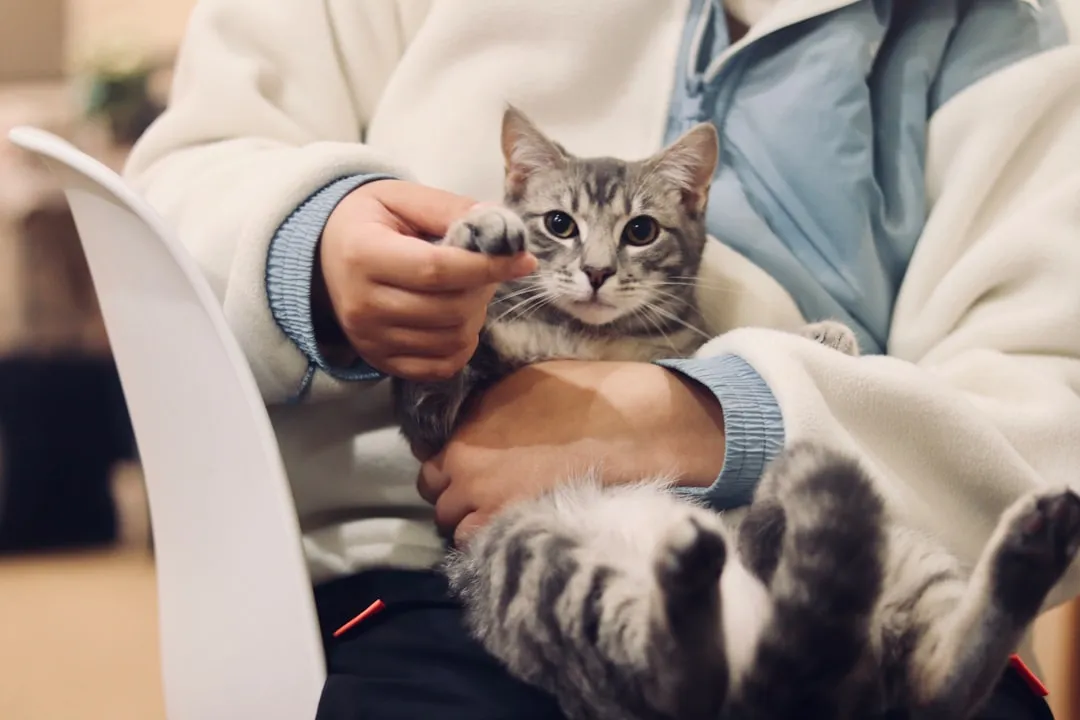
A surprising number of experienced owners admit they rolled the dice on vet costs. Everything looked fine at first, just routine shots and the occasional upset stomach. Then the “one big thing” happened: a torn ligament, bloat, pancreatitis, or a mystery illness at 2 a.m.
Five-figure emergency bills aren’t rare anymore, and many owners say they ended up making medical decisions based on their bank account instead of what was actually best for the dog. Now they’re almost evangelical about insurance or a dedicated savings account. Some sign up for a policy on day one; others just start putting money aside every month. The method matters less than simply having something in place before disaster strikes.
#14 – Letting Problem Behaviors “Slide” When They Were Cute
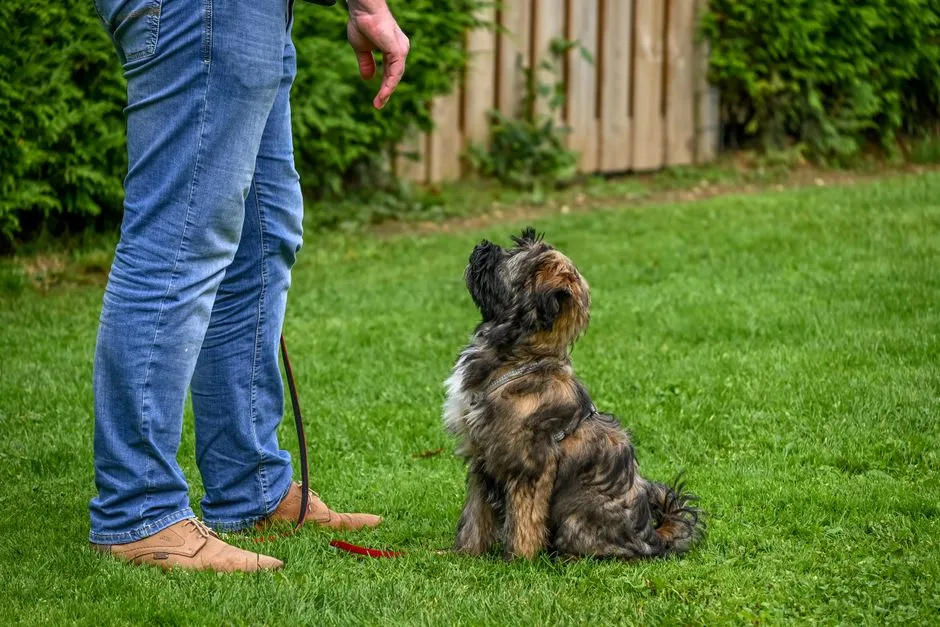
Nearly every long-time owner has a story that starts with “it was funny at first” and ends somewhere much worse. The puppy who lightly mouthed hands now bites hard when excited. The tiny dog who “just barked at the doorbell” now screams for 20 minutes at any noise. The goofy puppy who jumped up for kisses now knocks down kids and grandparents.
They didn’t correct it early because it felt mean, or they figured the dog would grow out of it. Experienced owners now insist that small issues rarely disappear on their own; they get bigger, louder, and harder to fix. Addressing jumping, barking, pulling, or guarding early isn’t harsh. Waiting until it’s a full-blown problem is what actually feels cruel in hindsight.
#13 – Not Socializing Beyond the “Safe Bubble”

Many owners did puppy classes and assumed they’d nailed socialization. Years later, they realized they’d accidentally raised a dog who was fine at school but terrified everywhere else. The dog only ever met similar-looking dogs, heard familiar noises, and walked the same quiet block.
Then a skateboard flew past, a toddler screamed, or a stranger in a hat leaned in too close, and the dog panicked. Seasoned owners now say real socialization means calm, positive exposure to variety on purpose: different surfaces, sounds, and weather, plus all kinds of people, including kids, seniors, and folks using mobility aids. Miss that window early on, and you can’t fully get it back later.
Worth Knowing
- The primary socialization window is generally considered to close by around 16 weeks of age
- Dogs benefit from variety of experiences, not just a high volume of the same ones
- Fearful reactions that set in after this window are harder, though not impossible, to reverse
- Calm, gradual exposure tends to work better than overwhelming a dog all at once
#12 – Punishing Fear Instead of Helping It
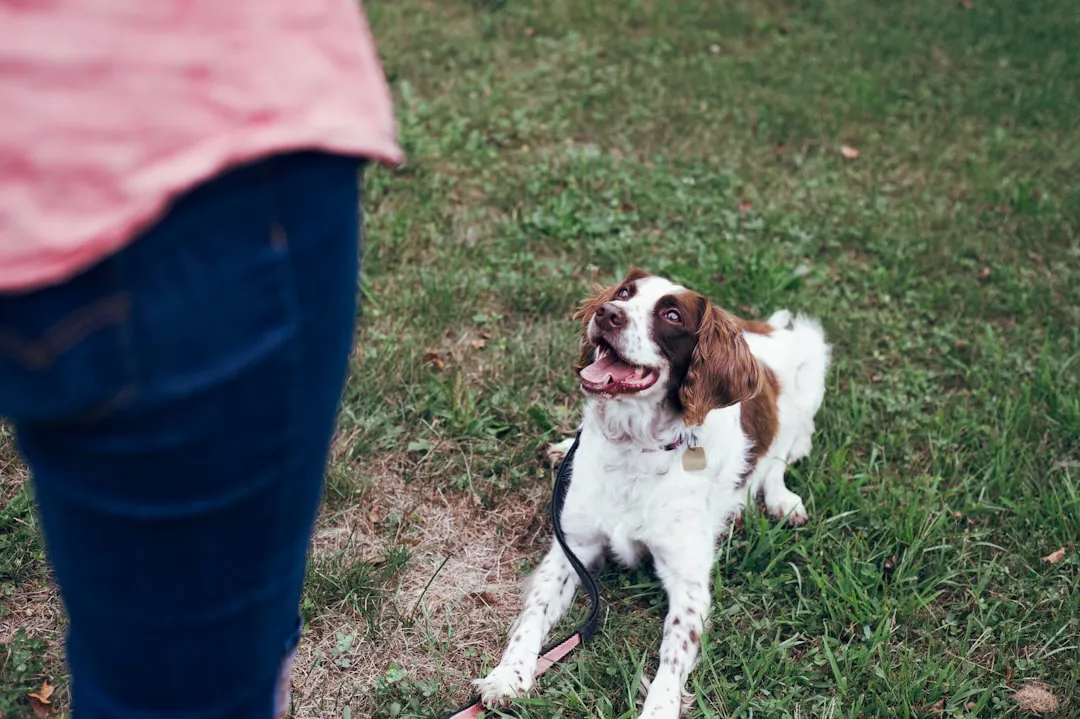
This one stings. Many experienced owners admit they once scolded or “corrected” fear. The dog cowered during storms, growled at unfamiliar men, or barked at the vet, and the embarrassed or frustrated human yanked the leash, raised their voice, or forced the dog closer.
They didn’t realize they were punishing an emotional state, not disobedience. The fear only deepened, and in some cases it curdled into real aggression. Now those same owners say they’d treat fear like a medical symptom instead of a moral failing: create distance, pair scary things with treats, use calming tools, and bring in a behaviorist if needed. Fear isn’t stubbornness, and trying to dominate it usually backfires.
#11 – Underestimating Mental Exercise (and Overvaluing Fetch)
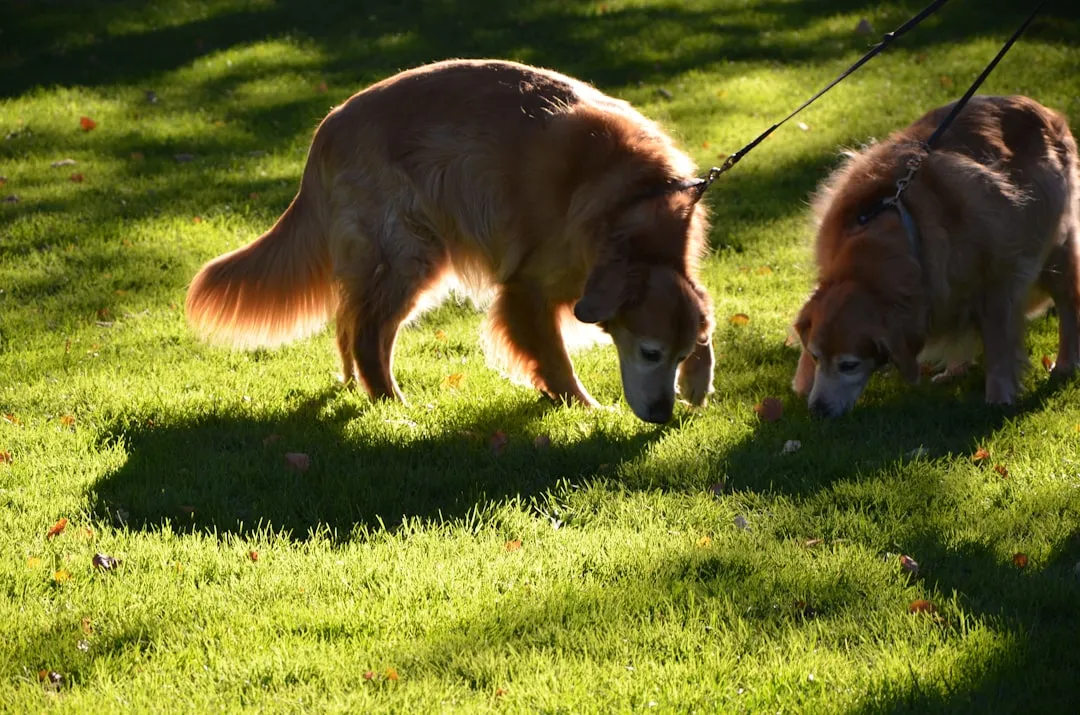
New owners obsess over physical exercise and forget the brain entirely. Experienced ones will tell you a bored, under-stimulated dog can be more destructive than one that’s merely under-walked. They used to throw a ball endlessly or do the same walk every day, hoping a tired body would equal a calm mind.
Instead, they ended up with dogs that were wired, obsessive about fetch, or frantic indoors. Now they swear by scent games, nose work, and short training sessions that make the dog actually think. Ten or fifteen minutes of problem-solving can exhaust a dog more peacefully than an hour of repetitive chasing ever will.
#10 – Letting Kids “Climb All Over” the Dog
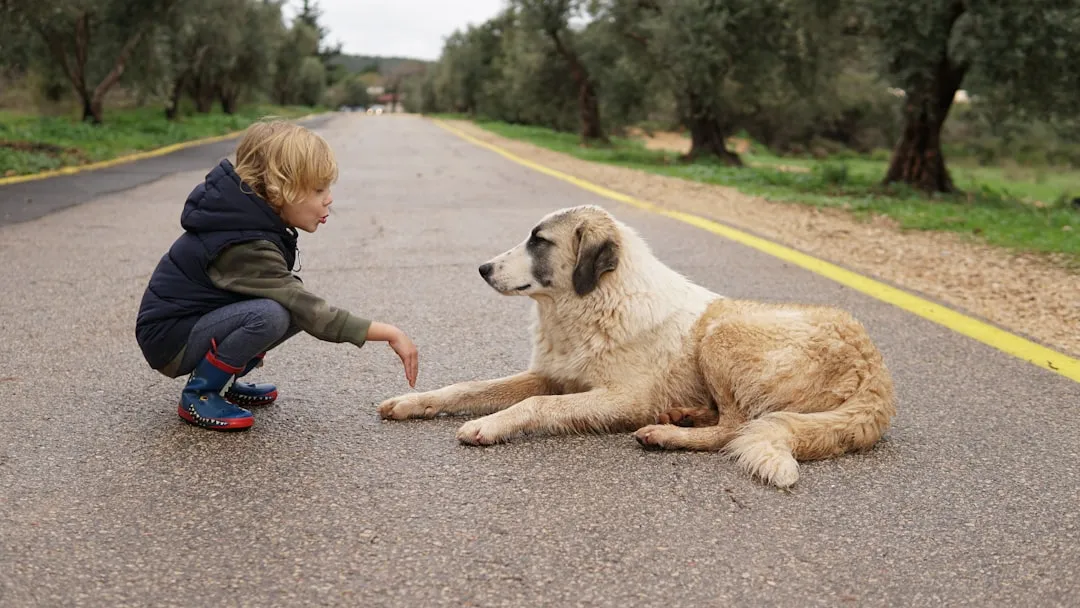
Some people don’t want to hear this, but experienced owners say it plainly: they regret ever letting their kids treat the family dog like a stuffed animal. At the time it looked cute: toddlers riding the dog, hugging tight, grabbing tails, snatching toys right out of its mouth.
Then one day the dog snapped or growled, and everyone acted shocked. In reality, the dog had been quietly begging for space for months. Seasoned owners now enforce hard rules: no riding, no ear pulling, no bothering the dog while it eats or sleeps. Most bites “out of nowhere” weren’t out of nowhere at all. The warnings were just ignored.
#9 – Delaying Dental Care Until There Was a Crisis
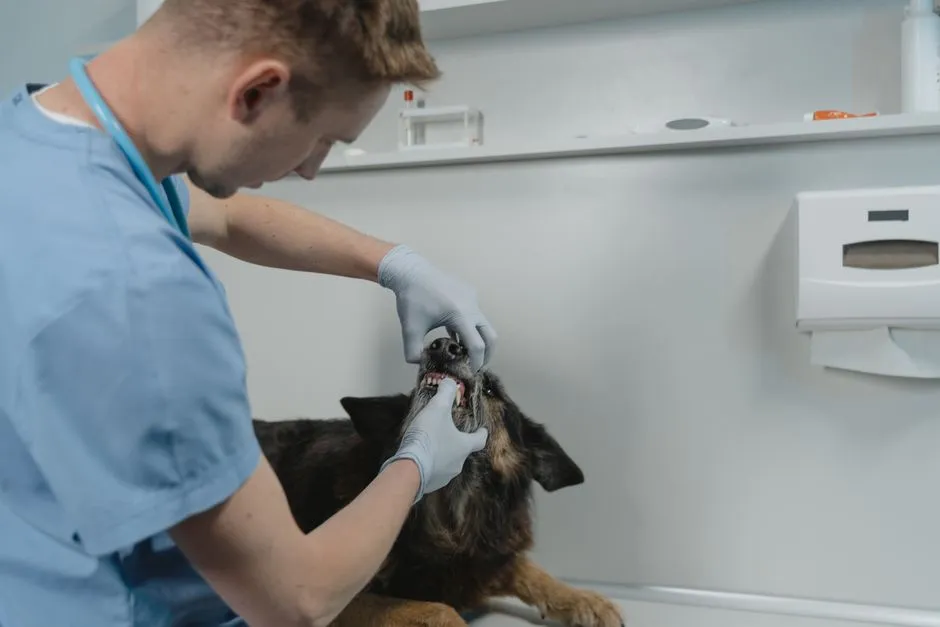
Ask around and you’ll hear the same confession: “I didn’t take teeth seriously until it was bad.” Dogs are remarkably good at hiding oral pain, so by the time an owner notices foul breath or trouble eating, disease has often been simmering for years.
Many now say their dogs needed extractions or major surgery that could have been avoided with basic care from the start. Some admit they thought brushing a dog’s teeth was excessive, until they watched their dog act five years younger the week after painful teeth were finally removed. Realizing your dog hurt quietly for that long is a guilt that lingers.
At a Glance
- Dental disease is one of the most common health issues seen in adult dogs
- Bad breath, tartar buildup, and reluctance to chew are early warning signs
- Untreated dental disease can allow bacteria to affect other organs over time
- Regular brushing and routine vet cleanings can prevent many extractions later in life
#8 – Ignoring Subtle Pain and Calling It “Old Age”
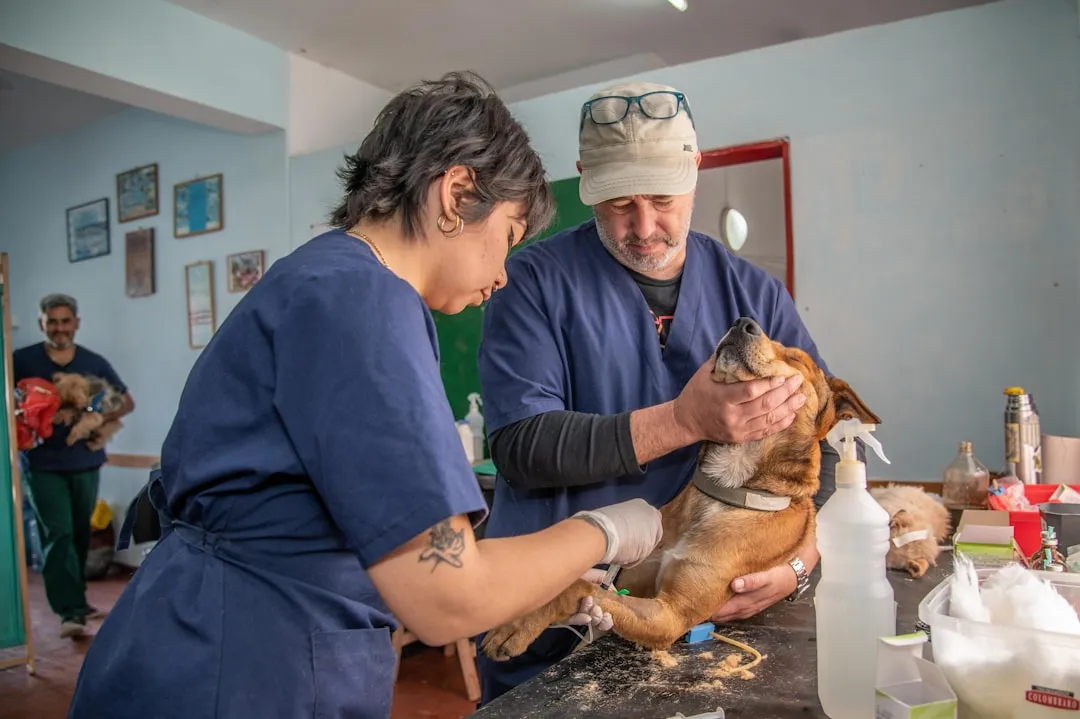
This regret is brutal because it usually shows up late. The dog hesitates on stairs, stops jumping into the car, sleeps more, lags behind on walks. Owners chalk it up to “getting old” and leave it there.
Later they learn that treatable pain, like arthritis, spinal issues, or dental disease, was quietly stealing their dog’s comfort for years. Experienced owners now say they’d run, not walk, to the vet at the first sign of a mobility or personality change. The regret isn’t that their dog aged. It’s that they accepted suffering as inevitable instead of questioning it.
#7 – Using Outdated “Alpha” Training Methods
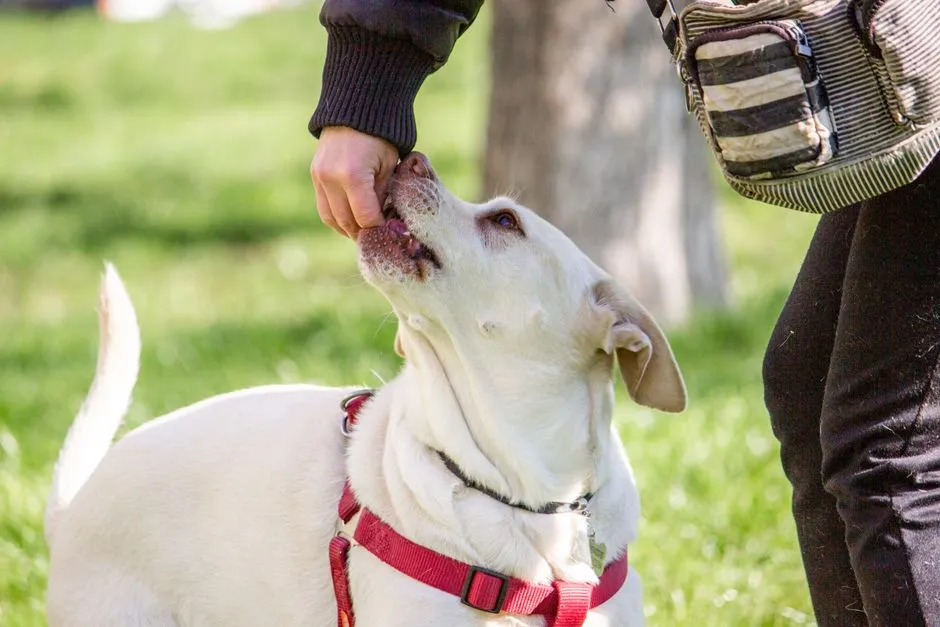
There’s still a loud corner of the internet selling dominance-based training, and plenty of older-school owners fell for it. They alpha-rolled dogs, used harsh collar pops, or withheld affection to “show who’s boss.” Some got compliance, but it came at a cost.
Now they see dogs who are shut down, fearful, or only obedient out of anxiety, not trust. In the worst cases, punishment escalated aggression instead of fixing it. Those same owners often say that if they could restart, they’d skip the TV trainers and go straight to reward-based professionals. This is one area where experienced people get blunt fast: they feel misled, and they carry real remorse about it.
#6 – Not Crate Training Early (or Ever)
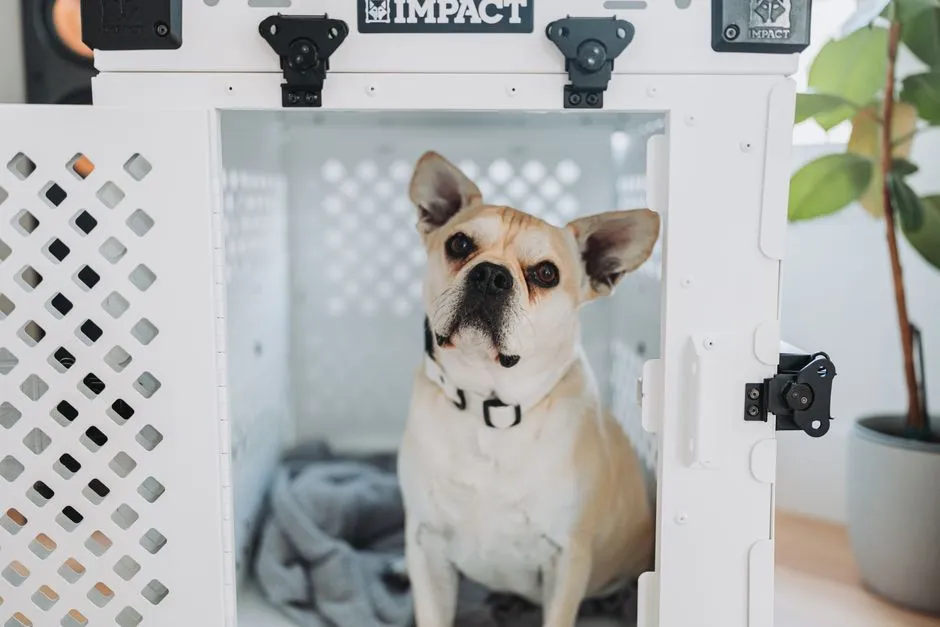
Crates are weirdly polarizing, but seasoned owners almost always land in the same place: they wish they’d introduced the crate as a normal, safe part of life from day one. Many skipped it because it “looked mean,” so the dog only ever saw a crate at the vet or during an emergency.
When they finally needed one, for surgery recovery, travel, or an evacuation, the dog panicked, making a hard situation harder. Owners who learned this the hard way now build the crate into a cozy den early, with treats and quiet time, never as punishment. Crate-comfortable dogs handle boarding, car rides, and post-op rest with dramatically less stress later in life.
#5 – Free-Feeding or Overfeeding “Because He Looks Hungry”

Ask experienced owners which regret shows up at every single vet visit, and this is it: weight. They remember when “a little chubby” seemed harmless, even cute. They topped off bowls, fed scraps, left dry food out all day.
Over time, those extra pounds turned into arthritis, diabetes risk, and a shorter lifespan. Many only realized the damage once their dog was already struggling to move comfortably. Now they measure meals with cups instead of eyeballing it, and they count treats as part of the daily total. Some openly say their biggest heartbreak is knowing their dog’s life was likely shortened by something that felt, at the time, like pure love.
Quick Compare
- Free-feeding: convenient, but makes portion control and weight tracking nearly impossible
- Measured meals: takes a few extra seconds, but keeps calories and weight in check
- Eyeballing treats: easy to underestimate how quickly the calories add up
- Counting treats toward daily intake: keeps the total honest and the vet visits calmer
#4 – Neglecting Recall Training Until It Really Mattered
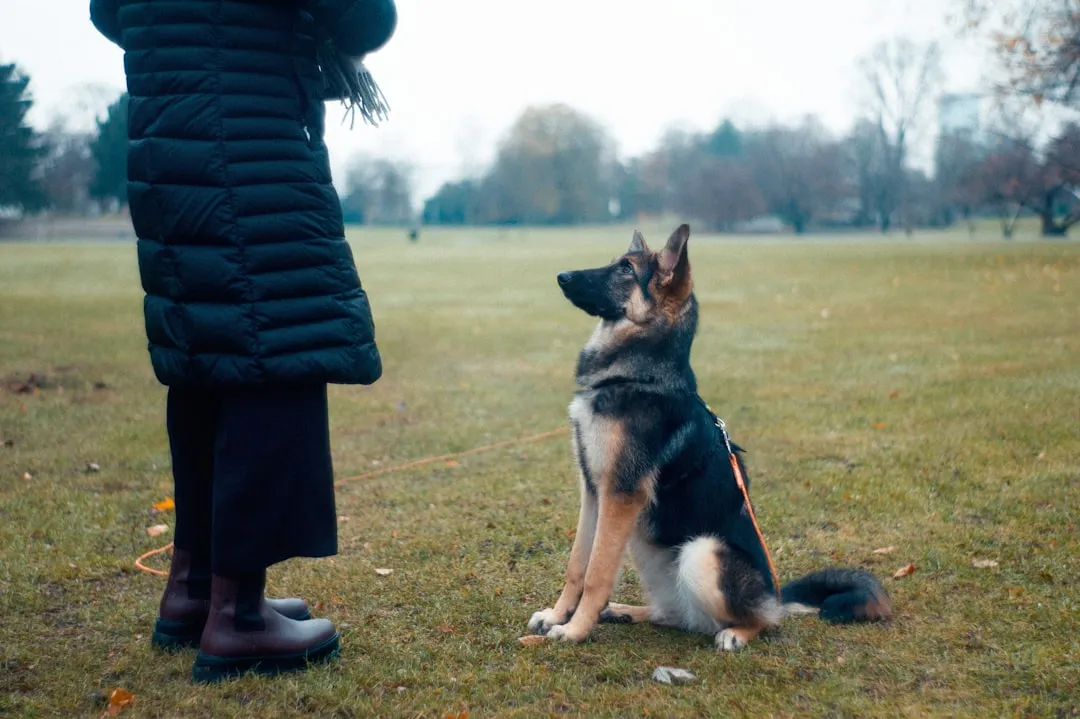
Many owners let dogs off-leash casually because “he always stays close,” until the day he doesn’t. A squirrel darts, a car backfires, another dog appears, and suddenly that loose dog is sprinting toward danger. Experienced owners who’ve lived through this moment are blunt: a reliable recall isn’t optional, it’s a literal life-saving skill.
Their regret is waiting until adolescence or adulthood to take it seriously, or assuming it would just happen naturally. Now they start recall training early, in boring low-distraction environments, with genuinely high-value rewards, and they lean on long lines and fenced spaces instead of wishful thinking. The emotional fallout of one close call is something they’d do almost anything to undo.
#3 – Adopting (or Buying) on Emotion Instead of Due Diligence

Every seasoned owner knows someone who rescued on impulse or grabbed a puppy from a backyard breeder. Some of them are that person. It usually starts with a sad video or a friend of a friend with “accidental puppies,” and ends with behavioral or health issues that better screening could have caught early.
They don’t regret the dog. They regret supporting poor breeding or skipping the hard questions. Today, many say they’d ask rescues for full behavioral histories and walk away from breeders who skip health testing. Some even admit, controversially, that they regret supporting rescues that churned out unstable dogs without transparency. They love the dog they got. They wouldn’t support that system again.
#2 – Waiting Too Long to Address Serious Behavior Problems
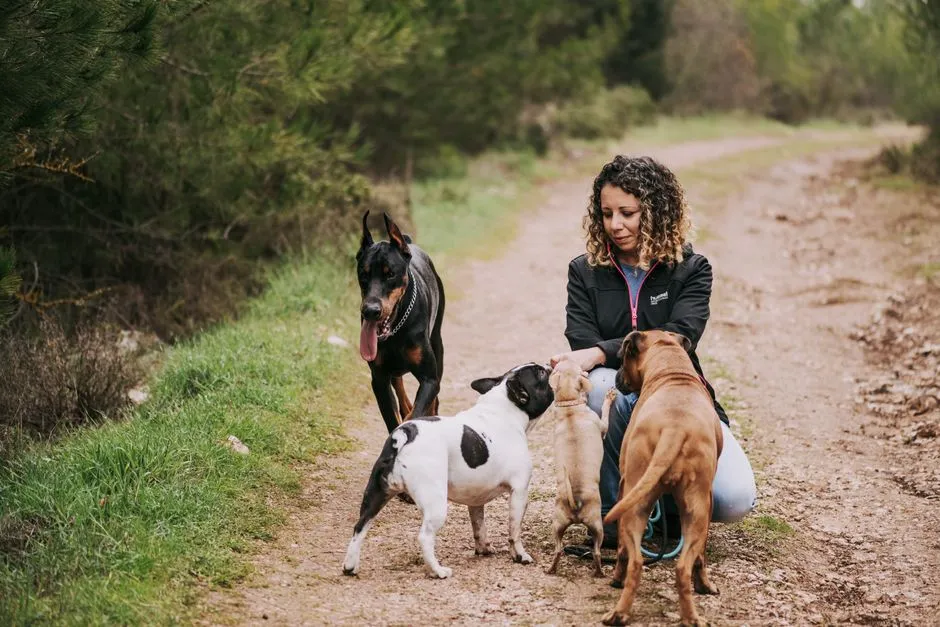
Resource guarding, reactivity, severe separation anxiety, sudden aggression: these issues rarely appear overnight. The signs creep in, and many owners quietly hope “it’ll get better with age.” Experienced people now call that denial one of their biggest mistakes.
By the time they called a qualified behaviorist, the pattern was deeply ingrained and the whole family had been stressed for years. A hard truth many share is that social shame kept them quiet; they didn’t want to admit their dog had a problem. In hindsight, they’d ignore the judgment and get help the minute they felt out of their depth. It’s not just about control. It’s about quality of life for everyone in the house.
#1 – Not Planning for the Final Year Until It Was Too Late
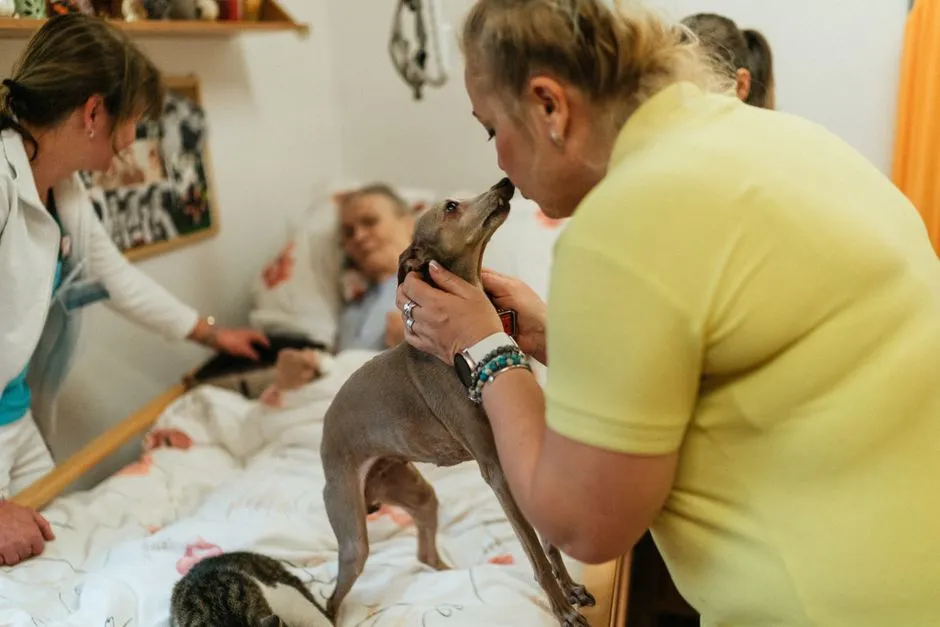
Ask the most seasoned dog owners what haunts them, and this is what comes up over and over: they wish they’d thought about the end before they were in crisis. They waited until their dog was clearly suffering to learn about hospice care, mobility aids, or what a “good day versus bad day” even looks like. Some now believe they held on too long. Others fear they let go too early. Almost all of them say they felt rushed, guilty, and unprepared.
Today, many say they’d talk to their vet about end-of-life quality years before needing to, set clear criteria for “enough is enough,” and build small bucket-list moments while the dog can still enjoy them. This isn’t morbid. It’s merciful.
Dogs are not our whole life, but they make our lives whole.
Roger Caras
The deepest regret isn’t that dogs don’t live long enough. That part was never negotiable. It’s realizing too late that the final chapter could have been softer, calmer, and less confusing for the dog they loved.
The Bottom Line
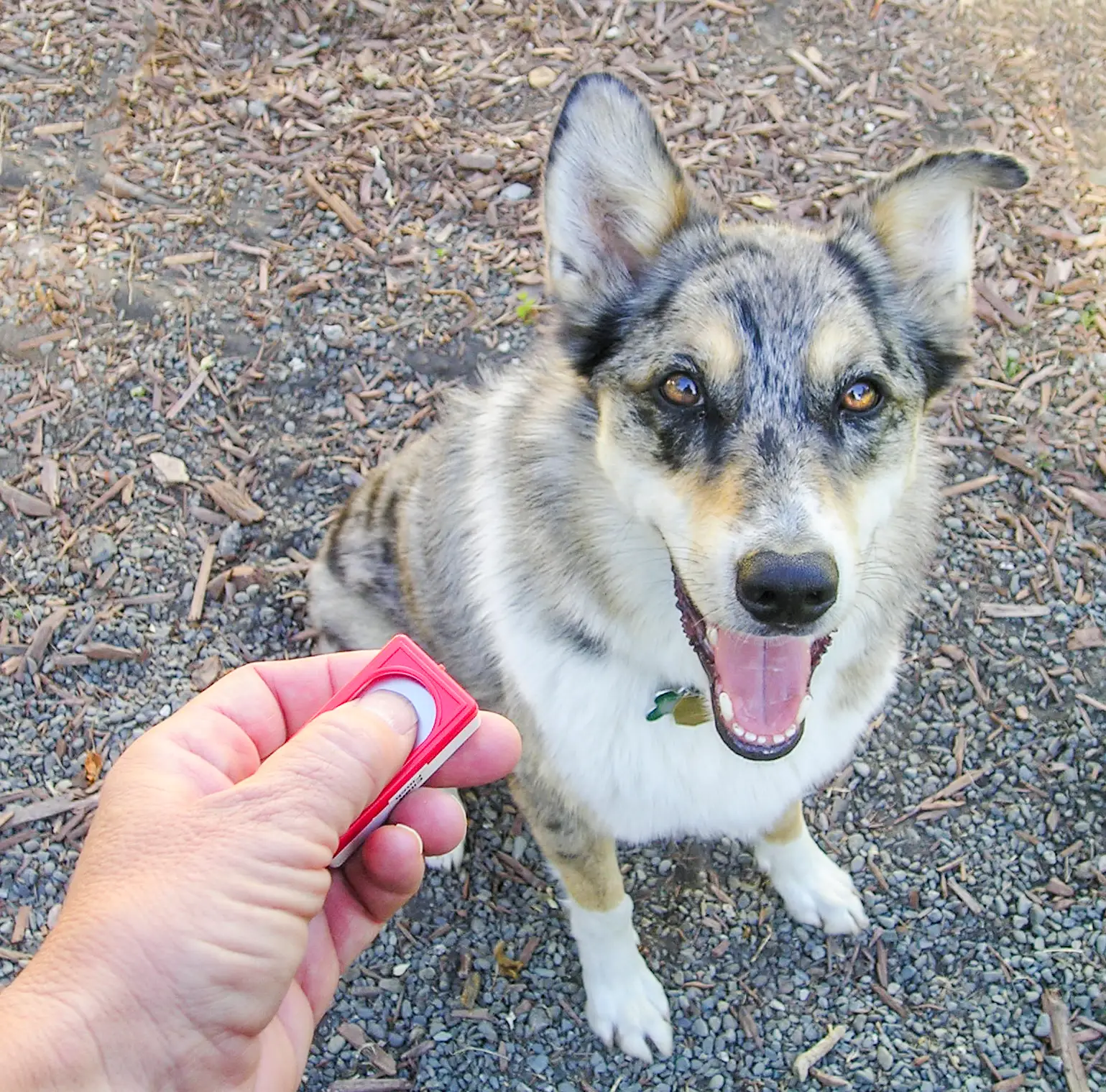
Listen to enough experienced dog owners and a pattern jumps out immediately. The biggest regrets were never about ruined carpets or chewed shoes. They were about ignoring early signs, trusting outdated advice, and waiting until a crisis forced a decision that could have been made calmly, years earlier.
Nearly every “if I could start over” story boils down to doing things sooner: socializing sooner, training sooner, checking for pain sooner, planning for the end sooner. None of this makes anyone a bad owner. It makes them human, in a culture that romanticizes dogs while quietly downplaying how hard this actually is.
The real secret is that you don’t have to repeat these same mistakes just because so many people before you did. Which one hit closest to home for you, and what would you undo if you got the chance to start over?

- 16 Tender Things Your Old Cat Does in Its Last Good Months That Most People Never Notice - August 3, 2026
- 13 Things Master Gardeners Say Beginners Learn Far Too Late to Save Their Very First Garden - August 3, 2026
- The 20 Ways a Rescue Horse Shows It Has Finally Given Its Heart to One Single Person - August 3, 2026