

Most people blame doodles. They’ll tell you the classic breeds disappeared because everyone wanted a designer mix with a cute name and a hypoallergenic coat. That’s part of it, sure. But walk through an old family photo album, or catch a rerun from the 90s, and you’ll notice something stranger: dogs that used to be on every single block, in every single yard, just… aren’t there anymore.
It’s not nostalgia playing tricks on you. Insurance policies, apartment leases, shrinking yards, and quiet breed bans did more damage to some of these dogs than any passing trend ever could. Some of these breeds didn’t fade – they got pushed out. Here are the 17 that used to rule the sidewalk, and the real reasons you almost never see them there anymore.
#17 – The Once-Ubiquitous Cocker Spaniel
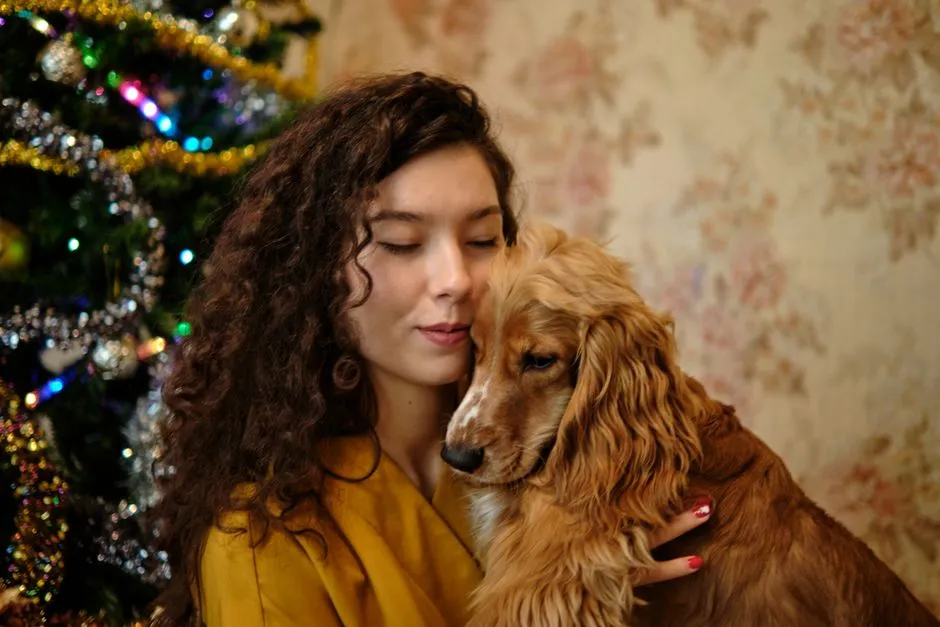
Walk through any 80s or 90s photo album and you’ll spot at least one Cocker Spaniel sitting under a Christmas tree. They were the “starter dog” of suburban families: soft ears, Disney-level eyes, and just the right size for kids. Today? You can walk an entire month in many cities and not meet a single well-bred Cocker. Shelters used to overflow with them; now staff report seeing far fewer.
A big part of the shift is grooming and health. Cockers need serious coat maintenance and careful breeding to avoid chronic ear and eye issues, and casual owners moved on to “lower-maintenance” doodles that… aren’t really lower-maintenance at all. Add in a reputation – sometimes unfair – for snappy behavior when mishandled, and the breed lost its “safe default” status. Old-school trainers still swear that a well-bred, well-socialized Cocker is one of the best family dogs on earth.
#16 – The Beagle You Never Hear Howling Anymore
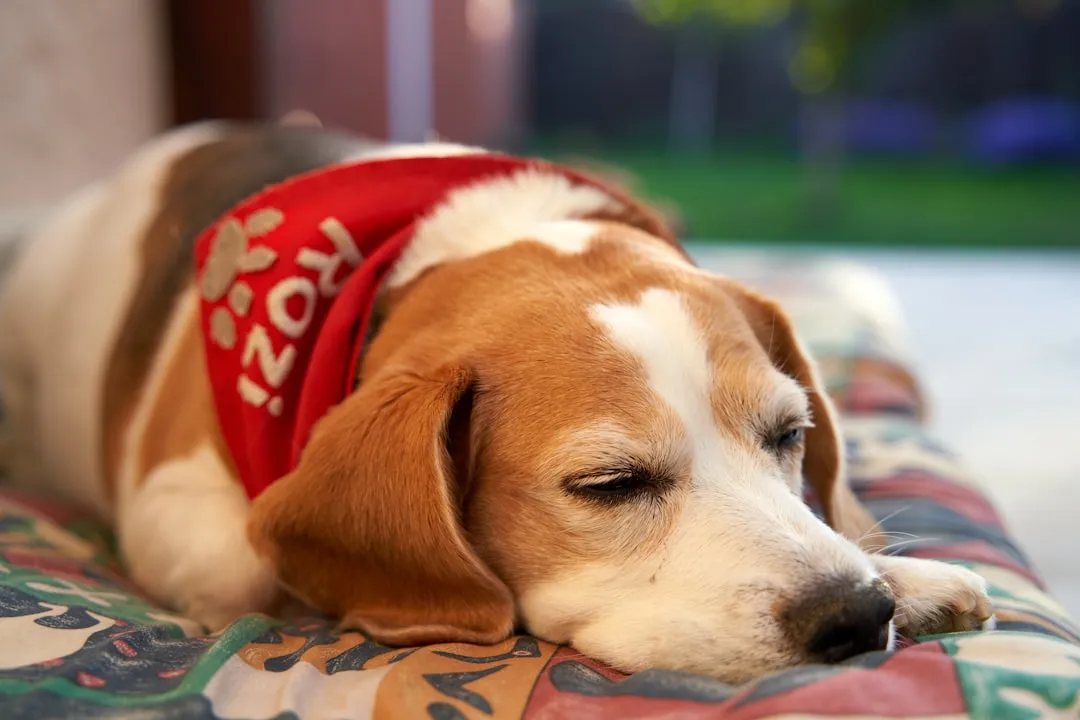
There was a time when every other backyard had a Beagle, and every other neighbor complained about its voice. Their baying was part of the soundtrack of suburbia. But look around modern apartment complexes and manicured subdivisions and you’ll notice a near-silence: noise-sensitive HOAs and apartment rules quietly killed the casual Beagle boom.
Beagles are scent hounds built to follow their nose, not to sit quietly in a 700-square-foot apartment while you’re at work 10 hours a day. As leash laws tightened and free-roaming “neighborhood dogs” disappeared, many people realized they didn’t actually want a stubborn, vocal hunter; they wanted a biddable, off-leash-park-friendly pet. Ironically, serious hunters still prize small working packs, but those dogs stay invisible to city dwellers. The stout little Beagle went from “every kid’s dog” to something most people only see in memes.
#15 – The Saint Bernard That Stopped Roaming the Cul-de-Sac
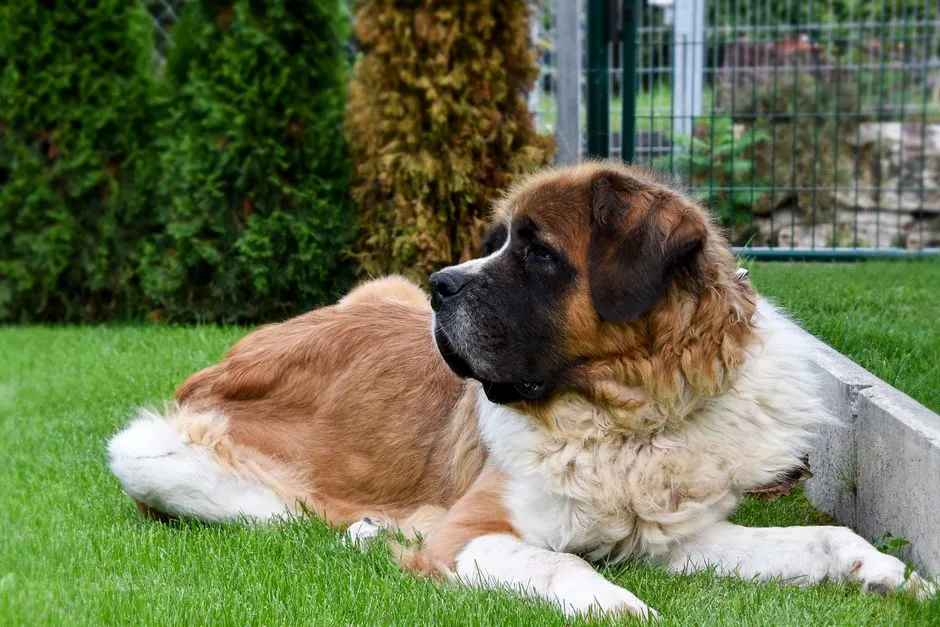
Saint Bernards used to be the ultimate “big softie” in family neighborhoods – massive, drooling carpets snoozing on front porches. In the 70s and 80s, after a wave of pop culture fame, they were shockingly common in suburban yards, especially in colder regions. Today, a genuine Saint sighting gets the same reaction as a rare sports car.
Why? Square footage and cost. Modern housing is shrinking, vet bills are rising, and giant breeds age faster and rack up bigger invoices – from orthopedic issues to bloat surgery. Add the sheer logistics: 150 pounds of dog plus crates, food bills, and car space doesn’t fit the “urban young professional” lifestyle. You cannot stuff a Saint into a studio and call it enrichment. So they’ve retreated to dedicated fanciers and rural homes with space and snow, instead of the cul-de-sac.
Fast Facts
- Adult Saint Bernards typically weigh 120-180 pounds and stand 26-30 inches at the shoulder.
- Average lifespan runs just 8-10 years, shorter than most mid-size breeds.
- Originally bred as Alpine rescue dogs to locate travelers lost in snowstorms.
- A full-grown Saint can eat several times more than a typical suburban lap dog.
#14 – The Chow Chow That Used to Guard Every Driveway
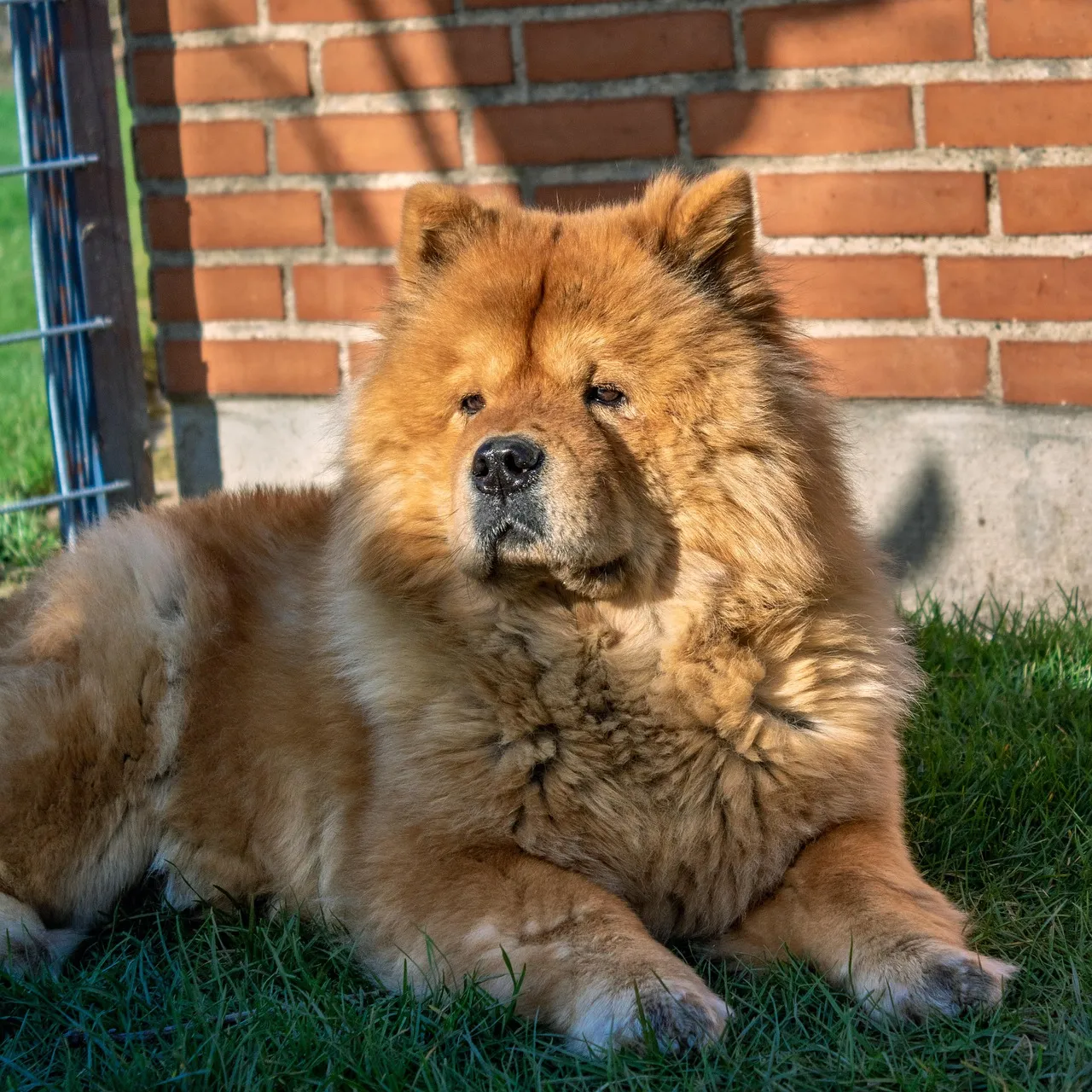
If you grew up in certain suburbs, the scariest walk as a kid was past the house with a lion-like Chow behind the fence, purple tongue flashing. They were once the go-to “don’t come in my yard” dog – aloof, intimidating, and fiercely loyal to their own. These days, you’re more likely to see a Chow mix on Instagram than a purebred one patrolling an actual driveway.
Their decline is brutally simple: they’re not beginner dogs. Poor socialization plus a naturally reserved, sometimes suspicious temperament created headlines, lawsuits, and nervous neighbors. As liability consciousness rose and insurers quietly flagged “high-risk breeds,” many families decided the Chow wasn’t worth the fight with landlords or homeowners’ policies. Well-bred Chows from competent breeders can be quiet, dignified companions – but they rarely end up on casual “puppies for sale” posts anymore. They’ve gone niche.
#13 – The Collie That Left the Front Yard TV Fantasy Behind

Lassie didn’t just sell TV episodes; she sold a dream of the perfect American dog. For decades, Collies were the poster child of the front-yard family pet, always half-watching the kids and half-gazing nobly into the distance. Now? Collies are astonishingly rare in most dog parks. You’ll see endless herding mixes – but an actual Rough Collie is almost exotic.
Two big forces hit them. First, media moved on: no modern blockbuster is pushing Collies into the spotlight, while doodles and Frenchies took over social feeds. Second, the coat. That glorious mane is hours of brushing, de-matting, and de-shedding. Many people want “the Lassie look” without the vacuuming reality, and they default to short-coated or hypo-allergenic-looking breeds instead. Meanwhile, hardcore Collie folks quietly preserve lines with incredible biddability and gentleness, out of sight of mainstream buyers.
#12 – The Irish Setter That Faded with the Free-Running Era
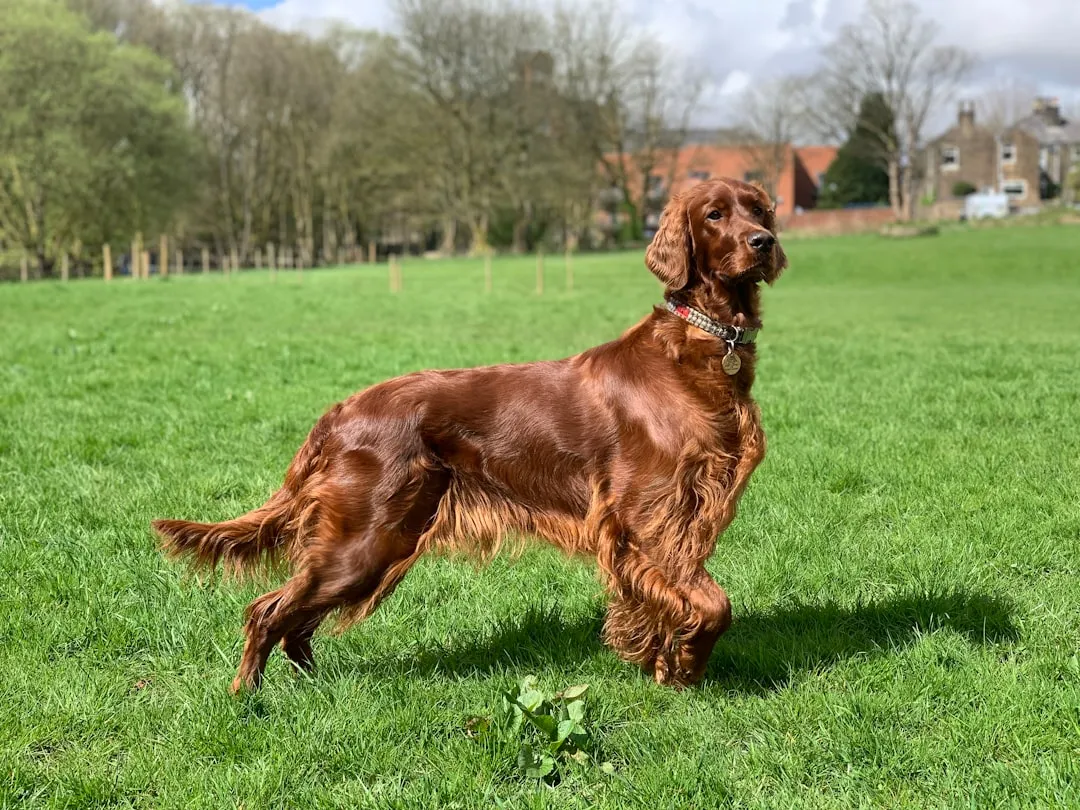
There was a moment when Irish Setters were everywhere: long red coats streaming as they tore around unfenced neighborhoods, kids on bikes trailing behind. They were marketed as glamorous, fun-loving family dogs, and for a while they owned that lane. Today, a true Irish Setter is almost a collector’s item outside of show circles. Most younger owners have never met one in person.
The breed hit a wall when the free-running dog culture died out. Irish Setters are high-octane gundogs, not couch ornaments. They’re smart, energetic, and need real, daily exercise that goes beyond a slow block walk and a snuffle mat. As urban density increased and dog time shrank, “hyper red dog that never stops moving” suddenly sounded like a punishment, not a dream. Combine that with competition from calmer retrievers and doodles, and backyard breeders simply stopped churning them out.
#11 – The Dalmatian That Isn’t Chasing Kids’ Bikes Anymore

In the 90s, thanks to Disney overload, Dalmatians surged so hard that some shelters had entire rows of spotted dogs. Back then, it felt like every neighborhood had at least one Dalmatian that outran skateboards and annoyed mail carriers. Now, seeing one is like spotting a celebrity cameo.
The fall was harsh. Backyard overbreeding led to unstable temperaments, and under-informed families realized too late that Dalmatians are high-drive, often noise-sensitive, and prone to unique health issues like urinary stone problems. Add in a tendency, in poorly bred lines, toward nipping and guarding, and the public turned fast. Rescue networks were flooded; responsible breeders pulled back, hard. The “fun firehouse dog” image never matched the reality of living with a serious working breed.
#10 – The Old English Sheepdog That Vanished Behind Grooming Tables
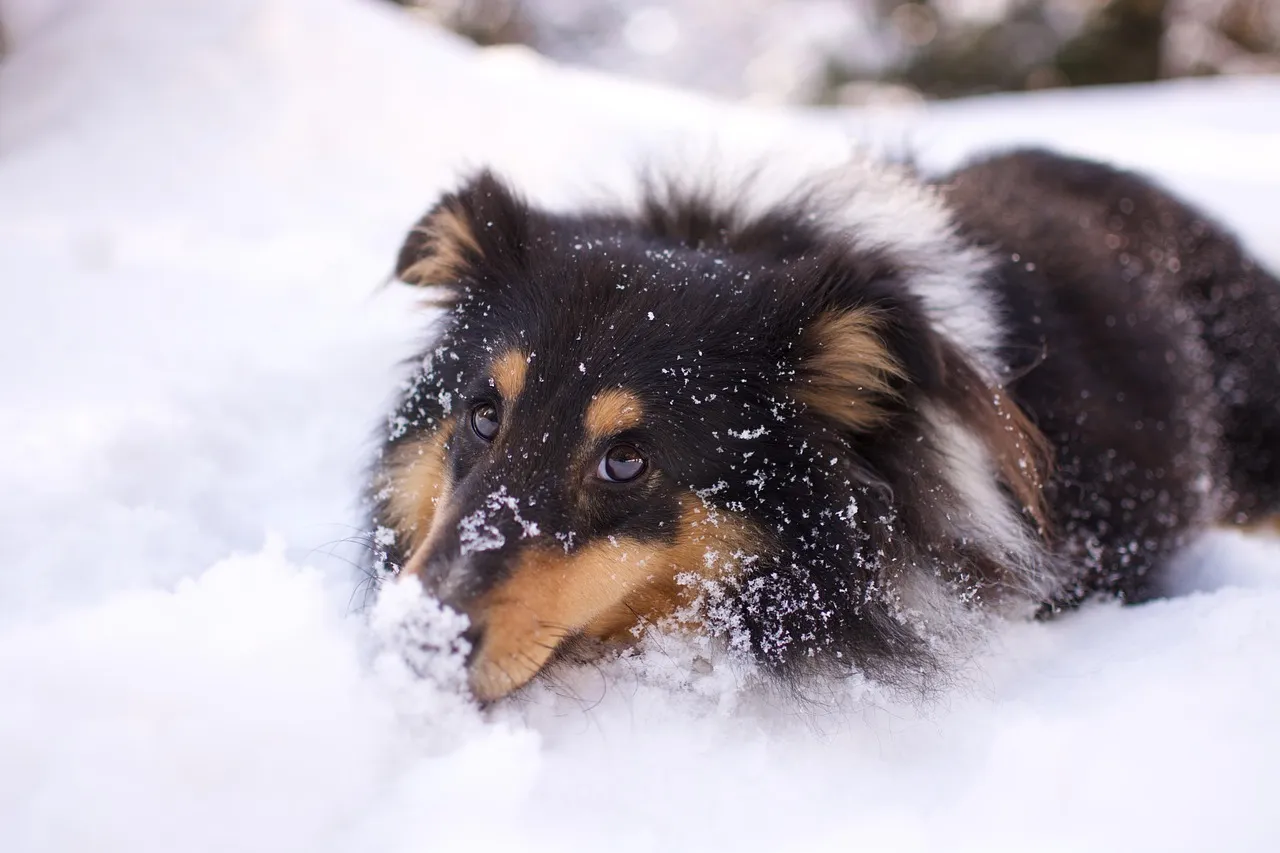
There was a time when you couldn’t flip through a dog calendar or TV commercial without spotting an Old English Sheepdog – shaggy bangs, teddy-bear walk, whole “clown of the neighborhood” vibe. In real life, they were shockingly common in suburbs and rural edges, bouncing around ball fields and soccer sidelines. Now? That big gray-and-white silhouette has almost disappeared from everyday streets.
The problem is pure maintenance. That coat is not just “a bit of brushing.” It’s hours of work or frequent professional grooming, and if you slack off, you get painful mats that turn into genuine welfare issues. Once doodles and “cute scruffy mixes” satisfied the desire for shaggy dogs, with perceived less upkeep, people quietly abandoned OES. Enthusiasts still insist they’re one of the funniest, most people-focused breeds, but you almost never see them outside show rings and dedicated fans.
Worth Knowing
- The dense double coat needs brushing several times a week or it mats down to the skin.
- Professional grooming sessions on a full coat can easily run two to three hours.
- The breed was originally developed to drove cattle and sheep to market across the English countryside.
- Many owners eventually opt for a shorter “puppy cut” just to keep up with the upkeep.
#9 – The Shar-Pei That Went from Status Symbol to Rarity
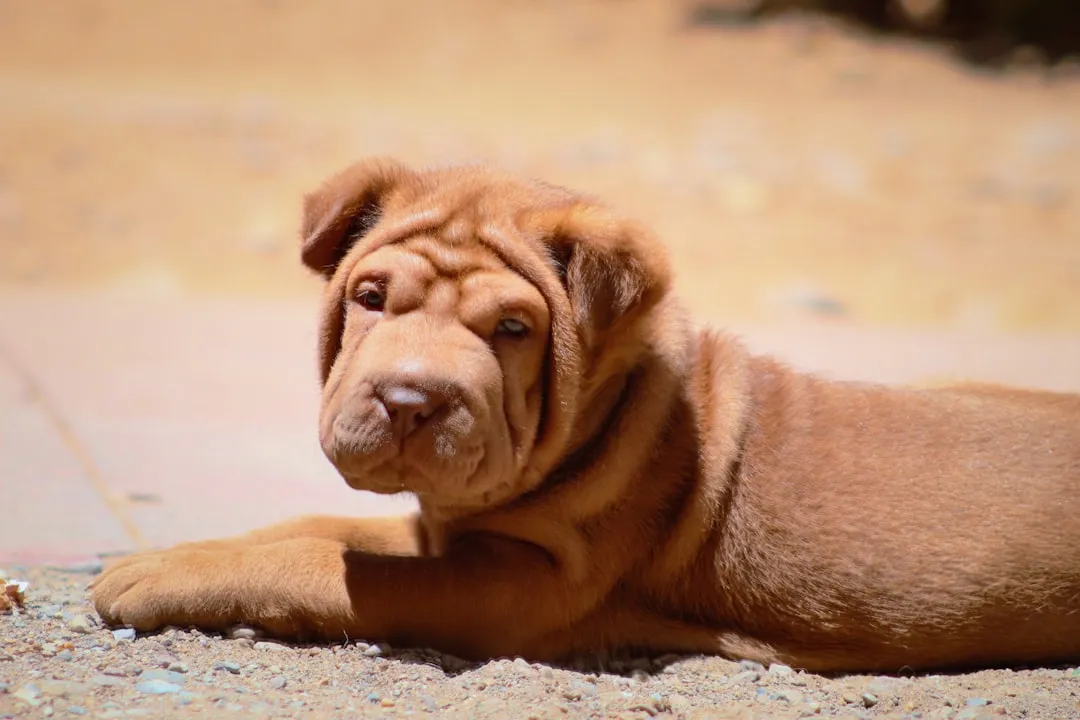
In the 80s and early 90s, a Shar-Pei was a statement. Those wrinkles screamed “rare, expensive, exotic,” and for a while they were everywhere in certain upper-middle-class neighborhoods. You’d see them in driveways, behind tall fences, on designer leashes. Today, a purebred Shar-Pei is unusual enough that people stop and ask, “What mix is that?”
Two big realities crushed the fad. First, health. Poorly bred Shar-Pei are walking vet bills: skin infections, eye problems from entropion, and even a breed-specific periodic fever syndrome in some lines. Second, temperament. They’re naturally reserved, often deeply loyal to family but not automatically social butterflies, which didn’t mesh with the “dog park every weekend” culture. As quick-profit breeders bailed, serious fanciers focused on healthier, more stable dogs, but in much smaller numbers. The breed never fully recovered its previous popularity, and frankly, that might be better for the dogs themselves.
#8 – The Basset Hound That Stopped Owning the Corner Lot
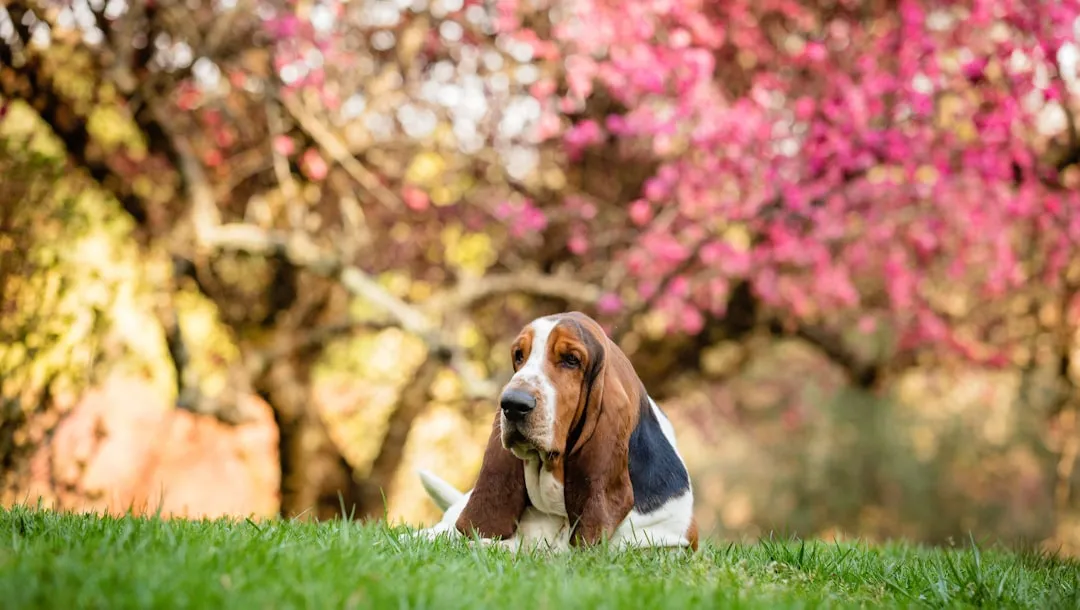
The classic image: long ears, droopy eyes, slow shuffle around the block. Basset Hounds were practically lawn ornaments in old neighborhoods, always resting in front yards or waddling behind retirees. Today, they’re rare enough that kids point and laugh like they’ve seen a cartoon character. The “grandpa dog” of the suburbs quietly retired.
Health and lifestyle clashed hard here. Bassets are heavy-boned scent hounds with short legs, not lazy plushies. They need mental stimulation and real walks to avoid obesity, and they’re already structurally prone to joint and back issues. As vets began to talk more openly about conformation and health, some potential owners were turned off by the risk profile. Dedicated enthusiasts still adore their humor and voice, but you don’t see a pack of Bassets trundling around cul-de-sacs anymore.
#7 – The Rottweiler That Left the Front Porch Patrol

In the 90s and early 2000s, every other “tough-looking” family home had a Rottweiler on the porch or behind the fence. They were the default serious guard dog before Pit Bull-type dogs and XL bullies took over that cultural role. Now, in many neighborhoods, Rottweilers have all but vanished from casual view, tucked away behind breed restrictions and homeowner anxiety.
The shift is ugly: insurance companies and landlords quietly blacklisted them. Even when individual dogs were rock-solid, a large black-and-tan guardian breed triggered fear and, sometimes, legal trouble. Add in some high-profile bite cases and sloppy backyard breeding, and many families decided not to pick that fight. Well-bred Rottweilers can be calm, stable companions, but they’re no longer the unfussy “big dog” you see at every auto shop and construction site.
Quick Compare
- Most frequently flagged: Insurers most commonly cite Doberman pinschers, pit bull terriers, Rottweilers, chow chows, wolf dogs and hybrids, Akitas, German shepherds, mastiffs, and Alaskan malamutes as high-risk breeds.
- Why it matters financially: The average dog bite homeowners insurance claim cost is $69,272, according to the Insurance Information Institute.
- The real-world outcome: a policy exclusion or a rate hike, not necessarily an outright ban – but enough to push many families toward a different breed entirely.
#6 – The English Springer Spaniel That Left the Soccer Sidelines

There was a golden era when English Springer Spaniels were the active family dog: athletic enough for weekend sports, soft enough to flop on the couch. In many regions, they were as common as Labs around youth sports fields. Today, most people can’t tell a Springer from a random spaniel mix; they’ve largely slid out of mainstream ownership.
The reasons are layered. Intensified working lines produced dogs with serious energy and drive, fantastic for field trials, too much for casual owners. At the same time, show lines sometimes drifted toward heavy coats and grooming demands. Add a complicated reputation for “Springer rage,” a poorly understood, likely overblown cluster of behavior issues in certain lines, and risk-averse families quietly looked elsewhere. These days, you’ll mostly find them in bird-hunting communities or with agility obsessives, not hanging around neighborhood minivans.
#5 – The German Shepherd That Stopped Owning Every Block (Yes, Really)
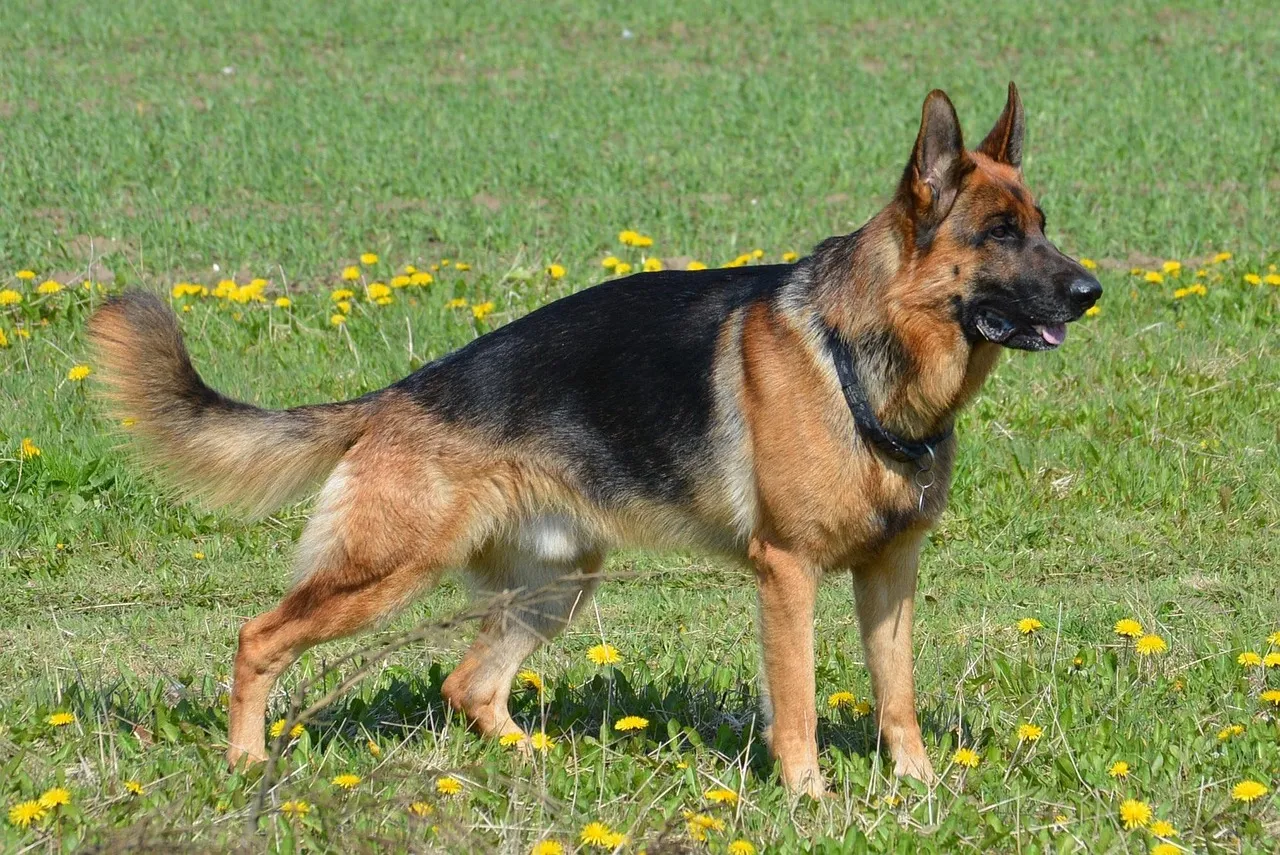
This one will get arguments, but talk to people over 50: there was a time when German Shepherds were on almost every block – tied out in yards, riding in pickup beds, pacing property lines. They’re still popular on paper, but in many gentrified neighborhoods and dense city centers, their visible presence has collapsed compared to the 70s-90s.
Blame image and logistics. A large, intense herding dog that stares hard and barks like it means it doesn’t blend with modern “everyone’s welcome” urban living. Bad breeding for extreme angulation and nerve issues made some lines less stable, and again, insurance and landlord restrictions kicked in. Meanwhile, people who wanted the idea of a GSD pivoted to GSD mixes, Malinois crosses, or “shepherd-doodles” marketed as easier. Serious working-line breeders now place dogs with sport handlers, K9 units, and savvy homes, not random families who just want a backyard patrol.
#4 – The English Cocker Spaniel That Left the Gun-Dog Circuit

In many semi-rural US neighborhoods, especially on the East Coast and Midwest, field-bred spaniels once dominated. English Cocker Spaniels, different from the American Cocker, used to be common working pets. Now, most people don’t even know they exist as a separate breed at all.
Modern hunting culture changed: fewer backyard hunters, more lease-based, destination-style trips that don’t require a personal dog. Suburbia shifted from “farmer-adjacent” to fully urban in attitude. And when casual bird hunters stopped breeding their own lines, big kennels and specialist breeders filled the gap, but for dedicated sportspeople, not the average neighbor. The net result: a whole spaniel type quietly retreated from everyday cul-de-sacs to small, obsessive communities.
#3 – The Siberian Husky That Isn’t Pulling Every Skateboard Anymore
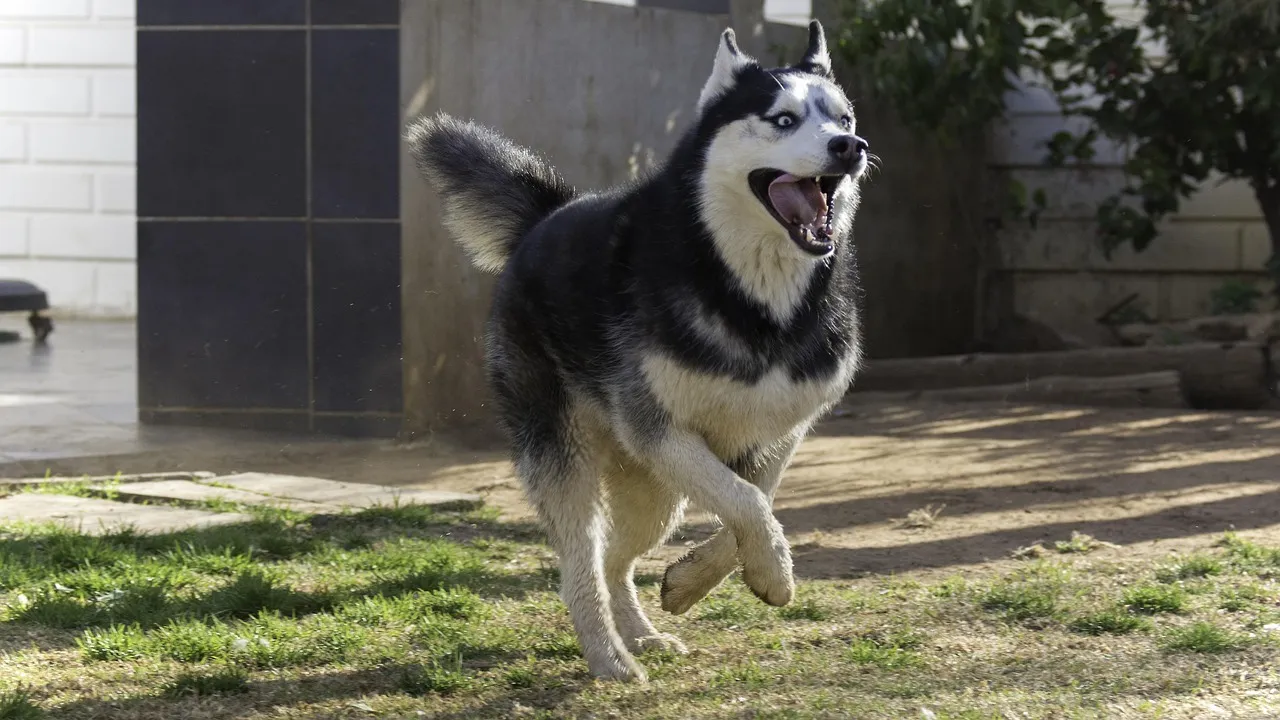
There was a solid decade when it felt like every college-town street had at least one Siberian Husky dragging a skateboarder or jogging student. Rescue groups were flooded with Huskies and Husky mixes; backyards echoed with “escape artist” horror stories. While they certainly haven’t vanished everywhere, in a lot of older suburbs their numbers have actually dropped sharply compared to the early-2000s boom.
The reason: people finally listened. Huskies need serious exercise, secure fencing, and an owner who understands that “off-leash recall” is more a suggestion than a promise. After social media filled up with lost Husky posts and “I wasn’t ready” confessions, adoption agencies tightened screening. Backyard breeders moved on to more profitable, easier-to-move doodle types. In some areas, Huskies have retreated to sledding clubs and enthusiasts, which is where they arguably belonged all along.
At a Glance
- Originally bred by the Chukchi people of Siberia to pull light loads over long distances.
- Built to run for hours; most need well over an hour of real exercise daily.
- Famous for being escape artists, capable of jumping fences and digging under them.
- A high prey drive makes off-leash reliability around small animals genuinely risky.
#2 – The Generic “Neighborhood Mutt” That Quietly Went Extinct
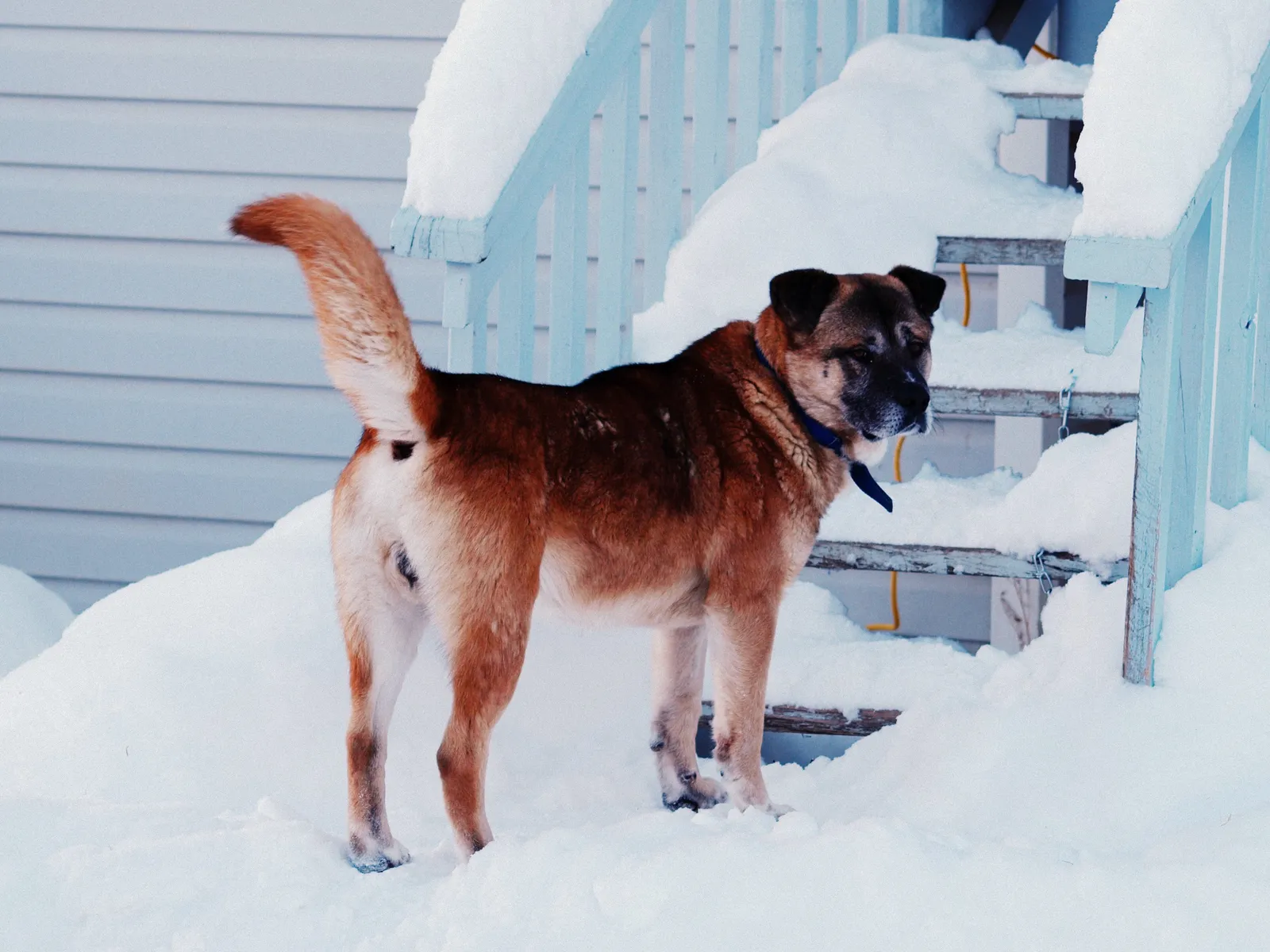
This one stings: the most common “breed” of the past wasn’t a breed at all. For decades, every street had scruffy, mid-sized mutts – half-shepherd, quarter-collie, a dash of who-knows-what – passed from neighbor to neighbor, or born under someone’s porch. They roamed, slept on front steps, and adopted entire blocks as their territory.
That dog doesn’t exist in the same way anymore. Widespread spay/neuter campaigns, leash laws, and changing attitudes toward free-roaming dogs basically wiped out the classic neighborhood mutt. Today’s mixed breeds usually come from deliberate crosses (designer mixes) or from more controlled rescue situations, not accidental backyard litters. Ironically, the dogs many people nostalgically remember as “the best dog we ever had” would be considered unowned strays today, and swiftly scooped into shelters.
#1 – The True Working Farm Dog That Modern Suburbs Will Never See Again
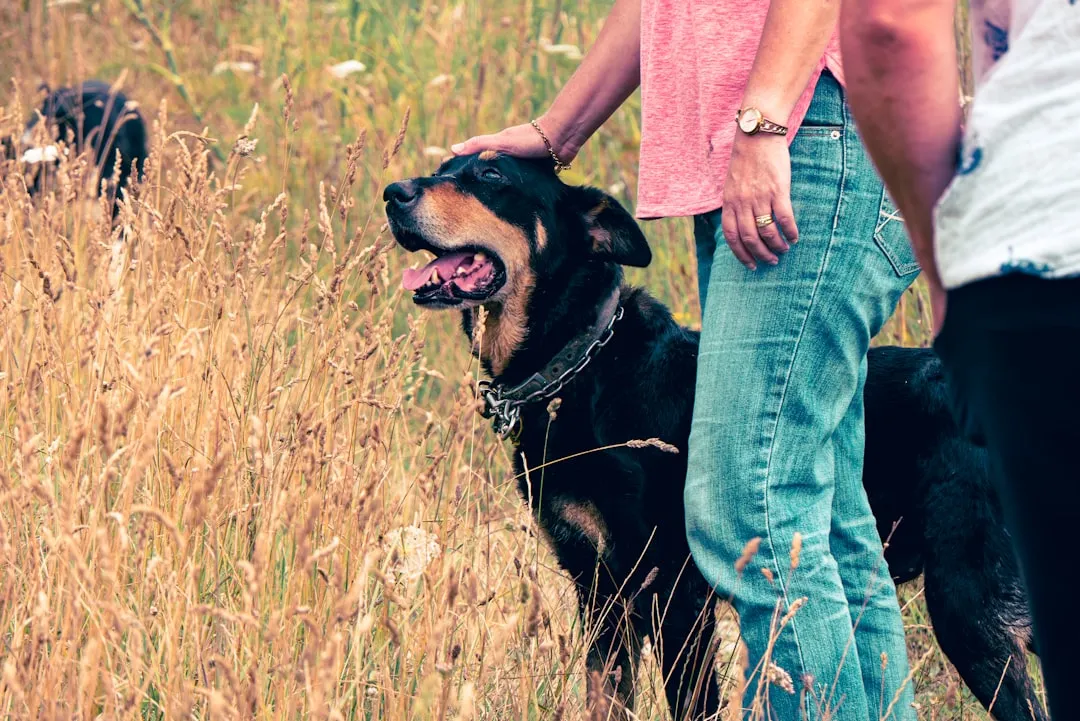
At the very top of the “vanished from neighborhoods” list is not a single AKC breed, but a type: the authentic working farm dog. Think tough, medium-sized collie-type or shepherd-type dogs that lived outdoors, knew every fence line, and moved stock all day before casually escorting kids to the bus stop. In rural-turned-suburban areas, these dogs used to be everywhere, regardless of specific pedigree.
They quietly disappeared as small farms became subdivisions. Zoning changed, livestock left, and with them went the need, and space, for true stock dogs. Border Collies, Kelpies, English Shepherds, and “farm collies” still exist, but the ones you see in town are often sporting pets, not full-time working partners. The dog that once trotted unfenced between barn and house all day would now be labeled a nuisance or a danger. Of all the losses, this one might be the most permanent, and the one that most reshaped how dogs fit into human daily life.
The Bottom Line
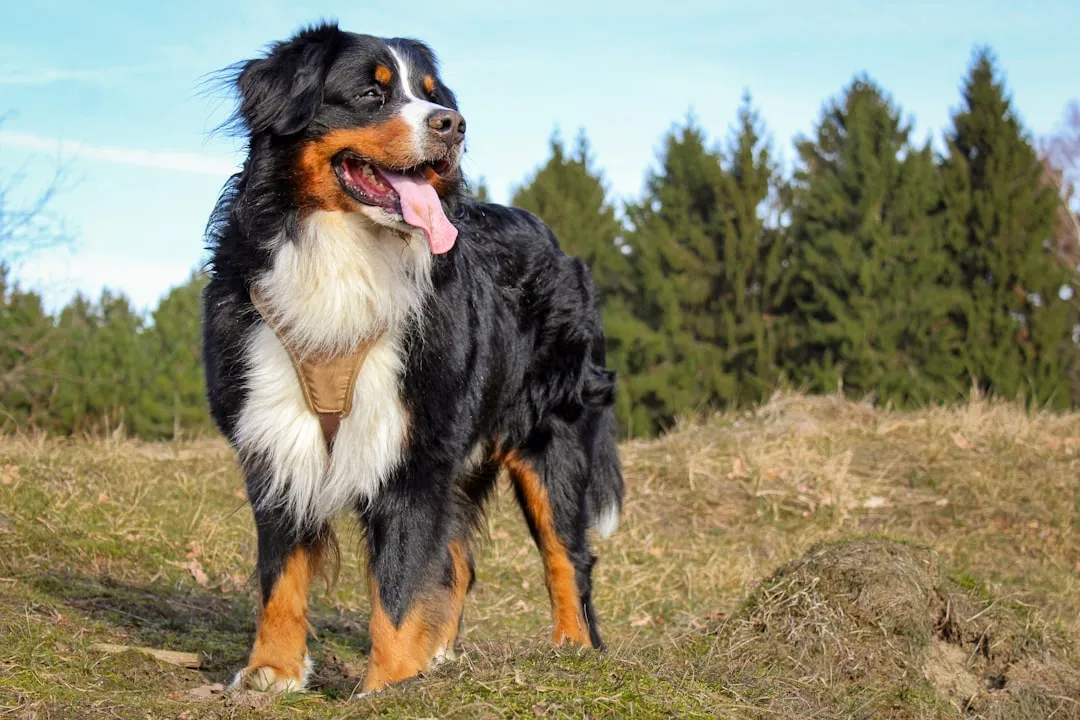
Most people think dog trends are just about “what’s cute right now,” but the disappearance of these breeds from everyday neighborhoods tells a sharper story. Quietly, we traded space, time, and tolerance for noise and hair for condos, leases, and Instagram aesthetics. High-drive hunters, serious guardians, and shaggy working dogs didn’t just fall out of fashion – they collided with modern life and lost.
“Dogs are not our whole life, but they make our lives whole.”
Roger Caras
Some breeds, and especially true farm dogs and old-school mutts, simply don’t fit tightly regulated, high-density living. Is that all bad? Not necessarily. Fewer fad-driven purchases and fewer badly placed working dogs means less suffering. But if you grew up with these dogs, the new streets can feel strangely empty – quieter, cleaner, and just a little less real.
Which vanished neighborhood dog do you miss the most, or think absolutely shouldn’t come back?

- 17 Dog Breeds That Have Quietly Vanished From Neighbourhoods Where They Were Once Everywhere - August 3, 2026
- 16 Tender Things Your Old Cat Does in Its Last Good Months That Most People Never Notice - August 3, 2026
- 13 Things Master Gardeners Say Beginners Learn Far Too Late to Save Their Very First Garden - August 3, 2026