
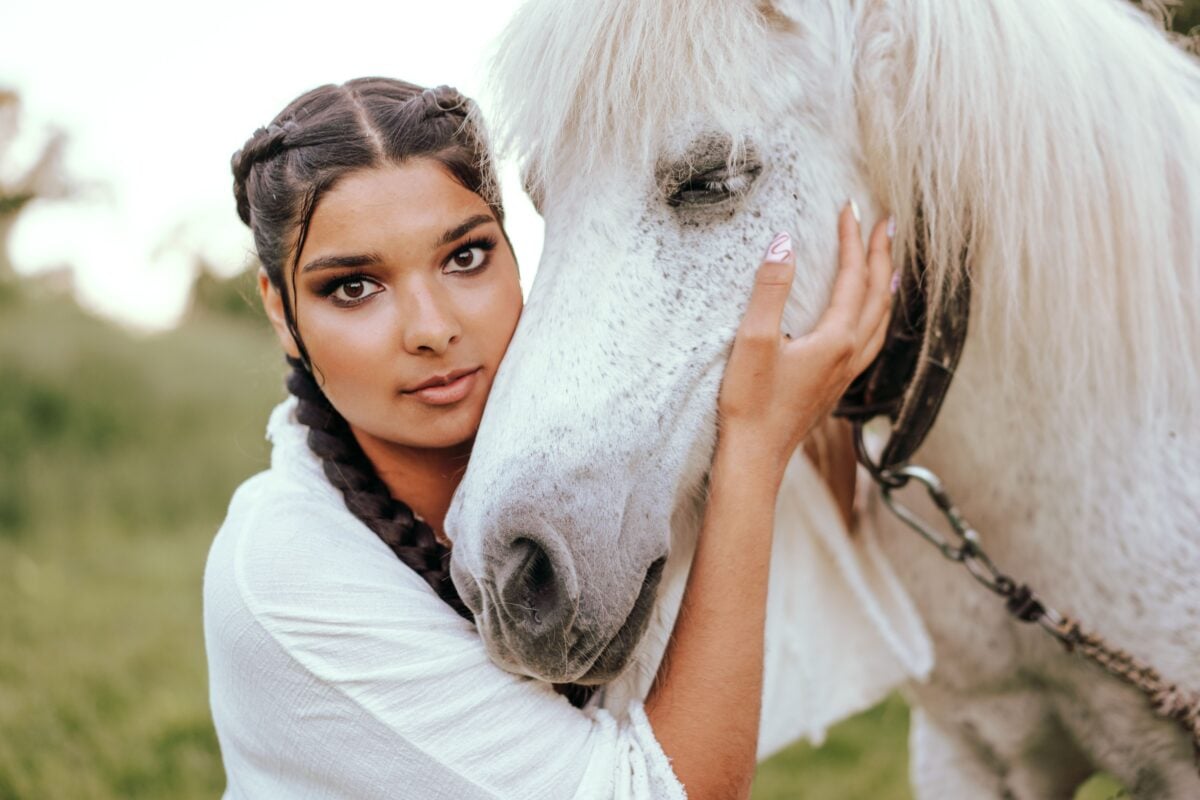
Watch the same horse get handled by three different people in one afternoon. The trainer gets obedience. The kid gets a nuzzle and a photo. The barn helper on turnout duty gets total, glassy-eyed indifference. Then one specific person walks through the gate, and the horse seems to change species right in front of you – head drops, eye softens, and the “difficult” animal everyone complained about suddenly looks like a completely different creature.
Non-riders call that anthropomorphizing. People who’ve actually earned a horse’s trust call it Tuesday. There are at least eighteen very specific, very repeatable things a bonded horse will do only for its one chosen person – and once you start noticing the pattern, you cannot unsee it.
#18 – They Relax Faster the Second You Arrive
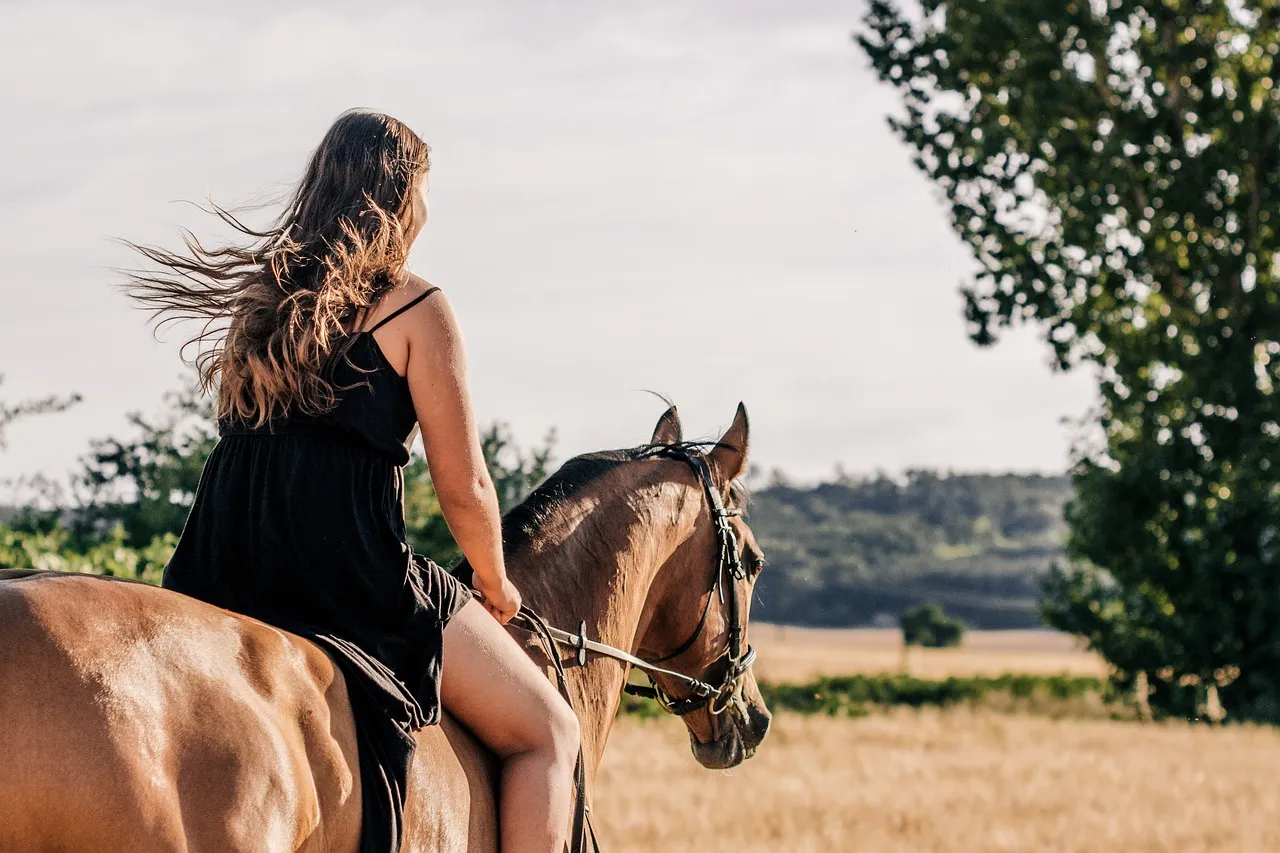
Some horses look tense and glassy-eyed until their chosen person walks into the barn. Then everything shifts at once. The head drops, the eye softens, the body stops bracing against whatever it was bracing against a second ago.
Many riders swear their horse literally exhales the second it hears their footsteps. A “just okay” rider can groom that same horse all week and never see this version – ears half-pinned, tail swishing, jaw tight the whole time. It’s not magic, it’s pattern recognition: you’re the one who reads their signals and never pushes them past their limit, so their nervous system finally gets to switch off.
#17 – They Step Toward You When Others Get the Halter
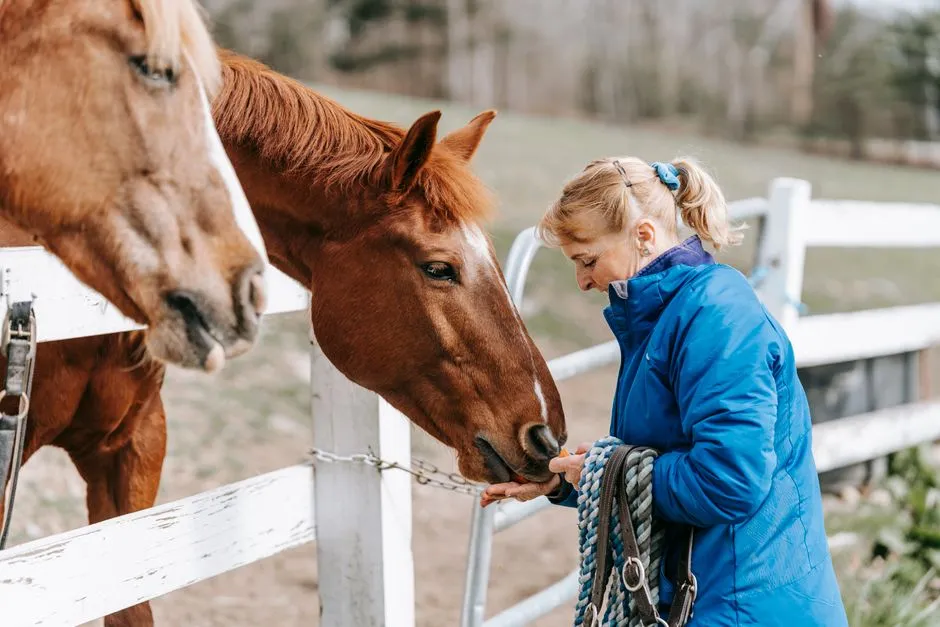
Most horses will let anyone catch them if they’ve had basic handling. That’s not remotely the same as what they do for their chosen rider. Watch the pasture closely: when someone else approaches with a halter, the horse might drift off or offer that flat “fine, if I must” stillness.
When it’s you, some horses will literally leave the hay or their herd and walk their nose straight into the halter. That’s not obedience, that’s preference. They’ve connected “going with this human” to fair work and clear cues – with everyone else, they’re braced for mixed signals and confusing demands. Long-time owners will tell you pasture catchability is one of the biggest tells in the whole barn.
Fast Facts
- Horses are prey animals wired to track subtle shifts in posture, breathing, and eye contact.
- A relaxed horse typically shows a lowered head, a soft eye, and a loose, easy tail swish.
- Catchability in an open pasture is one of the most reliable trust “tells” experienced handlers watch for.
- Herd-bound horses instinctively rank their group above any single human – unless one bond is unusually strong.
#16 – They Quiet Their Herd Instinct Just for You
Horses are hard-wired to care more about the herd than any human on earth. Yet some will override that entire survival program for one specific rider. A horse that screams, spins, or dances when pulled away from its buddies will often walk out calmly the second it’s with its chosen person.
Same paddock, same distance from home, completely different animal. You haven’t replaced the herd – you’ve been added to their safety system. With a stranger, the survival brain stays fully in charge: stay close to my friends or die. With you, it softens into something closer to trust: if she says it’s okay, I can try.
#15 – They Offer You “Asking” Behaviors Instead of Explosions
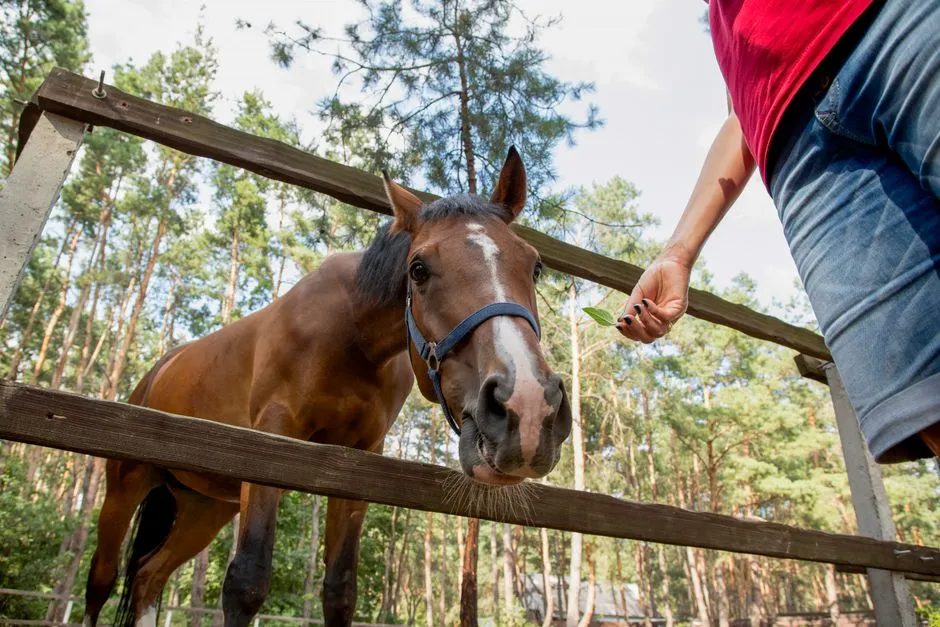
Most riders only ever see two modes out of a horse: tolerating, or blowing up. A bonded horse often shows a third mode reserved just for its person – asking. Instead of bolting first, they’ll flick an ear, hesitate, or give a tiny head shake, as if to say, “I can’t do this like that.”
Those subtle warning signs frequently vanish with anyone else. With a rider they don’t fully trust, the horse expects to be ignored or pushed through discomfort, so it skips straight to self-preservation. With you, it’s learned that soft complaints get heard – you slow down, you change the question – so it keeps talking instead of screaming.
#14 – They Change Their Movement to Match Your Balance
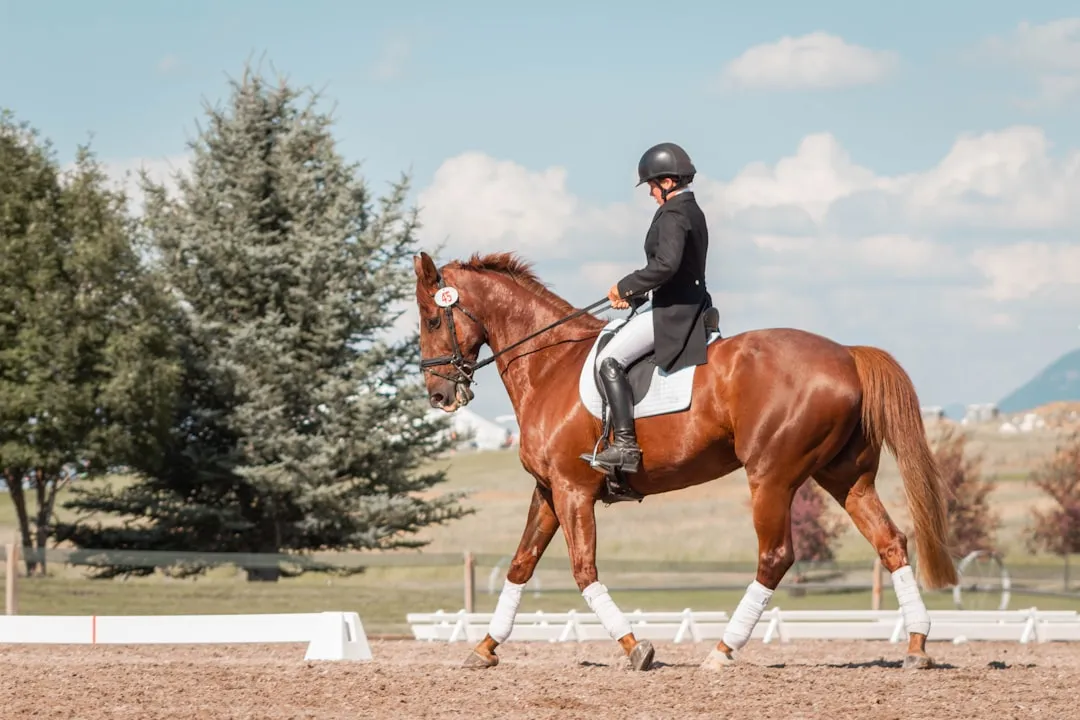
Every rider likes to believe their horse “goes better” for them. Sometimes that’s ego talking. But sometimes it’s a real, visible, measurable change underneath you.
Chosen riders often feel the horse physically reorganize its body – shortening stride, widening its base, lifting its back – to keep them secure. With other riders, the same horse may rush or lean, because it isn’t emotionally invested in whether that person stays on. Older riders and nervous riders notice this the most: the horse that’s “too much” for everyone else suddenly moves like it’s carrying glass.
#13 – They Offer You Their “Forbidden” Soft Spots
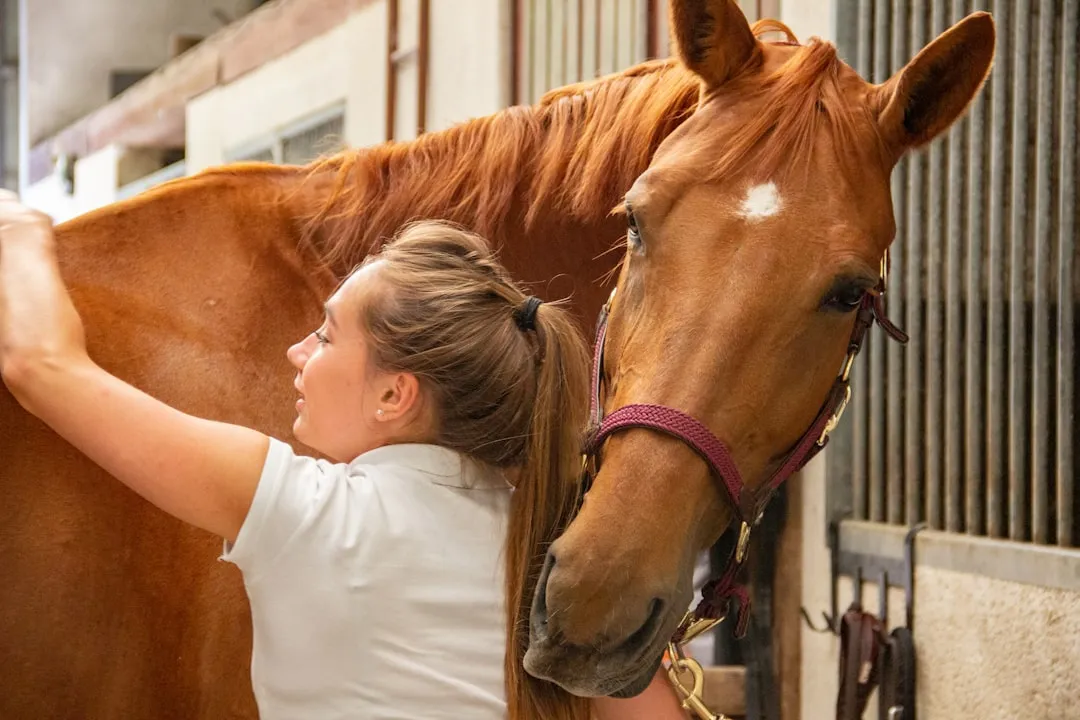
There are horses nobody can safely touch in certain places – ears, sheath, scars, poll – except one person. A horse that throws its head at everyone else may quietly lower it while you scratch the exact same spot.
That’s not the horse being “fixed,” that’s the horse handing you a level of trust it refuses to give the public. It usually starts because you’re the one who listened the first time it said no – you got the vet, you checked for pain instead of forcing through it. Other people, even kind ones, may never earn access to that spot. To them it stays off-limits. To you, it becomes a shared secret.
#12 – They Choose Your Voice Over the Chaos Around Them
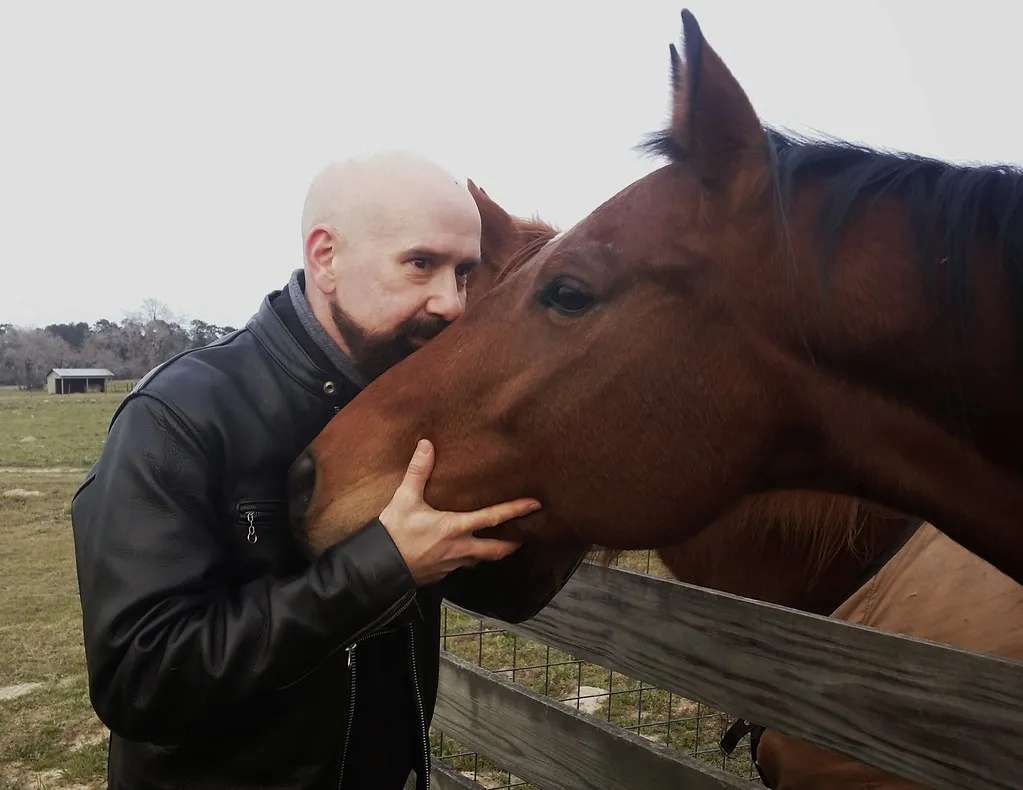
In a loud warm-up ring or a packed show ground, some horses mentally check out entirely – spooking at speakers, freezing at banners, dragging their rider back toward the gate. Watch that same horse with its chosen rider and the ears start swiveling in two directions at once: one on the noise, one locked onto that one familiar voice.
A soft “you’re okay” from the right person can override an entire stadium. The fear doesn’t vanish – your voice has just become a safety cue, proven true so many times that the horse now uses your tone as data. Another rider can say the exact same words and get nothing back, because the history simply isn’t there.
#11 – They Save Their “Try” for Your Weirdest Ideas
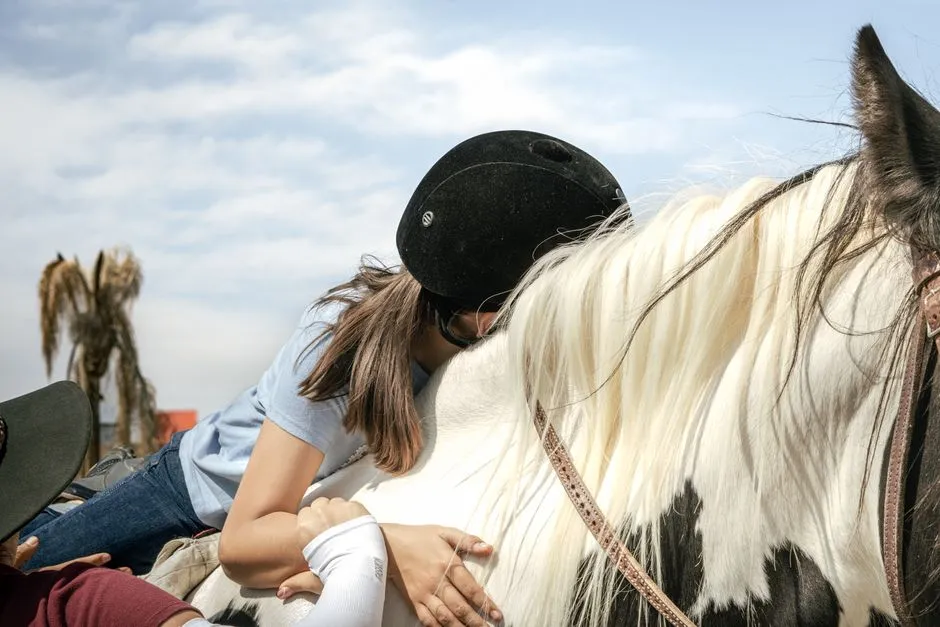
Every barn has that one rider who’s always asking the horse to do something it’s never done before – a new obstacle, a strange exercise, an odd pattern. And somehow the horse goes along with it, not because it understands the point, but because it’s you asking.
Many chosen horses will cross tarps, load onto trailers, or attempt tricky patterns they flat-out refuse for anyone else. That’s not brute training, that’s a trust bank account you’ve spent years building. Put a different rider on top who hasn’t earned that credit, and the same horse slams on the brakes – not out of stubbornness, but because it doesn’t feel safe enough to risk getting it wrong for a stranger.
#10 – They Stand Ground-Tied for You When They Won’t for Anyone Else
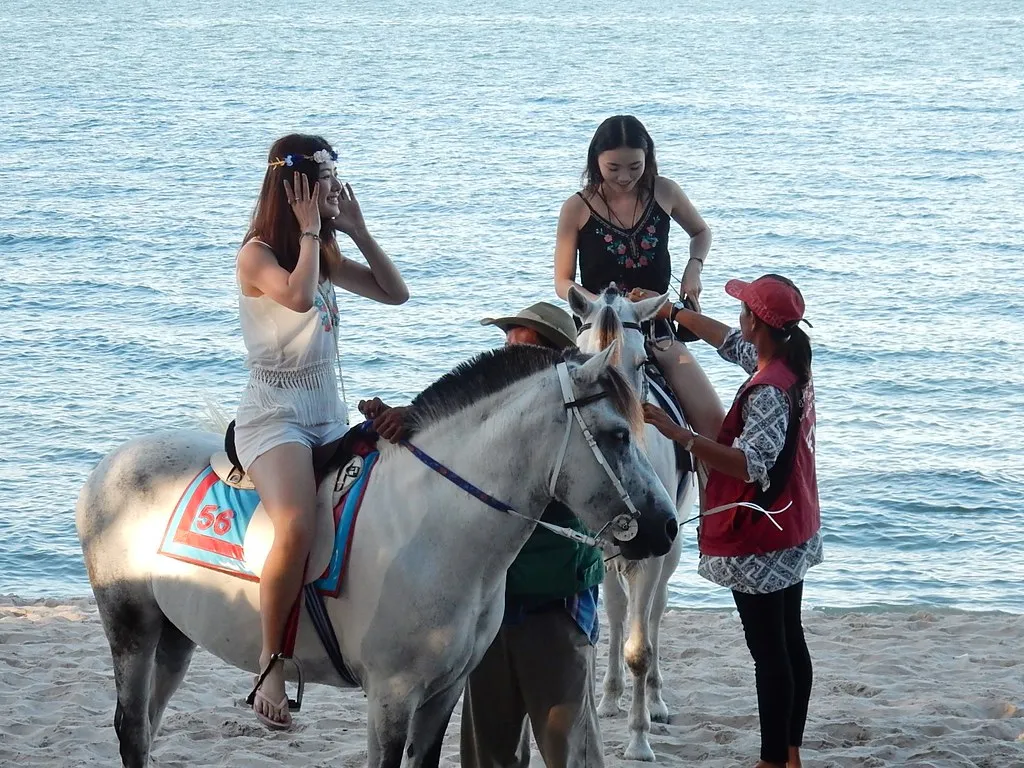
There are horses nobody in their right mind would leave loose in the aisle – except for the one person who can. With their chosen rider, some will stand like a statue with the lead draped over their neck, even in a mildly chaotic barn.
Try that same trick with a random handler and you’re chasing a loose horse around the property within thirty seconds. This isn’t a party trick, it’s situational trust: you move predictably, you read their fidgets, you never disappear or overload them. With anyone else, the timing and energy feel unfamiliar, and standing still suddenly feels risky enough to test.
#9 – They Show You Their “Off Duty” Personality
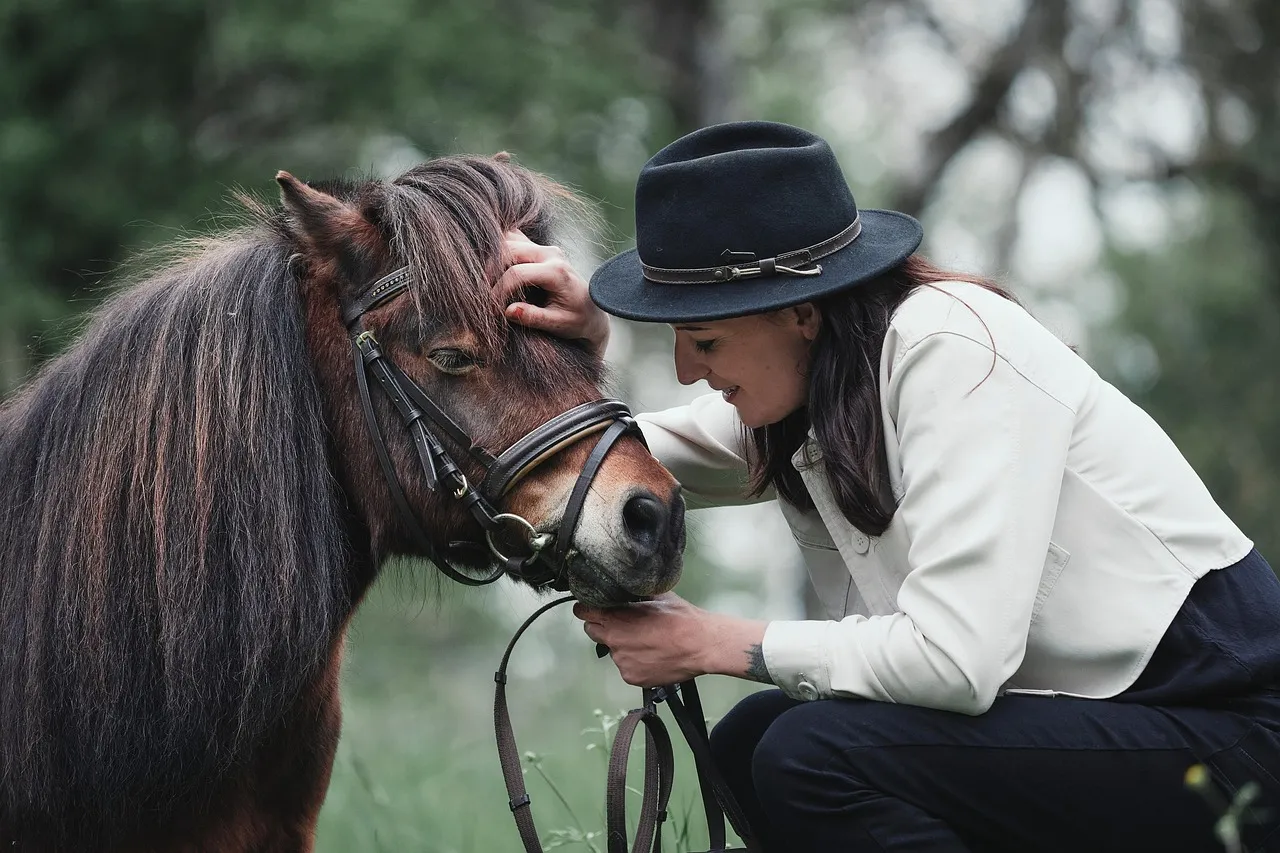
Plenty of horses act like robots inside a program – walk, trot, canter, done – with their real personality staying locked away. With a chosen rider, that mask tends to drop completely.
You’ll see things nobody else ever does: lip flops, playful nuzzles, “helping” with grooming tools, or a full dramatic sigh into your chest. To the rest of the barn, that horse might seem dull or difficult. But the second you walk into the stall, the eyes brighten and the ears get animated, and suddenly you’re getting little jokes – a nudged pocket, an unzipped jacket, a hoof placed exactly where you just were standing. That depth of personality simply doesn’t get unlocked for every rider.
Worth Knowing
- Lip-flopping, nuzzling, and “helping” with grooming tools are classic signs of a relaxed, trusting horse.
- Horses that seem dull or checked-out in a lesson program often loosen up dramatically with one specific handler.
- Playful habits like tugging at clothing or resting a head on a person’s chest usually only surface once real trust is built.
- A sudden personality shift between handlers is one of the clearest outward signs of a one-person bond.
#8 – They Let You Interrupt Their Stress Spiral
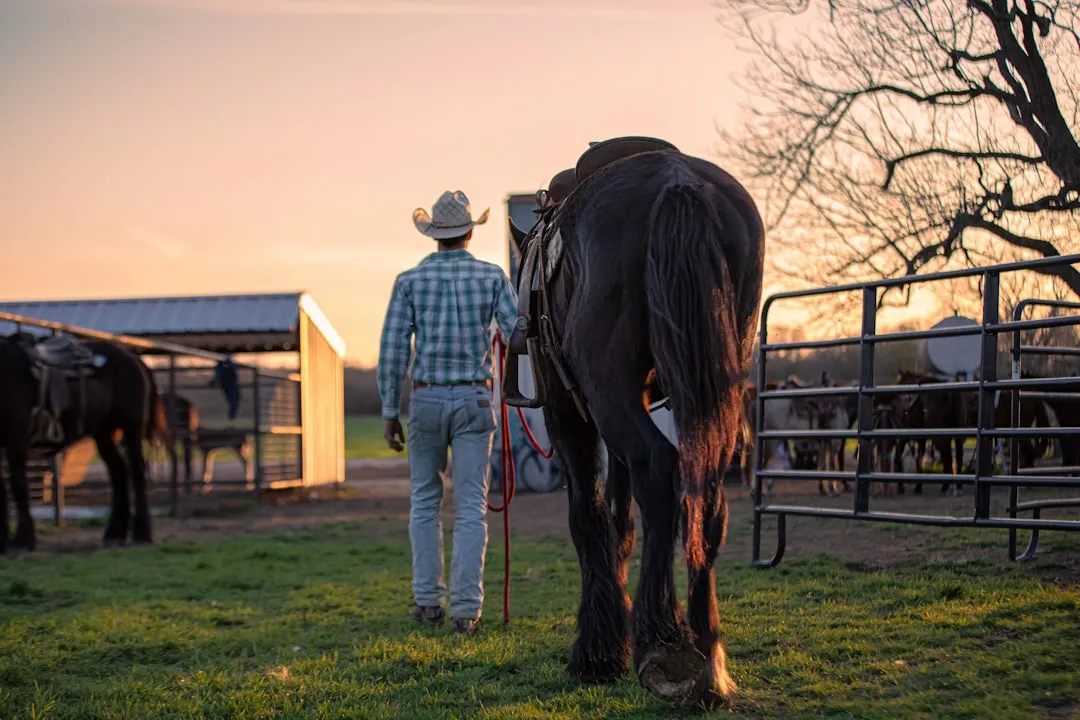
A truly anxious horse can spiral fast – spook, bolt, spin, repeat – and for most handlers, once that spiral starts, you’re just along for the ride. A bonded horse may still react, but it lets you specifically break the loop.
You can feel them take a breath and come back to you after a scare in a way they simply won’t with anyone else. They’ve practiced recovery with you hundreds of times, so their brain now links your presence with a way out rather than more panic. Hand the reins to someone who hasn’t built that history, and the same horse stays locked in fight-or-flight – a difference that can genuinely be the line between a bad moment and an ambulance ride.
#7 – They Dial Down Their Own Power to Match You
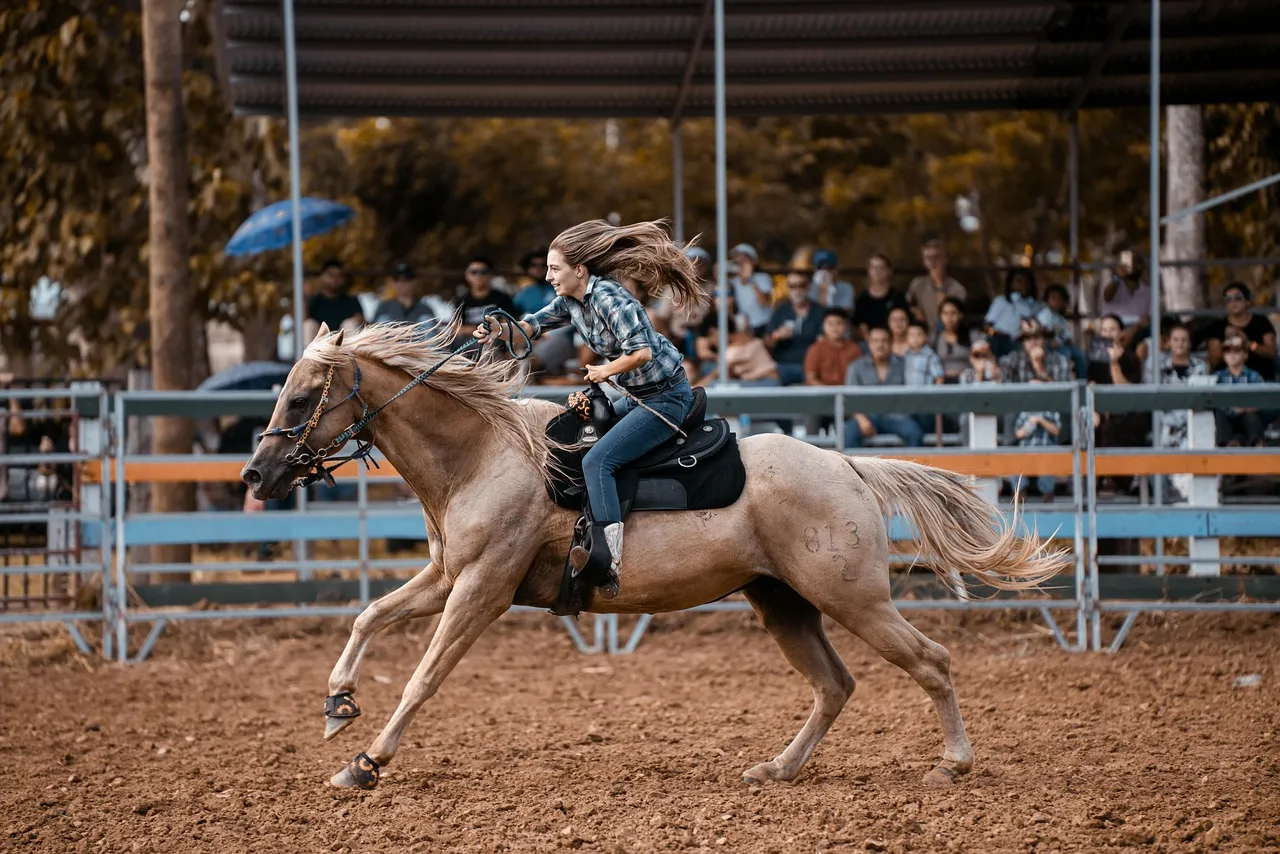
The same horse that drags a strong rider around the arena will often tiptoe under a smaller, weaker, or more fragile chosen person. Some notorious powerhouses turn into a completely different animal the second the right person climbs on.
It’s like someone quietly turned the speed dial from ten down to five. Critics insist it’s pure training, yet the same “well-trained” horse can take full advantage of an unbalanced stranger while going angel-soft for its nervous owner. The difference is emotional investment – they’ve decided you’re worth protecting, even if that means dialing themselves all the way down.
#6 – They Follow You at Liberty When They’d Ignore Anyone Else
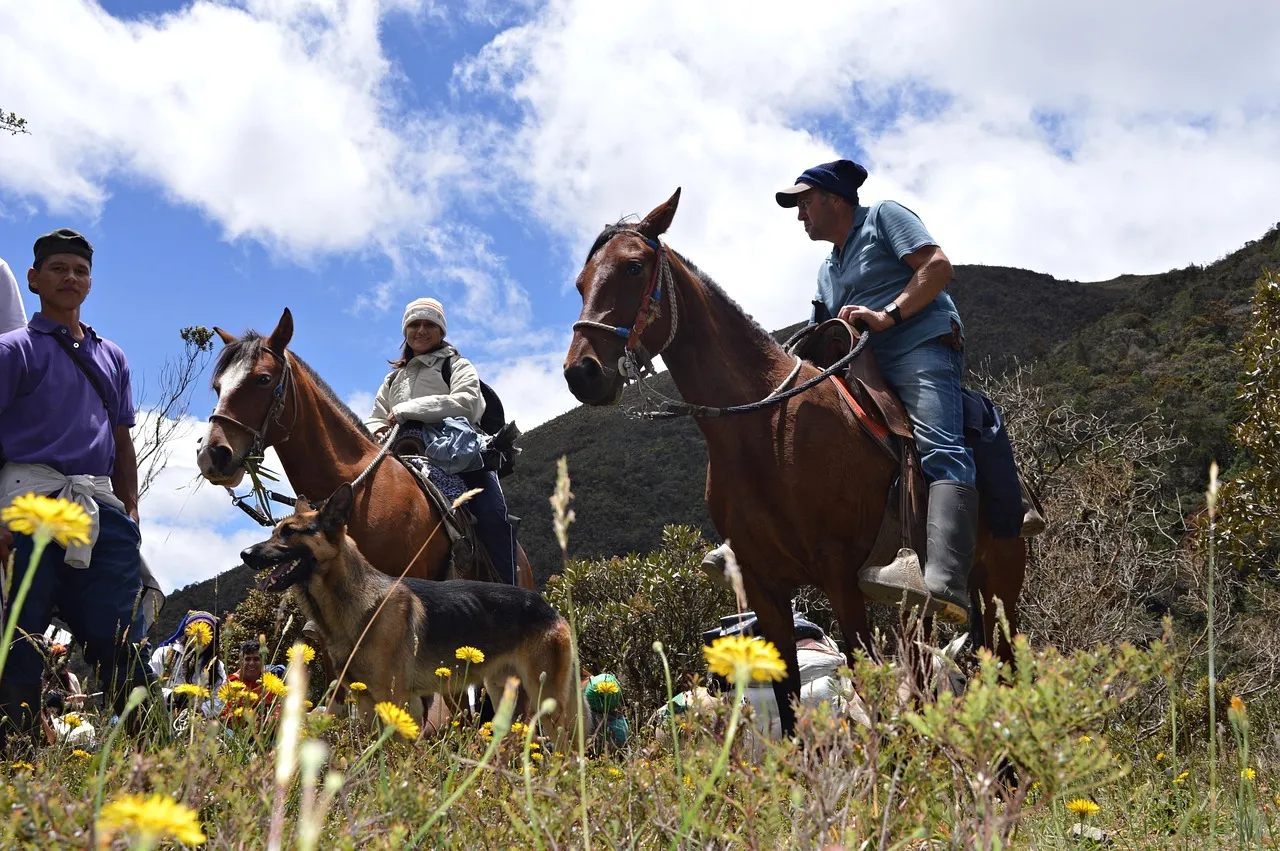
Turn your horse loose in an arena and watch what happens. Plenty will sniff around, roll in the dirt, and ignore every human present. Some, though, will quietly shadow their chosen person step for step with no rope at all.
That same horse might wander off the second anyone else tries the identical liberty exercise. It’s a brutal, honest little test that no one likes failing. Liberty following isn’t a magic cue – it’s about who the horse actually trusts enough to mirror. For everyone else, there’s simply no meaningful history to make the exercise worth it.
#5 – They “Guard” You in Subtle, Half-Deniable Ways
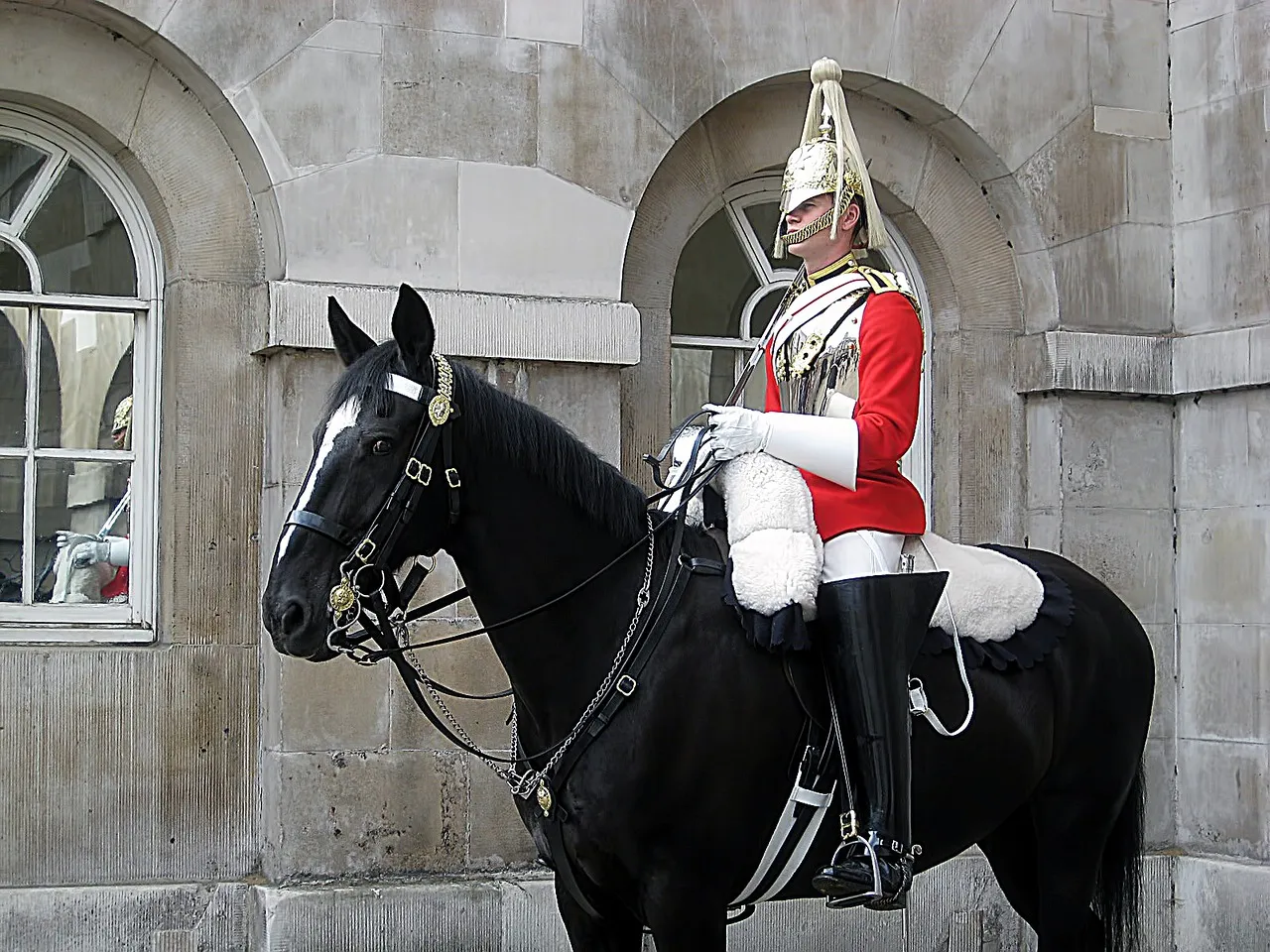
This is where non-horse people roll their eyes, but riders see it constantly. Some horses quietly position themselves between their chosen person and whatever they perceive as a threat – another horse pinning ears, a loose dog, a flapping tarp.
The barn bully that charges into everyone’s personal space will hesitate the second it’s near your shoulder while you’re standing by your horse. Is that real guarding or just self-preservation that happens to benefit you? Behaviorists genuinely argue about it. What’s harder to argue with is that they rarely bother doing it for anyone else at all.
#4 – They Forgive Your Mistakes and Punish Everyone Else’s
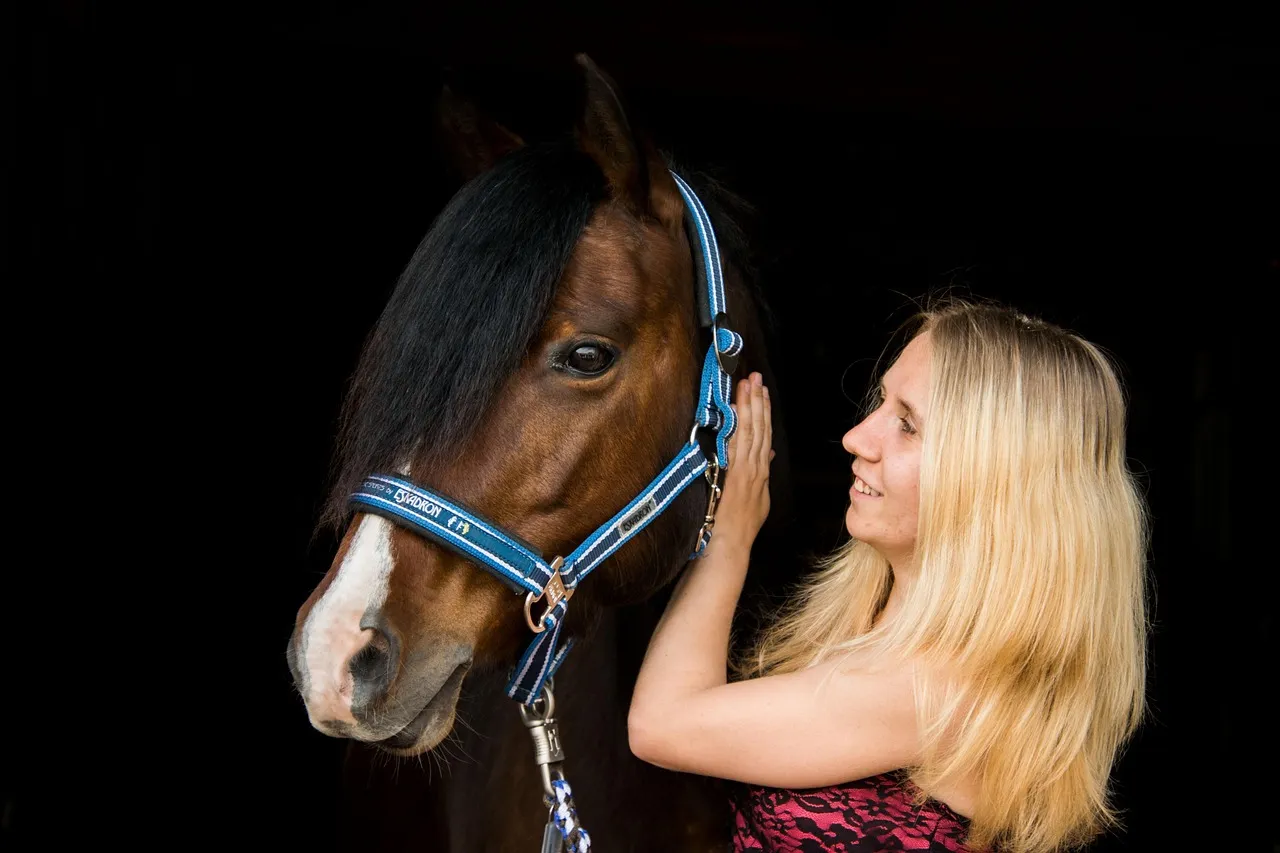
Every rider makes mistakes – late cues, unbalanced landings, fumbled reins. With some horses, those errors earn a stranger an instant tantrum. Their chosen rider can commit the exact same sin and walk away with nothing worse than a small ear flick.
Plenty of owners admit it flat out: “He’ll dump a stranger for something he lets me get away with every single ride.” Your horse has files on you – how you usually ride, how you fix things, how you handle tension – so when you mess up, it waits a beat longer before reacting, betting that you’ll sort it out. A new rider making the same mistake gets no such grace period, because there’s no stored trust to buffer the fall.
Quick Compare
- Stranger makes a mistake: tension, an ear pin, sometimes an immediate reaction.
- Chosen rider makes the same mistake: a brief ear flick, then right back to business.
- Why it differs: stored trust works like a buffer, giving the familiar rider a longer grace period before the horse reacts.
#3 – They Come Straight to You When Something’s Wrong
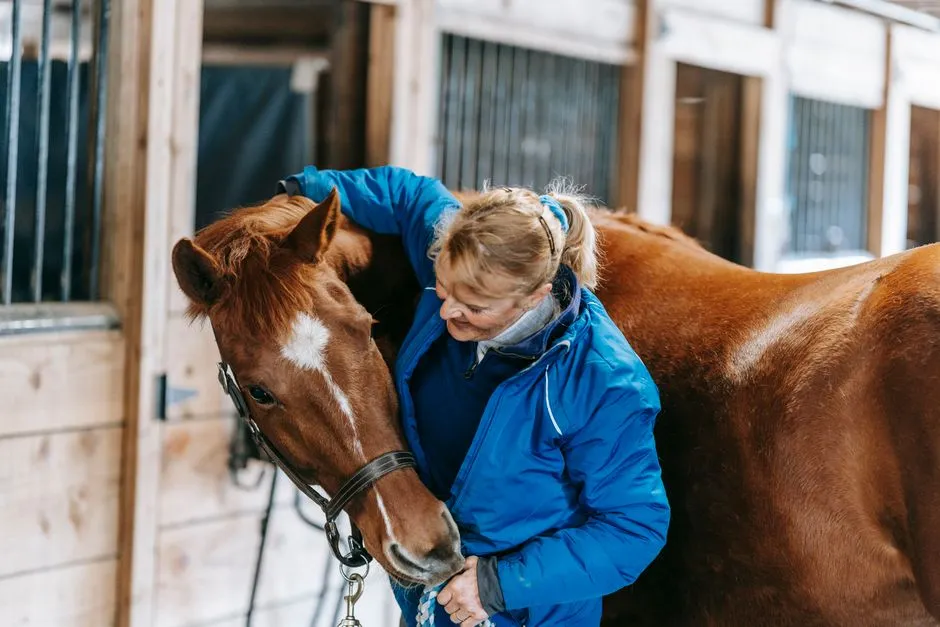
This is the one that guts owners every time. Horses that are colicky, sore, or simply “off” will sometimes leave the herd or stand at the gate only when their chosen person shows up, ignoring absolutely everyone else in the meantime.
Friends will swear the horse looked totally normal an hour earlier – then the moment you arrive, it visibly “tells” you something is wrong. It shows up as clinginess, refusing to eat while you’re there, or quietly shifting weight to point at a sore spot the instant you touch it. They’ve learned that showing you discomfort leads to help, not more pressure – a pattern that doesn’t always extend to other people, even well-meaning ones.
#2 – They Keep Giving You Their Best Long After Everyone Else Gives Up on Them
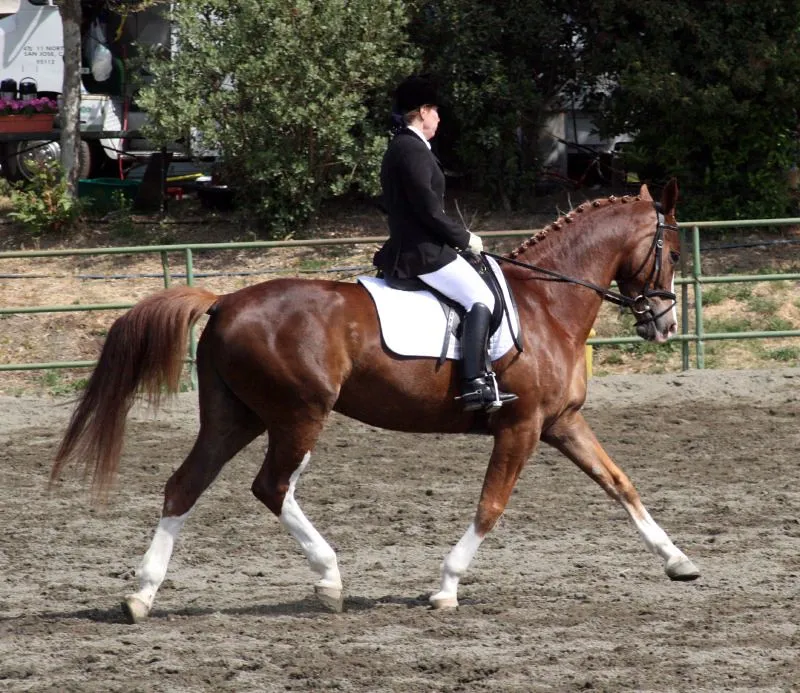
Older schoolmasters, ex-show horses, and hard-used lesson saints often shut down for most riders. They go through the motions, but the spark is gone. And yet every now and then, one of these tired old souls lights back up completely for a single person.
They’ll offer their best work – collected movements, careful jumps, precise transitions – long after everyone has written them off, but only under that one rider. Part of it is physical management, sure, but a big part is emotional: they finally feel seen as a partner instead of equipment. Put a different rider up and that reserve tank disappears instantly, and the horse simply coasts, conserves, and protects itself instead.
#1 – They Let You All the Way Into Their World
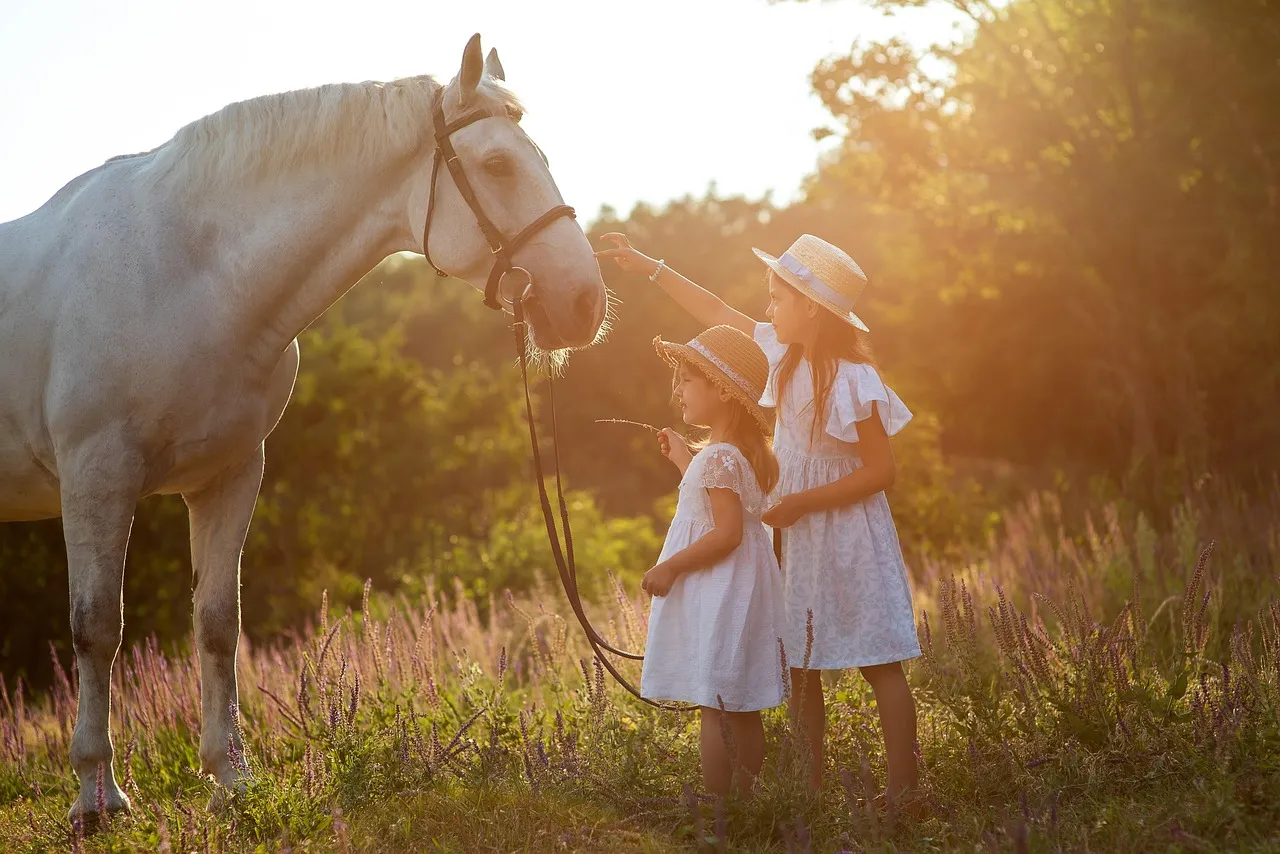
In the end, the most powerful thing a horse does for its chosen rider isn’t dramatic at all – it’s quiet. It allows one human to become part of its internal world in a way it never fully extends to anyone else, ever.
You see it in the tiny things: the way they find your eyes in a crowded ring, the way they rest their muzzle on your chest and half fall asleep, the way they read a bad day on your face and soften before you’ve said a word. Trainers can get flashier movement out of them, kids can hug their faces, grooms can feed and rug them perfectly – but there is a specific, unmistakable shift reserved for exactly one person. Their nervous system syncs with yours. They breathe deeper when you do. That isn’t training. That’s attachment, and horses do not hand it out for free.
The Bottom Line
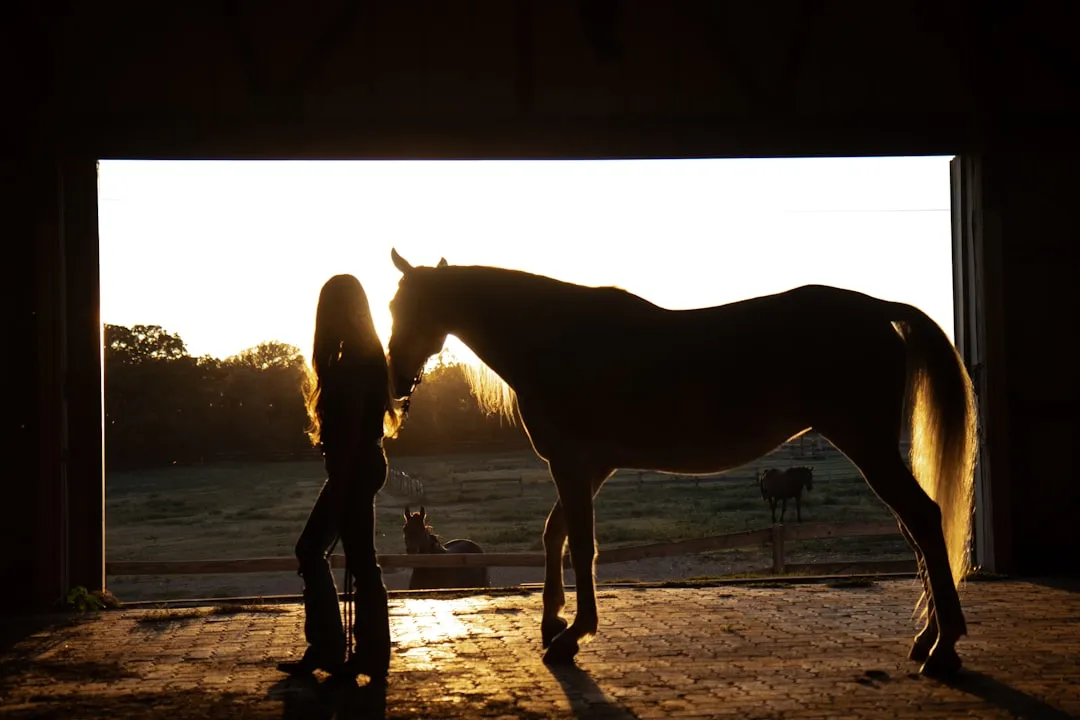
When a horse quietly decides, “you’re my person,” it doesn’t hang a banner or throw a parade. It changes a hundred tiny behaviors that outsiders dismiss but riders feel in their bones – stepping toward the halter instead of away from it, exhaling the moment you walk in, lending you a level of power and forgiveness it refuses everyone else.
Some people will insist that’s sentimental nonsense, that a horse works for whoever feeds it. Riders who’ve lived it know better. Training and management matter, sure, but so does everything you build day after day when nobody’s watching. A horse can be ridden by plenty of people – but it will only ever truly choose a few.
Are you convinced horses pick “their” humans, or do you think it’s all in our heads? Say where you stand in the comments.

- 18 Things a Horse Does for Its Chosen Rider That It Will Never Do for Anyone Else - August 3, 2026
- 17 Dog Breeds That Have Quietly Vanished From Neighbourhoods Where They Were Once Everywhere - August 3, 2026
- 16 Tender Things Your Old Cat Does in Its Last Good Months That Most People Never Notice - August 3, 2026