
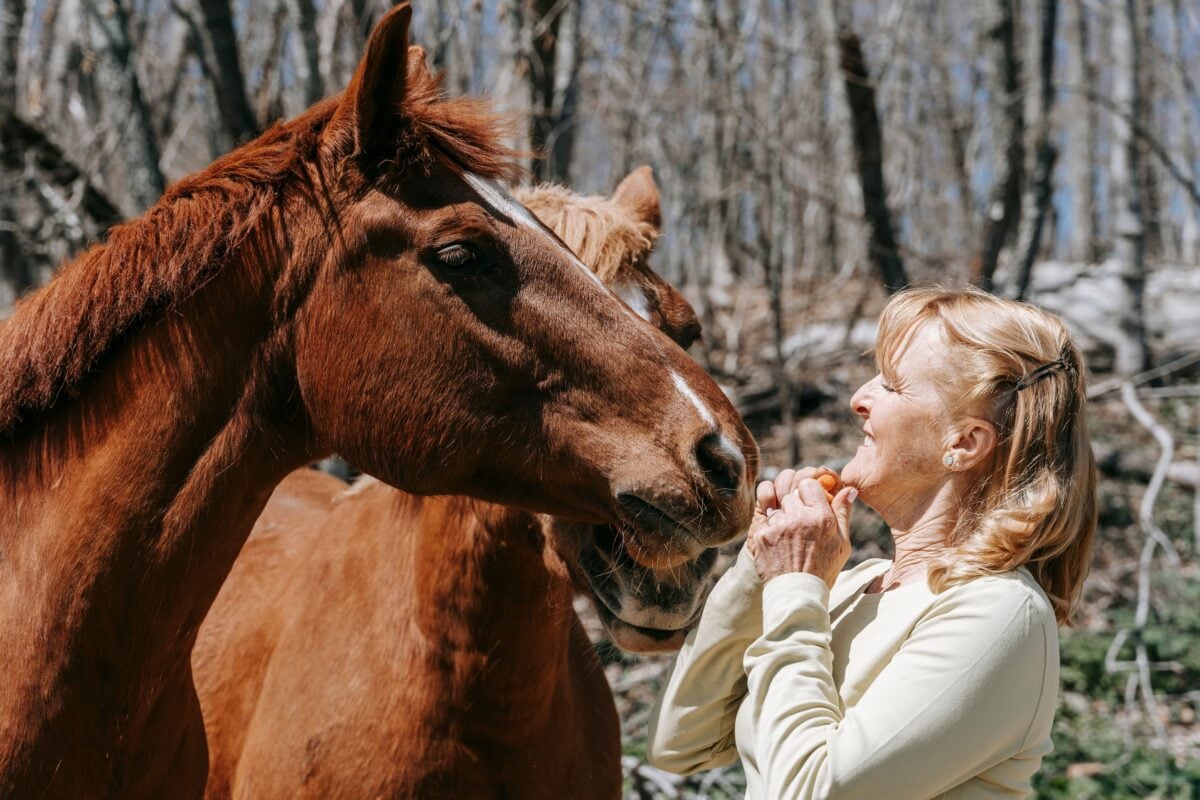
Every barn has that one story: the horse that spots its person from three fields away and comes thundering across the paddock like something out of a movie. It happens, and it’s glorious when it does. But here’s the uncomfortable part – that dramatic gallop-to-the-gate moment isn’t actually the strongest proof of love a horse can offer.
Horses don’t hide affection so much as whisper it, in movements most people scroll right past while checking their phone at the gate. Behaviorists and the sharpest horse people around have learned to catch these tells, and once you see them, you’ll never look at a “boring” moment in the paddock the same way again. Here are all fourteen signs, starting with the smallest one – the one almost everyone misses first.
#1 – The Micro-Whinny You Barely Hear
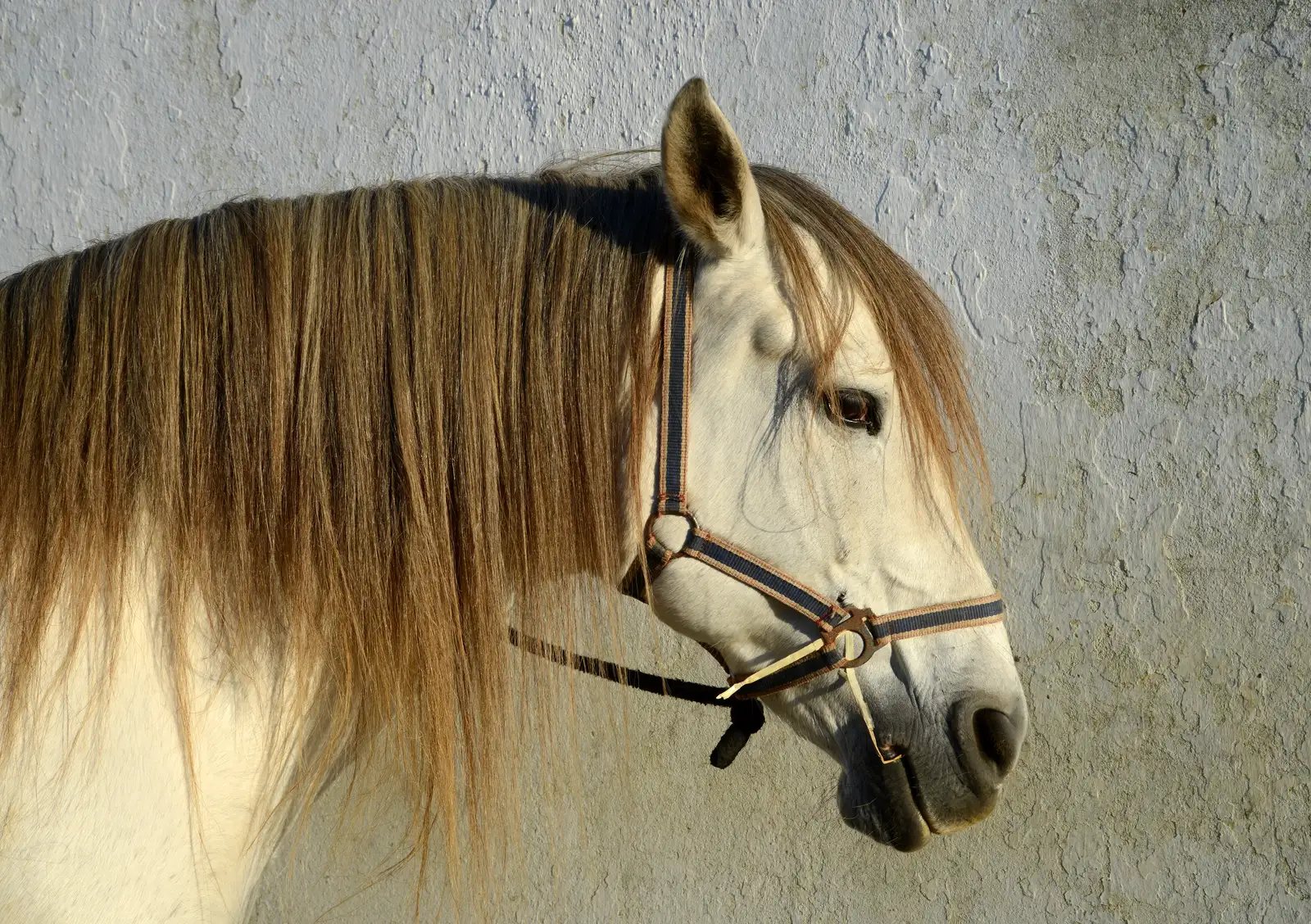
Most people wait for the big dramatic neigh, but that’s not what bonded horses usually do first. When their favorite person walks into the yard, many horses give a barely-there vocalization – a short, low whicker or breathy nicker that almost sounds like an exhale with a vibration.
It’s reserved, subtle, and often completely ignored by anyone distracted at the gate. The horse isn’t announcing anything to the world; it’s talking directly to you. Watch for softening nostrils, loosening lips, and a small throat movement, even if the sound barely carries past the next stall.
That tiny greeting is a “you’re back, I see you” signal, not a demand for food. Riders often mistake it for a random noise and then complain, “He never calls for me.” Next time, listen closer – that quiet hello might already be there, every single time.
#2 – The Ears Lock Onto You Like a Radar
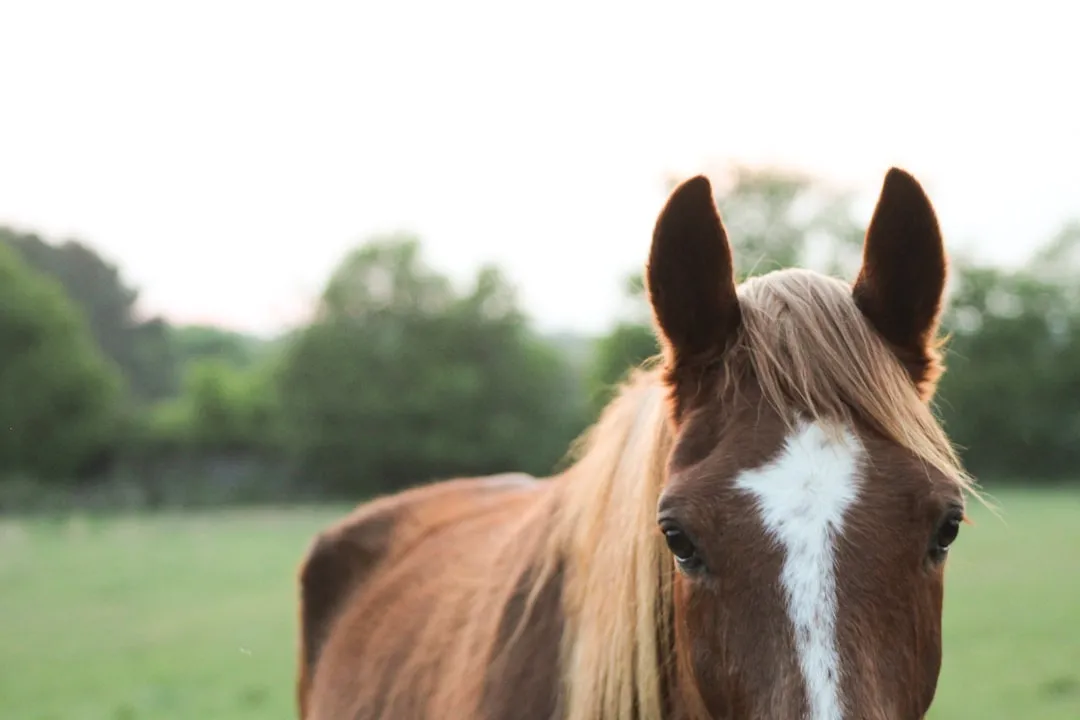
Everyone knows pinned ears mean “back off,” but almost nobody talks about the opposite: ears that lock onto you and stay there while the rest of the yard is total chaos. When a horse’s favorite person walks in, both ears often flick over and then hover, tracking every step you take.
This isn’t idle curiosity. It’s selective attention, and in a prey animal, attention equals importance. You’ll notice it most when other horses are being turned out, tractors are rumbling past, or feed carts are rattling somewhere nearby.
A horse that keeps re-focusing both ears on one person is basically saying, “You are my main event.” Some behaviorists argue this focused ear tracking is a stronger sign of attachment than calling out or pawing ever is. While many riders obsess over eye contact like they’re training a dog, serious horse people quietly watch where the ears go.
Fast Facts
- Horses can rotate each ear roughly 180 degrees, often independently of the other.
- More than a dozen muscles per ear give horses extremely fine control over direction and angle.
- Trainers and vets widely use ear position as one of the fastest, most reliable mood indicators in the barn.
#3 – The Slow Blink and Dropping Head
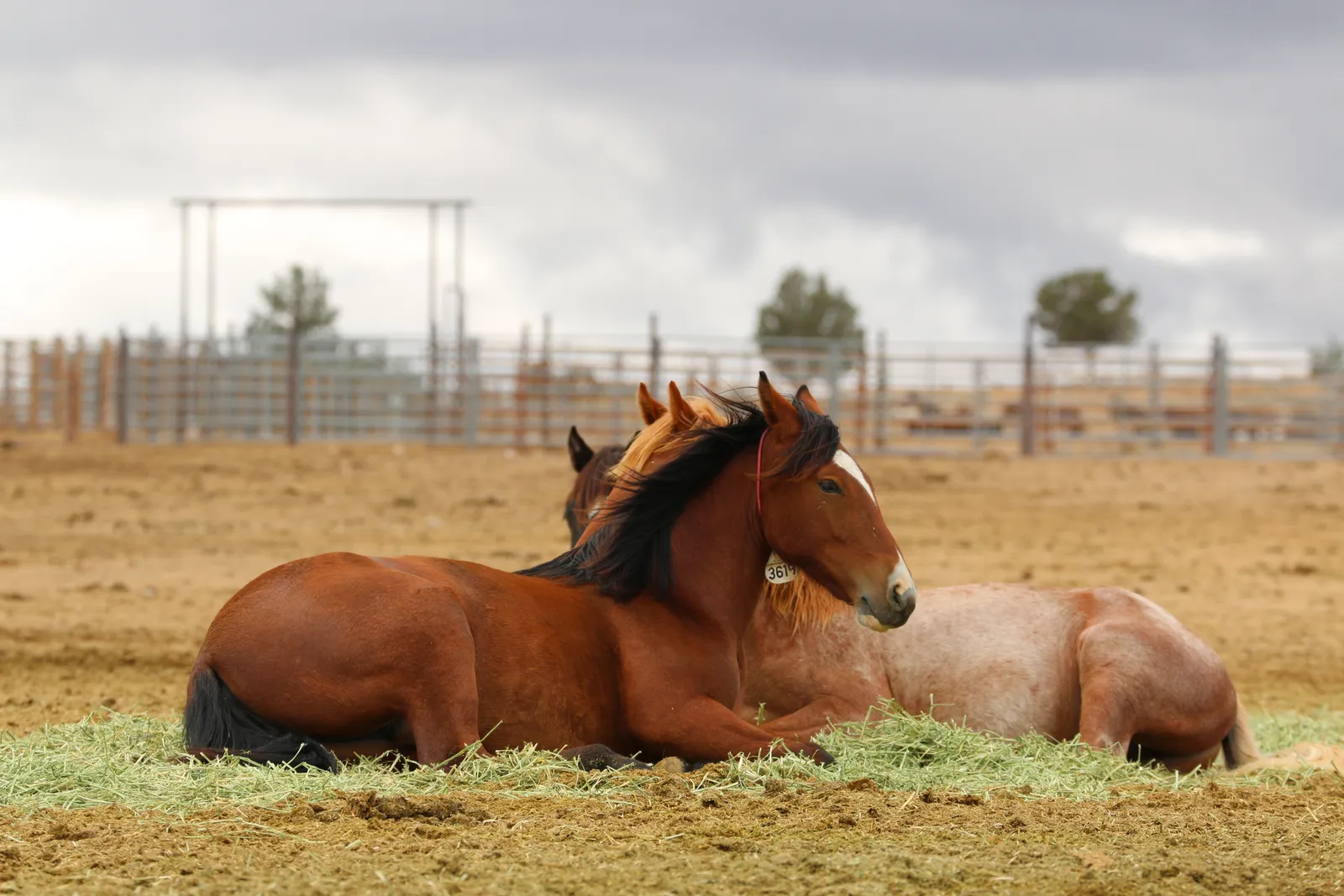
Most riders miss this because they rush. A horse that genuinely relaxes the second you appear will often do two things almost at once: slow blink, and let the head drop a couple of inches.
It’s the opposite of a stallion rearing up in a movie. It’s your supposedly “hot” horse quietly exhaling, as if someone finally took the pressure off the room. Look for eyes softening, lids half-closing, and a visible sigh or gentle blow through the nose.
This isn’t laziness or boredom; it’s emotional safety, and horses don’t drop their guard for people they don’t trust. Some trainers even use the slow blink as a barometer – if your horse softens the moment you arrive, not after twenty minutes of grooming, you’re not just “the feed person” anymore.
#4 – Parking Its Body Between You and Trouble
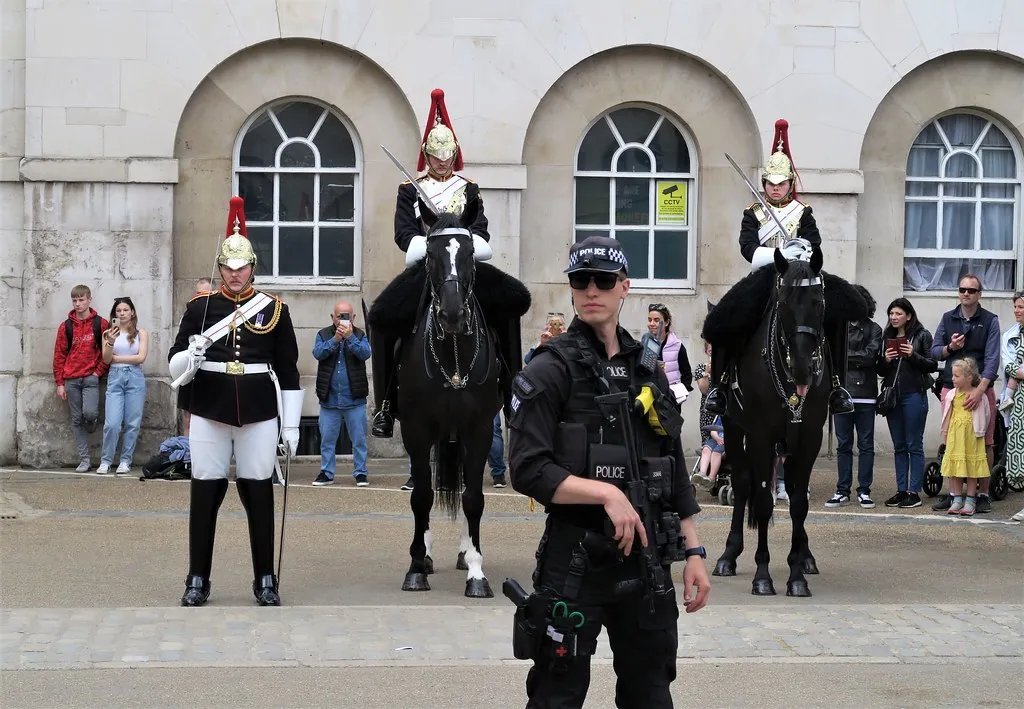
Riders constantly talk about “respecting space,” and yes, crowding can genuinely be dangerous. But there’s a very specific version of standing close that looks less like pushiness and more like protection.
A horse that quietly parks itself between you and the perceived stressor – the tractor, the bossy mare, the flapping tarp – is making a choice. Watch for the horse sidestepping to keep itself on the “outside,” or subtle shoulder and ribcage shifts that block others from brushing past you.
This isn’t a Disney bodyguard fantasy. It’s a horse saying, “If something’s going to hit, it hits me first.” Most riders mislabel this as “he’s in my space again” without noticing the context – but if it only happens when chaos starts, that’s attachment plus a risk calculation, and it’s one of the clearest, yet most misunderstood, signs of a favorite human.
#5 – Ignoring the Feed Cart for You
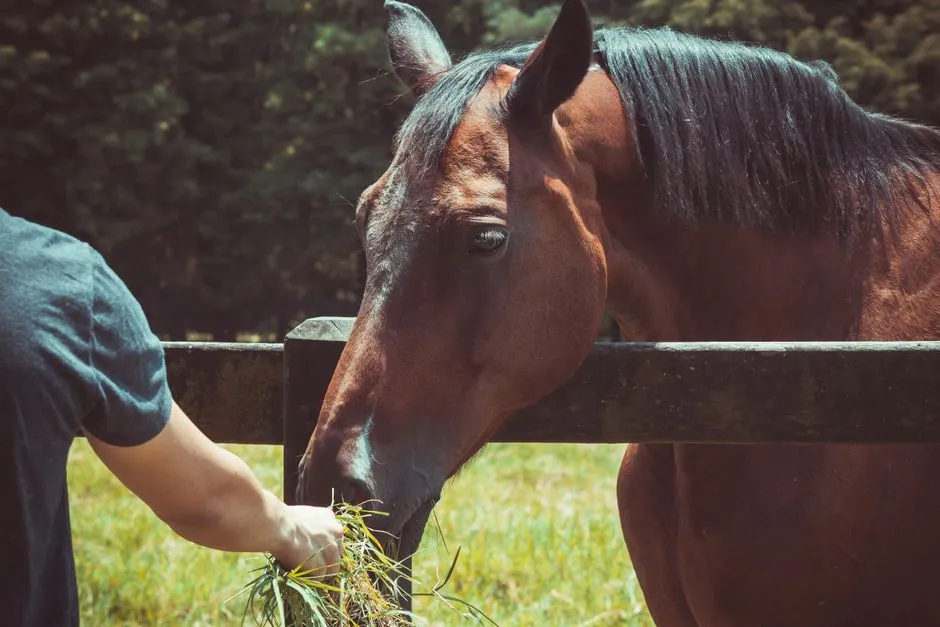
Barn culture loves to say, “Don’t flatter yourself, he only loves the bucket.” Sometimes that’s true. But there’s one behavior that calls that cynicism out completely: a horse that hesitates on food just to keep watching or touching you.
In horse language, food is survival. Choosing you over food, even for a moment, is not nothing. Look for the horse that keeps its nose on your shoulder while the cart rattles by, or takes one mouthful and immediately swings back to you for more interaction.
No, it doesn’t mean they’d starve themselves for you, and we shouldn’t romanticize that part. But it does mean their nervous system is calm enough in your presence to delay instant gratification, and trainers who work with anxious horses know this well: when a previously food-obsessed horse can ignore grain to stay engaged with one person, attachment is usually in play.
#6 – The “Shadowing” Walk Along the Fence
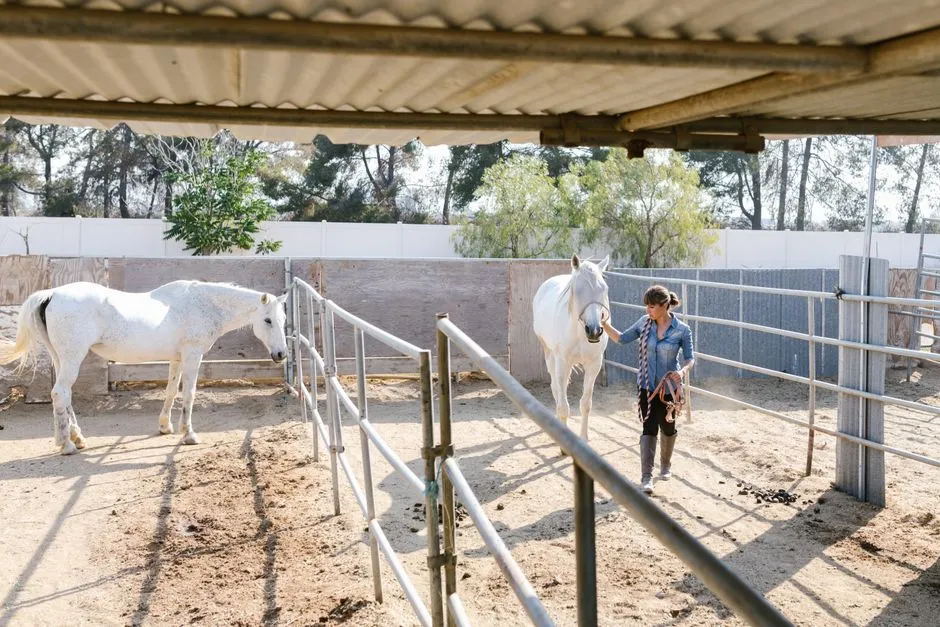
Everyone gushes when a horse gallops to the gate, but they skip a quieter, more telling behavior: the shadow walk. That’s when your horse doesn’t explode with drama – it simply tracks you along the fence line, matching your pace without calling or fussing.
You’ll see the horse appear “busy” grazing, then casually line up beside you through the rail. As you walk the yard, it turns, walks, and stops with you like a distant dance partner keeping perfect time.
Horses don’t waste energy for nothing. If they continually mirror one person’s steps from across a paddock, they’re invested. This isn’t separation anxiety screaming; it’s attachment with self-control, and some behavior geeks argue it’s actually healthier than the horse that panics whenever its person leaves.
Quick Compare
- Shadow-Walking: Calm, paced movement that mirrors your steps without vocal fuss.
- Separation Anxiety: Loud calling, pacing, or fence-walking that escalates the moment you’re out of sight.
- The takeaway: One shows security in the bond; the other shows fear of losing it.
#7 – Letting You Into Their “Off-Limits” Zones
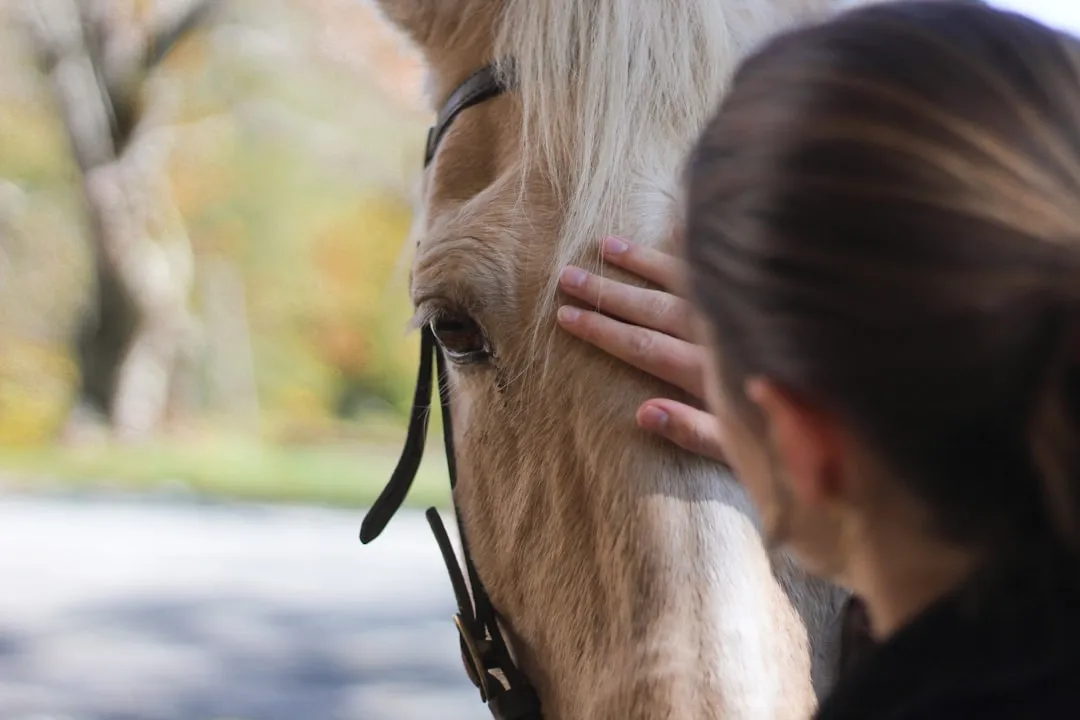
Every horse has an invisible bubble: ears, flanks, hind end, sometimes the belly or girth area. Many will tolerate generic touching there, but there’s a big difference between tolerance and voluntarily exposing a vulnerable spot the second their favorite human appears.
Notice if they angle their rump slightly toward you for a scratch, without tension or swishing, or lift their chin to offer the underside of the jaw or throat – an area many horses guard fiercely.
A horse that presents a historically sensitive area to one specific person is voting with its body. It’s saying, “You can have access where others can’t.” That’s not you being a magical whisperer; that’s consistent, respectful handling finally paying off.
#8 – Subtle Herd Re-Shuffling When You Arrive
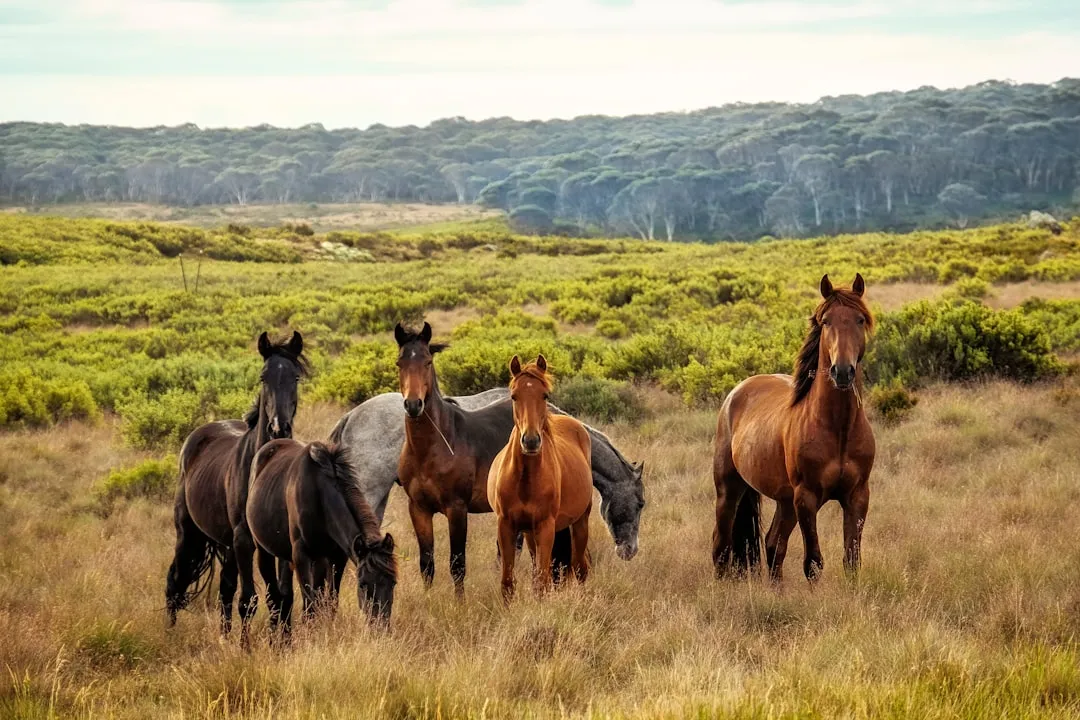
Here’s a sign almost nobody talks about: herd politics changing the moment you step into the yard. If your horse’s favorite person walks in, sometimes the dynamic in the field quietly tilts around them.
Your horse might drift closer to the gate, block another horse from crowding you, or even stand a half-step ahead like a self-appointed escort. Watch for your horse cutting off others who rush toward you, or lower-ranking horses hanging back when you approach “their” friend.
This isn’t dominance cosplay; it’s social math. Herds notice which humans matter to which horses, and a horse that adjusts its herd role when you show up is adding you into its social map. Trainers who observe entire herds, not just arena work, see this constantly and treat it as a huge relationship clue.
#9 – The “Check-In” Look Over the Shoulder
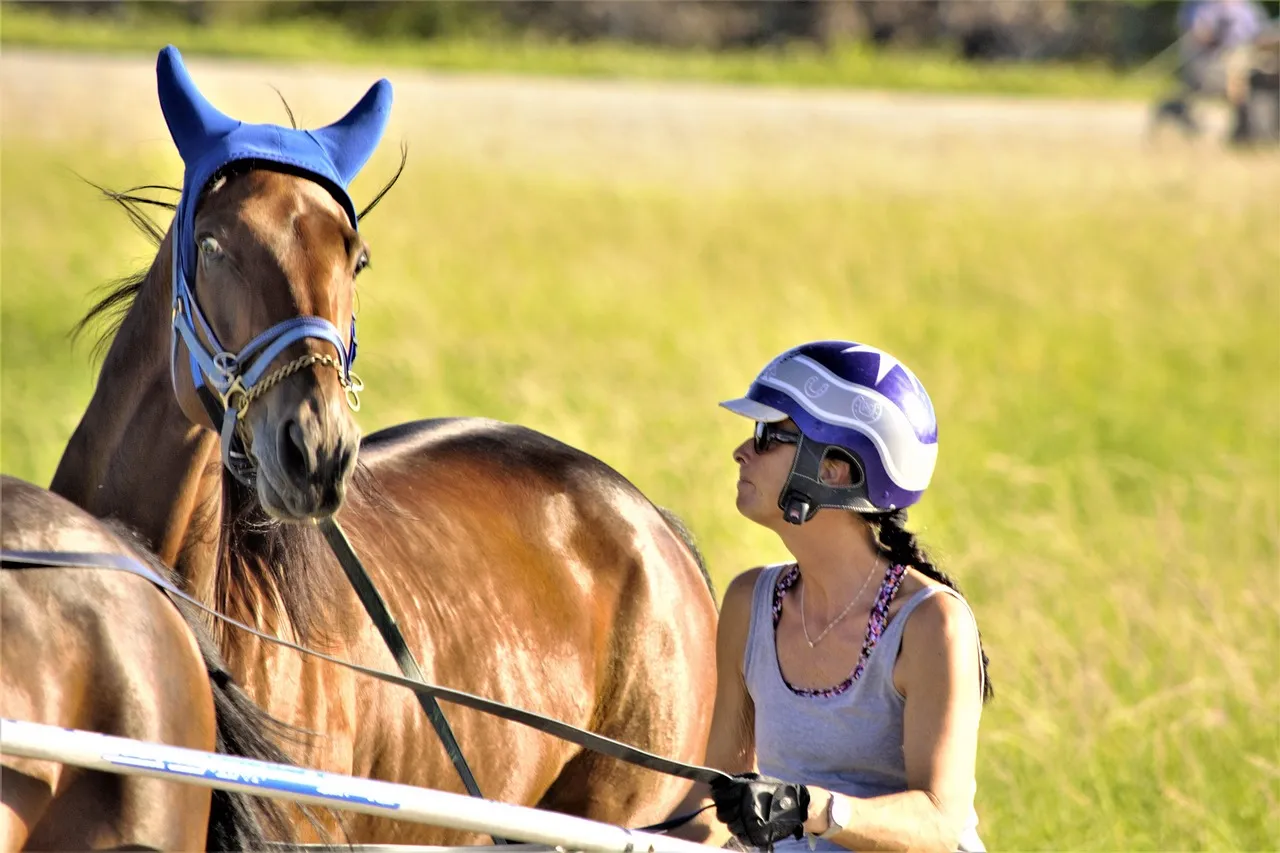
Some riders brag when their horse drags them to the field – “He’s so keen to go out!” That’s not attachment; that’s turnout. True attachment shows up in the in-between moments, like when your horse is being led and suddenly flicks an eye or the whole head back toward you.
You’ll notice a quick glance over the shoulder, then a softening of the neck, or a half-second pause where they seem to “read” your face before stepping on. It looks small. It isn’t.
Behavior pros treat this like a question: “We’re good, right?” It’s not testing boundaries; it’s syncing nervous systems. Some old-school riders still punish any head movement as “disrespect,” completely missing that these tiny looks are how a herd member confirms safety – and if your horse checks on you while still willingly moving forward, that’s partnership, not resistance.
Worth Knowing
- Horses are highly attuned to human facial expressions and body posture, even in brief glances.
- A backward glance while leading is often a horse recalibrating its sense of safety, not testing dominance.
- Horses that check in this way tend to be easier, more cooperative partners under saddle.
#10 – Choosing Your Side in a Crowded Yard
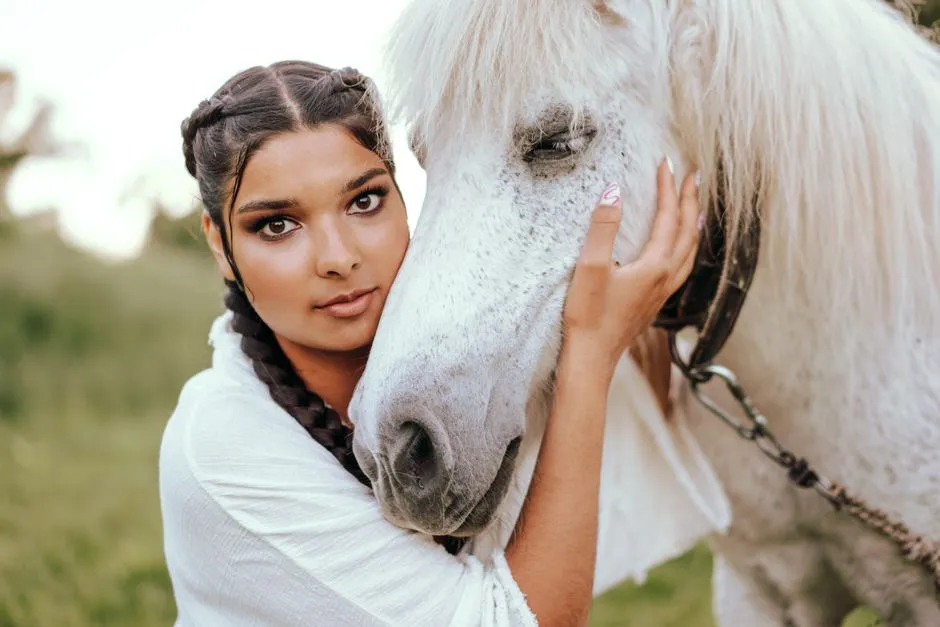
When multiple people are in the yard, who does your horse physically line up beside? A horse that has a clear favorite often chooses one person’s “orbit” and stays there, even if others are offering treats, pats, or attention.
Watch for your horse drifting to stand shoulder-to-shoulder with you without being asked, or angling its body subtly toward you even when someone else has taken the lead rope.
This is the horse version of sitting next to your person on the couch, even if there are more comfortable seats available. Critics love to say “horses don’t have favorites, they have habits,” yet the same critics can’t explain why some horses consistently fight to end up on one human’s side, every single time.
#11 – Relaxing Faster With You Than Anyone Else
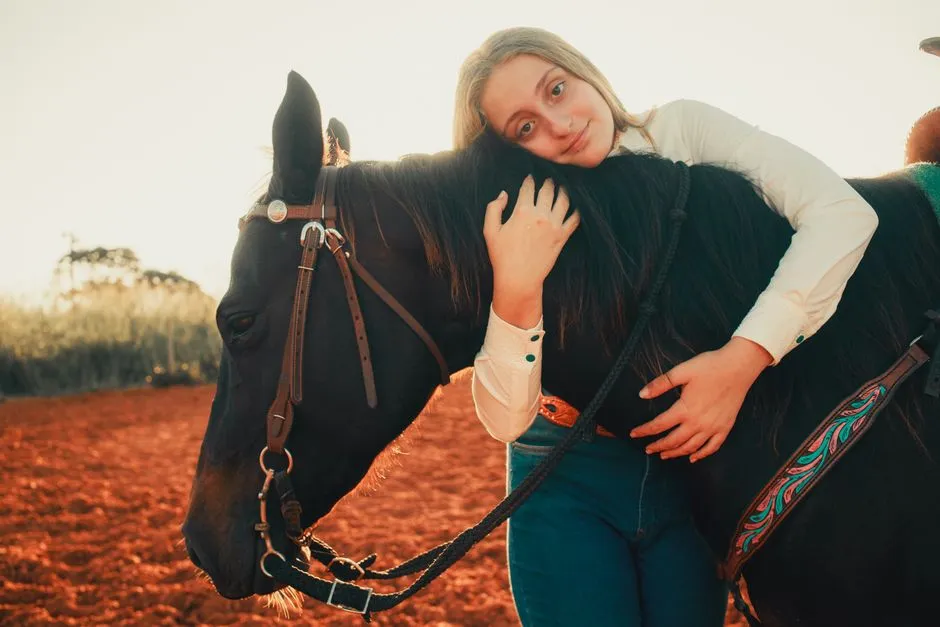
Here’s a brutally honest metric that makes some riders uncomfortable: how long it takes your horse to decompress. A horse that sees its favorite person often drops out of flight mode faster with them than with anyone else – same environment, same noise, completely different result.
You may notice that after a spook, the horse’s breathing evens out as soon as you speak or touch them. With other handlers, they stay keyed up, or take noticeably longer to settle back down.
This isn’t mystical; it’s nervous-system conditioning. Horses learn whose cues are consistent and whose energy is chaotic, and over time that shows up as a measurable difference in how fast they return to baseline. Some riders hate this comparison because it feels personal, but if you can bring a horse down from red-alert quicker than others, that’s attachment and trust playing out in real time.
#12 – Offering Movement, Not Just Stillness
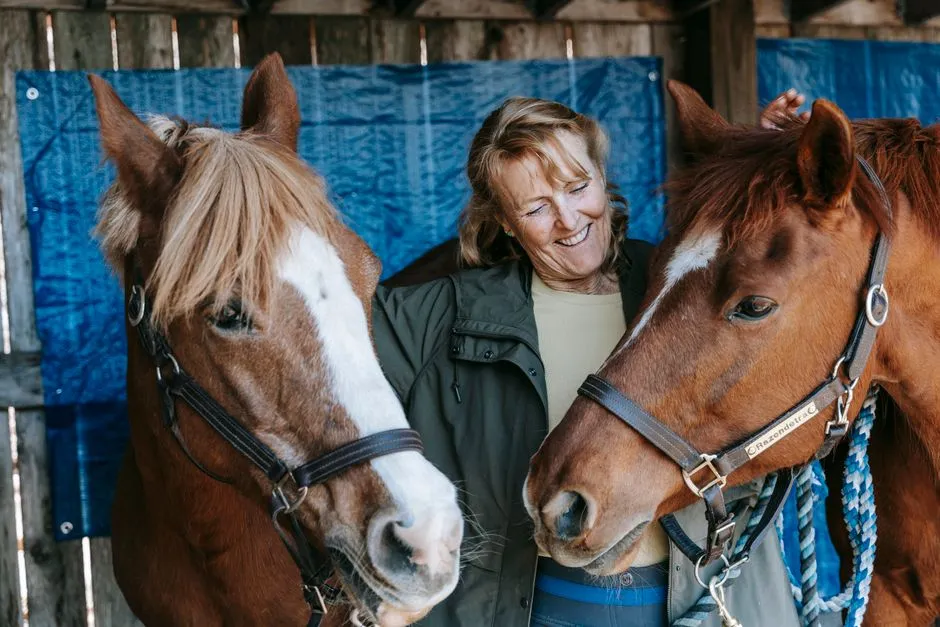
Most people think a horse standing still politely is the goal. But bonded horses often do something more interesting when their person walks in: they offer movement toward shared activities, stepping into the halter, lining up at the mounting block, or walking to the grooming area without being dragged there.
Look for the horse putting its nose into the halter the second you hold it up, or drifting toward your usual “routine spot” the moment you open the stall door.
That’s not submission; that’s anticipation of interaction. The horse has linked you with something structured, predictable, and meaningful, and while social media glorifies flashy liberty tricks, many professionals quietly value this simple volunteered movement far more. A horse that walks into work with you is making a choice, not losing a battle.
#13 – Matching Your Emotional Temperature
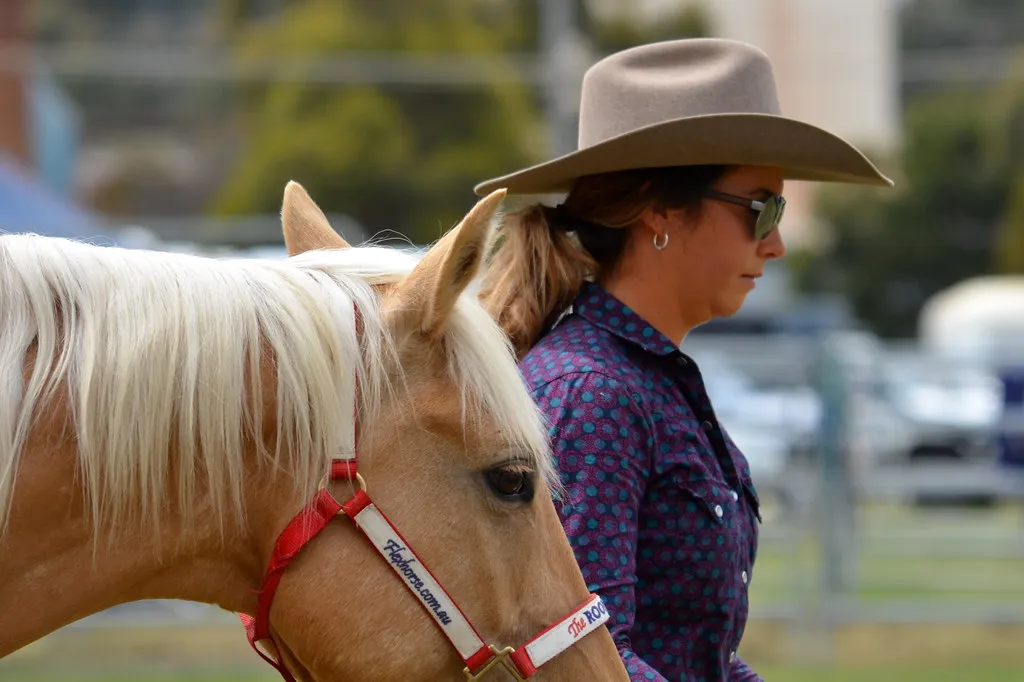
One of the clearest signs you’re your horse’s person is also one of the hardest pills to swallow: their mood starts to mirror yours. Come in calm and grounded, and they soften. March in stressed and sharp, and they crank up to match you.
Highly bonded horses, especially sensitive types, use their favorite person as an emotional barometer. You might notice that on the days you’re anxious, your normally chill horse is suddenly “difficult” for no obvious reason.
This isn’t woo; it’s co-regulation. Prey animals survive by reading energy, and bonded ones read their chosen human the hardest of all. Many riders blame a “moody” horse without ever acknowledging their own state, but if one person’s entrance can flip a horse from tense to soft, or the other way around, there’s a serious connection there.
At a Glance
- Bonded horses often mirror a handler’s breathing rate and tension level within moments.
- A calm, steady presence from a trusted person can speed up a horse’s return to baseline after a stressful event.
- This mirroring effect, sometimes called co-regulation, runs in both directions.
#14 – The Quiet “Nothing” That Follows You Everywhere
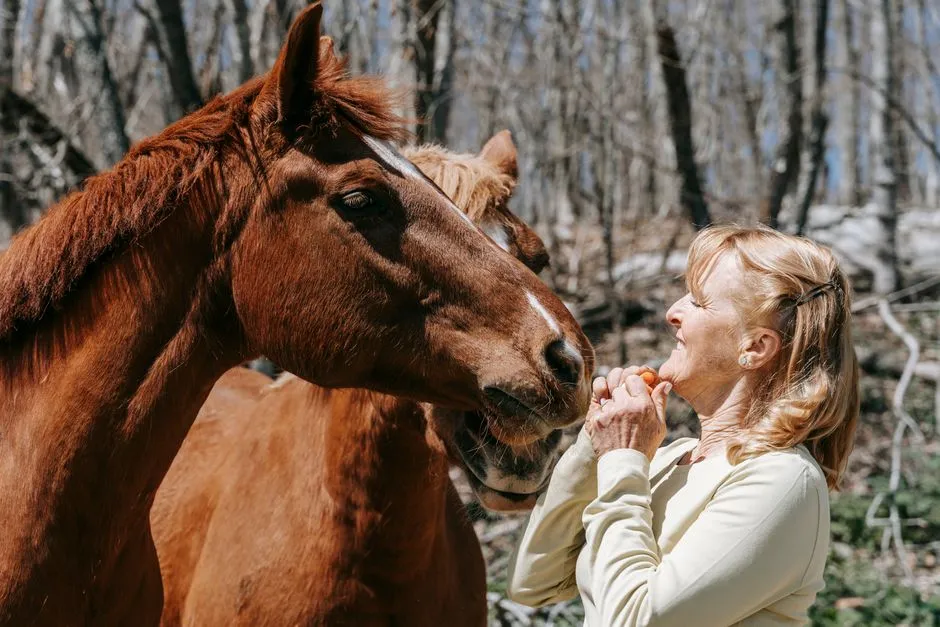
The most powerful sign your horse has a favorite person isn’t dramatic at all. It’s the quiet “nothing” they choose to do right next to you – no screaming, no pawing, no theatrics, just a horse that settles into your space like it’s the most normal thing in the world, and then simply stays.
You’ll see this when you’re cleaning tack, chatting, or on your phone, and they’re just there, head low, doing nothing in particular. Move a few steps, and without even thinking about it, they drift those same few steps to stay close to you.
This is not neediness. It’s the equine version of comfortable silence, where the nervous system is so regulated around you that “doing nothing together” becomes the default setting. Behaviorists sometimes call this a sign of secure attachment – not chasing, not clinging, just choosing proximity over and over again, day after day, for no reason except that it feels right.
The Bottom Line
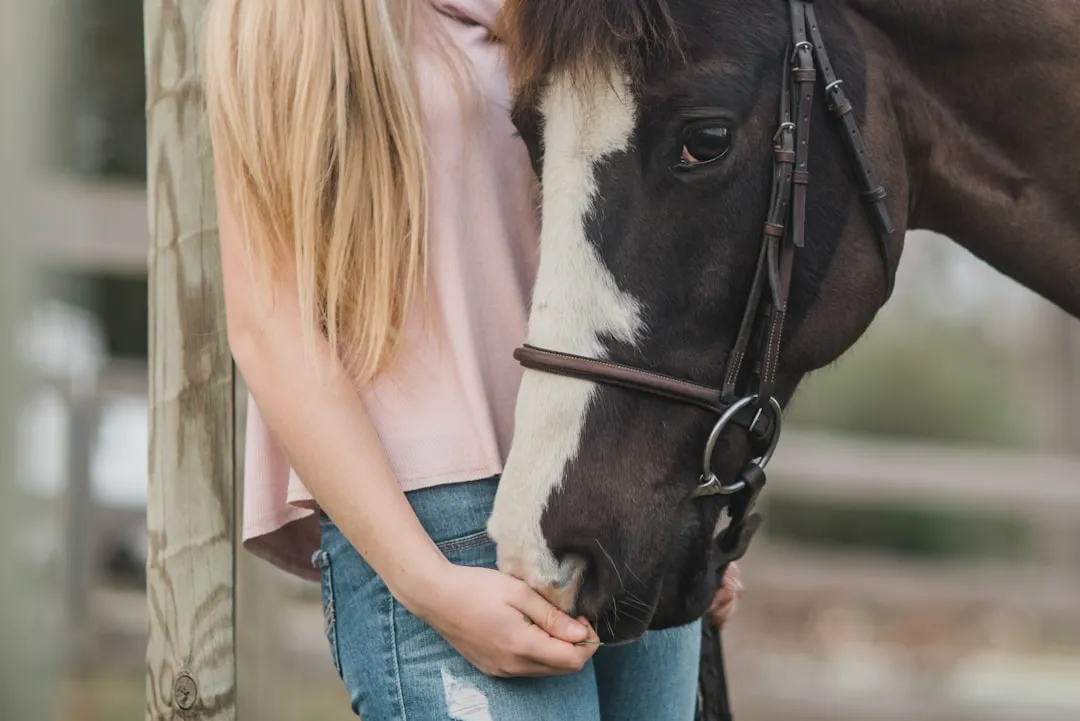
Most riders wait for movie scenes – dramatic whinnies, gallops to the gate, tearful reunions – and then quietly decide their horse “doesn’t really care” when those moments never come. The truth is quieter and, frankly, more demanding.
The real signs your horse has a favorite person live in ear angles, tiny exhalations, missed feed carts, and calm, shared nothingness. That’s less flattering than the fantasy and more confronting, because your horse’s behavior is a mirror of the relationship you’ve actually built, not the one you post about.
Some people won’t like hearing this, but it’s simple: if you want to be the favorite, show up consistently, handle fairly, and pay attention to the small stuff. Did we miss a sign your horse shows only for you? Drop it in the comments, and be honest about what you might have been overlooking all along.

- What a Horse Does When Its Favourite Person Walks Into the Yard: 14 Signs Riders Rarely Notice - August 3, 2026
- 18 Things a Horse Does for Its Chosen Rider That It Will Never Do for Anyone Else - August 3, 2026
- 17 Dog Breeds That Have Quietly Vanished From Neighbourhoods Where They Were Once Everywhere - August 3, 2026