
Walk through any forest, dive into a coral reef, or even watch birds in your backyard, and you’re stepping into a web of secret alliances. Animals are constantly teaming up in ways that quietly decide whether an ecosystem thrives… or slowly unravels. Most of these partnerships are easy to miss, but without them, entire landscapes would collapse faster than we like to admit.
What fascinates me is how these relationships are rarely about kindness. They’re about survival, negotiation, and sometimes ruthless efficiency. Yet out of that tug‑of‑war comes balance: cleaner oceans, richer soils, healthier forests, and more resilient food chains. Let’s pull back the curtain on 12 animal partnerships that are literally holding nature together, often without getting any credit at all.
#1 Cleaner Fish and “Client” Fish: Ocean Health Spas
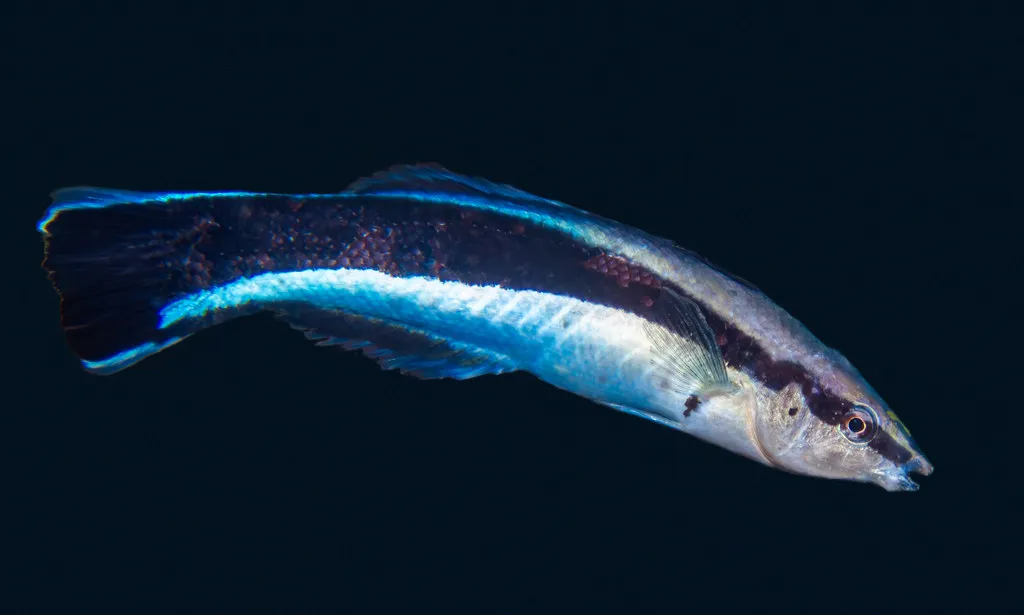
Imagine a coral reef without its cleaning stations: big fish cruising around covered in parasites, infections spreading, and stressed predators becoming weaker hunters. Cleaner fish, like the blue streak cleaner wrasse, set up little “salons” where larger fish line up to have parasites, dead tissue, and slime picked off. It looks almost comical, but it is a serious health service that reduces disease and stress across entire reef communities.
What blows my mind is that many predatory fish, which could easily swallow the cleaner in a snap, instead hold still and even open their mouths and gill covers to be serviced. This strange truce improves their health and hunting ability, while the cleaner fish get a constant food source. If these cleaning partnerships collapse – because of overfishing or reef damage – the result can be a surge in parasite loads, sicker fish, and reefs that are far less resilient to other pressures like warming seas.
#2 Clownfish and Sea Anemones: Defense Deals on Coral Reefs
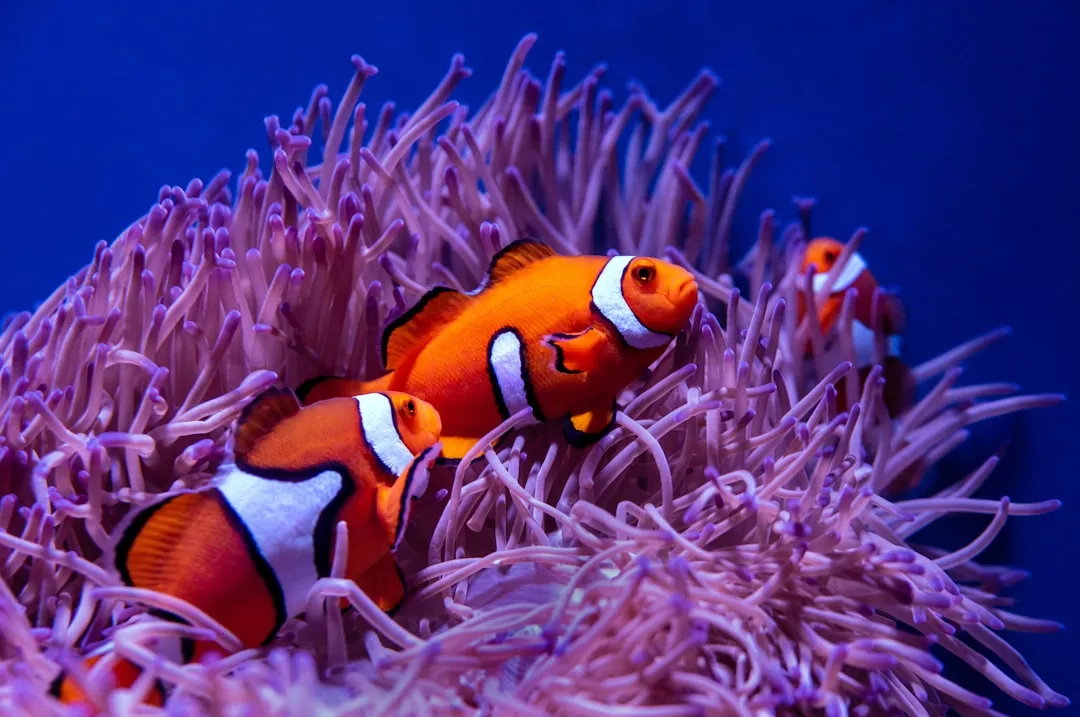
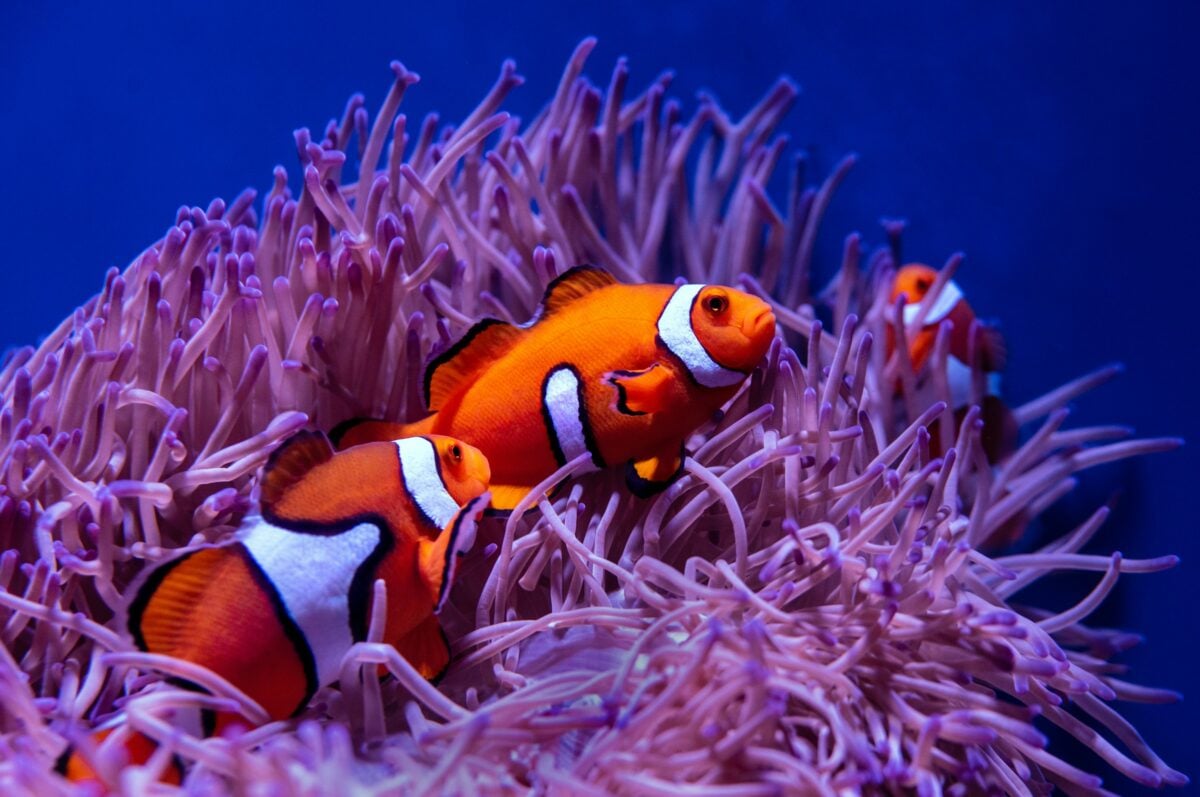
Clownfish living among the tentacles of sea anemones are more than just a pretty scene for a nature documentary. The anemone’s stinging cells protect the clownfish from predators, while the clownfish bring in food scraps, circulate water, and chase away certain anemone predators. This is a tight little pact: safety in exchange for service. When you zoom out, these tiny agreements help keep patches of the reef structurally stable and active.
There’s also a fascinating detail: clownfish develop a mucus layer that prevents the anemone from stinging them, essentially getting a “VIP pass” where other fish get stung. In reef systems already hammered by bleaching and pollution, every stable micro‑habitat matters. Clownfish–anemone partnerships create pockets of productivity and refuge, supporting small food webs and acting like tiny anchor points in a fragile underwater city.
#3 Oxpeckers and Large Mammals: Living Alarm Systems
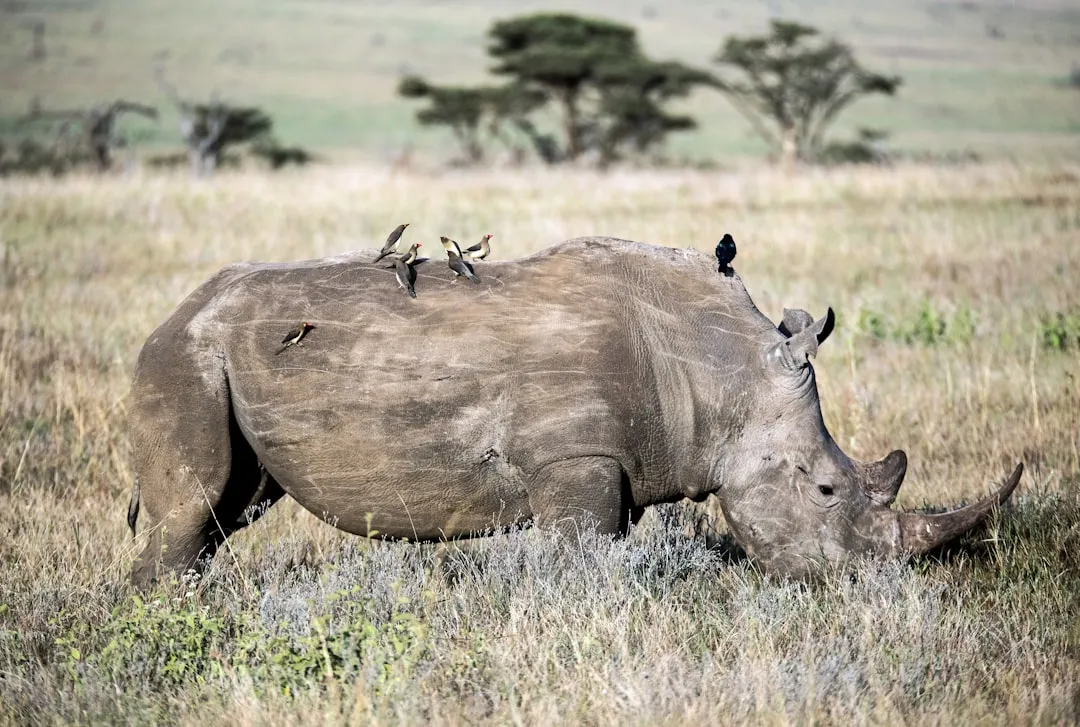
On African savannas, oxpeckers hopping on rhinos, buffalo, and antelopes are more than freeloaders going for a ride. They feed on ticks, dead skin, and sometimes blood from wounds on their hosts. That tick removal can reduce parasite loads and the risk of disease, especially when large mammals are already stressed by drought, habitat loss, or poaching. In a landscape where every calorie counts, fewer parasites can mean better survival and breeding success.
But the partnership is complicated. Oxpeckers may also keep wounds open longer, and they certainly are not purely altruistic. Still, they serve as early‑warning systems: their sudden calls and flight can alert large mammals to hidden predators or human threats. That extra split second of warning can be the difference between life and death. In a way, oxpeckers are part parasite manager, part noisy security guard, helping sustain the big herbivores that shape entire savanna ecosystems.
#4 Bees and Flowering Plants: Pollination That Feeds the World
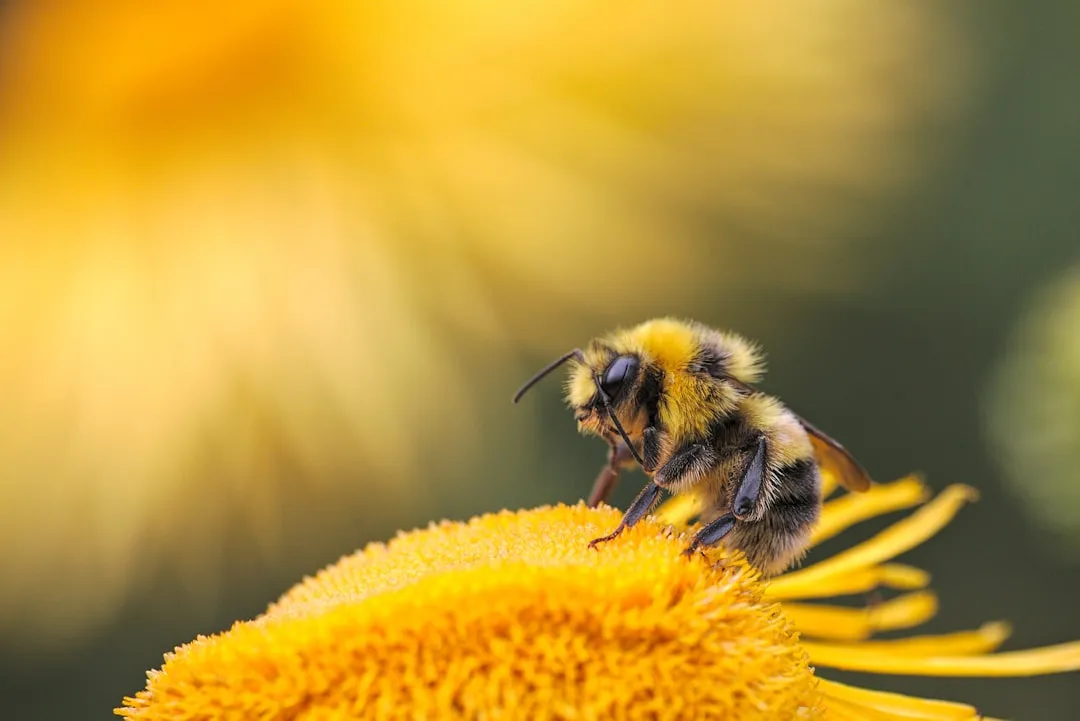
We talk about bees a lot, but it’s still easy to underestimate how much is riding on their relationship with flowering plants. Bees collect nectar and pollen for food, and in doing so they move pollen from flower to flower, enabling fruit and seed production. In wild ecosystems, this keeps plant communities diverse and resilient, which in turn supports insects, birds, mammals, and everything that depends on them. It’s like a silent voting system where bees decide which plants get to pass their genes into the future.
In farming regions, this partnership becomes even more obvious: many crops from fruits to nuts depend heavily on bee pollination. When bee populations crash due to pesticides, habitat loss, disease, or climate stress, entire food webs can wobble. Forests may regenerate more slowly, and agricultural yields can drop. Personally, I think the way we treat bees is a test of whether we understand long‑term consequences – because disrupting this partnership is like slowly unplugging the power grid to both wild and human food systems.
#5 Ants and Aphids: A Controversial Farming Alliance
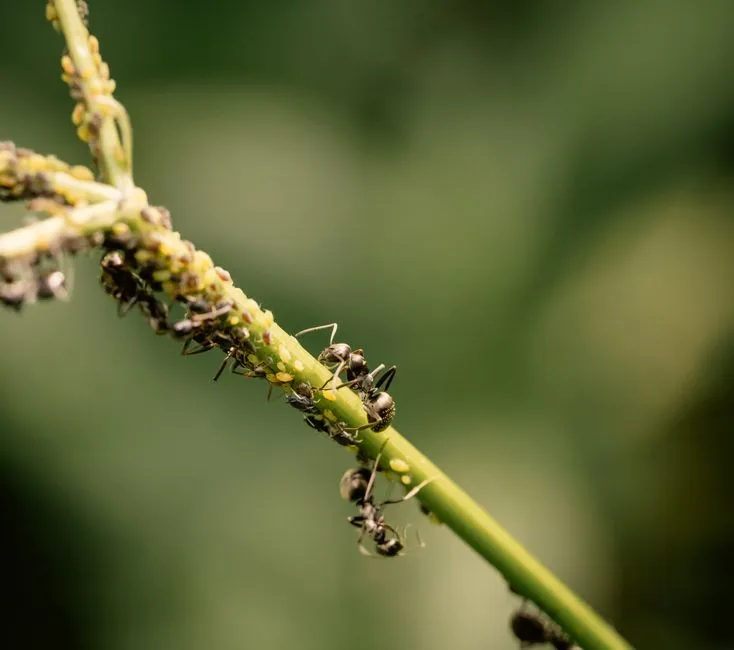
At first glance, ants protecting aphids looks like a problem, not a solution. Ants herd aphids on plants, protect them from predators, and in return lap up the sugary honeydew the aphids excrete. In gardens or crops, this can absolutely be harmful, because aphids damage plants. But in many wild systems, this dynamic creates highly active patches of nutrient cycling where plants, fungi, and other insects interact in complex ways that researchers are still untangling.
Ant–aphid partnerships can influence which plants thrive, which predators do well, and how energy moves through an ecosystem. Ants that farm aphids might, for example, become key prey for larger insectivores or birds, linking tiny sap suckers to much bigger animals. I won’t romanticize it – this alliance can be messy and destructive in the wrong place – but nature’s balance is not about every relationship being “nice.” It’s about checks, counter‑checks, and dynamic tension that, on the large scale, keeps systems from freezing into monotony.
#6 Termites and Gut Microbes: Hidden Engineers of Soil Fertility
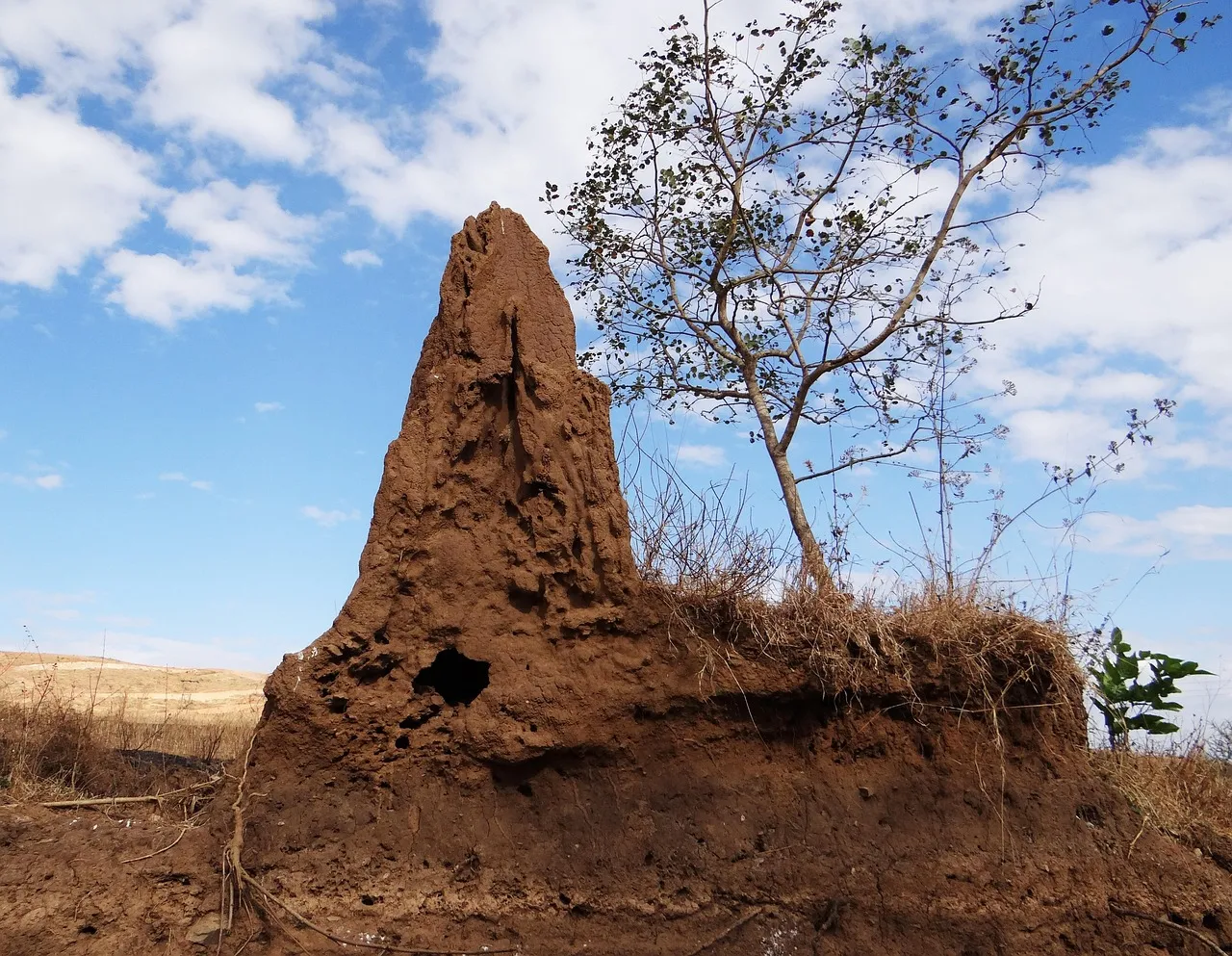
Termites often get a bad reputation as house wreckers, but in natural ecosystems, many termite species are unsung heroes. They break down tough plant material like dead wood and grass that most animals can’t digest, thanks to specialized microbes living in their guts. These microbes help termites turn stubborn cellulose into usable nutrients, which then get returned to the soil as rich organic matter. The result is more fertile, better structured soil that can absorb water and support plant growth.
In dry savannas and tropical landscapes, termite mounds can even act as hotspots of productivity, where nutrient‑rich soil supports lush vegetation that feeds herbivores and attracts predators. Without the termite–microbe partnership, much of the dead plant matter would sit around for far longer, slowing nutrient cycles and reducing soil health. It might sound dramatic, but these tiny, pale insects and their microscopic partners are part of the underground engine that keeps entire regions green.
#7 Corals and Microscopic Algae: The Foundation of Reefs
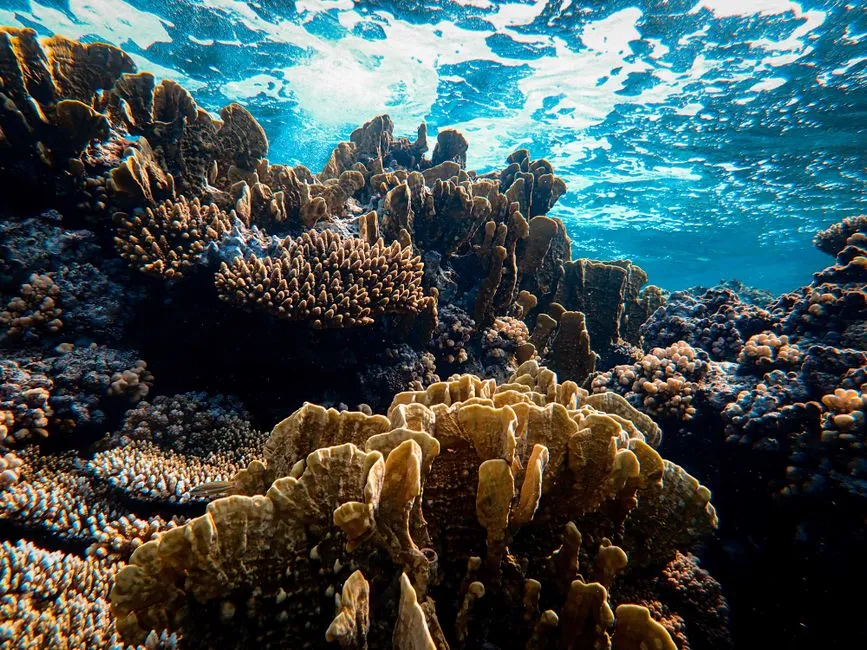
Coral reefs, often called the rainforests of the sea, owe their very existence to a partnership you can’t see with the naked eye. Inside coral tissues live microscopic algae that photosynthesize, turning sunlight into energy and sharing that energy with their coral hosts. In return, the algae gain a protected home and access to nutrients. This mutual support allows corals to build massive calcium carbonate structures over centuries, creating habitats for countless other species.
When oceans warm or become too polluted, this partnership breaks down. The algae are expelled, corals bleach, and if the stress continues, many corals die. This is not just a sad loss of beauty; it cascades into fisheries declines, coastal erosion, and reduced biodiversity. I find it both awe‑inspiring and infuriating that such a giant, vibrant ecosystem relies on a fragile deal between animals and microscopic algae – one that our actions are repeatedly putting at risk.
#8 Cleaner Birds and Reptiles: Maintenance Crews of the Wild
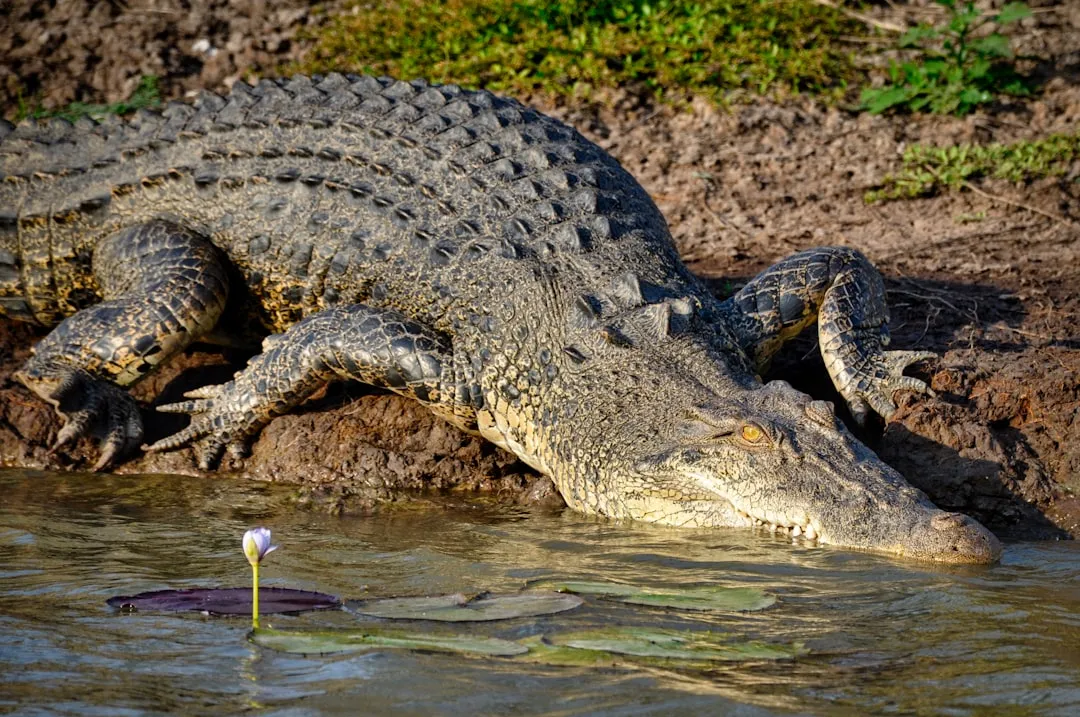
We often celebrate cleaner fish, but similar partnerships play out on land and in freshwater. Certain bird species pick parasites, ticks, and dead skin off reptiles like crocodiles and even larger mammals. The reptiles get some relief from parasites and infections, while the birds gain an easy, protein‑rich meal. Watching a small bird confidently walk around the jaws of a crocodile is a reminder that trust in nature can have sharp teeth on one side and feathered benefit on the other.
These cleaning relationships may not be as thoroughly studied as their marine counterparts, but they still contribute to animal health and behavior. Healthier reptiles and large animals are better hunters, better breeders, and more stable anchors in their food webs. When we simplify landscapes, drain wetlands, or overhunt, we are not just losing individual species – we’re also stripping away these quiet maintenance crews that keep disease and stress from spiraling out of control.
#9 Wolves and Scavengers: Sharing the Spoils, Shaping the Land
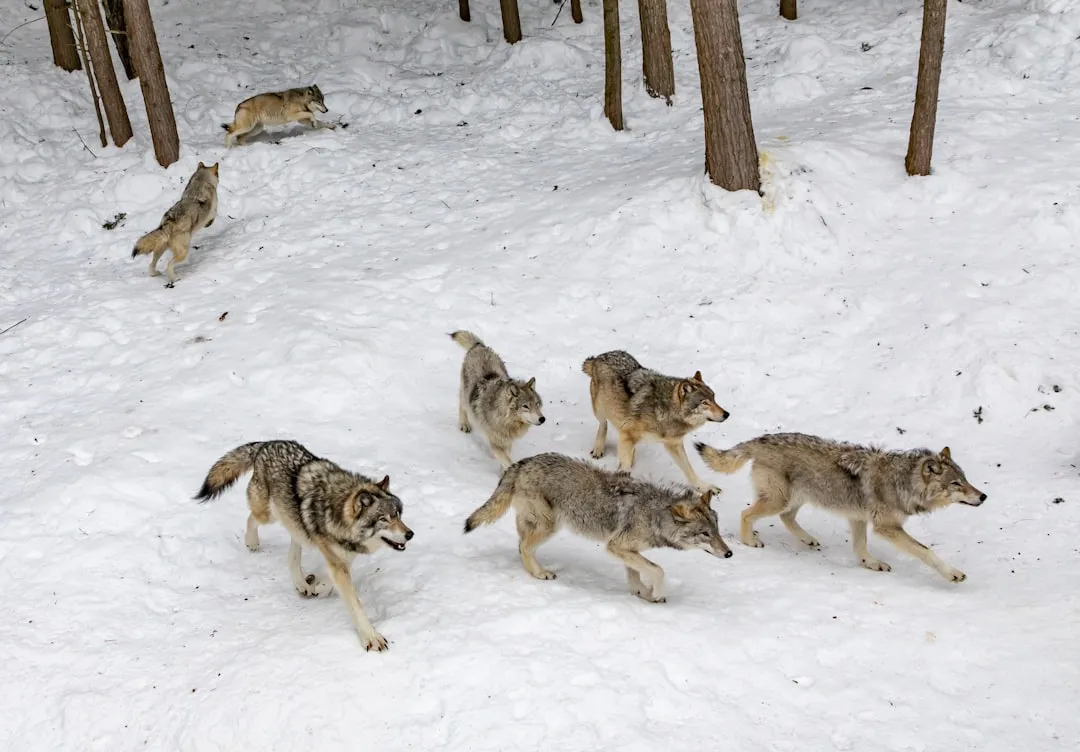
Not all partnerships are neat, direct trades between two species. Some are looser, like the relationship between large predators and the scavengers that follow them. When wolves bring down large prey, they do not consume every scrap. Carrion left behind becomes a vital resource for ravens, foxes, eagles, beetles, and countless microbes. This sharing of spoils supports a whole community of scavengers and decomposers that clean up carcasses and recycle nutrients back into the soil.
There is also a knock‑on effect: predators like wolves influence where herbivores spend time and how heavily they graze. That changes plant communities, riverbanks, and forest regeneration. The wolf’s relationship with scavengers is part of a larger partnership between top predators and the landscapes they indirectly engineer. Remove the predator, and you do not just lose one species – you destabilize a long chain of relationships that keep ecosystems from becoming overgrazed, eroded, and impoverished.
#10 Fig Trees and Fig Wasps: Tiny Specialists, Massive Impact
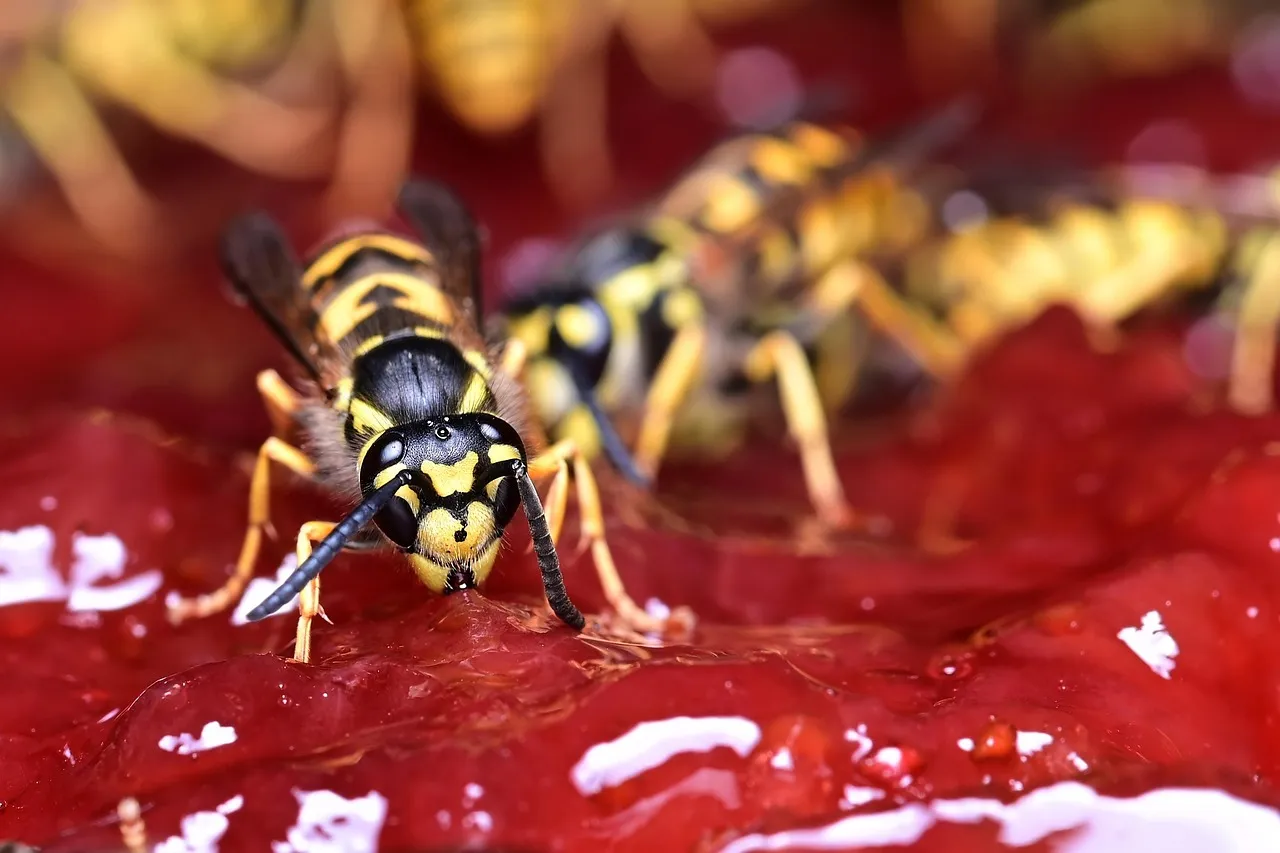
Fig trees and their tiny pollinating wasps form one of the most specialized partnerships in nature. Each fig species typically has its own corresponding wasp species that enters the fig to pollinate it, often sacrificing its life in the process. In return, the wasp’s offspring develop safely inside the fig. This might sound like an obscure little story, but figs are a crucial food source for many birds, bats, primates, and other animals, especially during seasons when little else is available.
Because figs fruit at different times and often when other resources are scarce, they act like emergency rations for entire communities. If the fig–wasp partnership breaks, fig trees fail to reproduce effectively, and those critical food supplies fade. That can ripple up the chain, affecting animals that depend heavily on figs for survival. I see this as a reminder that even the tiniest specialists can have surprisingly outsized roles in keeping ecosystems steady through lean times.
#11 Grazers and Dung Beetles: Recycling Machines on the Move
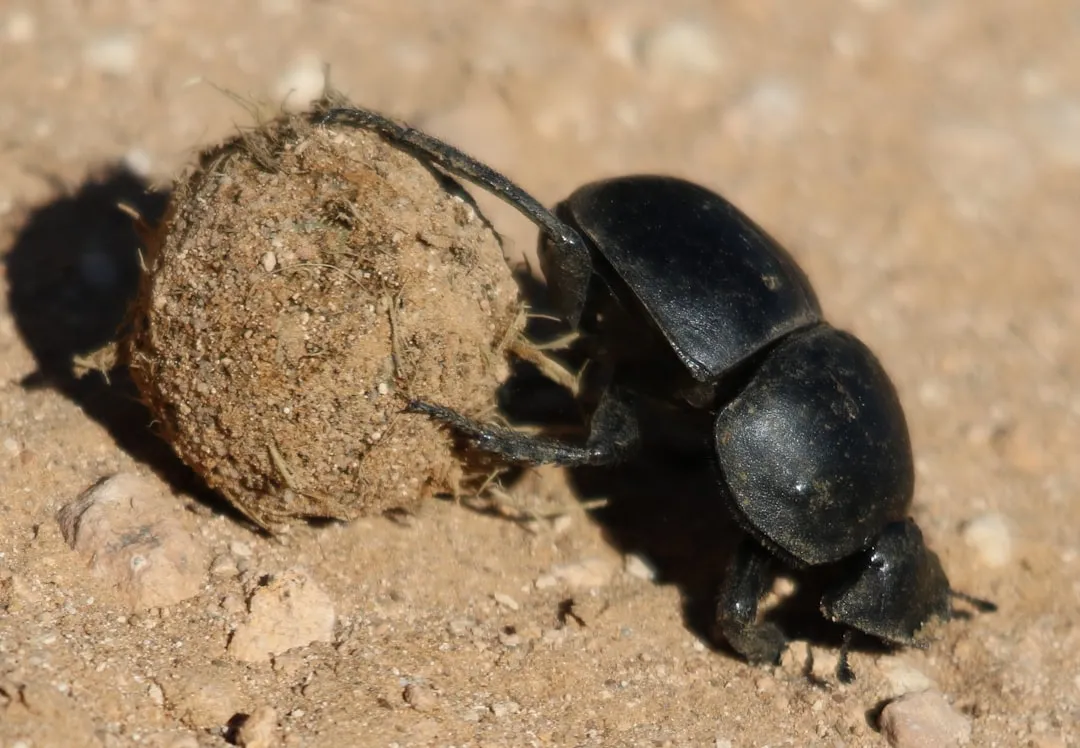
Where there are large grazers like bison, antelope, or cattle, there are usually dung beetles not far behind. These beetles roll, bury, or tunnel through droppings, feeding themselves and caring for their young while breaking down waste. The grazers provide a steady supply of nutrient‑rich dung, and the beetles turn that dung into buried fertilizer that improves soil structure and nutrient availability. It is a partnership that is not glamorous, but it is absolutely essential.
By rapidly removing dung from the surface, dung beetles also help reduce parasite transmission, flies, and foul build‑up in grazing areas. Healthier soil and cleaner pasture support more robust plant growth, which feeds the grazers again – a tight, elegant loop. When we disrupt dung beetle populations with heavy pesticide use or drastic land changes, we inadvertently sabotage this recycling system. Personally, I think dung beetles deserve way more appreciation than they get; they are like the sanitation workers and compost managers of grassland ecosystems.
#12 Sea Otters and Kelp Forests: Predators as Protectors
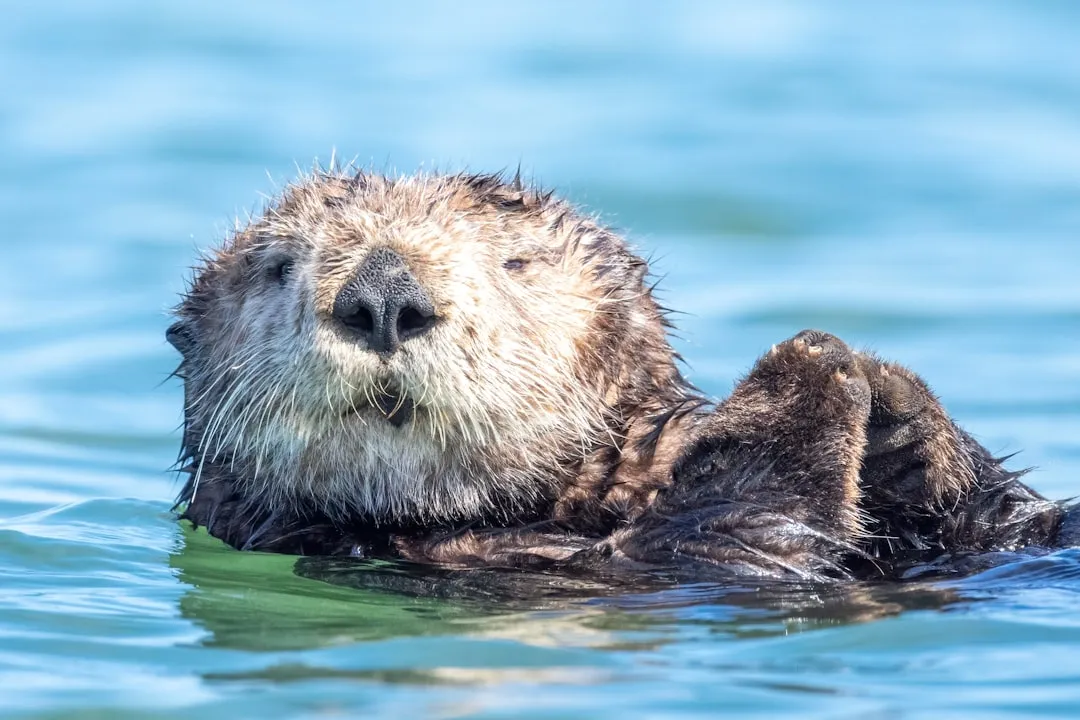
Sea otters have a famously cute reputation, but their true power lies in how they shape coastal ecosystems. Otters feed heavily on sea urchins, which in turn graze on kelp. Without otters, urchin numbers can explode, mowing down kelp forests and leaving behind rocky barrens with far less life. With otters in place, urchin populations are kept in check, allowing kelp to grow tall and dense, providing habitat and food for fish, invertebrates, and marine mammals.
This is a partnership driven through predation rather than direct cooperation, but the effect is still a stabilizing one: otters and kelp together create rich underwater forests that absorb carbon, soften wave energy, and support fisheries. Remove one and the other collapses. To me, this is one of the clearest examples of how a single animal partnership – predator and prey locked in a dynamic dance – can decide whether an entire ecosystem is a thriving forest or a biological desert.
Conclusion: Ecosystems Are Built on Deals, Not Harmony
Looking across these partnerships, the pattern is clear: ecosystems are not held together by gentle harmony, but by countless deals struck between species. Some are cooperative, some are exploitative, most are a mix of both, and yet together they create stability. When we bulldoze habitats, overfish, or drown landscapes in chemicals, we are not just removing animals – we are shredding the contracts that keep parasites in check, soils fertile, reefs alive, and food webs connected.
My opinion is that conservation conversations move far too slowly from “save this cute species” toward “protect the relationships that keep everything working.” The partnerships between predators and scavengers, insects and plants, cleaners and clients, microbes and hosts are the real backbone of a healthy planet. If we protect the conditions that allow these alliances to continue, we give ecosystems a fighting chance to heal and adapt. So next time you see a bee on a flower or a bird on a buffalo, will you still think it is a small moment – or will you see the quiet deal that keeps an entire world turning?

- 12 Forest Mysteries Researchers Are Finally Solving - August 4, 2026
- What It Means When Cardinals Suddenly Stop Singing Near Your House - August 4, 2026
- 12 Animal Partnerships That Keep Entire Ecosystems Healthy - August 4, 2026