
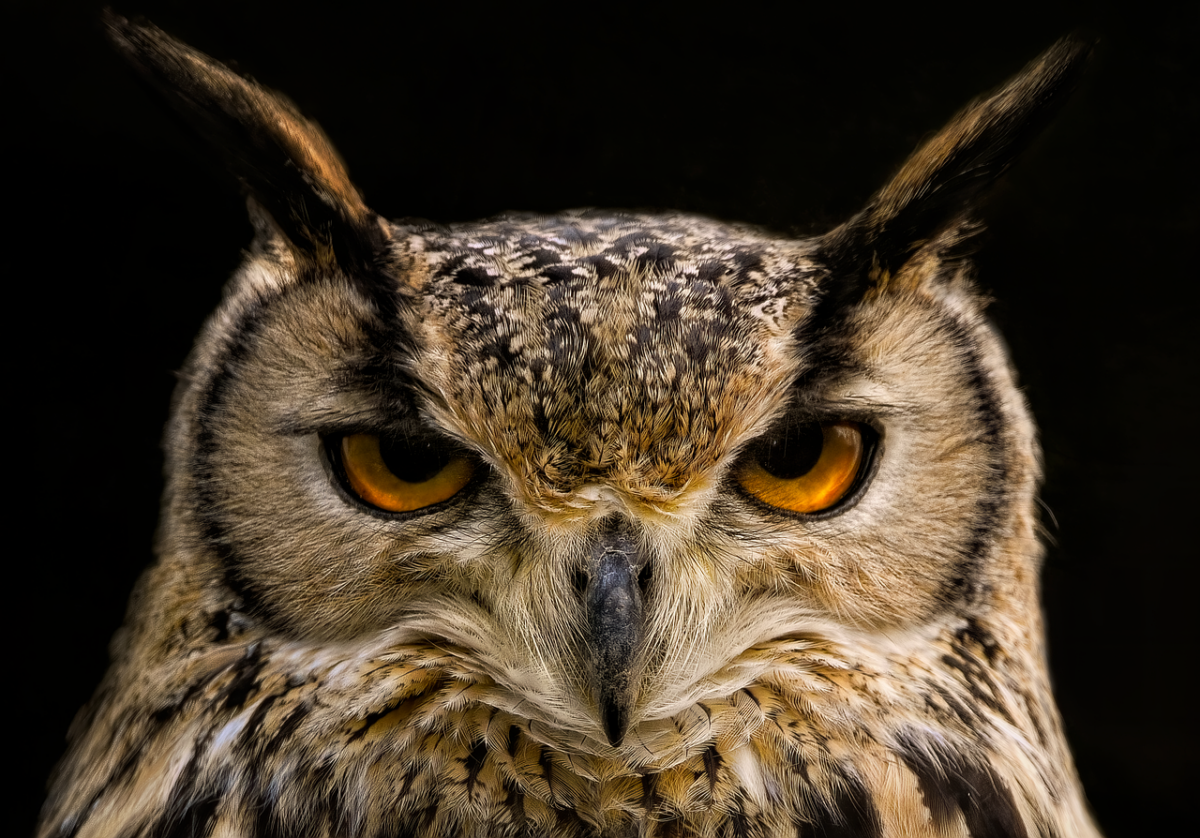
Hear an owl hoot outside your window at 2 a.m., and something primal kicks in. Most people’s first thought isn’t curiosity – it’s dread. Death is coming. Someone’s cursed. Turn on the porch light and pretend you didn’t hear it.
Here’s the twist almost nobody talks about: that fear isn’t Native American tradition at all. It’s a European superstition wearing a borrowed costume, one that got tangled up with Hollywood jump-scares until people started calling it “ancient Indigenous belief.” The real story – the one actually told across dozens of Native nations – paints the owl as something far more layered than a bad omen. Keep reading, because once you hear what traditional teachings actually say, you may never flinch at a hoot in the dark again.
#1 – Night Watchers, Not Harbingers of Doom
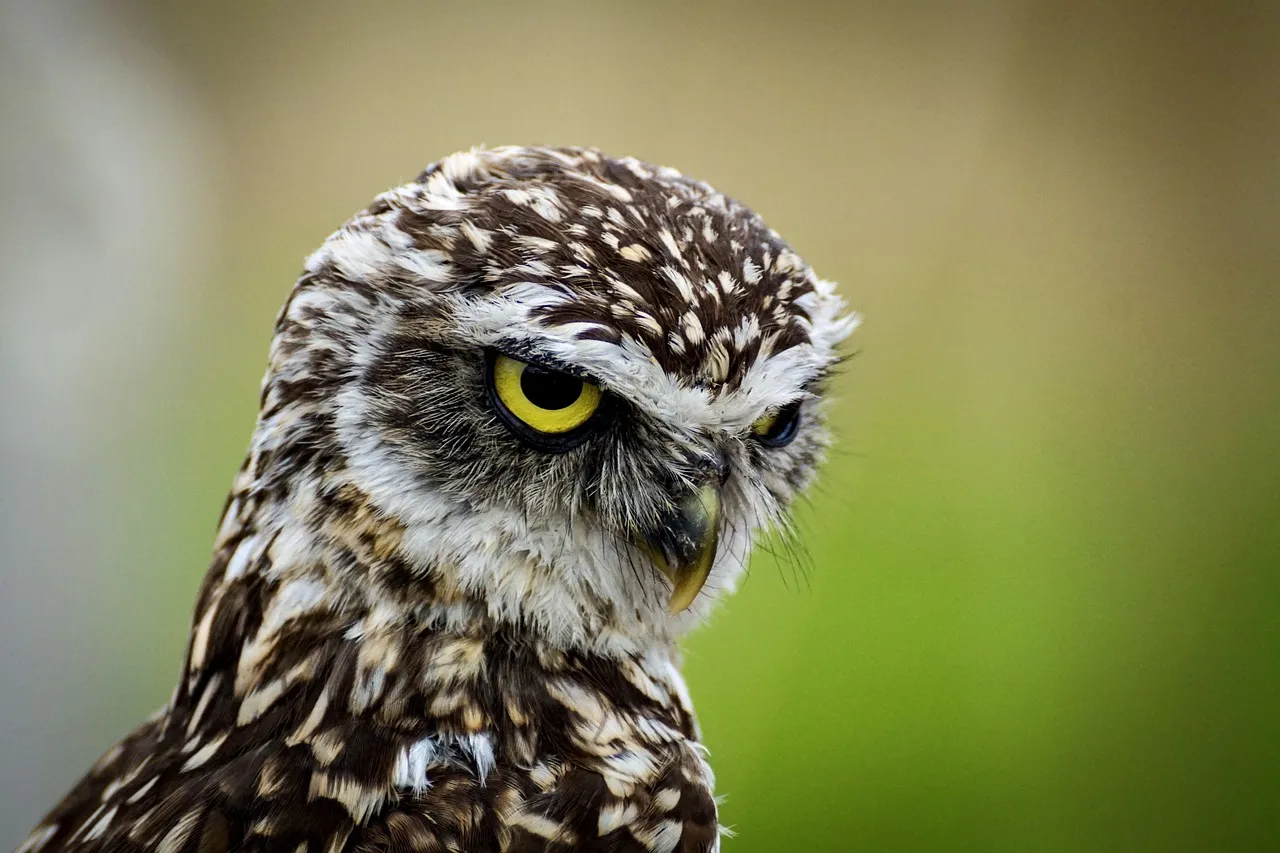
Strip away the horror-movie soundtrack and the first truth is almost disarmingly simple: in many Native traditions, owls are watchers, not villains. They’re awake when the rest of the world sleeps, quietly clocking everything that moves in the dark. For people who lived and hunted by reading the land, that wasn’t spooky – it was useful.
Among several Plains and Southwestern nations, elders describe owls as beings that “see what others miss.” That’s not poetic flattery – it’s a direct nod to how communities watched them hunt, listen, and move through total darkness without a single wasted motion. To people who depended on reading nature correctly, an animal with that kind of perception earned respect, not superstition. Fear and respect get confused constantly by outsiders, but they were never the same thing.
Fast Facts
- Owls can rotate their necks roughly 270 degrees to track movement without ever shifting their bodies.
- Specialized, serrated wing feathers allow most owl species to fly almost completely silently.
- Asymmetrical ear placement lets owls pinpoint sound with remarkable accuracy in total darkness.
- Large, forward-facing eyes give owls exceptional night vision, though they can’t shift their eyes side to side.
#2 – Messengers Between the Living World and the Spirit World
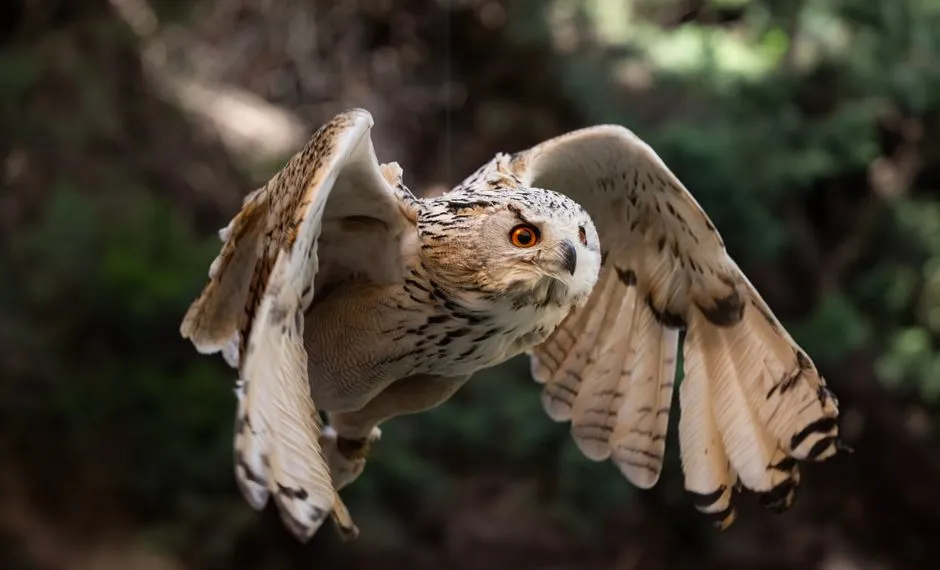
Social media loves to flatten every Native belief into one lazy caption: “owl equals death.” It’s a half-truth dressed up as fact. In many tribal teachings, owls are messengers moving between worlds – the seen and unseen, the physical and the spiritual. A messenger doesn’t cause the news. It just carries it.
For some nations, owls are tied to ancestors or spiritual helpers traveling alongside the living. When one shows up at a heavy moment – a death, a decision, a turning point – it can mean someone on the other side is still paying attention. Outsiders hear that and think “creepy.” People raised with the teachings often hear it and feel something closer to comfort: proof they’re not facing hard times alone.
#3 – Silent Hunters, Sacred Teachers of Patience
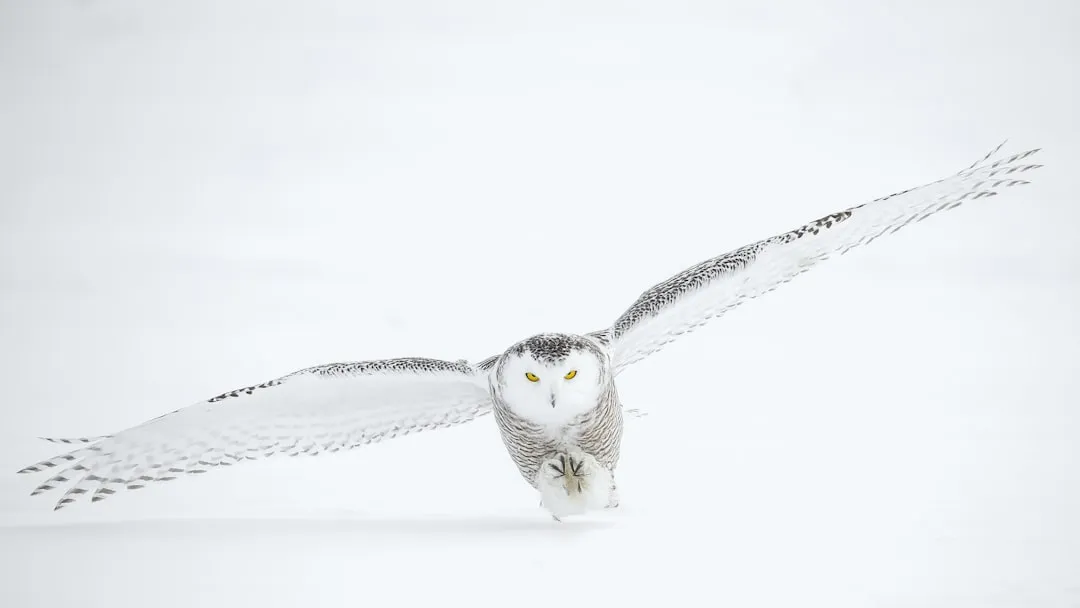
Western culture will call an owl “wise” in a children’s book and then cast it as a horror prop in the next breath. Many Native traditions don’t play that game – the wisdom is the whole point. Owls became symbols of sharp intelligence and deep knowing precisely because of how they hunt: no wasted noise, no wasted motion, no moving until it matters.
Some oral traditions use owl behavior to teach timing – when to wait, when to stay hidden, when to listen before acting at all. An owl that can hear a mouse moving under snow became a living metaphor for hearing truth underneath noise. That’s not romanticized nature content for a nature documentary; it’s generations of careful observation turned into a teaching. Dismissing an owl as “just creepy” means missing a lesson people spent centuries learning to respect.
#4 – Guardians Standing Watch Against Spiritual Danger
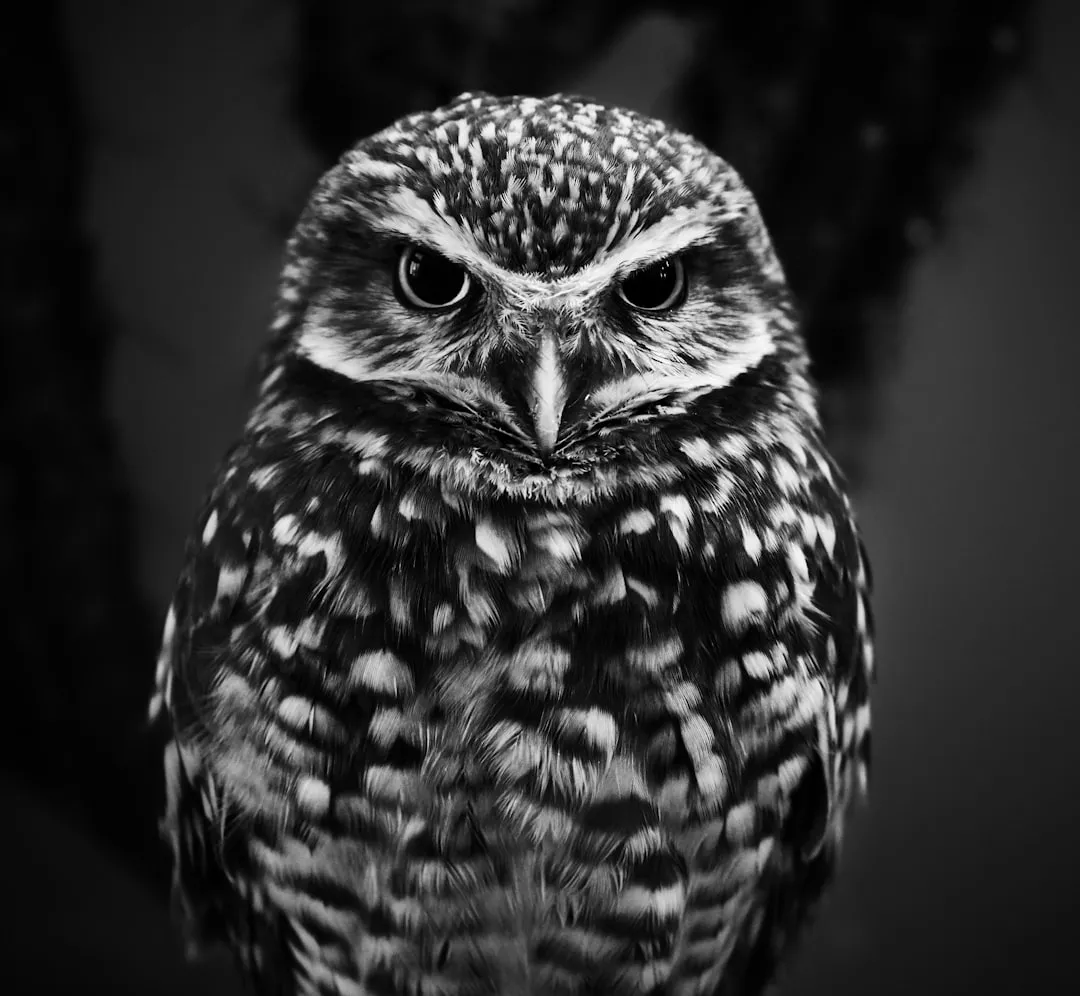
Here’s where the story gets blunt – and where it stops sounding like superstition. In some tribes, people are genuinely careful around owls, but the reason flips the whole “bad luck” idea on its head: something is only feared this consistently because it’s believed to hold real power, often the kind that can push back against dangers outsiders don’t even acknowledge exist.
In certain communities, medicine people or spiritual specialists work with owl imagery or feathers – carefully, under strict rules – to guard against harmful energy, sorcery, or illness. The owl’s link to death isn’t casual horror-movie shorthand; in these teachings, owls stand guard at the threshold, keeping balance between what crosses over and what doesn’t. Outsiders hear “death” and picture a slasher film. Insiders hear it and think boundary, duty, protection.
#5 – One Bird, Hundreds of Different Stories
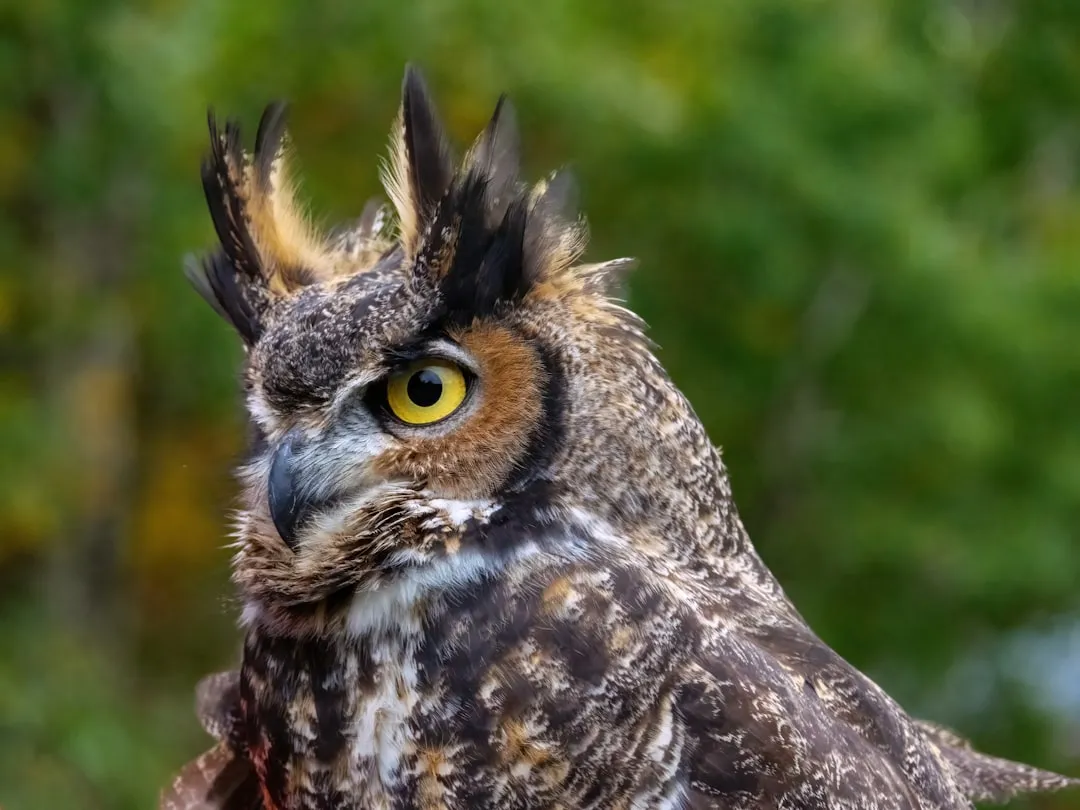
One of the biggest mistakes people make is treating “Native American belief” like it’s a single religion with one owl chapter. It isn’t. The Navajo (Diné), Lakota, Hopi, Ojibwe, Cherokee, Apache, Haudenosaunee, and hundreds of other nations each carry their own distinct teachings – some see owls as stern warners, others as wise guides, others as trickster-like figures enforcing social rules.
In some cultures, owl stories were used to scare children away from cliffs, rivers, or dangerous territory at night. Non-Native listeners hear that and file it under “ghost story.” It was actually a survival rule wrapped in myth so kids would remember it. In other nations, entire clans or societies carry roles tied to owl knowledge, healing, or ceremony. Collapse all of that into “they think owls are bad luck,” and you’re not describing tradition anymore – you’re spreading a stereotype.
Quick Compare
- Warning bringers: Owls signal danger, death, or an urgent change on the horizon.
- Wise guides: Owls represent deep intelligence, patience, and hard-earned knowledge.
- Rule enforcers: Owl stories reinforce social boundaries or keep children away from real danger.
- Spirit messengers: Owls carry news between the living and the ancestors.
#6 – How Colonization Twisted the Owl Into a Curse
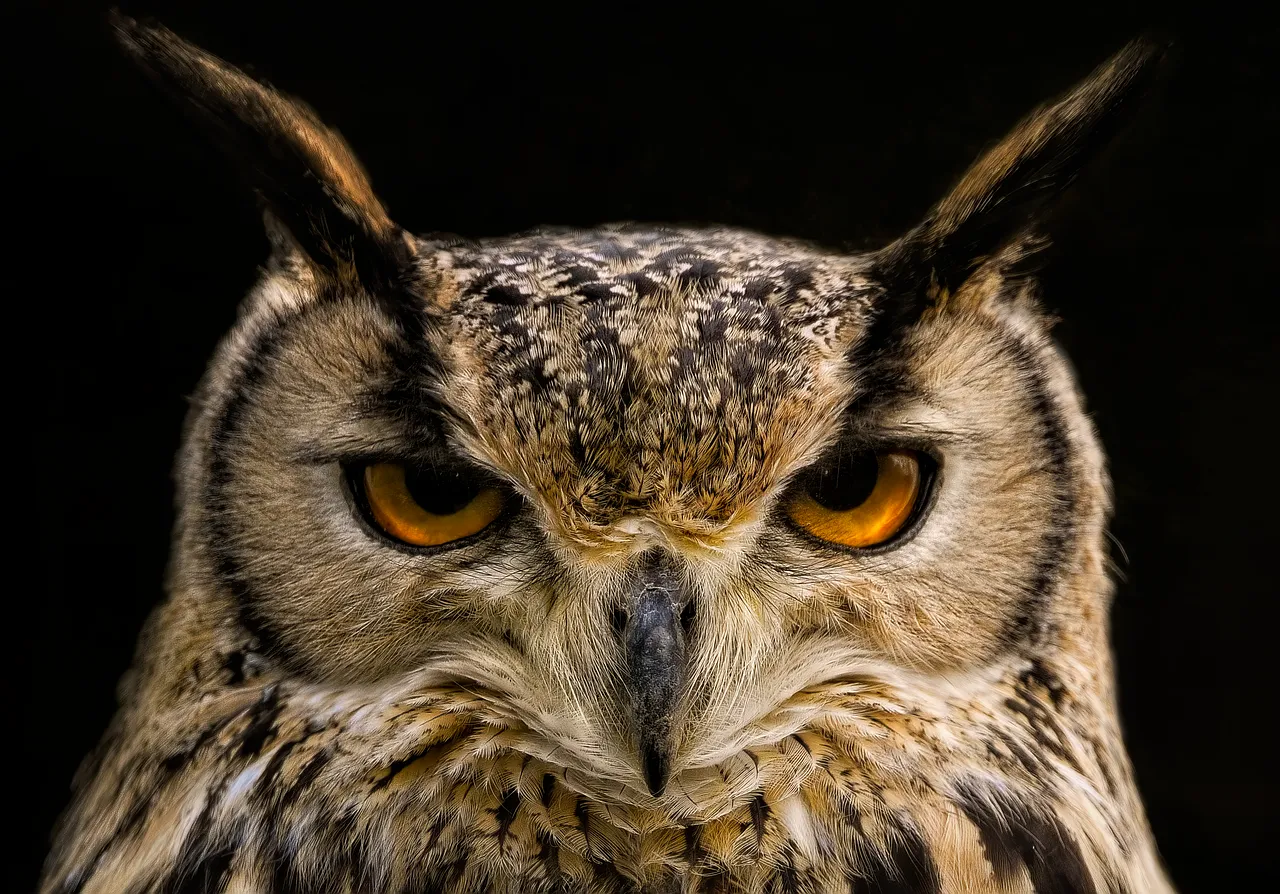
Here’s the part that’s genuinely uncomfortable: a lot of the “owl equals doom” narrative got amplified through colonization, not passed down through it. European settlers arrived with their own owl superstitions – witches in disguise, graveyard birds, cursed omens. As churches and governments worked to erase Indigenous spiritual life, Native symbols got smeared right alongside traditional healers, and owls were dragged into that campaign.
Boarding schools later punished Native children for speaking their languages or sharing stories about powerful animal beings. Teachings about owls were suppressed, mocked, or rewritten as “pagan fear.” Then Hollywood picked up the leftover pieces and ran with the creepiest version it could find. The end result is almost ironic: people now think they’re “honoring” Native belief by calling owls bad luck, when they’re actually repeating a colonial misreading.
#7 – Why Cautious Respect Still Follows the Owl Today
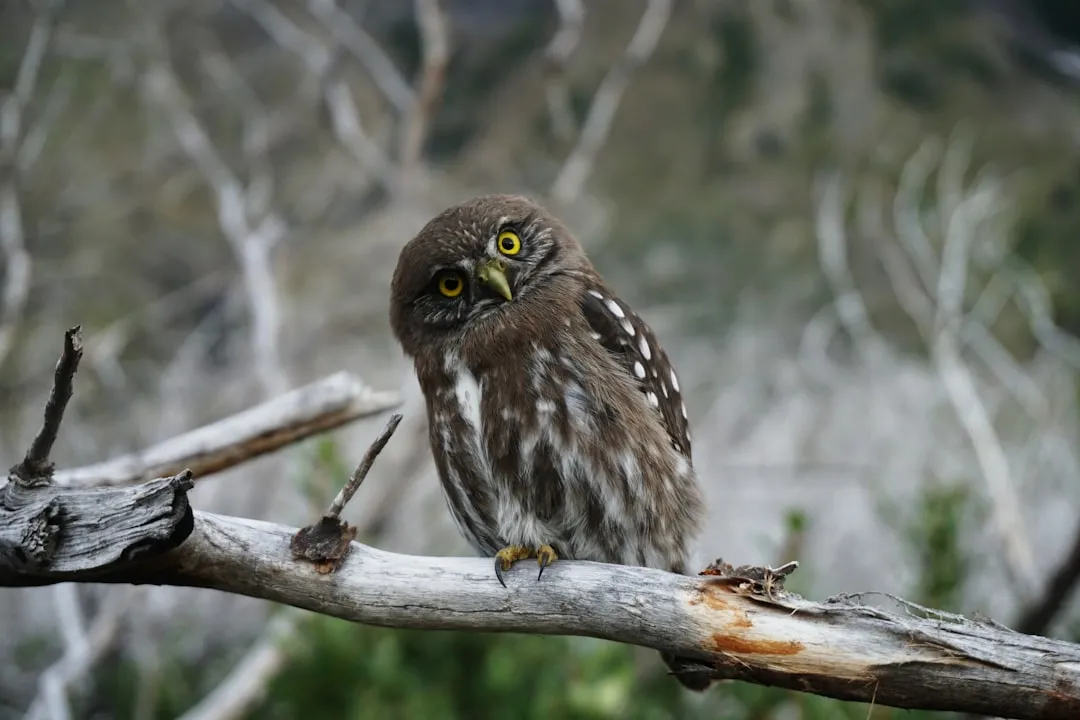
So are owls simply “good” in Native tradition? Not exactly – and that’s the whole point. Indigenous teachings rarely split the world into clean good-versus-evil the way pop culture insists on doing. Owls are powerful, liminal beings that demand respect, not a cheap Halloween symbol.
Many Native people today still avoid casually naming owls at night or sharing certain stories out of season. To an outsider, that can look like fear. It’s actually protocol – a recognition that some beings carry medicine that isn’t meant for entertainment. You don’t whistle at them, you don’t chase them for a photo, and you don’t reduce them to a spooky caption. In many teachings, owls show up when something serious is happening or when someone needs to listen harder to their own life. You don’t blame the sentinel for what it reveals.
Worth Knowing
- Avoid calling out or naming an owl directly after dark in many traditional protocols.
- Certain owl stories are only meant to be shared during specific seasons, not year-round.
- Approaching, chasing, or flashing an owl for a photo is widely seen as disrespectful.
- An owl’s appearance is often treated as a prompt to pay closer attention, not a reason to panic.
The Bottom Line
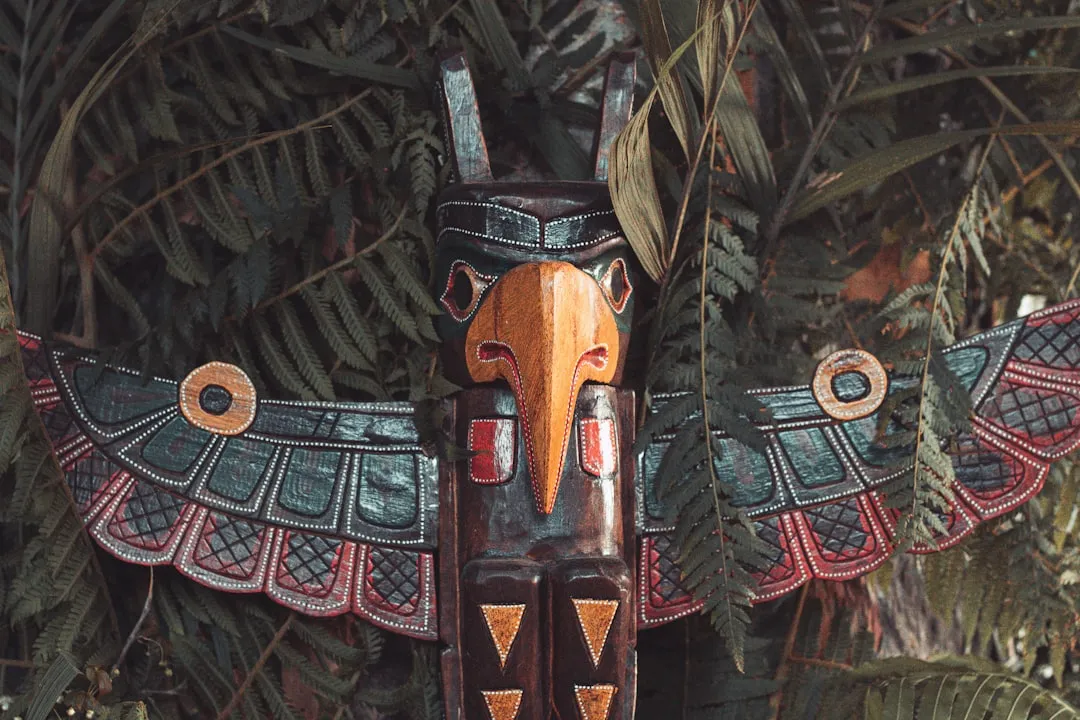
Strip away the horror-movie soundtrack and the half-remembered campfire stories, and the owl in Native American tradition looks nothing like the “cursed bird” people joke about online. Across nations, it shows up as a night watcher, a messenger between worlds, a teacher of patience, and a guardian standing at the threshold between the living and the dead.
Yes, some teachings connect owls to death or warning – but that’s about responsibility and balance, not random bad luck. Calling owls “bad omens” and pinning that on Native tradition isn’t cultural knowledge; it’s colonial leftovers wearing a costume. The deeper you actually go, the less the owl looks like something to fear in the dark, and the more it looks like exactly what so many nations always said it was: a protector standing watch while the rest of the world sleeps.
So the next time that hoot cuts through the night, ask yourself honestly – are you afraid of the owl, or just afraid of what you never bothered to learn about it?
