
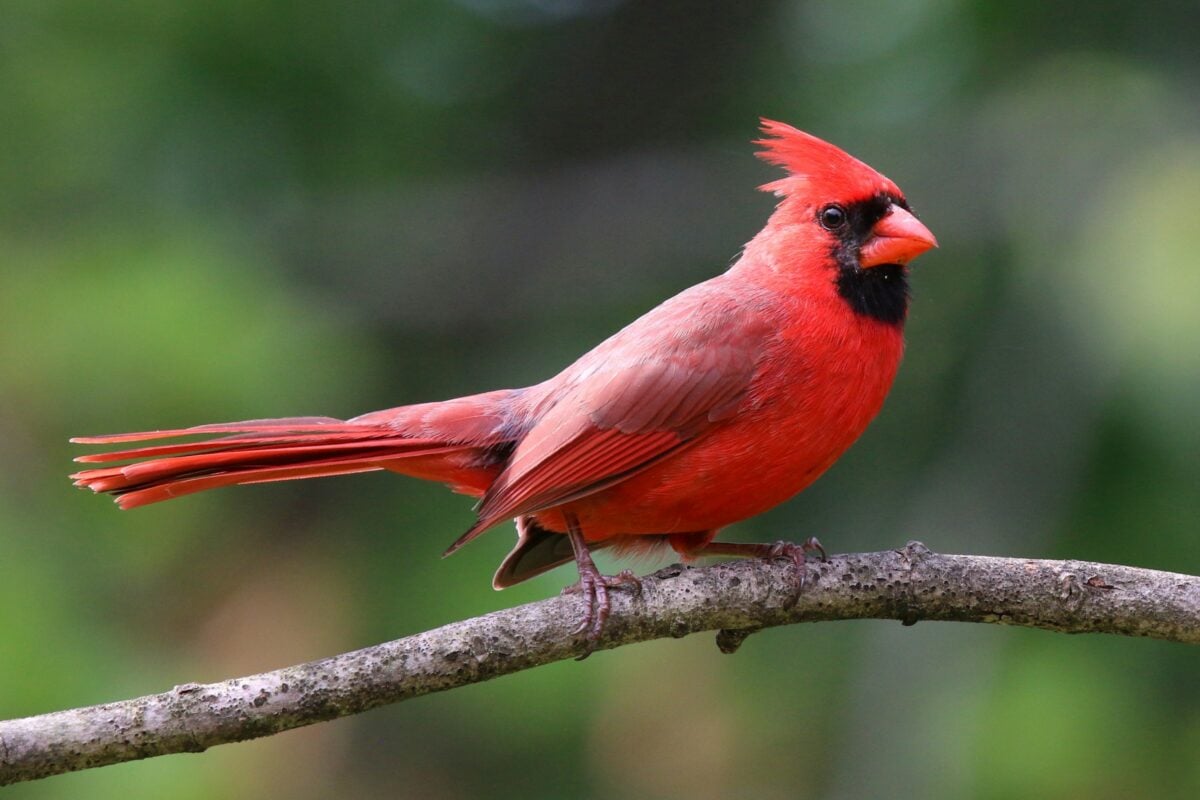
Somewhere on social media right now, someone is insisting that a silent cardinal means a dead relative is watching over you. It’s a lovely story. It’s also almost never what’s actually happening in your backyard.
The real explanation is stranger, more mechanical, and honestly more useful than any spiritual meme could ever be. Cardinal silence can mean a hidden nest, a lurking predator, a yard that quietly stopped being worth their time, or something as ordinary as noise pollution drowning them out. Here’s what actual bird behavior says is going on – and which version of “quiet” should worry you.
#1 – The Silence Might Just Be the Season Talking
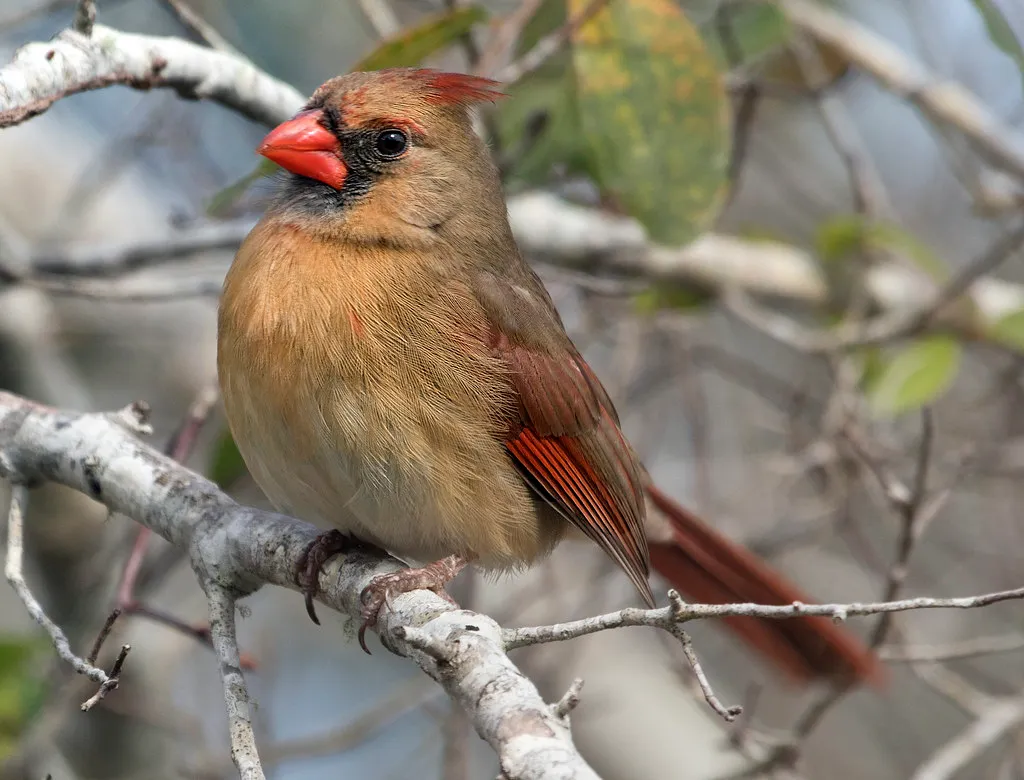
Cardinals aren’t running a 12-month greatest-hits tour, even though it might feel that way in April. Their singing is heavily seasonal, and that alone explains a lot of sudden “quiet spells” people panic over.
In early spring, males sing aggressively to claim territory and land a mate. Once that job is done – and especially once chicks have fledged – the need to shout warnings and pickup lines drops off fast. Late summer into early fall brings another lull, too: cardinals molt, losing and regrowing feathers, which leaves them scruffy, vulnerable, and much less interested in drawing attention to themselves. During this window they lean on soft chips instead of full songs. So before you check your horoscope, check the calendar.
Fast Facts
- Peak singing season: late winter through early summer, tied to territory and mating
- Post-fledgling lull: song volume drops sharply once chicks leave the nest
- Molting window: typically late summer into early fall, when energy shifts toward feather regrowth
- Cardinals often hold the same territory year after year, so these patterns tend to repeat in your yard on a predictable cycle
#2 – They’re Playing It Quiet Because They’re Raising a Family
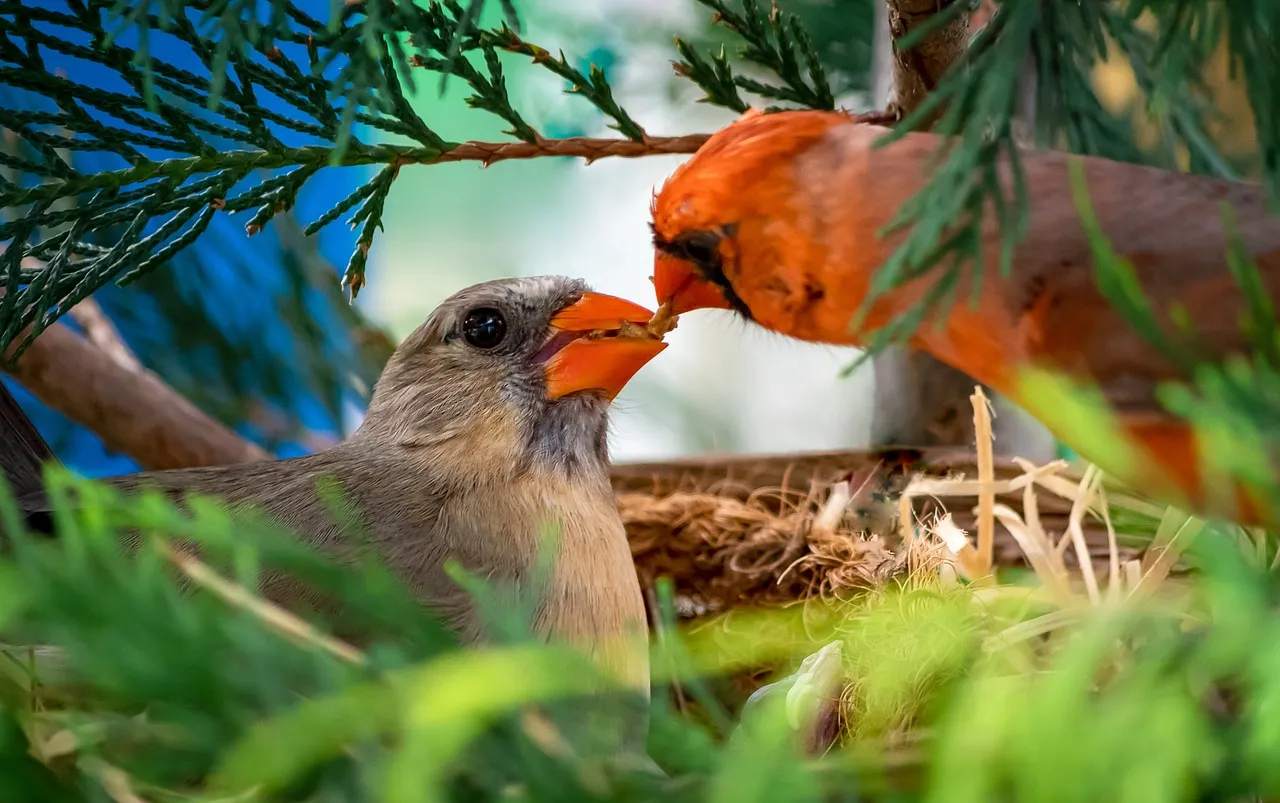
Here’s the twist most people miss: sometimes cardinals go silent near your house because they’re doing an excellent job as parents, not because something’s wrong. Once a pair has eggs or tiny chicks in the nest, both birds have exactly one priority – keep the babies alive.
Loud, showy singing is basically a flashing sign that says “nest location here,” and predators like snakes, jays, crows, and outdoor cats are always listening. So smart cardinals dial it way down, sticking to soft “chip” calls between partners and short, quiet songs kept far from the nest itself. Ironically, the quieter your cardinal pair gets, the more likely there’s an active nest tucked into a shrub, hedge, or tangle of vines nearby. Loud singing often means “I’m single and looking.” Quiet calling usually means “I have a family, and I have a lot to lose.”
#3 – Something Dangerous Just Walked Into Your Yard
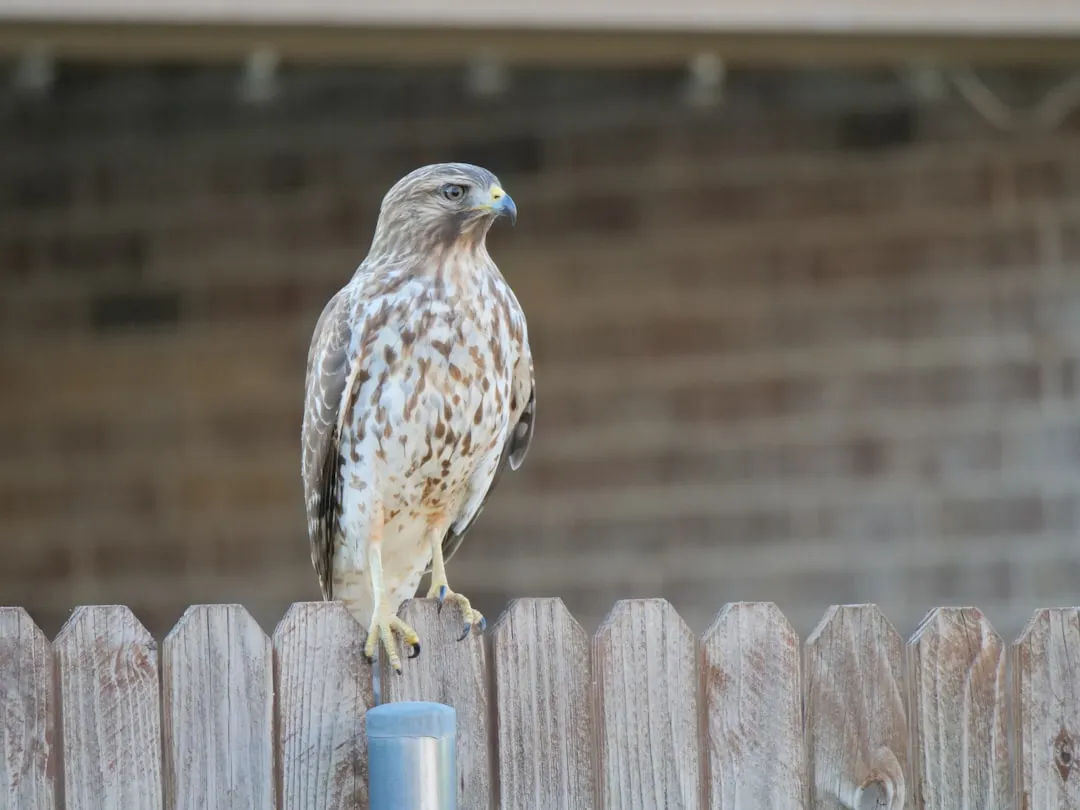
When cardinals go quiet abruptly instead of gradually, that’s not ambiance – that’s alarm. Birds don’t only use sound to communicate; they use silence as an active survival tool. When a hawk starts circling, a cat slips through the grass, or a snake shows up, cardinals freeze, duck into cover, and go dead silent within seconds.
That eerie hush is not peace settling over your yard. It’s a red alert, and it can be the loudest warning signal in the entire backyard ecosystem. If your songbirds suddenly mute for long stretches, scan fence lines and branches for hawks, check bush bottoms for cats, and watch near feeders for anything stalking. Prey animals don’t want to be found – and silence is often their best weapon.
Worth Knowing
- Hawks overhead often trigger an instant freeze-and-silence response across songbirds, not just cardinals
- Outdoor cats remain one of the most common backyard predators linked to sudden bird silence
- A hush that spreads across several species at once usually signals real danger nearby, not just one nervous bird
- Alarm silence typically lifts within minutes once the threat moves on
#4 – Your Yard Quietly Got Voted Off Their List
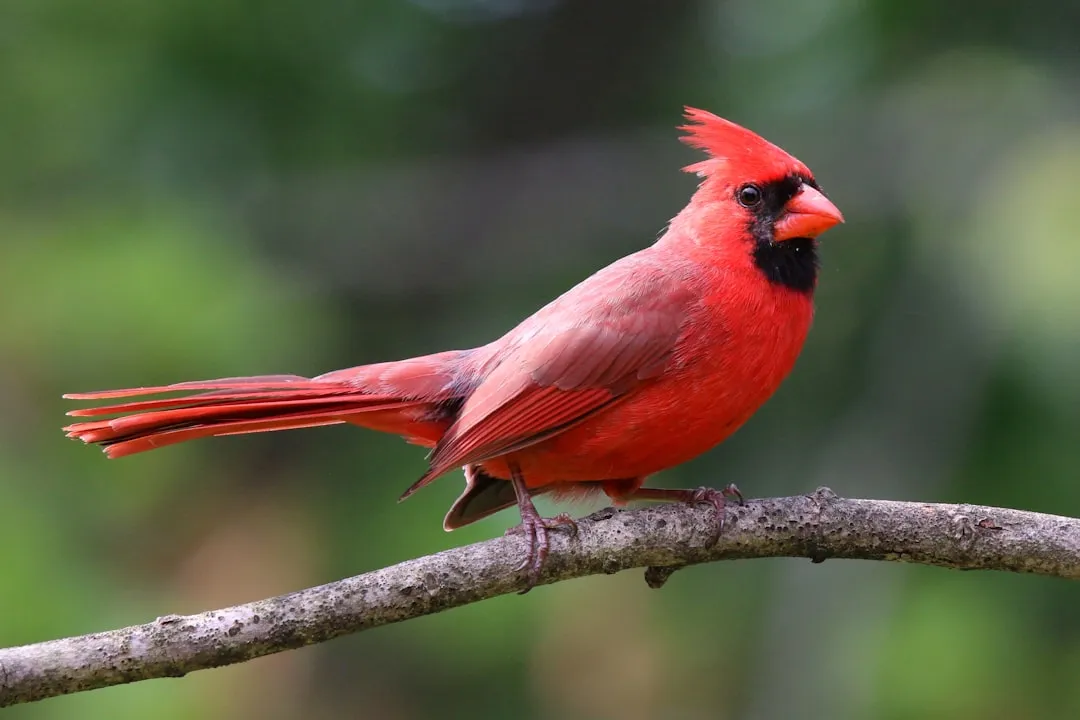
This one’s harder to hear, but sometimes cardinals stop singing near your house because your yard stopped being worth their time. They aren’t sentimental about your feeder – they’re loyal to survival, full stop. Cut down the trees, mow the yard into a sterile green carpet, or run construction and yard work nonstop, and cardinals will quietly relocate their core territory a few houses over.
Habitat loss doesn’t only happen in forests. It happens in suburbs, one trimmed hedge at a time. Cardinals want dense shrubs for cover, layered plantings – ground cover, bushes, mid-height trees – and a reasonably predictable, quiet routine. Rachel Carson wrote about this exact kind of eerie absence decades before it had a hashtag.
There was a strange stillness. The birds, for example – where had they gone?
Rachel Carson, Silent Spring
If your once-busy yard has gone strangely quiet, ask what changed outside in the last couple of months – a new fence, removed bushes, a heavily pruned tree. You might have evicted your regulars without ever meaning to.
#5 – You’ve Been Out-Shouted by Your Own Neighborhood
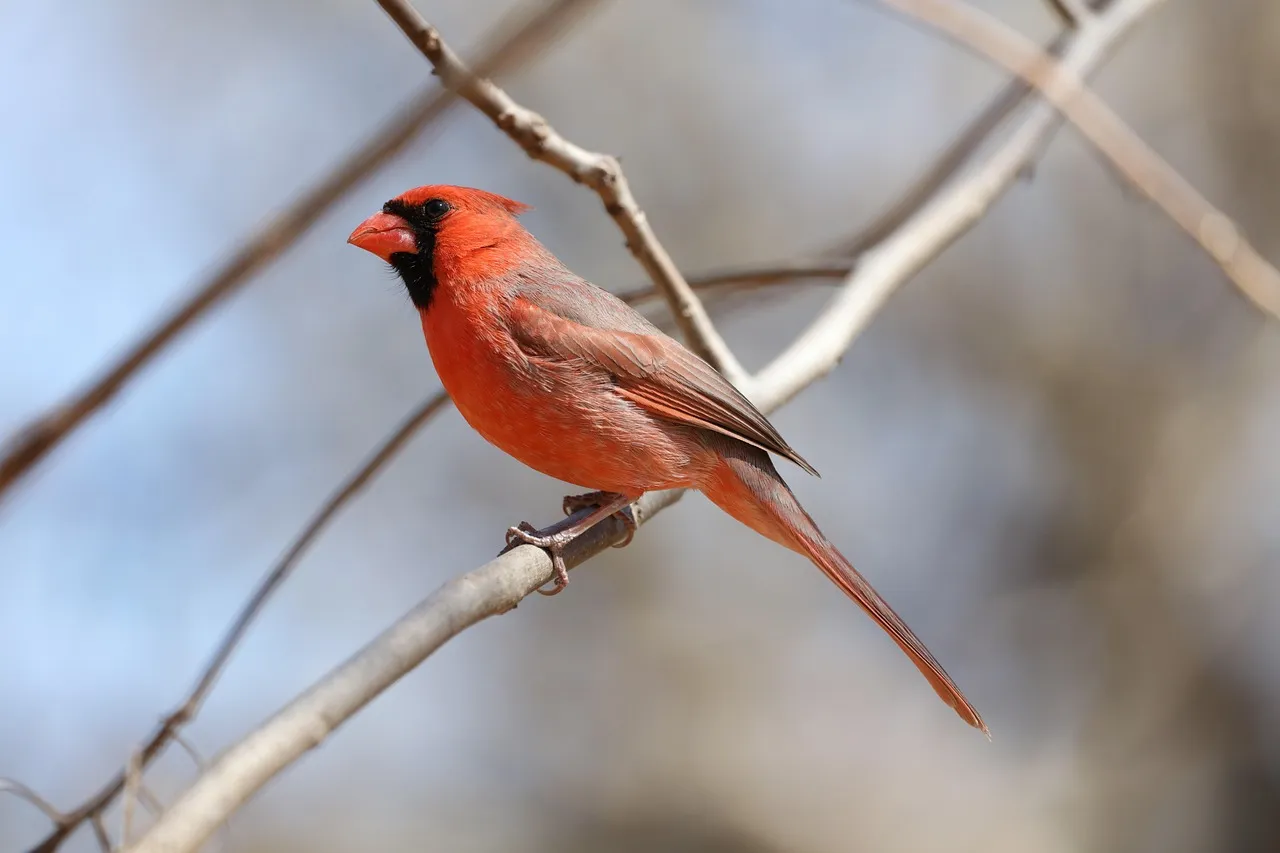
Most people blame fewer birds on predators or chemicals, but plenty of experts quietly point to something far less dramatic: noise pollution. Cardinals rely heavily on sound – song to defend territory, calls to track a mate – and when leaf blowers, construction, barking dogs, AC units, or new road traffic drown all that out, some cardinals simply stop bothering to sing full-throated in that space.
Here’s the part that irritates serious birders: we obsess over what goes into our feeders and ignore what we’re pumping into the air around them. Cardinals will sometimes sing earlier in the morning to dodge the daily racket, move their favorite singing posts further from houses and streets, or abandon especially loud areas altogether. If your cardinals used to sing from the treetops but now only flash through quietly at the feeder, noise might be the real culprit. It’s not mystical. It’s mechanical.
Quick Compare
- Quiet yard: cardinals sing from open, visible perches, often right at sunrise and dusk
- Noisy yard: cardinals shift singing earlier, move perches farther from the noise source, or skip full song altogether
- Sustained construction or traffic noise can push cardinals into “chip call only” mode for days at a stretch
#6 – A Sick or Starving Cardinal Doesn’t Sing
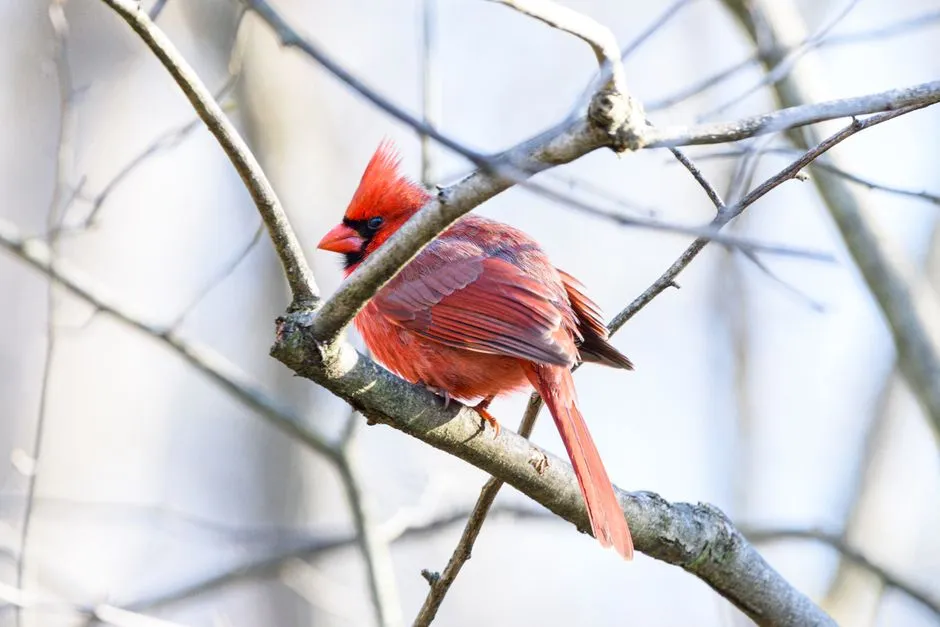
A healthy male cardinal is basically a small red alarm system with wings – loud, visible, constant. When that bird suddenly goes silent and sluggish, health issues or food stress are worth taking seriously. Disease outbreaks like salmonellosis or finch eye disease at dirty feeders can weaken birds fast, and parasites, heat waves, or long dry spells force cardinals to conserve every bit of energy instead of singing.
Watch for a cardinal that looks puffed up, sits still for long stretches, or has crusty eyes, along with fewer and shorter feeder visits and a yard where several species all seem oddly muted at once. If you spot these signs, don’t panic – respond. Clean feeders and birdbaths with a diluted bleach solution regularly, keep fresh water available in extreme heat, and take feeders down for a while if you suspect disease is spreading. This kind of silence isn’t symbolic. It’s a survival strategy under real physical stress.
#7 – You Might Just Be Tuning Them Out
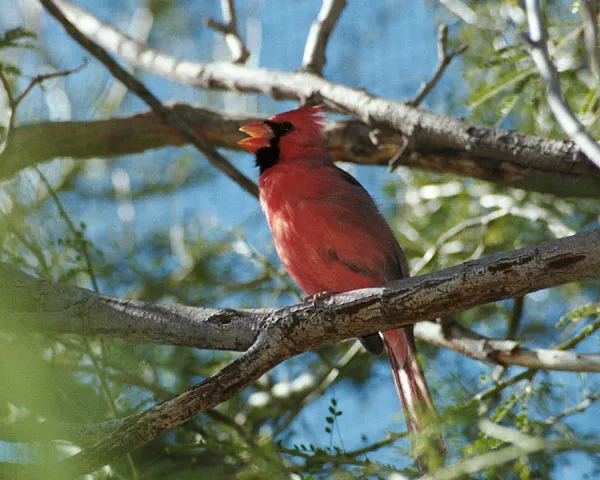
Here’s the slightly uncomfortable truth: sometimes cardinals didn’t stop singing – you just stopped noticing. Our brains filter background noise ruthlessly, and once cardinal song becomes “everyday,” your mind tunes it out unless something dramatic happens. Add in more time indoors, headphones, closed windows, or a running TV, and it’s easy to assume they vanished when they actually just shifted a few yards or a few hours in their routine.
Cardinals also don’t rely only on those clear, classic whistles. They use fast chip calls to keep tabs on each other, softer songs at dawn and dusk, and quiet vocalizations from deep cover instead of open branches. What sounds like silence to you may still be a full conversation to them. If you’re curious, spend ten uninterrupted minutes outside at first light – no phone, no podcast, just listening. You might be surprised by how much is still there.
At a Glance
- Cardinal songs can carry surprisingly far on a calm morning, well beyond your own patio
- Dawn and dusk are prime listening windows, before daily household and street noise ramps up
- Chip calls are shorter and easier to miss than full whistled songs
- Stepping outside without a phone or headphones dramatically increases what you actually notice
The Bottom Line
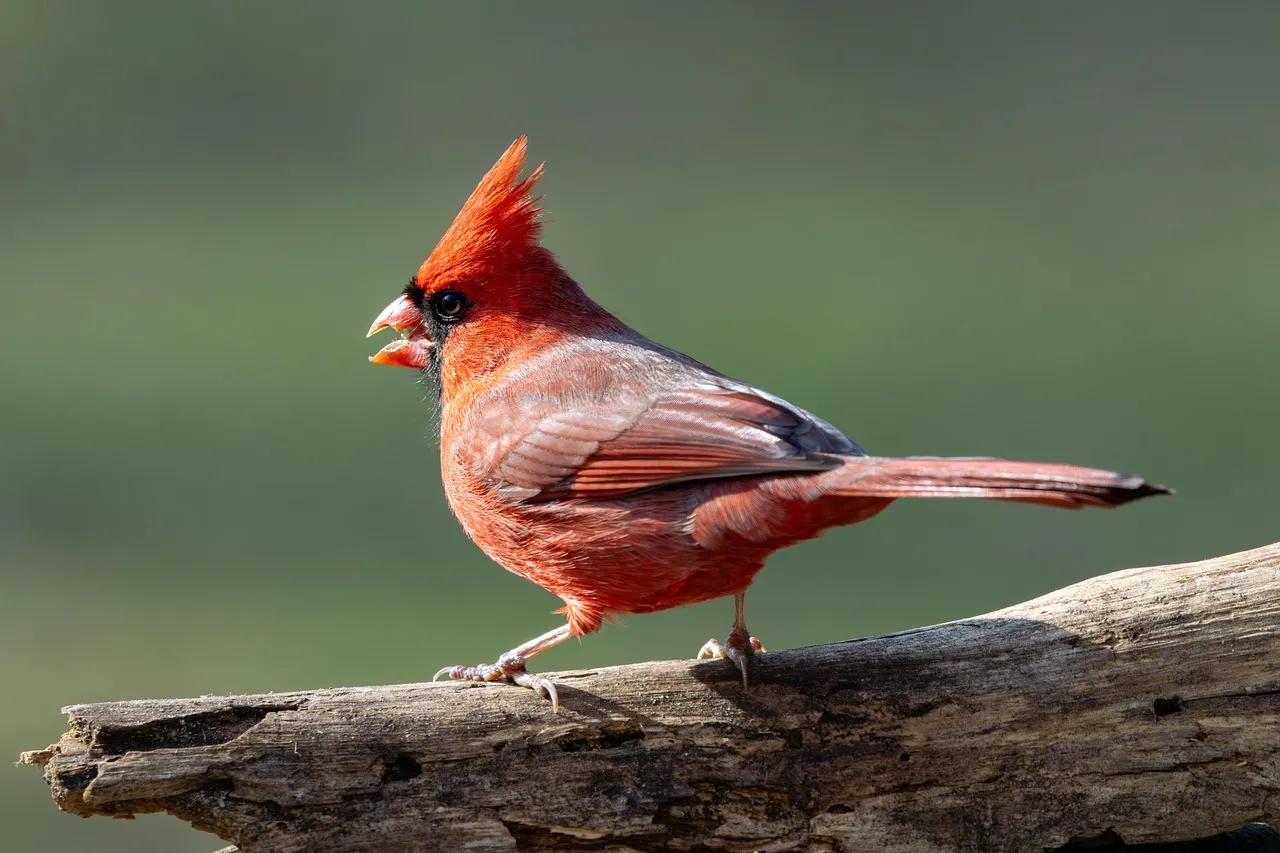
When cardinals suddenly stop singing near your house, it’s rarely some Instagram-worthy sign from the universe. It’s almost always a mix of very real forces – seasonal shifts, nesting secrecy, predator pressure, habitat loss, noise pollution, or health stress. Sometimes it’s simply your own attention drifting elsewhere.
The silence itself is data. It’s your backyard telling you something changed, either in the environment or in the birds’ priorities, and pretending it’s mystical just lets us off the hook. If you actually want cardinals singing near your house again, don’t wait for a sign – build a yard worth singing in. Thicker shrubs, cleaner feeders, a calmer soundscape, and a little more attention will do more than any meme ever will. So which is it in your neighborhood: nature simply doing its quiet, sensible thing, or us slowly crowding the music out without even noticing?

- 9 Ecosystem Engineers That Change Entire Landscapes - August 4, 2026
- 10 Animal Behaviors That Scientists Misunderstood for Decades - August 4, 2026
- 10 Wildlife Comebacks That Few Americans Have Heard About - August 4, 2026