
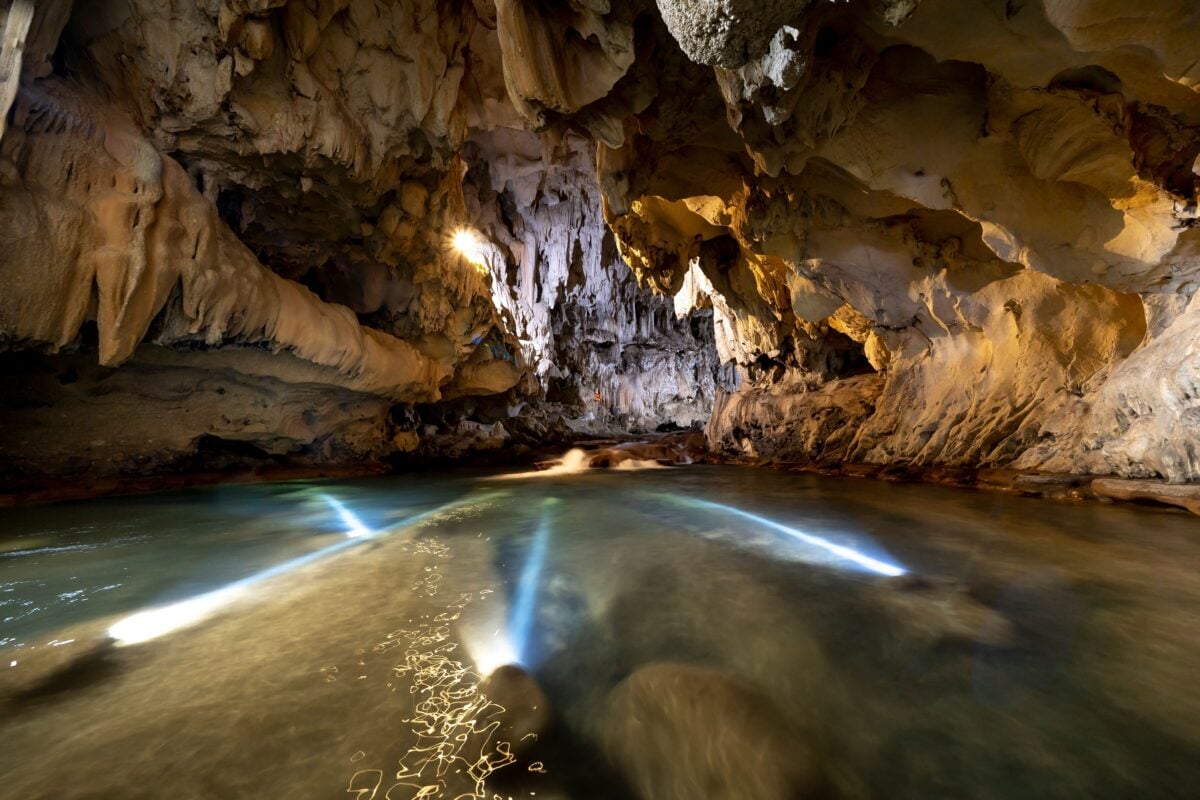
Most people assume scientists mapped out the natural world a long time ago. Forests, though, have quietly kept their secrets – rivers that disappear into the ground, trees that seem to warn each other of danger, lights that flicker between trunks like something out of a campfire story. For decades, anyone who mentioned these things got the same response: folklore, not fact.
That’s starting to change. Armed with DNA sequencing, satellite data, and decades of patient fieldwork, researchers are quietly admitting that some of those “silly stories” were closer to the truth than science wanted to believe. A few legends are getting debunked outright. Others are being confirmed in ways that are honestly a little unsettling. Here’s what the latest research actually says.
#1 – The “Wood-Wide Web”: How Trees Secretly Feed and Warn Each Other

For years, the idea that trees “talk” sounded like hippie poetry, not science. Now biologists are reluctantly reaching for words like “communication network” to describe what’s happening under the forest floor. Trees connect through a massive web of fungal threads called mycorrhizae, trading nutrients, water, and chemical signals like a hidden internet running beneath every hiking trail.
A big, healthy “hub” tree can literally feed shaded seedlings it isn’t even related to, keeping them alive through drought or disease. Here’s the part that gets under people’s skin: when insects attack one tree, its roots and fungi can send warning chemicals to its neighbors, triggering them to boost their defenses before the swarm even arrives. It isn’t consciousness. But it’s coordinated behavior that looks uncomfortably close to strategy – which is exactly why some researchers now call elder trees “mother trees,” while others still bristle at the term for being too emotional for science.
Fast Facts
- Mycorrhizal fungi link the roots of most forest trees into a shared underground network rather than leaving each tree to fend for itself.
- “Hub” trees can channel carbon and water to shaded seedlings that aren’t even their own offspring.
- Chemical alarm signals appear to move through fungal threads faster than a threat can spread through open air.
- Not every scientist agrees “communication” is the right word – some insist it’s just chemistry finding a shortcut.
#2 – The Phantom Forest Lights Scientists Used to Laugh Off
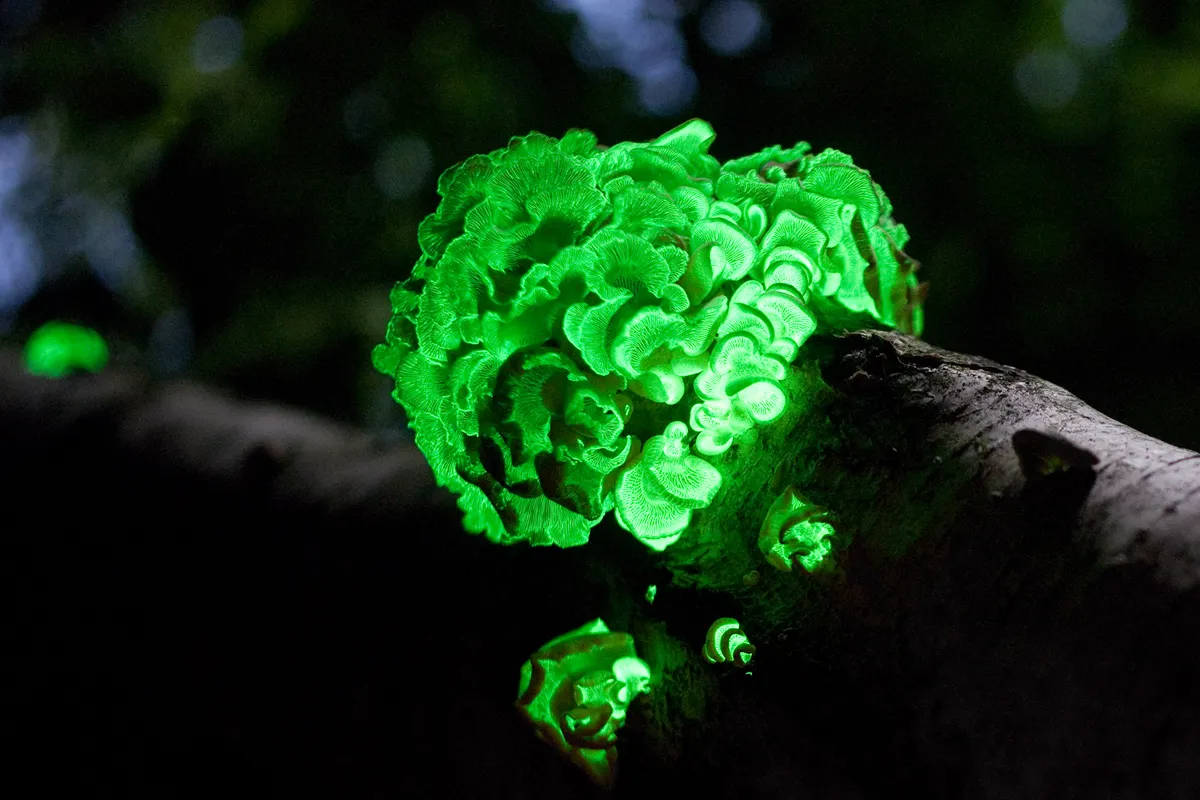
Mysterious lights drifting through the trees were long blamed on drunk campers and overactive imaginations. Modern field studies are forcing scientists to admit something a little uncomfortable: under the right conditions, forests really do glow. Bioluminescent fungi, glowing bacteria on decaying wood, and chemical reactions from rotting vegetation can all produce faint, eerie light low to the ground. More than 70 fungal species are now confirmed to emit a visible glow at night.
Not every light has a biological explanation, though. Cold plasma from electrical activity, reflections bouncing off distant highways, and atmospheric optics can all stack together, turning an ordinary dark grove into something that looks genuinely paranormal. So some ghost stories were exaggerated – but not entirely invented. Researchers are now running night-vision and spectral cameras in “haunted” groves specifically to separate the physics from the folklore, one glowing log at a time.
#3 – Forests That Build Their Own Weather Systems
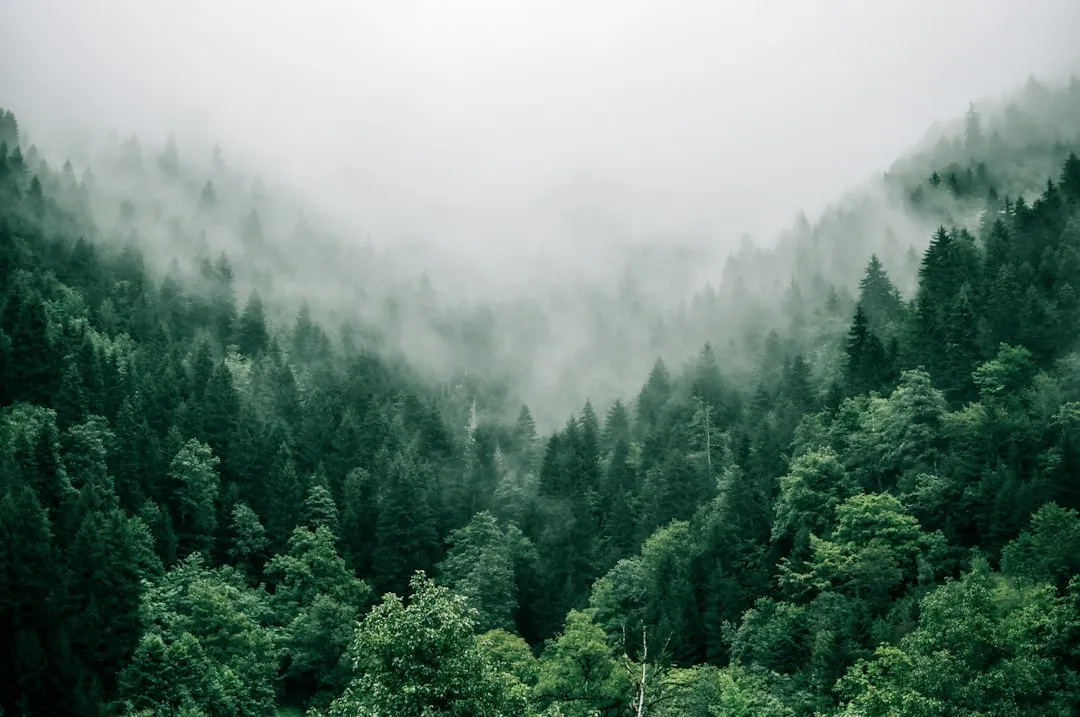
Most people assume weather happens to forests, not that forests shape the sky above them. Atmospheric scientists now argue the opposite: large, intact forests can generate their own clouds and influence local rainfall. Trees pull water from deep soil and release it through their leaves as vapor, a process called transpiration. Multiply that across a huge region, and the moisture builds into clouds that drift for hundreds of miles before dropping rain somewhere else entirely.
In parts of the Amazon and the boreal forests, this recycled moisture forms a kind of invisible flying river overhead, stabilizing local temperature and humidity. Cut the forest down, and you don’t just lose trees – you rewrite the regional climate. Some models suggest large deforested patches can shift storm tracks, intensify heat waves, and raise wildfire risk in neighboring areas that never lost a single tree. The old idea of forests as passive scenery is officially dead; they’re active climate engines.
#4 – “Zombie Forests”: Alive on the Outside, Dying Underneath
From a distance, some forests still look lush and healthy. Up close, ecologists are realizing they’re basically on life support. So-called “zombie forests” are full of mature trees that grew up in a cooler, wetter climate and are no longer successfully replacing themselves. Seedlings either can’t survive the heat, get eaten by booming deer populations, or simply fail in drier soil.
Tree rings tell the whole sad story: decades of healthy growth, followed by stress after stress – warming, drought, pests – that the next generation just can’t handle. The result is a beautiful canopy with almost no future underneath it. Without intervention, these forests are quietly aging out, destined to flip into scrubland or grassland after the next big fire or storm rolls through. Scientists are now split on whether to assist them with heat-tolerant species or let them die out naturally, and either choice is going to make somebody furious for decades.
#5 – The Silence That Means a Forest Is Collapsing
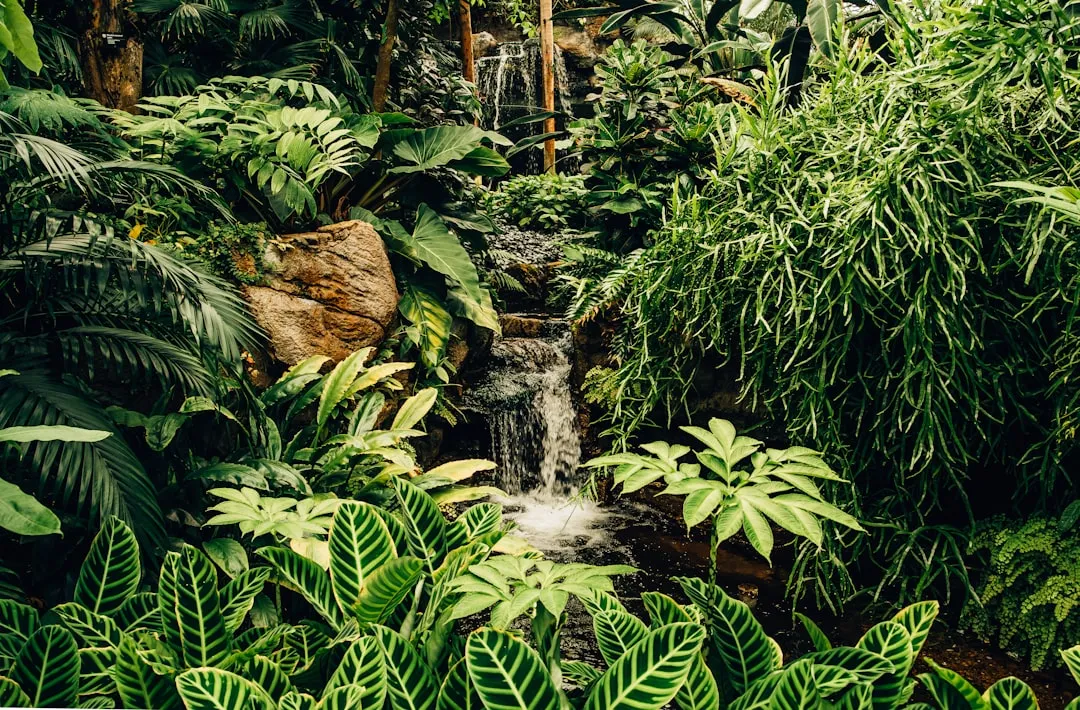
People love a quiet trail. Ecologists don’t. A growing body of research suggests many forests are essentially empty shells – visually intact but missing their largest animals and top predators. Once wolves, big cats, or wild pigs get hunted out of an area, everything underneath starts to unravel. Deer, rodents, and rabbits explode in number, chewing through seedlings before they ever get the chance to grow and stripping the understory bare.
This “trophic cascade” means a forest can look green from a drone shot while quietly collapsing at ground level. Fewer nesting sites for birds. Fewer shrubs for insects. A simplified ecosystem that’s bizarrely, unnaturally quiet – so much so that scientists can now spot the change from space just by tracking shifts in foliage structure. The uncomfortable truth is that removing predators to make a forest feel “safer” might be the fastest way to break it.
#6 – Fossil Forests: Entire Ancient Worlds Turned to Stone
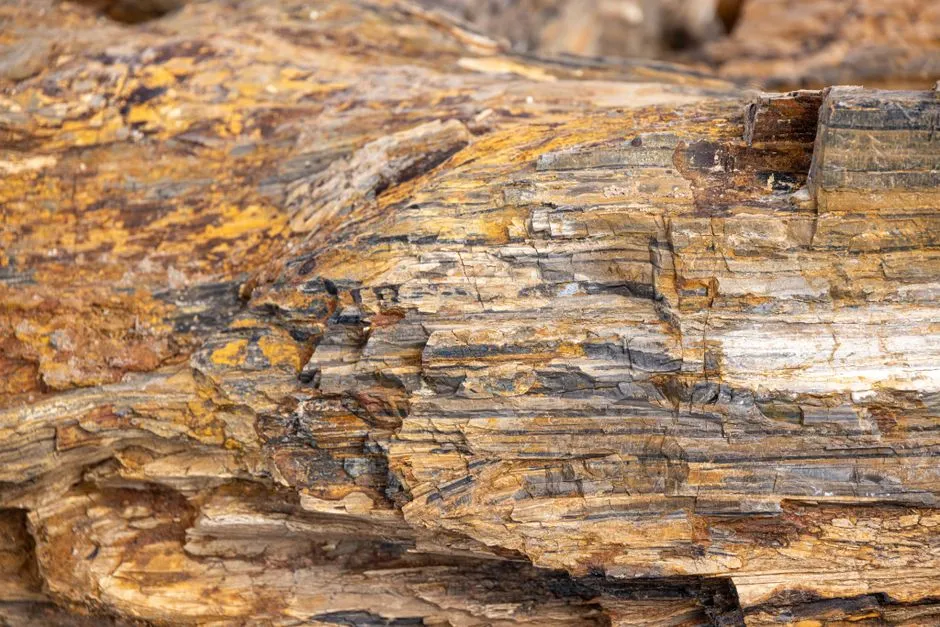
We think of forests as living, breathing places, but some of the strangest mysteries are frozen in stone. Around the world, researchers keep finding entire ancient forests turned to rock, with tree trunks and root systems preserved exactly where they once stood. These fossil forests reveal climates so different from ours that they look like alien Earths – tropical stands near the poles, towering clubmoss “trees,” fern forests stretching for miles.
By counting growth rings and analyzing minerals locked in petrified wood, scientists can reconstruct ancient seasons, ancient CO₂ levels, even ancient wildfire patterns. Some buried forests sit directly under modern ones, which means every step on certain trails could be passing over a 300-million-year-old ecosystem. The wild part is that those ancient “carbon experiments” offer real, usable clues about how today’s forests might respond as the climate swings again – and not all of those clues are comforting.
#7 – The Trees That Cheat Death for Thousands of Years
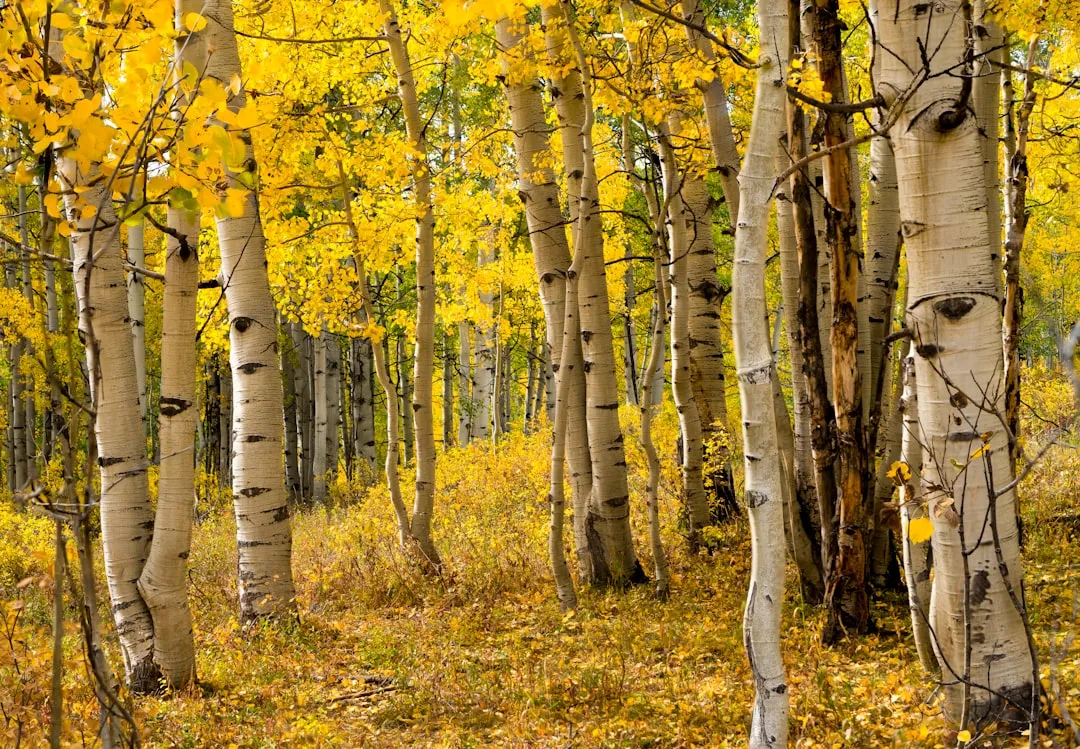
If you grew up assuming trees have tidy lifespans like animals do, forest biologists would like a word. While individual trunks certainly die, genetically identical “clonal” forests can survive for tens of thousands of years by sending up new stems from one shared root system underground. The most famous example is Pando, a trembling aspen colony in Utah believed to be one of the heaviest and oldest living organisms on the planet.
When one stem falls, others simply rise in its place, because the real “individual” is the entire network hiding beneath the soil. Even non-clonal trees sometimes refuse to quit, sprouting fresh growth from stumps that look completely dead. In some species, that tidy ring of saplings circling a rotting trunk isn’t a new generation at all – it’s the same organism, still fighting to continue. So the next time a guide points proudly at an “800-year-old tree,” they might be quietly skipping the fact that its genetic lineage could be many times older.
At a Glance
- Pando: In a canyon on the Fishlake National Forest in south-central Utah, a single quaking aspen has spread itself across 106 acres of hillside as roughly 47,000 genetically identical stems sharing one root system.
- By mass, it is the heaviest known living organism on the planet, and its name is Latin for “I spread.”
- Age estimates for the whole clone range from a conservative 14,000 years to speculative figures near 80,000, since dating a single organism this old is notoriously imprecise.
- Individual stems, though, commonly live about a century, sometimes a little longer, before dying back and being replaced from below.
#8 – Rivers That Vanish Beneath the Forest Floor
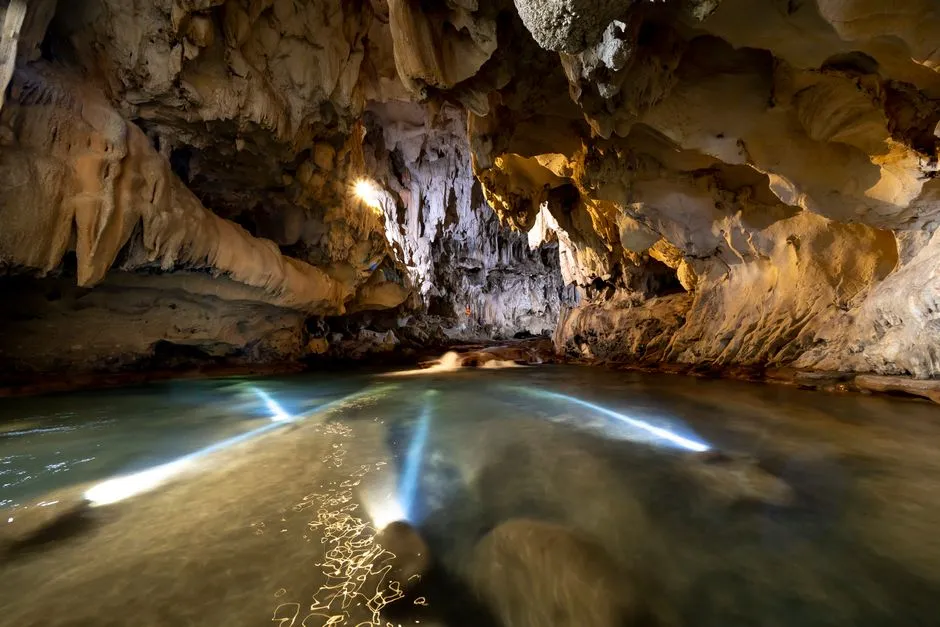
Some forest rivers seem to perform an actual magic trick. They surge along for miles, then suddenly disappear straight into the ground, only to reappear far away – if they reappear at all. Hydrologists studying these “losing streams” have mapped vast underground channels, caves, and porous rock that pull water beneath the forest floor entirely. In some cases, dye-tracing shows water vanishing in one watershed and resurfacing in a completely different river basin.
This matters more than it sounds. Those hidden flows can feed springs during a drought, or, if contaminated, quietly poison remote wetlands far from the original spill site. For local communities, a river that seems to be “mysteriously” drying up can actually be a symptom of a problem happening many miles underground and completely out of sight. As mapping technology improves, scientists are realizing a lot of forest hydrology was educated guesswork – and some long-trusted maps are already headed for the trash.
#9 – The Invisible Microbial City Running Every Forest
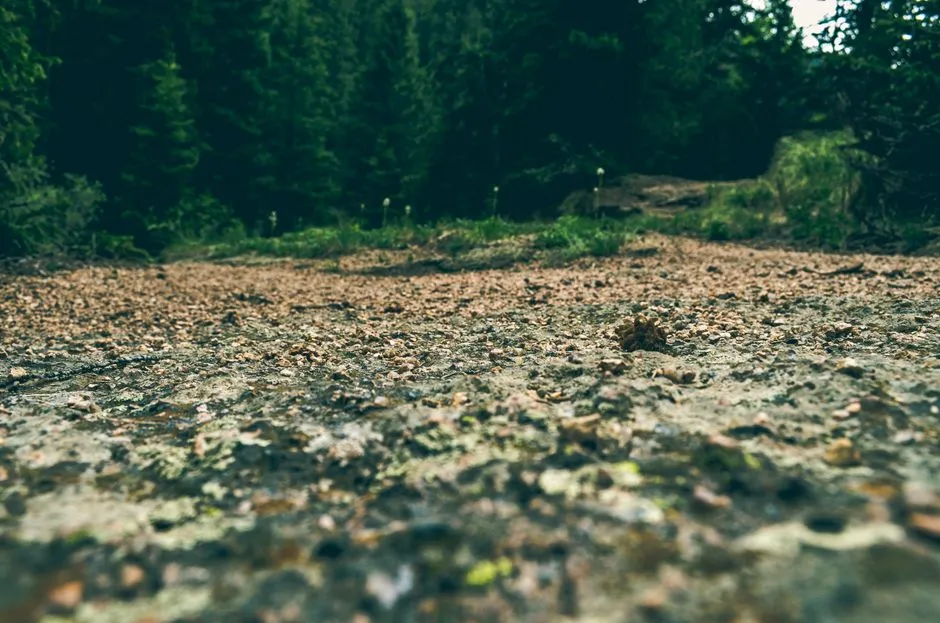
Ask most people what makes a forest healthy, and they’ll say sunlight and rain. Soil scientists roll their eyes at that answer. Under a single footprint in a mature forest, there can be billions of bacteria, miles of fungal threads, and an entire microbial city quietly running the nutrient economy that keeps everything above ground alive.
For decades, almost none of these organisms could be grown in a lab, so they were essentially invisible to science. Now, DNA sequencing is revealing a staggering diversity of microbes controlling how fast leaves decompose, how quickly carbon gets locked away, and how well trees survive drought. Shift that micro-community even slightly, and the whole forest can flip – from a carbon sink to a carbon source – without a single tree ever falling. The strangest part? We still don’t know what most of these microbes actually do. Right now, they’re identified only by their genes, not their jobs.
Worth Knowing
- More than 99% of soil bacterial species cannot be cultured by traditional laboratory techniques, which is why so much of the forest floor’s chemistry remains a black box.
- That means most of the organisms running a forest’s nutrient economy are known only by fragments of DNA, not by what they actually do day to day.
- Every handful of forest soil likely holds thousands of species science hasn’t formally described yet.
#10 – Fairy Circles and the Patterns No One Can Fully Explain
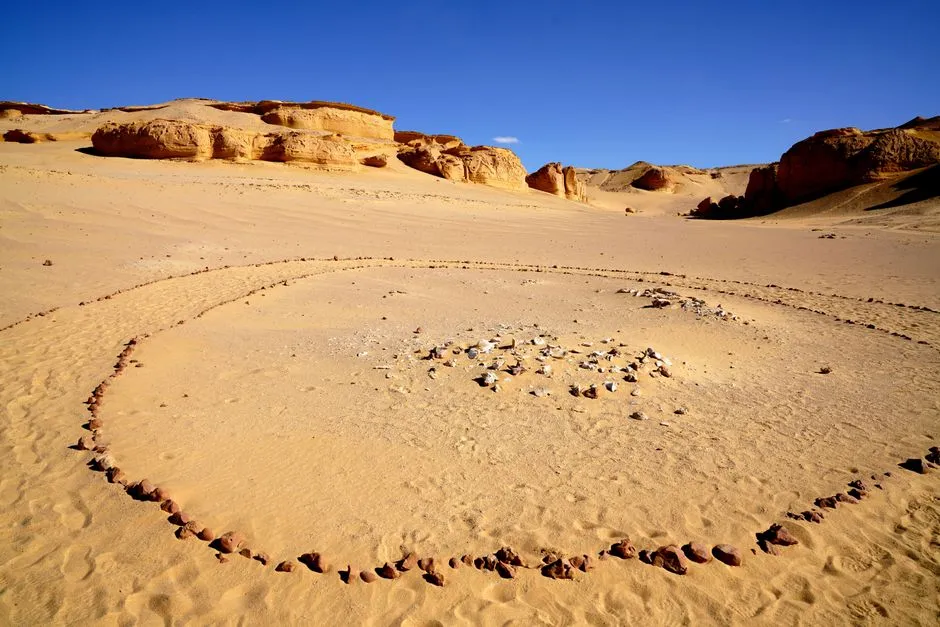
Perfect rings of bare soil. Repeating gaps in vegetation. Strangely regular patterns of shrubs marching across a landscape. For years, these fueled rumors of UFOs and fairy dances – and honestly, standing in front of one, it’s easy to see why. Ecologists are now offering answers that sound more boring on paper but turn out to be far more interesting in practice. Many of these “mystery patterns” come from plants fiercely competing for scarce water and nutrients, combined with underground termites or ants quietly reshaping the soil beneath them.
Over time, these self-organizing processes create regularly spaced clumps and gaps that look almost designed by hand. Mathematical models now show that vegetation in dry forests and savannas naturally arranges itself into spots, stripes, or maze-like patterns depending on rainfall and soil type. The punchline is that the weirder the pattern, the more likely it’s signaling a system under real stress – not magic. Some formations still resist a clean explanation, and locals aren’t exactly eager to trade centuries of folklore for a termite lecture. Expect the science-versus-legend debate to stick around a while longer.
#11 – Whole Forests Are Migrating – And Nobody Told the Maps

Most people picture climate change as temperatures rising while forests stay rooted in place and simply suffer through it. In reality, pollen records and satellite data show tree ranges quietly shifting – climbing uphill, creeping north, moving at a pace of dozens of meters per year. Seed by seed, decade by decade, species that can track their preferred climate are abandoning old territory and colonizing new ground entirely.
The unsettling twist is that our maps and protected park boundaries don’t move with them. A “pine forest” carefully designated for protection today could be a beech or oak forest a century from now – if it’s still forest at all. Some high-elevation ecosystems simply have nowhere colder left to climb to. Scientists are starting to say the quiet part out loud: static conservation borders may already be outdated for a world where forests are being forced to sprint instead of migrate at their own pace.
Quick Compare
- Average tree species range shift: an overall migration rate of 16.9 km poleward and 11.0 m upward per decade across dozens of studied species.
- Whole forest types move even faster than any single species inside them – one analysis found forest types shifted at 86.5 km per decade on average, more than three times as fast as the average of constituent tree species (28.8 km per decade).
- The spread between species is enormous: Sitka spruce had the greatest velocity in range shifts (480.4 km per decade), while pond cypress had the lowest velocity of all (1.5 km per decade).
#12 – The Hidden Carbon Vault We Didn’t Know Forests Were Guarding
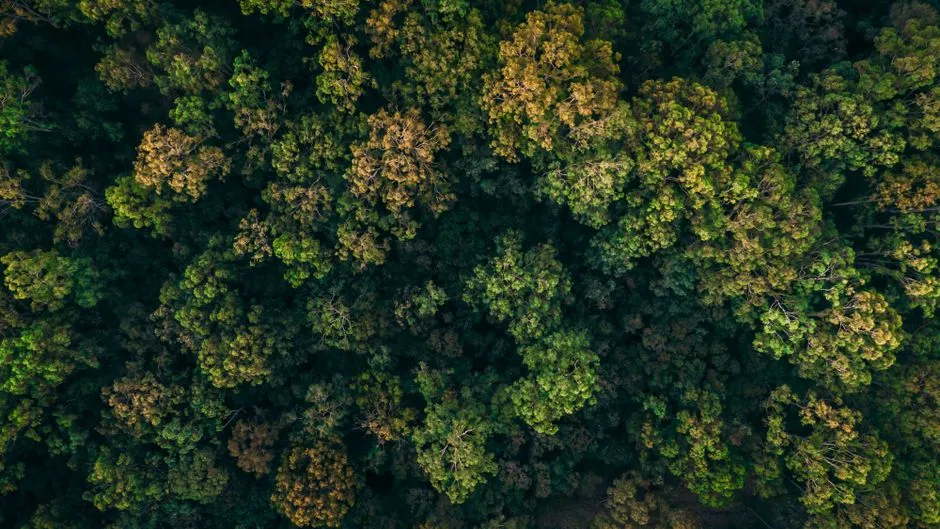
For years, climate plans treated forests like giant sponges: plant more trees, soak up more carbon, problem solved. Current research is making that story a lot messier. Scientists now realize a huge portion of forest carbon isn’t stored in trunks at all – it’s locked away in deep soils, tangled roots, and long-lived dead wood that most people never think about. Disturb that hidden pool through logging, drainage, or fire, and centuries of stored carbon can rush straight back into the atmosphere.
Worse, forests that were once steady, reliable carbon sinks can flip into net carbon sources after repeated droughts or mega-fires push them past their limit. None of this means trees “don’t work” for the climate – but it does mean the quick-fix fantasy is officially over. Protecting intact, old, structurally complex forests may do far more good than planting endless identical rows of new seedlings. How we manage forests today will echo through the atmosphere for generations, whether we’re paying attention or not.
The Bottom Line
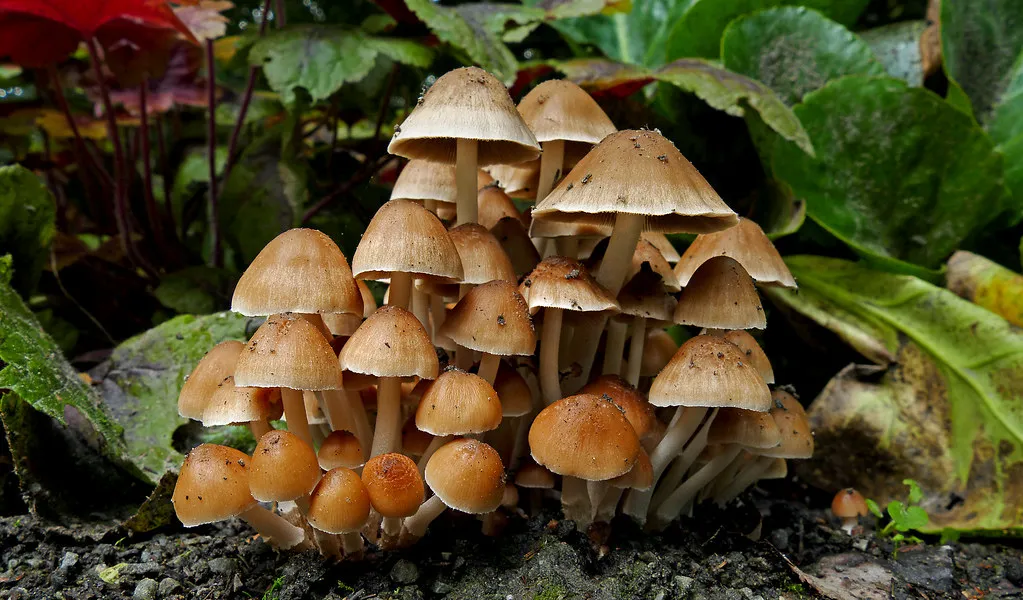
Forests were sold to us as simple: green, good, plant more. What researchers are actually uncovering is stranger, messier, and a lot less comforting. Trees “talk” through fungal networks. Rivers vanish into underground mazes. Ancient clonal colonies quietly outlive entire civilizations. Vast carbon vaults sit hidden in roots and soils we’re only starting to understand. Some beloved forests are already “zombies” – lush on the surface, doomed underneath without big, uncomfortable intervention.
The takeaway that’s hardest to sit with is this: we are nowhere near as in control of forests as we like to pretend. They aren’t scenery, and they never were. They’re dynamic, self-organizing systems running on their own timelines and their own thresholds, mostly indifferent to our maps and management plans. Treating them like simple tools or pretty backdrops is exactly how we keep breaking them without noticing until it’s too late. Which mystery on this list surprised you the most – and which one do you still think the experts are getting wrong?

- 12 Forest Mysteries Researchers Are Finally Solving - August 4, 2026
- What It Means When Cardinals Suddenly Stop Singing Near Your House - August 4, 2026
- 12 Animal Partnerships That Keep Entire Ecosystems Healthy - August 4, 2026