
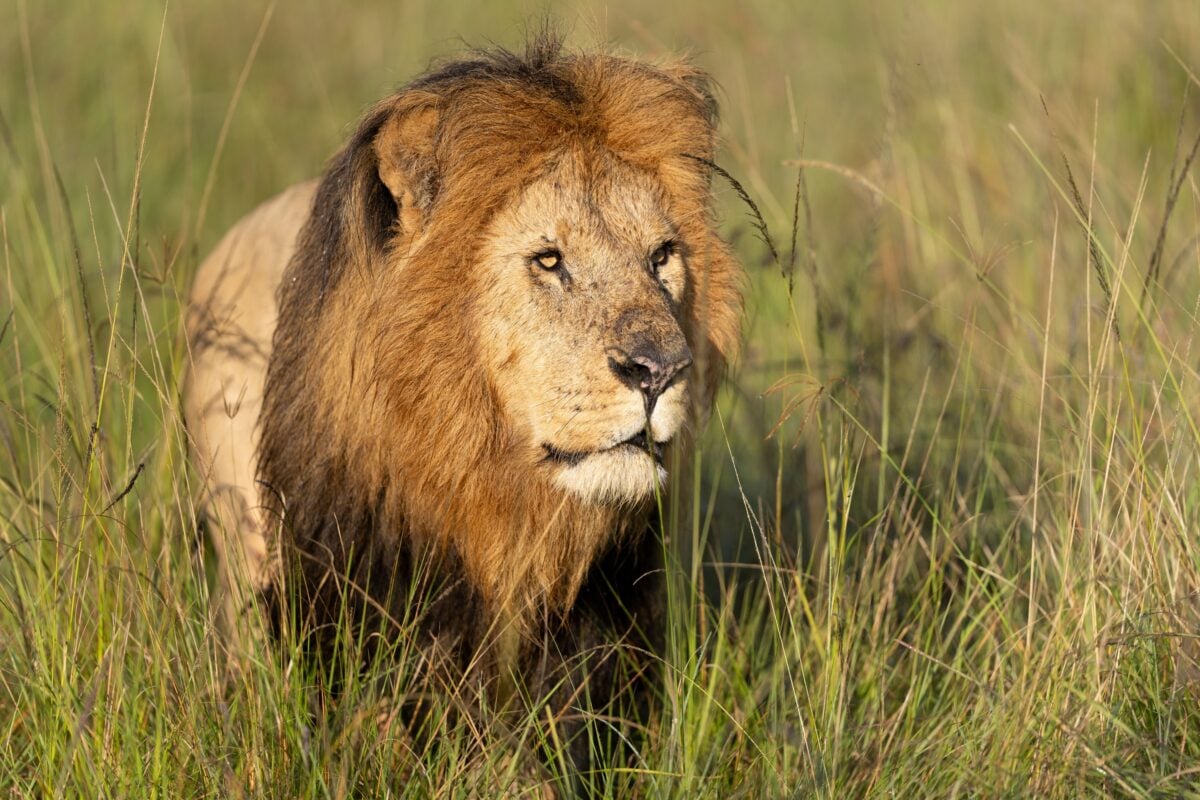
You were taught that wolves fight to the death for control, that penguins mate for life like tiny tuxedoed romantics, and that male lions are the deadbeat dads of the animal kingdom. Almost none of that holds up. These weren’t just cute simplifications – they were built into textbooks, nature documentaries, and even dog-training manuals, and they shaped how we treated real animals for generations.
The strange part is how long it took anyone to notice. It wasn’t until researchers ditched captive enclosures for real wild populations, and clunky binoculars for GPS collars and genetic testing, that the old stories started to crack. What they found instead is stranger, darker, and honestly a lot more interesting than the myths we grew up on.
#10 – The “Alpha Wolf” Myth Was Built on Terrified Strangers, Not Real Families
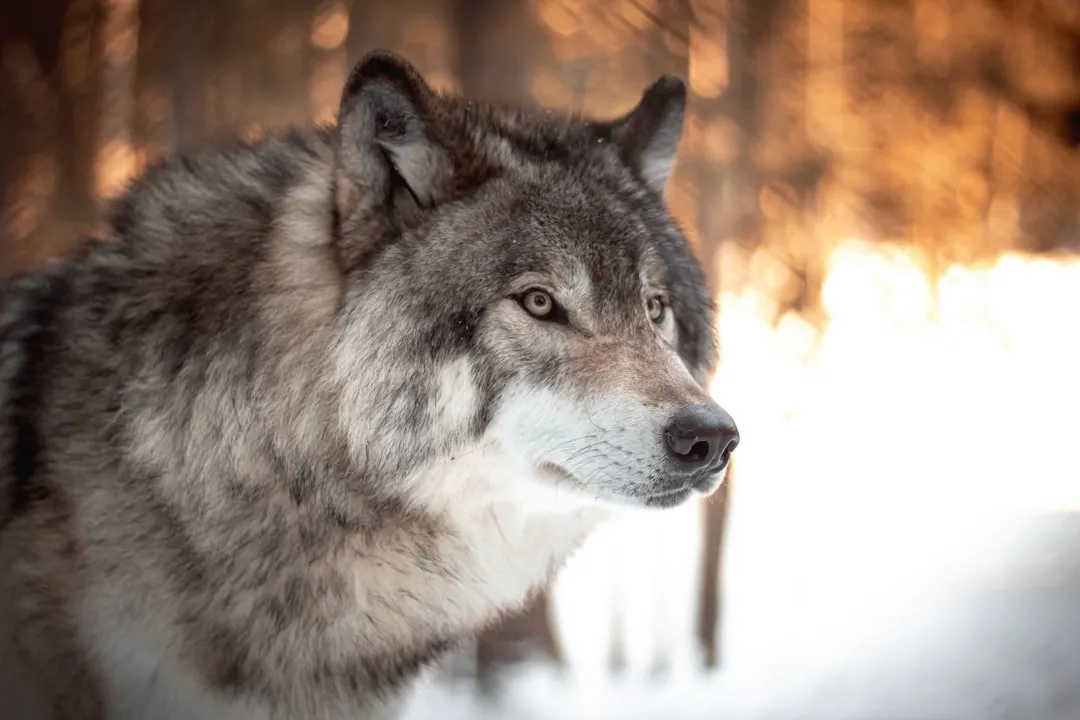
For decades, dog trainers and nature shows insisted wolves live under a brutal hierarchy, ruled by a domineering “alpha” who literally fought its way to the top. That single idea became the backbone of aggressive “dominance” training used on pet dogs everywhere. The catch nobody mentioned: the original study behind it watched unrelated wolves crammed together in captivity, essentially strangers forced to share a cage.
In the wild, a typical wolf pack isn’t a gladiator pit – it’s just parents and their kids, more like a mom and dad managing a house full of teenagers than a warlord ruling by force. Modern wolf biologists now say “alpha” basically just means “breeding pair,” and real conflict is far lower than the old narrative claimed. The parents lead because they’re the parents, not because they’re constantly pounding their own children into submission. Some trainers still cling to the old model anyway – old myths die slow, especially the profitable ones.
Fast Facts
- The original “alpha wolf” idea came from wolves that were unrelated strangers thrown together in captivity, not a real pack.
- Wild wolf families typically run about four to ten members, almost all of them related by blood.
- The scientist who popularized “alpha” in 1970 published his own retraction of the term by 1999.
- Biologists today mostly use “breeding pair” or simply “parents” instead of “alpha male and female.”
#9 – Penguins Quietly “Divorce” More Than Anyone Wants to Admit
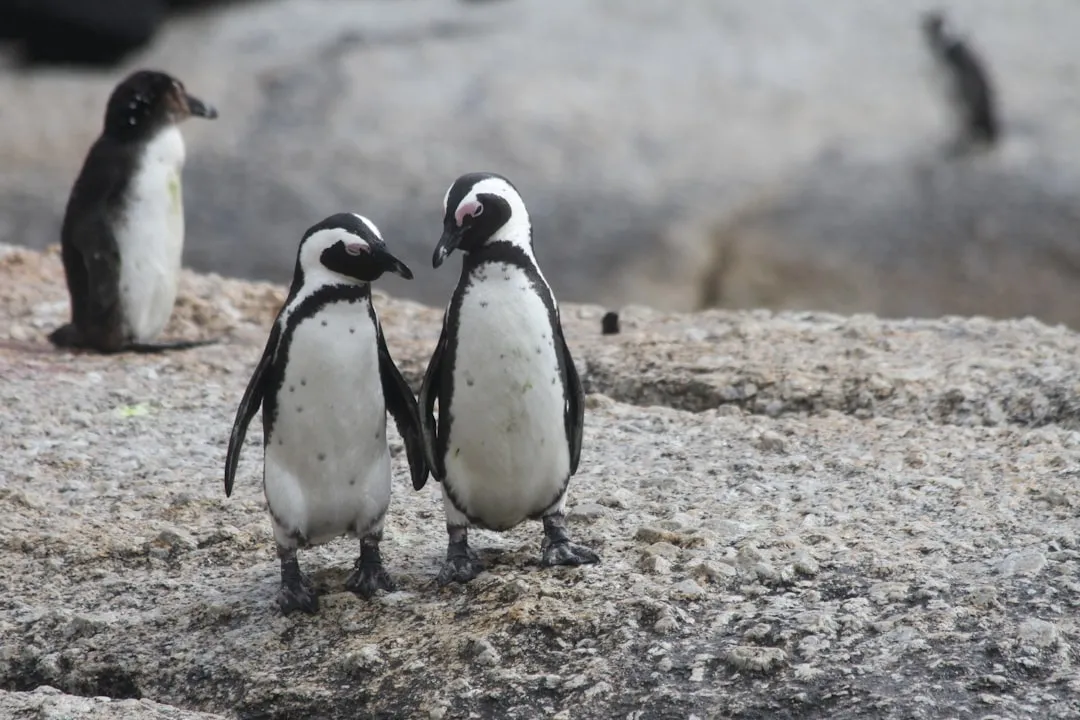
Penguins have been sold to us as the poster children of eternal, uncomplicated love. Kids’ books and viral posts love the idea that a penguin picks one mate “forever” and that’s the whole story. Reality is messier, and honestly a lot more human than the fairy tale version.
Yes, many species show strong bonds within a single breeding season. But genetic testing has revealed something the early researchers glossed over: plenty of penguins quietly switch partners in later years, and some populations show surprisingly high mate-switching rates over a lifetime. DNA tests even show that eggs in a nest aren’t always fathered by the social partner sitting right next to them. Same-sex pair bonds and adoptive pairs also turn out to be more common than anyone dared publish at the time, simply because it didn’t fit the tidy “traditional family” story everyone wanted to tell.
#8 – “Lazy” Male Lions Are Actually the Pride’s Enforcers
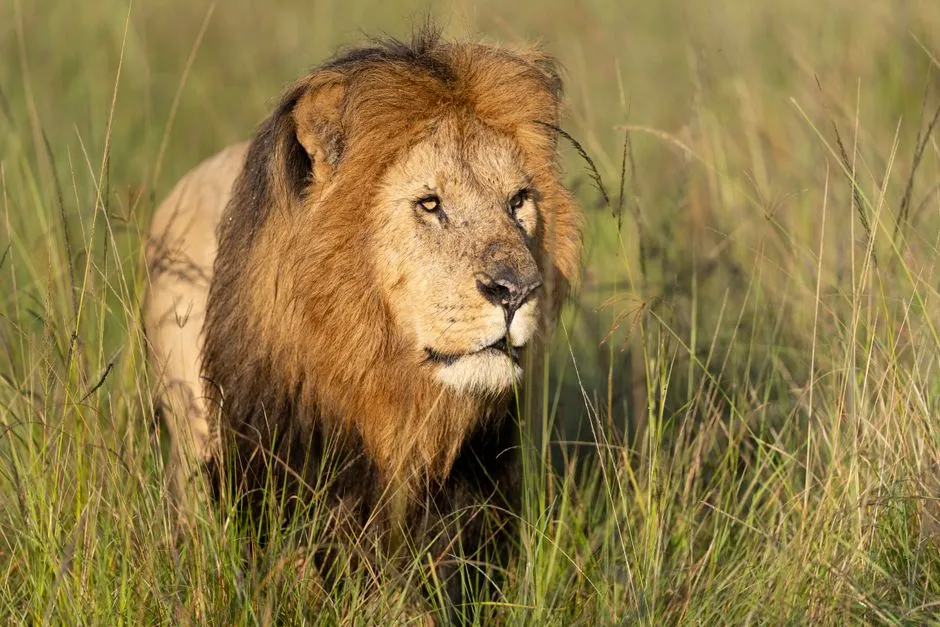
The classic safari trope says male lions just nap in the shade while the lionesses do all the hunting. It’s a meme that writes itself: guys sleeping, girls grinding. It’s also selectively true at best, cherry-picked from daytime footage that only tells half the story.
Night-vision tracking studies flip the script. Male lions hunt frequently, especially after dark, and they’re the ones who take on the most dangerous targets, like full-grown buffalo or invading rival males. On top of that, males function as the pride’s fortress walls – patrolling territory, fighting off coalitions of intruders, and risking death to protect cubs that aren’t even always guaranteed to be theirs. Remove the males from a pride, and it can collapse almost overnight as new males move in and kill the existing cubs. Calling them “lazy” ignores that their entire job is violence nobody wants to film in daylight.
#7 – Cuckoo Birds Aren’t Villains, They’re Losing an Arms Race
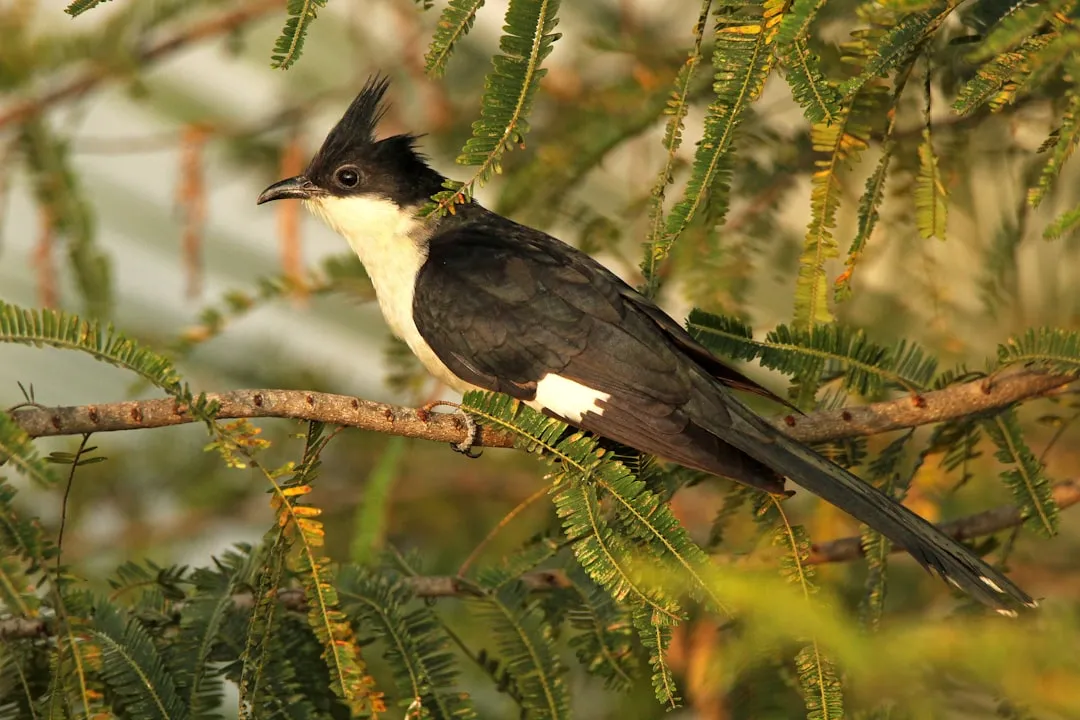
Everyone knows the cuckoo as nature’s con artist: it sneaks an egg into another bird’s nest, and the chick that hatches shoves out the rightful babies. End of story, or so we thought. Early researchers framed host birds as helpless, clueless victims getting fooled every single time.
Now we know it’s a full-blown evolutionary war, and the hosts fight back hard. Many species have evolved remarkably precise egg recognition, rejecting or destroying foreign eggs the moment the pattern looks even slightly off. Cuckoos counter by evolving eggs that mimic the host’s exact colors and speckling. Some hosts get so suspicious they’ll abandon an entire clutch and start over from scratch, a brutal but effective reset button. Others go on the offensive, mobbing adult cuckoos to chase them out of the neighborhood before they can even lay an egg.
#6 – Elephants Don’t “Never Forget” – Their Memory Is Laser-Targeted
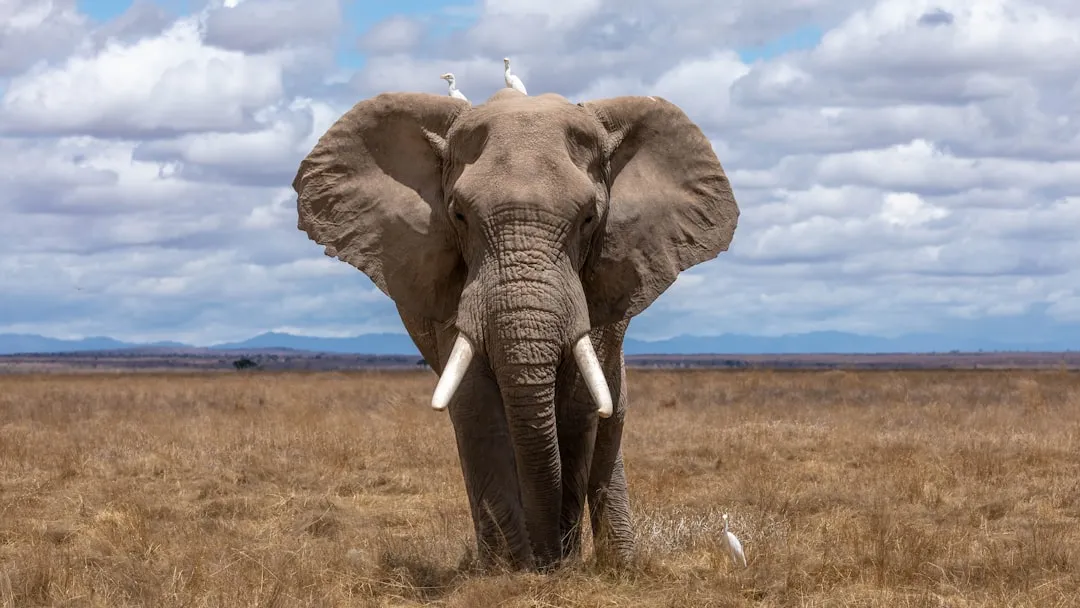
The old saying made it sound like elephants are walking hard drives, storing every single detail forever. The real version is stranger and more useful: elephants don’t remember everything, they specialize in remembering exactly what keeps them alive.
Long-term matriarchs can recognize the calls of dozens of relatives and instantly sort friend from potential threat. Field studies comparing older and younger matriarchs found the elders were dramatically better at identifying which unfamiliar males were dangerous, and when it was time to move the whole herd. That’s memory shaped by survival pressure, not a party trick for tourists. Elephants absolutely do forget things, especially when stressed or forced out of their home range – the myth is wrong, but it accidentally points at something real: their memory isn’t magical, it’s ruthlessly efficient.
Worth Knowing
- Elephant herds are led by the oldest, most experienced female – the matriarch – not the physically strongest one.
- Older matriarchs generally outperform younger ones at telling a dangerous stranger’s call from a familiar, harmless one.
- Losing an experienced matriarch, whether to poaching or natural death, can strip a herd of decades of accumulated survival knowledge.
- Stress and unfamiliar territory measurably weaken elephant recall, showing the memory is practical rather than limitless.
#5 – Dolphins Aren’t the Ocean’s Smiling Saints We Marketed Them As
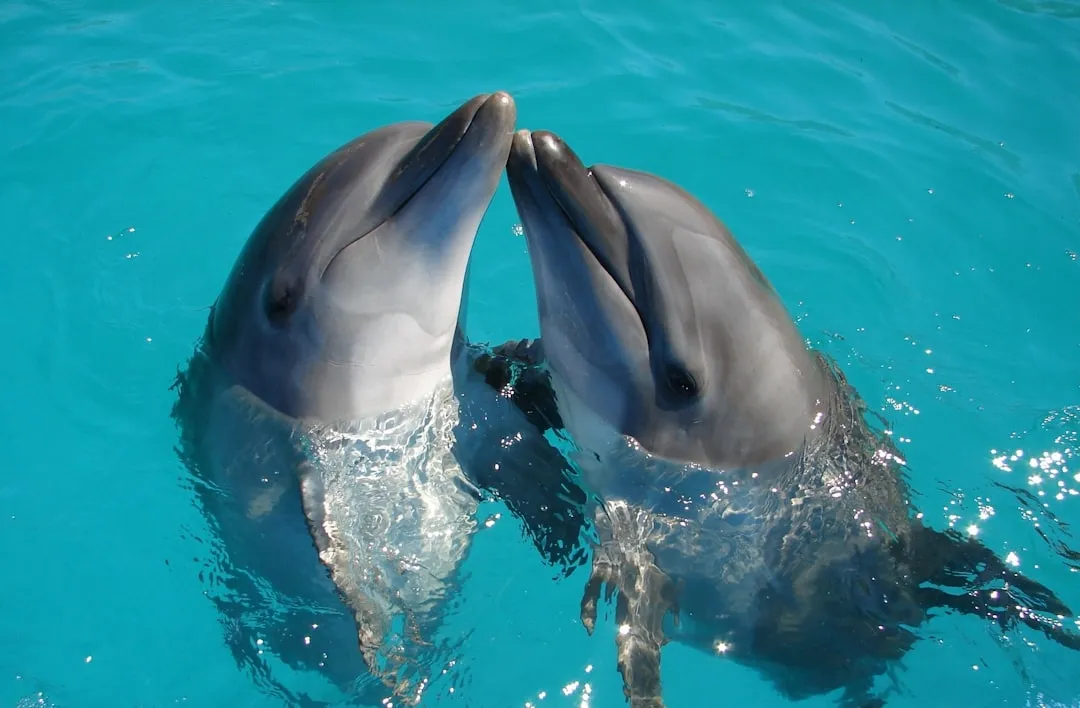
For years, dolphins got branded as the ocean’s friendly geniuses – playful, gentle, practically honorary humans with permanent smiles. Trainers, tourism ads, and even some researchers leaned hard into that image, and it stuck.
Cognitive studies do show dolphins have genuinely complex communication and self-recognition. But they’re also capable of aggression, harassment, infanticide, and coercive mating within their own groups – behavior early popularizers quietly skipped over because it didn’t match the brand. Wild dolphins have been observed killing porpoises with no clear feeding benefit, and males form alliances specifically to monopolize females. None of this makes them evil; it makes them animals shaped by competition, same as everything else on Earth. The discomfort is entirely ours – we projected moral purity onto anything with a fixed grin, and reality never signed up for that role.
#4 – Meerkats Aren’t Just Cute Babysitters, They Can Be Ruthless
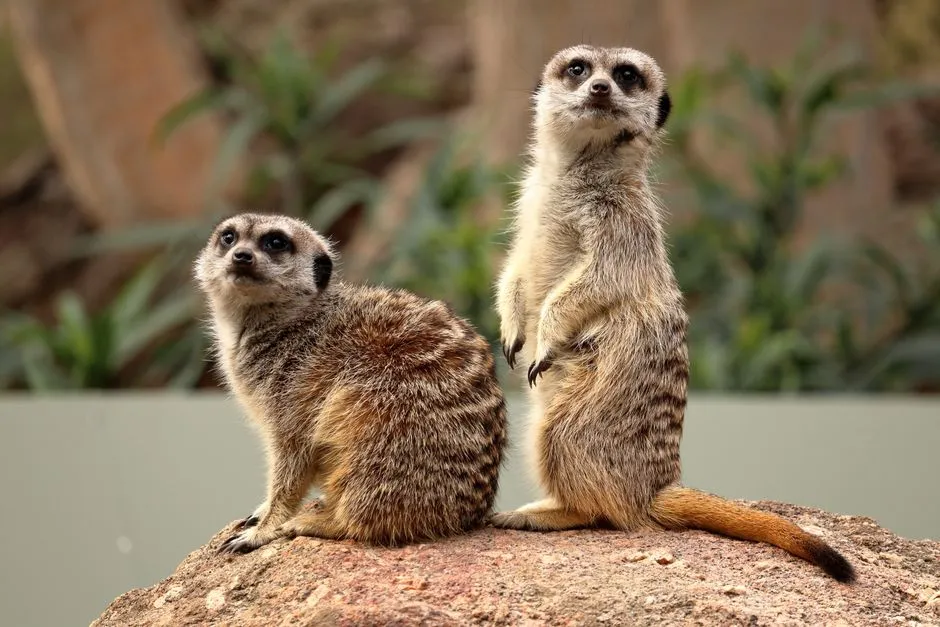
Nature documentaries turned meerkats into desert sitcom stars – quirky, cooperative, cheerfully raising each other’s pups like one big happy commune. Cooperation is real, and meerkats are genuinely one of the best examples of social animals helping raise young that aren’t their own. But the “everyone just helps everyone” narrative buried a much darker side.
In some groups, dominant females kill or evict the offspring of subordinates outright. Evicted females with tiny pups often lose them entirely, and sometimes die themselves in the process. Helpers aren’t equal contributors either – some specialize in babysitting, some in sentry duty, and yes, some are outright freeloaders exploiting the system. The group still benefits overall, but it’s not a utopian commune. It’s a tense, tightly managed society where rank and timing can decide whether you get to breed or get punished for trying.
Quick Compare
- Babysitters: Stay behind at the burrow to guard and nurse pups that aren’t their own.
- Sentries: Take turns standing watch for eagles, jackals, and snakes, barking specific alarm calls for each threat.
- Freeloaders: Contribute little to group upkeep but still enjoy the safety of numbers.
- Dominant females: Control most breeding rights and will evict or harm rivals’ pups to protect their own bloodline.
#3 – Octopuses Are Brilliant, But They’re Not Secret Aliens
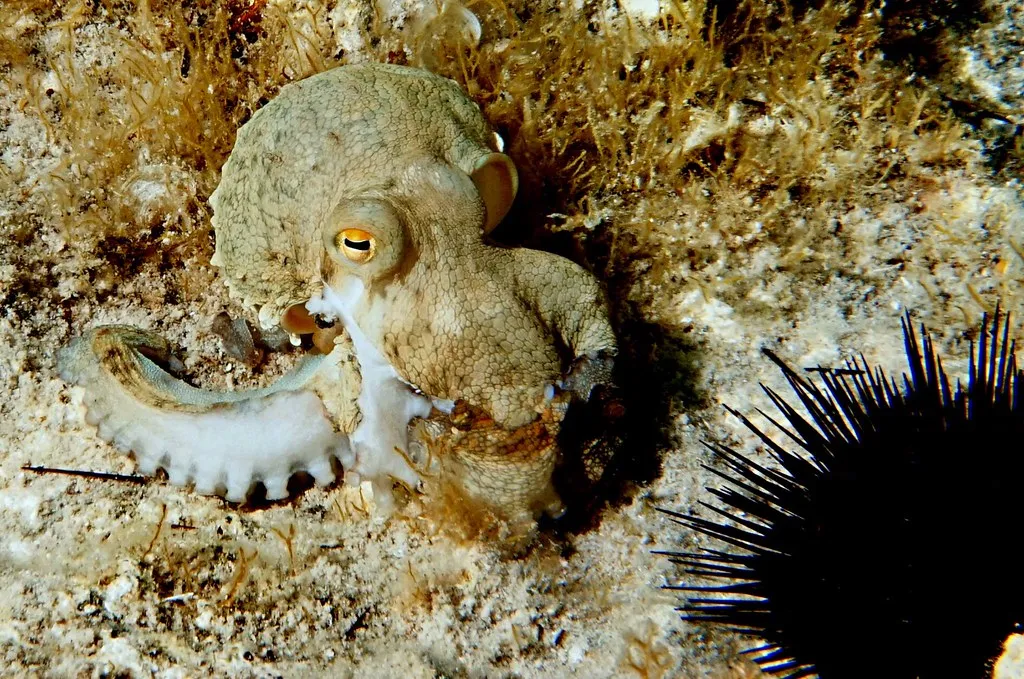
Internet culture loves the idea that octopuses are basically aliens that fell from space, a claim fed by misinterpreted papers and breathless headlines. Their problem-solving skills, tool use, and camouflage tricks made early researchers gasp, and the story ran wild from there.
Here’s the grounded version: octopus intelligence is extraordinary for an invertebrate, but it evolved right here on Earth, under specific pressures like solitary hunting in complex reef environments. Their nervous system is wildly decentralized, more like a network than a single brain-on-a-stick, and that’s exactly what fascinates neuroscientists. There’s zero solid evidence they’re extraterrestrial or anything close, and not every octopus species is a puzzle-solving escape artist – some are fairly simple ambush predators. Turning them into cosmic philosophers actually distracts from the real story: Earth builds radically different kinds of intelligence all on its own, no aliens required.
#2 – Bird Migration Isn’t Random, It’s a Precision Survival Code

For decades, the casual explanation made migration sound almost lazy: birds fly south when it gets cold and hope for the best. Early banding data was too patchy to prove otherwise, so scientists genuinely underestimated how precise these journeys are.
Modern GPS trackers changed everything. Many species follow deeply ingrained routes, timing, and stopover sites, sometimes landing on the exact same tiny wetland year after year. Young birds of some species navigate thousands of miles on their very first migration, likely combining celestial cues, Earth’s magnetic field, and landmarks they’ve never even seen before. It’s not random movement – it’s a finely tuned survival algorithm passed down through generations. When humans drain a wetland or light up a coastal city, we’re not just being inconvenient; we’re corrupting the code, and birds pay for it with collisions and missed refueling stops that can be fatal.
At a Glance
- Arctic terns fly roughly 44,000 miles a year chasing endless summer between the Arctic and Antarctic.
- A bar-tailed godwit holds the nonstop flight record: about 7,500 miles from Alaska to New Zealand without a single landing.
- Tracked godwits have corrected course after brutal storms, suggesting an internal sense of direction rather than pure luck.
- GPS tagging now lets researchers watch individual birds return to the exact same small wetland year after year.
#1 – “Pure Instinct” Animal Parenting Was a Comforting Lie
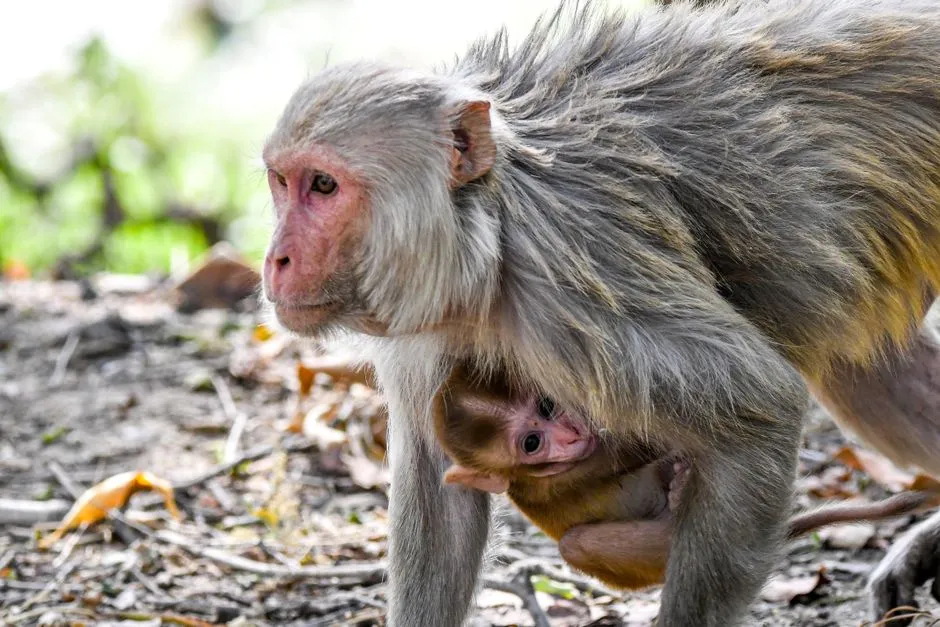
For a long time, textbooks drew a clean line: human parenting was learned and cultural, while animal parenting was just hard-wired instinct – automatic, emotionless, robotic. That tidy divide does not survive contact with real data.
Across birds, mammals, and even some fish, parents show flexible, experience-driven care, adjusting how they protect, feed, and teach their young based on what worked last time and how conditions change. Experienced bird parents improve nest placement and feeding efficiency over multiple seasons. Mammal mothers shift weaning times depending on food availability and how their offspring are doing. In some primates and elephants, individuals practice caregiving on younger siblings or cousins long before they ever raise young of their own. Hormones matter, sure, but so does practice and social context – and the “pure instinct” story stuck around mainly because it made humans feel special.
The Bottom Line
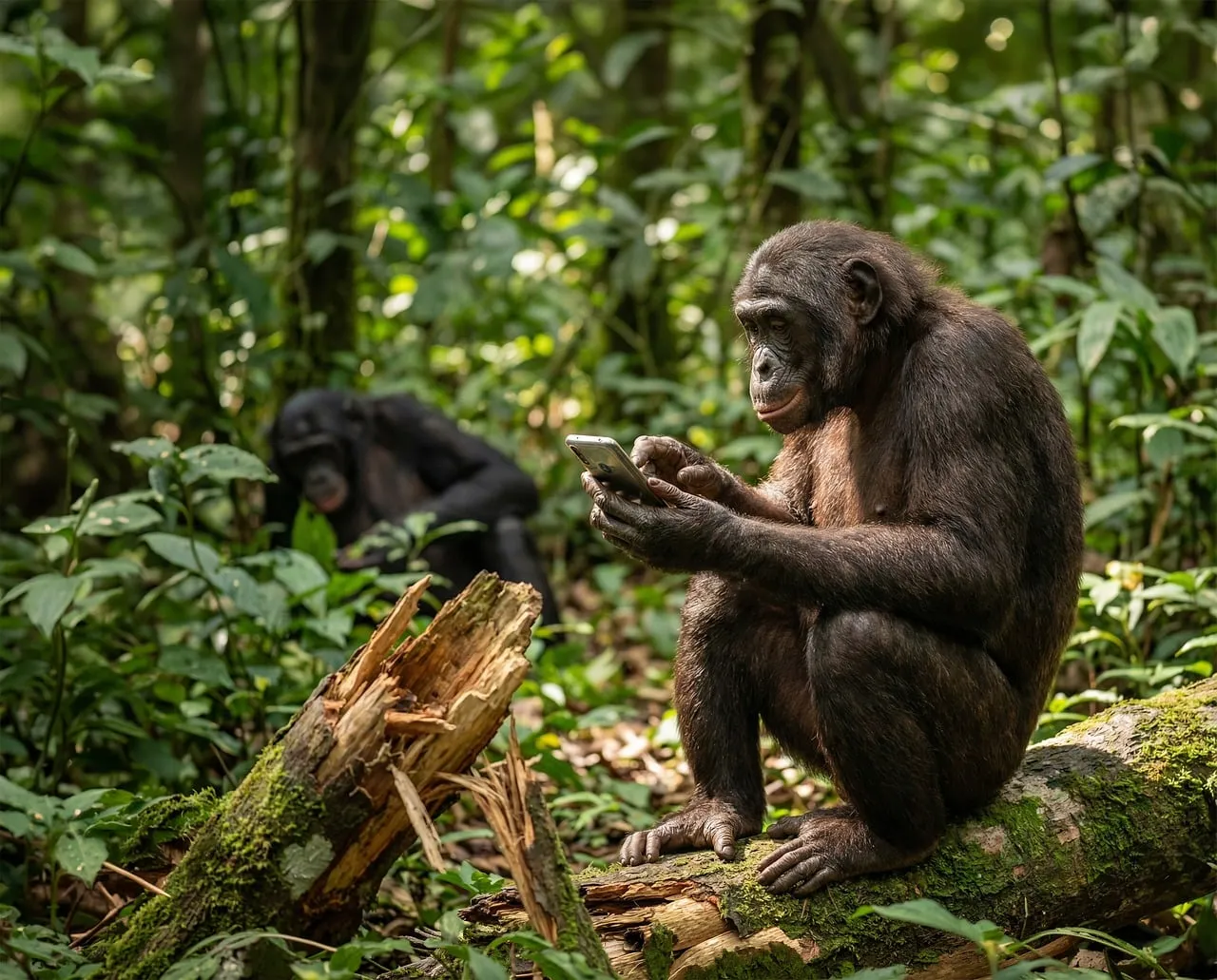
Line these ten cases up and a pattern jumps out immediately: the biggest mistakes were never really about animals being mysterious. They were about us forcing tidy, convenient stories onto messy, complicated realities. Wolves weren’t tyrants, penguins weren’t saints, lions weren’t freeloaders, and dolphins definitely weren’t ocean angels.
Anthropomorphism is often seen as a cardinal sin in animal behavior studies, but I believe not applying it can be an even greater sin.
Frans de Waal
Whenever a behavior made a cute headline or a convenient moral lesson, the nuance got quietly edited out for decades. Now long-term data and better technology are rewriting the scripts, one uncomfortable correction at a time. Animals were never symbols for our politics or our personalities – they’re complex beings running their own evolutionary experiments, on their own terms, whether that flatters us or not. Some people will hate that because it ruins a good meme. That’s exactly why it’s worth knowing.
So which of these old “facts” do you still find yourself repeating out of habit – and what do you think today’s scientists still have wrong?

- 12 Pollinator Gardens That Also Attract Songbirds - August 4, 2026
- 9 Ecosystem Engineers That Change Entire Landscapes - August 4, 2026
- 10 Animal Behaviors That Scientists Misunderstood for Decades - August 4, 2026