
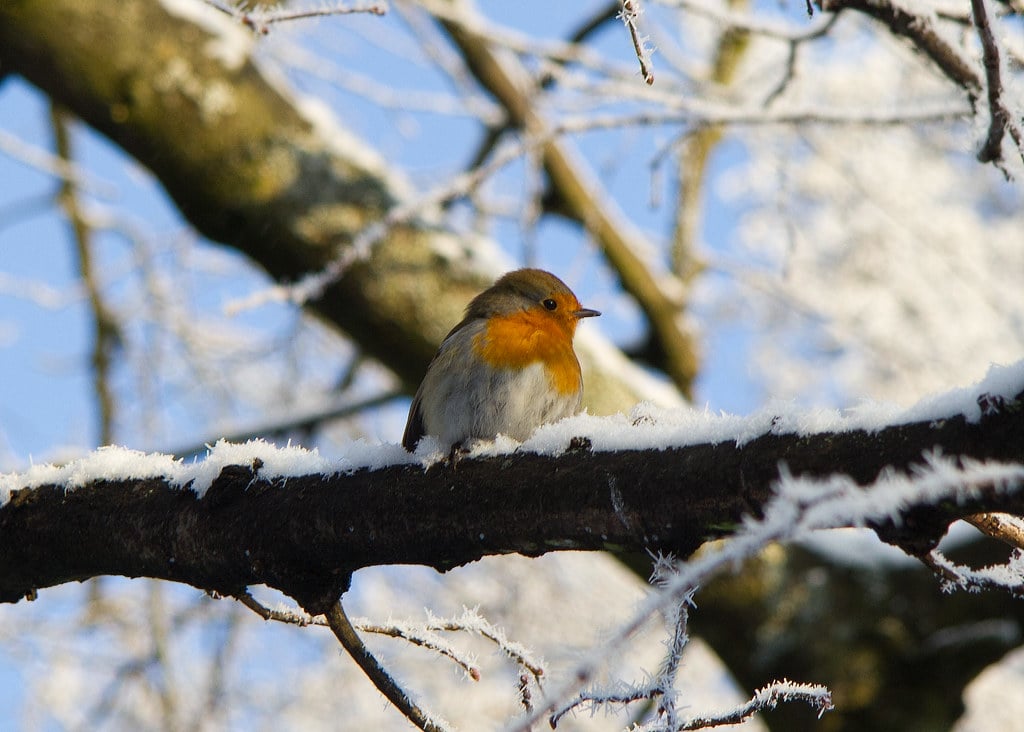
If you spot a bright-breasted robin hopping across a frozen lawn in the middle of a bitter cold spell, it can feel oddly comforting and slightly unsettling at the same time. Aren’t they supposed to be long gone by now, basking somewhere warmer while we shovel snow off the driveway?
The truth is more complicated and a lot more interesting. , it’s not just a quirky bird story – it is a real-time signal about changing seasons, shifting food webs, and how wildlife is trying to adapt on the fly. Let’s unpack what might really be happening when those red chests refuse to head south.
Aren’t Robins “Supposed” To Migrate? The Myth vs. Reality
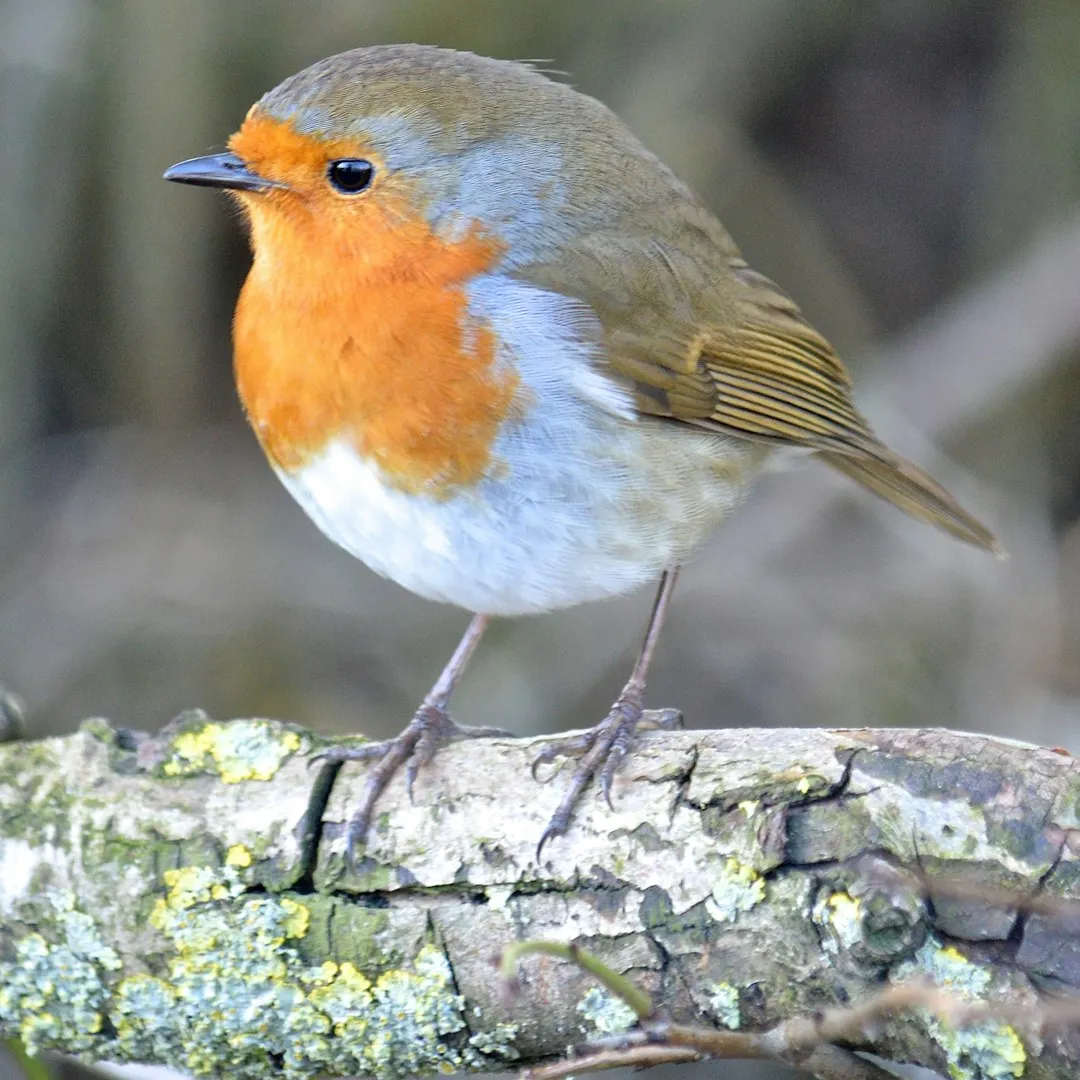
Many of us grew up thinking robins are the first true sign of spring, appearing like clockwork after winter’s done. That simple picture leaves out the fact that robins are actually pretty flexible birds, and not all of them follow the same script. Some migrate long distances, others only shift a few hundred miles, and a surprising number stay near their breeding grounds all year.
Instead of thinking of robins as strictly summer visitors, it’s more accurate to see them as opportunists. If food is available and conditions are survivable, they may not bother migrating far at all. So when you see robins in deep winter, you’re not necessarily looking at “confused” birds, but individuals that are playing the odds in a changing environment.
How Robins Survive When Temperatures Plunge
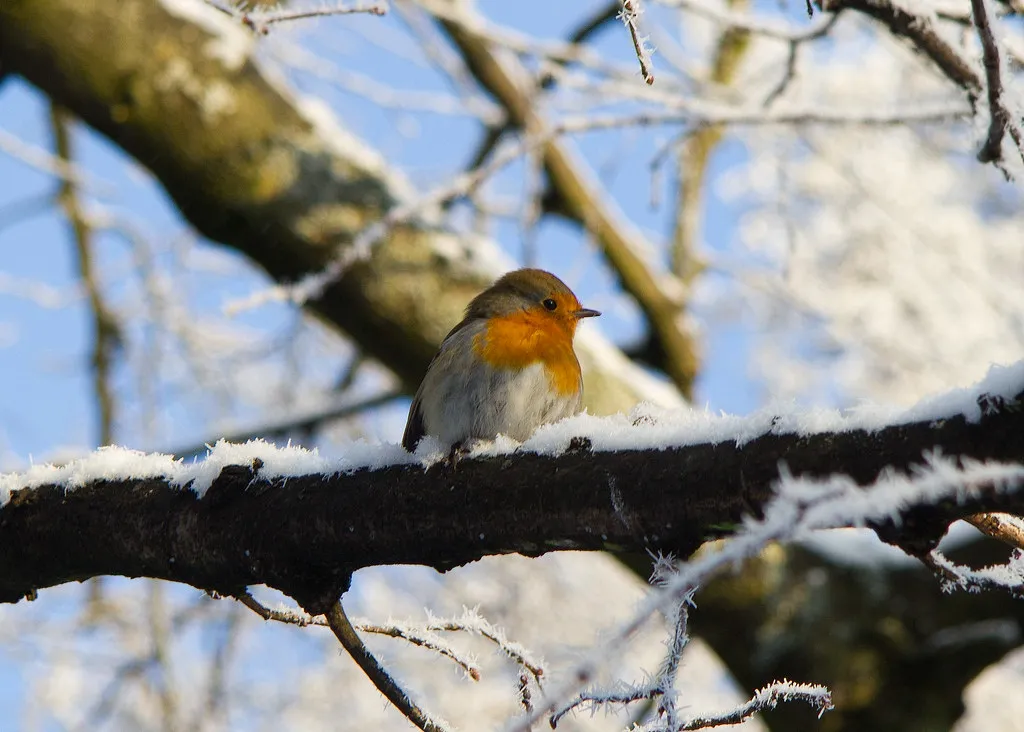
It seems almost impossible that a small bird can make it through nights that dip well below freezing, but robins have a suite of survival tricks. They fluff their feathers to trap insulating air, tuck their bills into their shoulders, and roost in sheltered spots like dense shrubs, evergreens, or even building ledges that cut the wind. Their feathers are much better at holding warmth than they look.
Energy management is the other half of the equation. In cold weather, robins must constantly balance the calories they burn staying warm with the calories they can find in the landscape. When you see them looking puffed-up and still, they’re often conserving energy, not being lazy. In an unusually cold winter, that balance gets razor-thin, and small changes in food availability can mean the difference between survival and starvation.
From Worms to Berries: Winter Food Strategies
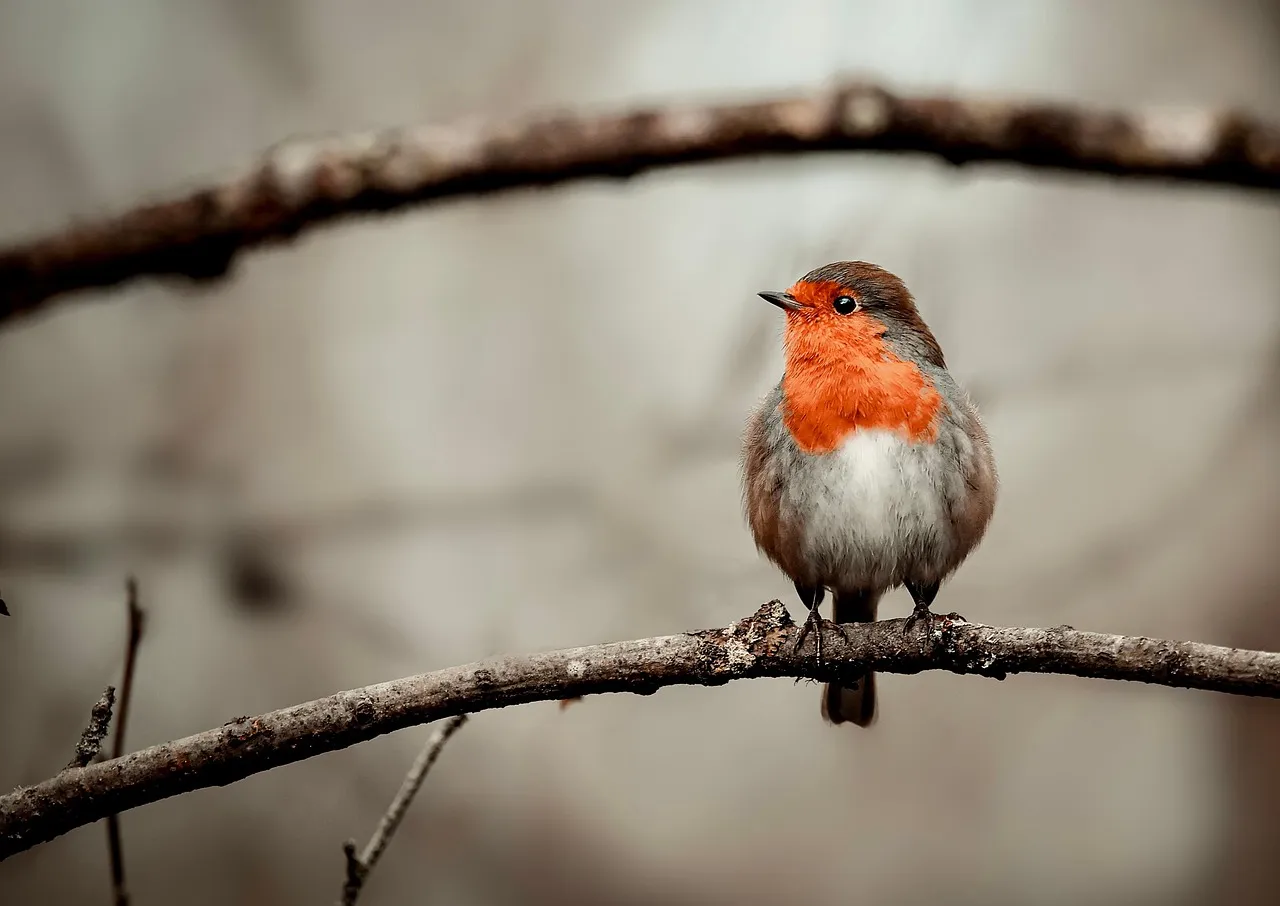
Most of us picture robins yanking earthworms out of soggy lawns, but in winter those lawns are often rock-hard and useless. When the soil freezes, robins pivot to fruit, swallowing berries from trees and shrubs like crabapples, holly, juniper, dogwood, and sumac. A yard full of berry-bearing plants can be the equivalent of a full pantry for overwintering robins.
In unusually cold spells, that fruit can become scarce or covered in ice, forcing robins to forage farther and take more risks, such as venturing into busier urban areas. Sometimes you’ll see big loose flocks working through a neighborhood, stripping trees as they go. That behavior is not random wandering; it’s a coordinated search for high-energy food in a landscape that suddenly turned harsh.
Are Winter Robins a Sign of Climate Change?
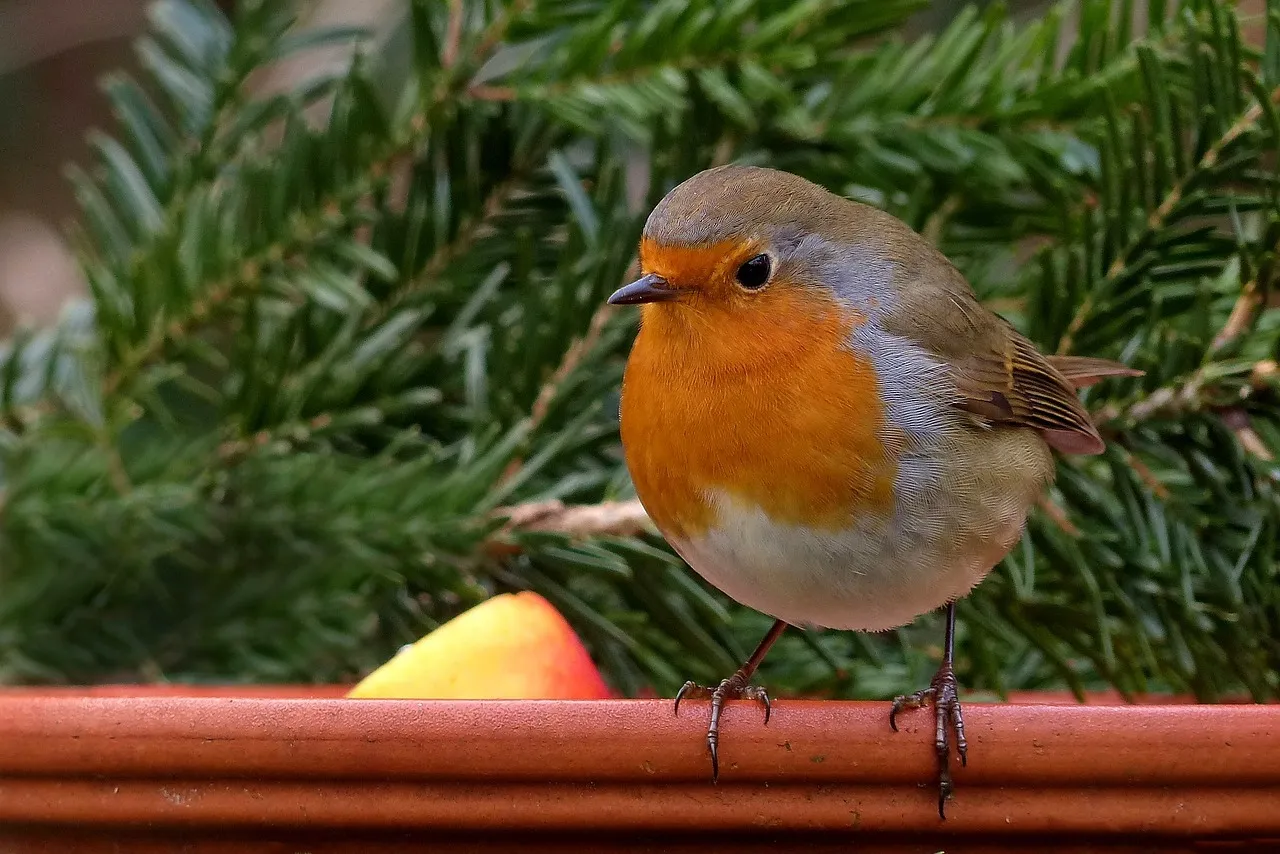
When you notice more robins sticking around in winters that feel increasingly strange, it is natural to wonder if this is another climate-change story. In many regions, winters have become milder on average over the past several decades, with shorter periods of deep cold and longer stretches where ground is at least partially thawed. That can make it easier for some robins to stay rather than risk a long migration.
But here’s the nuance: a milder average winter does not mean there are no brutal cold snaps. Robins that “bet” on staying north might enjoy easier conditions most years, but they’re also more exposed when an unusually severe or late cold wave hits. In that sense, winter robins can look like a living indicator of climate weirdness – making use of warmer trends but vulnerable when the old-fashioned winter suddenly shows up.
Why You Might Be Seeing More Robins in Your Yard
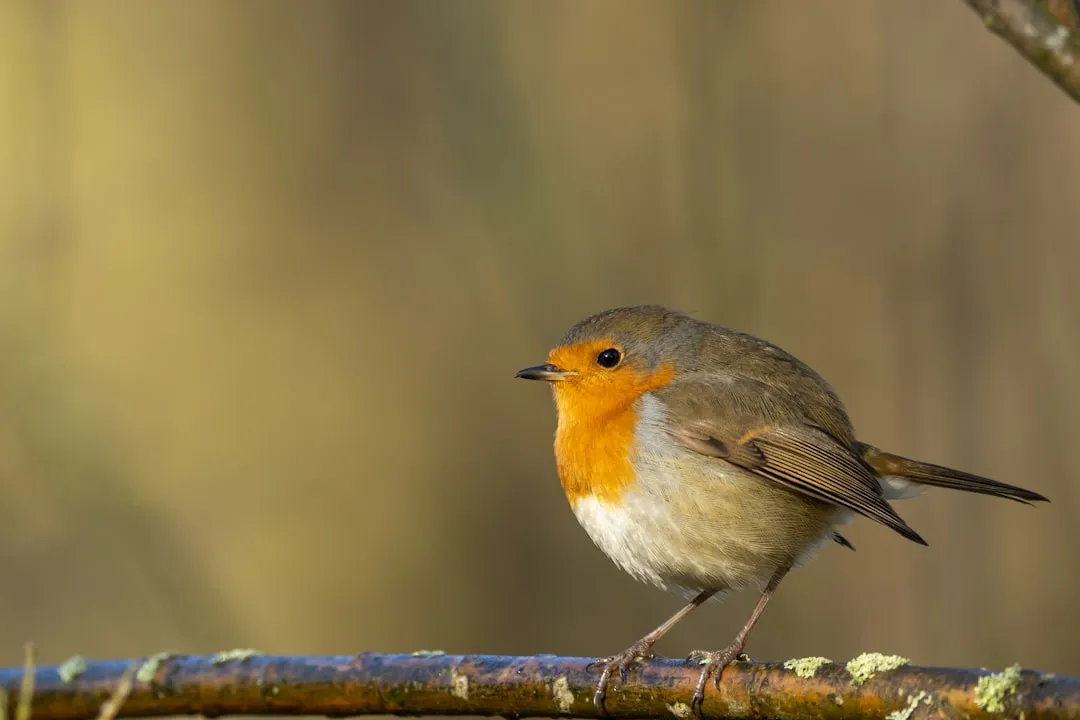
If it feels like you are seeing more robins during cold winters than you did as a kid, there might be several overlapping explanations. Suburban neighborhoods now often have more ornamental trees and shrubs that hold fruit through winter, essentially creating buffets for fruit-eating birds. Robins will concentrate in these pockets of food, making them more visible even if their overall numbers have not skyrocketed.
Human behavior plays a role too. More people work from home, walk their neighborhoods, and notice what is going on outside their windows. Phone cameras make it easy to capture and share bird sightings, which can create the impression of a sudden surge. Some of that is just better observation, but part of it may also be robins discovering that our built landscapes are not such a bad place to ride out the cold.
Health Risks and Strange Behaviors in Harsh Cold
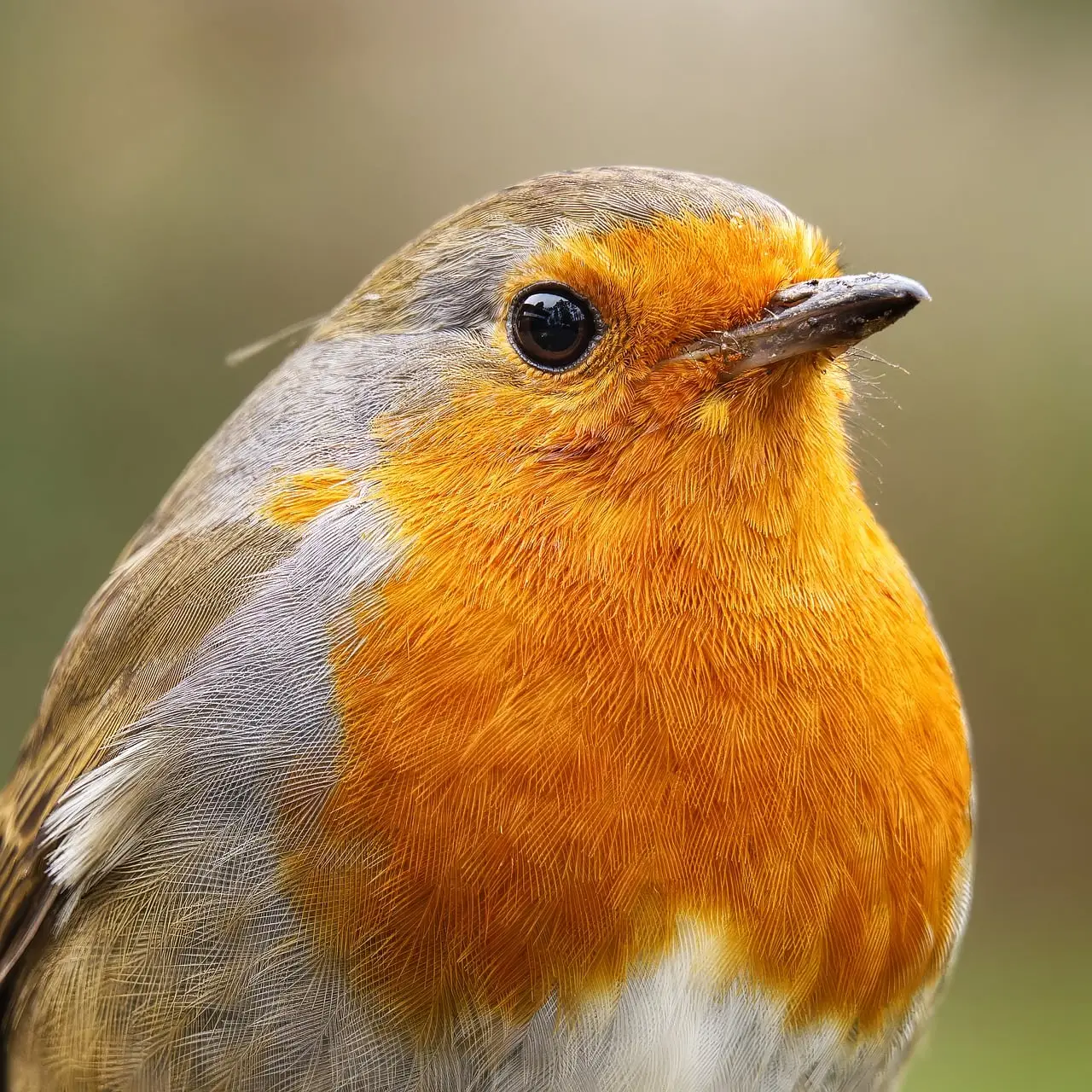
Staying through an unusually cold winter is not without real risk for robins. Extreme cold can lead to higher mortality if food is locked under ice or buried in deep snow for long stretches. Birds that burn through their fat reserves without finding enough replacement calories can weaken quickly, making them more vulnerable to disease and predators.
Under stress, robins may show up in unexpected places: gathering in large numbers around a single fruiting tree, lingering near heated buildings, or acting more tolerant of human presence than they usually would. Sometimes they feed on fermented berries that have partially spoiled, which can make them appear disoriented or clumsy. Those odd scenes are not signs that they are “crazy,” but that they are scraping by at the edges of what their bodies can handle.
What You Can Do to Help Overwintering Robins
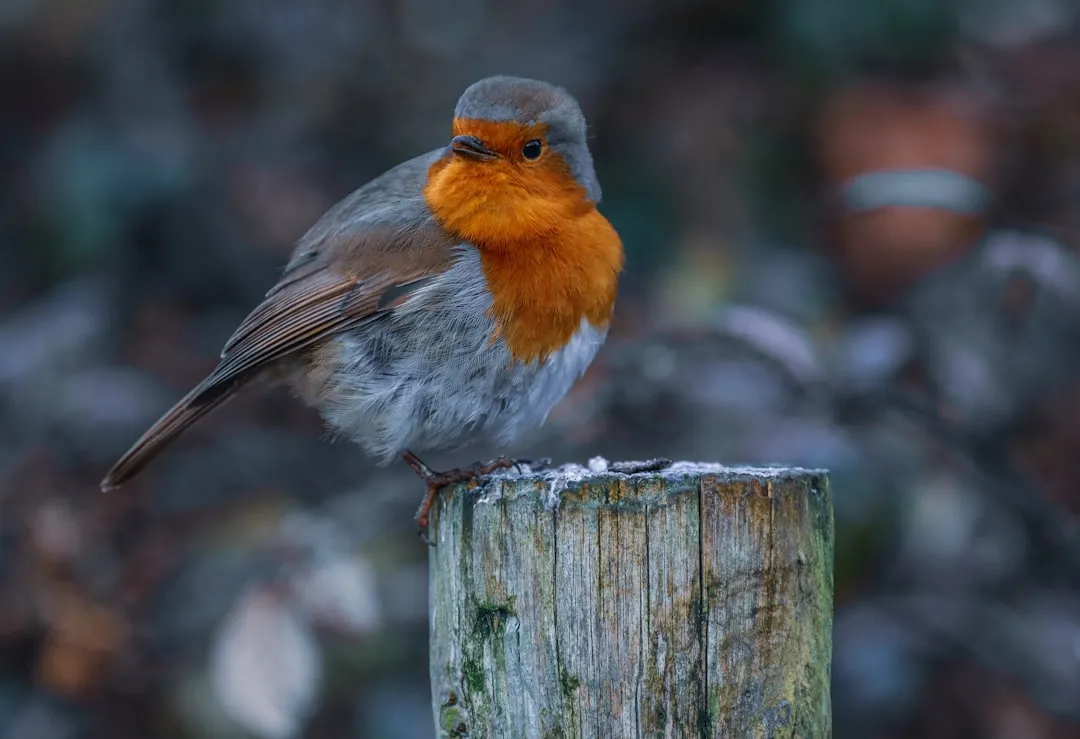
If you feel a tug of responsibility watching robins push through a frigid season, there are simple, practical ways to help without turning your yard into a zoo. Native fruit-bearing trees and shrubs are one of the best long-term supports you can offer, because they line up with robins’ natural diets and timing. Think of it as planting a living safety net that comes back year after year.
In the shorter term, providing clean, unfrozen water can be a lifesaver in deep cold, since liquid water is often harder to find than food. Some people also offer chopped berries, raisins soaked in warm water, or small bits of suet on a tray feeder, placed where cats cannot reach. You do not have to create a bird resort; just a few thoughtful changes can turn your yard into a meaningful stopover during the hardest days of winter.
What Winter Robins Are Really Telling Us
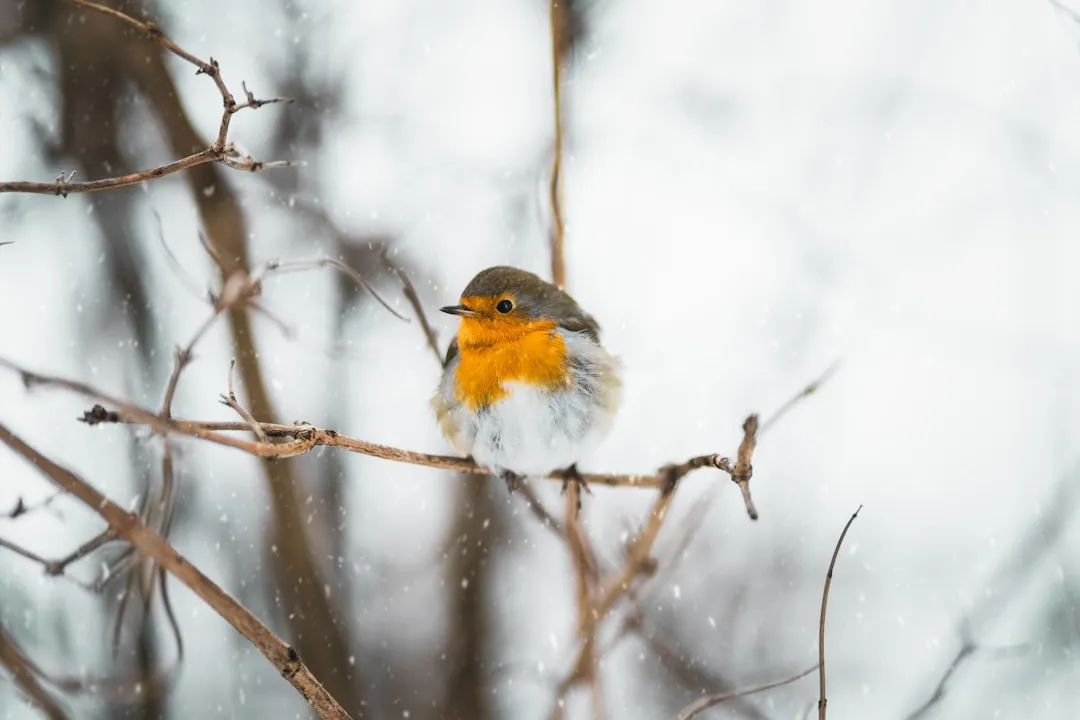
When robins stay through an unusually cold winter, they are sending us a quiet but powerful message about resilience, risk, and the edges of change. These birds are not making reckless choices; they are making calculated gambles in a world where winters can swing from strangely mild to dangerously severe in a single season. In that sense, their presence is less a cozy postcard and more a living question mark about where our climate and our landscapes are headed.
Personally, I see winter robins as a kind of test that we are quietly failing or passing, one yard at a time. If we choose sterile lawns and empty hedges, we push these birds closer to the edge; if we choose living spaces full of real habitat, we give them a fighting chance. The next time you spot that flash of orange against the snow, it might be worth asking yourself: are they just surviving here, or are we helping them belong?
