
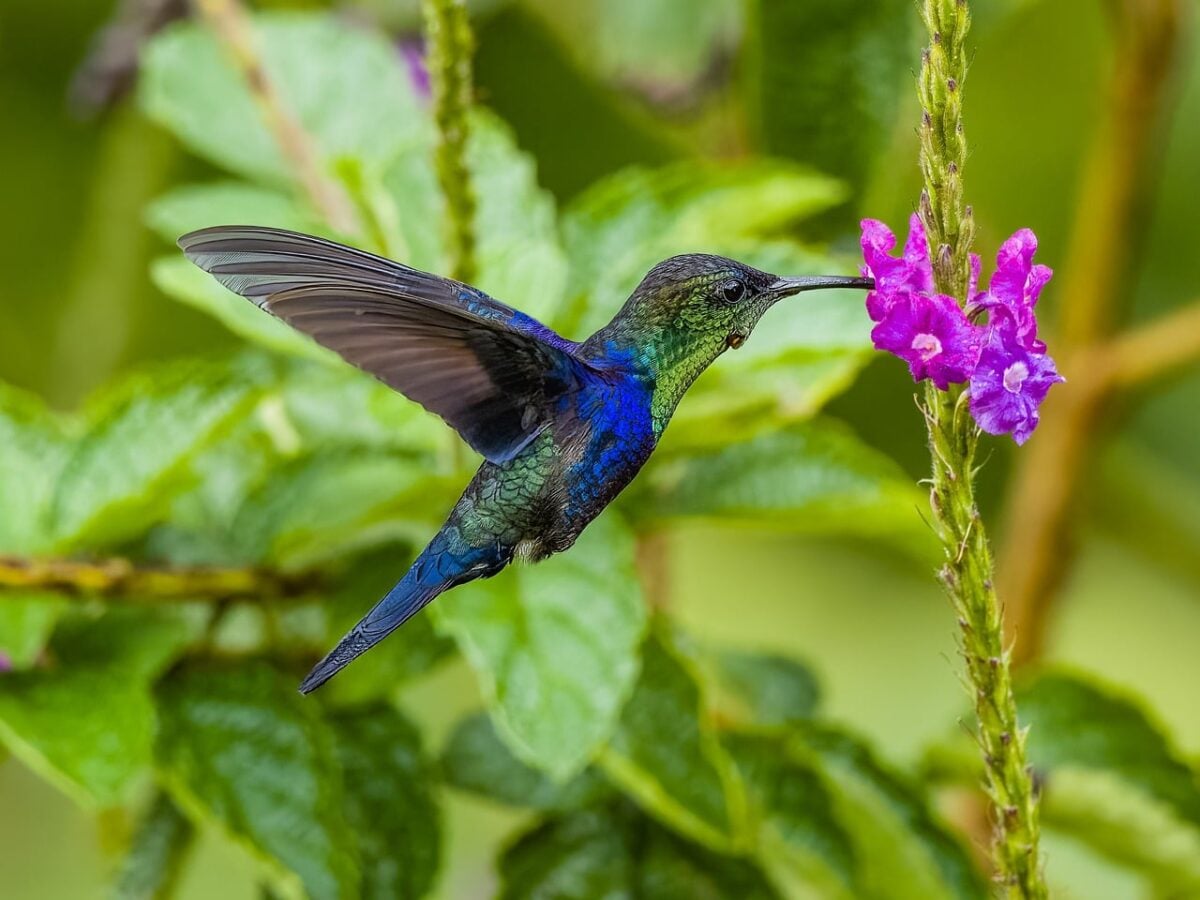
If you pay close attention to your garden calendar, you might notice something a little eerie: hummingbirds often show up again on almost the exact same day each spring or summer. It can feel a bit like they have your address saved in some invisible GPS, or like nature itself is running on a secret timer. A lot of people chalk it up to coincidence, but once you dig into what is actually going on, it starts to look a lot more intentional and a lot more impressive.
That almost-perfect timing is not just cute or convenient for backyard bird‑watchers. It is a clue that you are watching one of the most finely tuned migration strategies in the animal world. When hummingbirds return to your yard on nearly the same date every year, they are telling you something about climate, food, instinct, memory and even the health of the environment around your home. Let’s unpack what that regular arrival really means, and why it is worth paying attention to instead of just refilling the feeder on autopilot.
The Hidden Calendar Inside a Hummingbird’s Body
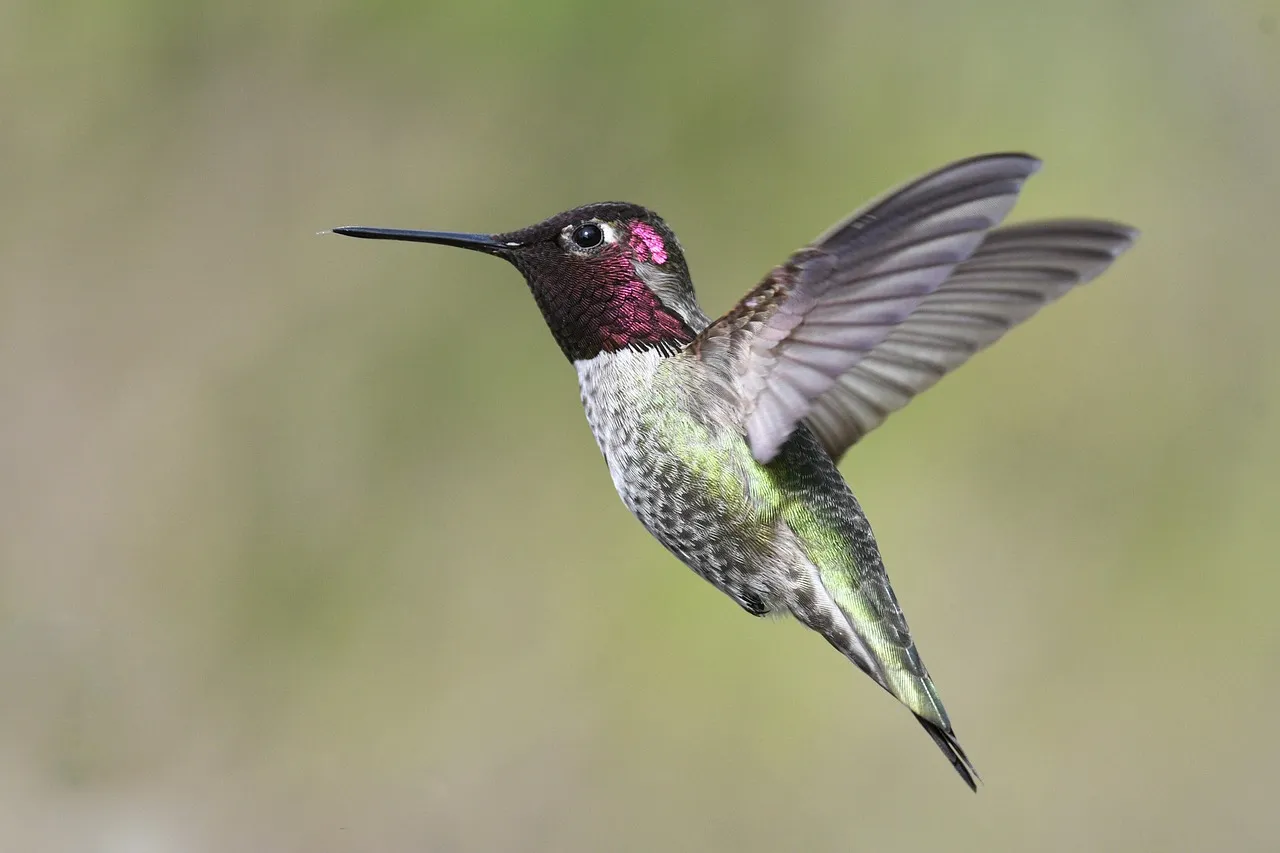
It feels magical when a hummingbird appears right on schedule, but under the feathers there is a very real biological clock helping to drive that timing. Like many migratory birds, hummingbirds use an internal circannual rhythm, which is basically a built‑in year‑long cycle that tells their bodies when to molt, bulk up and hit the sky. Changes in day length, called photoperiod, act like little nudges that keep this inner clock in sync with the real world.
As days slowly get longer in late winter and early spring, hormones in a hummingbird’s body begin to shift. Those hormonal changes trigger restlessness, muscle conditioning and the urge to migrate, a bit like an alarm that has been quietly counting down in the background since the previous migration. So when you see them return on roughly the same date each year, you are watching that inner clock doing its job with almost unsettling precision, year after year.
Migration Routes Etched in Instinct and Experience
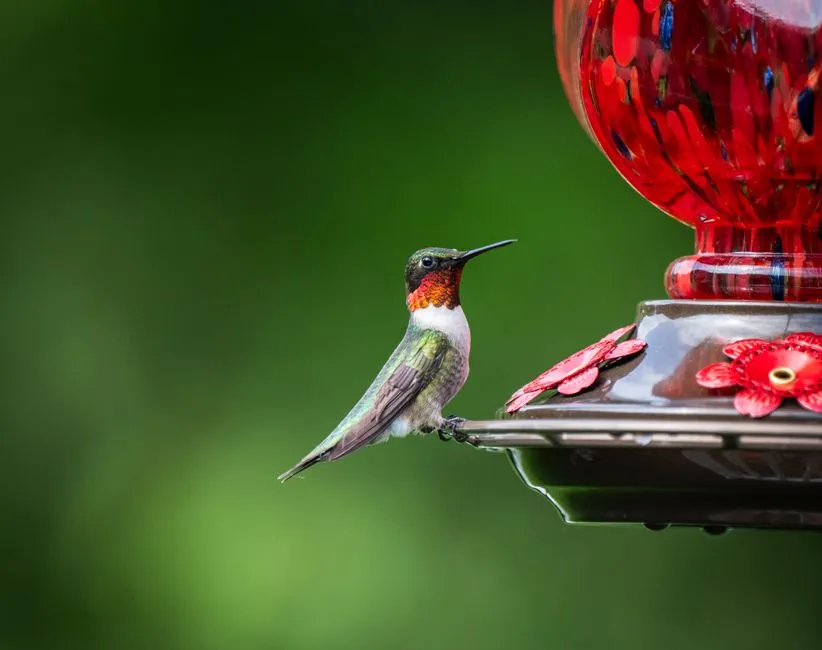
Another big piece of the puzzle is that hummingbirds are not just wandering randomly and hoping to bump into your yard again. They follow traditional migration routes, often stretching from Central America or Mexico up into the United States and Canada, and those routes combine ancient instinct with individual experience. The broad pattern is inherited, but the fine‑tuned details, like where to find a reliable feeder or a nectar‑rich yard, are learned and remembered.
Once a bird has survived a particular route and found dependable stops along the way, your yard can become part of that personal mental map. Returning on nearly the same date every year suggests that your spot has been filed away as a reliable waypoint on that journey. It also means that, for that individual bird or group, conditions along the route have stayed consistent enough that the same timing keeps working, at least for now.
Flower Bloom Times and Food Supply in Sync
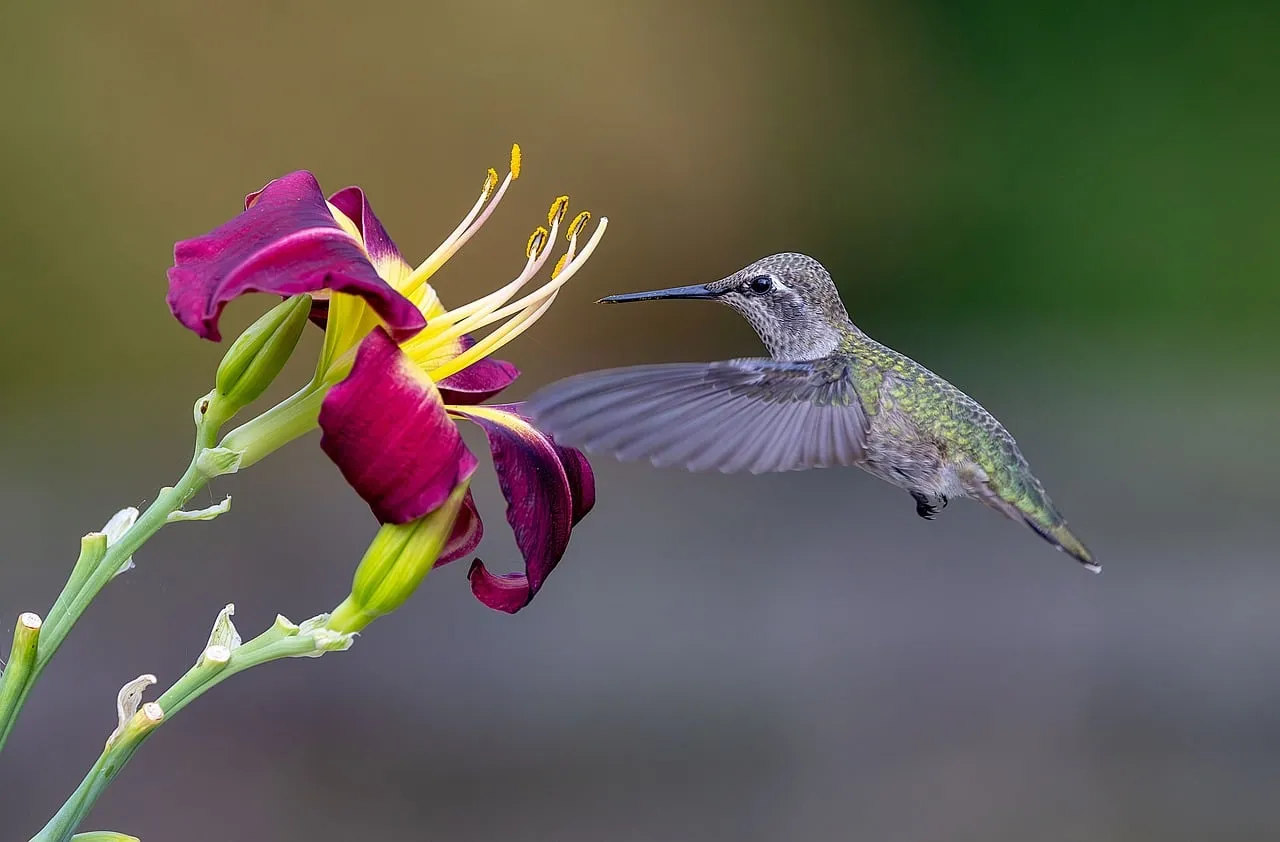
Hummingbirds live on the edge when it comes to energy: their tiny bodies burn fuel at a wild rate, and they cannot afford to arrive somewhere before food is ready. Their migration timing is closely linked to the blooming of nectar‑producing flowers and the emergence of small insects, which provide crucial protein. When your local hummingbirds show up almost the same week every year, it often means that the timing of your local plant life has been relatively stable too.
This connection between bird timing and flower timing is more than just convenient; it is a partnership. The birds get food, and the plants get pollinators that help them reproduce. If you notice your hummingbirds consistently arriving just as certain flowers open or certain trees leaf out, that is nature running an incredibly tight schedule. Your yard becomes a tiny demonstration of how finely tuned the relationship between wildlife and plants can be when things are going well.
Climate Stability (and Subtle Warning Signs)
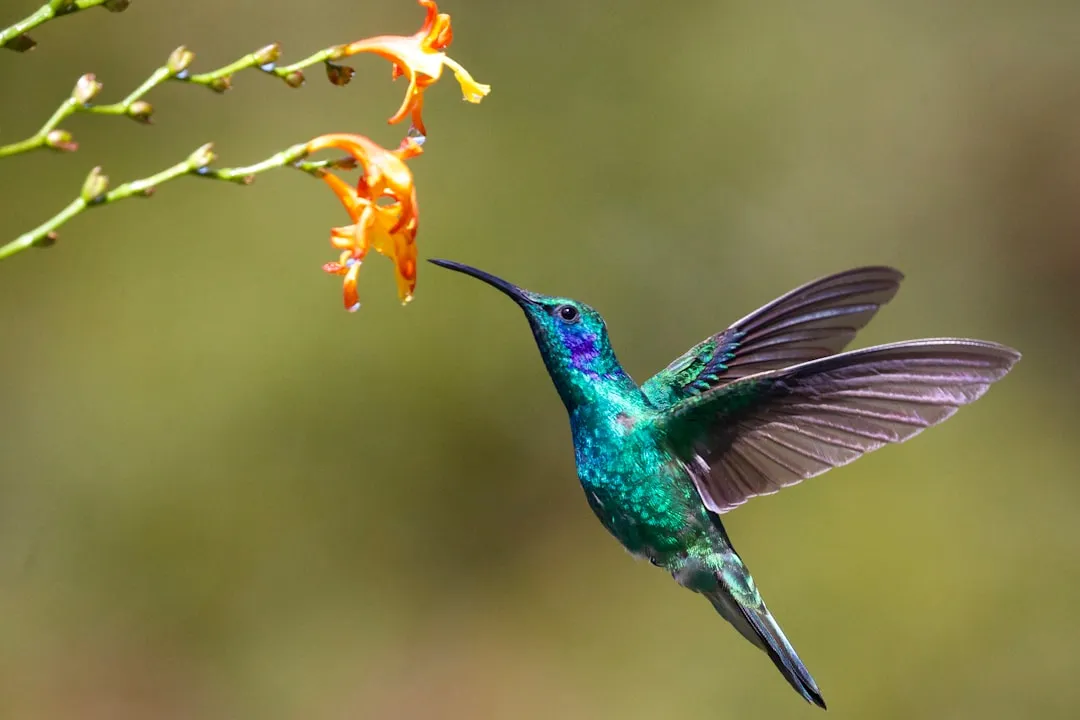
The calendar‑like return of hummingbirds can also say something about your local climate. When conditions such as temperature and rainfall patterns remain fairly predictable from year to year, the birds can safely rely on their usual schedule. Their internal clock, combined with cues like daylight length and weather along the route, keeps lining up with what they expect to find when they arrive. That is why, in many places, you can practically set your watch by their first appearance.
But here is the catch: if you start to notice steady shifts – say, your hummingbirds begin showing up noticeably earlier and sticking to that new timing – that might be a sign of broader changes. Earlier arrivals can reflect warmer springs and earlier blooms, while later arrivals can hint at disruptions elsewhere along the flyway. So when birds keep nailing the same date, it feels reassuring, but if that pattern begins to drift in one direction year after year, it is worth paying attention instead of writing it off as chance.
Site Fidelity: Why Your Yard Becomes “Their” Stop
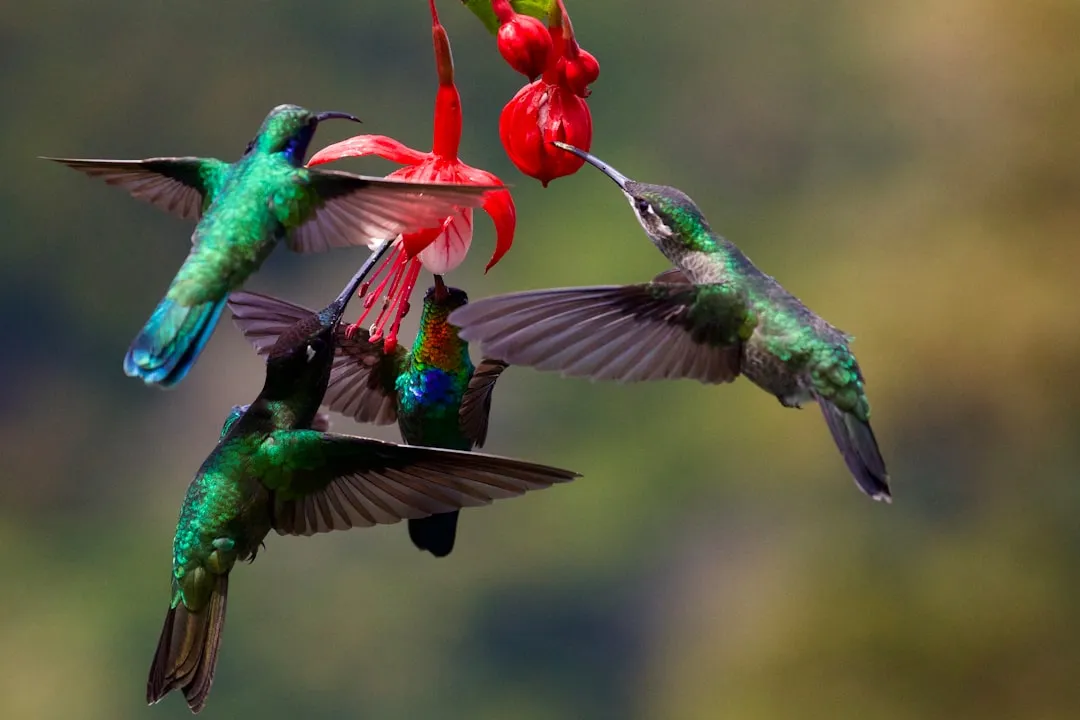
One of the most charming behaviors you see in hummingbirds is site fidelity, the tendency to return to the same feeding or nesting areas year after year. If you have ever felt like “your” hummingbird is back, you might not be wrong; hummingbirds can remember specific spots where they found abundant food and good cover. When one of them finds your reliably stocked feeder or a patch of favorite flowers, that location can get locked into their personal route like a starred location on a map app.
Returning on nearly the same date every year is often a sign that your yard is more than just a random rest stop. It has become a known refueling station, safe enough and predictable enough to plan on. From the bird’s perspective, you are part of its strategy for surviving a long, risky journey. From your perspective, that regular arrival is a compliment: your choices in planting and feeder care are literally shaping the route and timing of a wild creature’s life.
How Your Feeders and Garden Choices Shape Their Timing
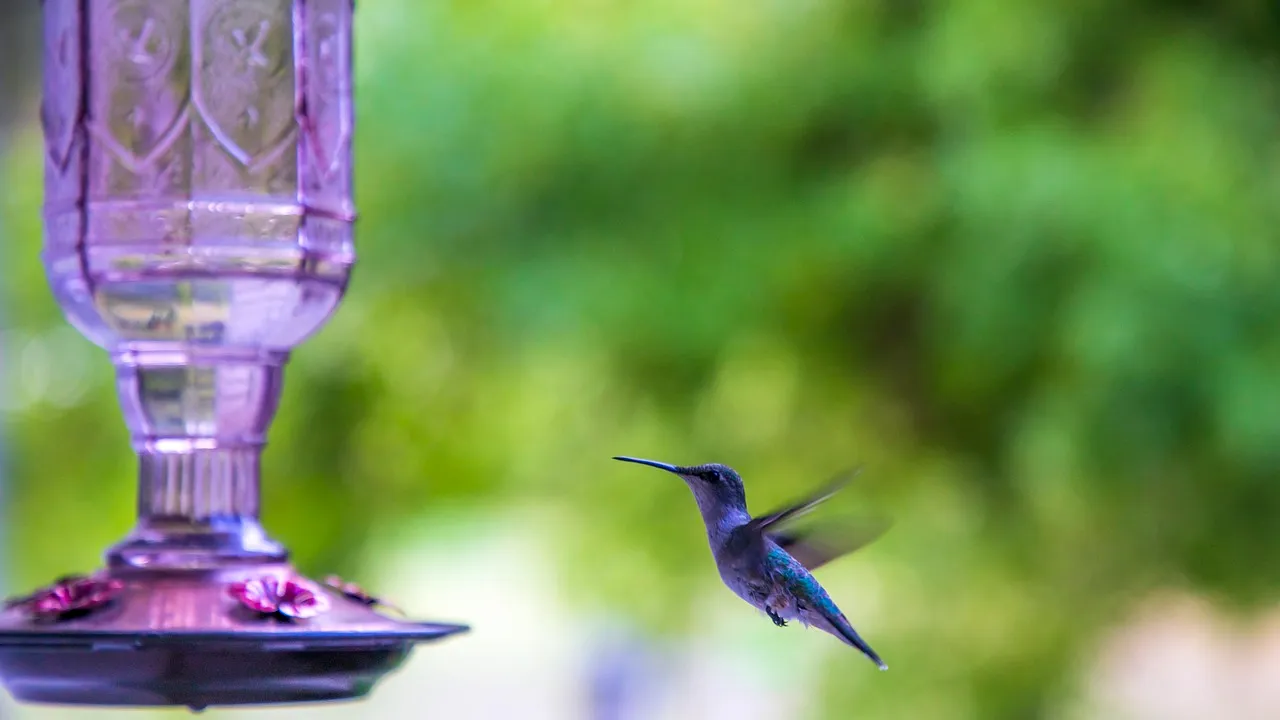
It is easy to assume that hummingbirds decide when to come based only on faraway cues, but what you do in your own space can subtly reinforce their schedule. Keeping a feeder up and clean by the time they usually arrive gives them a strong incentive to keep hitting that date. Planting a mix of nectar‑rich flowers that bloom in succession across the season makes your yard “worth the trip” from early arrival through late summer or fall.
Over time, a consistent food source can help anchor their pattern, even as conditions shift elsewhere. If, one year, they arrive to find your feeder full and your flowers just opening, and this repeats several seasons in a row, that success story supports that same timing. On the flip side, if you put feeders out much later than usual or dramatically change your garden, you might eventually see their preferred arrival date shift too, especially if other nearby yards are more predictable than yours.
What Their Punctuality Reveals About the Health of Your Local Ecosystem
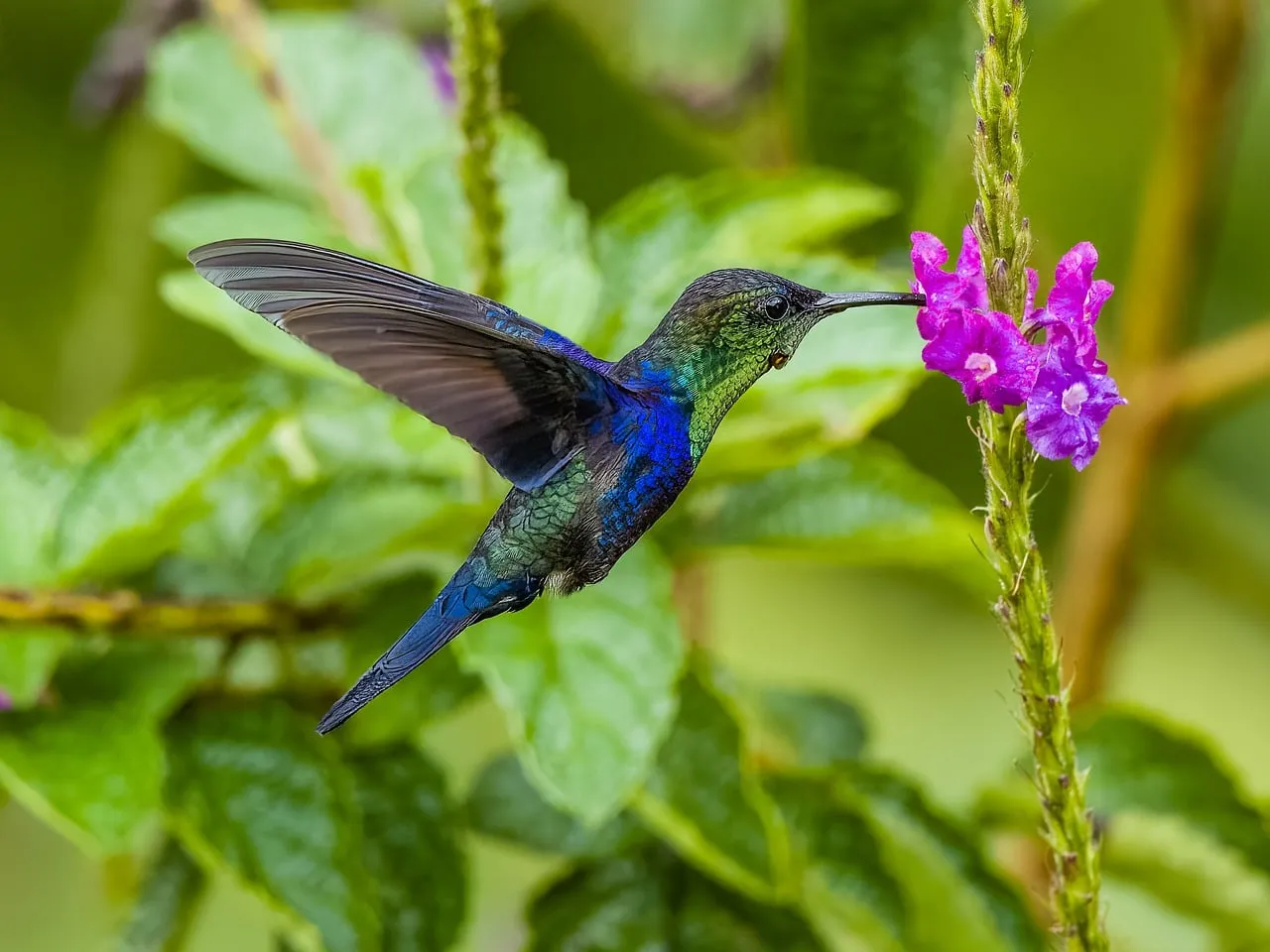
Think of the hummingbirds in your yard as tiny, fast‑moving health inspectors for your local ecosystem. When they return on nearly the same date every year and seem to thrive, that usually means a lot of things are working behind the scenes. Insects are emerging when they should, flowers are blooming on time, and there is enough intact habitat along their migration path to get them to you alive and strong. Their punctuality is not just adorable; it is a quiet stamp of approval on your area’s overall balance.
Of course, no single bird species can tell the entire story of an ecosystem, and it would be naive to treat their arrival date as the only health indicator. But if you pair that observation with other signs – like the timing of tree leaves, the presence of bees and butterflies, or how often droughts hit – you start to get a more complete picture. In that sense, tracking hummingbird arrival dates becomes a low‑tech, surprisingly powerful way for ordinary people to stay tuned in to environmental changes that might otherwise sneak up on them.
Watching the Calendar, Taking a Side
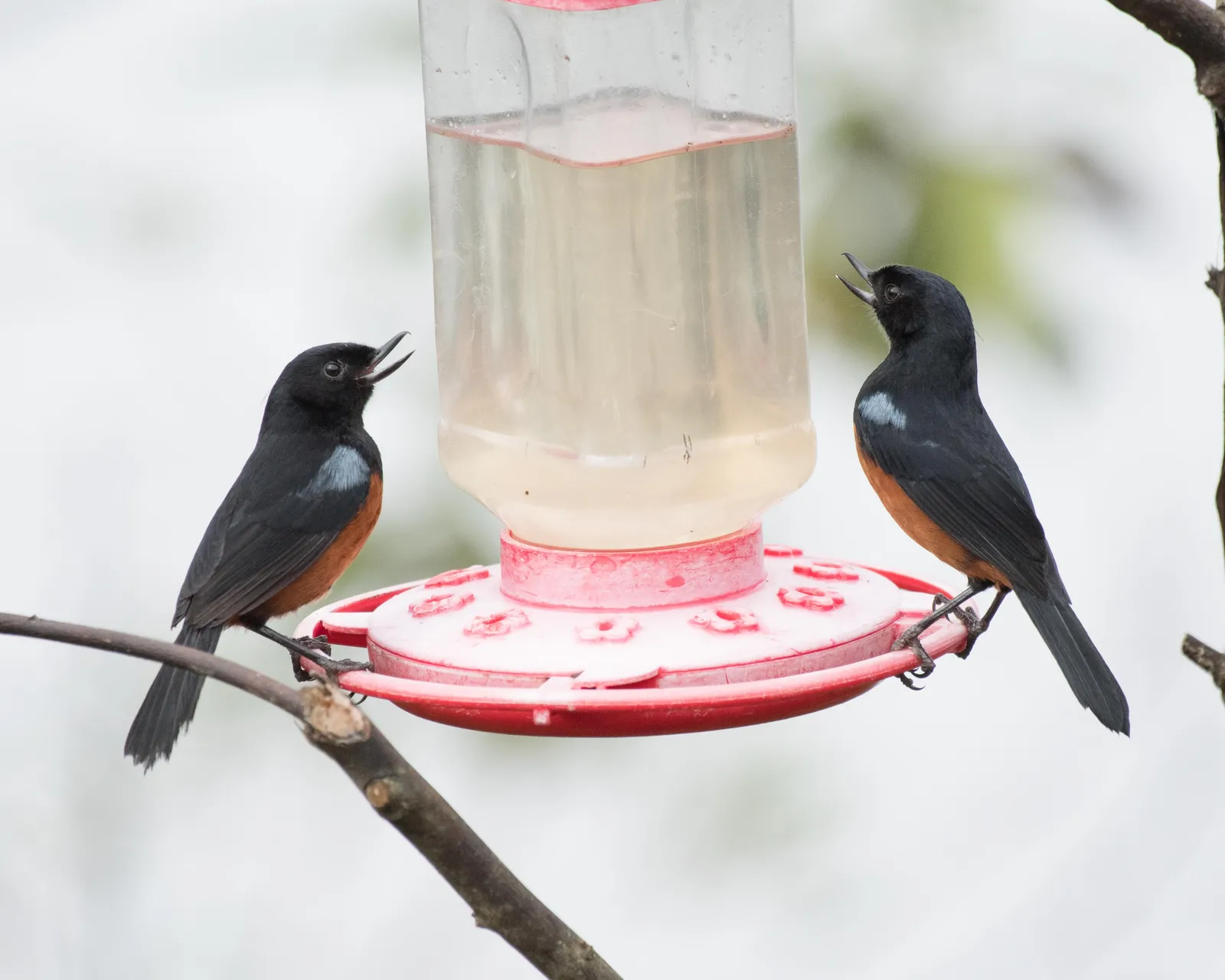
In my view, when hummingbirds show up around the same date every year, it is more than just a fun pattern to brag about to your friends. It is a reminder that our small daily choices – from when we hang the feeder to how we plant and water our yards – are tangled up with the lives of wild animals that cross entire continents. I think it is a mistake to see their timing as a cute background detail instead of treating it like a living data point that deserves our respect and curiosity.
If we ignore what their punctuality is telling us, we risk sleepwalking through changes that will only become obvious when they are much harder to reverse. Paying attention, writing down first arrival dates, and adjusting our habits to make their journeys safer is not just a hobby; it is a quiet kind of advocacy. The next time a hummingbird appears right on schedule at your window, ask yourself a simple question: is this just a lovely coincidence, or is nature tapping you on the shoulder and asking you to notice what is changing before it is too late?

- 7 Hidden Conditions That Invite Termites Into Your Walls - August 6, 2026
- 10 Rare Types of Chickens You Can Find in the United States - August 6, 2026
- What It Means When Hummingbirds Return on Nearly the Same Date Every Year - August 6, 2026