

The male starts building before he even has a mate
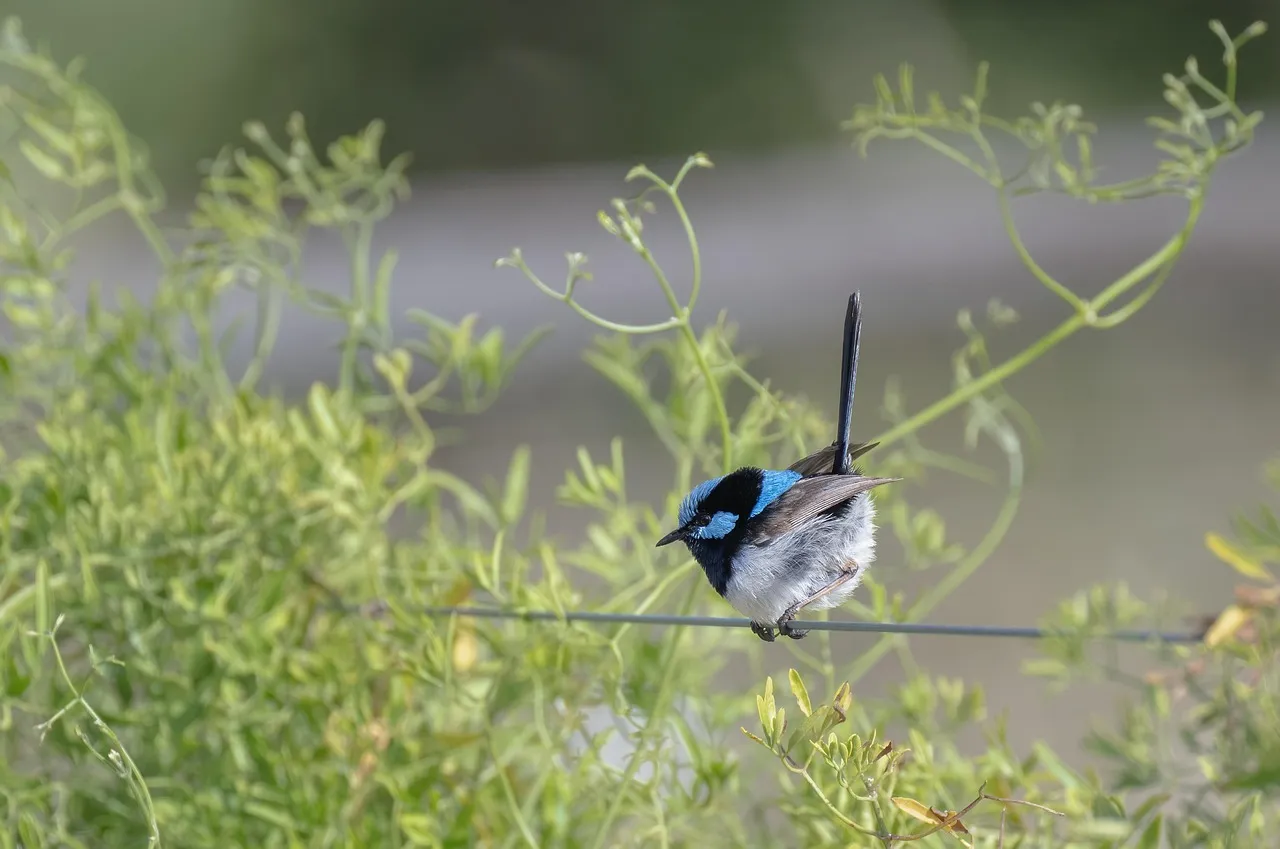
Long before pairing up, a male wren gets to work. He arrives on the breeding grounds and immediately begins scouting territory, often within a day or two of finishing his migration. Just a day or so after completing his spring migration from the tropics, the male House Wren claims a territory and checks out several potential nest cavities. He is not waiting around for female interest to appear before he starts. Instead, he treats construction as the opening move in courtship itself.
This head start matters because a male without an attractive nest option has very little to offer. The male wren initiates the nesting process, often before finding a mate, and will build several unfurnished “dummy” nests within his territory. He is essentially staging his territory before any prospective partner ever shows up to inspect it.
Several sites, one underlying purpose
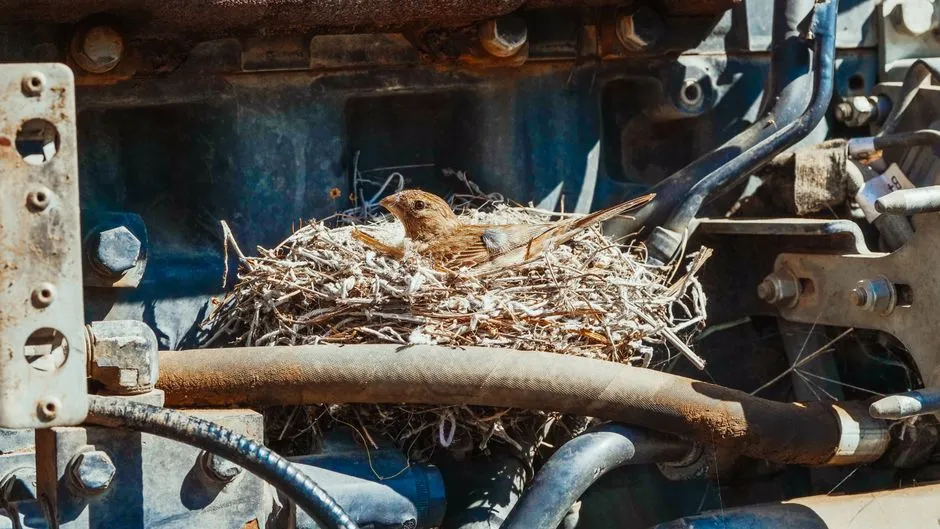
The key detail is that these are not random or half-hearted efforts scattered without direction. In each of these locations, he builds a starter nest using virtually anything twig-like to get the job done, from nails and bits of wire to paper clips and hairpins. Each cavity becomes its own small advertisement, a physical proof that this particular spot is defensible and workable.
The logic behind building in multiple spots rather than committing to just one comes down to probability. For wrens, producing multiple nests would give a greater likelihood that the male has found a site that a female will find suitable. A male cannot know in advance which cavity a female will approve of, so spreading his effort across several options improves his odds considerably.
The female is the one who actually decides

Once a female arrives and starts checking out the territory, the dynamic shifts entirely. The male builds incomplete “dummy” nests in several cavities; the female chooses one and finishes the nest by adding lining. Her inspection is not casual. She is assessing cavity depth, protection from weather, and how well concealed the site is from predators.
If nothing appeals to her, she simply leaves. In fact, he may build multiple nests in multiple locations, then allow the female to choose which one she likes; this is part of the mating ritual, as the female wren can reject them all and find another mate if she desires. That rejection option is what gives the whole system its teeth. The male’s effort only pays off if a female finds something worth finishing.
What happens to the nests that never get chosen

The unused nests do not simply vanish once one site is selected. They remain in place, and researchers have suggested they still serve a function even in their abandoned state. The male’s leftover starter nests may discourage other birds from nesting in those cavities. In a sense, the rejected structures act as a kind of passive territory marker long after the courtship decision has already been made.
There is also a practical, everyday explanation homeowners often stumble across. While there is only one active family, the male wren often builds two or three incomplete “dummy nests” nearby to confuse predators or give the female options. So if you clean out a box and find a few loose piles of sticks alongside the real nest, that is not a sign of confusion on the bird’s part. It is a leftover byproduct of the courtship process itself.
Not every wren species plays this game the same way

House wrens and Carolina wrens both build multiple starter nests, but the social arrangements around that behavior differ quite a bit. Some species, like the Carolina Wren, are typically monogamous, forming long-term pair bonds. Others, like the House Wren, may be polygamous, with males mating with multiple females. That difference changes what the multiple nests are actually for in each species.
Marsh wrens push this pattern to an extreme. In the polygynous marsh wren, multiple males will build nests in a breeding area, and each male builds multiple nests, continuing to build “dummy” nests even after the females begin to incubate the eggs, making these breeding grounds a tangle of mostly abandoned nests. In that setting, a thicket of empty stick structures is not an oddity. It is simply what an active marsh wren colony looks like during peak breeding season.
Scientists are still not entirely sure why the pattern varies so much
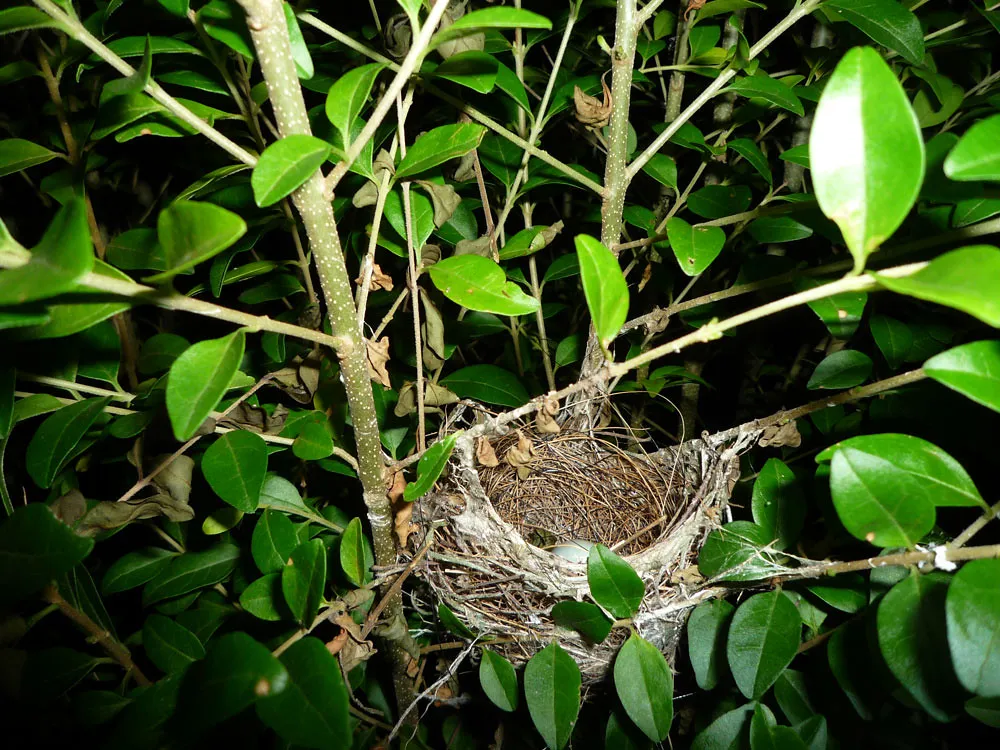
It would be tidy if nest quality directly predicted mating success or offspring survival, but the evidence does not fully support that assumption. Recent research on Northern House Wrens found something more complicated. House Wren nest architecture appears to be unrelated to the mate selection process, the survivability of offspring, or the limiting of brood parasitism, and the available evidence suggests that nest architecture in this species has limited effects on fitness. That is a fairly humbling finding for a behavior that looks, on the surface, like textbook mate advertising.
Researchers have also noted that the actual construction responsibilities shift once pairing happens. While establishing a territory, unmated males place a variable number of sticks, ranging from fewer than ten to more than four hundred, into potential nesting cavities, and after pairing, the female completes the stick platform and creates a lined cup either before or during egg laying. So the male’s dummy nests are really just a starting skeleton. The female does most of the finishing work that actually determines whether the nest will hold up through a brood.
What this means if you spot it in your own backyard

If you have a nest box or a shed and notice more than one twig pile appearing over a few weeks, you are witnessing courtship in progress rather than an error or a confused bird. Males build several nests to entice a mate. The behavior is a normal, expected part of how these birds pair up each season.
It is also worth remembering that the process usually repeats itself annually rather than settling into a permanent arrangement. Wrens may reuse a nest for subsequent broods within the same breeding season, but they rarely reuse nests from year to year, and the male will often build new dummy nests each year. So the empty structures you find one spring will likely be replaced by an entirely new batch the following year, built in slightly different spots, for a slightly different set of choices.
Final thoughts

There is something almost refreshingly honest about how wrens handle this whole process. The male puts in visible, verifiable effort across multiple locations, and the female gets the final say based on what she can actually inspect for herself. No single grand gesture decides the outcome, just a body of work she gets to walk through and judge on its own terms.
What strikes me most is how the science has not fully caught up with the behavior. We know the pattern exists and roughly how it plays out, yet researchers still cannot say with confidence that better nests translate into better outcomes for the birds involved. That gap between observable behavior and proven benefit is a good reminder that not every animal habit needs a clean, satisfying explanation to be worth paying attention to.

- What It Means When Wrens Build Several Nests but Use Only One - August 7, 2026
- 6 US States With the Most Javelinas - August 7, 2026
- Why Do Octopuses Change Color Instantly? The Scientific Reason Explained. - August 7, 2026