
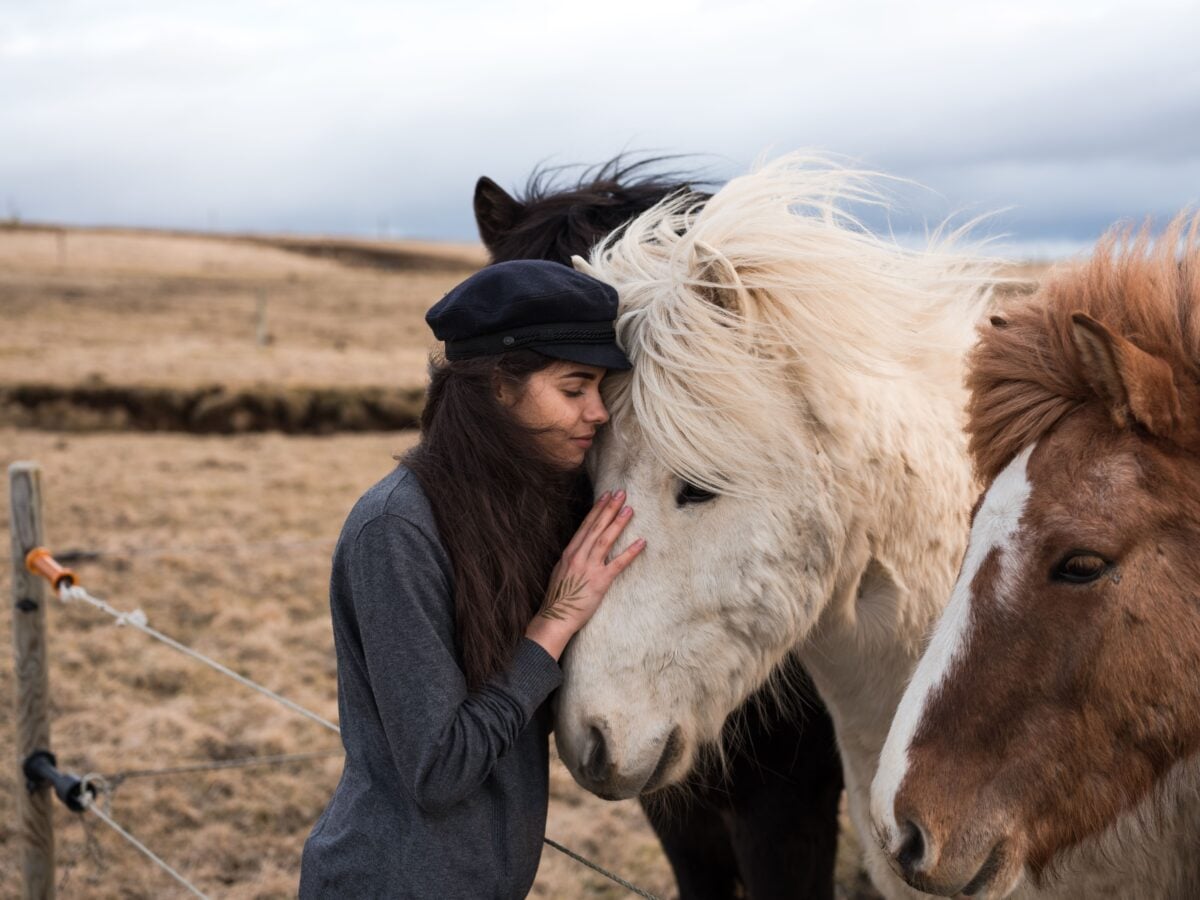
#1. Why prey animals became such careful observers of humans
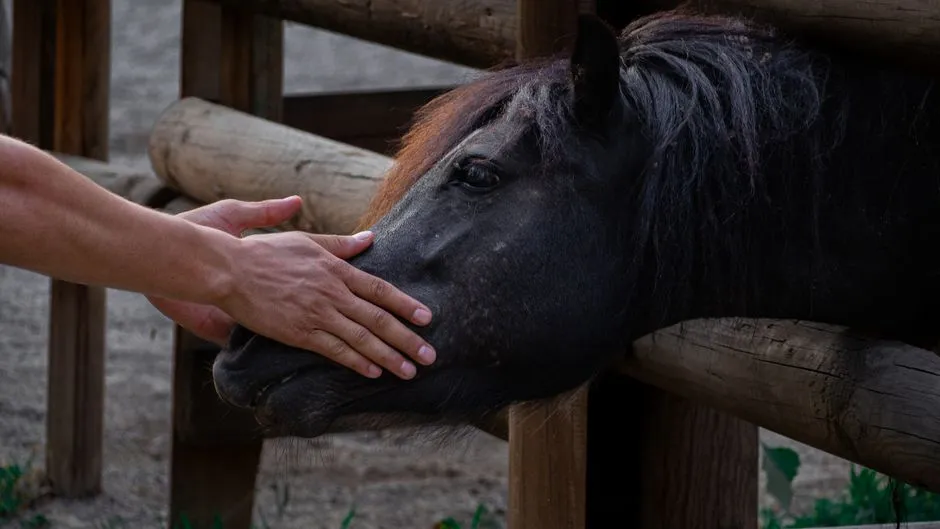
Horses evolved as prey animals, which means survival depended on noticing subtle shifts in their environment long before danger became obvious. As prey animals, horses are highly attuned to changes in their environment, meaning they can tune in to your emotional state and notice how you’re feeling, and when you arrive at the barn in a state of anger, frustration, or high stress, your horse will feel that. That heightened vigilance did not disappear with domestication. It simply got redirected toward the humans who now share their paddocks and stalls.
This is not a mystical connection so much as a practical one. A horse that failed to notice tension in a herd mate might miss an early warning sign of a predator nearby. That same wiring now gets applied to the person holding the lead rope, the saddle pad, or the grooming brush, whether we intend it or not.
#2. The body speaks louder than words to a horse
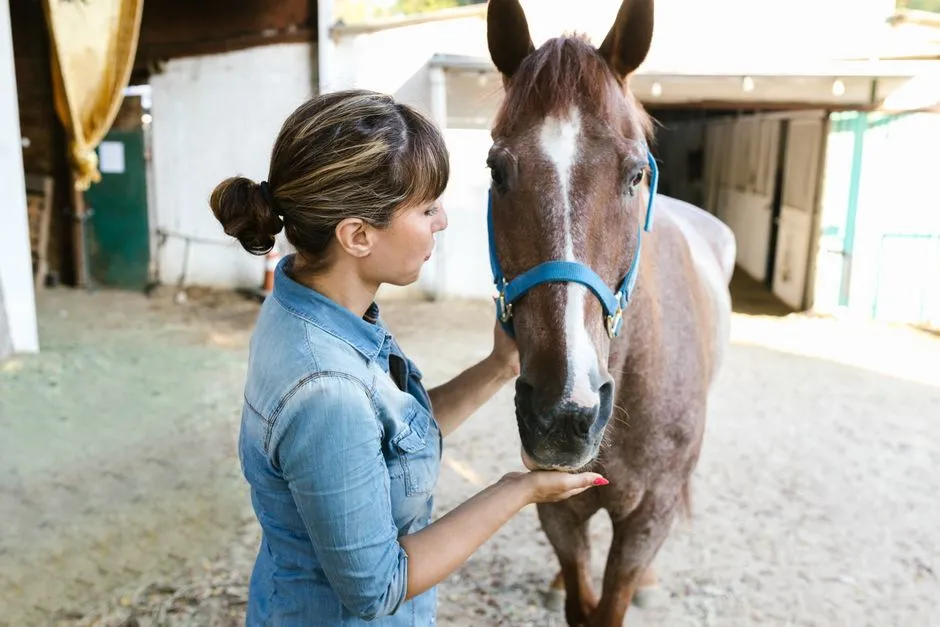
Researchers studying human-horse interaction have found that horses assemble a surprisingly complete picture of a person’s emotional state from posture and movement alone. By observing and mirroring subtle cues such as body posture, breathing patterns, and energy levels, horses can effectively read the emotional states of their human counterparts, watching everything from how you walk to how you breathe. This is often happening well before the human handler consciously registers their own rising heart rate or shallow breathing.
A 2025 pilot study on emotional contagion between humans and horses tested this directly by comparing free-style movement against deliberately controlled, neutral body language. Horses showed significantly stronger physiological and behavioural responses during high-anxiety, free-style interactions, while anxious handlers who used constrained, controlled body language produced no significant difference in horse responses compared with low-anxiety handlers. In other words, it was not the internal feeling of anxiety that triggered the horse. It was how that anxiety leaked out through the body.
#3. The umbrella experiment and the giveaway of anticipation
One of the more elegant demonstrations of this phenomenon came from Swedish researcher Linda Keeling, who monitored heart rates in both horses and handlers as they made repeated passes through an unfamiliar arena. Keeling found some support for this notion through monitoring heart rate in horses and humans while horses were led or ridden around several passes, and heart rates of both handlers and riders decreased on each successive pass, but rose significantly on the final pass, when they were told researchers would momentarily be opening an umbrella, although no umbrella was actually opened. Nothing visibly changed in the environment. The only shift was in the human’s mind.
Yet the horses picked up on it anyway. Their horses, presumably not privy to the opening umbrella tip, also experienced this same rise in heart rate, suggesting that they sensed their humans anxiety and became similarly aroused. The animals had no way of knowing an umbrella was coming. They simply reacted to whatever tiny physical tell the anticipation produced in their handler’s body.
#4. Reading a human face is not as simple as it sounds, and horses do it anyway
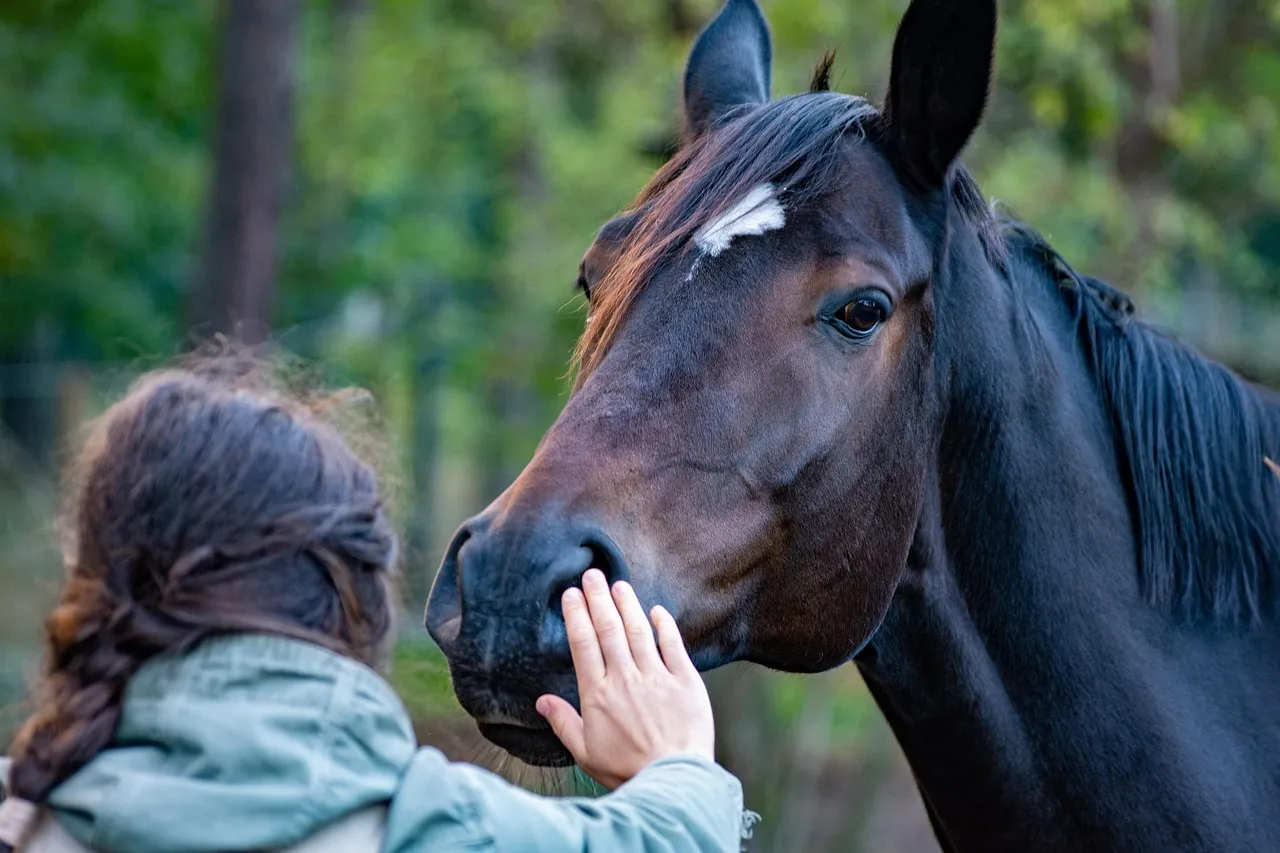
Facial expression recognition is a skill most people assume is reserved for primates and dogs, yet horses appear capable of it too. Research from the University of Sussex demonstrated that horses show a quicker increase in heart rate when presented with photographs depicting angry versus happy human faces. The angry expressions triggered a faster physiological response than the happy ones did.
The study also uncovered something more specific about how horses process that information. Researchers found a strong left gaze bias toward angry stimuli, tied to the right brain hemisphere, which contains areas specialized for processing threatening events. That lateralized response mirrors patterns seen across many vertebrate species when confronting something potentially dangerous, suggesting horses are not just reacting emotionally but processing threat cues through dedicated neural pathways.
#5. Voice tone works like a second layer of information
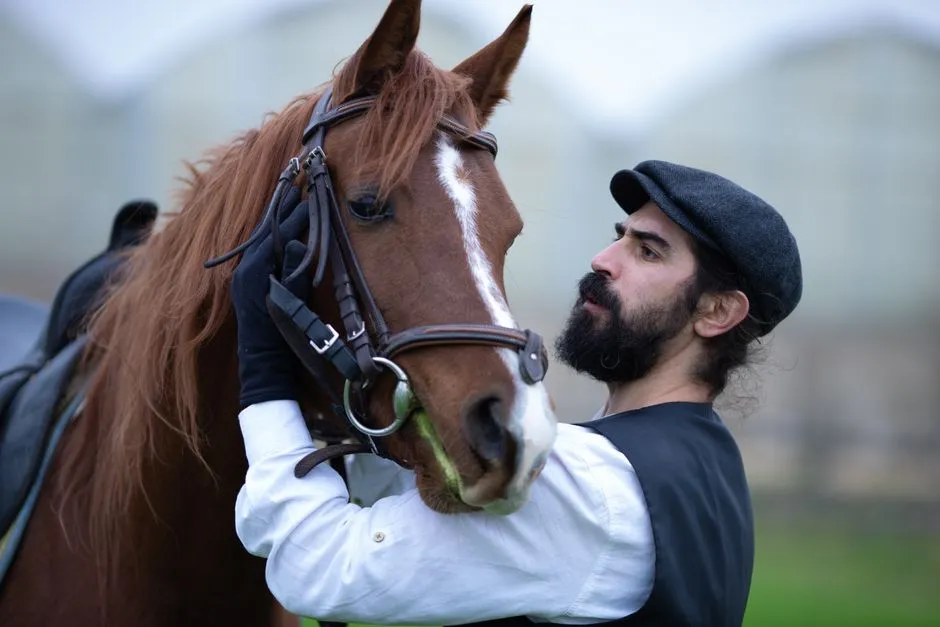
Body language and facial cues are not the only channels horses monitor. Vocal tone appears to carry weight as well, and horses seem able to combine it with other signals rather than treating it in isolation. Horses reacted in accordance with the valence of vocalizations, both behaviorally and physiologically through heart rate, showing they can cross-modally recognize human emotions and react emotionally to non-verbal vocalizations. A sharp, tense tone of voice appears to register as a warning sign even when the words themselves are neutral.
This cross-modal ability matters because it means horses are not relying on any single cue to judge a person’s state. They are cross-referencing posture, facial expression, and vocal tone together, building a composite read of the situation in something close to real time. That layered processing is part of why horses so often seem to notice tension in a handler before the handler has consciously named it.
#6. Stress has a smell, and horses can detect it
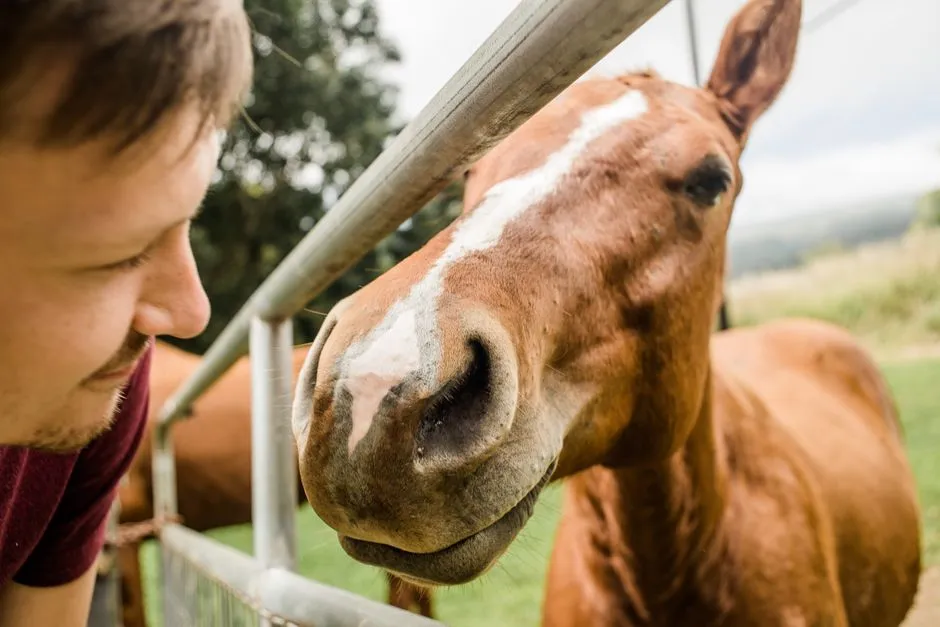
Perhaps the most striking evidence for how deeply horses tune into human physiology comes from a 2025 study on scent. Researchers showed horses videos of humans expressing fear, joy, or neutral emotions in facial expressions and voice, measuring heart rate, behaviour, and facial expressions while the horses watched. But the more revealing part of the experiment involved odor rather than sight or sound.
When horses were exposed to sweat collected from stressed humans, the physiological signs of unease appeared even without any visible cue. They showed increases in maximum heart rate, which indicates stress, during exposure to the fear smell from sweat, and crucially, these responses happened without any visual or vocal cues from humans displaying fear. The horses were reacting purely to chemical signals, a channel of communication most people never think to consider when they walk into a barn already tense from a bad morning.
#7. Heartbeats that fall into rhythm together
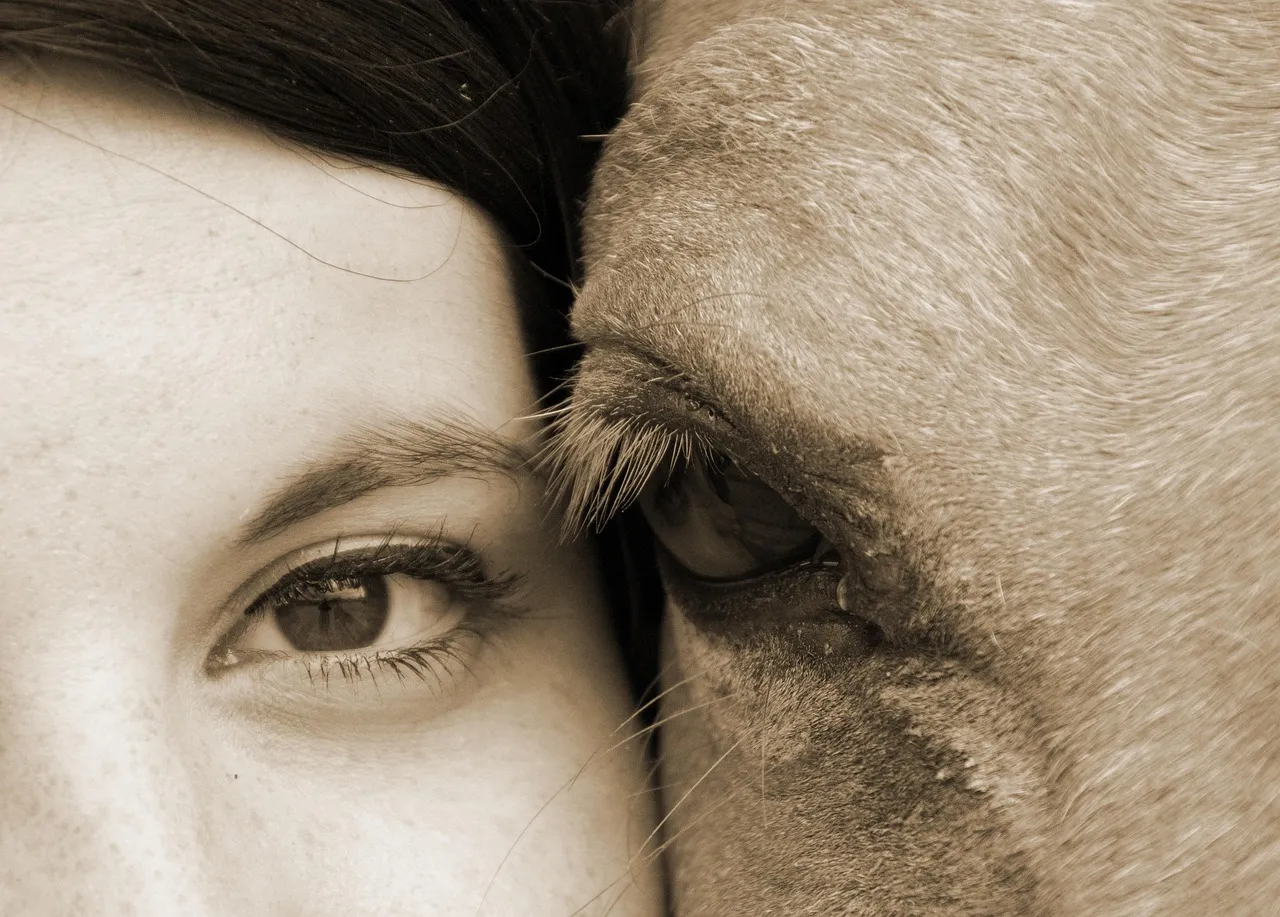
Beyond outward signals like posture and scent, there is evidence of a subtler physiological link between horses and the people handling them. Some researchers describe this as heart rate coupling, a pattern in which the cardiac rhythms of horse and human shift in tandem during close contact. Time-frequency Granger causality analysis of heart rate variability and behavioral data has revealed bidirectional synchronization in HRV between humans and horses, with the coupling directionality influenced by behavior and familiarity. This is not a fixed, one-way effect. It shifts depending on who is leading the interaction and how well the pair knows each other.
Separate research involving equine-assisted therapy sessions found similar patterns among children and their horses. Results indicated mutual heart rate synchronization between horses and riders, suggesting a potential mechanism for emotional regulation, and the neurotypical group showed high levels of synchronization tied to rider experience. The findings remain preliminary, and scientists studying heart coupling caution that results are not always consistent across different experimental setups. Still, the pattern shows up often enough to suggest something real is happening beneath the surface of ordinary handling.
#8. Not mind reading, but something more grounded and still remarkable

It would be easy to romanticize all of this into something mystical, but the more careful research pushes back against that framing. A recent pilot study specifically examining stress transfer concluded that the connection is more mechanical than telepathic. Horses do not inherently detect human stress but rather respond to body language cues associated with anxiety. That distinction matters because it shifts the story from magic to biomechanics.
What this means practically is that a horse is not sensing your inner emotional state directly. It is reading the physical fallout of that state, the stiffened shoulders, the shallow breathing, the jerky movements, often before the person themselves has consciously registered feeling stressed. By adopting controlled, neutral body language, handlers can create a more stable environment, enhancing horse welfare and optimizing human-horse interactions. The takeaway is less about horses possessing some sixth sense and more about how much information the human body leaks out without permission.
Final Thoughts
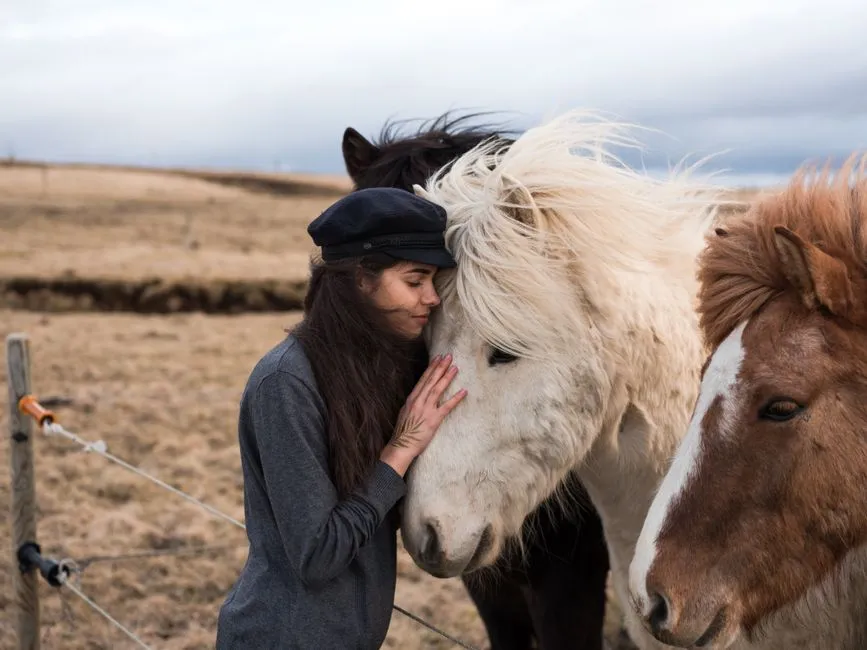
What strikes me most about this research is how it flips the usual assumption about who is doing the reading in a horse-human relationship. We tend to think of ourselves as the ones interpreting the animal, watching its ears and tail for signs of mood. The evidence suggests the horse has been quietly doing the same to us the entire time, often with more accuracy and speed than we manage ourselves.
That should change how anyone who works with horses thinks about a bad day at the barn. The old advice to breathe, relax your shoulders, and slow your movements before approaching a horse turns out to have real physiological backing behind it. Horses are not mystical stress detectors. They are exceptionally good students of the human body, and most of us are still catching up to what they already know about us.

- 11 Ways Your Cat Is Secretly Protecting You Every Day - August 14, 2026
- 10 Mistakes People Make When Camping in Wolf Country - August 14, 2026
- 8 Dog Breeds That Form the Strongest Bond With One Person - August 14, 2026