
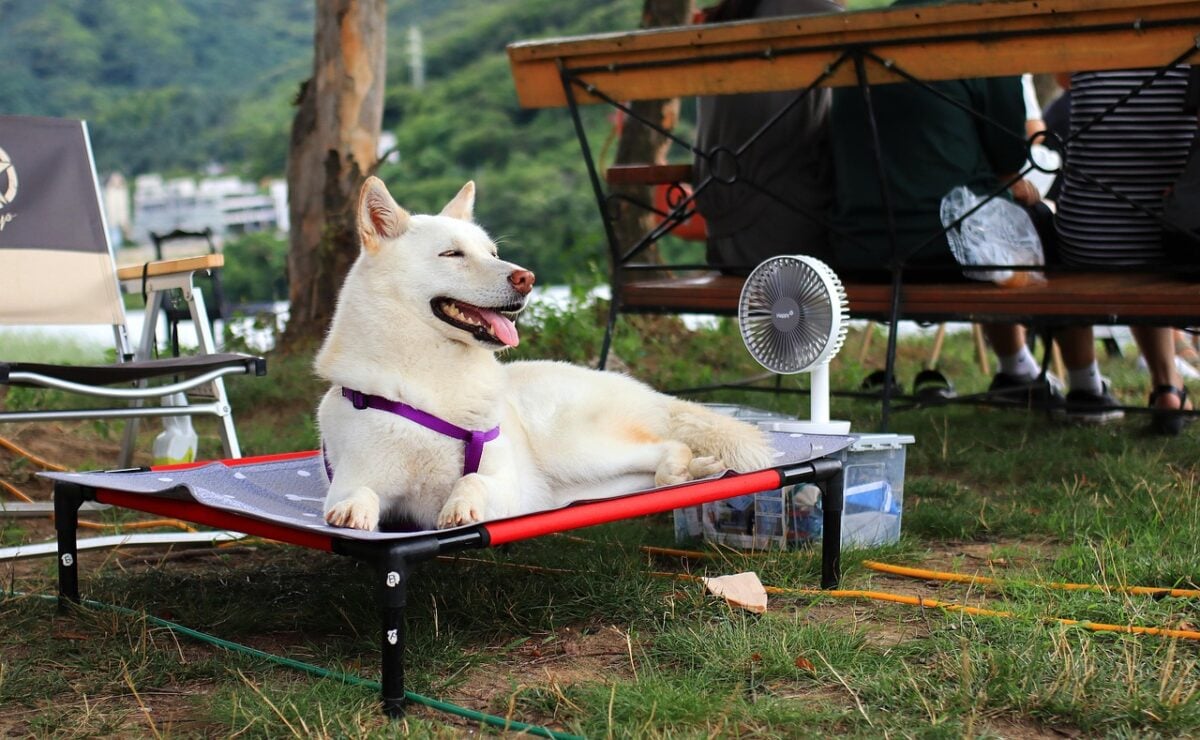
If you’ve ever watched your dog panting hard on a hot day and felt that little stab of worry in your chest, you’re not alone. Heat can sneak up on dogs frighteningly fast, and by the time they look truly distressed, things can already be serious.
The good news is that cooling a dog down is not about fancy gadgets or internet gimmicks. It’s about understanding how their body works, spotting stress early, and using a few simple, science-backed tricks to help them stay safe and comfortable. Let’s break it down in a way that actually makes sense when you’re standing there with a hot, panting dog in front of you.
Why Dogs Overheat Faster Than You Think
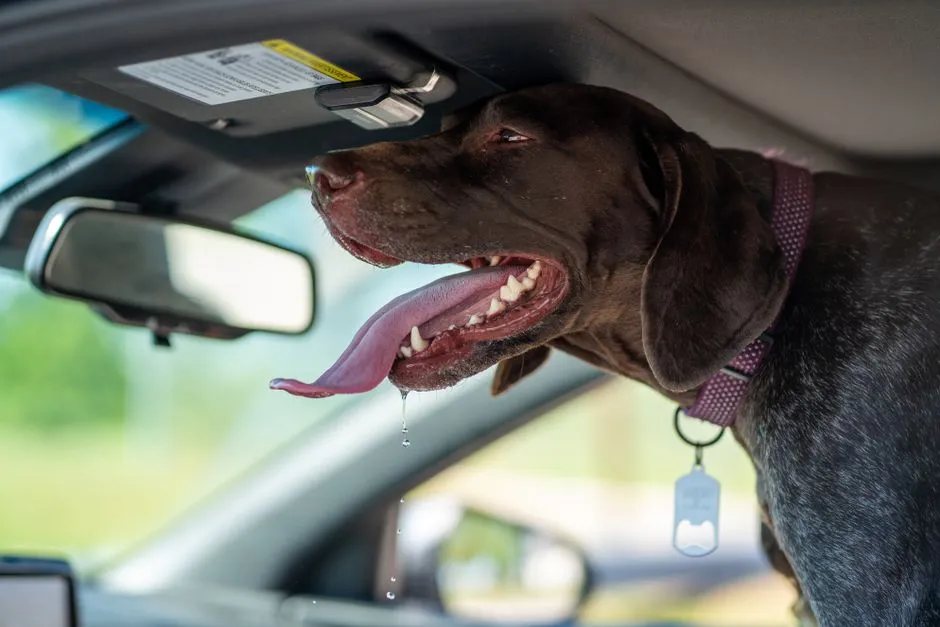
Here’s the slightly terrifying part: dogs are worse at cooling themselves than humans. We sweat over most of our bodies; they mainly rely on panting and tiny sweat glands in their paw pads, which is nowhere near as efficient. Add a fur coat, a lower surface area for heat to escape, and often a big enthusiasm for running around when they should be resting, and you’ve got a recipe for quick overheating.
Some dogs are at higher risk than others. Short-nosed breeds like pugs, bulldogs, and boxers have compromised airways that make panting less effective, while big, heavy, or very fluffy dogs trap more heat. Seniors, puppies, overweight dogs, and dogs with heart or respiratory problems also struggle more. If your dog ticks any of those boxes, you should be extra cautious even on days that only feel “warm” to you.
Spotting Early Signs Before It Becomes An Emergency
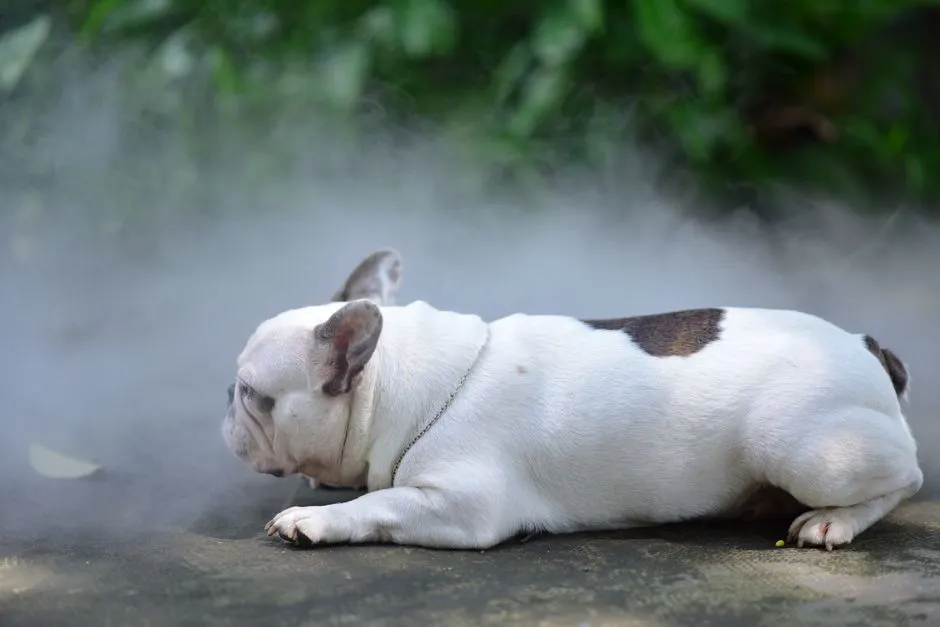
The biggest mistake people make is waiting until a dog is obviously in trouble. By the time a dog is staggering, drooling heavily, or acting confused, you’re no longer in “cool them down a bit” territory – you’re in “call the vet now” territory. The goal is to act when the signs are still subtle, not dramatic.
Watch for faster-than-normal panting, bright or dark red gums, restlessness, and a dog that chooses to lie on cool floors or in the shade instead of playing. If they suddenly slow down, lag behind on walks, or seem less interested in chasing things they normally love, that’s your early warning light blinking. Trust it and start cooling measures immediately instead of waiting to “see how they go.”
Safe, Effective Ways To Cool Your Dog Right Now
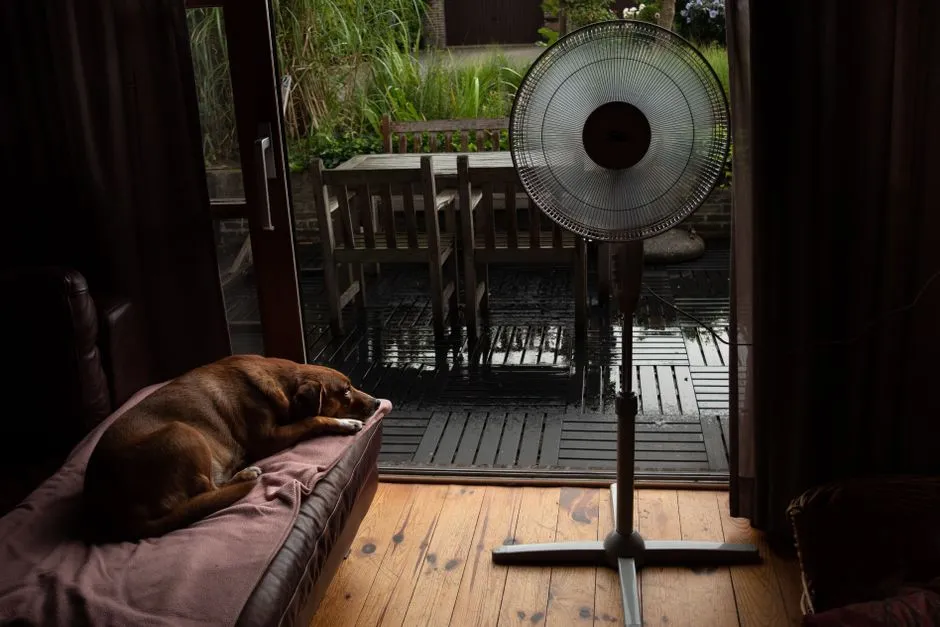
When your dog is too warm, think “gradual, gentle cooling,” never shock cooling. Move them to a shaded, well-ventilated area or, ideally, an air-conditioned room. Offer cool (not icy) water in small, frequent amounts, and avoid forcing them to drink. Then, focus on cooling the areas where blood vessels are closer to the surface, like the belly, inner thighs, chest, and paws.
You can use a damp, cool cloth or towel on those areas, or let them stand or lie in a shallow basin of cool water. Another simple option is a fan blowing gently over a slightly damp dog – the evaporation helps shed heat more efficiently. The key is to keep everything controlled: no ice baths, no blasting them with freezing water. Those extremes can constrict blood vessels and actually slow down cooling, which defeats the point.
What You Should Never Do When Cooling A Dog
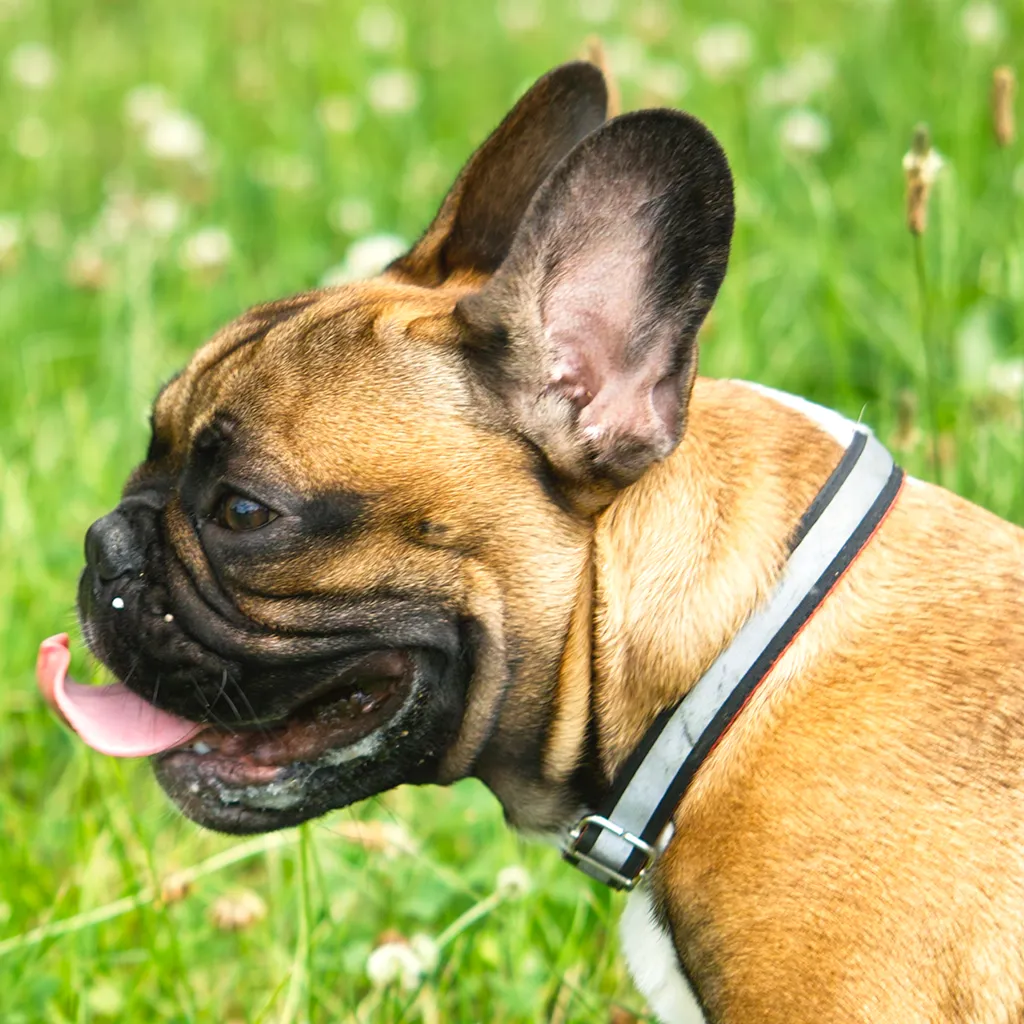
When people panic, they often go straight for extreme measures that feel “strong” but are actually risky. Dumping ice-cold water on a very hot dog or submerging them in an ice bath can shock the system and interfere with how their body needs to move warm blood to the surface. It might look dramatic, but it’s not smart, and it can make things worse rather than better.
A second big mistake is crating or confining a hot dog in a small, poorly ventilated space to “let them rest.” A panting dog in a stuffy crate, car, or tiny room is basically sitting in a personal sauna, no matter how cozy the bedding looks. Thick blankets, dark surfaces in direct sun, and muzzles that restrict panting are all quietly dangerous when a dog is hot. If it makes it harder for heat to escape or for air to circulate, it’s working against you.
Everyday Cooling Habits That Prevent Overheating
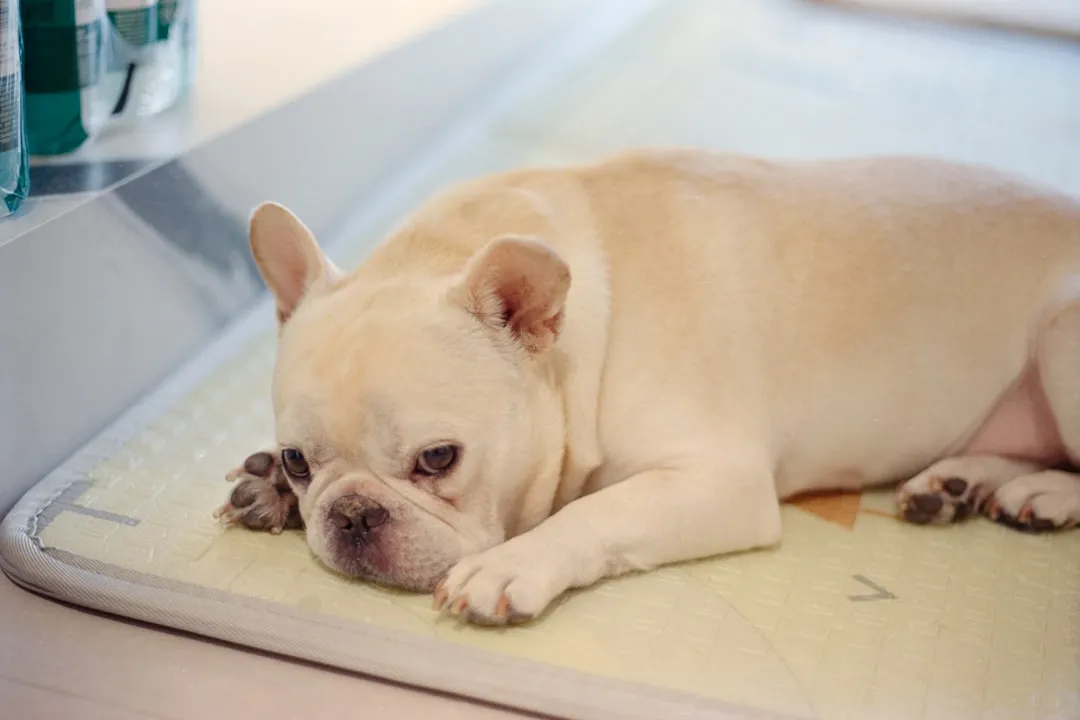
The easiest way to cool a dog is to not let them overheat in the first place. That sounds obvious, but too many people still walk or run their dogs at midday in summer and assume they’ll “tell us when they’re tired.” Dogs often push themselves to keep up or please us, even when they’re verging on unsafe. That’s why early morning and late evening walks are not optional on hot days; they’re non-negotiable basic care.
At home, create a cooling-friendly environment: access to shade, good airflow, cool tiles or a cooling mat, and fresh water in more than one spot. In multi-story homes, remember that upper floors can get significantly warmer. If your dog likes to follow you around, that might mean they’re hanging out in hotter rooms just to be near you. Sometimes the kindest thing you can do is close a door and encourage them to nap in the coolest room, even if you wish they were on the couch next to you.
Water, Treats, And Cooling Products: What Actually Helps
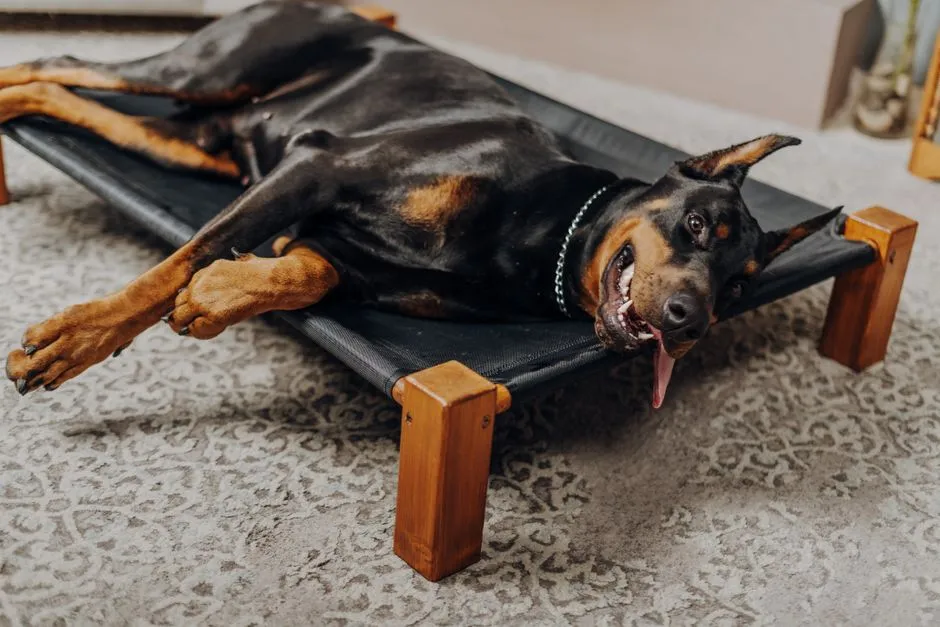
There’s a whole industry of canine cooling gear, and not all of it is necessary or effective. Cooling mats, bandanas, and vests can help if they’re used correctly and the dog tolerates them well, but they’re add-ons, not magic solutions. A simple damp towel to lie on, a shaded paddling pool with a few inches of water, or a fan can sometimes beat the fancy stuff in real-world usefulness.
As for treats, frozen dog-safe goodies like ice cubes made from low-salt broth or blended fruit and water can be a nice way to take the edge off the heat. Just don’t rely on frozen treats alone to manage temperature, and avoid anything too rich, salty, or sugary. The most important “product” is still plain, cool water that’s always available and refreshed often. A dog that can wander over and take a few sips whenever they like is far safer than one depending on irregular water breaks.
Adjusting Exercise, Play, And Travel In Hot Weather
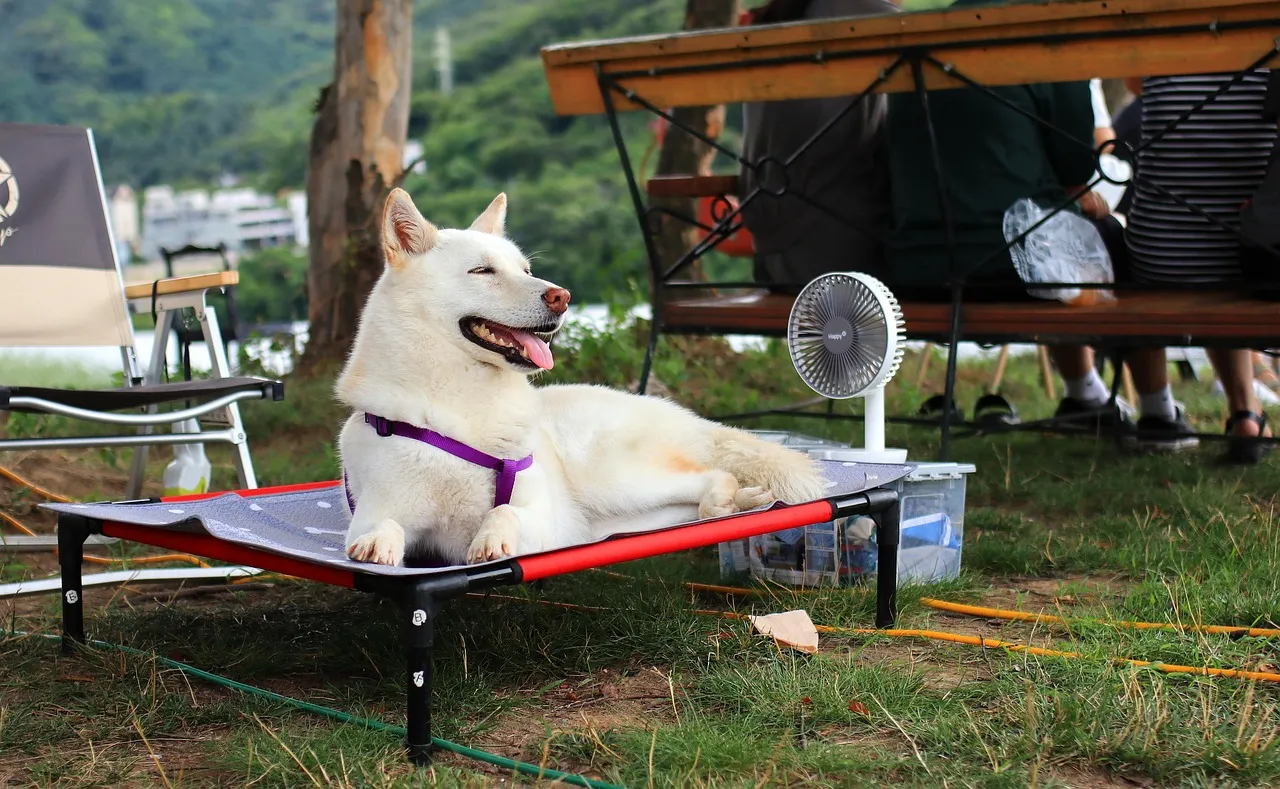
One of the hardest mindset shifts for dog owners is accepting that summer might not be the season for intense fetch marathons, long hikes, or nonstop dog park chaos. High-energy games on hot, humid days are a fast track to overheating, especially on surfaces like asphalt or artificial grass that soak up and radiate heat. If you wouldn’t walk barefoot on it comfortably, your dog shouldn’t be running on it either.
Instead, think shorter, gentler outings and more mental enrichment indoors: training games, puzzle feeders, scent games, or practicing tricks in an air-conditioned space. When it comes to car travel, treat your vehicle like a potential oven at all times. Even with windows cracked, a parked car can heat up alarmingly quickly, and dogs have collapsed in conditions that owners described as “just a bit warm.” If you can’t bring your dog inside everywhere you go, they’re better off staying home in a cool room.
When Heat Becomes An Emergency (And Why Speed Matters)
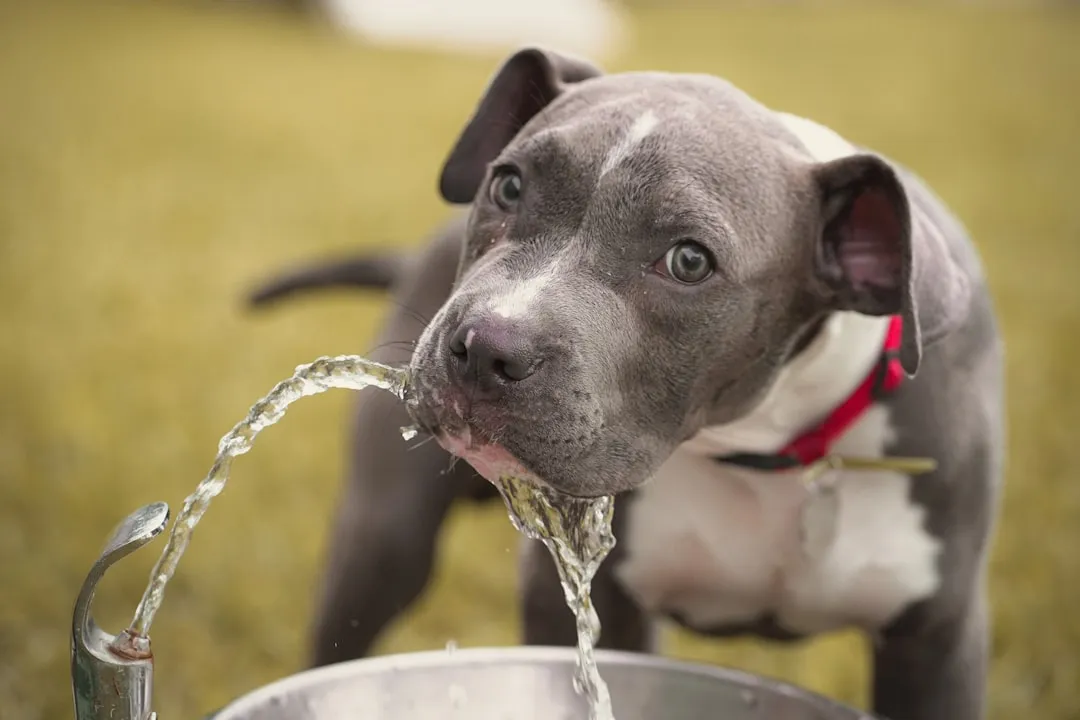
No matter how careful you are, there’s always a chance your dog can overheat – especially in sudden heat waves, on very humid days, or if they get overexcited. If you see signs like very rapid panting, thick drool, bright or greyish gums, vomiting, collapse, or disorientation, you’re looking at a genuine emergency. At that point, it’s not about “cooling down a bit”; it’s about preventing organ damage or worse.
In that situation, you should start gentle cooling immediately while arranging emergency veterinary care, not after. Move them to a cooler place, apply cool water or wet cloths to the body (especially belly and inner thighs), encourage small sips of cool water if they’re conscious and able to swallow, and use airflow from a fan if possible. The hard truth is that once heatstroke has hit, home remedies are not enough. Quick, decisive action and a vet visit can be the difference between a bad scare and a heartbreaking outcome.
Conclusion: Cooling Your Dog Is About Respect, Not Just Comfort
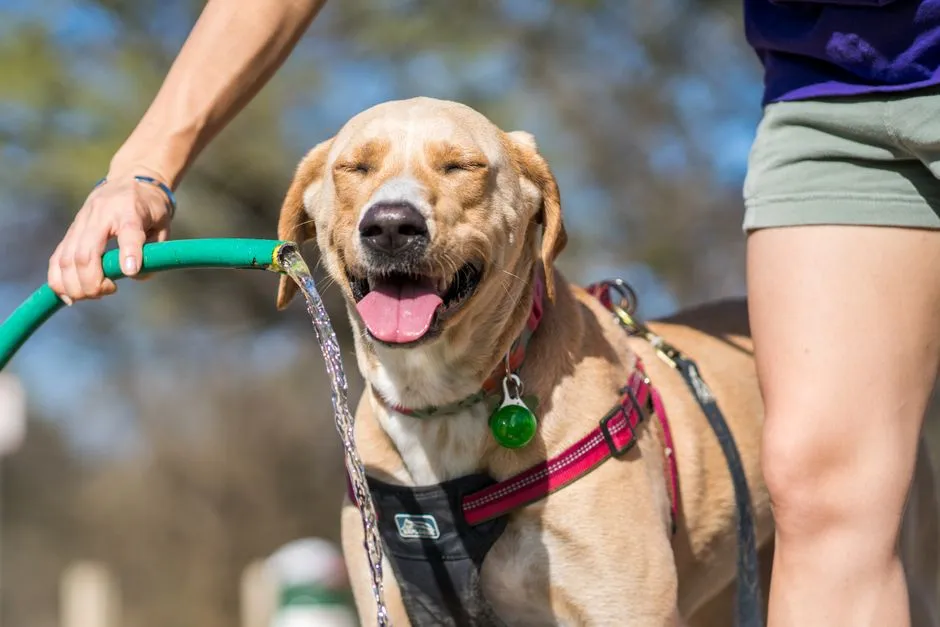
If I’m honest, I think we often underestimate just how brutal heat feels to our dogs. We see a bit of panting and shrug it off as “normal,” when in reality, we’d be miserable in their position. Cooling a dog down is not just about being nice or pampering them; it’s about respecting the limits of a body that was never designed for our modern, hot, concrete world.
My personal view is simple: if we choose to share our lives with dogs, then adjusting our routines, walks, and expectations in hot weather is the bare minimum of decent ownership, not an optional extra. Taking heat seriously, acting early, and using calm, science-based cooling methods is how you show you’re paying attention. Next time you see your dog panting on a warm day, will you treat it as background noise – or as a quiet message you’re finally ready to listen to?

- How to Cool Down a Dog: Science‑Backed Ways To Keep Your Pup Safe - August 10, 2026
- Animal Cognition Says Parrots Practice Words Alone Before Using Them in Social Situations - August 10, 2026
- 8 Things Guinea Pigs Remember About Daily Routines - August 10, 2026