
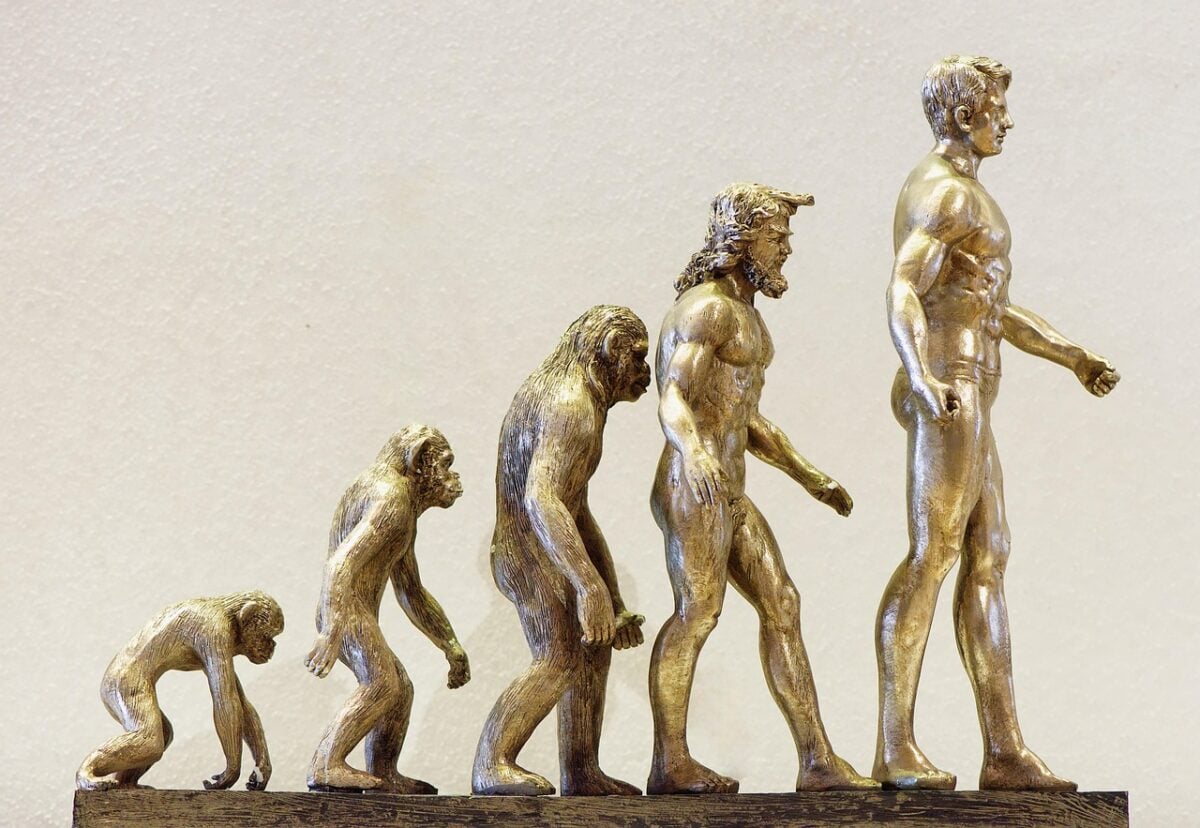
Humans love to think of themselves as the finished product, the final level of some cosmic video game. But when you zoom out over a few million years, our story looks less like a straight staircase and more like a wild, tangled forest path. New fossils, ancient DNA, and even traces of old campfire smoke are constantly forcing scientists to rewrite what we thought we knew about where we came from. Human evolution is not a neat tale of one species gracefully handing the baton to the next. It is messy, violent, tender, experimental, and frankly, pretty weird. The closer researchers look, the more they realize that our origins are built on strange twists, failed branches, and unexpected comebacks. Here are 18 of the most mind‑bending facts about human evolution that quietly challenge the story many of us learned in school.
1. We Are Not Descended From Neanderthals – We Were Their Cousins
One of the biggest myths about human evolution is that we “evolved from Neanderthals.” We did not. Neanderthals were a separate human species that shared a common ancestor with us, like cousins, not parents. For a long time, museum displays and school charts made it look as if ancient apes slowly turned into Neanderthals and then into modern humans, as if each form politely lined up in order and exited the stage.
The real story is more like a family tree where branches grow, overlap, and sometimes fuse back together. Neanderthals evolved in Eurasia, while our species, Homo sapiens, evolved in Africa. Later, when our ancestors left Africa, they met Neanderthals and occasionally had children together. So you might carry bits of Neanderthal DNA, but that does not mean they were ever your direct ancestors. They were more like distant relatives we met on a long road trip out of Africa.
2. Many People Alive Today Carry DNA From Extinct Human Species
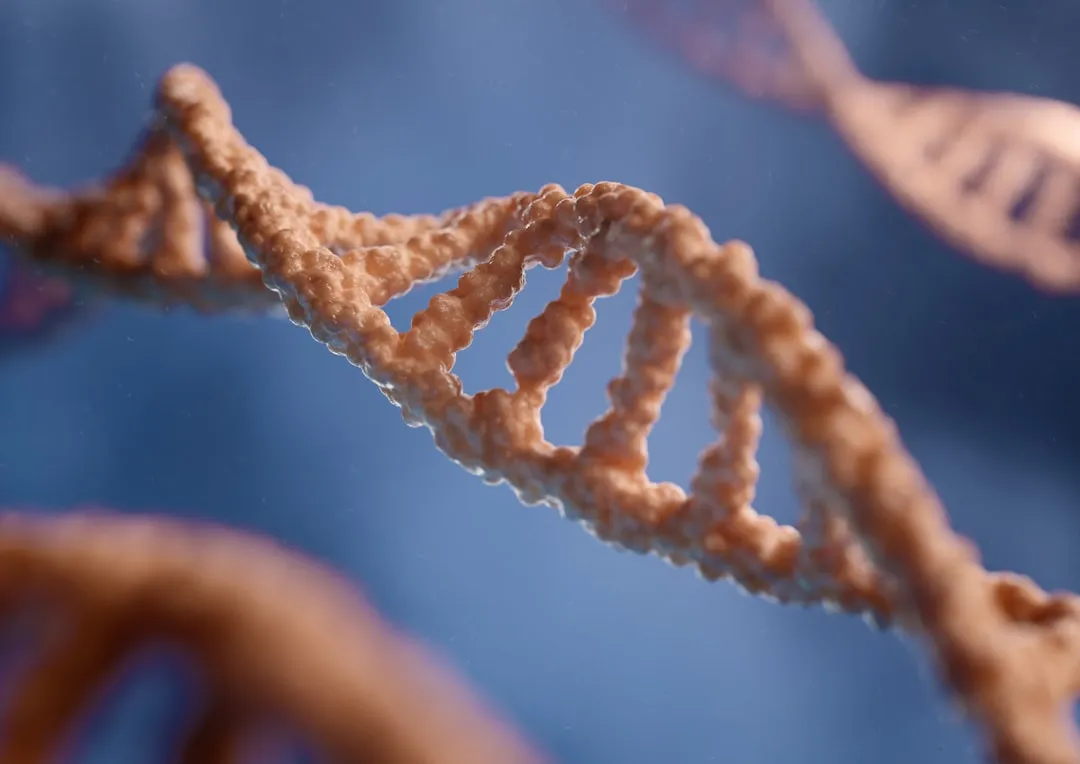
Here is a wild thought: your genome is like a museum of extinct humans. People with ancestry outside of Africa typically carry small amounts of Neanderthal DNA, usually a few percent spread across the genome. Some populations, especially in parts of Asia and Oceania, also carry traces of another extinct group called the Denisovans. These Denisovans were first identified not from a skeleton, but from a tiny finger bone found in a Siberian cave and later from ancient DNA.
This ancient DNA is not just a cool party fact; it actually affects real traits. Some Neanderthal or Denisovan gene variants influence how our immune systems fight infections, how our bodies handle altitude, or even how we process fats and sugars. Your body may be making use of molecular tools designed long ago for survival in ice‑age Europe or the Himalayas, built by people who no longer exist but still whisper through your cells.
3. Human Evolution Did Not Happen In One Place – It Was A Pan-African Story
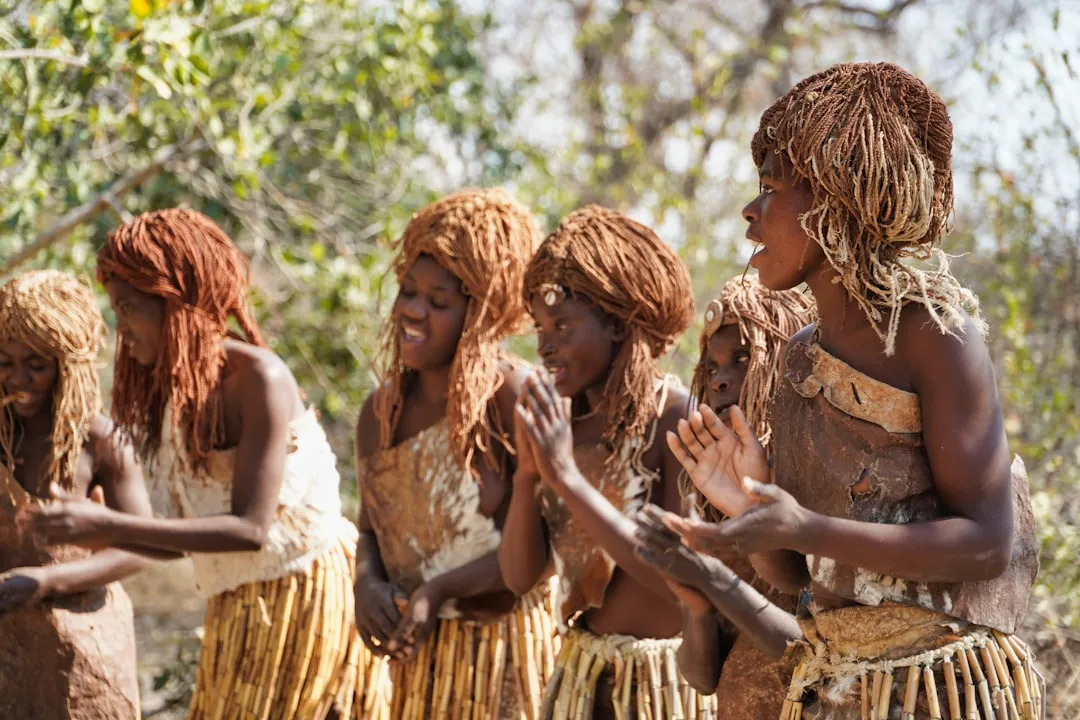
For years, the popular story was that modern humans evolved in a single, small region of East Africa and then spread outwards. Recent discoveries are pushing a more complex picture: our species seems to have emerged across several regions of Africa, with groups separating, mixing, and remixing over hundreds of thousands of years. Instead of one “Garden of Eden,” think of a connected web of populations scattered across the continent, trading genes, tools, and ideas over vast distances.
Some of the oldest fossils with a mix of modern and archaic features have turned up in places as far apart as North Africa, East Africa, and southern Africa. This suggests that the “birth” of Homo sapiens was not a single moment but a drawn‑out process. It is as if different African populations were each carrying parts of the modern human puzzle, and only over time did those pieces come together into something we would recognize as us.
4. Our Species Is Shockingly Young In Evolutionary Terms
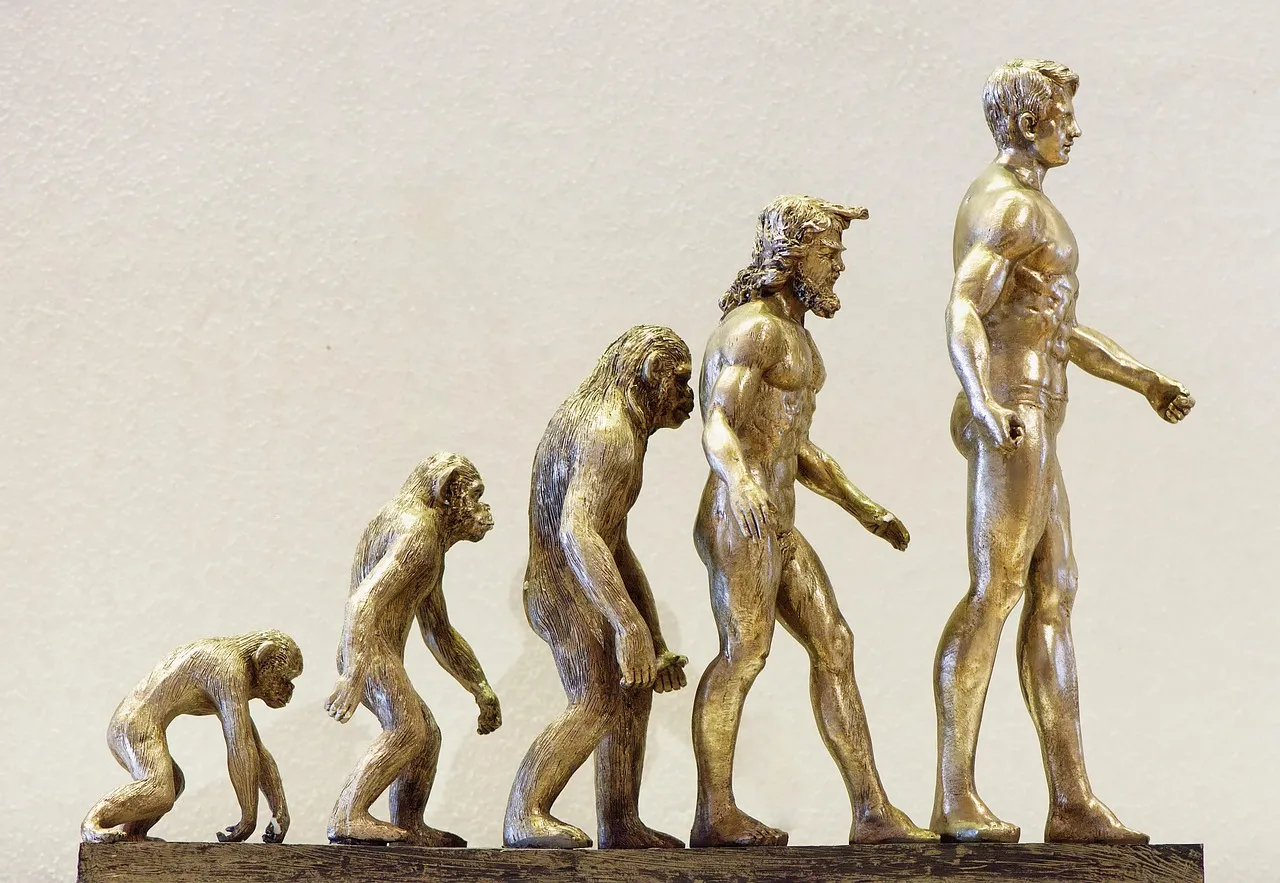
It is easy to feel like humans have been around forever, but our species is a recent arrival. The Earth is over four and a half billion years old. Life has been doing its thing for billions of years. Even mammals have been scurrying, swimming, and climbing for tens of millions of years. In contrast, Homo sapiens has likely been around for only a few hundred thousand years, maybe on the order of three hundred thousand or so, depending on how strictly you define “modern human.”
If you compressed all of Earth’s history into a single year, our species would show up in the last few hours of December 31. Everything we call “civilization” – farming, cities, writing, the internet – would fit into the last seconds of that imaginary year. Seen through that lens, we are not the final outcome of evolution; we are more like a very fresh experiment whose long‑term results are still totally unknown.
5. Bipedalism Came Long Before Big Brains

We like to brag about our brains, but the first big evolutionary leap that separated our lineage from other apes was not intelligence, it was how we moved. Early hominins were walking on two legs while still having brains closer in size to modern chimpanzees. Fossils show hips, spines, and foot bones adapting to upright walking long before skulls ballooned into the big, rounded shapes we see today.
Walking on two legs came with trade‑offs. It freed up our hands, which might have helped with carrying food, holding infants, and eventually making tools. But it also made childbirth more difficult, because evolving a pelvis good for walking clashes with evolving a pelvis that easily passes a big‑brained baby. That tension between our hips and our heads is a reminder that evolution constantly has to negotiate messy compromises, not ideal designs.
6. Stone Tools Are Older Than Our Own Species
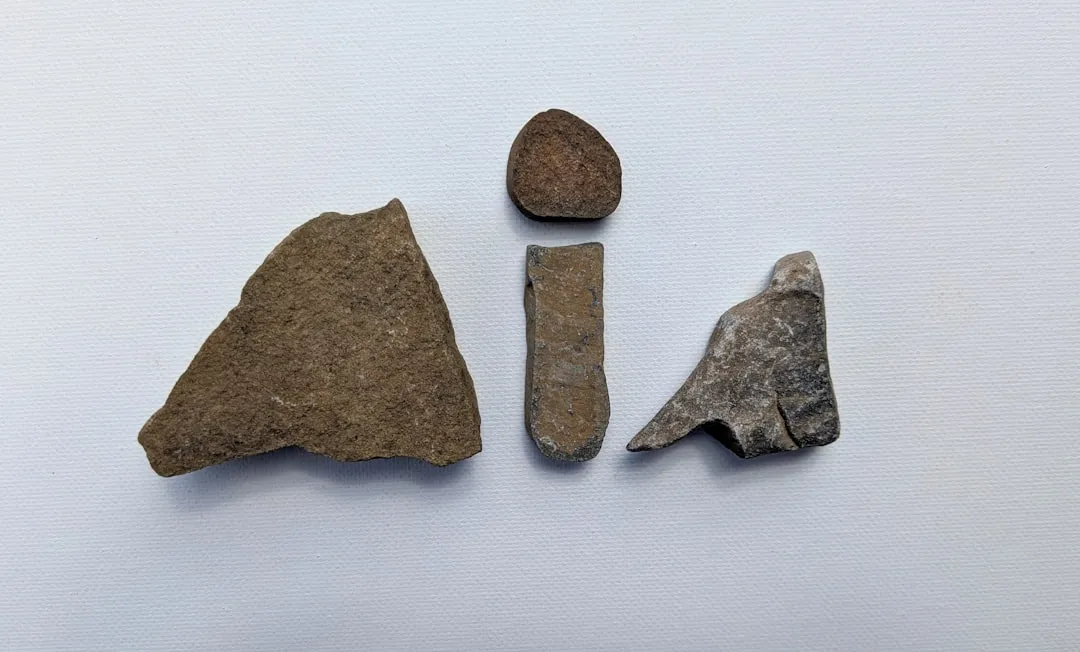
We tend to link stone tools with “cavemen,” but sharpened stones and deliberately shaped flakes go back much further than Homo sapiens. Early members of the human family were shaping stones into cutting and pounding tools over two million years ago, long before our species appeared. Some evidence even suggests that pre‑human relatives might have used simple stone tools earlier still. Imagine holding in your hand something chipped into shape by a creature that without context you might not even recognize as human.
These tools rewired what was possible for our ancestors. Sharp flakes meant access to meat and marrow that bare teeth and nails could never manage. Heavy pounding stones helped crush tough plants or break open bones. Over time, tool traditions changed and spread, mirroring social connections between groups. In a way, stone tools were the first external memory system: knowledge was preserved not just in brains, but in objects that other people could copy centuries later.
7. Our Brains Got Bigger – But Also Rewired Themselves
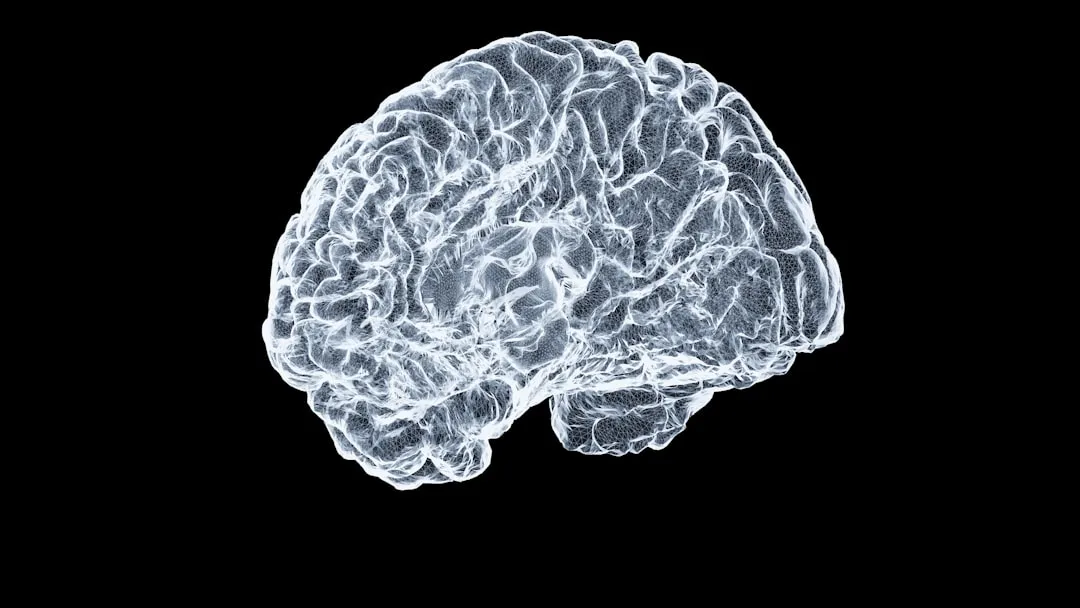
Human evolution is often depicted as a slow swelling of the braincase, like someone inflating a balloon. Size did increase over time in many lineages, but that is not the full story. The shape and internal wiring of our brains changed, with particular expansion and reorganization in areas involved in planning, social understanding, language, and symbolic thought. It is not just that we got “more brain,” but that we got differently arranged brain real estate.
Interestingly, brain size in our species may have actually shrunk slightly in the more recent past, while our societies got more complex. Some researchers think that once information could be shared, stored in writing, or offloaded into tools and institutions, there was less pressure for each individual to carry quite so much raw mental hardware. It is as if our ancestors started using “cloud storage” in culture, allowing the brain to optimize differently instead of just endlessly scaling up like a hard drive.
8. We Once Shared The Planet With Several Other Human Species
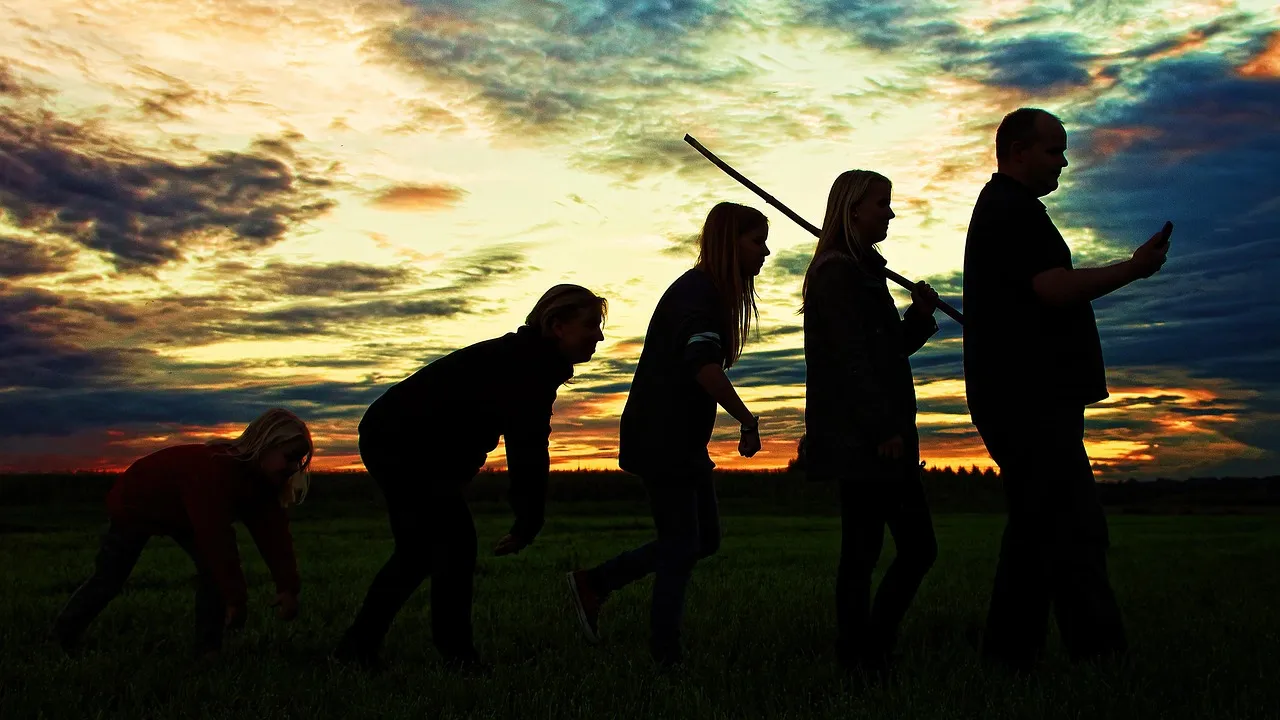
If you could travel back 50,000 years, you would not find a world owned by one kind of human. You would see Neanderthals in parts of Europe and western Asia, Denisovans lurking somewhere in Asia, and perhaps other obscure groups only faintly visible in our genes. There were also small‑bodied humans like Homo floresiensis on an Indonesian island, and later, Homo luzonensis in the Philippines. Our planet was once a crowded stage of different human actors trying different evolutionary strategies all at once.
What makes us unusual is not that we existed, but that we survived while all the others disappeared. We do not have a single, clean explanation for why our branch made it while theirs ended. Climate swings, competition, chance, and interbreeding all likely played a role. It is oddly humbling to realize that, for most of our history, we were just one human among many, not the inevitable winner of some imagined evolutionary tournament.
9. Interbreeding Was The Rule, Not The Exception
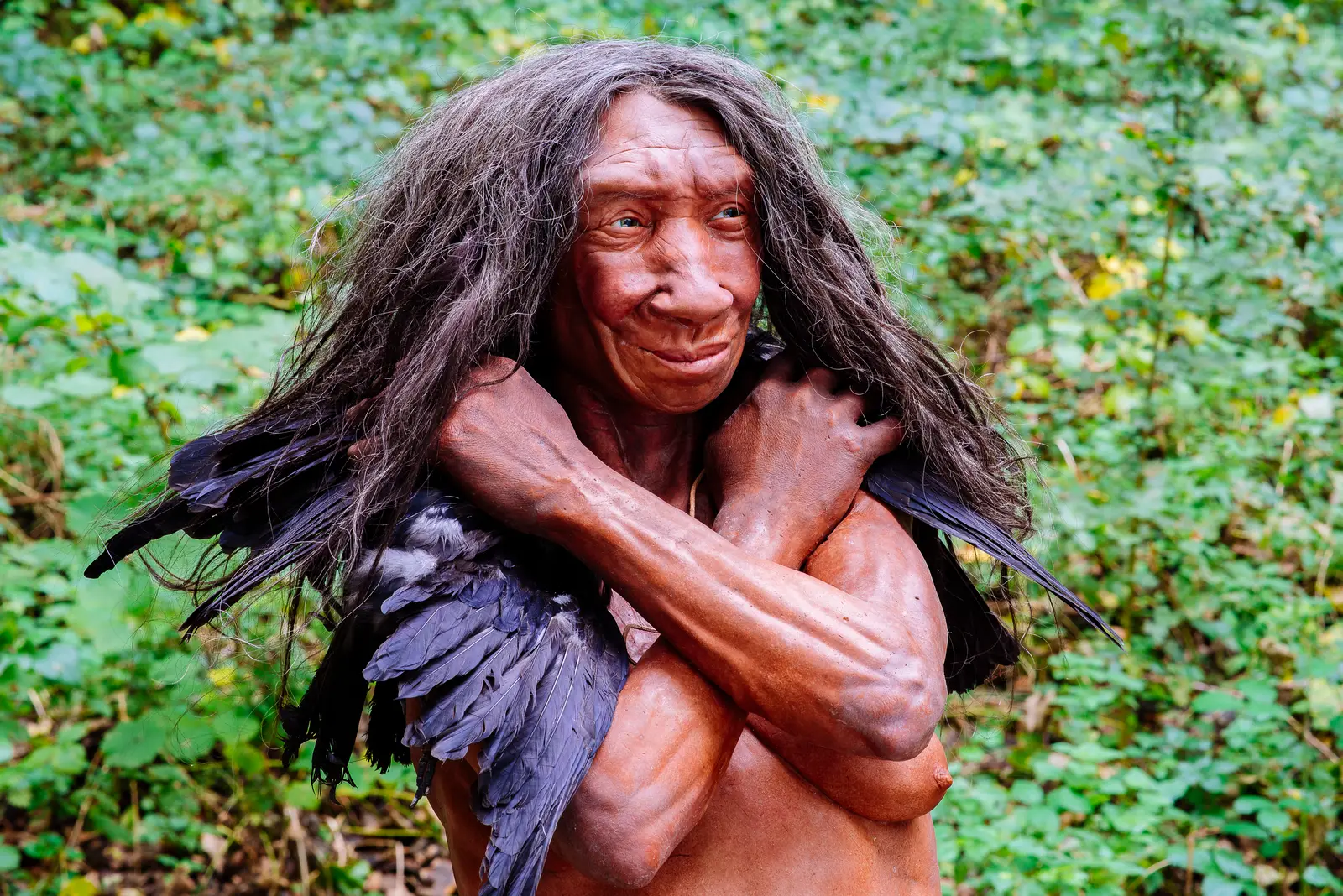
For a long time, people imagined different human species as sharp, separate boxes that never mixed. Ancient DNA completely wrecked that tidy picture. Wherever scientists look, they keep finding signs that our ancestors met other human groups and had children with them. This did not happen every day, but it happened enough that bits of Neanderthal and Denisovan DNA are now knitted into many living human genomes.
This mixing had real evolutionary consequences. When our ancestors left Africa, they met populations who had already adapted to cold climates, strange pathogens, and new landscapes. By interbreeding, our ancestors essentially fast‑forwarded through some local adaptations, borrowing useful genes instead of reinventing them. In modern language, they did not just compete with other human species; sometimes they merged, in small but meaningful ways.
10. Our Ancestors Survived Multiple Climate Whiplashes

Human evolution did not play out against a calm, steady background. It unfolded during cycles of intense climate change: ice ages advancing and retreating, deserts expanding then shrinking, coastlines rising and sinking. Environments that once supported forests could shift to open grasslands or dry scrub within the span of several human lifetimes. Populations were sometimes squeezed into ecological “refugia,” then later expanded when conditions eased.
Those environmental jolts mattered. Changing habitats likely pushed some groups to experiment with new foods, new tools, and new ways of living together. When water or prey shifted, groups had to move, split, or form new alliances. The flexibility that later allowed humans to occupy tundras, jungles, high mountains, and tiny ocean islands was forged during these repeated climate roller coasters. Our ability to cope with chaos is not an accident; it is one of our oldest evolutionary inheritances.
11. Childhood Got Longer – And That Changed Everything
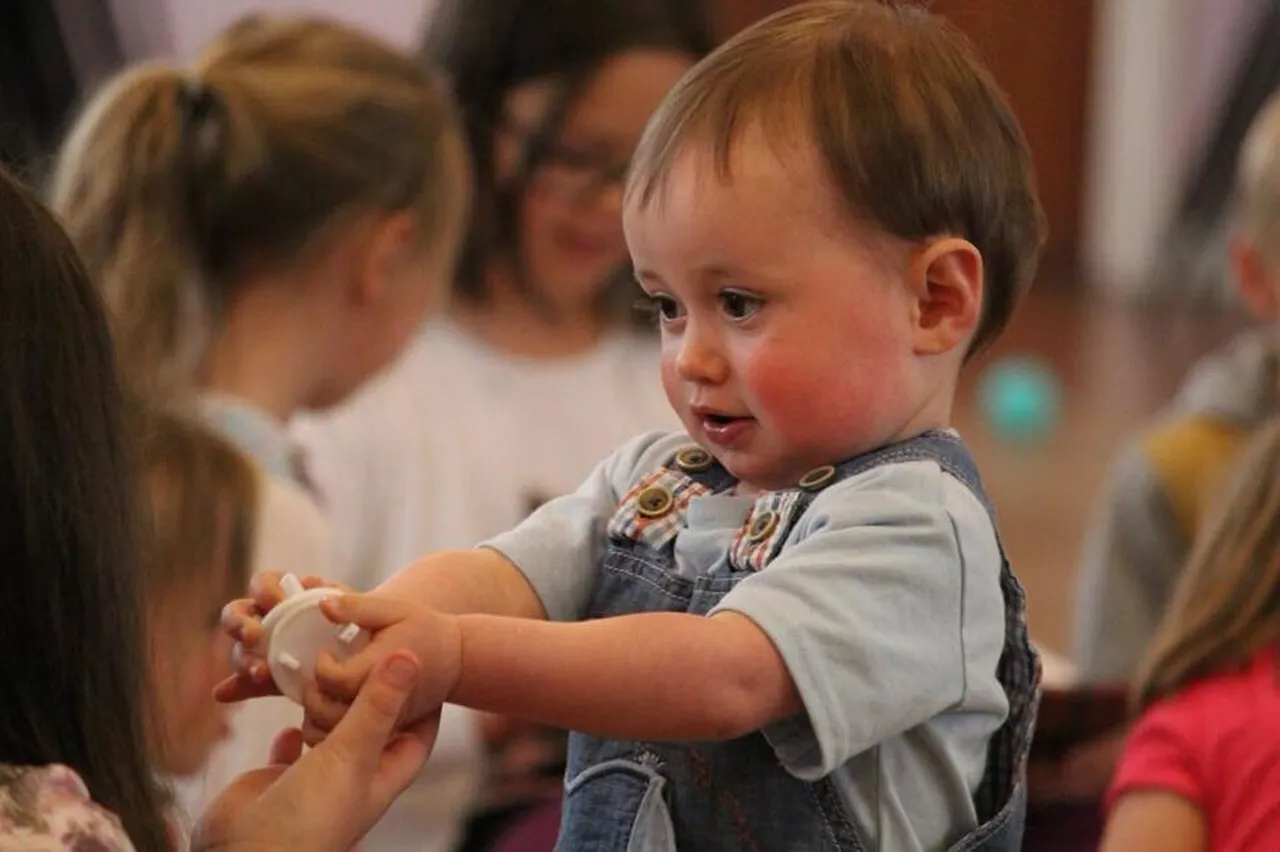
One of the quiet revolutions in human evolution is how long it takes us to grow up. Compared to other mammals, and even to other apes, human children have an extremely extended period of dependency. We spend years learning to walk well, talk fluently, and navigate social rules. Our brains stay plastic and hungry for information far longer than most other animals’ do, which is expensive for parents but golden for culture.
This long childhood creates a kind of apprenticeship system baked into biology. Kids have time to absorb language, skills, and social norms before they become fully responsible adults. It is like having a long runway before takeoff, allowing for complex traditions, specialized skills, and slow‑burn talents like music, storytelling, and craftsmanship. Evolution paid the price of a long, vulnerable childhood in order to buy the incredible flexibility adults now have in how they live and think.
12. Cooperation Was As Crucial As Competition
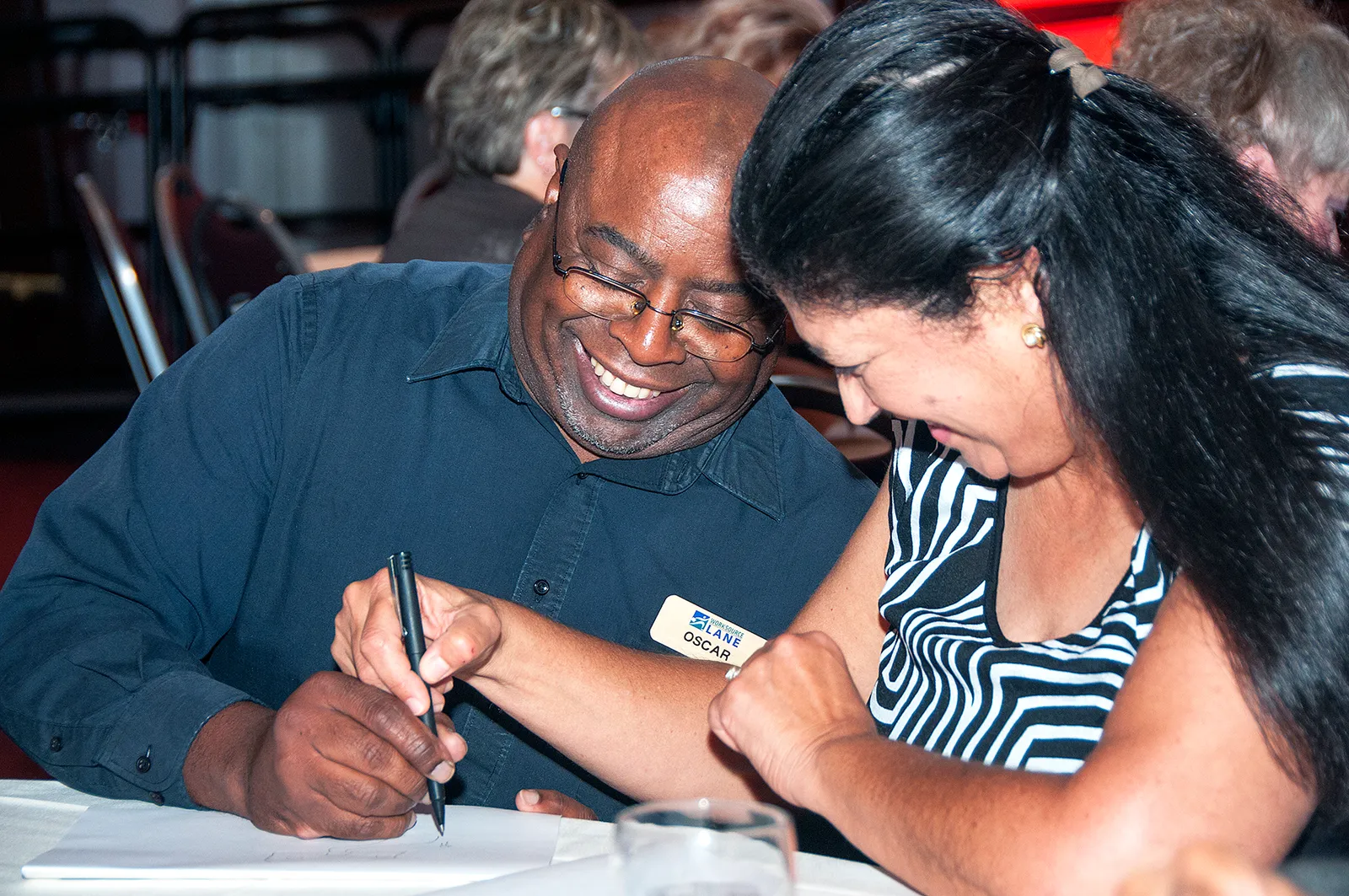
We often talk about evolution as if it were nothing but tooth‑and‑claw competition, but humans are strange in how much we rely on one another. Our ancestors probably survived not just because they were good hunters or clever toolmakers, but because they shared food, watched each other’s children, and cared for the sick and injured. Fossils show individuals who lived for years despite serious injuries, suggesting that someone was feeding and protecting them.
That deep tendency toward cooperation helped us solve problems no solitary ape could handle. Coordinated hunting, group defense, shared child‑rearing, and later, cooperative building and farming all depend on trust and communication. In a sense, our species evolved not just bigger brains, but bigger social circles, with an unusual willingness to rely on other people’s minds and hands. That same instinct powers everything from small villages to enormous, fragile modern cities.
13. Language Likely Emerged Gradually, Not In A Single Leap
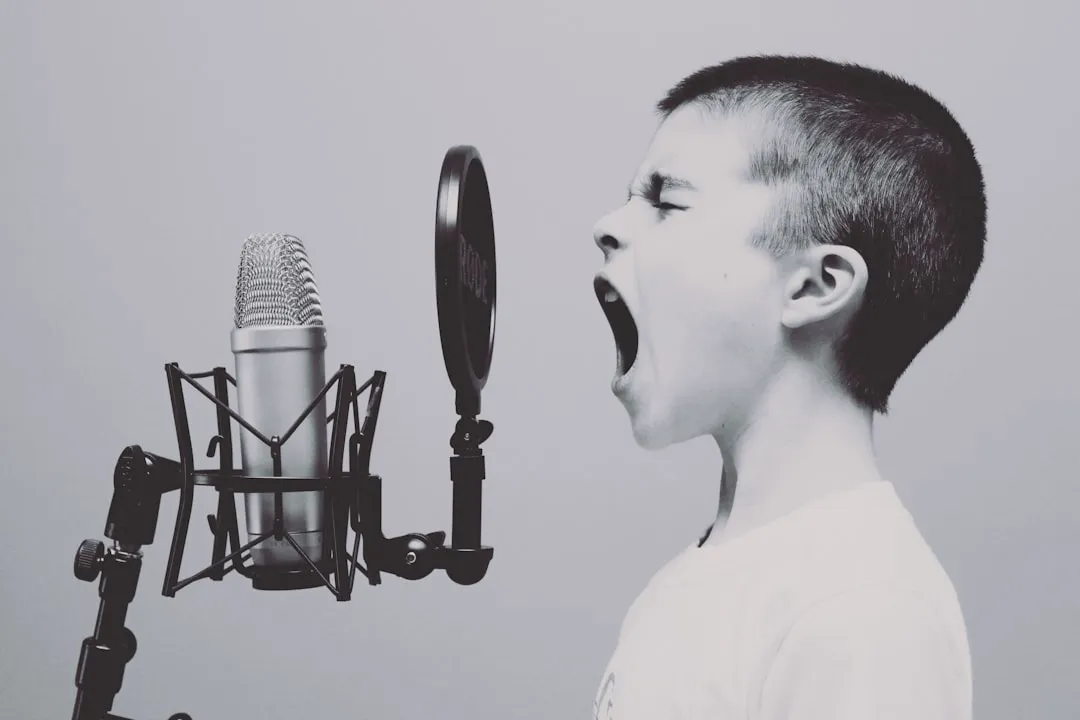
It is tempting to imagine early humans waking up one day and suddenly “having language,” as if a switch had flipped. Reality was almost certainly more gradual. Our ancestors already communicated with gestures, vocal calls, and facial expressions, just as other primates do now. Over time, the anatomy of the throat, tongue, and brain circuits for sound and meaning slowly shifted, allowing more complex, flexible speech.
At first, language might have been simple: short phrases about food, danger, or social relationships. But once a basic system for combining sounds into meanings existed, there was intense evolutionary pressure to sharpen it. Language is such a powerful tool for sharing information that even small improvements give huge advantages. Eventually, stories, plans, jokes, gossip, and myths all became possible, and culture exploded in complexity, riding on the back of this slowly evolving ability to share thoughts out loud.
14. Culture Became A Second Inheritance System

Biological evolution works through genes, but humans added another powerful inheritance system on top: culture. You do not have to reinvent fire, farming, or mathematics from scratch. You just copy what others around you are doing, refine it a little, and pass it along. That cultural inheritance lets knowledge accumulate over generations in a way no single brain could manage, leading to an accelerating spiral of innovation.
In practical terms, this means that the hunting tools or cooking techniques of one generation become the starting point for the next, not the final word. Ideas and practices that work tend to stick and spread, almost like successful genes do, while less effective ones fade away. Over time, this has given humans astonishing powers: the ability to build spacecraft, sequence genomes, and create symphonies, all sitting on top of ancient habits like sharing food and telling stories by the fire.
15. Our Bodies Still Carry “Ghost Adaptations” From Past Lifestyles

Modern humans often live in climate‑controlled rooms, eat processed food, and sit for long hours, but our bodies are still tuned for a very different life. We carry the skeletal and muscular setup of a long‑distance walker and runner, built to track animals or forage over large territories. Our metabolism expects irregular meals, bursts of effort, and stretches of rest, not constant snacks and chairs everywhere.
Some traits that were once useful can become mismatched in modern settings. For instance, bodies that evolved to cling fiercely to stored calories in times of famine now sit in environments with constant, easy access to high‑energy foods. The same immune defenses that once helped us survive dangerous infections can sometimes overreact in clean, modern environments, contributing to allergies or autoimmune conditions. These “ghost adaptations” are reminders that evolution shaped us for a world that, in many ways, no longer exists.
16. Evolution Never Stopped – Humans Are Still Changing
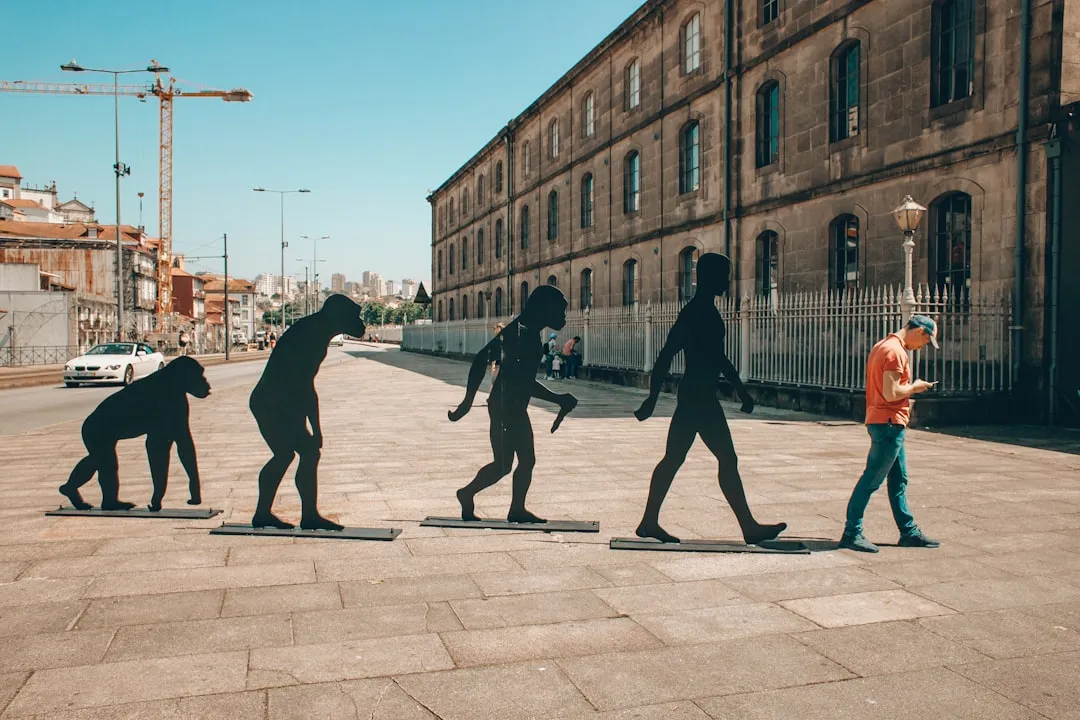
There is a persistent myth that evolution “ended” for humans once we developed culture or medicine. In reality, as long as there is variation, heredity, and differences in who has children, evolution is still in motion. Modern studies of human genetics show small but real shifts in traits related to disease resistance, diet, and even high‑altitude living within relatively recent history.
Of course, the pressures have changed. Instead of sabertooth cats and harsh winters being the main survival challenges, we now face new filters like urban lifestyles, modern diets, pollutants, and global pandemics. We do not yet fully understand how these forces will shape our descendants, but it is clear that there is no magical finish line. Our species is still a work in progress, even if the tools shaping us now look more like smartphones and antibiotics than stone hand‑axes.
17. Our Story Is Written In Bones, Genes, And Ashes – And It Keeps Getting Revised
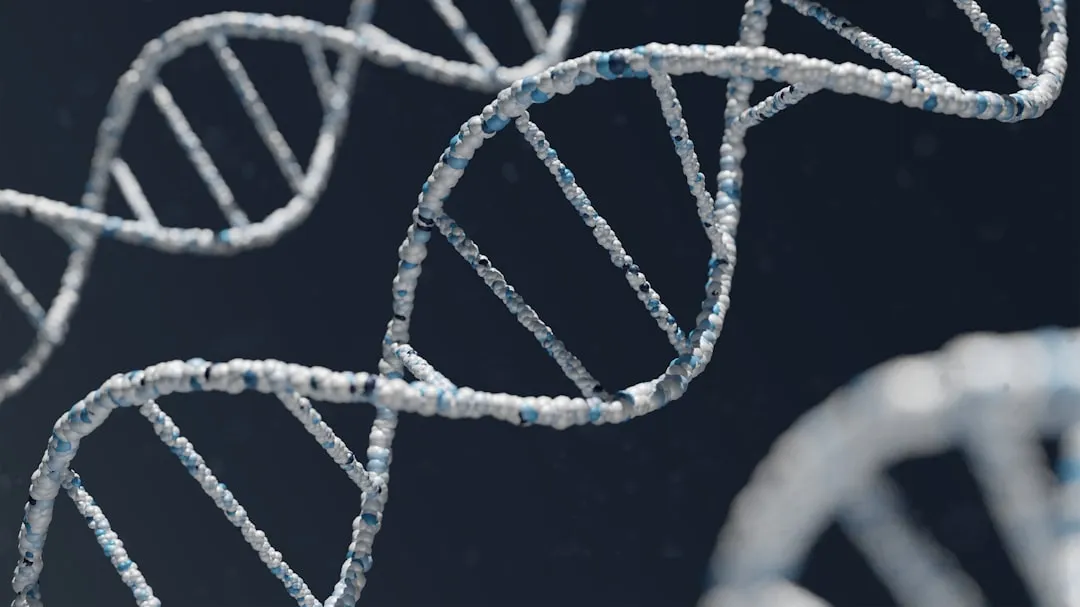
Human evolution used to be told almost entirely from bones and stone tools. Now, scientists can read ancient DNA from teeth, cave sediments, and even hardened chewing gum from thousands of years ago. They can analyze microscopic wear on tools, soot traces from long‑extinct campfires, and pollen from ancient landscapes. Each new technique adds another layer to the story, and usually, it complicates what we thought we knew rather than neatly confirming it.
I find this constant rewriting strangely reassuring. It means our understanding is alive, not frozen. When a new fossil or genetic sequence comes along that challenges a cherished idea, the honest response is not to cling tighter to the old story, but to update it. That scientific humility – admitting when we were wrong and adjusting – is a powerful antidote to the human tendency to oversimplify our past into tidy myths.
18. We Are Both Ordinary Animals And Radically Strange
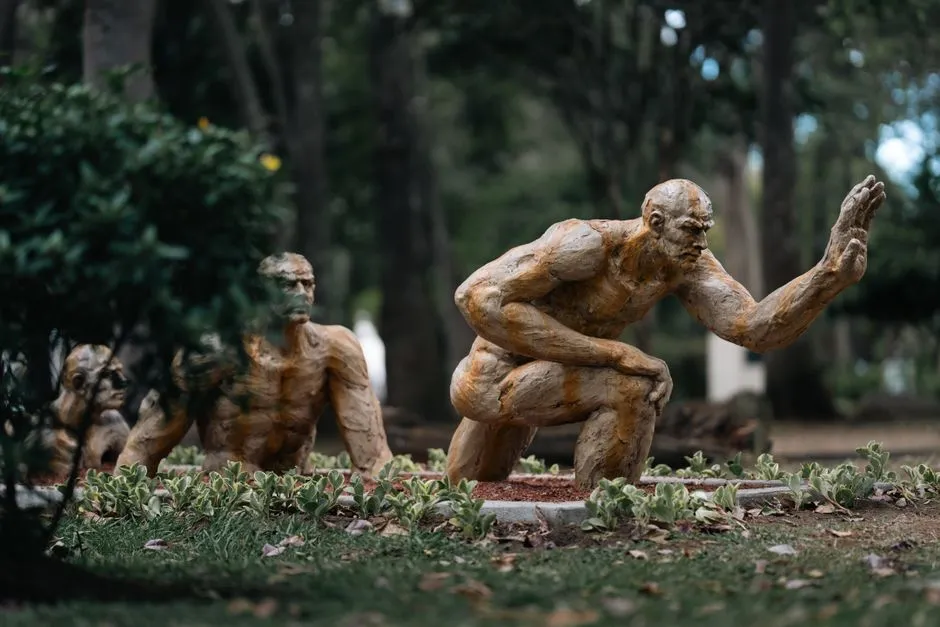
Here is the most unsettling fact of all: humans are thoroughly ordinary in some ways and utterly bizarre in others. Biologically, we are just one primate among many, governed by the same chemistry and physics as everything else alive. We get sick, age, and die. We share huge chunks of our DNA with chimpanzees, but also with mice, fruit flies, and even trees. From nature’s point of view, we are not separate from the rest of life; we are woven into it.
At the same time, we have broken rules that held for billions of years. We alter entire ecosystems on purpose, edit our own genes, send machines to other planets, and worry about the far future of consciousness itself. That odd duality – animal body, extravagant mind – comes straight out of our evolutionary history. To me, the most honest way to look at our origins is with a mix of pride, wonder, and discomfort. We are the latest chapter in a long, messy story, not its predetermined climax.
Conclusion: Our Origins Are Messier – And More Beautiful – Than The Myth
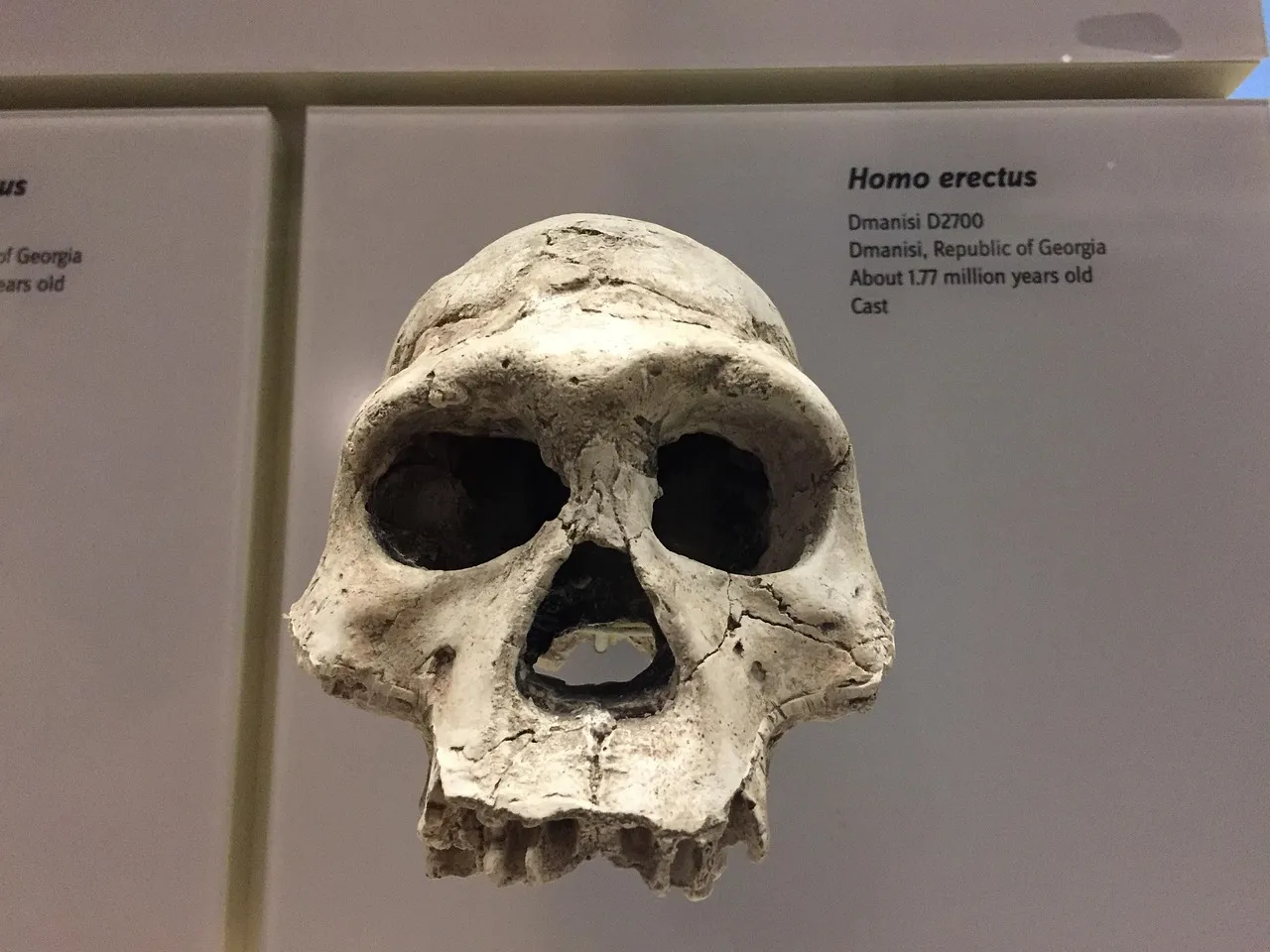
When you really sit with these facts, the childhood version of human evolution starts to feel almost cartoonish. There was never a simple ladder from ape to human, never a single starting point, never a clean handoff from one species to the next. Instead, there was a swirling, overlapping dance of many human kinds, shaped by climate chaos, chance encounters, and unlikely alliances written in DNA. Our origins are less a straight line and more a braided river delta, with channels that merge, split, and sometimes vanish in the sand.
In my view, that messiness is not a flaw in the story – it is the whole point. It means we are not destined rulers of the planet, but improbable survivors of a wild evolutionary experiment that could easily have gone another way. Accepting that truth makes our place in the world feel more fragile, but also more precious. If our species is just one temporary branch on a larger tree of life, the real question is not how impressive our past has been, but what kind of ancestors we are willing to be for whatever comes next. Did you expect our origins to be this tangled?

- 15 Ways Dogs Turn Downsizing Into a Joyful Transition - August 10, 2026
- 18 Astonishing Facts About Human Evolution That Rewrite Our Origins - August 10, 2026
- 15 Signs Your Dog Is the Best Roommate You’ve Ever Had - August 10, 2026