
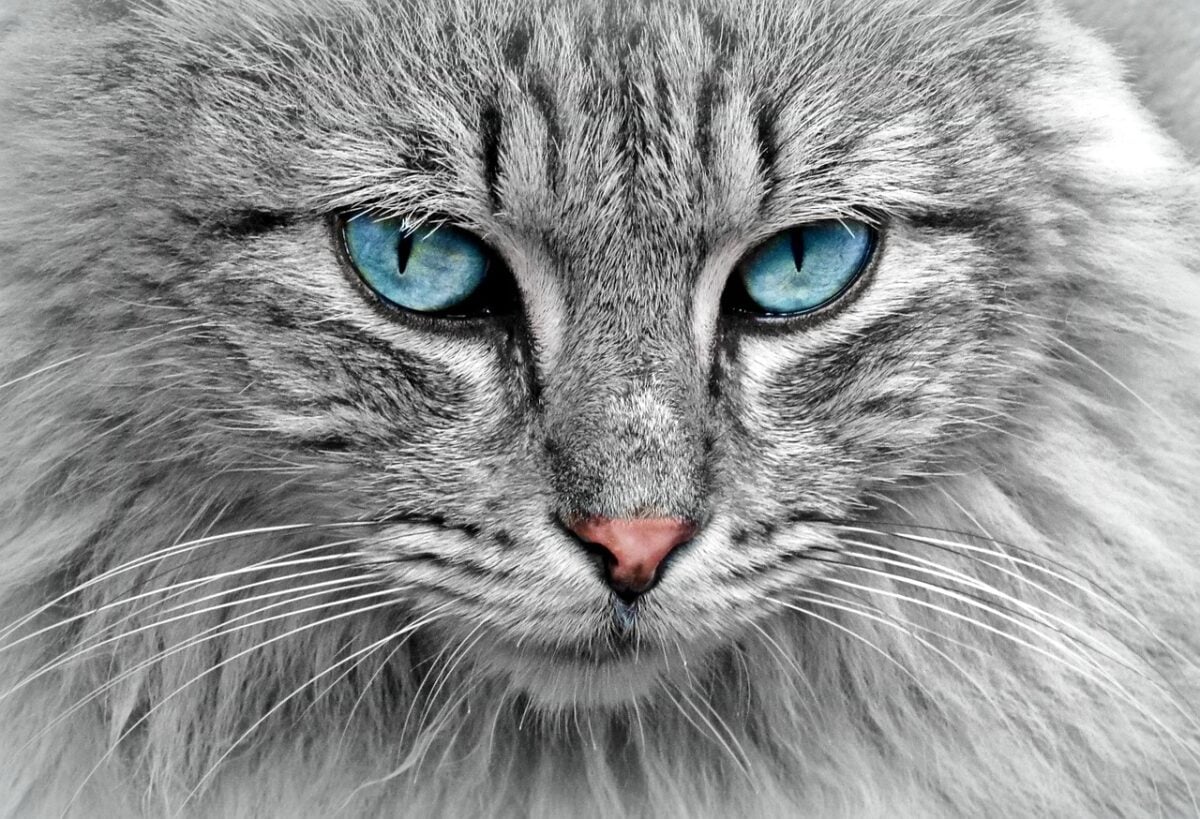
Most families assume a senior cat slowing down is simply aging gracefully – a little sleepier, a little pickier, a little more content to watch the world from the couch. Veterinary nurses see something very different behind closed exam room doors, and it rarely gets said out loud to the humans holding the carrier.
The truth is that a cat over the age of twelve is almost never “just old” – there’s usually something quiet and treatable hiding beneath the surface. Here’s what veterinary nurses actually notice with senior cats, and why so many families miss the warning signs until it’s nearly too late.
#1 – Almost Every Cat This Age Is Living With Silent Joint Pain
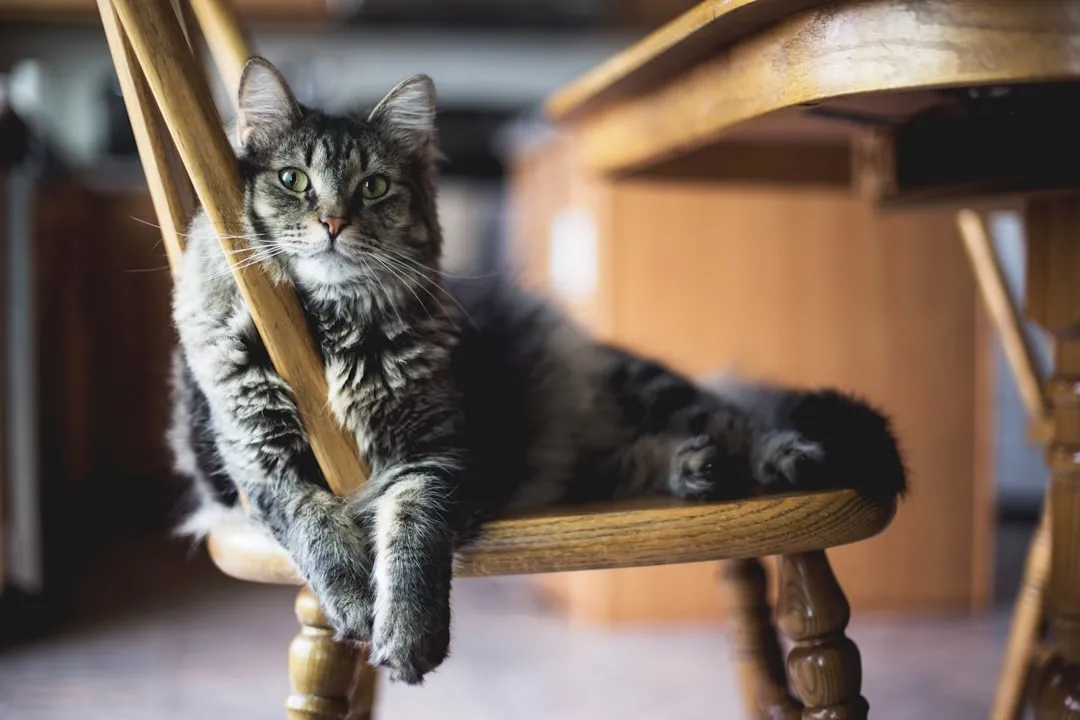
Here’s a fact that stops most owners cold: your cat is probably already in pain, and you don’t know it.
Studies referenced by feline specialists suggest that roughly 90 percent of cats over 12 years old have radiographic signs of arthritis. Most owners never see a limp, because cats don’t limp the way dogs do – they simply stop jumping. Nurses will tell you the real tell is a cat who suddenly prefers the floor to the windowsill, or struggles with stairs, furniture, grooming, or the litter box. Owners often chalk it up to laziness. Nurses know it’s usually cartilage grinding on bone, quietly, every single day. But #2 flips a lot of owners’ assumptions upside down…
Fast Facts
- Roughly 90% of cats over 12 show radiographic signs of arthritis
- Cats rarely limp – they simply avoid jumping, stairs, or high perches
- Hips, elbows, and the spine are the most commonly affected joints
- Reduced grooming is often an early, overlooked pain signal
#2 – Weight Loss While Your Cat Is Eating Normally Is a Massive Red Flag
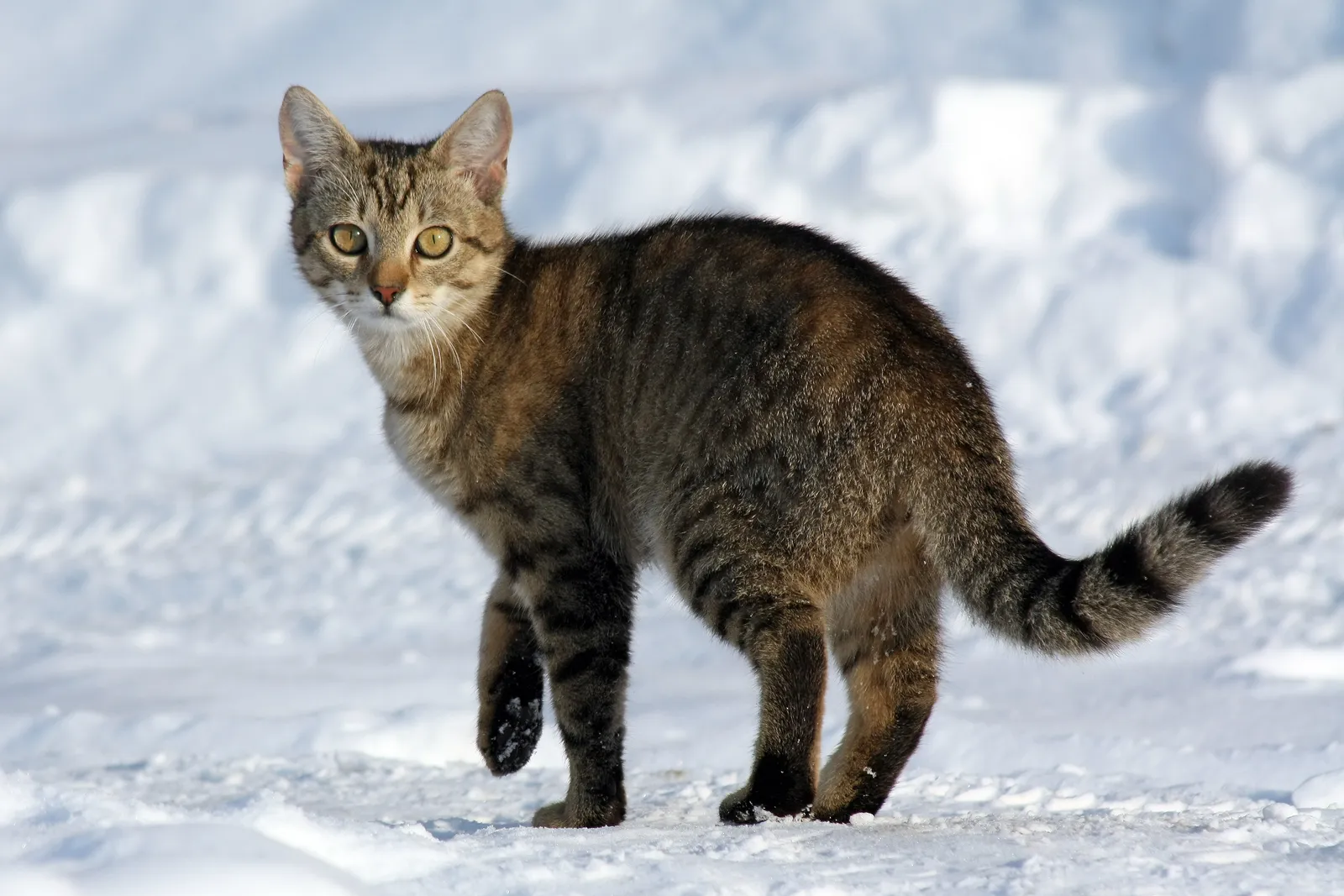
Most people assume a cat losing weight must be eating less. Vet nurses know that’s often completely backwards.
Many serious diseases cause weight loss while a cat is still eating normally, or even more than before. Hyperthyroidism revs the metabolism like a stuck accelerator, while early kidney disease, diabetes, and some cancers quietly steal weight too. That’s why nurses ask “has your cat’s appetite actually changed?” instead of just “is he eating?” The scale, not your gut feeling, is the most honest indicator of trouble. Owners who skip monthly weigh-ins often don’t notice the slide until the cat has lost a third of its body mass. Yet #3 is the habit most owners quietly skip – and regret later…
#3 – Twice-a-Year Vet Visits Aren’t Excessive, They’re the Bare Minimum
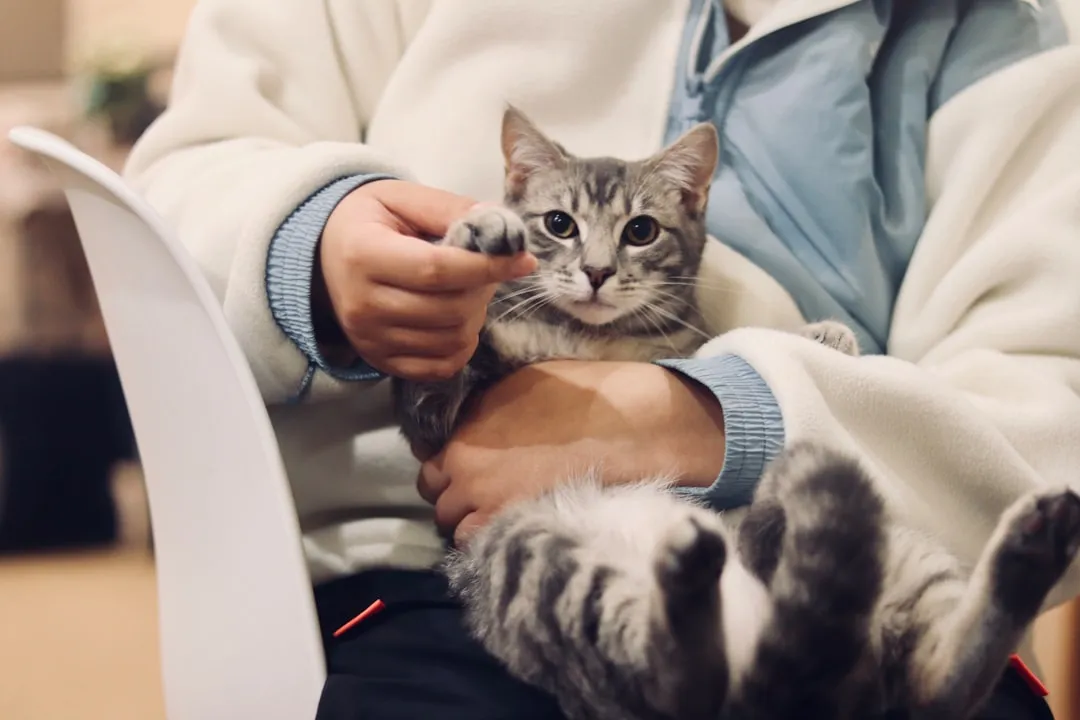
Owners often push back on “another checkup already?” Nurses hear this complaint constantly, and it frustrates them more than you’d think.
Healthy senior cats should see a veterinarian every six months, with lab work each year – and cats with existing health issues need even closer monitoring. That’s not upselling; it’s because cats are masters at hiding sickness. A six-month gap in a senior cat’s life is roughly equivalent to two or three years in a human’s, plenty of time for kidney values or a thyroid tumor to slide from manageable to critical. Skipping visits doesn’t save money, it just delays a far more expensive emergency. Still, nothing prepares owners for what’s happening in #4…
#4 – Behavioral Changes Are the Real Early Warning System, Not Symptoms to Ignore
Most owners wait for a dramatic symptom before calling the vet. Nurses wish they’d call the moment something simply feels off.
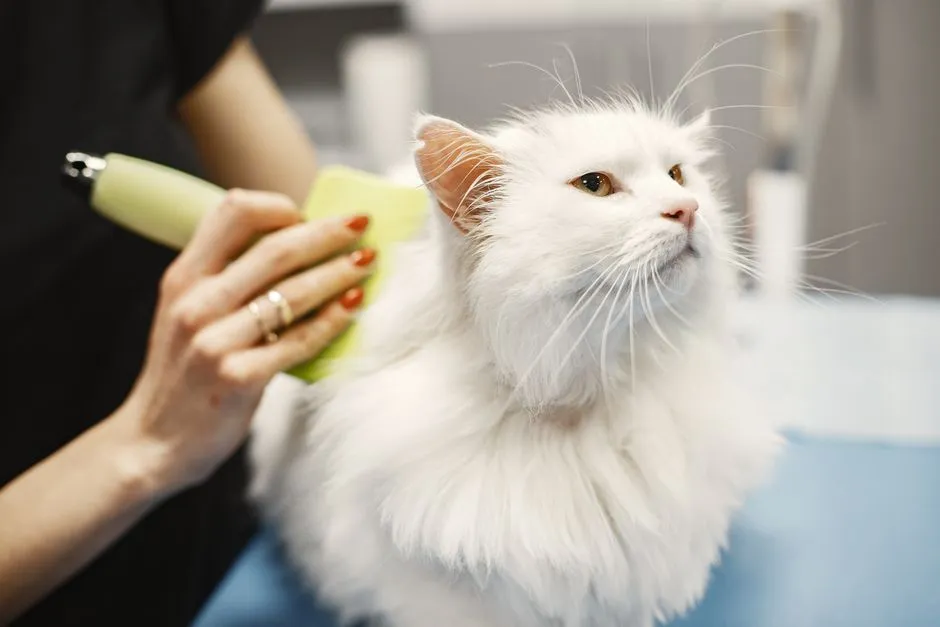
A weekly once-over during grooming can help you catch new lumps or subtle shifts before they become obvious. A cat who suddenly avoids the family, hides more, or stops greeting you at the door isn’t being moody – she may be in pain or cognitively confused. Veterinary hospice specialists describe this exact pattern: changes owners write off as “normal old age” are frequently the effects of a real, treatable health problem. The subtlest changes are often the loudest alarm bells. And #5 hides in the last place most owners think to check…
#5 – Dental Disease Can Be Agonizing Even When the Teeth Look Completely Fine
This one catches almost every owner off guard: a cat’s mouth can look normal and still be a source of daily agony.
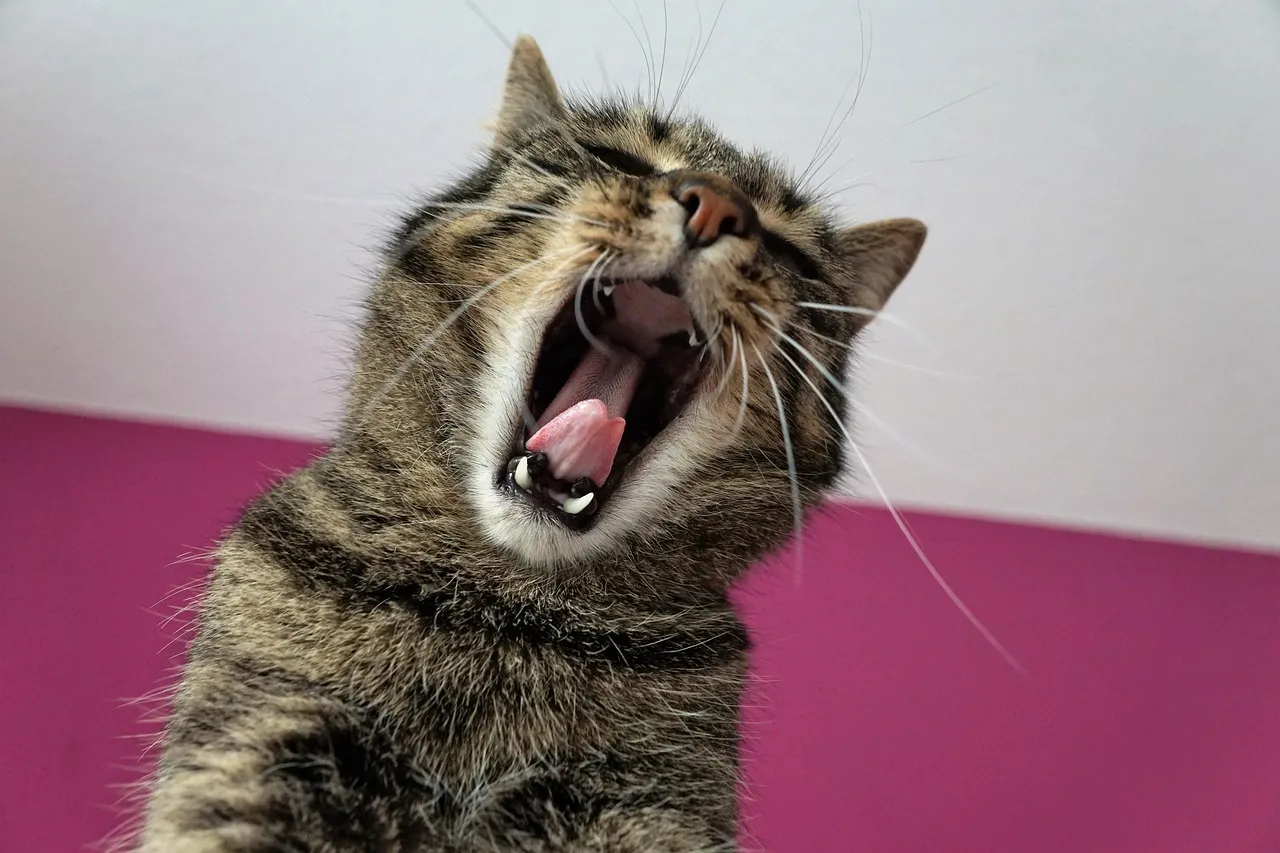
Tooth resorption is especially common in older cats and can be intensely painful even without visible tartar. Cats are experts at masking dental pain, still eating and purring through significant mouth disease, while X-rays quietly reveal roots dissolving beneath the gumline. A cat purring on your lap can simultaneously be in serious oral pain. Seniors almost always need more frequent dental checks, not fewer, even though anesthesia decisions understandably make owners nervous. Meanwhile, #6 is quietly working against your cat before anything else shows…
#6 – Kidney Disease Is Almost Guaranteed, and Water Intake Is the First Clue
Nurses will tell you plainly: if your cat lives long enough, the kidneys are usually the first major organ to struggle.
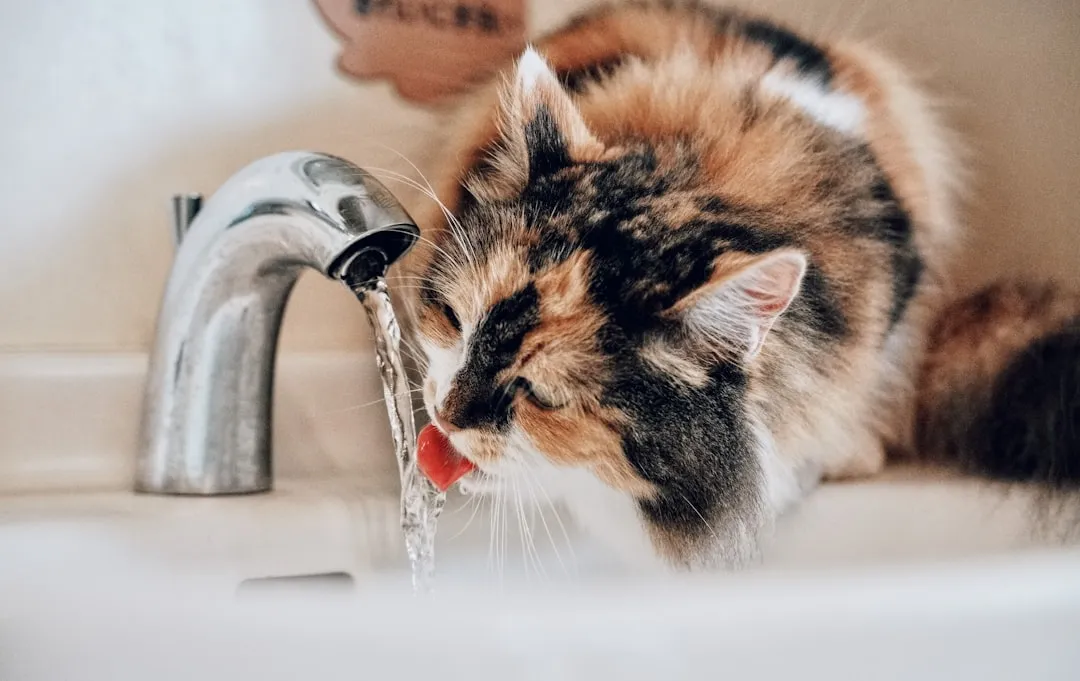
Chronic kidney disease is one of the most common problems in senior cats, and the earliest sign most owners miss isn’t vomiting or lethargy – it’s a subtle rise in water consumption. Veterinary hospitals specifically flag sustained increases in drinking, since healthy daily intake should stay well under 100 mL per kg. A cat drinking noticeably more water isn’t “just thirsty” – it’s often the kidneys failing to concentrate urine properly. Catching this early through bloodwork can add years of comfortable life. Up next, #7 is the diagnosis almost no owner sees coming…
#7 – Cognitive Decline Is Real in Cats, and Most Owners Never Suspect It
Dogs get labeled with dementia fairly often in casual conversation. Cats almost never do, and nurses say that’s a mistake costing owners peace of mind.
An estimated 80 percent of cats show signs of cognitive dysfunction by 15 years of age. Disorientation, nighttime vocalizing, house accidents, hiding, poor grooming, and excessive sleep are all classic markers. Most families assume their cat is simply sleeping through senility with no real fix available. That assumption is often wrong – some cognitive symptoms respond to diet changes, enrichment, and medication. Then there’s #8 – the phone call nurses get more than any other…
Worth Knowing
- Disorientation – wandering, staring at walls, getting “lost” in familiar rooms
- Interactions – reduced greeting behavior or sudden clinginess
- Sleep-wake changes – restless nights, more daytime sleeping
- House soiling – forgetting litter box location or purpose
- Activity shifts – aimless pacing or a drop in normal play
#8 – That 2 A.M. Yowling Almost Always Has a Medical Root Cause
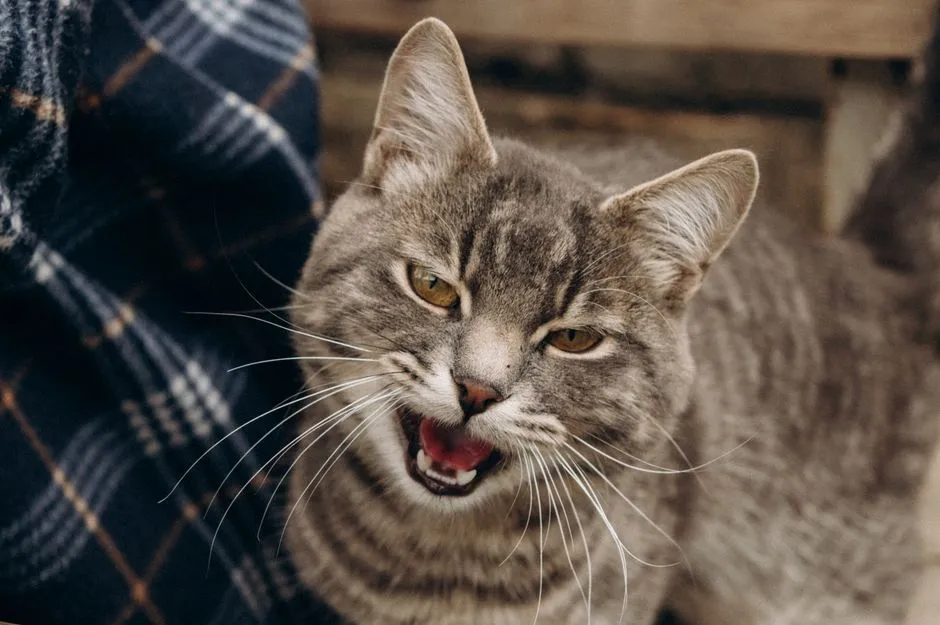
Every veterinary nurse has fielded the exhausted 2 a.m. phone call about a cat suddenly crying through the house for no obvious reason.
This isn’t quirky senior behavior – it’s frequently a sign of cognitive dysfunction, thyroid disease, high blood pressure, or hearing and vision loss. Disorientation in a dark, quiet house tends to intensify anxiety in aging cats, and nurses often ask exactly when the yowling happens because timing narrows down the likely cause fast. Owners frequently interpret this as attention-seeking, when it’s often the cat expressing genuine confusion or discomfort. Punishing or ignoring it instead of investigating medically is one of the most common mistakes senior cat owners make. Which brings us to #9, a symptom owners almost always misjudge…
#9 – Litter Box “Accidents” Are Rarely About Behavior at This Age
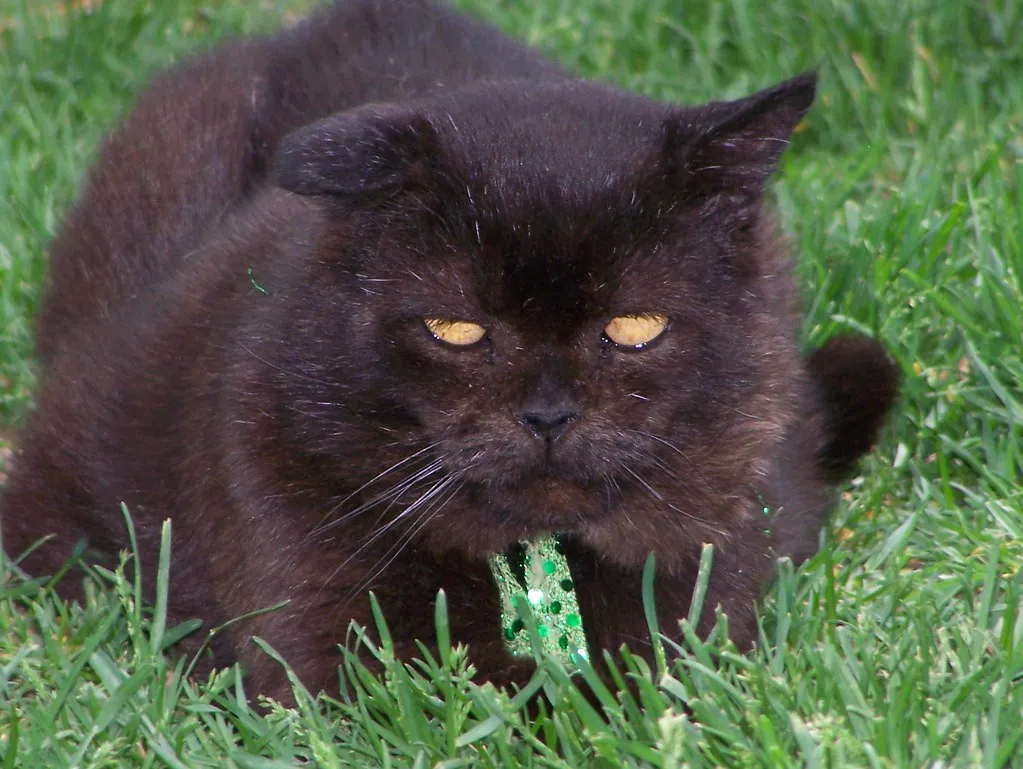
Owners love to blame litter box lapses on spite, stress, or a phase. Nurses almost universally disagree once a cat crosses twelve.
Lapsed litter box habits, decreased activity, and reluctance to climb stairs are all classic signs of arthritis. A high-sided box that was fine at age five can become a genuine physical obstacle at age fourteen. Kidney disease, diabetes, and cognitive dysfunction can all independently cause the same missed-litter-box pattern. Punishing a senior cat for litter box mistakes is, frankly, almost always the wrong response. The fix is medical evaluation first, environment second, never scolding. Next, #10 reveals how much comfort a few small changes can buy…
#10 – The Litter Box and Bed Setup You’ve Always Used Probably Needs to Change
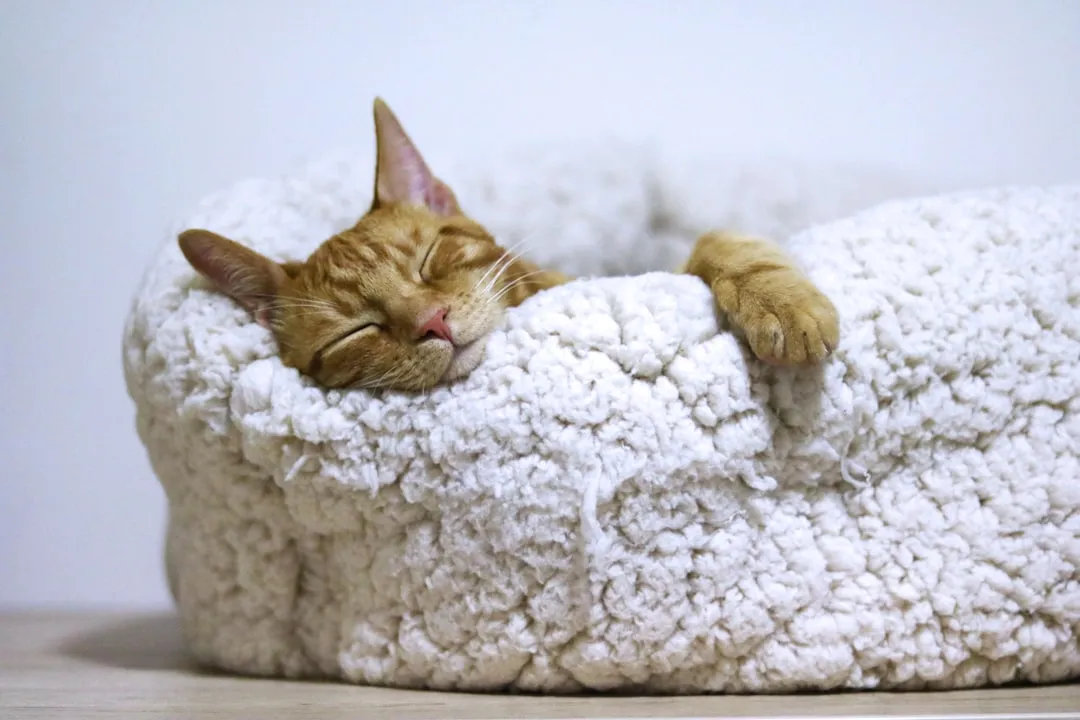
Most owners never update their cat’s environment after kittenhood. Veterinary nurses see this as a genuinely overlooked mistake.
For a cat with arthritis, easy access to the litter box, a soft cozy bed, and simple access to favorite spots can dramatically reduce daily pain without a single medication. Ramps to windowsills, low-entry litter boxes, and non-slip mats near food bowls matter far more than owners assume. Senior cats also gravitate toward warmth as they age, and a heated bed can be a genuine upgrade. A ten-dollar ramp can sometimes do more for comfort than an expensive supplement. From there, #11 flips the weight conversation most owners never consider…
Quick Compare
- High-sided litter box → Low-entry, easy-step box
- Cold floor bed → Heated, cushioned bed
- One bowl station upstairs → Food and water on every level
- Bare tile near bowls → Non-slip mats for traction
#11 – Weight Problems Cut Both Ways, and Neither Extreme Is Safe
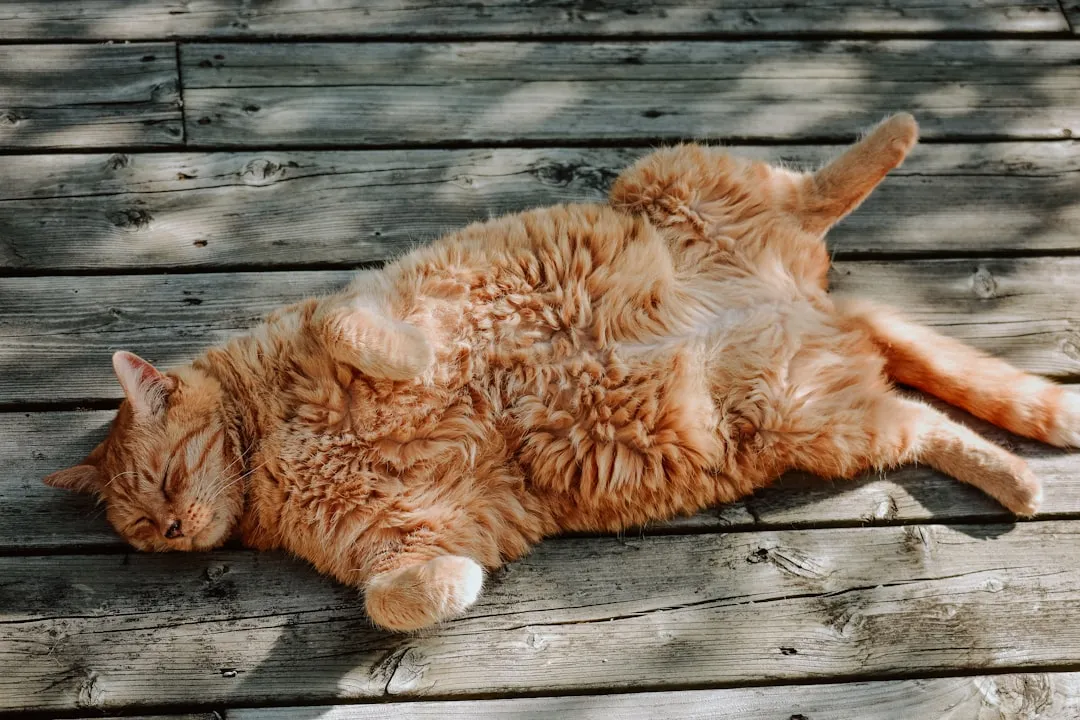
Owners tend to focus on obesity as the only weight-related danger. Nurses know unexplained thinning is just as serious, sometimes more so.
Keeping cats at a healthy weight reduces signs of osteoarthritis and improves longevity, so excess weight compounds joint pain that’s already nearly universal in seniors. But the flip side is equally dangerous: dulled senses of smell and taste can quietly cause muscle wasting that owners mistake for normal aging thinness. A cat that “just got smaller with age” has usually lost muscle mass that signals real disease. Monthly at-home weigh-ins on a kitchen scale catch trends long before the eye does. And #12 is the number that stops most owners cold…
#12 – Cancer Risk Climbs Sharply After Ten, and Early Signs Look Deceptively Minor
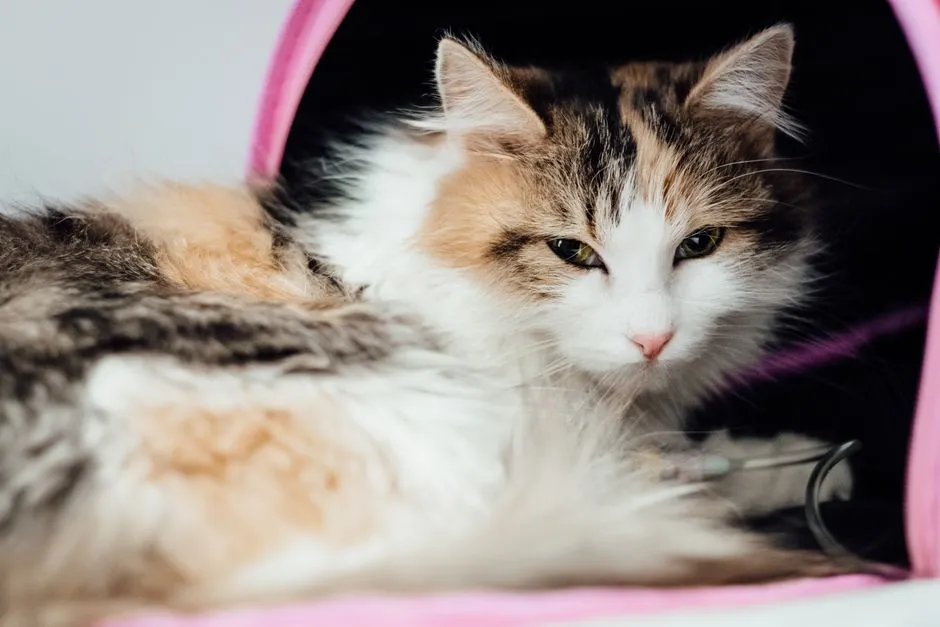
This is the topic nurses say owners are least prepared to hear, yet it’s more common than most people realize.
Around 30 percent of cats over age 10 will be diagnosed with some form of cancer, with lymphosarcoma among the most common types. The warning signs are frustratingly vague at first – enlarged lymph nodes, appetite loss, weight loss, lethargy, coughing, or vomiting can all point to lymphoma, but they also overlap with a dozen less serious conditions. A “small lump that’s probably nothing” is exactly the kind of thing nurses insist gets checked immediately. Early detection through routine bloodwork remains the single biggest advantage owners have. Right behind it, #13 is hiding in plain sight, on your cat’s own fur…
#13 – A Sudden Drop in Grooming Habits Is Often the First Visible Symptom of Illness
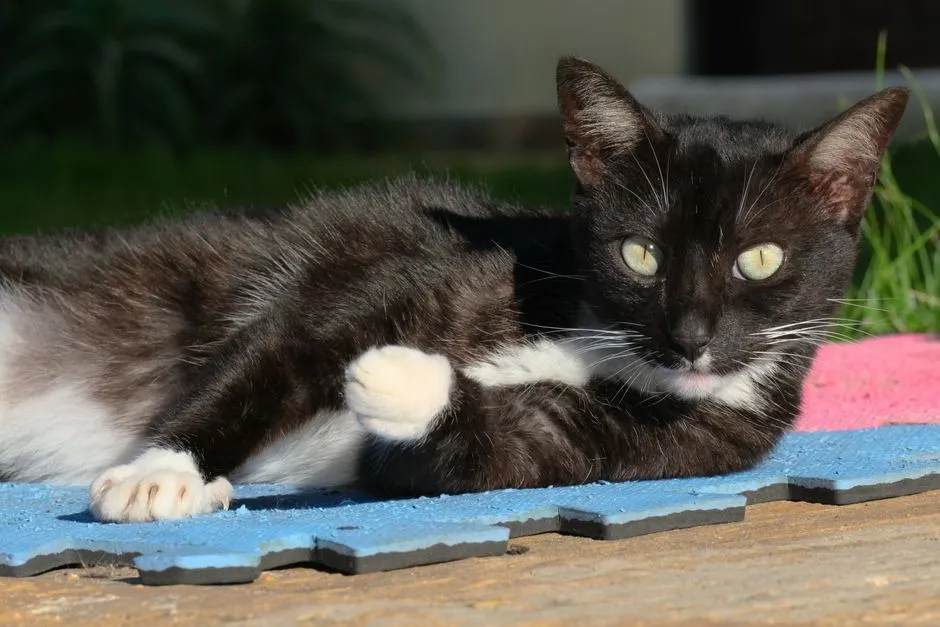
Cats are famously fastidious. When that fastidiousness disappears, nurses treat it as a genuine medical clue, not a cosmetic issue.
A greasy, matted, or unkempt coat in a previously well-groomed senior cat frequently signals pain that makes twisting and stretching difficult, or cognitive decline that makes routine self-care fall by the wayside. Poor grooming sits alongside disorientation and hiding as a classic sign of feline dementia, and arthritis in the spine and hips specifically limits a cat’s ability to reach its lower back and tail. A patch of matted fur near the tail base is one of the most reliable “tells” nurses look for during an exam. Owners often mention it as an afterthought. Then #14 complicates everything nurses thought they understood about treatment order…
#14 – Hyperthyroidism and Kidney Disease Often Hide Behind Each Other
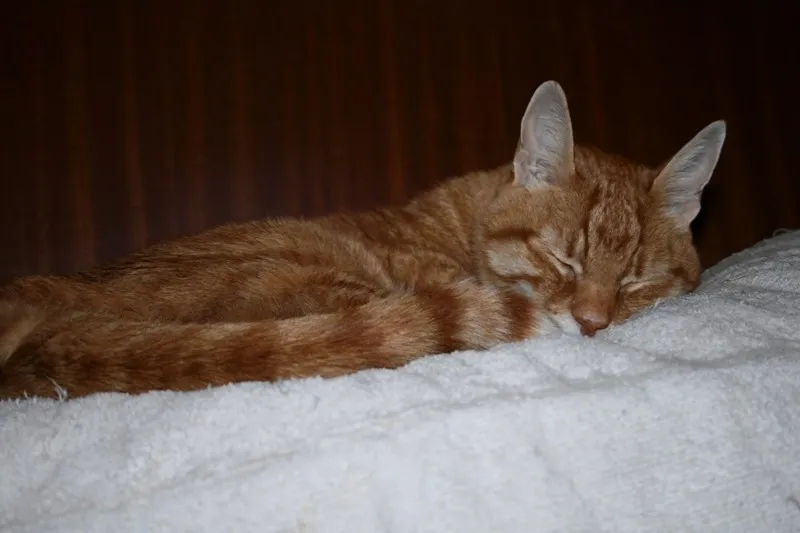
This is one of the trickiest overlaps in senior cat medicine, and it genuinely complicates treatment decisions.
About 25 percent of hyperthyroid cats have kidney disease that can’t be detected until the hyperthyroidism is treated, meaning fixing one condition can unmask the other almost immediately. Cats with both diseases often need treatment for both, with the kidney diagnosis affecting overall prognosis. Fixing the “obvious” problem too fast can sometimes reveal a second, more dangerous one. This is precisely why nurses insist on staged bloodwork rather than rushing straight into aggressive thyroid treatment. Yet #15 is oddly one of the most treatable diseases on this entire list…
#15 – Hyperthyroidism Alone Is Shockingly Common and Wildly Under-Recognized
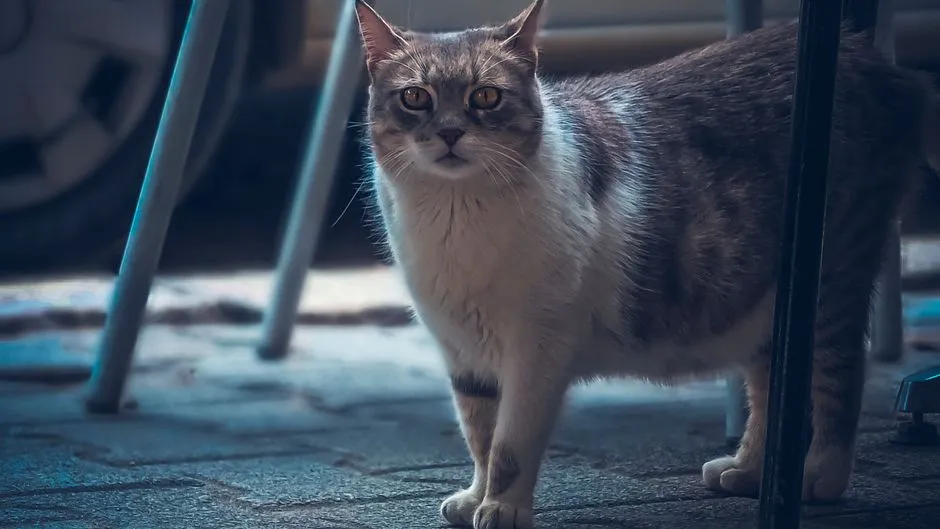
Even without kidney complications, this single disease deserves far more attention than most owners give it.
About 10 percent of cats age 10 and older develop hyperthyroidism, making it one of the most common endocrine disorders nurses see in senior appointments. The telltale sign is weight loss with a good, or even increased, appetite – the exact opposite of what most owners assume “sick” looks like. Left untreated, it can lead to heart disease and, rarely, high blood pressure. The good news nurses love sharing: treated cats often bounce back dramatically, sometimes acting years younger within weeks of starting medication. Which leads straight into #16, the myth nurses fight hardest…
At a Glance
- Weight loss despite a normal or increased appetite
- Increased thirst and more frequent urination
- Restlessness, irritability, or sudden hyperactivity
- Rapid heart rate and, occasionally, vomiting
#16 – “He’s Too Old for Anesthesia” Is a Myth Vet Nurses Actively Push Back On
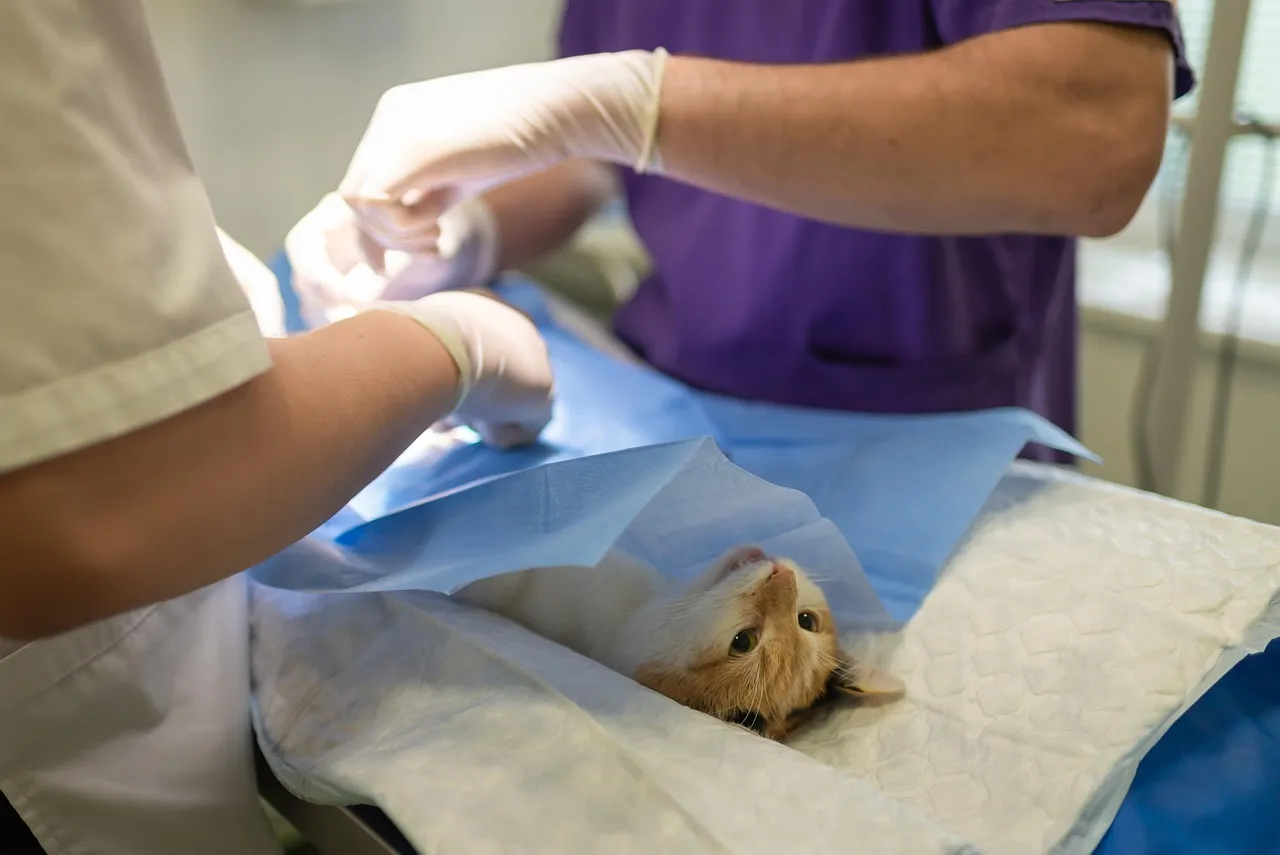
This is one of the more genuinely controversial opinions inside veterinary clinics, and it puts nurses at odds with well-meaning owners constantly.
Many owners of hyperthyroid cats hesitate on surgery or radiation because of age, but old age itself is not a disease. Modern anesthesia protocols are tailored for geriatric patients, with pre-screening bloodwork designed to catch risks before they become problems. Outcomes following most hyperthyroid therapies are excellent, and most cats return to a normal state of health. Refusing treatment purely based on age can sometimes shorten a cat’s life more than the procedure itself would risk. From there, #17 turns something as ordinary as kibble into medicine…
#17 – Diet Isn’t Optional Anymore – It’s Part of the Medicine
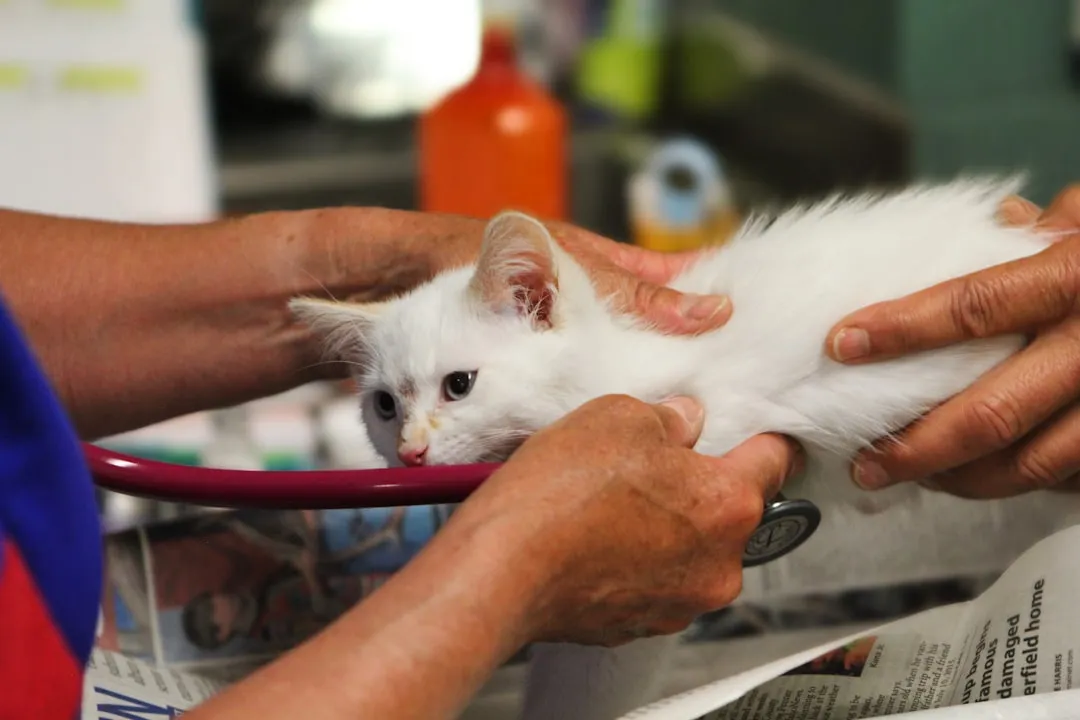
Owners often keep feeding the same food for a cat’s entire life. Nurses say that’s one of the easiest mistakes to fix, and one of the most impactful.
Nutritional needs shift with age, which is why staying in close contact with your vet matters. Cats with kidney disease often need reduced-phosphorus, controlled-protein diets to ease the kidneys’ workload, while hyperthyroid cats sometimes benefit from low-iodine formulas as an alternative to medication. A simple food switch can measurably slow disease progression in ways owners rarely expect from something as mundane as kibble. And #18 shows how much your cat’s daily habits are quietly confessing…
#18 – Your Cat’s Preferences for Food, Water, and Warmth Are Quietly Telling You Something
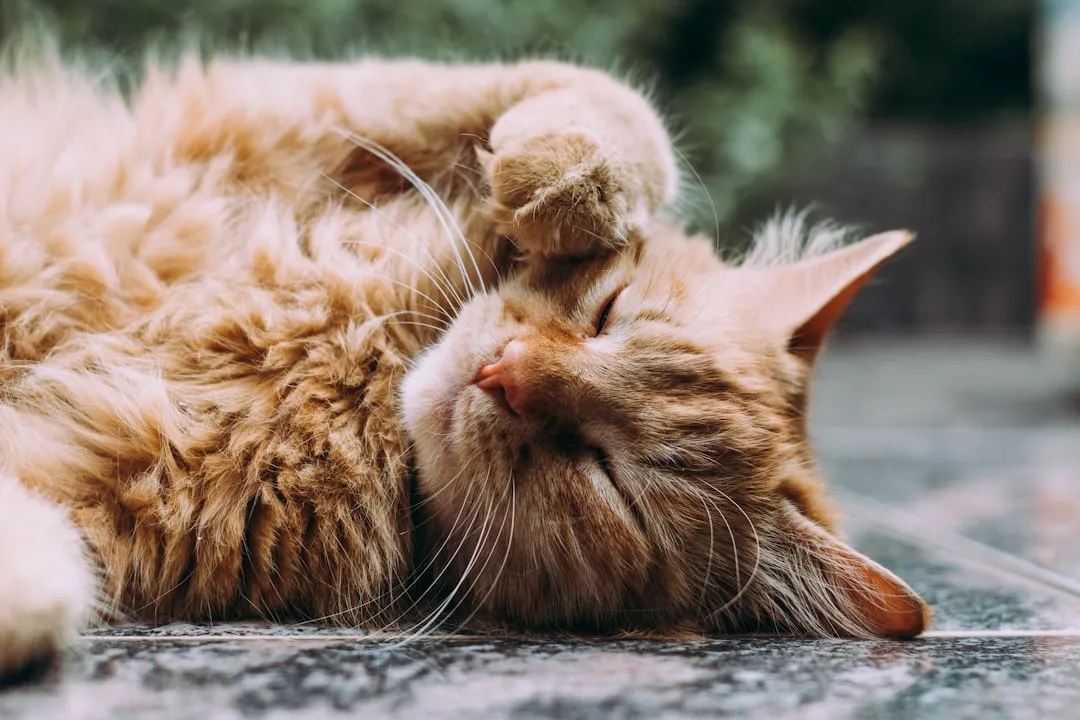
Small lifestyle shifts that seem charming or random are frequently physiological signals nurses wish owners paid closer attention to.
Some cats forget to eat and drink or find it difficult to navigate stairs to reach their bowls, so easy access to fresh food and water matters more than owners realize. A cat suddenly refusing to climb to a second-floor water bowl isn’t being picky – it may be physically painful for arthritic joints. A newfound obsession with heating vents or sunny spots often reflects a declining ability to self-regulate body temperature. Simple accommodations like ground-floor feeding stations solve problems owners often misread as personality changes. But #19 might be the single sentence nurses wish they could ban from every waiting room…
#19 – “He’s Just Old” Is the Single Most Dangerous Phrase in Senior Cat Care
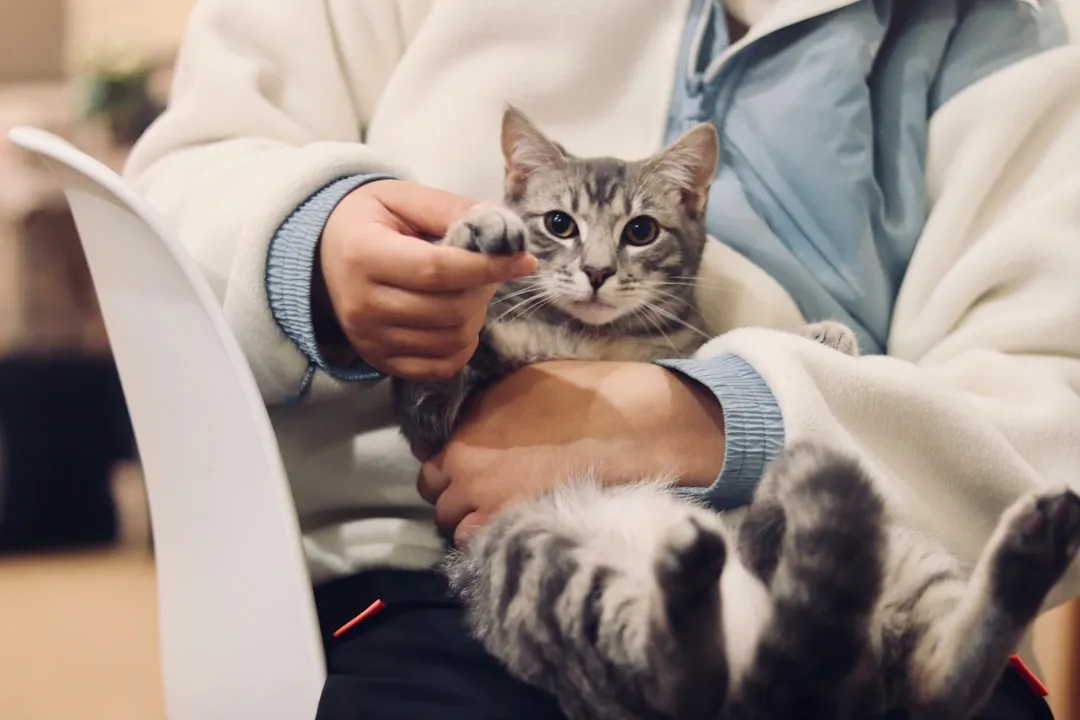
If there’s one belief veterinary nurses wish they could erase entirely, it’s this one.
Old age is not a disease, and treating every symptom as an unavoidable consequence of years passed is exactly how treatable conditions go undiagnosed until it’s too late. Sleeping more, eating less, moving stiffly, and hiding more often aren’t destiny – they’re symptoms with names, causes, and often, treatments. The cats who live the longest, most comfortable senior years belong to owners who refused to accept “just old” as a final answer. Nurses see the difference every single day between families who investigate and families who wait.
The Bottom Line
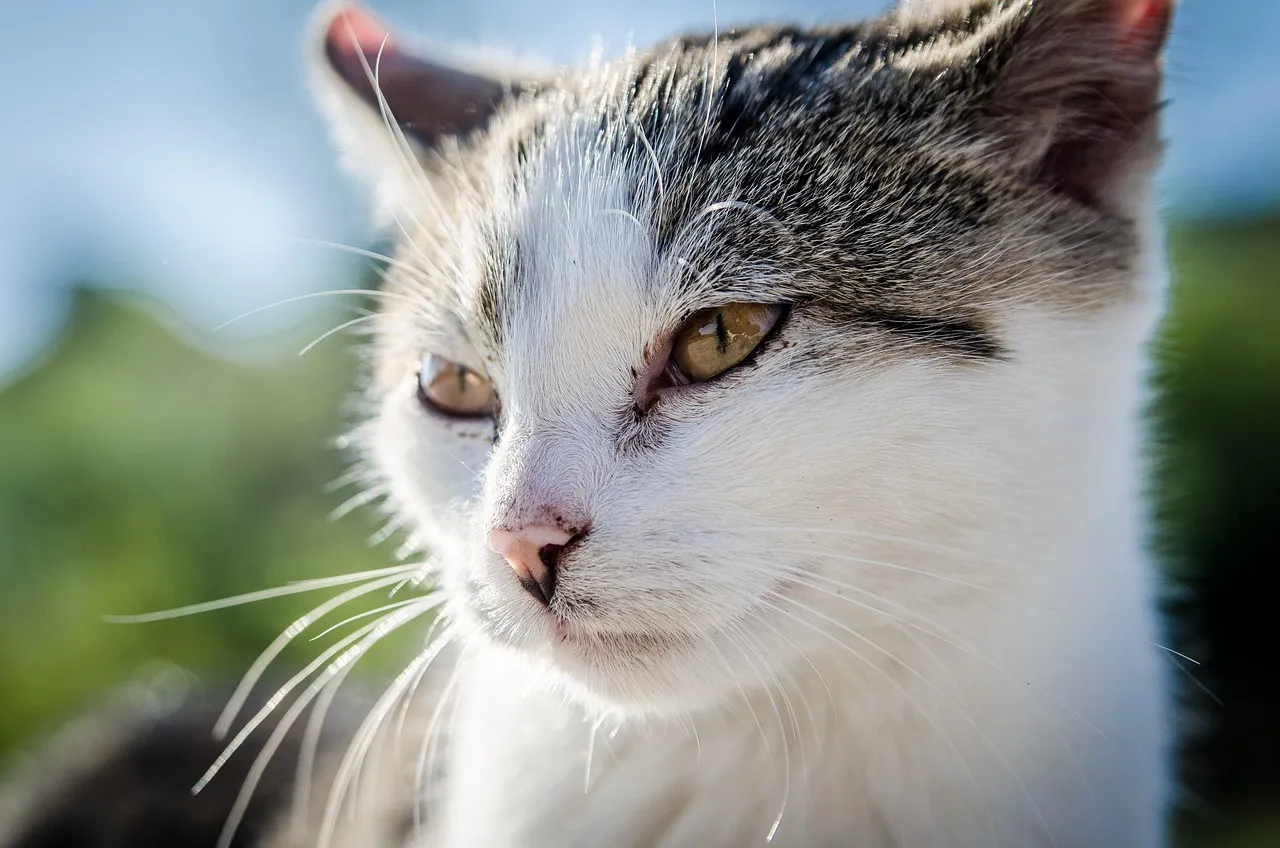
After everything veterinary nurses see behind closed exam room doors, one truth stands out above the rest: a twelve-year-old cat slowing down isn’t aging gracefully, it’s usually sending a message. Arthritis, kidney disease, hyperthyroidism, dental pain, and cognitive decline are all common, often overlapping, and frequently treatable – but only if owners stop dismissing symptoms as “just old age.”
My honest take, after everything above: the most dangerous thing in senior cat care isn’t a disease at all – it’s a shrug. Twice-yearly vet visits, honest weigh-ins, and paying attention to small behavioral shifts matter more than any supplement or fancy food ever will. Did your senior cat show any of these signs before you got a diagnosis? Drop it in the comments – your experience might help another owner catch it sooner.

- Is Your Senior Cat Choosing One Room Over Everywhere Else? 16 Signs Worth Watching - August 12, 2026
- 17 Things Lifelong Cat Owners Say They Wish Somebody Had Explained Far Earlier Than This - August 12, 2026
- 19 Things Veterinary Nurses Quietly Wish Every Owner Understood About Cats Over the Age Twelve - August 12, 2026