
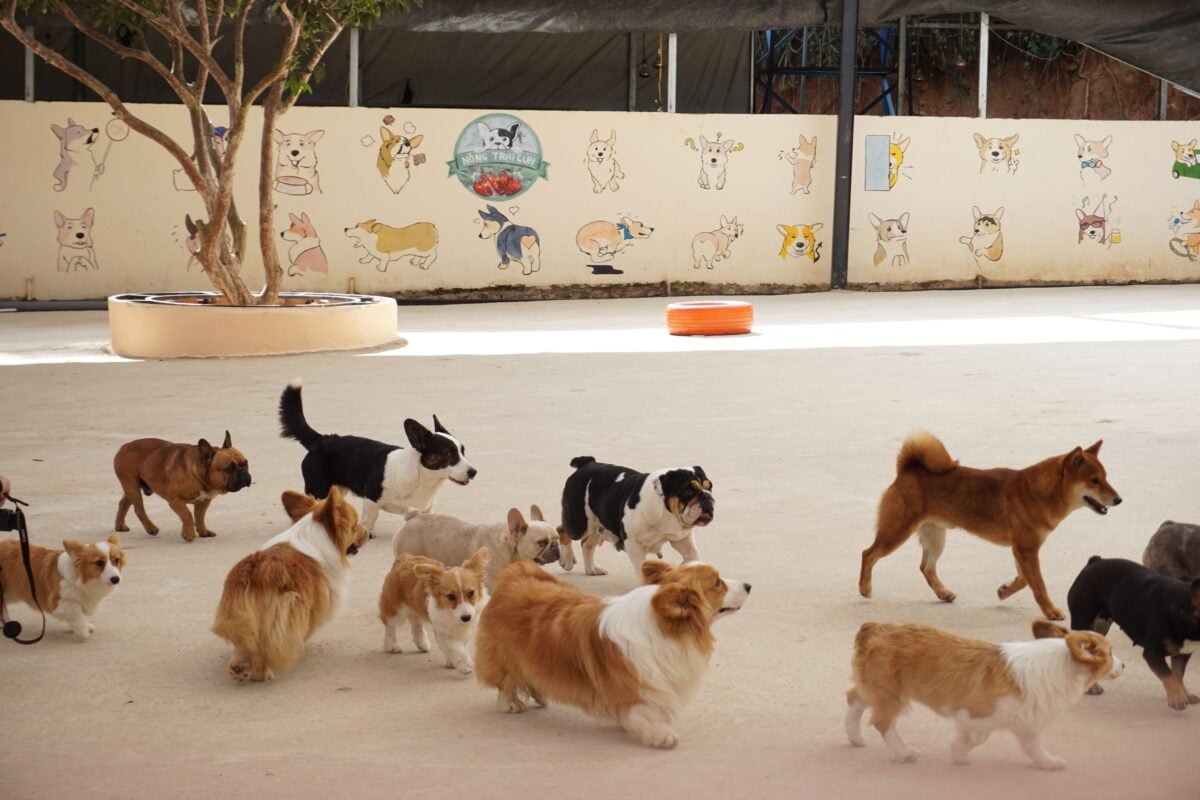
A dog drags its owner through the shelter door, panting so hard it almost sounds like laughing. Ten feet away, another dog freezes solid, refusing to cross the threshold at all. To most visitors, this just looks like two dogs having a rough afternoon. To the staff behind the counter, it’s something closer to a fortune being read in real time.
Ask anyone who has worked shelter intake and they’ll tell you the same secret: the real story of a rescue dog doesn’t start weeks after adoption. It starts in the first 60 minutes, in a string of small, easy-to-miss reactions most people never think to watch for. Here’s what experienced staff are actually clocking in that first hour – and why it quietly predicts almost everything that happens next.
#1 – The Way They Enter the Building
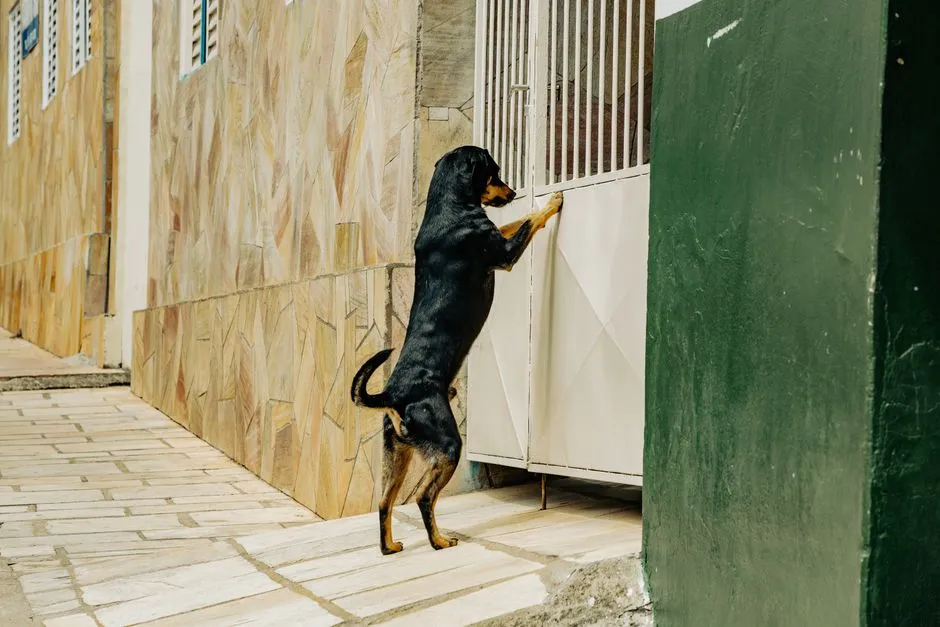
The first 10 seconds through the door tell staff more than any intake form ever will. They’re watching whether a dog freezes, pulls, or scans the room, because that entrance reaction is often the rawest, least filtered thing you’ll ever see from them.
Some dogs hit the doorway and slam on the brakes – low body, tail tucked, eyes wide, refusing to cross the line. Others drag their handler in, panting and pacing, unable to settle for a second. Staff will tell you this isn’t about good dogs versus bad dogs. It’s about how a nervous system handles sudden change, and here’s the part that surprises people: that entrance “style” tends to show up again later, at the vet, meeting kids, walking into a brand-new living room for the first time.
- The “statue” dogs usually skew fear-based.
- The “pinball” dogs usually skew over-aroused or under-trained.
#2 – Eye Contact vs. Eye Avoidance
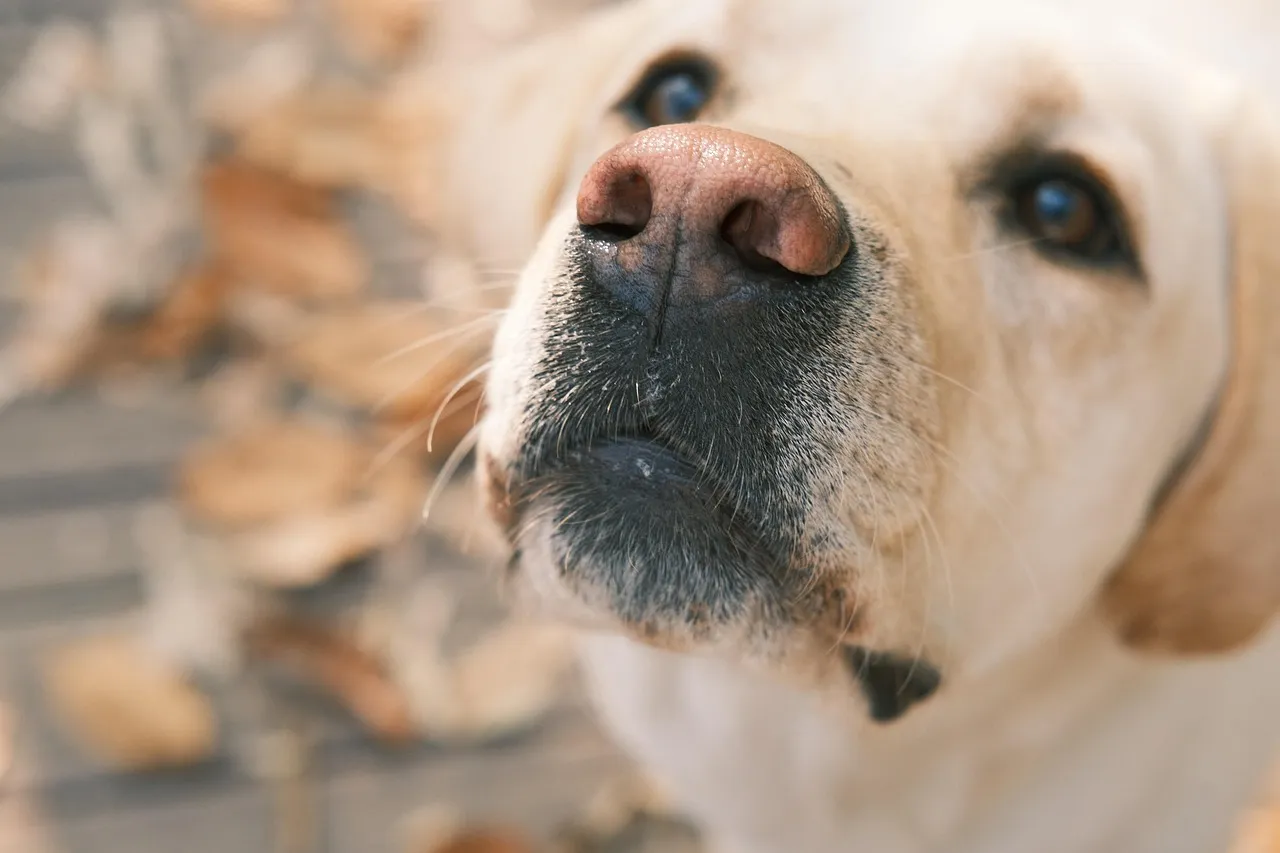
Most visitors obsess over wagging tails. Staff obsess over eyes. A dog’s decision to seek or avoid eye contact in that first hour is one of the strongest quiet predictors of how adoptable they’ll look to the public – and it has almost nothing to do with how sweet the dog actually is.
Some dogs glance up briefly, then look away, polite and dog-appropriate. Others lock on and stare, pupils blown wide, scanning like they’re bracing for a threat. And then there are the dogs who won’t look at anyone at all, turning their head, showing the whites of their eyes, sinking their gaze to the floor. Here’s the twist nobody expects: many of those soft, blinking, “shy” dogs actually rebound faster than the bold ones who hold a hard stare. The eyes don’t tell staff how friendly a dog is. They tell staff how much emotional work is still ahead.
- Soft, brief eye contact usually points to good social skills.
- Hard, unblinking stares can signal high arousal or past conflict.
- Total avoidance often means the dog is already shutting down.
#3 – How Fast They Take (or Refuse) Food
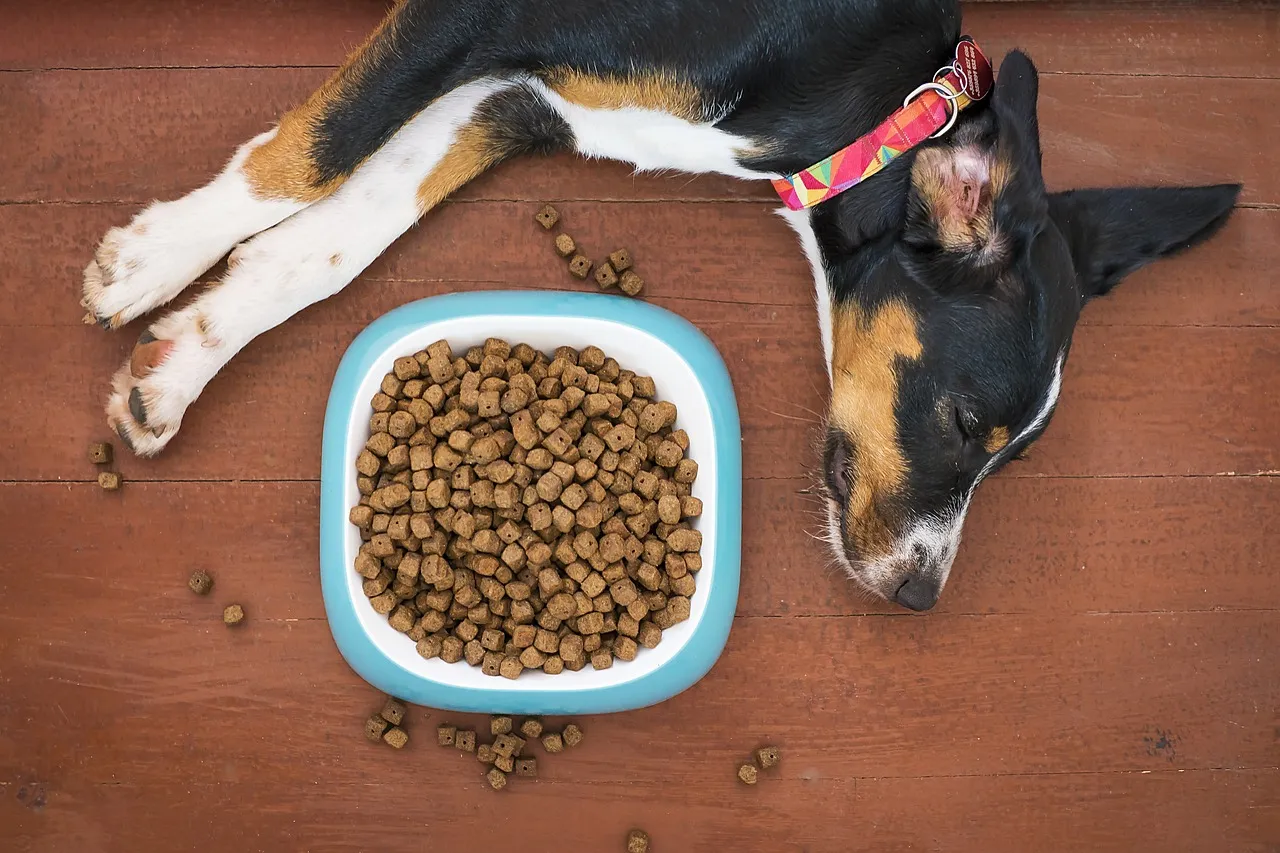
In that first hour, almost every dog gets offered a treat. It looks like a kindness. It’s actually a test. Whether a new arrival snatches, nibbles, or completely refuses food is one of the clearest snapshots of stress level and coping style that staff will get all day.
A dog that gently takes a treat, even while visibly scared, is telling staff something huge: food is still on the radar, which usually means the dog is easier to train and easier to help relax. Dogs that inhale a treat so fast their tongue barely touches it may be carrying serious stress, sometimes even a history of resource guarding. But the ones who worry staff most are the dogs who won’t eat at all – not even high-value food, not even once the humans step back. That refusal usually means stress has completely overridden basic drives, and it quietly earns a dog closer monitoring and slower introductions for weeks to come.
- Refusing food in a new environment often means stress is running the show.
- Staff flag these dogs early for extra patience and slower handling.
#4 – Their Reaction to the Kennel Door Closing
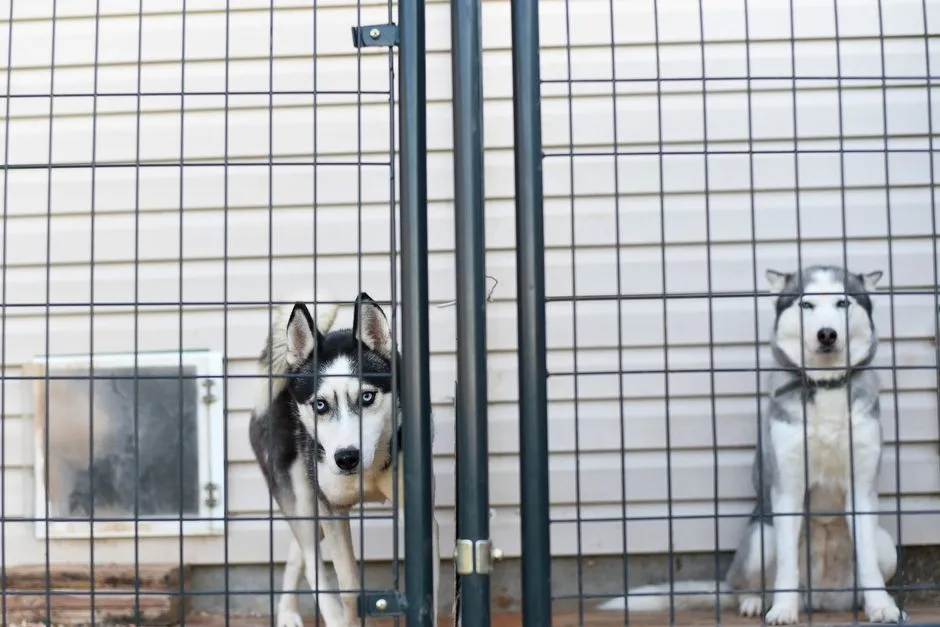
You’d think the drama happens when a dog first walks into a kennel. Staff know the real story starts the moment that metal door clangs shut for the first time – a loud, echoing, final-sounding noise that most dogs have never heard before.
Some spin and bark instantly, lunging at the bars, rehearsing what can become chronic kennel stress. Others flatten onto the bed, head down, completely silent and clearly shut down inside. A smaller, quietly lucky group sniffs around, checks the water bowl, then lies down facing away from the door – still alert, but coping. That difference matters more than it looks: total stillness with no orientation to people or surroundings often hides deep fear that won’t surface as “bad behavior” until much later, long after everyone’s stopped watching closely.
- Loud, explosive reactions can predict future barrier frustration.
- Dogs who can self-soothe – sniff, explore, then rest – tend to handle shelter life better.
#5 – What They Do With the First 5 Minutes of Freedom
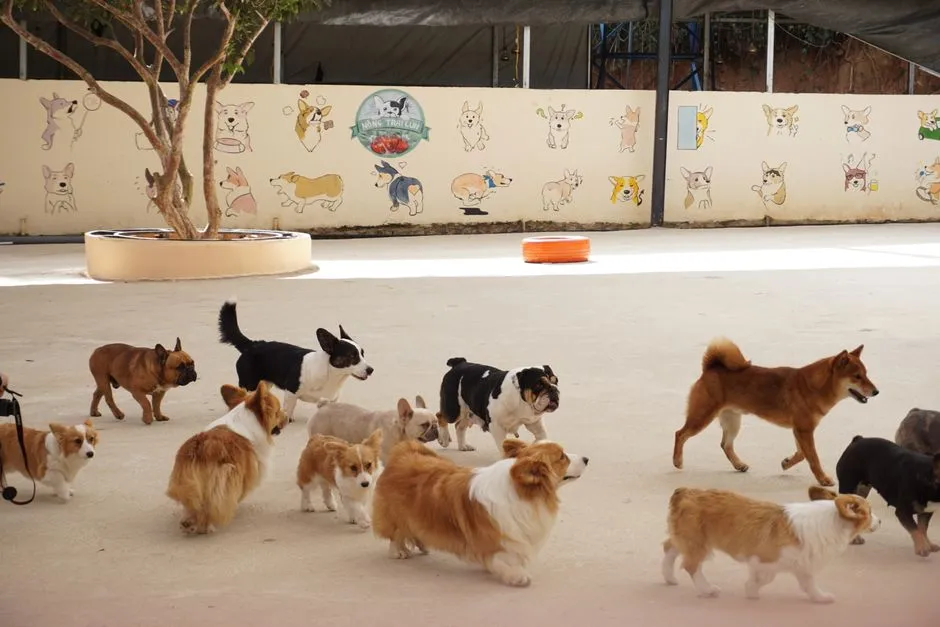
Most good shelters give new dogs a short break in a yard or quiet room before full intake begins. It looks like a courtesy. It’s actually one of the richest data points staff get all day, because unstructured time reveals what structure hides.
Some dogs sprint in chaotic circles, bouncing off walls, snapping at anything that moves. Others glue their nose to the ground and sniff every inch of the perimeter. Then there are the ones who shadow the nearest human like a living shadow, never more than a foot away. What actually matters is whether a dog can move between these states. Dogs who only chase stimulation often struggle to settle in a home. Dogs who only cling to people may develop separation issues later. But dogs who explore, check in, then rest are showing something rare – flexible coping – and that pattern tends to reappear in home-life reports for years.
Fast Facts
- Sprinting and snapping at movement often signals overstimulation, not excitement.
- Nose-to-ground sniffing shows a dog is gathering information instead of panicking.
- Nonstop shadowing of a handler can be an early sign of anxious attachment.
- Dogs who cycle between exploring, checking in, and resting show the most flexible coping style.
#6 – Their Response to Other Dogs’ Barking
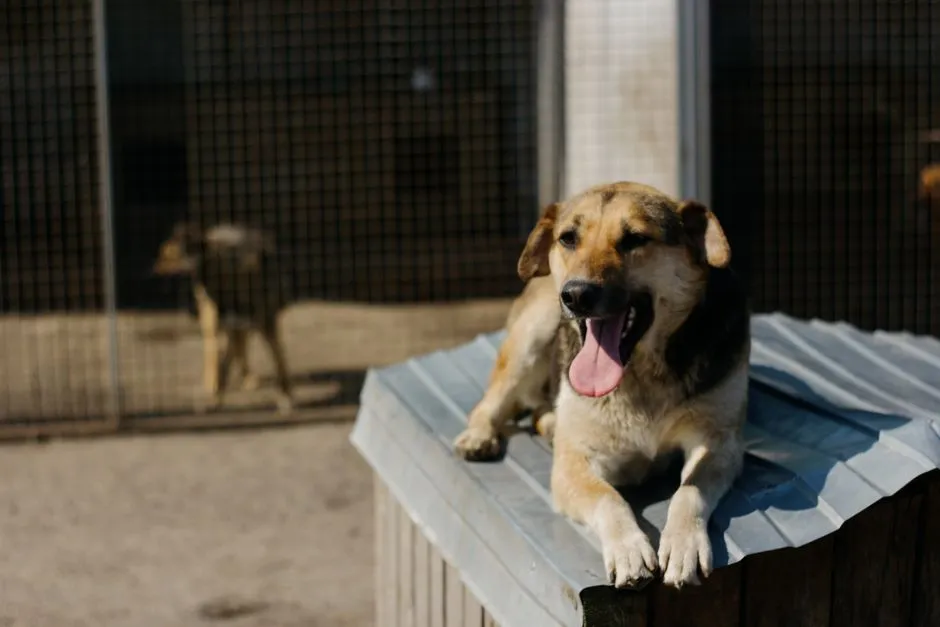
The soundtrack of a rescue centre is nonstop barking, and how a new dog responds to that wall of noise in the first hour is one of the clearest predictors of future kennel behavior – and by extension, adoptability.
Some dogs immediately join the chorus, escalating with every bark like it’s contagious group panic. Others flatten, ears pinned, flinching at every loud neighbor. A few turn toward the noise, listen, then simply disengage, choosing to focus on the handler instead. Staff are blunt about what happens next: dogs that get instantly stuck in that “bark vortex” are far more likely to develop chronic stress behaviors – pacing, spinning, barrier aggression – while dogs that recover quickly tend to stay mentally healthier the longer they wait for a home.
The dogs who look calmest on day one aren’t always the healthiest. Sometimes calm is just quiet fear.
Common shelter staff observation
#7 – How They Handle Being Touched for Routine Checks
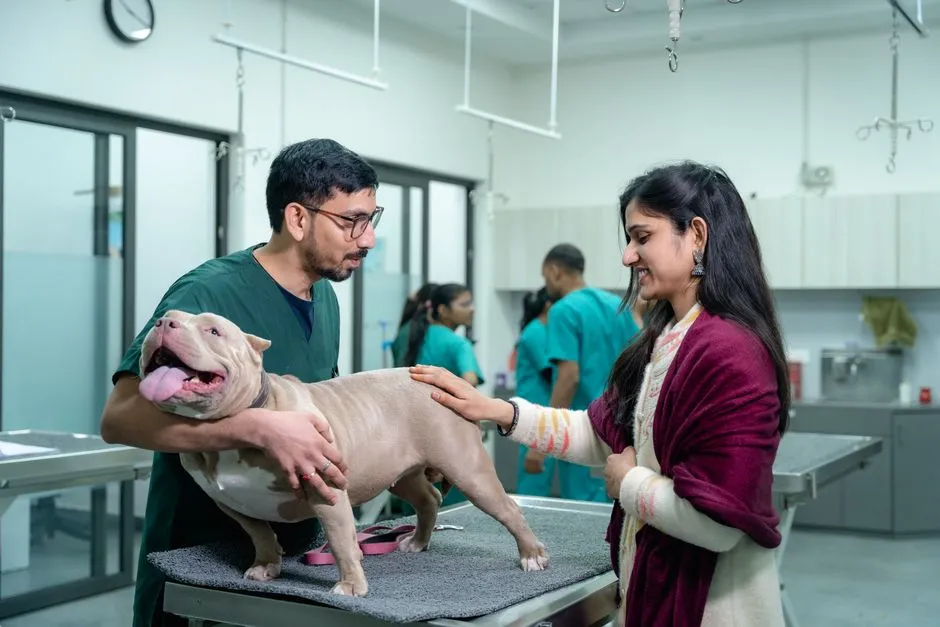
Within that first hour, every dog goes through some version of a basic handling exam – teeth, ears, spine, paws. This is where staff see the truth about how a dog processes physical contact and mild restraint, and it’s rarely subtle once you know what to look for.
Some dogs melt into it, leaning their full weight into the handler like they’ve been starved for touch. Others stand stiff and still, tolerating everything while their eyes dart around and their breath stays held. Then there are the dogs who flinch from every touch, whipping their head around or air-snapping when hands move too fast. What staff really track isn’t the initial flinch – it’s the recovery. Dogs who start worried but settle with slow, predictable handling usually progress well. Dogs who escalate with each new touch become red flags for future vet visits and grooming appointments.
Quick Compare
- Melts into touch: leans in and relaxes – usually touch-starved, not fearful.
- Stiff and still: tolerates contact but holds its breath – watching, not trusting yet.
- Flinches or air-snaps: reacting to speed, not necessarily the touch itself – recovery speed matters more than the flinch.
- Dogs that go blank-faced during handling often carry the hardest-to-read stress of all.
- This early test quietly shapes the behavior notes adopters later read as one bland sentence.
#8 – Their First Choice: People, Door, or Bed?
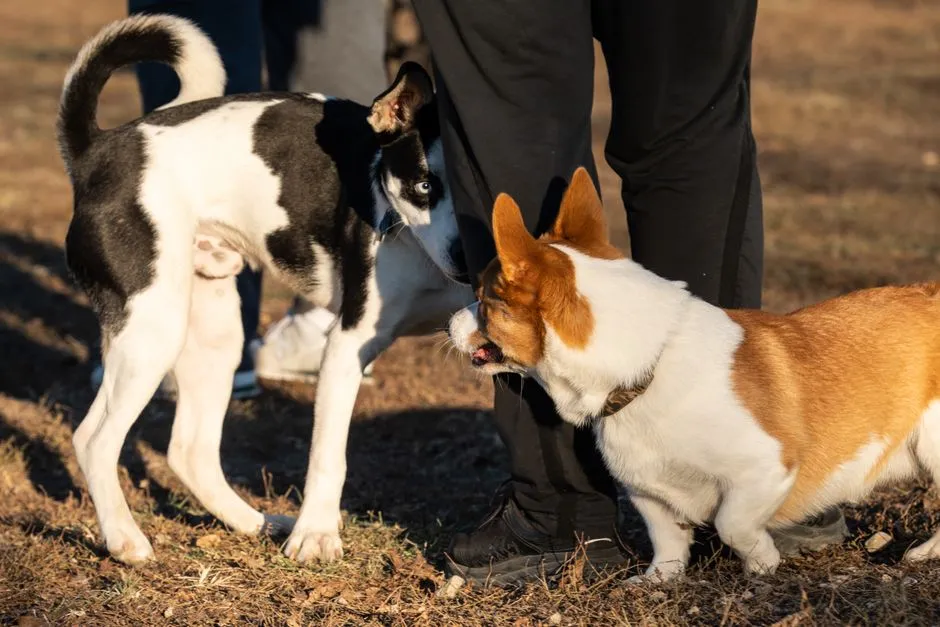
Once the basic checks are done, there’s always a small, telling moment when everyone steps back and simply watches what the dog does next. It’s one of the most underrated predictors of where that dog will actually thrive.
Some dogs beeline straight to the door, scratching or staring at the exit like escape is the only plan left. Others jump onto the bed or blanket, circling and curling up to shut the world out. Then there are the dogs who walk straight back to the nearest person, nudging hands, seeking contact on purpose. Staff joke about “door dogs,” “bed dogs,” and “people dogs,” but it’s not really a joke – and here’s the uncomfortable part: the cuddly “people dogs” aren’t automatically the best dogs. They’re just the easiest ones to sell.
- “Door dogs” often need serious decompression time before they can settle anywhere.
- “Bed dogs” tend to need slow, consent-based engagement rather than a rush of affection.
#9 – Their Curiosity About New Objects
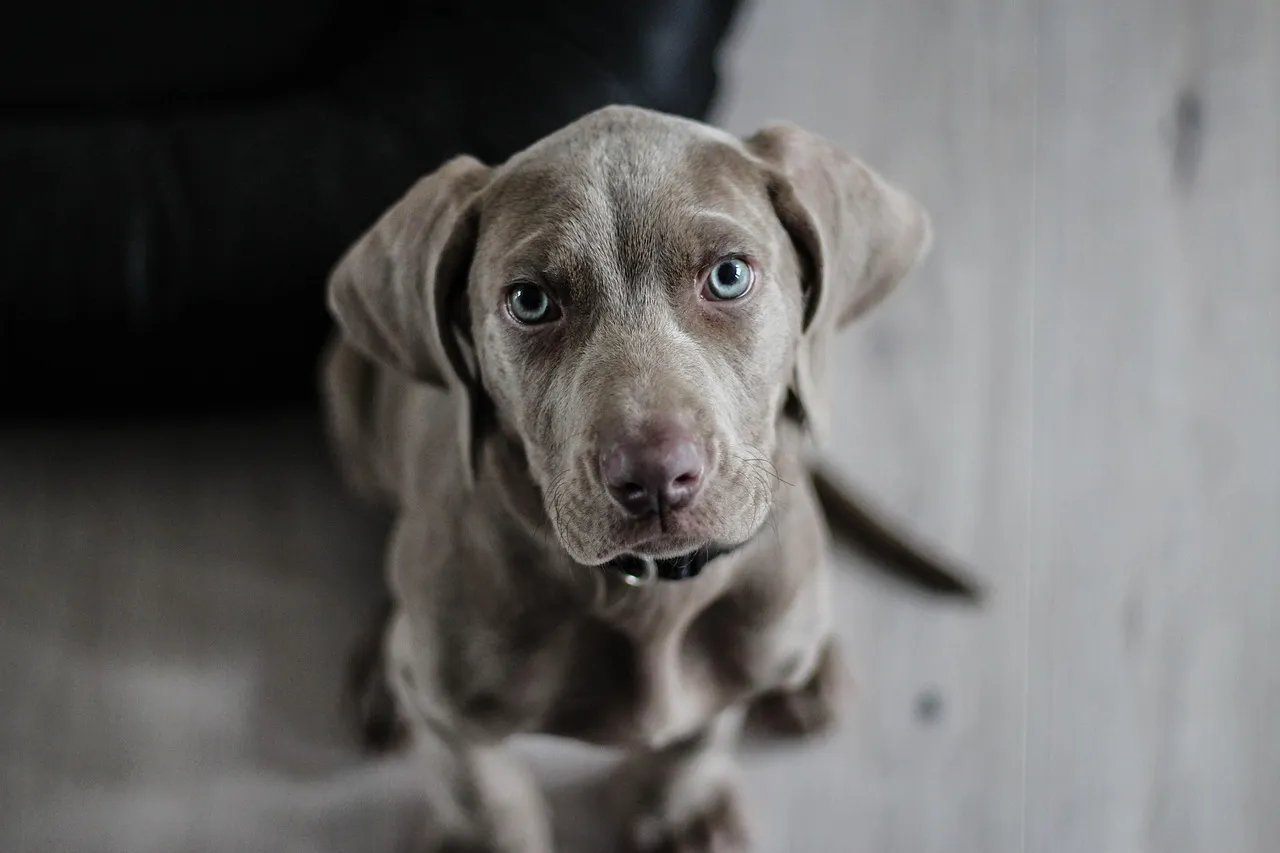
Some of the savviest staff will “accidentally” drop a leash, place a cone, or toss a toy nearby during that first hour. It’s not play. It’s a quiet test of how curious a dog is willing to be in a brand-new, frightening place.
Dogs who creep closer to sniff or paw at something new, even while scared, are showing a trait that predicts real resilience – they simply can’t resist investigating, and that drive is often the engine behind future confidence. Dogs who freeze and refuse to approach even when coaxed are quietly saying that novelty feels dangerous rather than interesting. And dogs who barrel into everything with zero caution, grabbing and shaking anything new, aren’t showing bravery so much as an impulse-control problem waiting to surface later.
- Curious but cautious dogs usually make steady, predictable progress.
- Zero curiosity in hour one often lines up with a much longer adjustment period.
#10 – How Fast They Can Settle After Chaos
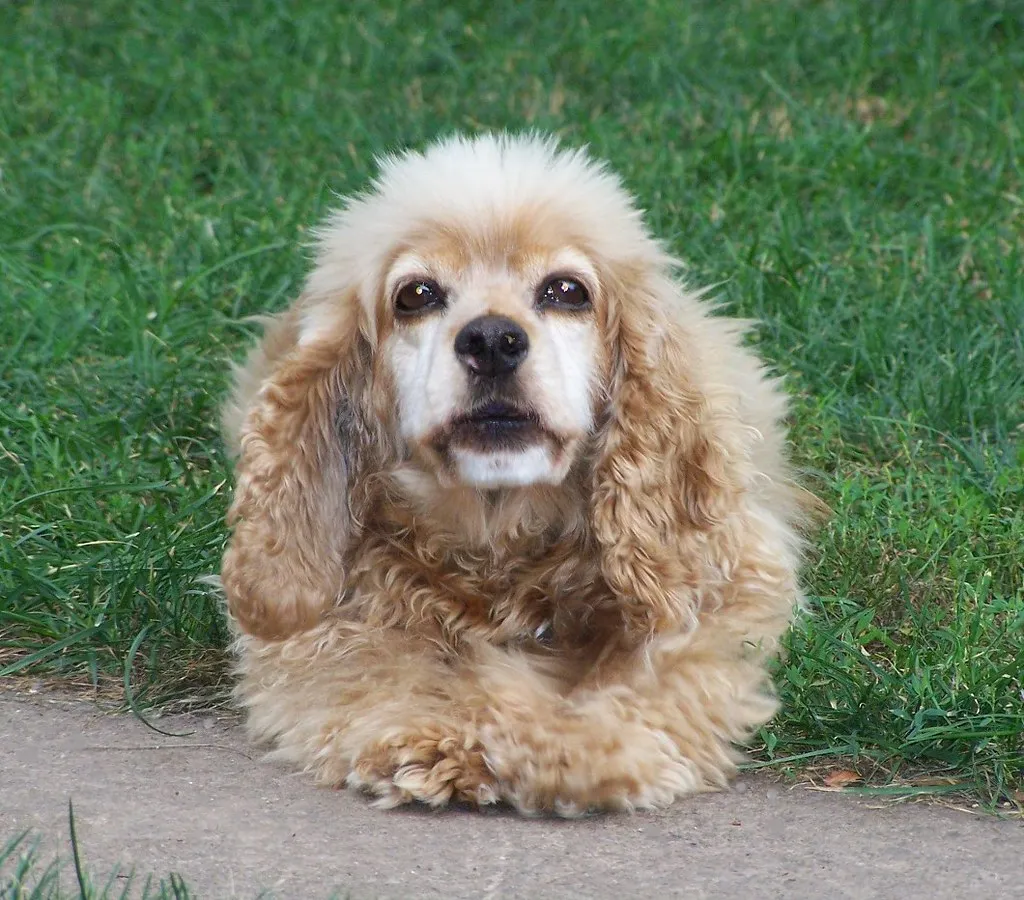
Arguably the single most important predictor isn’t how a dog reacts to stress – it’s how quickly they come back down from it. In almost every first hour, there’s a spike of chaos: barking, a door slamming, a sudden crowd, a loud cart rolling past.
Some dogs stay wired for 20 to 30 minutes, pacing, panting, pupils blown, unable to even register their own name. Others startle, bark, maybe jump – and then, within a few minutes, their breathing slows and their body softens back onto the floor. That recovery window is the closest thing shelters have to a crystal ball. Dogs who can’t downshift often struggle later with apartment noise, city sounds, and kids. Dogs who can settle, even a little, tend to look adoptable sooner and cope far better in an ordinary home. It was never about perfection. It’s about flexibility, and that flexibility in hour one quietly forecasts everything from training difficulty to return risk.
At a Glance
- Fast recoverers usually settle within a few minutes of a stress spike.
- Dogs who stay wired for 20 to 30 minutes often need longer decompression before they’re adoption-ready.
- Recovery speed – not the initial reaction – is the strongest single predictor staff watch for.
- This pattern tends to repeat later around city noise, vet visits, and busy households.
The Bottom Line
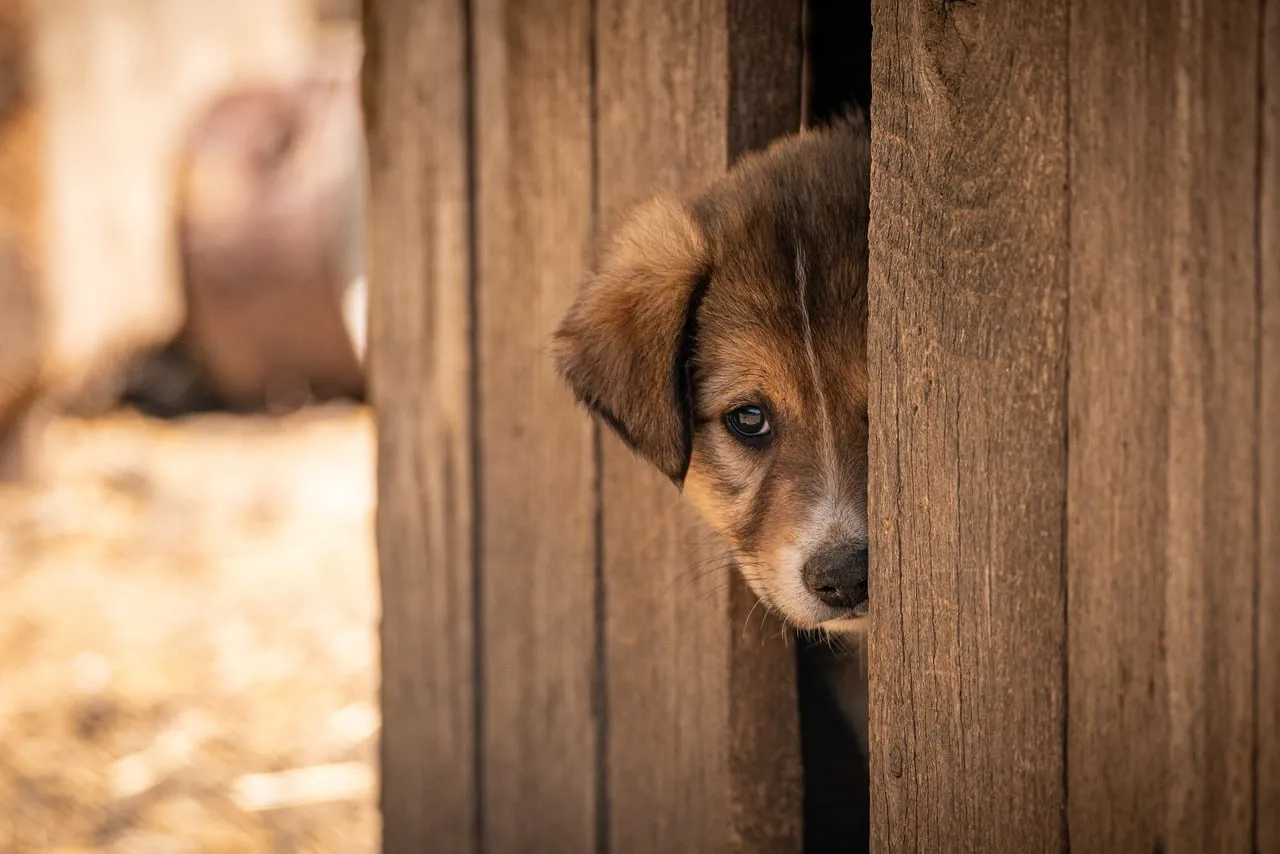
Rescue centre staff aren’t magical dog whisperers. They’re pattern readers. In that first supposedly chaotic hour, they’re calmly logging a dozen tiny signals – entrance style, eye contact, food interest, kennel reaction, touch tolerance, curiosity, recovery time – and those patterns keep repeating, in foster homes, at vet visits, and in forever families years down the line.
Here’s the uncomfortable truth I’ll say plainly: the dogs who look “worst” in that first hour are often just the ones whose coping style doesn’t photograph well. Some shelters still lean on the dogs who perform nicely for a camera, and adopters keep rewarding that bias without realizing it. If more people understood what staff actually see in those first 60 minutes, they’d stop judging by the sad eyes behind the bars and start listening to the story those eyes are already telling. So ask yourself honestly – have you ever walked past the right dog simply because their first hour didn’t look the way you expected it to?

- 16 Cat Breeds That Grow Softer With Age and 16 That Become Far More Particular Instead - August 12, 2026
- What Rescue Centre Staff See in a Dogs First Hour That Predicts Everything Afterwards - August 12, 2026
- What Rescue Centre Staff See in a Dogs First Hour That Predicts Everything Afterwards - August 12, 2026