
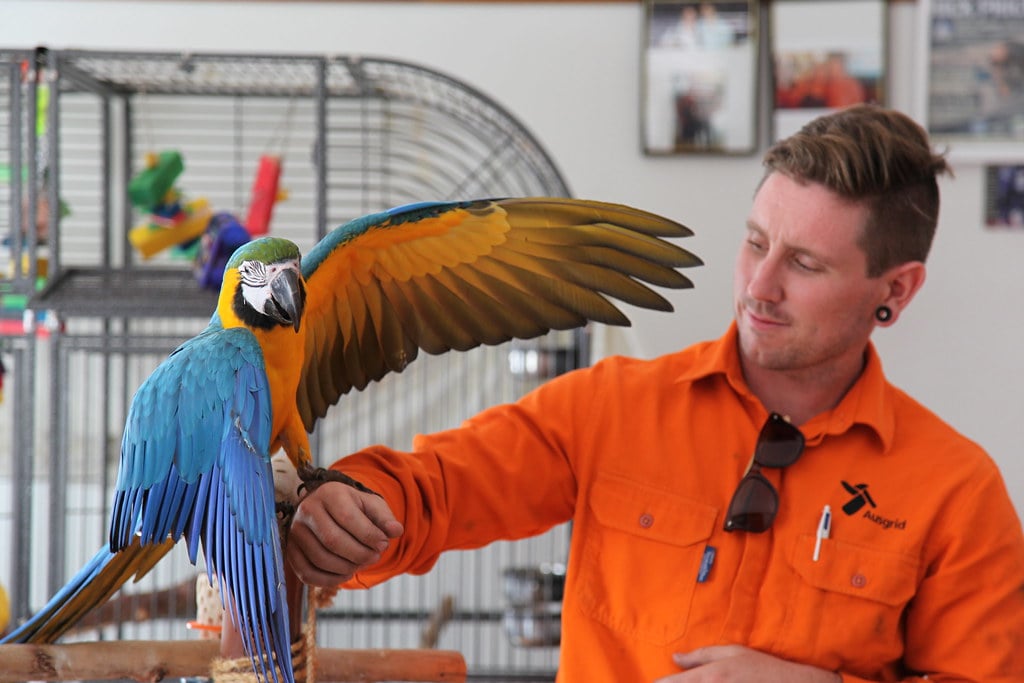
Most people assume the “hardest” shelter pets to place are the obvious ones: seniors, black cats, big barking dogs nobody wants to look at twice. Sanctuary workers tell a different story, and it’s a lot more uncomfortable.
The real heartbreak cases are the animals who bond so hard to one staff member or volunteer that pulling them out of that safe bubble becomes traumatic – for the animal, the adopter, and the rescue trying to do right by everyone. These aren’t “bad” animals. Many are the sweetest creatures on the property, but only with their person. Here’s what the people who live this every single day actually admit out loud.
#1 – Macaws Who Choose “Their” Human And No One Else
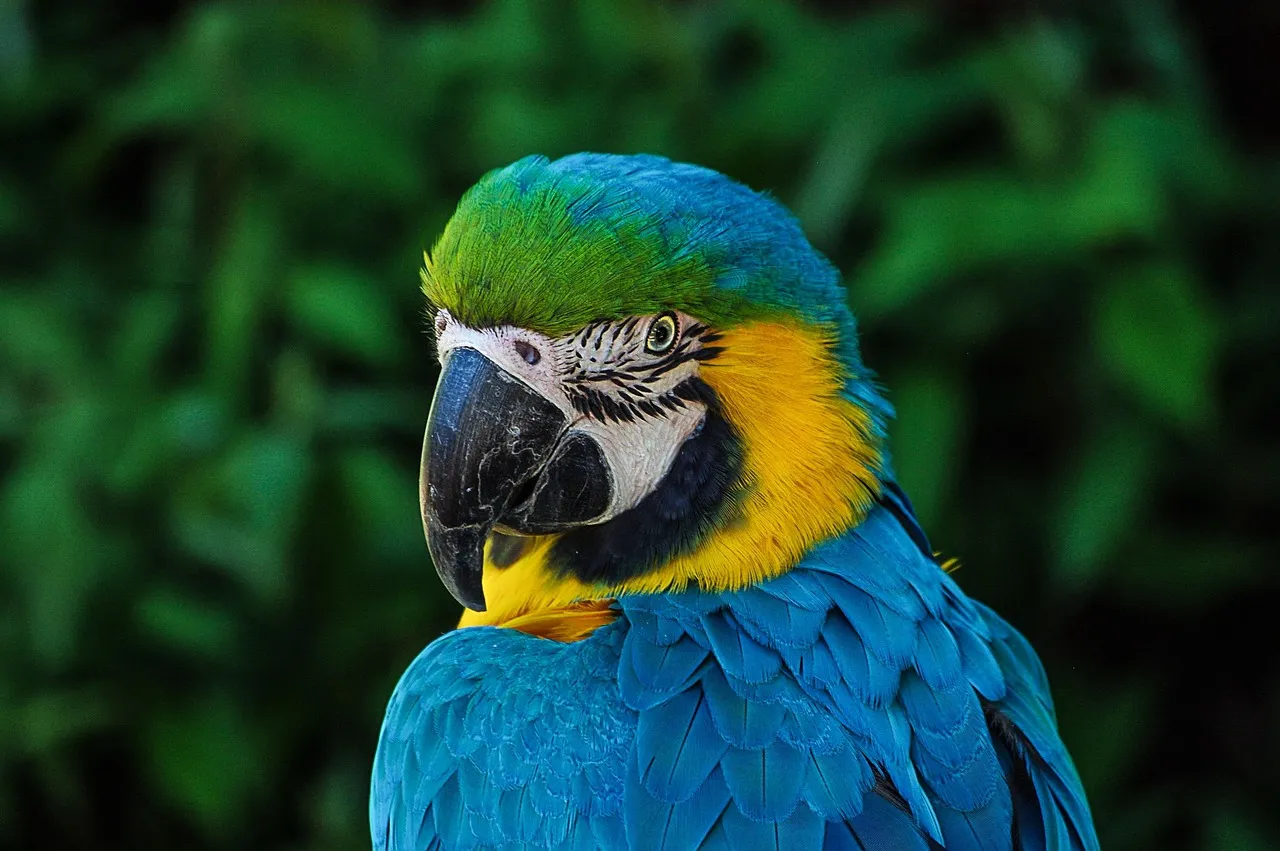
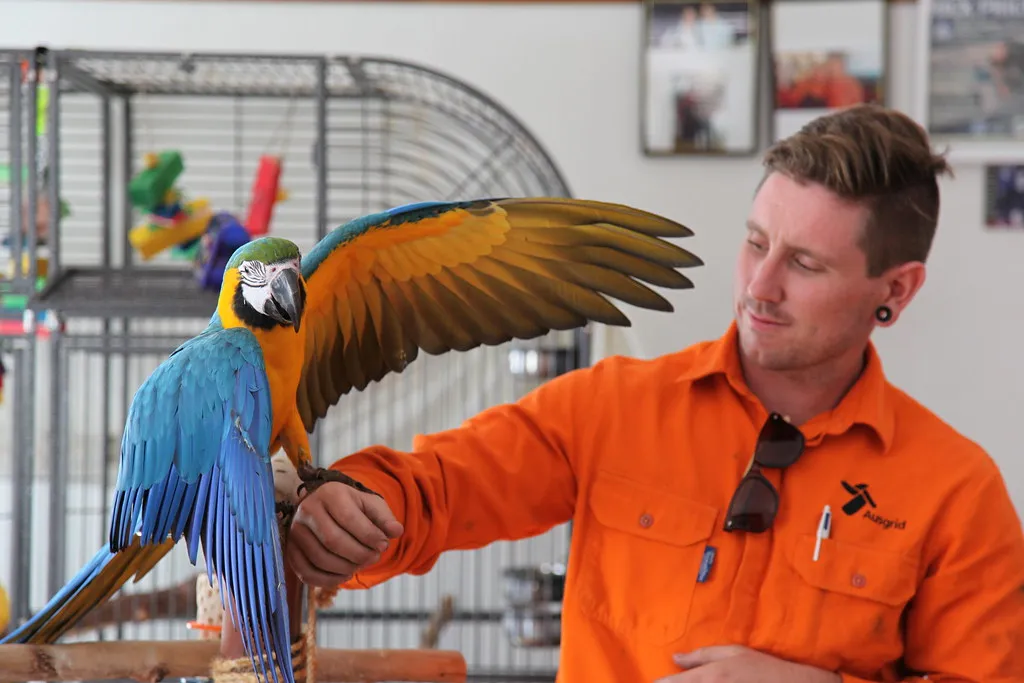
Sanctuary workers will tell you: once a macaw imprints on one person, everyone else becomes the enemy. Many arrive after years in a single home, already screaming, plucking feathers, or lunging at strangers before staff even open the carrier.
Staff spend months desensitizing these birds, but what usually happens is the macaw picks one handler and builds an almost obsessive bond. That person can scratch its head, clip its nails, even towel it without a fight, while the same bird will fly at a stranger’s face. A macaw bite can crush bone, so this isn’t a quirky personality trait – it’s a real liability. Most casual adopters want a colorful, social bird that “loves the whole family.” Instead they meet a three-pound feathered dragon that shrieks and paces the second its sanctuary person steps out of sight. Moving a bird like that doesn’t just risk a failed adoption. It risks full-blown self-mutilation and lifelong trauma. Wait until you see what happens with a bottle-raised goat.
#2 – Bottle-Raised Goats That Think They’re People
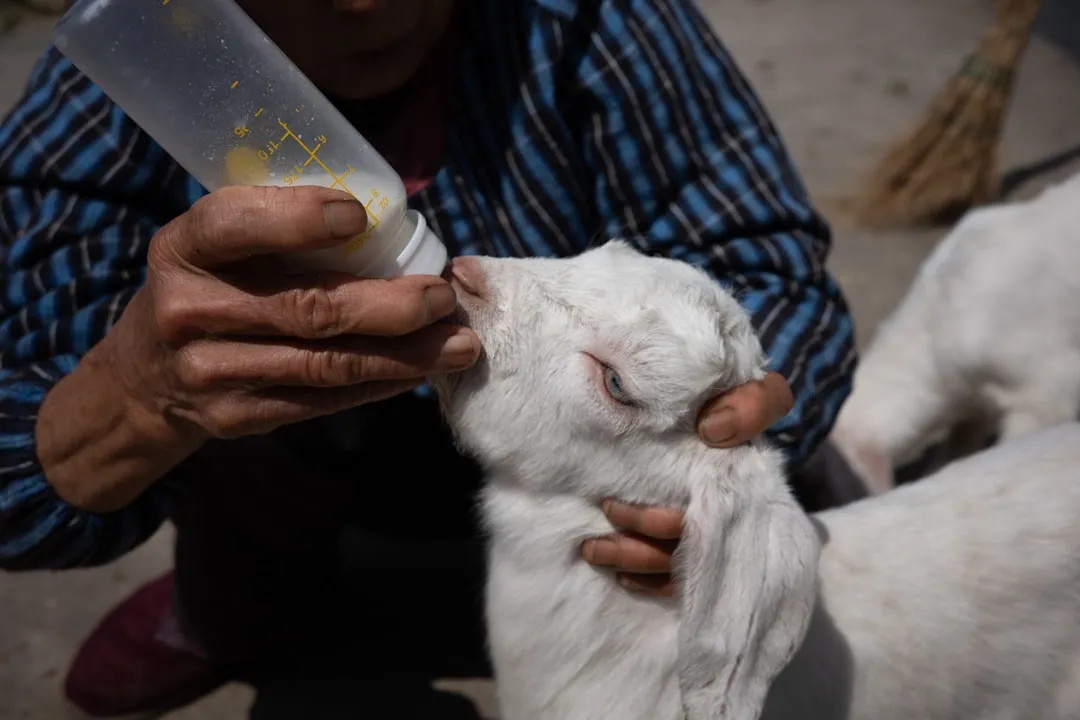
Everyone loves a bottle baby, until it’s time to rehome one. Sanctuary workers see this constantly: orphaned goat kids raised inside the house, wearing diapers, following humans around like puppies. It’s adorable on video. It’s a nightmare a year later.
These goats never really learn “goat language.” They don’t respect boundaries, they knock kids over, they head-butt adults for attention, and they scream when left alone. Many end up labeled “aggressive” when they’re actually over-bonded and under-socialized to their own species. In a sanctuary, staff build routines and sturdy fencing around that chaos. In a backyard pet home, new owners expect a calm little lawnmower and instead get a 120-pound toddler with horns. When those placements fail, the goat comes back even more anxious and human-fixated than before. Some sanctuaries have quietly stopped adopting out clingy bottle babies altogether, because breaking that attachment safely is nearly impossible. Next up is a dog breed most people think of as goofy and social – until they meet the one-human version.
#3 – Single-Person Bonded Huskies
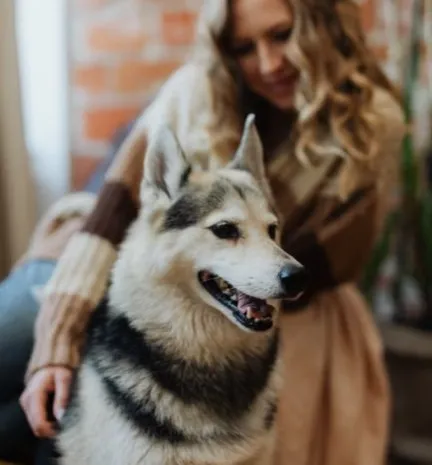
Most people picture huskies as playful, social sled dogs. Sanctuary staff quickly learn there’s another version: the one-human husky, built by chaos and repeated punishment for being too vocal or too destructive.
In rescue, one volunteer becomes the dog’s entire safe island. The husky sleeps in that person’s room, runs with them, and finally relaxes for the first time in months. To everyone else, the same dog is a spooky, aloof blur that won’t take treats, won’t walk, and sometimes growls a warning. On paper it looks unadoptable, despite being flawless with its one trusted human. Try to hand that dog off and the meltdown starts immediately – shutting down at meet-and-greets, refusing to walk with strangers, or panicking and trying to bolt. Sanctuaries know the honeymoon phase can be brutal, with huskies shredding doors, scaling fences, and screaming for hours when separated from their chosen person. Some of these dogs simply become permanent sanctuary residents. But the next animal on this list might surprise you even more.
#4 – Potbellied Pigs Raised Like Indoor Dogs
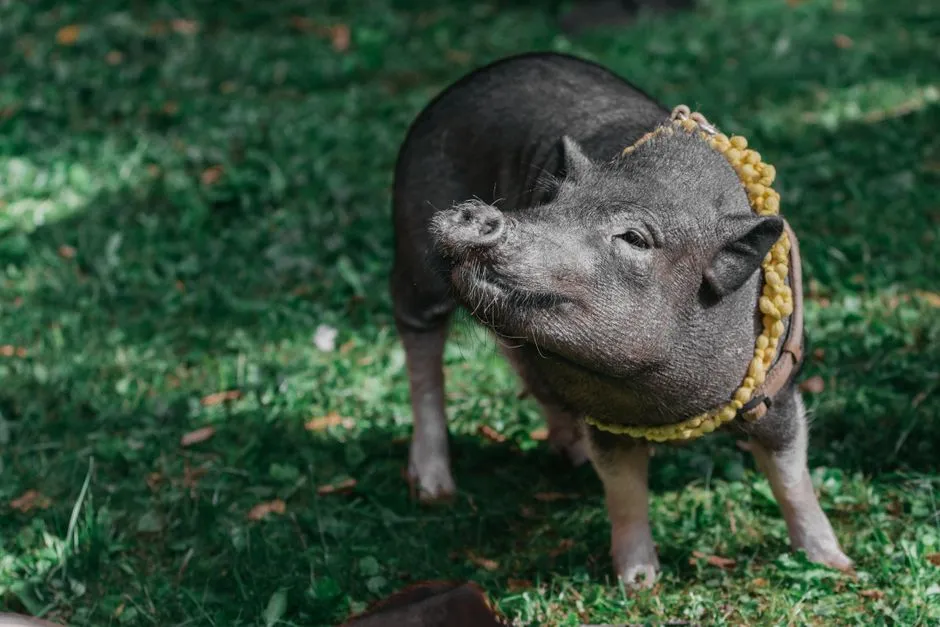
Sanctuary workers have a saying: the cutest pig stories are the ones most likely to end up on an intake form. Potbellied pigs are strikingly intelligent and form deep attachments to whoever raises them.
Hand-raised indoor pigs sleep in beds, share snacks on the couch, and follow their humans everywhere. What families don’t realize is that an attached adult pig can weigh 150 to 200 pounds, has real tusks, and has a strong opinion about everything. When that bond gets disturbed – a move, a new baby, a rehoming – the pig can become loudly distressed or defensive. Staff see these pigs pacing fences and screaming when their person leaves the paddock, sometimes refusing food for days after a favorite caretaker changes shifts. Move that pig into a brand-new home with unfamiliar people and smells, and many never emotionally reset. They’re physically safe, but mentally they’re still calling for the person who fed them Cheerios at 6 a.m. every day. Small animals seem like they’d be easier. They’re often the opposite.
Fast Facts
- Adult potbellied pigs commonly weigh 100 to 200 pounds, even the ones sold as “mini”
- They can live 12 to 20 years – a commitment closer to a dog’s lifespan than most buyers expect
- Potbellied pigs consistently rank among the most intelligent domestic animals, often compared to dogs and primates
- Their natural rooting instinct means an unhappy indoor pig can destroy flooring, drywall, and yards fast
#5 – Over-Handled Pocket Pets: Hamsters, Rats and Guinea Pigs
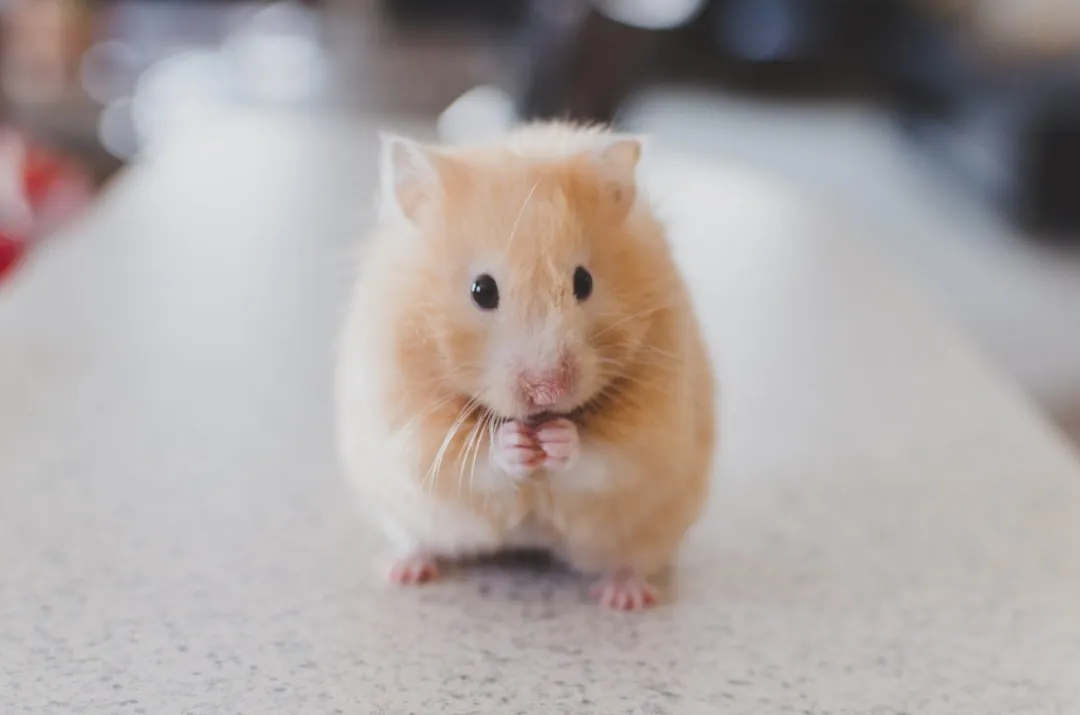
Most people assume small pets are easy to rehome. Sanctuary and rescue workers know they can be some of the most fragile animals when it comes to attachment.
Rats, guinea pigs, and even some hamsters build strong social bonds with a regular handler – rats in particular recognize voices and routines. Once they finally trust a specific volunteer, they’ll grind their teeth in contentment, flop over, and climb straight onto that person’s shoulder, then hide or nip at anyone else. It looks like “nice with staff, mean with adopters,” which is almost impossible to market. Add in short lifespans and frequent medical issues, and adopters hesitate anyway. A rat that lost its bonded human once may cling even harder to the next one, making each transition rougher than the last. Some sanctuaries end up keeping these “staff favorites” permanently, because they decline fast when moved again – refusing food, over-grooming, freezing in fear. For an animal that only lives two or three years, one bad move can be all it takes. Now picture that same intensity in an 80-pound dog trained to protect.
#6 – Guard-Line German Shepherds Who’ve Finally Relaxed
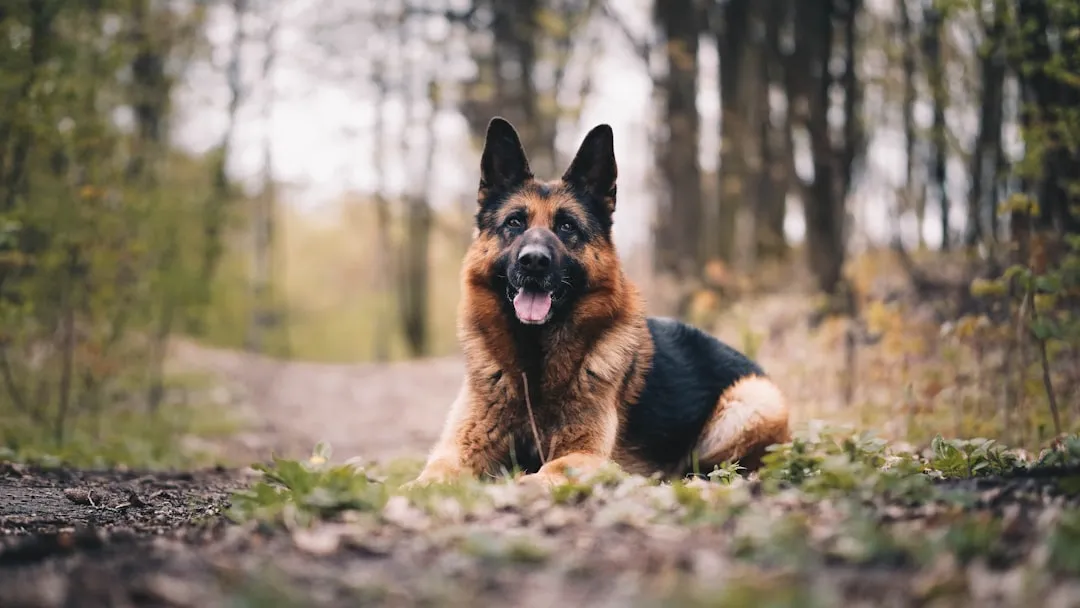
Ask almost any large-breed rescue which dogs haunt them, and German Shepherds with intense one-person attachments come up fast. Working-line or backyard-bred shepherds often arrive overstimulated, anxious, and desperate to control everything around them.
With time, structure, muzzle training, and slow decompression, many of these dogs anchor themselves to one handler. That human becomes home base. The dog will literally plant itself between that person and a stranger, not out of dominance, but because it has finally found the one human it trusts completely. Try handing that dog off and watch what happens during a meet-and-greet: the dog ignores the adopter entirely and tracks its handler’s every step instead. In a new home, without that anchor, stress behaviors spike fast – barking, shadowing, separation anxiety, even redirected bites when the dog gets overwhelmed. Rescues take the blame (“you didn’t warn us he was like this”) when the truth is those behaviors never showed up around the handler. After a failed placement or two, staying attached to the one person they trust is simply kinder than rolling the dice again.
#7 – Former Bait or Fighting Dogs Bonded to Staff
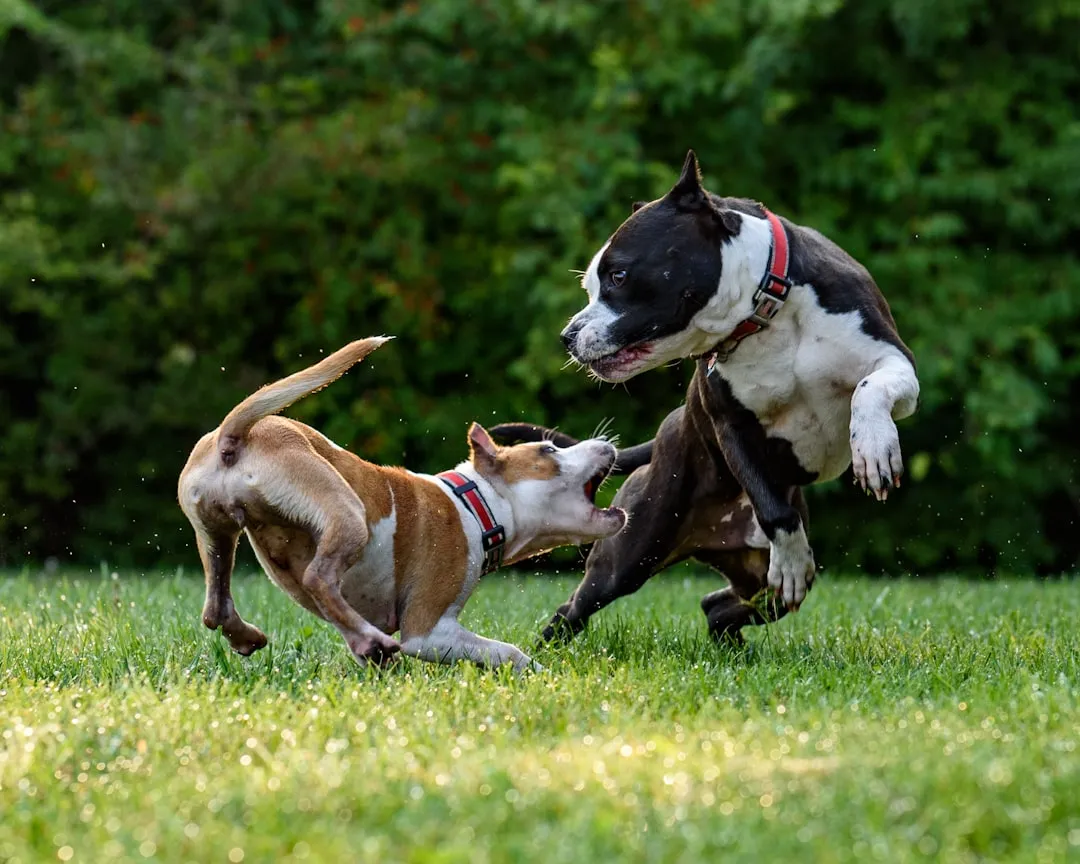
Despite the myths, plenty of ex-fighting dogs can be rehabilitated. The problem is that only one or two people can safely handle them once the work is done.
These dogs often arrive shut down or explosively defensive. Over months or years, a small circle of staff builds trust through predictable routines, low-pressure exposure, and careful play. Eventually the dog crawls into that tech’s lap or sleeps belly-up in their office. A dog that melts for “their” person can turn into a lunging, snarling liability the moment a stranger picks up the leash. Rescues can’t honestly promise adopters “he’ll be fine once you get him home,” because the evidence says otherwise, and one incident can shut an entire organization down. Many of these dogs become sanctuary-only cases, living stable lives with the handful of humans they fully trust. To outsiders that sounds sad. To the people who do this work, it’s often the most humane option left.
The greatness of a nation and its moral progress can be judged by the way its animals are treated.
Mahatma Gandhi
#8 – Feral-Born Cats Who Bond To One Caretaker
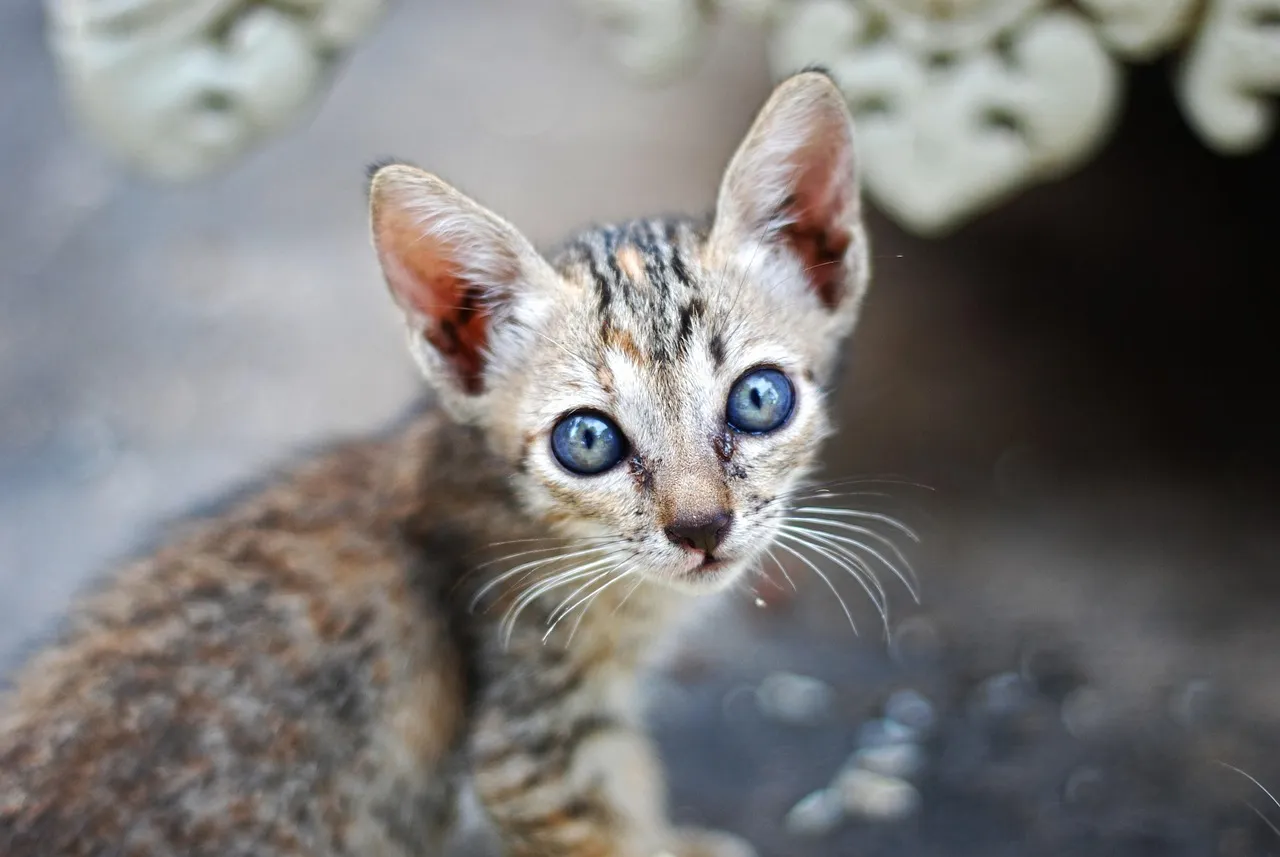
The internet loves a “former feral turned cuddlebug” story. Sanctuaries live with the messier reality behind it.
True feral cats – born and raised outdoors with minimal human contact – sometimes choose one caretaker as their person: the feeder, the medicator, the patient human who sat on the floor reading for months without pushing. With that one person, the cat may head-butt, purr, even roll over. With everyone else, they vanish under furniture or turn into a ball of claws. The second their chosen human stands up to leave, the cat disappears. Rehoming that cat means ripping away the only human it has ever dared to trust, and in a new house they often go fully feral again – hiding in vents, refusing to eat while people are awake, attacking when cornered. Many well-meaning adopters return them, heartbroken. More sanctuaries now mark these cats “barn buddies only” or keep them as permanent residents with their chosen person, because for some cats, indoor life is only tolerable with that exact human in the room.
#9 – Human-Imprinted Wild Birds: Crows, Ravens and Raptors
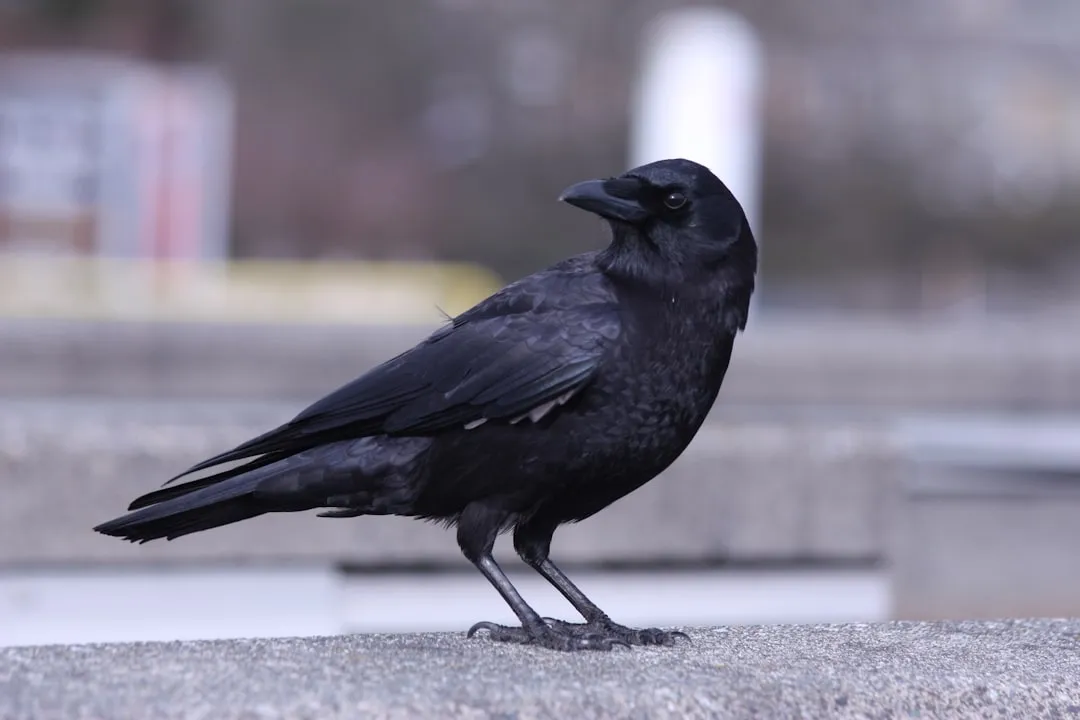
Wildlife rehabilitators are blunt about this one: human-imprinted birds are some of the hardest animals to place ethically, period. Crows, ravens, hawks, and owls raised by people instead of their own species often think they’re some version of human.
They beg from specific staff, ride on shoulders, and scream or refuse food when their chosen caretaker disappears. These birds are usually non-releasable, but they’re also not pets – most regions make it illegal to keep native wildlife without permits. That leaves sanctuaries and education centers as the only real option. Once attached, these birds can turn dangerously possessive, dive-bombing strangers who get near “their” person and drawing blood. Others shut down entirely with new handlers, risking injury during routine medical care. Moving them to a new facility isn’t like switching barns for a horse; it can permanently wreck an already fragile mental state. For many, staying with their one person until that person retires is genuinely the least damaging path available.
At a Glance
- Federal law bars keeping most native wild birds without a special education or rehabilitation permit
- Crows and ravens can live well over a decade, often longer under human care than in the wild
- Some raptors, like red-tailed hawks, regularly live 20+ years once imprinted and permanently housed
- Permitted “education birds” are legally tied to licensed handlers, not adoptable like typical pets
#10 – Donkeys Bonded To One Human, Or One Other Donkey
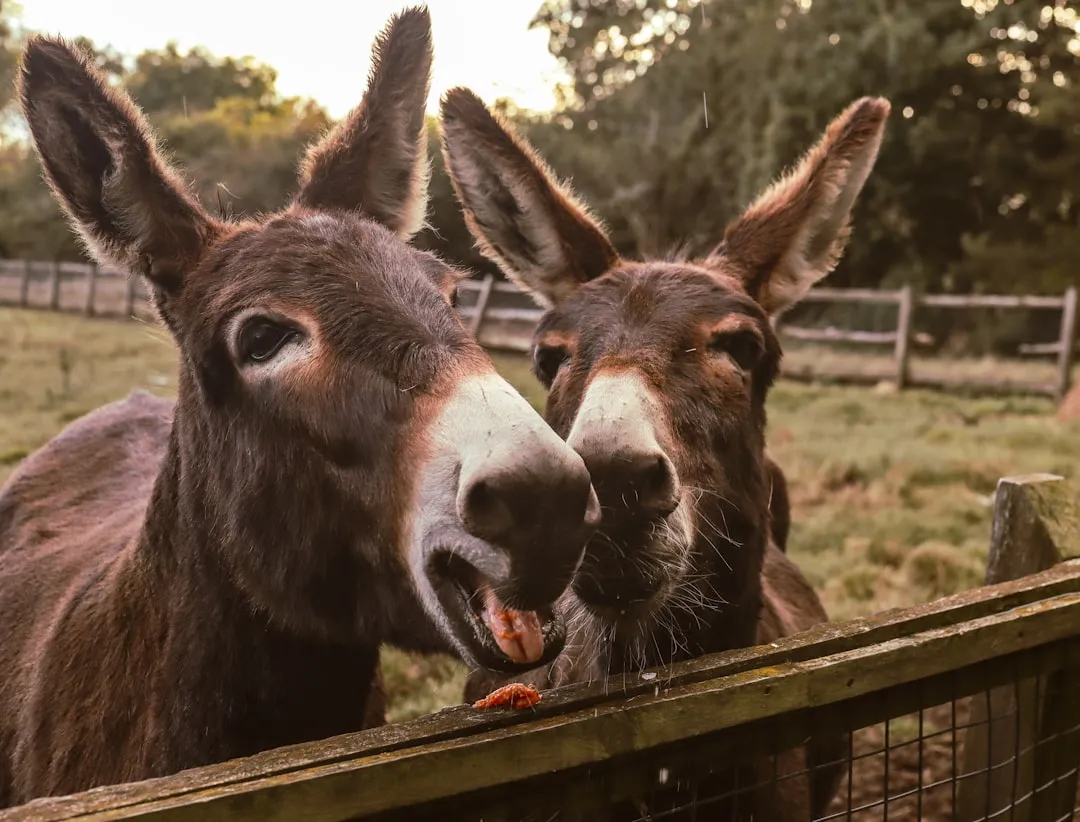
Sanctuary folks quietly admit that heartbroken donkeys can be some of the saddest animals on the entire property. Donkeys are deeply social and famously loyal, and when they lose a longtime partner – human or equine – they can stop eating, bray for hours, or pace the fence line looking for a face that isn’t coming back.
In sanctuaries, staff sometimes become that new anchor. One volunteer scratches the ears just right, brings the special hay, talks in the same low voice every morning. Soon the donkey refuses to be led by anyone else and panics the moment that person walks away. Rehoming sounds simple – “it’s just a pasture pet, how hard can it be?” – but moving a strongly attached donkey can trigger weeks of visible distress: refusing to load, dragging people back toward the gate, calling out for hours. Sanctuaries also have to manage bonded pairs carefully, because separating the wrong two donkeys can send both of them spiraling. Once a donkey has lost multiple anchors in a row, many rescues make the call to stop the upheaval for good.
#11 – Old Barn Cats Who’ve Finally Decided People Are Okay
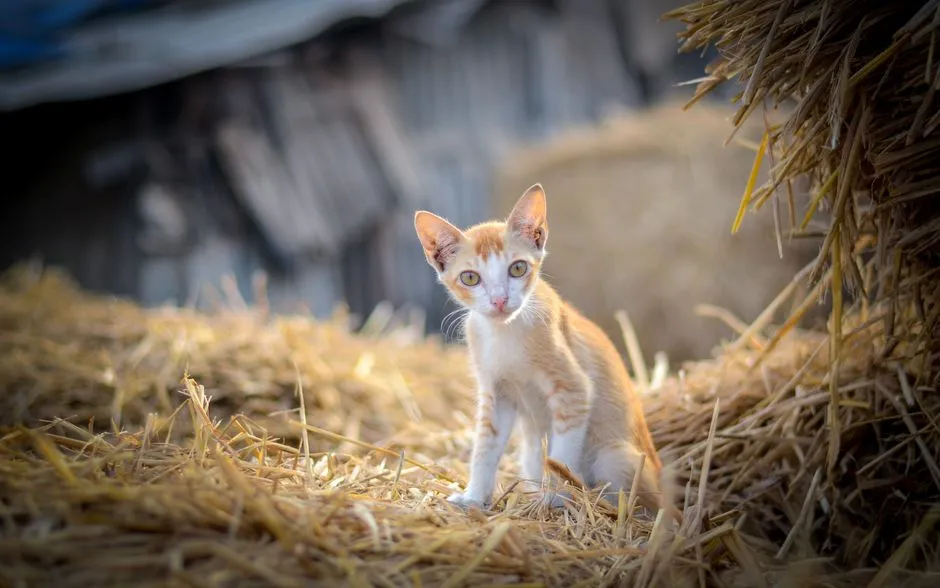
Ironically, the cats who took the longest to warm up are often the ones rescues least want to uproot again. Picture a ten-year-old barn cat who spent her whole life on the margins, raising litter after litter, dodging coyotes just to survive the week.
After trapping, spay and neuter, and months of quiet patience in a sanctuary, she finally walks up to one staffer and head-butts their hand. That tiny gesture can represent a full year of slow, painstaking work – and usually it’s only for that one person. Now picture loading her into a carrier, driving her to a suburban home, and setting her down in a stranger’s guest bedroom. Many sanctuary workers simply refuse to do it anymore, because they’ve watched these cats shut down every time: hiding behind the washer, refusing food, hissing at well-meaning new owners who “just wanted to help.” When a formerly semi-feral senior finally chooses safety, even if it’s only with one human in one barn, most workers agree that bond shouldn’t be tested again. She doesn’t need a different sofa. She needs predictability.
#12 – “Velcro” Chihuahuas Attached To One Lap
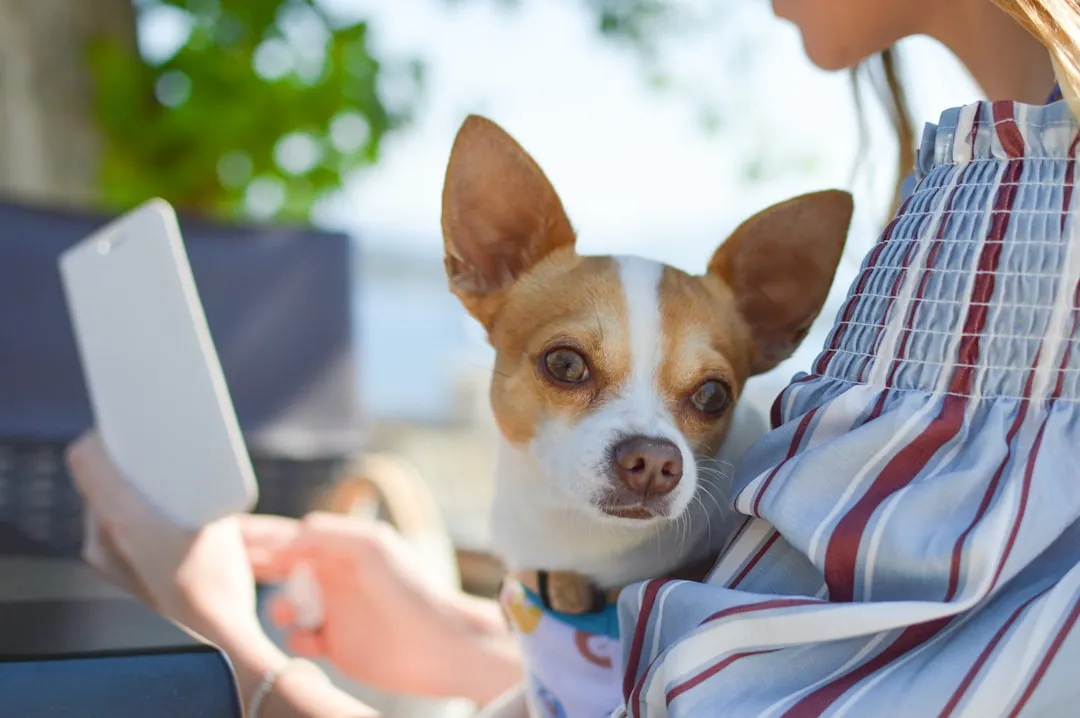
Shelters are full of tiny dogs carrying giant loyalty complexes, and Chihuahuas top that list more often than anyone expects. Many come from elderly owners or quiet homes where they lived as a shadow – always in someone’s arms, bed, or purse.
In rescue, they pick one staff member and glue themselves there. That person can trim nails, give meds, carry them into a loud room, and get away with all of it. Everyone else gets barking, snapping, or trembling avoidance. To the public it looks like “mean little dog syndrome.” To staff, it’s pure attachment panic. Potential adopters see a shaking, snarling gremlin instead of the loving pet the worker knows at 10 p.m. on the couch. Even successful placements can mean weeks of hiding under furniture, growling at anyone who dares sit next to the new person, and full panic when left alone. After a few failed tries, some sanctuaries let these dogs retire as “office dogs” with the human they already chose. For such a small body, they can hold an enormous emotional veto.
#13 – Emotional-Support Animals Returned After Doing Their Job
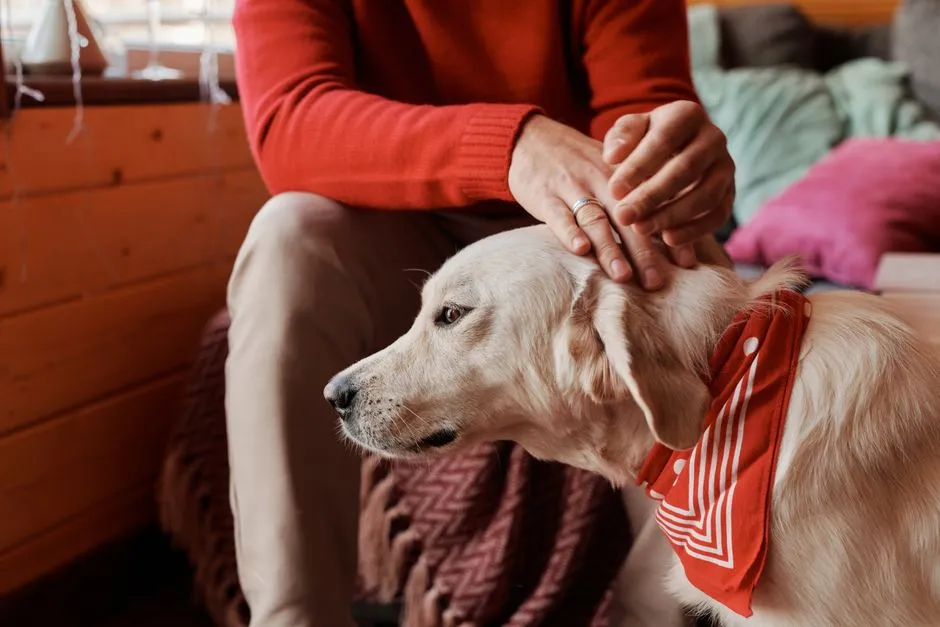
This is the category sanctuary workers talk about in hushed, angry tones. Emotional-support animals, and some washed-out service dogs, often form extreme bonds because they’re trained – or at least expected – to stay hyper-attuned to one person’s every mood and movement.
When that person’s life changes – divorce, new housing rules, a health decline – some of these animals get surrendered. By then, their entire understanding of the world is “I keep this human safe.” Suddenly the job vanishes, and so does their person. In sanctuaries, these dogs, and sometimes cats or mini horses, pace by doors, stare down driveways, or sleep by the front gate for weeks. They may refuse to engage with new people or snap when staff try to redirect them, desperate to get back to their old duty. Adopters understandably hesitate to take on that kind of emotional baggage. Many of these animals never fully transfer their devotion; they live in a kind of permanent half-mourning, half-hypervigilance, and sanctuaries often end up being their last, stable posting.
#14 – Hand-Raised Exotic Cats: Servals, Caracals and Hybrids
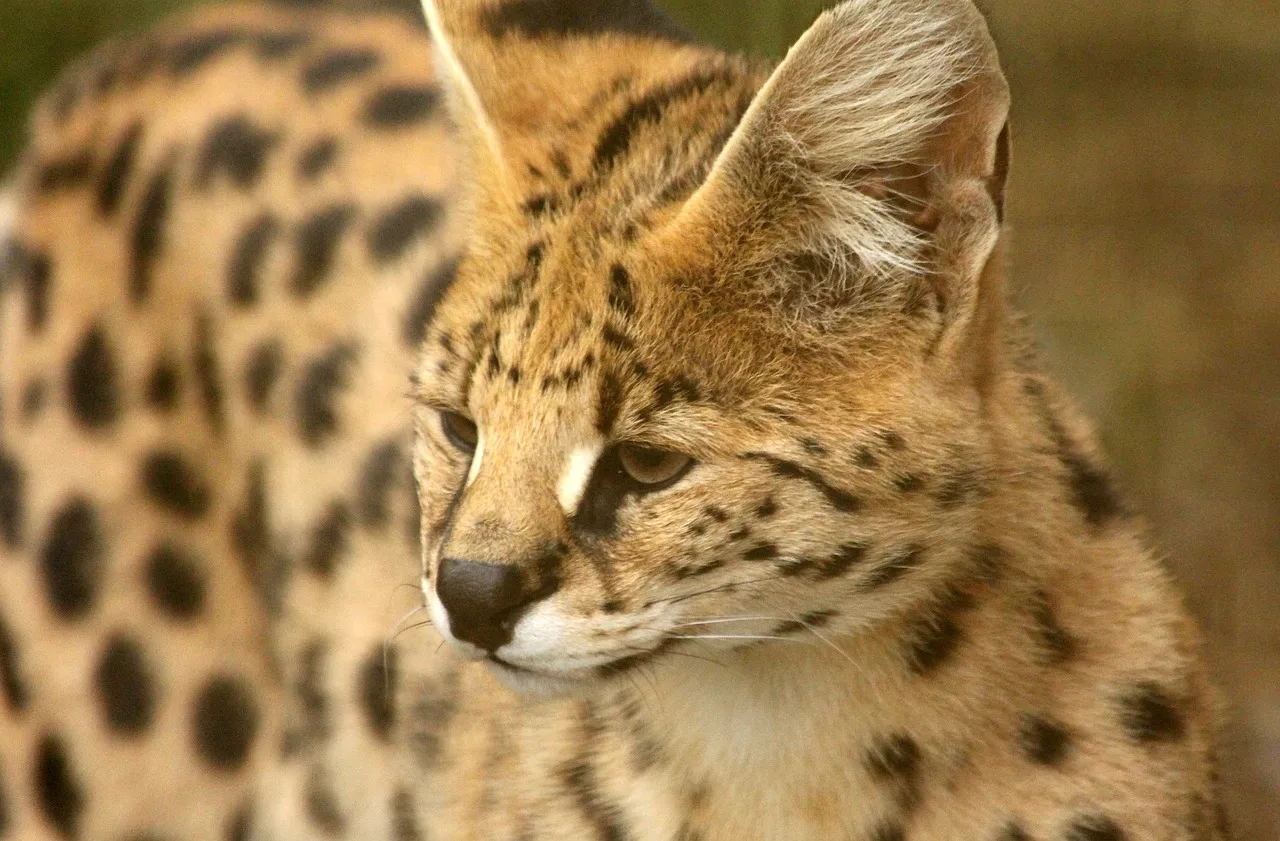
Exotic cat sanctuaries don’t sugarcoat this one: once a hand-raised serval or high-generation hybrid attaches, moving it again is genuinely dangerous. These cats imprint early, usually bottle-raised indoors, and as juveniles they’re playful and clingy, tolerating handling that would terrify a wild animal.
Then adolescence hits. You now have a 30 to 40-pound predator that still thinks you are its tree, its toy, and its security blanket. With their chosen human they can be manageable; with strangers, they can be unpredictably dangerous in a heartbeat. Most reputable sanctuaries will never adopt these cats out at all, precisely because of that attachment – new environments and new people equal stress, and stress plus claws and teeth equals serious injury risk. Many also develop pacing or over-grooming when their routine or handler shifts even slightly. Add in complex legal requirements, and the harsh truth stands: once a human-imprinted exotic cat lands with a good caretaker, that’s probably its final home, whether the paperwork calls it that or not.
Worth Knowing
- Adult servals typically weigh 20 to 40 pounds; caracals run similar, far stronger than any housecat
- Numerous U.S. states and cities ban or heavily restrict private ownership of servals, caracals, and hybrids
- Sanctuaries report that human-imprinted exotics rarely transfer safely once fully bonded to a caretaker
- Even hand-raised exotic cats keep strong adult prey drive and territorial instincts, unlike domestic breeds
#15 – Long-Term Shelter Dogs Who Only Feel Safe In One Kennel
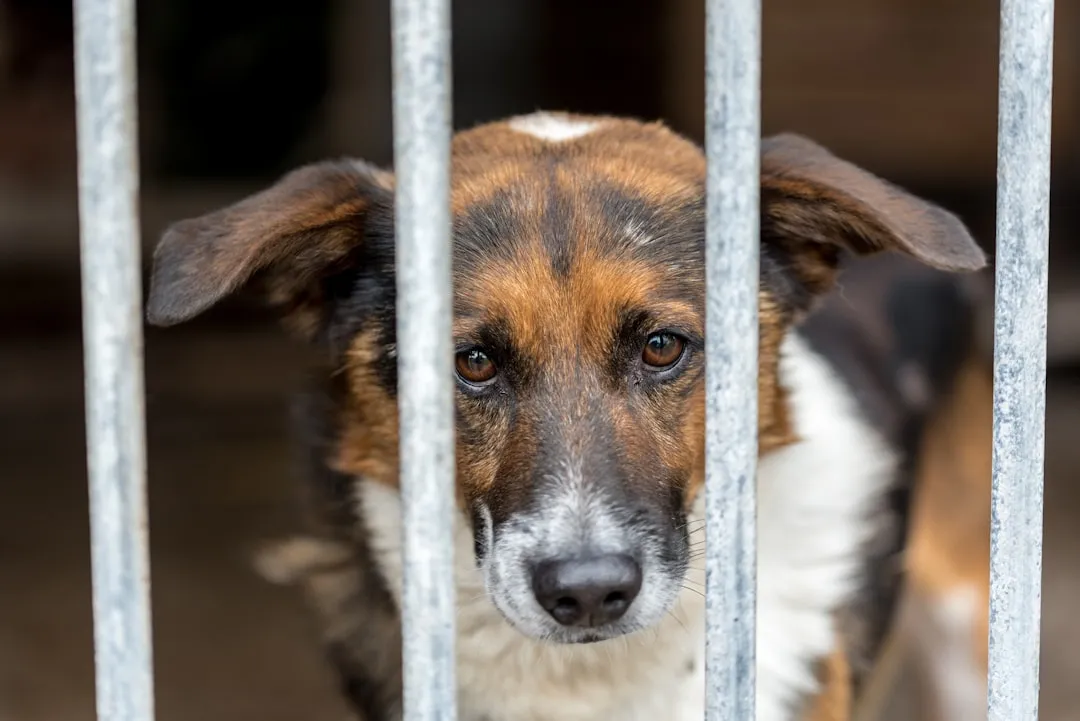
Every big municipal shelter has them: the “back hallway dogs” who’ve been there for years, watching kennels turn over hundreds of times while staff came and went and the smell of bleach never did.
Somewhere in that chaos, they carved out a tiny island of safety – a specific kennel, one familiar handler, an exact walking route. Take them out of that micro-routine and they unravel: frantic barking, spinning, refusing food. With “their” staff member, though, they’ll play tug, lean into chest rubs, even nap belly-up like any easygoing pet. Adopters almost never see that dog. In the meet-and-greet room they either shut down completely or explode in behaviors nobody can read kindly, and after a failed home or two, they usually regress even further. Many shelters quietly shift these dogs to sanctuary status, letting one or two staff members become their family inside institutional walls. Outsiders say every dog deserves a home. Workers know that for some, the only home they recognize is that concrete run and the same familiar shoes showing up at 7 a.m. every day.
#16 – Severely Traumatized Dogs Who’ve Rebuilt Their World Around One Person
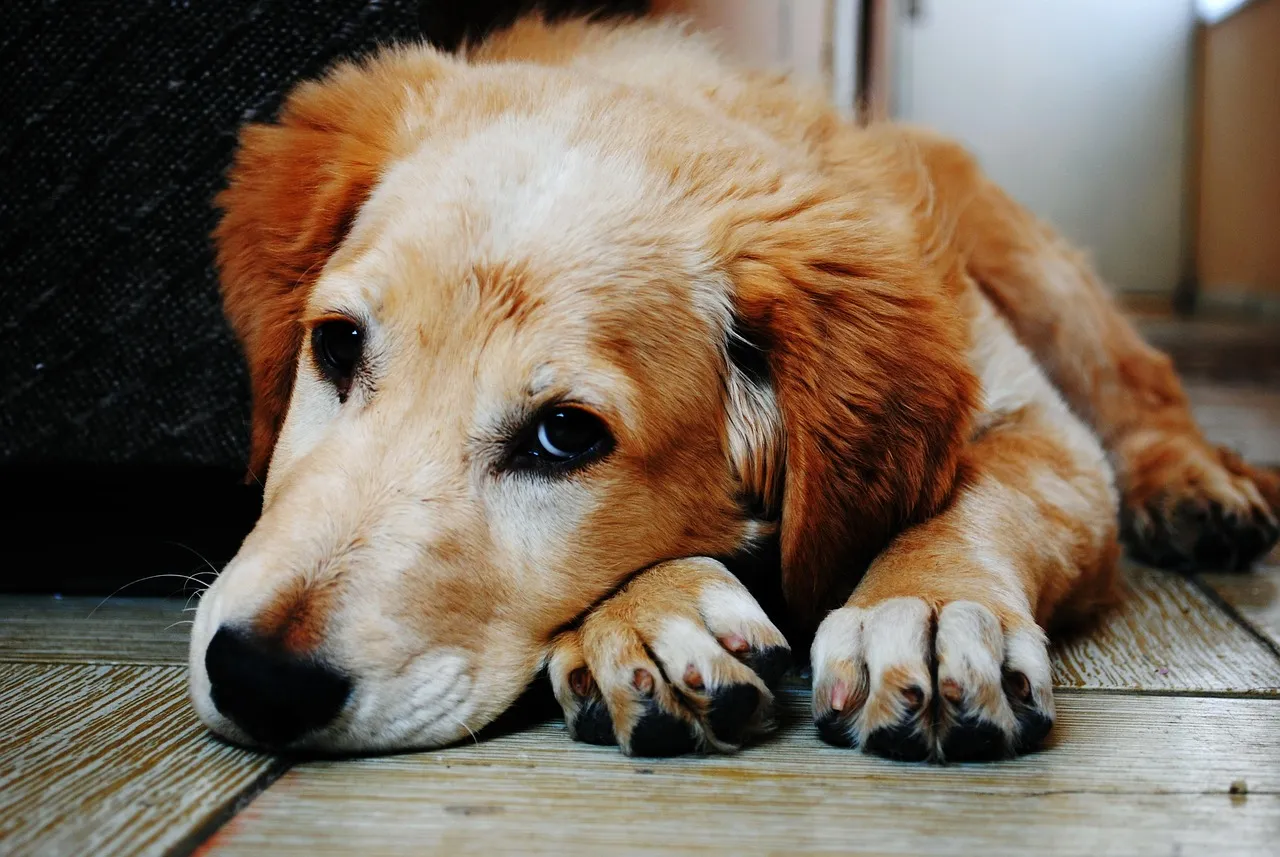
Sanctuary workers are nearly unanimous that the hardest animals to rehome aren’t defined by breed, age, or species. They’re the ones whose entire nervous system has been rewired around a single human.
Think puppy-mill survivors who lived in cages for years, dogs seized from hoarding cases, or victims of chronic abuse. In the beginning, they flinch at hands, freeze at leashes, and soil themselves when spoken to. Over months or years, one patient staffer becomes their entire universe – sitting on the floor, feeding by hand, modeling gentle touch over and over until the dog finally chooses to stay. Everyone else is background noise at best, a direct threat at worst. Pull that one trusted person away and the whole fragile structure collapses. In new homes, these dogs often revert: hiding, refusing food, biting when cornered, each failed adoption confirming their worst belief that people simply aren’t safe. Many sanctuaries now take a hard line – once a profoundly traumatized dog has attached and stabilized, they stop trying to “upgrade” it into a traditional home. To outsiders, that’s controversial. To the people cleaning kennels at 10 p.m., it’s mercy.
The Bottom Line
The animals sanctuary workers struggle to rehome aren’t “problem” creatures. They’re the fallout of how humans use, breed, and discard living beings, and the pattern is brutally consistent: the tighter and more desperate the attachment, the more dangerous another rupture becomes.
From macaws that will only tolerate one handler to tiny Chihuahuas welded to a single lap, what looks like “unadoptable” is usually just a nervous system doing its best to survive. Not every animal can, or should, be forced into the Hallmark version of a forever home. Sometimes the kindest choice on the table is a stable sanctuary life with the one person an animal finally dared to trust.
You might disagree, and that’s fair – sanctuary workers argue about this among themselves too. Is it better to keep trying new homes no matter what it costs the animal, or to accept that some attachments simply can’t be safely broken? Did we miss one that belongs on this list? Drop it in the comments.

- 16 Animals Sanctuary Workers Say Become Nearly Impossible to Rehome Once They Have Attached - August 12, 2026
- What Groomers See in an Ageing Dog Long Before Its Owner Does: 17 Early Signs - August 12, 2026
- 19 Garden Birds Arriving Earlier Every Year and 19 That Have Almost Stopped Coming Back - August 12, 2026