
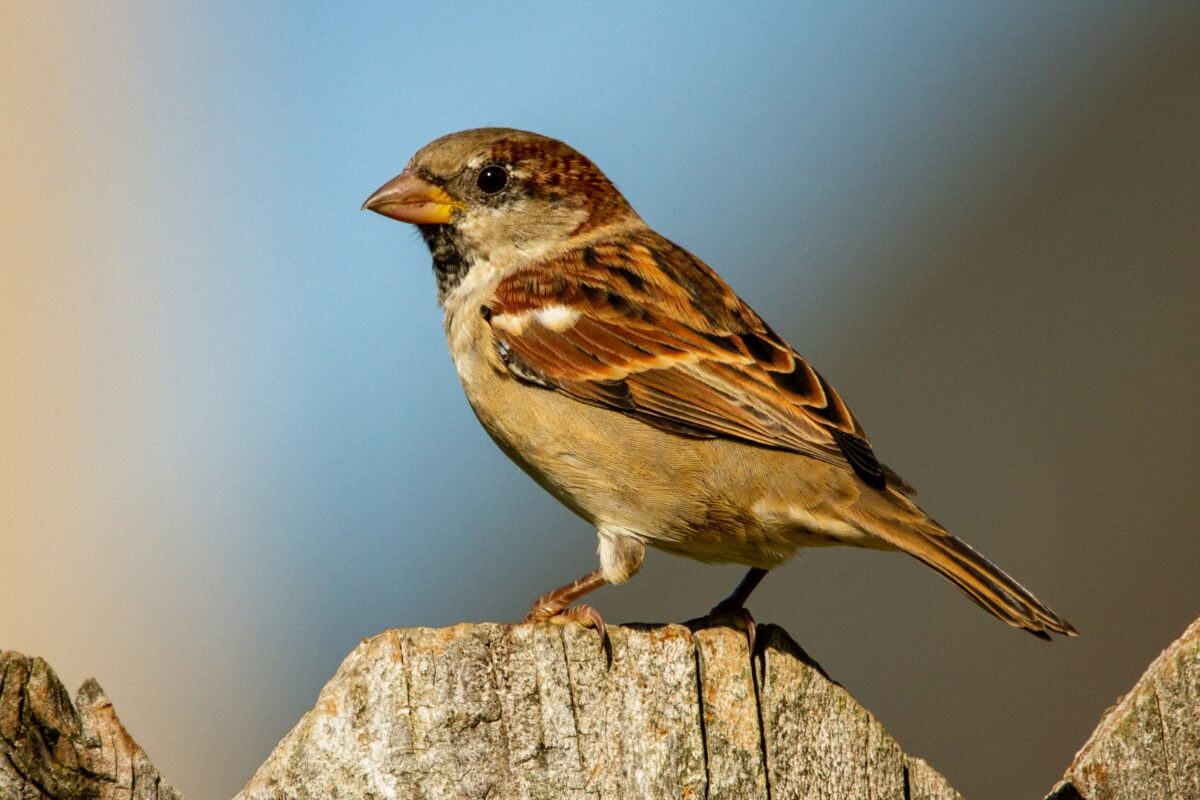
Most people assume the birds in their garden follow the same rhythm their grandparents watched decades ago. They don’t. Some species now show up two or three weeks earlier than they did in the 1980s, arriving so far ahead of schedule that even seasoned birdwatchers keep double-checking their calendars. Others have simply stopped coming back at all, vanishing from gardens they once dominated so quietly that most people never noticed the exact year it happened.
Ornithologists tracking decades of citizen-science data say this isn’t one trend, it’s two colliding ones, and the pattern splits Britain’s most familiar garden birds into two very different camps. One group is racing the clock, arriving earlier and earlier as if trying to outrun a shifting climate. The other is running out of road entirely, and no amount of earlier timing will save them. Here’s what 38 species reveal about which camp is actually visiting your garden.
#1 – The Swallow Is Rewriting Its Own Calendar
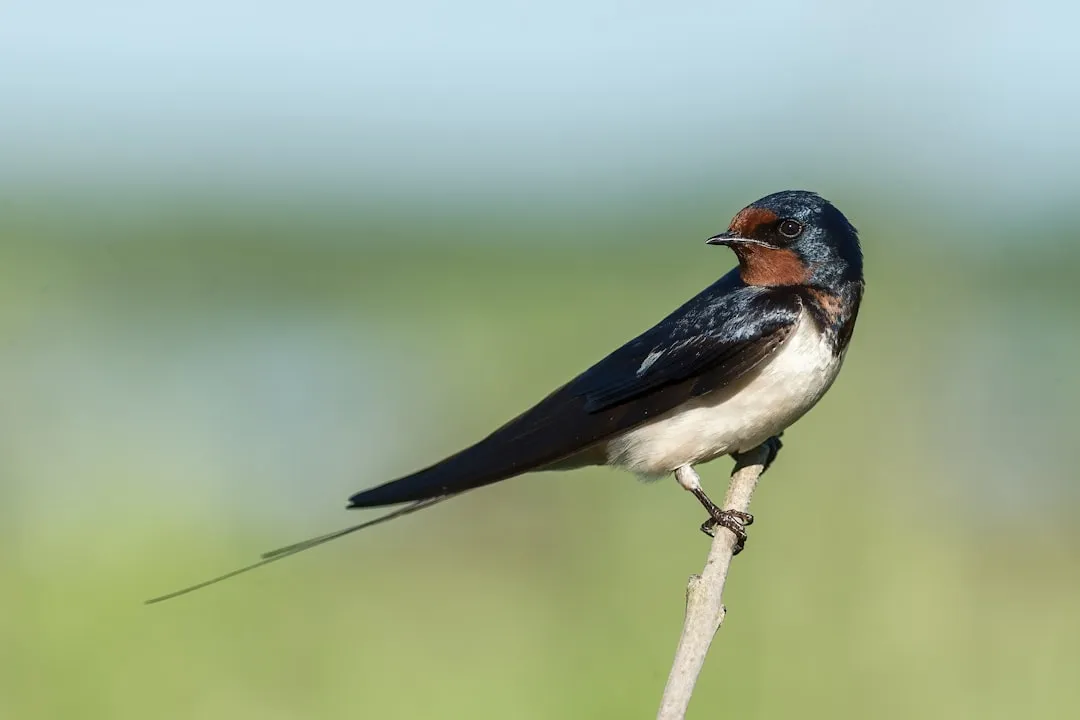
Swallows are arriving at British gardens and farm outbuildings noticeably earlier than they did a generation ago, and scientists say temperature is the trigger.
Long-term migration research has found a consistent pattern across short and long-distance migrants alike: warmer spring conditions pull arrival dates forward. Analysis of the first arrival dates of 103 species on their summering grounds in the northern USA indicated that short-distance migrants that wintered in the southern USA arrived an average of 13 days earlier than during the interval between 1903 and 1950. Swallows fall into a similar category of temperature-sensitive migrants.
The most surprising fact: the shift isn’t gradual anymore, it’s compounding year on year as European springs warm faster than the historical average. Swallows time their return to coincide with insect hatches, and early arrival now means gambling on food that may not be ready yet.
#2 – House Martins Are Cutting Their Migration Short
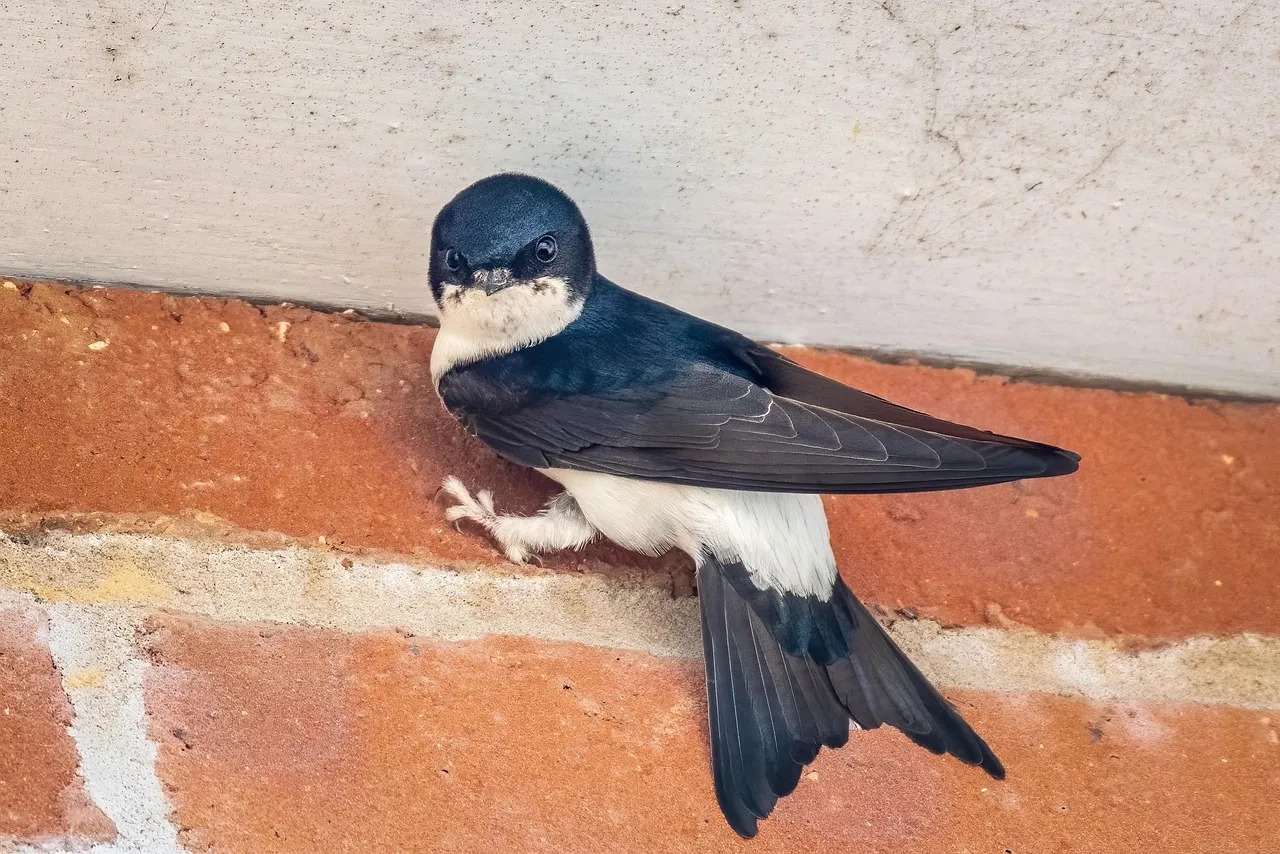
House martins nesting under garden eaves are turning up before many gardeners have even cleaned last year’s nests off the brickwork.
These aerial insectivores migrate from sub-Saharan Africa, and researchers studying long-distance migrants have found their arrival timing is shifting, though more slowly than short-haul species. Studies show that many species are now arriving at their breeding sites earlier in spring, and for every one-degree Celsius increase in temperature, birds have advanced their arrival by about one day. For house martins, that adds up over decades of warming.
House martins build mud nests, which means early arrival before wet spring weather can actually backfire, leaving birds unable to source the material they need. Most people don’t realize early arrival can be a liability, not an advantage.
Quick Compare
- Short-distance migrants: arriving roughly 13 days earlier than the 1903-1950 average
- Every 1°C rise in spring temperature: pushes many species’ arrival forward by about one day
- Long-distance migrants like the cuckoo: only about 4 days earlier on average
- Takeaway: the farther a bird winters from home, the less climate seems to move its internal clock
#3 – Sand Martins Are the Canary in the Coalmine
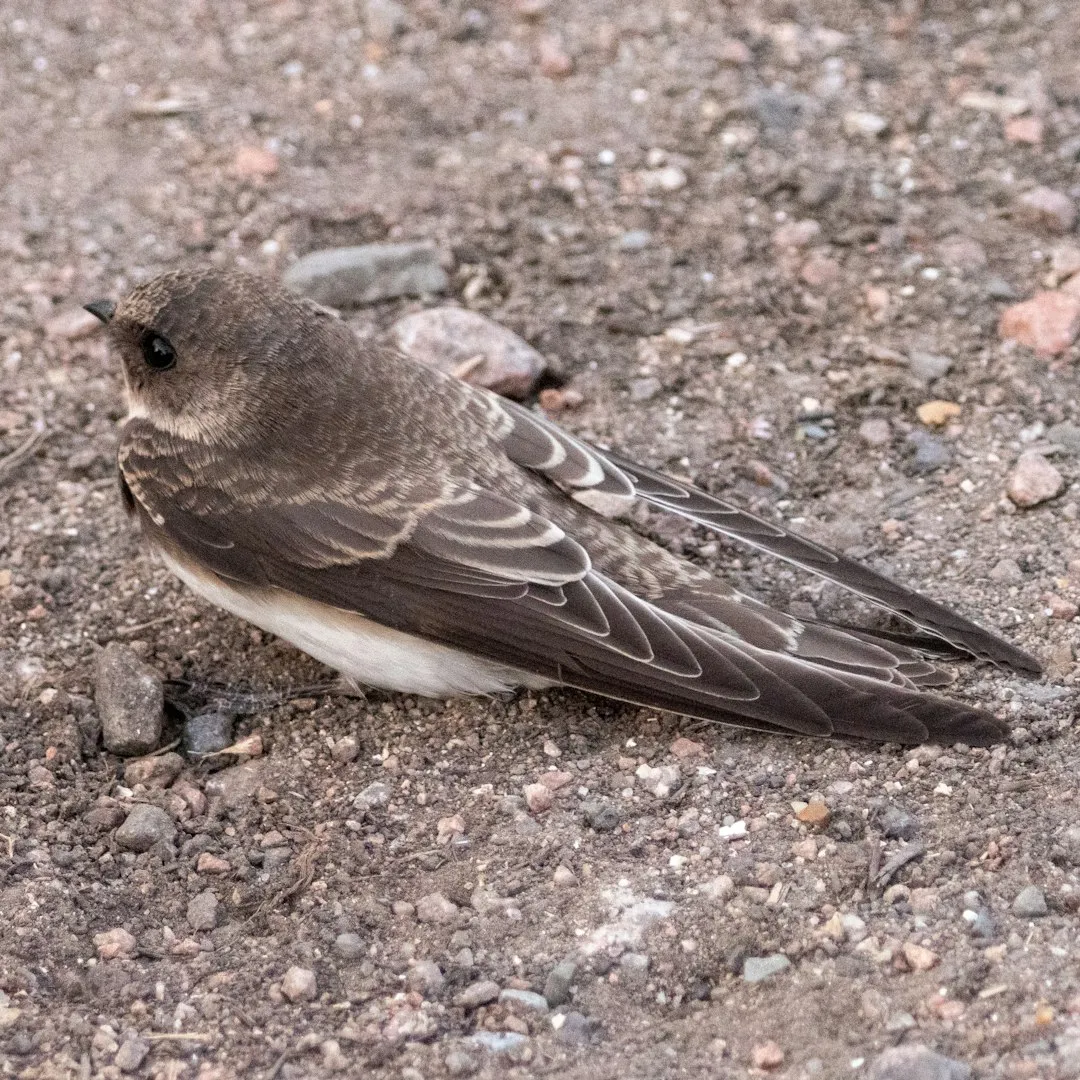
Sand martins are often the very first hirundine species spotted over garden ponds and riverside gravel pits each spring, and their arrival date has become a genuine early-warning indicator for ornithologists.
Because sand martins winter in the Sahel region of Africa, their migration timing is closely tied to rainfall and vegetation patterns thousands of miles away. Bird researchers use their first sightings as a proxy for how early spring is arriving across an entire region, since sand martins react to environmental cues faster than many other migrants.
Here’s the controversial part: some birdwatching groups now argue that “first sand martin of the year” competitions actually encourage misreporting, since excited spotters sometimes misidentify swallows in poor light just to claim the earliest date. That rivalry distorts the very data scientists rely on.
#4 – Swifts Are Arriving Fashionably Early, Then Leaving Just as Fast
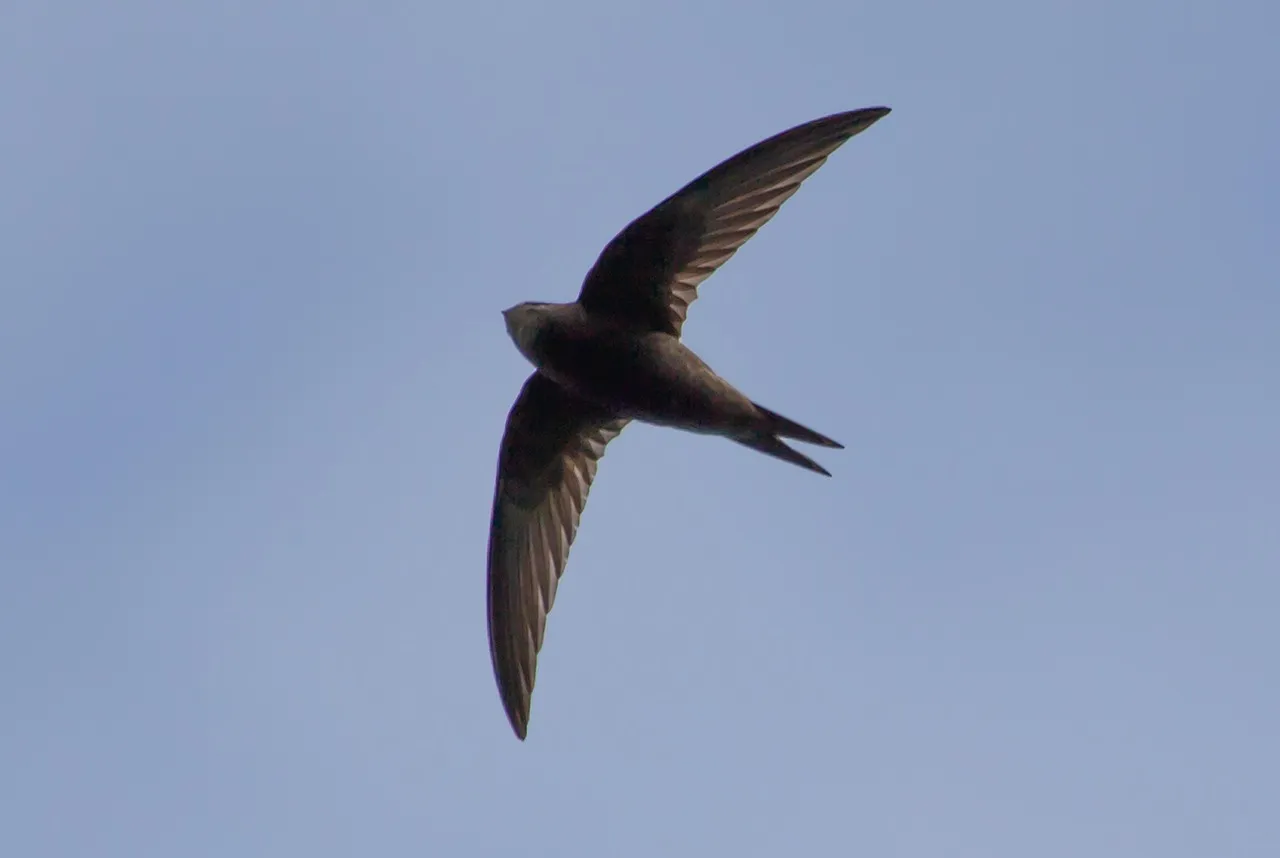
Swifts spend almost their entire lives airborne, and their brief garden visit each summer is getting shorter on both ends, not just starting earlier.
Traditionally the last of the classic summer migrants to return, swifts historically arrived in gardens close to early May. Recent birdwatching records increasingly show groups screaming over rooftops days ahead of that old benchmark, a shift attributed to the same warming trends driving other long-distance migrants to adjust their internal clocks.
The surprising twist: swifts are also leaving earlier in August, meaning their total UK residency window hasn’t necessarily grown, it’s simply moved. Conservationists say this compressed visit makes swift nest-box timing trickier for homeowners trying to help a species already in steep decline.
#5 – The Cuckoo’s Early Return Hides a Darker Story
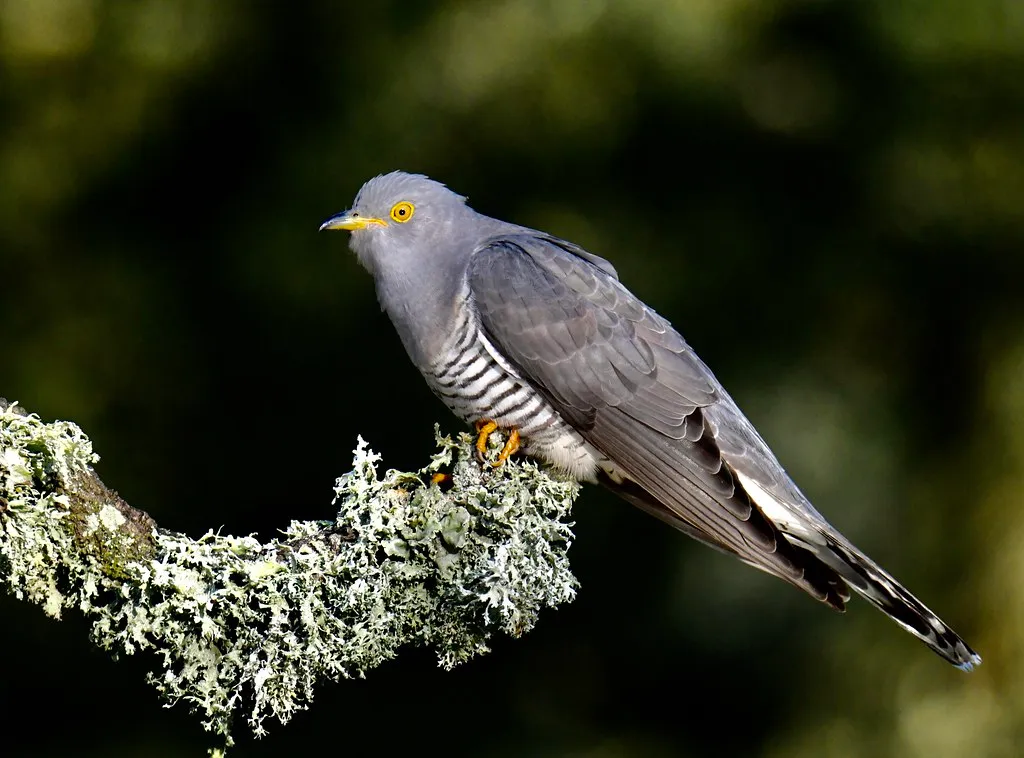
Cuckoos are famous as Britain’s unofficial herald of spring, and their call is now being heard earlier in many gardens than it was even fifteen years ago.
Long-distance migrants like the cuckoo travel from Central Africa, and researchers have found their arrival timing responds to temperature, though less dramatically than shorter-distance species. The timing of species migrating from wintering grounds in Central and South America is more likely timed by endogenous internal clocks not affected by climate change, arriving on average only 4 days earlier than in the first part of the twentieth century.
That mismatch matters. Cuckoos rely on host species like meadow pipits and dunnocks timing their own nesting perfectly, and if cuckoos arrive early while hosts lag behind, breeding opportunities shrink. Most people don’t realize this timing gap is part of why cuckoo numbers keep falling despite earlier arrivals.
#6 – Chiffchaffs Barely Leave Anymore
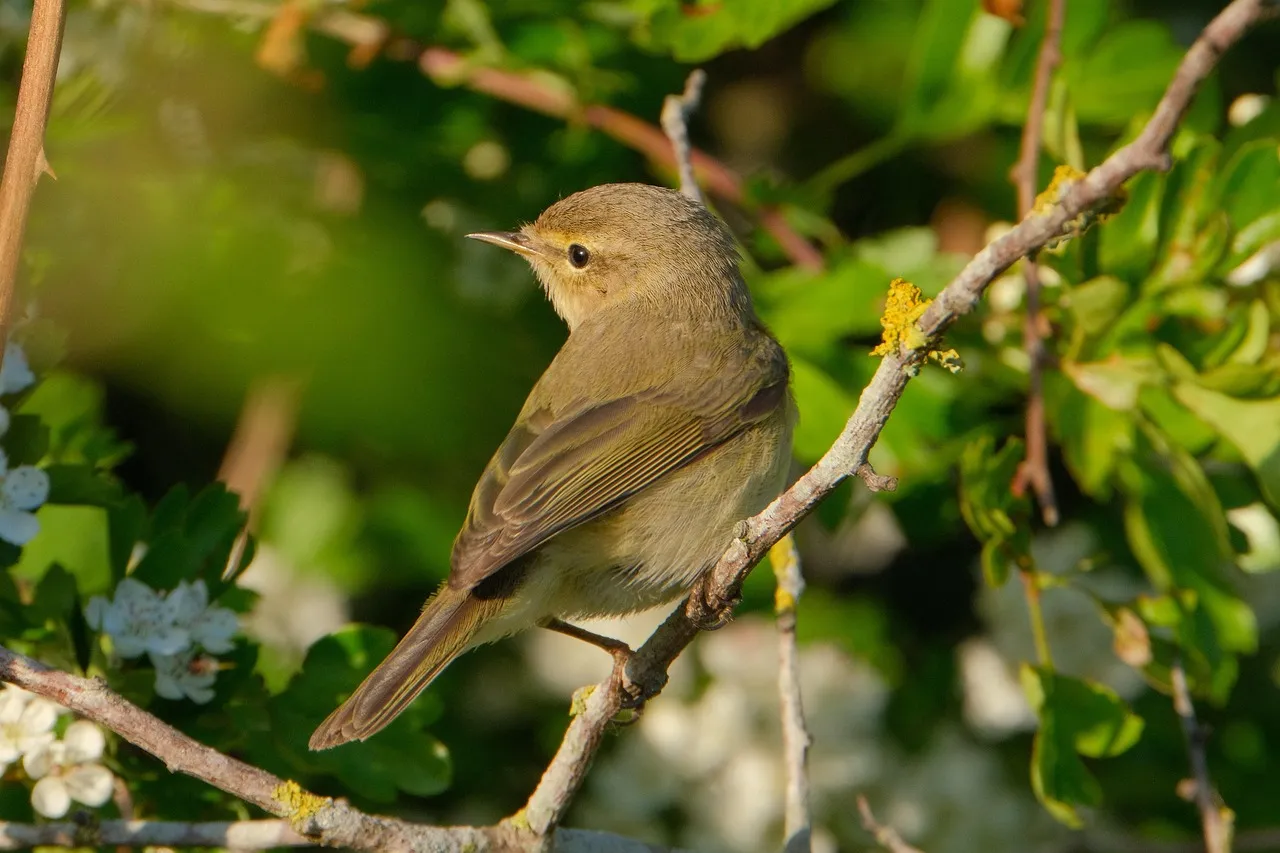
Chiffchaffs are increasingly skipping migration altogether, with growing numbers overwintering in southern England instead of returning each spring from Africa.
This isn’t really “arriving earlier” in the traditional sense, it’s a more extreme version of the same trend: milder UK winters mean chiffchaffs no longer need to make the full journey south. Birdwatchers now regularly report chiffchaffs singing in gardens in February, weeks before the traditional March arrival date long used as a seasonal benchmark.
The most surprising fact: some chiffchaff populations have effectively become resident birds within a single generation, a behavioral shift scientists describe as remarkably fast for a species. This blurs the entire idea of “migration timing” for chiffchaffs, since a growing share simply never leave in the first place.
#7 – Blackcaps Have Flipped Their Migration Entirely
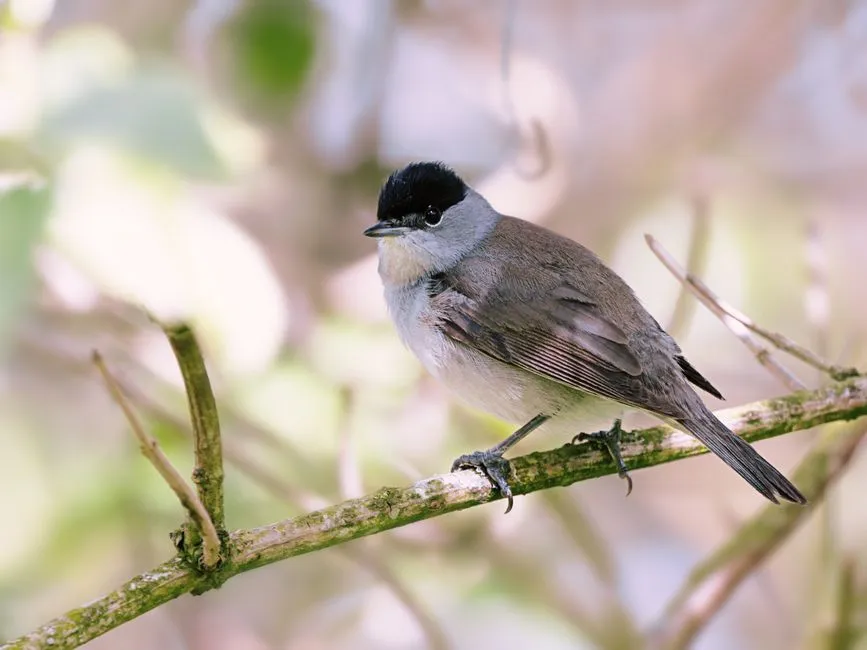
Blackcaps present one of the strangest cases in British ornithology: instead of just arriving earlier, an entire wintering population has rerouted itself.
Rather than heading to the Mediterranean each winter like their ancestors, a growing number of Central European blackcaps now fly to Britain instead, drawn by garden bird feeders and milder winters. These birds then return to breeding grounds earlier than birds still following the traditional Mediterranean route, giving them a head start on nesting and territory selection.
This is a textbook example of rapid evolutionary response to human garden feeding combined with climate shifts. Here’s the controversial opinion: some ecologists argue garden feeding is now actively reshaping bird evolution faster than natural selection ever could, and not everyone thinks that’s a good thing.
#8 – Willow Warblers Are Racing North
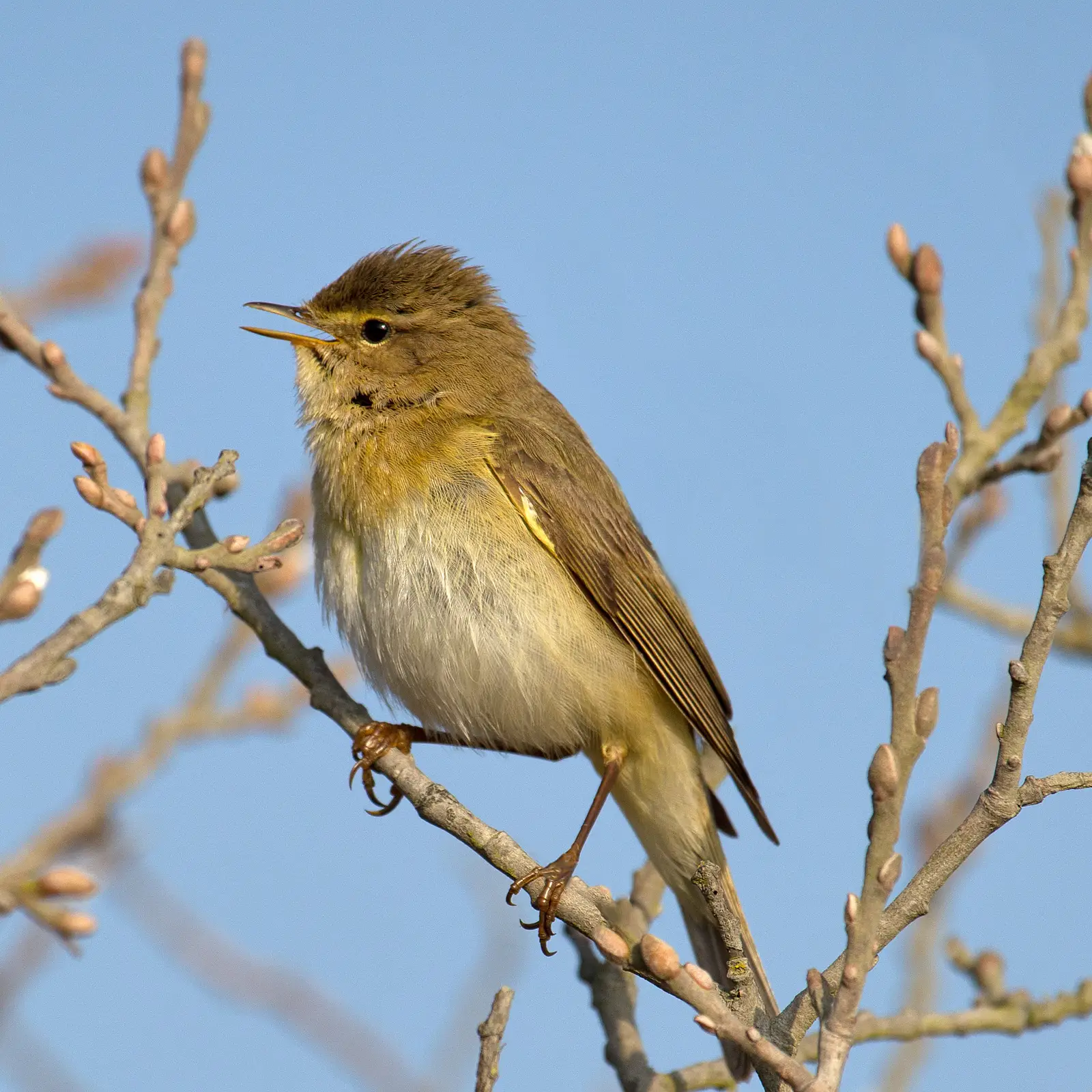
Willow warblers, one of Britain’s most numerous long-distance migrant songbirds, are consistently showing earlier spring arrival dates across decades of monitoring data.
Long-term studies tracking European migratory birds through African wintering grounds found a clear pattern. Data from over 50 years from bird sighting retreats in Africa and Spain’s South Coast revealed that between 1964 and 2019, European migratory birds like the willow warbler were arriving at their overwintering spots in Africa later in the fall, while come spring, the birds left the region earlier than before as well.
That two-sided shift, leaving Europe later in autumn and returning earlier in spring, suggests willow warblers are squeezing more time out of their European breeding grounds every single year. The most surprising fact: researchers believe this reflects vegetation staying available longer in Europe, reducing the incentive to head south at all.
#9 – Garden Warblers Are Living Up to Their Name Faster Than Ever
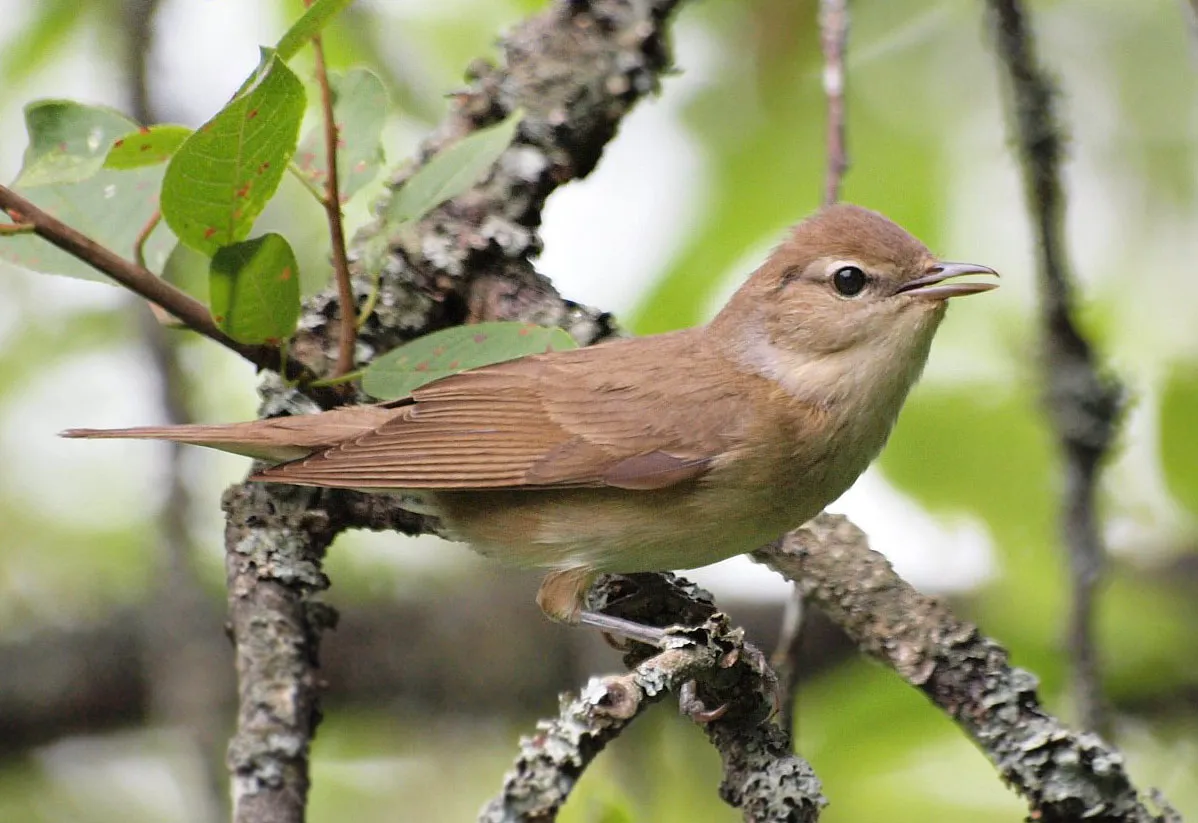
Garden warblers are shifting their entire annual rhythm, not just their spring arrival, according to long-term ringing station data spanning half a century.
Researchers tracking this species found that many migrant European birds have been departing their breeding grounds earlier in recent decades in response to rising temperatures from climate change, with garden warblers specifically studied through decades of ringing records on the Baltic coast. Earlier departure from breeding grounds in autumn typically pairs with earlier spring return the following year.
Here’s what’s surprising: despite being one of the most well-studied warblers in Europe, scientists still can’t fully predict how much further this species can shift its timing before food availability becomes the limiting factor rather than temperature. That uncertainty worries conservationists watching populations closely.
#10 – Nightingales Are Singing Earlier, and Fewer People Are Hearing It
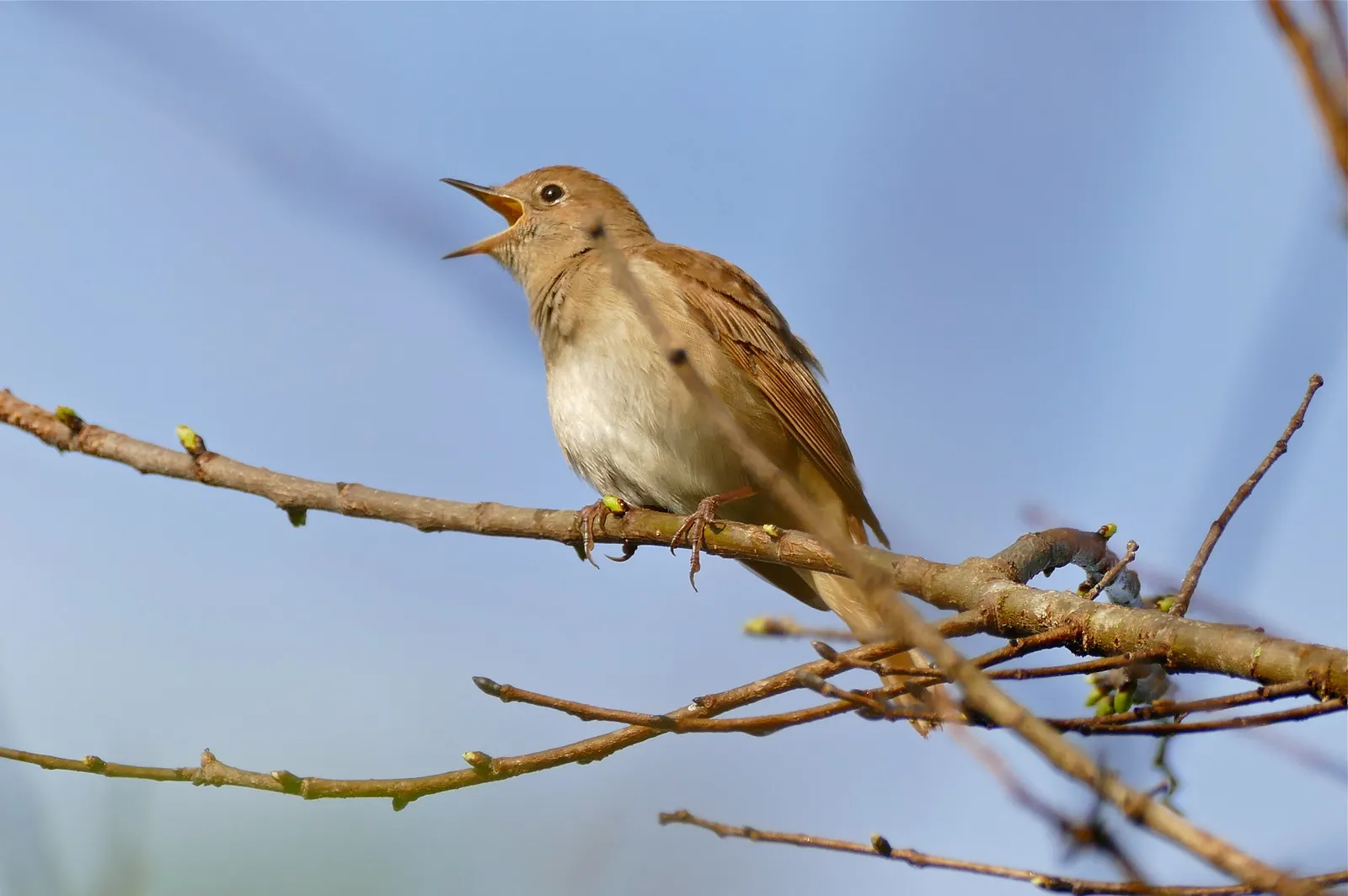
Nightingales are both arriving earlier and becoming rarer, a combination that makes their advancing migration bittersweet for conservationists rather than celebratory.
As one of the species tracked in major long-term migration studies, nightingales show the classic pattern of adjusting departure and arrival timing in response to warming trends across their range. Data from over 50 years of bird sightings showed nightingales, along with willow warblers and garden warblers, arriving at overwintering spots in Africa later in the fall.
The most surprising fact: earlier arrival hasn’t translated into population recovery, because habitat loss on the breeding grounds is erasing any advantage gained from better timing. Some conservationists now argue that celebrating “earlier arrival” data distracts from the more urgent habitat crisis.
#11 – Whitethroats Are Beating the Old Records
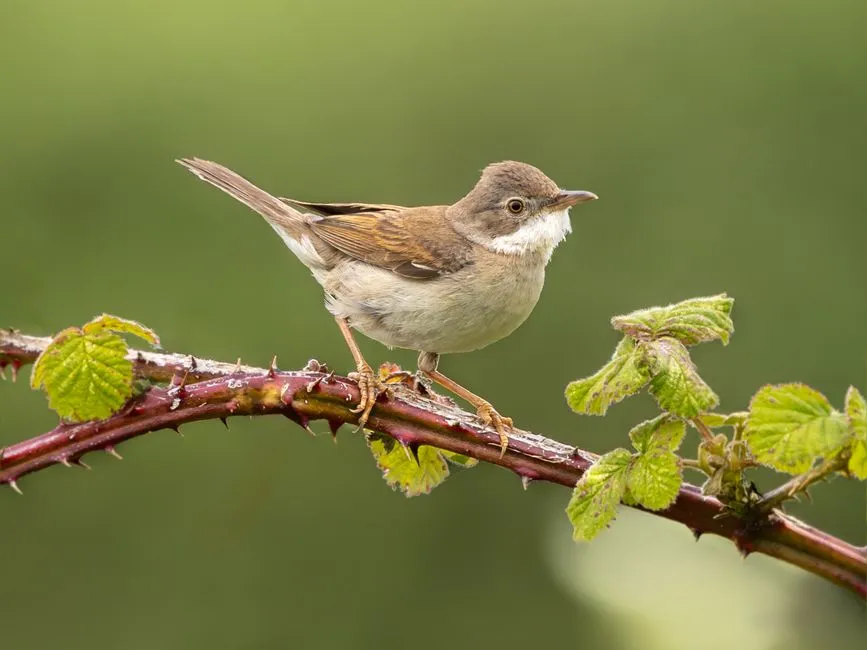
Whitethroats, once considered a reliably late-April garden and hedgerow arrival, are now frequently logged in gardens well before that traditional window closes.
As short to medium-distance migrants wintering in the Sahel region of Africa, whitethroats respond quickly to temperature and rainfall shifts along their migration corridor. Birdwatching networks tracking first-sighting dates across multiple decades have documented a steady creep forward in typical arrival, consistent with broader findings attributing the earlier onset of arrival, breeding, and other life history events in a variety of migratory birds to rising temperatures.
Most people don’t realize whitethroats suffered a catastrophic population crash in the late 1960s tied to Sahel drought, meaning their current earlier-arrival trend is happening from a historically depressed baseline, not full health.
#12 – Lesser Whitethroats Are Quietly Shifting Their Whole Route
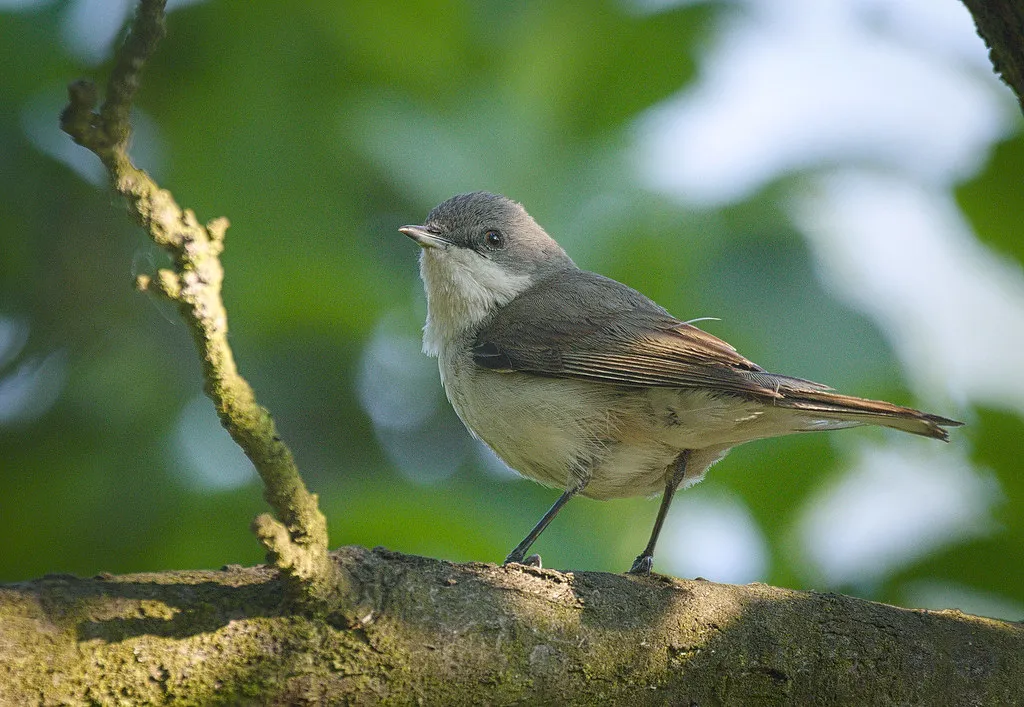
Lesser whitethroats are proving that “arriving earlier” sometimes comes bundled with route changes too, not just a shifted calendar.
Unlike their whitethroat cousins, lesser whitethroats take a more easterly migration path through the Middle East rather than crossing the Sahara directly. This alternate route appears to be giving them slightly different climate exposure along the way, and researchers studying migration phenology broadly note that some studies show few or none of the species examined displaying strong shifts in arrival date, with most published findings sitting somewhere between the two extremes.
The most surprising fact: lesser whitethroats appear to be one of the more variable cases, some populations show clear early-arrival trends while others show almost none, complicating simple climate narratives. This inconsistency is exactly why ornithologists caution against sweeping generalizations.
#13 – Sedge Warblers Are Betting Everything on Timing
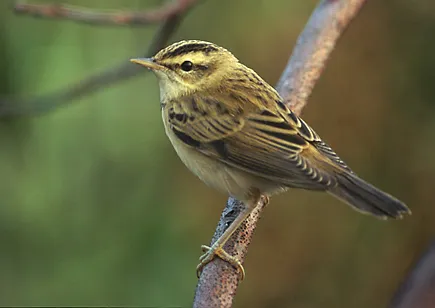
Sedge warblers nesting in garden-adjacent reedbeds and scrubby borders have become one of the more closely studied examples of climate-driven arrival shifts.
These birds make one of the most remarkable non-stop migratory flights of any small songbird, crossing the Sahara in a single push after fattening up on aphids in Europe. Because their journey depends so heavily on precise fat reserves, any shift in arrival timing carries real survival risk if food resources haven’t caught up with their earlier schedule.
Here’s the controversial take: some researchers argue sedge warblers are approaching a physiological limit on how much earlier they can safely arrive, meaning this species may become one of the first visible casualties of climate mismatch rather than a success story.
#14 – Reed Warblers Are Following the Warblers’ Trend
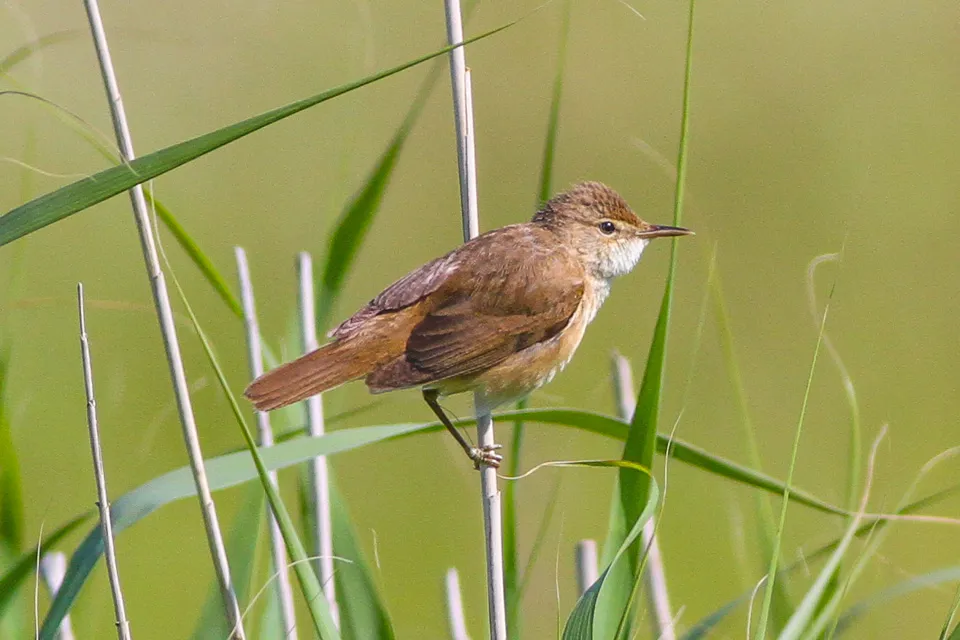
Reed warblers, close relatives of sedge warblers sharing similar garden-pond and wetland habitat, show a comparable pattern of earlier spring return documented across long-term European bird monitoring schemes.
As one of many passerine species affected by shifting spring conditions, reed warblers fit within the broader pattern researchers have documented, where progressively earlier arrivals in spring are more pronounced in short-distance migrants compared with birds traveling further distances.
The most surprising fact: reed warblers are frequently used by scientists as a control species in phenology studies precisely because their migration is so well documented, meaning any deviation in their arrival timing gets flagged almost immediately by researchers. That level of scrutiny makes reed warblers one of the most reliable indicator species for tracking climate-driven migration change in real time.
#15 – Wheatears Are the Marathon Runners Racing the Clock
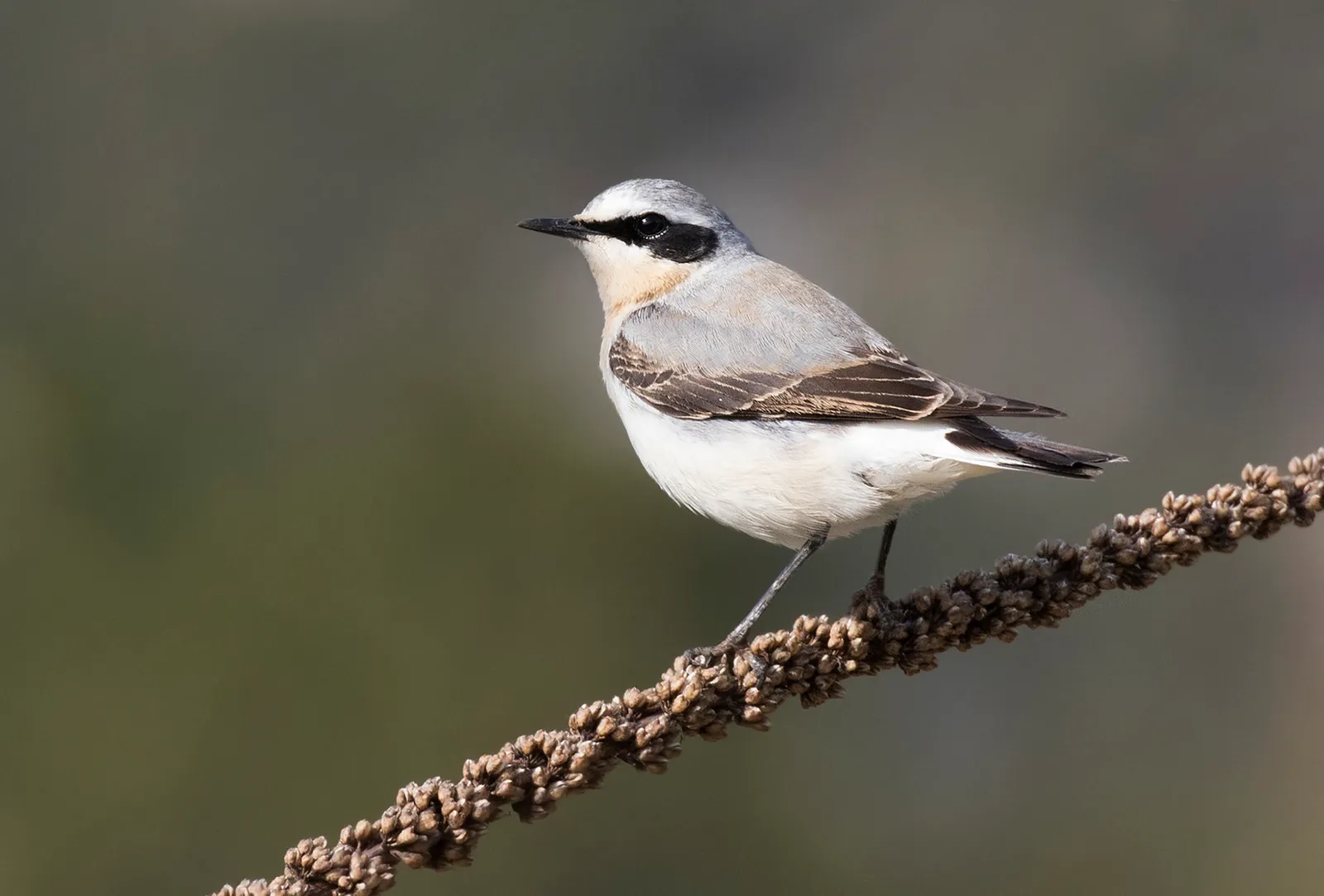
Wheatears complete one of the longest migrations of any small songbird, some populations traveling between Africa and the Arctic, and even they are adjusting their timing.
Garden and farmland sightings of wheatears passing through on migration have crept earlier across multiple decades of birdwatching records, mirroring patterns found in other long-distance migrants. Scientists studying comparable long-haul species have noted that many birds migrating to high altitudes or high latitudes must fly enormous distances just to reach their breeding grounds, making any timing shift logistically complex.
Most people don’t realize wheatears passing through British gardens on migration may be heading anywhere from Greenland to Siberia, meaning “earlier arrival” for this species reflects conditions across an enormous geographic range, not just local British weather.
#16 – Yellow Wagtails Are Cutting It Close
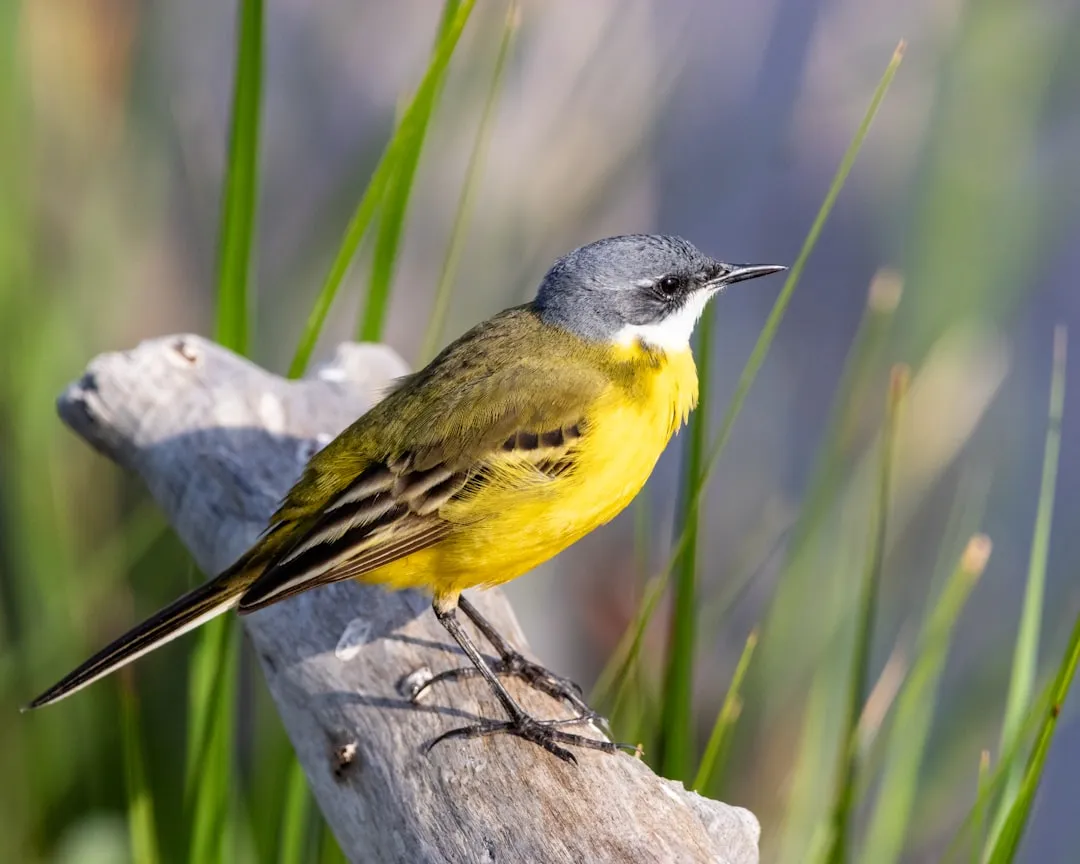
Yellow wagtails, once a common sight bobbing across farmland edges near gardens, are now arriving earlier while their overall numbers continue a worrying decline.
This species exemplifies a pattern scientists have flagged as particularly concerning: earlier arrival paired with shrinking population size suggests timing adjustment alone isn’t enough to offset other pressures like habitat loss. Research into migratory mismatch broadly warns that timing gaps between birds and their food supply can affect survival and chick numbers, with songbirds arriving earlier or later than plants emerge often raising fewer young than those arriving on time.
Here’s the controversial opinion: some conservationists argue earlier arrival dates are being misreported in the media as good news, when for yellow wagtails specifically, it may actually be masking a population in genuine trouble.
#17 – Redstarts Are Beating Their Grandparents’ Schedule
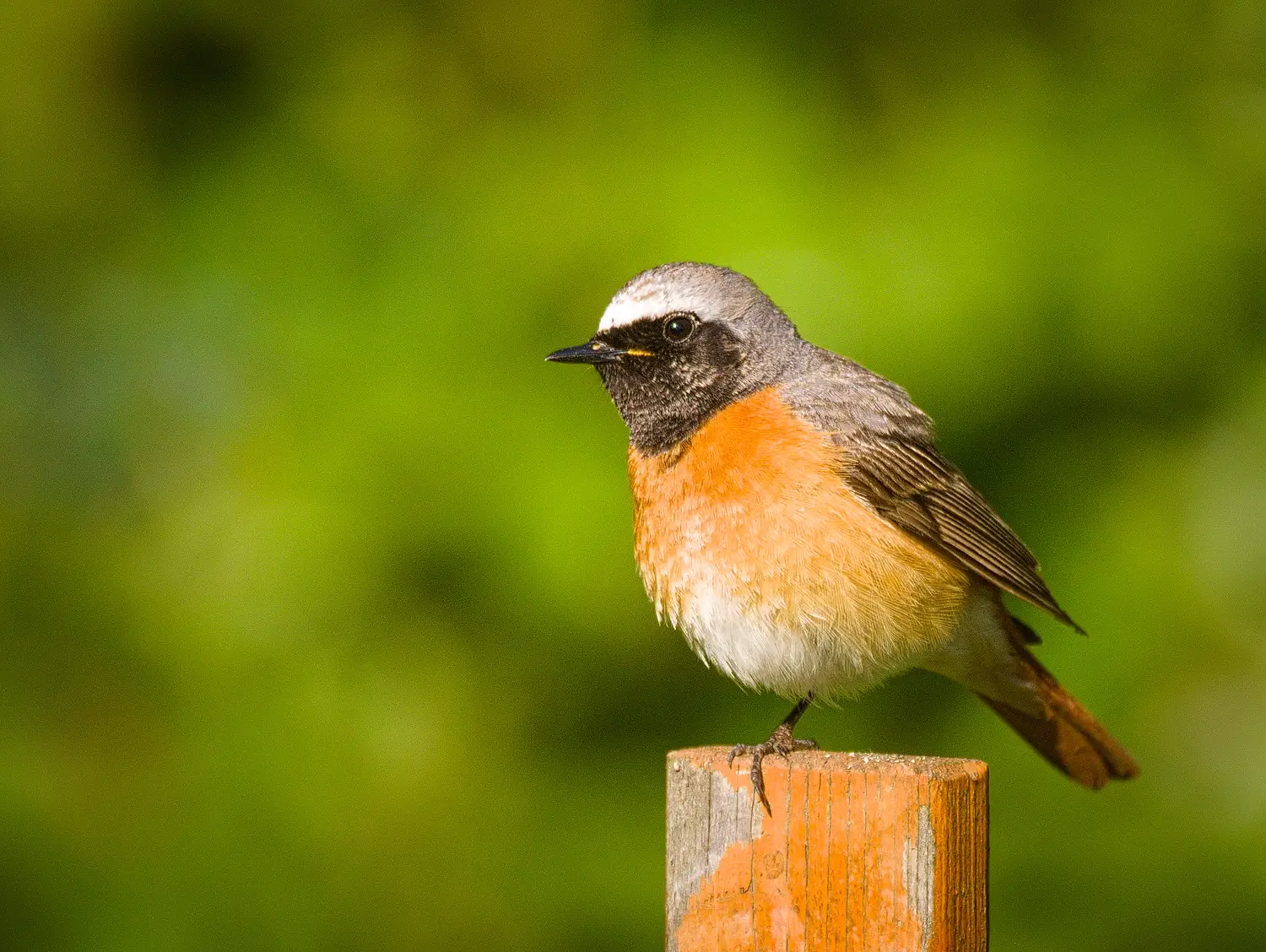
Redstarts, with their flame-orange tails flickering through garden orchards and old hedgerows, are consistently clocking in earlier spring arrivals than birdwatching records from just a few decades ago.
As medium-distance migrants wintering in West Africa, redstarts occupy a middle ground in the climate-response spectrum between short-hop species and true long-haul travelers. This positioning makes them a useful case study for researchers comparing how migration distance affects a species’ ability to adjust timing in response to rising temperatures.
The most surprising fact: redstart nest-site competition has intensified because early arrivals now claim the best garden and woodland-edge nesting cavities before later-arriving rivals even show up, effectively creating winners and losers within the same species based purely on migration timing.
#18 – Tree Pipits Are Skipping the Slow Approach
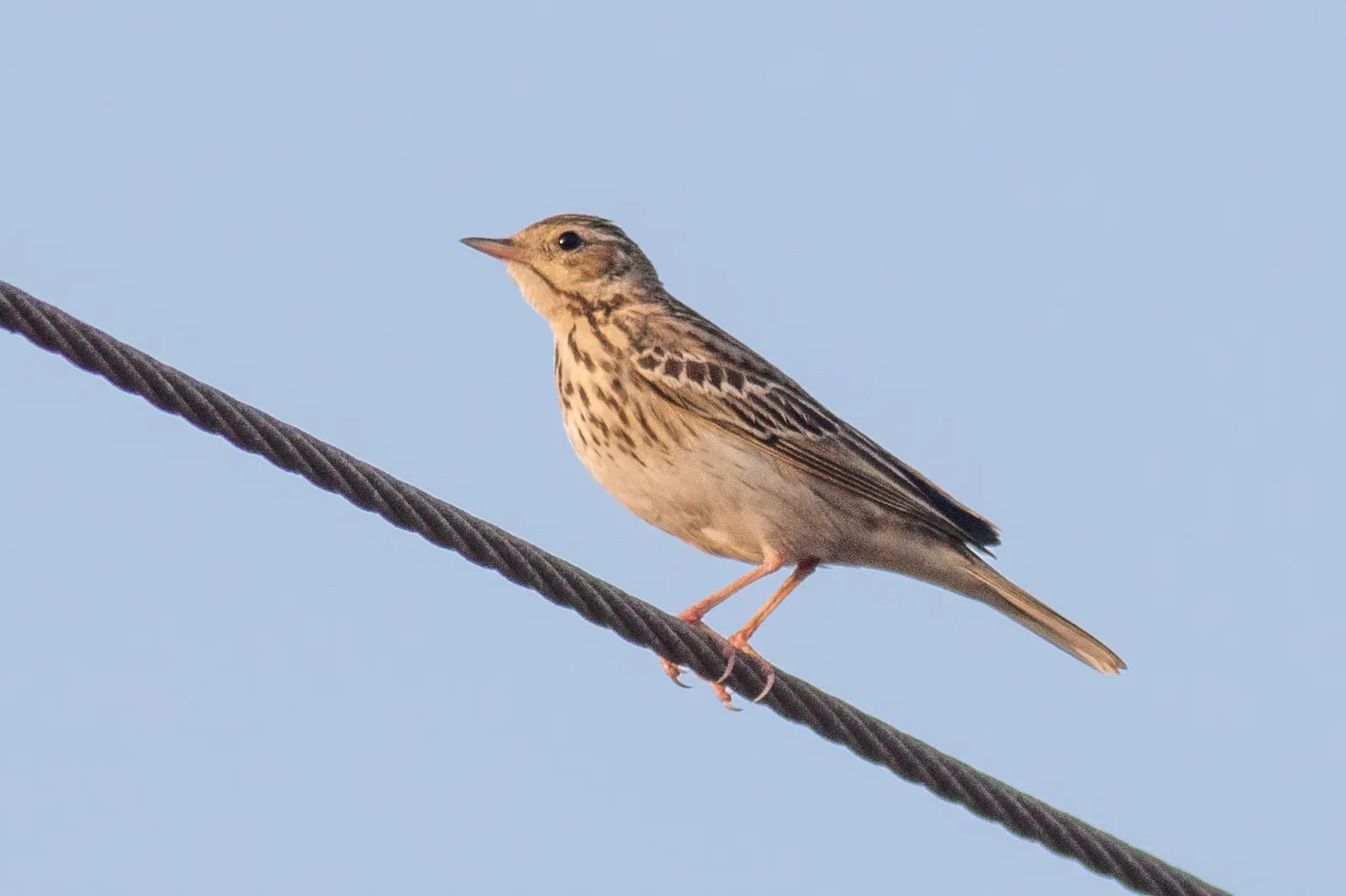
Tree pipits, ground-nesting songbirds often heard parachuting down with their distinctive display flight near garden-adjacent woodland edges, have shown a measurable forward shift in typical spring arrival dates.
Long-term citizen science datasets tracking first-of-season sightings across broad geographic regions have proven valuable for detecting exactly this kind of subtle shift. In many regions, strong warming trends in average minimum temperature in early spring have led to an earlier start to the growing season, and tree pipits appear to be tracking that shift closely.
Most people don’t realize tree pipits are actually declining in overall numbers even as their arrival date moves earlier, another example of timing improvement not being enough to guarantee population stability on its own.
#19 – Ospreys Are Setting New Early Records Almost Every Season
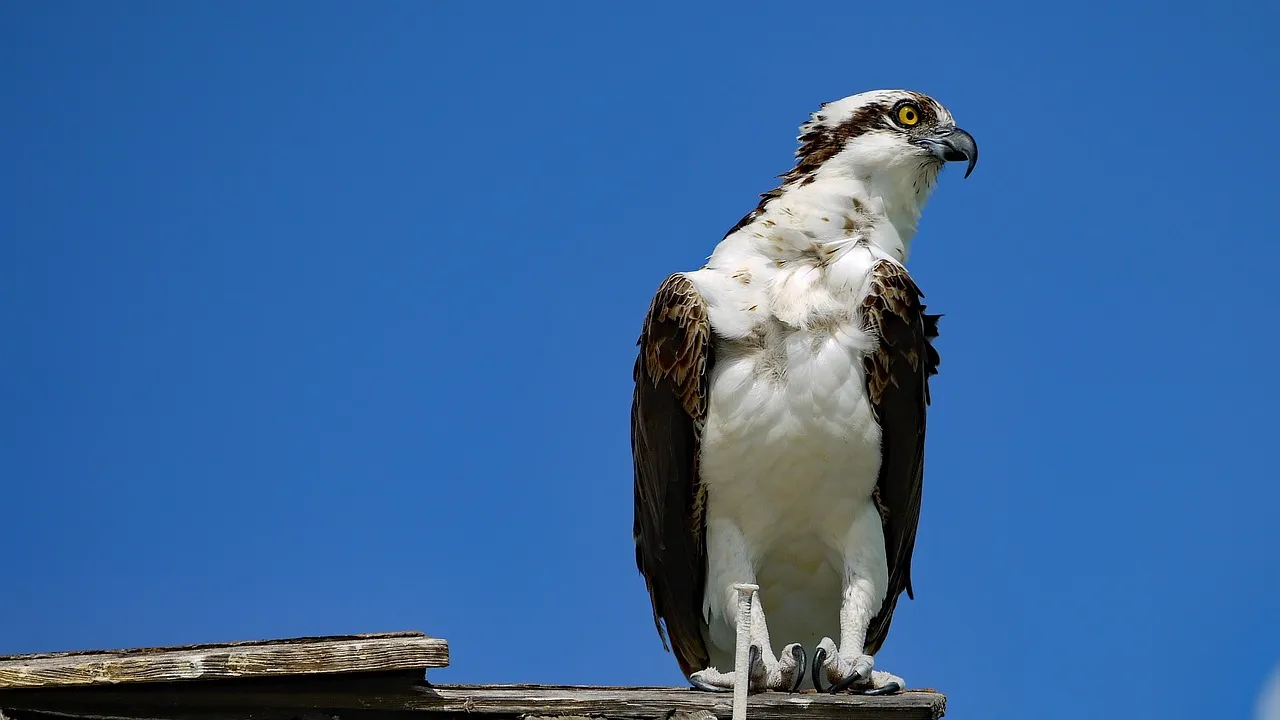
Ospreys returning to nest platforms near lakes and rivers close to garden viewing hides have become one of the most publicly tracked examples of earlier spring arrival in Britain.
Because individual ospreys are frequently satellite-tagged and their return dates publicly logged by conservation projects, this species offers some of the clearest year-on-year evidence of shifting timing available to the public. Broader migration research supports this pattern, noting recent studies showing various changes in migration strategies, including wintering closer to the breeding grounds, earlier departure from wintering grounds, or faster travel by spending less time at stopover sites.
The most surprising fact: individual tagged ospreys have shattered their own personal arrival records repeatedly in consecutive years, giving conservationists an unusually personal, bird-by-bird view of just how fast this shift is happening. Now here’s where the story flips entirely, because the next 19 birds tell the opposite tale.
At a Glance
- Swallows, house martins, and sand martins: short-haul migrants shifting arrival by over a week
- Cuckoos and other Central African travelers: barely a few days earlier despite decades of warming
- Chiffchaffs and blackcaps: skipping migration or rerouting wintering grounds entirely
- Ospreys: some of the most publicly documented early-arrival records of any UK species
#20 – House Sparrows Have Nearly Vanished From Their Own Namesake Habitat
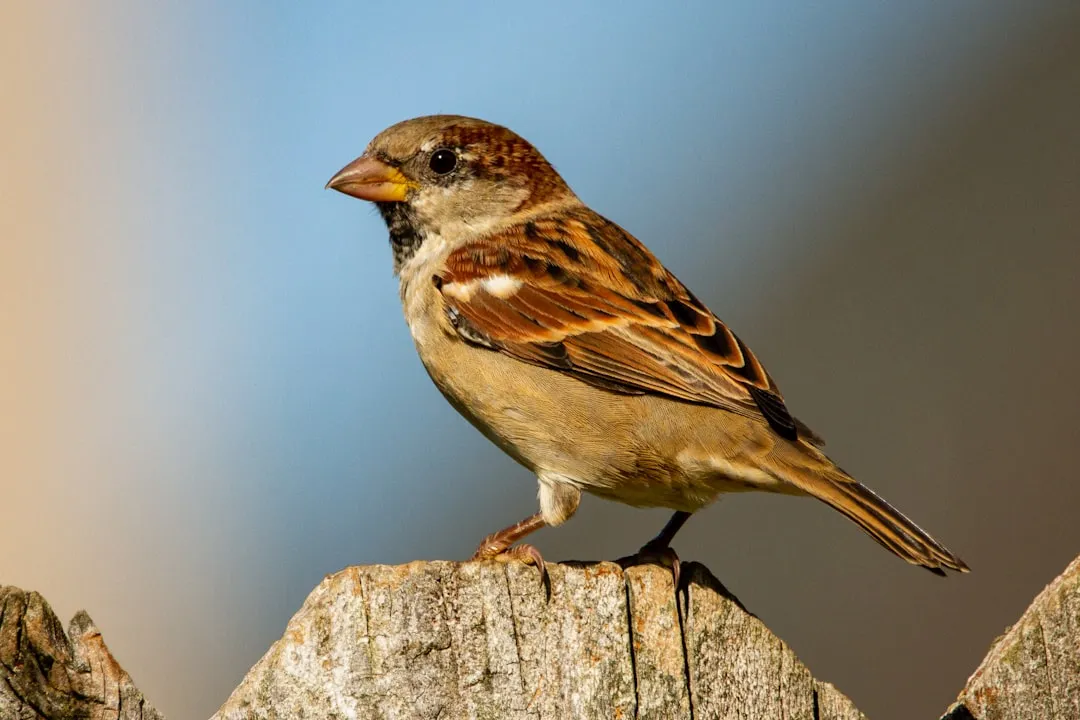
House sparrows are still Britain’s most-spotted garden bird, but that top ranking is hiding a population collapse most people scrolling past feeder photos never notice.
Despite topping garden bird charts for over two decades running, the number of house sparrows spotted in gardens across the UK has dropped by nearly 60% since the survey first began, and nearly 22 million house sparrows have been lost from the UK since 1966. More recent analysis puts the decline even higher, with Big Garden Birdwatch data showing sightings down 64% since 1979, and the overall population slide has landed house sparrows on the red list, the highest level of conservation concern.
The most surprising fact: the exact cause remains scientifically unresolved. A bird this common, this familiar, this photographed, and researchers still can’t fully explain why it’s disappearing under our noses.
Fast Facts
- Sightings down nearly 60% since Big Garden Birdwatch began
- An estimated 22 million house sparrows lost from the UK since 1966
- Some tracking shows sightings down 64% since 1979
- Currently on the UK Red List, the highest conservation concern category
#21 – Starlings Have Fallen Off a Cliff
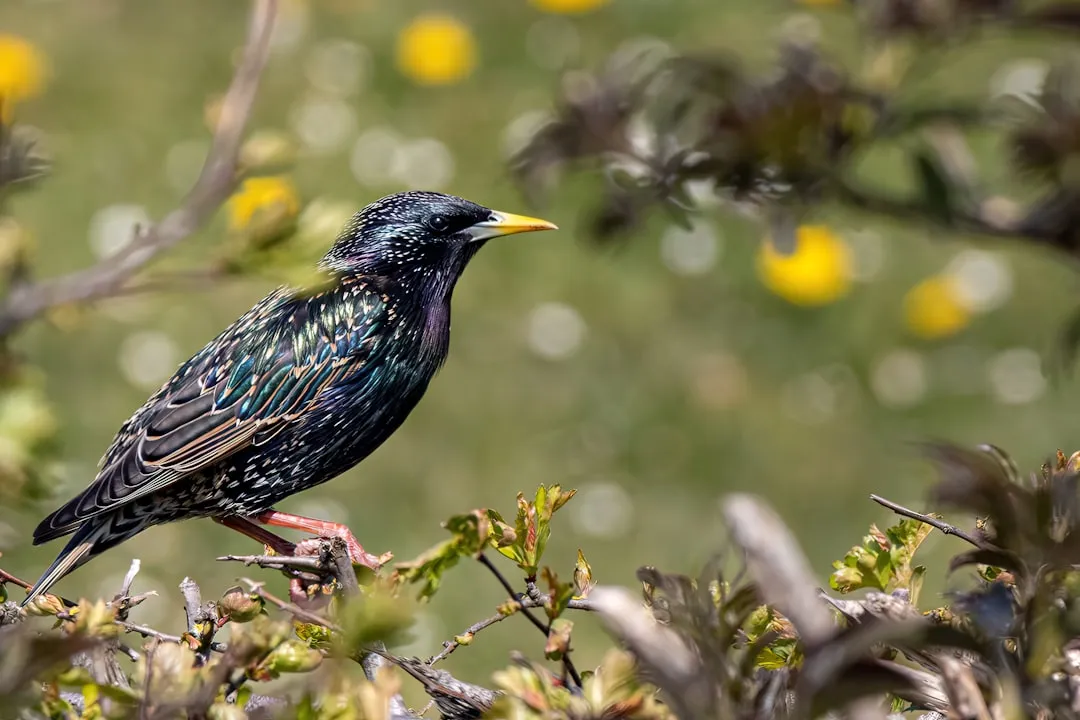
Starlings once formed some of the most spectacular murmurations over British gardens and skylines, but their everyday garden presence has quietly collapsed behind the scenes.
The scale of this decline is staggering by any measure. The UK breeding population has decreased by 82% between 1970 and 2022, and recent Big Garden Birdwatch tracking shows the trend accelerating rather than stabilizing. Their slide in the rankings, from third to fourth nationwide, has caused real concern among conservationists, since starlings are already a red-listed species.
Starlings are one of our most charismatic garden birds, but this year’s Big Garden Birdwatch results are a reason for concern.
Beccy Speight, RSPB Chief Executive
Here’s the controversial opinion: some birdwatchers argue starling feeders and nest boxes are being marketed as a quick fix, when the real driver, loss of permanent pasture and soil invertebrates, requires farmland policy change that no backyard feeder can solve.
#22 – Song Thrushes Have Dropped Out of the Top Ten Entirely
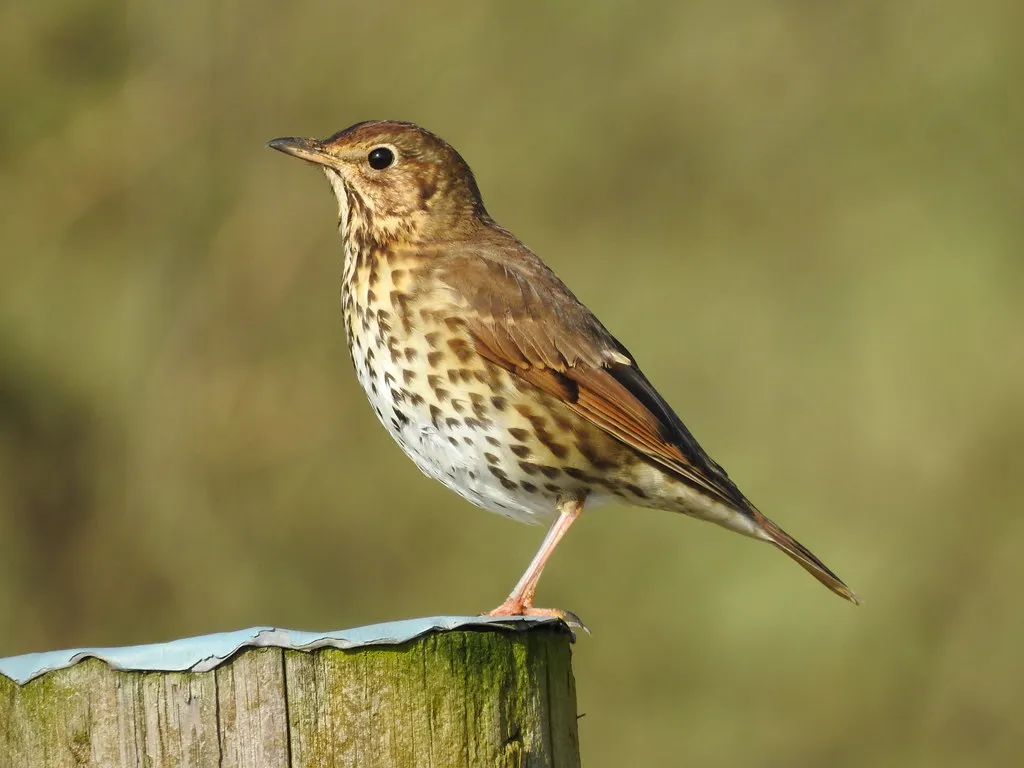
Song thrushes, once one of the most reliably heard garden singers at dawn, have suffered one of the steepest and best-documented declines of any British garden bird.
The numbers are hard to overstate. Big Garden Birdwatch was one of the first surveys to alert the RSPB to the decline, with sightings dropping by more than 83% since 1979, and their ranking falling from number 10 all the way to number 22 in 2025.
The most surprising fact: song thrushes rely heavily on snails and soil invertebrates, food sources devastated by pesticide use and garden “tidiness” trends like paving over borders and removing leaf litter. Many gardeners unknowingly remove the exact conditions song thrushes need every time they clear a border too thoroughly.
#23 – Greenfinches Are Dying From a Disease Most Gardeners Have Never Heard Of
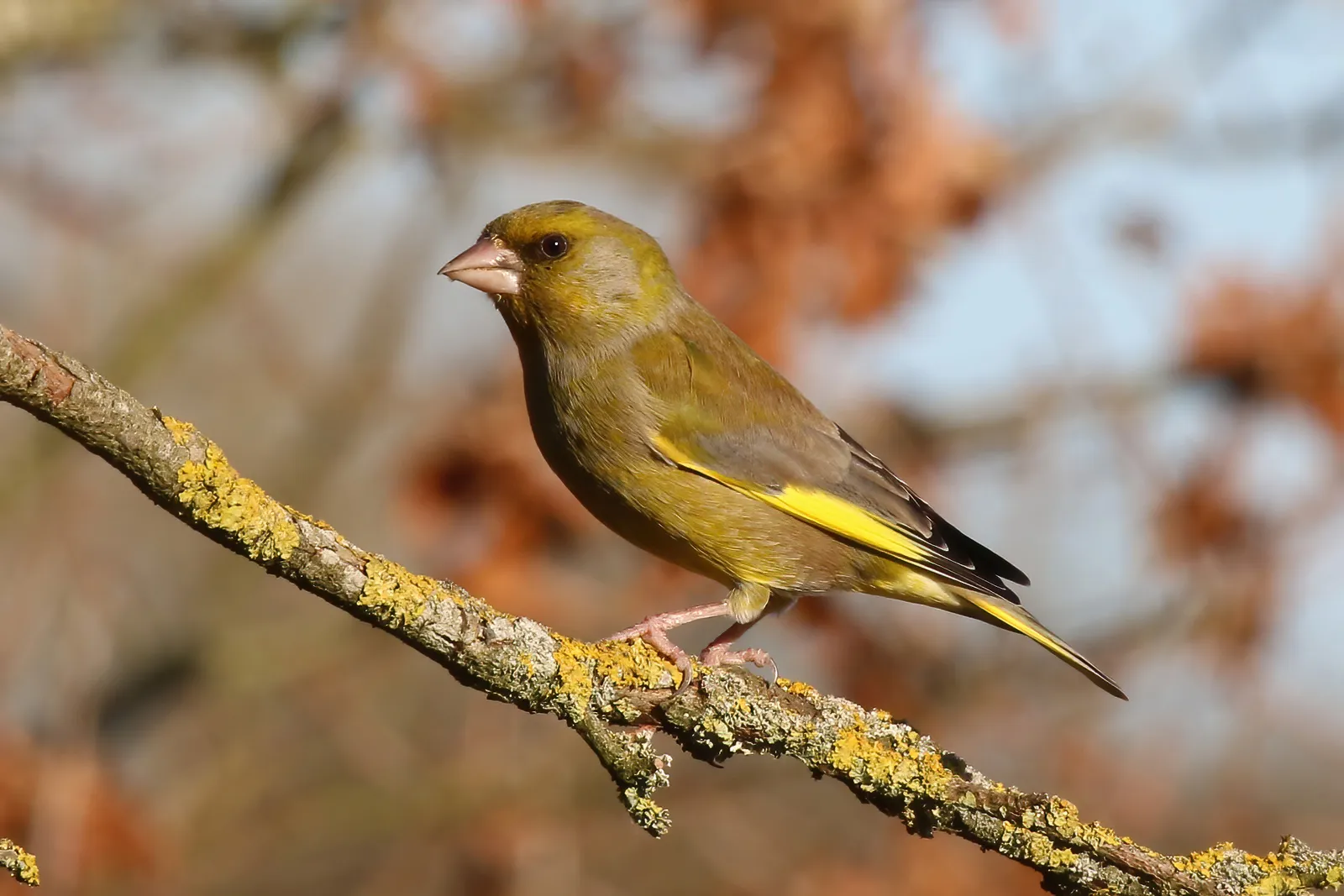
Greenfinches were once feeder regulars in nearly every British garden, but a parasitic disease has quietly devastated the species over the past two decades.
Recorded sightings have dropped by 68%, from number seven in 1979 to number 18 in 2025, with a population crash starting in the mid-2000s linked to trichomonosis, a parasite-induced disease that stops birds from feeding properly. More recent tracking confirms the trend hasn’t reversed, with other surveys showing a decline of over 65% in the last three decades, a loss of more than two million individual birds, and greenfinches now sit on the UK Red List.
The most surprising fact: trichomonosis spreads specifically at bird feeders, meaning the very act of feeding garden birds may be accelerating this species’ collapse.
Worth Knowing
- Song thrush: fell from #10 to #22 in garden bird rankings
- Greenfinch: dropped from #7 to #18 as trichomonosis spread through feeders
- Starling: slipped from third to fourth nationally despite already being red-listed
- All three declines are documented through decades of Big Garden Birdwatch data
#24 – Turtle Doves Are Running Out of Time
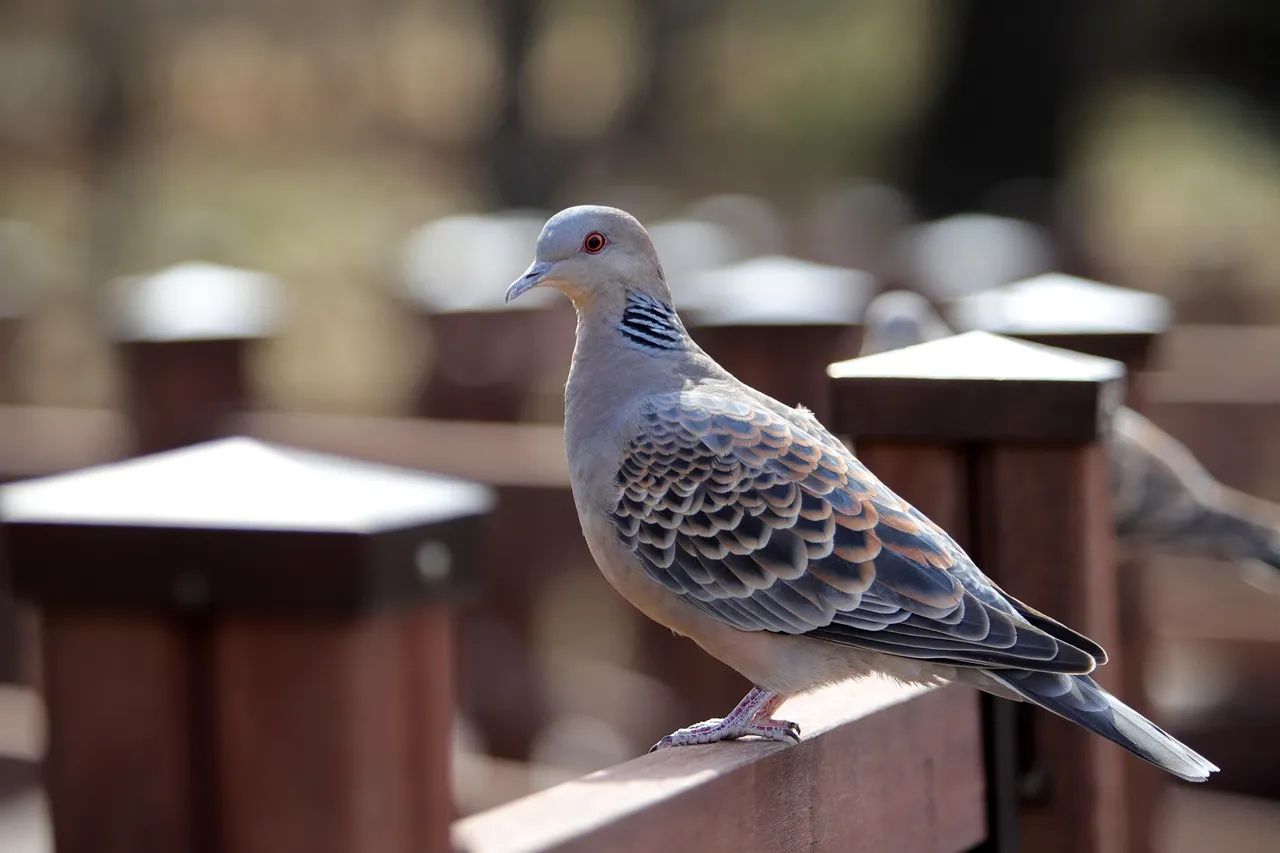
Turtle doves, with their distinctive purring call once common across British farmland gardens in summer, have become one of the rarest sights a gardener could hope for today.
This species has become something of a shorthand in conservation circles for catastrophic, rapid decline tied directly to agricultural intensification and loss of the arable weed seeds turtle doves depend on for feeding their young. Unlike many species on this list where the cause is debated, turtle dove decline is one of the more scientifically settled cases, tracked closely by conservation organizations for decades.
Here’s the controversial opinion: some conservationists argue turtle dove hunting along Mediterranean migration routes deserves far more political attention than it currently receives, since UK habitat restoration alone cannot save a species being shot down mid-migration every single year.
#25 – Spotted Flycatchers Have Nearly Disappeared From Gardens
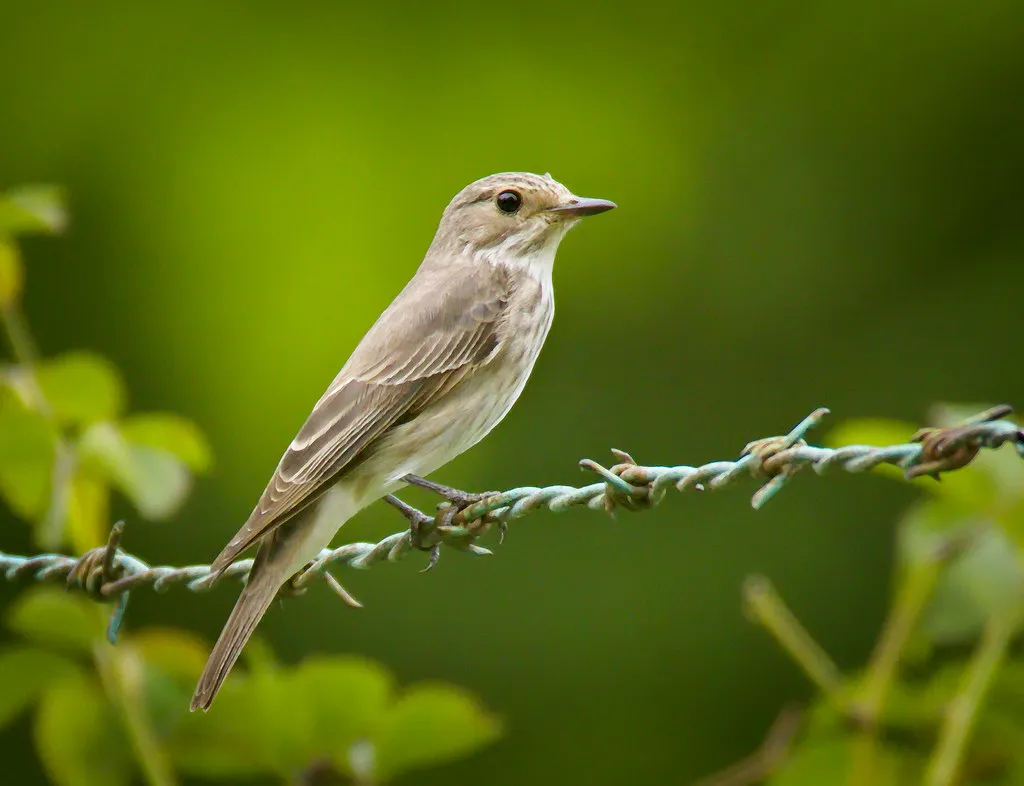
Spotted flycatchers, once a familiar sight darting out from garden fences to snatch insects mid-air, have become one of the most dramatic disappearing acts among British summer visitors.
This species’ decline is tied closely to a collapse in flying insect populations across Europe, the exact food source spotted flycatchers depend on entirely. As long-distance migrants wintering in central and southern Africa, they face pressure at both ends of their journey, habitat loss on the wintering grounds compounding insect decline back home in British gardens.
The most surprising fact: many gardeners who remember spotted flycatchers nesting on their porches or garden walls decades ago have now gone entire summers without seeing a single one, a generational disappearance happening almost silently. That quiet erasure is part of why this species rarely makes headlines despite the scale of its collapse.
#26 – Willow Tits Are Britain’s Fastest-Vanishing Resident Bird
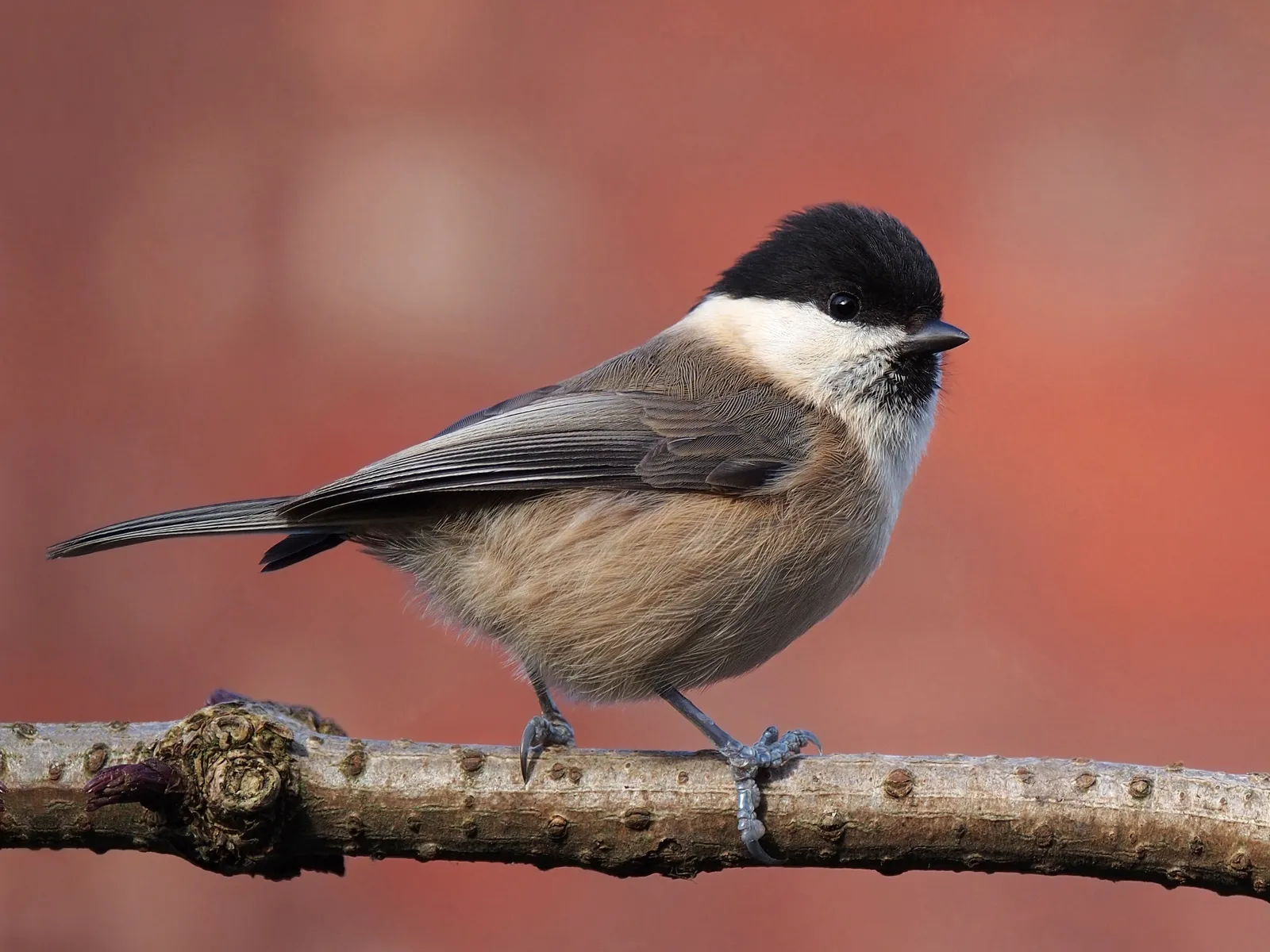
Willow tits, small and easily confused with marsh tits, have suffered one of the steepest declines of any resident, non-migratory British bird, making their disappearance even harder to explain through climate migration timing alone.
Because willow tits don’t migrate, their collapse can’t be blamed on mismatched arrival dates or African wintering ground pressures the way many other species on this list can. Instead, habitat loss, particularly the disappearance of damp, scrubby woodland willow tits need for excavating nest holes in rotten wood, sits at the center of their decline.
Most people don’t realize willow tits are now considered one of the rarest resident birds in England, having quietly slipped past several more famous declining species in terms of severity. Their disappearance is often described by conservationists as one of the most under-reported bird crises in the country.
#27 – Marsh Tits Are Following Their Willow Tit Cousins Downward
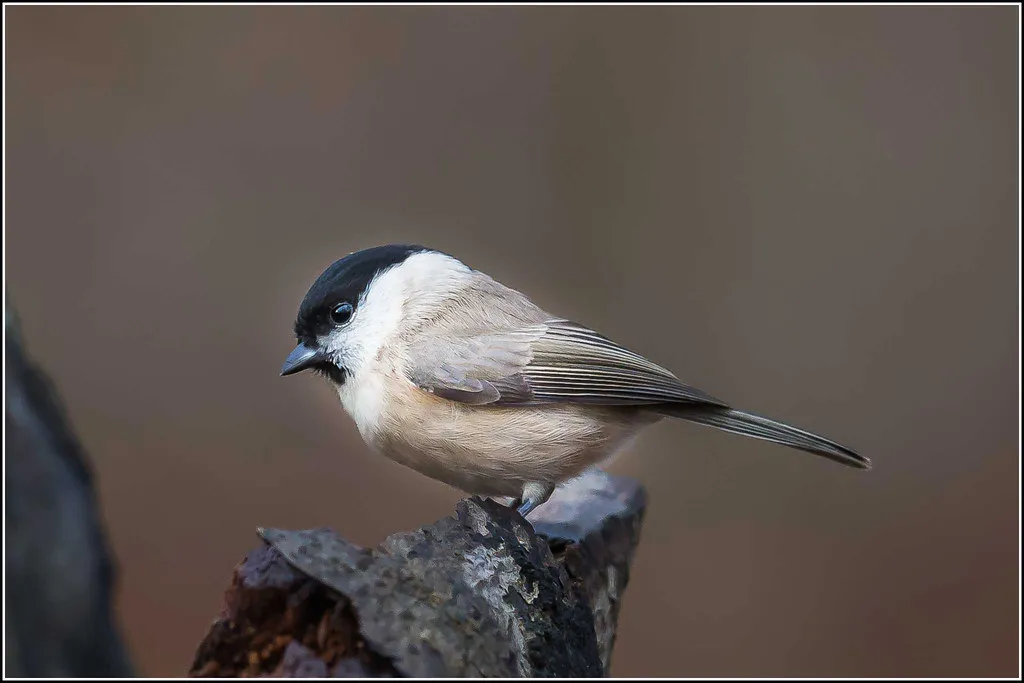
Marsh tits, often mistaken for the closely related willow tit, are experiencing a parallel decline that has puzzled woodland conservationists for years.
Unlike willow tits, marsh tits don’t require decaying wood for nesting, yet their numbers have still fallen steadily across gardens bordering ancient and semi-natural woodland. Some research points to increased competition from more dominant tit species at garden feeders, potentially squeezing marsh tits out of the very food sources meant to help them.
Here’s the controversial take: some ecologists argue garden bird feeding stations, while helping dominant species like blue tits and great tits thrive, may be inadvertently disadvantaging shyer, less competitive species like marsh tits by concentrating food resources around aggressive feeder hierarchies. That’s an uncomfortable thought for anyone who fills a feeder believing they’re helping every bird equally.
#28 – Yellowhammers Have Gone Silent Across Entire Regions
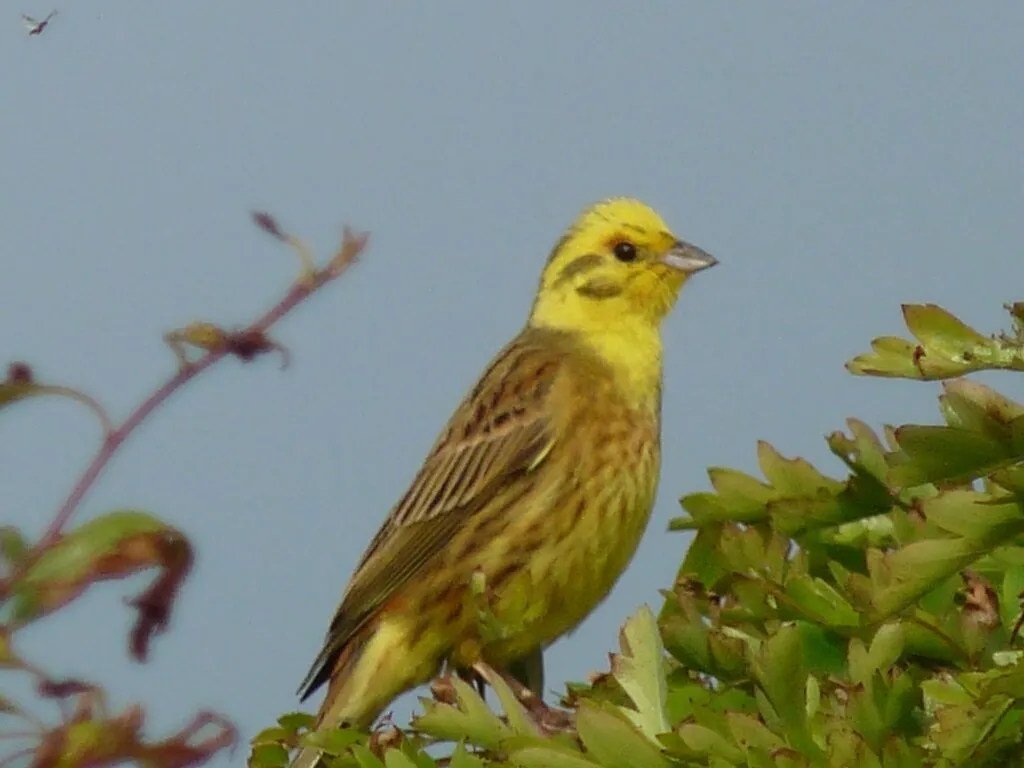
Yellowhammers, famous for a song often described as sounding like “a little bit of bread and no cheese,” have fallen silent across large stretches of countryside where they were once a constant background presence.
This farmland species depends heavily on hedgerows and stubble fields for winter seed feeding, both increasingly scarce under modern intensive agriculture. Gardens bordering farmland that once hosted yellowhammers year-round now frequently go without a single sighting for entire seasons, a shift long-term rural residents often describe anecdotally before official survey data confirms it.
The most surprising fact: yellowhammer decline tracks almost precisely with the loss of traditional stubble fields left over winter, meaning a single farming practice change, the timing of ploughing, has had an outsized impact on whether this species survives in a given area. Regional yellowhammer strongholds now exist almost like isolated islands.
#29 – Corn Buntings Have Left Entire Counties
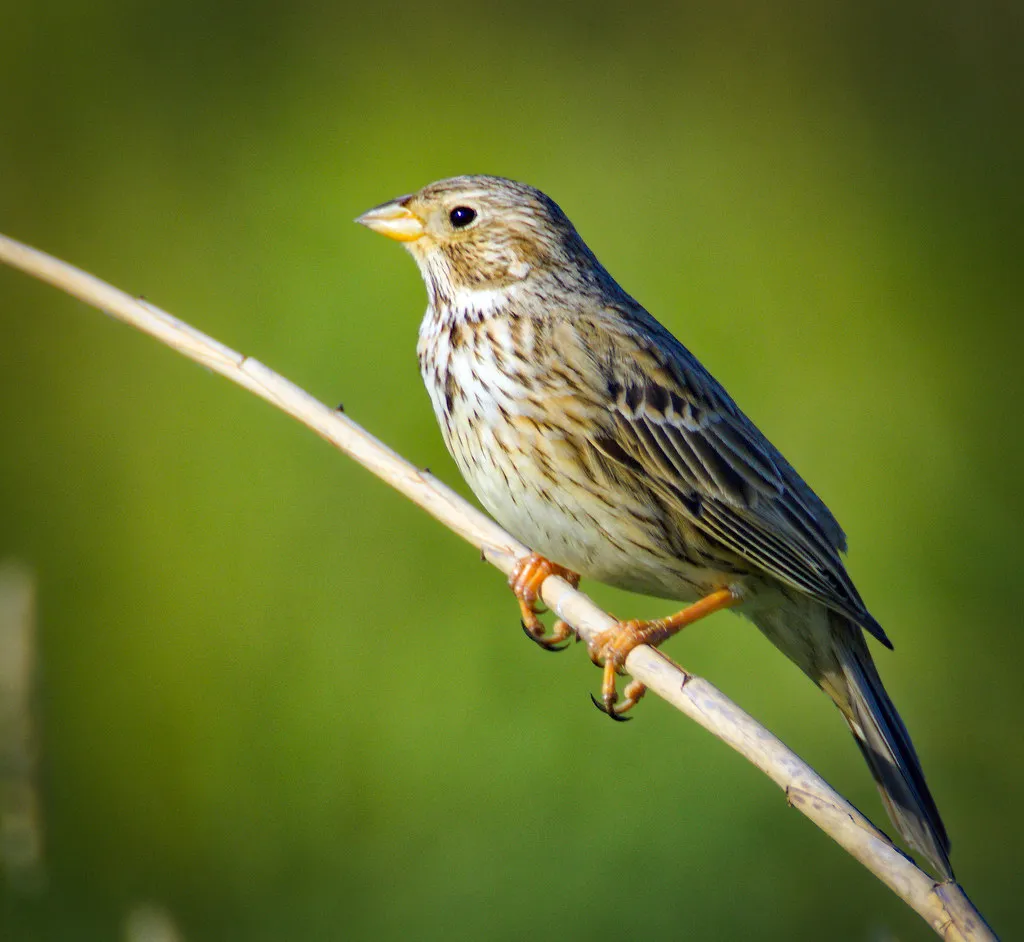
Corn buntings, once considered a common if unremarkable farmland bird, have disappeared so thoroughly from parts of Britain that some counties now report zero breeding pairs.
This decline is tied almost entirely to changes in arable farming, particularly the loss of mixed farming systems that once provided both winter stubble and summer insect food for chicks. Corn buntings rarely visit true suburban gardens, but rural and village gardens bordering farmland once hosted them reliably, making their absence keenly felt by longtime rural residents.
Most people don’t realize corn bunting decline has been so severe in parts of Britain that conservation groups now treat regional populations almost like separate, isolated case studies, since birds in one county may be doing reasonably well while a neighboring county has none left at all. That patchiness makes national statistics almost misleading on their own.
#30 – Tree Sparrows Nearly Vanished, Then Barely Recovered
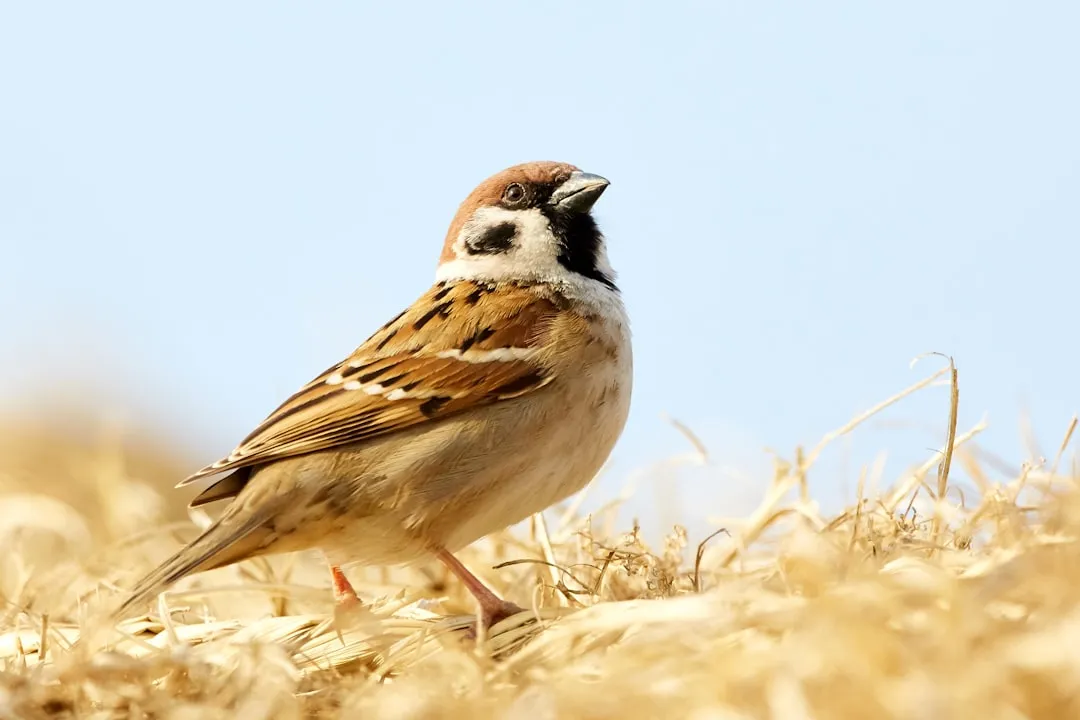
Tree sparrows suffered one of the most severe population crashes of any British bird in the late twentieth century, and while some recovery has occurred in targeted areas, most gardens still see none at all.
Unlike their house sparrow cousins, tree sparrows favor more rural, farmland-edge habitats, and their collapse coincided almost exactly with the same agricultural intensification pressures affecting corn buntings and yellowhammers. Targeted conservation efforts, including specific seed-mix planting schemes, have helped isolated populations recover somewhat, but nationwide numbers remain a fraction of historic levels.
The most surprising fact: tree sparrow recovery zones exist almost like conservation success islands, proving the species can bounce back dramatically with the right intervention, yet most gardens outside these specific zones will likely never see one again without deliberate, coordinated local effort. That’s a hard truth for anyone hoping a feeder alone will bring them back.
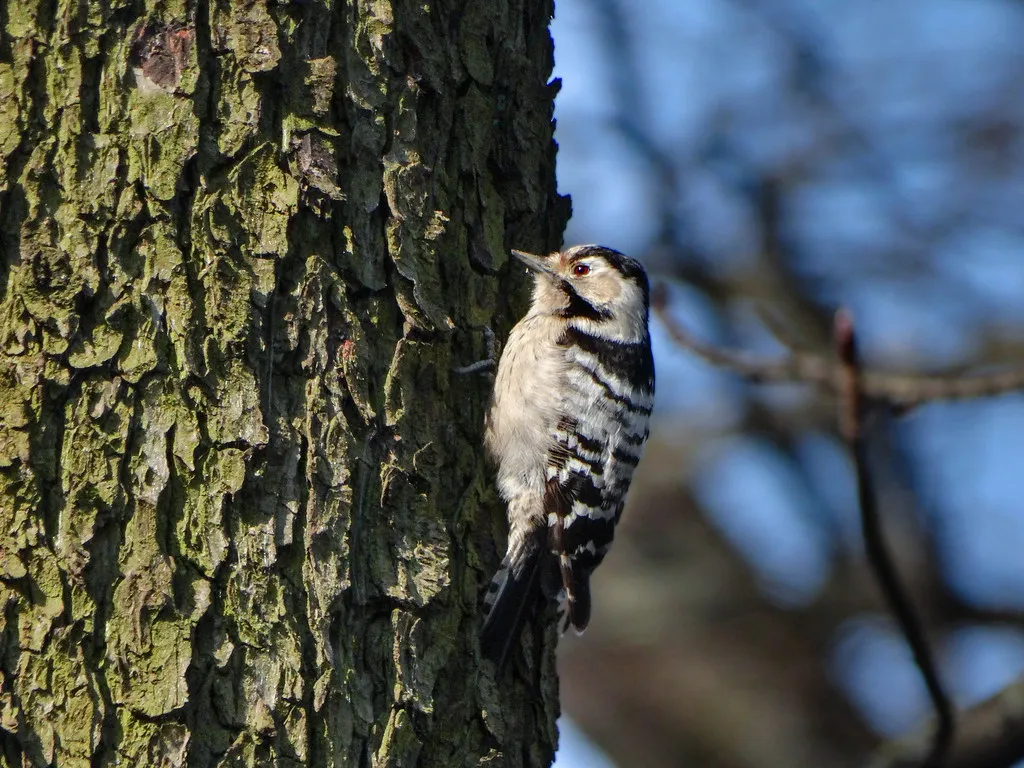
#31 – Lesser Spotted Woodpeckers Have Become a Genuine Rarity
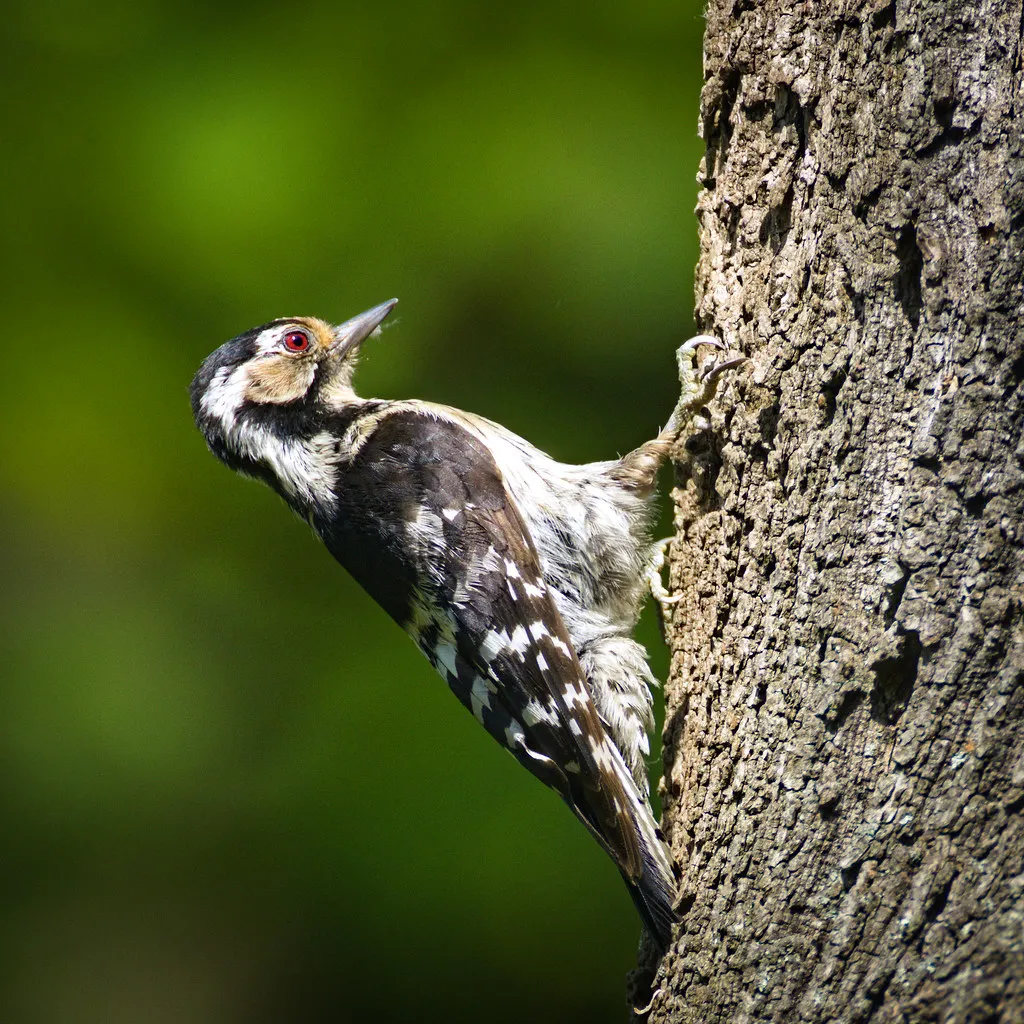
Lesser spotted woodpeckers, Britain’s smallest woodpecker species, have declined so severely that a garden sighting now counts as a genuinely notable event among serious birdwatchers.
This species depends on mature, dead, and decaying wood for both nesting and feeding on wood-boring insects, habitat increasingly removed from managed woodlands and tidied gardens alike. Competition with the much more successful great spotted woodpecker, which has expanded significantly in the same period, is also suspected as a contributing factor in some regions.
Here’s the controversial opinion: some ecologists argue that well-meaning “tidy woodland” management, removing dead trees for safety or aesthetics, has done more damage to lesser spotted woodpeckers than any single other factor, meaning the solution is uncomfortably simple: leave the mess alone. That’s not advice most garden and park managers want to hear.
#32 – Bullfinches Are Fading From Hedgerows and Gardens Alike
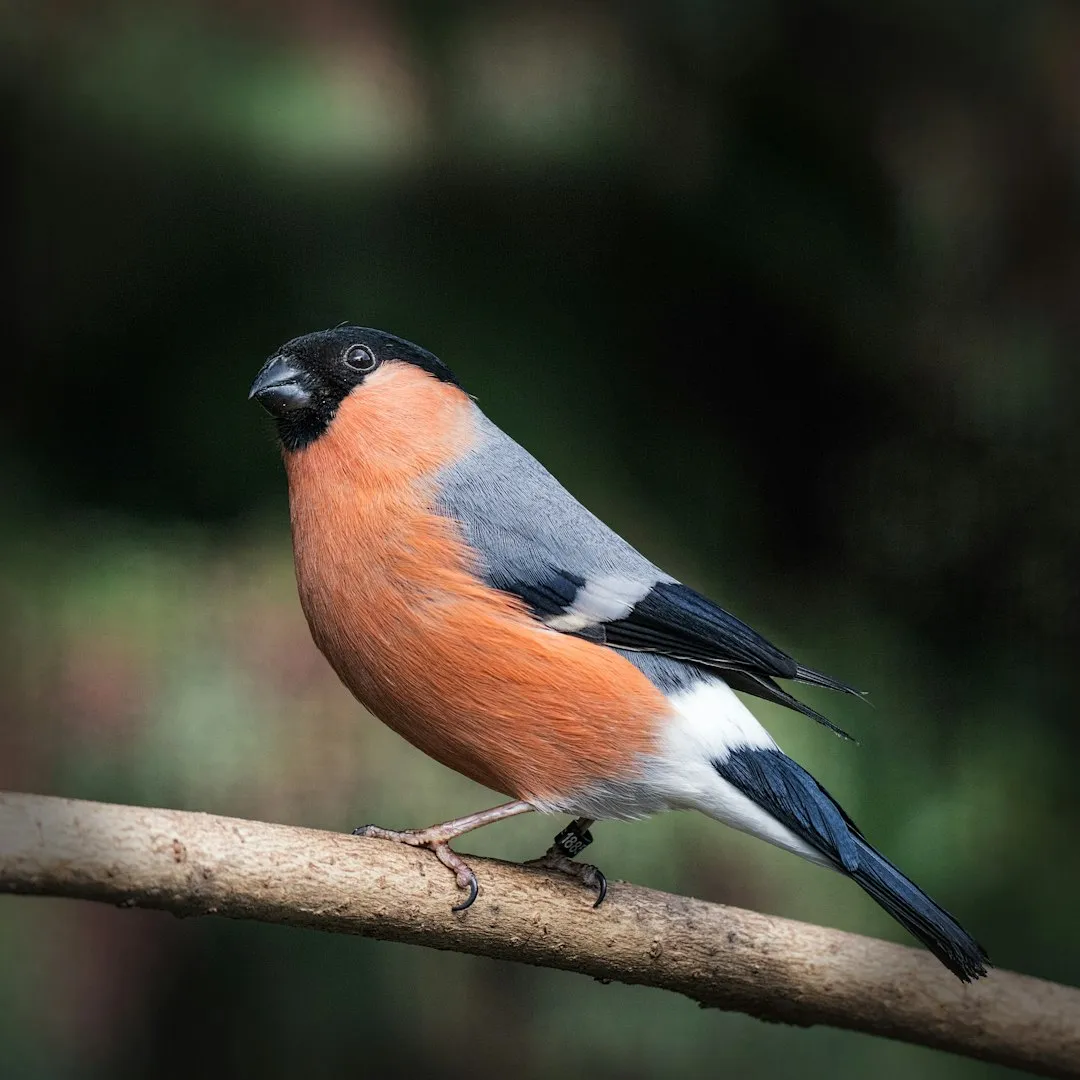
Bullfinches, with their striking pink-red breast, were once considered a garden nuisance for eating fruit tree buds, a complaint almost nobody makes anymore simply because the birds have become so much scarcer.
Regional survey data has captured this decline directly. Bullfinches, already on the red list of conservation concern, dropped by 22% compared with the previous year in one Welsh survey period alone, illustrating just how quickly local populations can shift downward in a single season.
The most surprising fact: bullfinches used to be persecuted by orchard owners for bud damage, meaning a species once actively controlled as a pest has now fallen so far that conservationists are working to protect it instead. That reversal, from nuisance to conservation priority, happened within a single generation of gardeners.
#33 – Linnets Have Left the Garden Fence for Good
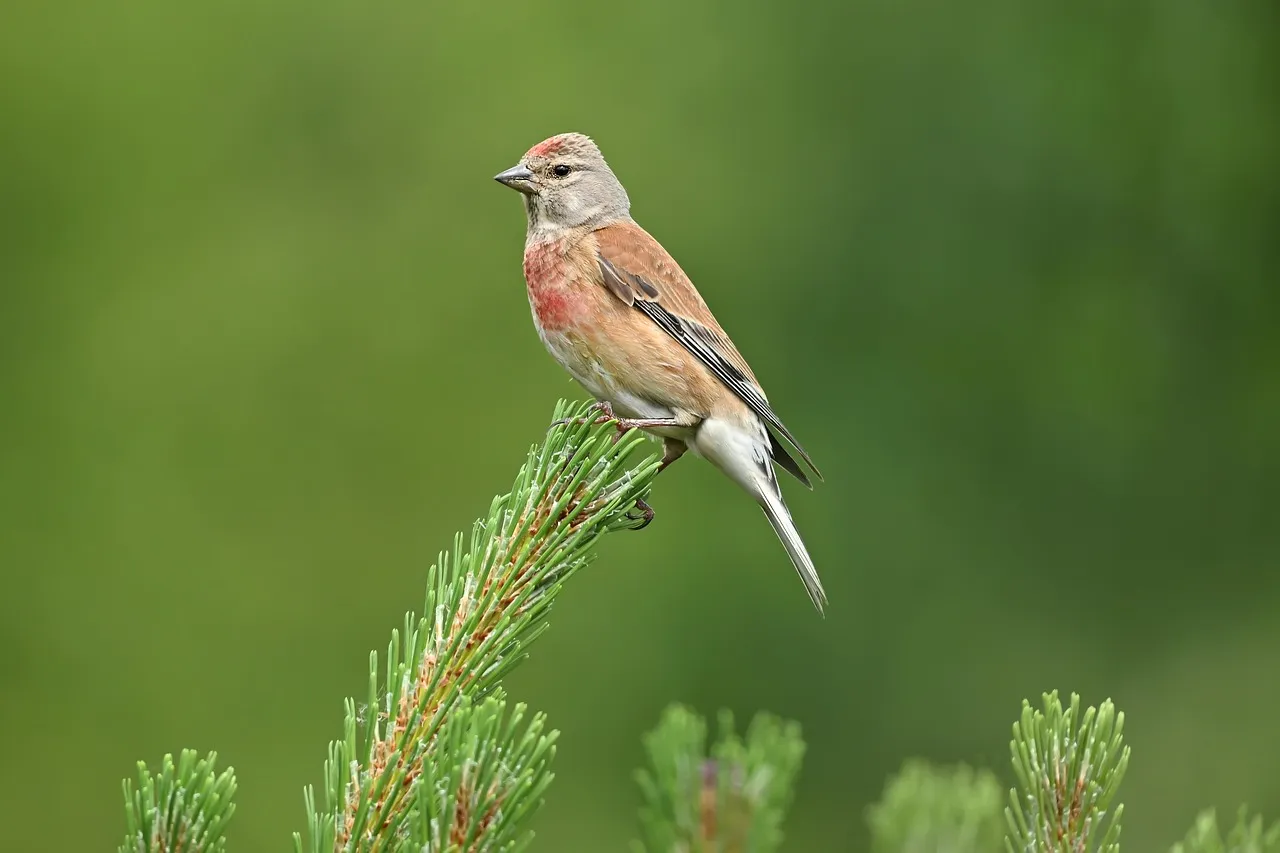
Linnets, small finches once commonly seen perched on garden fences and scrubby hedgerows singing their scratchy song, have become increasingly scarce visitors to anywhere near human housing.
This farmland finch depends heavily on weed seeds for feeding, a food source dramatically reduced by herbicide use and “clean farming” practices that leave little wild seed available through the winter months. Gardens bordering rough grassland or unmanaged field margins occasionally still host linnets, but manicured suburban gardens rarely see them at all anymore.
Most people don’t realize linnet decline mirrors almost exactly the same weed-seed loss driving turtle dove and corn bunting collapse, suggesting these three unrelated species are all casualties of the same underlying change in how Britain farms its land. That shared root cause is rarely mentioned when these declines are reported separately.
#34 – Mistle Thrushes Are Singing to Emptier Gardens
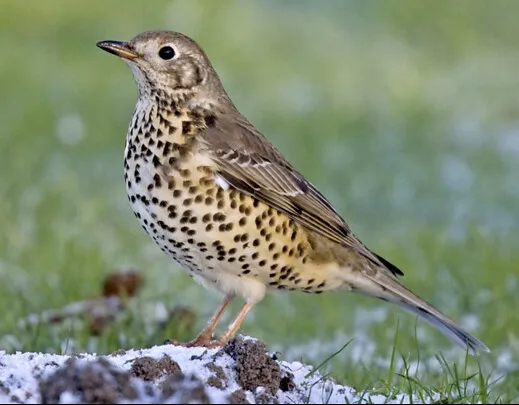
Mistle thrushes, larger and bolder than their song thrush relatives, have experienced a quieter but still significant decline across many British gardens over recent decades.
Known for singing loudly even in poor, stormy weather, earning the folk nickname “storm cock,” mistle thrushes depend on berries and open grassland invertebrates that have become less reliable as hedgerows are removed and gardens are increasingly paved or artificially turfed. Unlike some species on this list, mistle thrush decline has been more gradual, making it easier for gardeners to miss year over year.
Here’s the controversial take: some conservationists argue gradual declines like the mistle thrush’s are actually more dangerous than dramatic crashes, because slow, steady loss rarely triggers the public alarm or funding response that sudden collapses do. Nobody notices a bird disappearing one garden at a time.
#35 – Redwings Are Skipping British Gardens Entirely
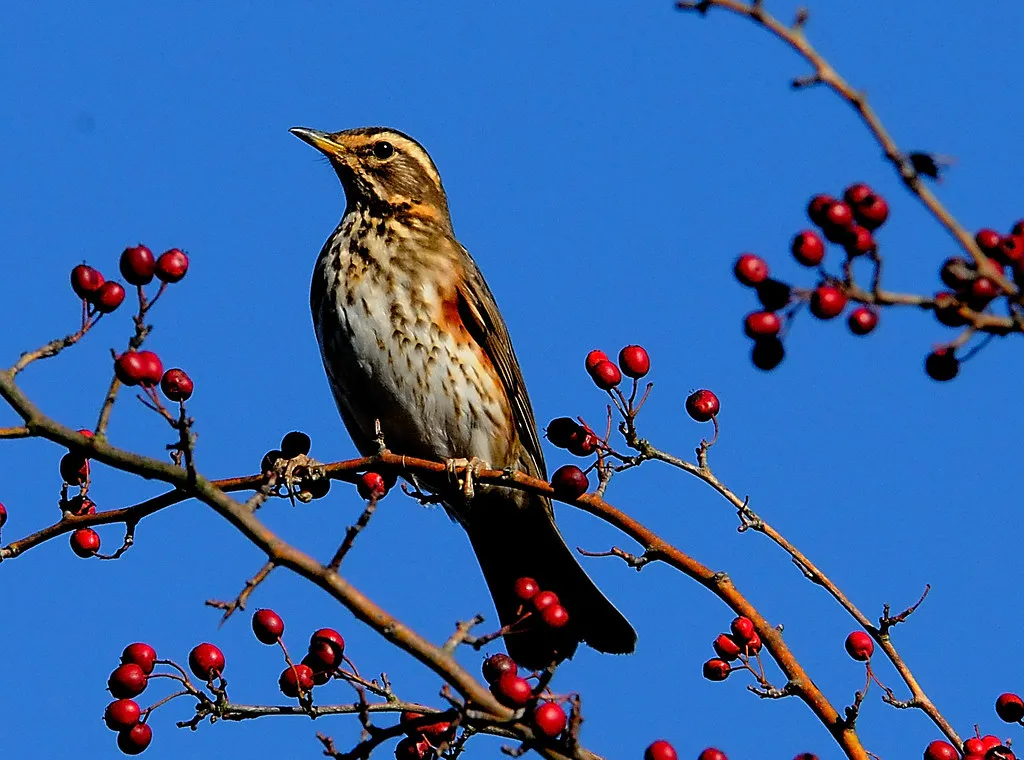
Redwings, small thrushes that arrive from Scandinavia each winter to strip garden berry bushes bare, are increasingly staying away as milder winters reduce their need to travel as far west.
As winter visitors rather than summer breeders, redwing garden appearances have always been somewhat unpredictable, tied closely to food availability and weather severity further north and east in their breeding range. Warmer winters mean less pressure to push all the way to British gardens in search of food, since berry crops and open ground remain accessible closer to home.
The most surprising fact: a genuinely harsh winter can still bring redwings flooding into British gardens in large numbers overnight, meaning their apparent decline as garden visitors is really a redistribution driven by climate, not necessarily a population collapse in the way species like turtle doves are experiencing. That distinction matters enormously for how conservationists interpret the data.
#36 – Fieldfares Have Nearly Stopped Bothering With British Gardens
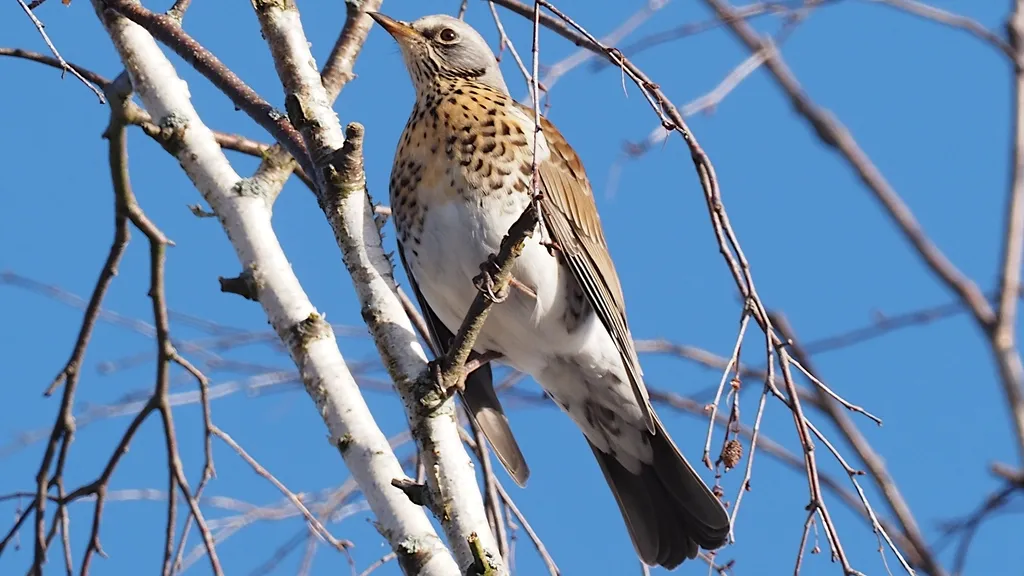
Fieldfares, large and boldly marked winter thrushes, once arrived in noisy flocks to strip garden hawthorn and rowan berries each winter, a spectacle increasingly rare across much of southern Britain.
Like redwings, fieldfares are winter visitors from Scandinavia and further east, and their British garden appearances have always fluctuated with weather severity on the continent. Milder winters across northern Europe mean fieldfares increasingly find sufficient food without crossing the North Sea at all, leaving British gardens quieter through the coldest months than they once were.
Most people don’t realize fieldfare absence from a garden says more about conditions in Scandinavia than anything happening locally in Britain, making this species one of the clearest examples on this entire list of a bird whose disappearance is really just relocation driven by a warming climate elsewhere.
#37 – Bramblings Have Become an Unpredictable Rarity
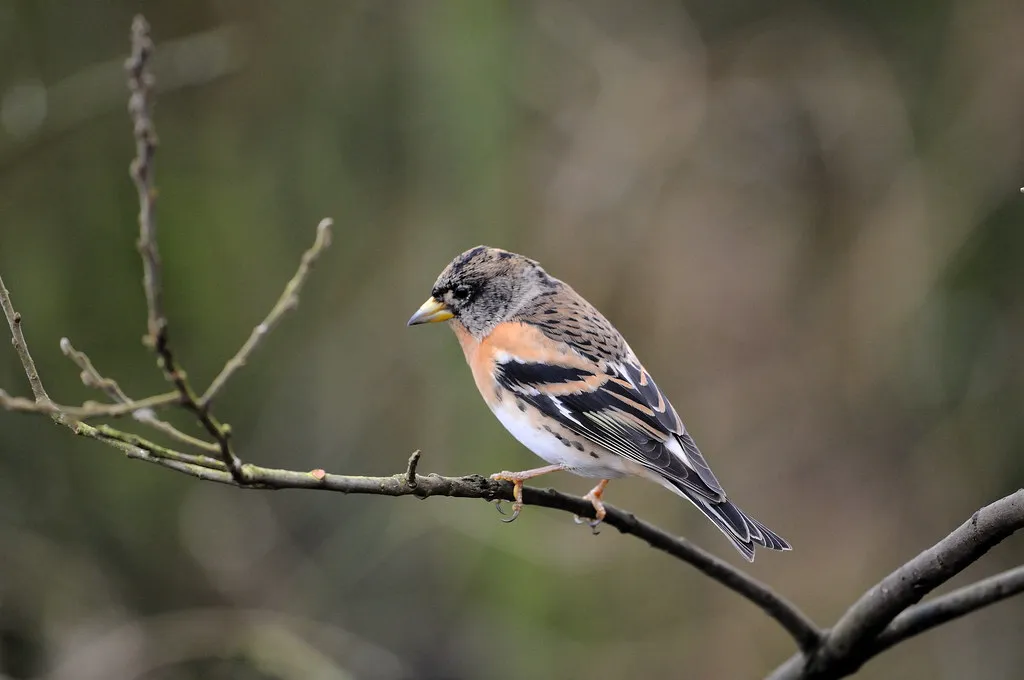
Bramblings, striking finches that occasionally flood British gardens in irruption years, have become noticeably less reliable visitors as the weather and food conditions driving their movements shift.
Unlike many species on this list following a steady, predictable trend, bramblings are irruptive migrants, meaning their numbers in any given British garden depend heavily on beech mast crops across Northern Europe in a given year. A poor beech mast year on the continent can still trigger a mass brambling arrival, but good mast years increasingly keep them from crossing the sea at all.
The most surprising fact: brambling appearances have become so unpredictable that some serious birdwatchers now treat a garden sighting as a genuine event worth reporting immediately, something that would have seemed excessive decades ago when winter flocks were far more dependable.
#38 – Waxwings Have Become the Rarest Garden Visitor of All
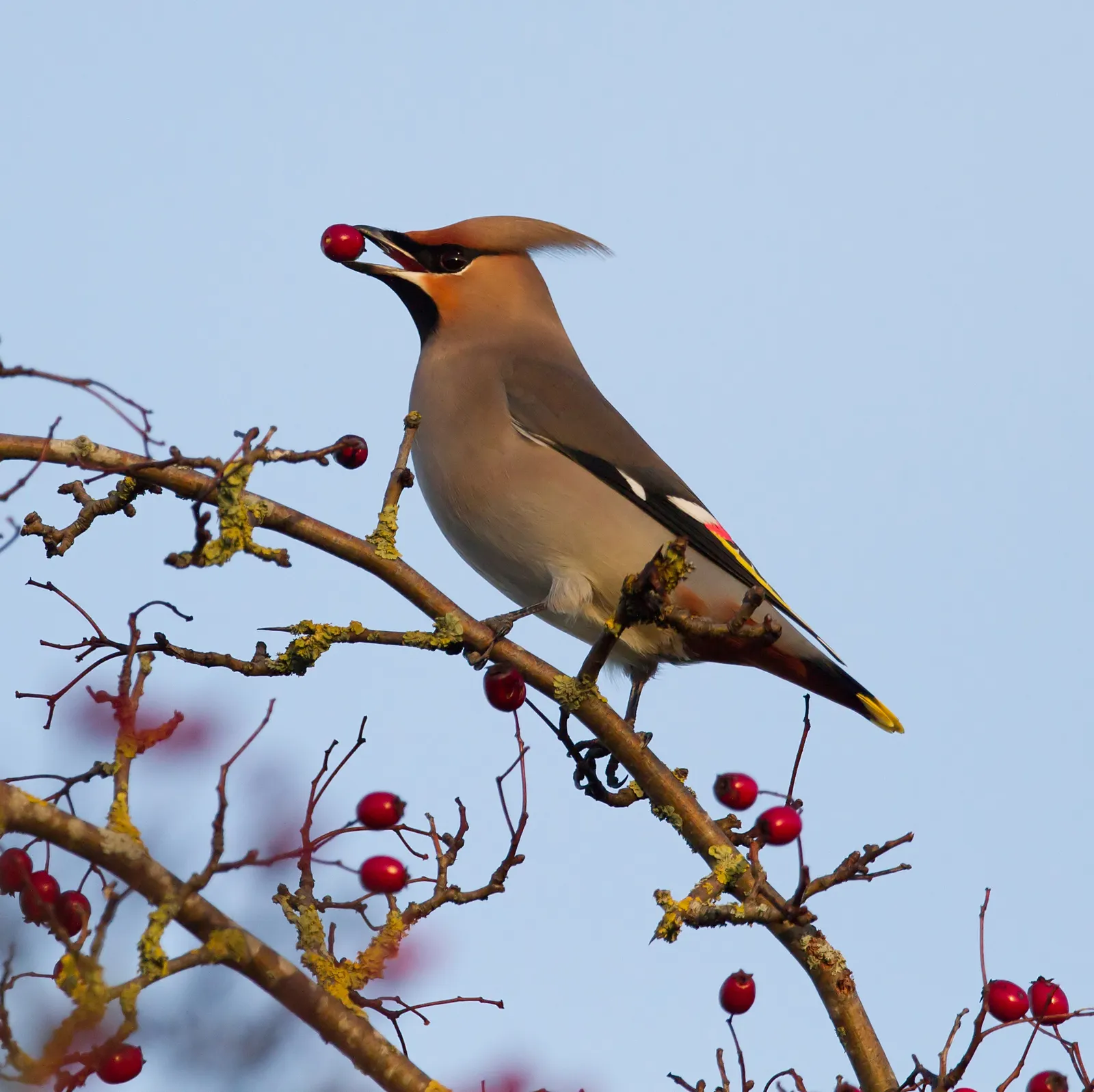
Waxwings, with their punk-rock crest and taste for garden berries, have become the ultimate unpredictable rarity, capable of vanishing from British gardens for years before suddenly appearing in large, headline-making flocks.
This species’ movements depend almost entirely on rowan and berry crop failures in Scandinavia and Russia, meaning waxwing invasions are driven by conditions thousands of miles away rather than anything happening in individual British gardens. When Scandinavian berry crops are abundant, waxwings simply stay put, and British gardeners can go entire winters, sometimes several in a row, without a single sighting.
Here’s the final controversial opinion: some birdwatchers argue waxwings shouldn’t even be grouped with genuinely declining species like turtle doves or willow tits, since their absence reflects healthy food supplies elsewhere rather than any crisis, a distinction often lost in “vanishing garden birds” headlines. That confusion between true decline and natural unpredictability runs through several species on this entire list.
Why It Stands Out
- Redwings, fieldfares, bramblings, and waxwings are winter visitors, not summer breeders
- Their British appearances depend on food conditions in Scandinavia and Russia, not local UK habitat
- A single harsh winter or poor berry crop abroad can bring them flooding back overnight
- Unlike turtle doves or willow tits, their absence often signals healthy food supplies elsewhere, not a population crash
The Bottom Line
So which is the bigger story: the birds racing the clock, or the ones that have quietly given up on returning at all? Honestly, the disappearances matter more. An earlier swallow or a record-breaking osprey makes a nicer headline, but it isn’t really a victory, it’s a species scrambling to keep pace with a climate moving faster than evolution ever designed it to handle.
The real emergency is sitting in the second half of this list: a house sparrow decline of nearly 60%, a starling collapse of 82%, a turtle dove spiralling toward silence. None of that gets fixed by a bird simply showing up two weeks sooner. If there’s one uncomfortable truth running through all 38 of these stories, it’s this: a busier bird feeder does not automatically mean a healthier garden ecosystem, and timing is not the same conversation as survival, no matter how tempting it is to treat “earlier” as automatically “better.”
Keep the feeders full, leave a scruffy corner of the garden alone, and pay closer attention to who isn’t showing up anymore, that absence is telling you far more than any early arrival ever could. Which of these 38 birds have you noticed changing in your own garden? Drop it in the comments.

- 19 Garden Birds Arriving Earlier Every Year and 19 That Have Almost Stopped Coming Back - August 12, 2026
- Is Your Older Pet Simply Slowing Down? 19 Autumn Changes Owners Consistently Misread - August 12, 2026
- 17 Things Hummingbirds Do in the Week Before They Disappear That Most People Sleep Through - August 12, 2026