
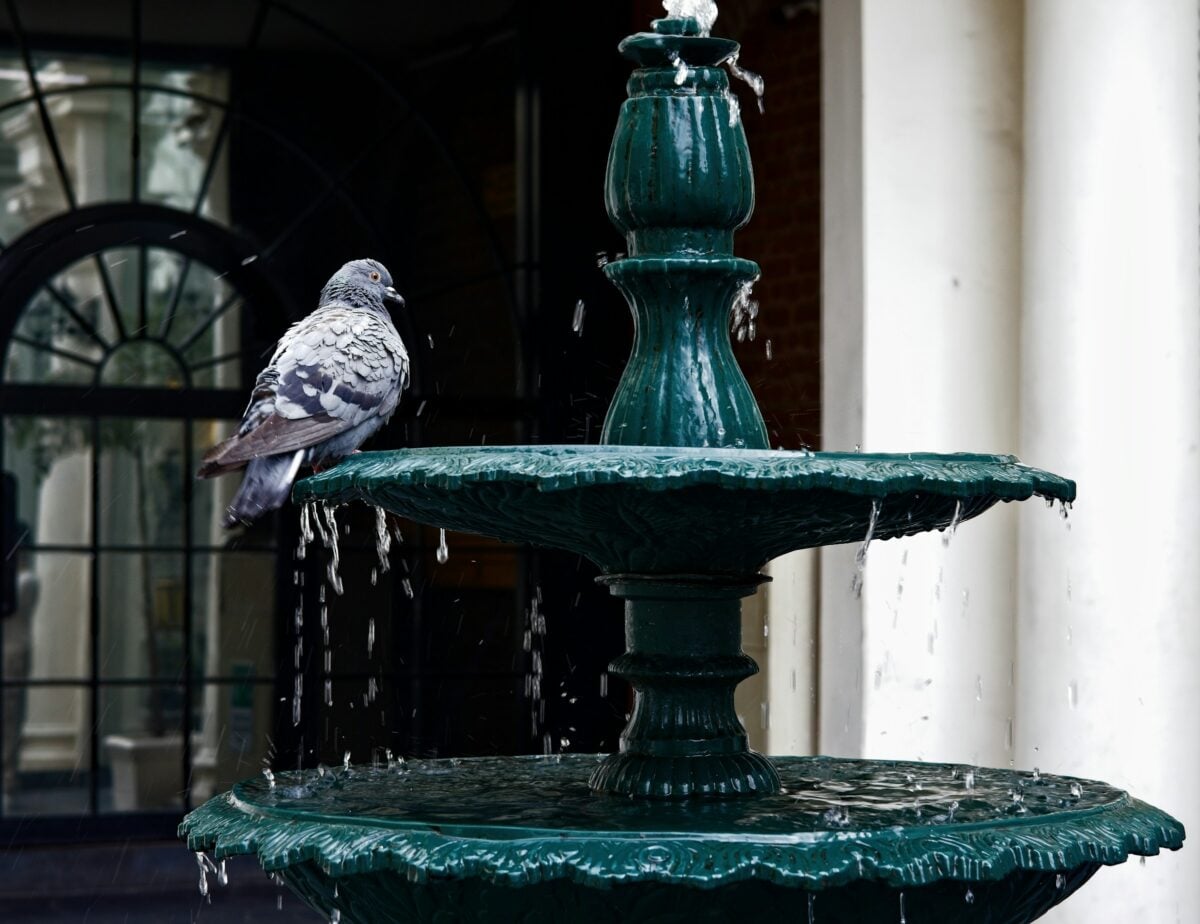
Most people assume their garden has “gone quiet” because there are simply fewer birds left in the world. That’s not what’s actually happening in most neighborhoods. The birds are still out there – they’ve just quietly crossed your yard off the list of places worth the risk.
A boring lawn, a too-tidy border, or one badly placed feeder can turn a yard into a bird desert almost overnight, and most homeowners never notice the shift until the silence becomes obvious. The good news is that a handful of specific, deliberate changes can flip that switch back on surprisingly fast. Here’s what experienced birders, ecologists, and years of backyard data actually say works.
#1 – Ditch the Lawn-Only Look and Add Real Structure
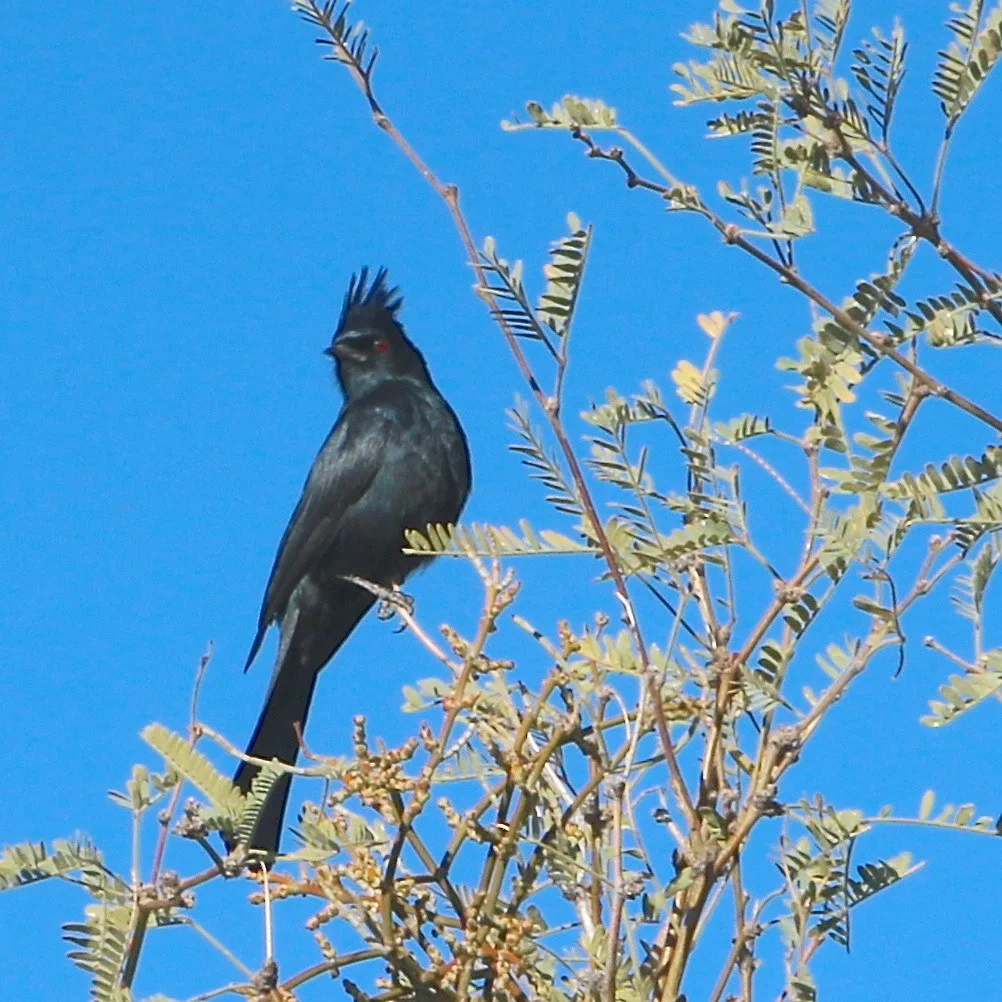
The biggest mistake in most yards is a flat, open lawn with nowhere for a bird to hide. Birds don’t just need food – they need layers of safety. If your yard is all grass and hardscape, it reads to them like a parking lot, not a habitat.
Start by adding vertical structure: shrubs, small trees, and dense perennials arranged in three layers – ground, mid-level, and canopy – so birds can move through your yard without ever feeling exposed. This layered “mini-forest edge” mimics the wild spaces birds naturally flock to. Ecologists consistently find the highest bird activity in yards with multiple heights and hiding spots, not in ultra-manicured ones, which is exactly why so many “perfect” suburban lawns are eerily silent.
- Low groundcovers and grasses
- Waist-high shrubs
- One or two small ornamental trees
#2 – Swap Generic Seed Mixes for What Birds Actually Eat
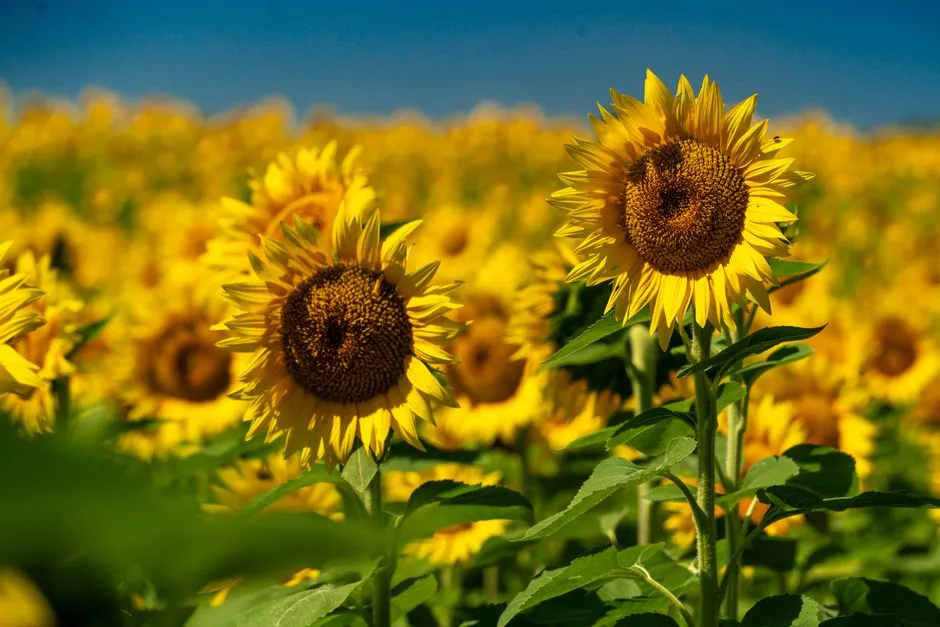
Most people grab the biggest, cheapest bag of “wild bird seed” at the store and then wonder why only pigeons and a stray sparrow show up. Here’s the truth nobody tells you: those bargain mixes are often padded with filler grains that birds simply toss aside, letting it rot on the ground and attract rodents instead of songbirds.
If you want fast results, go species-specific and quality-first. Black oil sunflower seed is the backbone that pulls in chickadees, finches, nuthatches, and cardinals. You’ll notice the diversity jump almost overnight once you stop serving a junk buffet – birds vote with their wings, the same way people choose a real meal over fast food.
Quick Compare
- Bargain “wild bird” mix: heavy on milo, wheat, and cracked corn – mostly ignored and left to rot
- Black oil sunflower: thin shell, high fat content – the top pick for chickadees, finches, and cardinals
- Nyjer (thistle): tiny but calorie-dense, a reliable magnet for goldfinches
- Safflower: unappealing to squirrels, still a favorite of cardinals and grosbeaks
- Nyjer (thistle) for goldfinches
- Striped sunflower or safflower if squirrels dominate
- A small amount of high-quality mix without milo or wheat
#3 – Put Out Water That Looks and Sounds Alive
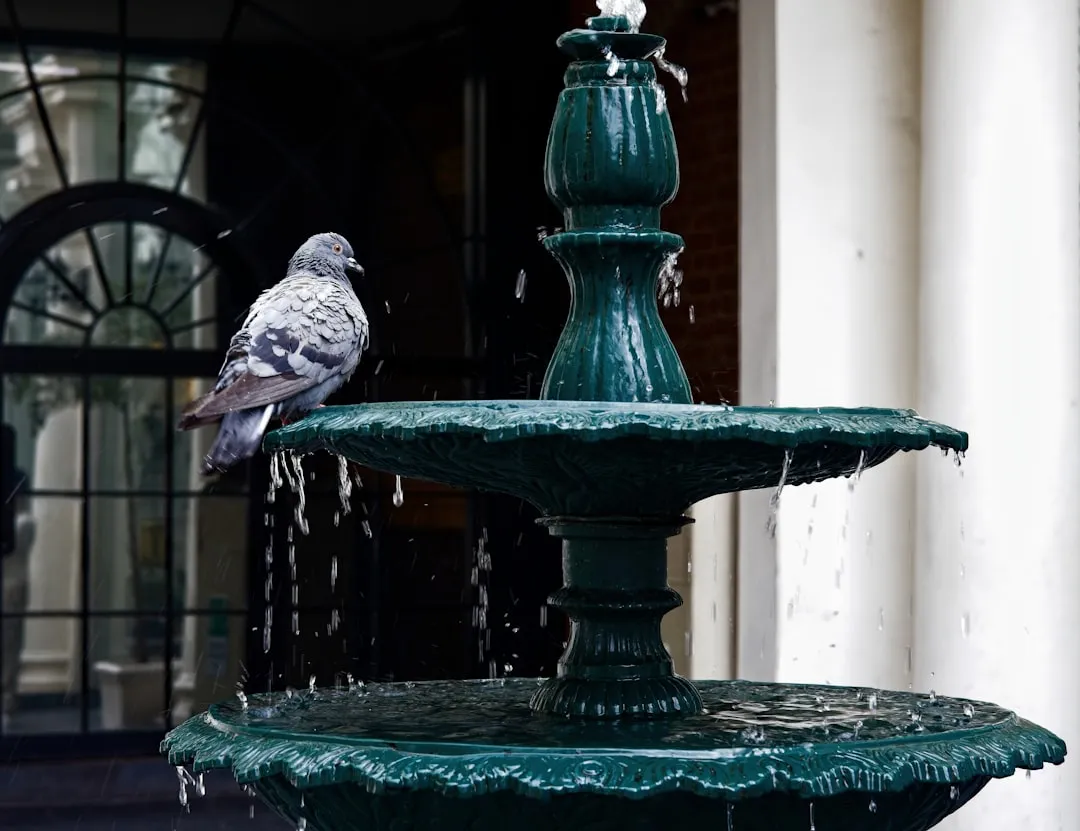
A quiet garden almost always shares one thing in common: no clean, moving water. People obsess over seed types and completely forget that birds need to drink and bathe every single day. A plain, still bowl of water gets grimy and mosquito-filled fast, and birds simply learn to ignore it.
A shallow basin with movement – a drip, a trickle, a gentle bubble – works like a neon sign for birds. Add a solar fountain, a dripper, or even a DIY dripping bottle above a shallow saucer, and the sound and shimmer will grab attention from overhead almost instantly. Backyard reports and field studies alike agree that moving water often pulls in more species than any feeder ever could.
- No deeper than 2–3 inches in the center
- Textured or sloped so tiny birds can stand safely
#4 – Tear Out a Bit of “Perfect” and Plant Native, Messy Edges
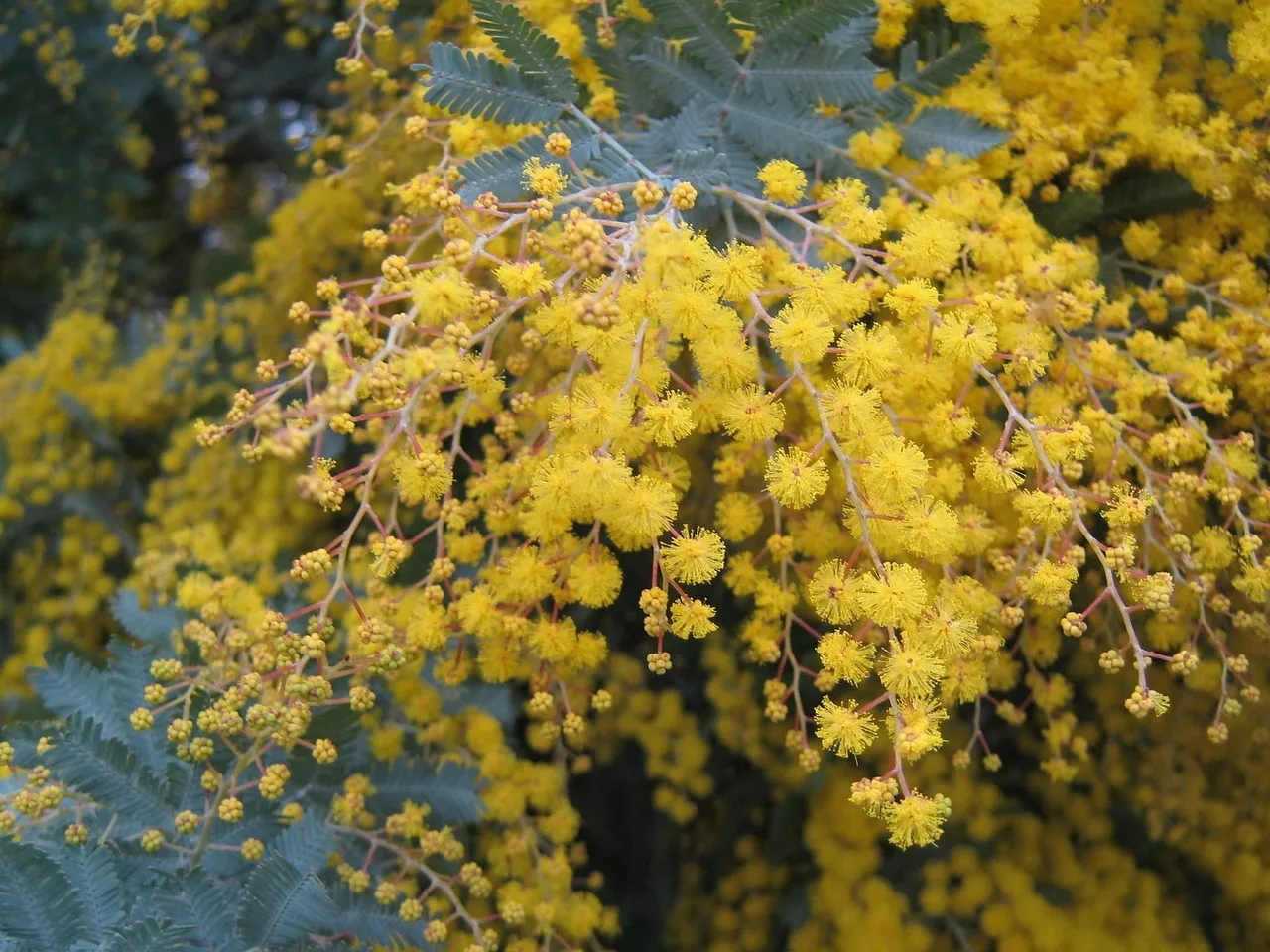
While most gardeners chase exotic showpieces from the nursery, plenty of bird experts quietly agree the birds don’t care where your plant came from – until you look at the insects living on it. Native plants host far more local caterpillars, beetles, and pollinators than typical ornamentals, and that live protein is exactly what fuels nestlings and adults alike.
A magnolia imported from halfway across the world might look pretty, but it often functions like plastic to your local food web. Replace even one strip of lawn or a sterile hedge with native planting, and watch what happens. Many homeowners resist the slightly “messier” look, but the untidy corner is almost always where bird activity explodes first.
- Berry-producing shrubs like serviceberry, elderberry, viburnum
- Native flowers like coneflower, goldenrod, bee balm
#5 – Stop “Spring Cleaning” Your Yard to Death
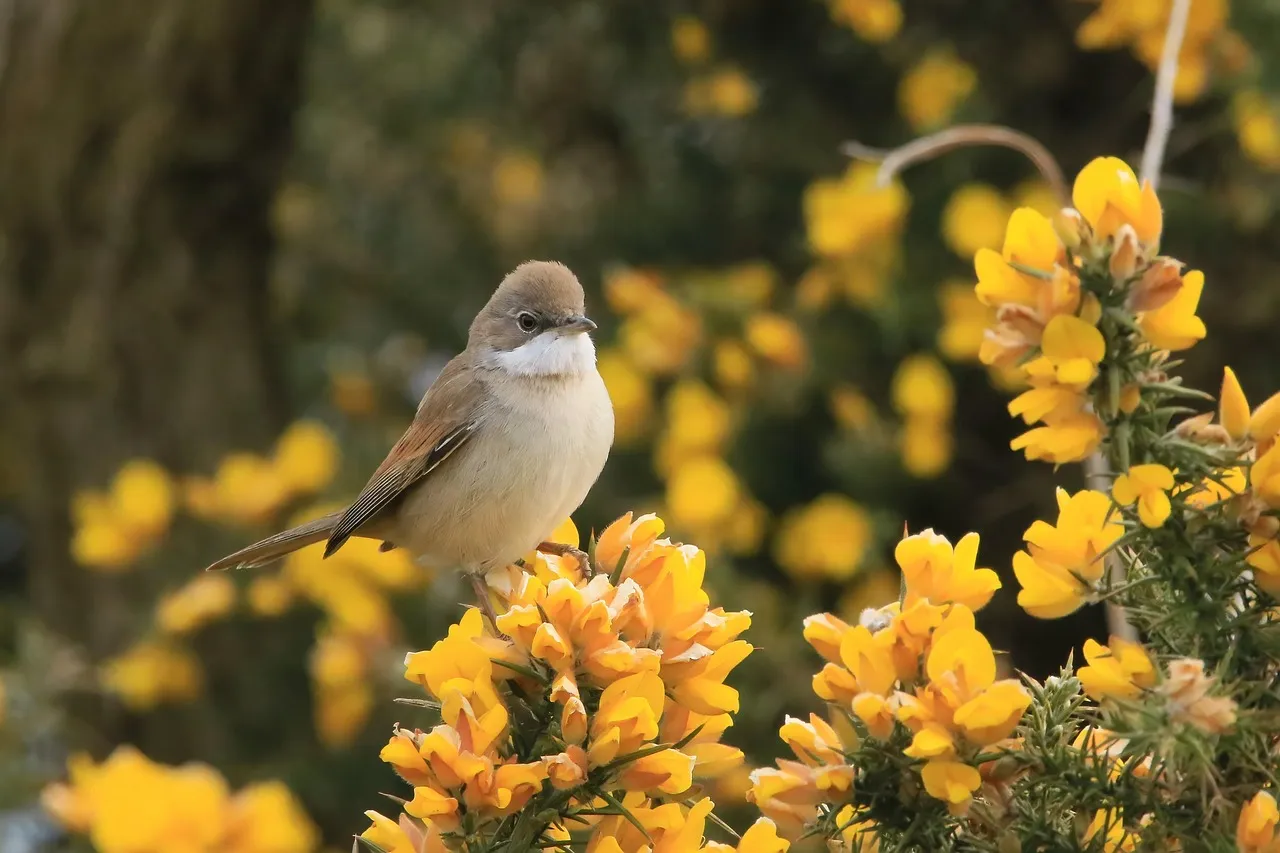
One of the fastest, quietest bird killers in modern gardens is over-cleaning. Every fall and early spring, people strip away leaves, dead stems, and seed heads because they believe tidy equals healthy. In bird terms, you just hauled away their pantry and their hiding place in one afternoon.
Leaf litter, standing stems, and fallen branches are loaded with insects and seeds that ground-feeding birds like sparrows, towhees, and thrushes depend on. You can keep your front yard presentable and still designate a wilder back corner. Ironically, the yards that win “neatest garden” bragging rights are often the very first ones birds abandon.
- A layer of leaves under shrubs and trees
- Some seed heads (coneflowers, sunflowers, grasses) left through winter
- A brush pile or two in a back corner
#6 – Fix Feeder Placement: Birds Hate Feeling Watched
Many people bolt a feeder in the open, right by the patio, then wonder why it sits empty for weeks. Location is everything. Birds want a quick escape route and cover from hawks and cats, and a badly placed feeder can genuinely be worse than no feeder at all.
If your feeder is too exposed, or too close to a window without being close enough to slow a collision, it feels like a trap rather than an invitation. Shift a feeder closer to protective vegetation and you’ll often see activity pick up within days. Birds are watching you far more closely than you realize, and they remember exactly which spots feel unsafe.
- Place feeders 5–10 feet from dense shrubs or trees so birds can dash for cover
- Keep them either within 3 feet of a window or over 10 feet away
- Avoid constantly walking directly under them
#7 – Offer Food Year-Round, Not Just in Winter
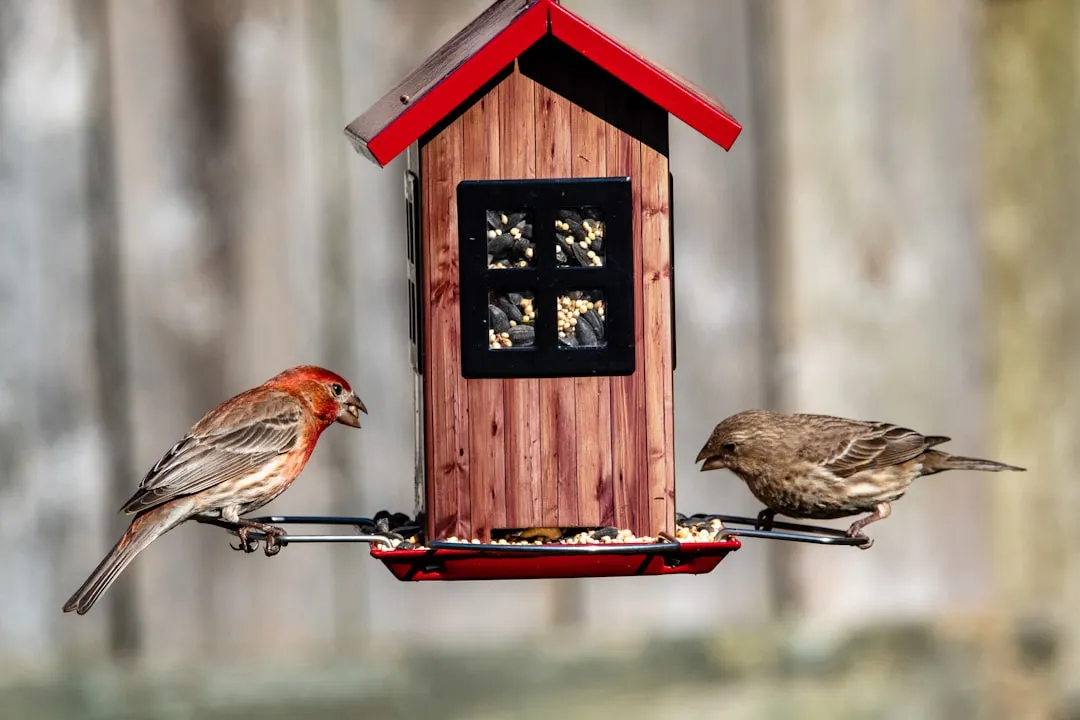
There’s a long-running myth that feeding birds in winter and stopping in summer prevents them from becoming “dependent.” Most modern research and banding data actually push back on that idea hard. Wild birds still find the majority of their food naturally, even in well-fed neighborhoods – your feeder is a supplement, not a crutch.
When you suddenly stop in spring, you may actually reduce how many birds stick around to nest in your yard at all. Keep a predictable, modest buffet open all year and you send a clear signal: this yard is reliable. Birds are creatures of habit, and they return to wherever food and safety stay consistent through every season.
- Winter: high-fat suet, sunflower, peanuts
- Spring: sunflower, suet with insects, mealworms
- Summer: smaller amounts of fresh seed, fruit, nectar
- Fall: seed and suet again for migration
#8 – Plant Real Berry and Seed Machines, Not Just Eye Candy
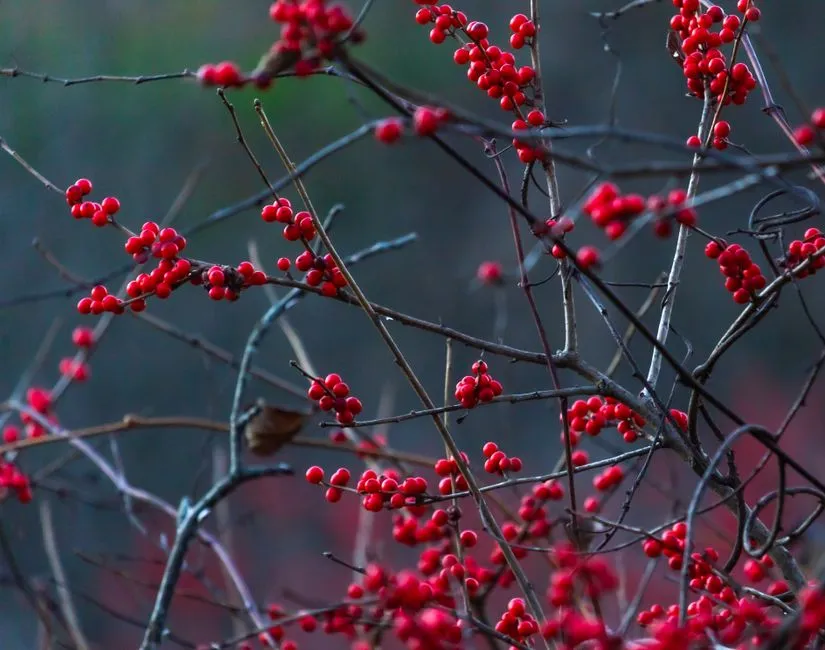
Most people assume a sterile, double-flowered shrub is “good for nature” simply because it blooms. The harsh truth is that many trendy ornamentals produce little to no usable fruit or seed – and birds need calories, not color.
Swap those plants for powerhouse choices like serviceberry, elderberry, and winterberry holly, and let the berries actually ripen and stay instead of deadheading every bloom the moment it fades. In fall and winter, a single berry-laden shrub can host more bird activity than an entire row of lifeless boxwoods. If your garden looks like a magazine cover in January, it’s probably starving your birds.
- Native dogwoods, viburnums
- Sunflowers, coneflowers, asters, switchgrass
#9 – Make Your Garden Safer Than the Neighbor’s Cat Gauntlet
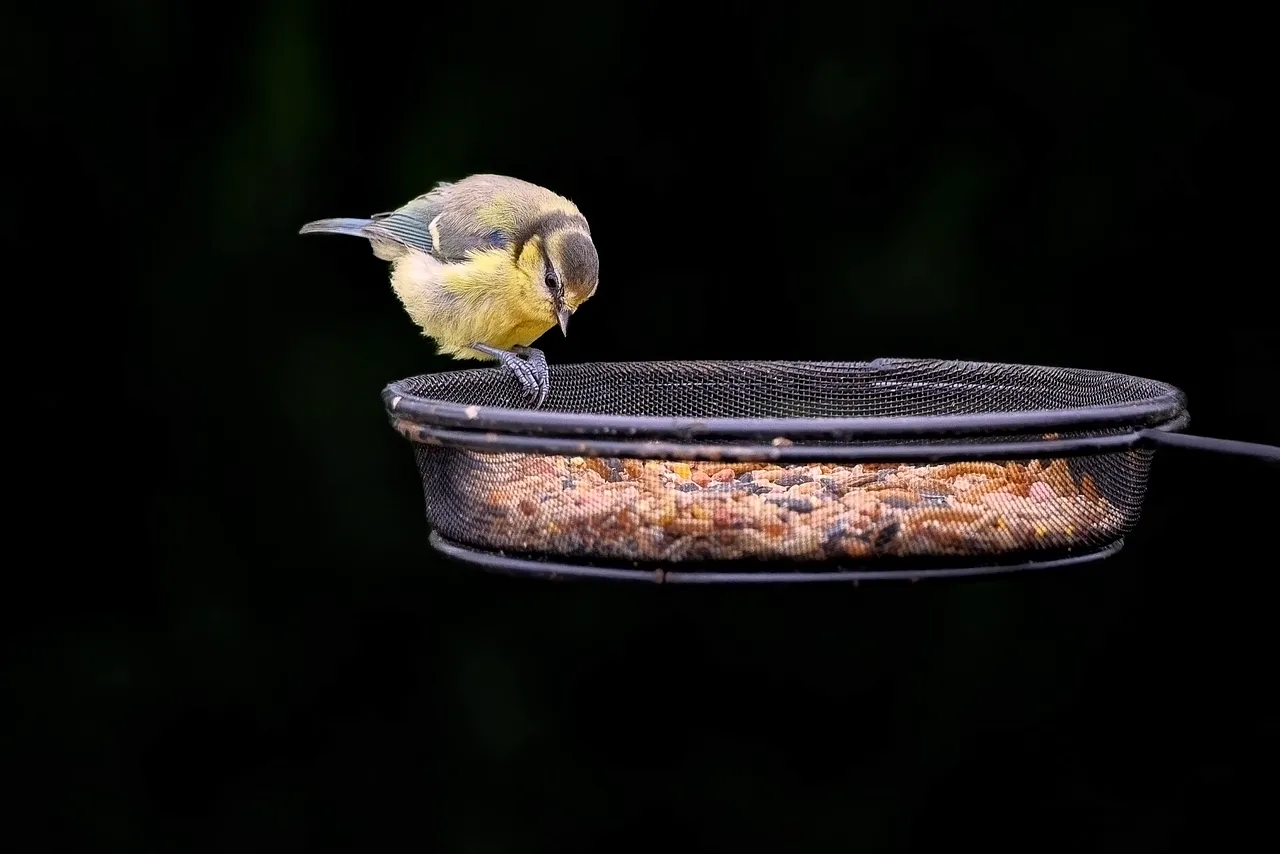
This one sparks arguments, but it matters: free-roaming cats are one of the biggest killers of songbirds in suburban areas. You can’t control the whole neighborhood, but you can absolutely reduce the danger inside your own fence line, and a yard that “smells” of ambush quickly becomes a no-go zone for birds.
Add slightly raised perches – branches, small posts – near feeding and bathing spots so birds can scan for danger before they commit to landing. Some people insist “it’s just nature,” but outdoor cat populations are human-caused, not wild predators doing their job. Birds learn which yards are cat hotspots fast, and they avoid them without a second visit.
Fast Facts
- Free-roaming cats are estimated to kill 1.3 to 4 billion birds every year in the U.S. alone
- Un-owned, feral cats cause the majority of that toll – not household pets
- Researchers consider outdoor cats the top source of direct, human-caused bird mortality in the country
- Even a well-fed cat will often hunt for sport, not hunger
- Avoid placing feeders next to dense ground cover where cats can crouch
- Use baffles or pole systems to keep cats from climbing
- Manage roaming cats, or keep your own indoors
#10 – Turn Down the Night Lights and Turn Off the Noise
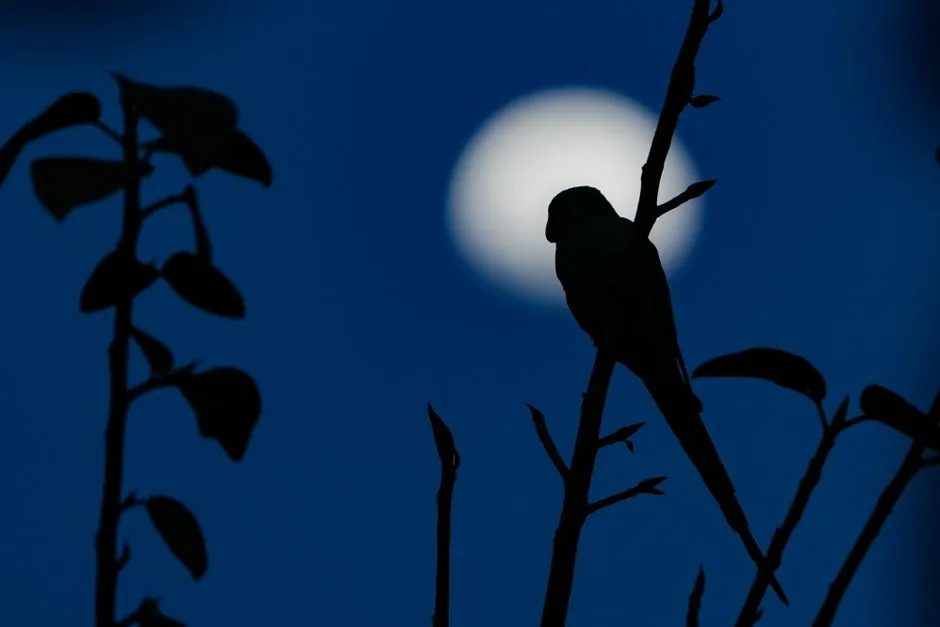
Modern gardens often glow and hum around the clock: floodlights, porch LEDs, running pumps, leaf blowers every weekend. Birds navigate and rest using light cues and quiet, and both artificial light at night and chronic noise reduce activity and disrupt migration.
A “party yard” is often a “no thanks” yard for sensitive species. Some homeowners light up their trees like a shopping mall, and then act surprised when owls and songbirds skip the property entirely. Silence and dark corners are one of the most underrated bird magnets a yard can offer.
- Use motion sensors instead of permanent flood lighting
- Choose warmer, dimmer bulbs over harsh white or blue LEDs
- Limit loud mechanical noise during early morning and evening feeding hours
#11 – Cut the Chemicals: Pesticides Quiet a Garden Fast
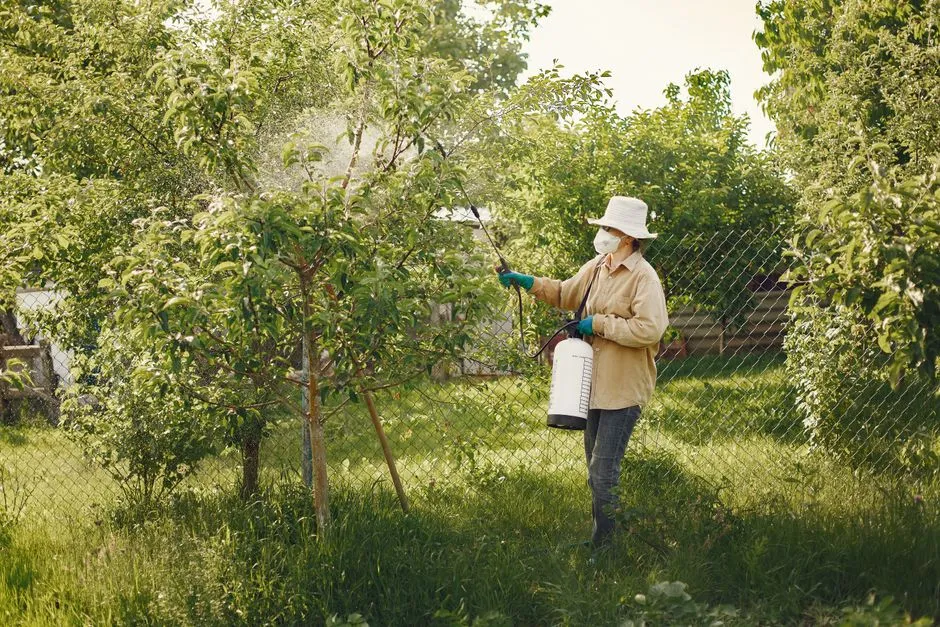
If your lawn care routine reads like a chemistry set, your missing birds aren’t much of a mystery. Insecticides don’t just kill “pests” – they wipe out the very insects birds depend on to eat, especially during breeding season, when nestlings need protein, not seed.
Herbicides finish the job by wiping out the “weeds” that produce seed and support pollinators, leaving behind a green, empty carpet with nothing living in it. Fewer caterpillars means fewer chickadees, warblers, and wrens, full stop. While many homeowners panic at a hole in a leaf, experienced birders quietly smile, because that hole means food.
Birds are indicators of the environment. If they are in trouble, we know we’ll soon be in trouble.
Roger Tory Peterson
- Reduce or eliminate broad-spectrum insecticides, especially neonicotinoids
- Spot-treat weeds instead of blanket spraying
- Tolerate some leaf damage as part of a living ecosystem
#12 – Create One Dense, Thorny Refuge Zone
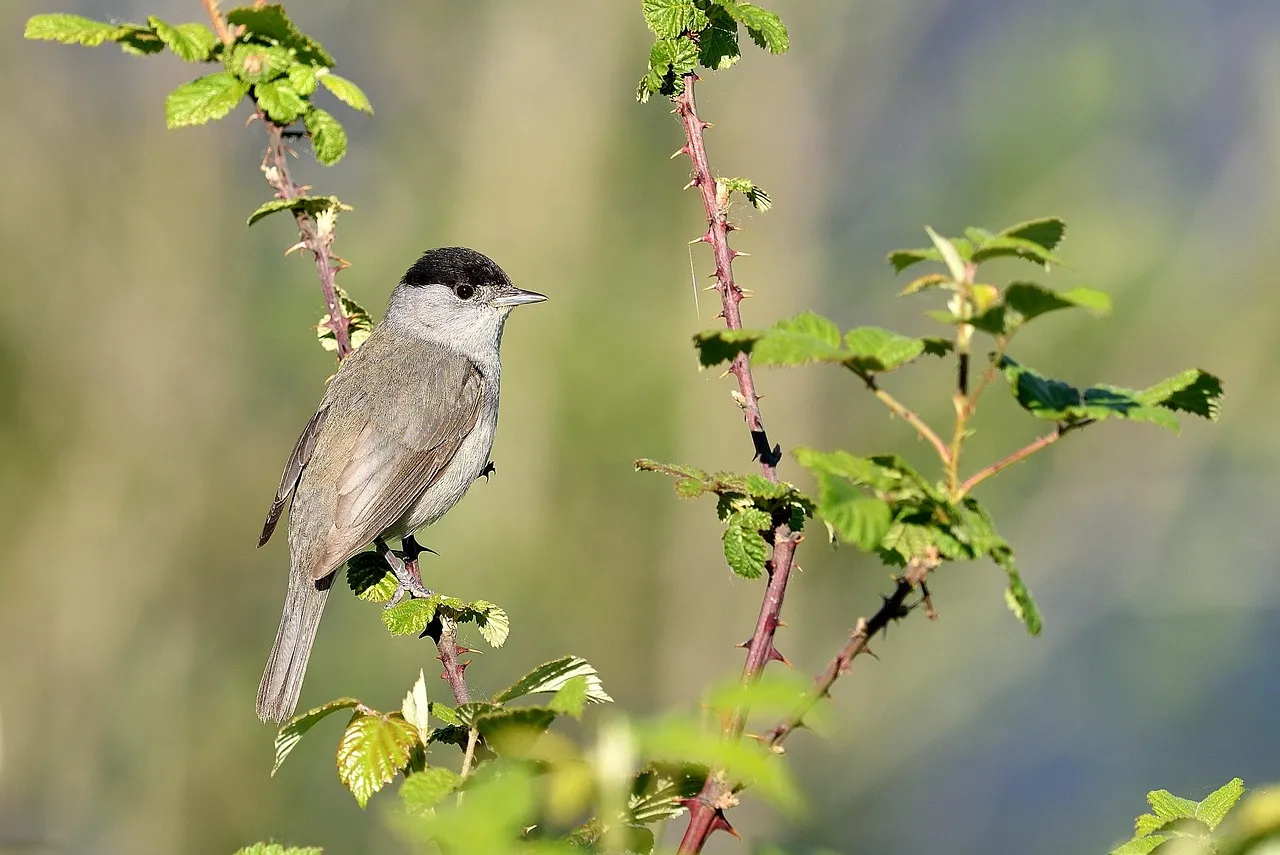
Most yards have wide-open spaces and maybe a tree or two, but what’s usually missing is a true refuge: a dense, nearly impenetrable tangle where hawks struggle to dive and cats can’t maneuver. This is exactly where small birds dive the instant a shadow crosses overhead.
You don’t need much space – even a 6×6-foot patch of dense cover can make a dramatic difference if it sits within view of feeders and baths. Many people avoid “prickly” plants out of habit, but thorns are exactly what give small birds the edge against predators. If there’s nowhere to vanish in under a second, birds simply won’t fully trust your space.
- Hawthorn, wild rose, or blackberry canes
- Dense evergreens like holly or juniper
- A pile of branches woven together at the back of the yard
#13 – Add Nectar and Watch Hummingbirds Show Up Fast
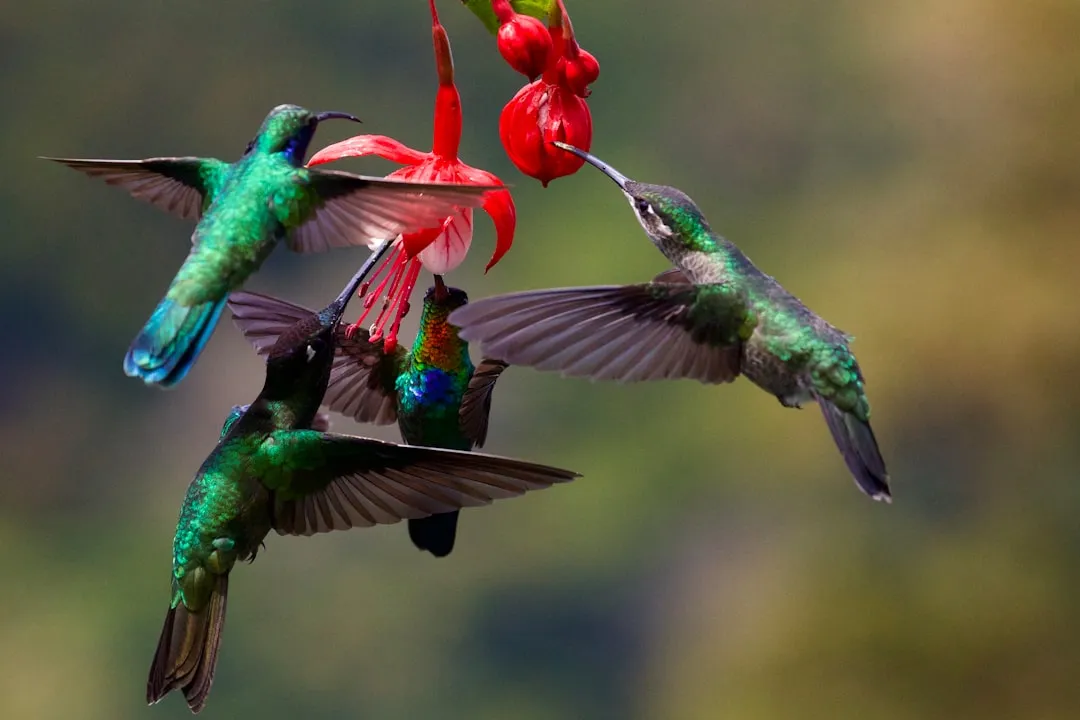
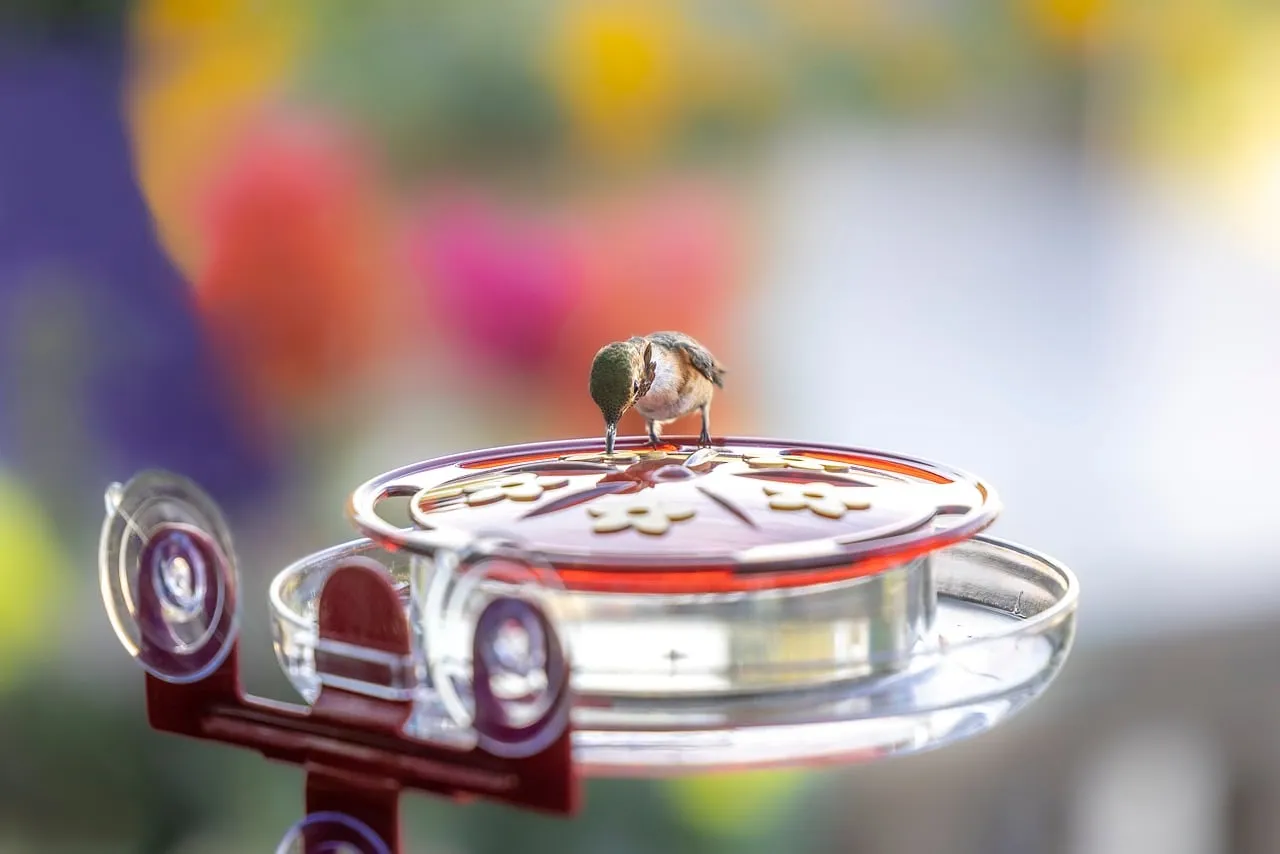
If your garden goes quiet in summer, it might simply be missing nectar. Hummingbirds and several songbird species track nectar-rich blooms closely, and putting out the right flowers or feeder can make them appear seemingly overnight.
A single hummingbird feeder with fresh, simple sugar water can turn your porch into a daily air show. It’s not just about hummers, either – nectar-heavy gardens lure insects, which then attract insect-eating birds too. Ironically, the yards obsessively treated to prevent “bugs” are almost always the loneliest ones on the block.
At a Glance
- Hummingbirds can visit a reliable nectar source dozens of times over the course of a day
- Red and orange tubular flowers get far more visits than flat, open blooms
- Sugar water should use plain white sugar only – never honey, dye, or other sweeteners
- Feeders need cleaning every 3–4 days in hot weather to stay safe for hummingbirds
- Use a 1:4 sugar-to-water ratio, no dye, changed every few days
- Plant tubular red or orange flowers like bee balm, salvia, trumpet vine, columbine
- Cluster blooms so birds can feed efficiently
#14 – Offer Nesting Materials, But Skip the Gimmicks
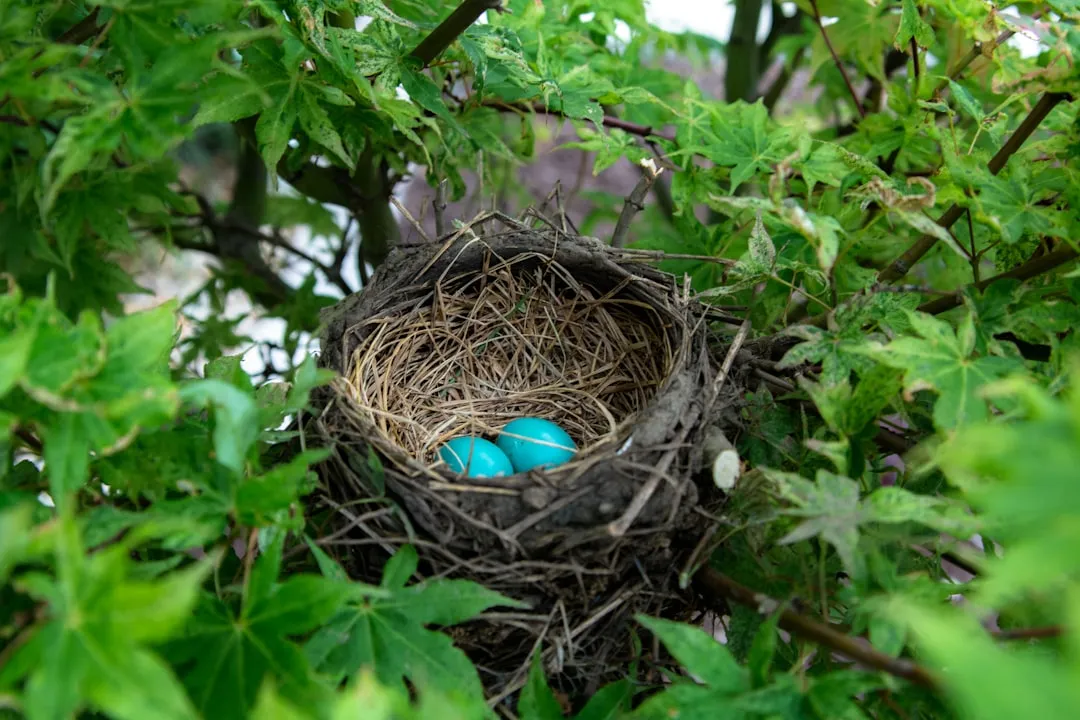
If birds visit briefly but never seem to stay, your yard might be missing safe nesting spots and materials. People buy gimmicky “bird nesting fluff” that looks cute in the package, but many of those products contain synthetic or dyed fibers that can tangle around tiny legs.
Natural, simple options work better and they’re genuinely safer. Cavity nesters like chickadees and bluebirds may even use a nest box if it’s properly sized and placed away from heavy foot traffic. Just avoid scented dryer lint, plastics, or string – the more your yard looks like a cleaned-up showroom, the less usable building material it actually offers.
- Leave tufts of long grass and fibers from ornamental grasses
- Offer small sticks, dried leaves, and untreated pet-safe fur in a suet cage
- Keep some shrubs and small trees untrimmed in spring
#15 – Break Up the Monotony With Logs, Rocks, and Wild Corners
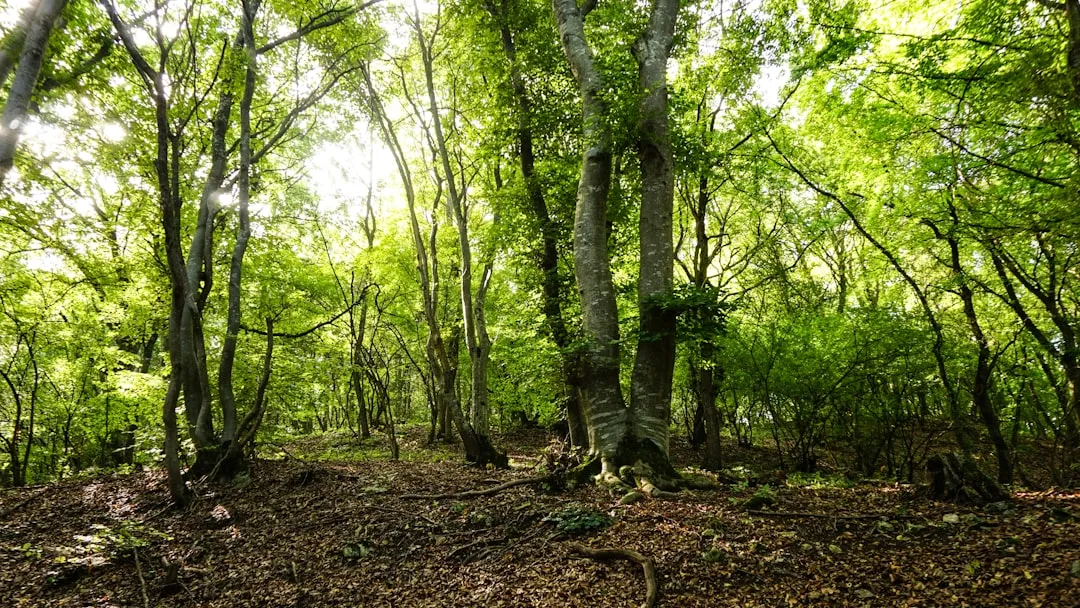
A flat, uniform garden is visually simple and biologically boring at the same time. Birds love edges, transitions, and rough spots, and a downed log, a rock pile, or an old stump can create a microhabitat crawling with insects and shelter.
Ground-feeding birds will flip leaves, probe around wood, and hunt among stones for hours if you let them. Neighbors who prefer endless mulch and stone are often the same ones quietly wondering why their yard always feels lifeless. Texture and a bit of clutter, used strategically, are what actually turn a yard into habitat.
- A log or two partially buried in a shady bed
- A small rock pile where insects and spiders can hide
- A deliberately “wild” corner with mixed heights and fallen debris
#16 – Respect Seasonal Timing: Don’t Prune or Mow at the Worst Moments
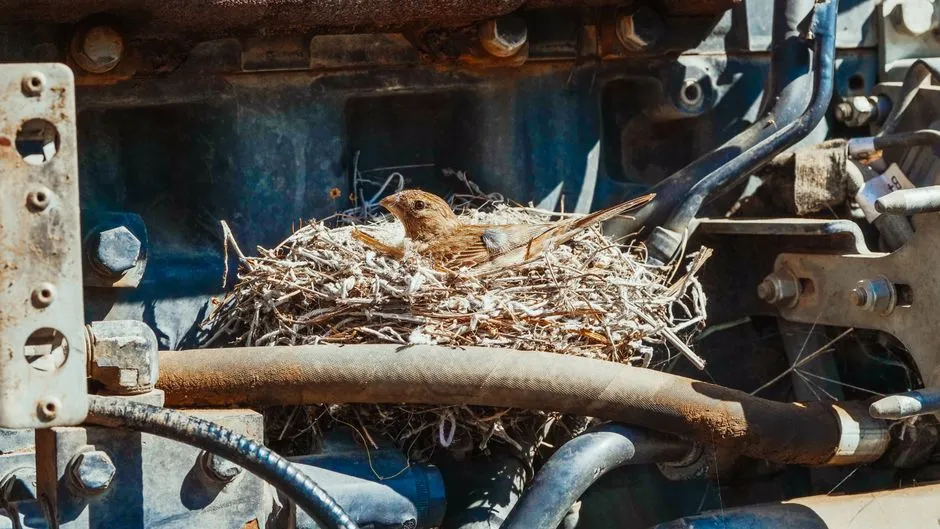
One of the subtler reasons gardens go silent is bad timing on maintenance, not lack of effort. Heavy pruning right before or during nesting season can literally remove active nests, and mowing every inch in early spring can destroy ground nests and early insect blooms before they’ve even had a chance.
You don’t need to let the yard run wild indefinitely – just stagger the big cleanups around the calendar birds actually live by. When birds attempt to nest and keep losing their spots to shears and mowers, they simply relocate for good. A slightly shaggy spring yard is a sign you’re in sync with the breeding season, not a sign of neglect.
- Do major shrub and tree pruning outside peak nesting months in your region
- Leave early spring flowers and grasses until pollinators have used them
- Mow some areas less often, or not at all, until later in the season
#17 – Make Your Yard a Migration Pit Stop, Not Just a Summer Hangout
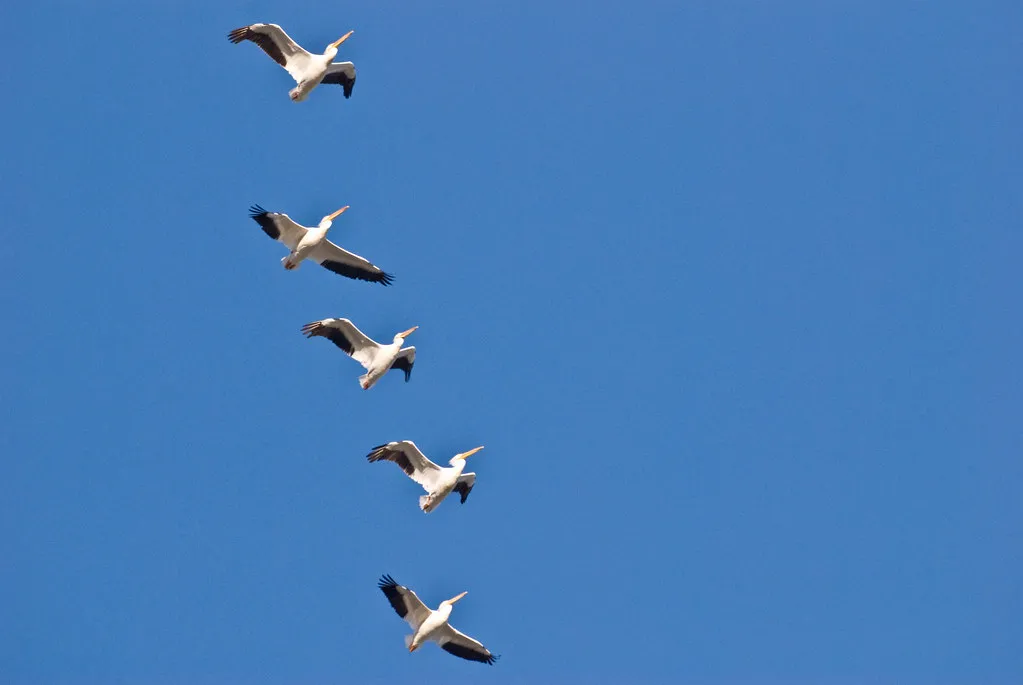
Most people only think about the birds they see in June and July, but the real secret is happening overhead in spring and fall. Countless migrants are passing through, searching for a safe place to refuel, and if your yard is lit up, sterile, and dry, they simply keep flying.
If it’s dark, sheltered, and food-rich instead, you’ll start seeing surprise visitors you never expected in your own backyard. Migration is brutal, and a single good stopover can mean the difference between survival and not. Once your garden becomes known as a reliable refuge, successful birds return and follow the same routes again – which means you don’t just get more birds, you get rarer, more exciting ones passing through.
Worth Knowing
- An estimated 70% of North American bird species migrate, and about 80% of those travel at night
- Darkness offers cooler air, calmer winds, and fewer predators for long flights
- Artificial light and skyglow can pull migrating birds off course or straight into buildings
- A dark, quiet yard during migration weeks can become an unexpected overnight rest stop
- Keep some lights off during peak migration periods, especially overnight
- Ensure fall berries and seed heads are available
- Maintain clean water sources even when you think “bird season” is over
#18 – Commit for a Year: Birds Reward Consistency, Not Weekend Projects
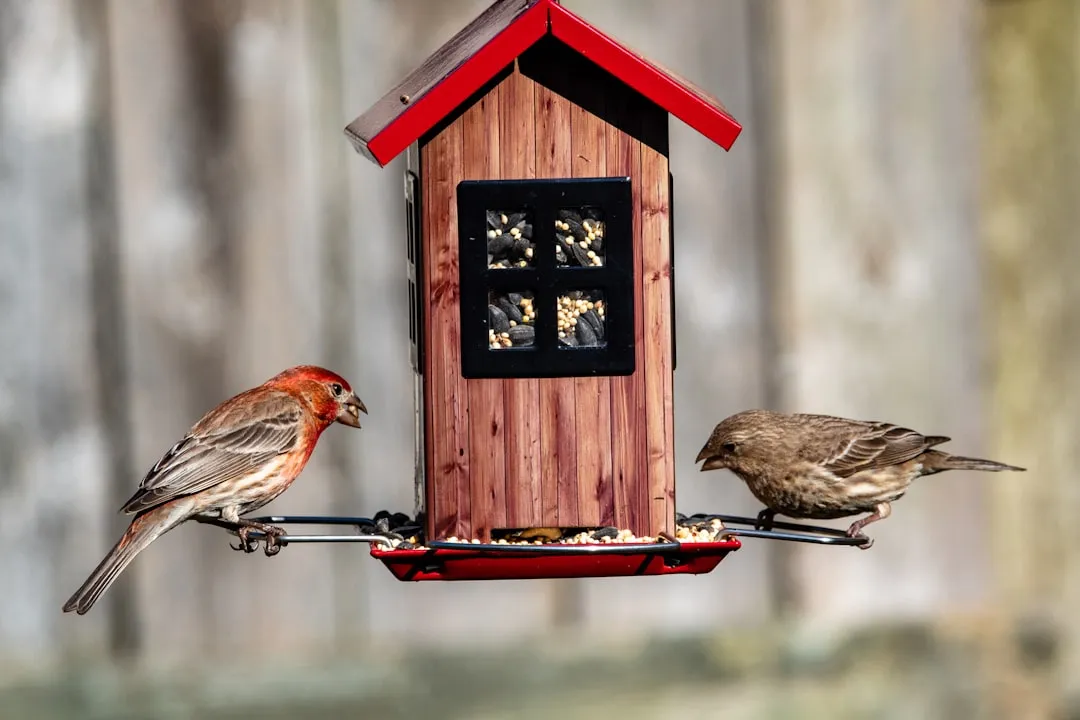
Here’s the uncomfortable truth most people skip right past: birds judge your yard over months, not days. Throwing up a feeder on Saturday and expecting a wildlife documentary by Sunday afternoon is pure fantasy.
Birds watch, test, and remember exactly which places stay safe and stocked through storms, seasons, and disturbances. The gardens that end up buzzing with life are almost never the trendiest or most Instagram-perfect ones. They’re the ones where someone quietly, steadily built real habitat and then had the patience to leave it alone long enough for wildlife to trust it.
- Pick a few key changes – native plants, water, safe feeders – and stick with them
- Avoid wild swings, like feeding heavily one month and stopping cold the next
- Observe and adjust gradually instead of constantly redecorating
The Bottom Line
When a garden goes quiet, it’s rarely a mystery to the birds themselves – they already voted with their wings weeks ago. The real gut-punch is realizing how often it’s our own habits doing the silencing: over-cleaning, over-lighting, over-spraying, and designing spaces for curb appeal instead of life.
The yards that fill up fastest are the ones that trade perfection for layers, mess, water, and a bit of wildness. Give it a real year of focused changes – native plants, less poison, better cover, real food – and most “dead” yards turn into a daily show. Some people will still insist a clipped lawn and harsh floodlights are good enough. They’re wrong, and their silent yard is the proof. So which change do you think people resist the most, and which one are you actually willing to try first?

- If Your Garden Has Gone Quiet These 18 Changes Bring the Birds Back Fastest - August 12, 2026
- 16 Cat Breeds That Grow Softer With Age and 16 That Become Far More Particular Instead - August 12, 2026
- What Rescue Centre Staff See in a Dogs First Hour That Predicts Everything Afterwards - August 12, 2026