
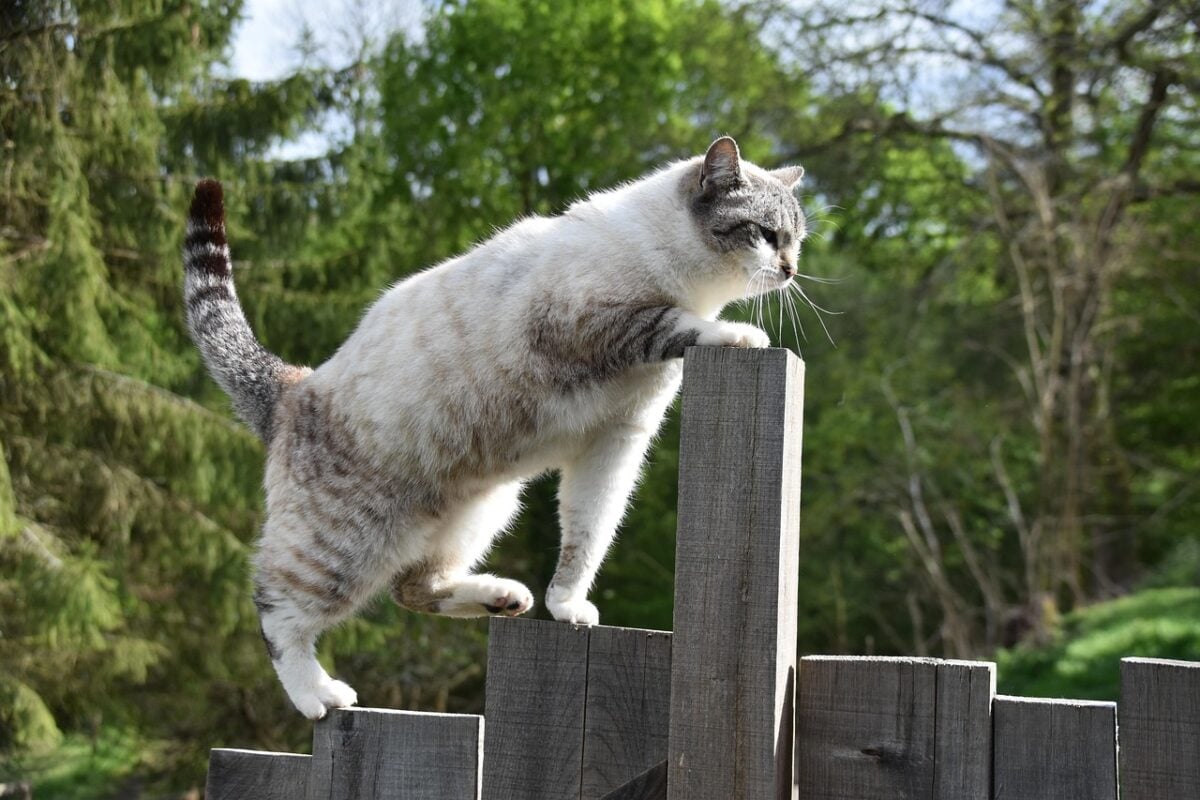
You keep waiting for the obvious moment – the day your cat won’t eat, or can’t walk, or is clearly, unmistakably “not okay.” That’s not how it usually goes. Cats are built to hide weakness, so the truth shows up in inches: a new nap spot, a softer meow, a half-second pause before a jump that used to be effortless. Vets will tell you the loud, dramatic version of “old cat” is actually the last chapter of the story, not the first page.
By the time most owners notice something is wrong, the quiet warning signs have usually been running for months. We dug into what actually shows up first – in the order people tend to miss it – starting with the one hiding in your cat’s favorite nap spot right now.
#18 – They Start Sleeping in Different Places, Not Just More Hours
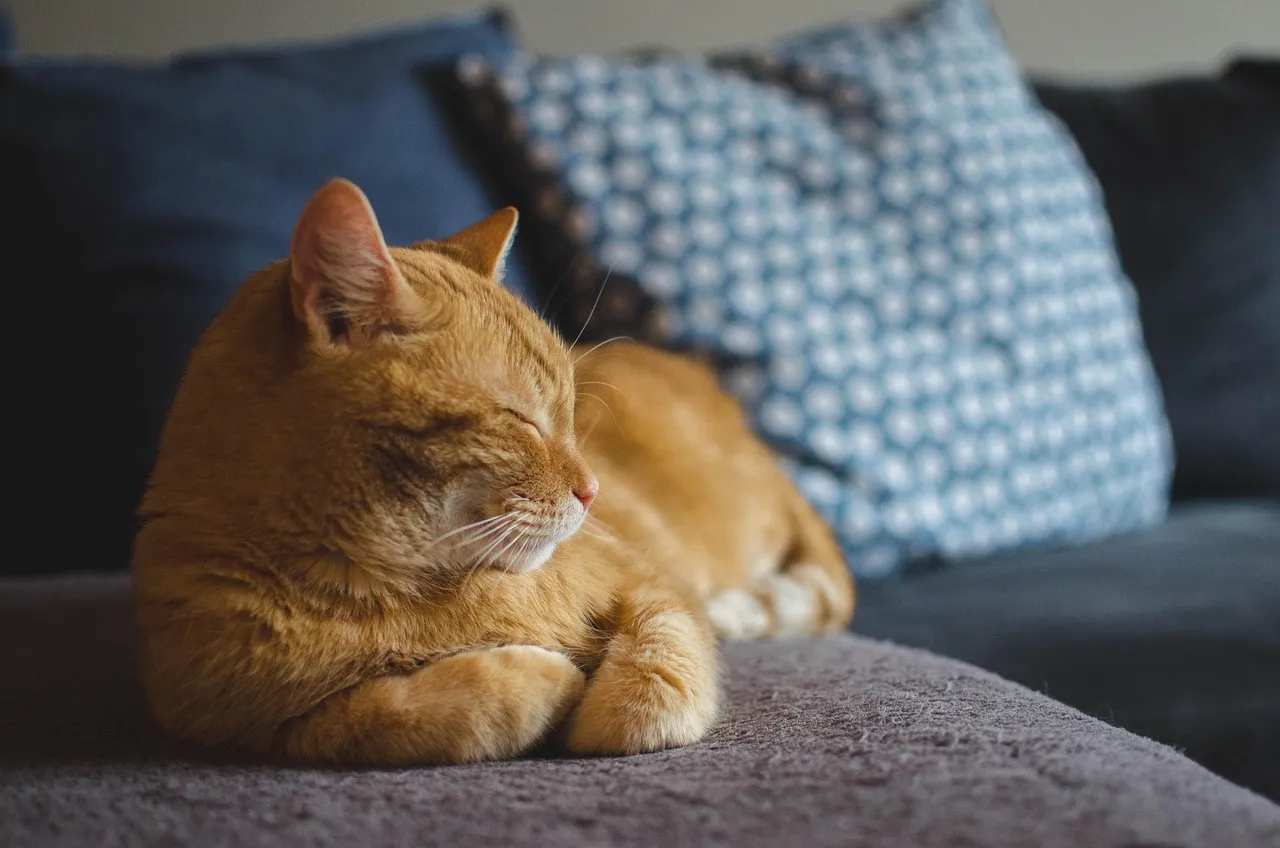
Everyone expects an older cat to sleep constantly, so nobody blinks at more naps. The real clue isn’t how much sleep – it’s where and when. A cat that lived on the windowsill for a decade suddenly starts squeezing under the bed or into a closet corner instead of the sunny spot on the rug.
That’s not a comfort upgrade. It’s often a quiet way of saying, “I feel vulnerable and I don’t want to be found.” The other giveaway is timing: pacing or yowling at 2 a.m., or falling into unusually deep sleep during the day, as if switched off. Vets flag night-time restlessness as one of the earliest signs of feline cognitive dysfunction. If your senior cat has become a tiny hallway ghost before sunrise, that’s a phone call, not a shrug.
Fast Facts
- About 28% of cats aged 11-14 show at least one sign of cognitive decline
- That number climbs past 50% in cats 15 and older
- Night-time restlessness and yowling are among the earliest reported signs
- Most affected cats are never formally diagnosed
#17 – The Litter Box Becomes a Slow, Awkward Struggle
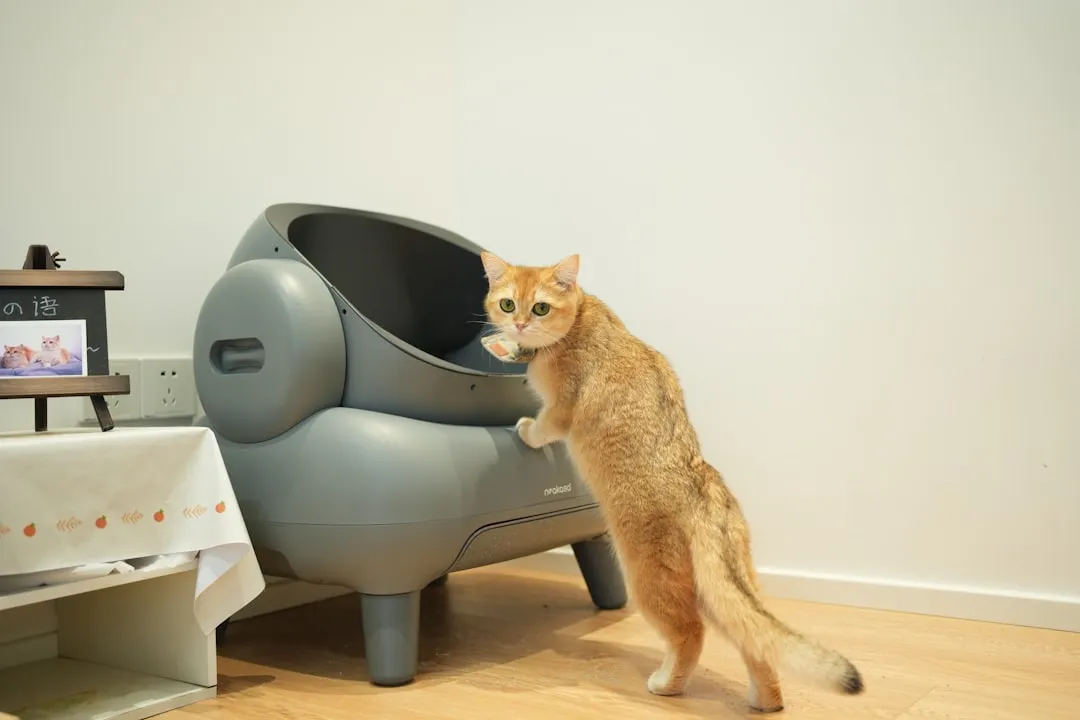
Accidents are obvious. The struggle before the accident is not. Long before a senior cat ever misses the box entirely, they start hovering oddly at the edge, taking longer to settle, stepping in and out like they can’t quite commit to the whole routine.
That tiny hesitation is a massive clue – arthritis can make the step painful, and kidney or bladder trouble can be brewing quietly underneath it. You might also notice a half-hearted scrape where there used to be obsessive burying, because twisting and digging can genuinely hurt now. Owners love to joke about “suddenly lazy with the litter,” but the box is basically your cat’s medical diary. It’s worth reading closely.
#16 – Food Interest Quietly Shifts From “Hungry” to “Fussy”
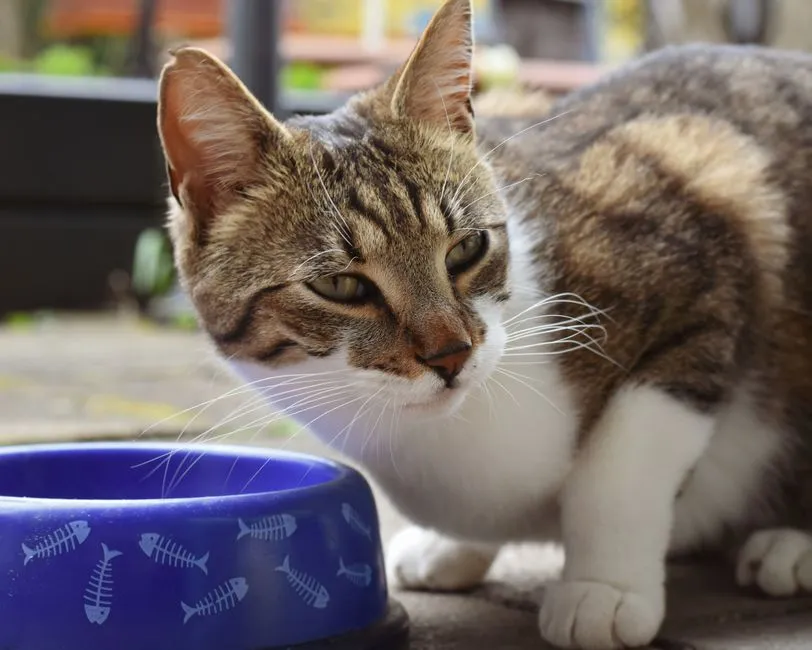
Most people assume appetite loss looks like a cat that stops eating outright. In reality, the first version is pickiness. A senior cat still shows up for meals, but sniffs and walks away, licks once and quits, or suddenly demands fresh food the moment the old bowl has been sitting a few minutes.
- Sniffs and walks away
- Licks once or twice, then quits
- Demands fresh food the moment it’s been sitting a short while
This isn’t a diva phase. Picky eating in older cats is one of the earliest red flags for dental pain, nausea, or kidney disease. Imagine trying to eat with a throbbing molar or constant low-grade queasiness – you’d get strange about food too. Some cats start licking only the gravy and leaving the chunks behind; that’s not spoiled, that’s choosing what hurts least to chew. Owners who respond by endlessly switching food brands often end up chasing “the right flavor” while the real problem quietly gets worse.
#15 – Grooming Slips From Perfect to Just “Almost Right”
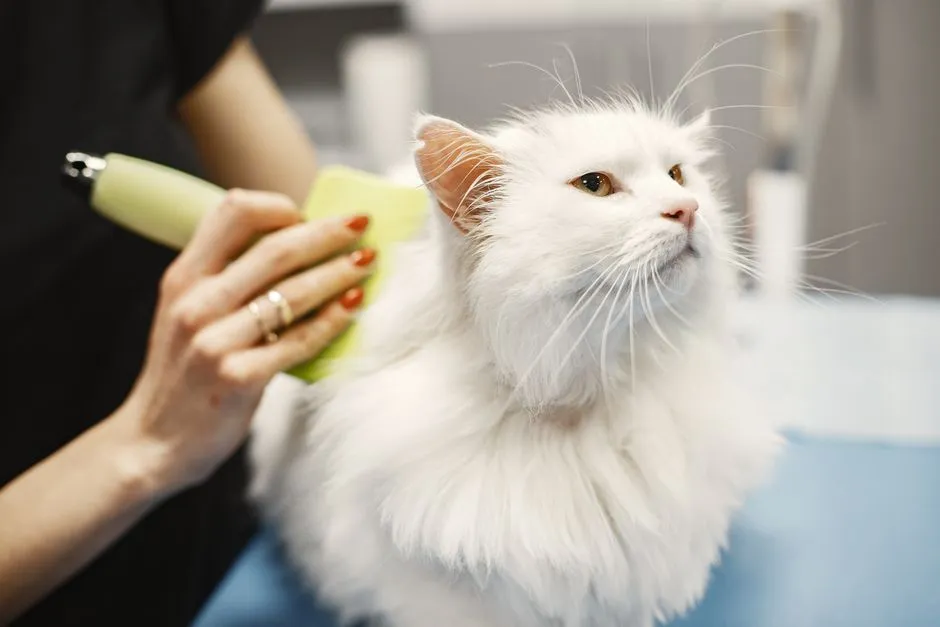
One of the most misleading compliments people give an old cat is, “She still looks great for her age.” The earliest grooming changes are almost microscopic – the coat still looks tidy at a glance, but the texture shifts. Less glossy, a little clumpy, faintly greasy along the spine.
This is often the first quiet sign that grooming has become painful or exhausting, especially around the trouble spots senior cats can’t comfortably reach anymore.
- Lower back and base of tail
- Belly and inner thighs
- Around the back legs
When those areas turn slightly dandruffy or matted, it’s rarely just “old.” It’s pain or stiffness talking. Most people don’t notice until there are full mats and a dandruff snowstorm, but the coat whispers long before it screams.
#14 – Jumping Turns Into a Careful Calculation
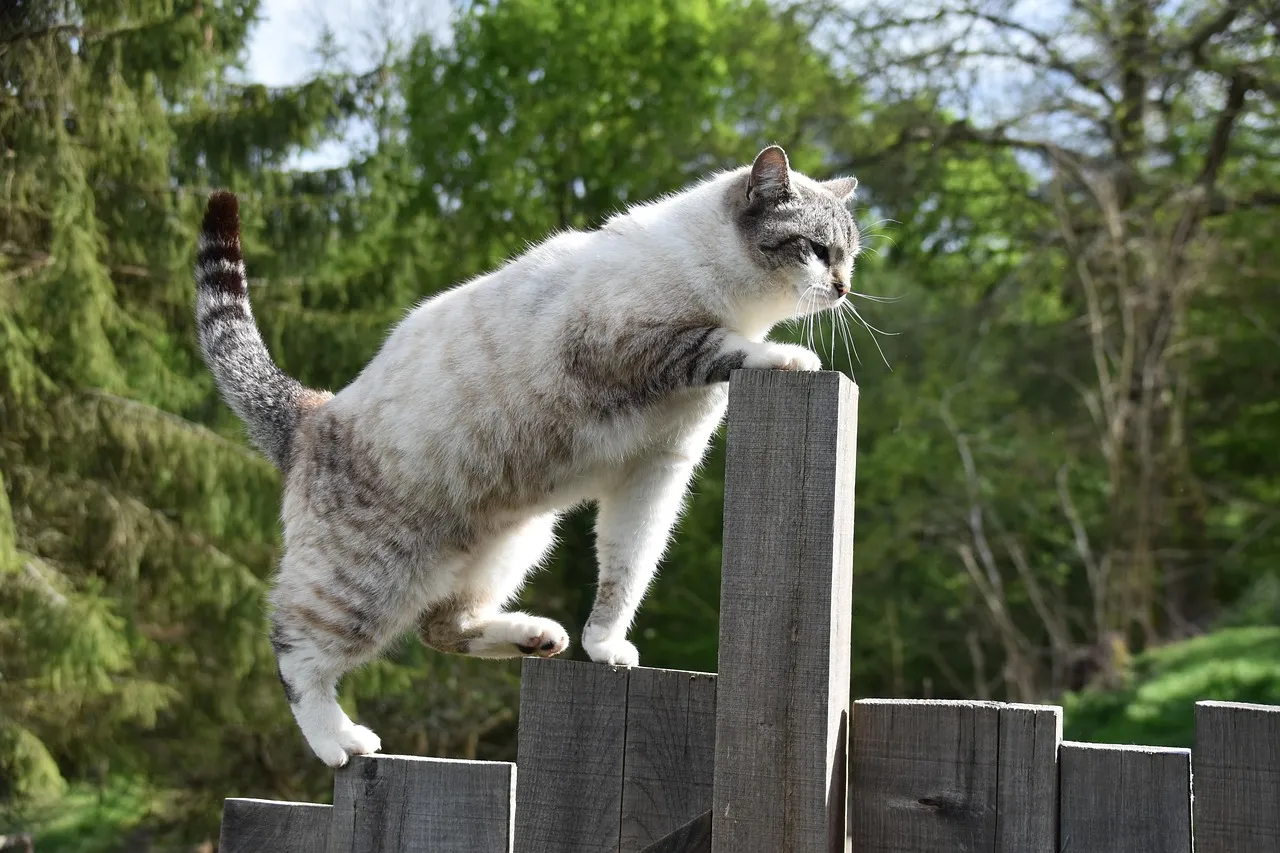
Most owners notice when a cat physically can’t jump anymore. What they miss is the moment jumping turns into a slow mental math problem. A senior cat pauses, stares at the couch, then tries a lower route, reaches up with front paws to pull rather than spring, or simply abandons the jump and meows for a lift instead.
- Tries a lower route (chair to couch, instead of floor to couch)
- Reaches up with front paws first, pulling rather than springing
- Abandons the jump altogether and meows for help
Healthy cats don’t think about jumping – they just do it. Those extra two seconds of calculation before a leap are a huge giveaway that something hurts, often hip, knee, or spinal arthritis. Plenty of people call this “getting lazier” or “clingier,” but that meow for a lift is pure honesty: I can’t do this the way I used to.
#13 – Their Favorite Human Suddenly Matters Way More
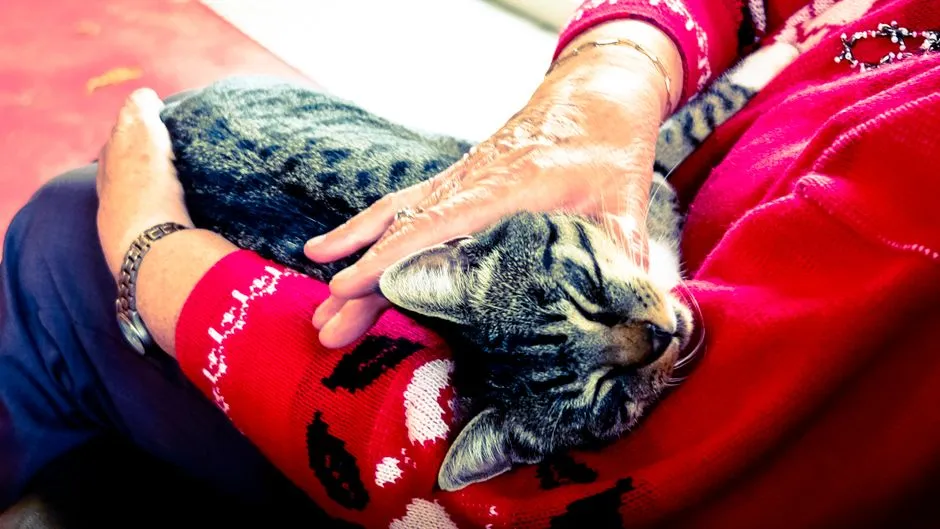
This one looks flattering, which is exactly why so many people miss the worry hiding inside it. A senior cat becomes intensely attached to one person – following room to room, crying at closed doors, insisting on lap time they never wanted before.
That’s not just sweetness arriving with age. As a cat’s world shrinks – hearing fades, eyesight softens, joints ache – their safe person becomes their anchor. If that person leaves longer than usual, the cat may pace, vocalize, or stare at the door like they’re standing guard, and some even go off their food. It feels nice to be chosen, but this shift can signal cognitive decline or illness making them more vulnerable than they let on. Many owners read it as “loving me more in old age,” when it’s actually a quiet cry for security.
At a Glance
- Following one person from room to room, all day
- Crying or pawing at closed doors
- Sudden lap-sitting from a cat who never wanted it before
- Pacing or skipping meals when their person is away longer than usual
#12 – Tiny Lapses in Litter Box Accuracy
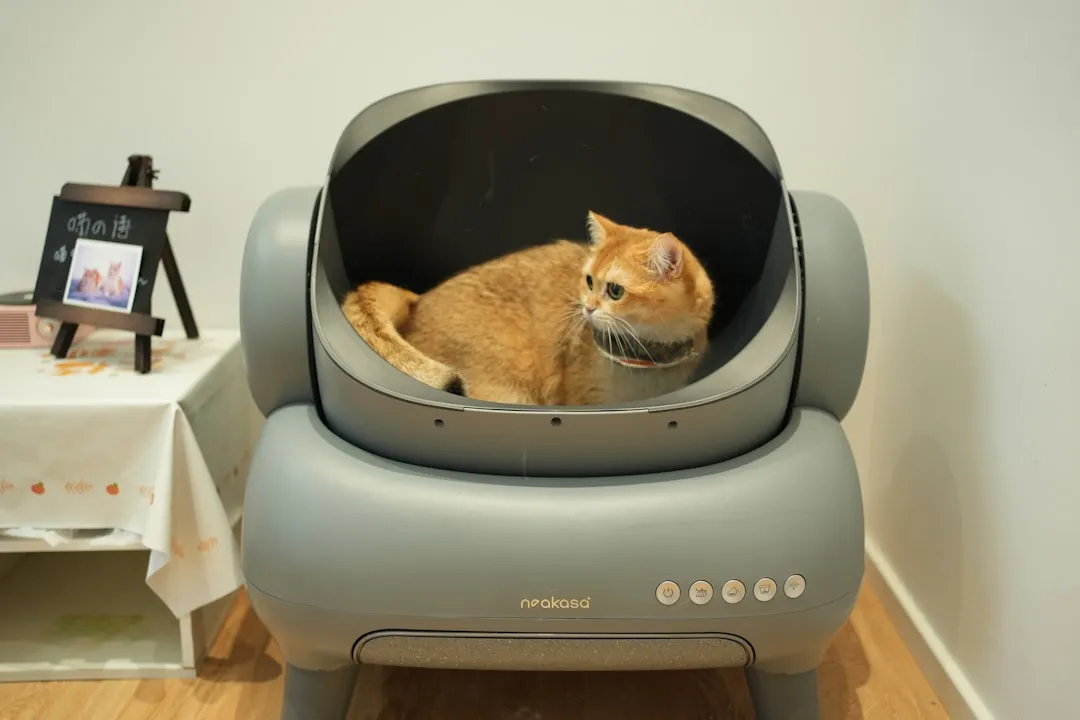
Before a senior cat outright “forgets” the box, they usually start almost missing it. A pee clump sits right at the edge, a bit of poop lands just outside the rim, or you find them standing inside the box but aimed the wrong direction entirely.
- Pee clumps right at the edge of the litter
- Poop just outside the box
- A cat standing in the box but aimed the wrong way
Owners often roll their eyes at “old cat attitude,” but these are neurological or physical warning shots. Arthritis can make a full turn painful, and cognitive decline can disrupt their normal bathroom routine mid-way through. Cats don’t do revenge peeing – they do confused, painful, or fearful peeing. When a previously perfect cat starts almost getting it right, that’s the moment to call the vet, not the moment to buy stronger cleaner.
#11 – Playtime Quietly Disappears
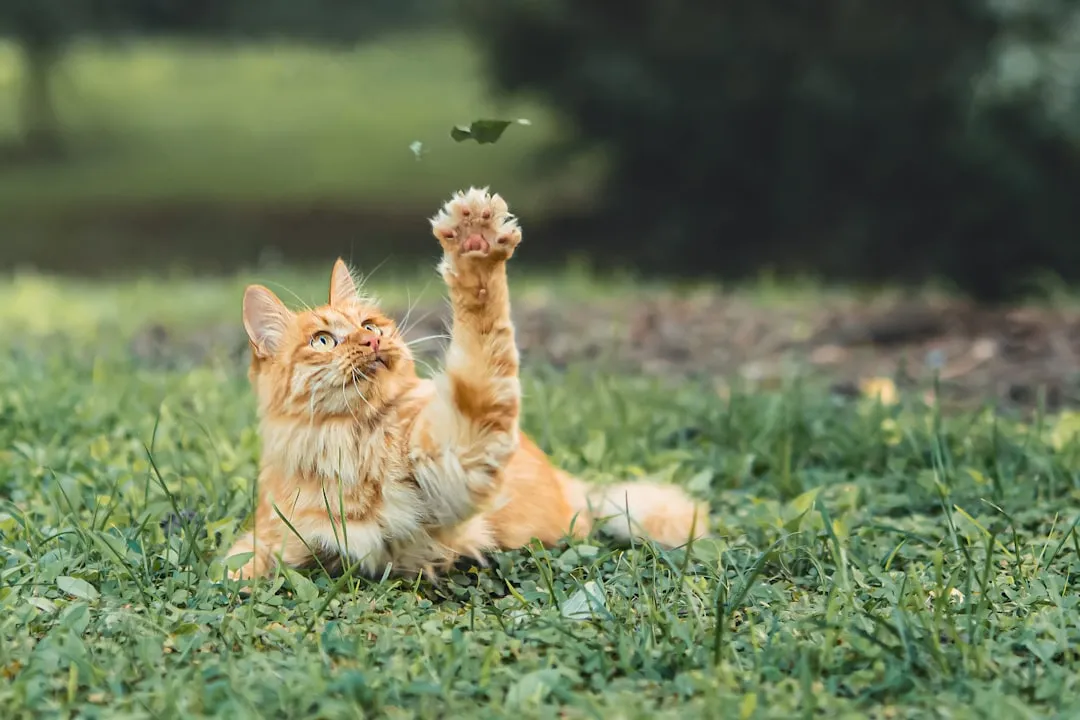
Everyone expects kittens to play and seniors to loaf, so a decline in play looks perfectly normal – until it isn’t. A healthy older cat will still chase a feather toy in short bursts, bat at a string, or throw in the occasional silly zoomie.
- Chases a feather toy for short bursts
- Bats at strings or wand toys
- Does small, silly zoomies occasionally
When those things quietly vanish, something is usually off. Pain, heart disease, breathing issues, or low-grade nausea can all make play feel like too much work. You might catch your cat watching the toy intently but barely moving, or swatting once and then just staring. Cats don’t age out of hunting instinct – the drive is still there, but the body vetoes it, and that gap between wanting to and being able to is worth paying attention to.
#10 – The Voice Changes in Ways You Dismiss as Chattiness
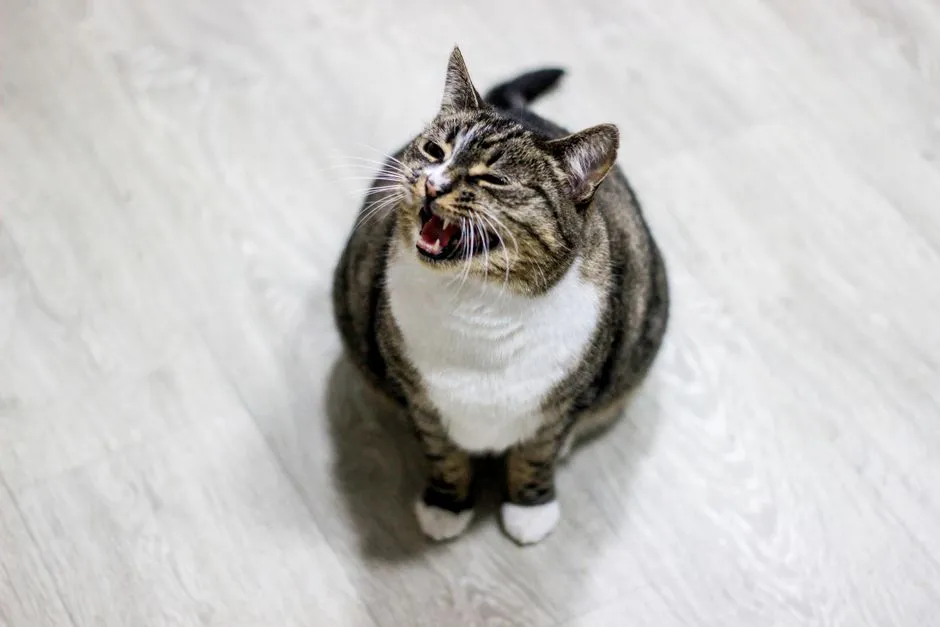
Senior cats often develop new vocal habits – more meowing at night, random yells in empty rooms, or a tone that just sounds different. It’s easy to blame this on “talking back,” but vocal changes are a classic, under-discussed symptom of aging brains, thyroid issues, or sensory loss.
- Louder meows, as if they can’t hear themselves
- Repetitive calling, especially in the evening
- A hoarser or more strained sound
Hyperthyroid cats, in particular, often get noisier long before they get thinner. Cognitive decline can also trigger the eerie wandering yowl people film for laughs online – it’s not funny, it’s disorientation. Owners shrug and say, “she’s just getting chatty in old age,” but cats rarely add new behaviors without a reason. That extra conversation is usually a symptom wearing a personality costume.
#9 – The Water Bowl Tells On Them First
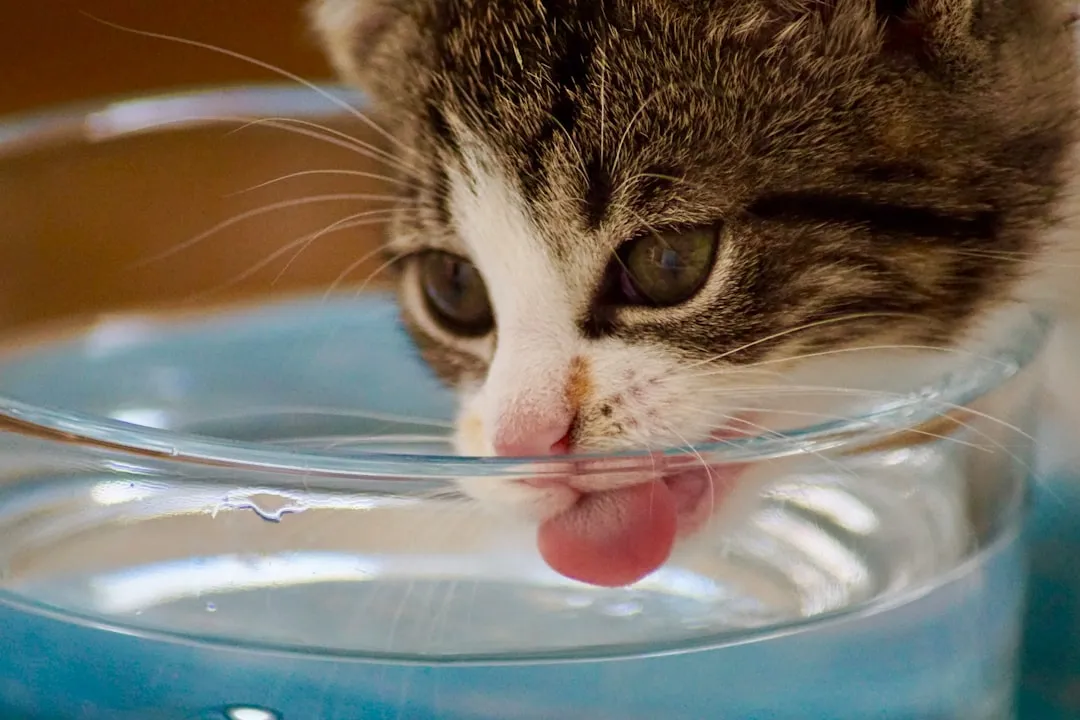
If the litter box is one diary, the water bowl is another. Senior cats with kidney disease, diabetes, or thyroid issues often start drinking more, but the shift is so gradual it hides in plain sight – a fountain that empties a little faster, a bowl that “somehow” needs topping up more often.
Increased thirst is one of the single most important early signs in older cats, and people blame it on hot weather far too often. Some cats start drinking from the sink, the shower, or puddles they never cared about before – that’s not curiosity, it’s desperation for fluid balance. Others drink less, because getting up to reach the bowl hurts. Either direction is the same message: any real change in drinking habits in a cat over 10 deserves attention, not excuses.
Worth Knowing
- Chronic kidney disease affects roughly 30-40% of cats over age 10
- That figure climbs as high as 80% in cats 15 and older
- Increased thirst and urination are often the very first outward signs
- Kidney damage is usually well underway by the time symptoms become obvious
#8 – Subtle Weight Changes Nobody Actually Weighs
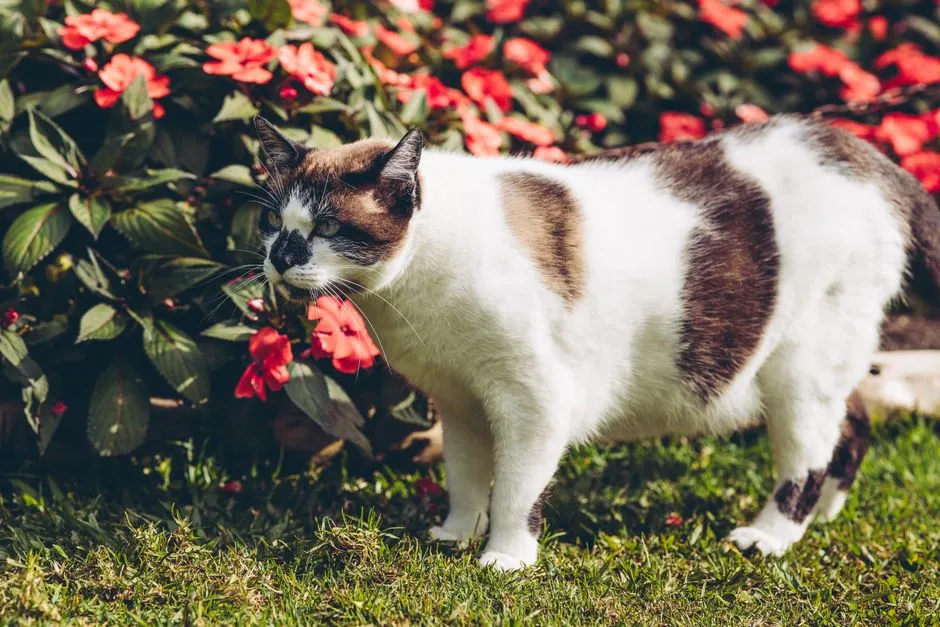
People are shockingly bad at noticing gradual weight loss in pets they see every single day. Fluffy coats hide bones, so the change stays invisible until it’s dramatic – until a vet visit reveals two pounds gone, which is enormous on a 10-pound body.
- Ribs and spine suddenly more noticeable under your hand
- Hips looking a bit sharper in photos
- A loose, saggy “flank” area that wasn’t there before
Weight loss in senior cats is never “just age” until proven otherwise. It can point to thyroid disease, kidney trouble, GI issues, cancer, or dental pain, and even a small steady drop over months matters. The reverse can matter too – slow weight gain paired with less activity often marks early arthritis or metabolic issues quietly settling in.
#7 – Their Eyes Start Telling Quiet Stories
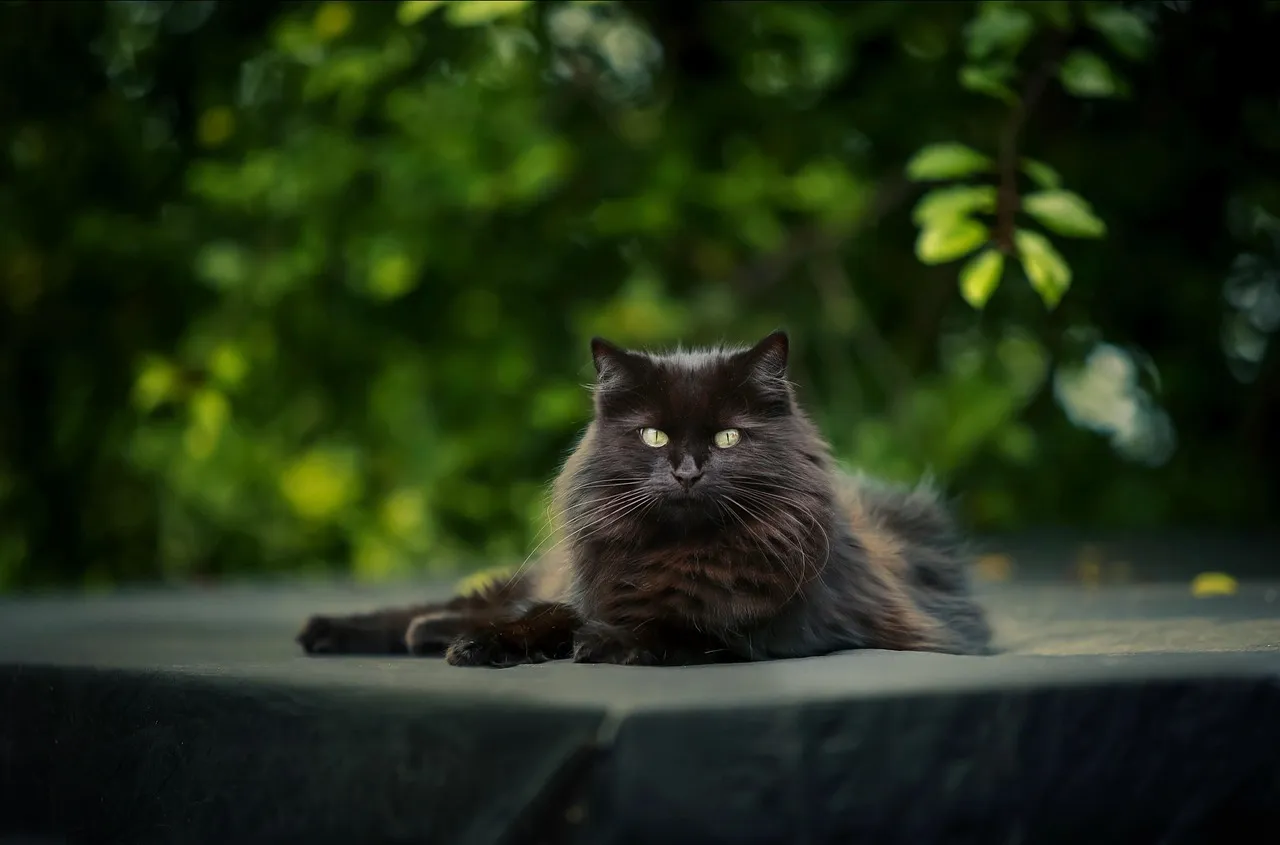
You don’t need a vet degree to catch something off in a senior cat’s eyes – you just need to actually look. The clues show up long before obvious blindness: a slight cloudiness, pupils that seem larger or slower to react, or uneven pupil sizes depending on the light.
- A slight cloudiness or bluish haze
- Pupils that seem larger or slower to react
- Uneven pupil sizes in certain light
Older cats can develop high blood pressure that damages the retina in near-total silence. Sudden blindness feels dramatic, but the pressure climbing behind the scenes can be silent for months or years first. You might also notice a little extra hesitation at the top of the stairs, or a soft bump into furniture that never used to happen. People laugh it off as clumsiness, but cats are precision athletes by default – when precision fades, it deserves a real question, not a caption.
#6 – They Start “Forgetting” Simple, Familiar Routines
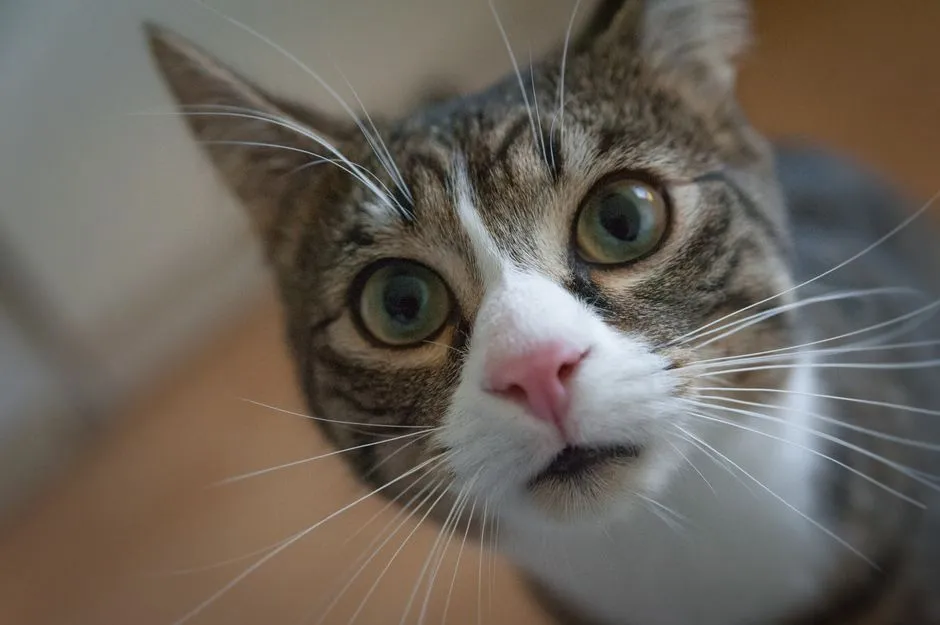
Cognitive decline in cats doesn’t start with total confusion – it starts with small, weird blips. A senior cat might stare at the wrong side of a closed door, meow for food minutes after being fed, or walk into a room and freeze like the reason just slipped away.
- Goes to the wrong side of a closed door and stares
- Meows for food right after being fed
- Walks into a room and stands still, as if forgetting why
This isn’t stubbornness. It’s closer to walking into the kitchen and forgetting what you came for – except it happens more often, and with more anxiety attached. Feline cognitive dysfunction is wildly under-diagnosed because people quietly rewrite it as “old cat = a little weird now.” The frustrating part is that some of these symptoms genuinely respond to medication and small environmental tweaks, if anyone bothers to name what’s happening.
#5 – Their Temper Shifts and You Blame It on “Crankiness”
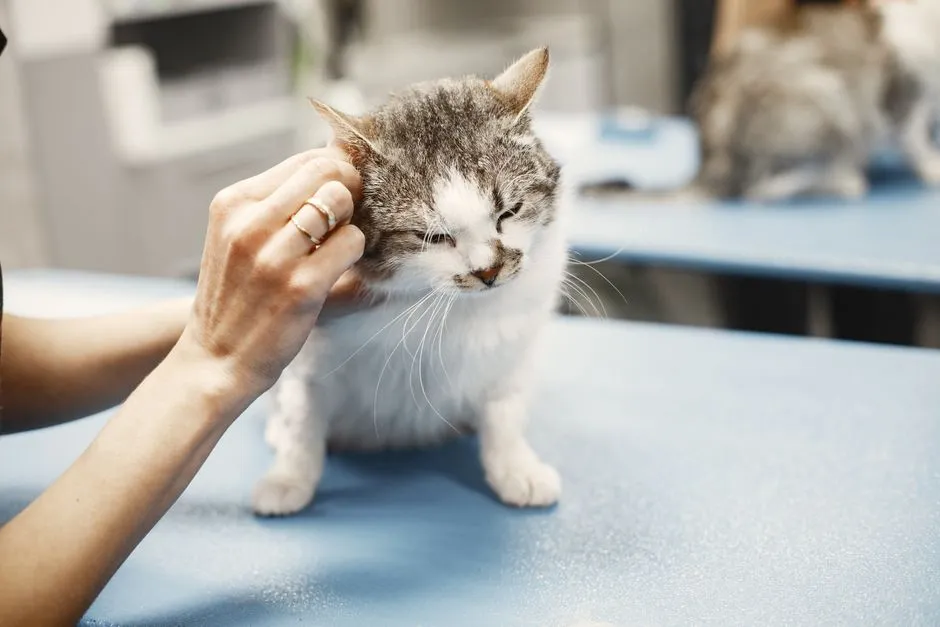
A once-mellow cat suddenly hisses when touched in certain spots, or growls when picked up. Another goes the opposite way – a fiercely independent cat turns clingy, needy, panicked when left alone. People love to call this “senior sass,” but behavior is communication, not a personality glitch.
Pain almost always shows up as a behavior change before anything else does. If your cat suddenly hates being brushed along the back, or refuses cuddles they used to melt into, that’s a flag worth taking seriously. Anxiety from cognitive changes, hearing loss, or fading vision can make a cat more reactive too. Some senior cats really do lose a bit of patience with age – but writing every shift off as “cranky grandparent energy” is lazy. They’re protecting themselves in a body that feels strange every single day.
Quick Compare
- Withdrawn type: hisses when touched, avoids handling, seeks solitude
- Clingy type: panics when left alone, follows constantly, cries for contact
- Both patterns often trace back to the same root cause: pain or fear, not attitude
#4 – They Start Hiding in Plain Sight
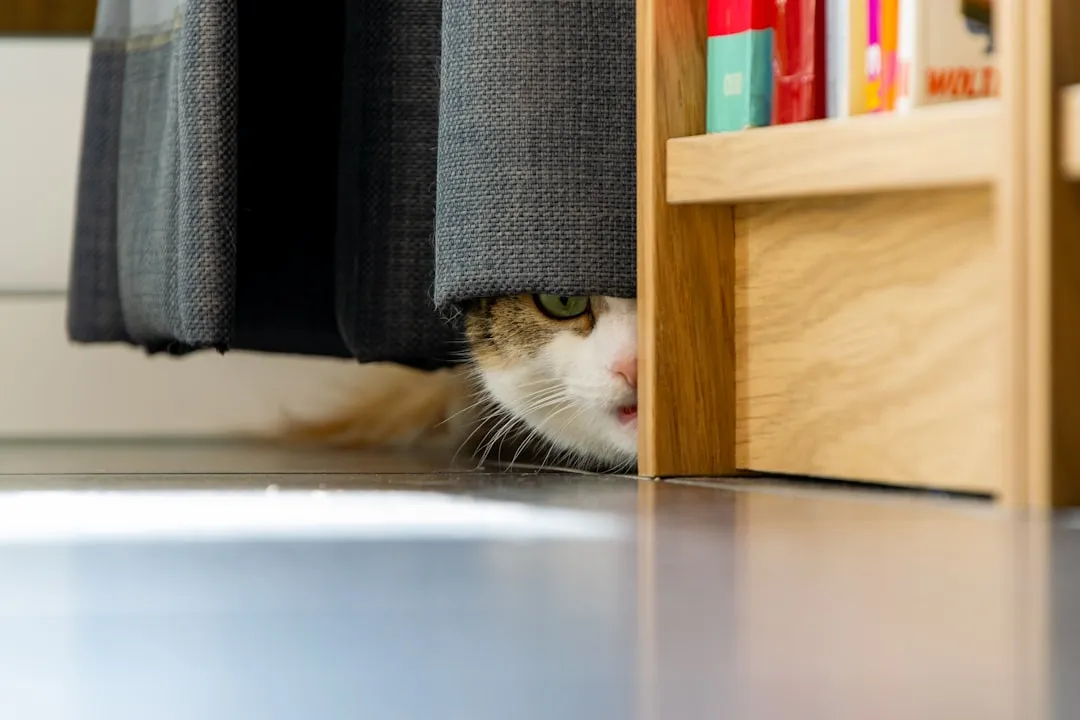
Cats are natural disappearing acts, but the way a senior cat hides is different from a shy kitten’s version. A previously social cat starts spending more time under beds or behind couches, slipping away the moment visitors arrive, or retreating to high, secluded perches away from traffic.
- Spends more time under beds, behind couches, or in closets
- Slips away when visitors arrive, even if they never cared before
- Retreats to higher shelves or secluded perches out of traffic
Withdrawing from family life is one of the biggest, most misunderstood warning signs there is. Pain, nausea, breathlessness, and anxiety all push a cat toward self-isolation, because in the wild, looking weak is genuinely dangerous. People shrug this off as “she just likes her alone time now,” but she used to choose you. If she’s stopped, something made that choice too hard to keep making.
#3 – Breathing Gets Just Slightly Off
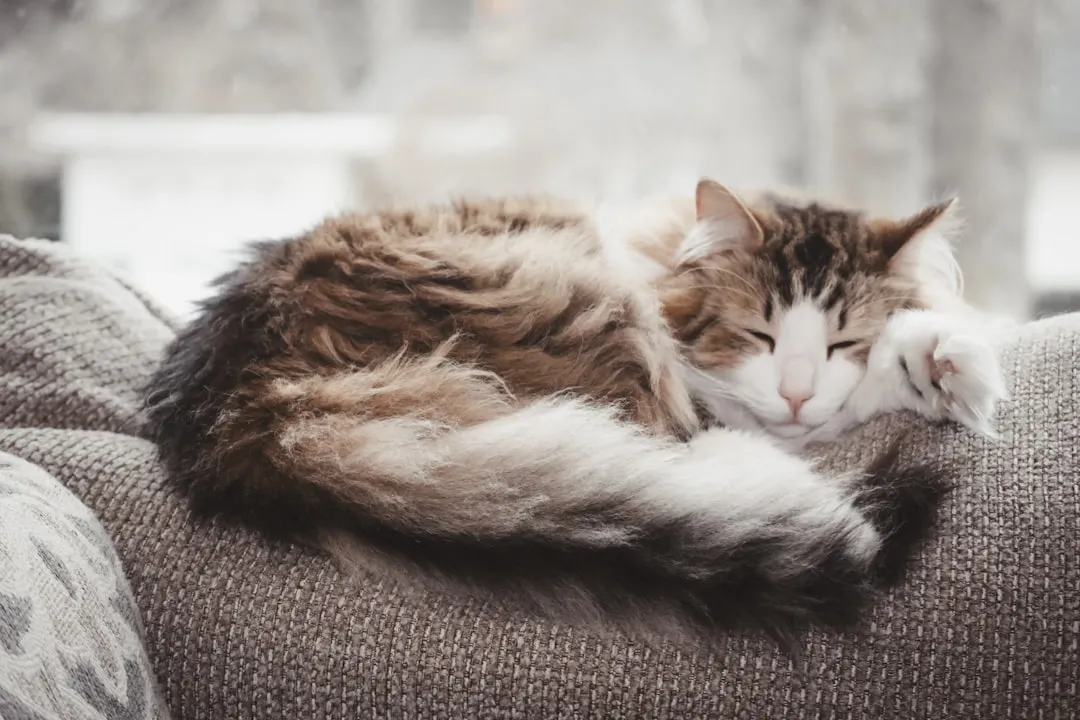
Most owners only clock breathing trouble once it’s obviously bad – open-mouth panting, wheezing, dramatic belly movement. By that point, things are often serious. The first signs are far smaller: slightly faster breathing at rest, a subtle abdominal push with each breath, a pause halfway up the stairs.
- Slightly faster breathing when resting
- A subtle “push” with the abdomen on each breath
- Pausing halfway up the stairs or after mild exertion
Heart disease and respiratory issues can simmer silently in senior cats for a long time. Owners often assume the cat is simply “less fit” when they stop jumping or playing, when actually they’re quietly avoiding anything that leaves them short of breath. You don’t need a stethoscope – just watch a sleeping cat for 30 seconds and count breaths. More than roughly 30 breaths per minute at rest is worth calling about, and almost nobody thinks to check.
#2 – The “Old Cat Smell” Nobody Wants to Mention
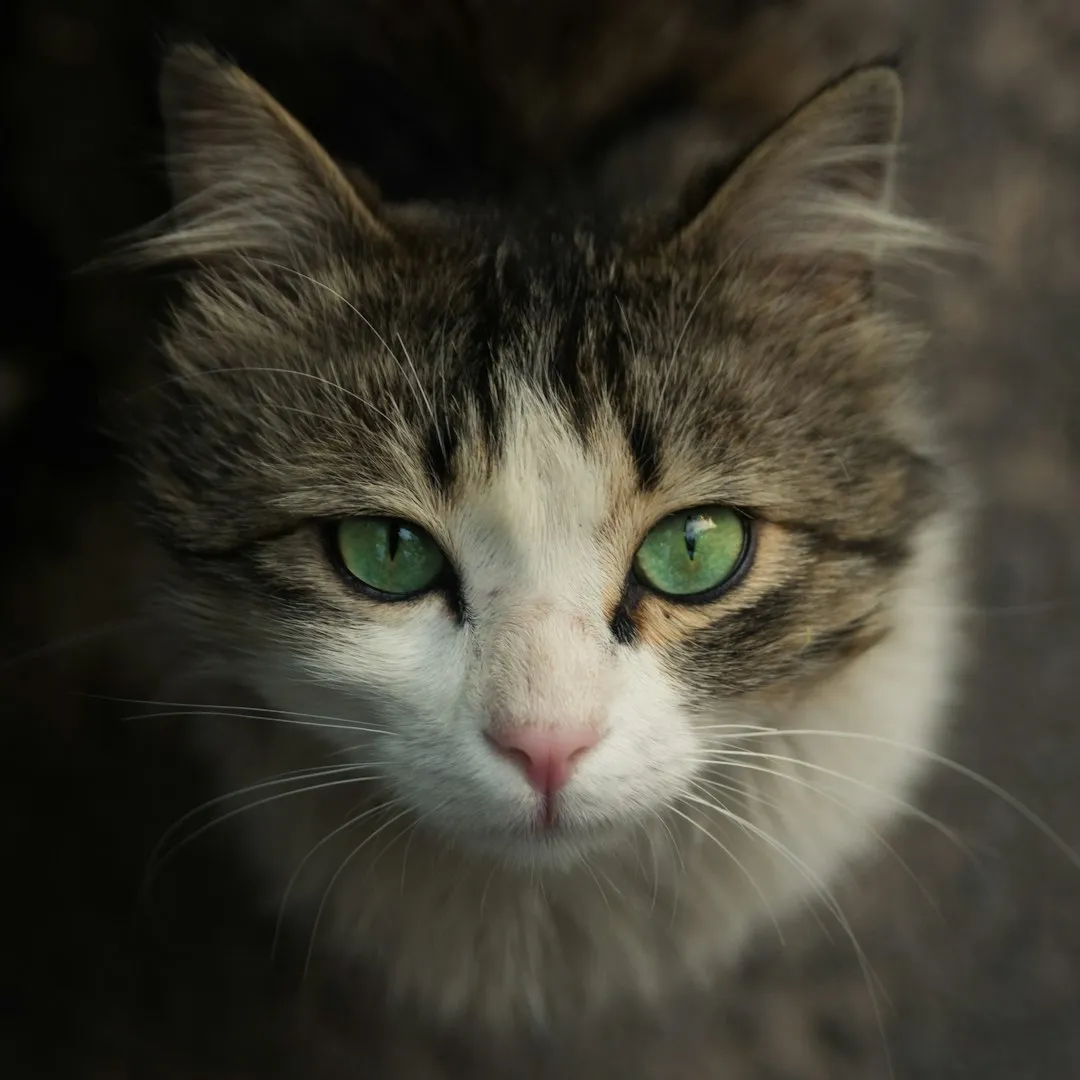
People rarely say this part out loud, but many senior cats develop a subtle new odor long before anyone thinks to call a vet. It isn’t “dirty cat” smell – it’s something distinctly off: a sour or metallic breath, a faint ammonia tint to the fur, a general staleness around the cat’s usual spots.
- A sour or metallic breath
- A faint urine or ammonia tint to the fur
- A general “stale” smell around the cat’s usual spots
Bad breath in older cats is almost never just about teeth – it can point straight to kidney disease or oral infections. That faint ammonia-like scent can reflect toxins the kidneys aren’t clearing anymore, and coat odor shifts when a cat stops grooming effectively because it hurts to try. Instead of investigating, plenty of people reach for scented candles or new litter and quietly tell themselves it’s “just an old animal smell.” Aging alone doesn’t reek. Illness does.
#1 – Your Own Routine Quietly Adapts Around Them
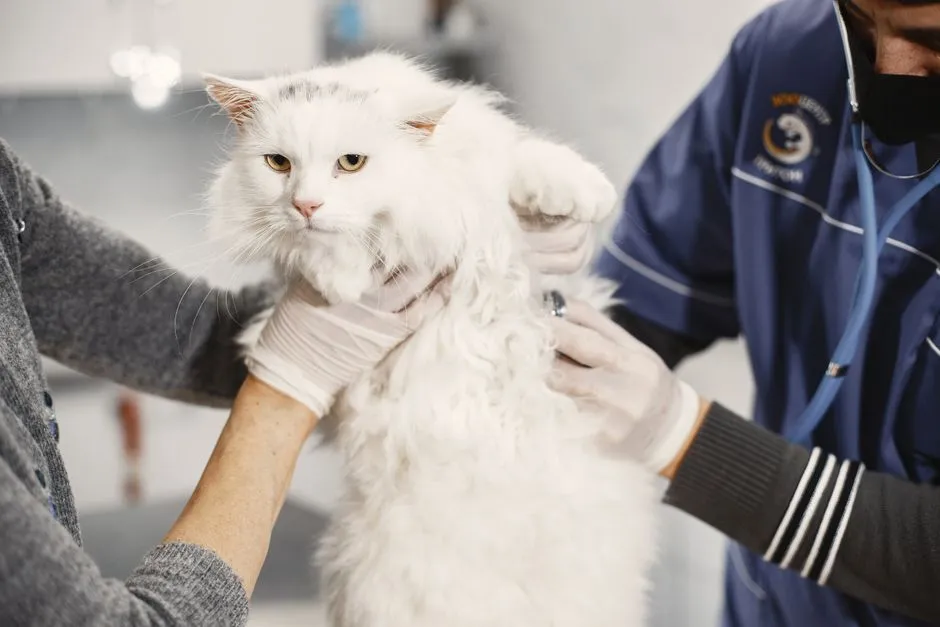
The most dangerous change isn’t in your cat – it’s in you. By the time a senior cat is genuinely unwell, the whole household has usually been adjusting, in tiny increments, for months without anyone naming it out loud.
- You automatically lift them onto the couch instead of noticing they stopped jumping
- You scoop the litter more often but never clock the increased clumps
- You joke about their “eccentric” nighttime yowls instead of tracking when they started
Normalization is the quietest killer of senior cats. Because the decline is slow, your brain keeps moving the goalposts of what “normal” looks like – you get used to the bony spine, the matted fur, the strange new habits, until a vet visit shows you on paper exactly how much has actually changed. If you don’t consciously track it, you will underestimate it. Your cat is whispering. Your own habits are the ones turning down the volume.
The Bottom Line
Senior cats almost never “suddenly” get old or sick – they unravel quietly, in small, deniable pieces that most people file under personality or age. A little less jumping here, a slightly louder meow there, a new nap spot, some extra “crankiness.” None of it looks like an emergency in the moment.
But stacked together, these eighteen things tell one clear story: your cat’s body isn’t keeping up the way it used to, and it’s been trying to tell you for a while.
Cats hide illness by instinct; it’s the price of being a small predator that must never look like easy prey.
Common veterinary observation on feline behavior
The uncomfortable opinion nobody likes hearing is this: if you wait for the obvious, dramatic symptom, you’ve already waited too long. Noticing the quiet stuff – and actually acting on it – is the difference between a cat who merely survives old age and one who’s genuinely comfortable inside it. Which of these have you already brushed off as “just getting old”? Be honest with yourself, and maybe check on your old cat tonight.

- 18 Quiet Things a Senior Cat Starts Doing in the Months Before Anyone Realises Anything Has Changed - August 12, 2026
- 18 Comforts Vets Say Mean the Most to a Senior Dog in the Weeks Before It Goes - August 12, 2026
- 19 Changes in an Ageing Cat That Only Ever Show Up Once the Weather Turns - August 12, 2026