
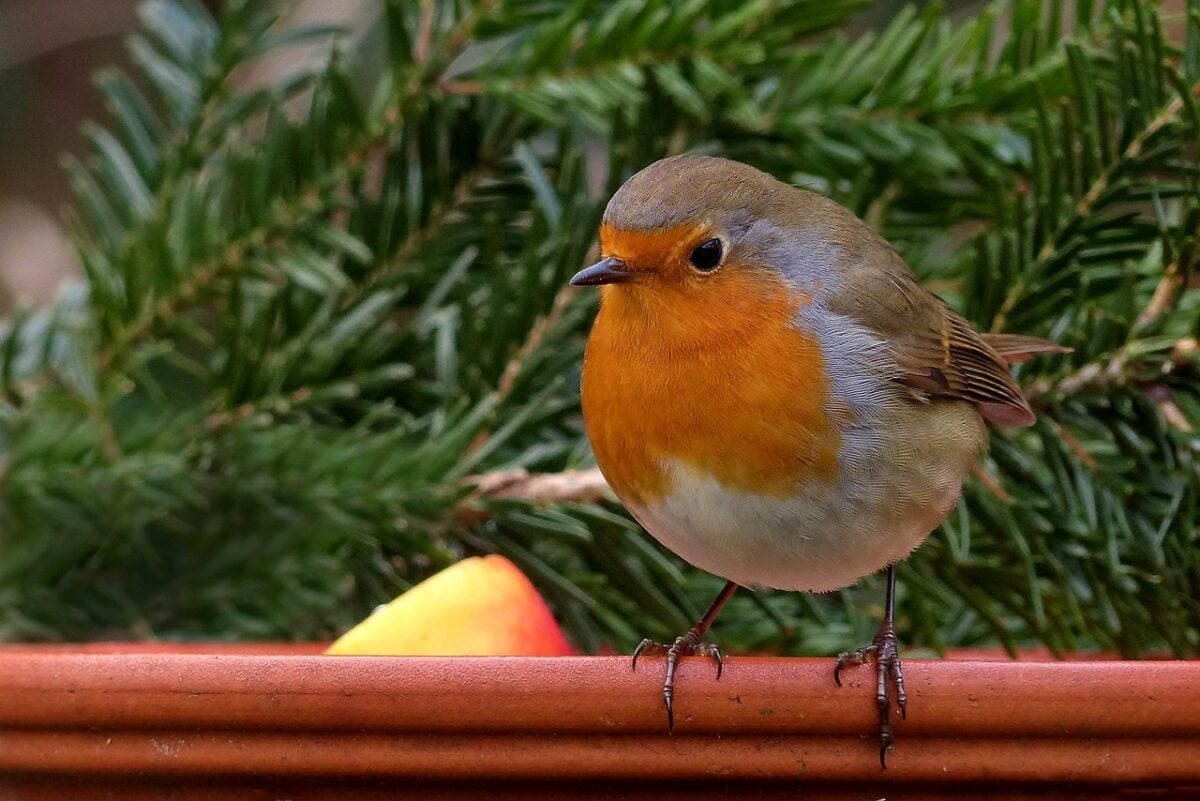
Most people think animal trust looks like a squirrel eating out of your palm or a robin hopping onto your shoe. That’s the movie version. The real thing is stranger, quieter, and it’s probably already happening in your backyard without your permission.
By the time an animal gets bold enough for a hand-feeding moment, it’s usually been quietly trusting you for months. The real proof is buried in tiny details: how fast a bird glances away, where a rabbit chooses to nest, whether anything even bothers to look up when your back door creaks open. Most gardeners miss every one of these signals – and some accidentally undo months of progress by pushing too fast, too soon. Here’s what the quiet, unglamorous version of “your garden is trusted” actually looks like.
#1 – They Stop Freezing Every Time You Step Outside
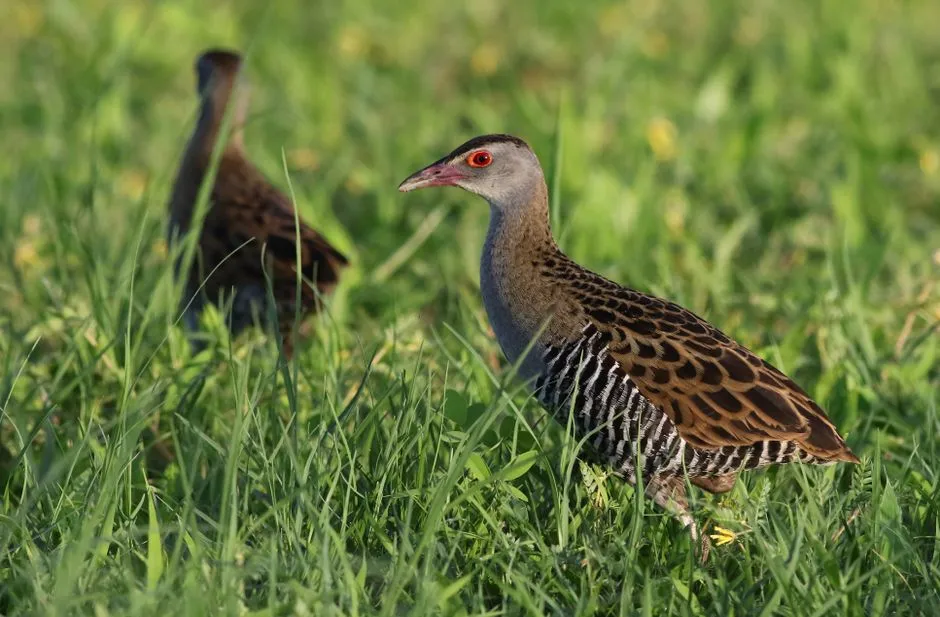
The first real sign isn’t a bird landing on your hand – it’s when it simply doesn’t panic anymore. Early on, birds and small mammals snap to attention the second your door opens. They freeze, stare, and either bolt or stay coiled to explode into the nearest hedge.
When trust starts building, that changes fast. A blackbird might glance up, register “no threat,” and go right back to foraging. A rabbit that once vanished at the first creak of your door now only hops a few feet before settling again. Biologists call this habituation – animals learning your routine and quietly filing you under background noise instead of danger. It doesn’t mean they’re tame. It means you’ve passed their internal risk test.
#2 – They Start Feeding Closer to You Instead of Farther Away
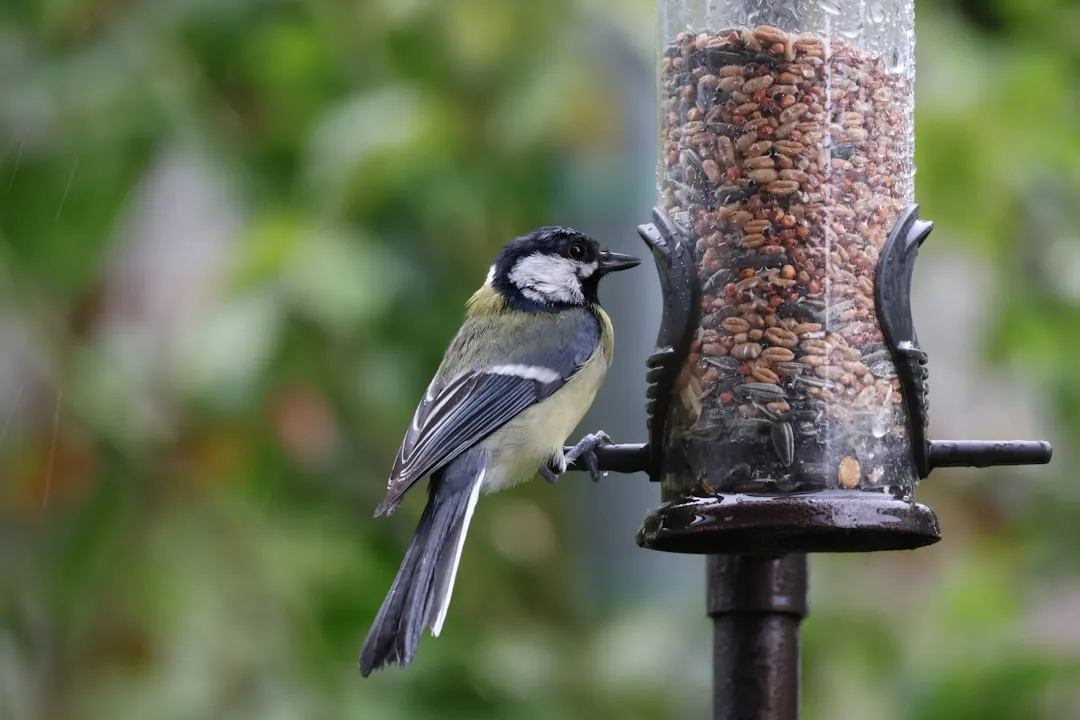
At first, everything eats in the darkest, farthest corner of your yard. Grab a seed, vanish into cover, repeat. It’s a survival habit, not rudeness – distance is free insurance against anything that might want to eat them.
When trust grows, you’ll notice birds and squirrels gradually shifting their feeding spots closer to your house or your usual sitting area. That’s not random wandering; it’s a calculated risk they’ve decided is worth taking. Watch for squirrels choosing a middle branch to eat on instead of bolting for the highest, safest point, or birds using the feeder while you’re standing in plain sight, not just when your back is turned. Animals don’t move closer for fun – they do it because the reward has finally outweighed the risk of you.
Quick Compare
- Low trust: Feeding happens at the yard’s farthest edge, always near cover.
- Building trust: Animals feed on middle branches or in open lawn patches.
- High trust: Feeding continues even while you’re standing right there.
#3 – Your Garden Turns Into a Daytime Hangout, Not Just a Night Highway
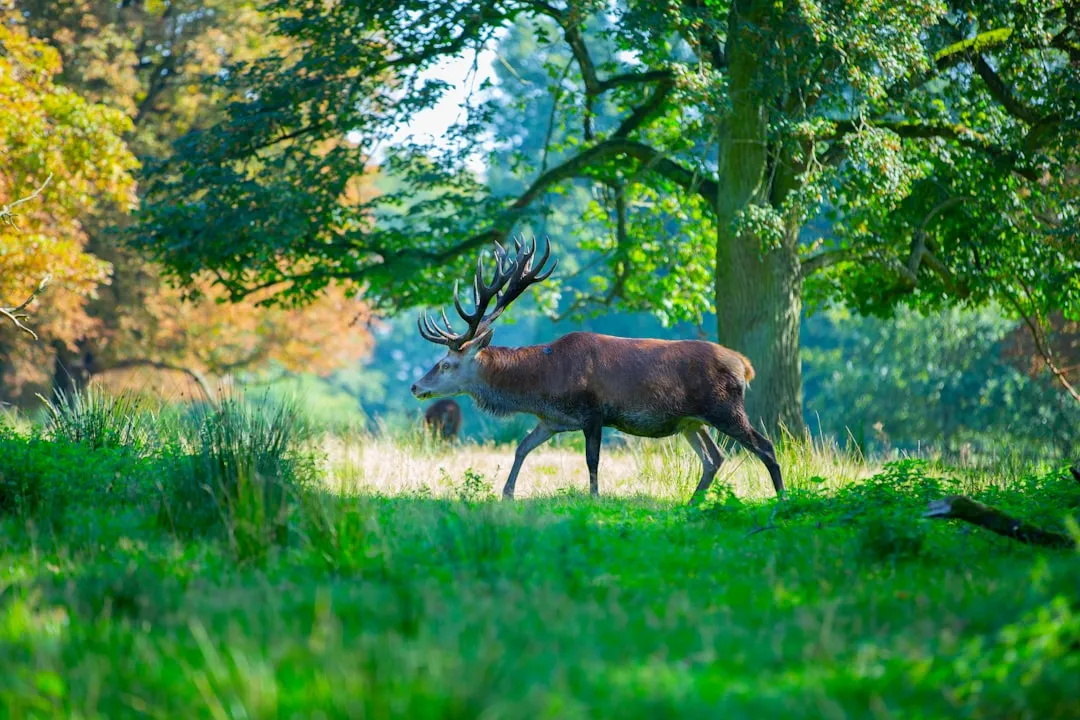
Most suburban wildlife starts out treating a garden like a commuter road: quick in-and-out trips at dawn and dusk, when humans are least likely to be around. It’s efficient, and it’s cautious.
Once real trust develops, that schedule loosens up. You’ll catch a squirrel stretched out flat on a sunny fence post at two in the afternoon, or a robin taking a long, unhurried dust bath in open soil instead of the sheltered edges. Doves loafing in the middle of the lawn instead of hugging the hedge line is a particularly good tell. Wild animals don’t relax where they feel hunted – daytime lounging means they’ve studied your rhythms and decided you’re not about to suddenly flip into predator mode.
#4 – Nesting and Burrows Start Showing Up Shockingly Close to the House
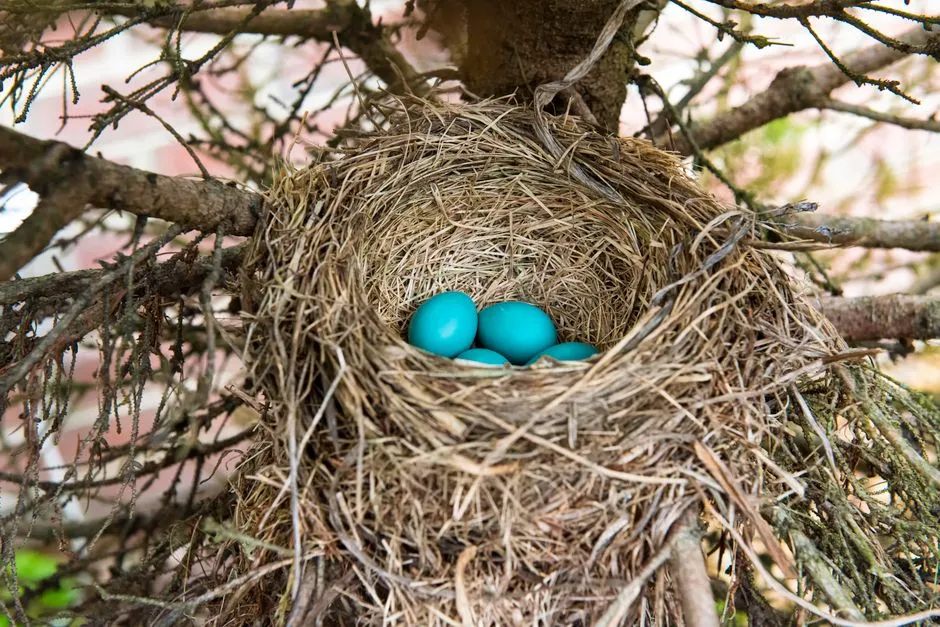
This is one of the biggest, most underrated trust signals there is: where animals choose to raise their young. When birds nest under your eaves, in your climbing roses, or inside a hanging basket by the back door, they’re making a serious bet that you won’t harm them.
The same goes for rabbits tucking a nest under your deck or hedgehogs denning behind the shed. Nesting season is the riskiest stretch of an animal’s year – predators, weather, and disturbance can wipe out an entire brood. Choosing your garden, and especially your own structures, means they see fewer threats coming from you than from the wider landscape. Some gardeners hate the mess this brings. Others recognize it for what it is: a quiet vote of confidence they didn’t have to earn any other way.
#5 – Adults Start Bringing Their Young Right Into Your Yard
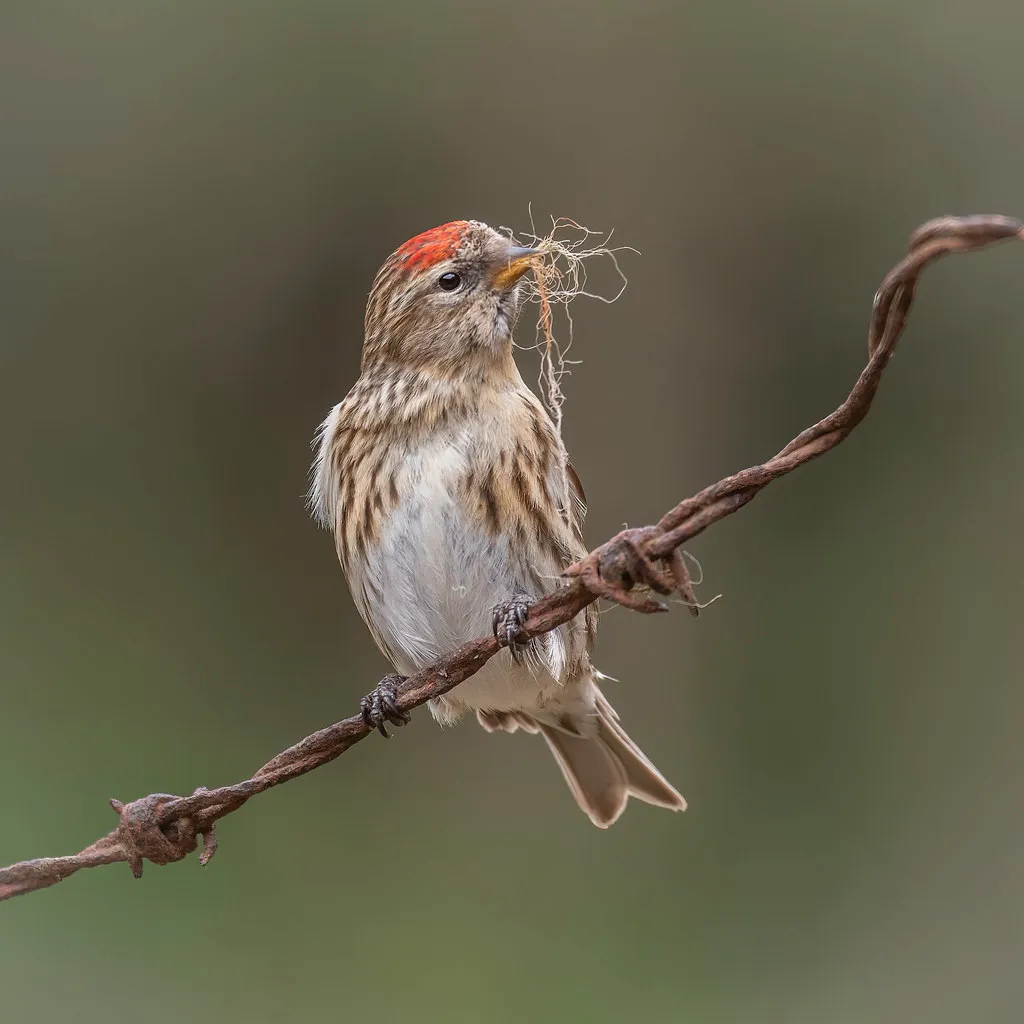
If the adults have decided your garden is safe, the next leap happens when they bring in the kids. This is a serious trust upgrade, not a coincidence.
Watch for fledgling birds awkwardly learning to fly on your open lawn, or young squirrels wrestling along your fence line while a parent watches nearby without concern. Juveniles are clumsy, loud, and easy targets – predators key in on exactly that kind of inexperience. Parents are ruthless about where they expose their young, so if they’ve picked your garden as a training ground, you’ve been promoted from “tolerated” to “trusted enough to raise a family around.”
#6 – Alarm Calls Quietly Disappear Around You
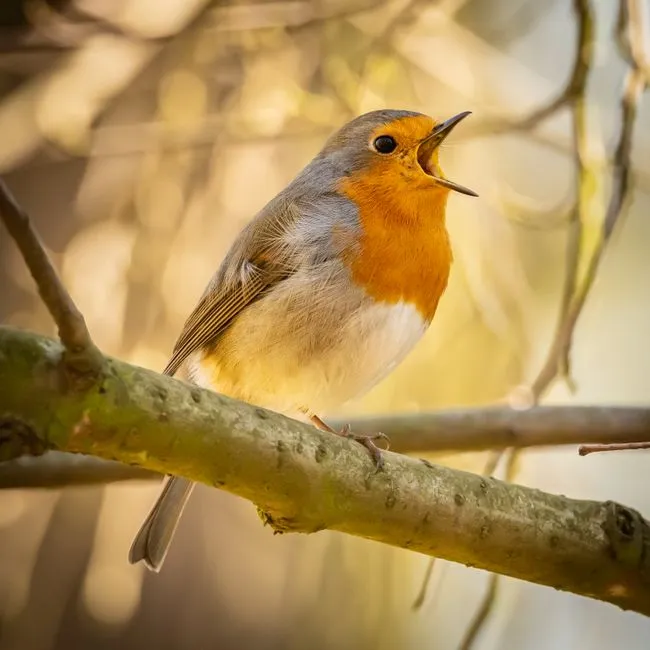
Wildlife runs on a whole sound system most of us tune out entirely – clicks, scolds, frantic warning chirps. In an untrusted garden, your appearance can trigger a chorus of alarm calls or a tense, sudden silence.
As trust builds, those alarms noticeably fade, and ordinary chatter continues even while you’re standing right there. Listen for fewer harsh scolding calls from wrens or jays when you step outside, or birds resuming soft contact calls within seconds of spotting you. Squirrels that once tail-flagged and barked at your every move start ignoring you completely. When you stop consistently triggering warning signals, you’ve been quietly downgraded from “active threat” to “background presence.” If the alarms are still constant, it might be your cat or dog they’re reacting to, not you.
Worth Knowing
- Alarm calls vary by species – some are sharp chirps, others are low churring or tail-flagging.
- A sudden hush can be just as telling as a loud alarm call.
- Alarm behavior often targets pets before people, so watch the context closely.
- Frequent, ongoing alarm calls usually mean a real threat is still nearby, not you.
#7 – They Let You Share Their Space at Close Range
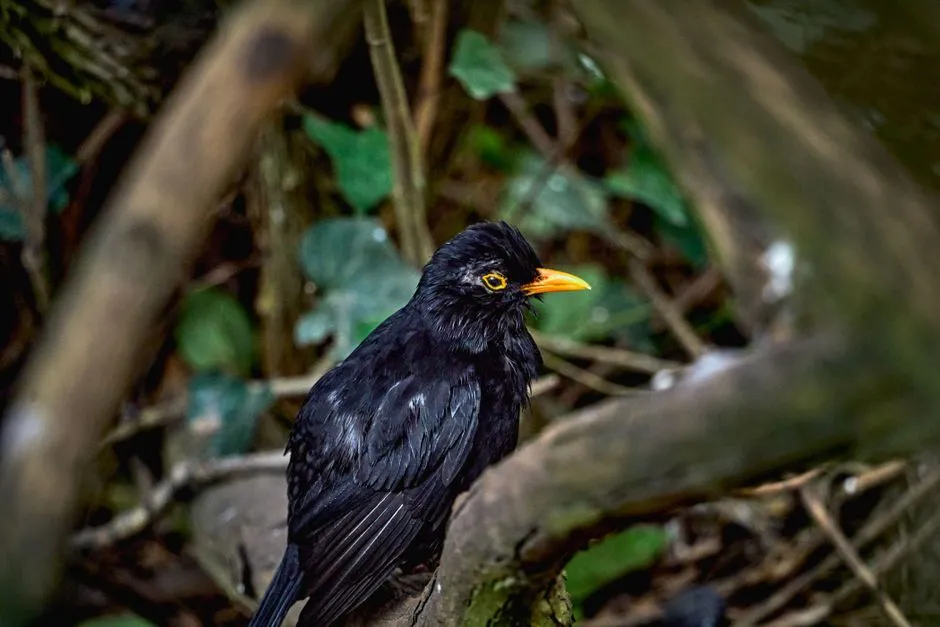
This is the point where it starts to feel personal. You sit quietly on a bench, and wildlife simply occupies the same patch of garden without the usual frantic avoidance.
A blackbird might walk straight past your chair to reach the lawn instead of circling wide around you. A squirrel might run along the fence directly behind your head instead of dropping down and climbing back up on the far side. Most people underestimate how big a deal this is – in the wild, plenty of small animals live or die based purely on how well they avoid close encounters. Choosing not to burn energy escaping from you means their internal threat meter has been fully recalibrated in your favor.
#8 – They Resume Grooming and Stretching Right In Front of You
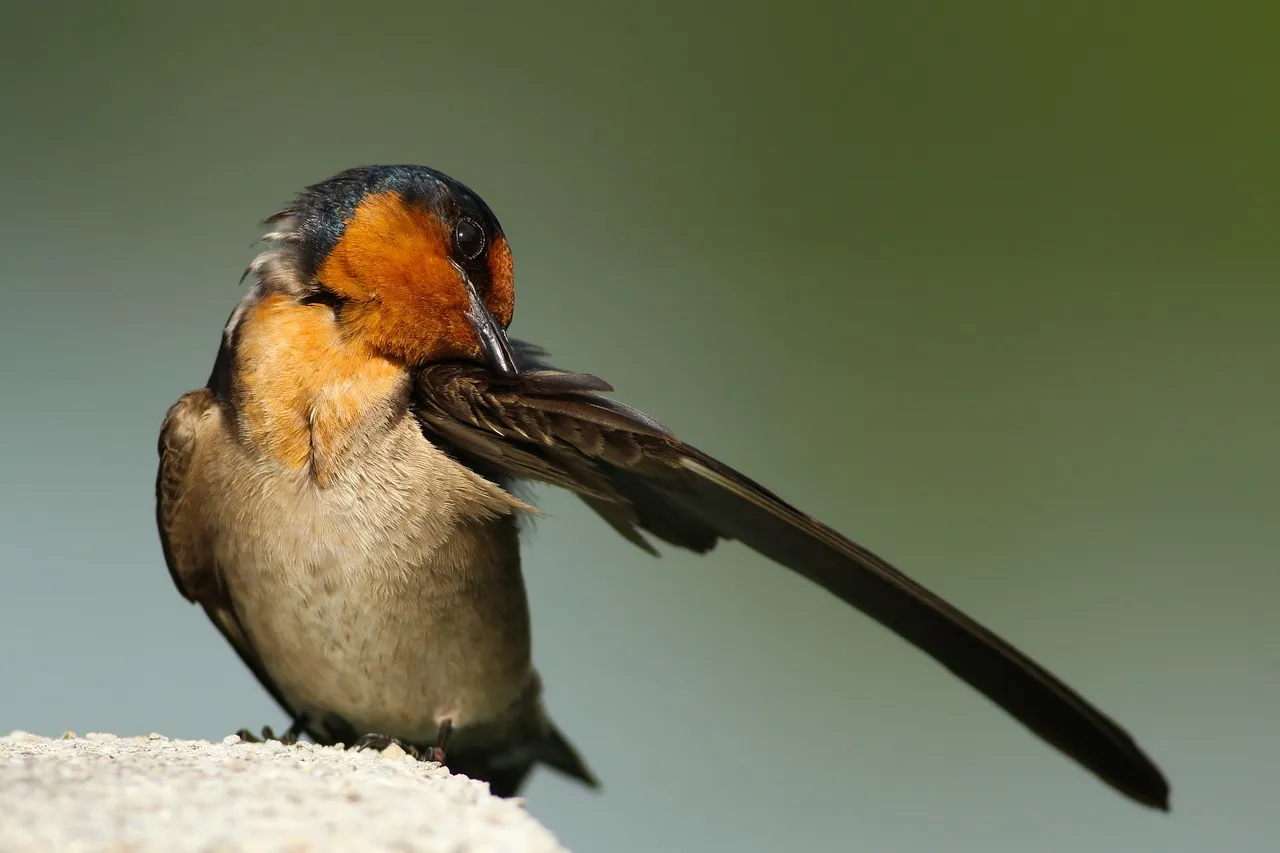
In animal language, grooming equals vulnerability. Cleaning feathers, scratching, stretching out a wing – all of it leaves them temporarily slower to react, slower to bolt, slower to fight.
Doing any of that within clear sight of you is a significant vote of confidence, not an accident. Watch for birds doing detailed feather preening just a few meters away, or squirrels pausing to scratch and reorganize their tail on a fence post while you’re relaxing on the patio. Predators specifically look for distracted animals. So when your local wildlife decides it’s safe enough to switch off vigilance for a minute and actually relax near you, they’re saying something very specific: we’ve judged you, and for now, you’re fine.
#9 – Your Everyday Noise Stops Triggering Mass Panic
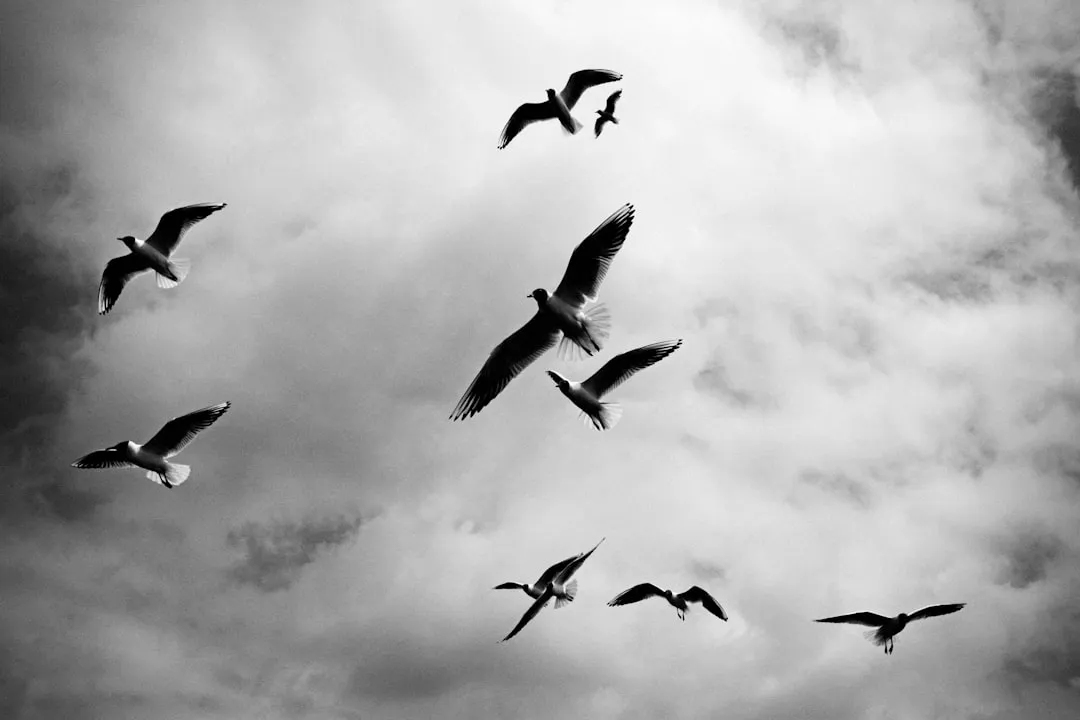
Early on, even a scraped chair or a random cough can send the entire garden skyward in one panicked burst. It’s exhausting for them and a little demoralizing for you.
As trust builds, your ordinary clanks, door slams, hose drags, and phone calls stop acting like an evacuation siren. They might startle for a second, but they don’t explode into full flight. If birds just hop up a branch, or rabbits pause and then resume grazing, that’s the tell – they’ve built a mental file that says these sounds are annoying but not lethal. Ironically, people who try to move around too quietly sometimes stay in the “suspicious” category longer, simply because their behavior never becomes predictable background noise.
#10 – They Start Treating Your Fences and Furniture as Lookout Posts
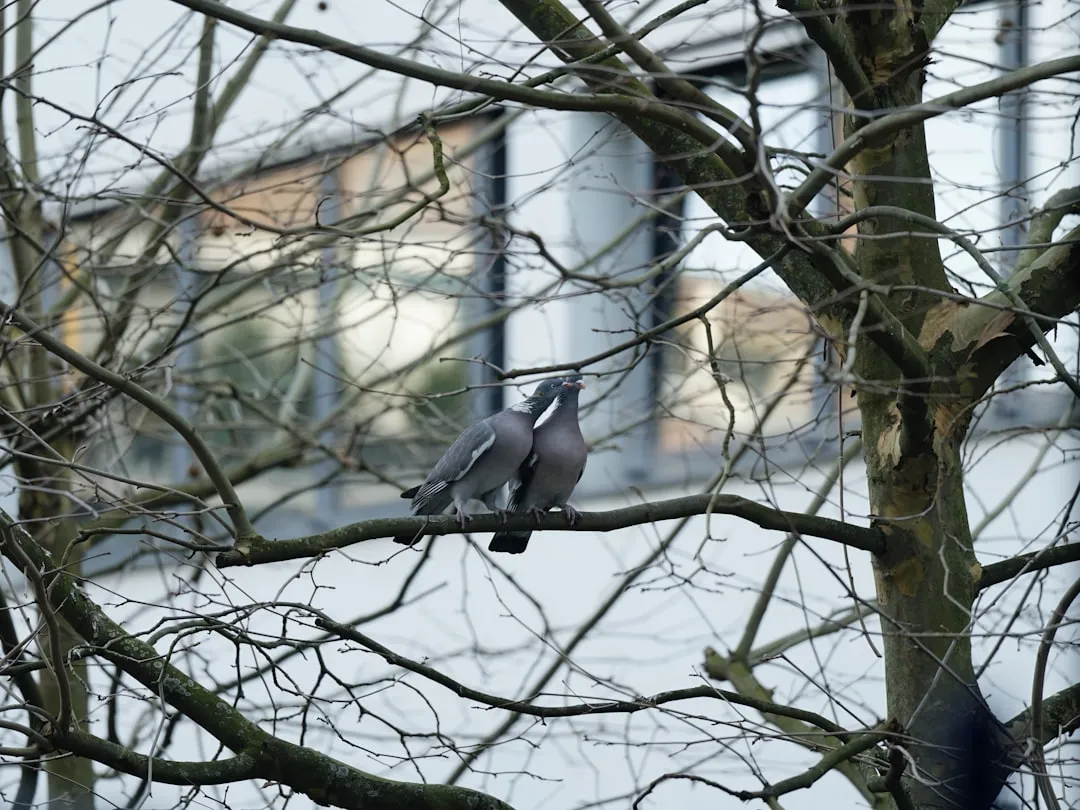
When animals start using your world as infrastructure, that’s advanced-level trust. Fence posts, pergolas, washing lines, swing sets, even the edge of your roof become routine perches and lookout points.
Robins or wrens might repeatedly choose your garden chair or table as a singing post. Birds might queue along your washing line waiting their turn at the feeder, or squirrels might treat your shed roof like a highway, pausing to sit and survey the yard. These choices are about sightlines and escape routes, and they only happen when the animal is confident your presence there is predictable and non-lethal. Some people find the droppings on their chairs annoying. Ecologists would call it a pretty flattering endorsement.
Why It Stands Out
- Fence posts and pergolas offer clear sightlines in every direction, which animals prize for spotting danger early.
- Repeated use of the same perch signals a memorized, trusted escape route.
- Birds queuing on a washing line shows patience, not just convenience.
- A perch close to human activity only gets used once risk assessment says it’s safe.
#11 – They Come Back Quickly After a Fright Instead of Abandoning the Garden
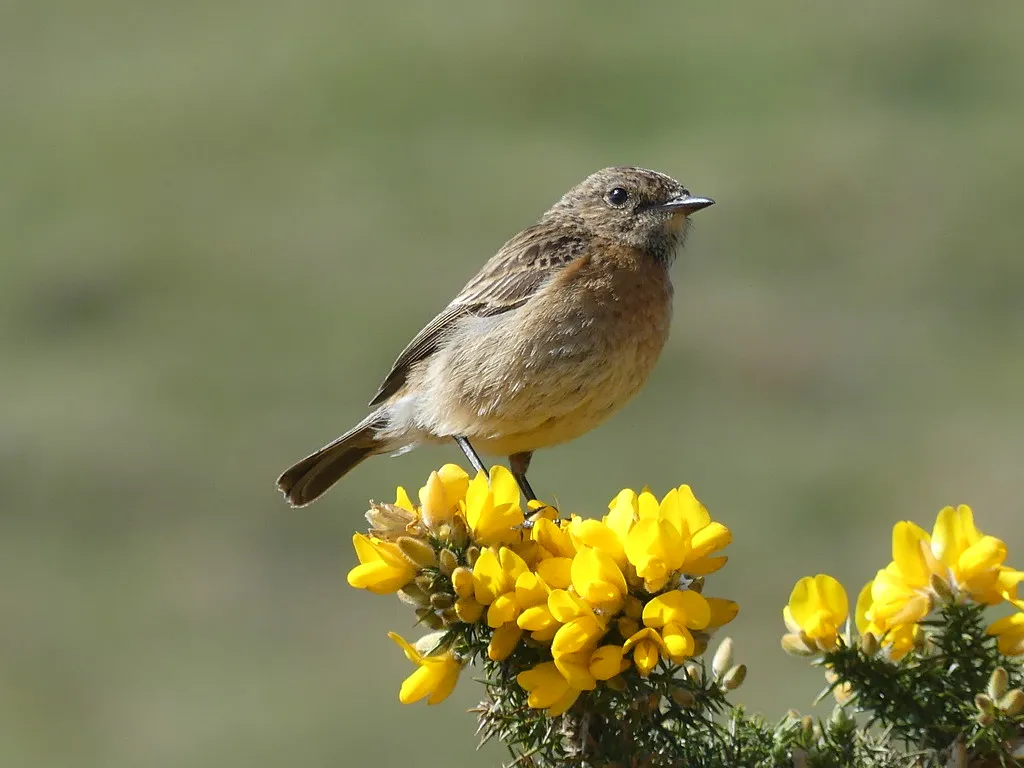
Even in a well-trusted garden, something will occasionally spook the local wildlife – a sudden noise, a visiting dog, a hawk passing overhead. The real test isn’t whether they flee. It’s what happens right after.
If birds are back at the feeder minutes after a loud delivery truck pulls away, or a startled rabbit reappears in roughly the same grazing spot the next day, that’s the sign worth paying attention to. In a garden that isn’t trusted, a serious scare can mean days or weeks without regular visitors. Quick reoccupation says something deeper: your space is still on their “worth it” list, scares and all. That kind of resilience says more than any single brave approach ever could.
#12 – They Start Exploring New Corners of the Garden While You’re Right There
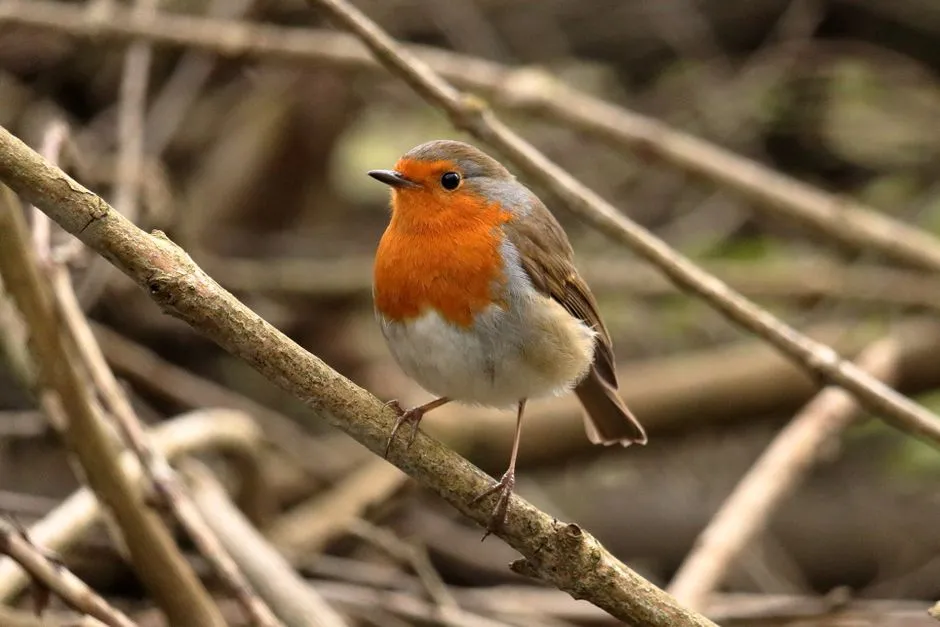
Once an area feels secure, wildlife stops repeating the same safe route over and over and starts cautiously expanding its map – and it’ll often do this while you’re actively outside.
A robin might start following your trowel as you dig, diving in for worms the second you move aside. A wren might dart into a new trellis climber planted right beside your seating area. Exploration is inherently risky – new spots can hide predators or dead ends – so choosing to explore while you’re nearby means they’re using you almost like a moving landmark rather than a threat. It’s the animal equivalent of thinking, “if the big noisy primate is calm here, maybe I can be too.”
#13 – Individual Animals Develop Routines You Could Set a Clock By
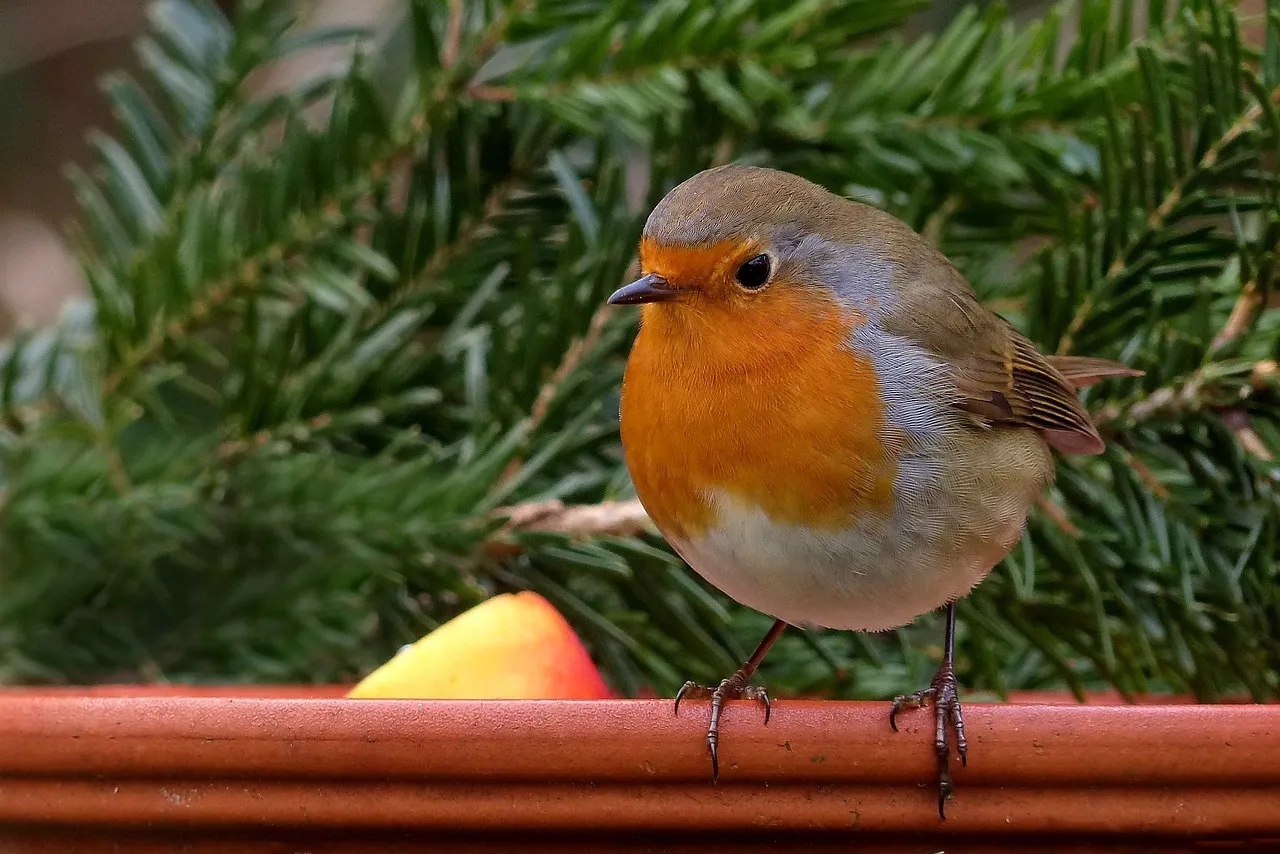
This is where it gets personal, and where some people will insist you’re just imagining patterns. But once real trust sets in, distinct individuals often develop schedules you can genuinely predict – the same robin at 7 a.m., the same squirrel doing laps around 4 p.m., a pair of doves showing up every evening without fail.
Territorial birds in particular will “own” your garden and show up like clockwork. Some mammals settle into preferred routes that become almost ritualized, occasionally appearing shortly after you step outside, as if anticipating food or disturbed insects. It doesn’t mean they love you the way a dog does. It means they’ve folded your habits into their own survival math – and they clearly like the outcome.
Habituation is not the same thing as domestication. It simply means an animal has learned, through repeated safe exposure, that a particular stimulus does not require a fear response.
John Alcock, behavioral ecologist
#14 – They Learn to Tolerate Your Pets’ Patterns
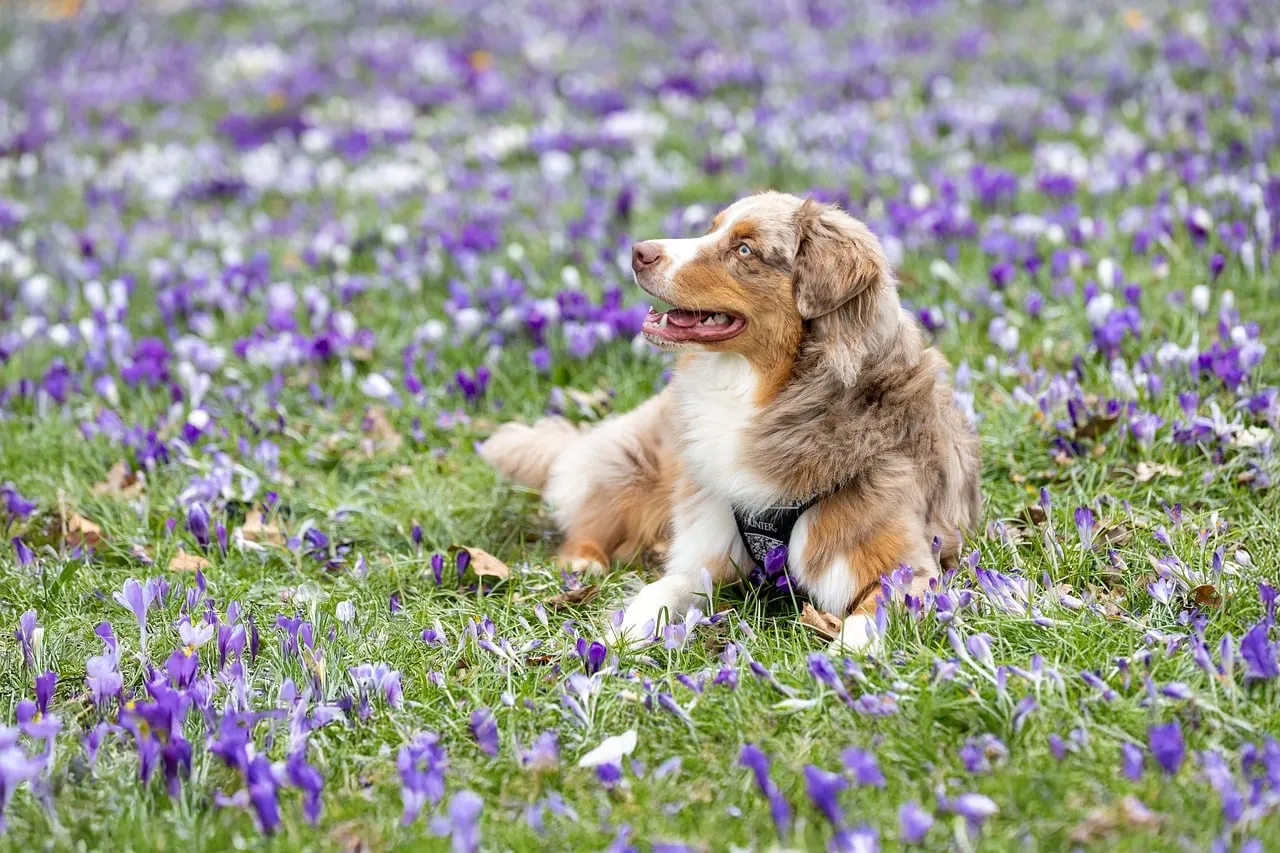
This one’s controversial, and for good reason – plenty of wildlife advocates rightly distrust free-roaming pets, especially cats. But in some gardens, wildlife will cautiously tolerate calm, predictable pets, particularly older dogs that have stopped chasing anything.
You might see birds feeding on the far side of the garden while a dog naps by the back door, or squirrels returning to the lawn even with the dog clearly visible behind the glass. This isn’t friendship – it’s hard-won risk assessment. If your pets consistently don’t hunt or chase, local wildlife may extend some of the trust they’ve built with you to the whole scene. Cats make this far less likely, and no, a bell on the collar doesn’t fix that.
#15 – Your Garden Becomes Their Home Base, Not Just a Food Stop
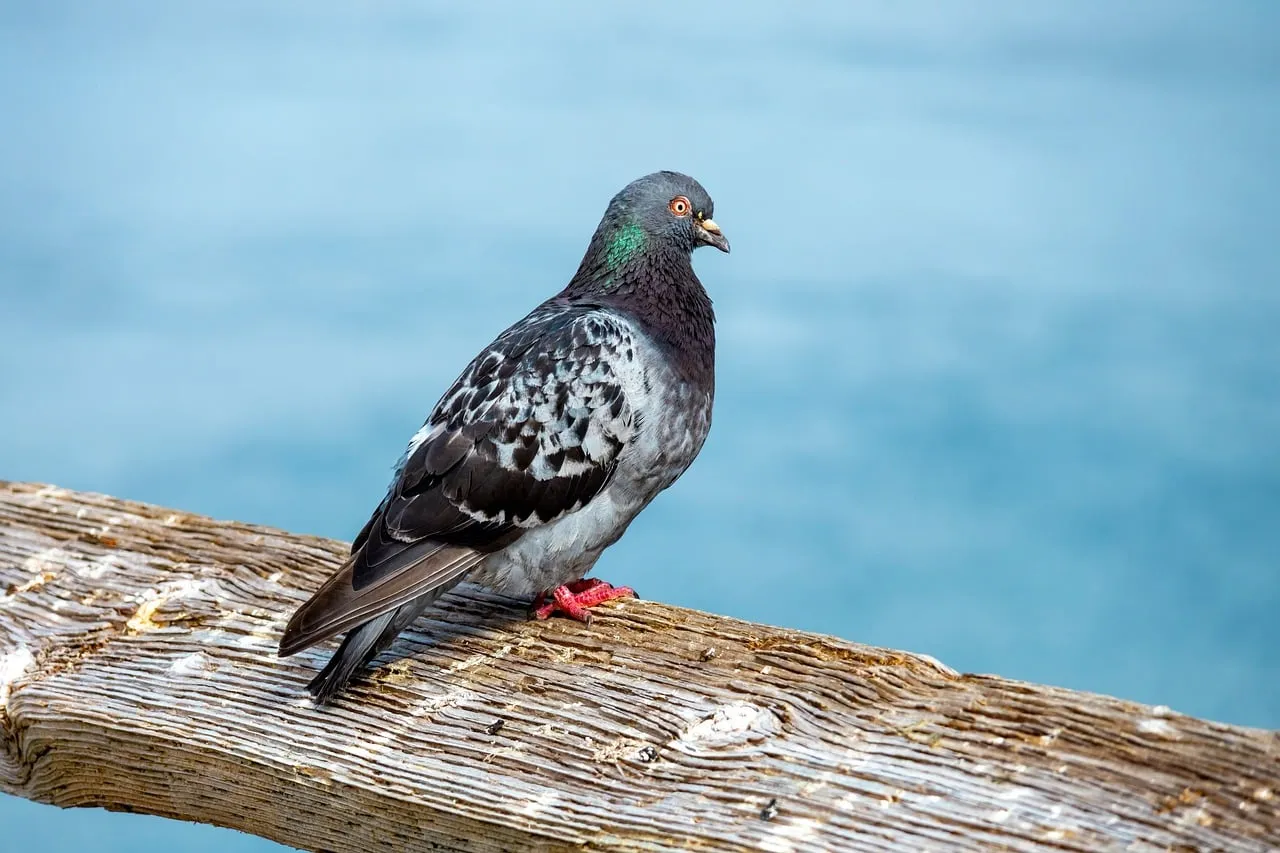
At the most advanced trust level, your garden stops being one more stop on a foraging tour and starts functioning as home base. Regulars begin spending most of their active time in or around your space, even when they could easily forage somewhere else.
Look for the same birds roosting in your shrubs night after night, or squirrels caching food directly in your beds and pots instead of grabbing and running. Territory is everything in the wild, and choosing your garden as the center of it means you’ve built the right mix of shelter, food, and low disturbance. You’re not just a tolerated neighbor at that point – you’re a key part of their survival map.
At a Glance
- Roosting nightly in your shrubs instead of moving on each evening.
- Caching food directly in your garden beds rather than carrying it elsewhere.
- Staying put even when better foraging spots exist nearby.
- Treating your yard as a base for raising young, not just a snack stop.
#16 – They Hold Your Gaze for a Second Without Fleeing
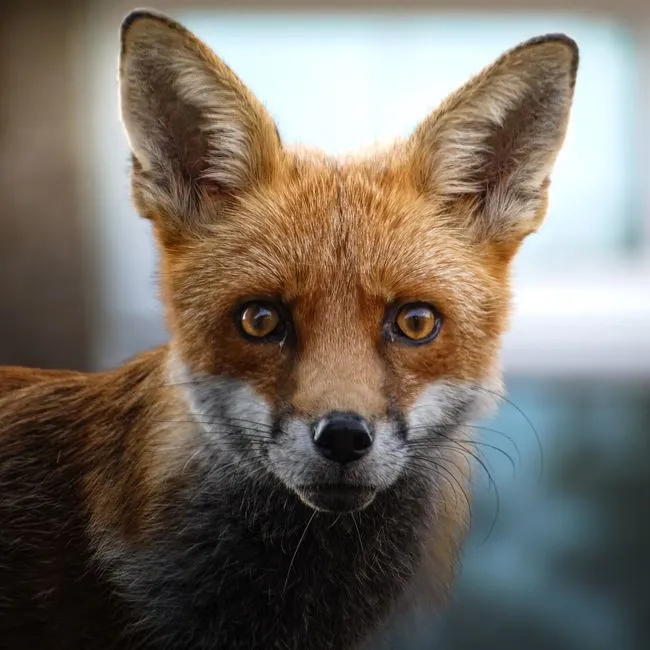
Eye contact is the last, quietest frontier. In the animal world, a direct stare usually reads as a threat, which is exactly why this one matters so much. When a bird or mammal can meet your eyes for a second or two and choose not to run, something real is happening in that moment.
Watch for a robin looking straight at you from a few meters away, then calmly going back to foraging – or a rabbit lifting its head, locking eyes briefly, then returning to chewing instead of vanishing. This isn’t Disney-style bonding. It means your body language, your consistency, and your non-predatory behavior have quietly rewired their instinctive reaction, just a little. In wild animal terms, that pause-and-stay instead of instant flight is about as close to a handshake as you’re ever going to get.
The Bottom Line
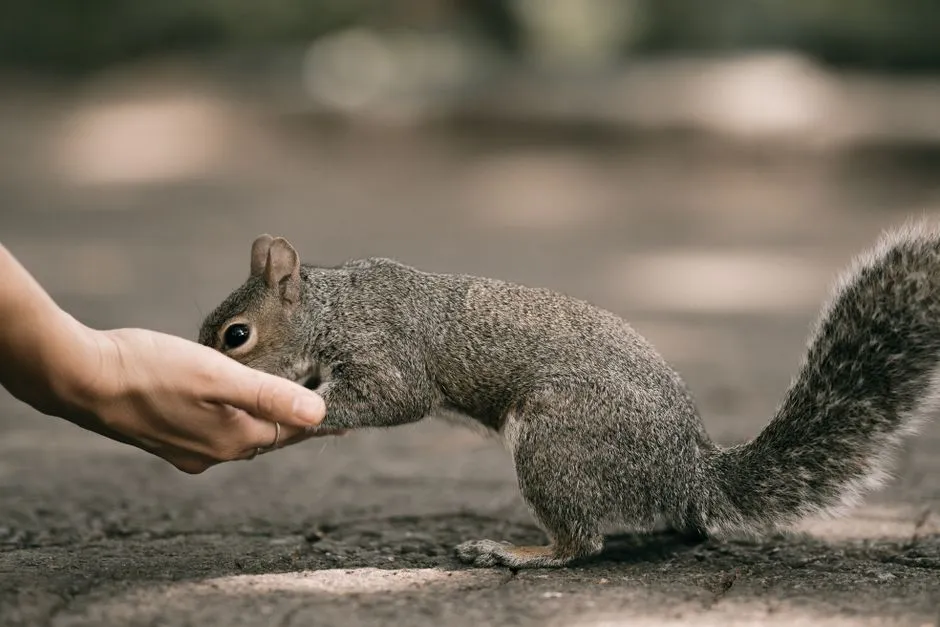
If you were waiting for a squirrel to eat out of your hand before calling it “trust,” you’ve been missing the real story the whole time. Reduced alarm calls, closer nesting, relaxed grooming, young animals training in your yard – these quiet signs mean far more than one bold visit to the feeder ever could.
Your garden becomes trusted the moment wildlife can afford to be inefficient, visible, and even a little careless around you. That’s the exact opposite of how they behave in a danger zone, and it’s not something you can rush or fake your way into.
The unpopular truth is that you don’t earn this by forcing contact. You earn it by being boringly predictable, tolerating a bit of mess, and respecting boundaries you didn’t even know you were being tested on. Did any of these signs surprise you, or do you think people read too much into animal behavior? Pick a side in the comments.
