
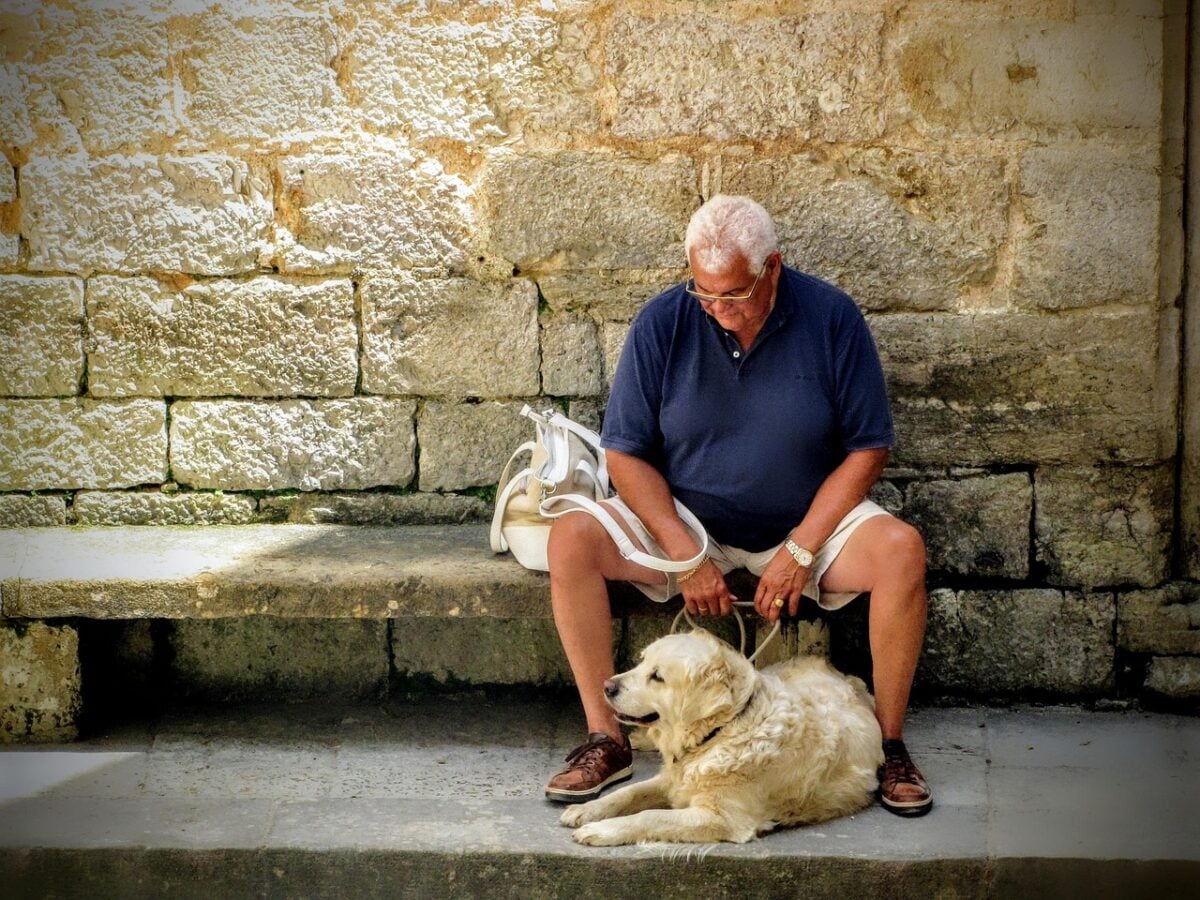
You’d think the dogs nobody wants are the ones with a bite history or a scary reputation. That’s the story most people believe. But talk to actual rescue coordinators in 2026, and they’ll tell you something stranger: some of the sweetest, most trainable, most classically “family friendly” breeds in America are now sitting in kennels for months, sometimes years, while nobody even asks to meet them.
It’s not aggression driving this. It’s apartments, work-from-home schedules, Instagram aesthetics, and a pet market obsessed with “easy.” Age, size, medical bills, even coat color are quietly deciding which dogs get adopted and which ones get left behind. The harsh truth? It’s not the dogs that changed – it’s us. Here are the 18 breeds and types rescue workers say they can barely get anyone to look at, let alone take home.
#18 – Beagles
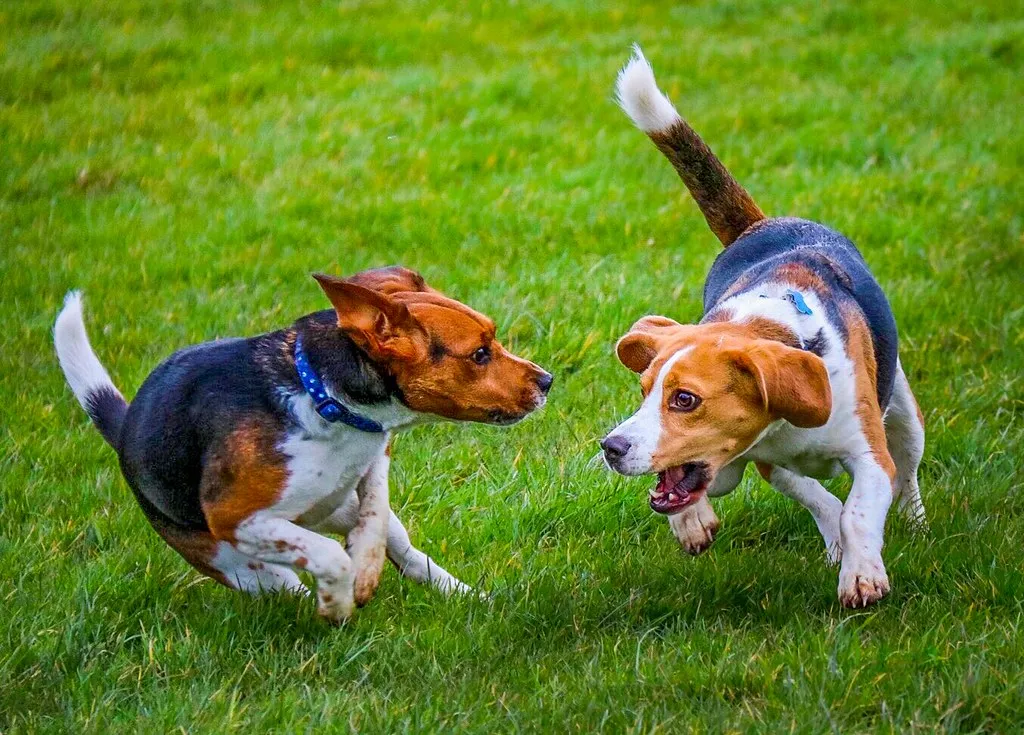
Most people picture a cute, floppy-eared cartoon dog when they hear “beagle.” Rescues say the real thing is a much harder sell. Beagles used to be classic family dogs – sturdy, friendly, good with kids. That reputation hasn’t caught up with modern living.
Beagles are loud, stubborn scent hounds bred to follow their nose all day, and in an apartment with thin walls, that’s a nightmare for neighbors. Many arrive from lab-testing backgrounds or large hunting operations, meaning they’re undersocialized, anxious, or overweight before they even hit the kennel. They howl at hallway sounds and will dig under a fence out of pure boredom. Rescue staff say even healthy, middle-aged beagles get walked past for “cuter” designer mixes – and they can take months to place. But that’s nothing compared to what we found about #17…
#17 – Chihuahuas
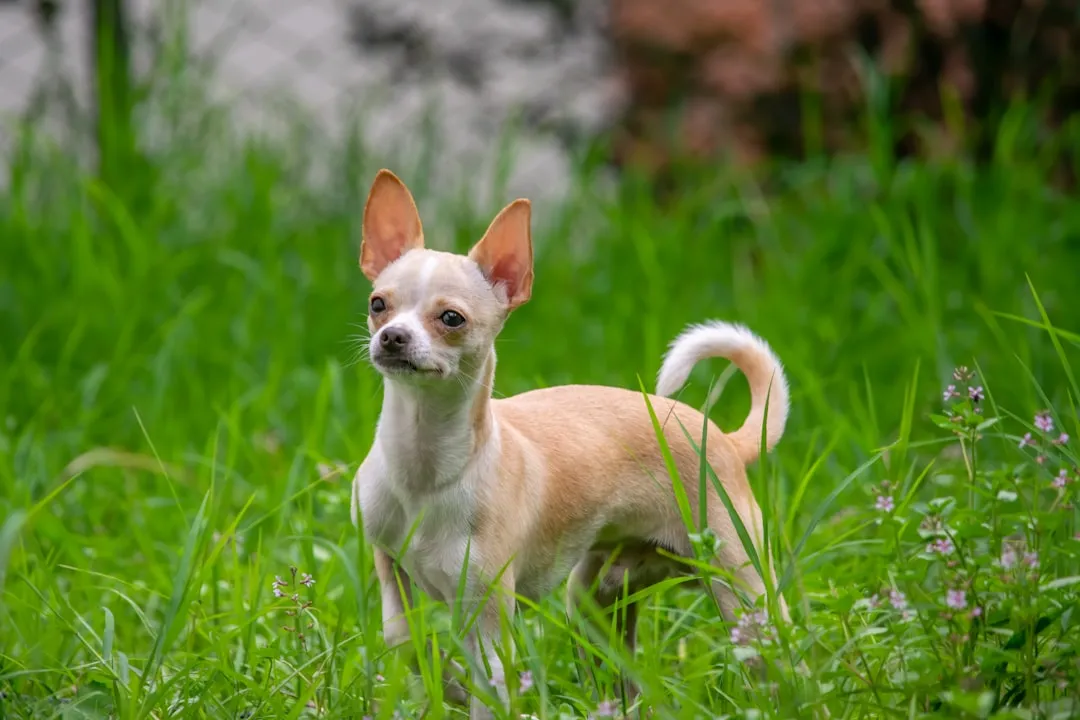
Chihuahuas were social media darlings a decade ago. Now rescues quietly groan every time another one gets surrendered. For years people treated them like fashion accessories – tiny, portable, “low effort.”
The result is a huge population of chihuahuas with zero training, weak socialization, and serious fear-biting issues. Most are surrendered in middle age after years of being carried instead of walked, never taught boundaries. In a shelter, their trembling and snapping terrifies adopters who don’t realize it’s fear, not meanness. Coordinators say they routinely have 10–15 chihuahuas in foster at once, nearly invisible to a public that thinks they’re just “yappy.” Seniors get overlooked almost completely. But that’s nothing compared to what we found about #16…
#16 – Jack Russell Terriers and “High-Drive” Terriers
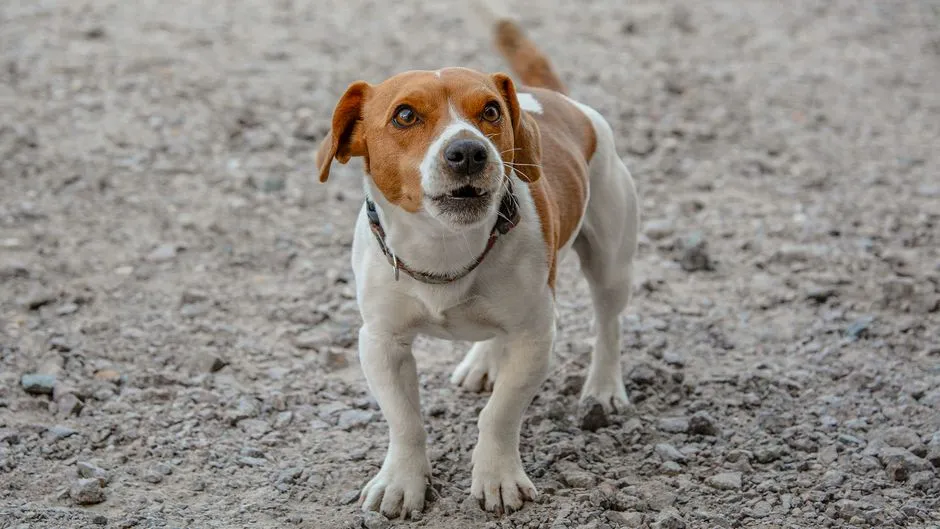
While Instagram loves a calm doodle on a couch, rescues are drowning in dogs built to go all day – especially Jack Russells. These terriers were bred to hunt vermin, sprint, dig, and problem-solve nonstop.
In a 700-square-foot apartment, that drive turns into destruction, barking, and chaos. Most arrive in rescue because their first family underestimated how intense they really are. They’re whip-smart and often frustrated, which can look like hyperactivity or aggression to someone who just wanted a lap dog. Rescue workers say they can’t convince people that a dog who can clear a six-foot fence is “just bored,” not dangerous – and even experienced owners hesitate, fearing an angry email from a neighbor with a nipped cat. But that’s nothing compared to what we found about #15…
#15 – Huskies and Malamutes
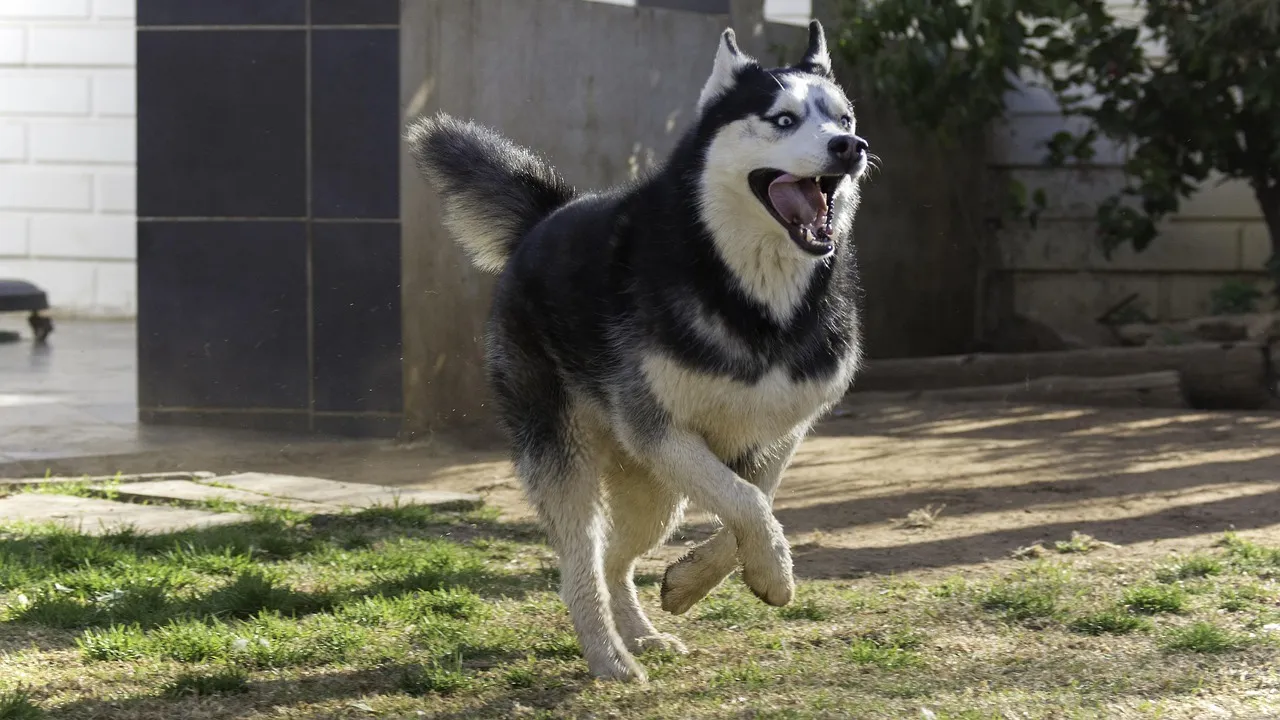
Huskies still go viral on TikTok. In rescue kennels, they’ve become a problem almost nobody wants to touch. Everyone loves the idea of a blue-eyed, wolf-like dog – until they learn huskies are escape artists bred to run 40+ miles a day in sub-zero temperatures.
In average suburban life, that translates to boredom, screaming instead of barking, and drywall destroyed in an afternoon. Many get surrendered during adolescence, 6 to 24 months old, right when their energy spikes and the puppy cuteness wears off. Apartment complexes often blacklist “wolfy” breeds outright, so even responsible adopters struggle to find housing. Some shelters quietly stop taking new huskies in because they can’t place the ones already there.
Fast Facts
- Bred to run 40+ miles a day, even in sub-zero temperatures
- Most surrendered during adolescence, between 6 and 24 months old
- Known for clearing standard fences and slipping leashes
- Many apartment complexes ban “wolf-like” breeds outright
But that’s nothing compared to what we found about #14…
#14 – Great Danes and Other Giant Breeds
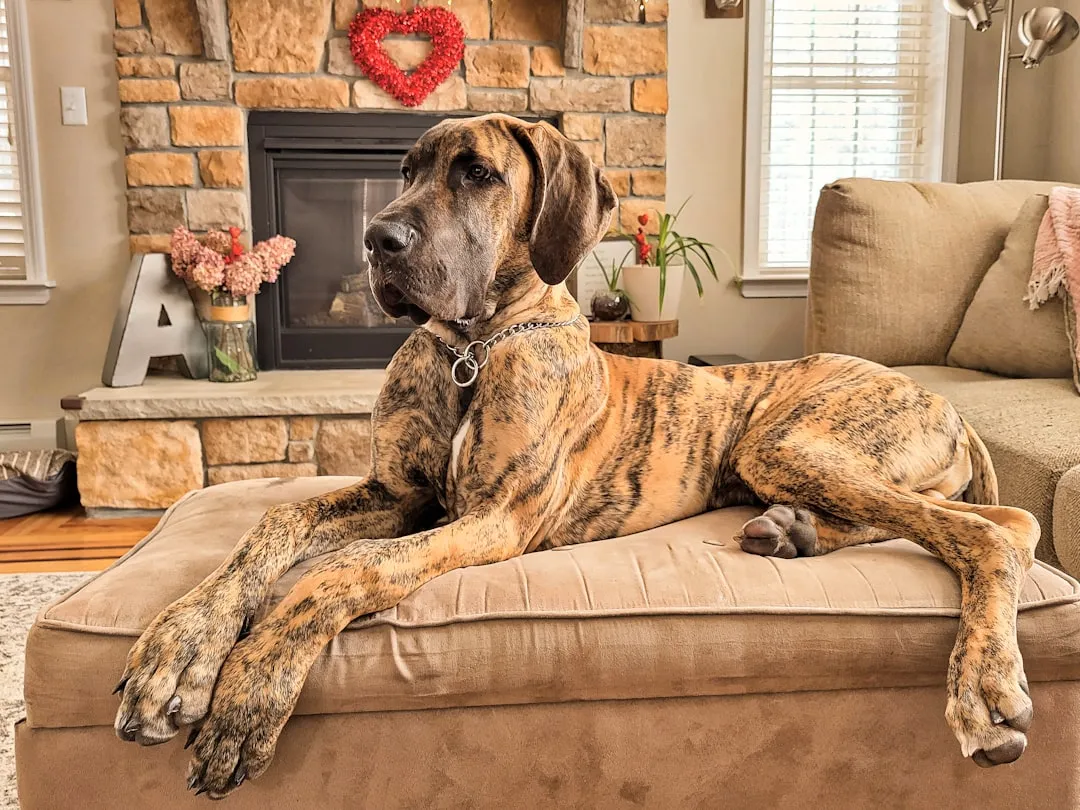
“Gentle giant” sounds romantic. The vet bills and landlord restrictions do not. Great Danes, mastiffs, and other giant breeds are famously sweet – and famously unplaceable right now.
Most adopters simply can’t afford the food, medication, and orthopedic care a 120- to 180-pound dog requires. Many come in already dealing with joint pain, heart problems, or a history of bloat. People coo over them during meet-and-greets, then quietly vanish once they see the projected monthly cost. It gets worse with age – giant breeds age faster, so a 7-year-old Dane is already a senior citizen, and families don’t want to adopt a dog they might only have for two or three years. So rescues end up with graying, couch-potato giants that are often calmer than dogs a fifth their size. But that’s nothing compared to what we found about #13…
#13 – Senior Labradors and Golden Retrievers
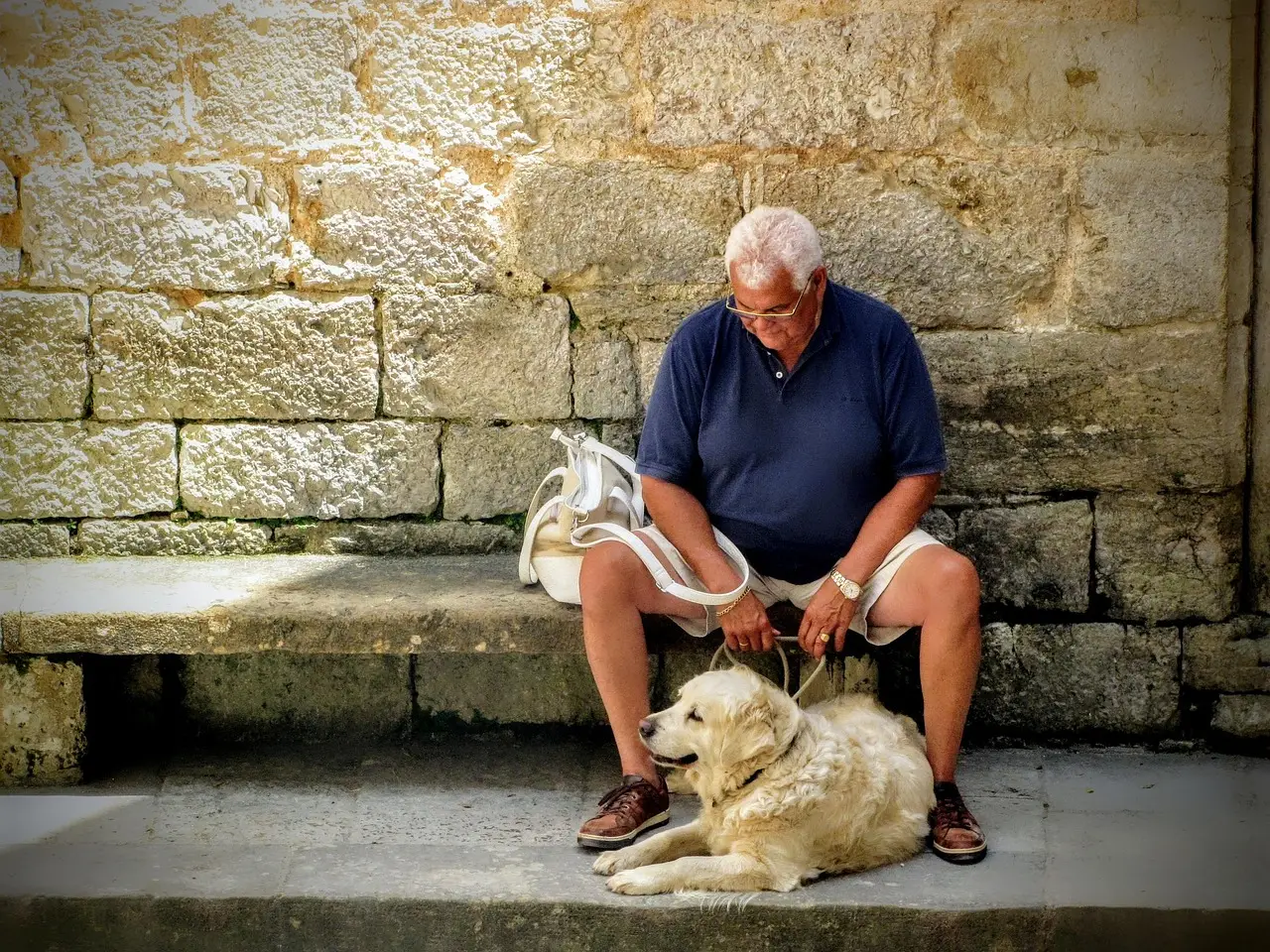
It shocks people, but the golden oldies of the most “family friendly” breeds in America are rescue regulars with almost no interest. Everyone still pictures the bouncy, frisbee-catching Lab from a dog food commercial.
The dog that actually lands in rescue is overweight, arthritic, 9 to 12 years old, with expensive medical needs and limited time left. Many arrive because their owners moved, had a baby, or couldn’t manage incontinence and mobility problems. Adopters say they “love seniors” right up until they hear about daily meds or a short remaining lifespan, then they back out. Volunteers insist these are some of the easiest, sweetest dogs to live with – content with slow walks and quiet cuddles. A heartbreaking number die in kennels after a lifetime of loyalty to people who gave up on them. But that’s nothing compared to what we found about #12…
#12 – Coonhounds and Other Large Hounds
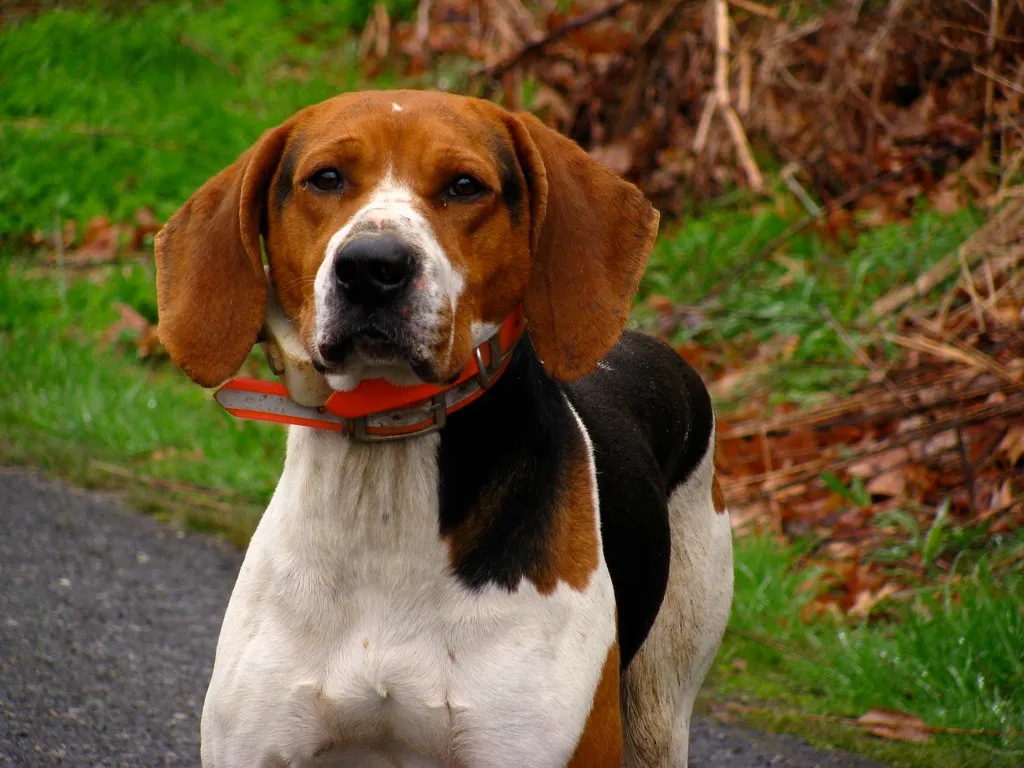
If you live in the southern U.S., ask a rescue what breed keeps them up at night. Coonhounds, foxhounds, and similar hunting breeds get dumped in staggering numbers once they’re too slow, too old, or no longer profitable for a hunter.
These dogs are lovable and goofy, but they bay loudly, pull hard, and follow a scent straight into the next county. Apartment dwellers won’t tolerate the noise, HOAs threaten fines, and many hounds arrive terrified of stairs, TVs, or crates because they’ve never lived indoors. That makes them look “wild” to first-time owners who don’t understand what they’re seeing. Despite being reliably good with people and other dogs, big hounds are nearly impossible to market – their looks don’t fit the Instagram mold, and their voices are a dealbreaker in tight housing. Many sit in rural shelters with almost no foot traffic, literally howling into the void for months. But that’s nothing compared to what we found about #11…
#11 – Bulldogs (English and French)
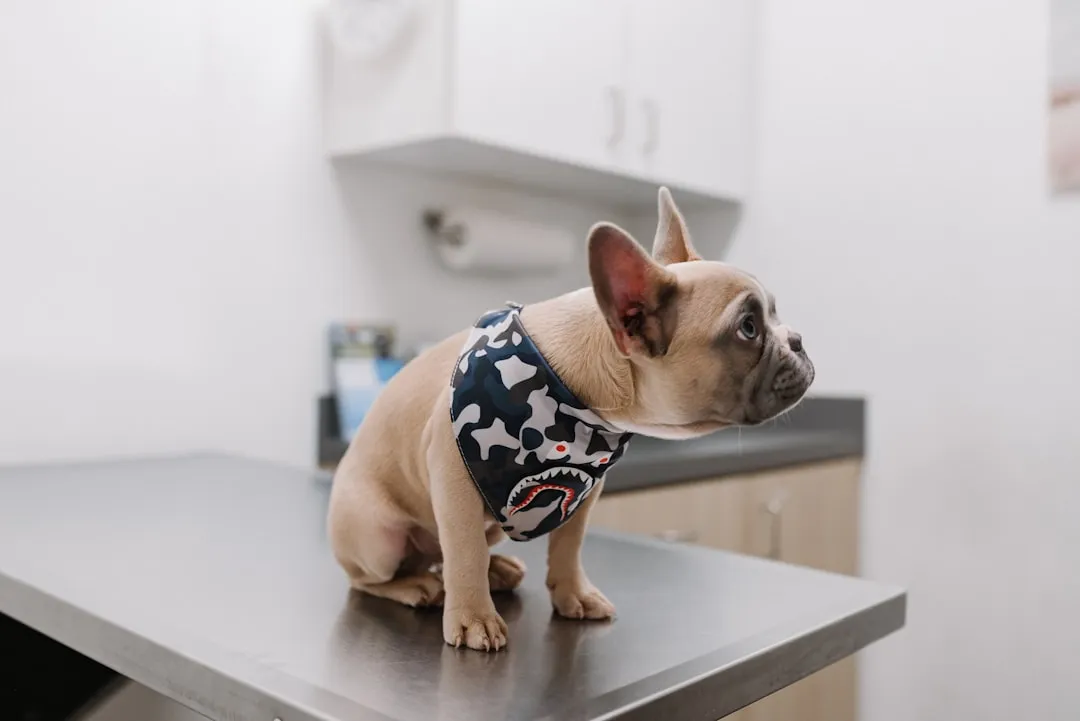
Frenchies top the puppy-price charts. Rescue workers, meanwhile, quietly dread getting one. Here’s the ugly truth: modern bulldogs are walking medical emergencies.
Decades of extreme breeding left them with chronic breathing problems, skin infections, joint issues, and eye conditions. Many can’t exercise normally, can’t regulate heat, and can’t even give birth without surgery. Adopters see the cute, squishy face; rescues see a four-figure annual vet bill from day one. Insurance policies and rental leases often lump “bulldogs” into banned lists regardless of the individual dog’s temperament, and some vets now decline the riskier airway surgeries. So bulldogs sit in foster costing rescues thousands, while the public keeps buying new puppies from breeders instead. But that’s nothing compared to what we found about #10…
#10 – Cattle Dogs and “Work First” Herding Breeds
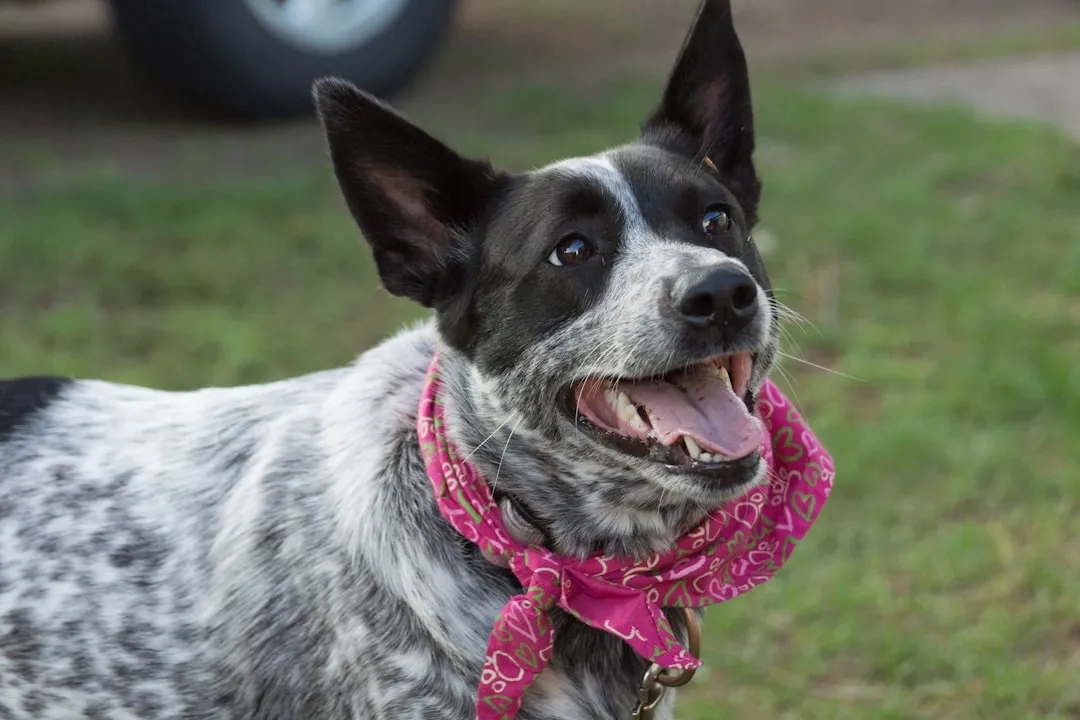
Australian Cattle Dogs, Kelpies, and similar working herders are secretly some of the most returned dogs in the entire system. On paper they look perfect: smart, loyal, athletic.
In reality, they’re bred to control stubborn livestock by force if necessary, and they’ll apply that same intensity to kids, joggers, bikes, and strangers. Without serious mental and physical work, they nip heels and become hypervigilant fast. They don’t want a walk; they want a job. Rescue volunteers say they now screen adopters for land, training experience, and realistic expectations – which eliminates roughly 90% of interested applicants. Unlike a fluffy border collie, their tough, lean look doesn’t spark “cute” reactions online, so many bounce between homes for years, waiting on someone with a farm or an obsession with training.
Quick Compare
- What adopters expect: a smart, loyal, athletic companion
- What they actually get: a dog that needs daily mental work, a job, and firm boundaries
- Screening reality: roughly 90% of interested applicants get filtered out
- Best fit: experienced owners with land or serious training goals
But that’s nothing compared to what we found about #9…
#9 – Shar-Peis and “Difficult to Read” Guard Breeds
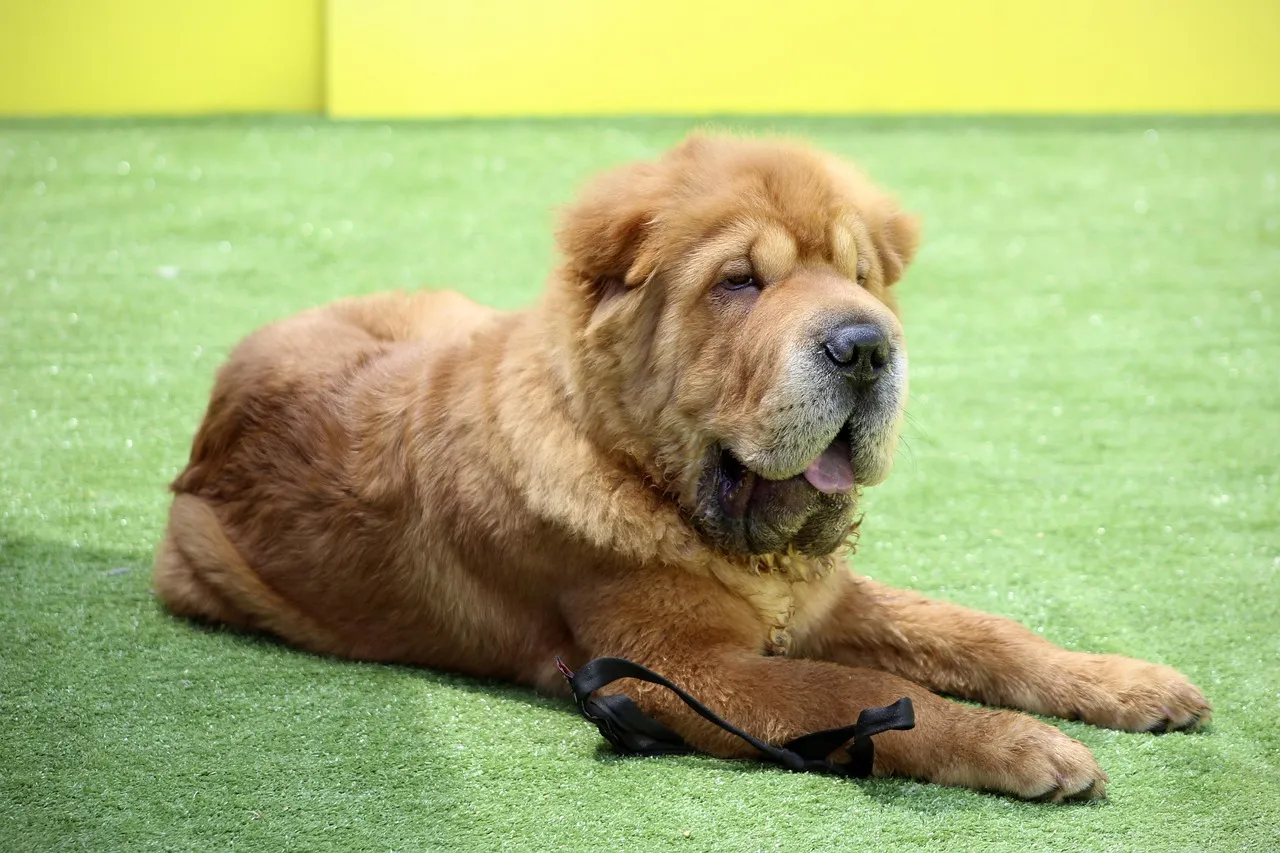
Shar-Peis, Chow mixes, and similar aloof, thick-coated guard types are now a genuine rescue nightmare. These breeds are wired to be suspicious of strangers and fiercely loyal to their own people – great for guarding property, terrible for noisy kennels full of rotating volunteers.
Their subtle body language is easy for casual adopters to misread, which can lead to bites and liability. Add chronic skin issues, eye problems, and a reputation for being “grumpy,” and most families never even ask to meet them. Some shelters quietly transfer these dogs to specialized rescues because they already know they won’t place them locally. Many do beautifully in calm, child-free homes with experienced owners – but modern adopters want “dog park friendly” and “brewery cuddly,” and an aloof, protective dog simply doesn’t fit that fantasy. But that’s nothing compared to what we found about #8…
#8 – Dalmatians
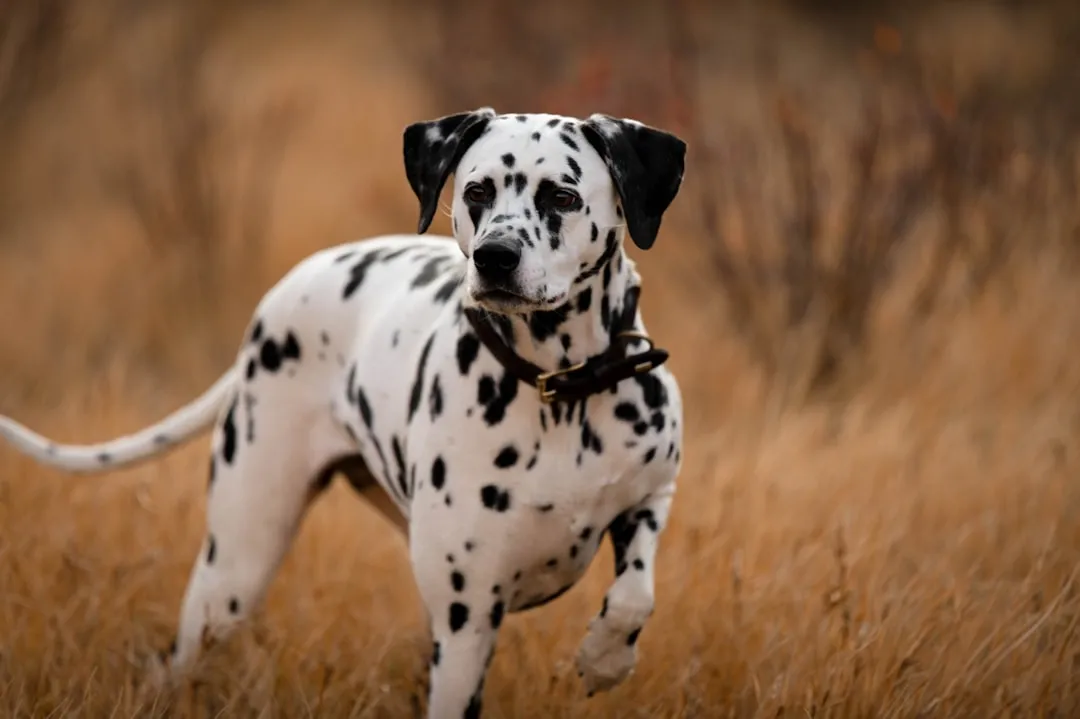
Dalmatians were once the ultimate movie dog. In rescue, they’re now the definition of over-promise, under-deliver. People still picture the calm, spotted dog trotting beside a carriage.
The reality is that Dalmatians are high-energy, highly sensitive, and prone to genetic issues like deafness and urinary problems. Many get surrendered for “hyperactivity” or “stubbornness” when they’re really just under-exercised and confused. Their striking looks pull people into the shelter, but after a brief meet-and-greet, most decide they’re “too much.” Some visitors assume Dalmatians are secretly aggressive; others assume they’re perfect kid dogs because of old movies – and the truth sits in the messy middle, which doesn’t sell. So they linger, too intense for casual homes and too health-complicated for anyone wanting low-maintenance. But that’s nothing compared to what we found about #7…
#7 – Dog-Aggressive “Only Dogs” of Any Breed
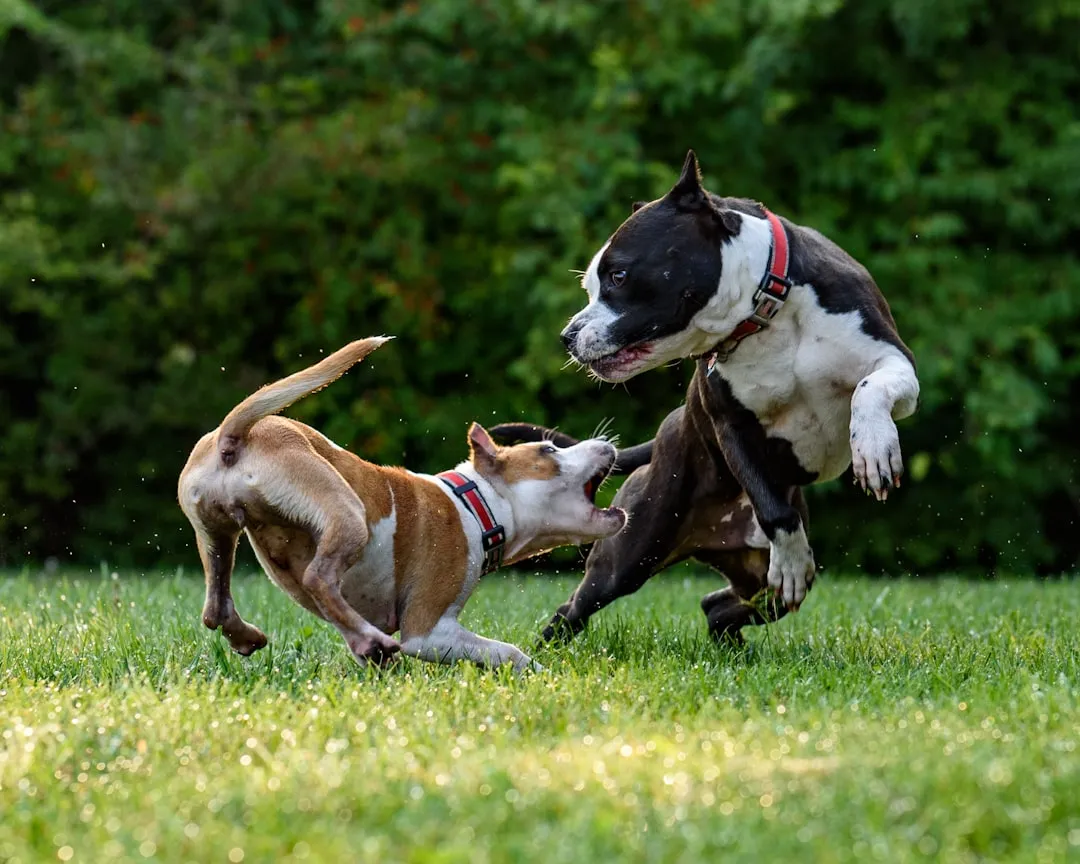
Rescue coordinators will tell you the toughest “breed” to place isn’t really a breed at all – it’s a label: “must be the only dog.” It barely matters whether the dog is a spaniel mix, a husky, or a bully breed.
Once a dog has a history of serious fights or reactivity with other dogs, 80–90% of potential adopters vanish instantly. Modern life revolves around dog parks, daycare, and multi-pet households, so a dog who can’t safely share space becomes a logistical puzzle most families won’t attempt. Many of these dogs are fantastic with humans – gentle with kids, affectionate with adults, bombproof in crowds. But rescues must legally and ethically disclose the dog-selective history, and the moment “no other dogs” appears on a profile, applications drop to near zero. But that’s nothing compared to what we found about #6…
#6 – Dogs With Bite Histories (Even Minor Ones)

You’d assume people give a dog a second chance after “one mistake.” Rescues say the opposite is now true. Under modern liability laws and social media scrutiny, a single documented bite – no matter the context – can make a dog nearly unadoptable.
It doesn’t matter if it was a food-guarding incident, a terrified reaction to rough handling, or a predictable response to being cornered by kids. Insurance companies, landlords, and lawyers don’t parse nuance – they see “bite” and see risk. Many rescues won’t even list these dogs publicly, relying instead on whisper networks of trainers and experienced owners. From the dog’s perspective, it’s tragic; many are entirely manageable with structure and respect. Some experts quietly argue we’ve become so risk-averse we’re wasting adoptable lives, while others insist it’s necessary protection. Either way, these dogs rarely leave. But that’s nothing compared to what we found about #5…
#5 – Dogs With Chronic Medical Needs (Regardless of Breed)
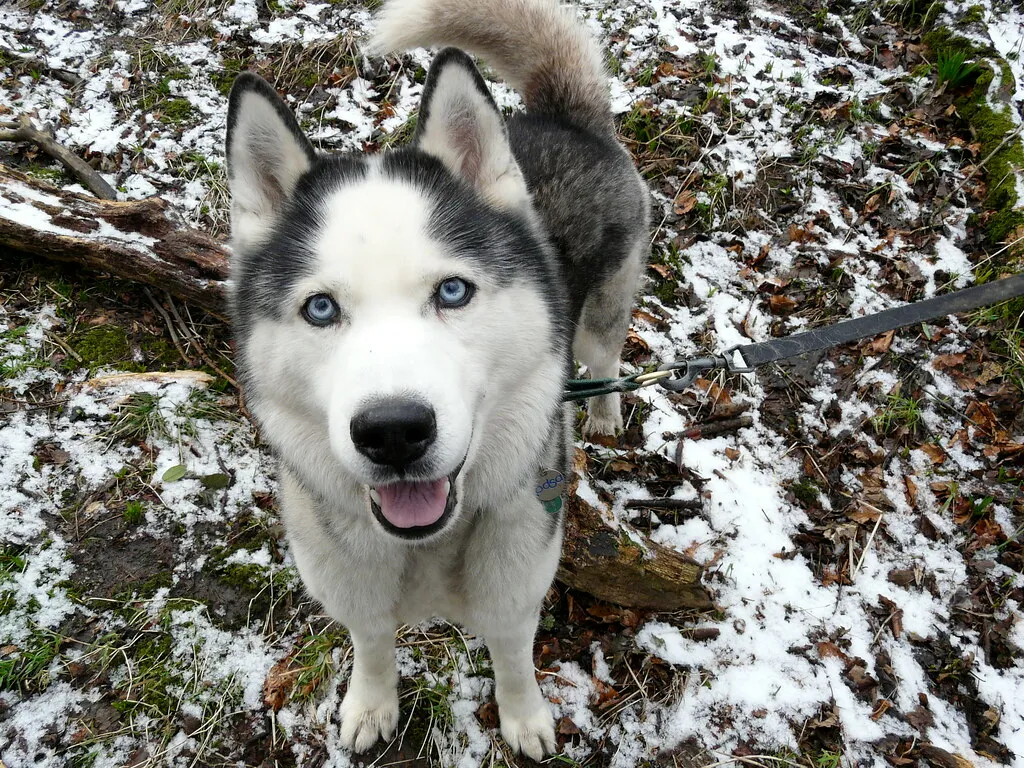
Ask any rescue vet what the hardest dog to place is, and the honest answer is simple: one that costs money every single month. Diabetes, epilepsy, severe allergies, heart disease, advanced arthritis – chronic conditions turn even the sweetest dog into what many adopters see as a permanent bill.
Add daily injections, special diets, or frequent vet rechecks, and people politely back away. It’s rarely that they don’t care – inflation, housing, and basic vet costs have exploded for everyone. Rescues try reduced fees, sponsored medications, even fundraising posts, but applications stay thin. Many comment “I wish I could, but I can’t afford it” and move on to a healthy puppy instead. It’s a brutal, uncomfortable truth rescues live with every day. But that’s nothing compared to what we found about #4…
#4 – Black Dogs (Especially Large, Short-Coated Mixes)
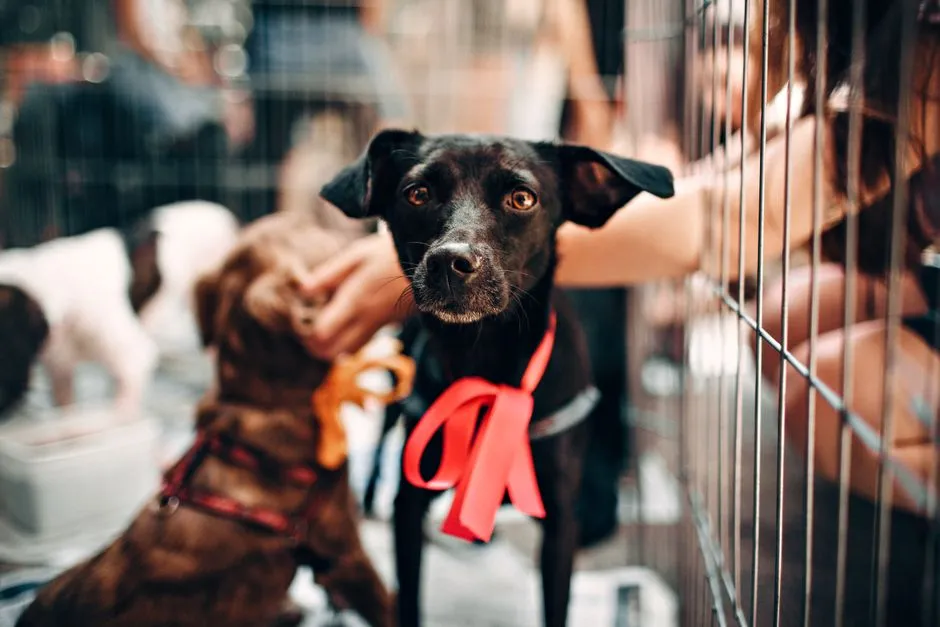
It sounds like superstition, but rescues everywhere complain about “black dog syndrome.” In photo after photo, black dogs – especially big, short-coated mixes – blend into the background. They photograph poorly, look “generic,” and are often subconsciously linked to fear or aggression.
Line up a tan fluffy doodle next to a black lab mix with the exact same temperament, and the doodle gets 20 applications while the black dog gets none. Shelter lighting and kennel bars make it worse – their expressions are harder to read, so they seem more “intense” or “blank.” Some people openly admit black dogs unsettle them; others don’t even realize the bias exists. Add breed guesswork – plenty of black mixes get labeled “pit” or “shepherd” crosses – and you’ve got a dog checking every “hard to place” box at once: big, maybe strong, maybe intimidating, and invisible in a photo.
Worth Knowing
- Black coats often photograph as “flat” or featureless under harsh shelter lighting
- Identical temperaments can pull 20 applications for a light-colored dog and none for a black one
- Many black mixes get mislabeled as “pit” or “shepherd” crosses, deepening the bias
- Large, short-coated black dogs face some of the longest average shelter stays
But that’s nothing compared to what we found about #3…
#3 – Strong Bully Breeds in Urban Areas
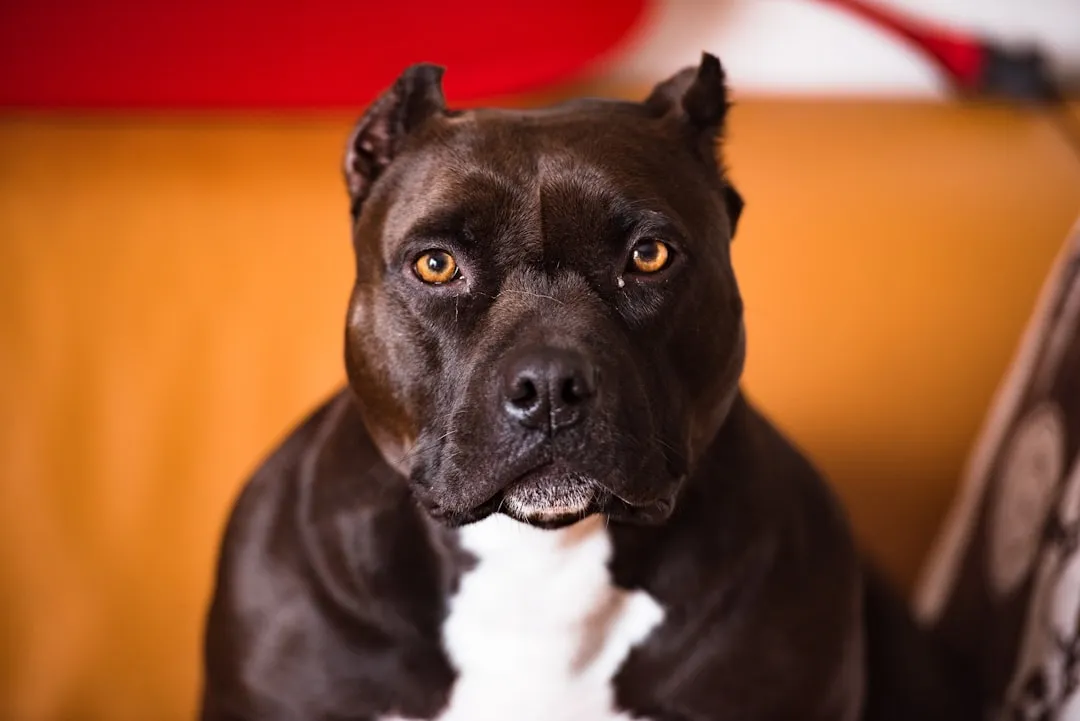
You knew this was coming. Pits, American bullies, Staffies, and similar block-headed dogs are now the poster children for “unplaceable” – not because they’re inherently bad dogs, but because the system around them – breed-specific legislation, rental bans, insurance exclusions, and media panic – has made adopting one feel like a legal risk.
Even a friendly, tested, well-trained dog can get a flat “no” from a landlord, dropped coverage from an insurer, and complaints from neighbors who’ve never met the dog. Rescues specializing in bully breeds are full to bursting, and general shelters often transfer their pits out just to free up space. The tragedy is that many of these dogs are people-loving couch potatoes who melt into a puddle around kids – but one high-profile incident anywhere in the country can tank local interest overnight. But that’s nothing compared to what we found about #2…
#2 – Mixed “No-Name” Breeds With Nothing Marketable
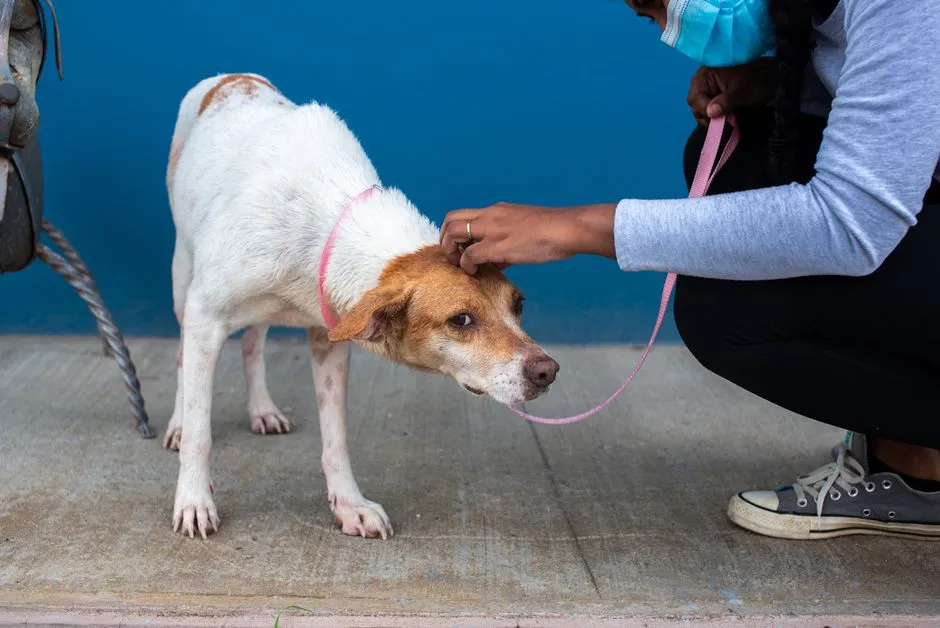
In the age of branding, even shelter dogs have become products – and some simply don’t “sell.” Rescues admit they can move anything labeled “doodle,” “Aussie mix,” or “rare.” But a 50-pound, brown, short-haired “just a mix” with no clear breed, no fancy coat, and no viral story? Practically invisible.
Adopters scroll right past, looking for something that feels special or post-worthy. These “generic” dogs often have fewer health issues and rock-solid temperaments, but they lack the hook that gets someone into the car for a meet-and-greet. Many are middle-aged, too – past the cute puppy stage, not yet senior enough for a “rescue a grandpa” story. They’re just good, sturdy, normal dogs who would have been ideal family pets 30 years ago. Today, in a market obsessed with labels and aesthetics, they become long-term shelter furniture – known and loved by staff, overlooked by everyone else.
At a Glance
- No distinct breed label to market – just “a mix”
- Often middle-aged: past puppy stage, not yet “senior sympathy” age
- Typically healthier and more even-tempered than trendier mixes
- Become long-term shelter fixtures despite being ideal family pets
But that’s nothing compared to what we found about #1…
#1 – Large, Reactive, Middle-Aged Dogs That Don’t Fit Anywhere
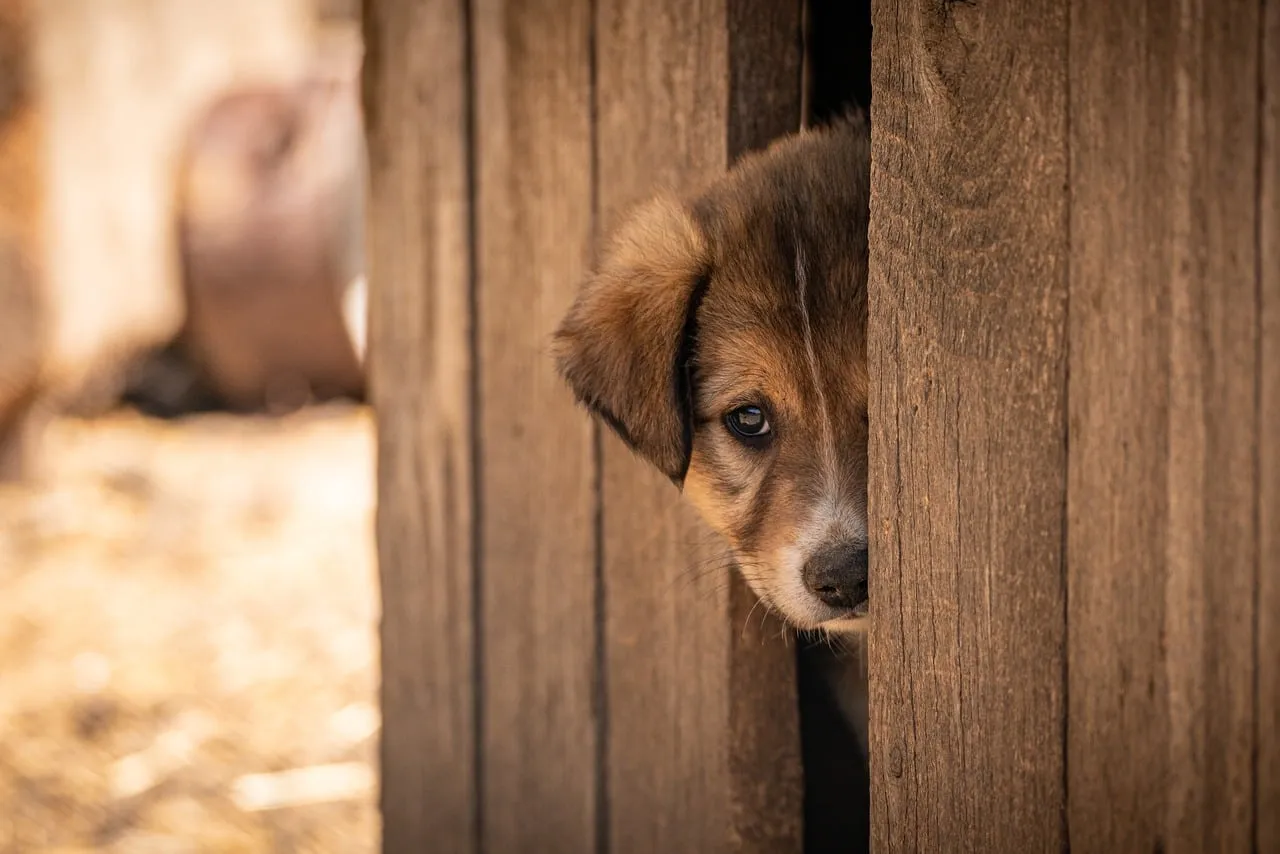
Rescue insiders agree on this one: the single hardest “type” to place, across every breed, is the big, reactive, middle-aged dog with nowhere left to go. Put it together – 60 to 90 pounds, some leash reactivity, maybe stranger anxiety, not great with other dogs, not great with kids. Too strong for seniors, too complex for first-timers, too risky for renters, too much for most busy families.
They’re usually 4 to 8 years old – past the cute stage, not yet old enough to earn “hospice hero” sympathy. They might be shepherd mixes, bully types, huskies, or complete mutts; the breed almost doesn’t matter. These are dogs failed by humans at every stage – under-socialized, under-exercised, punished instead of trained. With time and structure, many improve dramatically, but shelters are loud, stressful places that make their issues look worse than they are, and behavior programs are overwhelmed. Because every application comes with red flags – kids, cats, roommates – rescues feel trapped, and these dogs wait, watching thousands of smaller, simpler pets walk out the door first. Many never get their chance.
The Bottom Line

When rescues say certain breeds are “almost impossible to place,” they’re really describing a collision between modern life and old genetics. We bred dogs to guard, herd, hunt, and run for miles – then crammed them into apartments, gig-work schedules, and landlord fine print. Size, energy, medical needs, color bias, and insurance rules now matter more than heart, loyalty, or intelligence. The dogs paying the price are often the ones we designed to be most devoted to us.
Here’s the uncomfortable opinion most people won’t say out loud: the problem isn’t “dangerous breeds” or “broken” dogs – it’s a pet culture chasing aesthetics and convenience over commitment. If you’re even half-considering adoption, ask yourself honestly: would you take a dog that isn’t instantly easy, Instagram-ready, or socially convenient? Because the ones no one wants are usually the ones who need us – and repay us – the most.
Did we miss one you’ve seen sitting in your local shelter? Drop it in the comments.

- 18 Dog Breeds Rescue Centres Say Are Now Almost Impossible to Place With Any Family - August 13, 2026
- Animal Science Says Wolves Avoid Unnecessary Fights Because Cooperation Matters More Than Dominance - August 13, 2026
- Animal Science Says Prairie Dogs Use Alarm Calls That Describe Different Predators With Surprising Detail - August 13, 2026