
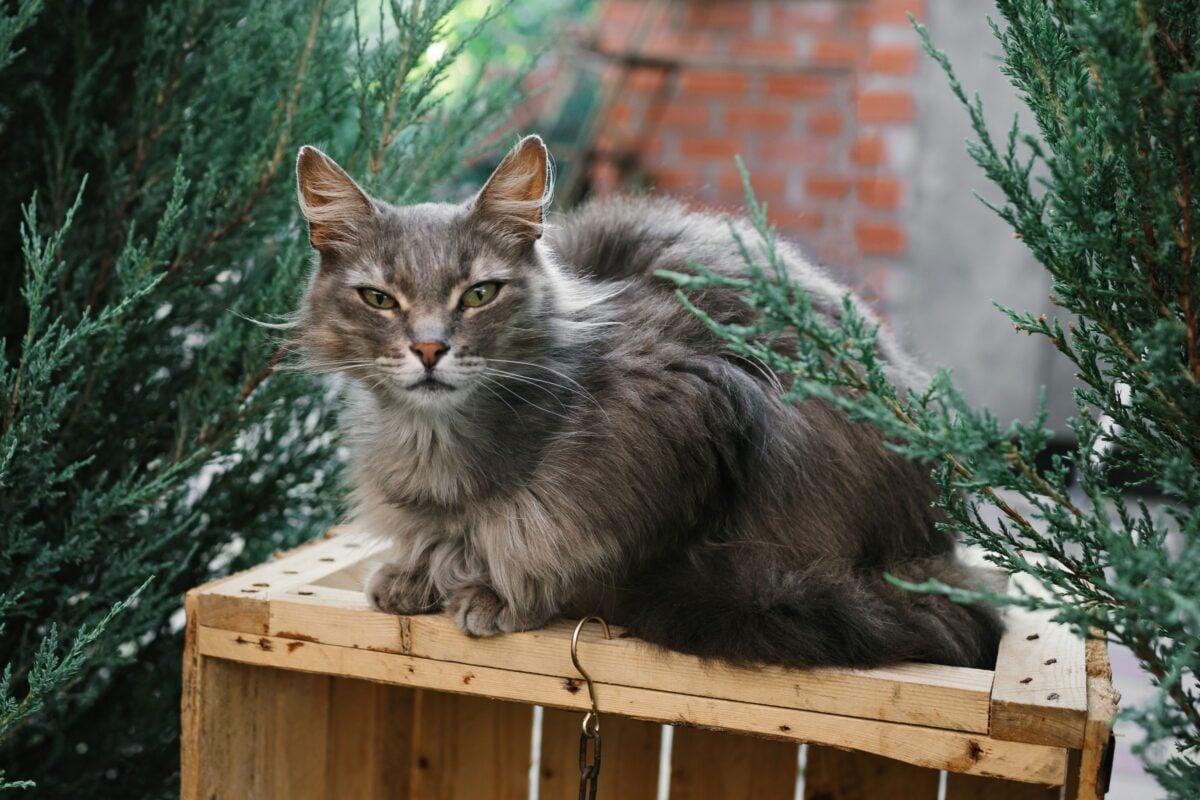
You spend years convinced you know your senior cat better than anyone alive. Then a vet walks into the room, spends maybe ten seconds looking at her, and asks the exact question you’ve been quietly avoiding for months – and suddenly your stomach drops.
It’s not a lucky guess. It’s a fast, trained scan most owners never learn to read: the coat, the walk, the eyes, the smell, even the flinch when she’s touched in a certain spot. By the time the vet says hello, they’ve already gathered a dozen tiny clues that could mean arthritis, kidney disease, high blood pressure, or pain your cat has been hiding in plain sight for a long time. Here’s everything they catch in that first sixty seconds – and why so much of it slides right past the people who love these cats the most.
#18 – Overall Body Condition Score (Too Thin… or Too Chunky)
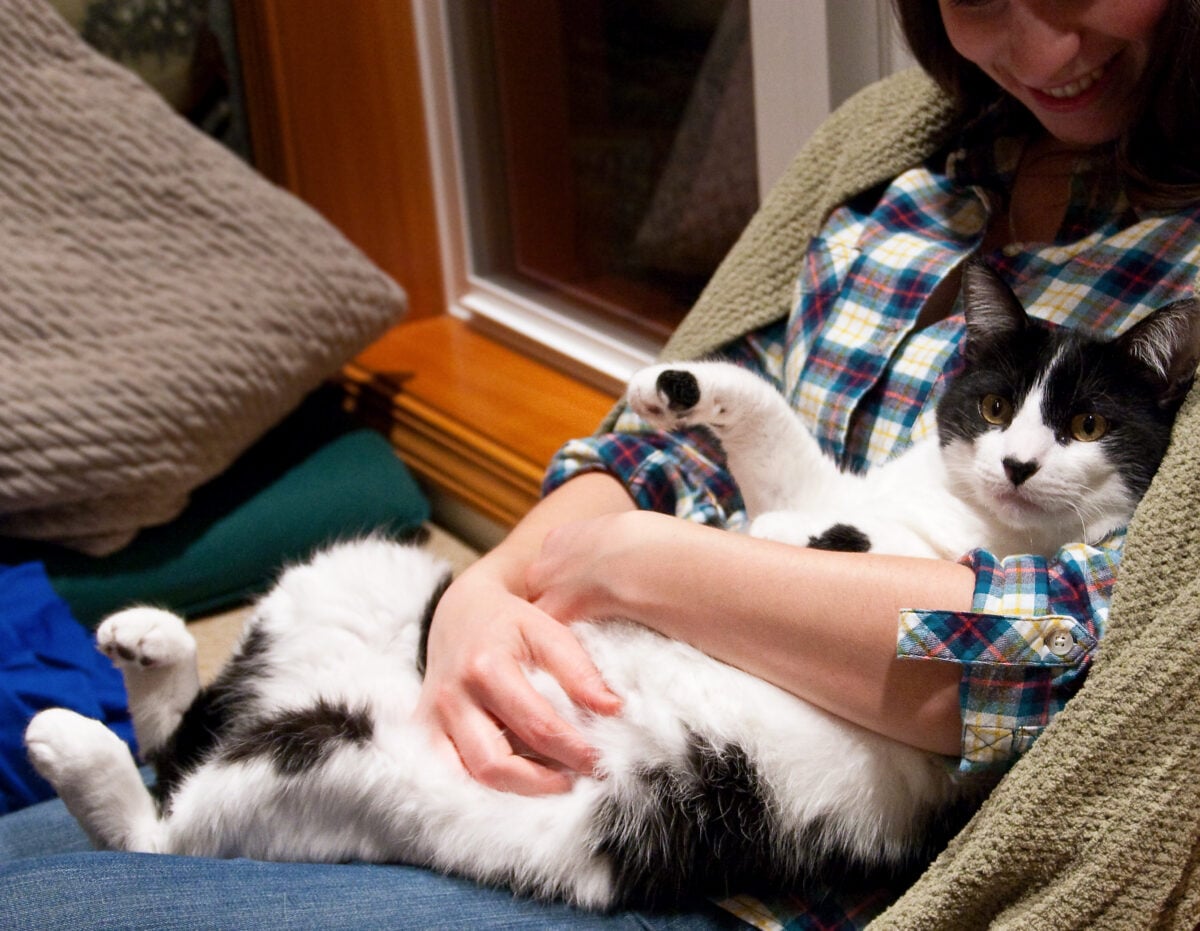
The first thing a vet does is silently “scan” your cat’s silhouette. Not fat, not skinny – they’re calculating a body condition score on a 1-9 scale, and they do it in seconds. Can they see a waist from the side? Are the ribs faintly visible, or do they have to dig through padding to find them?
That one glance tells them whether your cat is underweight (common with kidney disease, hyperthyroidism, or cancer) or overweight (a major risk for diabetes, arthritis, and liver problems). You see your cat every day, so slow changes fade into the background for you. A vet who hasn’t seen her in a year sees something you physically can’t: a body that’s dramatically thinner or heavier than it used to be. That single impression can reshape the entire visit before they even touch her.
Fast Facts
- A cat is considered to have an ideal body condition if they score between 4 and 5.
- The score starts at 1, indicating your cat is severely underweight and goes up to a 9 at the other end of the scale, which points to severe obesity.
- Cats who are overweight or obese face higher risks of various health issues, including diabetes mellitus, arthritis, kidney disease, heart disease, and others.
- Weight loss or low weight can sometimes be a warning sign of serious health conditions in cats, such as hyperthyroidism.
#17 – Coat Quality and Grooming “Laziness”
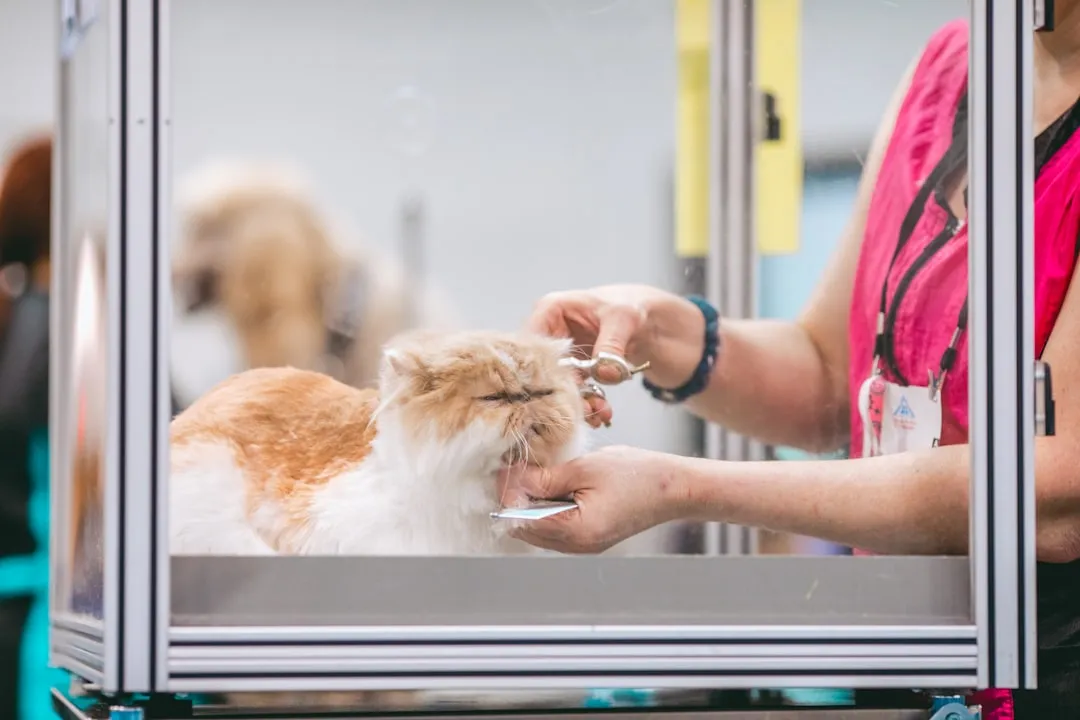
When a vet looks at an older cat, they read the coat like a health report. Shiny and smooth usually means decent nutrition and reasonable overall health. Dull, greasy, or clumpy fur is a red flag they clock instantly.
Senior cats that stop grooming usually aren’t lazy – they’re uncomfortable or sick. Matted fur along the spine and hind end often points straight to arthritis, because twisting and reaching to groom simply hurts too much. Vets also notice dandruff, bald patches, and thinning fur; dry flakes can hint at obesity, parasites, allergies, or endocrine trouble. Even smell matters – a sour, “old fur” odor can signal dental disease or systemic illness. You might chalk it up to age or a cat who “just hates brushing.” A vet sees a symptom.
#16 – Muscle Loss Along the Spine and Hips
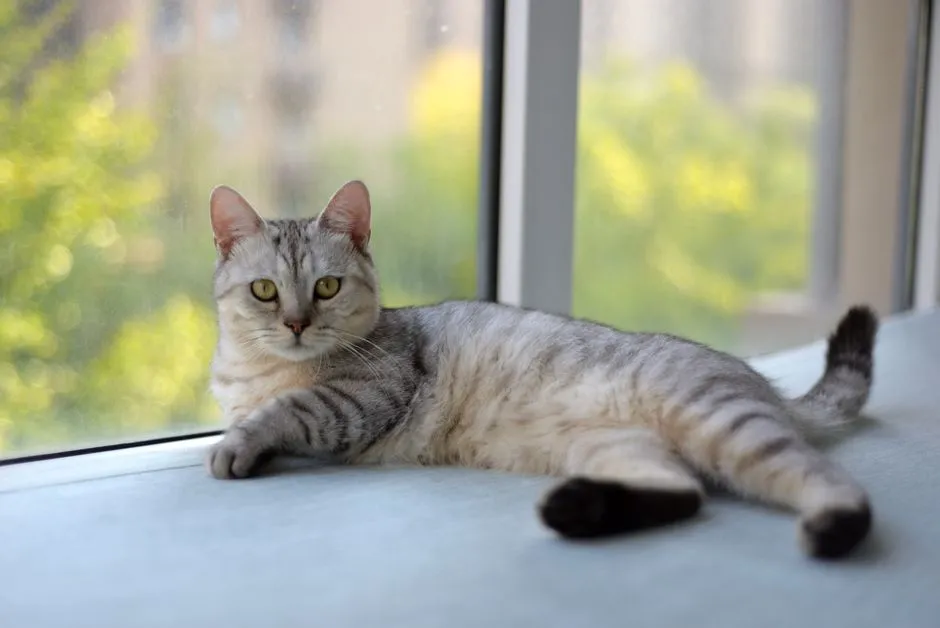
You might think your cat just feels “lighter” these days. Vets are feeling for something far more specific: muscle wasting along the back and hindquarters, known as sarcopenia. They run their hands along the spine and hips and know instantly whether there’s normal padding or bones sticking out in a sharp ridge under the fur.
In older cats, this pattern often points to chronic kidney disease, hyperthyroidism, or long-term poor nutrient absorption. Owners rarely catch it because fur hides the sharpness of the bones, and plenty of cats hate being handled long enough for anyone to notice. A round belly paired with a bony back can actually mean muscle loss and weight redistribution – not a “healthy” weight at all. It’s one of the earliest, clearest warning signs something is wrong.
#15 – Eye Clarity, Pupil Size, and Subtle Cloudiness
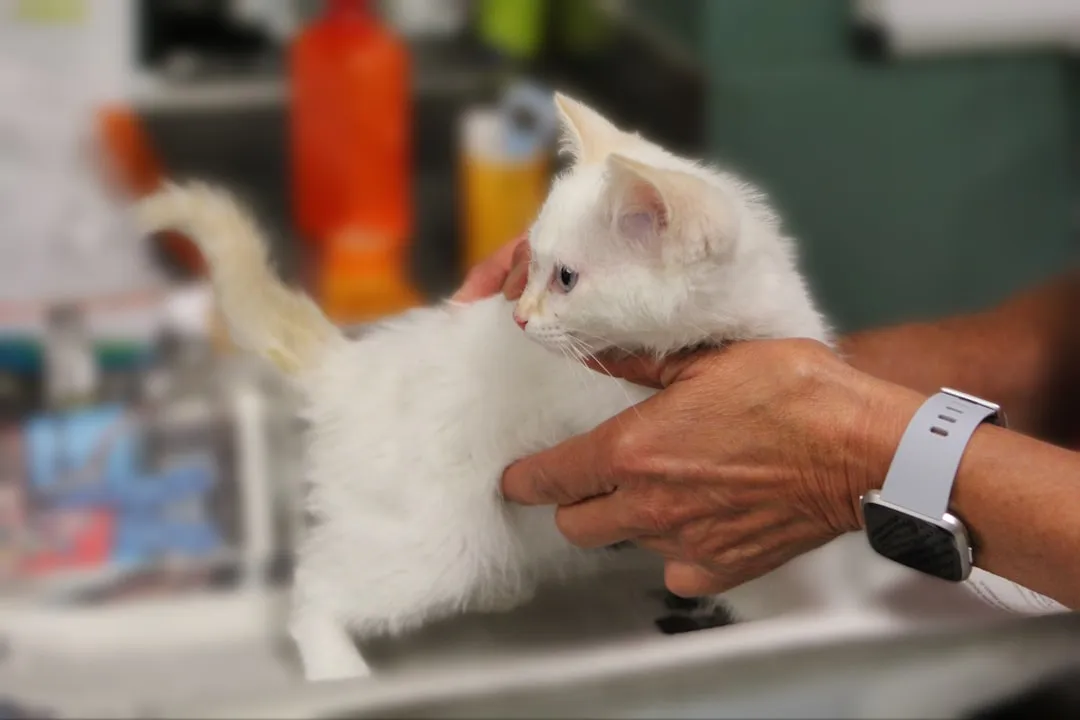
Most people only notice if their cat’s eyes look “goopy.” Vets go straight for the pupils and lens clarity. Uneven pupils can point to neurological issues or high blood pressure, which is dangerously common in older cats. Pupils that stay huge even in bright light can signal hypertension or retinal damage.
They’re also scanning for a bluish haze (often just age-related lens change, not blindness), tiny hemorrhages linked to high blood pressure, and excessive tearing or squinting that hints at pain. Eye changes are one of the fastest windows into systemic disease a vet has. A cat with sudden vision problems or dilated pupils may have been quietly hypertensive for months while her owner thought her eyes “just looked pretty.”
#14 – Breathing Pattern Before You Even Say a Word
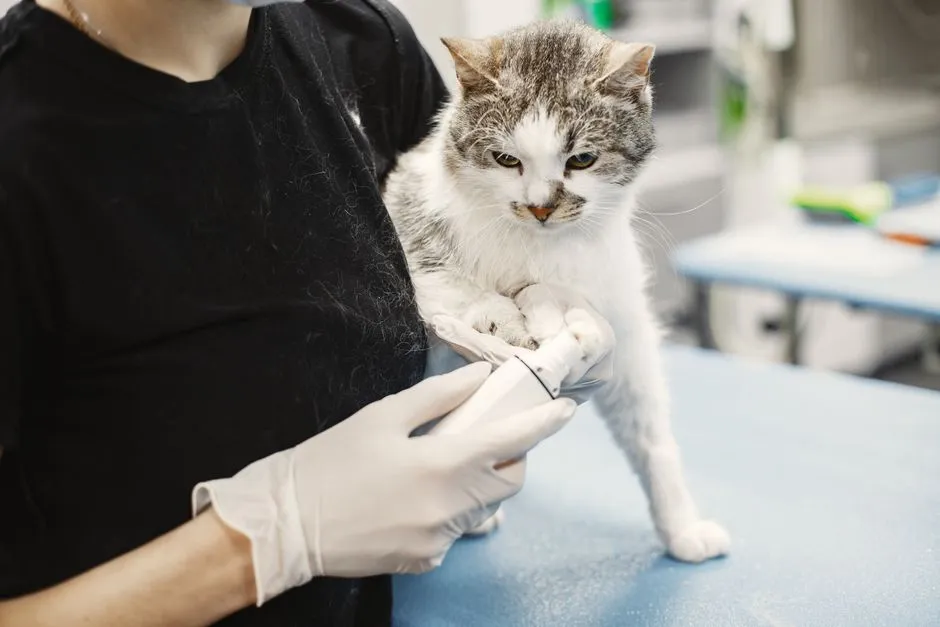
Before they lay a single finger on your cat, vets are already watching how she breathes. Is the chest rising smoothly, or is the belly doing all the work? Are breaths shallow and rapid, or slow and easy? Open-mouth breathing in a cat is almost never normal, and it can point to severe stress, heart disease, or respiratory trouble.
They’re clocking subtle things too – a slight flare of the nostrils, a “double” movement in the chest, a faint wheeze between breaths. Owners often assume “she’s just scared of the vet,” but a trained eye knows the difference between fear-breathing and a cat in cardiac or respiratory distress. A senior cat panting in the carrier isn’t being dramatic. She may be in crisis.
#13 – Gait and Jumping Confidence (Or the Lack of It)
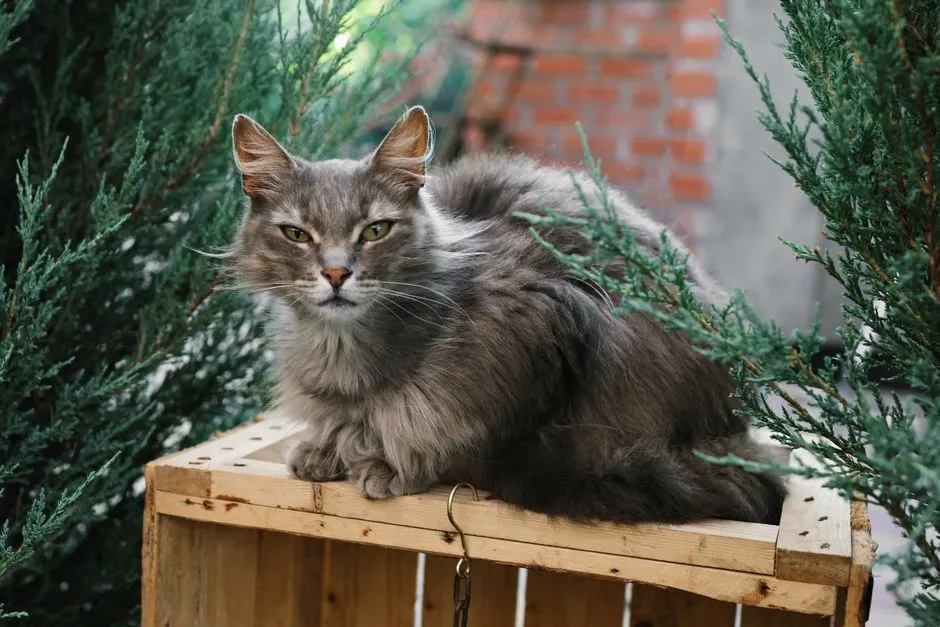
Most owners assume their older cat is “just not a jumper anymore.” Vets see arthritis from across the room. How your cat moves from the carrier to the table tells them almost everything – stiff back legs, short choppy steps, hesitation before walking, or a wide stance for stability are all major red flags.
Cats almost never limp dramatically unless things have gotten bad. They hide pain by moving less, not by crying out. Vets are watching whether the cat wants to climb or just flattens and freezes, how easily she pivots on the table, and whether her back legs slip or splay on smooth surfaces. Most people still believe cats “don’t get arthritis like dogs.” In reality, most older cats carry some level of joint pain – and that “grumpy” attitude is often just chronic discomfort wearing a different mask.
Worth Knowing
- This condition is very common in older cats, affecting an estimated 70% to 90% of cats over 12 years of age.
- Studies suggest that about 60% of cats over 6 years old show signs of arthritis.
- About 90% of cats over 10 years old experience OA in at least one joint.
- Roughly 6% to 30% of cats under the age of 10 show signs of the condition – a figure that climbs to between 64% and 92% in cats over ten.
#12 – Dental Disease and That “Old Cat” Breath
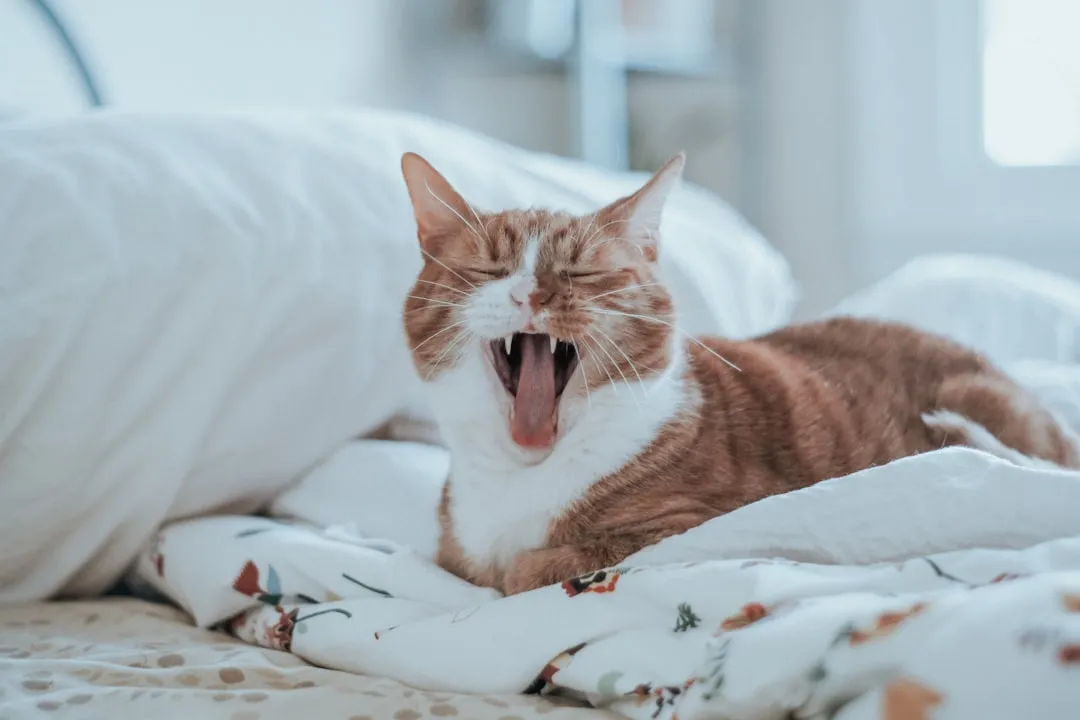
A vet lifts your cat’s lip, and in two seconds they know more about her pain than you may have picked up in years. Tartar, red gums, and broken or resorbing teeth aren’t cosmetic problems. Dental disease is one of the top sources of chronic pain in older cats, and cats rarely announce it – they just eat slower, chew on one side, or quietly avoid hard food.
What a vet notices in seconds: an angry red gum line, teeth that look like they’re “melting” from resorptive lesions, ulcers on the gums or tongue, and a foul, metallic breath that can also point to kidney disease. “But she’s still eating fine” doesn’t rule out pain – cats will eat through shocking levels of oral discomfort rather than stop. Fix the mouth, and many senior cats act years younger almost overnight.
Quick Compare
- Cats over 4 years old: between 50 and 90% of cats older than four years of age suffer from some form of dental disease.
- Cats over 12 years old: 70% of cats over the age of 12 having some form of dental disease, as age is often an underlying cause of oral health issues.
- Tooth resorption specifically: feline tooth resorption affects up to 60% of adult cats and over 70% of senior cats.
#11 – Hydration Status From a Simple Skin Tent and Gum Check
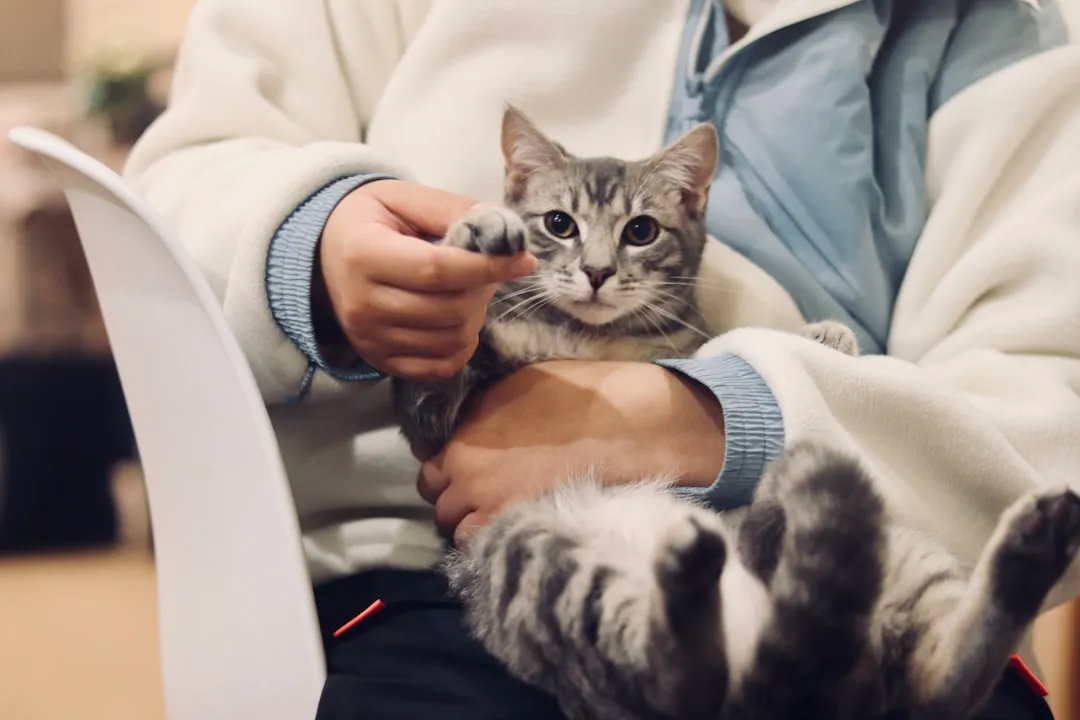
Dehydration in older cats is incredibly common, especially alongside kidney disease, but most owners never notice unless the cat stops drinking outright. A vet can tell in seconds by gently lifting the skin between the shoulders. If it snaps back quickly, hydration is probably fine. If it stays tented or falls back slowly, that’s a flag worth chasing.
They’ll also check gum moisture and texture – tacky gums suggest dehydration – and look for sunken eyes in more advanced cases. A mildly dehydrated senior cat might just seem a little quieter or pickier with food at home. To a vet, that same subtle sign can scream chronic illness or inadequate fluid intake. Catching it early can genuinely buy a cat extra years.
#10 – Personality, Confidence, and “Shut Down” Behavior
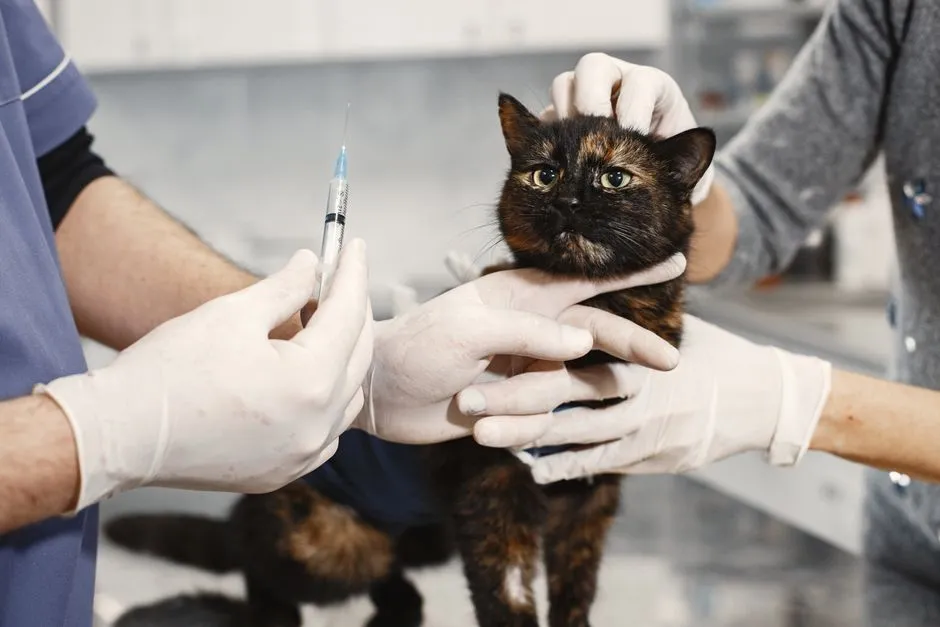
Your cat’s vibe in the exam room is information, not an attitude problem. Some cats are always feisty, but vets pay close attention to change. The always-social cat now hiding in the back of the carrier. The chatty cat who’s suddenly gone silent. Both can hint at pain, cognitive decline, or general malaise.
Vets quickly clock whether the cat is curious and sniffing or totally withdrawn, whether she’s grown clingy after years of independence, or whether random bursts of aggression happen when certain spots are touched. Owners tend to wave it off as “she hates the vet.” Vets compare it to previous visits and the story you’re telling, because behavioral change is often the earliest, most reliable warning sign of medical trouble in aging cats. A moody senior cat is very often an uncomfortable senior cat.
#9 – Nails, Paw Pads, and Overgrown Claws
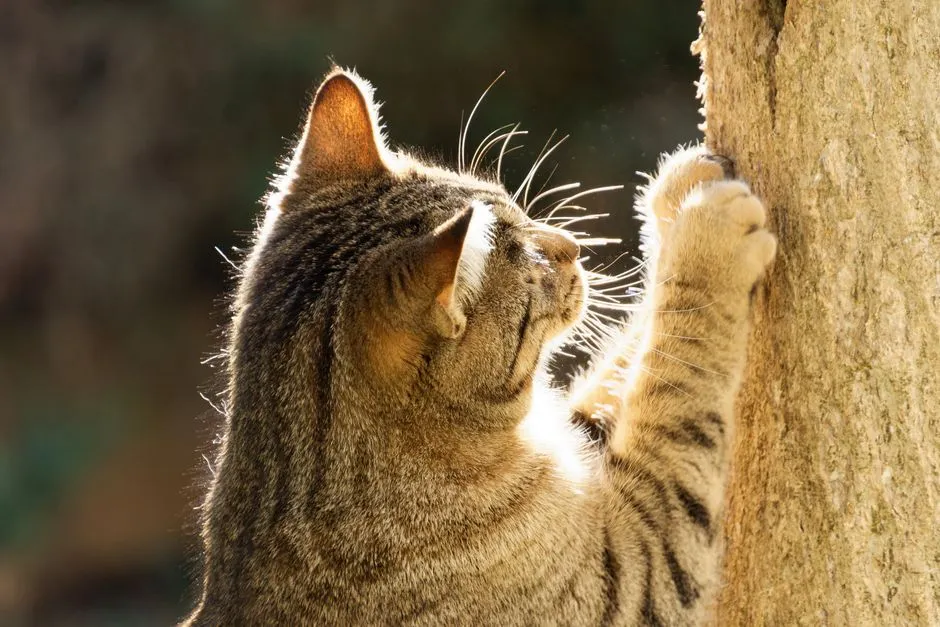
Most people never look at their cat’s claws unless the couch is suffering for it. Vets check in the first minute. In older cats, overgrown nails can curl straight into the paw pads, causing hidden pain and infection – especially common in arthritic or sedentary cats that scratch less than they used to.
They’re also examining for thick, brittle nails that break easily, cracked or pale paw pads that can hint at circulation or systemic issues, and any soreness when toes are gently flexed. Owners often read reduced scratching-post use as “she’s just calmer now.” Vets read it as jumping, stretching, and scratching that has started to hurt. Fixing the nails and managing the pain behind them can transform how a senior cat moves through her day.
#8 – The Subtle Smell of Disease
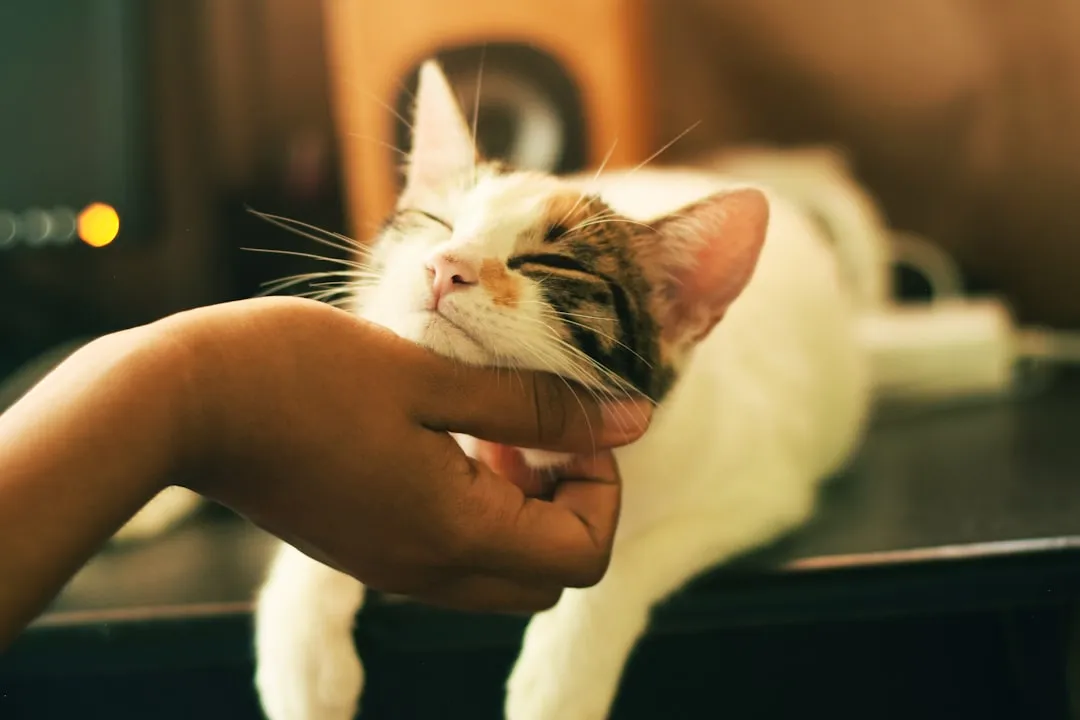
Vets don’t talk about this much, but they absolutely use their nose. Older cats with chronic issues often carry a distinct smell. A sharp, ammonia-like odor on the breath can suggest kidney disease. A sickly-sweet smell can hint at diabetes. Rotting or metallic breath often points straight to severe dental disease or oral infection.
They’re also picking up on a sour, unwashed smell from poor grooming, a strong urine odor on the coat from incontinence or mobility problems, and foul-smelling ears that signal infection. Most owners live with these gradual changes and stop noticing them entirely. Vets, who see dozens of animals a day, catch the shift almost instantly – their nose is one of the most underrated diagnostic tools in that first sixty seconds.
#7 – Stress Signals and How Fast They Escalate
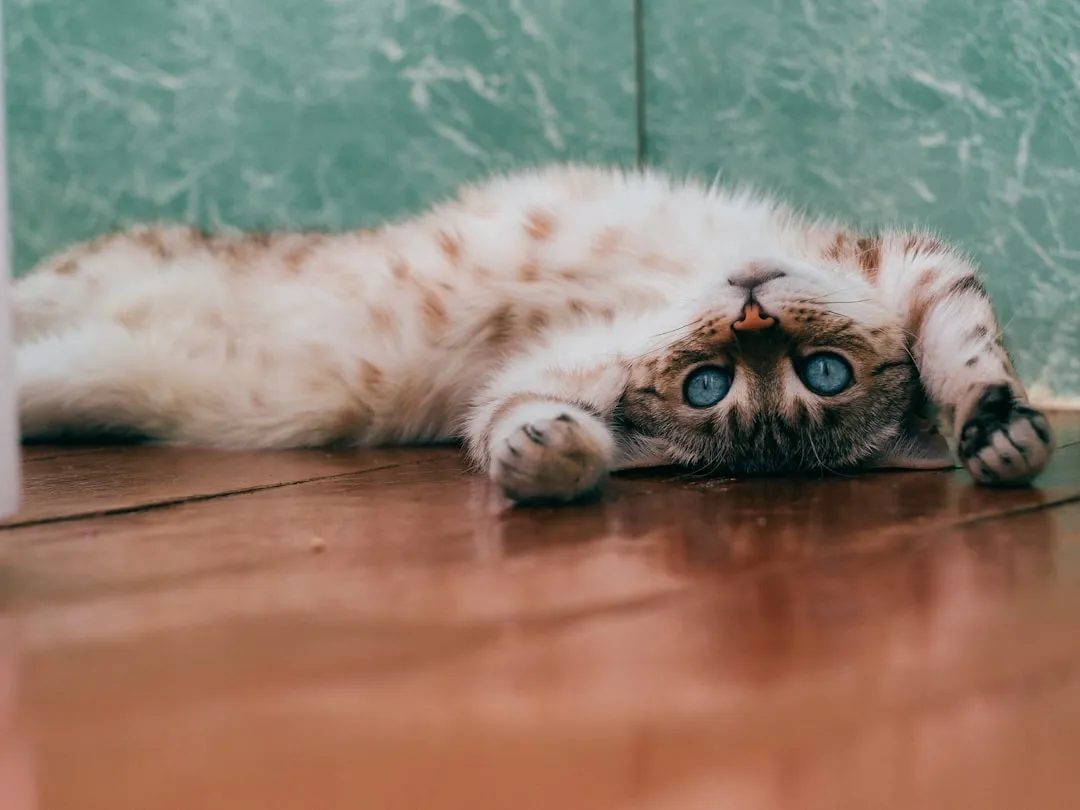
An older cat under stress isn’t just “being dramatic.” Vets read the body language in real time: ears pinned, pupils huge, tail wrapped tight, low growling, rapid panting. Senior cats don’t tolerate stress the way young cats do, and that intolerance can unmask hidden heart or respiratory issues that were quietly compensating until now.
They’re watching how fast a cat goes from wary to shut down, whether handling the chest or abdomen triggers outright panic, and whether the gums change color – pale or bluish – under stress. Many owners assume the vet visit itself is the whole problem. Vets know it’s often just the moment that finally exposes a fragility that’s been building in that older body for a long time.
#6 – Owner’s Offhand Comments About Litter Box Habits
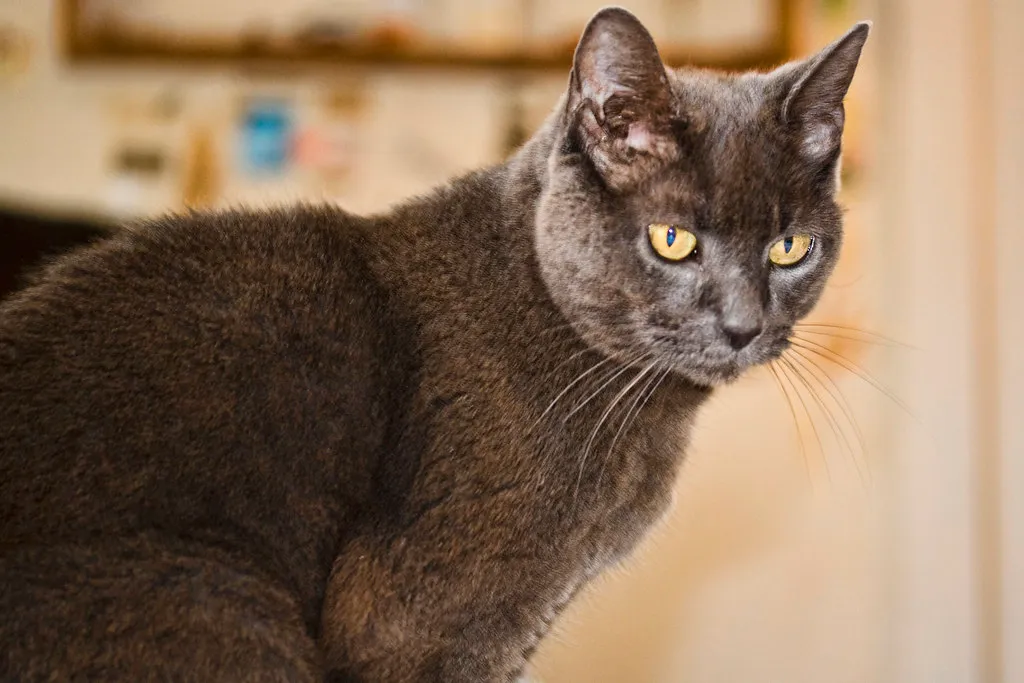
You think you’re just chatting. Vets are decoding every bathroom detail you casually mention. Larger urine clumps? That can scream kidney disease or diabetes. Peeing outside the box? Could be arthritis making the box too high to reach comfortably, a urinary infection, or cognitive changes creeping in.
Straining in the litter box is an emergency, not a quirk – and vets are listening for nighttime vocalizing near the box, small dry stools suggesting constipation, and sudden shifts in frequency or volume. “She’s old, so she has accidents now” is how most owners frame it. What a vet hears is, “We might be missing something big and fixable.” Paired with everything already noticed about weight, coat, muscle, and hydration, those litter-box details can completely change how urgently testing needs to happen.
#5 – Tail Position, Back-End Cleanliness, and Mobility
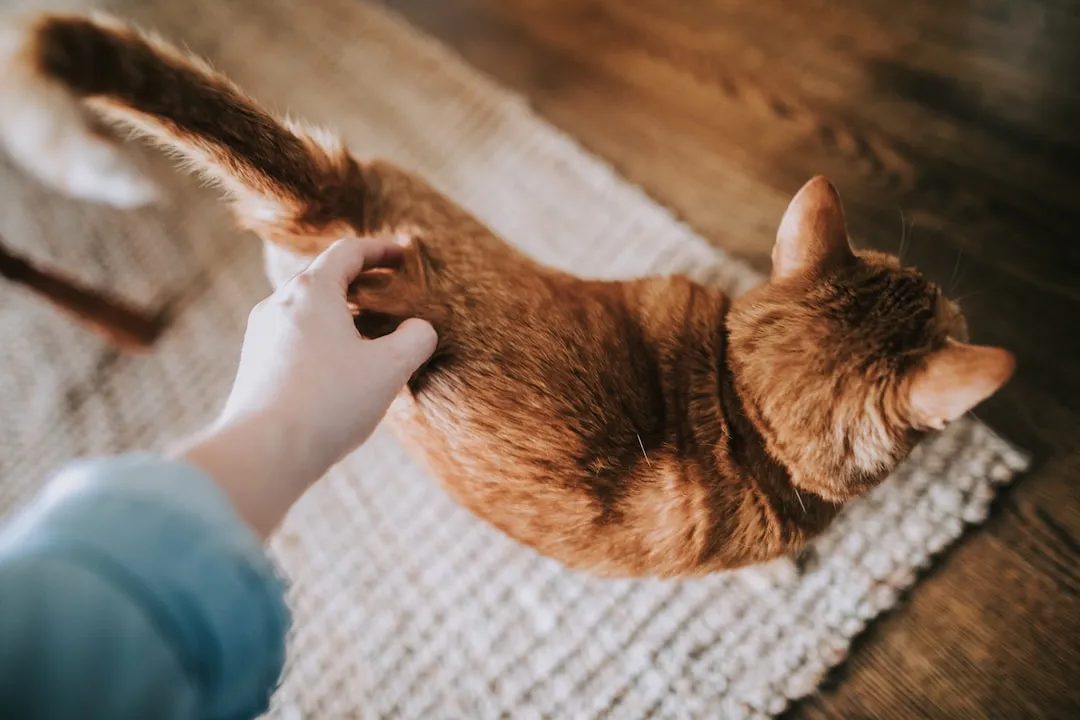
A senior cat’s back end tells a brutal truth. Vets check for dried feces, urine staining, or a consistently messy bottom. A dirty back end in an older cat is almost never just bad hygiene – it usually signals arthritis that makes bending and cleaning painful, obesity, diarrhea, or urinary problems. It’s one of the clearest signs an animal is genuinely struggling.
They’re also watching how the tail moves – stiff, low, or twitchy can all signal discomfort – whether lifting it for a temperature check causes extreme protest, and whether matted fur under the tail points to chronic soft stool. Owners are often embarrassed and assume the cat is being lazy. Vets see an animal that likely feels lousy and simply can’t care for itself the way she used to. That’s a quality-of-life issue, not a cosmetic one.
#4 – Reaction to Gentle Palpation (Silent Flinches and Tense Muscles)
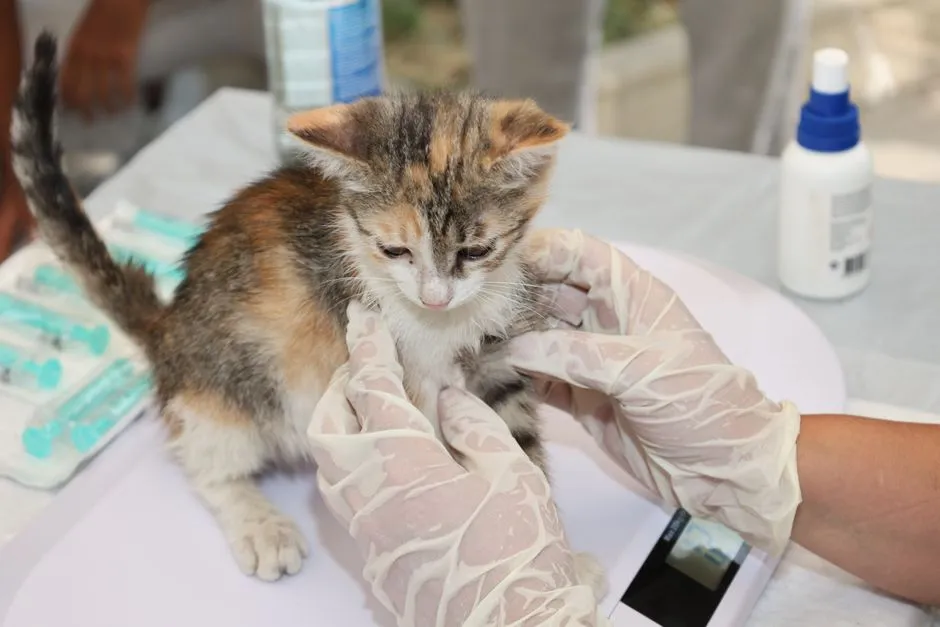
In seconds, a vet’s hands move along the spine, ribs, belly, and joints – not just feeling for lumps, but watching your cat’s face and body the entire time. A small flinch when the belly is pressed. A held breath. A sudden tail lash or low growl. Cats rarely cry out in pain; they stiffen, freeze, or suddenly “get mad” instead.
Palpation can reveal enlarged kidneys or liver, thickened intestines common in some chronic diseases, and sore joints that trigger instant tensing under the fingers. Owners often decide their cat is “just touchy.” Vets have learned that unexplained aggression or flinching during a routine exam is very often pain talking. It’s one reason so many older cats get mislabeled as grumpy when they’re actually suffering in near-total silence.
#3 – Signs of Feline Cognitive Dysfunction (Cat Dementia)
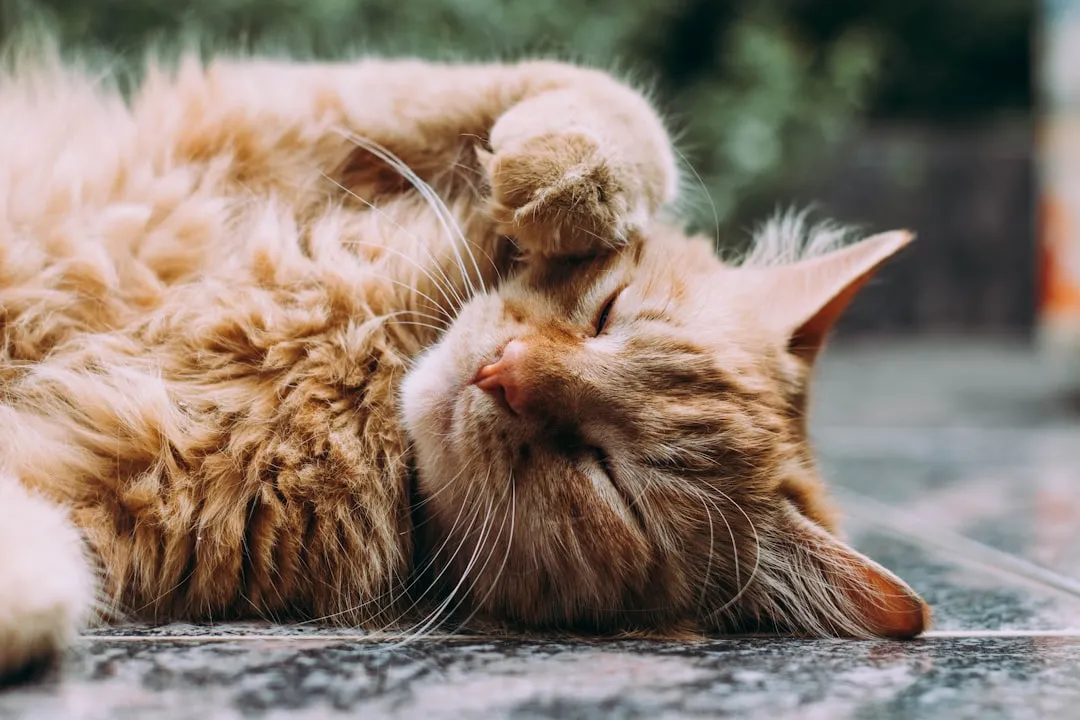
Cat dementia is real, and vets often catch hints of it before owners even suspect it’s happening. In that first minute, they’re listening to your stories as much as watching your cat’s eyes. Does she seem confused by the room? Does she stare into space, vocalize oddly, or seem disconnected from you in ways that feel new?
Disorientation, altered sleep patterns, and random yowling can all be signs of cognitive decline. Vets piece it together from small comments: “She cries at night for no reason now.” “He sometimes forgets where the litter box is.” “She just sits and stares at walls.” Most people file this under “quirky old age.” Vets see quality-of-life changes that can often be eased with environmental adjustments, medication, or supplements – which makes dismissing it as “just old” one of the most avoidable mistakes a loving owner can make.
At a Glance
- Roughly 28% of cats between 11 and 14 years old develop at least one CDS-related behavioral concern, rising to 50% of cats over 15 years old.
- Cognitive decline affects more than 55% of cats aged 11 to 15 years and more than 80% of cats aged 16 to 20 years.
- CDS results in progressive behavioral changes, such as pacing, increased vocalization, altered sleep cycles, house-soiling, and more.
- There are no medications approved by the FDA specifically for the treatment of feline CDS, and it cannot be cured.
#2 – Gum Color and Capillary Refill Time
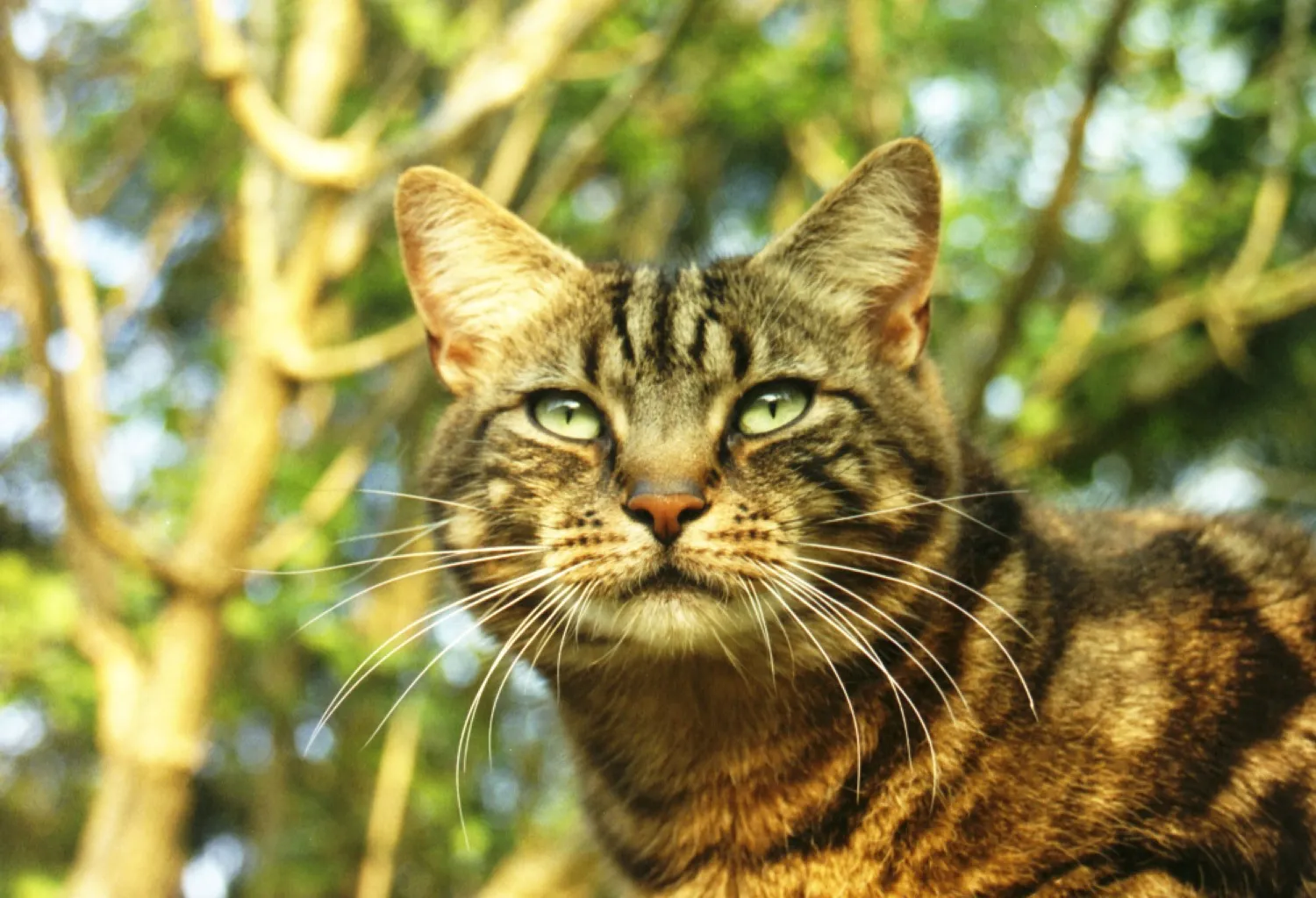
While owners are focused on missing teeth or bad breath, vets are quietly checking gum color and how fast it pinks back up when pressed. Pale gums can hint at anemia or poor circulation. Yellow gums may point toward liver trouble. Dark red or muddy gums can signal inflammation, heat stroke, or serious illness.
They also test capillary refill time – press a finger against the gum, watch it blanch white, then time how quickly the color returns. Too slow or too fast, both mean trouble. It takes seconds, but it hands a vet real insight into heart function, blood pressure, and overall circulatory health.
“The body doesn’t lie, even when the animal can’t tell you what’s wrong.”
Common veterinary teaching principle
#1 – Whether “Just Old” Is Actually “Secretly Sick”
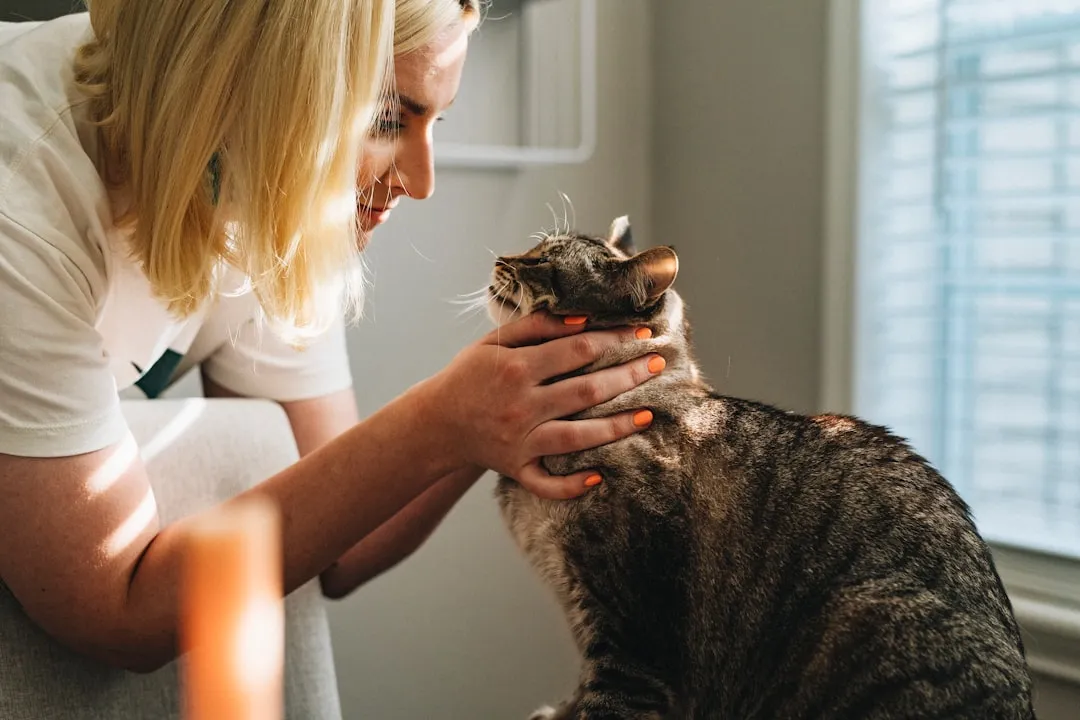
The biggest thing a vet notices in that first minute isn’t a body part at all. It’s the gap between what you think is normal aging and what they recognize as disease. The stiff walk you call “slowing down”? That’s often arthritis. The weight loss you’re calling “finally trimming up”? That could be kidney disease or hyperthyroidism quietly progressing. The nighttime howling you laugh about? It might be pain, or the early stages of cognitive decline.
In that first minute, a good vet is quietly asking three questions: is this cat aging normally, or is age being used as an excuse? Are we looking at treatable pain or unrecognized illness? Is this cat’s quality of life lower than her owner realizes? Most older cats suffer far more quietly than the humans who love them understand. A great vet’s real skill isn’t diagnosing disease – it’s catching these small, fixable problems before they turn into emergencies, often before a single blood test comes back.
The Bottom Line
Older cats aren’t just “old.” They’re either aging well, or they’re silently falling apart in ways most owners never learn to see. Vets aren’t being dramatic when they flag weight loss, a dull coat, overgrown nails, or “bad breath” as serious business. Those tiny first-minute clues often point to arthritis, kidney disease, dental pain, high blood pressure, or even dementia – conditions that are common, frequently treatable, and absolutely not just “what happens with age.”
Some people think it’s overkill to run senior bloodwork or treat a fourteen-year-old’s teeth. Others put off pain management because “she still jumps sometimes.” That mindset is exactly why so many cats spend their final years quietly uncomfortable instead of genuinely comfortable. Early, proactive care doesn’t just add years to a cat’s life – it adds life to those years. So which side are you actually on: “just old,” or “could we be missing something”? Your cat already knows the answer. She just can’t tell you.

- What Vets Notice About an Older Cat in the First Minute 18 Things Owners Never See - August 13, 2026
- 18 Dog Breeds Rescue Centres Say Are Now Almost Impossible to Place With Any Family - August 13, 2026
- Animal Science Says Wolves Avoid Unnecessary Fights Because Cooperation Matters More Than Dominance - August 13, 2026