
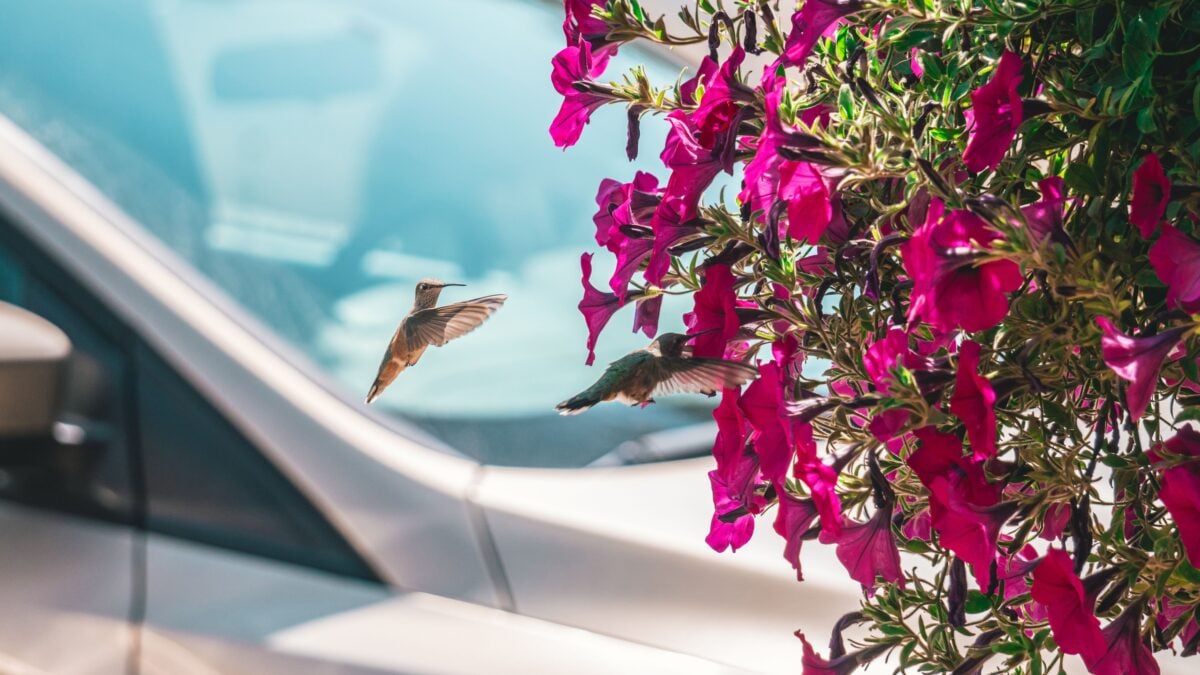
Most people assume hummingbirds just quietly disappear one cool morning, gone in a tidy little line headed south. That’s the postcard version. The real story, the one playing out in your backyard right now, looks more like a frantic, high-stakes heist – fights at the feeder, secret dawn raids, sudden weight gain, and birds vanishing days before you’d ever guess winter was actually coming.
Hummingbird experts who track this closely say most gardeners miss almost all of it. The clues are right there on your porch rail – you just don’t know what you’re looking at yet. Here are 18 things hummingbirds actually do before they vanish for winter, and why the moment something feels “off” at your feeder, the bird you’re worried about may already be three states away.
#1 – They Quietly Triple Their Daily Calories
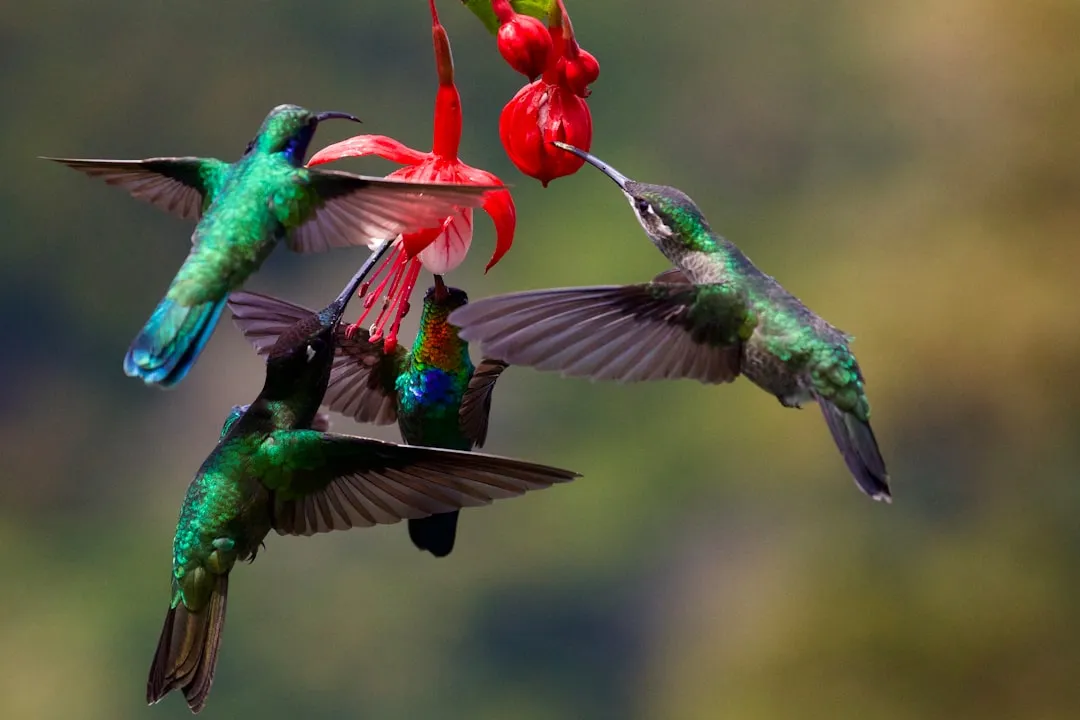
Right before they vanish, hummingbirds go on what’s basically an all-day binge. A bird that used to sip casually at your feeder suddenly shows up every few minutes, packing in sugar like it’s the last meal on Earth.
Some individuals increase their daily food intake to nearly three times their usual amount, turning every waking moment into a feeding opportunity. Unlike songbirds that pack on fat slowly over weeks, hummingbirds can bulk up in days. If it suddenly feels like one bird has moved into your feeder, you’re not imagining it – and ironically, that frenzy usually means they’re about to leave, not stay.
#2 – They Pack on Shockingly Noticeable Fat
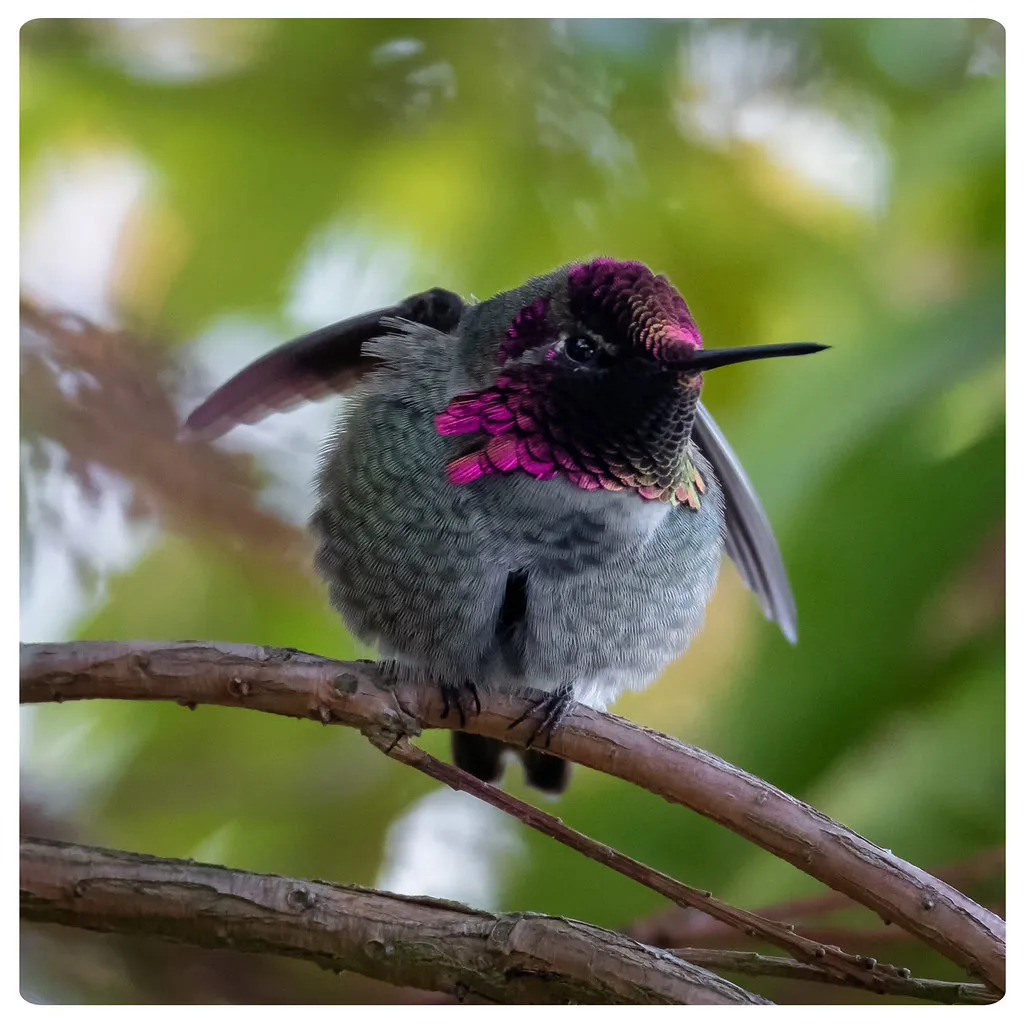
For a bird that usually looks like a flying needle, a pre-migration hummingbird can start to look almost chunky. Watch closely and you’ll sometimes spot a small bulge along the flanks or lower belly – fat stores building up under those iridescent feathers.
Some migrating hummingbirds nearly double their body weight in fat before they depart. That’s not cosmetic, it’s jet fuel. A single crossing over the Gulf of Mexico can mean 18 to 24 hours of nonstop flying with nowhere to land, and that’s only one leg of the trip. Many people assume a “fat” hummingbird is sick or pregnant – in late summer, that rounded look is usually just a bird in peak migration shape.
Fast Facts
- Hummingbirds nearly double their weight, from about 3.25 grams to 6 grams, before crossing the Gulf of Mexico.
- A single migration can become a nonstop flight of up to 500 miles over a period of 18 to 22 hours.
- Western species such as the Rufous Hummingbird travel even farther, completing a round-trip of more than 3,000 miles between Mexico and Alaska.
#3 – They Turn Your Backyard Into a War Zone
Weeks before they vanish, hummingbirds get noticeably meaner. That sweet little jewel you admired all June can turn into a dive-bombing tyrant almost overnight, chasing off anything that comes near “its” feeder.
One dominant bird may try to claim an entire feeder or blooming patch and chase everyone else away. The aerial chases and beak-jabbing “sword fights” aren’t random drama – every drop of nectar could be part of tomorrow’s flight fuel. Some gardeners blame the feeder and take it down, but the aggression is wired into the bird; it’ll defend a wildflower patch just as fiercely. Spacing out a few small feeders can at least give the underdogs a fighting chance.
#4 – They Secretly Switch From Flower Fans to Insect Hunters
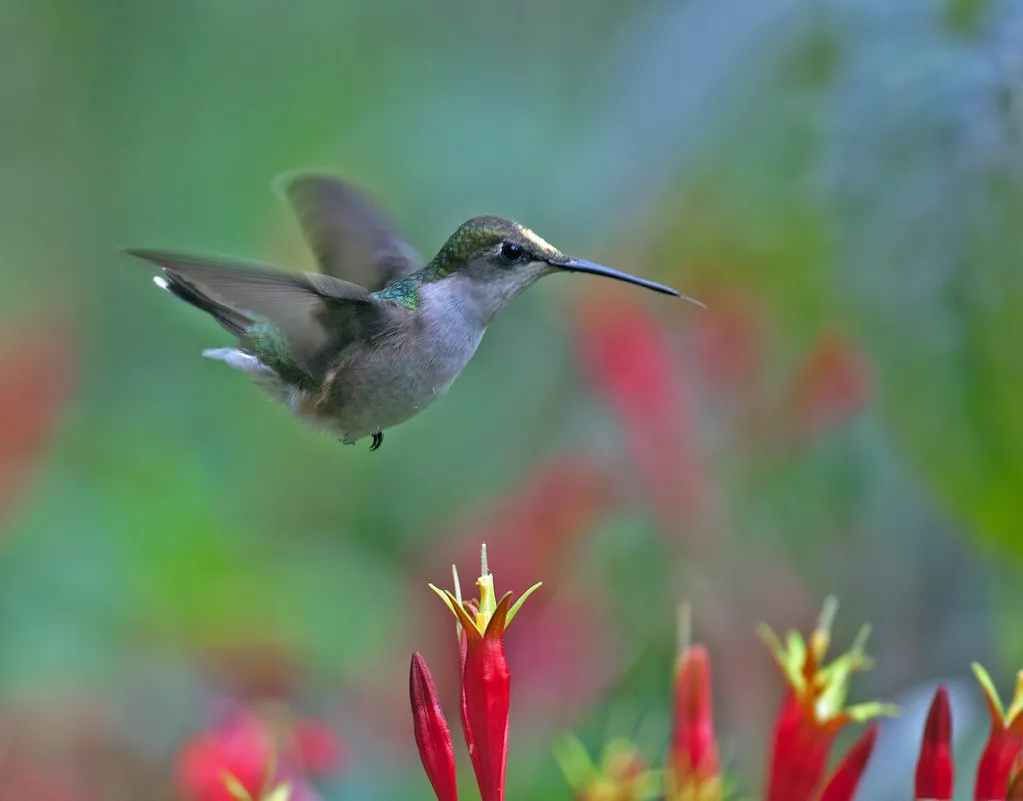
Most people picture hummingbirds as pure nectar drinkers. Right before they vanish, though, many quietly shift to a protein-heavy menu, and you may catch them darting oddly through the air far from any flower or feeder – that’s hunting, not confusion.
Insects and spiders can make up a surprisingly large share of their diet during this period. Tiny gnats, fruit flies, and spider eggs help build muscle while the sugar builds fat. They’ll even steal prey straight out of spider webs. Gardeners who spray every bug into oblivion are quietly wiping out this exact food source – a slightly messy yard, full of webs and gnats, is often a hidden hummingbird goldmine.
#5 – They Abandon Your Yard Weeks Before You Think “Winter”
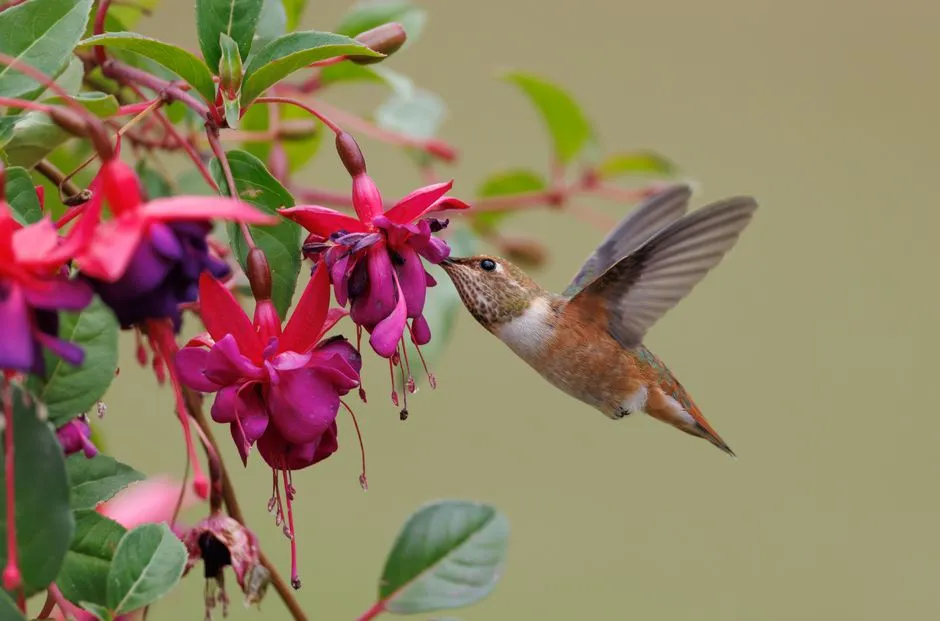
Here’s the detail that catches people off guard: hummingbirds often disappear from northern and mid-latitude yards long before true winter arrives. They can vanish in late summer while your days still feel pleasantly warm.
They’re not leaving because it “feels cold” to you. They’re timing their departure around:
- Declining daylight hours
- Shifts in insect availability
- The staggered blooming of nectar plants along their migration route
If they wait until your first frost, they’re already dangerously late. So while you’re mowing the lawn in a T-shirt insisting “winter is ages away,” your hummingbirds may already be halfway to Mexico – which is exactly why experts warn people not to panic and yank feeders the moment the yard feels quiet.
#6 – They Quietly Map a Refueling Chain of Yards
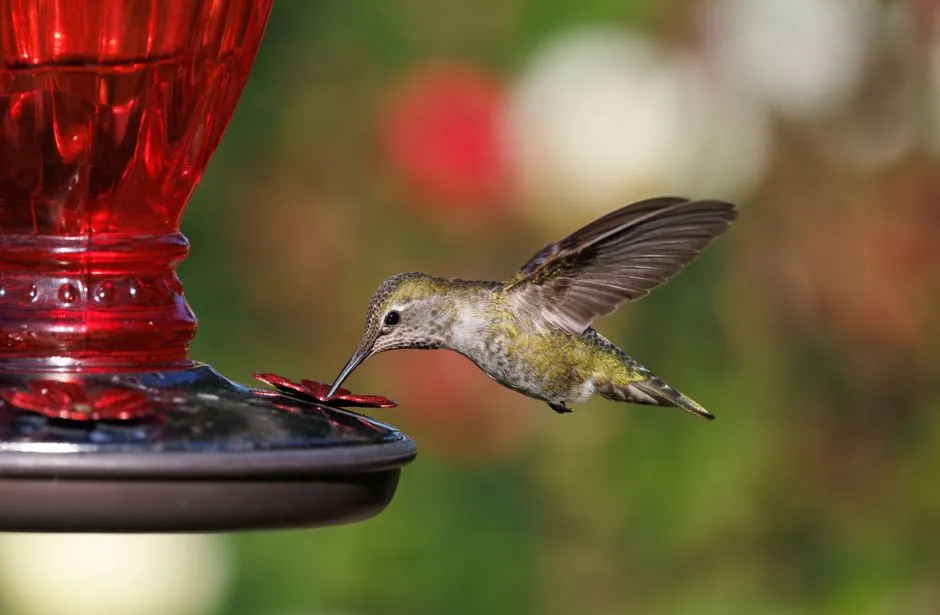
Hummingbirds don’t just fly south and hope for the best. There’s growing evidence they follow rough “chains” of reliable stops – specific yards, wildflower patches, and gardens – year after year.
Some individuals likely remember specific gardens and feeders along their route. That means your yard might just be one gas station on a much longer map, not their final destination. A brand-new hummingbird shows up for a day or two, then disappears for good – probably a migrant just passing through, plugging into a mental route that includes dozens of stops just like yours. What feels like “my hummingbird left” is often several different birds cycling through without you ever noticing the swap.
#7 – They Time Their Departure Around Your Plants, Not Your Calendar
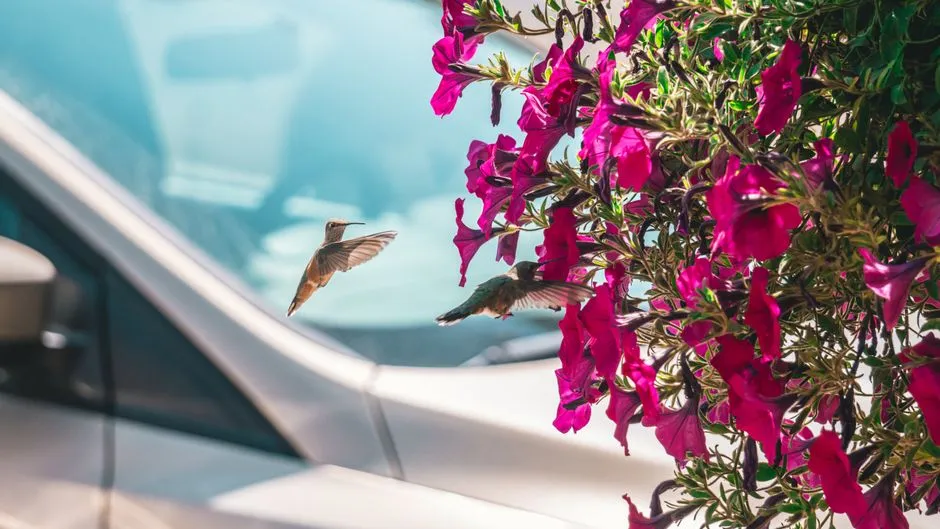
Gardeners love dates – “they arrive in May, they leave in September.” Hummingbirds don’t care about your calendar nearly as much as your bloom schedule.
Late-season flowers, especially tubular reds, oranges, and deep purples, act like a living countdown clock for their departure. If your salvias, bee balm, and late honeysuckle are still pumping out nectar, some birds will linger to cash in. Once those blooms fade, even loyal birds move on – which is why two neighbors on the same street can have wildly different “last hummingbird” dates depending on what’s still flowering. Ripping out “spent” plants during a fall cleanup often means tearing out exactly what was keeping the birds fed.
#8 – They Practice “Micro-Migrations” Inside Your Neighborhood
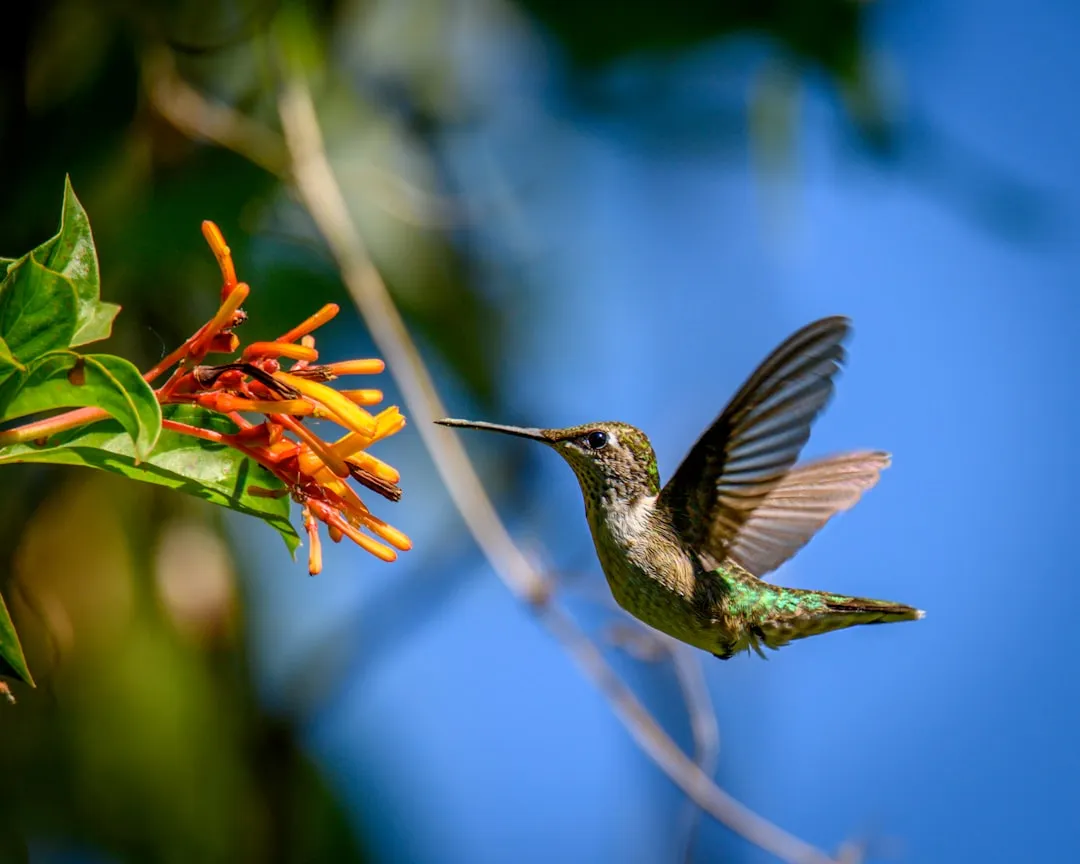
Most gardeners assume hummingbirds either “stay” or “leave.” In reality, before the real migration even starts, they often shift around on a much smaller, sneakier scale.
A hummingbird you think has migrated may have simply moved a few streets over to a yard with better resources. In late season, they may:
- Move from high-competition yards to quieter ones
- Seek warmer microclimates sheltered from wind
- Follow the last blooming plants, even a few houses away
That’s how your garden can go silent while your neighbor is posting videos of “so many hummingbirds” two doors down. The bird hasn’t gone south yet – it just found a better local gas station.
#9 – They Enter Deep Nighttime Torpor to Conserve Fuel
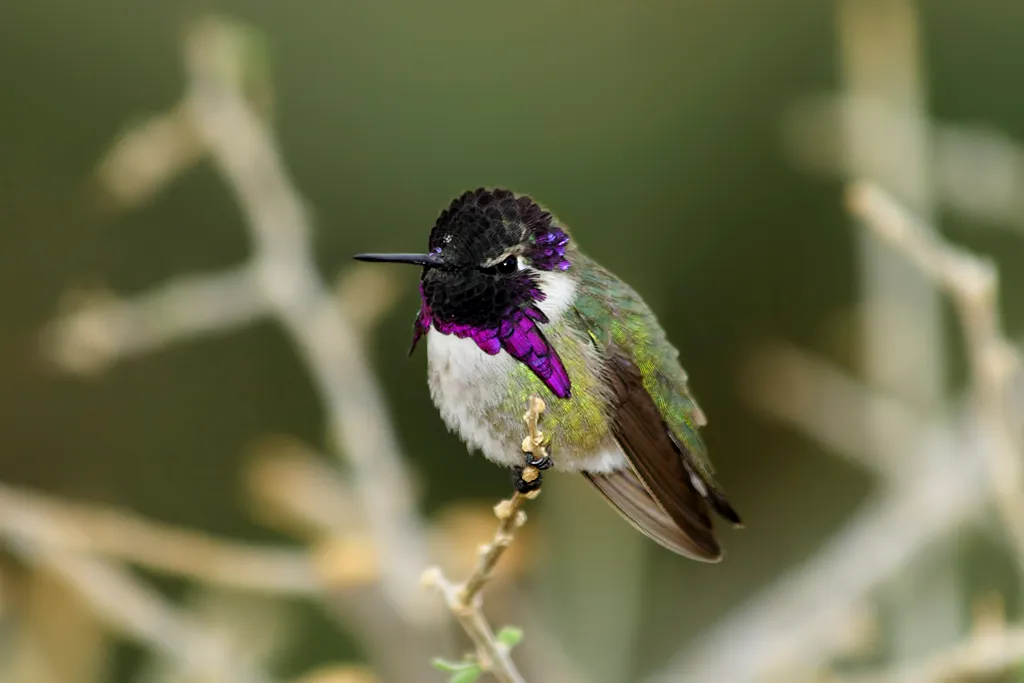
Before and during migration, hummingbirds lean hard on one of their strangest survival tricks: torpor, a mini-hibernation state where their heart rate and body temperature plummet overnight.
Most people never see it happen, but a torpid hummingbird can look flat-out dead – fluffed up, motionless, unresponsive – only to reboot at dawn like nothing happened. Torpor lets them bank the food they ate as fat instead of burning it all just staying warm through the night. Well-meaning people sometimes try to “rescue” a torpid bird assuming it’s dying; in late season, that interruption may be the worst thing you can do. Leaving it undisturbed is exactly what its migration strategy depends on.
Worth Knowing
- Heart rate drops from up to 1,200 bpm to as few as 50 bpm as the bird enters a micro-hibernation state.
- Body temperature can fall by up to 50°F below the daytime norm to conserve energy overnight.
- Torpor can slow a hummingbird’s metabolism by up to 95%.
- In some cases, hummingbirds may even pause their breathing for up to five minutes.
#10 – They Sneak In Dawn and Dusk Feeding Sessions You Rarely See
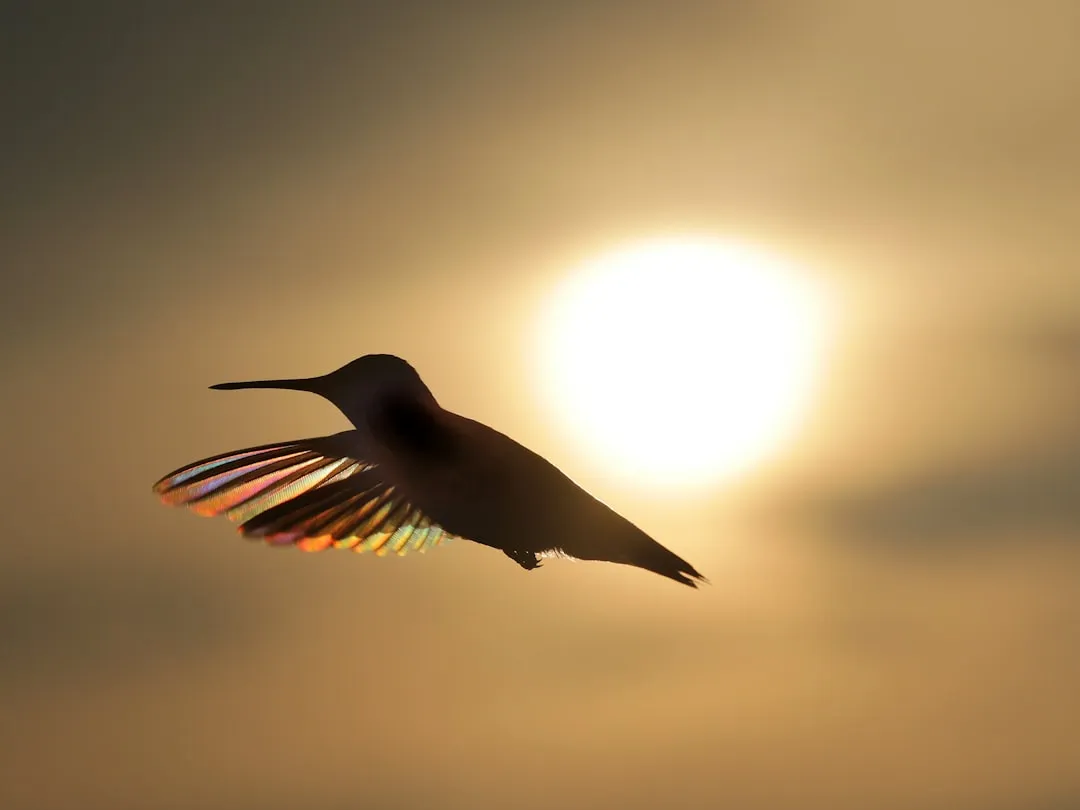
By the time you’re sipping your first coffee, your local hummingbirds may have already finished a full breakfast run. In the pre-migration weeks, they hit feeders hard at first light and last light, when fewer competitors and predators are around.
Most casual observers only catch the midday lull, then wrongly assume the birds have disappeared. Early and late feeding sessions:
- Maximize total daily intake
- Avoid midday heat stress in late summer
- Take advantage of cooler, more energy-efficient flying conditions
Try quietly watching from indoors at sunrise or just before dark. The traffic can look completely different from what you see at noon.
#11 – They Change Their Routes When Gardeners Remove Feeders Too Soon
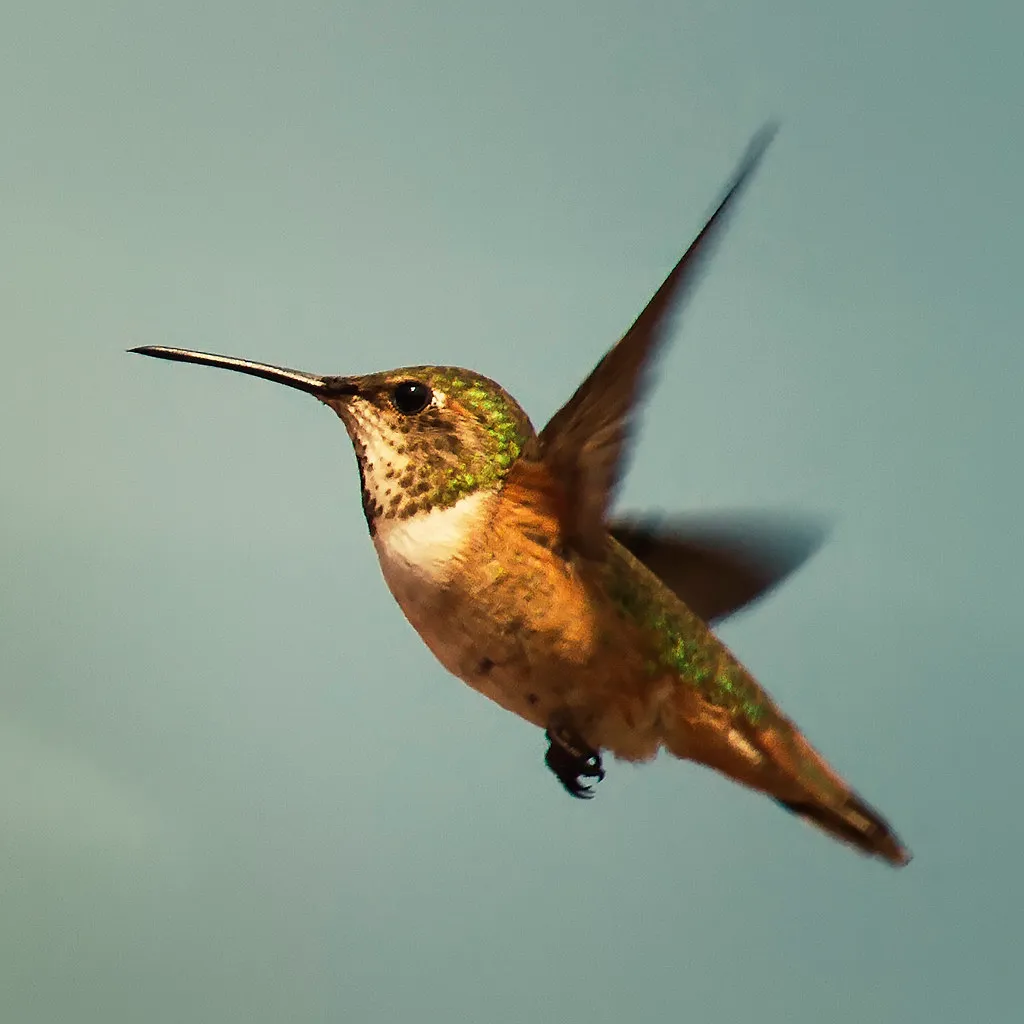
This one annoys traditionalists: the old advice to “take down feeders so hummingbirds know to migrate” doesn’t hold up. Migration is triggered by day length and internal clocks, not sugar water.
But yanking feeders too early still has consequences. Birds already on the move may simply skip your yard next year if it let them down when they needed fuel most. Late-season feeders instead:
- Help migrants passing through, not “convince them to stay”
- Provide emergency energy during sudden cold snaps
- Support individuals that naturally migrate later than the rest
Some experts now argue that keeping clean feeders up into fall does more good than harm, within reason for your region. Plenty of gardeners disagree – which is exactly why this debate erupts in birding groups every single year.
#12 – They Quietly Separate Into “Risk Takers” and “Play-It-Safe” Birds
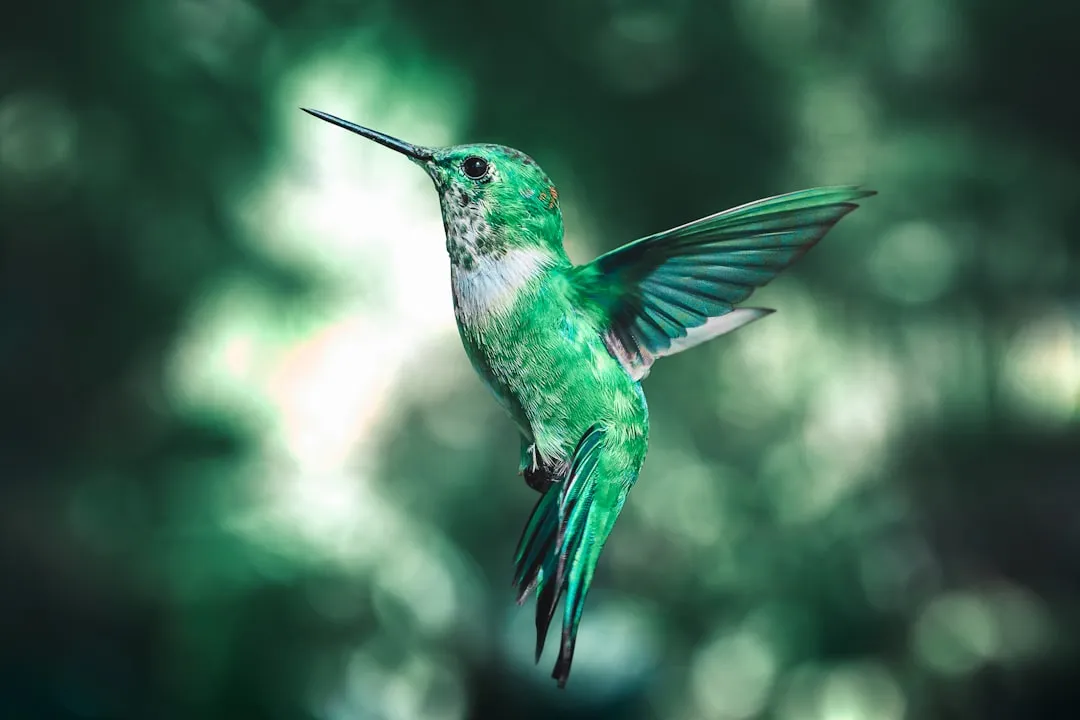
Not every hummingbird makes the same call before winter. Even within one species, you’ll see wildly different strategies play out in the same yard.
Some individuals depart early and move fast; others linger and gamble on weather and resources. You might notice a bold straggler that stays later than everyone else, birds that vanish the instant a cold front is forecast, or a brief “second wave” of migrants trailing the first group. Leaving early means fewer crowds but thinner resources; leaving late means richer blooms but the risk of getting caught in a storm. That one late holdout at your feeder isn’t broken – it may just be running a strategy that has worked for its bloodline for generations.
#13 – They Use Your Yard as a Training Ground for Young Birds
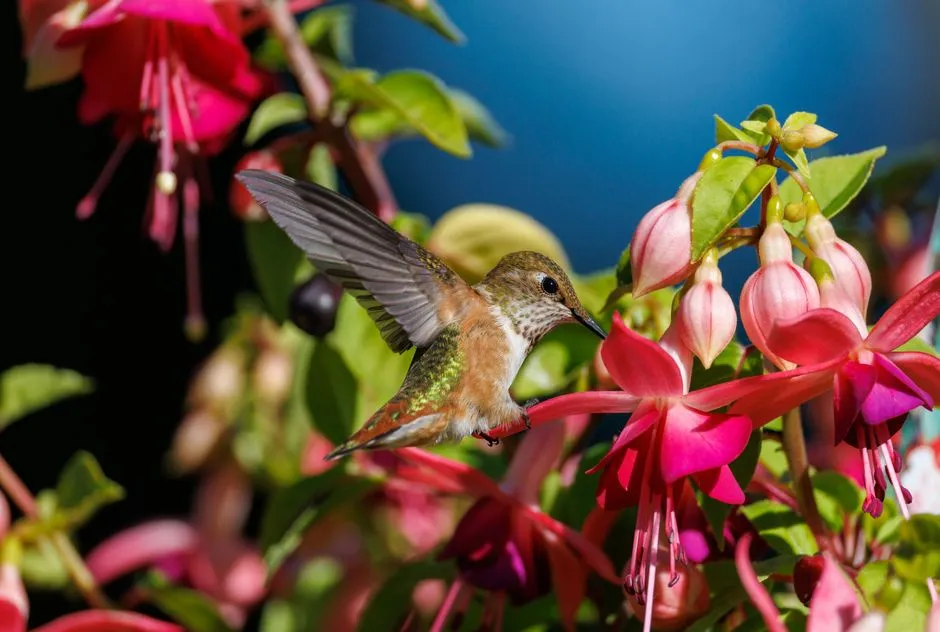
Before they vanish, adult hummingbirds often share space – reluctantly – with their own offspring. Those clumsy, short-tailed “baby hummers” fumbling at your feeder in late summer are actually juveniles learning how to become migrants.
Your yard becomes a classroom for aerial maneuvers and feeder etiquette, a semi-safe space to dodge bullies and predators, and a crash course in spotting nectar fast in unfamiliar territory. These young birds, often duller with more throat speckling, are the ones missing the feeder port entirely. When they finally vanish, they’re not lost – they’re flying ancient routes for the first time, guided by instinct alone. That kind of raw courage, packed into a body lighter than a coin, is easy to miss from a kitchen window.
#14 – They Exploit “Ugly” Late-Season Plants Most Gardeners Rip Out
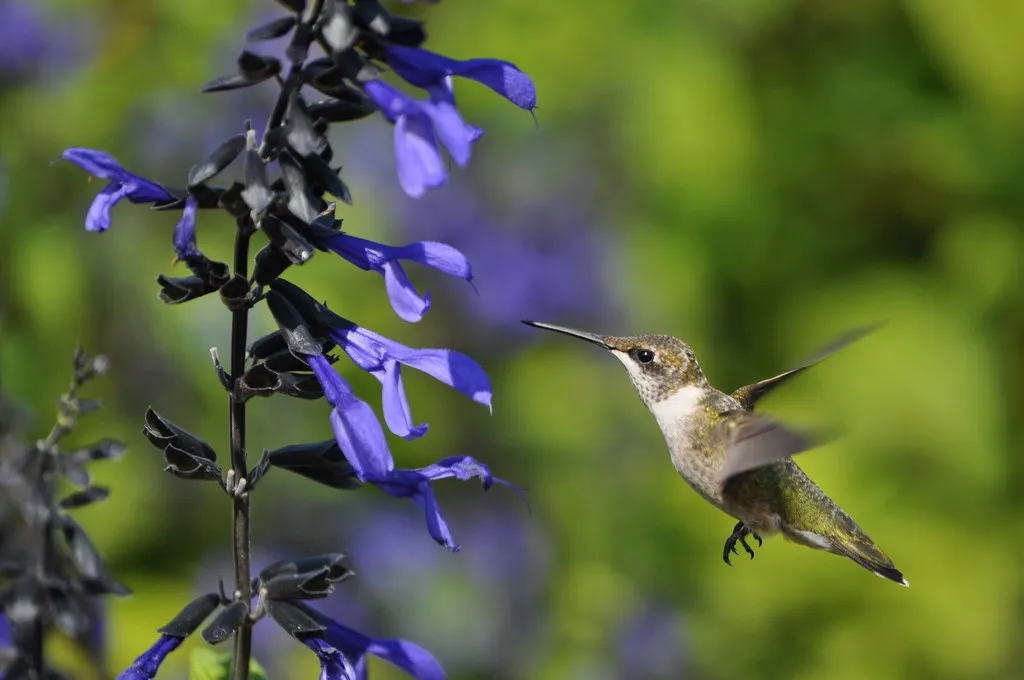
If you think hummingbirds only care about pristine, peak-bloom flowers, you’re missing their final feast. Some of their best late-season resources are the half-spent, scruffy plants tidy gardeners yank out the moment the petals start fading.
These “ugly” survivors matter more than they look:
- Late-blooming salvias and agastache with ragged stems
- Anise hyssop, goldenrod, jewelweed, and late cardinal flower
- Trumpet vines and native honeysuckles still pushing a few last blossoms
Even a tired-looking flower can still be hiding nectar, and these same plants attract the last insects of the season – a bonus protein boost. An overly manicured yard, “put to bed” by early fall, can turn into a green desert at the exact moment birds need calories most. Letting things look a little wild in September can genuinely help fuel a journey of hundreds of miles.
#15 – They Quietly Shift From Bright Borders to Hidden Cover
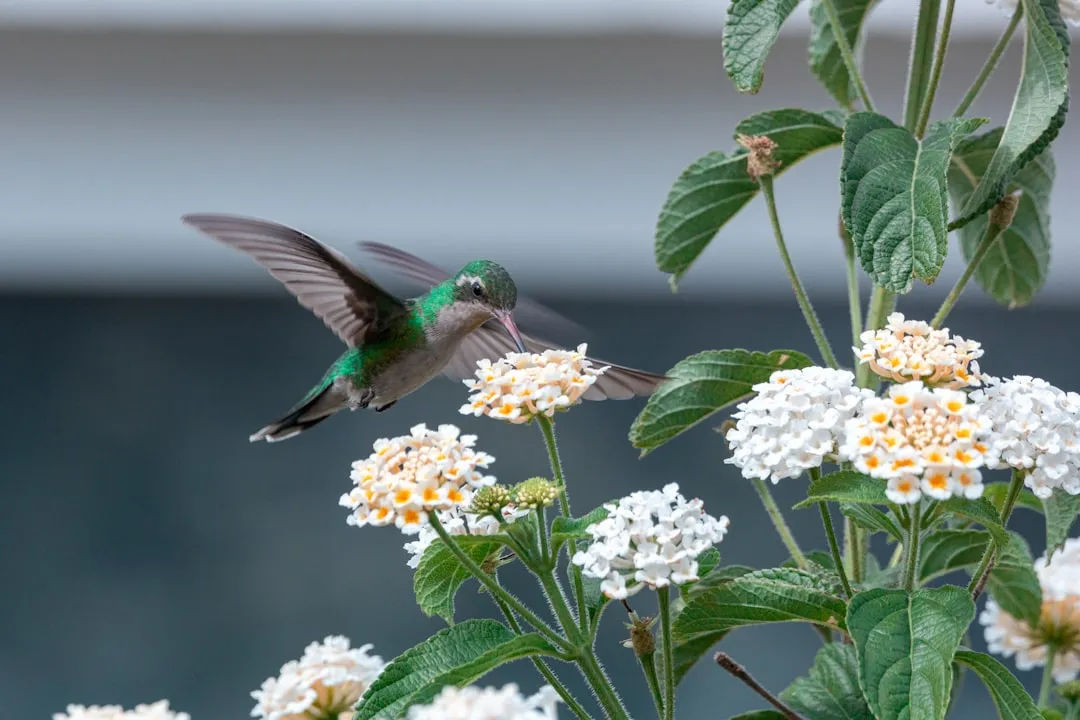
In peak summer, hummingbirds show off at bold flowerbeds and central feeders in full view. As departure nears, many quietly retreat, spending more time in shrubs, trees, and dense cover instead of hovering out in the open.
This shift protects them from migrating hawks, shelters them from cooler winds and sudden storms, and gives them access to insects that favor shrub and canopy layers. So when you swear they’ve vanished, they may simply be perched higher, deeper, and quieter than you’re used to seeing. Layered habitat – trees, tall shrubs, understory, and flowers – gives them both food and a hiding place right when the stakes are highest.
#16 – They Use Storm Fronts and Wind Like a Highway
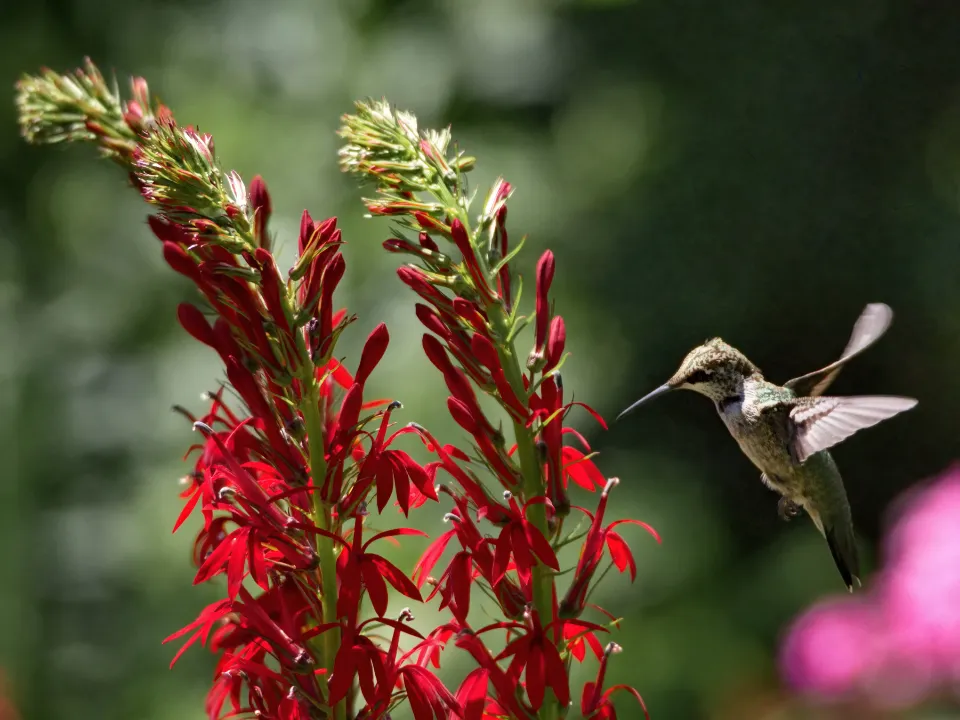
We like to picture migration as one straight, heroic line south. In reality, hummingbirds are far more tactical – they read weather systems and often time their biggest movements to ride tailwinds off cold fronts.
It’s invisible to us in the garden, but it’s critical to them. Right before they vanish, you might notice a sudden feeding frenzy ahead of an approaching front, a total disappearance the day after strong north winds roll in, or new birds that show up and leave again within 24 hours. They’re catching an aerial conveyor belt, saving huge amounts of energy for a heart that can hit over 1,000 beats per minute in flight. People often blame “yesterday’s storm” for wiping out their hummingbirds, when really the birds just rode it straight out of town.
At a Glance
- Most adult hummingbirds will beat their wings around 1,200 to 1,800 times per minute.
- Their hearts beat at astounding rates, typically 500 to 1,200 beats per minute, depending on level of activity.
- Normal flight speed is about 30 miles per hour, but they can reach speeds of up to 50 miles per hour when escaping predators or chasing insects.
#17 – They May Stop Over Far Closer Than You Think
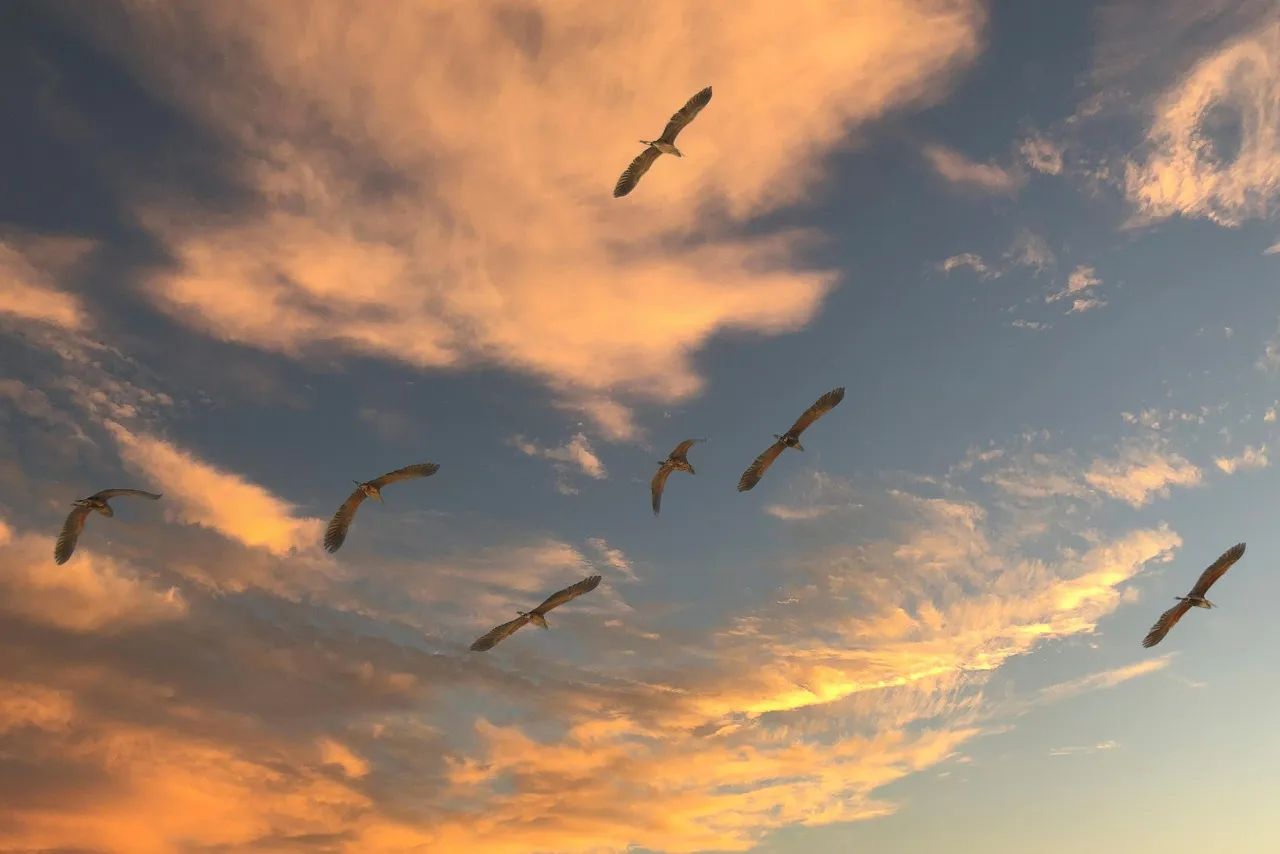
Many gardeners assume their hummingbirds vanish straight into the tropics. The truth is messier and, honestly, more interesting.
Some populations only move a few hundred miles to slightly milder regions, especially in the southern U.S., while others travel much farther – but nearly all lean on multiple stopovers along the way. Your feeder might be the last major fuel stop in a long chain, a mid-route snack station, or an emergency pit-stop during a sudden cold snap. Some individuals winter in places that still get chilly nights and the occasional frost, surviving on a mix of natural blooms and backyard feeders. So when your birds depart, picture them looping through a patchwork of other gardens, forests, and wetlands – not vanishing into some vague “South America” in one single leap.
Quick Compare
- Ruby-throated hummingbirds crossing the Gulf of Mexico face roughly 500 miles of open water, often in a single nonstop flight lasting 18 to 24 hours.
- Rufous hummingbirds make a round trip of roughly 3,900 miles between Alaska and Mexico, often cited as the longest migration relative to body size of any bird.
- Some southern populations skip the long haul entirely, drifting only a few hundred miles to milder coastal or Gulf-region winters.
#18 – Some Don’t Leave at All – and Gardeners Completely Misread It
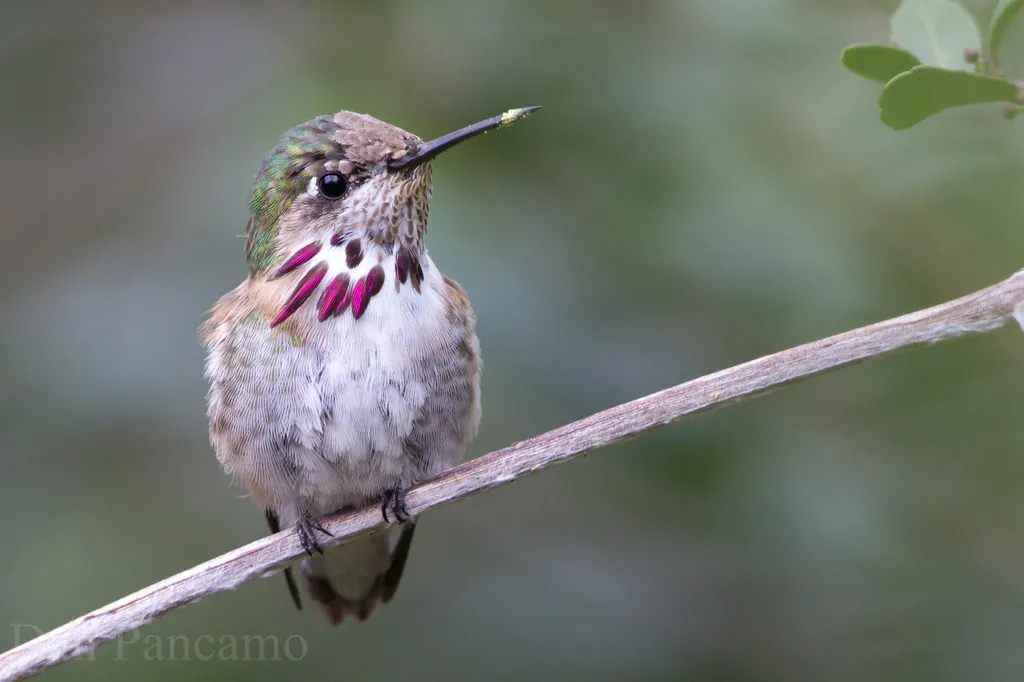
Here’s the twist that sparks the most arguments in birding circles: in certain regions, some hummingbirds don’t vanish for winter at all. They switch to a more localized, flexible pattern instead, leaning on evergreen plants, sheltered microclimates, and yes, human feeders.
In parts of the southern and coastal U.S., people now report hummingbirds in the dead of midwinter. Some are normal wintering populations that have always done this; others may be individuals that once migrated farther but are quietly adjusting to warmer winters and steadier nectar supplies. That doesn’t mean every bird should be encouraged to overwinter artificially – but pretending this never happens is just as misleading. Gardener behavior, climate shifts, and urban planting choices are already reshaping hummingbird patterns, whether we admit it or not.
The Uncomfortable Truth About “Disappearing” Hummingbirds
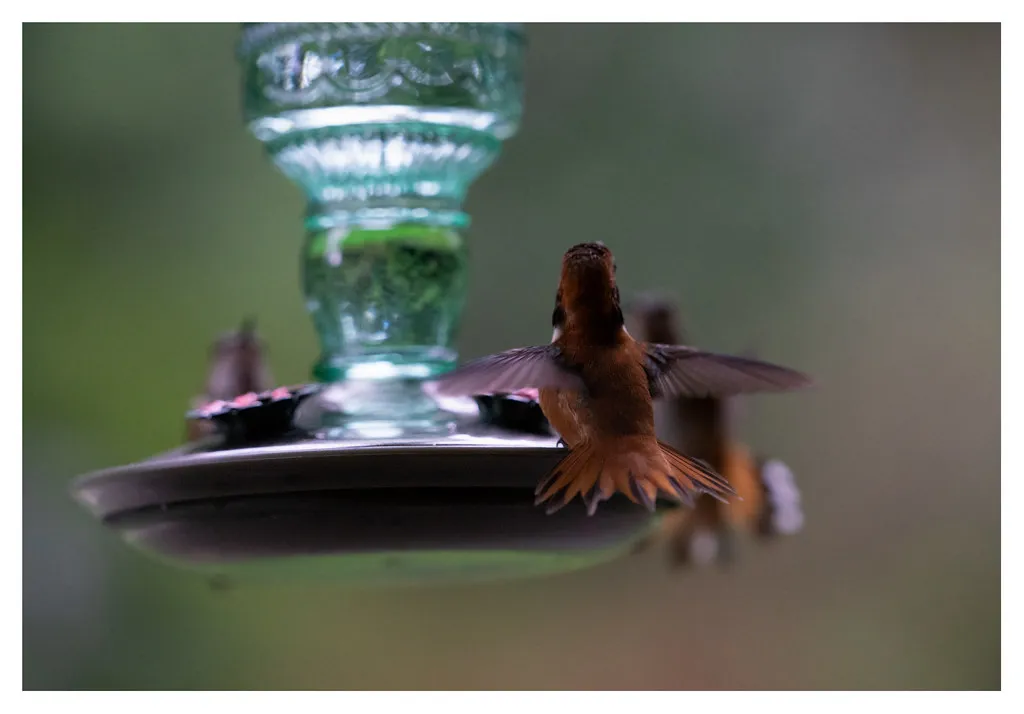
Hummingbirds don’t just vanish. They run a complex, high-risk operation right in your garden, weeks before winter ever shows up on a calendar. They triple their calorie intake, pack on visible fat, turn brutally territorial, and juggle nectar, insects, torpor, and wind patterns like seasoned athletes reading the conditions before a big race.
Most people see nothing but “fewer birds at the feeder” and assume the show is over. The truth is a fierce, split-second scramble for survival – one that our tidy gardening habits interrupt far more often than we’d like to admit. If there’s a real takeaway here, it’s how much control we actually have over the outcome. Messier late-season beds, cleaner feeders left up a little longer, and fewer pesticides can genuinely change a hummingbird’s odds of making it south alive.
Did we nail your favorite late-season hummingbird behavior, or is there one we missed from your own backyard? Say so in the comments – birders rarely agree on this stuff, and that’s half the fun.

- What Hummingbirds Do Before They Vanish for Winter Will Surprise You 18 Behaviours Gardeners Miss - August 13, 2026
- 17 Animals That Bond With One Person for Life and 17 That Never Really Attach at All - August 13, 2026
- 16 Things Your Dying Cat Quietly Asks For in Its Last Weeks That Almost Nobody Recognises - August 13, 2026