
Everyone assumes a cat just has to show up cute and the adoption paperwork practically signs itself. Scroll through any shelter’s Instagram and you’d think every cat finds a home within a week, especially now that the internet is obsessed with slow blinks and toe beans.
Here’s the part nobody posts about: shelters are quietly drowning in specific “types” of cats that most people scroll right past without a second thought. They’re not aggressive, sick, or secretly terrible pets. They’re victims of trends, outdated myths, and a first impression that lasted about three seconds. Some of these cats were the most desired breed in America a decade ago. Now they sit in kennels for months. Here’s who’s actually being left behind, and why it keeps happening.
#17 – Black Domestic Shorthairs: The Invisible Majority
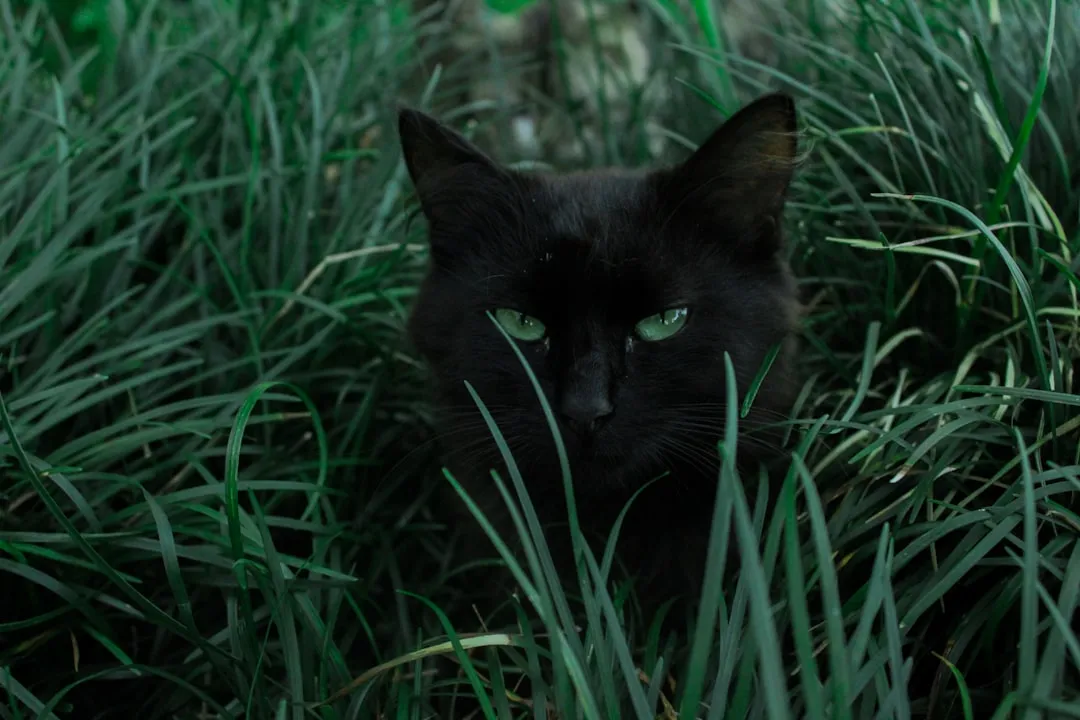
Walk into almost any shelter and you’ll spot the same thing: a row of black cats curled into nearly identical poses, waiting far longer than their orange or calico neighbors. Staff will tell you this without blinking. Black cats are statistically the ones most likely to still be there next month.
It’s not because they’re less playful or affectionate. It’s a mix of bad lighting, old superstitions, and cameras that just don’t flatter black fur. In a dim shelter room, a black cat’s face can disappear entirely in a photo, so people scroll past the bio without ever meeting the cat behind it.
Black is basically the genetic “default” cat color, so unneutered strays and colony cats pump out black kittens nonstop. Add in centuries of bad-luck folklore, and you’ve got some of the friendliest, most easygoing cats in the building getting passed over for something flashier.
#16 – Senior Longhairs: Surrendered the Moment Grooming Feels Like a Chore
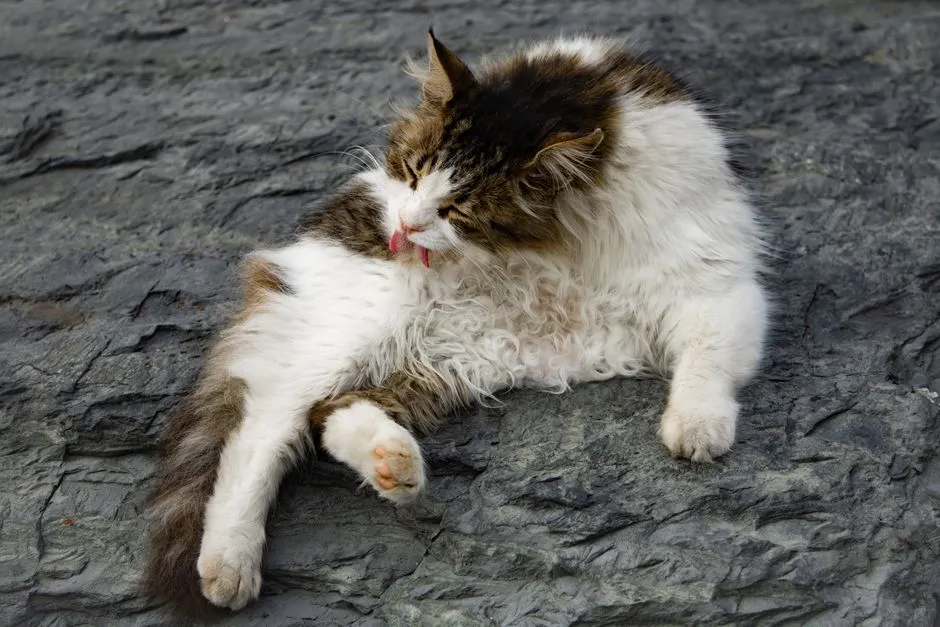
Everyone wants the fluffy kitten for their feed. Almost nobody wants the 10-year-old longhair who needs a brush run through her coat a few times a week. The moment mats start forming or hairballs show up on the rug, some owners quietly give up and never look back.
Shelters end up with aging Persians, longhaired mixes, and fluffballs who are confused and stressed, sometimes shaved down to bare skin just to deal with matting that got out of hand. Underneath it all, though, is usually a mellow, couch-loving cat who simply needed basic upkeep.
Most senior longhairs already come pre-loaded with everything adopters say they want:
- Litter trained and calm around the house
- Used to noise, routine, and being handled
Ten minutes of brushing a few times a week would have prevented almost all of it. These cats are quietly paying the price for someone else’s neglect.
#15 – High-Energy Bengals: Bought for the Look, Returned for the Reality
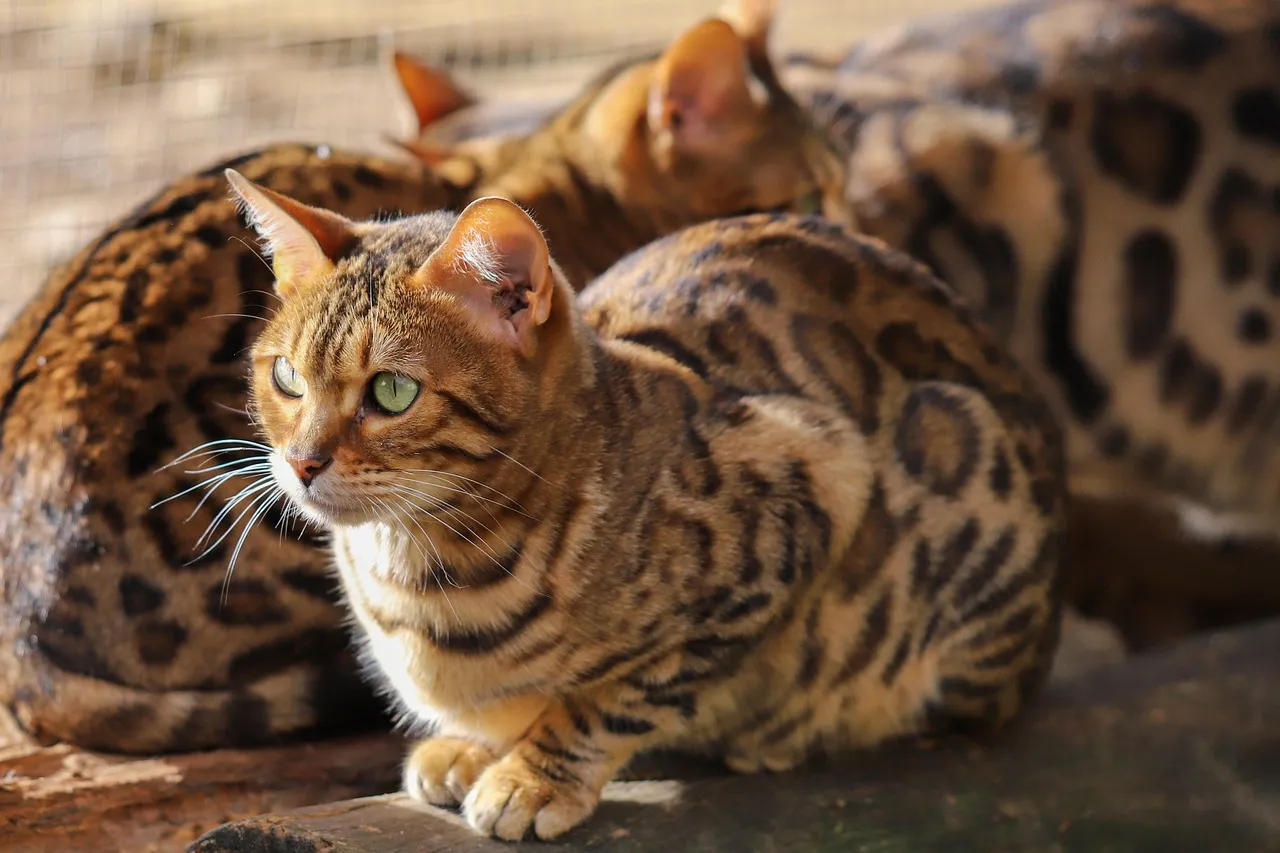
Bengals were the status cat of the 2010s: wild-looking, spotted, endlessly photogenic. What a lot of buyers never heard, or chose to ignore, is that a bored Bengal can turn into an absolute tornado inside a small apartment.
They’re athletic, vocal, and smart enough to open cabinets, shred blinds, and scream at 3 a.m. when they’re under-stimulated. When that hits, plenty of owners quietly decide the cat is “too much” and drop it at a shelter or breed rescue.
Fast Facts
- Bengals were developed starting in the 1960s by crossing domestic cats with Asian leopard cats
- They typically live 12 to 16 years, so a mismatch with their energy can drag on for over a decade
- Many Bengals genuinely enjoy water play, unlike most other breeds
- Daily active play, not just a food bowl and a windowsill, is considered essential for this breed
Here’s what almost nobody factors in before buying one: Bengals need real enrichment, not just a food bowl and a window.
- Vertical climbing space they can actually use daily
- Play sessions and puzzle feeders, not just downtime
Without that outlet, the “bad behavior” is just normal energy with nowhere to go. Shelters are now seeing young Bengals labeled behavior cases when what they really needed was a home that treated them more like a working dog than a lap cat.
#14 – Deaf White Cats: Perfectly Adorable, Automatically Rejected
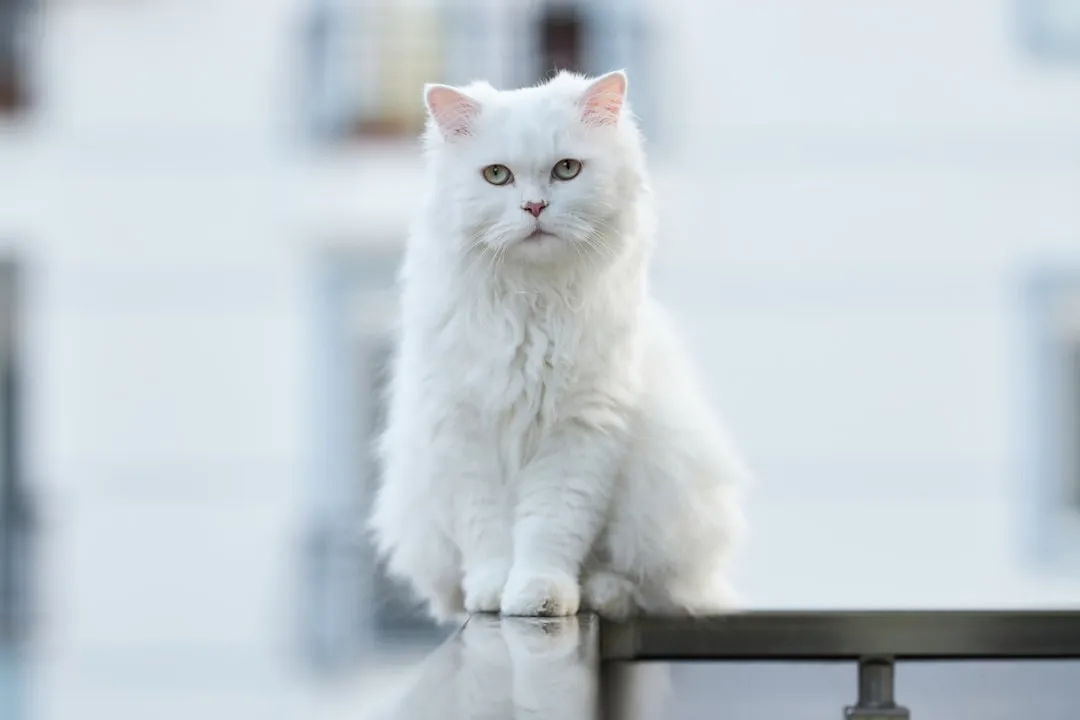
White cats with blue eyes look like they belong in a luxury ad campaign. Here’s the part most people don’t know: a significant number of them are deaf, and that single word makes many adopters turn around and walk out.
They picture a “broken” cat, or a lifetime of complications. Shelter workers know better. Deaf cats often adapt beautifully, especially indoors, once they settle into a routine.
They can’t respond to sound, but they still build a rich life around their people:
- Learning hand signals and visual cues
- Bonding tightly through touch and eye contact
The main risk is outdoor traffic, which is why they need to stay strictly indoors. Think of them less as “special needs” and more as cats living in a quieter world who need you as their anchor. That extra bit of responsibility is enough to keep them sitting in kennels while “easier” cats go home first.
#13 – FIV-Positive Cats: Punished for a Three-Letter Acronym
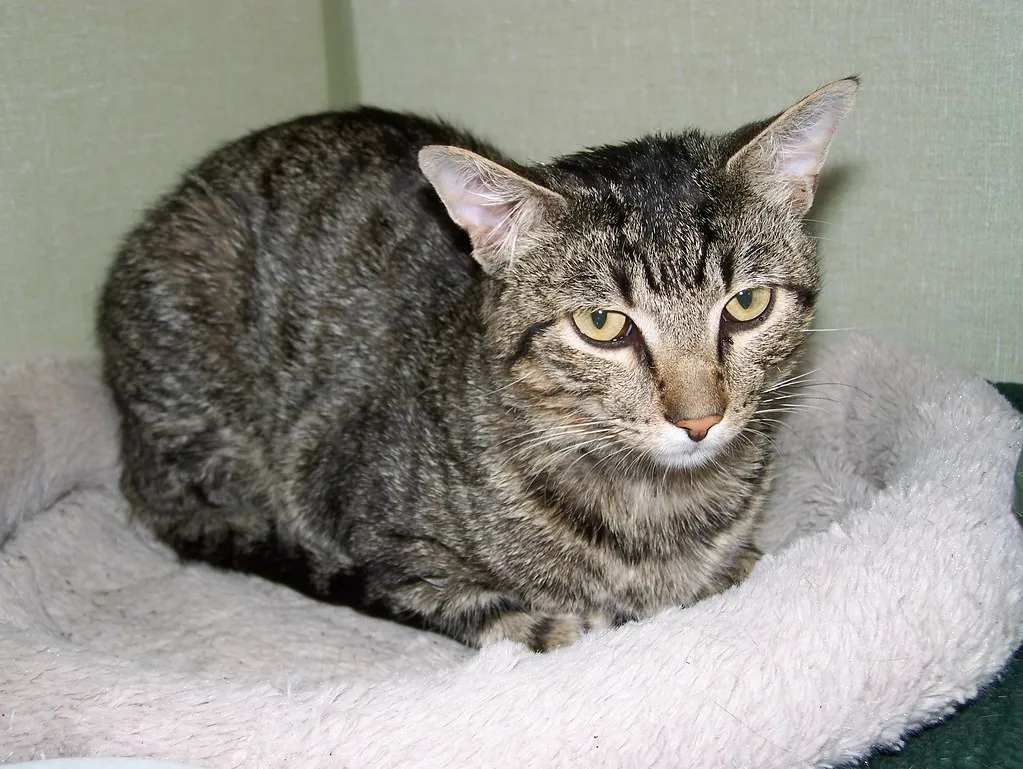
Three letters, FIV, are enough to clear a room. Most people hear “feline immunodeficiency virus,” think “cat HIV,” and assume a death sentence. That reputation is outdated. Many FIV-positive cats live full, normal lifespans with routine vet care, especially when kept indoors.
Yet in shelters, one note on the cage card instantly tanks a cat’s chances. Almost nobody sticks around to read further once they see it.
Here’s what rarely makes it into the conversation: FIV isn’t casually spread. It’s transmitted mainly through deep bite wounds from serious fighting, not shared bowls or mutual grooming. An easygoing FIV-positive cat can often live safely alongside calm, neutered companions in an ordinary home.
The stigma is so strong that some adopters never make it past the diagnosis. Meanwhile, these cats sit there affectionate and ready, waiting for someone to look past a label instead of a cat.
#12 – Tripod Cats: Heroes Treated Like Damaged Goods
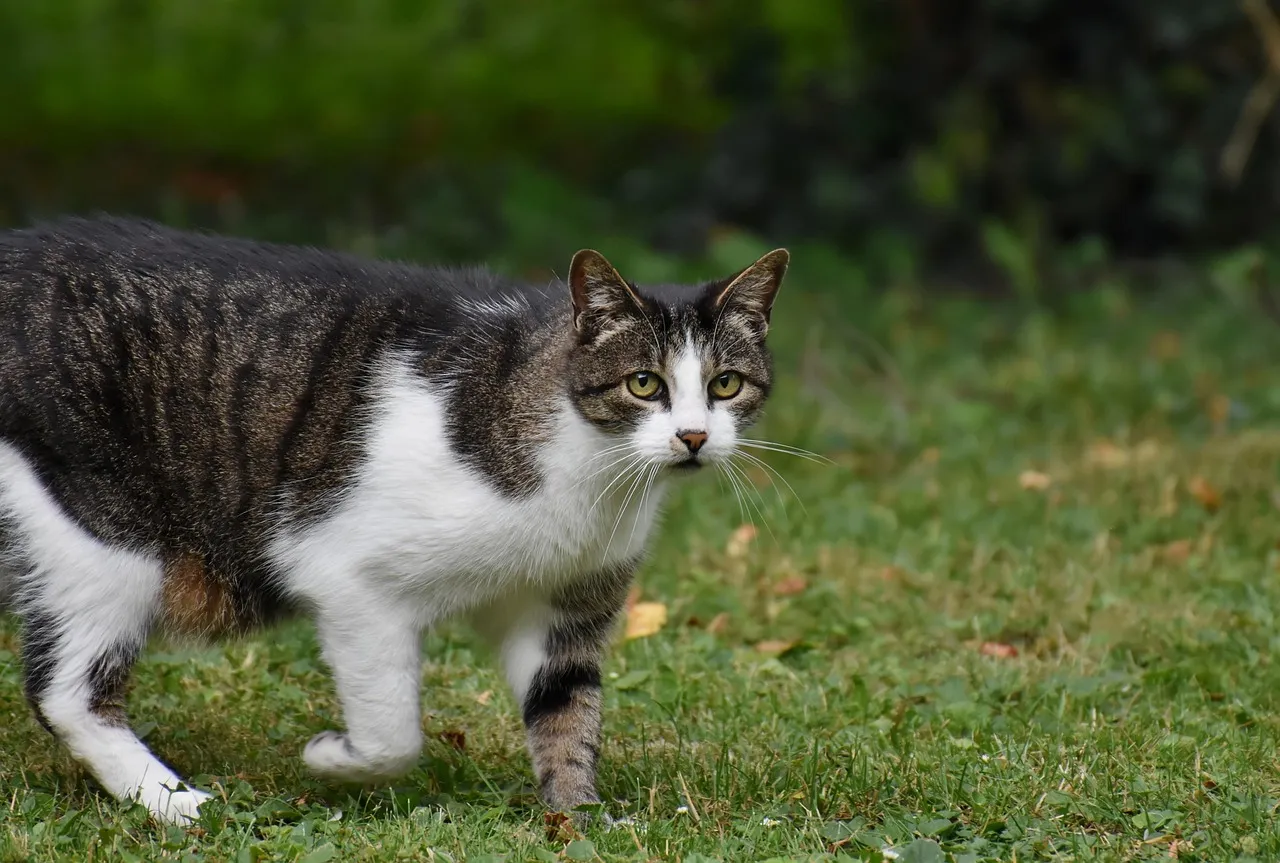
Shelter workers quietly love tripod cats because they’re often the most resilient, unfazed animals in the building. They’ve survived trauma, surgery, and recovery, and then they just keep going like nothing happened.
Potential adopters, though, see “three legs” and picture nonstop vet bills or a fragile, delicate pet. The reality is far less dramatic than the fear.
Most tripod cats adapt within weeks and settle into a normal life:
- Jumping, climbing, and playing with real confidence
- Living free of ongoing medical issues once fully healed
What they actually need is a home that respects their limits, like skipping super high, slippery perches, without smothering them in pity. The saddest part is that many were hit by cars or injured because someone let them roam unsupervised, and then they’re surrendered on top of it. They lose a leg, then they lose their home too.
#11 – Sphynx and Hairless Cats: Trend Pets Nobody Budgeted For
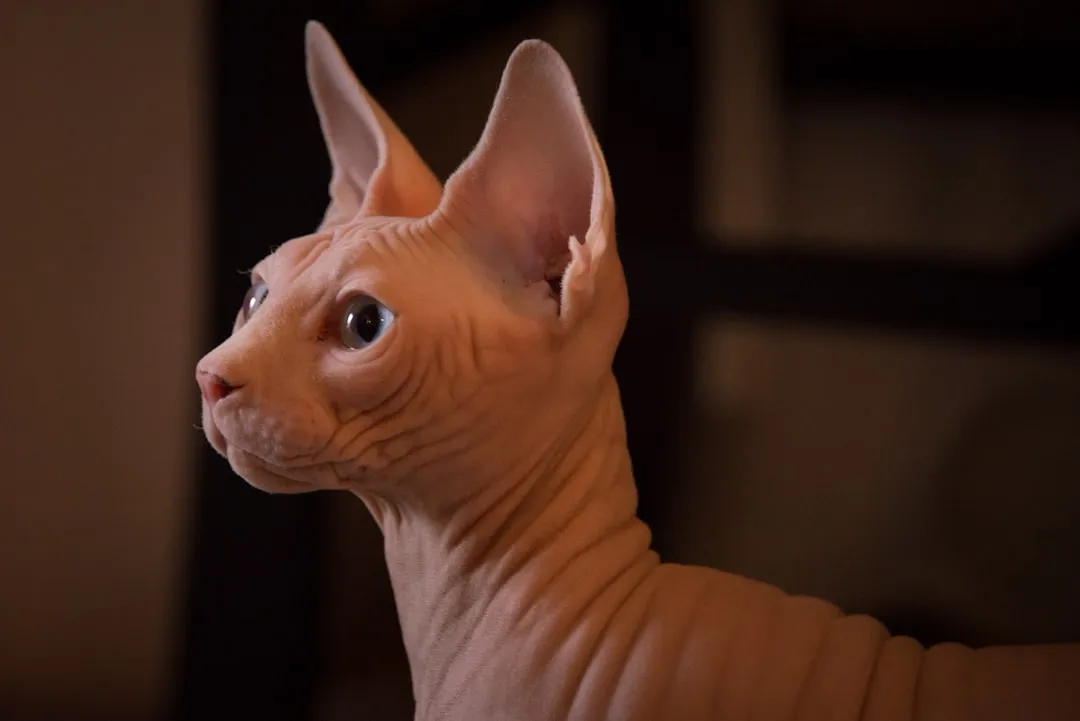
A decade of viral photos turned hairless cats into “quirky cool.” People see the alien face and assume low-maintenance, since there’s no fur to deal with. In reality, Sphynx-type cats are some of the most high-maintenance felines a shelter will ever see.
They need regular skin cleaning, careful ear care, and steady indoor temperatures, all of which cost time and money most buyers never researched.
When the frequent baths, the pricey skin-related vet visits, and the winter heating bills hit, a lot of owners quietly tap out. Rescue groups now see a steady trickle of surrendered hairless cats whose families simply “didn’t realize” what they’d signed up for.
The irony is that these cats tend to be social, dog-like, and intensely people-oriented, exactly the personality traits most adopters say they want. They just come with a user manual almost nobody bothers to read first.
#10 – Persians and Flat-Faced Breeds: Victims of Their Own Aesthetic
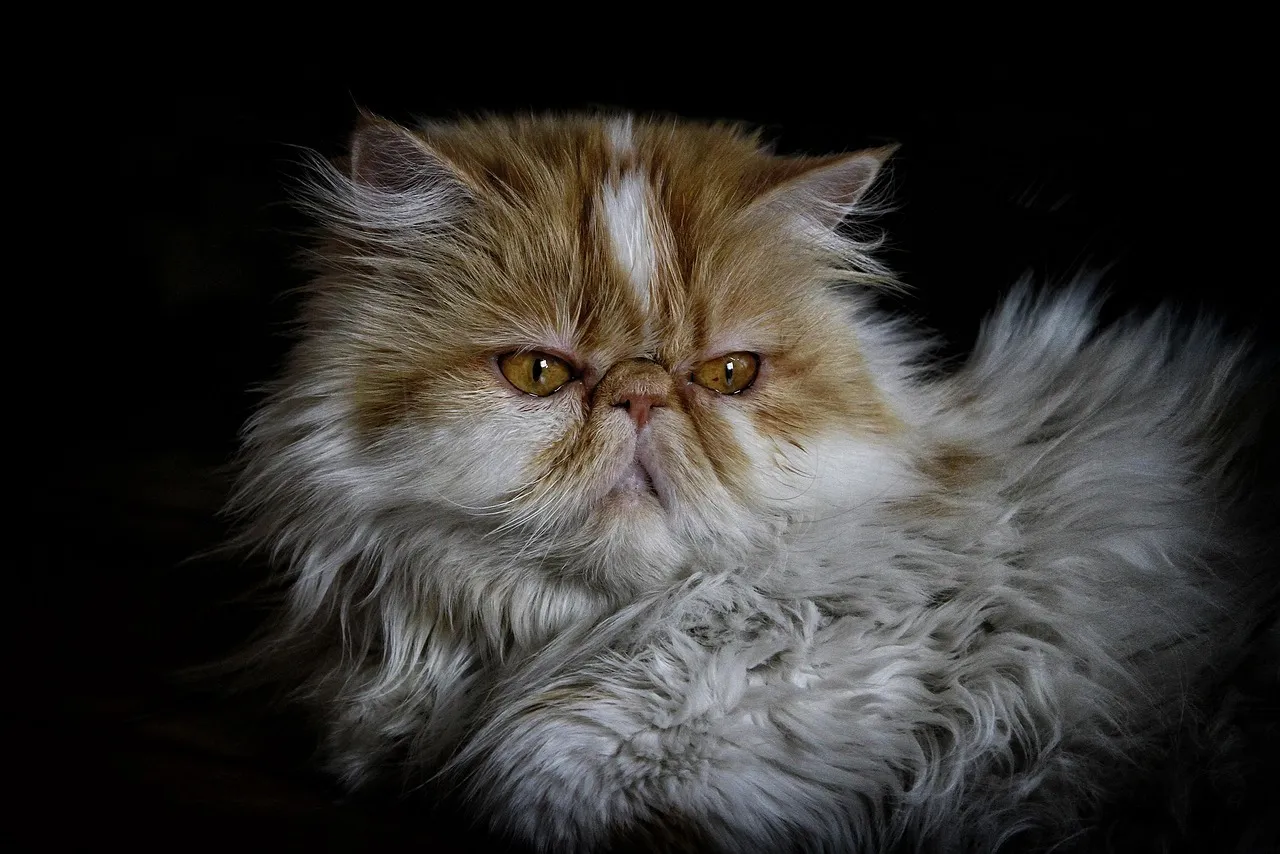
Persians, Exotic Shorthairs, and other flat-faced breeds used to dominate cat shows and breeder circles. Now shelters quietly receive wave after wave of them, often surrendered for “health problems” that were built into their looks from day one.
Chronic eye discharge, breathing trouble, dental crowding, and heavy grooming needs scare off adopters the second they scan the medical history.
The uncomfortable truth is that the very features that made these cats Instagram darlings, the squashed noses, the huge doll eyes, the dense coats, are exactly what drive up vet bills and daily care. Many arrive already struggling:
- Matted down to the skin
- Dealing with untreated eye or breathing issues
They land in shelters already in rough shape, which makes them even harder to place. Some vets and welfare advocates now openly question whether breeding such extreme features is ethical at all, and adopters quietly steer clear of the whole category as a result.
#9 – “Plain” Brown Tabbies: Overproduced and Underappreciated
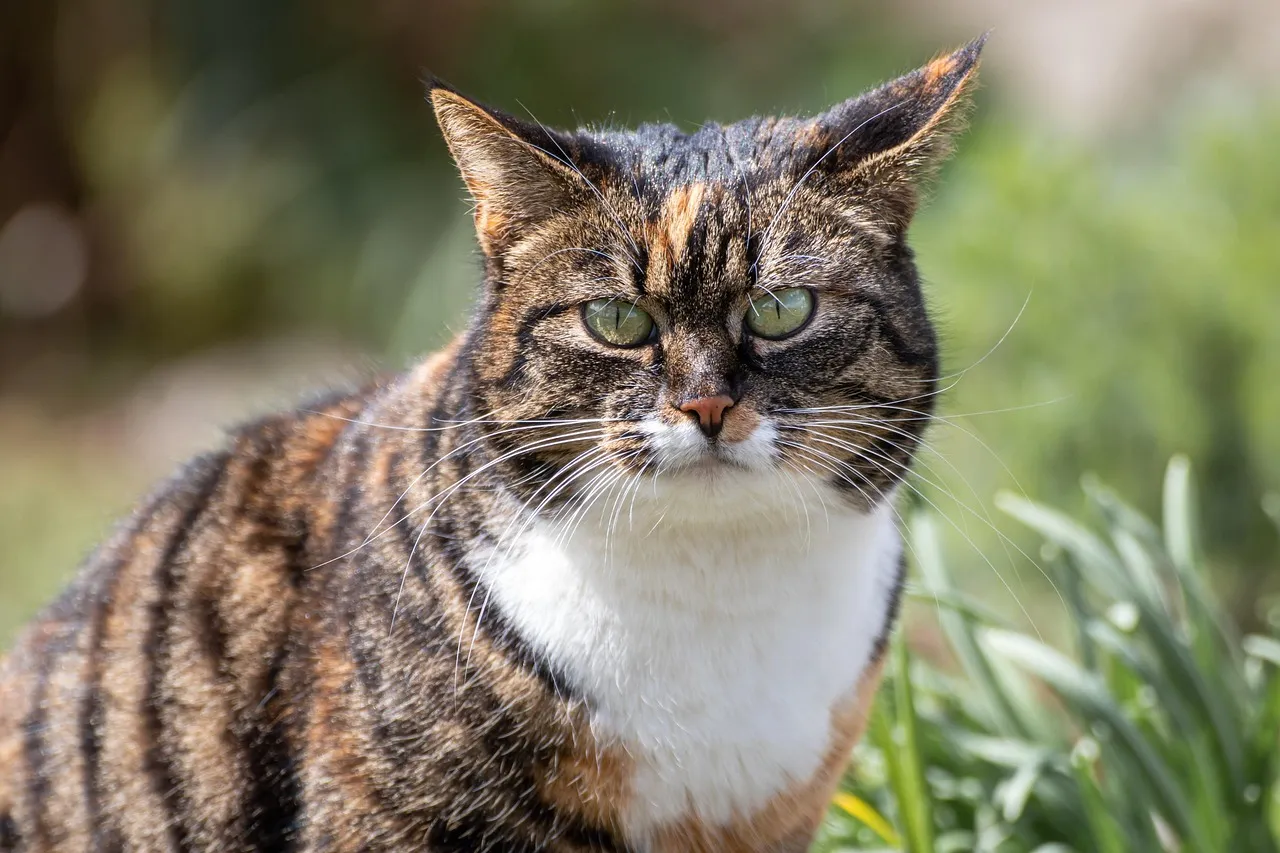
Ask shelter volunteers which cats they see the most, and many will sigh and say some version of “brown tabby.” They’re everywhere. Barn cats, backyard strays, unneutered house pets, all of them pump out striped kittens in endless waves.
Because the pattern is so common, adopters’ eyes glaze over fast. People keep scrolling until something “different” catches their attention.
What they’re skipping is a personality goldmine. Brown tabbies aren’t a single breed, so their temperaments run the full range: goofy, cuddly, bossy, shy. The only thing they share is invisibility. In a crowded kennel, the tenth brown tabby looks just like the first nine, so nobody slows down long enough to meet the cat as an individual.
#8 – Torties and Torbies: Victims of the “Tortitude” Myth
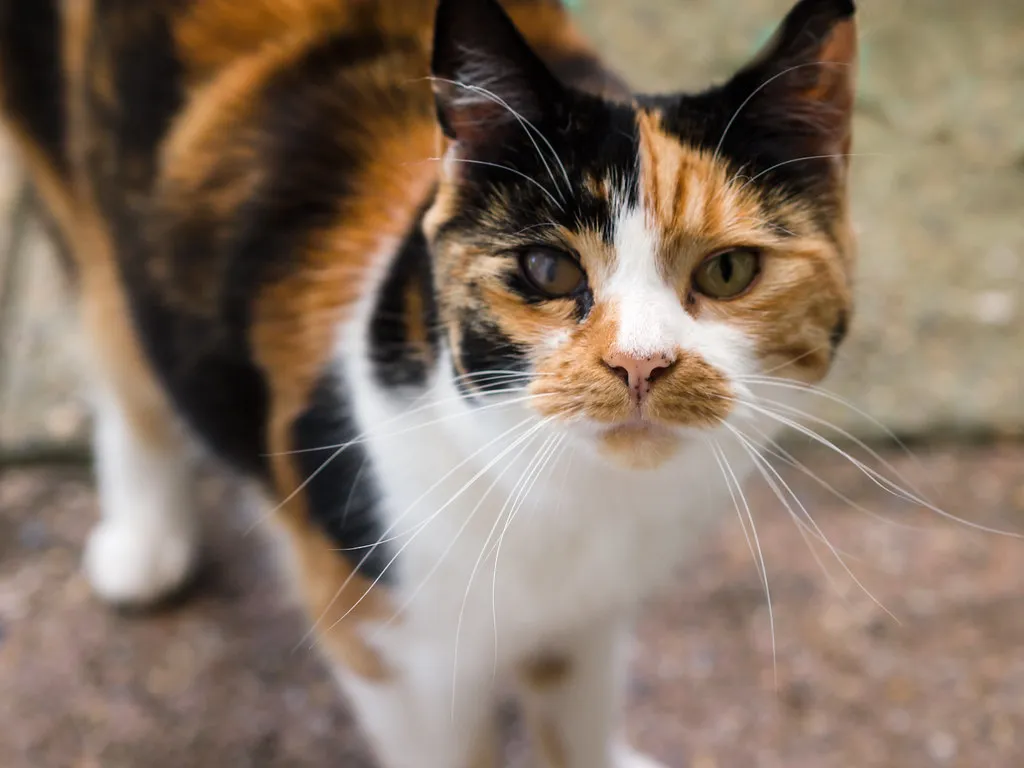
Tortoiseshell and torbie cats get slapped with a label the second they arrive: “tortitude.” People talk about them like they’re guaranteed to be spicy, moody, or too much to handle. That reputation scares off families who want an easy, cuddly cat and don’t want to “risk” a strong personality.
So their profile views drop, even while the cat herself is sitting calmly at the front of the kennel begging for cheek scratches.
Quick Compare: Myth vs. Reality
- Myth: “Tortitude” guarantees a sassy, difficult cat – Reality: temperament varies cat to cat, same as any other color
- Myth: Torties can’t be cuddly lap cats – Reality: many are famous for napping on laps for hours
- Myth: Coat color predicts behavior – Reality: the genetics behind fur color and personality aren’t linked
Yes, some torties are bold and opinionated. So are plenty of orange males and brown tabbies. Color isn’t personality. Shelters regularly see:
- Super-snuggly torties who nap on laps for hours
- Confident, playful ones who do fine with kids and other pets
People walk in saying, “Oh, I heard torties are mean,” and pass right by genuinely lovely cats. It’s the feline equivalent of judging someone’s attitude by their hair color.
#7 – Shy Former Outdoor Cats: Written Off After a 30-Second First Impression
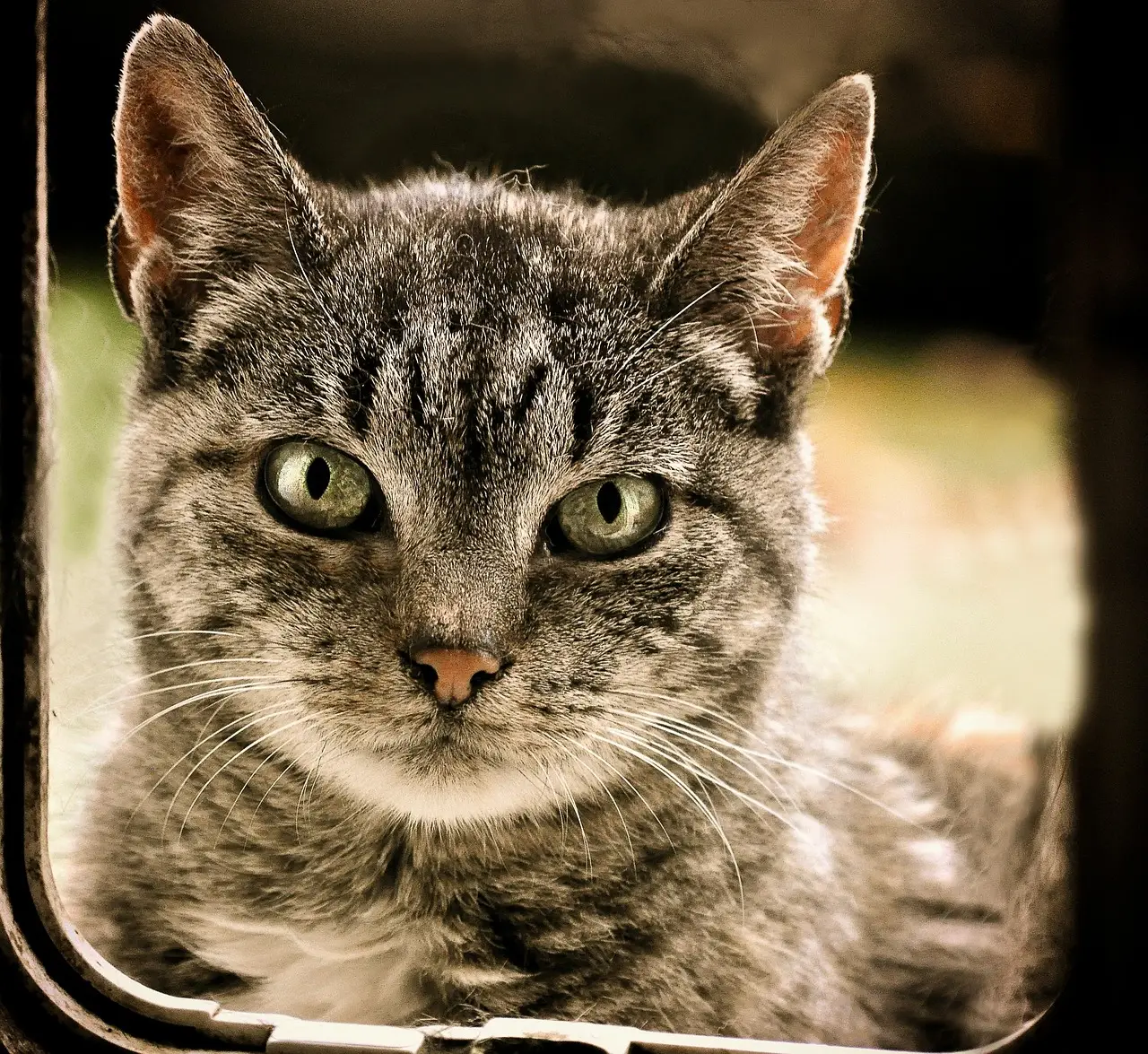
Scroll culture has infected shelters too. Everyone wants instant connection. If a cat doesn’t pad straight up to the kennel door, purr, and flirt through the bars, a lot of adopters just move on.
That’s a disaster for shy ex-strays. They freeze in loud, unfamiliar shelter environments, so to strangers they look unfriendly or feral, even when they’re neither.
Behind the scenes, staff often see a completely different cat at closing time: relaxed, playing with toys, head-butting the volunteers they’ve come to trust. These cats typically:
- Need a quiet home and a few weeks to decompress
- Turn into deeply loyal, attached companions once they settle in
Their adoption photos show wide eyes and flattened ears, and that’s all most people judge. A 15-minute meet-and-greet in a quiet room could change everything, but the confident extrovert in the next kennel almost always wins the visit instead.
#6 – “Pet-Me-Not” Cats: Misunderstood, Not Mean
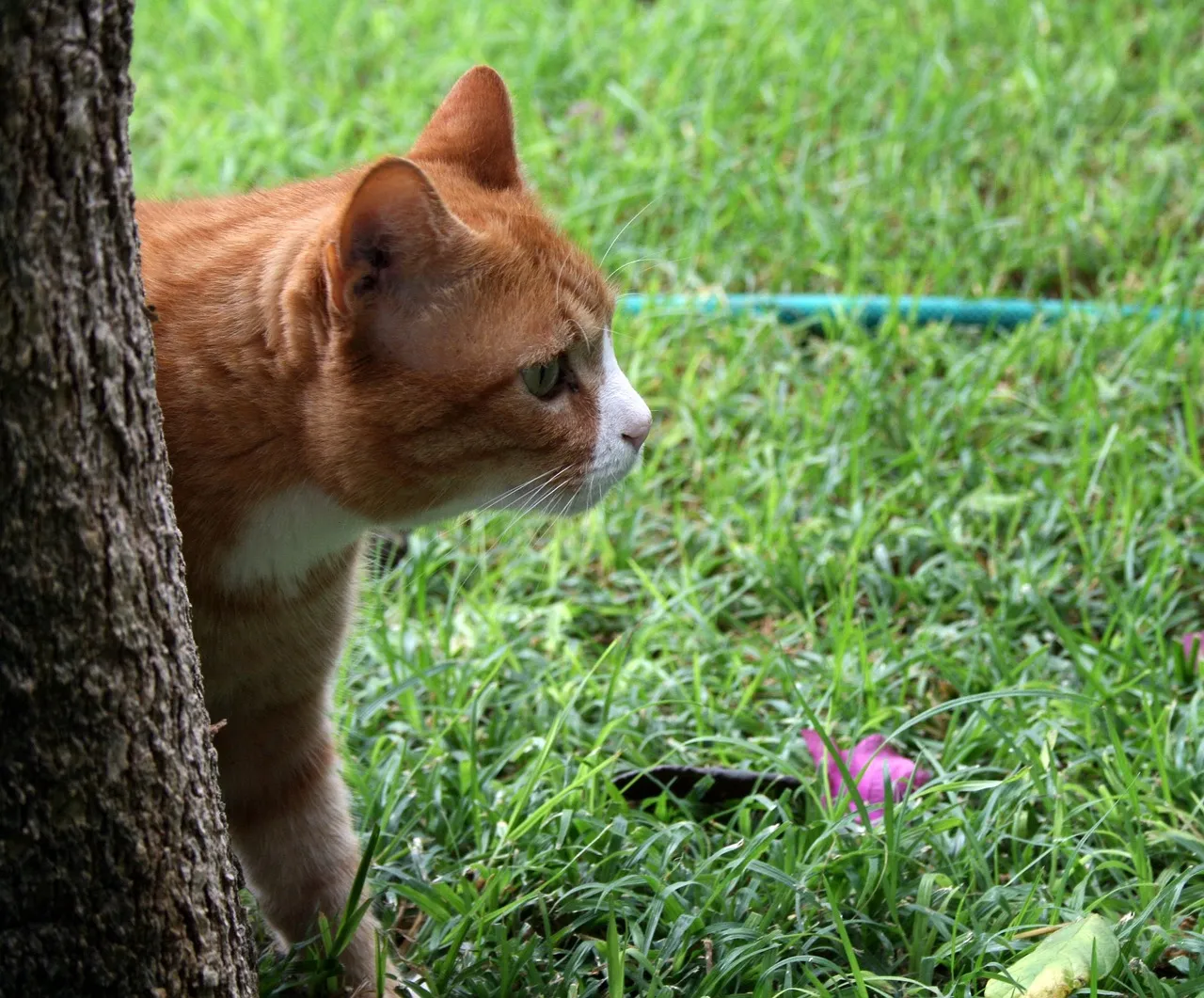
Some cats genuinely don’t love full-body petting marathons, and shelters are full of them. These are the cats who enjoy your company, playtime, and the occasional head scratch, but will swat or nip when someone ignores their boundaries.
Instead of reading that as normal feline communication, a lot of adopters interpret it as aggression and walk away without asking any questions.
In reality, these cats are often a perfect fit for cat-savvy adults or households without young kids, and they thrive in predictable homes where their signals are actually respected. Many came from situations with rough handling or kids who wouldn’t stop, which taught them to get defensive.
Calling them unadoptable because they won’t tolerate being manhandled is a human problem, not a cat problem. Nuance just doesn’t fit neatly on an adoption card, so they wait for the one person who actually reads it.
#5 – Bonded Pairs: Two Cats, Zero Interest
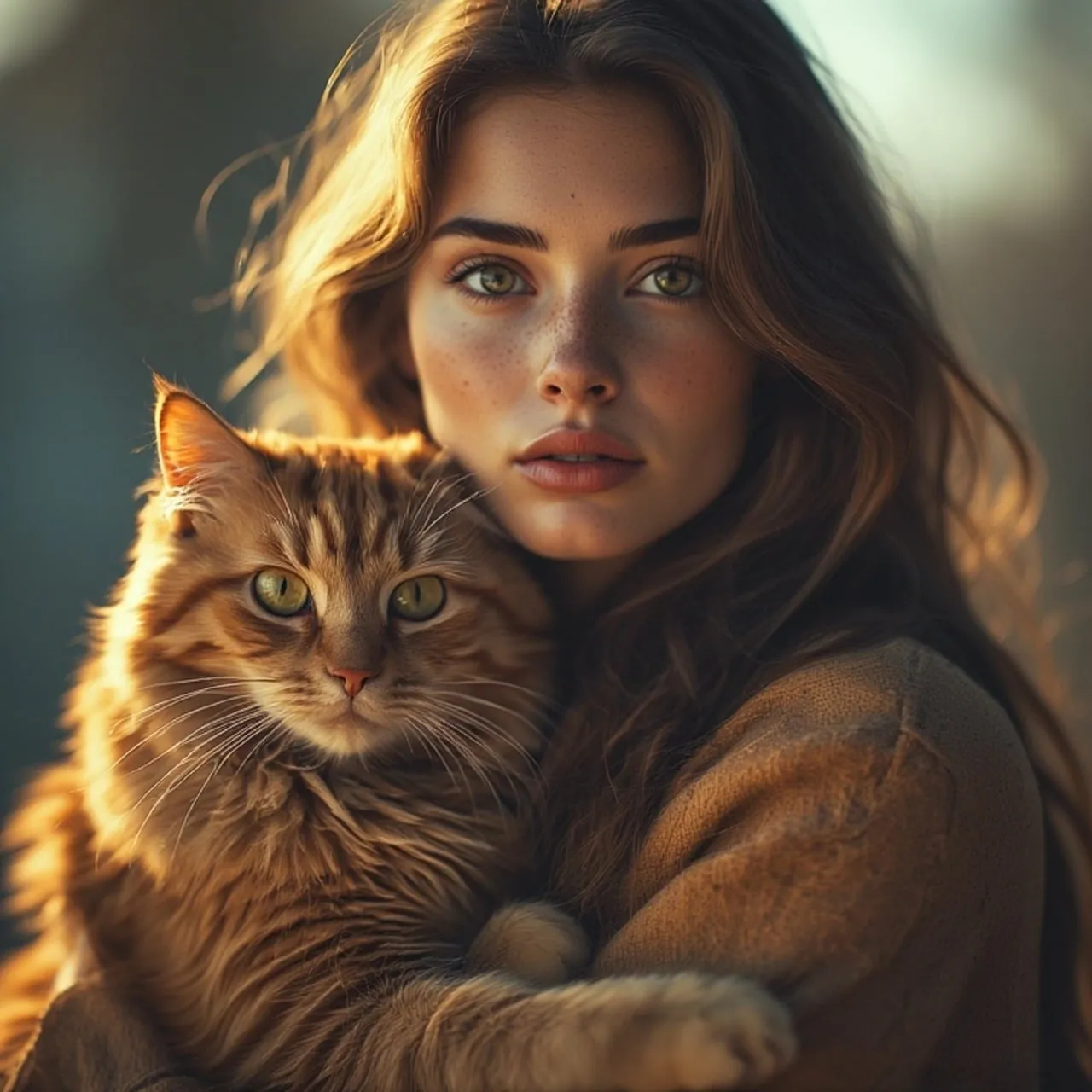
Ask any foster and they’ll tell you two cats who genuinely love each other can be easier than one bored, needy solo cat. But the moment a cage card says “bonded pair, must be adopted together,” applications drop off a cliff.
People picture double food, double work, double vet bills, and move on, even when the pair in question are calm, low-maintenance adults who mostly nap all day.
At a Glance
- Bonded pairs often eat, groom, and sleep together, which lowers overall stress in a shelter setting
- They tend to settle into a new home faster because a familiar companion is already there
- Many shelters run discounted “two-for-one” adoption fees specifically to help bonded pairs get placed
- A calm, established pair can mean fewer loneliness-driven behavior issues than a single isolated cat
The irony is that bonded pairs often make adoption easier, not harder:
- They keep each other entertained and emotionally steady
- They settle into new homes faster because they have a familiar buddy
You get built-in socialization and a lot less guilt about leaving them alone during a workday. Still, most adopters walk in picturing one cat on one windowsill, so these connected pairs wait while solo cats from the same room get chosen over and over.
#4 – “Grumpy-Face” Cats: Misjudged at a Glance
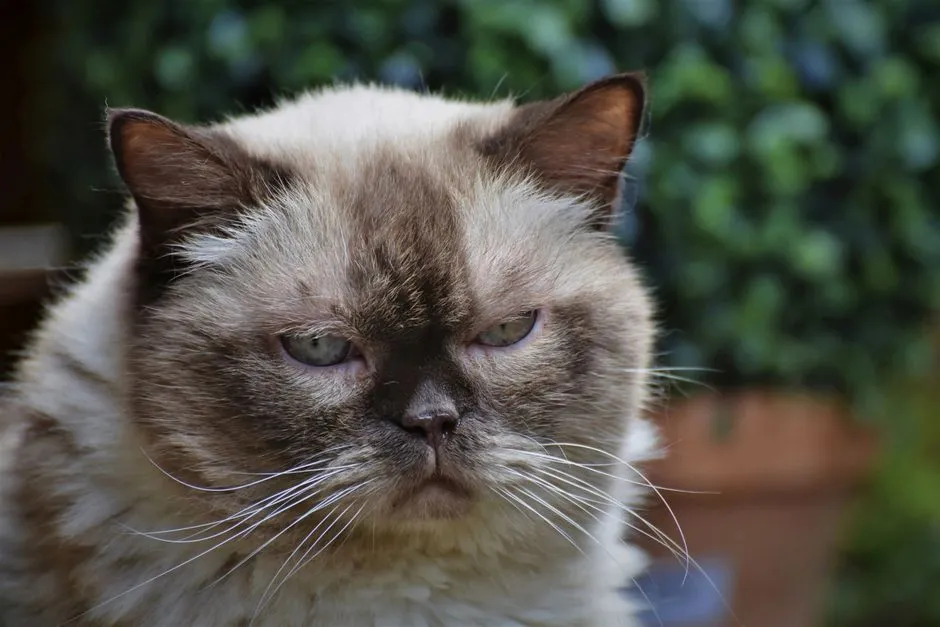
Some cats just look mad. Resting murder face, permanent scowl, narrowed eyes. It photographs dramatically, and it also backfires badly at adoption events, where they’re competing against wide-eyed kittens for attention.
Here’s the twist: in real life, these cats are often incredibly sweet. Volunteers know the ones who melt into a puddle of purrs the second the camera’s put away.
Online, though, all people see is one frozen frame, and human brains are wired to read faces and project mood onto them. A neutral feline expression gets misread as “angry” or “mean” every single time.
In a room full of adorable, open-faced cats, the “serious” one becomes the last pick, purely because of a resting expression he can’t control.
#3 – Big Adult Males: Oversized Teddy Bears, Treated Like Bullies
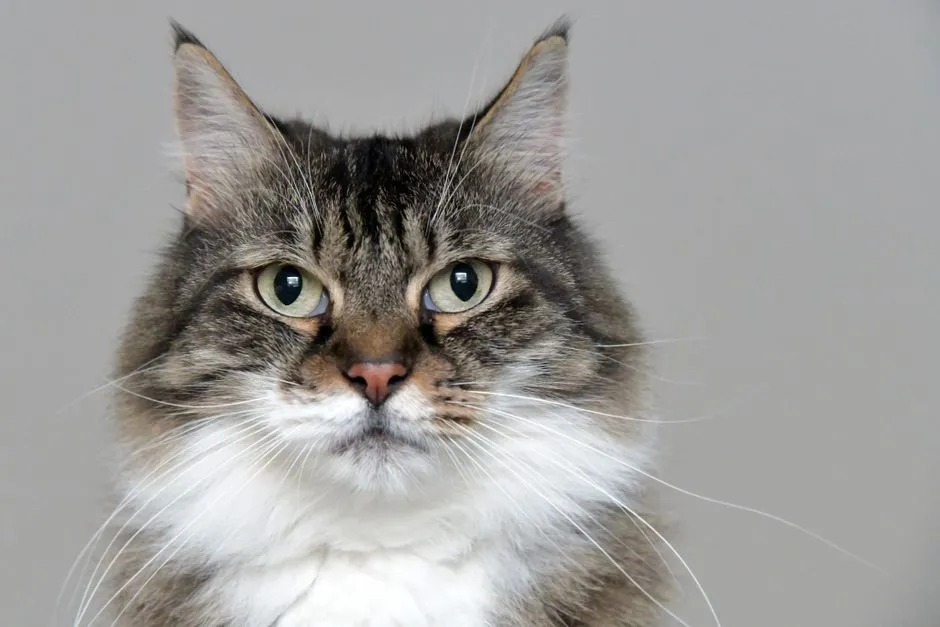
Walk into any shelter and you’ll spot him: the enormous, block-headed male cat who looks like he used to run the neighborhood. People assume aggressive, territorial, or too much for a house with kids.
In reality, many of these big guys are neutered former toms who’ve turned into complete marshmallows. They’re just carrying the physical history of a rough life outdoors on their scarred ears and thick necks.
Once neutered and settled indoors, they often become:
- Lap-obsessed purr machines
- Surprisingly gentle with other cats and even dogs
Size bias is real, though. Families worry a bigger cat’s claws will do more damage, as if a 7-pound cat scratches any less than a 14-pounder. So the big orange or gray guy with the scarred ears sits and sits, passed over for something smaller and “safer-looking.”
#2 – “Medical Quirks” Cats: Perfectly Lovable, Quietly Blacklisted
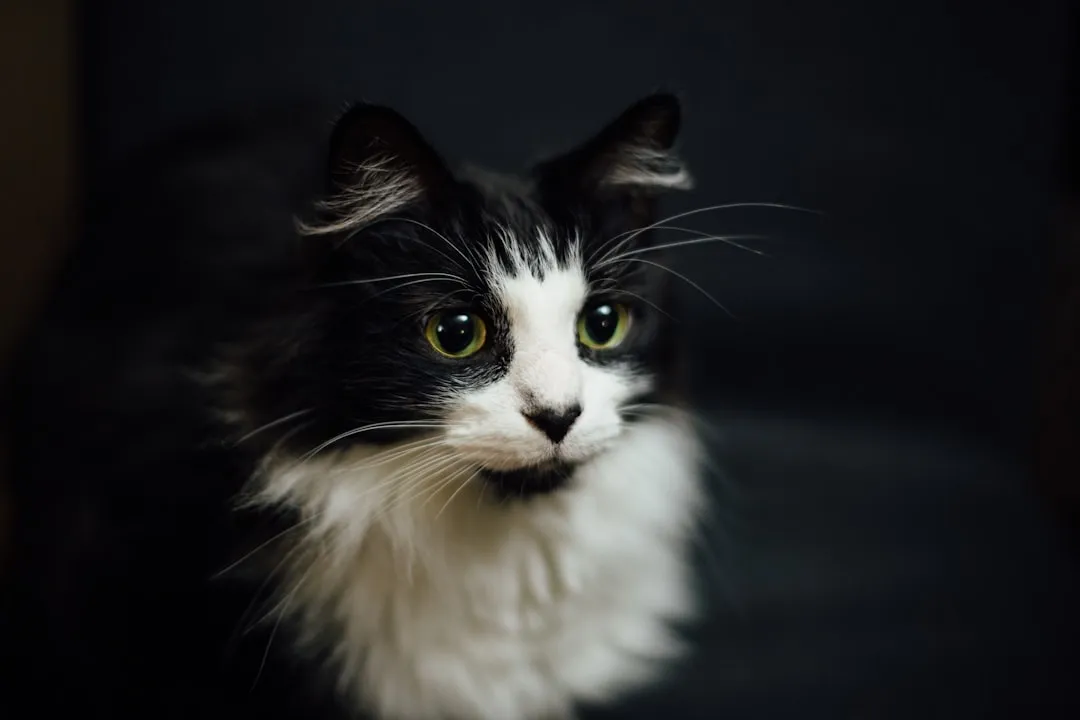
Shelters are overwhelmed with cats who have manageable, non-contagious issues: mild heart murmurs, controlled diabetes, treatable urinary problems, a special diet, missing teeth. The second an adopter hears “medication” or “monitoring,” interest nosedives.
People imagine thousands of dollars in vet bills, when in most cases it’s an extra pill, a different bag of kibble, or a couple of additional checkups a year.
Behind the scenes, staff tend to fall hard for these cats. They’re often extra affectionate, probably because they’ve had so much gentle human handling and hands-on medical care already:
- Comfortable being picked up and examined
- Used to taking meds or getting routine fluids without a fight
But adoption events are brutal. Healthy young cats go first, and anything that hints at complexity gets left behind. Some shelters even run fee waivers on these cats specifically because they’re desperate to get them home, and people still hesitate.
#1 – Senior Cats of Any Breed: Discarded When the “Fun Years” Are Over
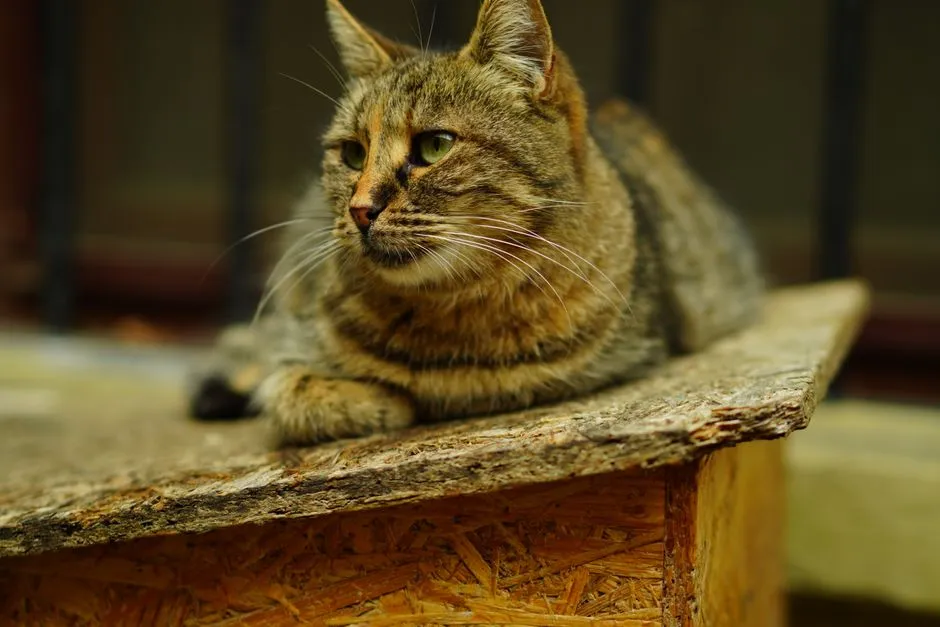
The single group shelters are most quietly overwhelmed with isn’t a breed at all. It’s age. Any cat past roughly 8 to 10 years old becomes dramatically harder to place, no matter how sweet or healthy she is.
People worry about heartbreak, vet bills, and “not enough time” left together. So older cats, many of whom did nothing wrong except get older, spend their final years behind steel bars.
Worth Knowing
- Cats are generally considered “senior” starting around age 7 to 10, and “geriatric” closer to 15
- Older cats usually already know litter boxes, scratching posts, and calm household routines
- Lower energy and activity needs often make seniors a great match for quieter or busier households
- Many shelters offer reduced or waived adoption fees specifically to help senior cats get chosen faster
Here’s the part nobody wants to admit out loud: a lot of these seniors were surrendered for deeply human reasons, a new baby, a move, a divorce, new furniture, a new partner who’s “allergic.” Age just makes them easier to justify giving up.
Meanwhile, senior cats tend to be calmer, more predictable, and thrilled just to nap near you and soak up quiet attention. They already survived kitten chaos, toddler years, and every life change that came before, only to be discarded right when they need stability the most. They’re the ones shelters quietly brace themselves to lose in care, never chosen at all.
The Bottom Line
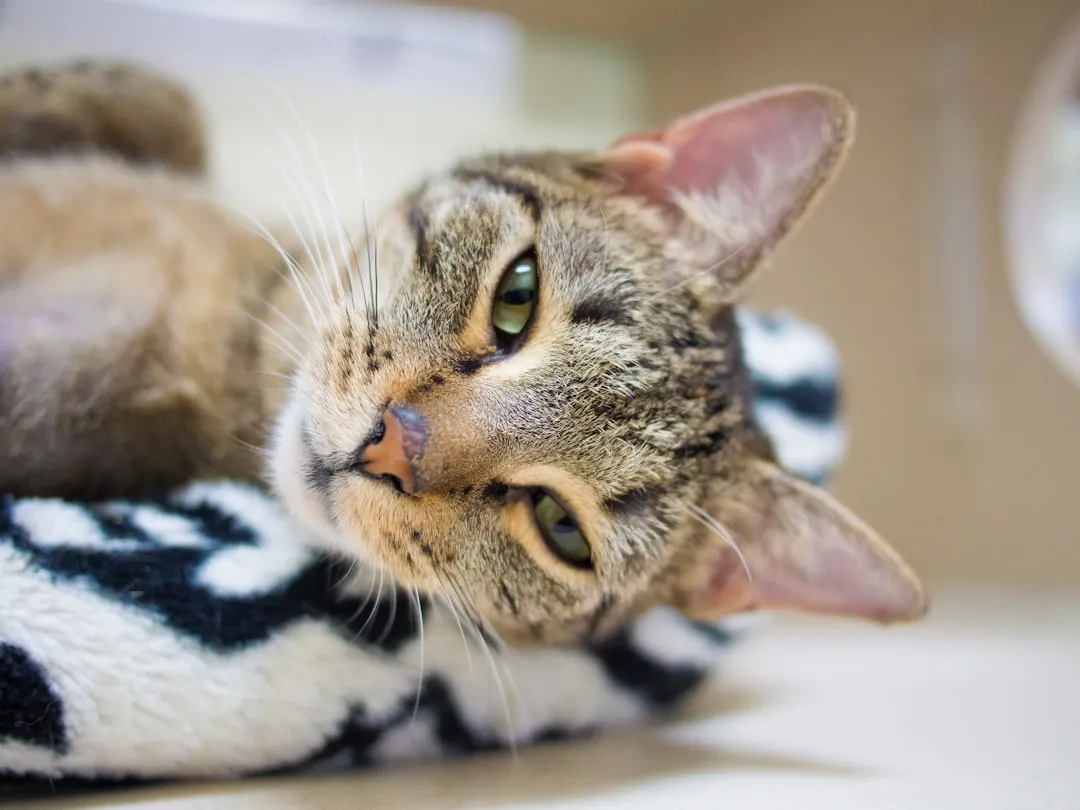
Strip away the Instagram-friendly idea of what a “perfect” cat should look like, and a brutal pattern shows up fast. The cats shelters are drowning in aren’t the ones with the worst behavior. They’re the ones that don’t fit a fantasy: too old, too common, too medical, too shy, too bonded, too honest about their own boundaries.
A trend, a myth, and a three-second first impression are quietly deciding who gets a home and who grows old in a kennel. If any name on this list stung a little, good. That discomfort is the whole point, because these biases are costing real cats real homes.
So next time you’re scrolling shelter listings, ask yourself the honest question: are you chasing the picture-perfect kitten, or are you willing to read the bio of the cat nobody else bothers to click on? That one decision is the difference between a cat aging out alone and a cat finally getting the home it’s been waiting for.

- 17 Cat Breeds Shelters Are Quietly Overwhelmed With That Almost Nobody Seems to Want Anymore - August 13, 2026
- What Hummingbirds Do Before They Vanish for Winter Will Surprise You 18 Behaviours Gardeners Miss - August 13, 2026
- 17 Animals That Bond With One Person for Life and 17 That Never Really Attach at All - August 13, 2026