
You refilled the feeder. You planted something red. You did everything the internet told you to do. And yet the hummingbirds that swarmed your neighbor’s porch last summer won’t even slow down over your yard this year.
Here’s the part nobody tells you: a hummingbird isn’t charmed by cute decor or good intentions. In the two or three seconds it hovers near your garden, it’s running a silent, unforgiving audit of everything you’ve built – and most homeowners are failing tests they don’t even know exist. Below are the 16 signals a hummingbird actually reads before deciding whether your yard is worth a second visit.
#1 – Nectar Quality: Fuel or a Trap in Disguise?
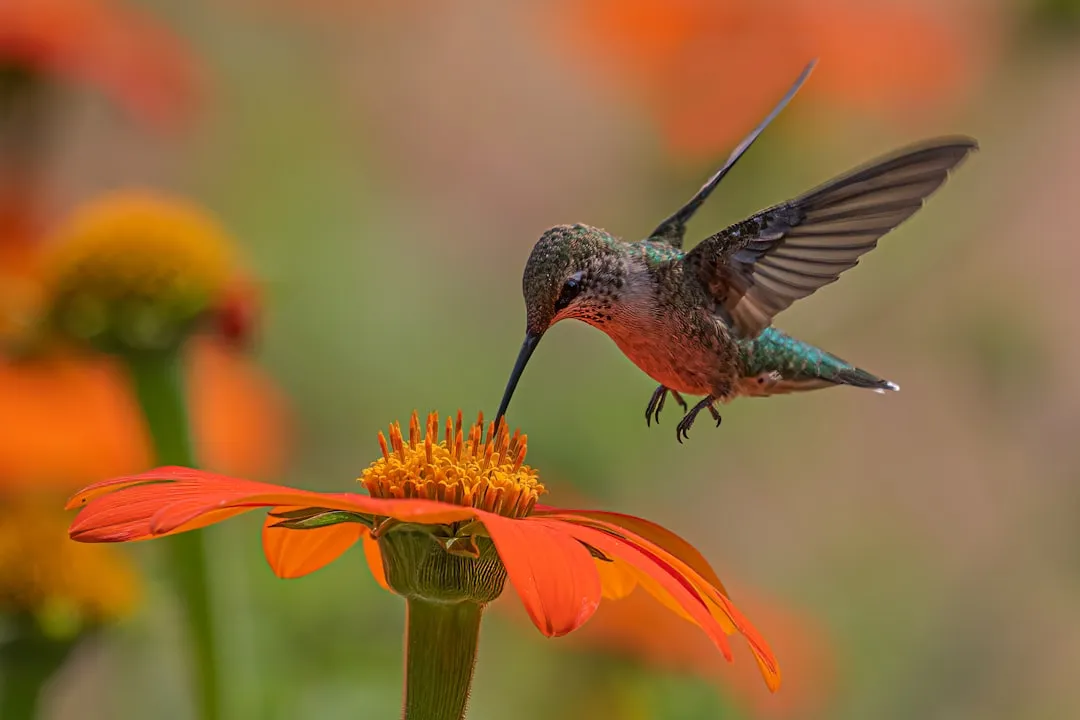
A hummingbird doesn’t see your feeder as a decoration. It sees it as a gas station, and it’s brutally picky about what’s in the tank. Plain white sugar dissolved in water at roughly a 1:4 ratio is the closest match to real flower nectar – anything else is a gamble.
Brown sugar, honey, or artificial sweeteners might feel like a thoughtful upgrade to you, but the bird can literally taste the difference, and it reads as a warning sign. One sip that’s too weak, too strong, or laced with the wrong ingredients, and the bird jets off and remembers. A single bad taste test can cost you an entire season of visits, because these tiny birds keep surprisingly precise mental notes on where the good fuel is.
Fast Facts
- The universal nectar ratio is 1 part sugar to 4 parts water, mixed with plain white granulated sugar only.
- In hot or dry weather, replace nectar every 2–3 days; in cooler weather every 5–7 days.
- Never add red dye, honey, agave syrup, beet or brown sugar, molasses, or artificial sweeteners.
- With the typical 4:1 ratio, a ruby-throated hummingbird probably won’t drink more than about 2 fluid ounces per day.
#2 – Feeder Cleanliness: A Safety Check They Never Skip
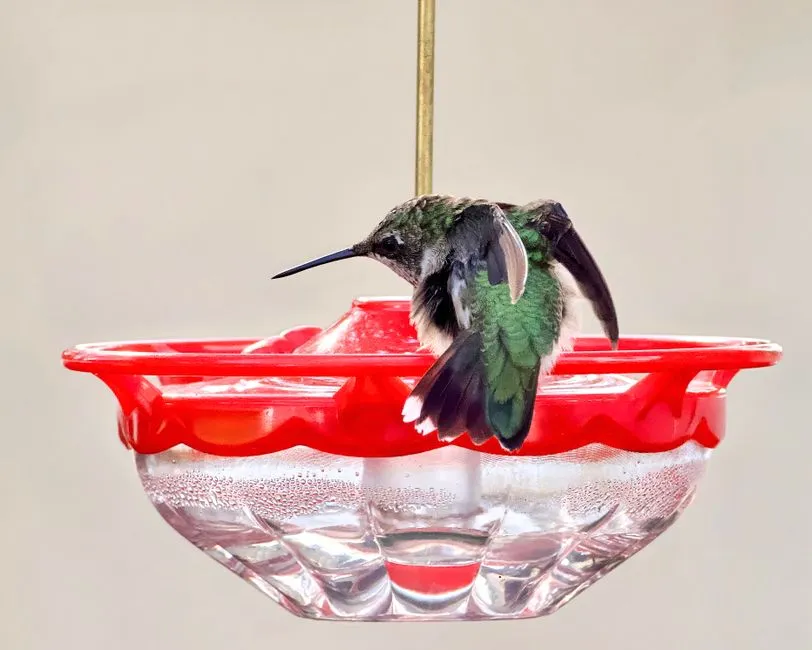
A dirty feeder isn’t just unsightly – it can genuinely make a hummingbird sick. Fermented sugar, black mold, or cloudy slime inside the reservoir sends one unmistakable message: this stop is dangerous. Their instincts steer them away from anything that smells off or looks grimy around the ports.
Here’s the uncomfortable truth: if you wouldn’t drink from it yourself, they won’t either. Nectar can spoil in a couple of days during warm weather, so leaving the same batch out for a week is basically telling every bird passing through that you don’t care if it gets sick. They notice, they remember, and they quietly reroute to the neighbor who actually rinses their feeder.
#3 – Feeder Placement: Easy Stop or Death Trap?
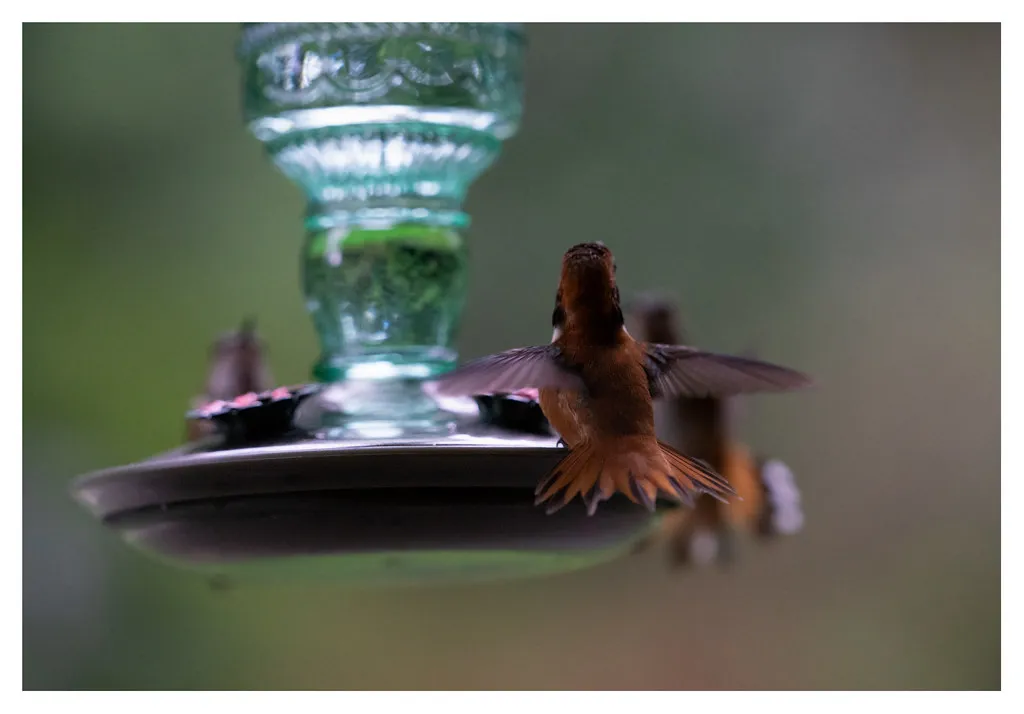
To a hummingbird, where you hang the feeder matters just as much as what’s inside it. They’re scanning for quick escape routes, clear sightlines, and shelter close by – not a pretty photo backdrop. A feeder baking in the open sun over a blazing patio might look great on camera, but it reads as exhausting and exposed to a bird burning calories at an insane rate.
On the flip side, a feeder buried too deep in dense shrubs can feel like a predator’s ambush zone. The sweet spot is near – but not swallowed by – cover: high enough to dodge a stalking cat, low enough for fast, tight turns. If there’s no nearby branch to rest on before darting in for a sip, many birds simply pass through without stopping, unwilling to spend the energy on a risky location.
#4 – Native Flowers: Real Habitat or Cheap Pit Stop?
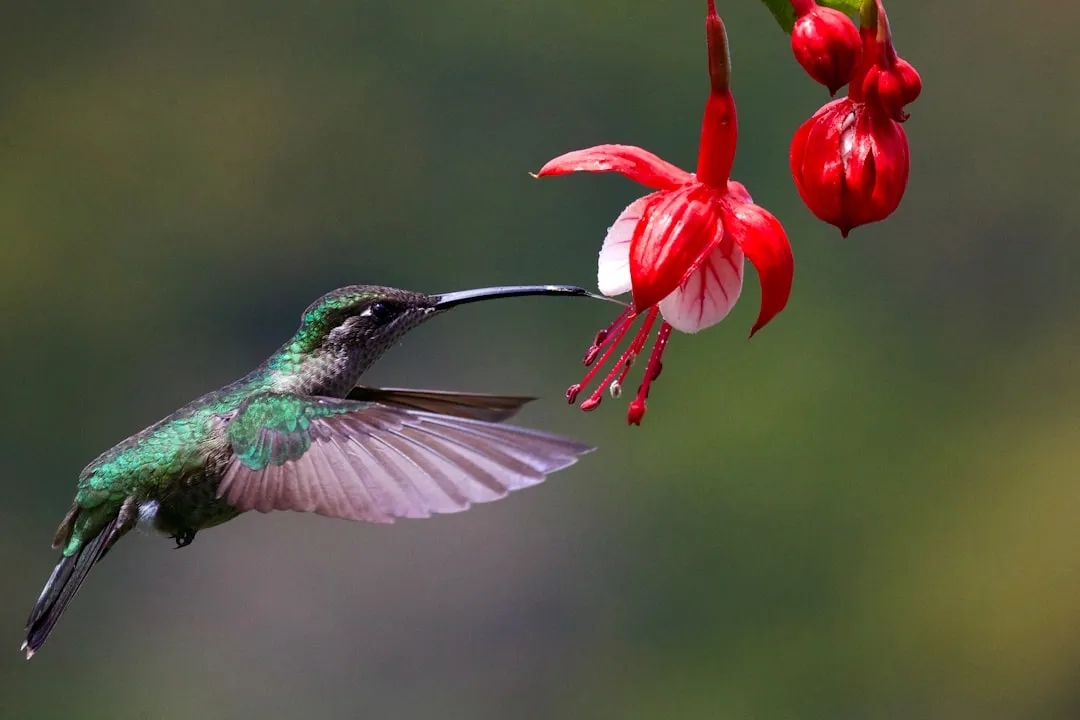
A shocking number of people assume one plastic feeder is enough to earn a hummingbird’s loyalty. It isn’t. To a bird that evolved alongside native nectar plants, a yard with no real flowers looks like a temporary, unreliable stop rather than a home base.
Native tubular blooms like bee balm, columbine, salvia, penstemon, and trumpet honeysuckle tell a hummingbird there’s backup food, variety, and insects nearby – a full ecosystem, not a vending machine. A garden built around those native plants ranks dramatically higher than a feeder hanging over plain turf. Birds may still sip from your feeder occasionally, but they’re far less likely to fold your yard into their daily route if that’s all you’re offering.
Worth Knowing
- Bee balm, columbine, salvia, penstemon, and trumpet honeysuckle top most hummingbird-friendly native plant lists nationwide.
- Tubular, brightly colored blooms register as “real nectar” instantly – long before a bird even checks your feeder.
- Native plantings pull double duty: they feed hummingbirds directly and attract the tiny insects hummingbirds also need.
- A feeder with zero surrounding flowers rarely earns a permanent spot on a bird’s daily route.
#5 – Color Cues: Are You Signaling or Just Decorating?
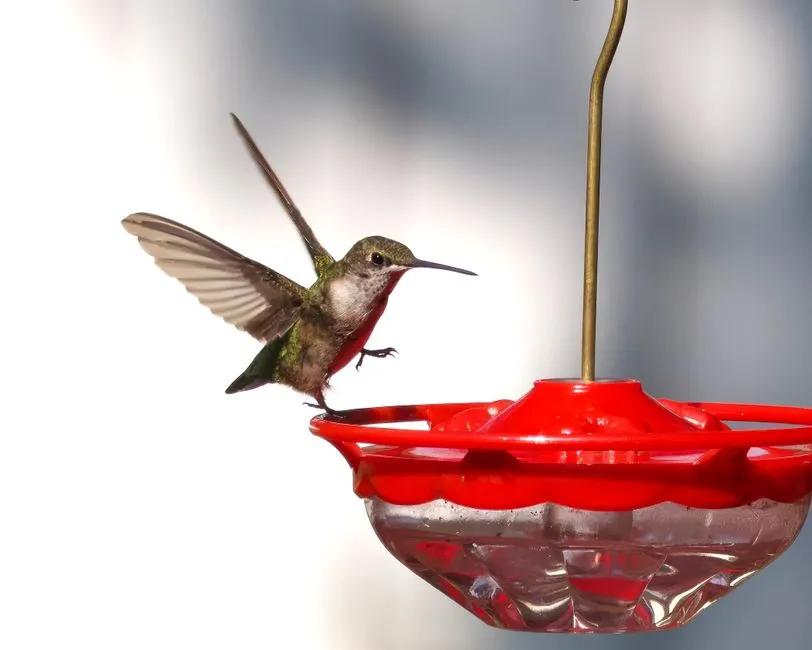
Everyone “knows” hummingbirds like red, and most people stop right there – missing how sophisticated these birds actually are about color. Red isn’t hypnosis; it’s one of several cues that a plant or feeder might be worth checking. Overload your yard with random red objects that have nothing to do with nectar, and you dilute the signal until it means nothing.
What actually catches their eye is contrast that mimics real blooms: red or orange flowers set against green foliage, feeders shaped like flowers instead of modern sculptures. A yard dominated by neutral stone and patio furniture can make even a bright feeder visually disappear. A few strategic splashes of red, coral, and orange flowers will out-perform ten novelty feeders every time.
#6 – Garden Structure: A Place to Rest, Not Just Refuel
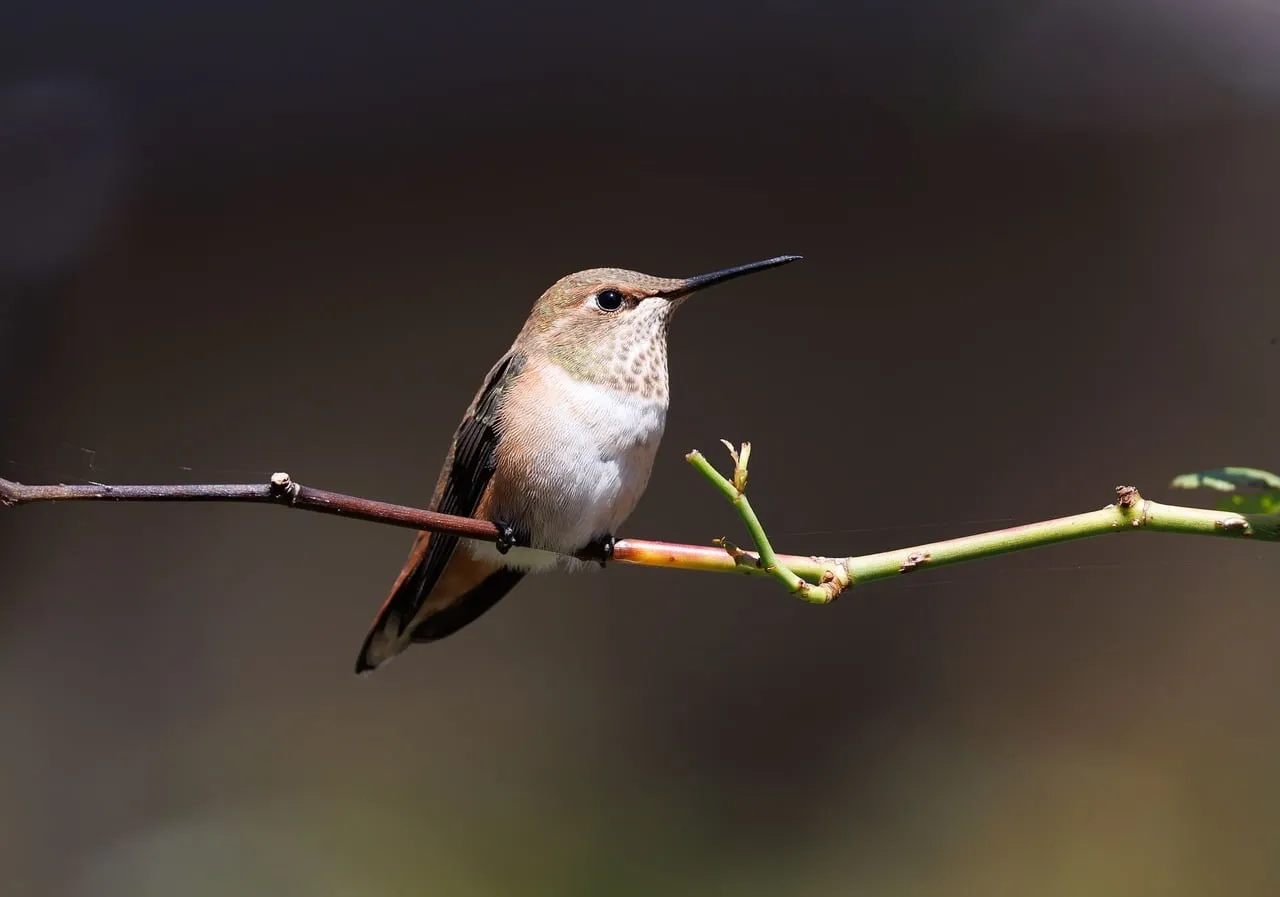
Hummingbirds aren’t sprinting through life nonstop – they need places to perch, preen, and watch for danger. When they scan your garden, they’re evaluating its vertical layers: groundcover, mid-height shrubs, small trees. A flat yard with short plants and a fence feels like a cafeteria with no chairs.
They’re looking for thin, twiggy branches to sit and scan from, plus varied heights that let them dodge predators or pushy rivals. A yard with real layered structure feels like a full-service rest stop – feed, duck into cover if a hawk drifts overhead, then perch in the open to dry off after rain. A bare, hardscaped patio with one lonely potted plant sends a very different message: in and out only, no lingering allowed.
#7 – Predator Pressure: The One Thing They Never Forgive
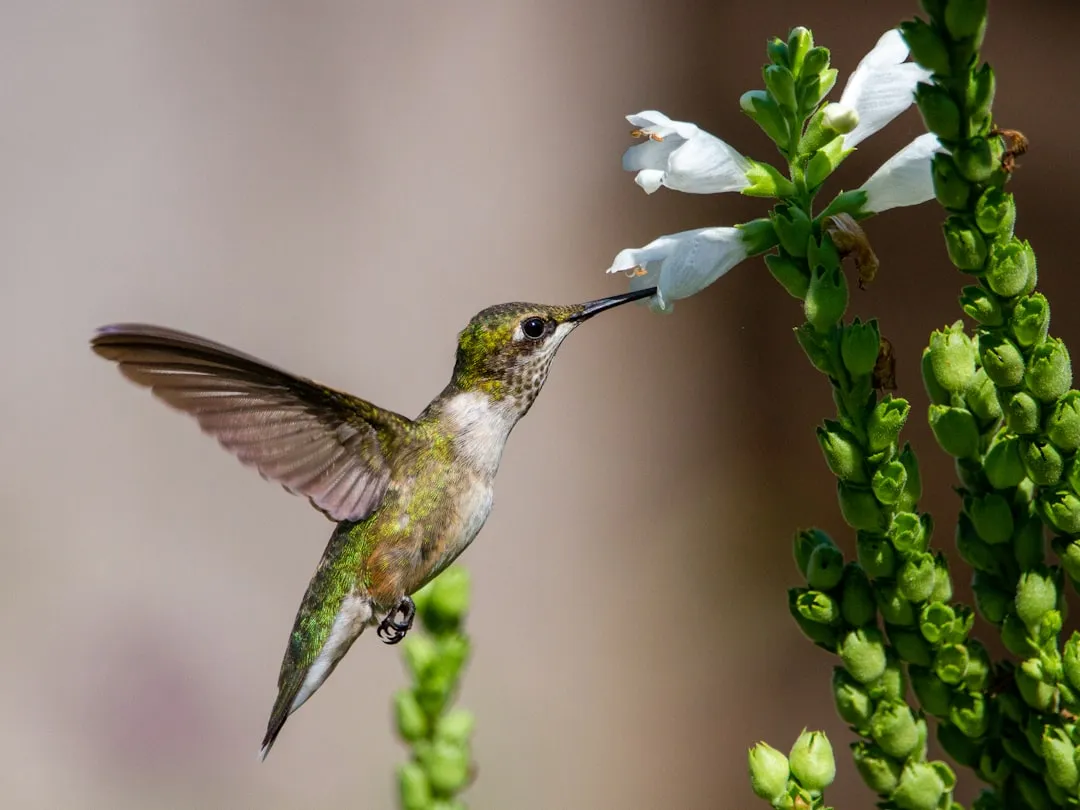
Most homeowners badly underestimate how fast a hummingbird reads danger. A cat lurking under the feeder, a hawk that keeps perching on the same pole, or a fake owl that never moves an inch – all of it gets filed away as a threat. Hummingbirds watch patterns, not single snapshots.
Outdoor cats stalking near shrubs, reflective glass where birds have clearly struck before, plastic snakes and unmoving fake owls – enough of these and the bird simply reroutes elsewhere. Cats are the biggest offender; even if yours has never caught anything, the bird has no way of knowing that. To them, a crouched predator is non-negotiable. Your feeder stops being a gift the moment it starts looking like bait.
#8 – Dominant Bullies: The Politics Ruining Your Yard’s Reputation
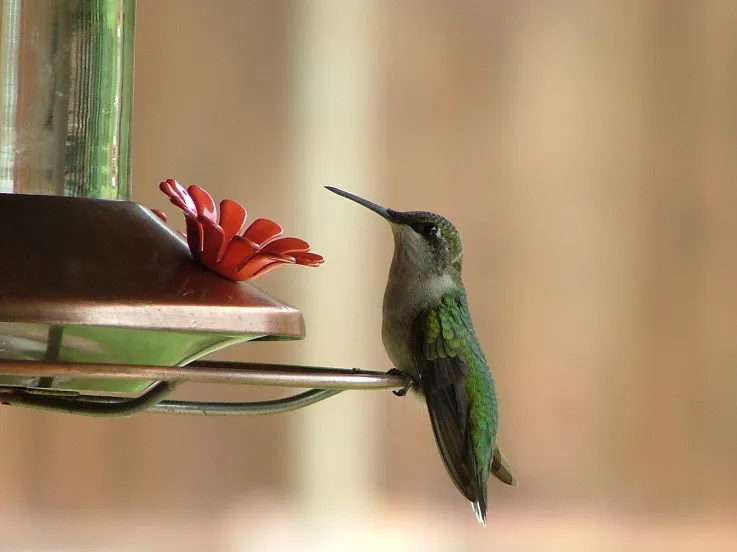
People love watching a “resident” hummingbird chase every other bird away, calling it feisty or territorial. But from the other birds’ perspective, one overbearing bully can quietly tank your yard’s reputation. If a single aggressive hummer has locked down the only feeder, every newcomer learns fast: not worth the fight.
You can accidentally create this problem by hanging just one small feeder in a narrow, easily guarded spot. The fix is simple – spread out multiple feeders where no single bird can watch them all at once. Give the bully more territory than it can patrol, and suddenly your yard ranks far higher with everyone else.
Quick Compare
- One feeder, tight spot: a single dominant bird can guard the whole thing – newcomers give up fast.
- Multiple feeders, wide spacing: no bird can patrol every station at once, so more visitors get a turn.
- Feeders within sightline of each other: still easy for a bully to defend both.
- Feeders separated by a corner, tree, or fence: genuinely harder to monopolize, and it shows in visit counts.
#9 – Water Source: The Overlooked Tie-Breaker
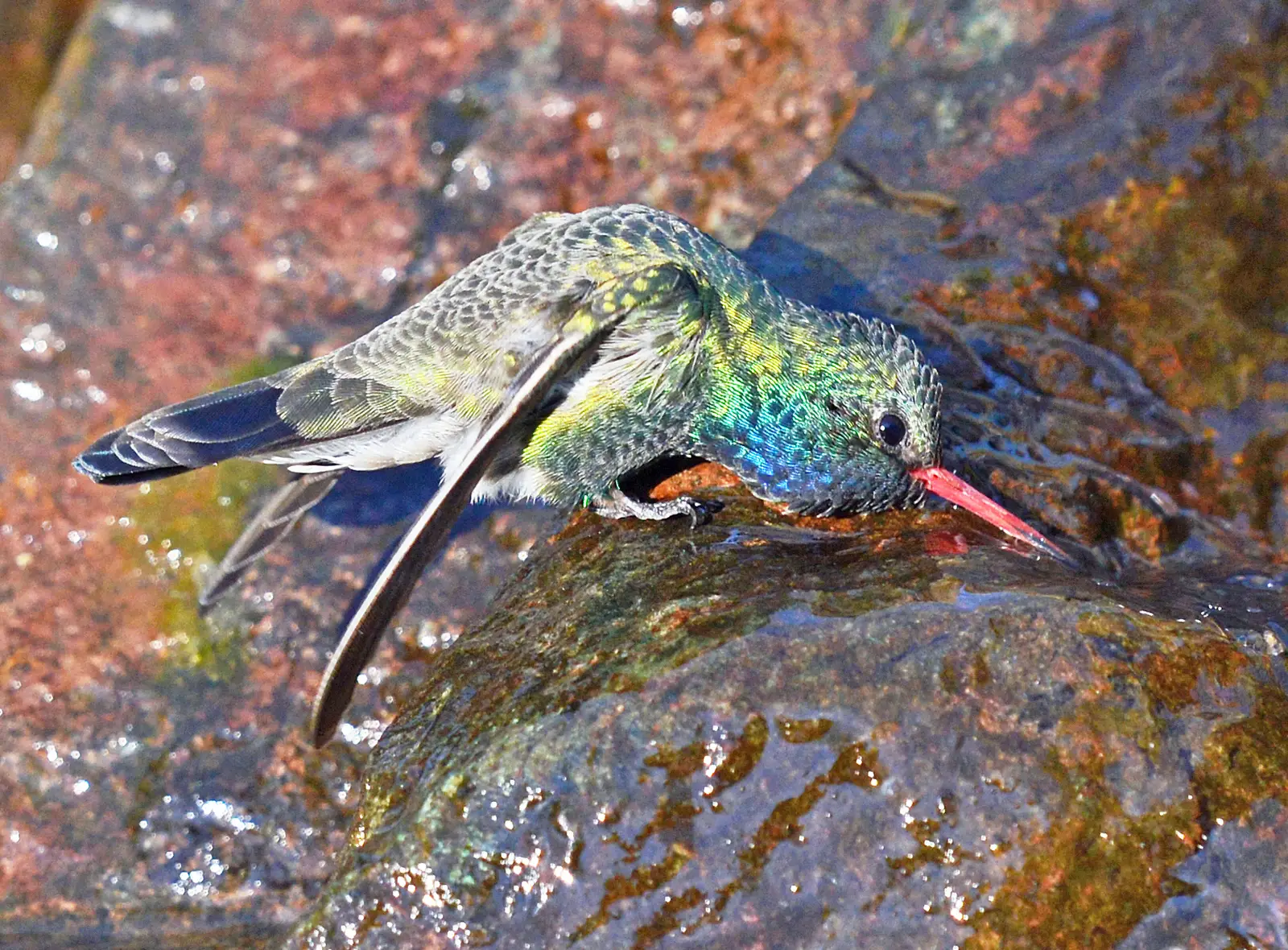
Most people assume hummingbirds only care about nectar, but watch closely and you’ll notice they’re drawn to moving water – fine mists, drippers, tiny fountains. A standard deep, still birdbath built for robins and sparrows does almost nothing for them; it’s the equivalent of a swimming pool with no shallow end.
What actually gets their attention are misters attached to a hose creating a light spray, or small fountains with shallow trickles they can dip into and go. A good water source can be the exact detail that tips a hummingbird toward choosing your garden over the one down the street, because it signals a richer, more complete habitat rather than just a snack bar.
#10 – Insect Life: Are You Accidentally Starving Them?
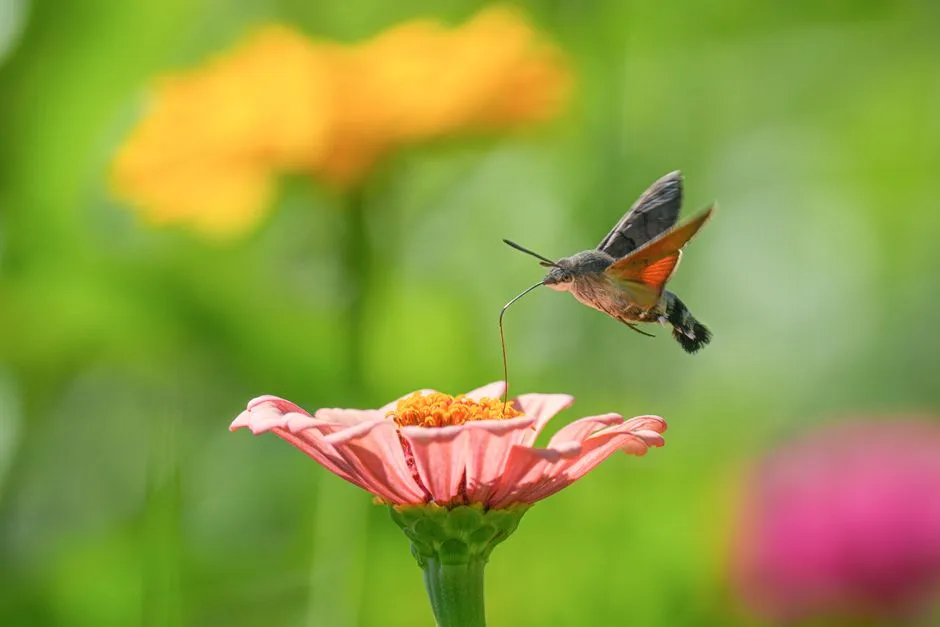
Here’s the part almost nobody talks about: hummingbirds don’t survive on sugar alone. They hunt tiny insects and spiders for protein, especially during breeding season. A perfectly manicured, pesticide-heavy lawn with zero bugs might look pristine to you, but to a hungry hummingbird it’s a desert wearing a nice disguise.
They’ll actually raid spider webs for trapped insects and pick off gnats and aphids clinging to your plants. Spray broad-spectrum insecticides regularly, and you’re quietly telling every hummingbird that your yard is nutritionally shallow – good for a quick sugar hit, useless for anything else. Cutting back on chemicals and tolerating a bit of controlled “messiness” can transform how valuable your garden feels to them.
#11 – Seasonal Consistency: Can They Count on You?
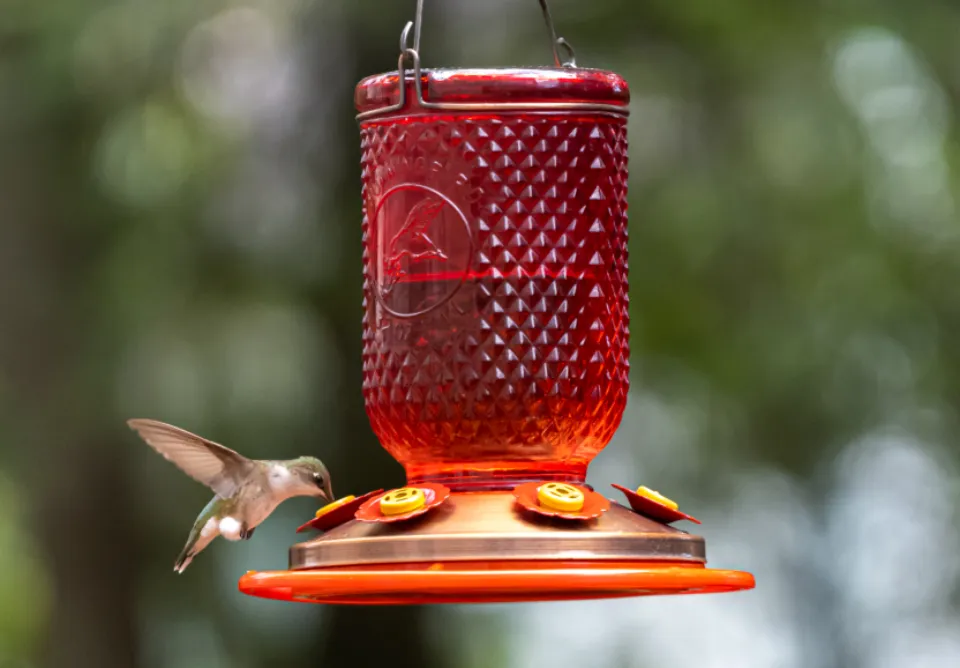
Hummingbirds run on routines, building mental circuits of predictable food stops across their territory. If your yard only performs for a short burst in mid-summer, it may never make the cut for their long-term map. Inconsistent blooming and sporadic feeder care are enormous red flags to a bird planning its whole season around reliability.
They’re watching for flowers that start early and hang on late, and feeders that don’t vanish and reappear at random. Hang a feeder for two weeks and forget about it until next year, and you’ve trained them to distrust you completely. A yard that quietly shows up with nectar from early spring through fall becomes part of their permanent schedule – it’s not flashy, but they notice.
#12 – Soundscape: Calm Refuge or Human Chaos?
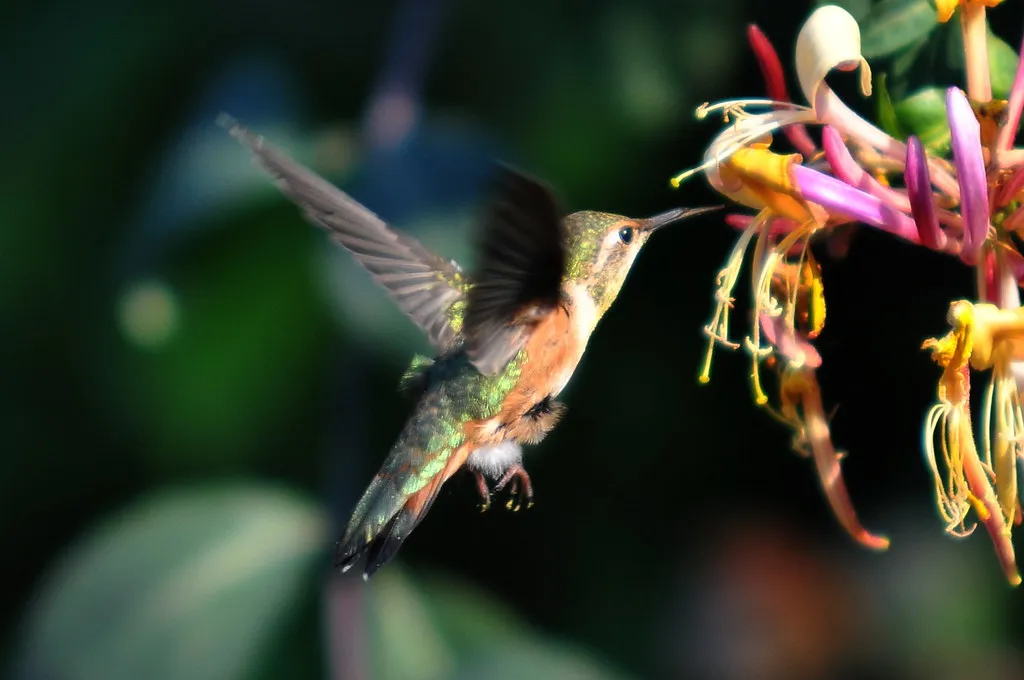
Hummingbirds move fast, but that doesn’t mean they enjoy chaos. A yard that’s constantly loud – blaring music, power tools, shouting, barking dogs – reads as unstable and unpredictable. They’re listening as much as they’re looking, and repeated disturbances quietly erode their trust in a location.
A naturally lively soundscape, on the other hand – rustling leaves, other birds calling, the trickle of water – signals a healthy, functioning habitat. It’s not about total silence; it’s about predictability. Fire up a leaf blower next to the feeder every single morning, and you’ve basically hung a “Do Not Disturb” sign that only you can’t see.
#13 – Glass and Reflections: The Invisible Hazard
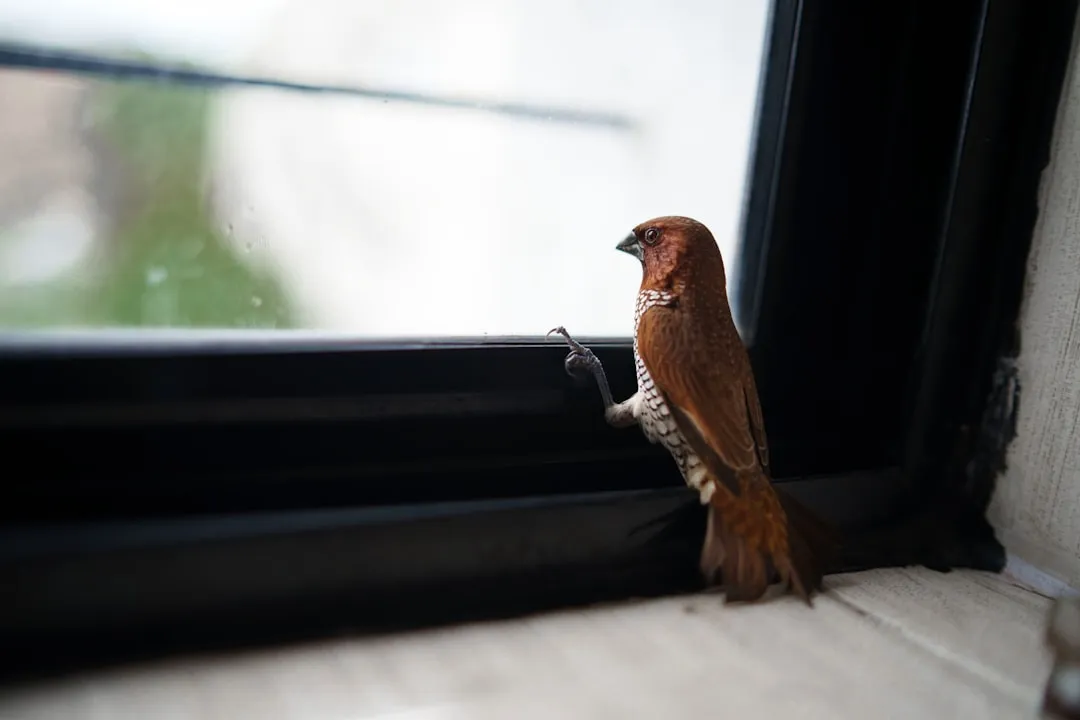
This is the signal almost everyone underestimates. Hummingbirds are fast, but they are not immune to window strikes, and highly reflective glass near feeders or flowering plants can be genuinely deadly. Window collisions kill hundreds of millions of birds in North America each year – up to nearly 1 billion in the U.S. One collision – or even a close call – can teach a bird that your entire yard is an optical trap.
Sky and foliage reflected on a window read as open space to a bird moving at full speed, and clear railings or transparent panels often don’t register until it’s too late. The safe zones are surprisingly counterintuitive: distances closer than 3 feet make it hard for birds to gather enough flying speed for a window collision, while distances of 30 feet or more give them space to come and go without getting too close to the windows in the first place. Visible decals, screens, or anything that breaks up the reflection can cut the danger dramatically.
“There is an increasing body of research suggesting half or more of birds that are stunned from a window collision will die soon after.”
Kim Savides, Cornell Lab of Ornithology
#14 – Human Patterns: Are You Predictable or Erratic?
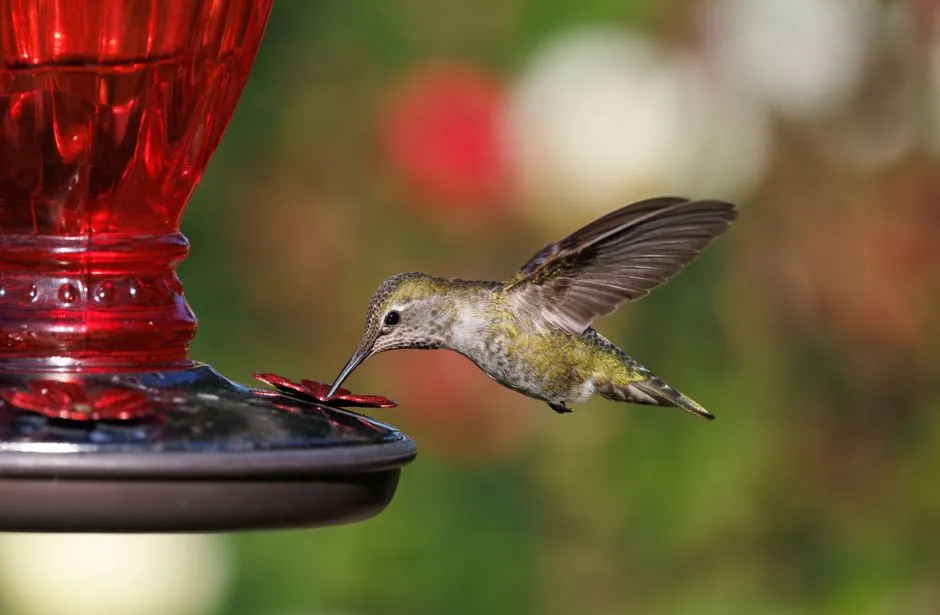
Hummingbirds notice you specifically. They clock when and where you show up, how fast you move, and whether your presence usually means trouble. To them, you’re just another large, unpredictable animal – unless you prove otherwise. Slam the door, walk straight at the feeder, wave your arms every time you pass, and they’ll learn to bolt at the smallest hint of motion.
Move in calm, predictable patterns instead – refill feeders gently, sit in the same spot, avoid sudden lunges – and they’ll gradually tolerate you at closer range. Some people even earn “regular” birds that feed just a few feet away without flinching. You’re either part of the background or part of the threat, and chaotic movement will undercut even the most perfect nectar recipe.
#15 – Past Experience: Is Your Garden Still Paying for Old Mistakes?
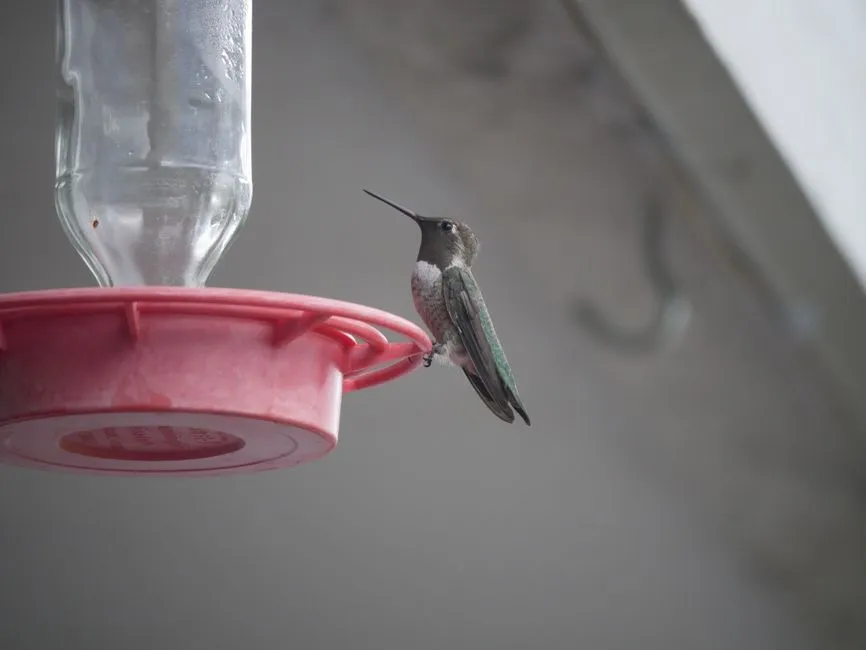
Hummingbirds have far better memories than most people give them credit for. They remember specific routes, specific feeders, and which gardens were generous or stingy last season. If your yard once served bad nectar, dirty feeders, or constant disturbances, that history sticks around far longer than you’d expect.
They’re not sentimental about it – good experiences get filed as “reliable stop,” bad ones get quietly erased from the route. That means you may be paying right now for last year’s neglect. Fixing everything this season – flowers, cleanliness, safety – won’t summon instant crowds, but it starts rebuilding your reputation in their mental maps, and over weeks or months, more birds may give you a second chance.
#16 – The Energy Budget: The Verdict That Overrides Everything Else
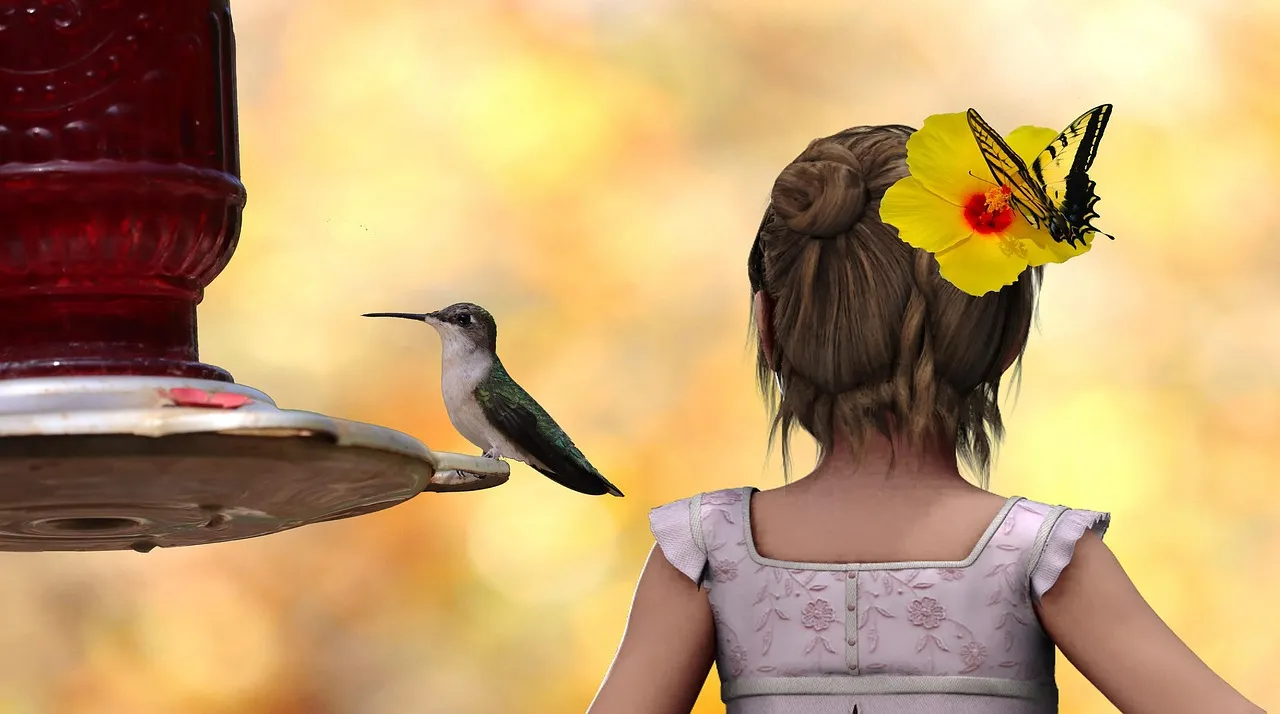
Strip away every detail, and a hummingbird is running one single calculation: does this garden give more energy than it costs to use, consistently, over time? Every factor you’ve just read about – feeder placement, plant selection, predator control, noise, cleanliness – folds into that one final verdict.
They’re asking whether they can refuel without a fight, rest without feeling exposed, and find both sugar and protein season after season. Say yes to all three, and your garden gets woven into a daily loop, visited dozens of times without you ever noticing most of the passes. Say no, and they’ll still fly by – you’ll just never know how many decided, mid-air, not to stop.
The Bottom Line
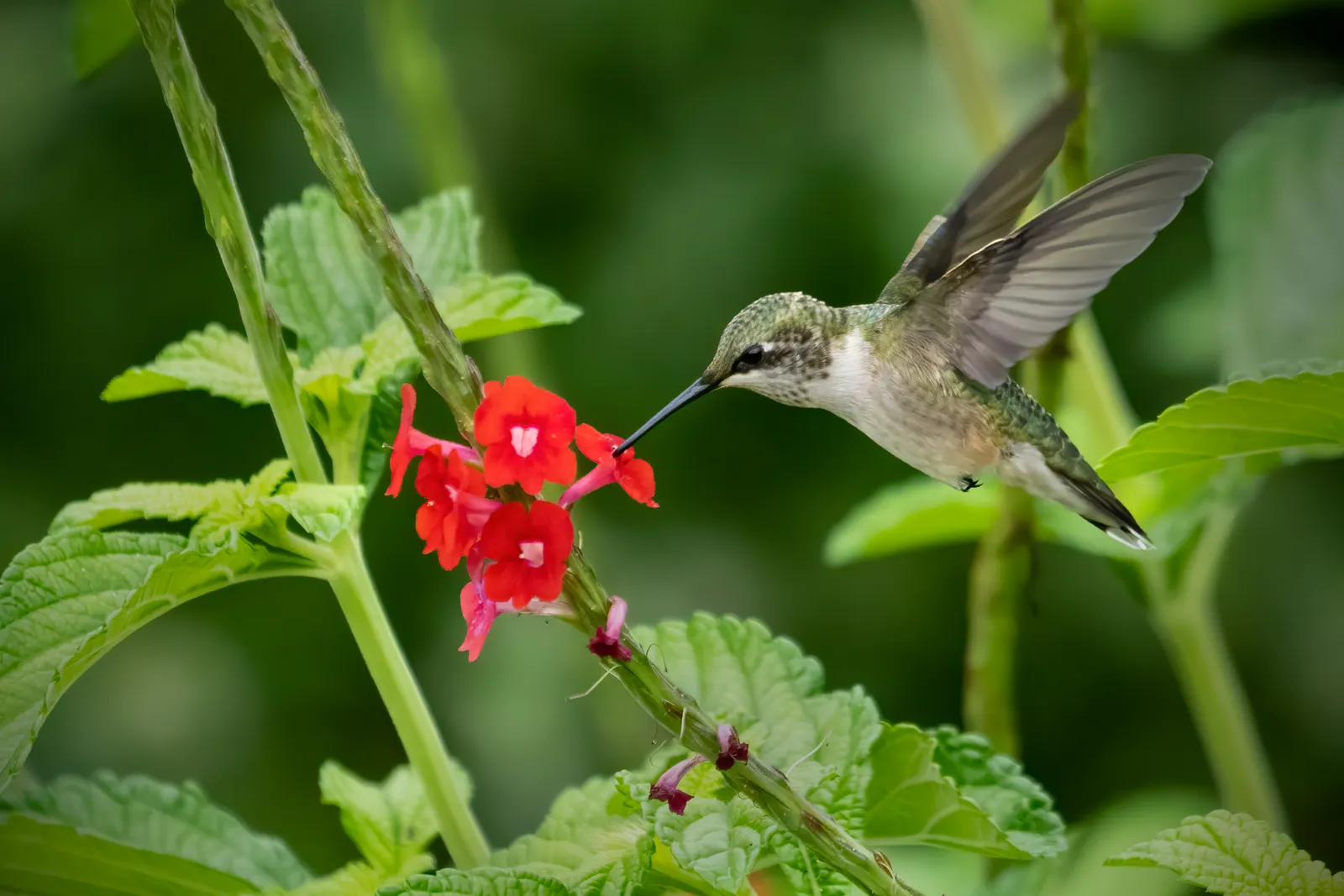
Hummingbirds are not tiny miracles that bless your yard at random. They’re ruthless little strategists running a cost-benefit analysis every single time they pass over, judging your nectar recipe, your cleanliness, your flower choices, your noise level, your predators, and even your own daily habits.
If they’re not coming back, it’s almost never “just a bad year” – it’s your yard quietly failing tests you didn’t know you were taking. The uncomfortable truth is that you’re either running a real micro-habitat or a shabby sugar kiosk, and the birds always know which one is which. The good news is that nearly every “no” they’ve handed your garden is fixable, if you’re finally willing to read the signals instead of guessing. So take a hard look at your own yard – which of these 16 have you been getting wrong, and which one are you still not ready to admit?

- What a Hummingbird Decides About Your Garden Before Returning 16 Signals Most People Miss - August 14, 2026
- 18 Dog Breeds That Suit a Quiet Retired Household and 18 That Would Never Cope at All - August 14, 2026
- What Happens to Your Brain in the Final 60 Seconds Before Death – Neuroscientists Just Mapped It - August 13, 2026