
Everyone treats buying a horse like adopting a bigger, hairier dog. Feed it, love it, ride it into the sunset – that’s the fantasy sold in glossy sale ads and feel-good TikToks.
Ask someone three years into ownership, though, and you get a completely different story. One full of bankrupting vet bills, gut-punch decisions, and a daily grind that never actually lets up. Seasoned horse people say they can spot which new buyer will burn out within a year, sometimes before the trailer even leaves the driveway. Here’s what they wish someone had told them before they signed that first bill of sale.
#1 – Underestimating the Lifetime Cost (It’s Not Just the Purchase Price)
The bold truth: the purchase price is usually the cheapest part of owning a horse. New buyers obsess over whether they’re paying too much for the animal, but veterans know the real financial punch lands months later. Board, farrier visits, vaccines, dental work, emergency vet calls, tack, and gas money to the barn quietly stack up until the monthly total feels like a second mortgage.
What first-timers rarely calculate is the surprise category: colic surgery, sudden lameness, diagnostic imaging, weeks of rehab. One bad year can equal the entire purchase price, twice over. More than a few owners quietly open a credit card just to keep their horse comfortable, and some end up selling the horse they love because the bills finally spiral past what they can absorb.
Fast Facts
- Monthly board or self-care costs cover hay, bedding, and utilities year-round
- Farrier visits are typically needed every 6 to 8 weeks for trims or shoes
- Annual vaccinations, dental floating, and routine deworming are non-negotiable basics
- Tack, blankets, and fly gear need regular replacing as they wear out
- An emergency fund matters just as much as the initial purchase budget
#2 – Buying the Wrong Horse for Their Skill Level
The mistake almost nobody thinks they’re making: they buy the horse they dream of, not the horse they can actually ride. First-timers are often told, “you’ll grow into him” or “she just needs miles.” In reality, pairing a green or hot horse with an inexperienced rider is one of the most common – and dangerous – regrets in the barn.
Owners end up scared to ride, constantly tense, or quietly pretending things are fine because admitting fear feels like admitting failure. The horse isn’t bad and the rider isn’t useless – it’s just the wrong match, and anxiety slowly replaces the joy that made them want a horse in the first place. Plenty stop riding entirely for months because every trip to the barn feels like a countdown to an accident. Trainers will tell you straight: a boring, been-there-done-that horse usually buys you more freedom than any flashy project ever will.
#3 – Skipping the Pre-Purchase Vet Check and Paying for It Later
Here’s the regret almost every seasoned owner has confessed to at least once: skipping or rushing the pre-purchase exam. New buyers assume it’s optional, or they feel rushed by a seller’s timeline, or they just try to save the few hundred dollars it costs. But a basic pre-purchase exam is often the only thing standing between you and a horse quietly hiding navicular changes, kissing spines, or old, chronic pain.
Skipping it is like buying a used car without ever popping the hood. Owners later discover old injuries that limit what the horse can safely do, arthritis that needs lifelong joint injections, or dental and hoof problems requiring expensive, ongoing care. Many say flat out they never would have bought the horse if they’d known the full story – and some end up with an animal that literally can’t do the job they bought it to do.
#4 – Underestimating the Seven-Day-a-Week Grind
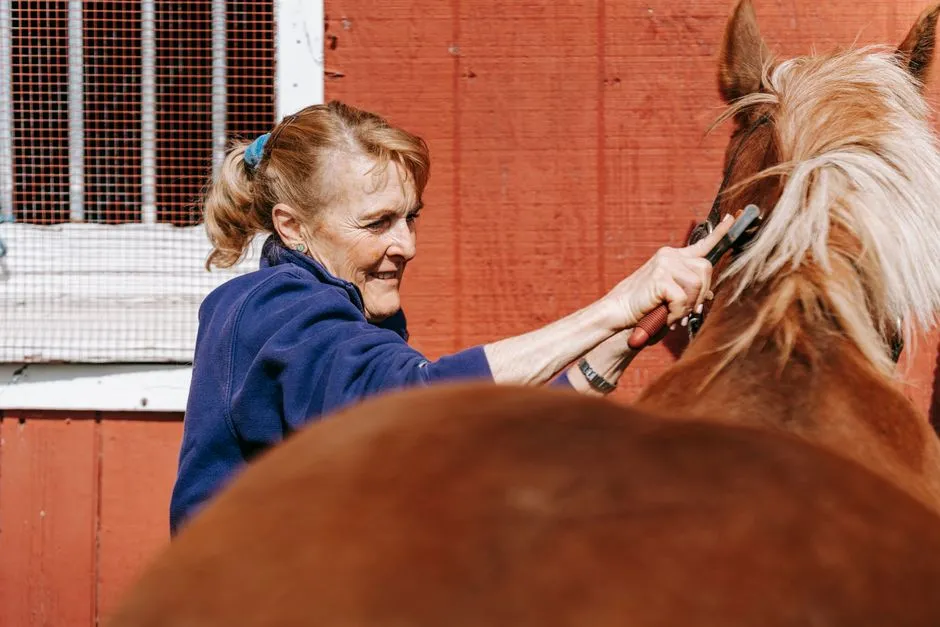
Most people hear “horses are a big responsibility” and nod along, but very few grasp that it’s a seven-day-a-week lifestyle with no shelf to put it on. Even at a full-care barn, you’re constantly making decisions – vet appointments, farrier schedules, blanketing, rehab. If you self-care or keep a horse at home, add daily mucking, feeding, and weather-watching to that list, every single day, forever.
Vacations, late nights, and lazy weekends start orbiting one question: who’s taking care of the horse? A lot of owners eventually admit they feel guilty constantly – guilty when they don’t ride, guilty when they cut corners, guilty when they’re too exhausted to feel excited anymore. Some quietly resent the horse they once dreamed about, simply because they feel trapped by the routine. Almost nobody says that part out loud.
#5 – Choosing a Barn for the Vibe Instead of the Management
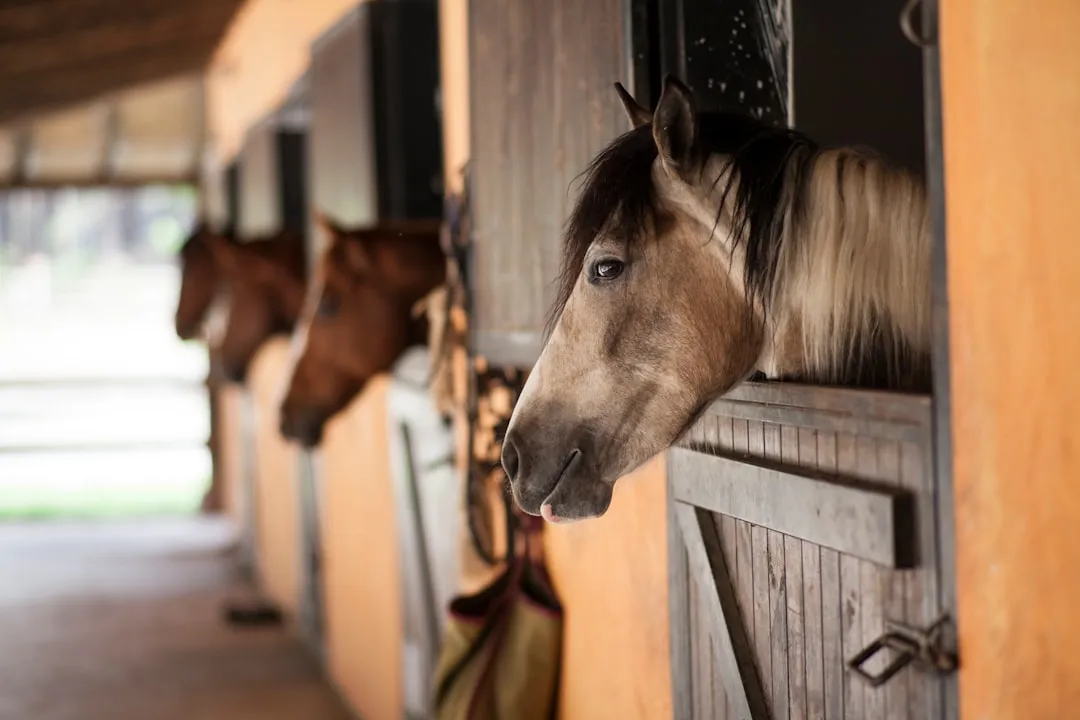
Secretly, this is one of the most expensive emotional mistakes in the whole hobby: picking the fun barn instead of the well-run one. New owners fall for friendly people, a pretty setting, or a short drive from home, then later regret never asking the hard questions – how is turnout actually managed, who’s really doing the feeding, is there an emergency plan, and does the real standard of care match what’s posted on Instagram?
Poor management can mean inconsistent hay and water, unsafe fencing, or horses left out in a storm because nobody wanted to walk out in the rain. Over time, the “cheap” or “fun” barn starts costing far more in vet bills and sleepless nights. More than a few owners only switch barns after a scary, preventable injury – and quietly wonder why they didn’t ask sooner.
#6 – Not Understanding Herd Dynamics and Turnout Risk
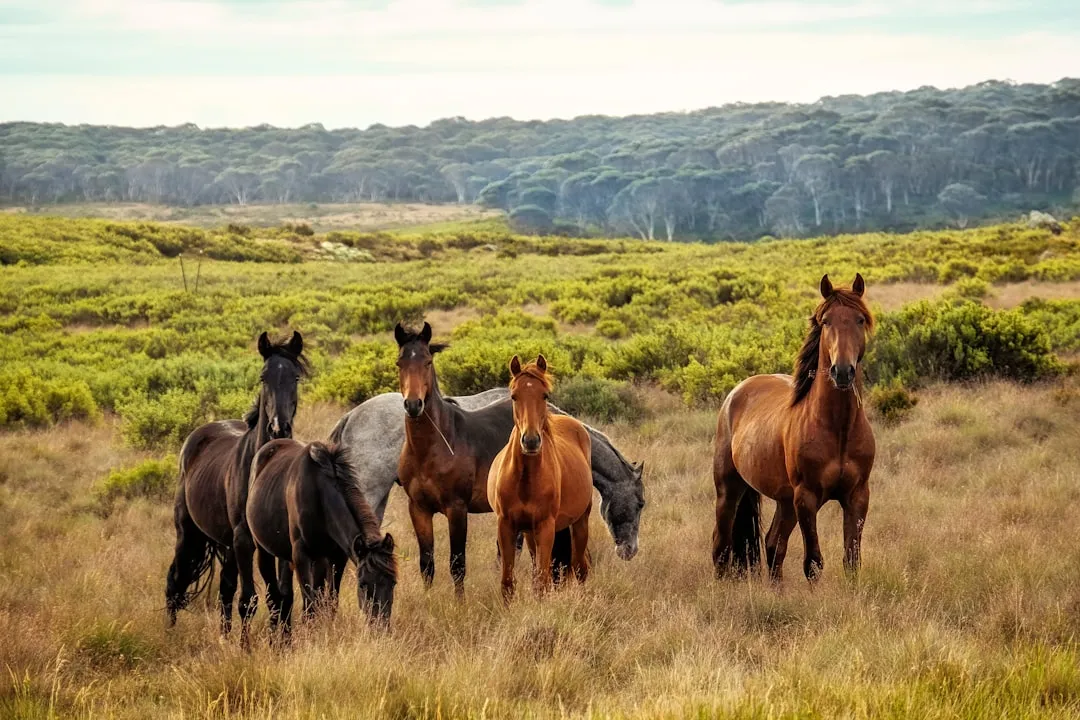
Most first-timers imagine peaceful fields full of horses grazing nose to nose. The reality is that turnout is essential, and also one of the most overlooked sources of injury and stress. New owners assume “pasture is always good” without realizing that herd composition, space, and supervision matter just as much as fresh air.
A dominant horse can terrorize a newcomer. A poorly matched group can trap a timid horse against a fence line. Owners often look back and realize their horse lost weight because he was bullied off the hay pile, or that chronic bites and lameness started right after a turnout shuffle. Many wish they’d pushed harder for a smaller, calmer group – or changed barns – before it turned into a real injury instead of just a bad feeling.
#7 – Falling for the “Rescue Fantasy” Without the Resources to Back It Up
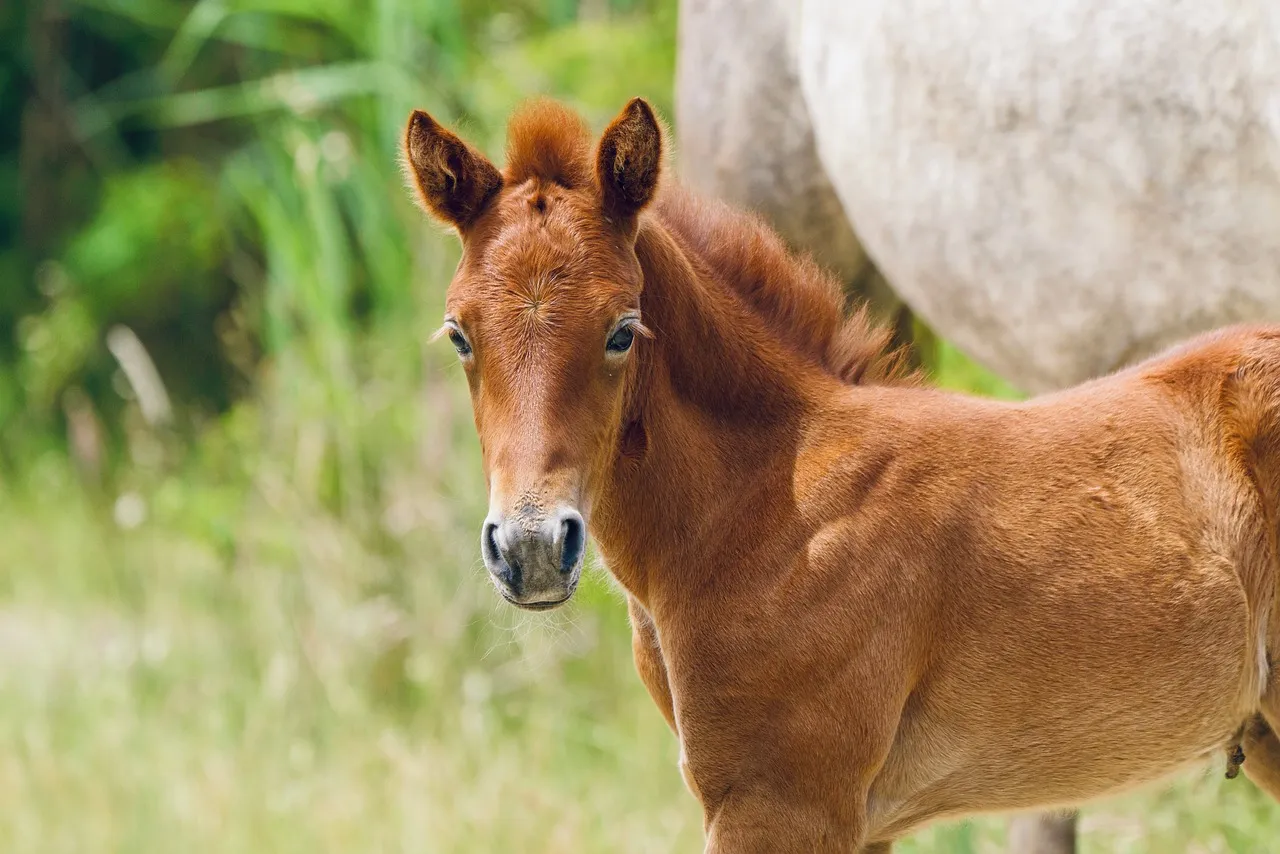
Here’s a controversial one: many owners regret rescuing a horse they simply weren’t equipped to rehab. Yes, there are incredible comeback stories. But behind most of them sits a skilled trainer, a strong vet team, and a budget for months or years of recovery – not just a good heart and a hopeful Facebook post.
Some hard truths owners admit only in private: the horse’s trauma made it genuinely unsafe to handle, chronic health issues meant expensive management for life, and the “project rescue” never became rideable at all. Several say, looking back, they should have donated money or volunteered instead of taking on a case that was already beyond their experience. The guilt when it doesn’t work out can linger for years.
#8 – Skipping Insurance, Emergency Funds, and an Exit Plan
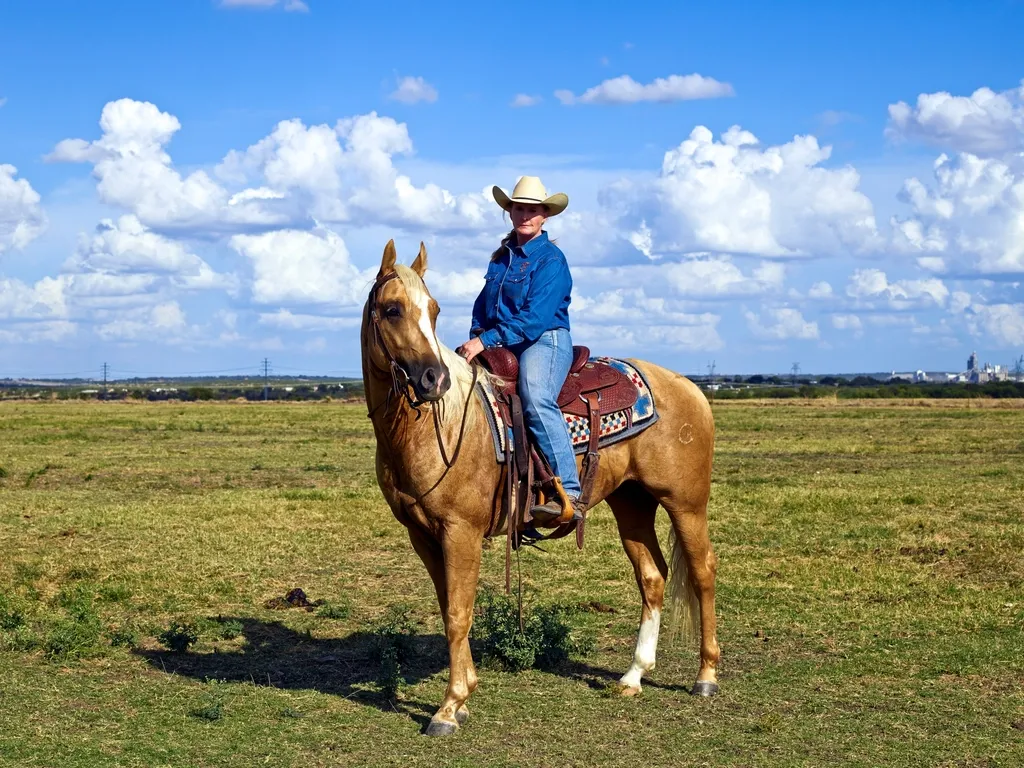
Almost no one wants to think about this at the start: what happens if everything goes horribly wrong? New owners regret not setting up mortality or medical insurance, or even a basic savings buffer. Colic surgery, fracture repairs, and eye injuries aren’t rare unicorn events – they’re just part of owning a large, fragile prey animal.
When the vet lays out options and every single one costs thousands, owners often feel blindsided and quietly ashamed they can’t “do it all.” Even more taboo is the question of what happens if you lose your job, get sick, or go through a divorce. Very few first-timers have an honest plan for rehoming, leasing, or retiring their horse – so when a crisis hits, they scramble and make panicked decisions they regret for years afterward.
#9 – Trusting the Wrong Trainer Because They Sounded Confident
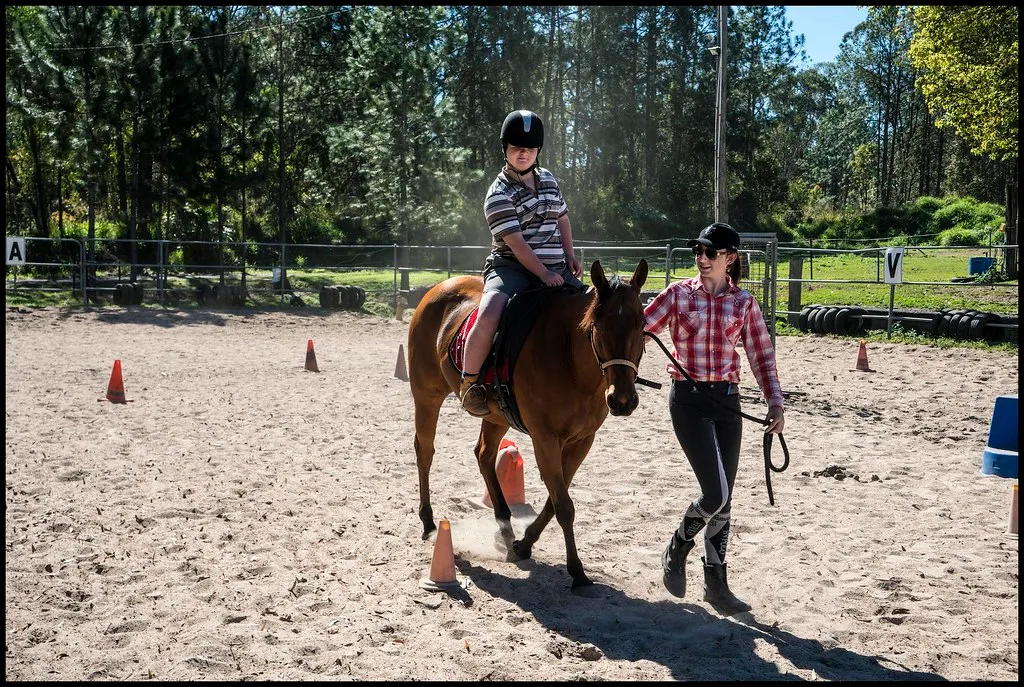
This one stings because it felt so avoidable: many owners regret trusting the wrong trainer early on. Horse training is a completely unregulated industry – anyone can call themselves a trainer, behaviorist, or coach. New owners rarely know how to check credentials or references, so they just go with whoever’s already at the barn.
Years later, they realize that fear-based, outdated, or inconsistent training quietly damaged their horse’s trust – and their own confidence right along with it. Common regrets include allowing harsh methods because “he’s just being a brat,” leaving a horse in training for months with zero transparency, and ignoring their own gut feeling when the horse’s behavior clearly got worse. Rebuilding that trust afterward can take longer than starting from scratch ever would have.
#10 – Ignoring Subtle Pain Until It Became a Screaming Problem
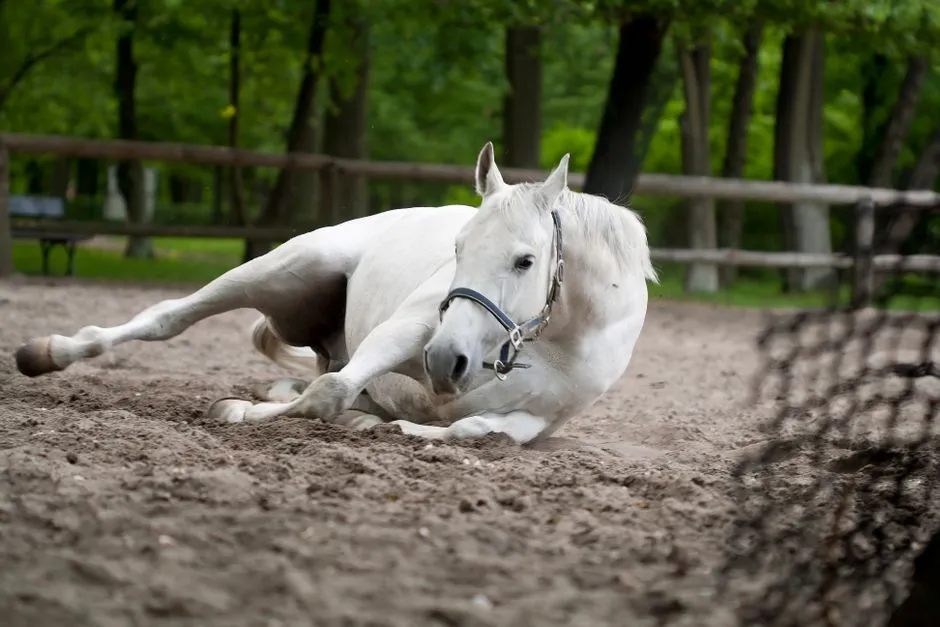
Most first-timers assume obvious lameness equals pain and everything else means the horse is fine. In reality, horses are masters at hiding discomfort – right up until they physically can’t anymore. Looking back, owners often spot the signs they missed: tail swishing, ear pinning under the saddle, refusing certain leads, tripping, or suddenly “being stubborn” for no clear reason.
Friends said, “he’s just testing you.” Experienced owners now know those attitude problems were early pain signals coming from the back, hocks, feet, or mouth. Later diagnostics often reveal ulcers from stress, saddle fit issues causing chronic soreness, or hoof imbalances quietly straining a joint for months. The real regret isn’t just the vet bill – it’s realizing they rode their horse through pain they simply didn’t know how to read yet.
Worth Knowing
- Tail swishing or ear pinning during grooming or tacking up is often an early warning sign
- Sudden reluctance to pick up one lead or bend one direction can point to hidden soreness
- Increased tripping or a shortened stride is easy to dismiss as clumsiness
- A new “attitude” or stubborn streak is frequently pain wearing a behavior disguise
#11 – Underestimating How Much Their Own Body and Nerves Matter
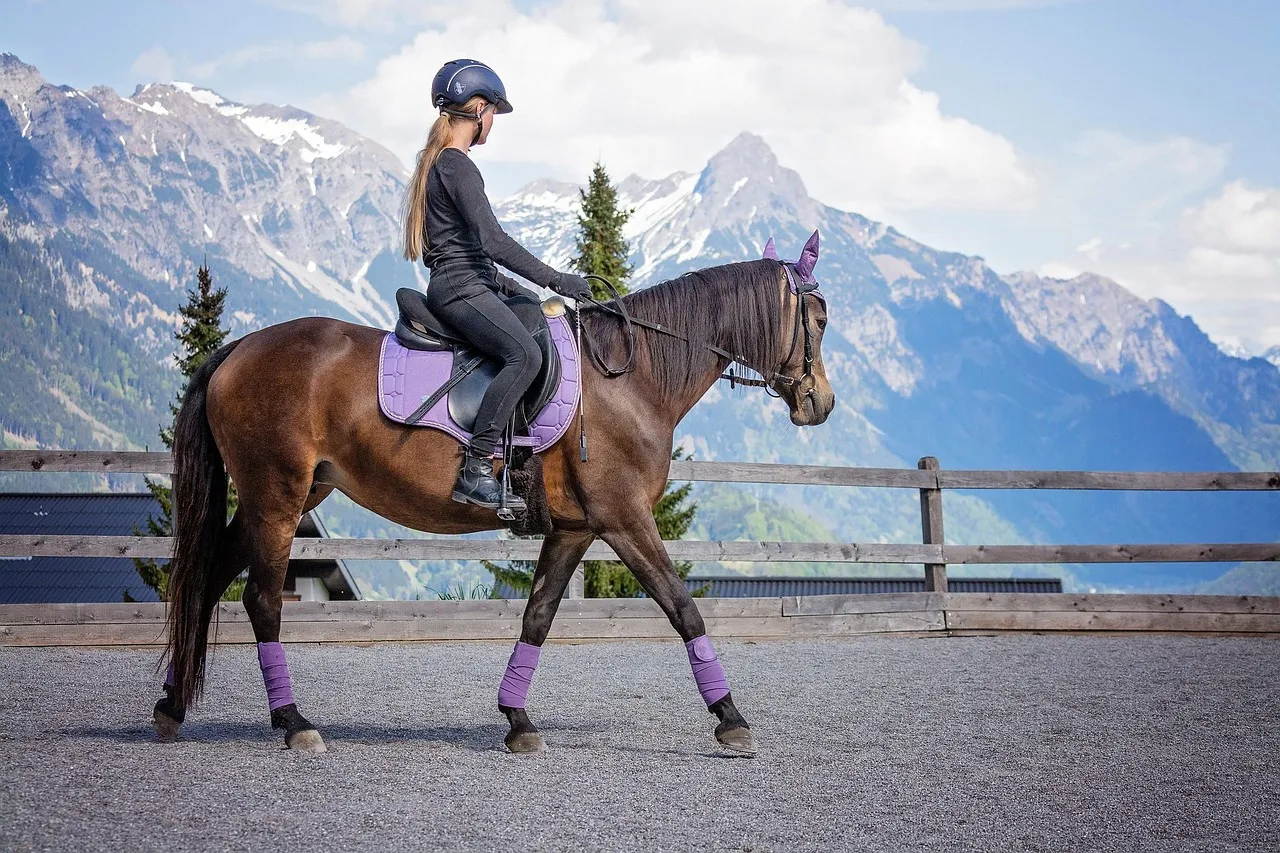
A truth barely anyone tells new buyers: your fitness, mindset, and confidence matter just as much as your horse’s training. Many owners assumed a “better” horse would fix their riding problems, only to discover their own balance, strength, and nerves shape every single ride. After one fall or scare, they’re shaken – and surprised how long it takes to feel normal in the saddle again.
Some quietly start avoiding canter, jumping, or hacking out, even on a horse that’s genuinely fine. Later they admit what they actually needed was regular lessons with a coach they trusted, off-horse fitness work, and real mental skills for managing fear instead of just being told to “cowboy up.” Plenty of riders end up with a fantastic horse they’re too nervous to ride the way they once imagined – and that gap between fantasy and reality can feel crushing when nobody warns you it’s normal.
#12 – Romanticizing Keeping a Horse at Home
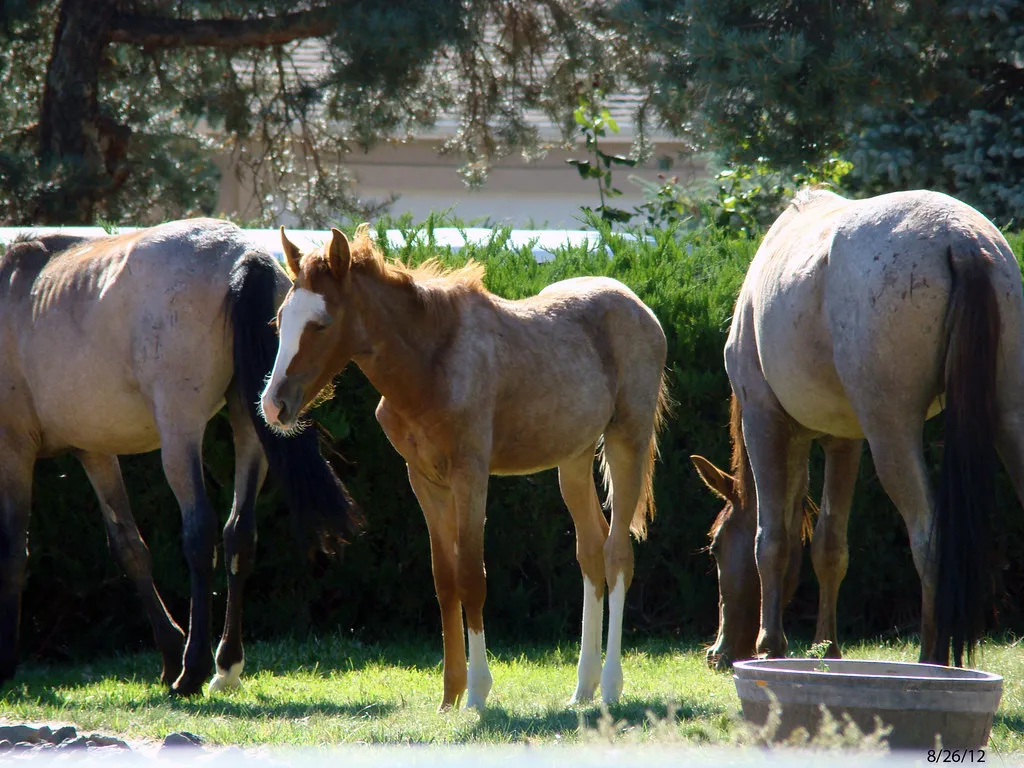
For many, the dream is simple: someday, a horse in the backyard. The reality check is blunt – a lot of owners regret leaving good boarding situations too soon. A horse at home means full responsibility, no backup staff when you’re sick, no built-in riding buddies, and no professional eyes casually catching small problems before they become big ones.
Fencing, footing, hay storage, manure management, frozen water buckets in winter – all of it becomes your problem, every day, with no days off. Some owners confess they actually ride less at home because chores eat every spare minute, and loneliness without a barn community quietly stalls their progress. What felt like ultimate freedom sometimes turns into an isolating grind – and many wish they’d waited for more experience, support, or money before making the move.
#13 – Not Planning for Aging, Retirement, and “Forever” Care
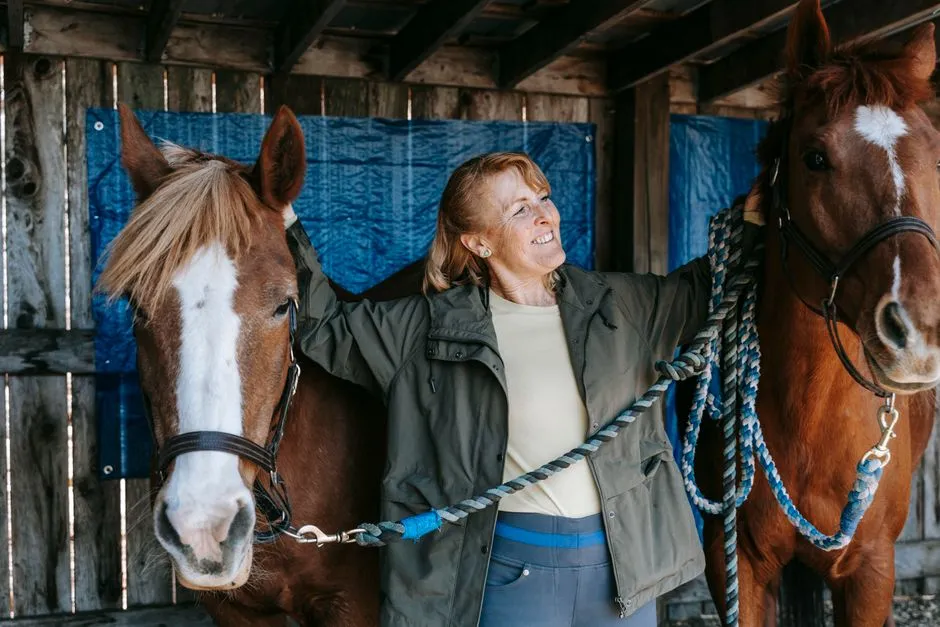
Everyone imagines years of riding adventures; almost no one imagines the decade or more when their horse is no longer rideable. Horses can live into their late 20s or 30s, and sometimes retire from work early due to injury. Suddenly the fun hobby becomes long-term elder care – special diets, medications, careful turnout – and you’re paying full board for a horse you no longer ride, which gets emotionally complicated fast.
Owners often didn’t realize retired horses aren’t necessarily cheap to keep, or that finding a safe, affordable retirement situation is harder than it sounds. Many regret not thinking through the retirement years back when they first bought a young or high-risk horse. The hardest decisions almost always come years after the Instagram posts have quietly stopped.
At a Glance
- Many horses live well into their late 20s or 30s with good care
- Retirement can realistically last a decade or longer after active riding stops
- Senior horses often need specialized feed, dental work, and joint support
- Retirement boarding is not automatically cheaper than active boarding
#14 – Letting Social Media and Barn Culture Drive Their Choices
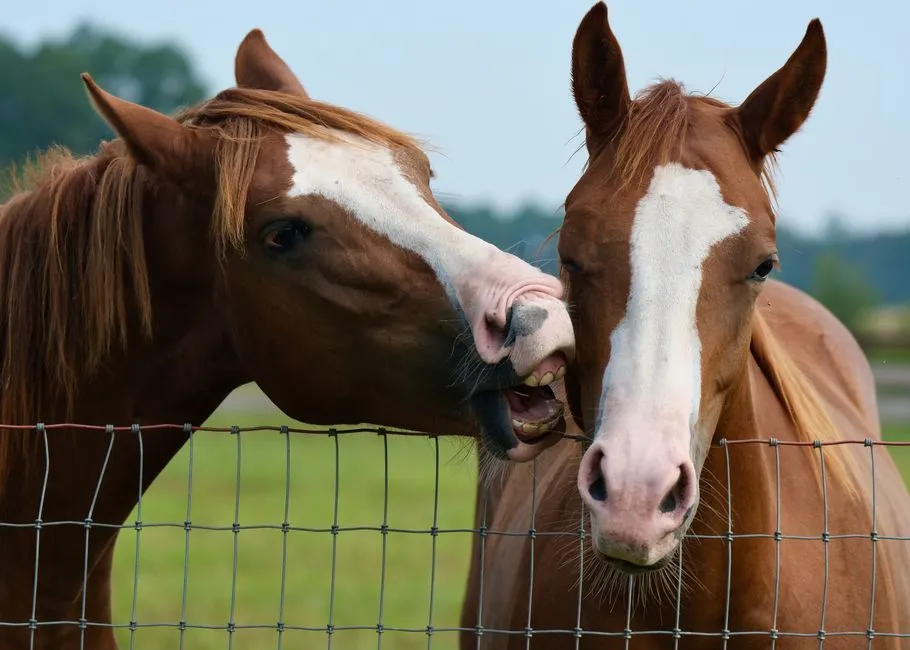
Here’s a distinctly modern regret: letting online trends or barn pressure decide what kind of owner or rider they should be. New buyers feel pushed toward competing, buying certain brands, or leveling up constantly. They scroll endless highlight reels and feel “behind” if they’re not jumping a certain height or switching horses every couple of years.
Some end up at barns where comparison and subtle shaming are just part of the culture. Down the line, many realize they spent money chasing ribbons they never actually cared about, or bought a horse for a discipline they weren’t genuinely interested in. Plenty say their biggest regret isn’t what they did – it’s why they did it. They weren’t acting from love of the horse; they were acting from fear of being judged.
#15 – Buying a Kid a Horse to “Grow Into” Instead of One to Ride Now
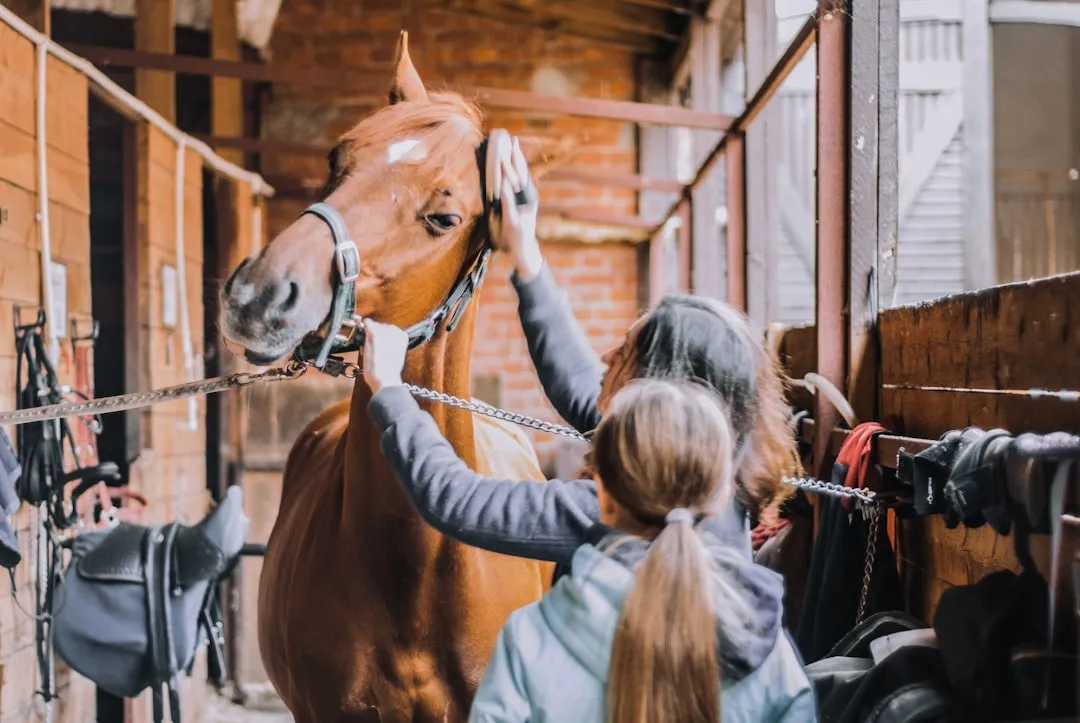
This one sparks arguments in every barn: parents buying a horse their child can “grow into” instead of one they can confidently ride right now. On paper it sounds economical. In reality, a too-forward, too-tall, or too-sensitive horse often terrifies a young rider quietly, without them ever saying so out loud.
The child starts faking stomach aches, stops wanting to go to the barn, or only wants to groom instead of ride. Parents sometimes push harder, convinced the kid is being lazy or dramatic, never realizing the horse itself is simply the wrong mount. Years later, they admit they wish they’d bought the “boring” pony that made riding fun, and that their own ego about size or flash got in the way of their child’s safety. Many say they accidentally turned a dream into a chore – and would choose smiles over potential every time if they could rewind.
#16 – Signing Boarding and Sales Contracts Without Reading the Fine Print
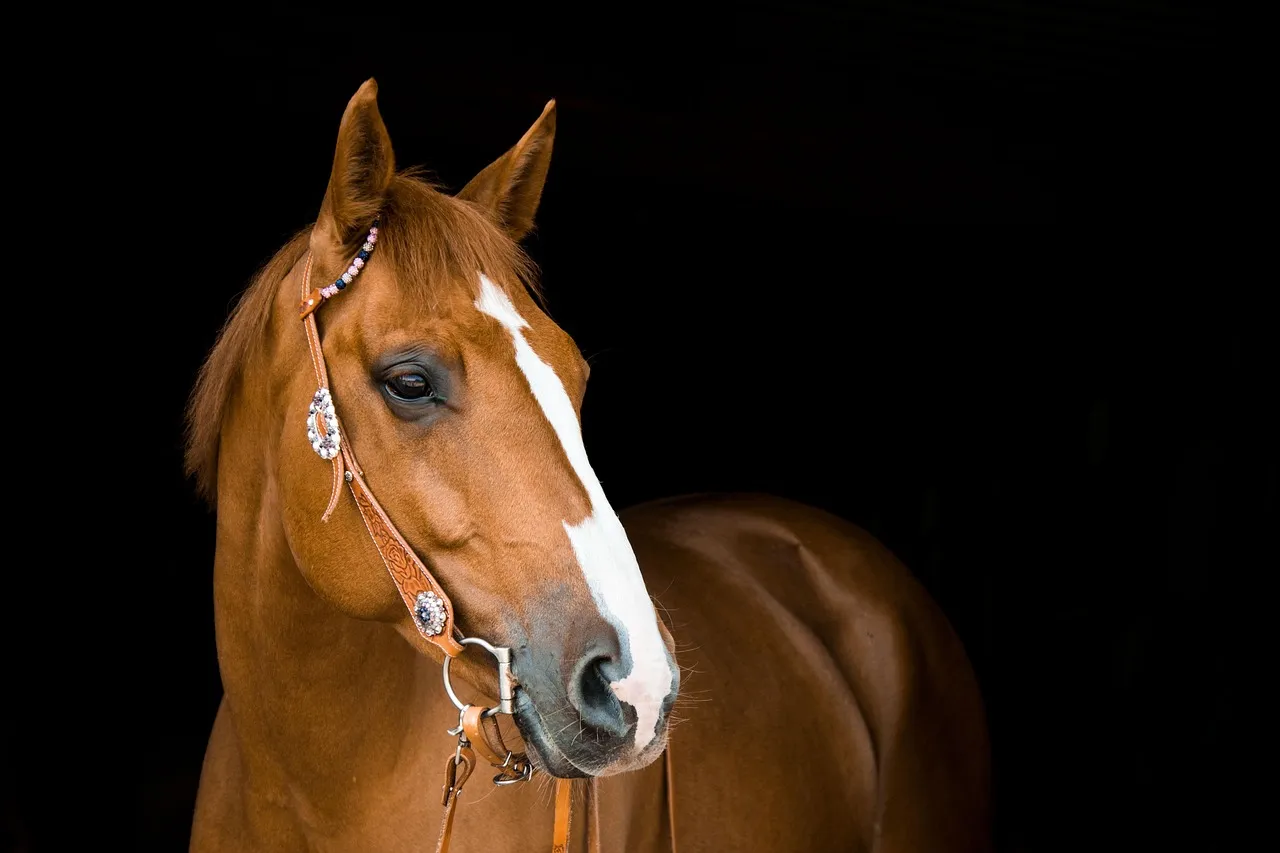
Boarding agreements, leases, sales contracts – most first-time owners skim and sign, then deeply regret it later. Common oversights include vague notice periods, unclear liability language, or no real clarity on what happens if the horse is injured under someone else’s care. Some owners discover they’re on the hook for months of board even after giving notice, simply because they never got a verbal promise in writing.
Down the line, they regret not clarifying non-refundable fees before paying them, and not specifying exactly what “full care” or “training rides” actually include. Many admit their most stressful horse experiences weren’t with the horse at all – they were with humans and paperwork. A single consultation with a savvy horse person before signing could have saved thousands of dollars and months of frustration.
#17 – Treating Saddle Fit as an Afterthought
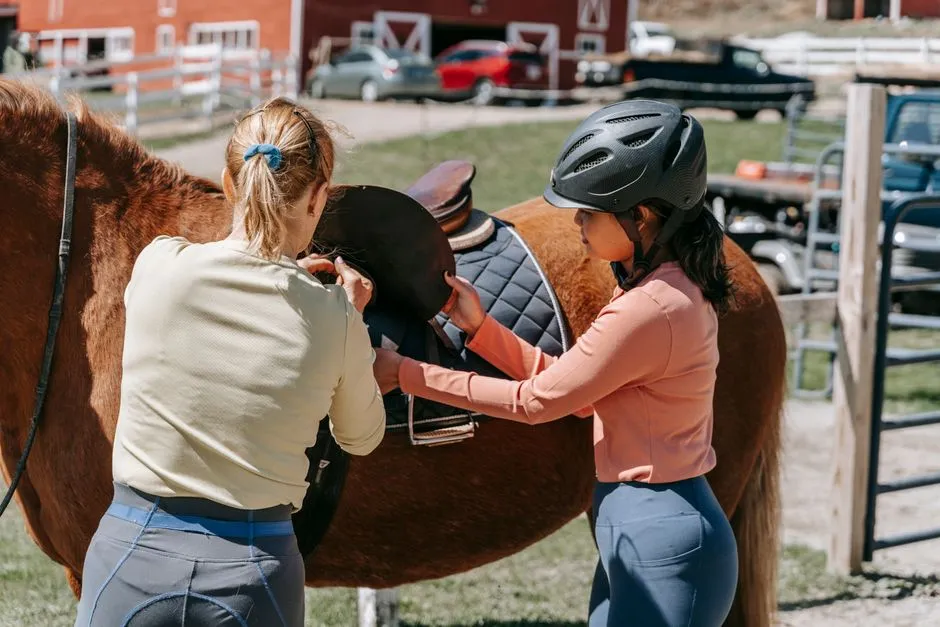
Most new owners blow the entire budget on the horse itself, then hunt for deals on everything else. Later, they regret not prioritizing saddle fit and basic equipment quality from the start. An ill-fitting saddle, a cheap bit, or a poorly designed girth can cause real pain and long-term damage – and new buyers rarely realize that “standard” shapes don’t fit every horse’s back.
Borrowed or used tack can be a great budget move, but only if someone actually checks it for fit and condition first. Owners often learn the hard way that a budget saddle ends up costing more after repeated adjustments, and that a professional fitting should have happened months earlier. Plenty regret years of behavior battles that were, in the end, solved by nothing more than a different saddle. Good gear isn’t a luxury – it’s basic welfare.
Quick Compare
- Ill-fitting saddle: pressure points, muscle atrophy, and behavior problems mistaken for attitude
- Well-fitted saddle: even weight distribution, freer movement, and fewer unexplained training setbacks
- Ill-fitting saddle: repeated pad changes and quick fixes that never solve the root issue
- Well-fitted saddle: one professional fitting that often pays for itself in avoided vet and training bills
#18 – Breeding a Mare Without a Rock-Solid Plan
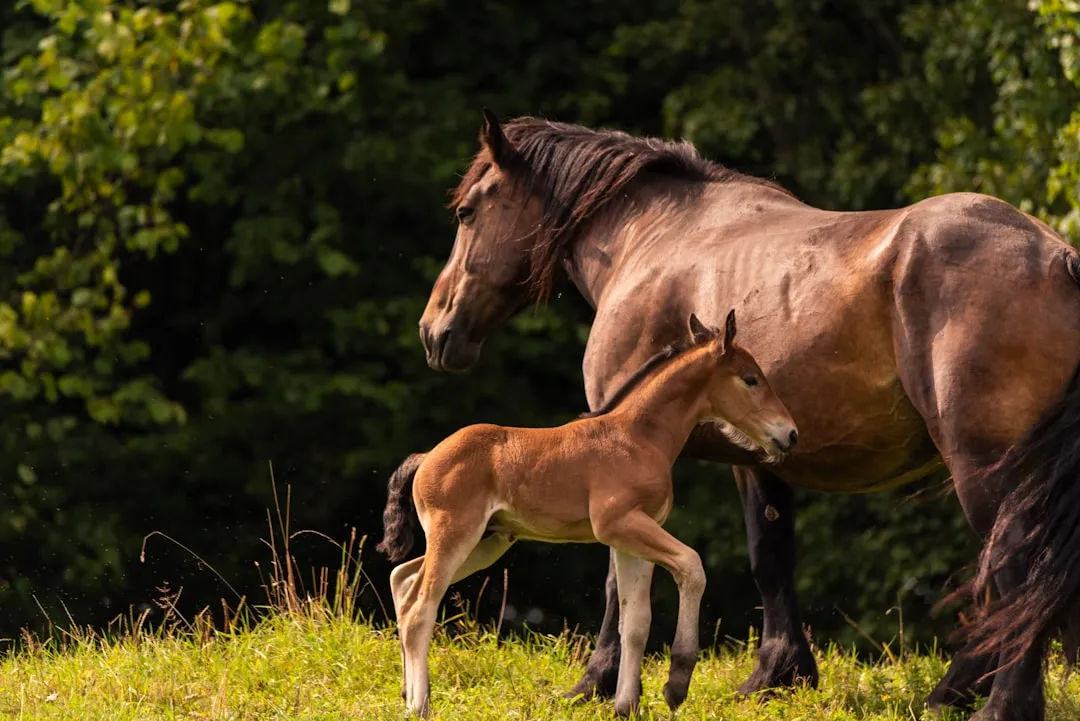
This one’s touchy but very real: many owners regret breeding their mare, or creating “just one baby,” without truly thinking it through. The idea is seductive – a foal from your beloved horse, raised right from day one. But pregnancy and foaling carry real medical risk, real cost, and years of training with no guarantee the foal inherits anything you hoped for.
Some end up with an unsellable or unsuitable horse in an already flooded market, unintentionally adding to the exact overpopulation problem they hate. Later, they admit their mare wasn’t actually top breeding quality – she was just deeply loved, which isn’t the same thing. Many quietly wish they’d bought a young horse already on the ground instead of gambling on an uncertain future, and the regret cuts deepest when that “baby” ends up somewhere far less than ideal.
#19 – Not Being Emotionally Ready for the End

The regret that haunts the longest: not being ready at all for euthanasia decisions and goodbyes. New buyers picture years of partnership and maybe a gentle pasture retirement. Very few picture catastrophic injuries, untreatable disease, or slow declines where “more time” stops being kind and starts being cruel.
When that day comes, owners often feel blindsided by the weight of the decision, the logistics, and the grief that follows for far longer than they expected. They second-guess every choice – too soon, too late, too much, not enough. Many say no one ever warned them that losing a horse can feel as devastating as losing a family member, and the hardest part is simply wondering, afterward, if they did right by the animal who trusted them most.
The Bottom Line
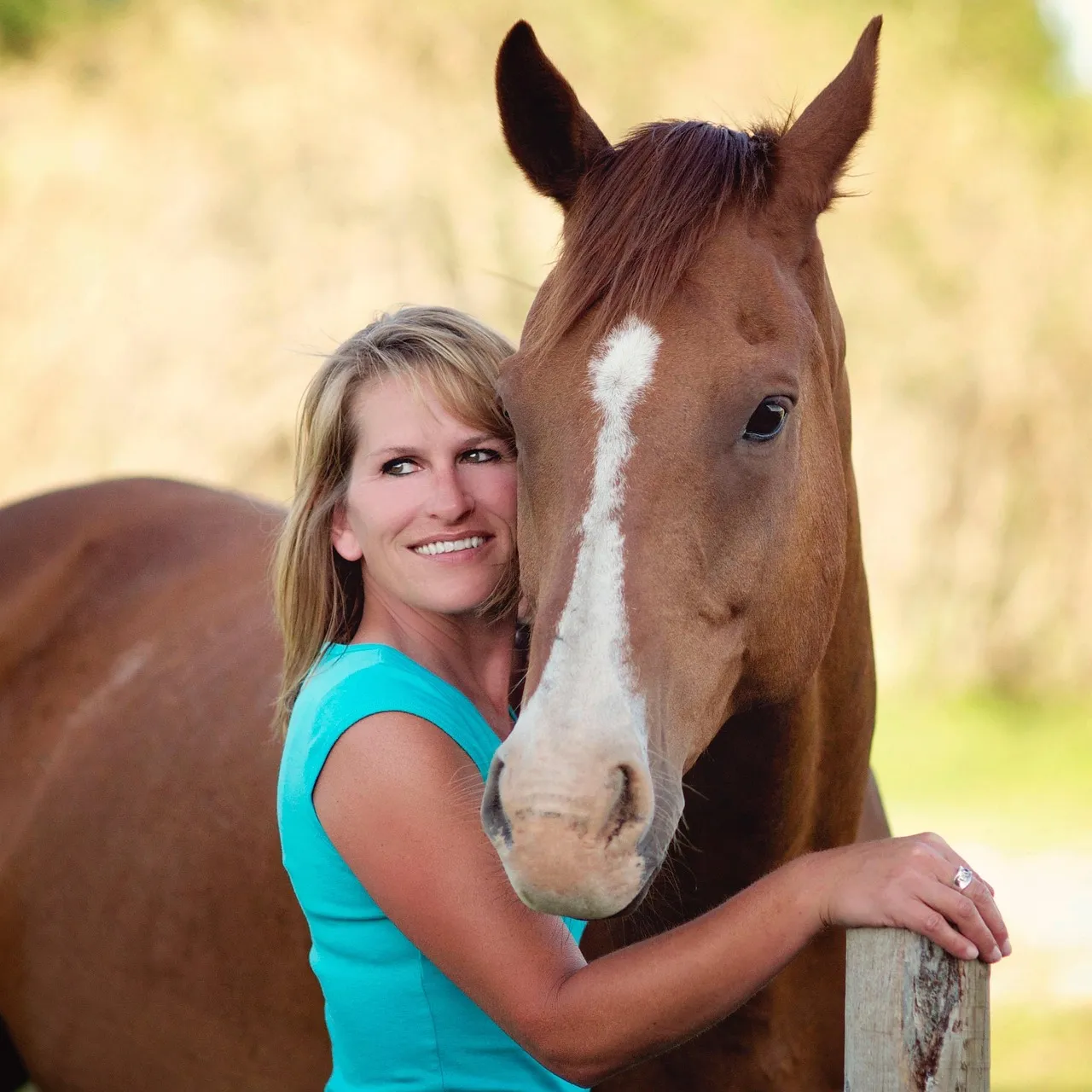
These regrets don’t exist to scare anyone away from horses. They exist because no one told the whole truth at the start. Long-time owners rarely regret loving their horses – they regret going in blind about the cost, the time, the emotional weight, and the hard decisions baked into the deal from day one.
The real secret isn’t buying the fanciest animal you can find. It’s planning for the pain, the problems, and the unglamorous daily grind – then choosing the horse and setup that fit the person you actually are right now, not the fantasy version waiting somewhere down the road.
If you’re already a horse owner, which of these hit closest to home – or what would you add from your own experience? Did we miss one? Drop it in the comments.

- 19 Regrets Horse Owners Describe Most Often That First-Time Buyers Are Never Warned About - August 14, 2026
- What a Hummingbird Decides About Your Garden Before Returning 16 Signals Most People Miss - August 14, 2026
- 18 Dog Breeds That Suit a Quiet Retired Household and 18 That Would Never Cope at All - August 14, 2026