
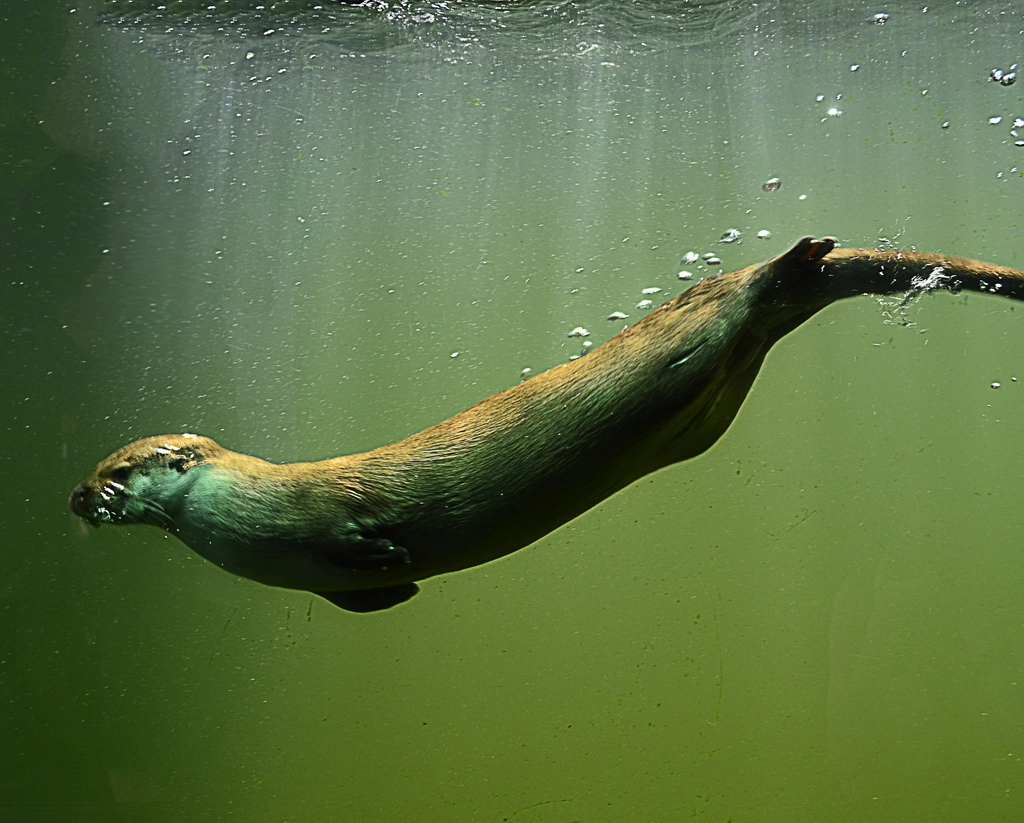
If you’ve ever seen a river otter tumble through the water like a furry torpedo, you know they look like pure joy wrapped in whiskers. Yet behind that playful surface, otters are quietly telling us something serious about the state of our rivers. Biologists are noticing a pattern: river otters often return long before a river is anything close to “fully restored.”
That idea is a little unsettling and a little hopeful at the same time. It suggests nature is tougher than we give it credit for, but also that our usual yardsticks for “healthy” rivers might be a bit off. Once you see otters as early scouts instead of final proof of success, you start to look at every splash and whisker trail with different eyes.
Why Otters Show Up So Early In The Recovery Story
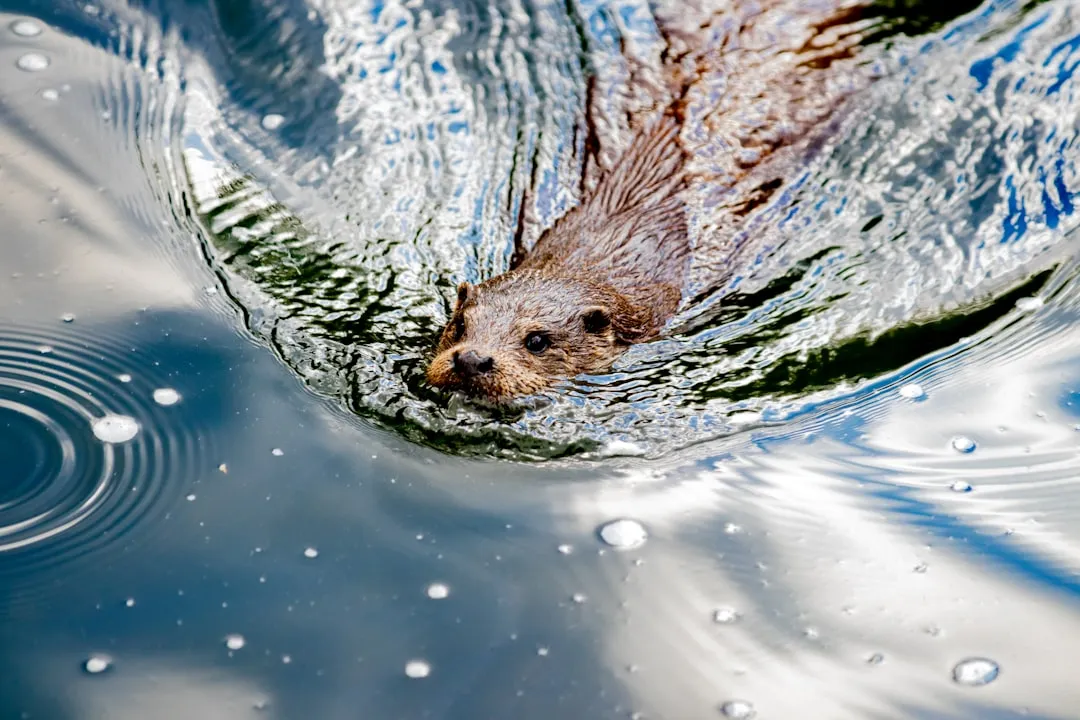
Here’s the surprising part: river otters do not need a perfect river to move back in. They need enough fish, enough cover, and enough clean water to survive and raise young, but not the pristine, postcard version of a river that restoration teams dream about. That means they can repopulate areas where pollution has only dropped from terrible to tolerable, long before the system has fully bounced back.
In ecological terms, otters are opportunistic carnivores with big home ranges and flexible diets. If fish and crayfish numbers tick upward and toxic levels fall even a bit, otters can test the waters, literally. Their early return is more like a cautious vote of “maybe” than a confident stamp of approval, and treating it as anything more can mislead managers and the public.
Otters As “Sentinel” Species – Helpful, But Not Perfect
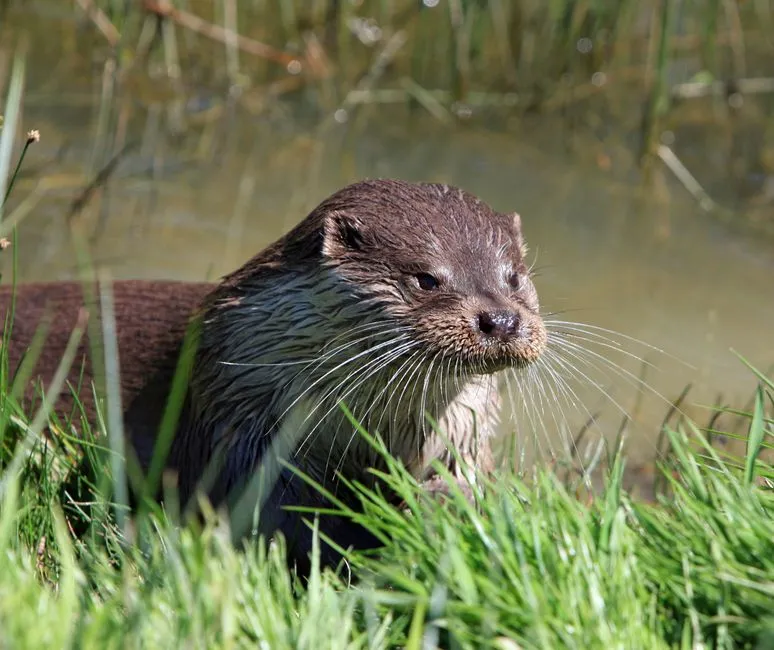
Wildlife biologists often call river otters sentinel species because their behavior and health can flag changes in the environment. When top predators that rely on aquatic food webs reappear, it usually means at least some parts of that web are functioning again. That is genuinely good news and worth celebrating.
The catch is that sentinels are signals, not full diagnoses. An otter swimming through a restored stretch says something about prey availability and water quality there, but not necessarily about contaminants locked in the sediment, invisible pathogens, or the long-term stability of the ecosystem. Reading too much into their presence is a bit like assuming one green traffic light guarantees the whole city’s traffic system is working flawlessly.
Food Chains Recover Faster Than Entire Ecosystems
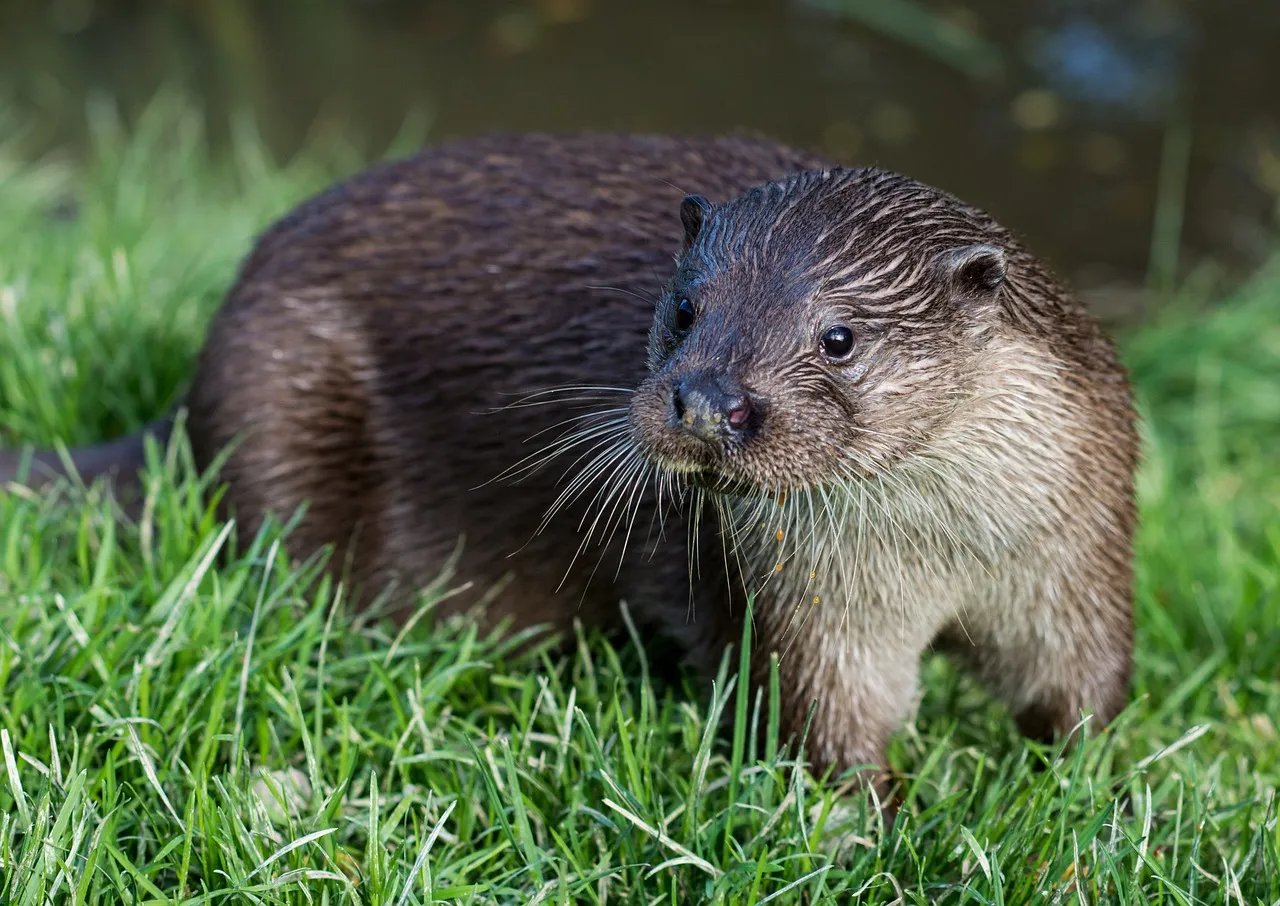
Otters are tightly tied to food, and food webs often show improvement sooner than the rest of the ecosystem. A modest reduction in industrial discharge or better wastewater treatment can quickly boost fish survival. Once small fish rebound, larger fish follow, and suddenly there’s enough on the menu for otters to at least visit, if not stay year-round.
But a river is more than fish and flowing water. Riparian forests, floodplain wetlands, insect communities, and the microscopic life in mud and gravel all recover on different timelines. The result is a patchwork: certain pieces of the puzzle look almost healed, while others are still badly damaged. Otters can thrive in those semi-fixed mosaics, even as the deeper layers of the ecosystem remain compromised.
Pollutants Linger In Otters’ Bodies Long After The Water Clears
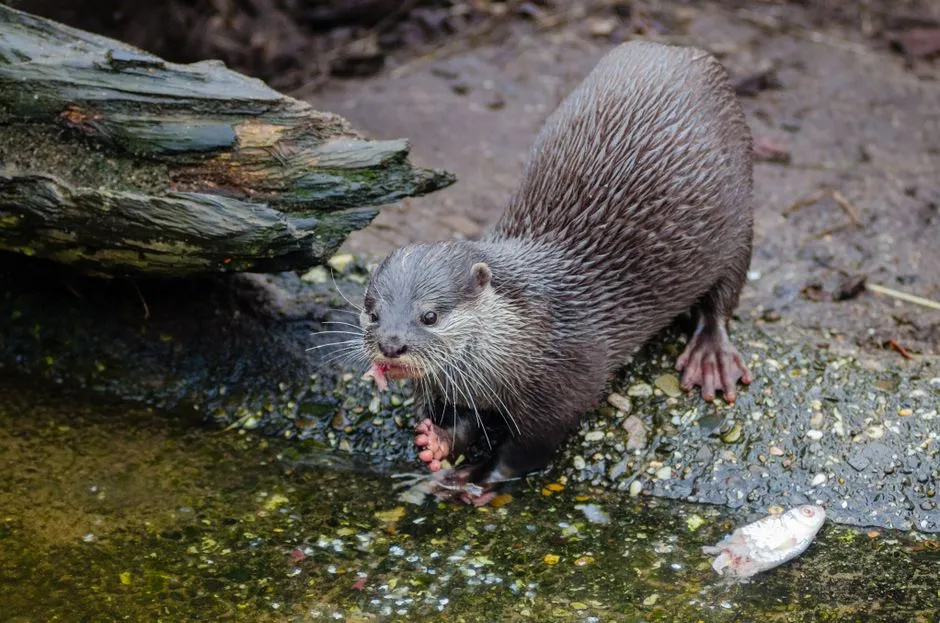
One of the more sobering realities is that otters can live, hunt, and play in rivers that still carry long‑lived pollutants. Many contaminants, like heavy metals and some industrial chemicals, bind to sediments or bioaccumulate in the bodies of fish. Otters, sitting at the top of the food chain, absorb what their prey has already concentrated, even when the water itself looks clean to the naked eye.
That means you can watch an otter roll on the bank and have no idea its tissues may be quietly storing a history of contamination. From a distance, it looks like a success story. Under the microscope, blood and liver samples sometimes tell a less cheerful tale. Their presence is hopeful, but their chemistry can still echo the damage of decades past.
Connectivity And Curiosity: How Otters Scout New Habitat
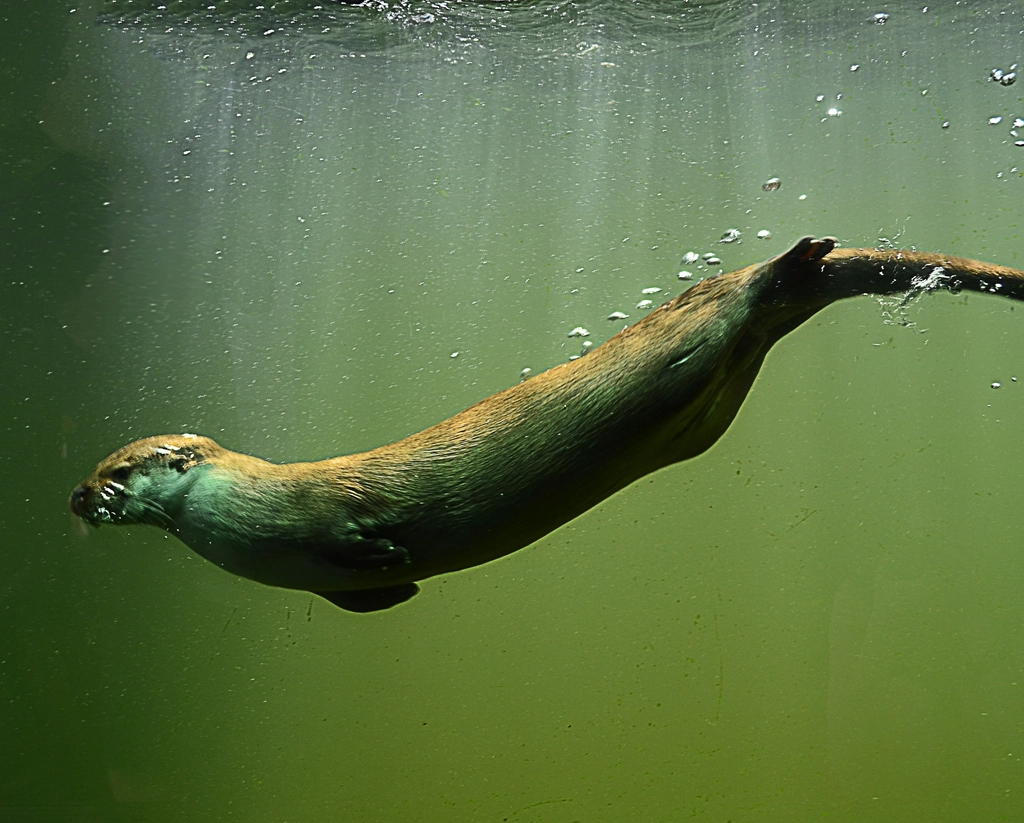
River otters are naturally curious wanderers. They travel long distances along river corridors, canals, and even across land to search for new hunting grounds. When dams are removed, culverts are fixed, or barriers are eased, otters can be among the first larger mammals to explore and exploit those newly connected stretches, simply because they move so much.
This roaming behavior explains why otters can reappear fast once a corridor opens up, even if the “destination” habitat is only partially improved. They do not wait for a formal restoration ribbon‑cutting; they show up as soon as passage and basic resources exist. In that way, they are more like adventurous backpackers than picky luxury travelers, willing to tolerate rough conditions as long as there is a path and enough food.
Public Perception: Cute Animals As Overoptimistic Proof

There is also a very human twist: people love otters. When photos of them popping up in once‑polluted rivers hit social media, it feels like a redemption arc. Politicians point to them as living evidence that policies are working, and communities breathe a little easier, convinced the river must finally be safe. The emotional appeal is powerful, and it can drown out quieter, more nuanced science.
As someone who cares about both rivers and honesty, I find this both inspiring and a little dangerous. It is wonderful when local residents feel pride and hope because a playful animal has returned. But if we let a handful of charismatic sightings replace tough conversations about lingering contaminants, aging infrastructure, or climate‑driven low flows, we risk freezing progress at “good enough” rather than aiming for truly resilient rivers.
What Biologists Actually Look For Beyond Otters
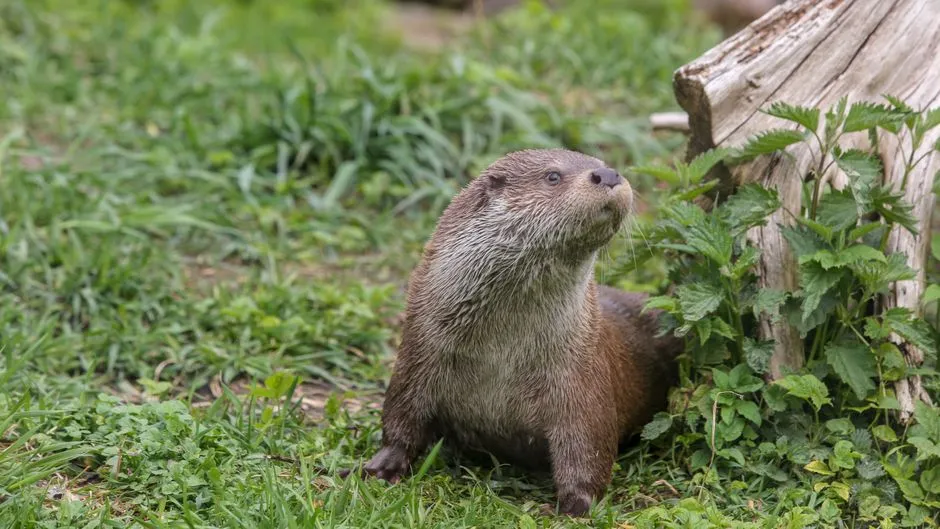
When wildlife biologists assess recovery, they are not just tallying otter sightings on a clipboard and calling it a day. They are measuring things like dissolved oxygen, nutrient levels, and toxic compounds, and tracking the diversity of fish, insects, and plants over many years. An early otter is a highlight, but it is one line of evidence in a much bigger story.
They also pay attention to age structure and reproduction: Are there pups being raised successfully? Are fish populations spread across different sizes and species, or dominated by a few hardy generalists? These details matter because a river that only supports a narrow set of tough survivors is not the same as a river whose complexity has bounced back. Otters might bridge both states, but scientists refuse to confuse “possible to live here” with “fully restored.”
Why Early Otter Comebacks Should Motivate Us, Not Satisfy Us
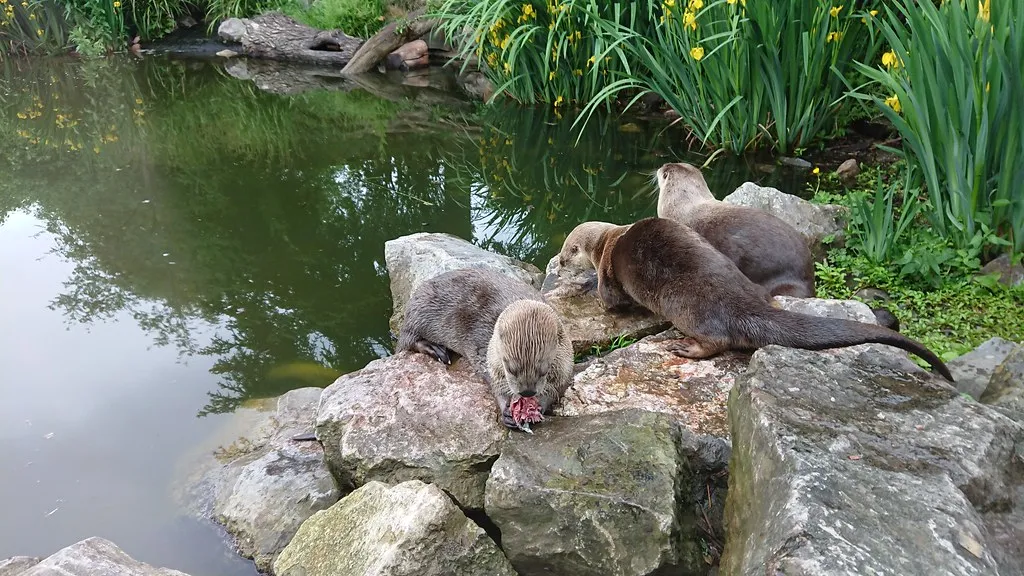
To me, the real message in all this is simple: otters coming back early is a reason to push harder, not declare victory. They are like the first wildflowers on a burned hillside, proof that life is returning but not that the forest is back. If we stop with feel‑good headlines and museum‑gift‑shop calendars, we miss the bigger obligation to deal with legacy pollution, rebuild habitats, and plan for a warmer, more volatile climate.
I think we should treat every otter sighting in a recovering river as both a celebration and a challenge. Celebrate, because something we broke is starting to mend. Challenge, because if that animal can endure our half‑finished fixes, then we owe it the rest of the work: cleaner sediments, connected floodplains, shaded banks, and policies that protect the gains. The playful swirl of an otter is not the end of the story; it is an invitation to write a better next chapter – and maybe the real question is whether we are as persistent as they are.

- Wildlife Biology Says River Otters Return Before Most Rivers Are Fully Restored - August 14, 2026
- Wildlife Biology Says Owls Depend on Dead Trees More Than Living Ones - August 14, 2026
- 10 Cat Breeds That Tolerate Dogs Surprisingly Well - August 14, 2026