
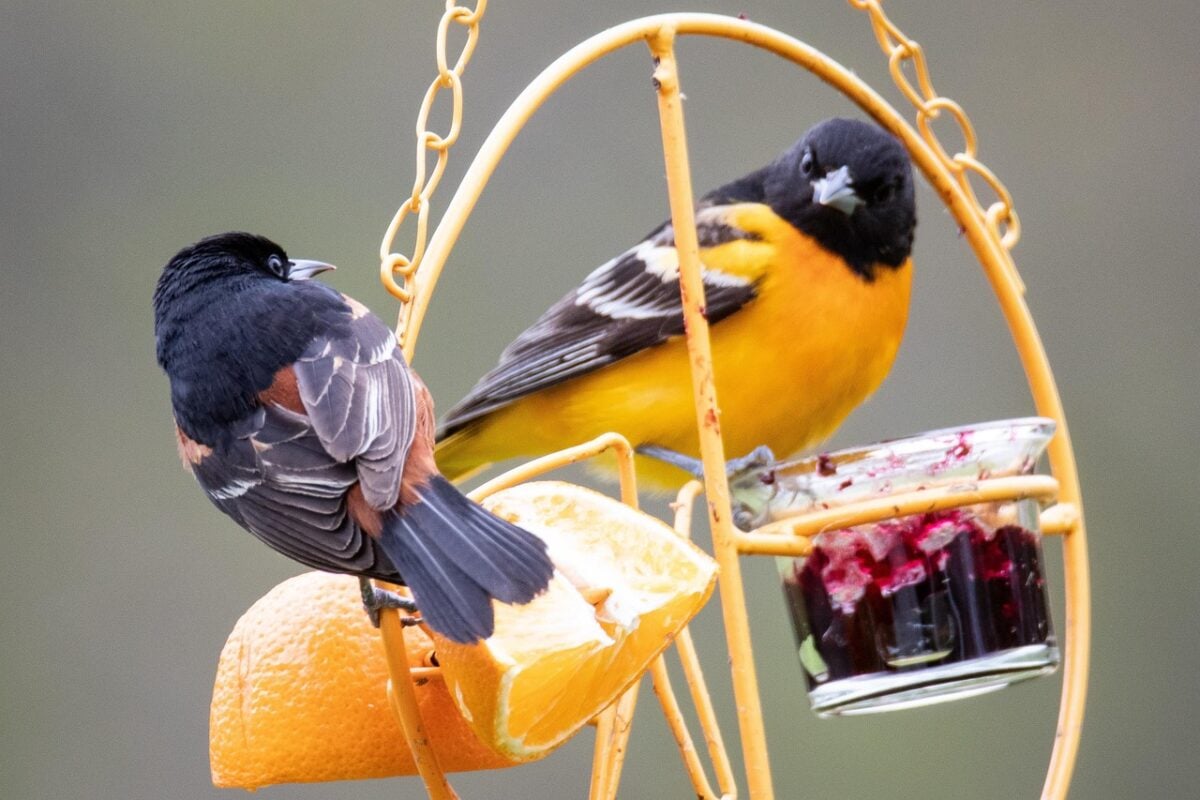
There’s a special kind of thrill in spotting a flash of flaming orange at the edge of your yard. Orioles feel almost unreal at first, like someone slipped a tropical bird into an ordinary neighborhood. Once you’ve seen one land in your tree, though, it’s hard not to become a little obsessed with getting them to come back.
What makes orioles especially fun is that they are picky in oddly charming ways: they want certain foods, certain trees, and they show up on a surprisingly tight schedule. You can’t just hang a random feeder and hope. You build a whole little world that whispers to them: this is the place. Let’s walk through how to do that, step by step, so turns into the brightest stop on their spring and summer route.
Understand What Orioles Actually Want
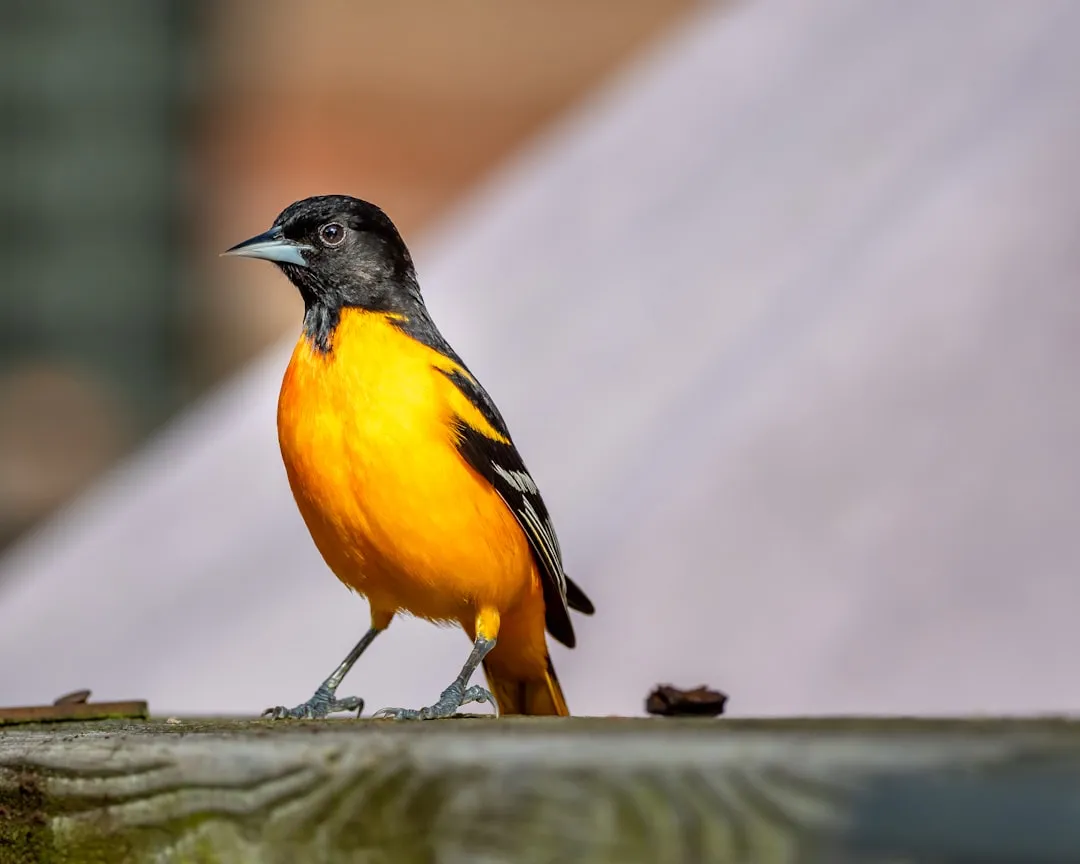
Here’s the first surprising thing: orioles are not hummingbirds with a different paint job. They have their own tastes and habits, and if you treat them like generic “backyard birds,” they’ll just fly on by. Orioles are drawn to a mix of sugary foods, insects, and native plants, plus safe, semi-hidden spots to rest and nest.
Most orioles spend their winters in Central and South America, then migrate north to breed. That journey burns a massive amount of energy, so when they arrive in your region, they’re hungry, cautious, and very focused on finding good territory quickly. If your yard offers the right food, structure, and shelter at the right time of year, you become that safe harbor in a storm of travel.
Time Your Setup for Migration Season
One of the biggest mistakes people make is putting up oriole feeders only after they see an oriole. By then, you may already have missed the main wave of birds moving through your area. Orioles migrate on a fairly predictable schedule: they tend to arrive in early to mid-spring, depending on how far north you live.
A good rule of thumb is to get your oriole feeders and fruit stations ready about two to three weeks before they typically arrive in your region. If your local birding group or nature center posts reports of the first orioles each year, use that as your guide. This is like hosting a party: you don’t start cooking when the doorbell rings. You have everything set up before your guests even walk up the driveway.
Offer the Right Foods: Oranges, Jelly, and More
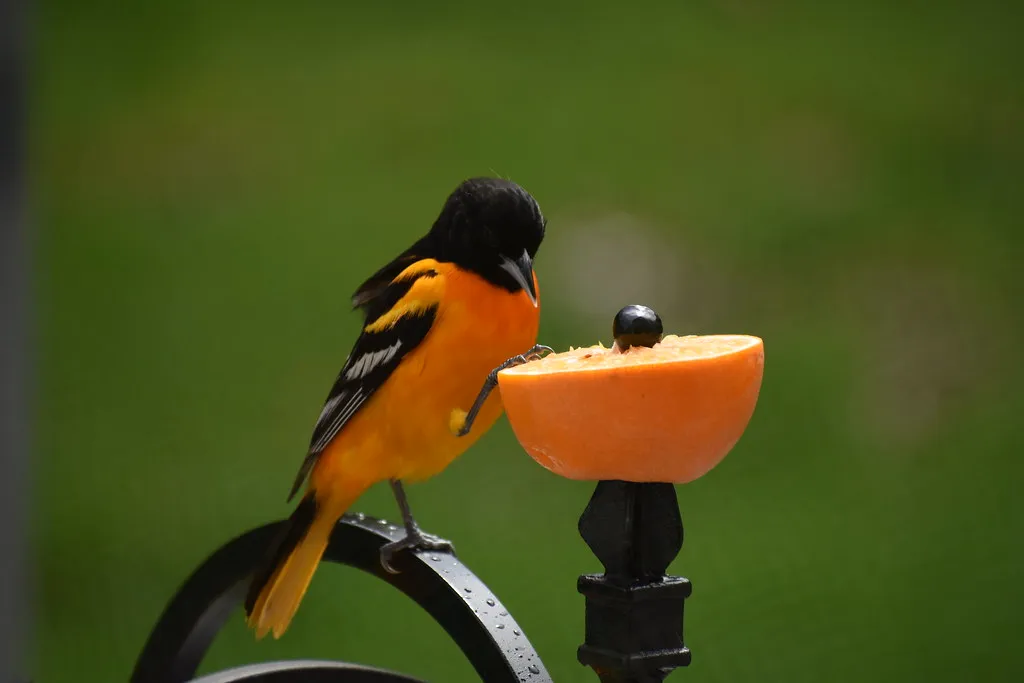
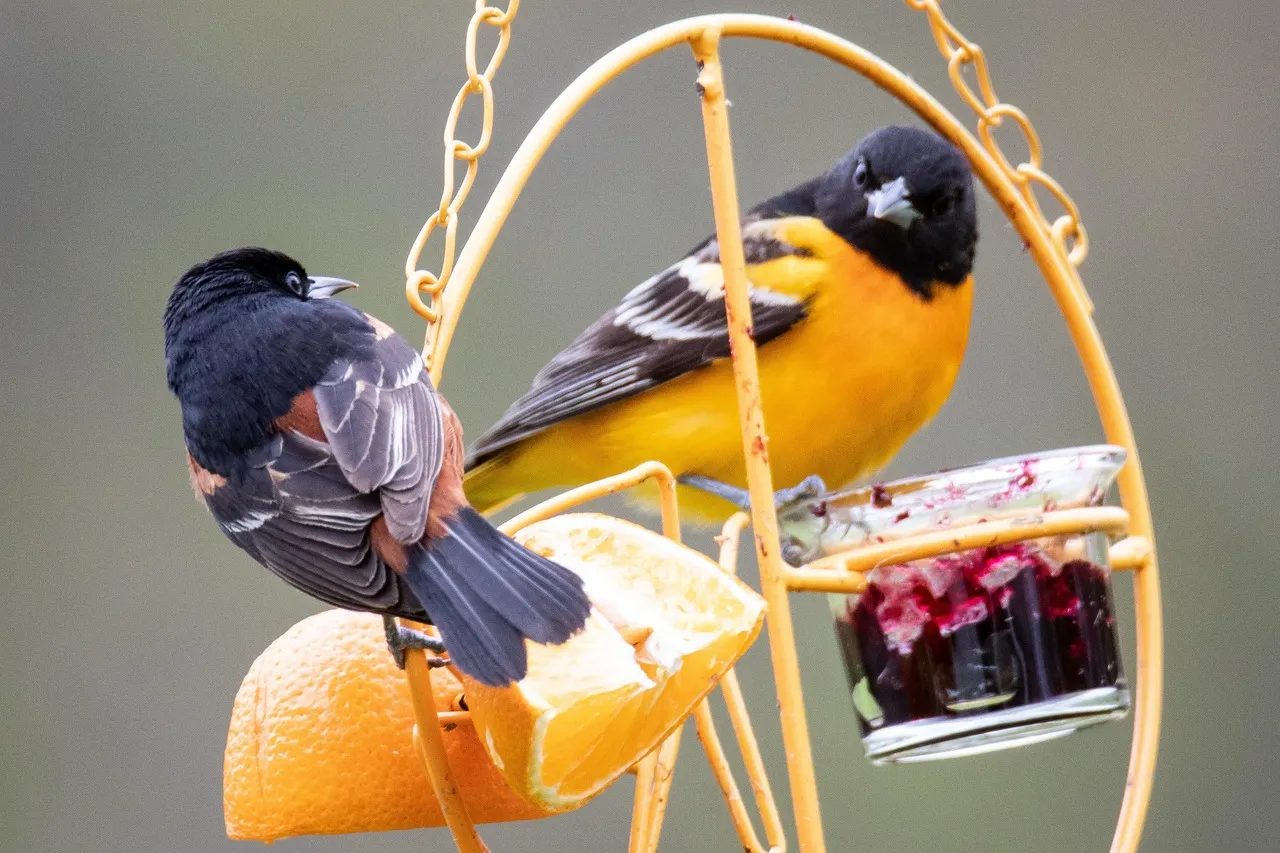
Orioles have a sweet tooth that feels almost human. They’re famous for loving orange halves and grape jelly, and this reputation is actually deserved. Fresh oranges cut in half and skewered on special oriole feeders or branches can be incredibly effective, especially early in the season when natural fruit is limited.
Grape jelly is another magnet, but it needs to be offered smartly. Use a shallow cup or dish in an oriole feeder, and only put out small amounts at a time so it stays fresh and doesn’t attract ants or wasps. Many people also have success with sugar water similar to hummingbird nectar, but mixed slightly less concentrated. Just avoid artificial dyes and keep everything very clean, because moldy or spoiled sugar mixtures can be harmful to birds.
Plant Native Trees and Shrubs They Actually Use
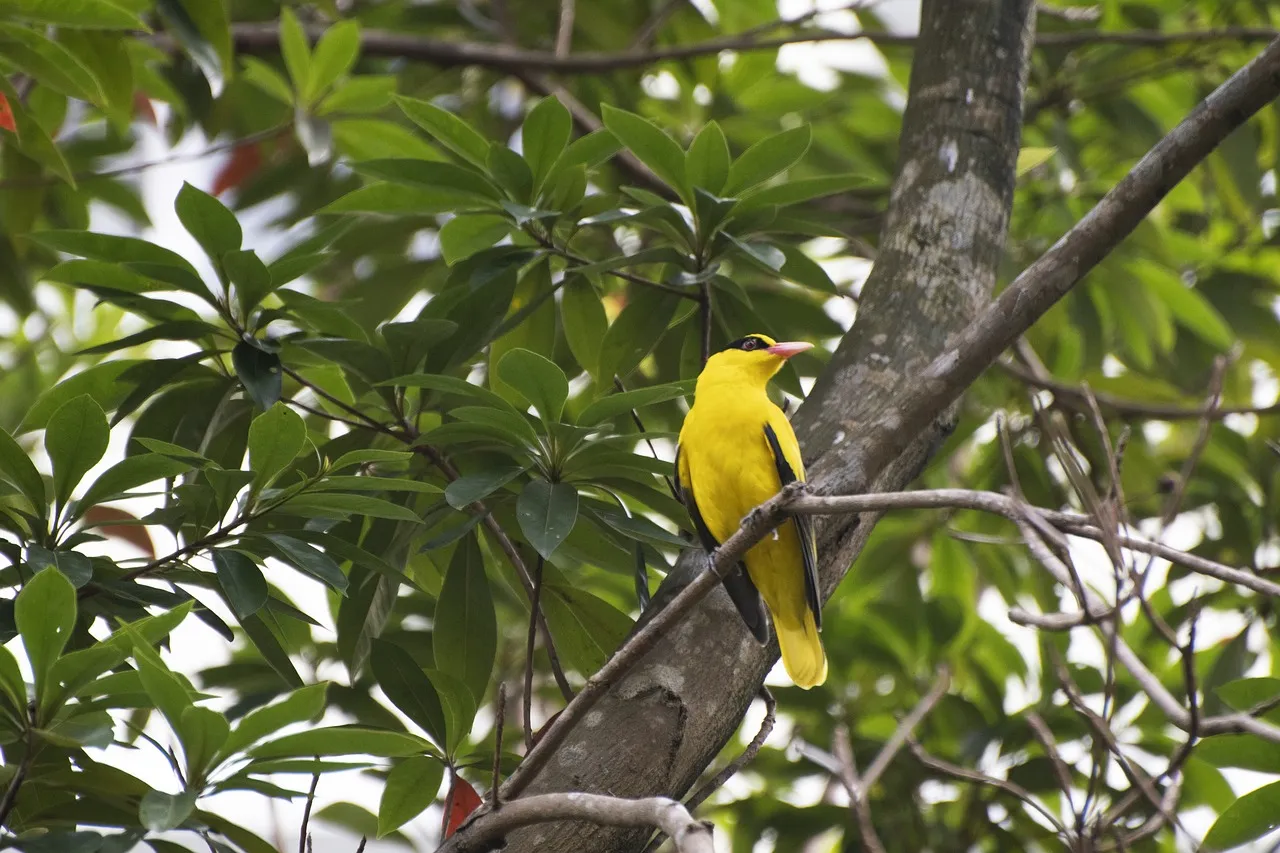
If the feeders are like snacks, your plants are the main course and the housing. Orioles are especially drawn to tall, deciduous trees for nesting, such as elms, maples, sycamores, and cottonwoods. They like to hang their basket-shaped nests out on the ends of branches, swinging in the open air where predators have a harder time reaching them.
Native berry-producing shrubs and trees can provide natural food as the season goes on and migration energy needs shift. Serviceberry, mulberry, elderberry, and some native cherries are great examples in many regions. A yard filled only with lawn and a couple of decorative non-native ornamental trees is like a hotel lobby with no rooms upstairs: pretty, but not functional. The more your garden looks like a healthy piece of local habitat, the more orioles will treat it as home base instead of a quick gas station stop.
Create Safe, Calm Perches Away From Chaos
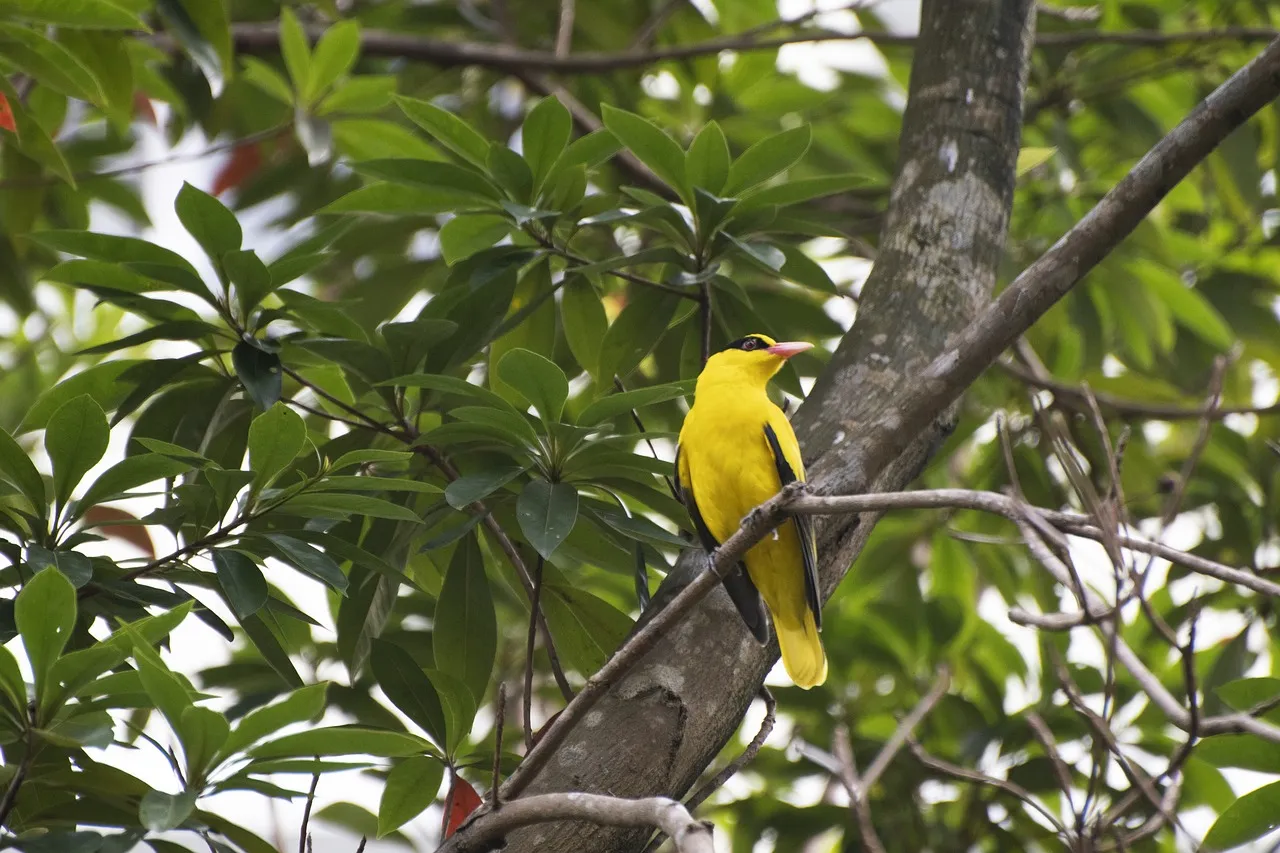
Orioles are bold in color but cautious in behavior. They prefer to feed and rest where there’s some distance from constant human commotion, barking dogs, or high-traffic areas. If your only spot for a feeder is right by a loud patio or a busy back door, you might get a quick visit, but it’s less likely they’ll keep returning.
Try to place oriole feeders and fruit offerings near trees or tall shrubs, where birds can hop back to cover between bites. Vertical layers help: a mix of ground cover, shrubs, and taller trees gives them escape routes and a sense of security. Think of it like setting up a cafe in a quiet corner with a view, not on a noisy sidewalk next to a blaring speaker. Calm, slightly tucked-away spaces are where orioles feel safe enough to linger.
Use Color and Feeder Design to Catch Their Eye
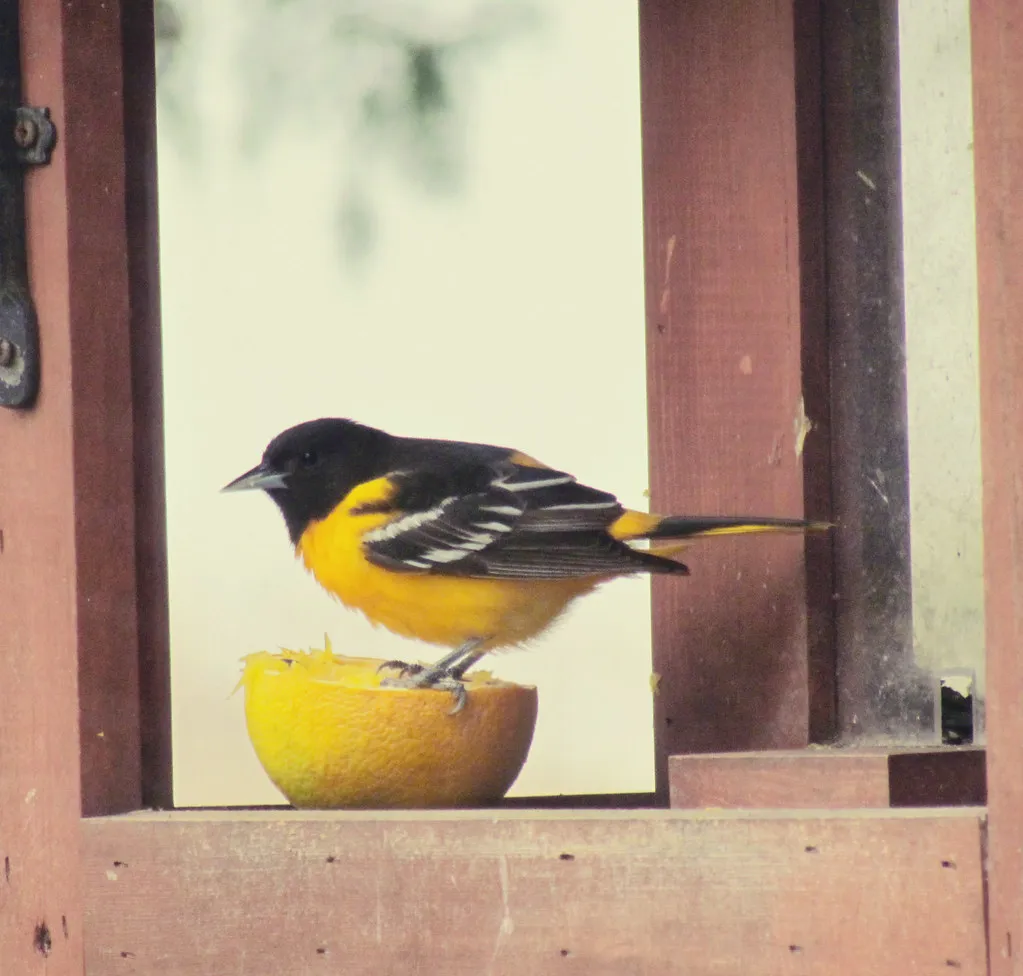
Orioles seem especially drawn to orange tones, which is why so many oriole feeders come in bright, glowing orange plastic or glass. While the science on exactly how much the color alone matters is not perfect, it definitely does not hurt to lean into their favorite shade. Orange feeders, orange peels, even some orange flowers nearby can all help signal that your yard might be worth a closer look.
Specialized oriole feeders are designed to hold oranges, jelly cups, and nectar, often in a way that allows them to perch comfortably. Unlike hummingbirds, orioles like to sit while they eat, so sturdy perches and open access are important. Investing in one or two good-quality feeders, rather than several flimsy ones, usually works better in the long run. It’s like choosing a well-built, cozy bench instead of a wobbly folding chair – birds can tell the difference in how secure it feels.
Keep Things Clean and Predators in Check
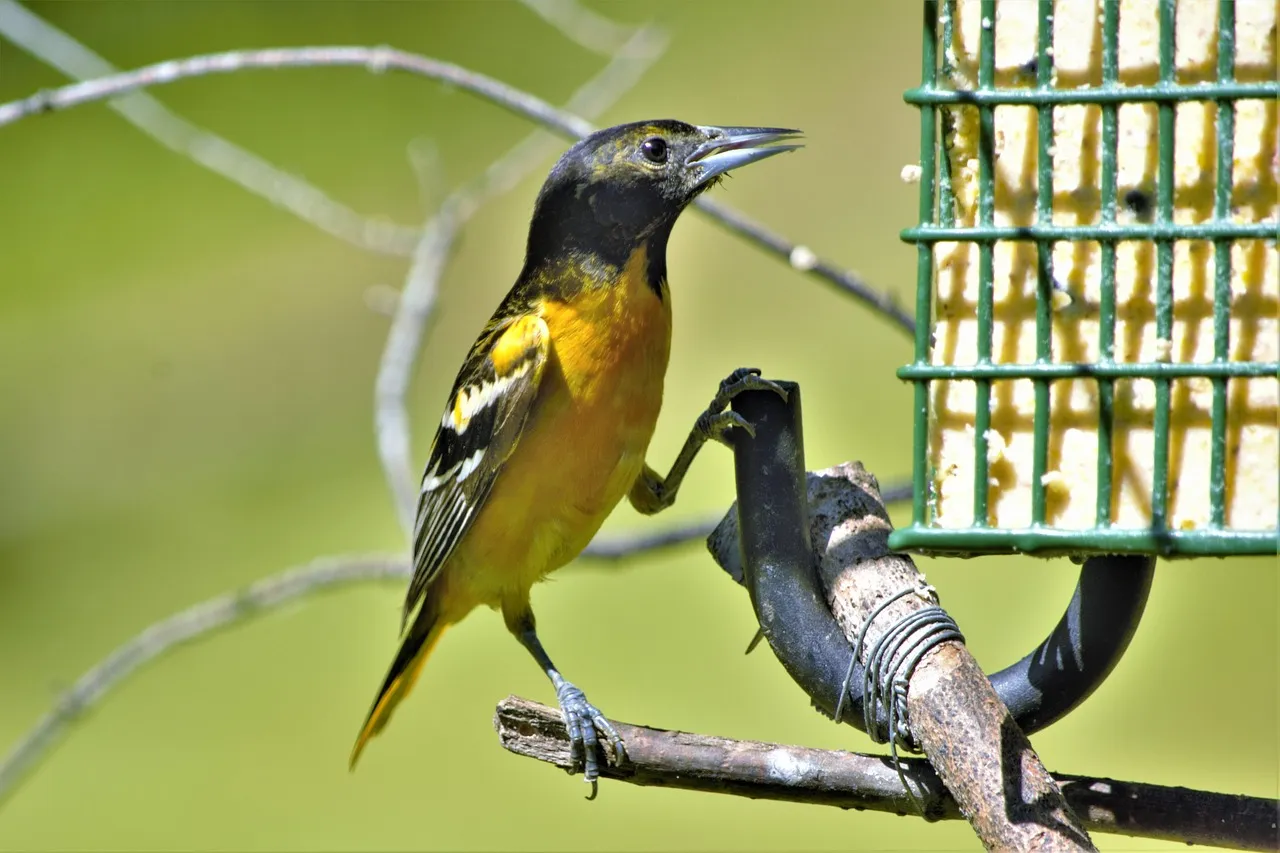
Cleanliness is not glamorous, but it’s one of the most important parts of attracting and keeping orioles. Jelly dishes, orange holders, and nectar feeders can grow mold and bacteria fast, especially in warm weather. Regularly wash feeders with hot, soapy water and rinse well, and replace food often enough that nothing is sitting there rotting.
Predator pressure matters too. Outdoor cats, for example, can turn a bird-friendly yard into a danger zone, even if they “just like to watch.” Keeping cats indoors, trimming branches that give easy access to nests, and avoiding chemical pesticides that kill insects orioles feed on will all make your space safer. A yard that smells and feels safe becomes part of their mental map of good territory, and once an oriole pair decides your garden is trustworthy, they may return year after year.
Be Patient, Observant, and Willing to Adjust
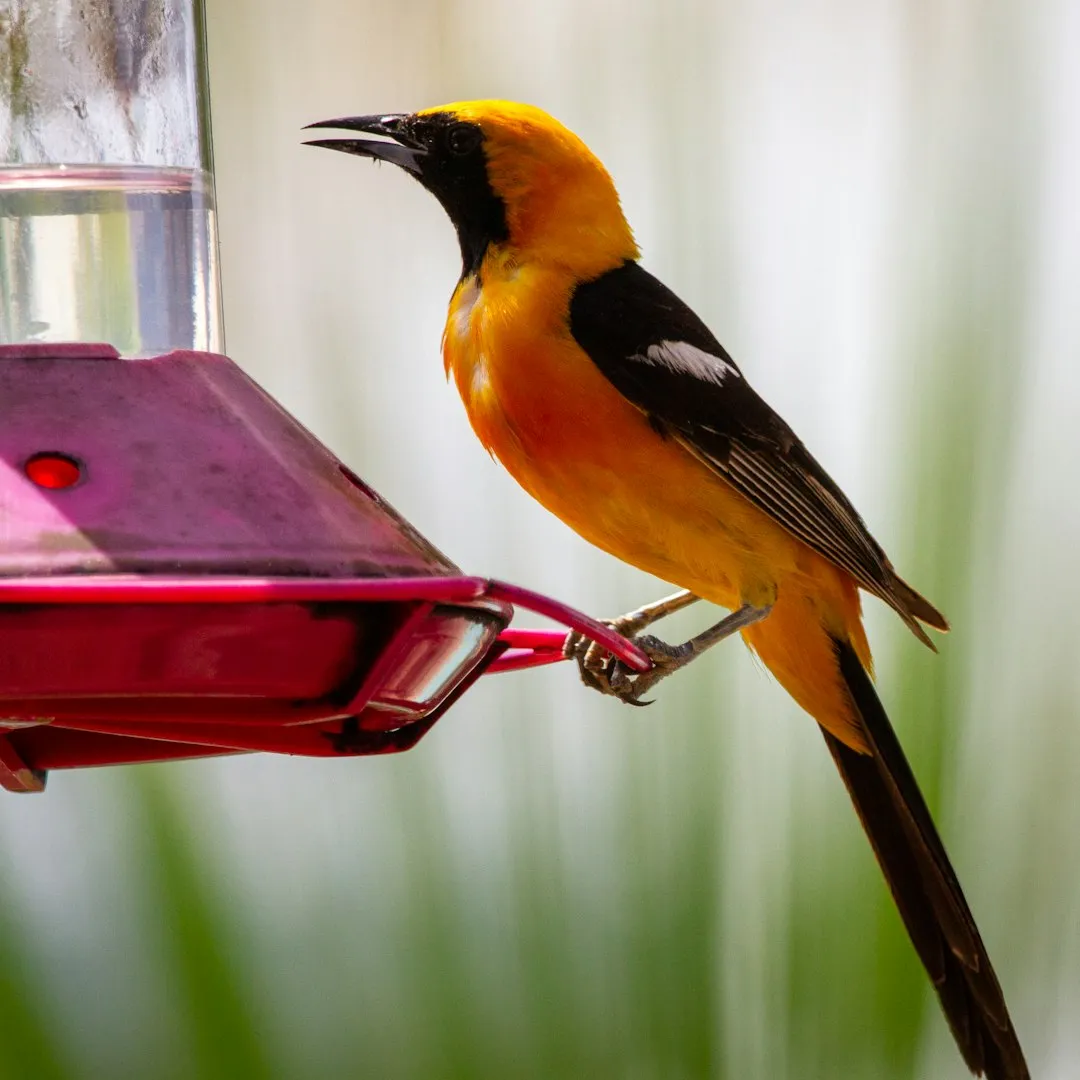
Here’s the honest truth: even if you do everything right, you might not get orioles immediately. Sometimes it takes a season or two for migrating birds to discover a new food source and fold it into their regular route. That lag can be frustrating, but it’s also part of what makes it so satisfying when it finally works.
Pay attention to what is and is not being used. Maybe the oranges are popular but the jelly goes untouched, or maybe the feeder is too exposed and only gets quick fly-bys. Move things around, tweak locations, and don’t be afraid to experiment. In my own yard, I had a feeder ignored for an entire year until I shifted it ten feet closer to a maple tree – and suddenly it became oriole central. The birds are telling you what they want; your job is to keep listening and adapting.
Conclusion: Build a Real Habitat, Not Just a Photo Opportunity
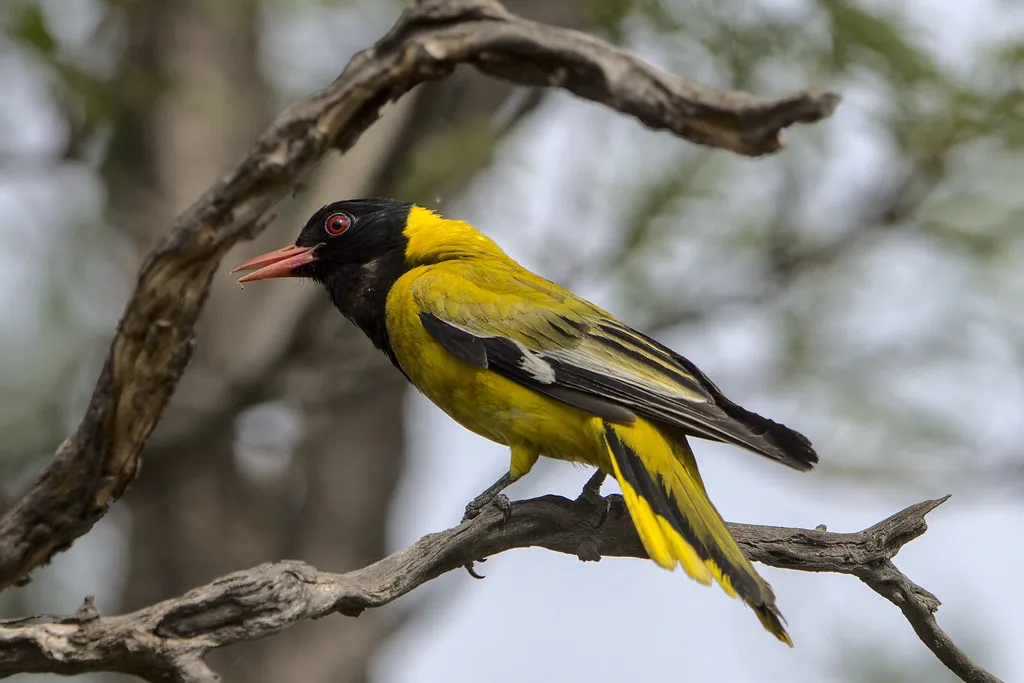
If there’s one opinion I’ve formed after years of trial and error, it’s this: the people who reliably attract orioles are not just putting out food, they’re building habitat. Anyone can stick a sugary feeder in a patch of lawn and hope for a snapshot. The real magic happens when you start thinking like the bird – about safety, structure, timing, and native plants, not just about getting a bright orange visitor for your social media feed.
Orioles reward the slow, thoughtful gardener, the one willing to plant a tree that will be perfect in five or ten years, clean feeders week after week, and accept that wild creatures operate on their own terms. In a world obsessed with instant results, there’s something wonderfully grounding about that. If an oriole does choose your garden as a regular stop, it’s because you earned its trust. Looking at your own space, what small change could you make this week to turn it into the kind of place an oriole would actually want to call home?

- How to Attract Orioles to Your Garden - August 14, 2026
- If These 10 Birds Visit Your Garden, It Means You're Doing Things Right - August 14, 2026
- 10 So-Called Difficult Dog Breeds That Have Been Unfairly Judged for Their Reputation - August 14, 2026