
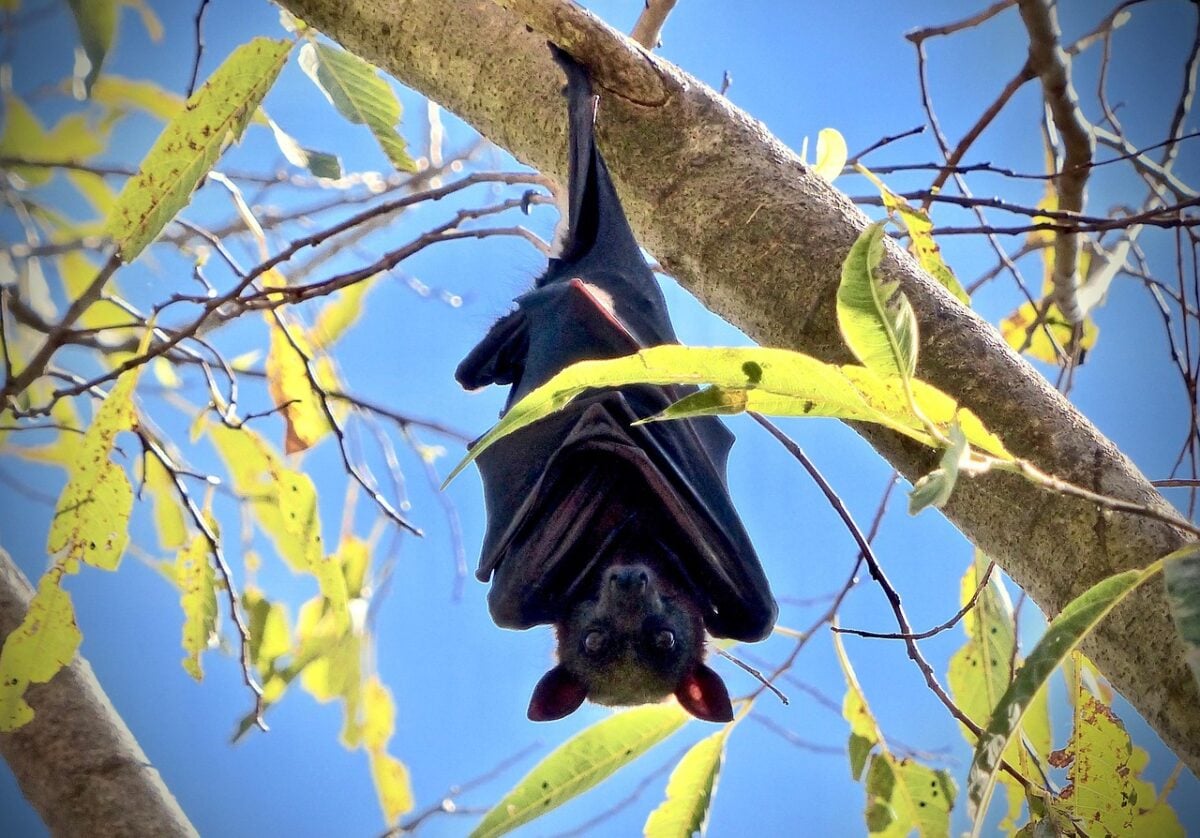
If you imagined vampire bats as cold, selfish bloodsuckers, animal science has a twist for you: these tiny night fliers are surprisingly generous. When one bat comes back hungry, another can literally save its life by regurgitating blood into its mouth, like a dark, upside‑down version of a friend spotting you dinner. Even more intriguing, they do not just share with anyone at random; they share most with bats they recognize, trust, and in many cases, have helped them before.
That means somewhere in a cave right now, there is a group of bats keeping track of who feeds whom, who shows up for grooming, and who leaves them hanging. It is like a small, gossip‑filled community… only with more wings and fangs. Once you see how strategic and emotional their world looks, it starts to feel uncomfortably familiar. The question is: are they just following instinct, or are they living out a kind of social code that looks a lot like our own ideas of friendship and fairness?
A Shocking Truth: Blood‑Sharing Can Mean Life or Death
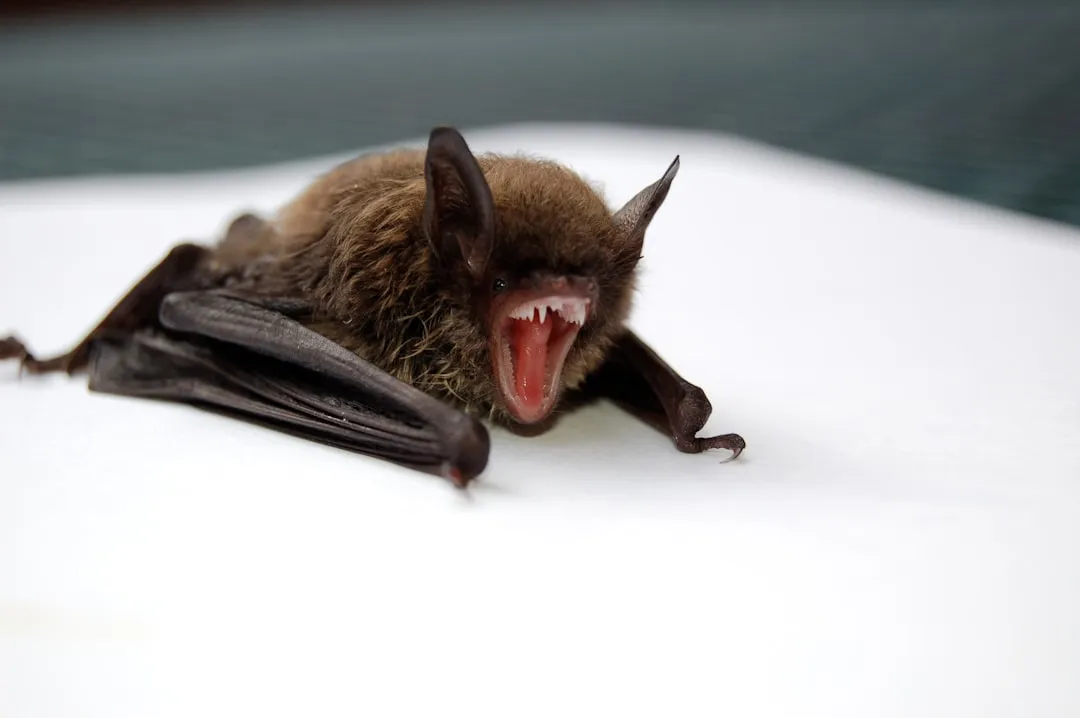
One of the most surprising findings about vampire bats is how fragile their survival really is. If a bat fails to feed on blood for just a couple of nights, it can be in serious danger, its tiny body burning through energy with no backup reserves. In that situation, a hungry bat is not just uncomfortable; it is literally on the edge. This is where another bat’s generosity becomes a life‑saving intervention instead of a cute social gesture.
When a well‑fed bat returns to the roost and finds a hungry roost‑mate, it may feed that bat by regurgitating some of the blood it drank earlier. That sounds grotesque to us, but for them it is the difference between living to hunt again and dying in the dark. Think of it like extreme, high‑stakes mutual aid: today you save me from starving, tomorrow I might be the one bailing you out. The sheer risk involved turns food sharing into something very close to a social contract.
They Remember Faces, Favors, and Who Showed Up
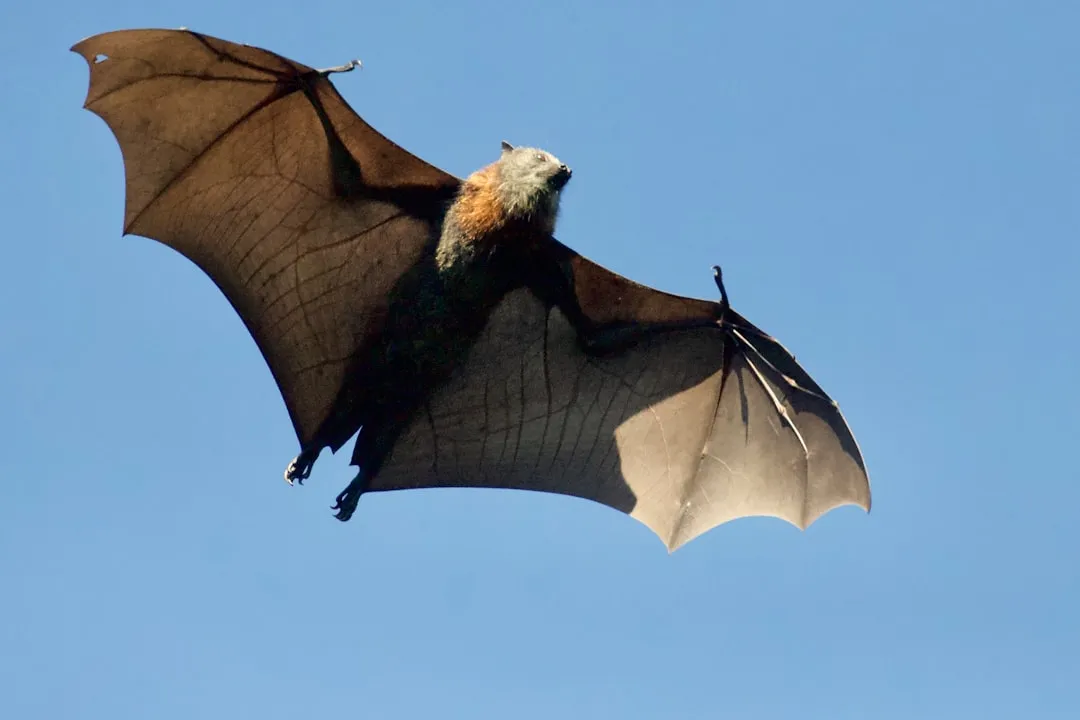
What makes vampire bat generosity so fascinating is that it is not blind kindness. These animals can recognize individual companions and seem to remember past interactions with them over long periods. When deciding whom to help, they are more likely to feed bats that have groomed them, roosted near them, or shared blood before. It is as if each bat is running a quiet little ledger in its head, tracking who is dependable and who is just along for the ride.
In practical terms, this means food sharing is not a random act of charity but a targeted response rooted in familiarity and history. A bat that repeatedly refuses to help others is less likely to receive help in the future, gradually becoming socially isolated. That sounds eerily like a small town where everyone knows who borrows and never pays back. The science here paints a picture of memory‑driven relationships, not just reflexive behavior.
Friendship in the Dark: How Bonds Are Built
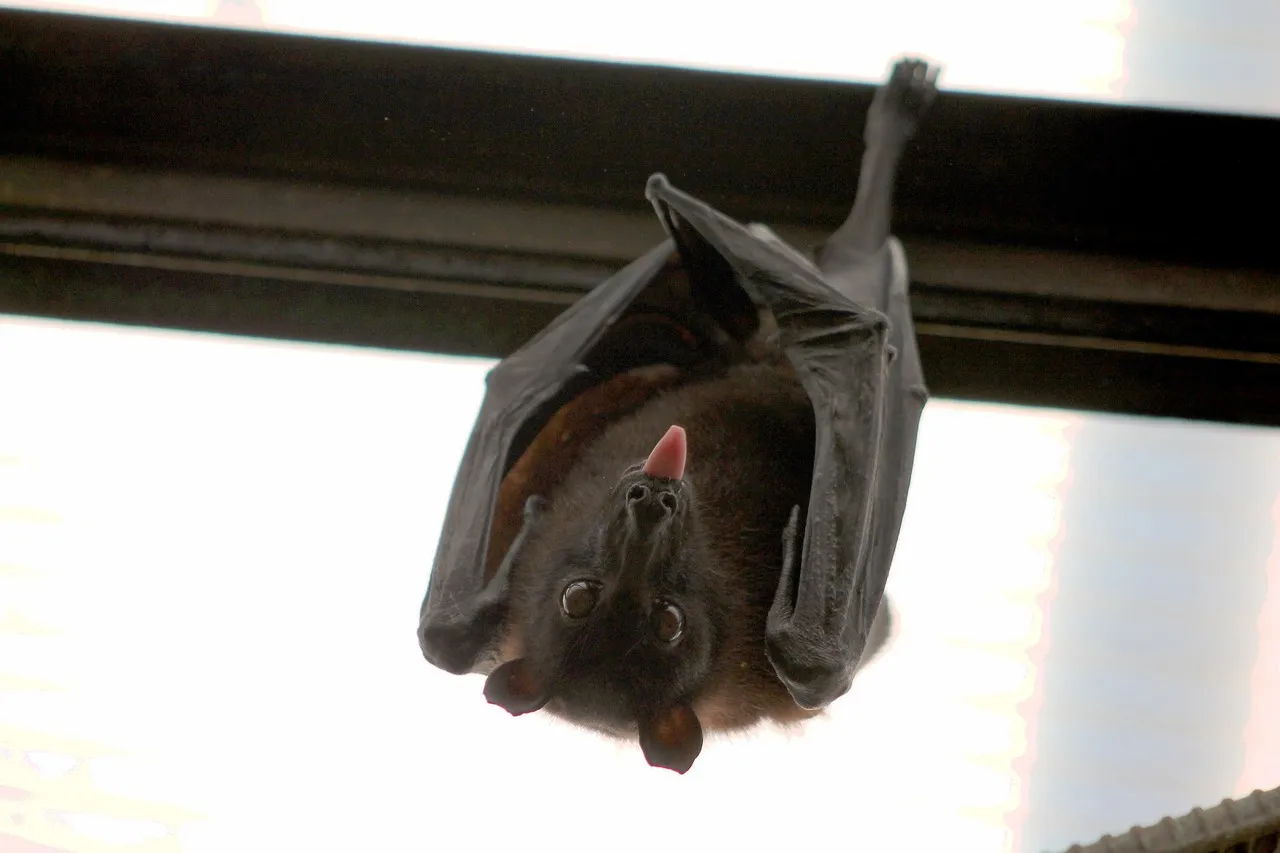
Vampire bats do not start out with instant, deep partnerships; their closest food‑sharing relationships develop over time. Researchers have found that bats often begin by grooming each other, slowly increasing the amount and frequency of contact. As trust builds through these harmless little interactions, the chances that one bat will share food with the other go up. It resembles how humans might start with small favors before trusting someone with something big.
This slow escalation is important because it shows that bats are not simply wired to help anyone nearby. Instead, they cultivate specific partners, like friends, through repeated, low‑risk exchanges. Over weeks and months, those bonds can become so strong that one bat becomes a reliable lifeline for another. In a cave packed with bodies, that kind of inner circle can be the difference between just having neighbors and having genuine allies.
From Strangers to Allies: Bats Can Form New Social Deals
One of the most intriguing aspects of bat social life is that friendships are not limited to family or long‑term roost mates. When unfamiliar bats are brought together, they can gradually form new partnerships through grooming and proximity. At first, there may be hesitation or even avoidance, but with repeated safe contact, sharing behaviors can emerge. It is like watching two strangers slowly become roommates, then friends, and finally people who would lend each other rent money.
What this suggests is that vampire bats have a flexible social system, not just a rigid, genetically locked structure. They can re‑negotiate who is “in” their trusted circle depending on experience. To me, that is a powerful reminder that social trust is not just inherited; it is built, tested, and sometimes rebuilt. Even in the darkness of a cramped roost, relationships are dynamic, not static, and that sounds a lot more like real friendship than a simple family instinct.
Is This True Fairness or Just Clever Survival Strategy?
It is tempting to see vampire bats as little moral philosophers handing out help based on justice and loyalty. But if you strip away the romance, there is a brutally practical side: helping someone today increases the odds that they will be alive and willing to help you later. This is what many scientists describe in terms of reciprocal cooperation, where the cost of sharing now can pay off with a bigger benefit down the line. From that angle, bats are not saints; they are strategic investors in one another.
At the same time, it is hard to ignore how much this looks like a sense of fairness emerging from simple rules. Individuals that never repay support tend to be cut off, while reliable partners stay connected and protected. That is not abstract ethics, but it ends up functioning like a kind of justice system. I think the honest take is that vampire bats walk a line between raw survival strategy and what, to our eyes, looks surprisingly close to emotional loyalty.
What Vampire Bats Reveal About Our Own Friendships
The more we learn about vampire bats, the harder it gets to keep humans and “lower” animals in separate mental boxes. We like to think our friendships are uniquely deep, thoughtful, and meaningful, but bats show that you do not need a smartphone or a diary to manage a complex social life. They remember who mattered when things got tough, they invest in reliable partners, and they quietly distance themselves from freeloaders. That is uncomfortably similar to how we curate our own circles of trust.
For me, the most humbling part is that these tiny mammals, often treated like horror‑movie props, are living out miniature versions of the same dramas we live through in our group chats and family gatherings. Behind the fangs and folklore lies a system of care, risk, and reciprocity that feels strangely familiar. If bats can teach us anything, it is that social intelligence and emotional complexity might be far more widespread in the animal kingdom than we like to admit.
Opinionated Conclusion: The Blood‑Sharing Code We Cannot Ignore
When you look closely, vampire bats start to feel less like monsters and more like rough‑edged, night‑shift versions of us. They do not share blood because they are kind in some storybook sense; they share because their lives are woven together in a tight web of risk, memory, and expectation. Help is precious, and it is given selectively: to those who showed up, who stayed close, who proved they were worth the cost. In my view, that is not just animal behavior; that is a raw, stripped‑down version of social ethics.
I think we underestimate animals when we insist that anything that looks like loyalty, trust, or fairness must be an illusion. Vampire bats challenge that smugness. Their food‑sharing code may be driven by evolution and self‑interest, but it produces something that, to any honest observer, looks a lot like real friendship. The next time you picture them, hanging quietly in the dark, ask yourself: if a bat can remember who fed it on its worst night, what excuse do we have for forgetting who has done the same for us?

- 7 Plants That Groundhogs Usually Leave Until Everything Else Is Gone - August 15, 2026
- Bird Science Says Chickadees Change Their Alarm Calls Depending on How Dangerous a Predator Is - August 15, 2026
- Animal Science Says Dolphins Use Signature Whistles That Function Remarkably Like Individual Names - August 15, 2026