
Imagine standing on a dark beach, listening to the sea. You cannot see a single animal, yet beneath the waves, a community is calling out to each other by name. That is, in essence, what modern animal science suggests is happening inside dolphin pods: individuals using signature whistles that work a lot like personal names. It is one of those findings that feels almost too human to be true, yet the data keep piling up.
Once you see dolphins this way, you never really go back to the old idea of them as just “smart fish doing tricks.” You start to picture a noisy underwater social network, with gossip, reunions, roll calls, and possibly even arguments, all structured around these distinct whistles. The more we learn about how these whistles work, the more unsettling and exciting the question becomes: just how close are we to talking with them in a way they would recognize as conversation?
The Surprising Discovery: Dolphins Call Each Other By “Name”
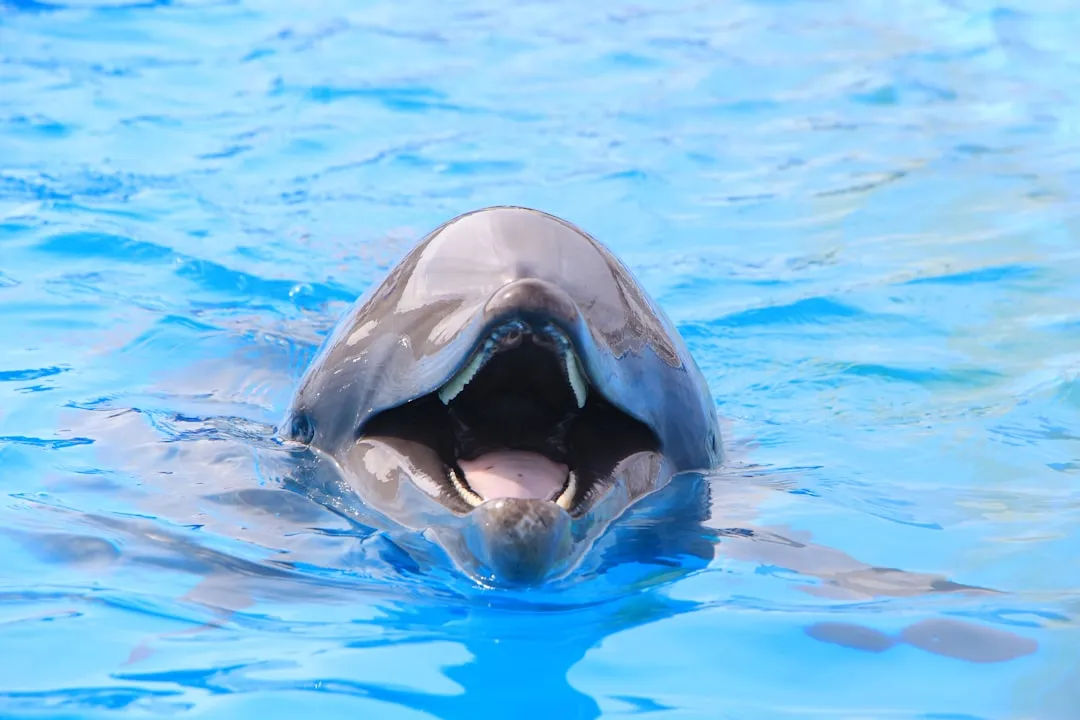
Here is the striking claim in simple terms: many dolphin species, especially bottlenose dolphins, produce a unique signature whistle that reliably identifies that individual, and other dolphins learn and use it to get that individual’s attention. It is not just random noise; it is a stable, recognizable pattern that acts a lot like how we use names. Researchers have demonstrated this by recording whistles and then playing back specific individuals’ whistles to others, who respond more strongly to some whistles than to others.
What makes this so powerful is that dolphins do not just recognize their own whistle; they can imitate someone else’s to “call” them. It is as if one dolphin is saying, in whistle form, “Hey, Sarah!” and Sarah turns around. In animal communication studies, this moves dolphins away from the category of “just making sounds” and into a more sophisticated realm where signals seem to refer to specific individuals. For decades, many scientists were cautious about comparing animal communication to human language, but signature whistles forced that conversation to change.
How Signature Whistles Work Underwater
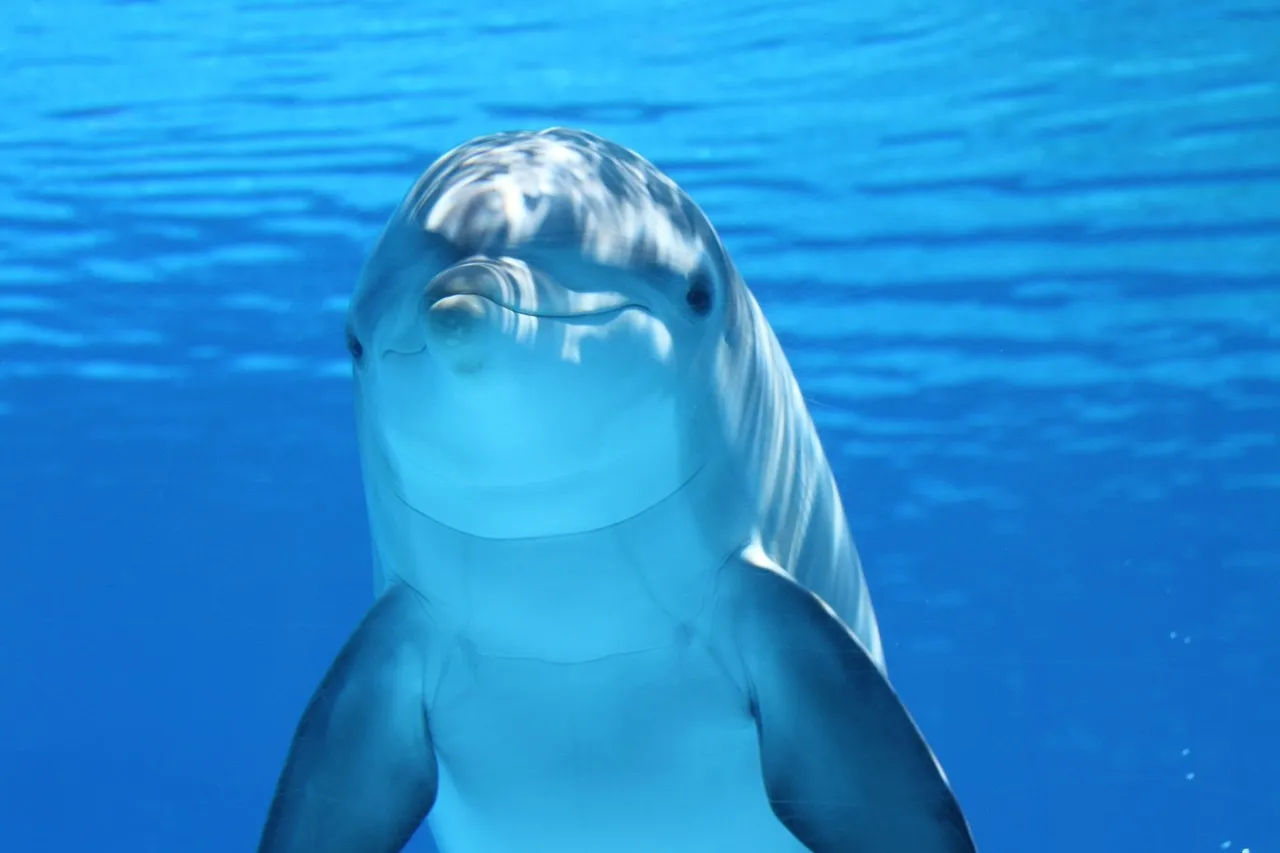
To understand why whistles are such a big deal, you have to picture the dolphins’ world. Sound travels far better than light underwater, so vision fades quickly while sound can carry over impressive distances. Instead of relying mainly on sight like we do on land, dolphins lean heavily on acoustics, using clicks for echolocation and whistles for social communication. Within that mix of sounds, a signature whistle emerges early in a dolphin’s life and stays fairly stable over time.
These whistles are not just simple beeps; they have characteristic contours, frequencies, and durations that form a kind of acoustic fingerprint. Mothers and calves often exchange these whistles frequently, a bit like a constant “Are you there? I’m here.” Over time, that pattern gets solidified, and other pod members learn it too. When researchers analyze recordings, they can identify which whistles are used consistently in a way that marks one individual, much the same way you would recognize a friend’s voice in a crowded bar even if you cannot see them.
Evidence From Playback Experiments And Field Research
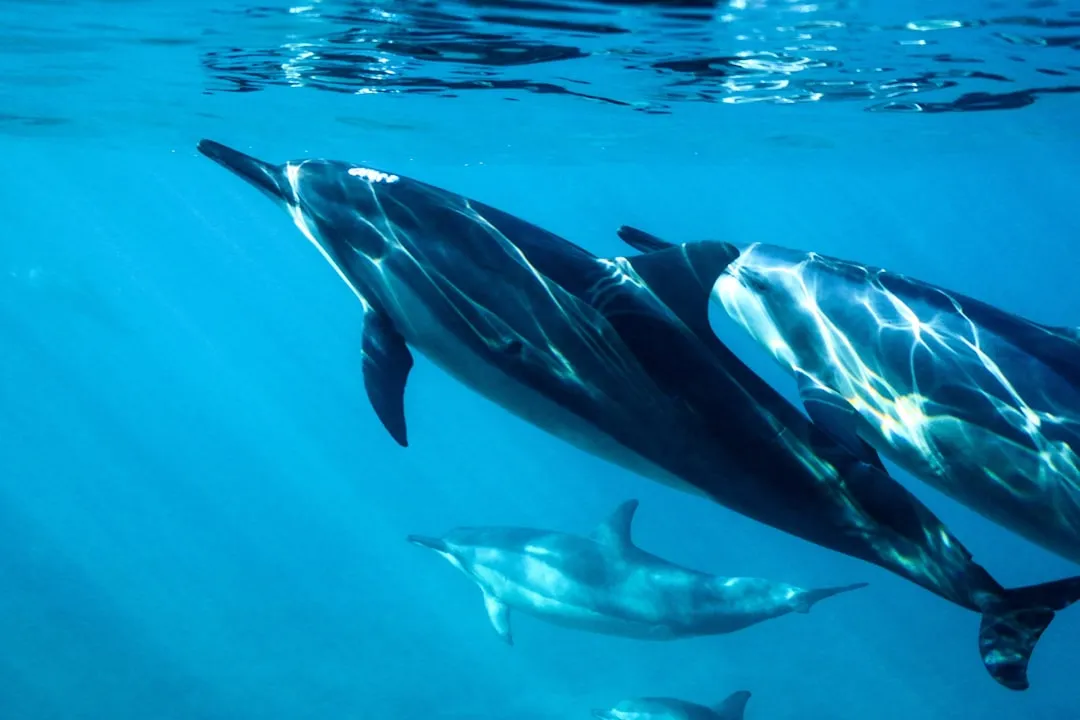
Some of the strongest support for the “names” idea comes from playback experiments. Scientists at sea will record a dolphin’s signature whistle, then later play that recording back through underwater speakers when the animal is not visible. Dolphins respond much more intensely to their own whistle than to the whistles of others, turning, approaching, or calling back. This selective response suggests that they recognize the whistle as “me,” almost like we recognize our name even in a noisy room.
Other field studies track pods over time and show that signature whistles remain associated with individuals as they move, form alliances, or reunite after separations. When members of a group have been apart for a while and then come back together, there is often a burst of whistle exchange that looks a lot like a reunion roll call. Taken together, these lines of evidence do not prove dolphins have names in the human, fully symbolic sense, but they do make it hard to dismiss the parallels as coincidence.
Social Brains, Complex Lives: Why Dolphins Needed “Names”
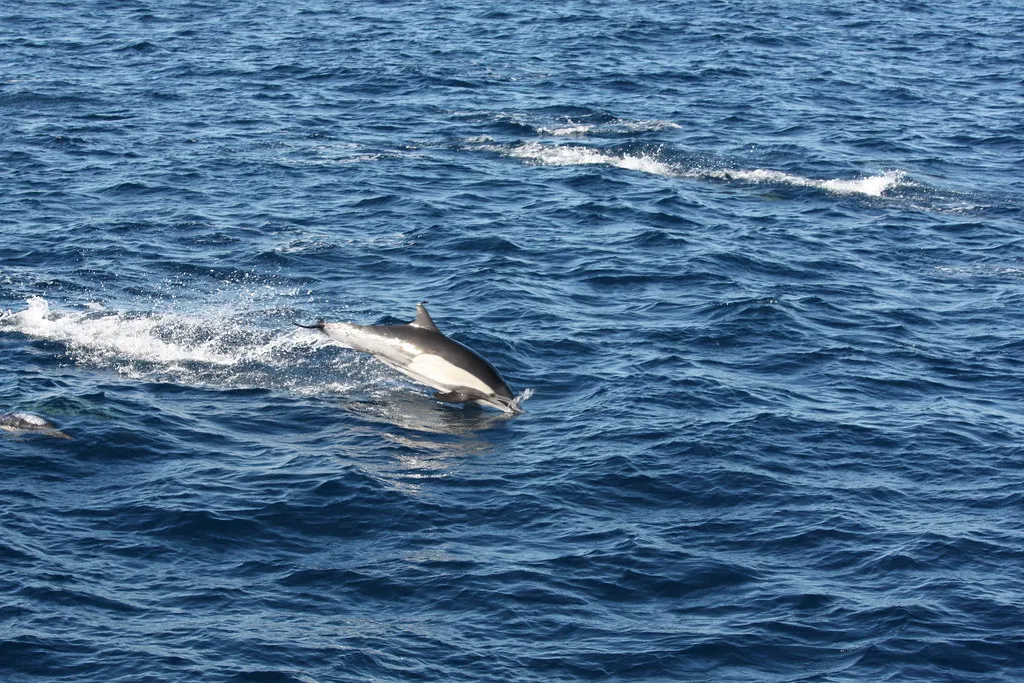
There is a simple rule in animal behavior: if a species invests in expensive brains, there is usually a social or ecological reason. Dolphins live in dynamic, fission–fusion societies where group membership shifts, alliances form and dissolve, and individuals travel across large areas. In that kind of social chaos, being able to keep track of specific others matters a lot, whether for parenting, cooperation, or competition. A stable signature whistle is a clever solution to the problem of “Who’s out there?” in a cloudy blue world.
Think of it this way: primates like us use faces and voices; dolphins use whistles. Both are tools for keeping social spreadsheets updated in real time. When we see that dolphins can maintain long-term associations and appear to remember other individuals for years, the idea that they use acoustic labels starts to feel less exotic and more like a necessary adaptation. From an evolutionary point of view, it would almost be surprising if highly social, long‑lived marine mammals did not have some way to tag individuals in conversation.
Do Dolphins Understand Identity The Way We Do?
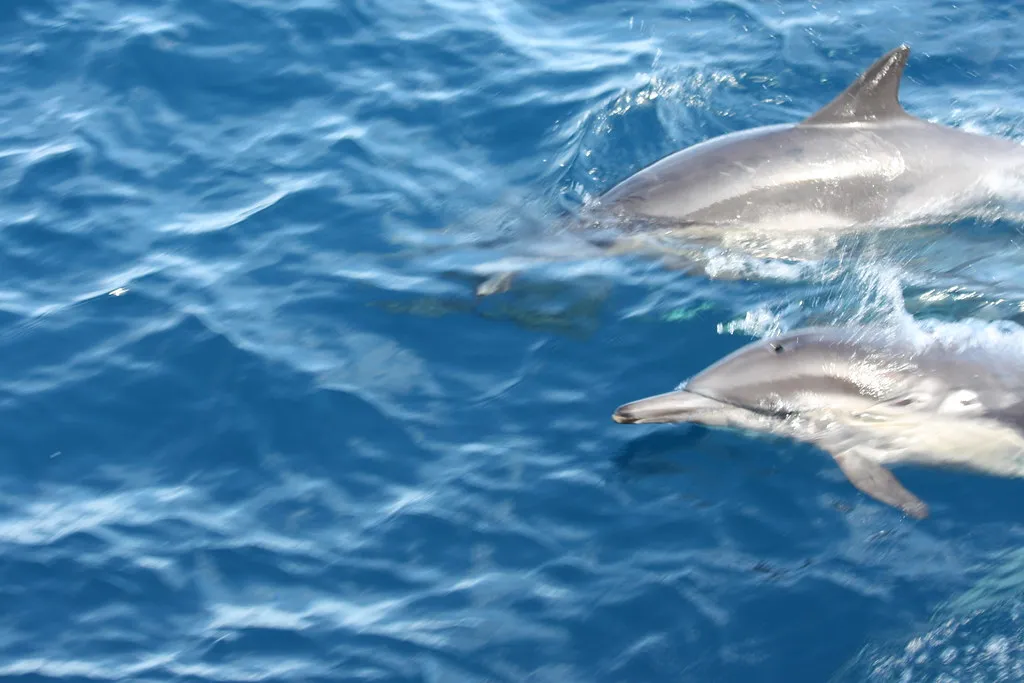
This is where things get tricky and honestly more philosophical than people often admit. A signature whistle clearly functions as an identifier, but does a dolphin think, “That sound is my name,” in the same reflective way you think about yours? We do not yet have a clean way to peer into a dolphin’s inner experience. What we can say is that they treat the whistle as a stable marker of “self” and “other” and that they can flexibly use, imitate, and respond to those markers depending on social context.
Some researchers argue that this hints at a level of self-awareness and concept of personhood broader than we used to grant nonhuman animals. Others caution against reading too much into parallels with human language, warning that what looks like a name might still be more of a sophisticated call than a fully symbolic label. Personally, I think the most honest stance is a humble one: the whistles are clearly more than simple reflex signals, but exactly how far they overlap with our sense of identity is still an open and fascinating question.
Names, Language, And The Limits Of The Comparison
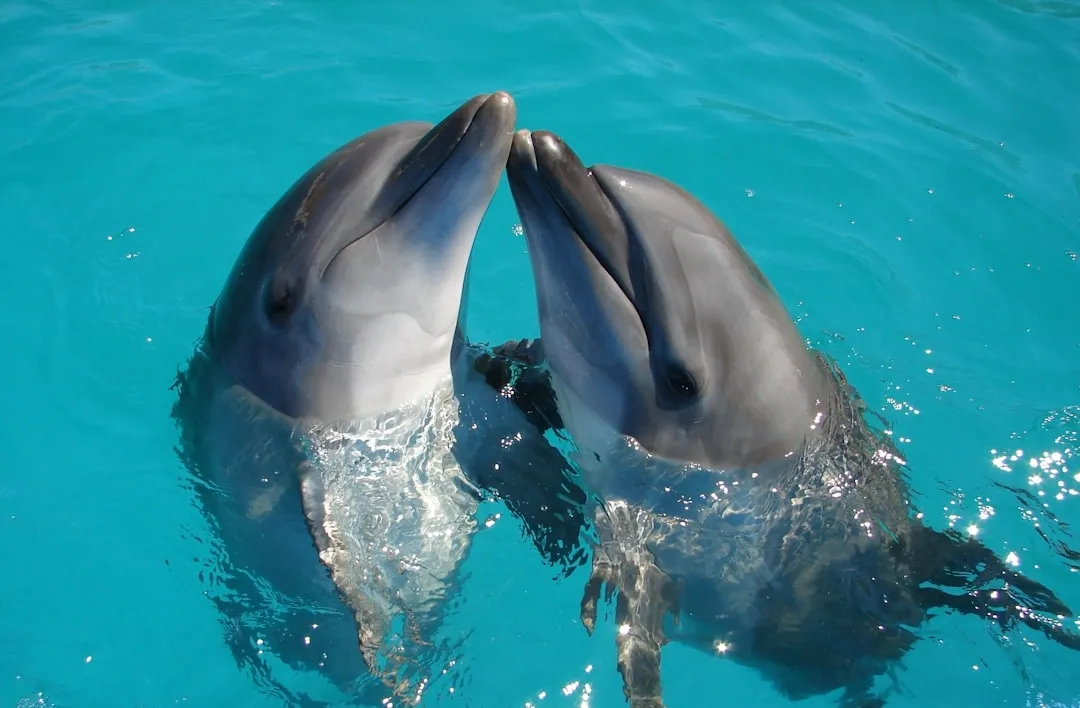
It is tempting to jump straight from “dolphins have something like names” to “dolphins have language just like ours,” but that leap is too big. Human language is built on layered grammar, flexible word order, and an enormous vocabulary that can refer to things not present in the moment. Dolphin communication, as far as we currently know, is rich and complex, but it has not yet been shown to have the same kind of structured syntax or symbolic breadth. Signature whistles may be a piece of a communication system that is advanced, but not a direct mirror of human speech.
At the same time, we should not downplay what has already been found just because it does not perfectly match our standards. The fact that dolphins appear to use learned, individual-specific signals to address each other is already a huge step beyond simple emotional cries. In that sense, the comparison to names is fair, as long as we remember it is an analogy, not a declaration that dolphins are basically people with fins. The truth is probably less flattering to our ego and more interesting: they may have a different kind of intelligence that intersects with ours at certain points but is shaped by a completely alien oceanic life.
What Dolphin “Names” Mean For Ethics And Conservation
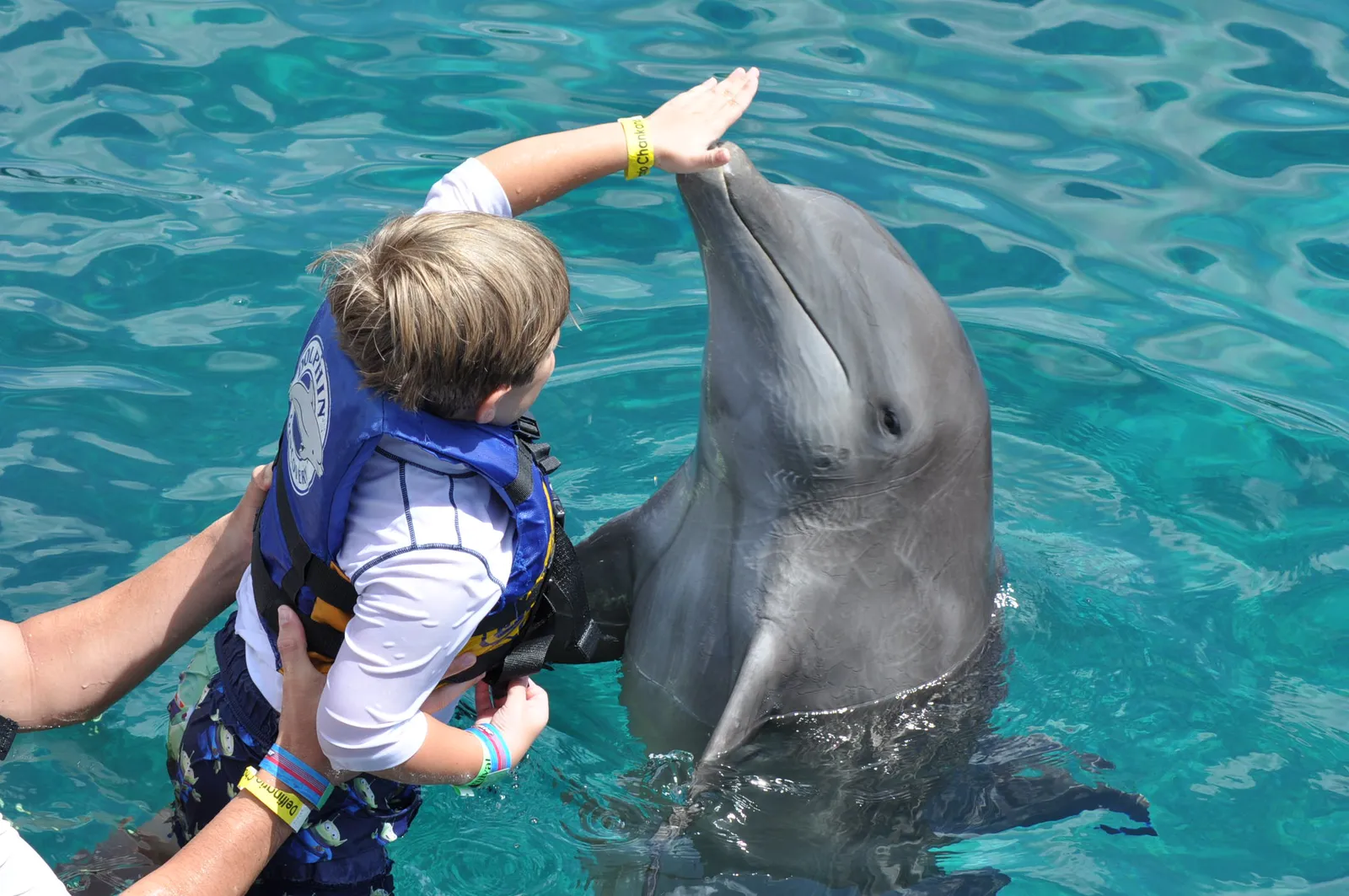
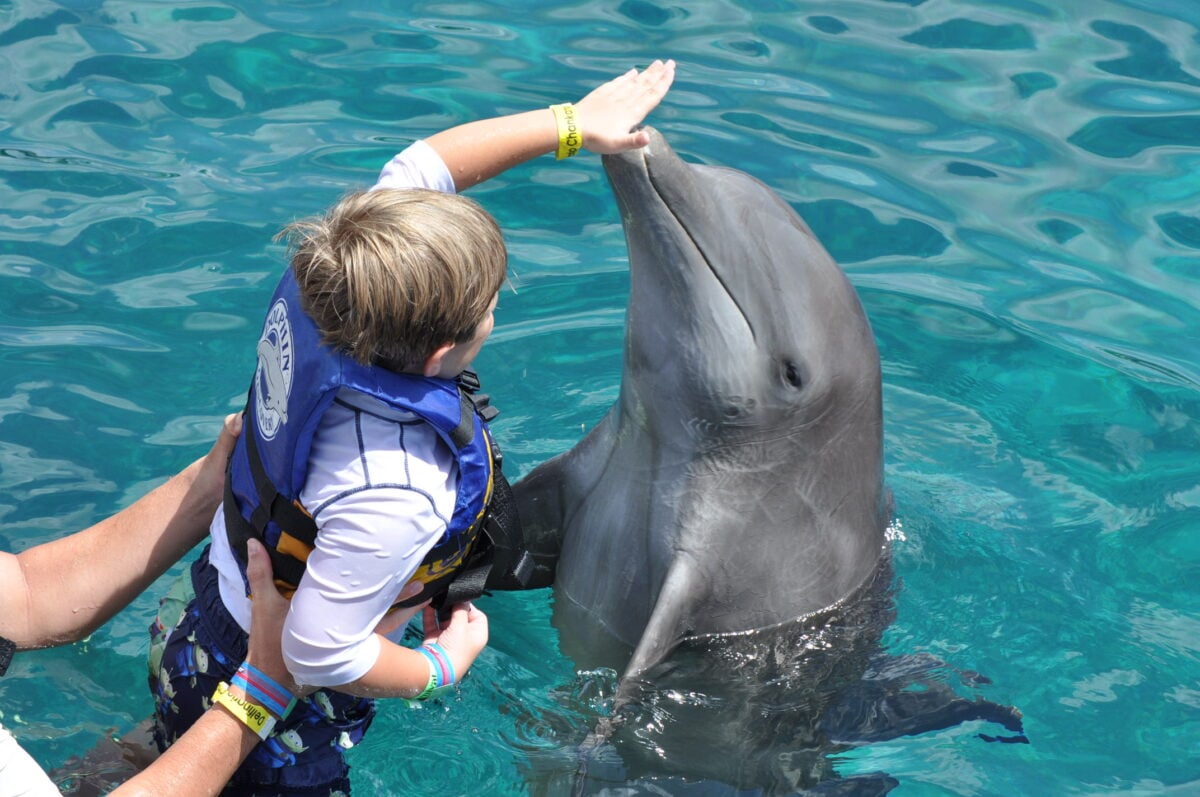
Once you accept that dolphins use something like names, it becomes harder to see them as interchangeable units in an aquarium show or as bycatch statistics in a fishing report. You start to picture specific individuals with long histories, relationships, and unique acoustic identities, suddenly cut off mid‑whistle. That image sticks with you the next time you see a dolphin in a tank, circling the same small space it did yesterday and will do tomorrow, its social world reduced to whatever small group fits within those walls.
In my view, the evidence on signature whistles should push us to think much more seriously about how we treat dolphins in captivity and in the wild. If we are dealing with animals that label each other, remember each other, and navigate a social world built around those labels, then our responsibilities grow heavier. At minimum, it means designing conservation and management plans that recognize pods as social networks, not just numbers, and questioning whether keeping such socially complex beings in confinement is acceptable at all in a world that now knows better.
Conclusion: The Ocean Is Speaking, But Are We Really Listening?

The idea that dolphins use signature whistles as names is not just a cute fact to trot out at dinner; it is a quiet revolution in how we think about minds that are not human. It suggests that in the dark water beneath our boats, animals are not merely chattering but addressing each other as distinct individuals, with memories and social ties that span years. That should make us both excited and slightly uneasy, because it blurs the line we like to draw between our sophisticated conversations and everyone else’s noise.
If I am honest, I think we have been underestimating dolphins for a very long time, partly because it is comforting to believe that language and real individuality belong to us alone. The research on signature whistles shoves against that comfort, insisting we share the planet with beings whose social worlds are deep, name-filled, and deserving of respect. The real question is not whether they are enough like us to earn moral consideration, but whether we are willing to adjust our behavior now that we know what their calls might mean. When you picture a dolphin calling out a friend’s whistle across the open sea, can you still pretend they are just background characters in our story, or are you ready to admit they might be living complex lives of their own?
