
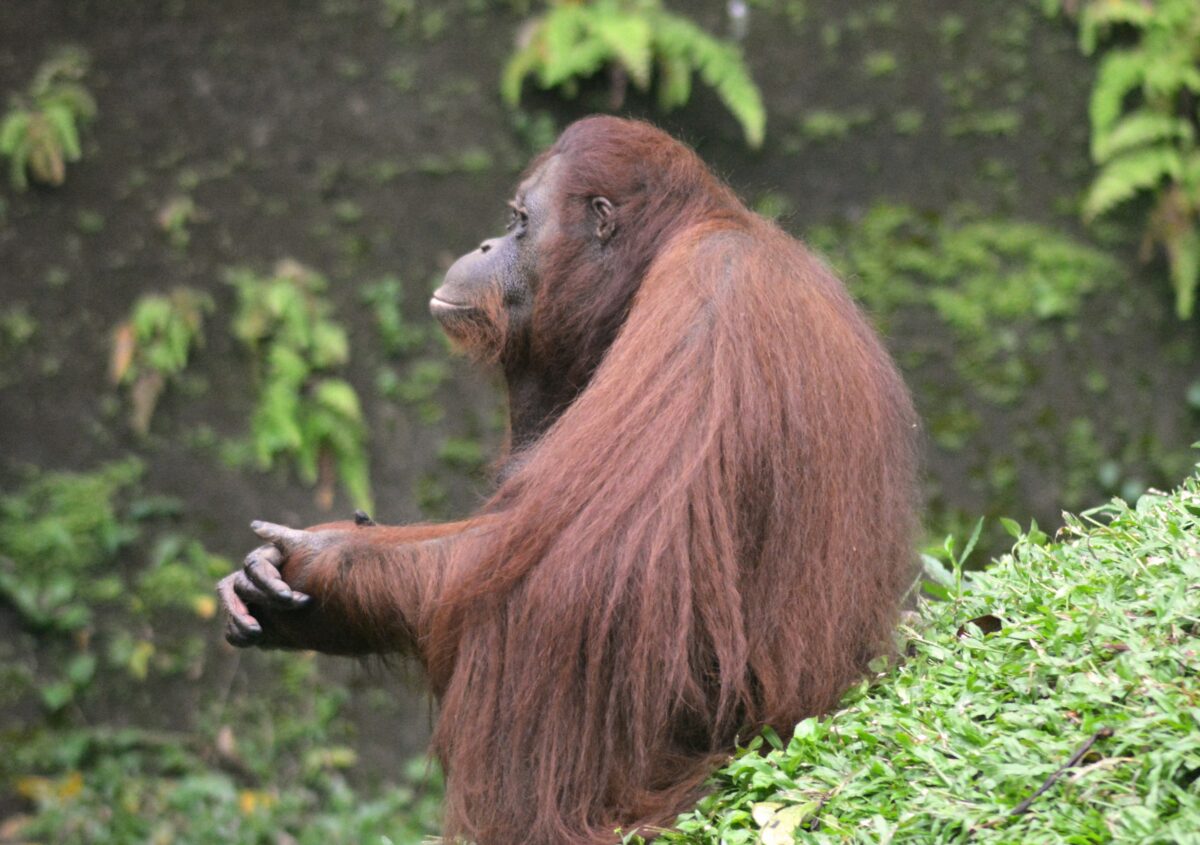
Imagine waking up high in the rainforest canopy, stretching your arms, and mentally mapping out where you’ll go, what you’ll eat, and which paths you’ll take through a maze of trees. That quiet, deliberate planning is not just a human thing. Research over the past decade has been pointing toward something astonishing: wild orangutans seem to plan their travel routes hours before they ever move a muscle. They are not just wandering; they are navigating with intent.
To me, this idea completely changes how we see these great apes. Instead of picturing them as gentle drifters swinging through the forest, we have to start seeing them as skilled strategists, almost like solo backpackers plotting their day’s hike. Once you understand what scientists have discovered about how orangutans move, call, and choose where to go, the forest itself starts to feel less like a wild chaos and more like a living, remembered map inside an orangutan’s mind.
Orangutans Are Not Wanderers, They Are Route Planners
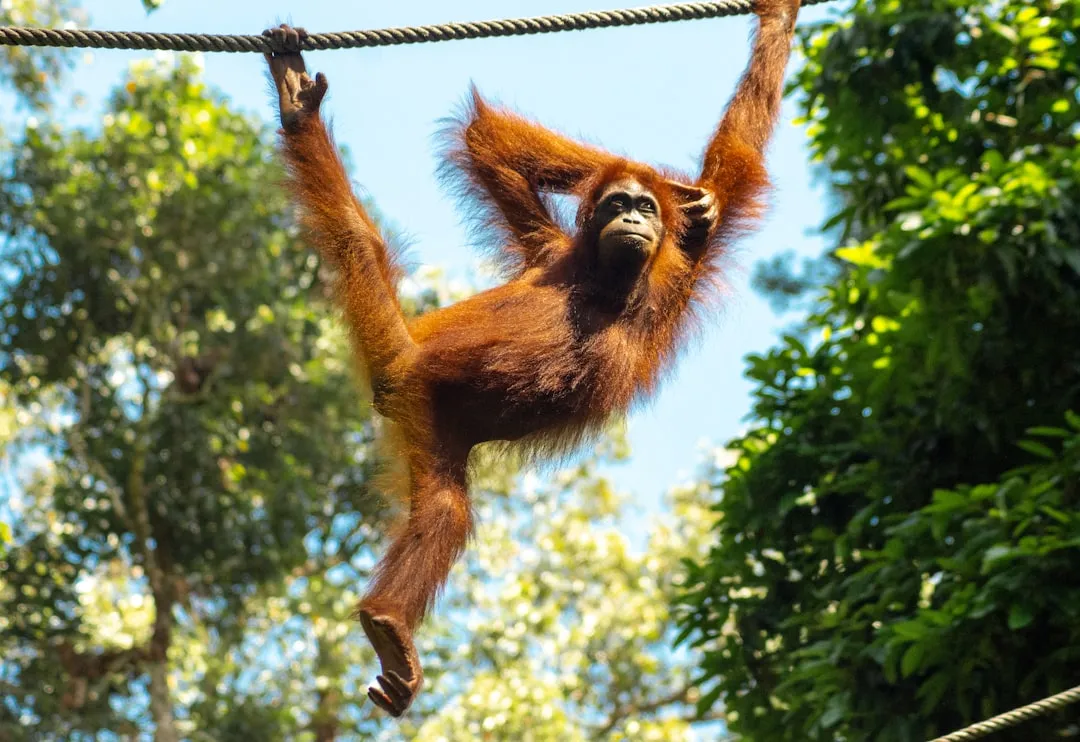
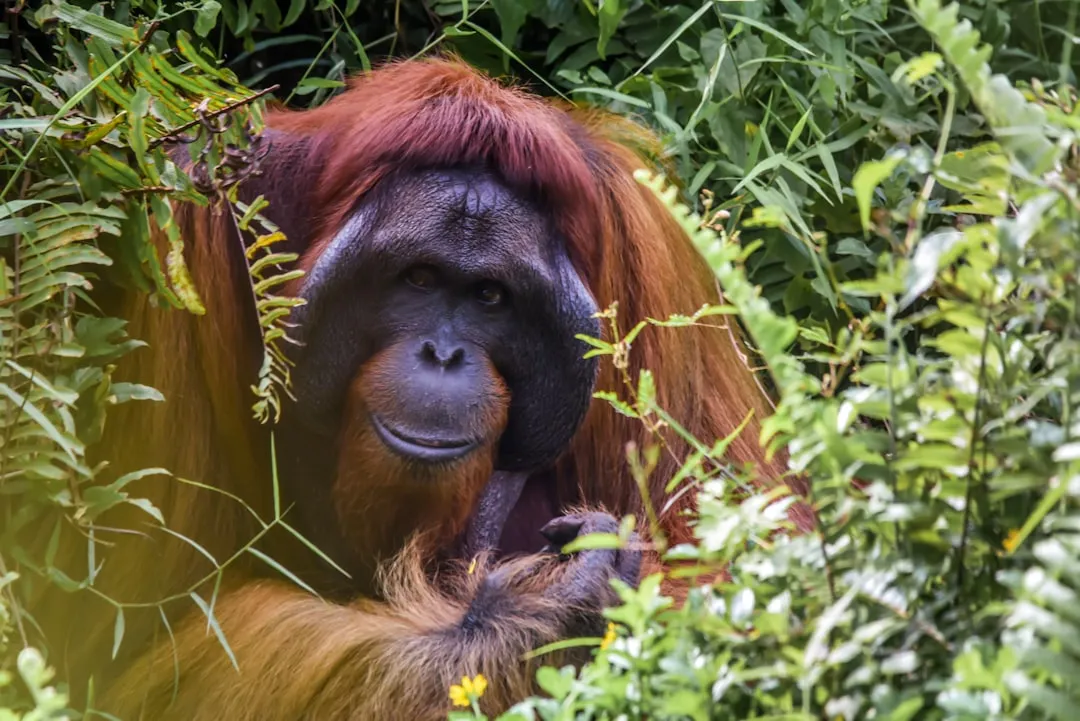
One of the most surprising insights from field studies is that male orangutans, especially the large flanged males with booming calls, often move along routes that look planned rather than random. They do not just head off in whatever direction looks appealing that morning. Instead, their paths through the trees weave toward food sources, potential mates, and familiar resting sites as if they had drawn a rough itinerary the night before. When researchers followed the same individuals over time, patterns began to appear in the way those apes chose their routes.
This planning behavior is especially striking given how complex the rainforest environment is. In dense tropical forests, visibility is limited, trails are not marked, and resources like ripe fruit move around in time and space. For an orangutan to travel efficiently, it has to remember where things were, estimate where they will be, and then select a sensible path that avoids wasting energy. That looks a lot less like aimless foraging and a lot more like a mind actively weighing options before leaving the nest.
Morning Calls That Reveal Tomorrow’s Path
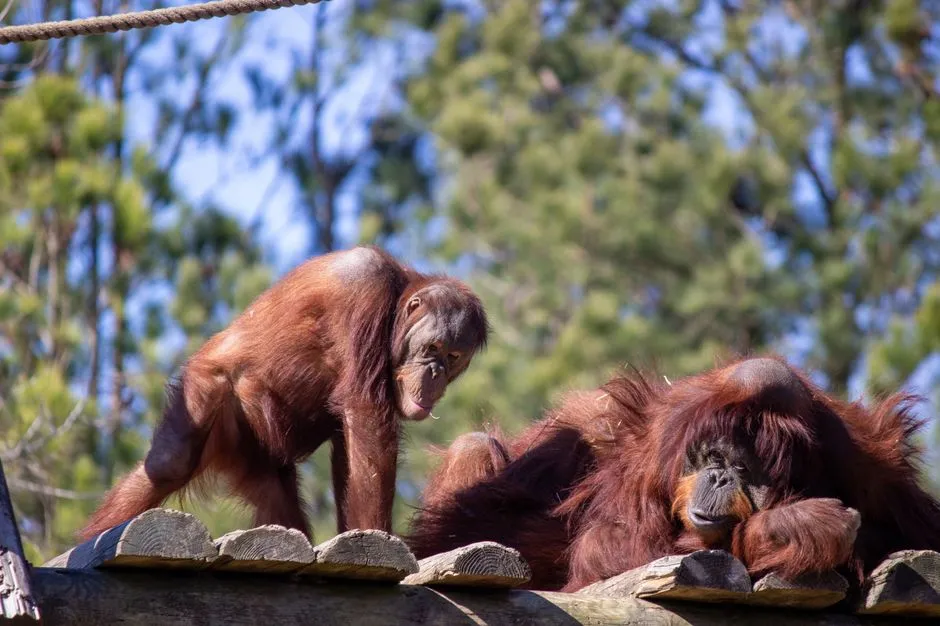
The real twist comes from what orangutans do even before sunrise. In some populations, adult male orangutans produce long, booming calls that echo through the forest, often in the early morning from their sleeping nests. At first glance, these calls might seem like simple announcements of presence, but detailed tracking work has shown that the direction in which a male directs his calls often predicts where he will travel later that day. In other words, the call is not just a broadcast, it is a hint of his future route.
Think about how wild that is: before he has even left his nest, a male orangutan is effectively signaling, through the direction of his voice, the path he intends to take. Other orangutans can hear this and potentially use that information to adjust their own movements, either to meet him or to avoid him. It is a bit like announcing your planned commute route to your neighbors every morning. For scientists, this is one of the clearest windows into the idea that these apes are not just reacting in the moment, they are committing to a travel plan ahead of time.
Sleeping Nests as Strategic Starting Points
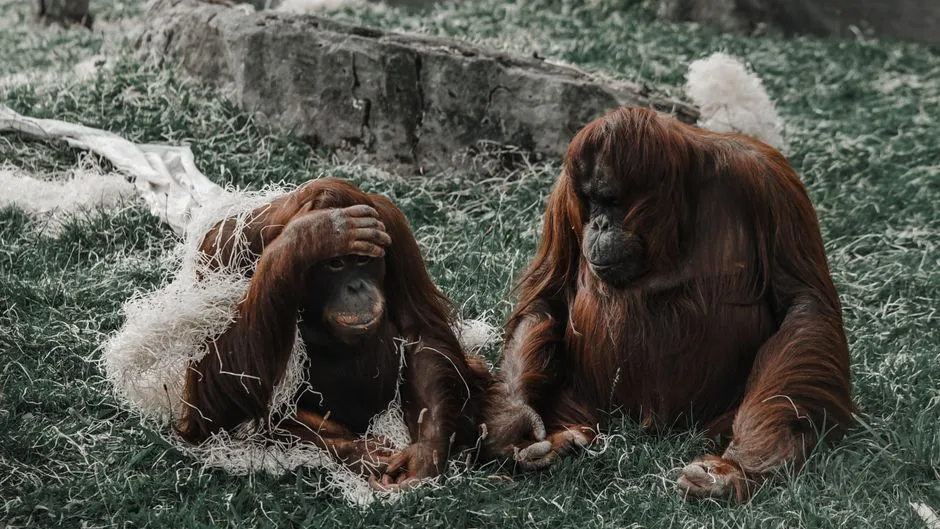
Orangutans build a fresh sleeping nest almost every night, weaving branches into a sturdy, bowl-like structure high in the canopy. These nests are not dropped randomly into the forest; they often appear in locations that make sense when you look at what the animal is likely to do the next day. A nest might be placed near a rich feeding area that will still have fruit in the morning, or somewhere that offers a convenient launching point toward a favorite corridor of trees. The nest, in that sense, is the first move in tomorrow’s plan.
When I first learned that, it reminded me of setting out your running shoes by the door before bed so you are more likely to exercise in the morning. Orangutans may be doing a version of that: by choosing where to sleep, they are shaping their own future choices. This kind of forward-looking behavior is one of the signs scientists use to argue for genuine planning, not just instinct. The nest is both a resting place and a strategic base camp for the next day’s journey.
Memory, Mental Maps, and the Forest in Their Heads
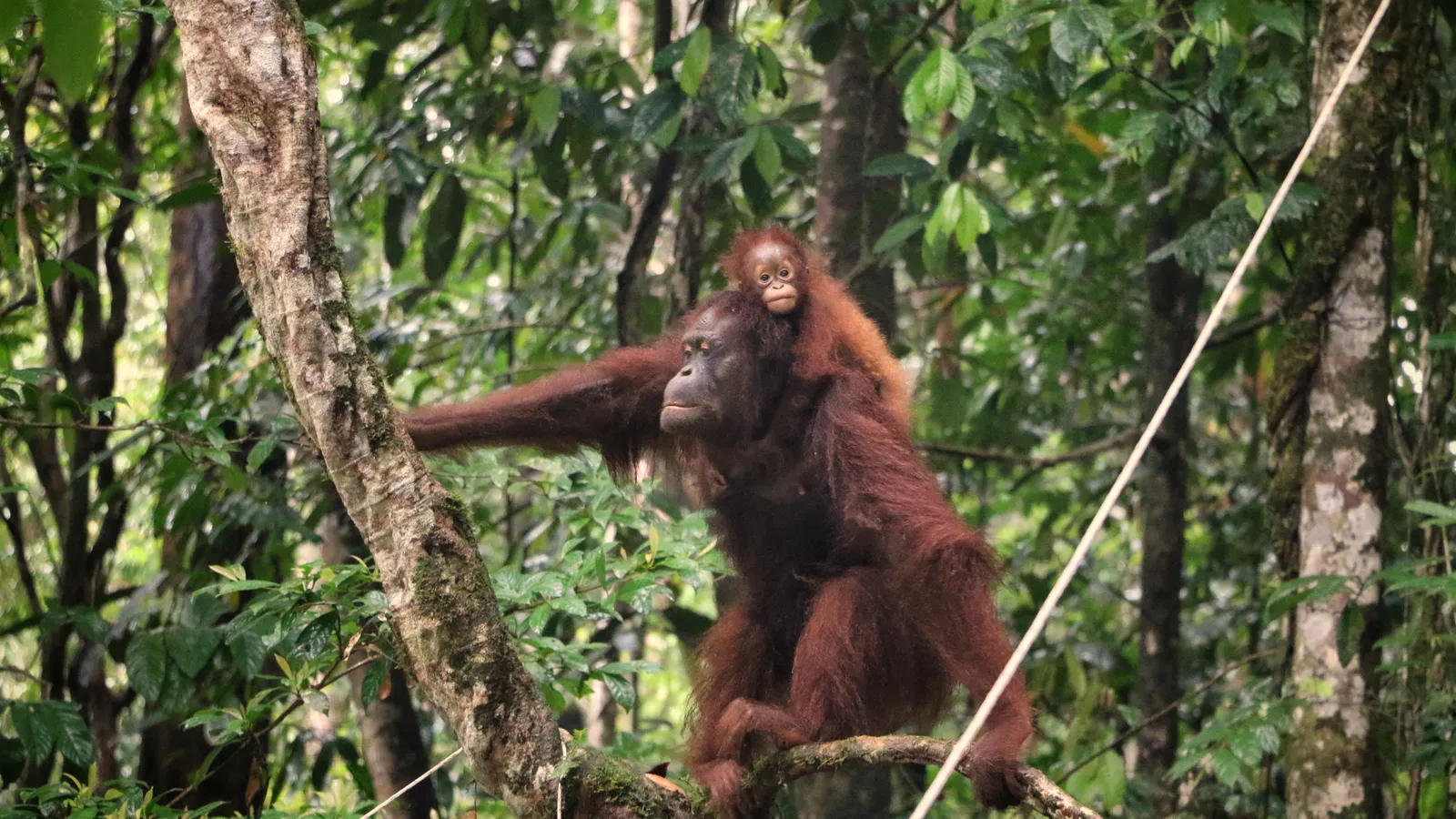
If you or I decided to walk across a city without a phone or a map, we would rely on our memory of streets, landmarks, and shortcuts. Orangutans seem to be doing something similar in the forest, using rich mental maps built up over years of experience. They remember where certain fruit trees are, the seasonal patterns of when those trees produce food, and the treetop pathways that connect key areas. This memory does not just help them survive, it enables them to plan efficient travel routes from their nests.
Scientists studying their movements have seen that orangutan routes often line up with known feeding sites and travel corridors, suggesting that they are not exploring blindly but tapping into long-term spatial knowledge. That level of cognitive sophistication challenges the old stereotype of animals living only in the present. In a way, each orangutan carries an invisible map of its home range, and every morning, from the safety of its nest, it chooses which part of that mental map to traverse next.
Planning Ahead: What This Says About Animal Minds
Planning future routes from a sleeping nest might sound like a small, niche behavior, but it actually plugs straight into a huge question in cognitive science: which animals can think about the future in a flexible way? Humans pride themselves on planning, from grocery lists to life goals, but behaviors like those seen in orangutans show that at least some other species also step mentally into tomorrow. They are not just reacting to what is in front of them; they are simulating what will be there later and acting accordingly.
That matters because it tells us planning is not a uniquely human trick bolted on at the last minute in evolution. Instead, it might be part of a deeper toolkit that great apes share, expressed in different ways depending on their lifestyle. For orangutans, who live mostly alone in a sprawling three-dimensional world of branches and vines, planning routes from the nest is exactly the sort of future-thinking skill you would expect natural selection to favor. It is quiet, practical intelligence, not flashy, but incredibly powerful.
Why Route Planning Matters in a Changing Forest
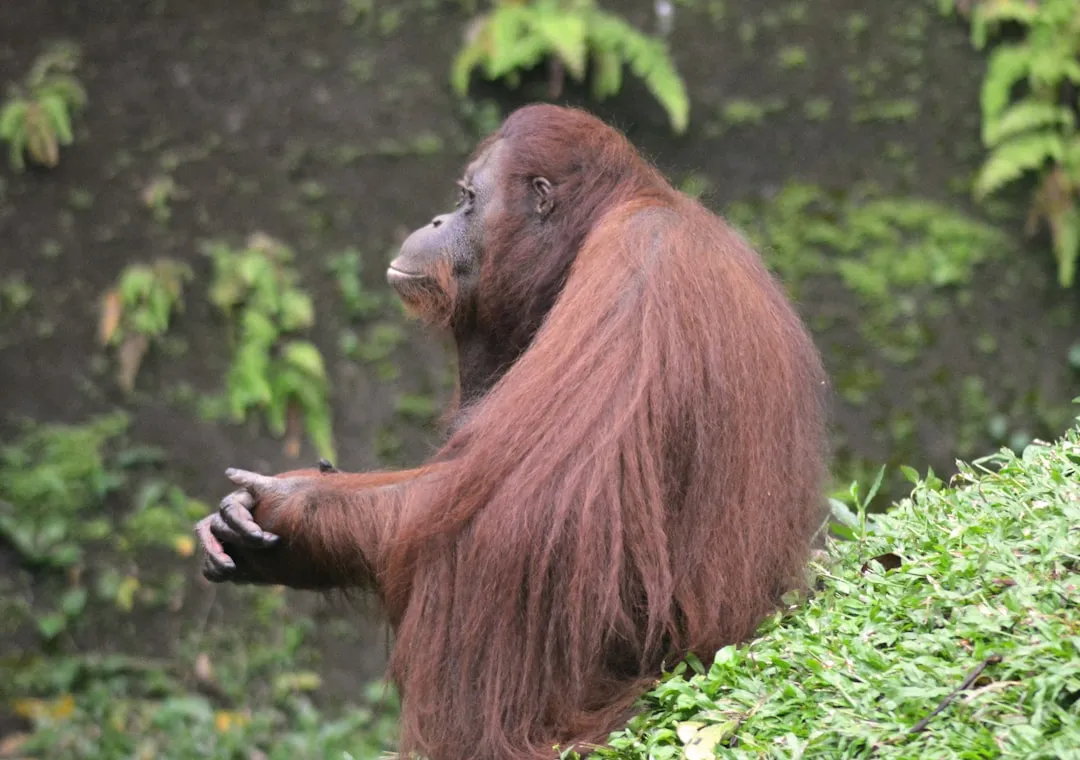
Planning where to travel from the nest is not just an intellectual curiosity; it has real survival consequences. Orangutans live in forests where high-calorie foods like ripe fruit are scattered and can be unpredictable. An individual that can remember where food will likely be and plan a sensible path saves energy, reduces risky detours, and can maintain better health in the long run. Over many years, that edge can make the difference between thriving and just scraping by.
Now layer on top of that the pressure of human-driven habitat change. As forests are fragmented, roads appear, and logging reshapes landscapes, the mental maps inside orangutans are being disrupted. The routes they once planned may now lead to empty clearings or dangerous edges. To me, that makes their planning ability feel heartbreakingly fragile and incredibly important. They are like master navigators whose charts are being redrawn without warning, forced to adapt their carefully honed travel strategies to a world that will not sit still.
Rethinking Orangutans: From Forest Ghosts to Thoughtful Travelers
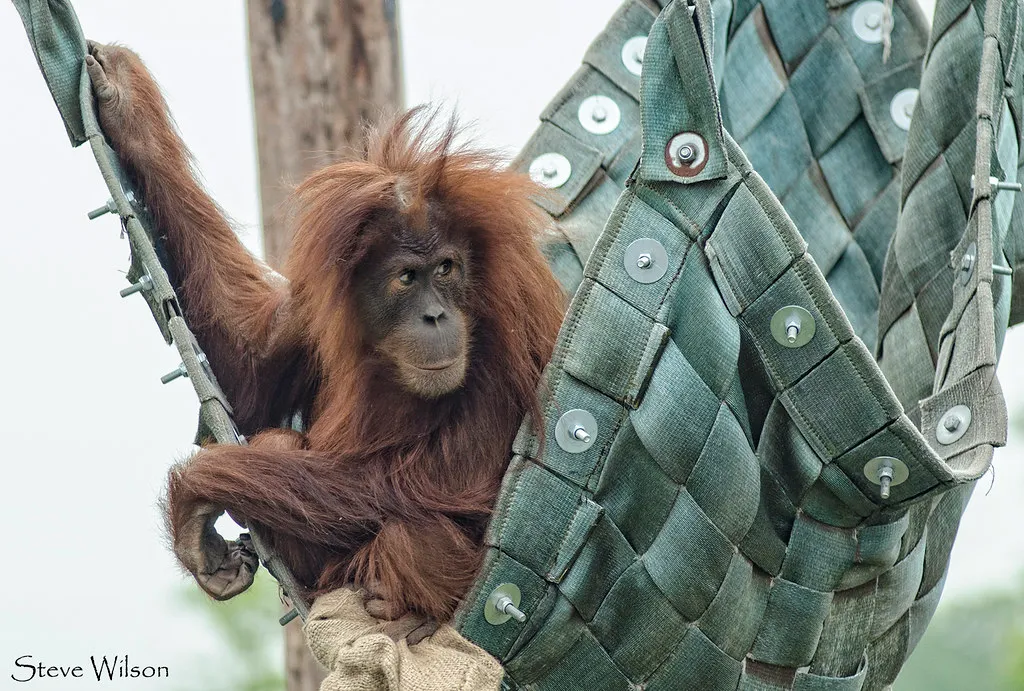
For a long time, orangutans were often portrayed as shy, almost ghostly figures that move slowly and quietly through the trees. Learning that they likely plan travel routes from their sleeping nests blows that image open. Instead of passive forest dwellers, we see deliberate travelers, capable of thinking ahead, weighing options, and staking out paths before dawn. That shift, in my view, demands more respect and a much deeper sense of kinship with them.
My own opinion is that once you accept an orangutan as a thoughtful planner rather than a wandering forager, it becomes much harder to justify the ways we still treat their habitats as expendable. You are no longer just bulldozing trees; you are tearing through the mental maps and planned routes of beings that woke up that morning with a destination in mind. If that does not change how we see our responsibility toward them, what will? And next time you plan your own commute, will you wonder who else, high in the canopy, is doing the very same thing in their own quiet way?
